Sunday, December 28, 2025
Home Blog Page 1998

Iran embassy rejects Guardian’s report about arms supplies to Russia

The Guardian

On its Twitter account, the Embassy of the Islamic Republic of Iran described the report by The Guardian as unrealistic and baseless storytelling.

The Iranian Embassy said the attempt to link the recent developments in Ukraine to the developments in the Middle East and mentioning the name of the Islamic Republic of Iran is an unacceptable act and a kind of disrespect to the readers of the newspaper.

It added The Guardian is expected to publish the truth, but today’s article contradicts this approach.

“We express our protest against this matter and demand the necessary action in this regard”, the Iranian Embassy in London reiterated.

The Guardian has claimed that anti-tank missiles and RPGs are being supplied to the Russian forces fighting in Ukraine through undercover networks via pro-Iran militias there.

Iran has openly said it does not take sides in the Ukraine conflict and that it believes dialog is the only solution to disputes between Moscow and Kiev.

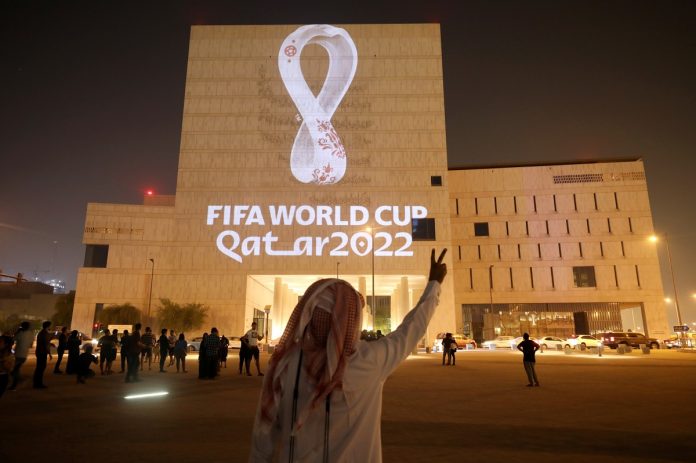
Iran announces free visas for visitors during FIFA World Cup 2022

FIFA World Cup Qatar

“Another agreement made during the president’s visit to Qatar has been implemented; with the government’s approval today (April 13, 2022), it has been decided that issuance of visas for visitors who seek to travel to Iran during the FIFA World Cup 2022 would be free,” Ali Bahadori Jahromi said in a tweet.

“This ratification can be effective in attracting and encouraging World Cup tourists to travel to Iran and in boosting the tourism industry in the country.”

Qatar, which hosts the 2022 World Cup, is just 140 kilometers away from southern Iranian coastlines.

Iran and Qatar have already signed an agreement so that visitors can travel to Qatar through the southern Iranian Island of Kish by boats, to watch the games

33 more people die of Covid in Iran

COVID in Iran

Official figures show 34 cities across Iran are red and 54 ones are blue. The two colors respectively show the highest and lowest risk from Covid.

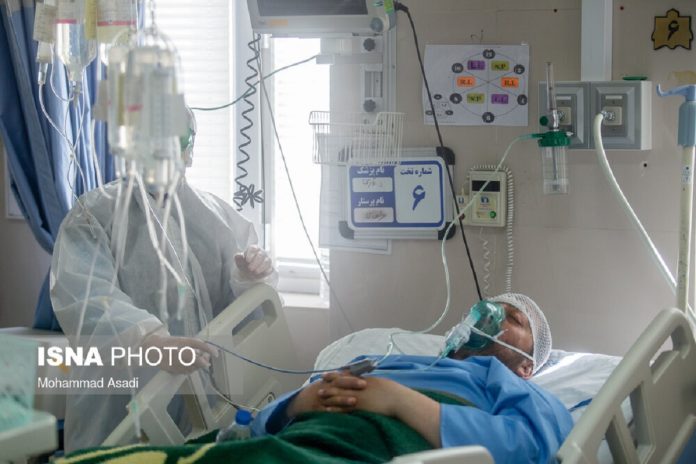
On Wednesday, Iranian Health Ministry figures showed that 33 people died of Covid in the past 24 hours. This pushed the total death toll from the virus to 140,711.

The daily caseload was 2,356 including 376 hospitalizations.

The downward trend in deaths and infections has been attributed to a nationwide vaccination drive that has seen over 148 million doses of vaccine administered over the past year. More than 26 million people are triple-vaxxed in the country of more than 85 million people.

Report: Hundreds of ex-Afghan officials, soldiers killed, kidnapped by Taliban

Taliban

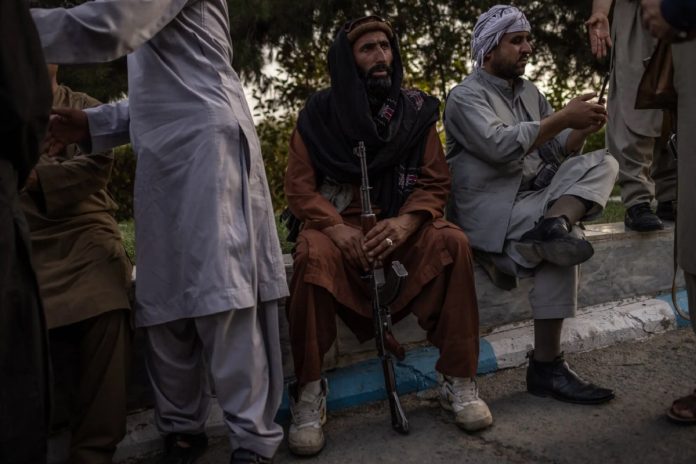
The Taliban takeover in Afghanistan took place last August amid a complete withdrawal of US troops, spurring fears of revenge by the Taliban among the former military and state officials, as well as those who assisted the US and allied forces. Refugees were fleeing en masse to avoid reprisals. In turn, the Taliban government announced a general amnesty, assuring the safety of former government workers and personnel of the Afghan security forces.

Yet an investigation conducted by The New York Times has revealed that about 500 former state officials and military personnel were either murdered or forcibly disappeared within six months of the Taliban’s resurgence.

The paper confirmed 86 killings in Baghlan Province alone, with 114 people missing in Kandahar Province. The daily added the Taliban is exploiting the amnesty as a trap to lure soldiers out of hiding.

“They summoned me to the police headquarters. I figured because if the amnesty they might just ask a few questions…They started beating me and threw me in a water well, while telling me, ‘You’ve fought against us for many years and killed so many of our best people’. I really believed that they were going to kill me. So many of my fellow soldiers were also thrown into the water well. These brutalities still continue to this day,” a former Afghan military commander, who claimed anonymity told the NYT.

Taliban officials have denied the killings, saying the allegations are baseless and being used as propaganda tool by their opponents “in order to mislead the opinion of the world” about the Taliban.

The newspaper added that its staff conducted an investigation for seven months, using various methods to verify the data, including forensic video examinations, local media reports, and interviews with survivors, witnesses, and family members of the victims.

The Taliban’s swift ascension to power in Afghanistan occurred in mid-August 2021, triggering such economic distress that it pushed the country to the brink of a humanitarian crisis. Thousands of Afghans fled the country fearful of the Taliban’s revenge and widespread violations of human rights. The dire economic and humanitarian situation compelled the Taliban to announce an amnesty to help prevent people from fleeing the country and enables Afghanistan to avoid isolation from the outside world

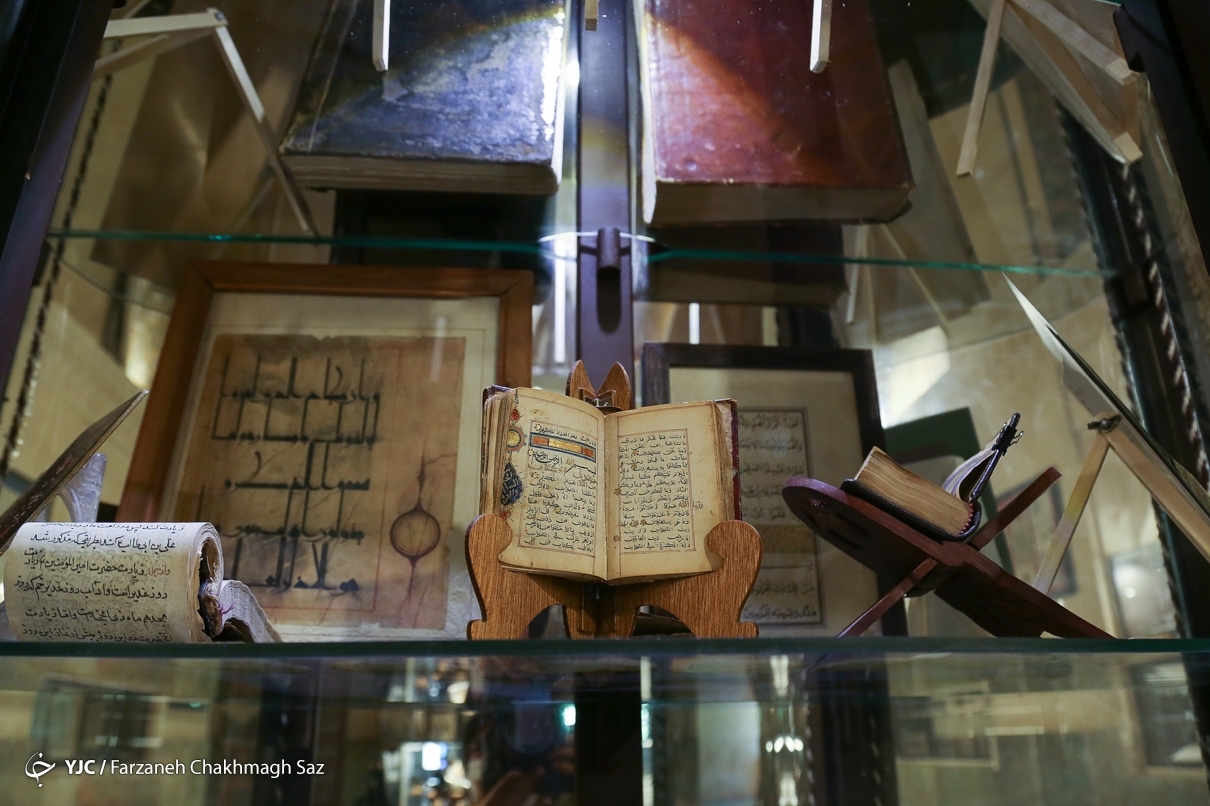
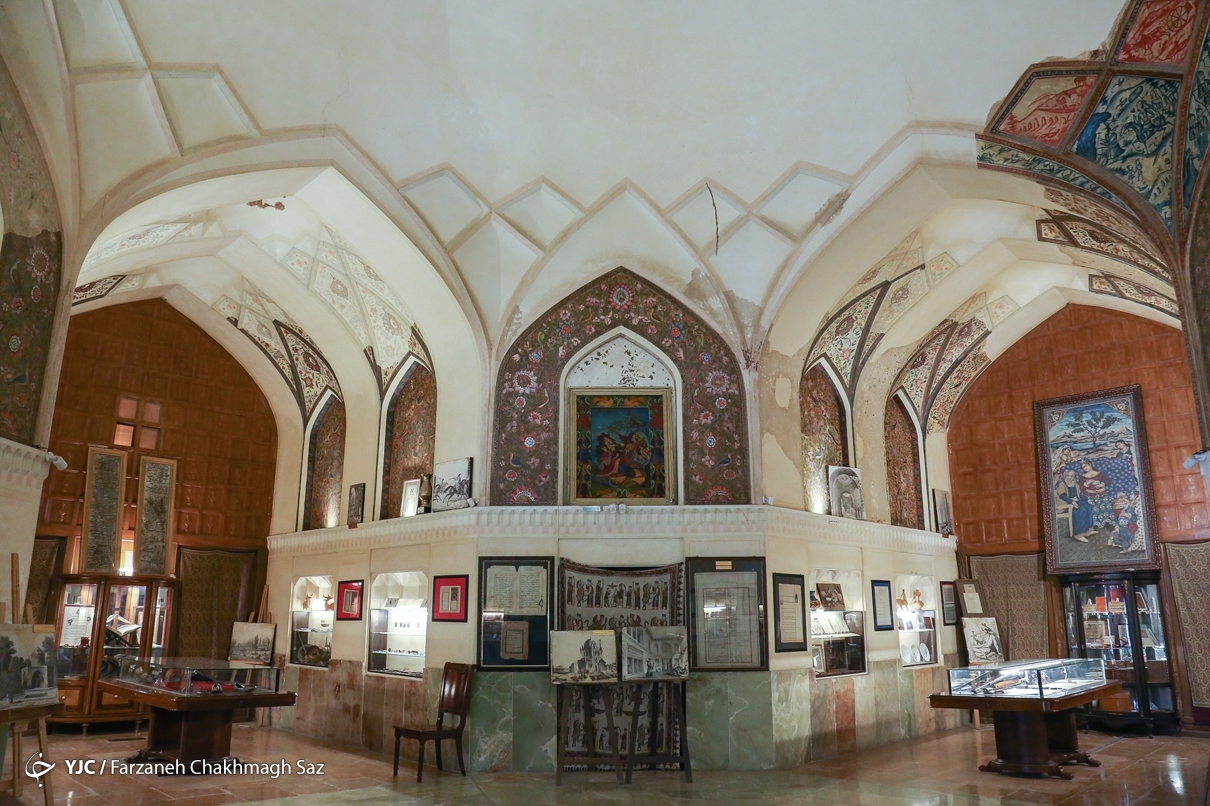
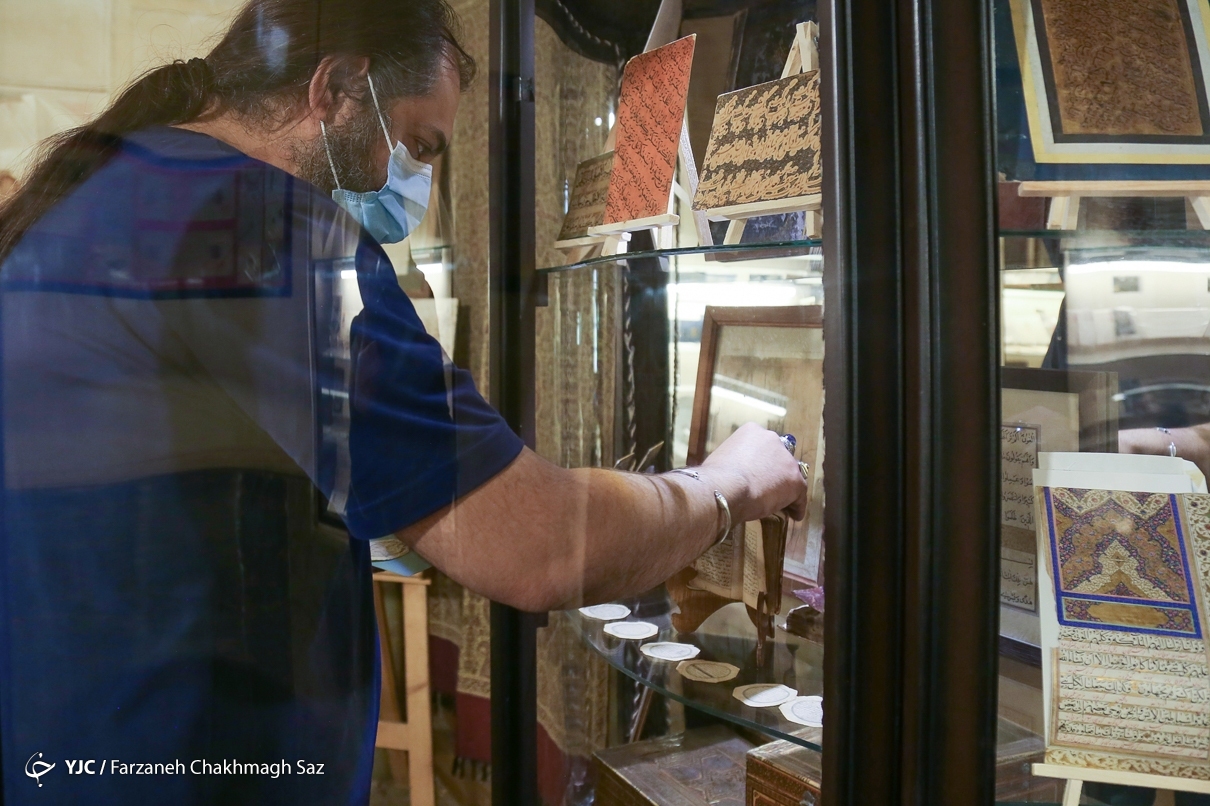
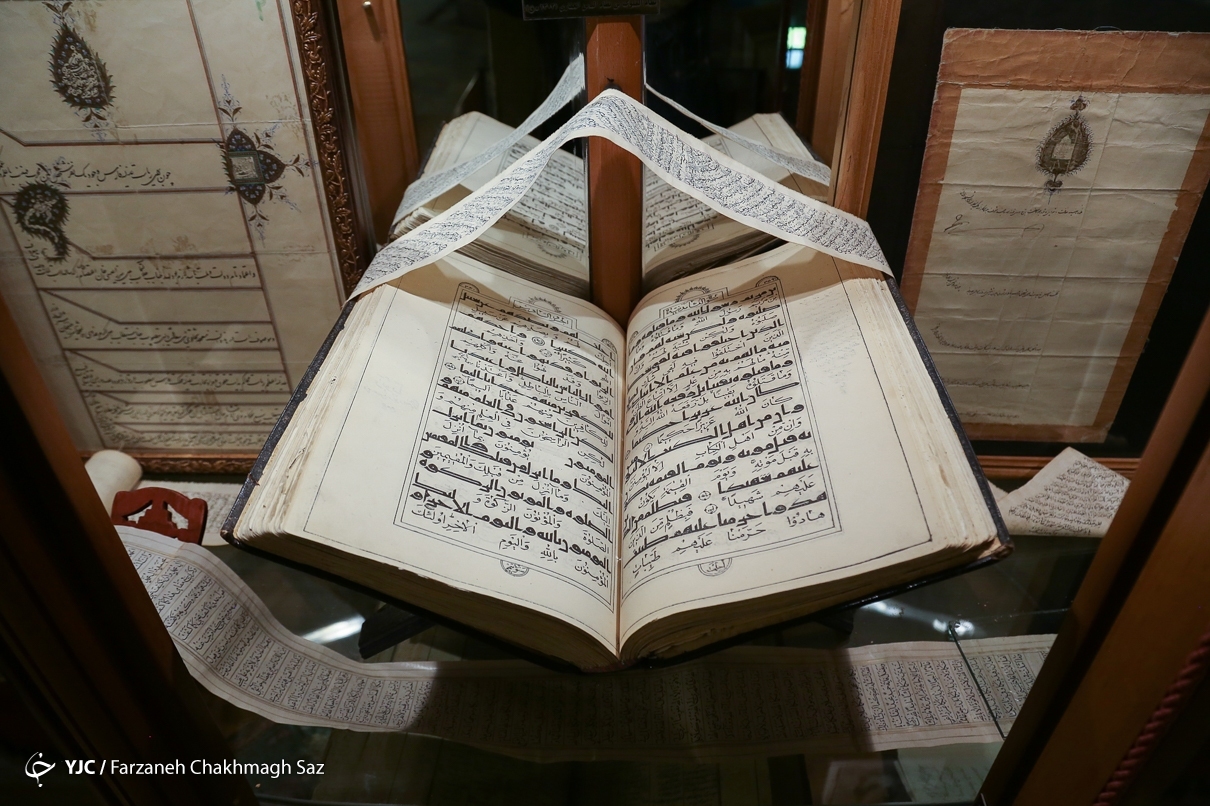
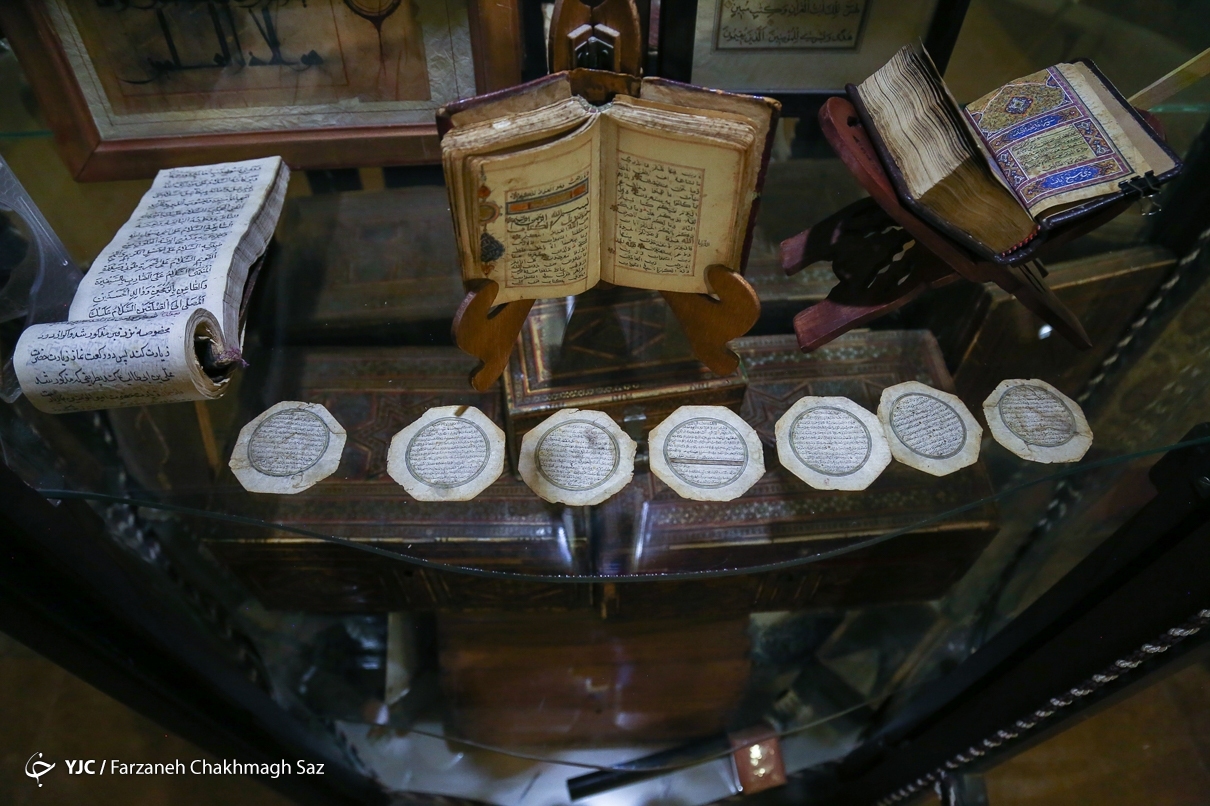
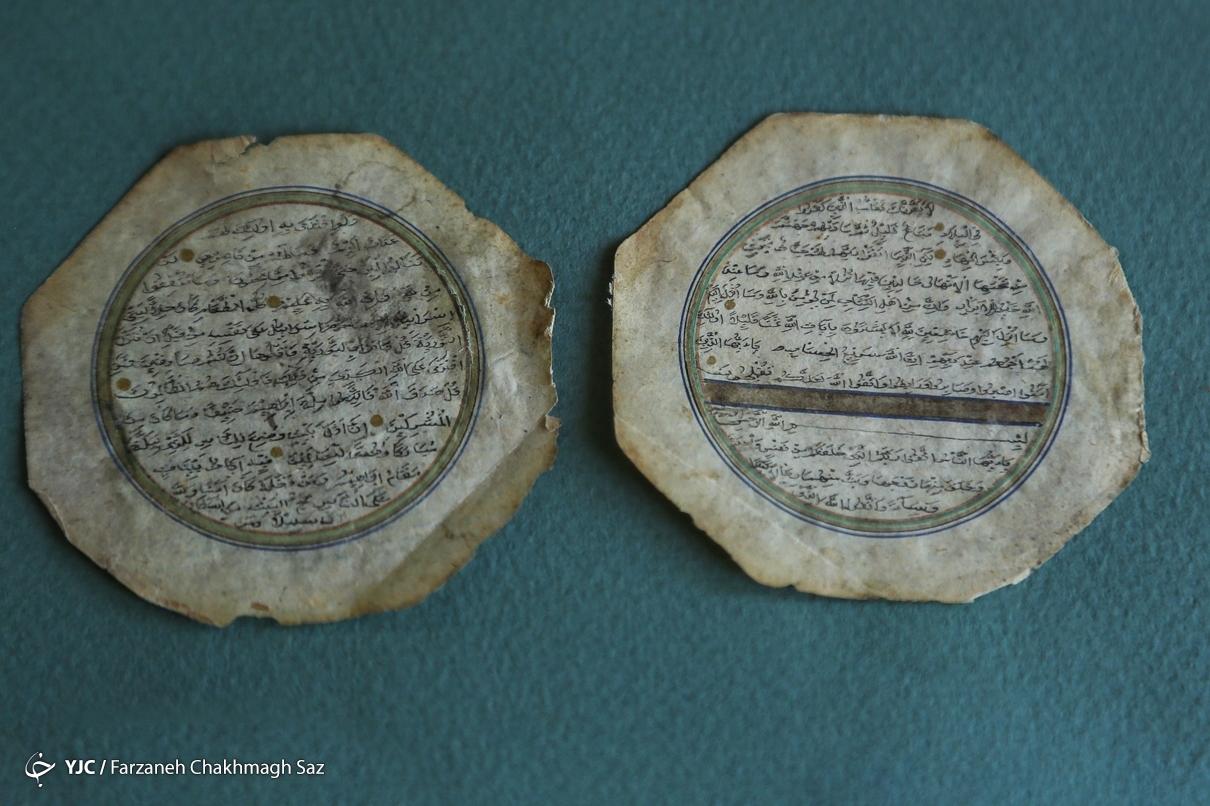
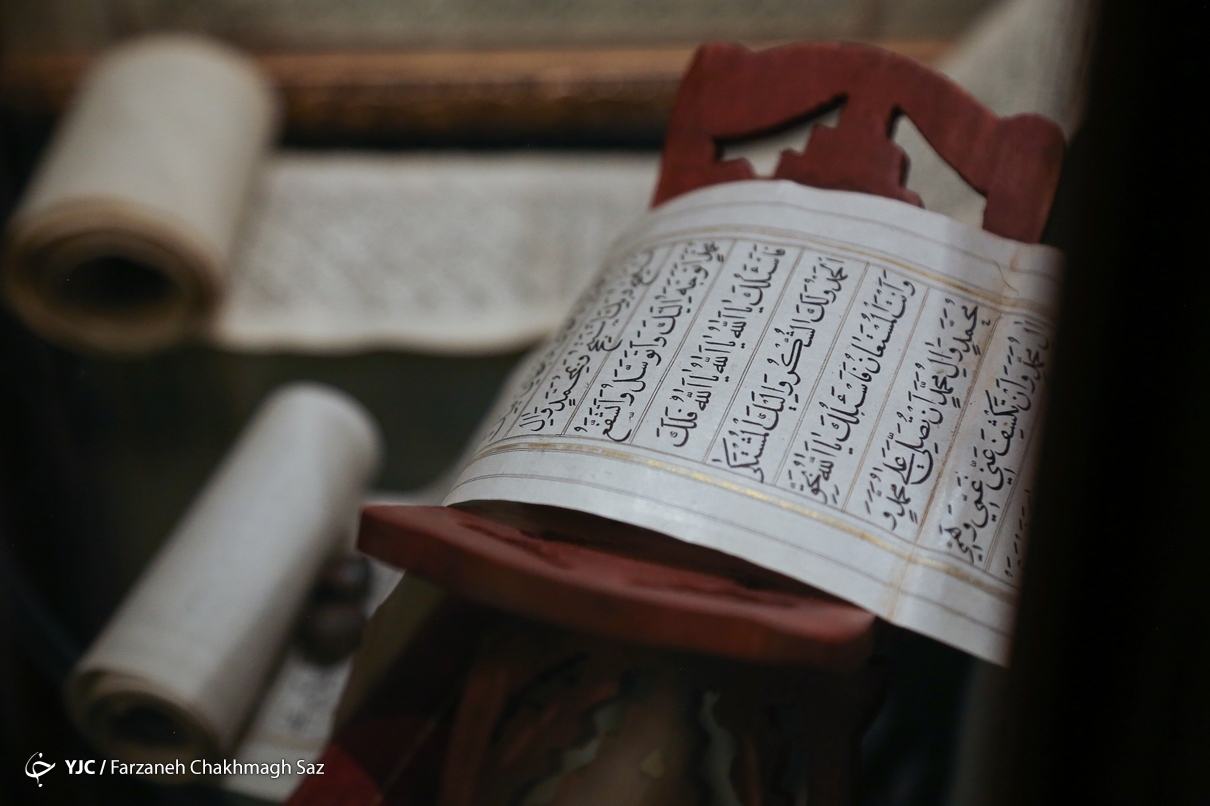
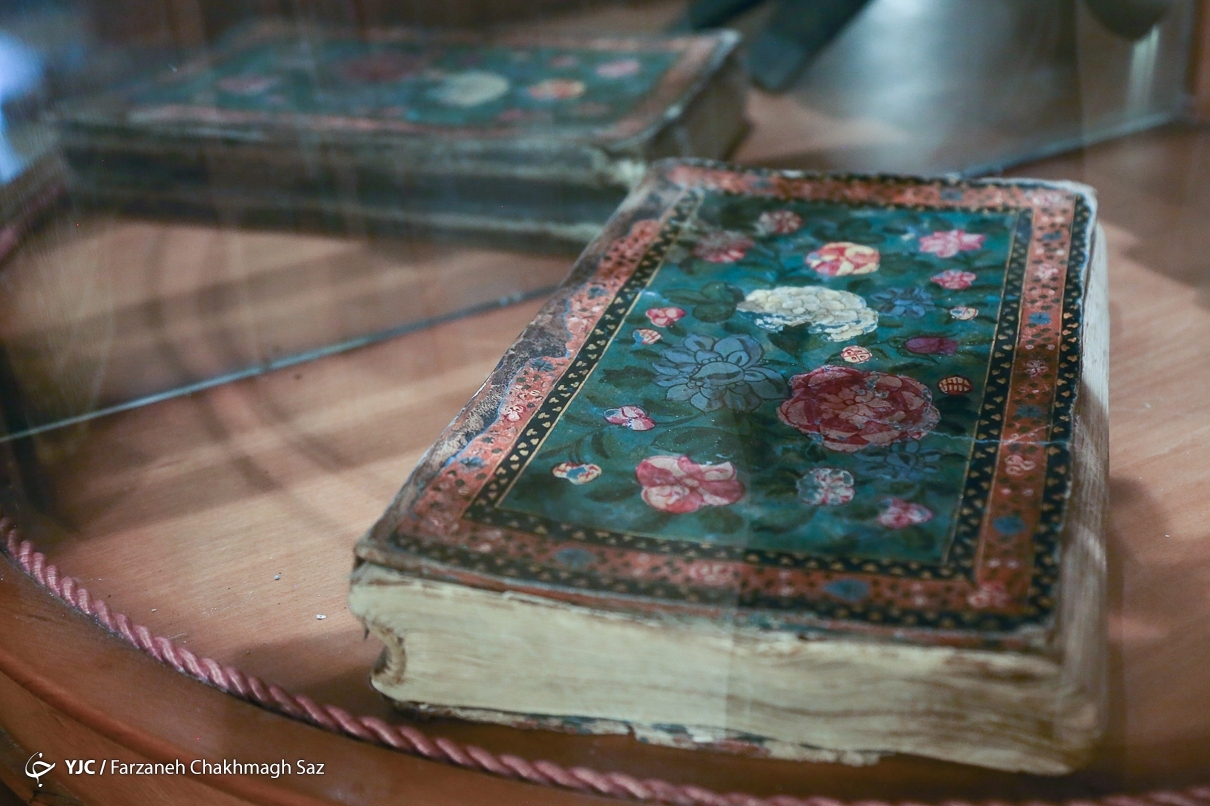
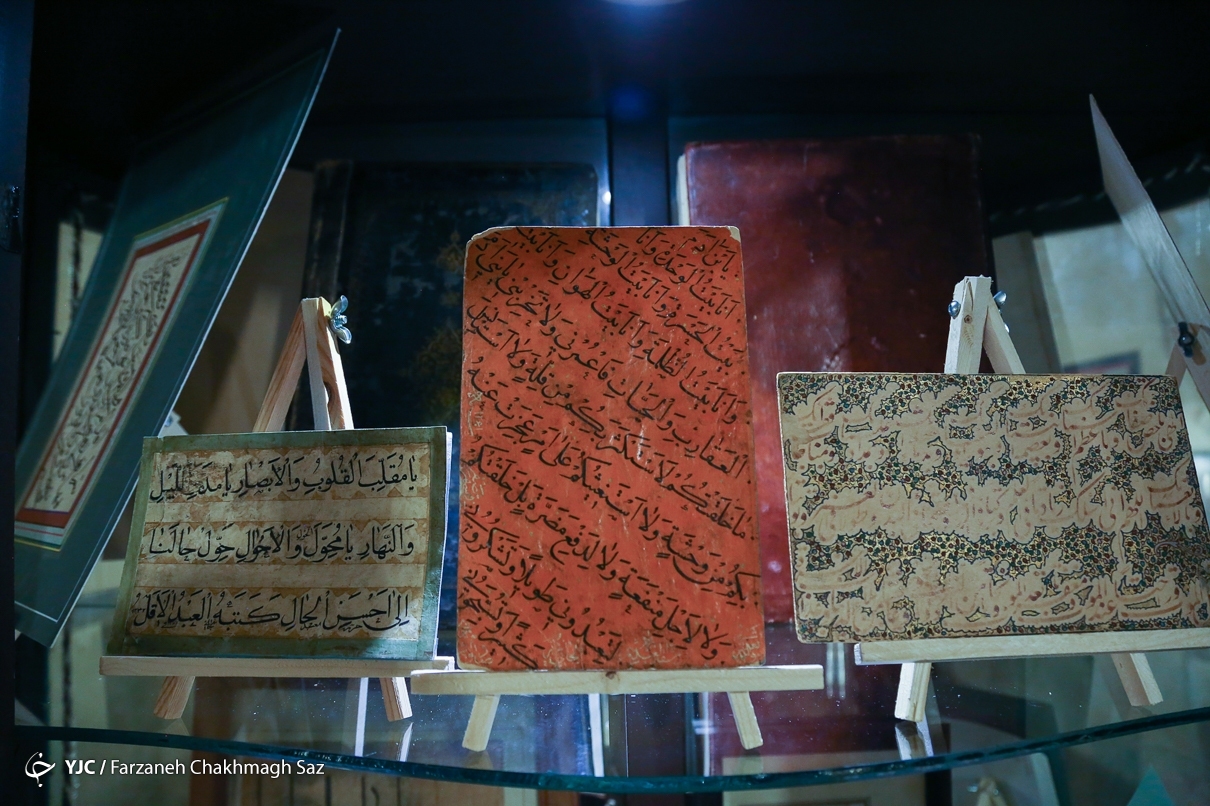
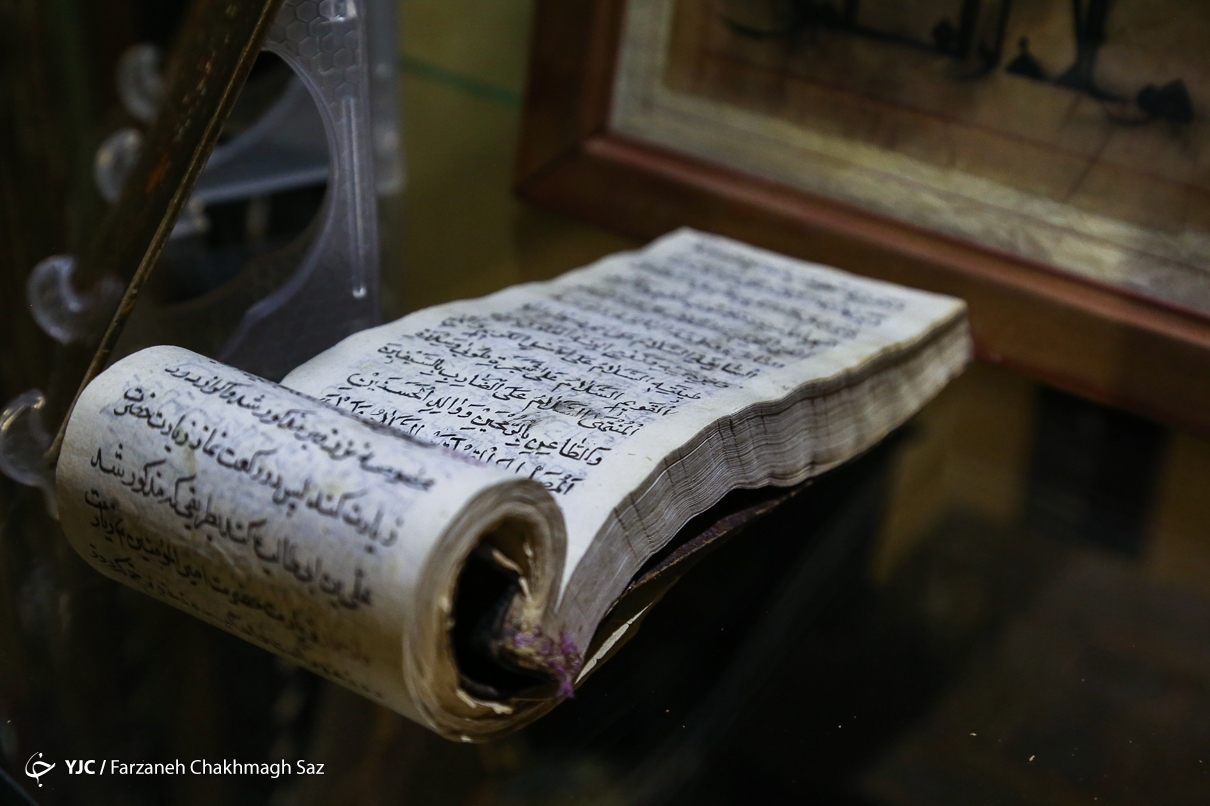
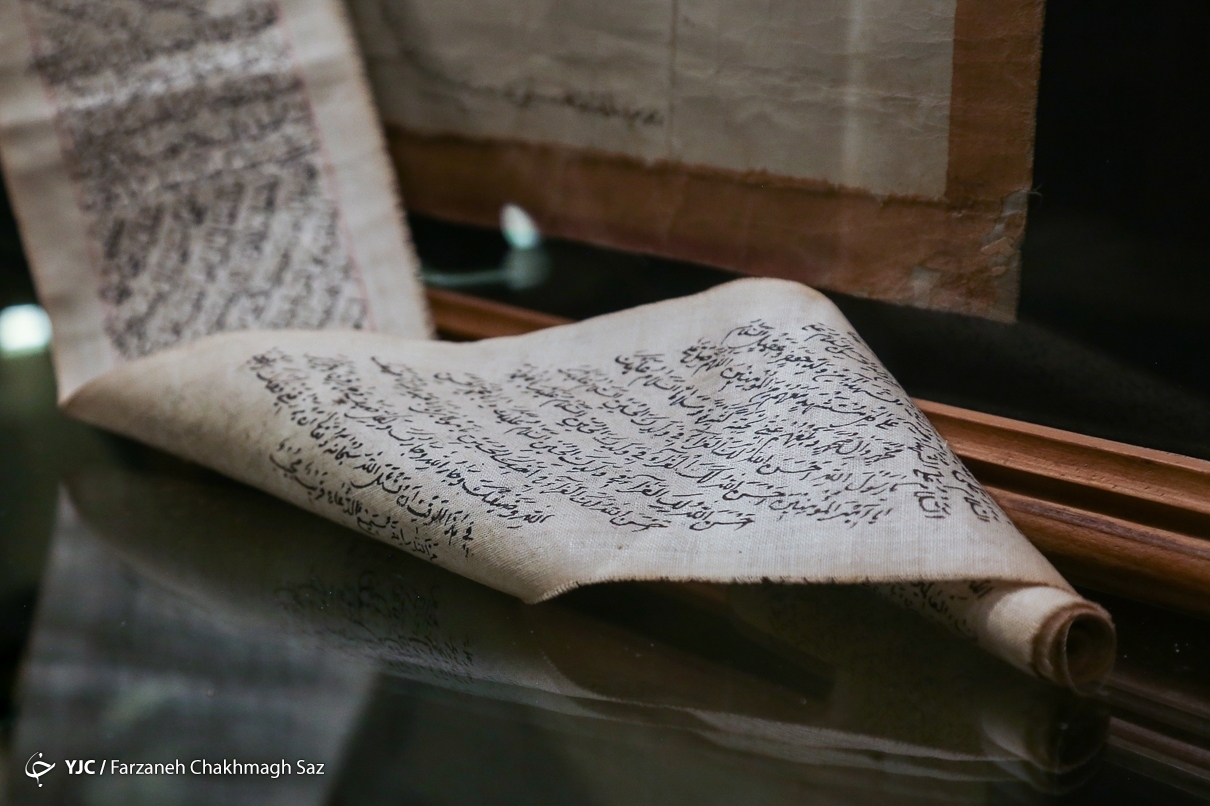
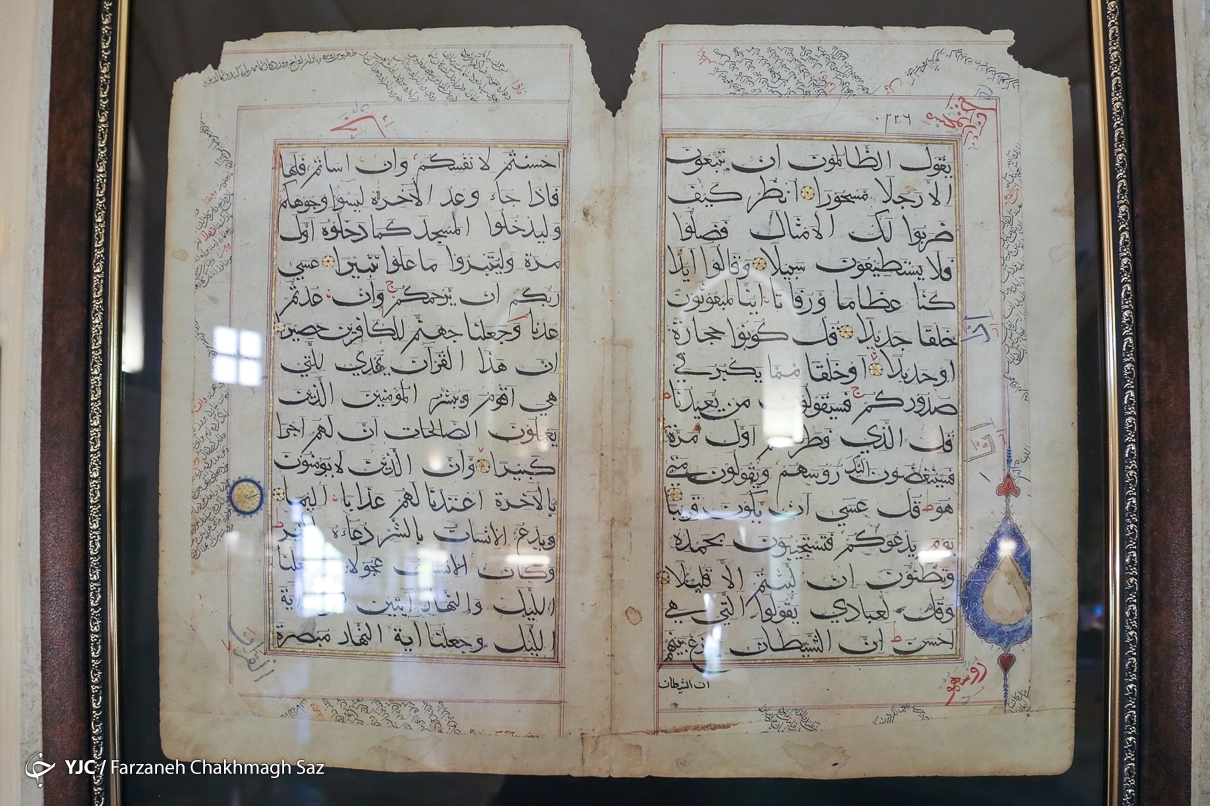
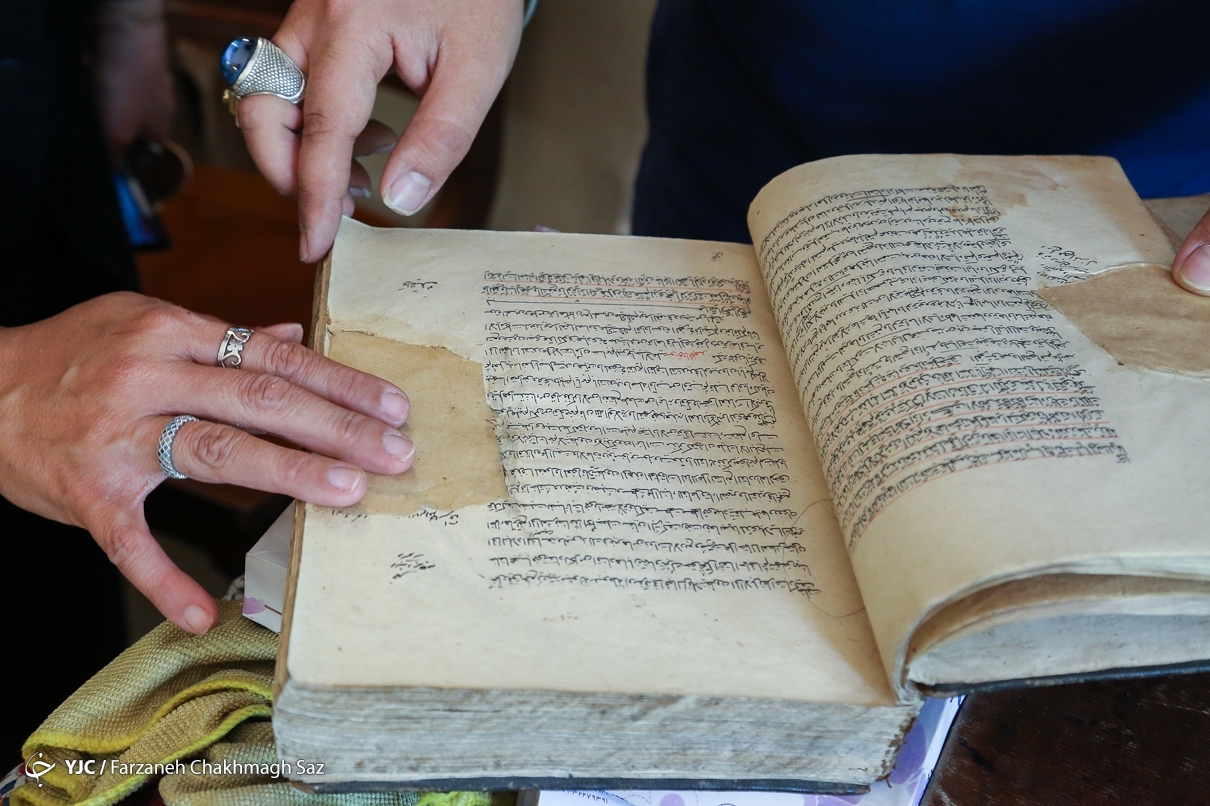
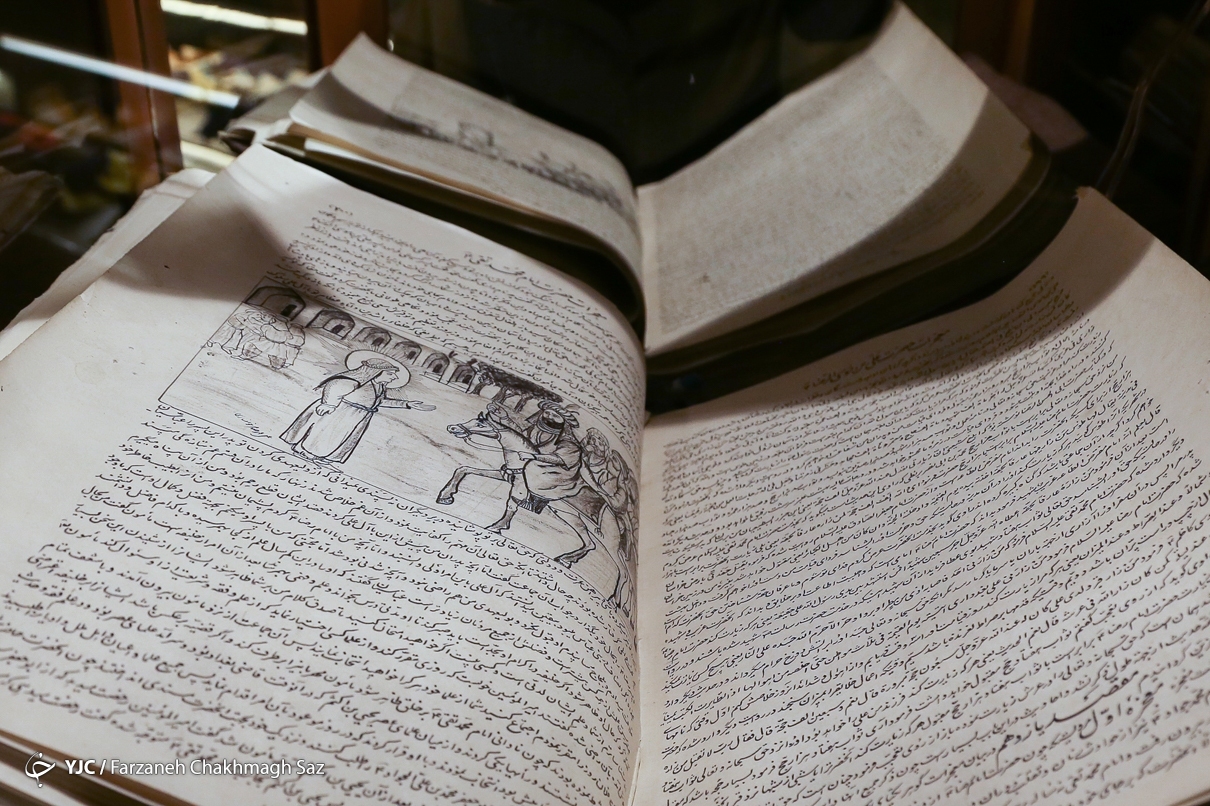
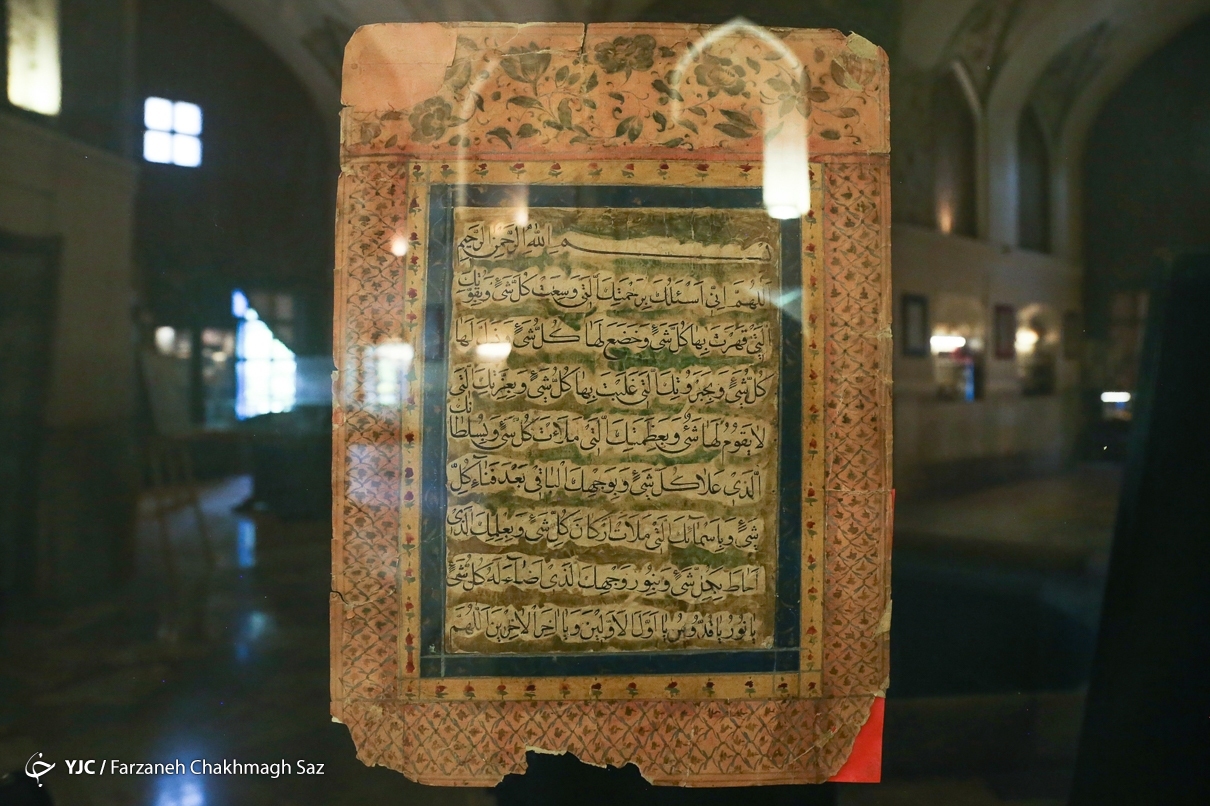
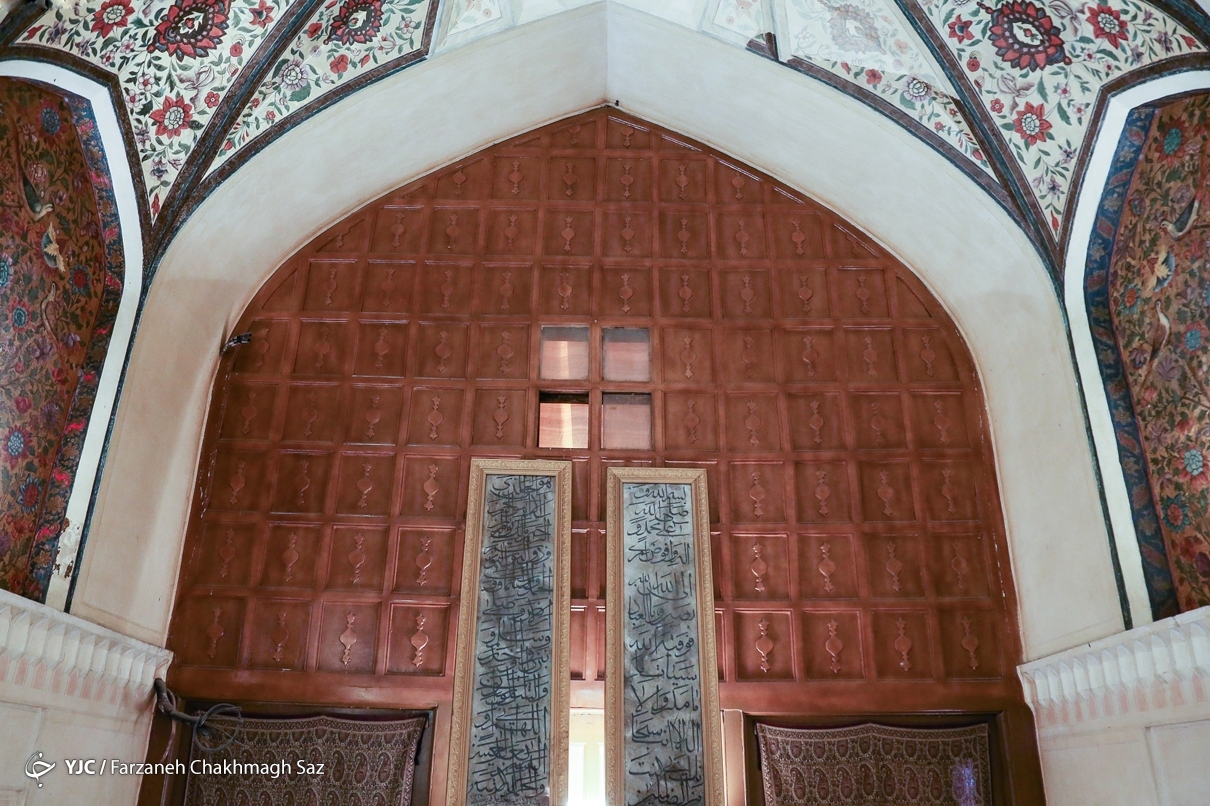
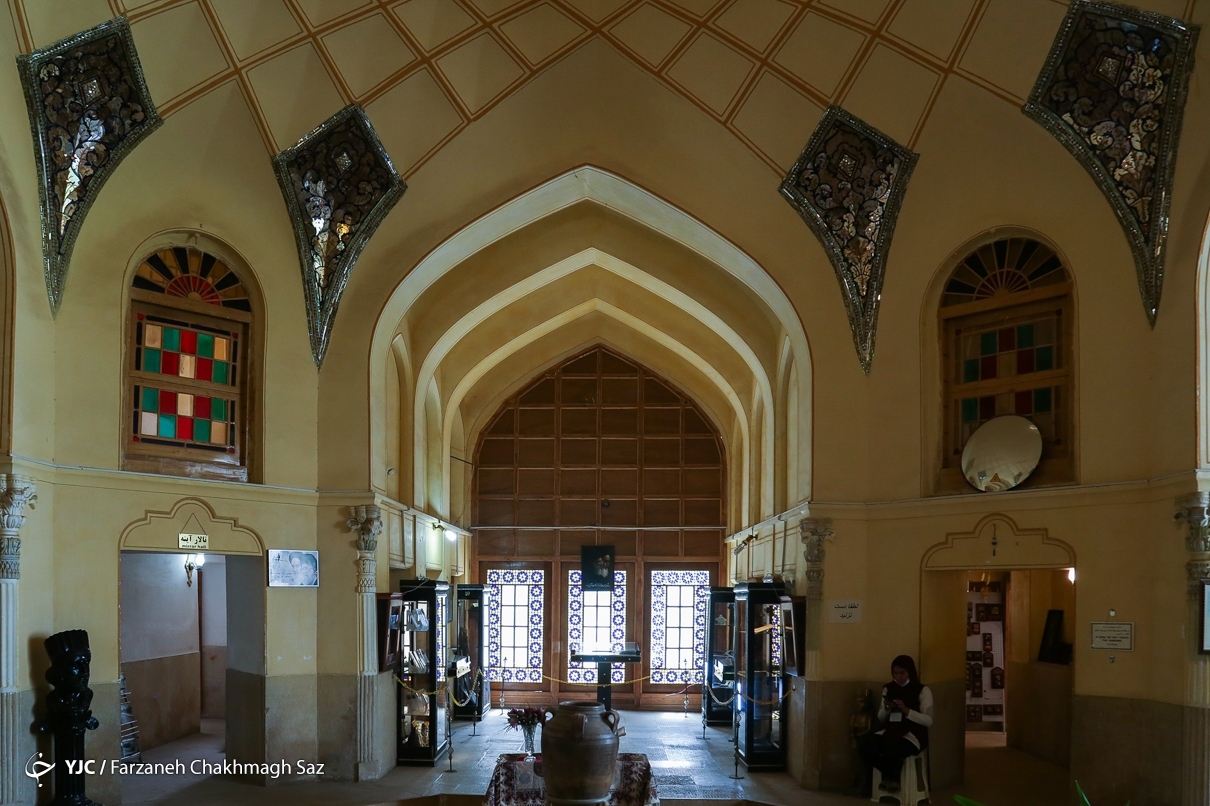
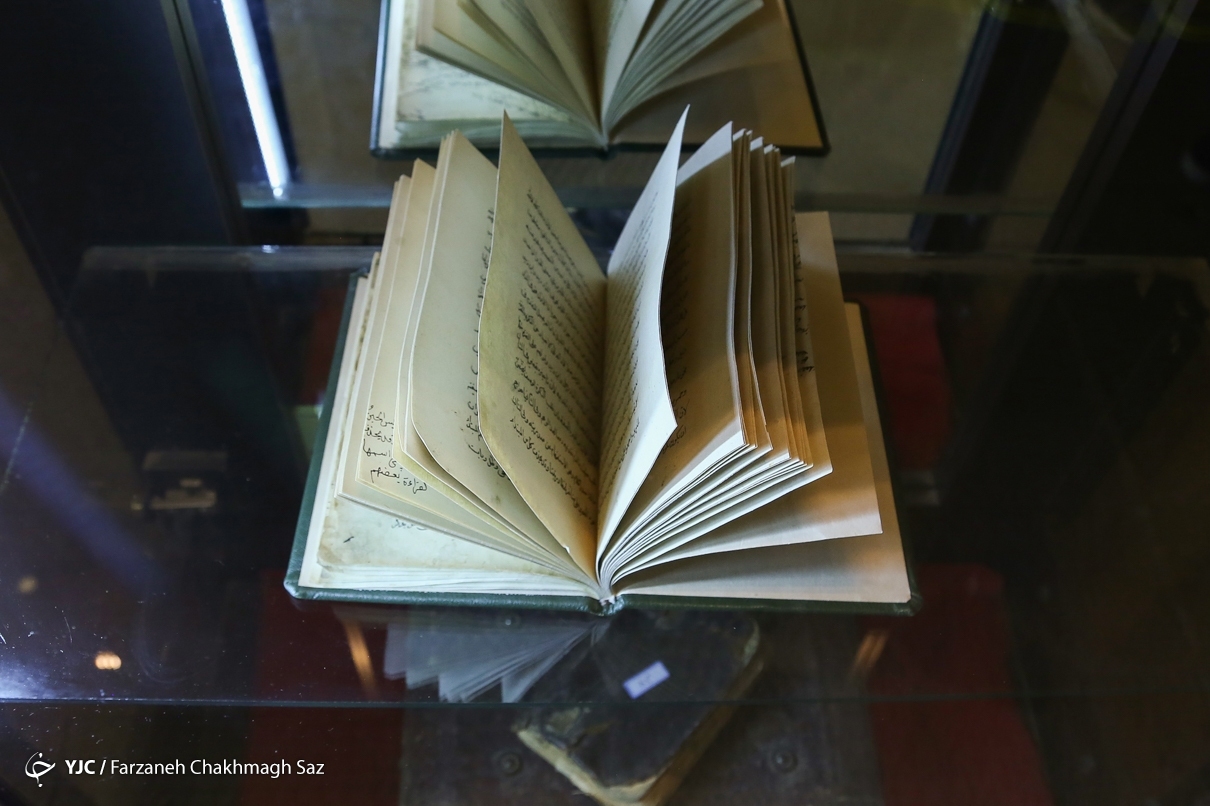
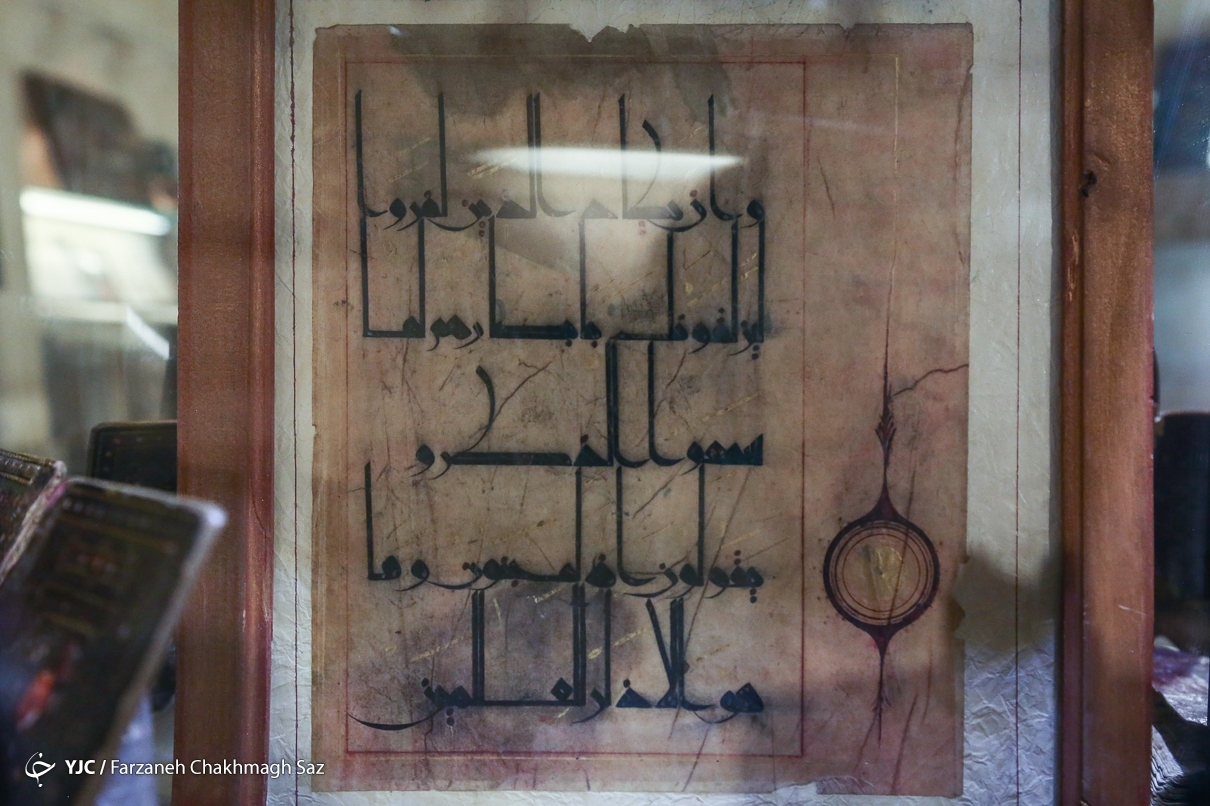
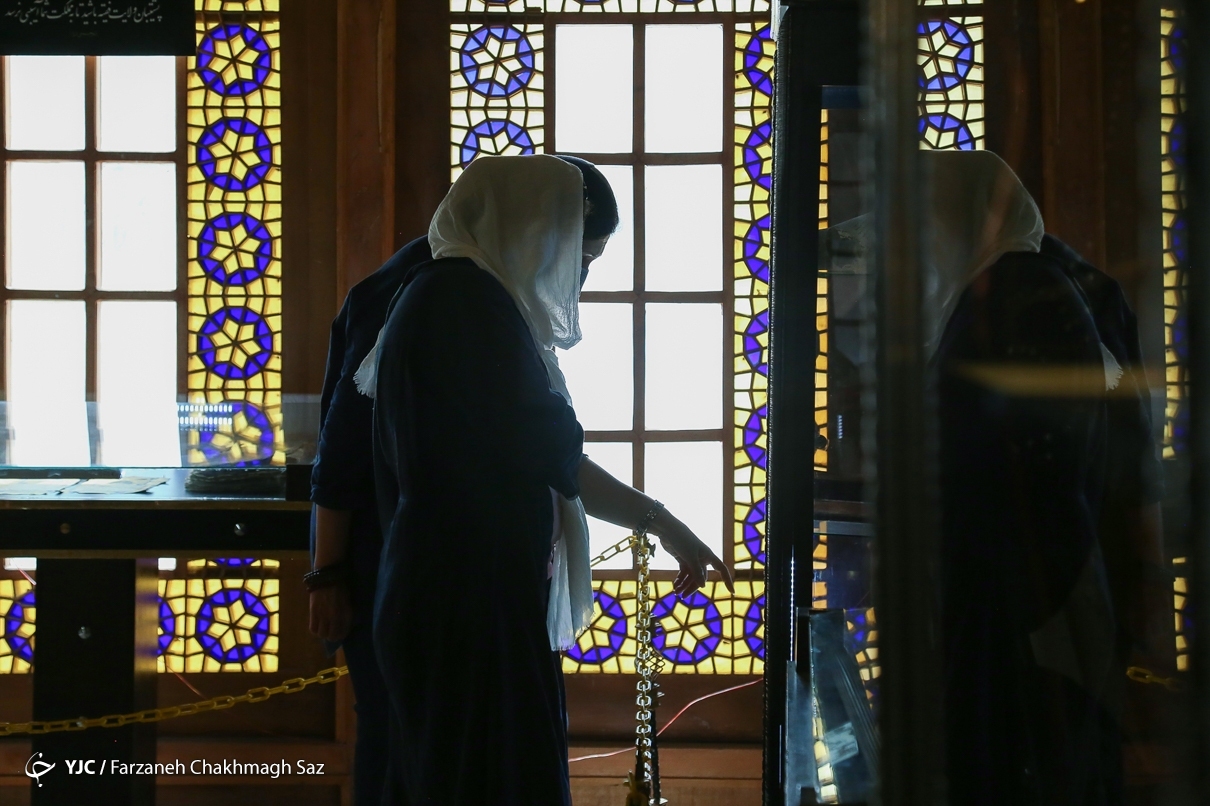
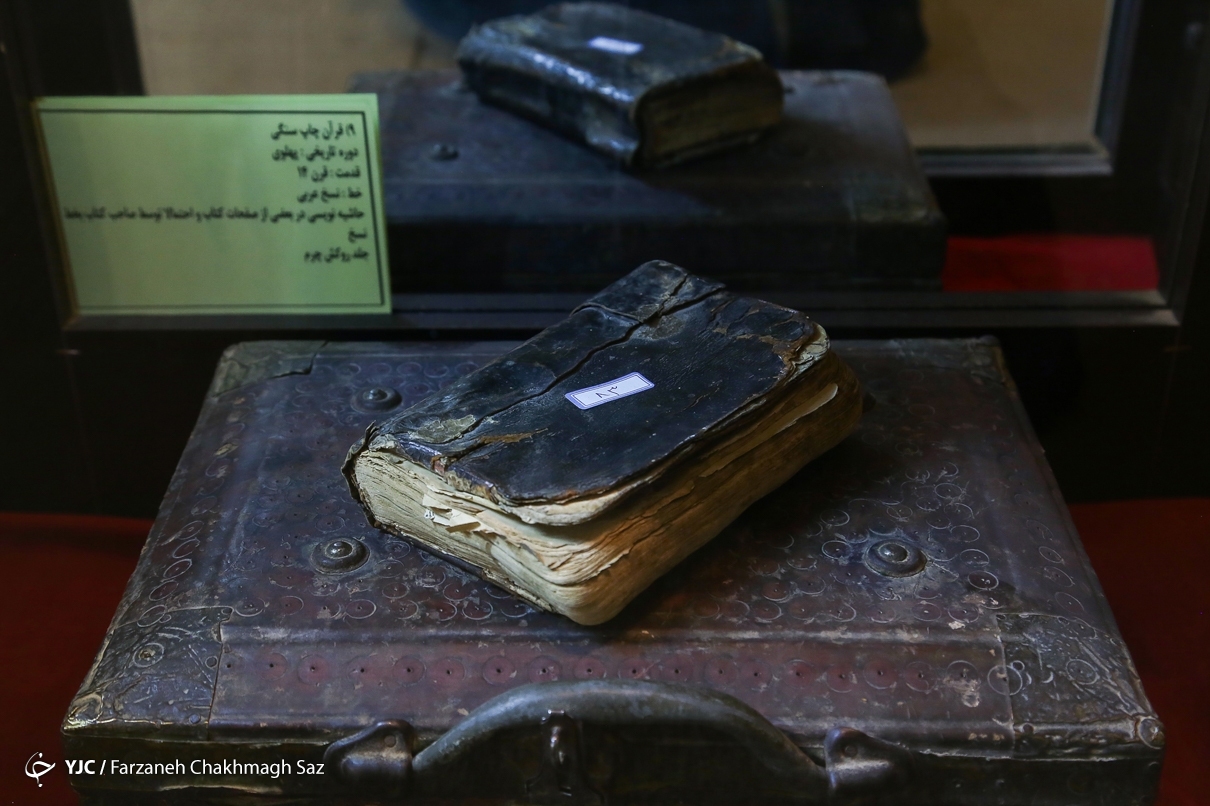
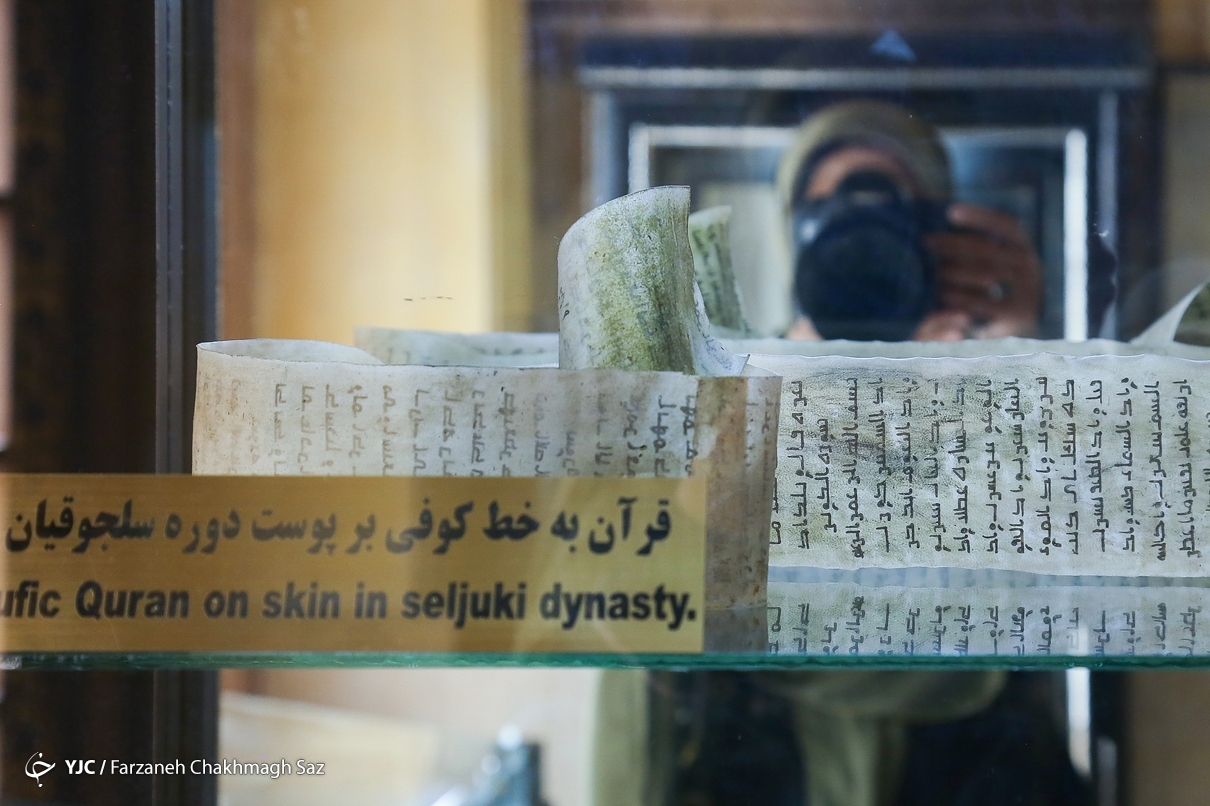
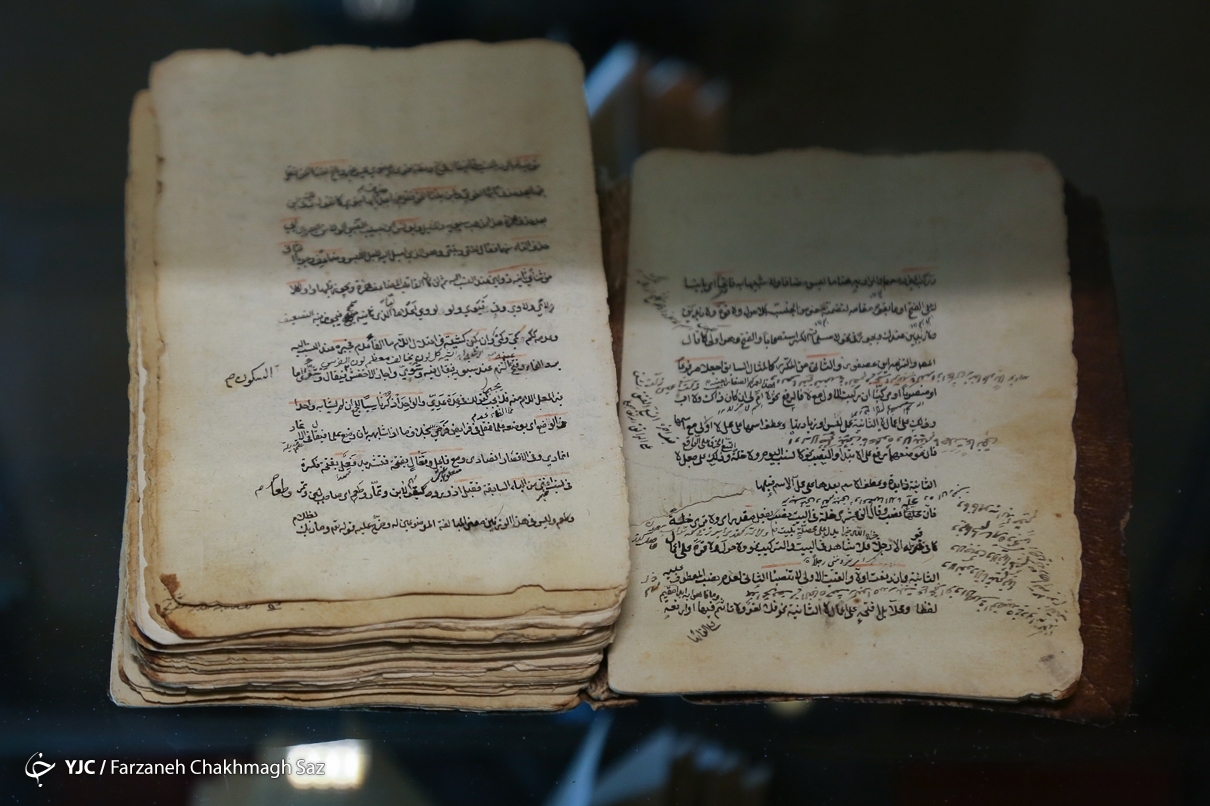
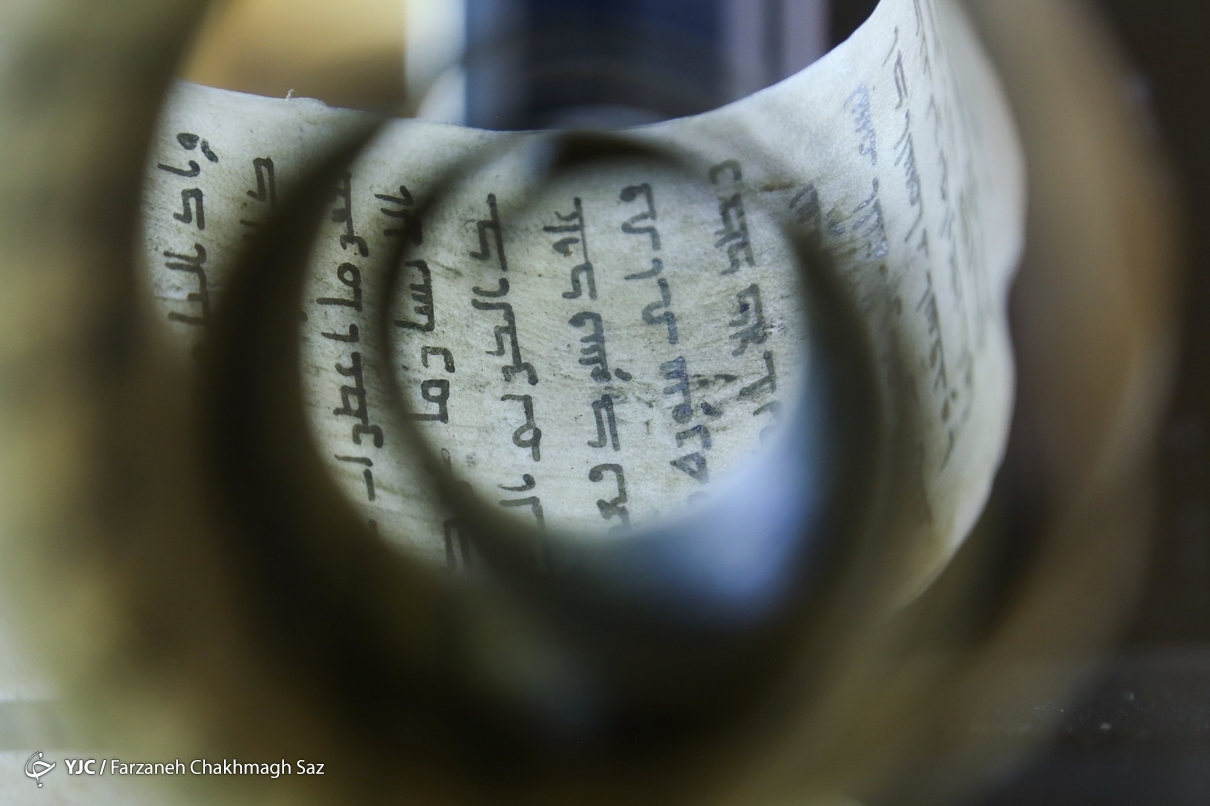
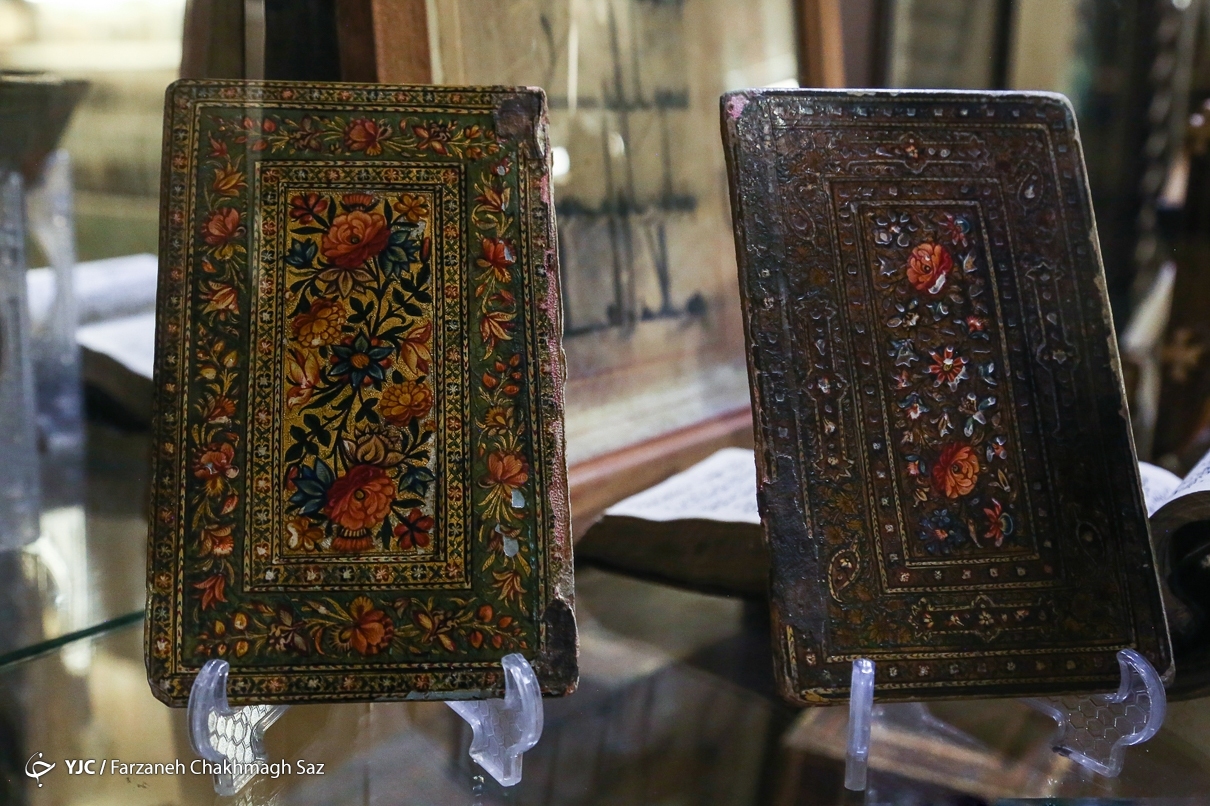
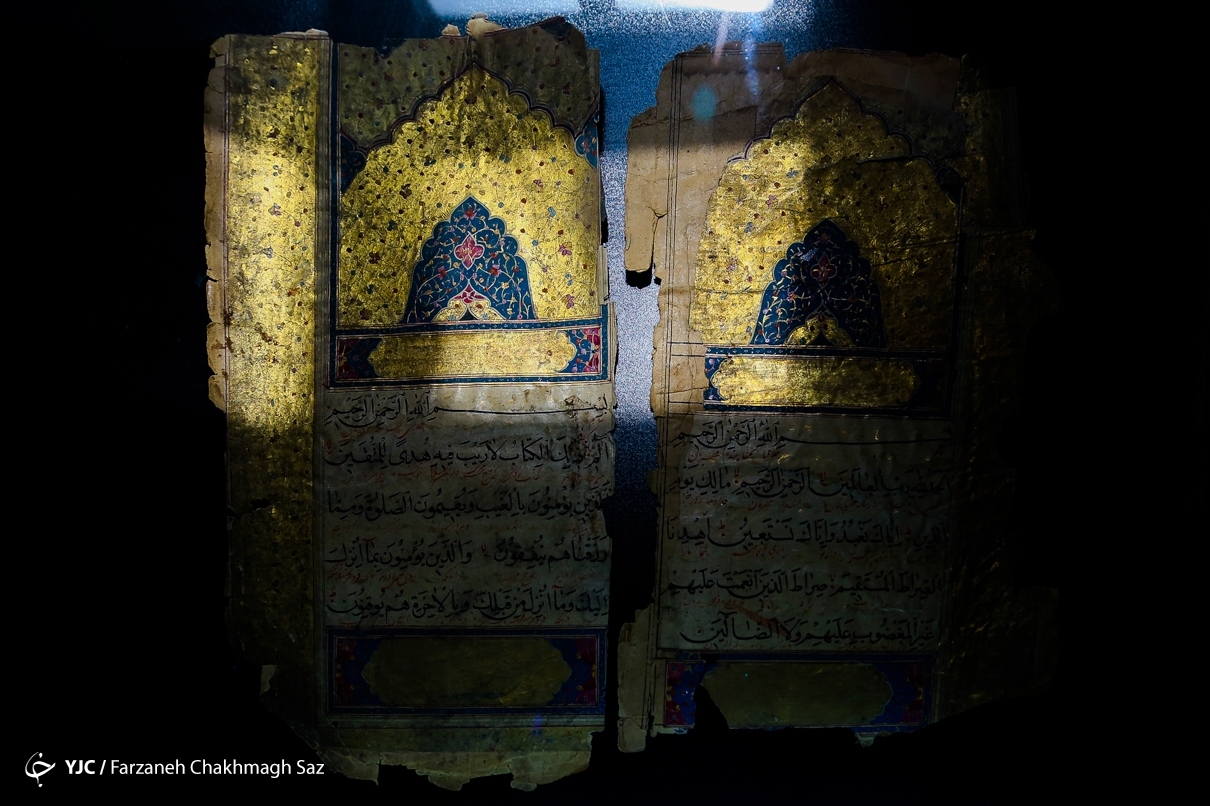
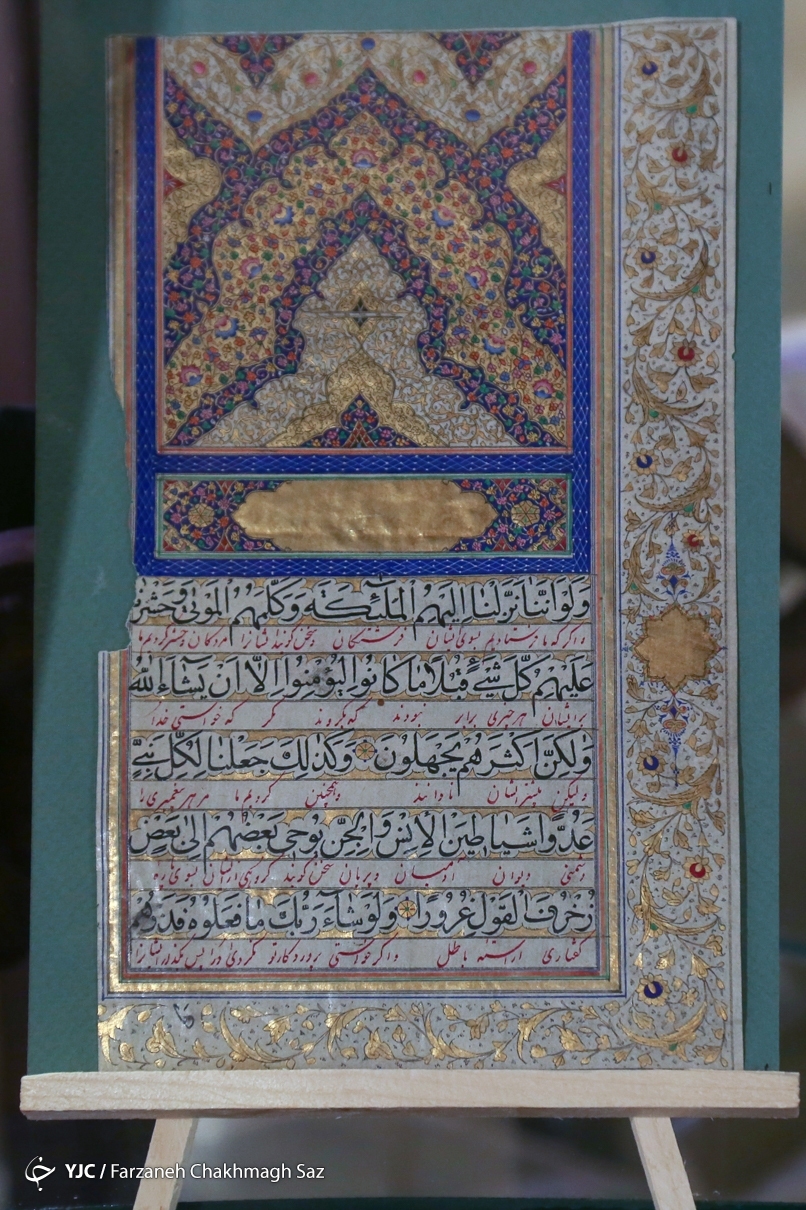
Exhibitions of handwritten copies of Quran in Shiraz tourist attractions

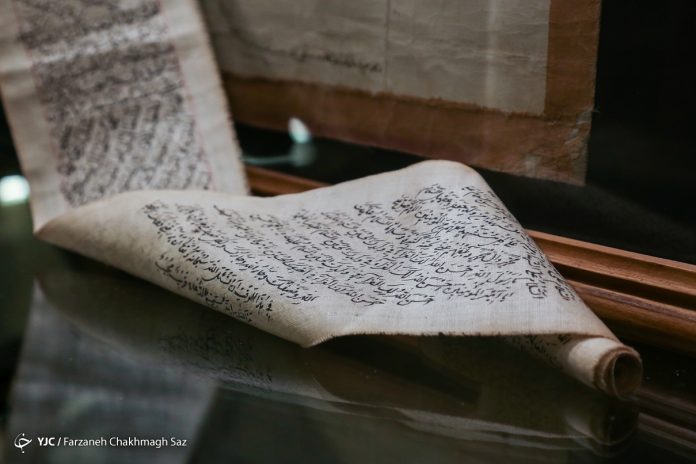
Handwritten copies of Quran

Delgosha Garden is one of the most beautiful gardens and tourist attractions of Shiraz.

Delgosha Garden dates back to the eras of the Sassanid, Safavid and Qajar dynasties. The Kolah Farangi Mansion in Delgosha Garden is now a museum.

Iranians have inherited Jahan Nama Garden from a history of 700 years.

In the heart of this landmark garden, there is also a Kolah Farangi Mansion that was built at the order of Karim Khan Zand, he founder of the Zand Dynasty.

Like Eram Garden, Delgosha Garden and Takhte Gharacheh Garden, which are all famous monuments in Shiraz, Jahan Nama Garden was at the apex of its greenness and prosperity before the invasion of Timūr Gurkānī.

A historian of the time of Timur calls it “Ornament of the World“ in the book “Ajayeb al-Maqdur”, which is Arabic for “Possible Wonders”.

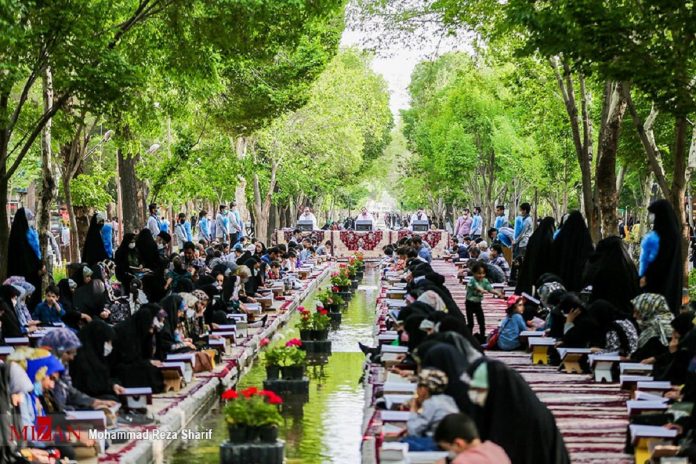
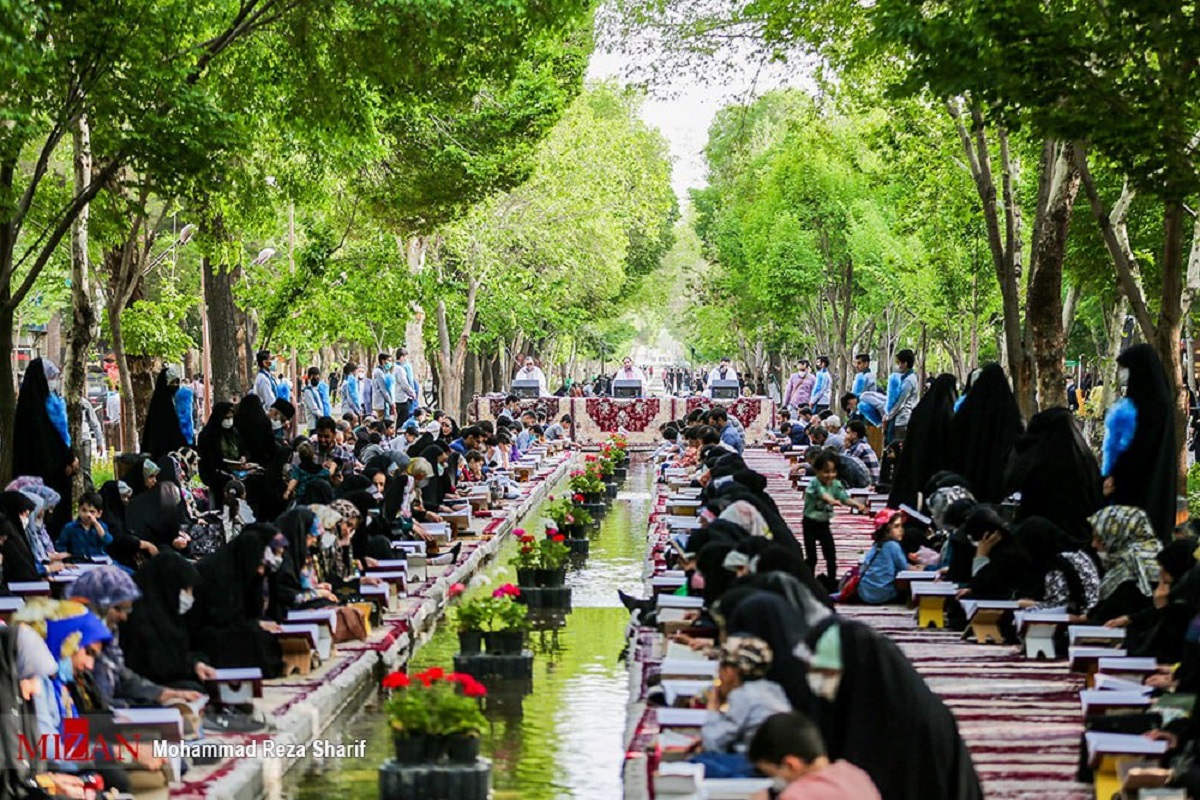
Gathering for Qur’an recital at Isfahand’s Chahar Bagh

Gathering for Quran recital in Iran
During the gathering, they recite one juz’ of Quran each day prior to the evening call to prayer, which is the time for Iftar.

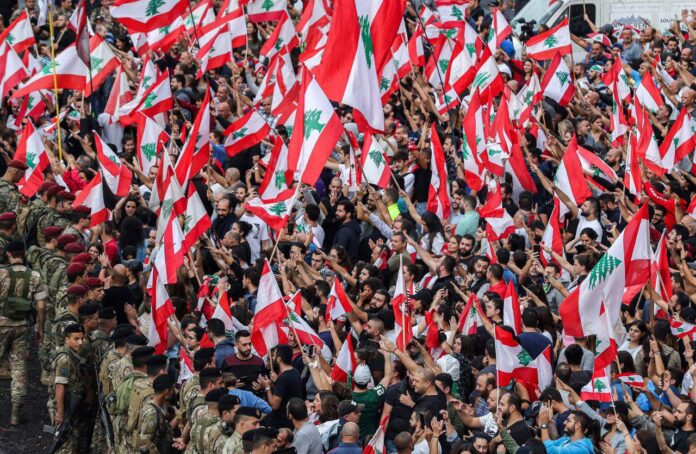
Kuwait, Saudi Arabia rekindle ties with Lebanon

Lebanon

Saudi Ambassador Waleed Bukhari hosted a dinner at his residence on Monday, receiving Prime Minister Najib Mikati, Lebanese political allies, Hezbollah-backed Agriculture Minister Abbas Hajj-Hassan, and the ambassadors of the United States, the United Kingdom, France, and Germany.

Mikati announced he will visit Riyadh this month, while Bukhari said the kingdom and France will go ahead with humanitarian assistance for Lebanon, where about three-quarters of the population live in poverty, and food-price inflation is among the highest worldwide.

“The relationship that brings us together is exceptional through common interests when it comes to economy, finance, services, and even Arab unity,” Energy Minister Fayyad told Al Jazeera, adding, “I think the natural course of ties between Lebanon and Arab countries is for them to flourish, especially with the Gulf countries.”

Lebanon’s ties with Saudi Arabia and other Persian Gulf countries were severely strained during the past year. The kingdom has especially been concerned about the smuggling of the illegal amphetamine Captagon pills into the Gulf, and the growing influence of the Iran-backed Shia movement Hezbollah, designated a “terrorist” organisation by Riyadh.

Saudi Arabia once invested billions of dollars in the country and bolstered its luxury tourism economy. The diplomatic crisis, which included a blanket ban of Lebanese exports into the kingdom, crippled Lebanese industrialists already struggling to keep their factories open. Though not all of the measures have been lifted, the developments of the past few days are extremely promising, senior parliamentarian Alain Aoun said.

“These are positive signs towards [the full] normalisation of relationships,” stated Aoun, adding he hopes that political leaders will next convene. “[Next step is] restoring dialogue at the highest level.”

However, some officials are sceptical of the extent Lebanon can fully restore ties with Saudi Arabia and other Persian Gulf states, especially with Hezbollah and its allies boasting the most political power in the country.

Billionaire business magnate and Member of Parliament Fouad Makhzoumi, a supporter of Riyadh and a staunch critic of Hezbollah, told Al Jazeera the recent development is a “valuable opportunity” for Lebanon, and accused Hezbollah and its allies in power of trying to sever ties with the Gulf.

“All that the ruling class under the control of Hezbollah has done is attack Arab and Gulf states, export Captagon, support the Houthis, involve Lebanon in absurd battles, and make it an unwanted arena for wars,” Makhzoumi said.

“But the most important question is does Mikati have the will and ability to implement reforms in the light of the presence of the Hezbollah militia that controls the state’s decisions? We hope so,” Makhzoumi added.

The ambassadors of the United Arab Emirates and Bahrain have still not returned to Lebanon.

Relations further soured after comments made by Lebanese Information Minister George Kordahi critical of the Saudi-led coalition’s war in Yemen were broadcast last October.

The former celebrity game show host and presenter made the statement one month before joining the Lebanese government, calling the long-running war “futile”, adding the Iran-aligned Houthis are “defending themselves … against an external aggression”.

Hezbollah leader Hassan Nasrallah has since slammed Saudi Arabia, accusing it of “terrorism” and trying to stir a civil war in Lebanon, further fanning the flames.

Kordahi resigned in December, but it was not until Kuwait offered a series of confidence-building measures to the Lebanese government in January that the situation slowly began to improve. The moves included Lebanon holding timely parliamentary elections, implementing its commitment to UN Security Council resolutions – including those that require disarming Hezbollah’s powerful paramilitary force – and halting the flow of illicit drugs into Persian Gulf states.

Imad Salamey, associate profeessor of Middle East political affairs at the Lebanese American University, said Lebanese politicians toned down what he described as a “growing anti-GCC campaign and negative rhetoric”, which has reassured Saudi Arabia and alleviated its allies’ fears of a complete withdrawal from the country.

“Anti-GCC rhetoric has ended, the Lebanese government has pledged to seek positive relations and cooperation [with Gulf countries], and it has cracked down on [drug] smuggling operations,” Salamey told Al Jazeera, adding, “I believe the government of Lebanon has taken various refraining steps to the satisfaction of the GCC.”

Though Hezbollah still possesses its arms, plans for parliamentary elections next month are on schedule, and Lebanese security agencies have thwarted numerous drug smuggling attempts to the Gulf. In one case, security agencies foiled the smuggling of nine million Captagon pills hidden in boxes of fake oranges at the Beirut Port that were headed to Kuwait.

The timing of Riyadh’s rapprochement, just weeks before the vote, is not a coincidence, analysts say.

“We have always had an increase in foreign meddling and interventions in the weeks and months preceding the elections,” said Karim Emile Bitar, director of the Institute of Political Science at Beirut’s Saint Joseph University.

“In this case, the return of Gulf ambassadors to Beirut and the signals they are sending to reengage with Lebanon probably aims at preventing Hezbollah from making forays into the Sunni community, and increasing its sway on the Lebanese state,” he added.

Saudi Arabia’s key Sunni ally in Lebanon, former prime minister Saad Hariri, suspended his political career in January.

Bitar said the slow recovery of ties with Riyadh and other Persian Gulf countries could contribute to legitimising the nation’s governing political parties right before millions of disgruntled Lebanese take to the polls.

“So many groups in the Lebanese opposition today are very worried about these foreign attempts at revamping the Lebanese political establishment,” Bitar added.

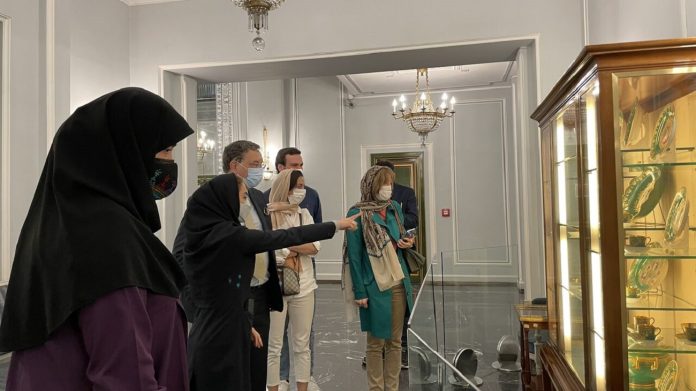
Spain’s Iran envoy visits historical Niavaran complex in N Tehran

Spain’s Iran envoy visits Niavaran complex

During the visit on Tuesday, the Spanish envoy held talks with Maryam Jalali, head of the complex, on expanding cultural exchanges between the museums of Iran and Spain and holding joint cultural events.

The Niavaran complex includes several palace buildings and monuments dating back to the Qajar and Pahlavi eras. It is a major tourism attraction in the Iranian capital.

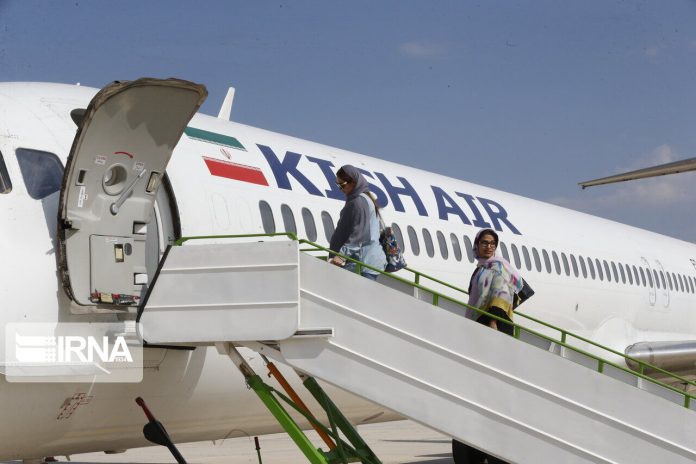
Kish-Tehran flight makes emergency landing due to technical glitch

Kish Air

Hassan Rezaei-far, the director general of Accident Investigation at Iran’s Civil Aviation Organization, said on Wednesday that Flight 5713 followed standard procedure making the emergency landing at Esfahan Airport on Tuesday night because of a fuel delivery glitch.

None of the 174 passengers and crew on board the plane was harmed. They were later transported to Tehran on board a substitute aircraft.
Iran is under stringent US and international sanctions, including on its aviation industry, which have hindered not only Iran’s ability to purchase new aircraft but also to access spare parts. Iran has been striving to keep its aging fleet operational despite the sanctions, though

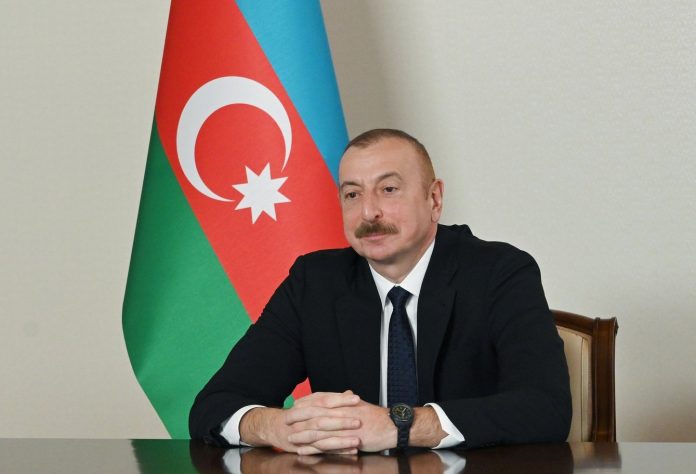
Baku says ready to launch corridor to Nakhjavan via Iran

Ilham Aliyev

Nakhjavan is an Azeri territory locked inside Armenia. This has disconnected the region from Azerbaijan.

Aliyev says the corridor passing through Iran will link Azerbaijan to world markets.

The Azerbaijani president referred to Armenia’s failure to fulfill its commitments to let Nakhjavan get connected to Azerbaijan’s main territory, expressing hope that the project of building the corridor will be launched soon.

He thanked Iran for its help in this regard.
Aliyev then criticized the international community’s silence after Armenia cut off gas to Nakhjavan from 1990 to 2005 during harsh winters, saying at the time Iran assisted Azerbaijan through pumping gas to the region. He noted that a gas swap deal is still in place between the two countries.

The Azeri president then accused the West of adopting double standards toward his country, saying the Western governments are sensitive to Ukraine’s territorial integrity now that it’s at war with Russia but they were indifferent to the occupation of Azeri soil by Armenia and resisted the recognition of Azerbaijan’s territorial integrity.

“During the (Armenian) occupation, we protested to the violation of our territorial integrity at world bodies but many countries turned away, while it is absolutely obvious which side is the occupier, and this is an example of double standards and unfairness of the West”, Aliyev said.

He added that the Western media are now calling Turkish-made Bayraqdar drones that Ukrainians use against Russia “angels” but during the Azerbaijan-Armenia war, when Azeri forces used the same aircraft against the Armenian forces, the Western media described the UAVs as “deadly”.