Saturday, December 27, 2025
Home Blog Page 1997

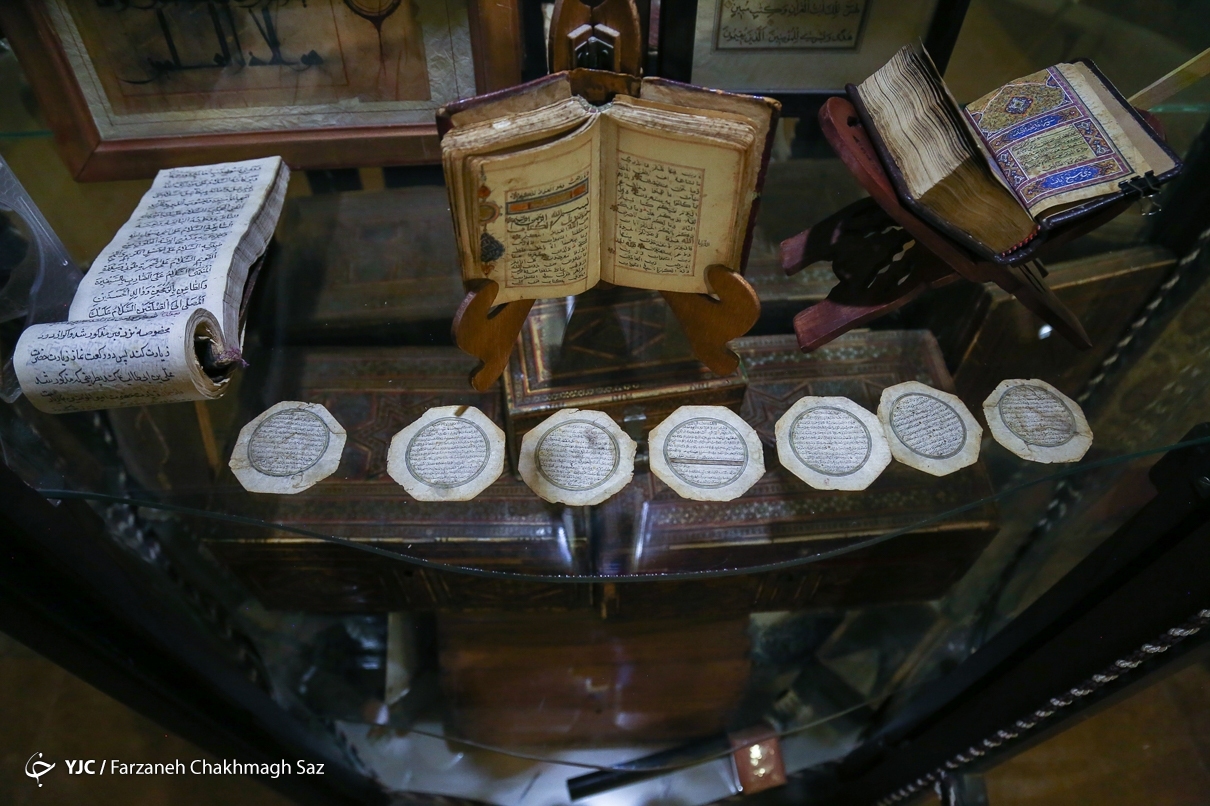
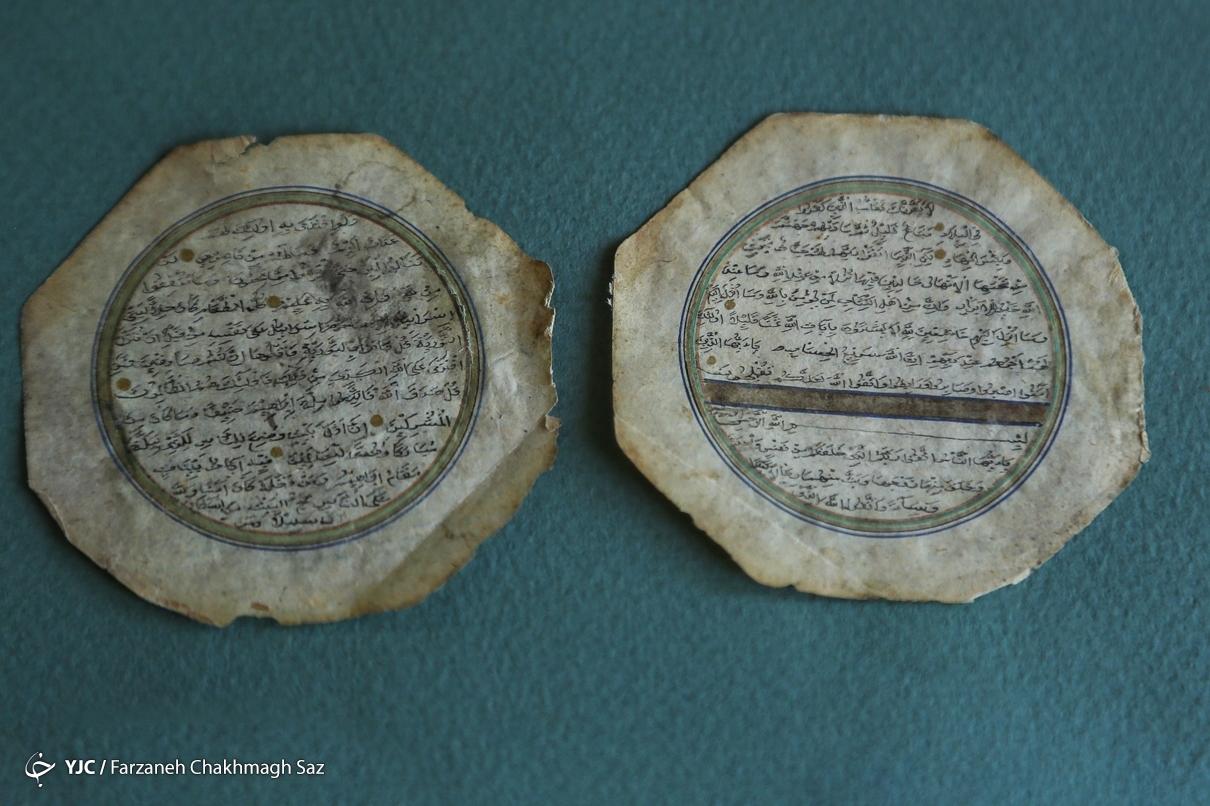
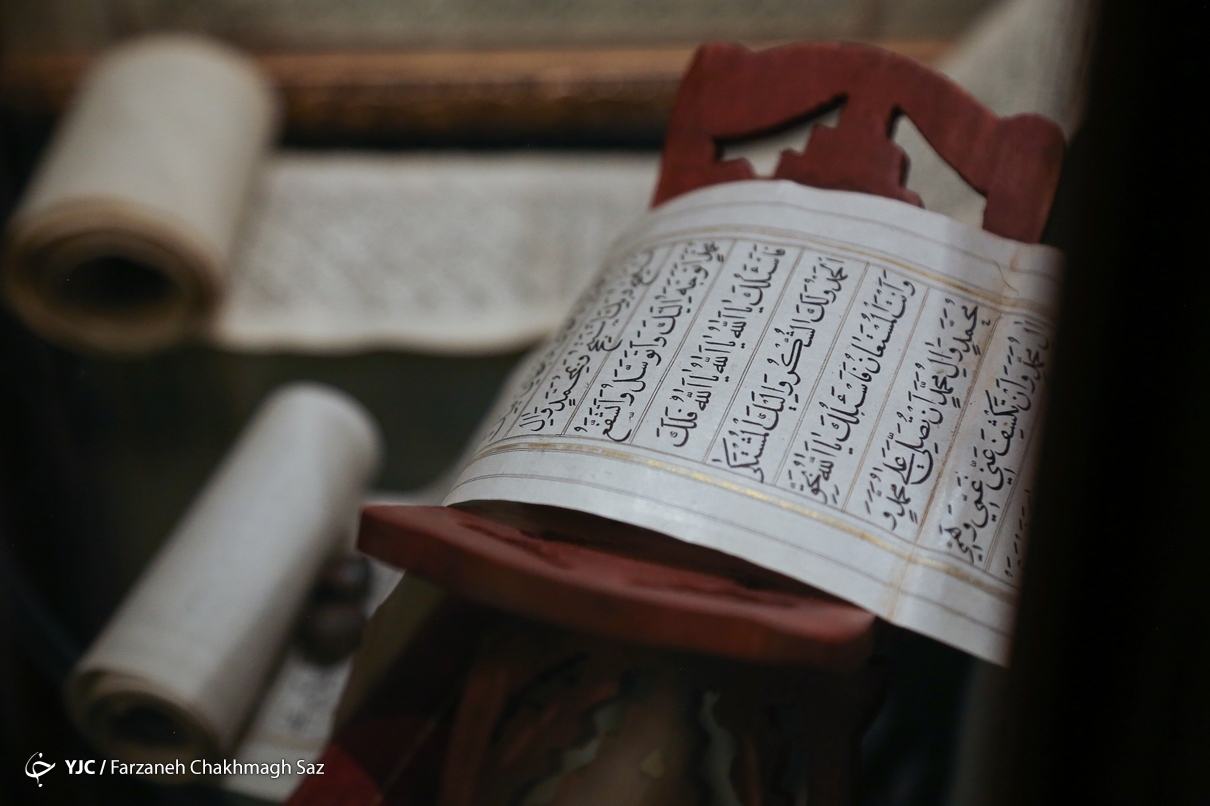
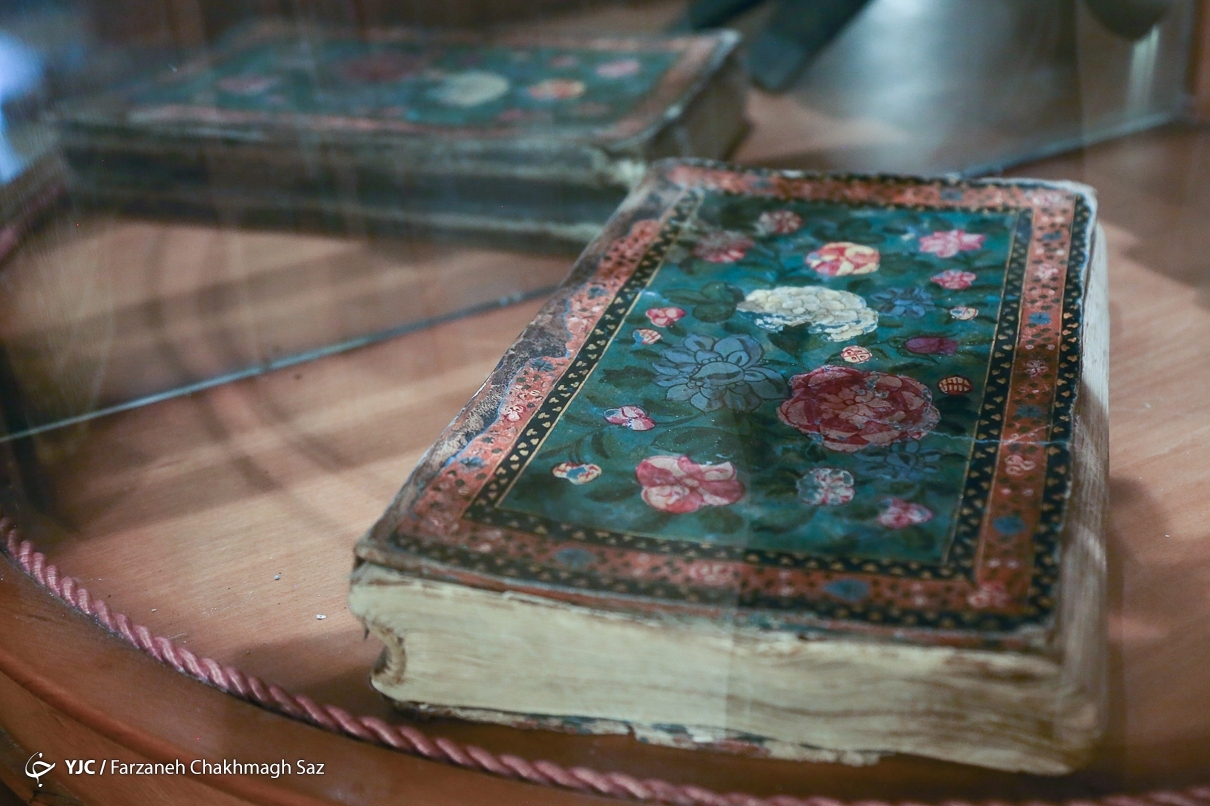
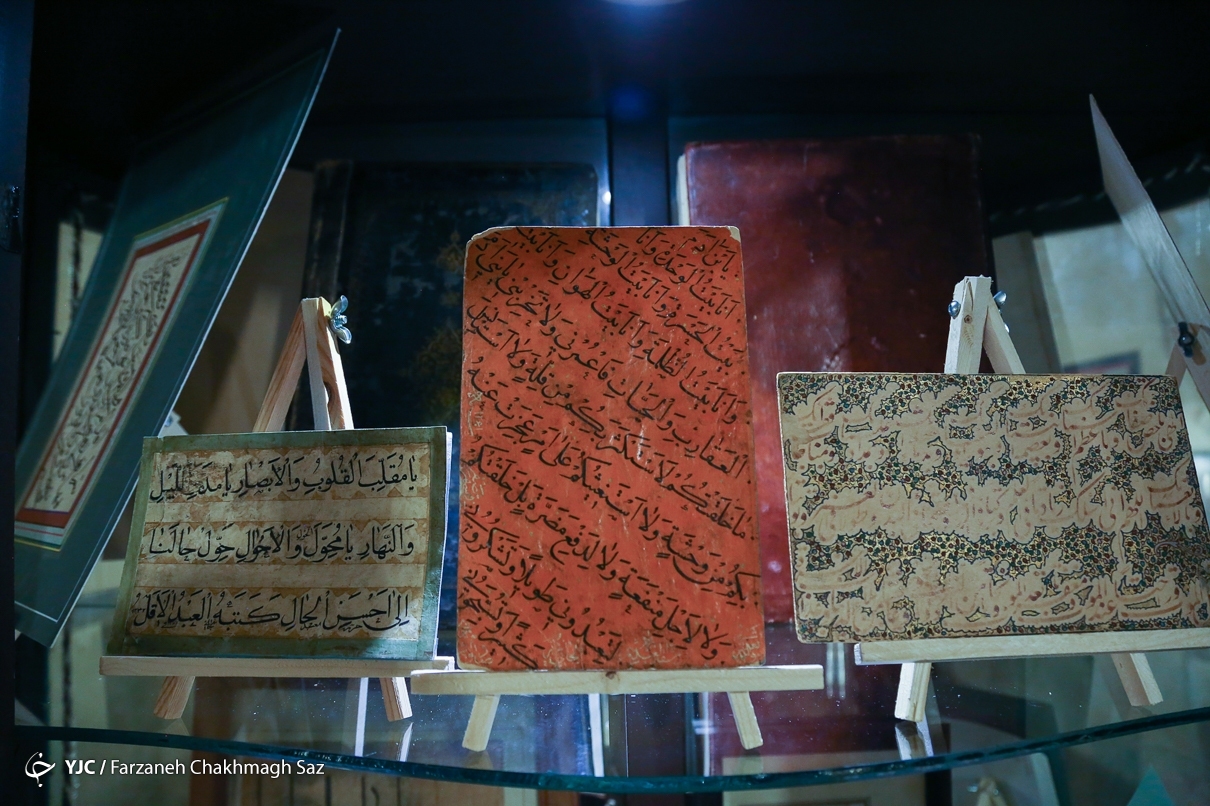
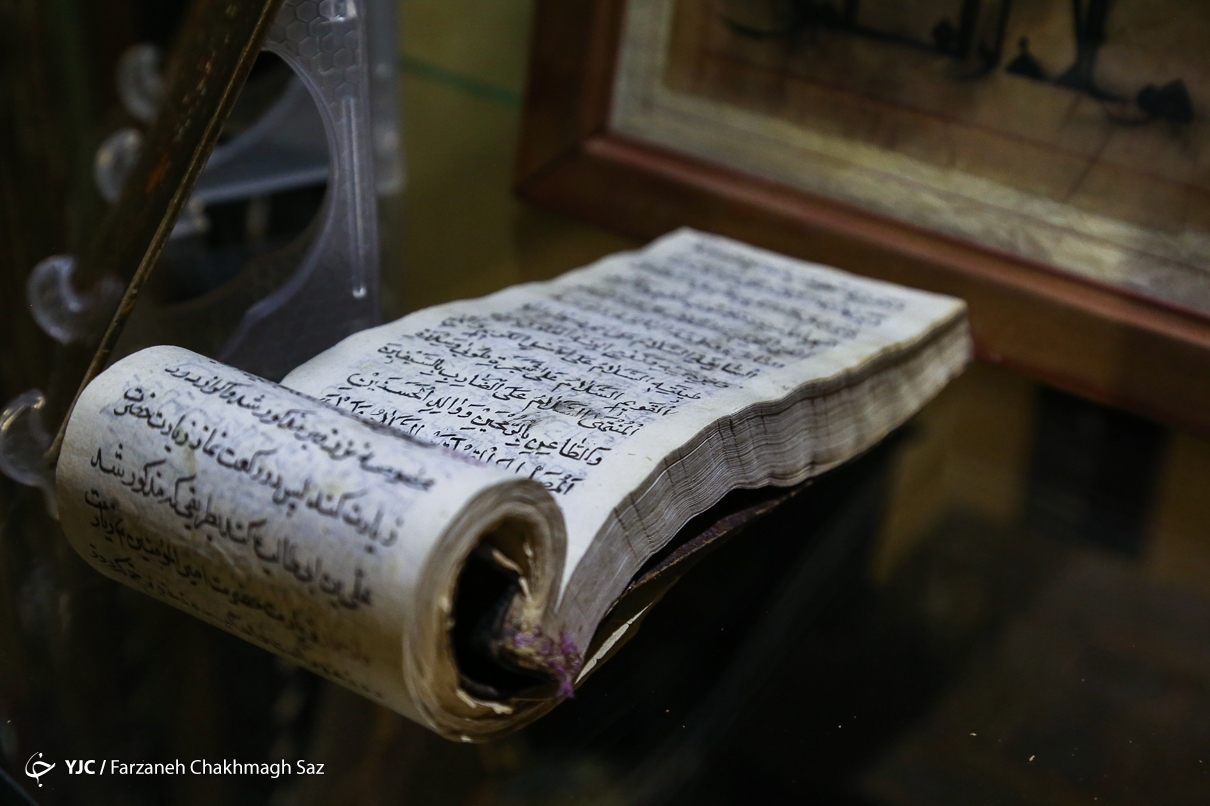
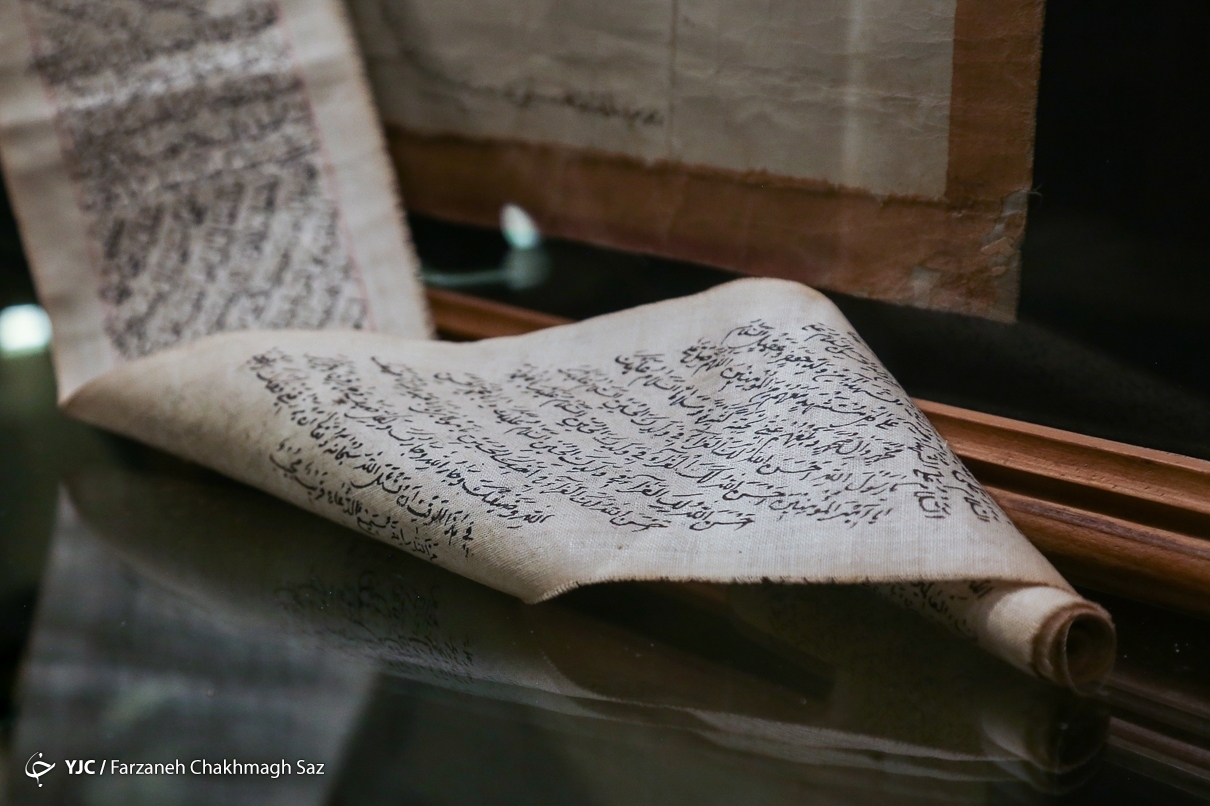
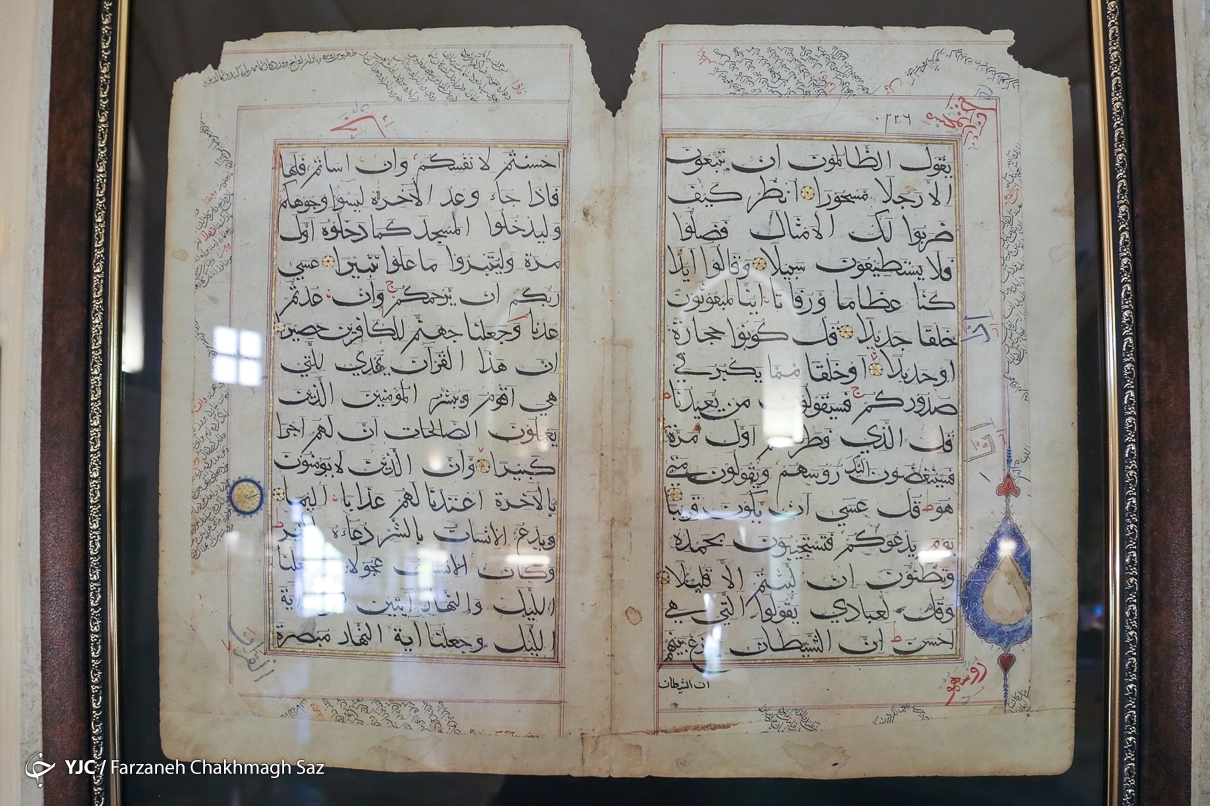
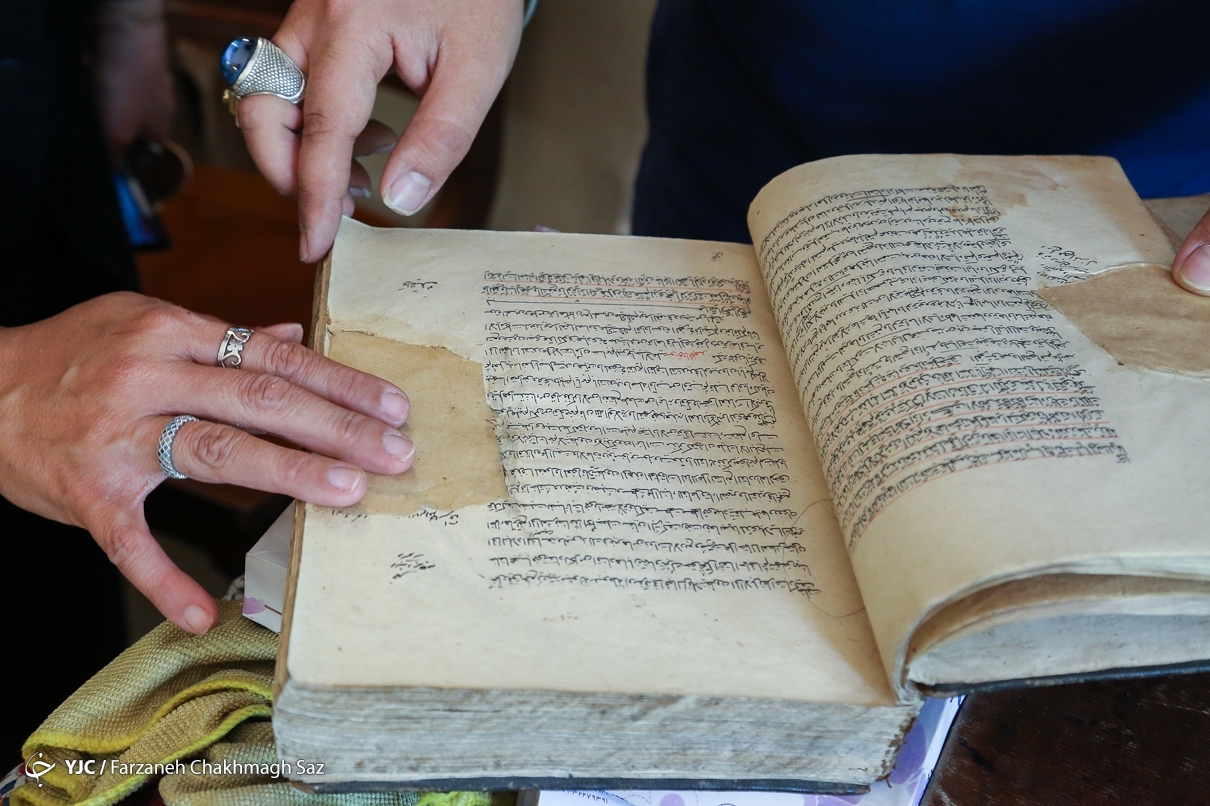
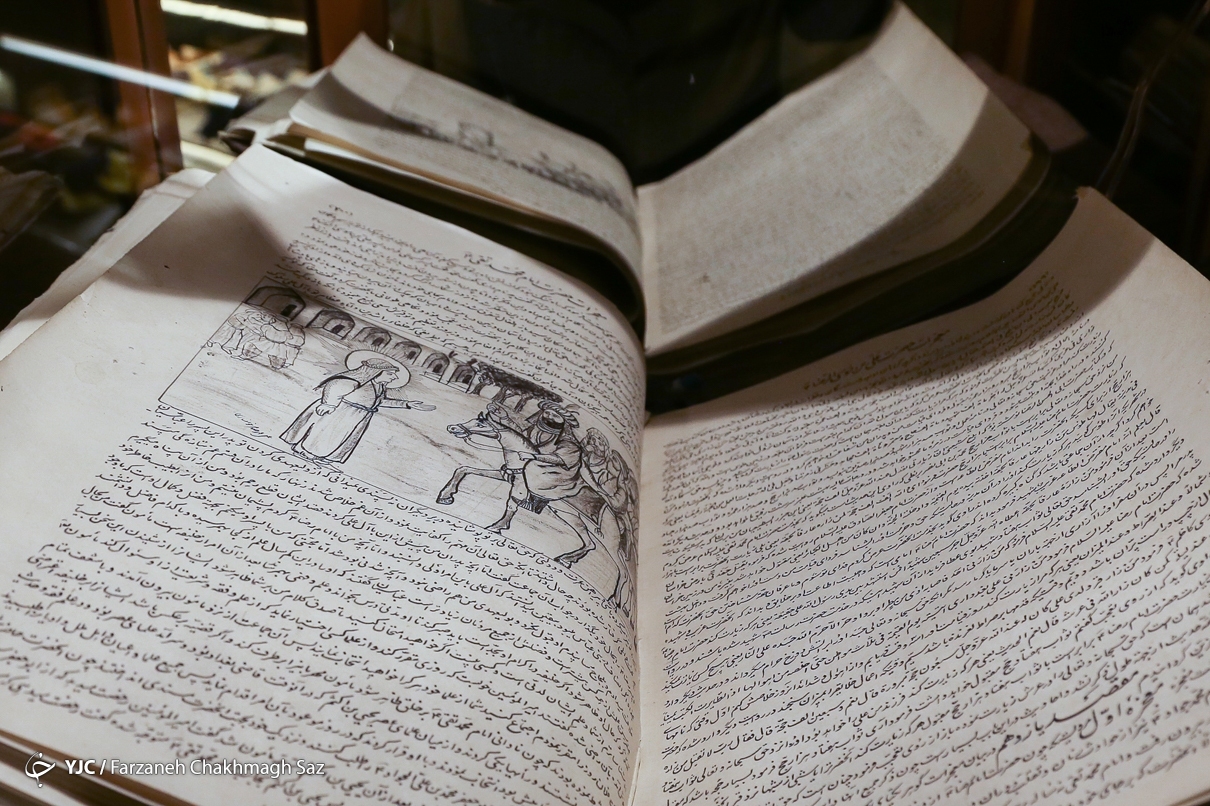
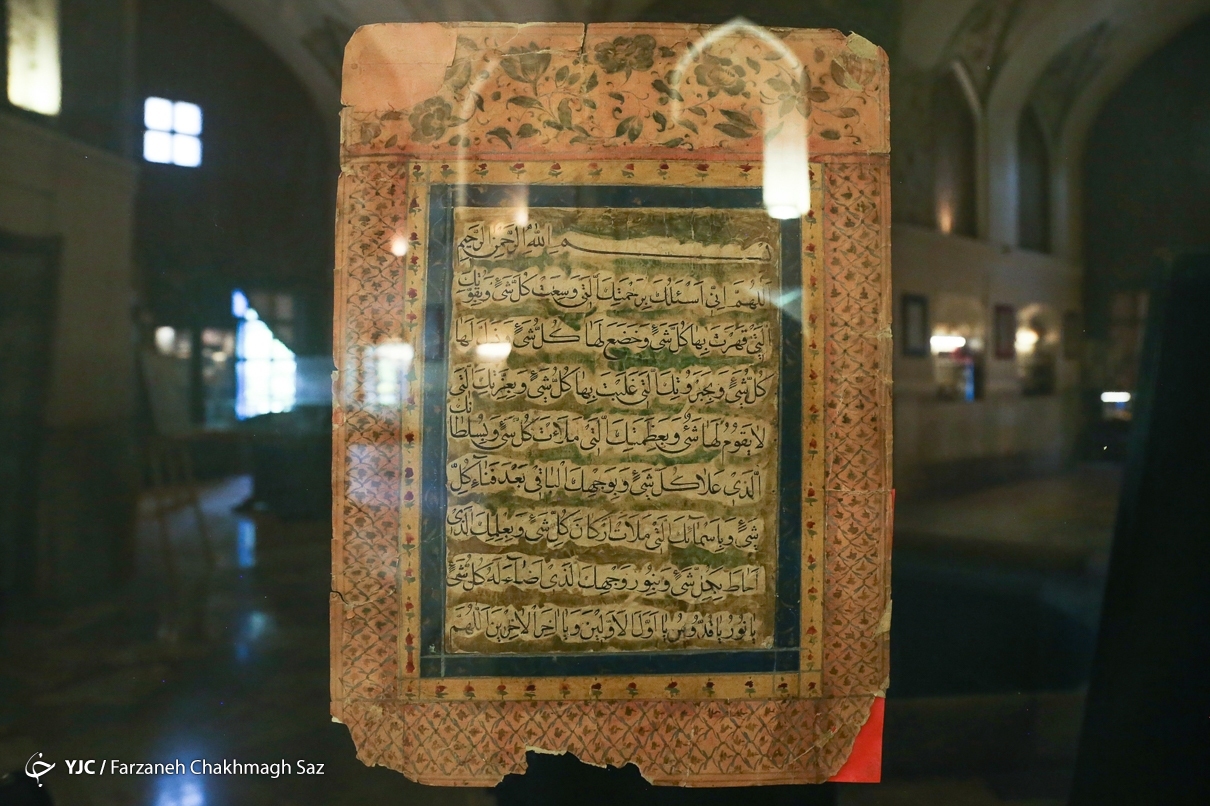
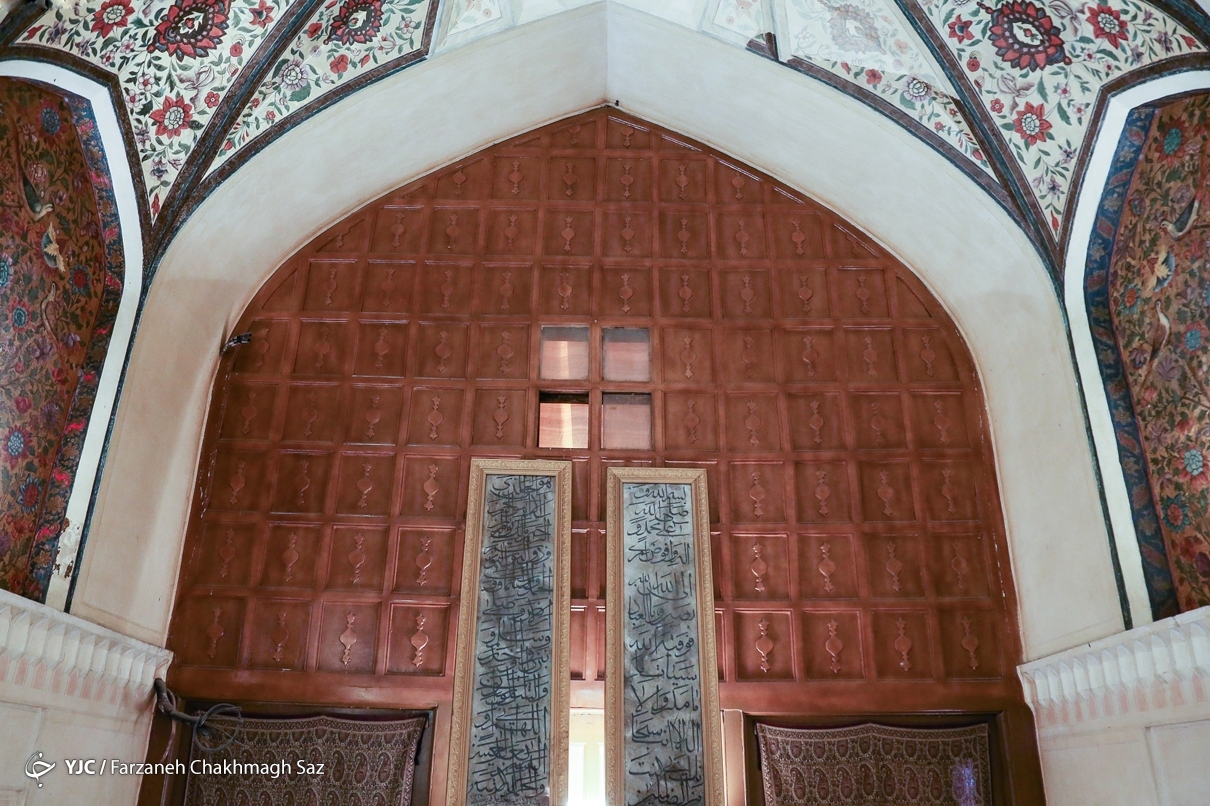
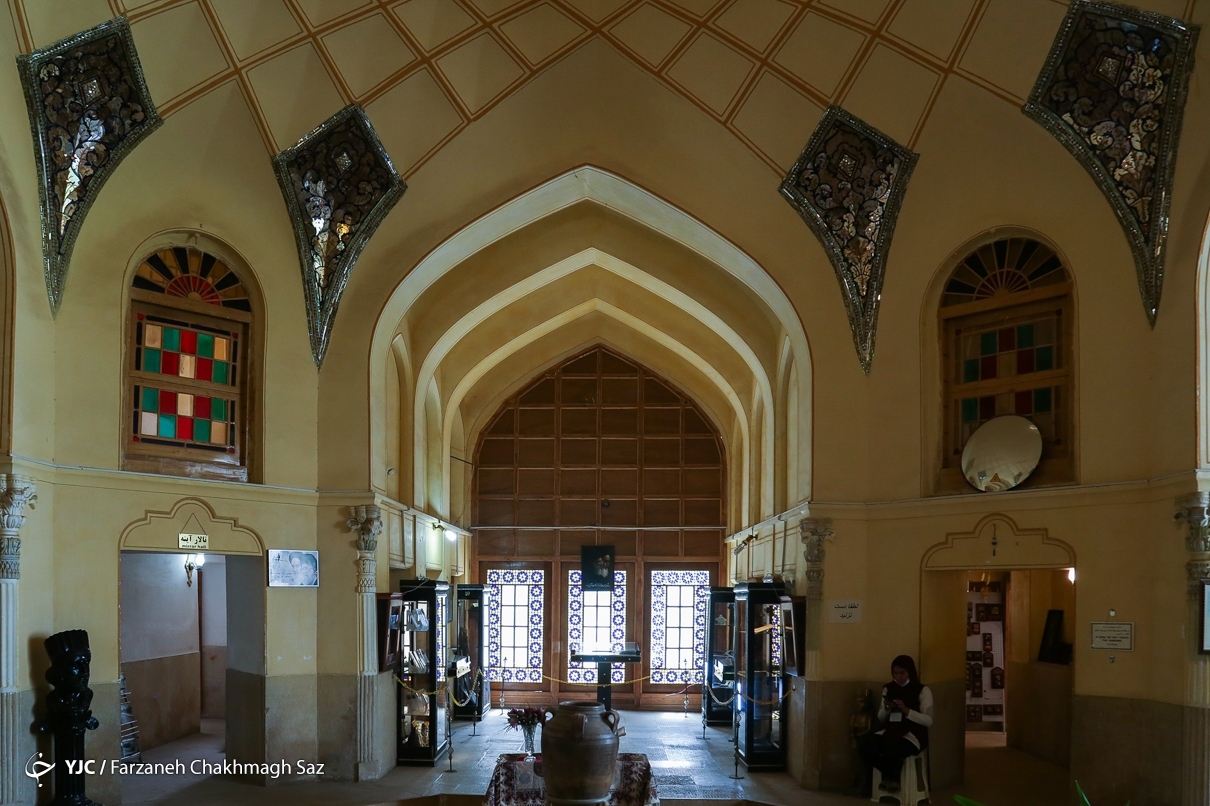
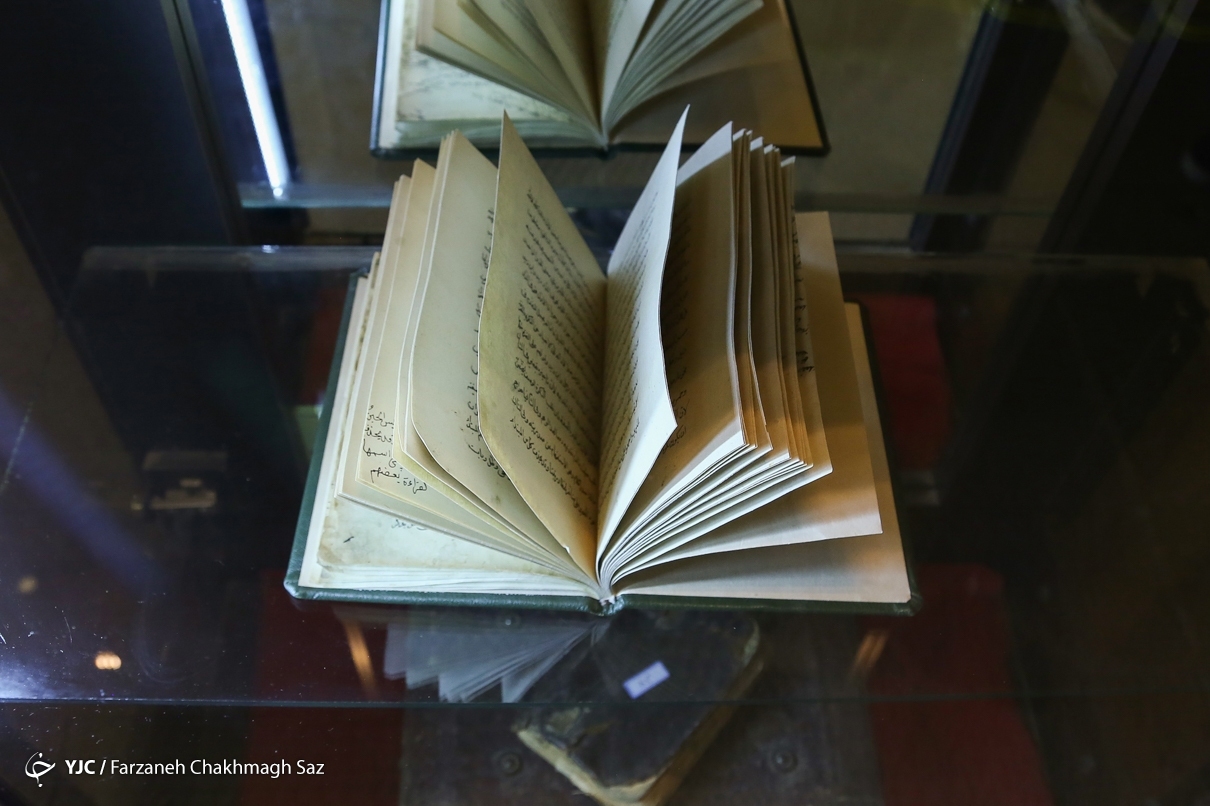
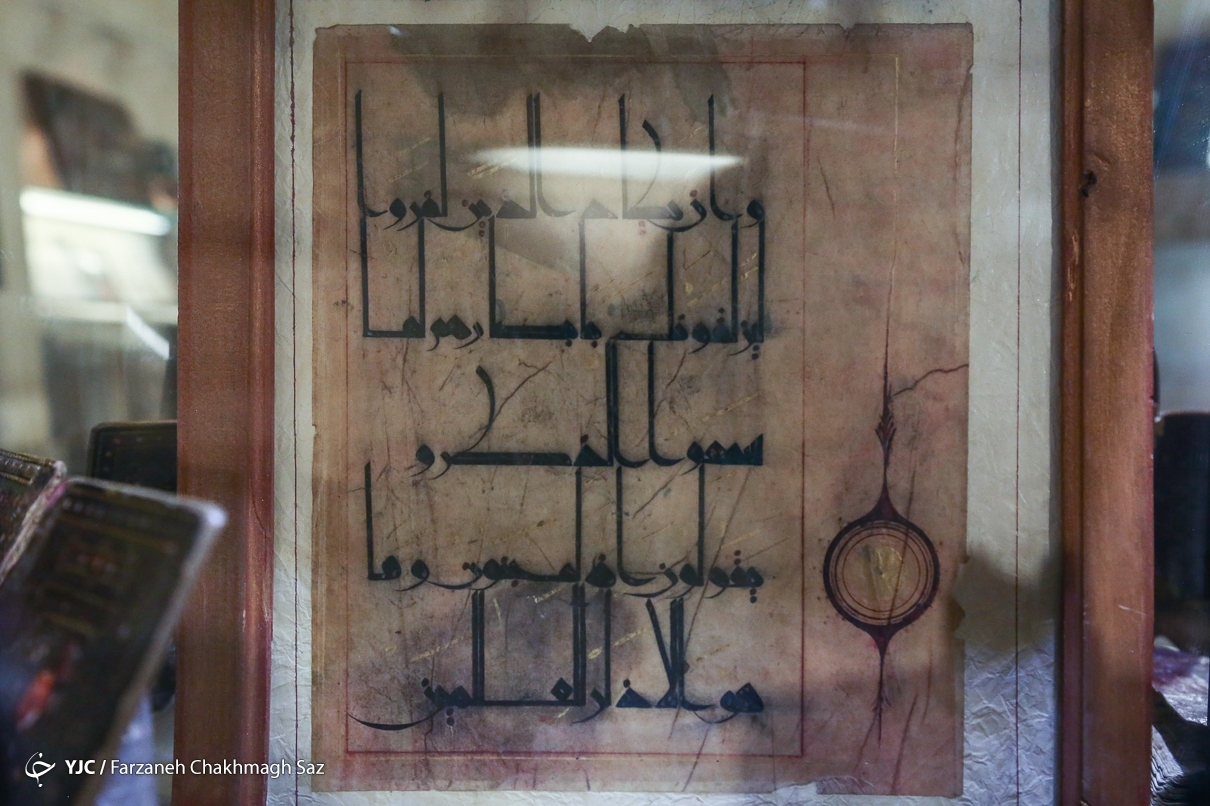
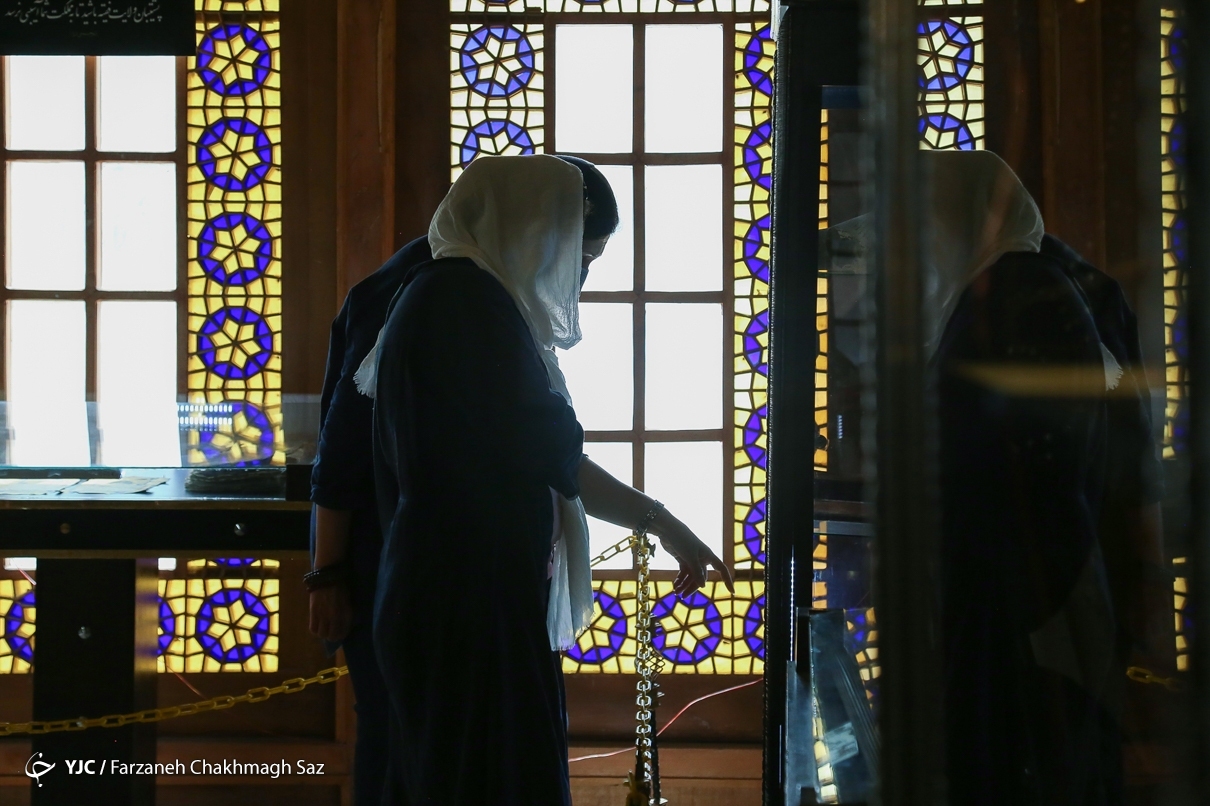
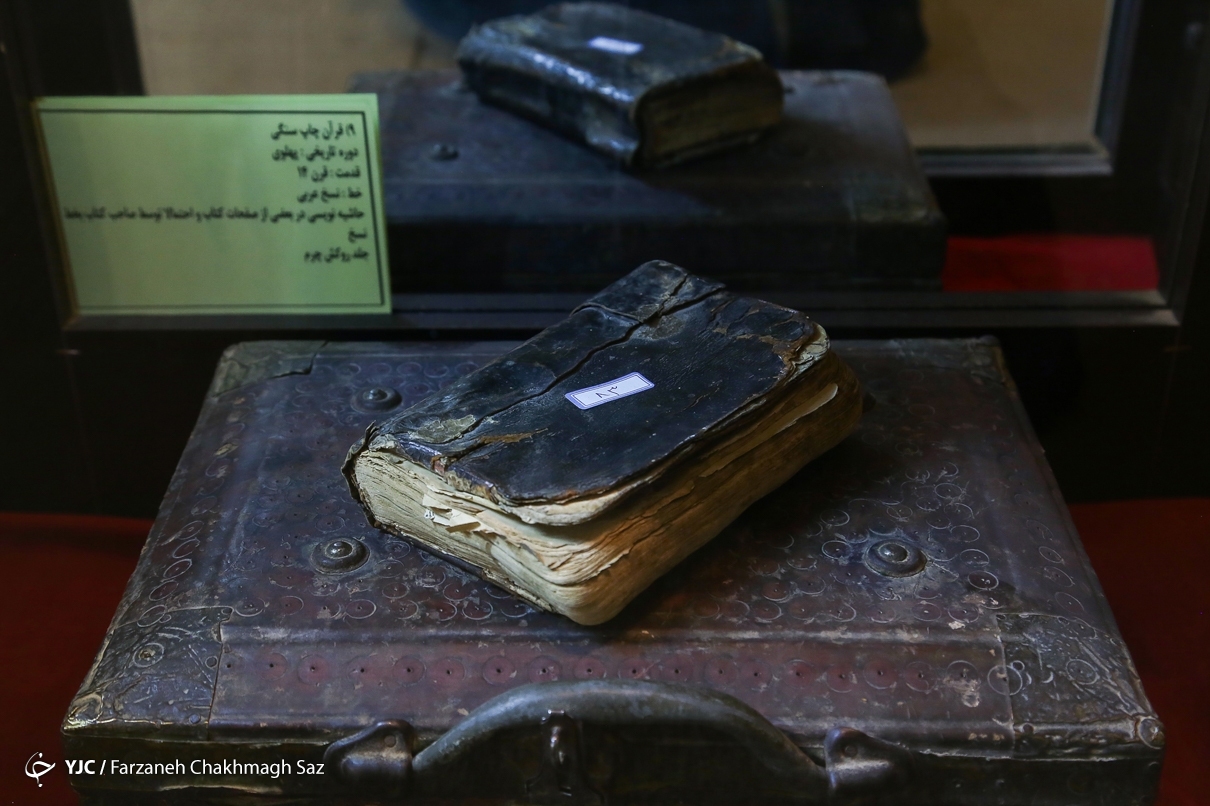
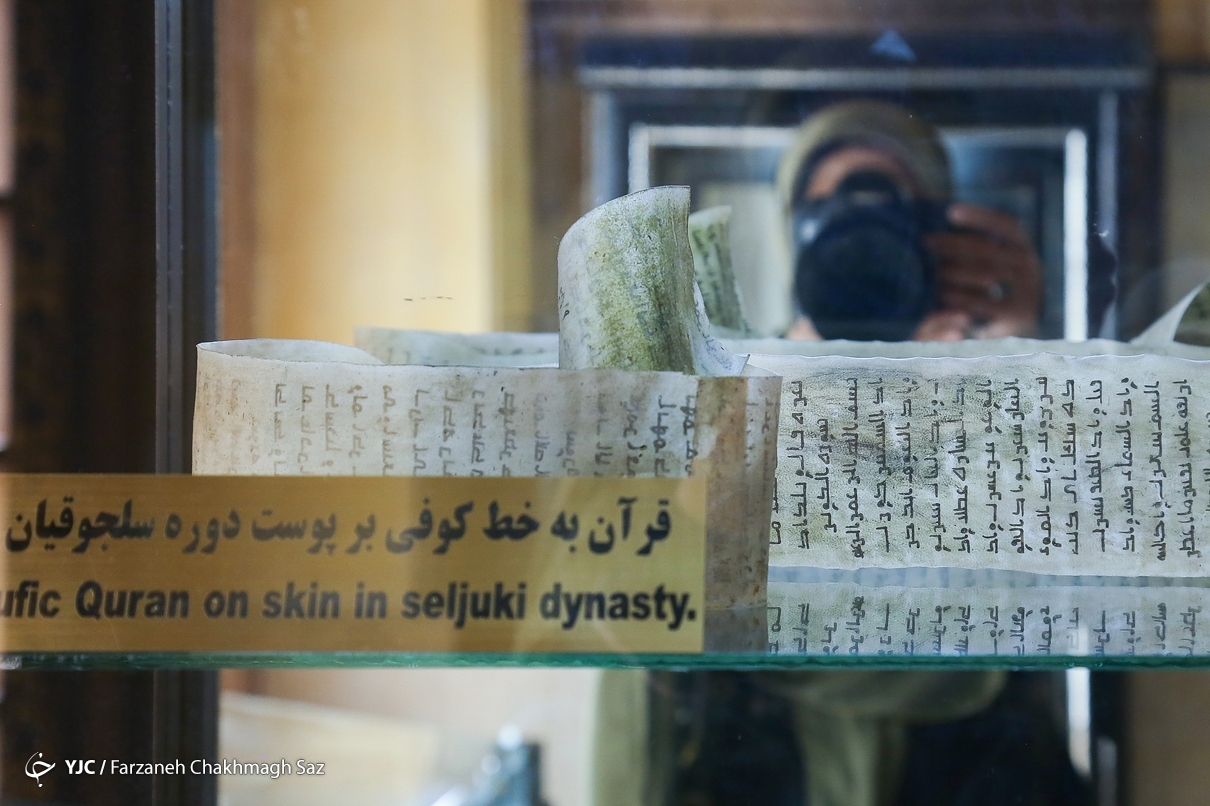
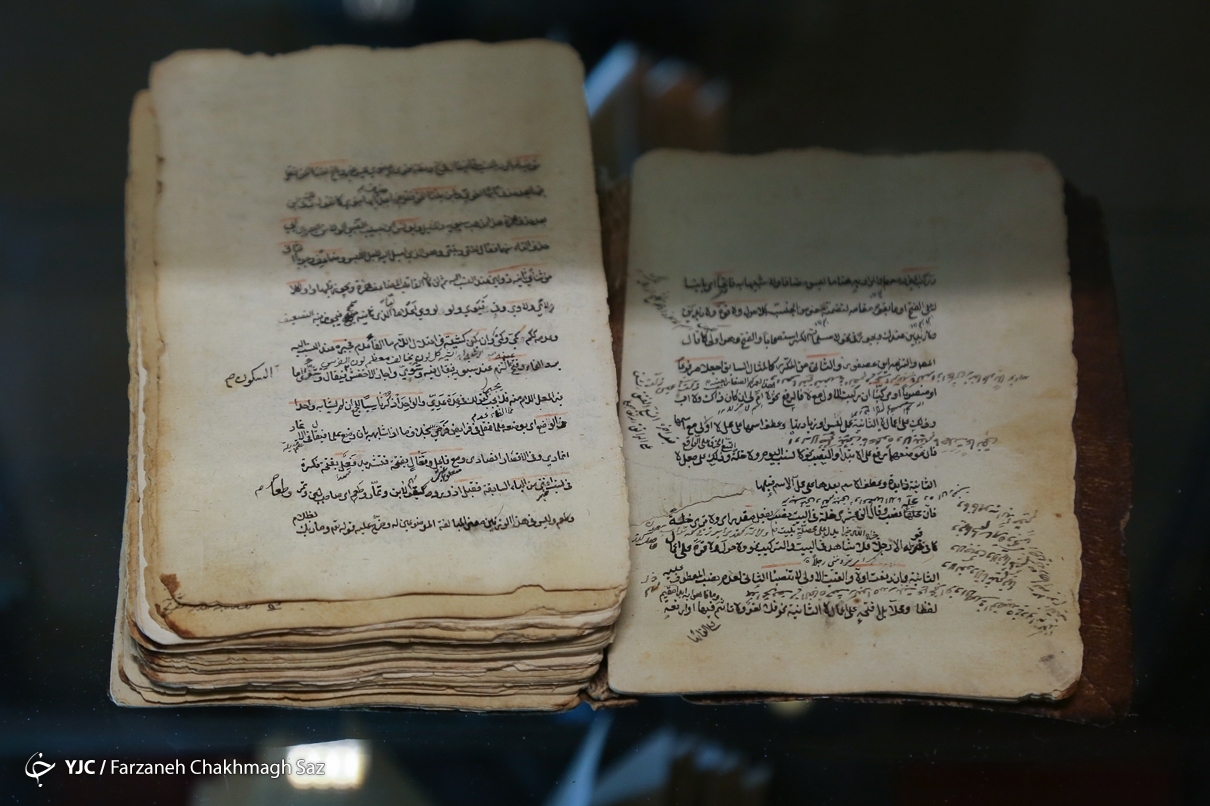
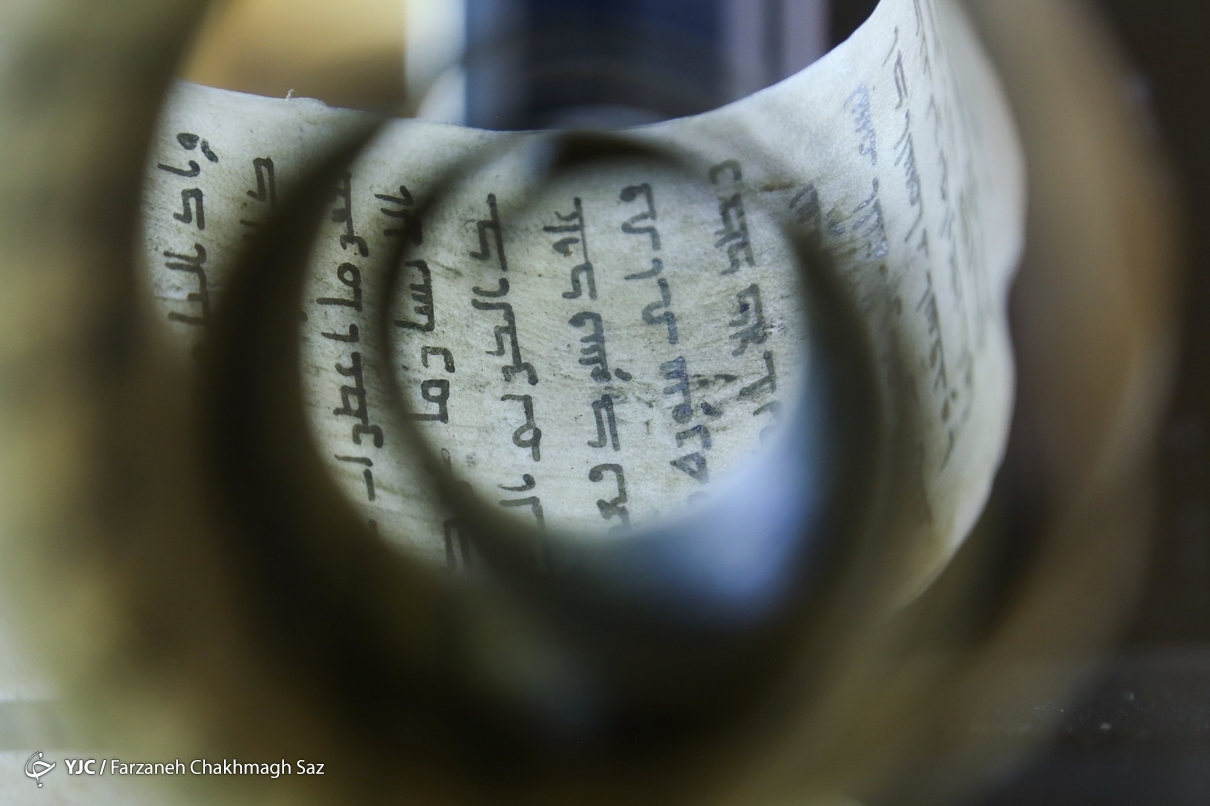
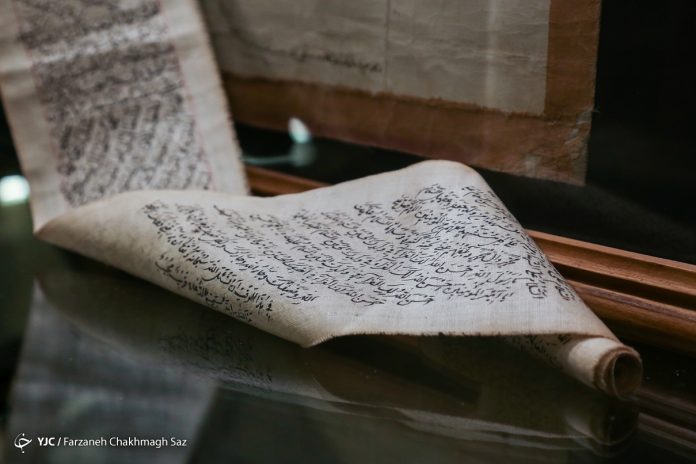
Exhibitions of handwritten copies of Quran in Shiraz tourist attractions

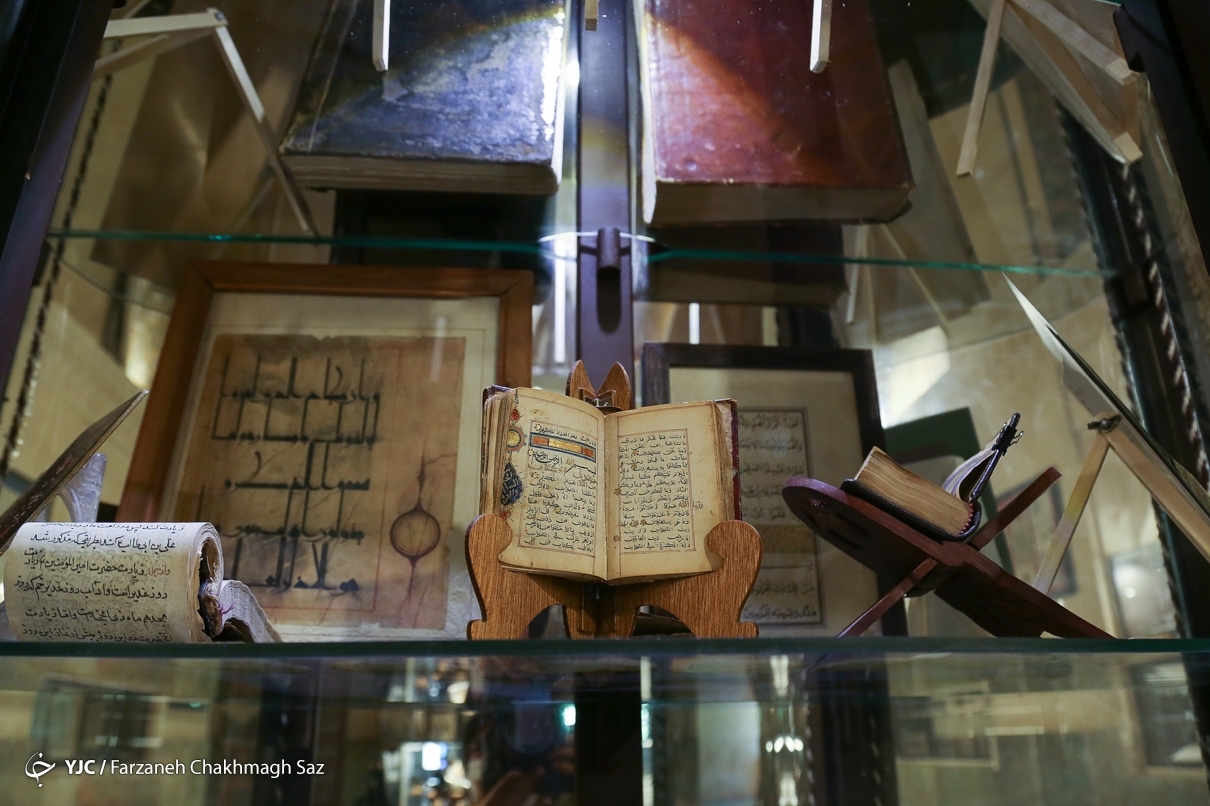
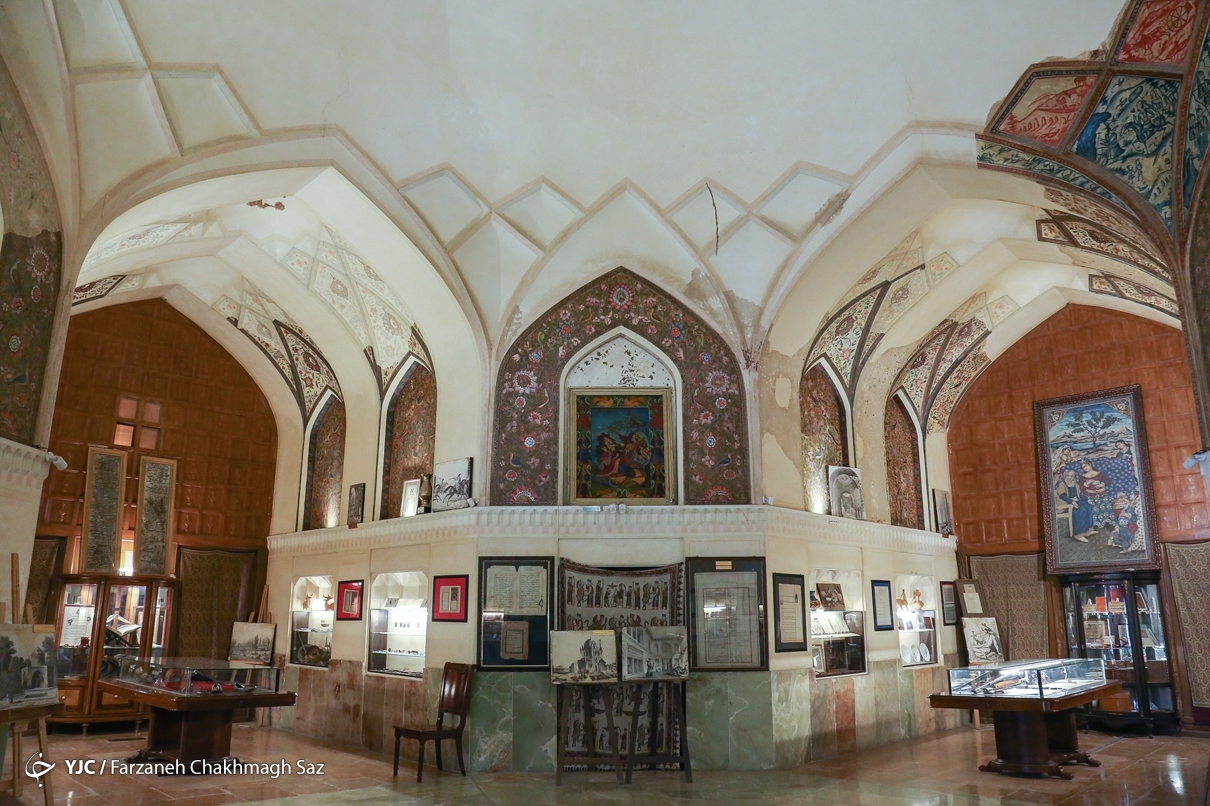
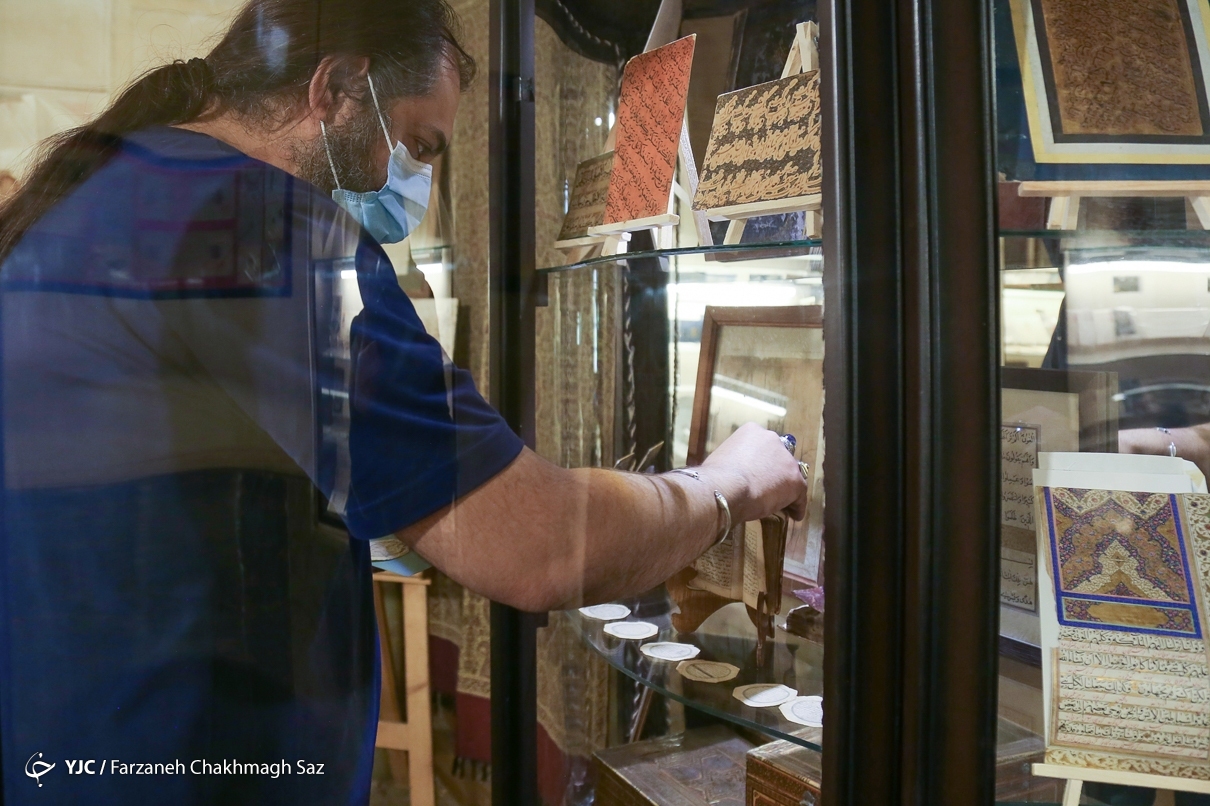
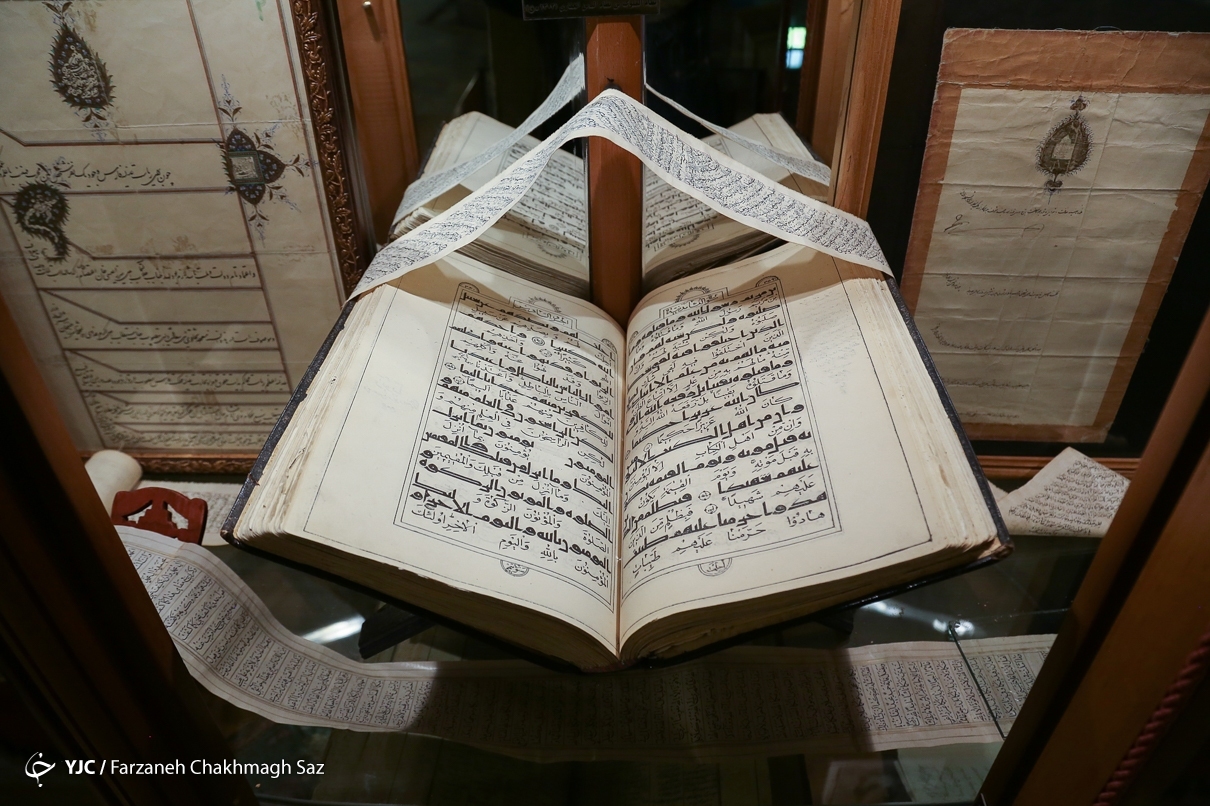
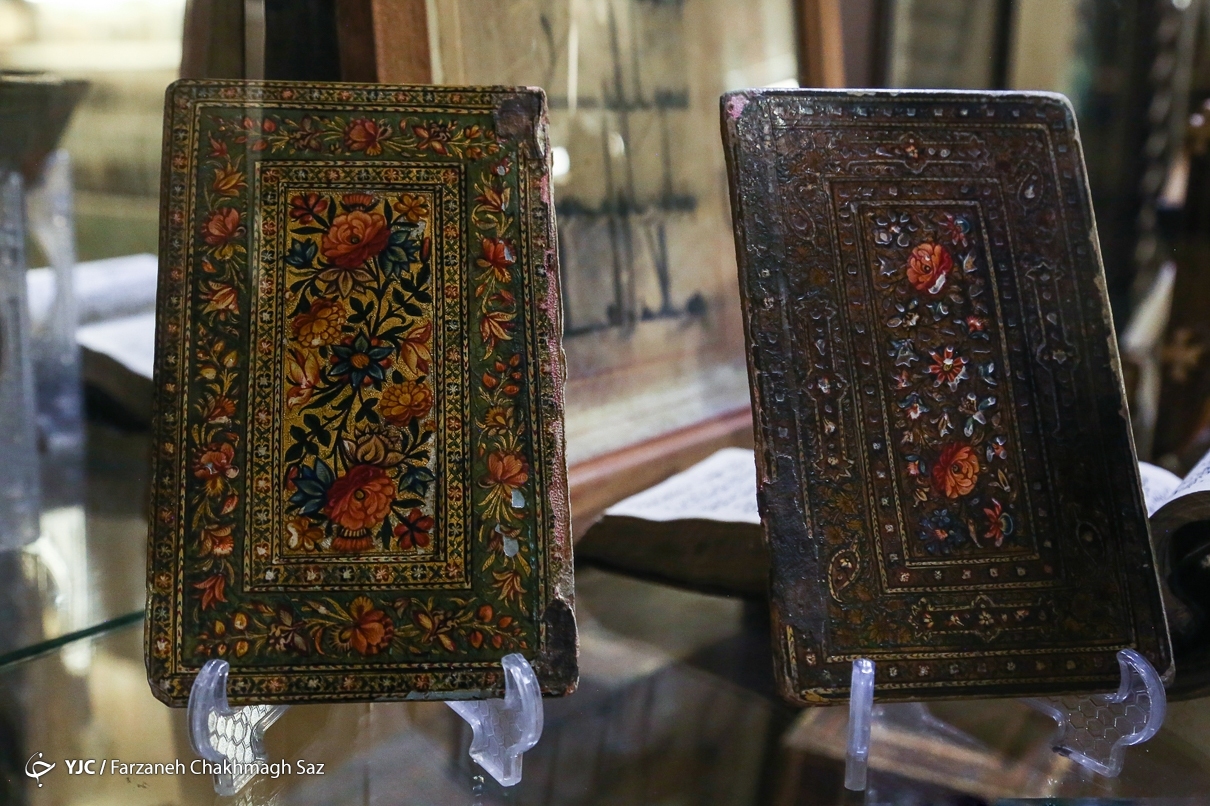
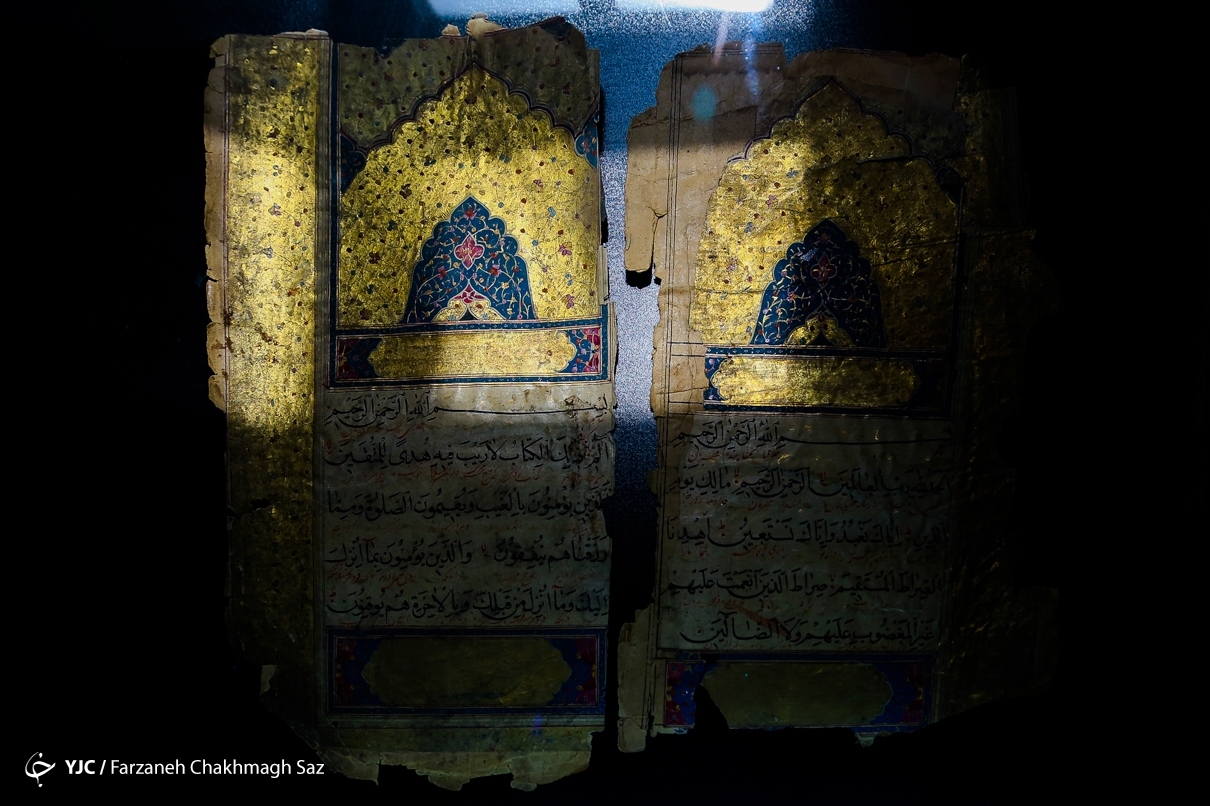
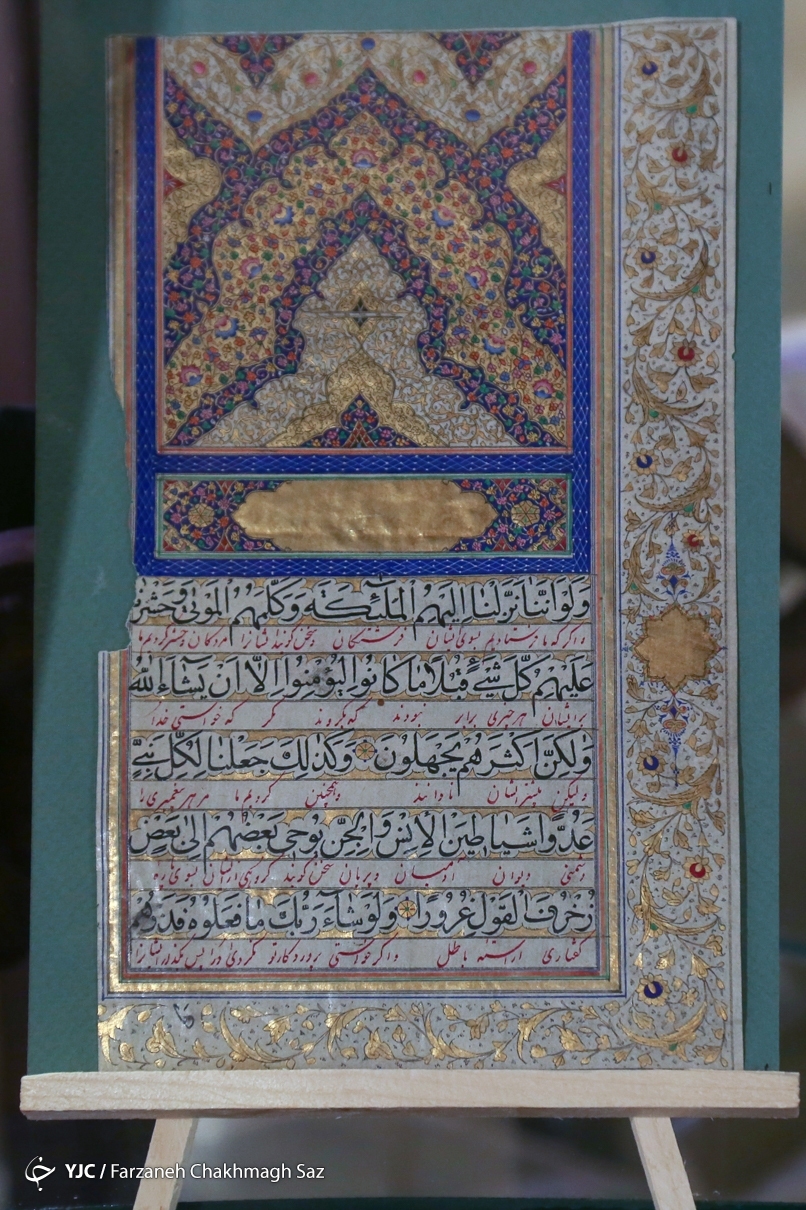
Handwritten copies of Quran

Delgosha Garden is one of the most beautiful gardens and tourist attractions of Shiraz.

Delgosha Garden dates back to the eras of the Sassanid, Safavid and Qajar dynasties. The Kolah Farangi Mansion in Delgosha Garden is now a museum.

Iranians have inherited Jahan Nama Garden from a history of 700 years.

In the heart of this landmark garden, there is also a Kolah Farangi Mansion that was built at the order of Karim Khan Zand, he founder of the Zand Dynasty.

Like Eram Garden, Delgosha Garden and Takhte Gharacheh Garden, which are all famous monuments in Shiraz, Jahan Nama Garden was at the apex of its greenness and prosperity before the invasion of Timūr Gurkānī.

A historian of the time of Timur calls it “Ornament of the World“ in the book “Ajayeb al-Maqdur”, which is Arabic for “Possible Wonders”.

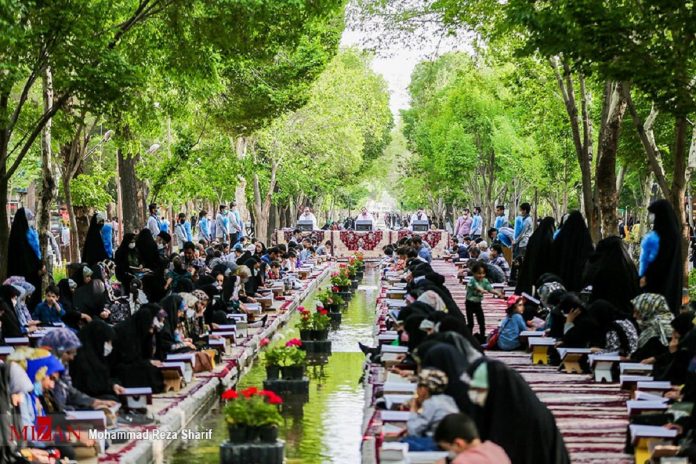
Gathering for Qur’an recital at Isfahand’s Chahar Bagh

Gathering for Quran recital in Iran
During the gathering, they recite one juz’ of Quran each day prior to the evening call to prayer, which is the time for Iftar.

Kuwait, Saudi Arabia rekindle ties with Lebanon

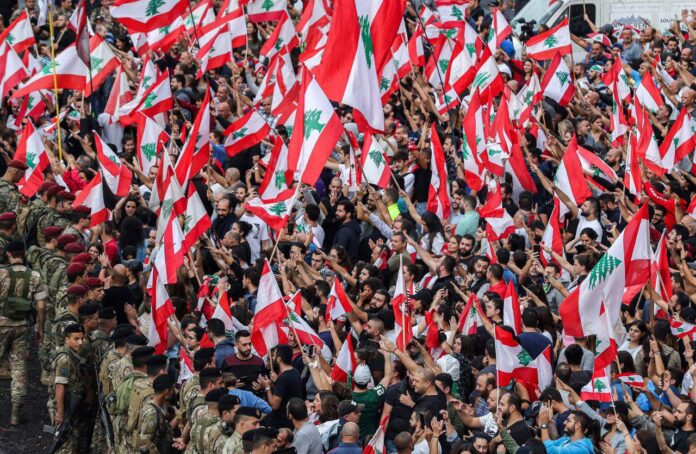
Lebanon

Saudi Ambassador Waleed Bukhari hosted a dinner at his residence on Monday, receiving Prime Minister Najib Mikati, Lebanese political allies, Hezbollah-backed Agriculture Minister Abbas Hajj-Hassan, and the ambassadors of the United States, the United Kingdom, France, and Germany.

Mikati announced he will visit Riyadh this month, while Bukhari said the kingdom and France will go ahead with humanitarian assistance for Lebanon, where about three-quarters of the population live in poverty, and food-price inflation is among the highest worldwide.

“The relationship that brings us together is exceptional through common interests when it comes to economy, finance, services, and even Arab unity,” Energy Minister Fayyad told Al Jazeera, adding, “I think the natural course of ties between Lebanon and Arab countries is for them to flourish, especially with the Gulf countries.”

Lebanon’s ties with Saudi Arabia and other Persian Gulf countries were severely strained during the past year. The kingdom has especially been concerned about the smuggling of the illegal amphetamine Captagon pills into the Gulf, and the growing influence of the Iran-backed Shia movement Hezbollah, designated a “terrorist” organisation by Riyadh.

Saudi Arabia once invested billions of dollars in the country and bolstered its luxury tourism economy. The diplomatic crisis, which included a blanket ban of Lebanese exports into the kingdom, crippled Lebanese industrialists already struggling to keep their factories open. Though not all of the measures have been lifted, the developments of the past few days are extremely promising, senior parliamentarian Alain Aoun said.

“These are positive signs towards [the full] normalisation of relationships,” stated Aoun, adding he hopes that political leaders will next convene. “[Next step is] restoring dialogue at the highest level.”

However, some officials are sceptical of the extent Lebanon can fully restore ties with Saudi Arabia and other Persian Gulf states, especially with Hezbollah and its allies boasting the most political power in the country.

Billionaire business magnate and Member of Parliament Fouad Makhzoumi, a supporter of Riyadh and a staunch critic of Hezbollah, told Al Jazeera the recent development is a “valuable opportunity” for Lebanon, and accused Hezbollah and its allies in power of trying to sever ties with the Gulf.

“All that the ruling class under the control of Hezbollah has done is attack Arab and Gulf states, export Captagon, support the Houthis, involve Lebanon in absurd battles, and make it an unwanted arena for wars,” Makhzoumi said.

“But the most important question is does Mikati have the will and ability to implement reforms in the light of the presence of the Hezbollah militia that controls the state’s decisions? We hope so,” Makhzoumi added.

The ambassadors of the United Arab Emirates and Bahrain have still not returned to Lebanon.

Relations further soured after comments made by Lebanese Information Minister George Kordahi critical of the Saudi-led coalition’s war in Yemen were broadcast last October.

The former celebrity game show host and presenter made the statement one month before joining the Lebanese government, calling the long-running war “futile”, adding the Iran-aligned Houthis are “defending themselves … against an external aggression”.

Hezbollah leader Hassan Nasrallah has since slammed Saudi Arabia, accusing it of “terrorism” and trying to stir a civil war in Lebanon, further fanning the flames.

Kordahi resigned in December, but it was not until Kuwait offered a series of confidence-building measures to the Lebanese government in January that the situation slowly began to improve. The moves included Lebanon holding timely parliamentary elections, implementing its commitment to UN Security Council resolutions – including those that require disarming Hezbollah’s powerful paramilitary force – and halting the flow of illicit drugs into Persian Gulf states.

Imad Salamey, associate profeessor of Middle East political affairs at the Lebanese American University, said Lebanese politicians toned down what he described as a “growing anti-GCC campaign and negative rhetoric”, which has reassured Saudi Arabia and alleviated its allies’ fears of a complete withdrawal from the country.

“Anti-GCC rhetoric has ended, the Lebanese government has pledged to seek positive relations and cooperation [with Gulf countries], and it has cracked down on [drug] smuggling operations,” Salamey told Al Jazeera, adding, “I believe the government of Lebanon has taken various refraining steps to the satisfaction of the GCC.”

Though Hezbollah still possesses its arms, plans for parliamentary elections next month are on schedule, and Lebanese security agencies have thwarted numerous drug smuggling attempts to the Gulf. In one case, security agencies foiled the smuggling of nine million Captagon pills hidden in boxes of fake oranges at the Beirut Port that were headed to Kuwait.

The timing of Riyadh’s rapprochement, just weeks before the vote, is not a coincidence, analysts say.

“We have always had an increase in foreign meddling and interventions in the weeks and months preceding the elections,” said Karim Emile Bitar, director of the Institute of Political Science at Beirut’s Saint Joseph University.

“In this case, the return of Gulf ambassadors to Beirut and the signals they are sending to reengage with Lebanon probably aims at preventing Hezbollah from making forays into the Sunni community, and increasing its sway on the Lebanese state,” he added.

Saudi Arabia’s key Sunni ally in Lebanon, former prime minister Saad Hariri, suspended his political career in January.

Bitar said the slow recovery of ties with Riyadh and other Persian Gulf countries could contribute to legitimising the nation’s governing political parties right before millions of disgruntled Lebanese take to the polls.

“So many groups in the Lebanese opposition today are very worried about these foreign attempts at revamping the Lebanese political establishment,” Bitar added.

Spain’s Iran envoy visits historical Niavaran complex in N Tehran

Spain’s Iran envoy visits Niavaran complex

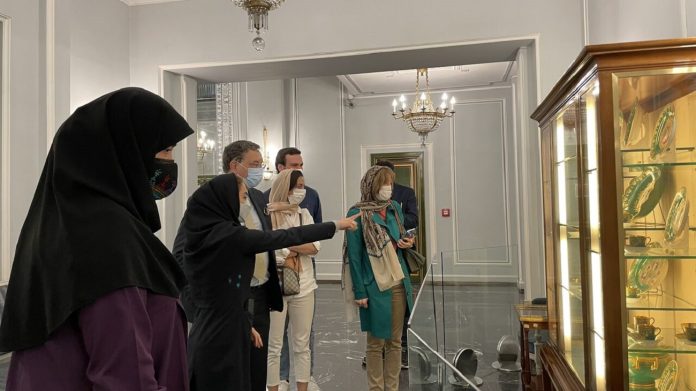
During the visit on Tuesday, the Spanish envoy held talks with Maryam Jalali, head of the complex, on expanding cultural exchanges between the museums of Iran and Spain and holding joint cultural events.

The Niavaran complex includes several palace buildings and monuments dating back to the Qajar and Pahlavi eras. It is a major tourism attraction in the Iranian capital.

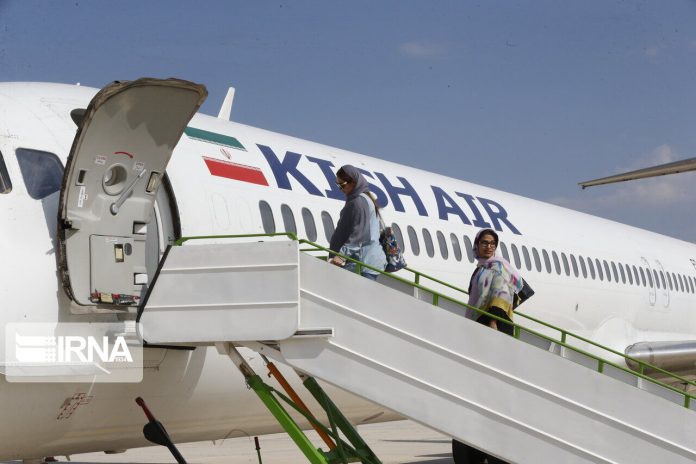
Kish-Tehran flight makes emergency landing due to technical glitch

Kish Air

Hassan Rezaei-far, the director general of Accident Investigation at Iran’s Civil Aviation Organization, said on Wednesday that Flight 5713 followed standard procedure making the emergency landing at Esfahan Airport on Tuesday night because of a fuel delivery glitch.

None of the 174 passengers and crew on board the plane was harmed. They were later transported to Tehran on board a substitute aircraft.

Iran is under stringent US and international sanctions, including on its aviation industry, which have hindered not only Iran’s ability to purchase new aircraft but also to access spare parts. Iran has been striving to keep its aging fleet operational despite the sanctions, though

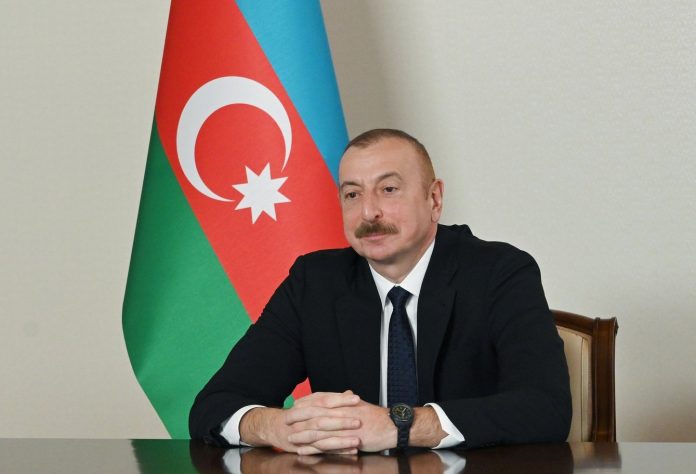
Baku says ready to launch corridor to Nakhjavan via Iran

Ilham Aliyev

Nakhjavan is an Azeri territory locked inside Armenia. This has disconnected the region from Azerbaijan.

Aliyev says the corridor passing through Iran will link Azerbaijan to world markets.

The Azerbaijani president referred to Armenia’s failure to fulfill its commitments to let Nakhjavan get connected to Azerbaijan’s main territory, expressing hope that the project of building the corridor will be launched soon.

He thanked Iran for its help in this regard.

Aliyev then criticized the international community’s silence after Armenia cut off gas to Nakhjavan from 1990 to 2005 during harsh winters, saying at the time Iran assisted Azerbaijan through pumping gas to the region. He noted that a gas swap deal is still in place between the two countries.

The Azeri president then accused the West of adopting double standards toward his country, saying the Western governments are sensitive to Ukraine’s territorial integrity now that it’s at war with Russia but they were indifferent to the occupation of Azeri soil by Armenia and resisted the recognition of Azerbaijan’s territorial integrity.

“During the (Armenian) occupation, we protested to the violation of our territorial integrity at world bodies but many countries turned away, while it is absolutely obvious which side is the occupier, and this is an example of double standards and unfairness of the West”, Aliyev said.

He added that the Western media are now calling Turkish-made Bayraqdar drones that Ukrainians use against Russia “angels” but during the Azerbaijan-Armenia war, when Azeri forces used the same aircraft against the Armenian forces, the Western media described the UAVs as “deadly”.

MP: Iran’s position has strengthened in Vienna talks

Nuclear Talks in Vienna

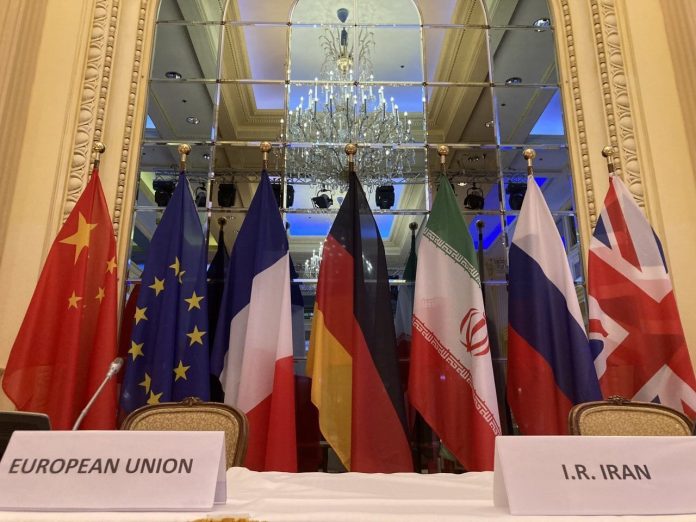
Jalil Rahimi said the members of the commission met with Foreign Minister Hossein Amir Abdollahian and Iran’s chief negotiator in Vienna Ali Bagheri on Tuesday evening.

In the meeting, he said, Amir Abdollahian and Bagheri outlined the issues on which Iran and the +P have found common ground and also the disputed issues.

According to the MP, Amir Abdollahian and Bagheri then answered questions asked by the lawmakers. He cited the foreign minister and the lead negotiator as saying that the Iranian side has done their utmost to resolve the case and that Iran is participating in the negotiations with goodwill.

Rahimi said the Western parties to the Vienna talks are declining to cooperate despite their previous claims that they are behaving in good faith.

Rahimi also said Iran has a good bargaining chip at the negotiating table and this caused the US to fail to justify their pullout from the deal.

The Iranian lawmaker further underlined that during the Vienna talks, Iran’s red lines have not been crossed.

Rahimi added that one major goal of Iran’s participation in the negotiations in Vienna is to improve the economic situation for the people of Iran and if that does not happen, sitting at the negotiating table is not useful

Iran MP: Government seriously pursing space industry

Nour satellite

In an interview with IRNA, Fereydoon Abbasi-Davani on Wednesday highlighted the achievements made by the Iranian Armed Forces over the past years in designing and developing satellite carrier rockets.

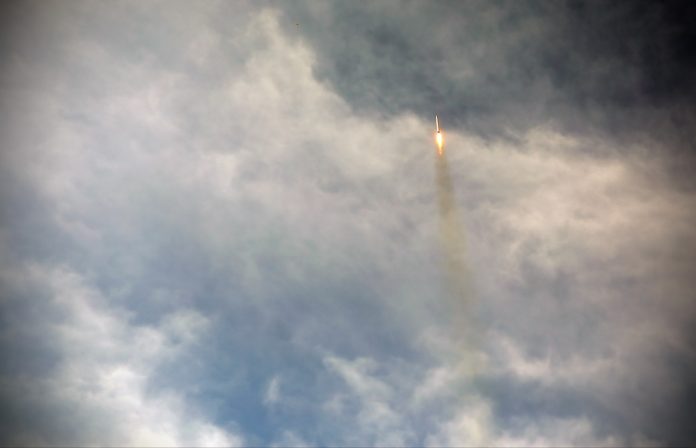
In the latest such achievement, he recalled, the Islamic Revolution Guards Corps (IRGC) successfully launched the Nour-2 military satellite, the second of its kind, and placed it into orbit.

“Although not much time has passed from the term of the 13th administration, the president has a special view of this topic and is seriously pursuing the expansion of the country’s space industry,” Abbasi added.
Abbasi, a nuclear scientist and a former head of the Atomic Energy Organization of Iran, called for efforts to develop the space industry’s infrastructure in the country.

“Paying attention to the scientific capacities of the young elite and scientists will lead to the country’s growth and prevent the immigration of the genius from the country,” the lawmaker said.

He said the Iranian Space Agency was established on the back of years of experience during the ex-Iraqi regime’s 1980s war on Iran, during which Iranian experts moved to master the manufacturing of missiles and placed reverse engineering high on their agenda

Hegemonic system aims to cause rifts between Iran, Afghanistan: Commentator

Iran Afghanistan

“We must remember that one of the key policies of the hegemonic system, which it has for years been exploiting for further dominion in West Asia and the Islamic world, is creating rifts,” Reza Sadr al-Hosseini told ISNA on Wednesday.

“The British had a slogan — “Divide and rule!” — which they had been able to use well… They have offered these experiences to the Americans, who consult the Brits often. In their opinion, the best way [to gain dominion] is to cause rifts between ethnicities,” he added.
Sadr al-Hosseini said that Western intelligence services had in recent months produced and circulated video clips, infographics, and interviews, including by non-experts, to cause discord between the two nations of Iran and Afghanistan.

“Therefore, they have taken action… [to provoke] Afghanophobia in Iran and Iranophobia in Afghanistan, which have had regrettable consequences for the two countries,” he added.

A recent attack against clergymen in Mashhad and a mob raid on Iran’s Consulate in Herat were instances in which foreign fingerprints could be seen, he said.
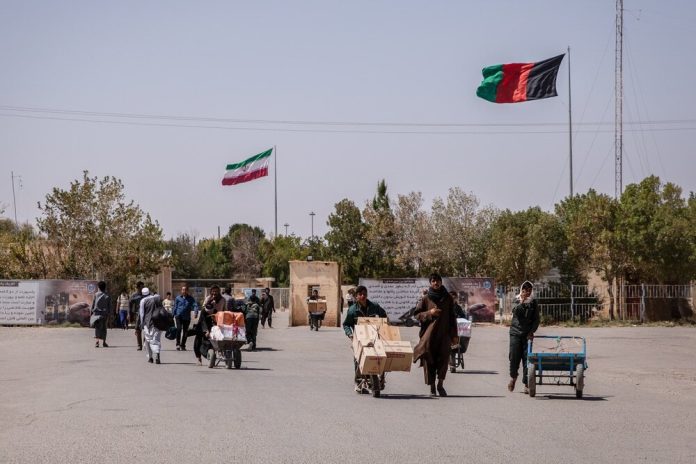
But he stressed that Iran and Afghanistan — with a common border of more than 900 kilometers, as well as a common culture and religion — had deeply-rooted ties that could not be affected by such provocations.
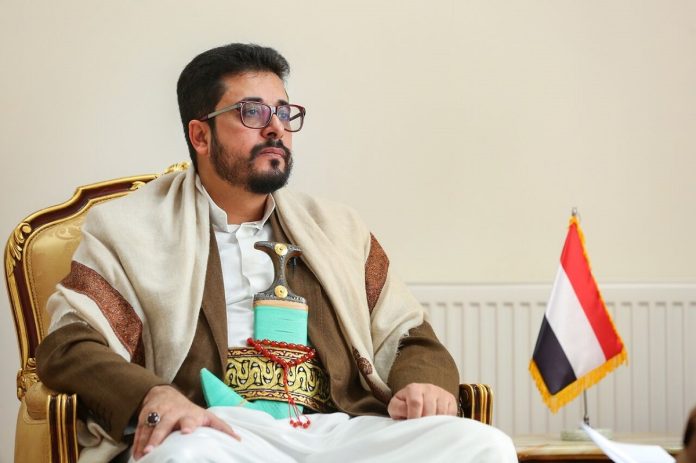
Yemeni ambassador: Any peace talks with Saudis must be held in Sana’a

Ibrahim al-Dulaimi

In an interview with Al-Masirah TV chennal, Ibrahim al-Dulaimi said the talks must first be held between Yemen and Saudi Arabia and then they must move toward a political process that will pave the way for Yemen to return to normal.

Al-Dulaimi then spoke about the Saudis’ move to form an “illegal” council to cover up the reality of the aggression against Yemen.

Al-Dulaimi referred to his meeting with Iranian Foreign Minister Hossein Amir Abdollahian in Tehran. He said he and Amir Abdollahian discussed the gains made during the past few days and the necessity of the UN and the invaders’ adherence to the truce in Yemen.

Al-Dulaimi’s comments come as Saudi Arabia’s official news agency reported that Riyadh has urged the council to start talks with the Ansarullah movement under the supervision of the United Nations to find a political solution to the Yemen crisis that would involve a transition period.

The Yemeni ambassador to Tehran said if the Saudi-led coalition acts in good faith, then the current ceasefire could lead to an end to the war and occupation of Yemeni and also to the complete removal of the siege against the country.

The UN chief’s envoy for Yemen Hans Grundberg on April 2 declared the truce in Yemen for two months. The two warring sides have accused each other several times of violating the truce. But the ceasefire is still holding and there are no indications of it unraveling.

The Yemen war began 7 years ago killing tens of thousands of Yemenis, many of them civilians. It has also destroyed most of Yemen’s infrastructure and caused a humanitarian catastrophe in the country that the UN has described as the worst in the world.