Sunday, December 21, 2025
Home Blog Page 1983

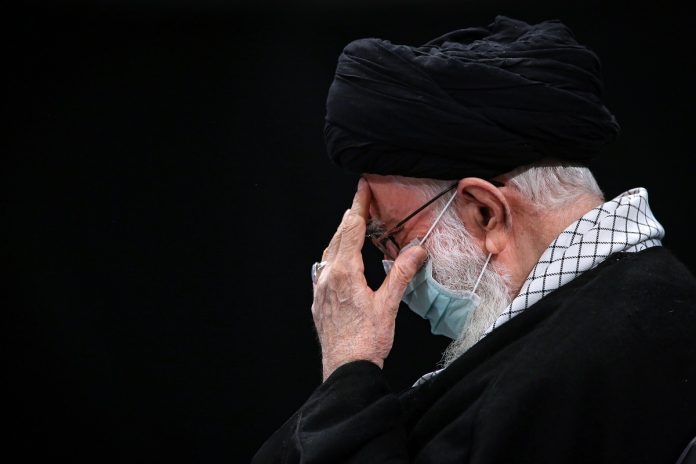
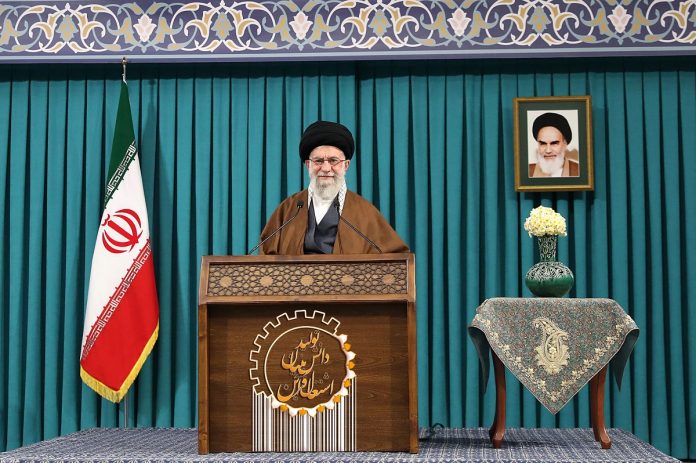
Iran leader designates 1401 as “The Year of Production: Knowledge-Based and Job Creation”

Iran Leader Ayatollah Seyed Ali Khamenei

Ayatollah Khamenei congratulated Iranians on the arrival of the New Year.

The leader first reviewed Iran’s achievements in the previous year, enumerating last summer’s successful presidential election, Iran’s scientific and technological progress and defeating the US so-called maximum pressure campaign.

The Leader said Iranians’ huge turnout in the 20-21 presidential election was a high point of the year, which took place during the height of the Covid pandemic.

Ayatollah Khamenei said the US admission that it had suffered a humiliating defeat in its maximum pressure campaign against Iran was another sweet point of the previous Iranian calendar year.

Ayatollah Khamenei also called for efforts by the government to do its utmost to resolve people’s likelihood problems.

Meanwhile, the leader called on all Iranians including citizens and government officials to work hard to boost knowledge-based production and create new jobs.

The leader then designated the year 1401 as The Year of Production: Knowledge-Based and Job Creation.

He noted that production should have two characteristics: It should create jobs and should be knowledge-based.

Ayatollah Khamenei called on officials to encourage production which is reliant on new scientific advancements and generates employment.

“We are after this kind of production”, the leader reiterated.

Ayatollah Khamenei however called on officials to not let this remain a word and demanded that they translate the name of this year in action.

The leader then struck an optimistic note, saying, “Of course, according to what I have seen, this administration, by God’s grace, will make progress given the diligence of the honorable president and that of his colleagues.”

2nd oil field in Iran’s Fars Province goes on stream

Iran's Oil Field

NIOC Managing Director Mohsen Khojasteh Mehr said that out of the five oil wells drilled in the Kesht oil field, three are now on stream with a flow rate of 9,000 barrels daily, while the work on the other two are in the final stages.

The launch comes as the country is marking the anniversary of the historic 1951 nationalization of Iran’s oil.

“The operation to build the necessary infrastructure to make the oil field operational, was carried out by one of the capable domestic companies under the supervision of NIOC experts,” he added.

He said all the equipment used to develop the oil field has been designed and developed at home.

The oil brought to the surface as the Khesht field is directed via a pipeline to the Nargesi Production Center in Bushehr Province, in southern Iran.

From there, the crude will be transferred to export terminals. So far, around 125,000 barrels of crude have been produced at the field, Khojasteh Mehr said.

Khesht oil field is being developed by South Zagros Oil and Gas Production Company, which is a subsidiary of the NIOC.

The project is expected to increase the production capacity of Sarvestan and Saadatabad oil fields to 30,000 barrels per day.

Taliban ban Afghan national flag

Taliban

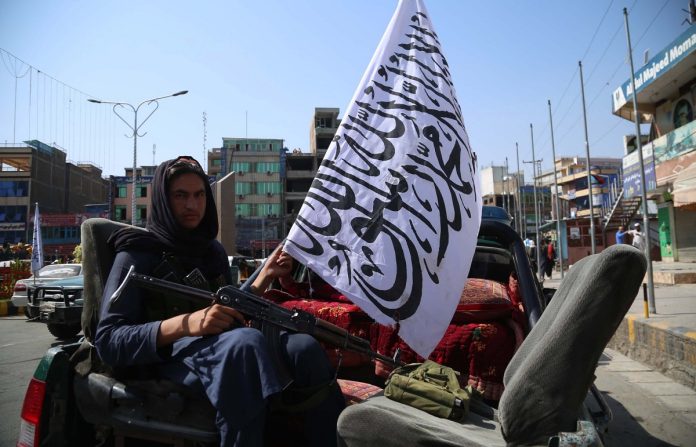
Under the decree, all government agencies in the country and abroad must now use the white-colored Taliban flag with a black-ink Islamic scripture reading “There is no God but Allah, and Muhammad is His prophet.”
Taliban officials are no longer allowed to appear in public with the tricolor flag.

The Taliban came to power in Afghanistan in the fall of 2021 and established an interim government led by Mohammad Hasan Akhund, who served as a foreign minister during the first Taliban rule.

The new authorities have not yet been internationally recognized.

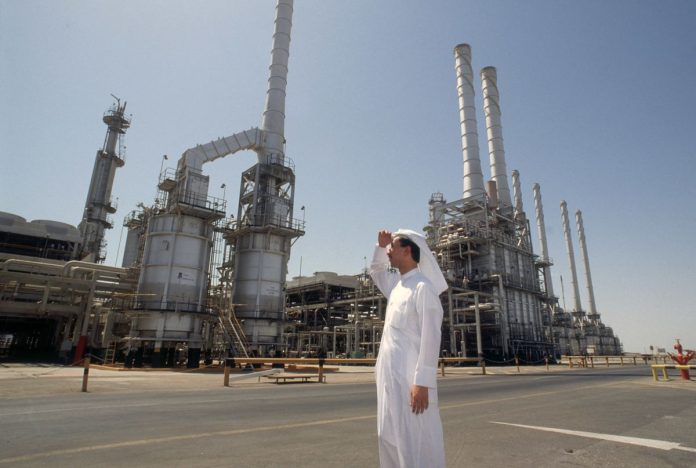
Output of Saudi oil refinery drops following Yemen attacks

Saudi Arabia oil refinery

The refinery, known as Yasref, on the Red Sea, will compensate for the shortfall from its stockpiles, the news agency added, citing a source at the Saudi energy ministry.

Yasref stands for Yanbu Aramco Sinopec Refining Co., a joint venture between Saudi Aramco and China Petrochemical Corporation (Sinopec), according to the refinery’s website.

Oil firm Saudi Aramco claimed earlier on Sunday that the attack did not impact supplies or cause casualties.

The spokesman for Yemeni armed forces has said Yemeni troops carried out a large-scale offensive, dubbed Operation Breaking the Siege II, against a number of vital and sensitive targets deep inside Saudi Arabia, using domestically-developed ballistic and cruise missiles as well as combat drones.

Speaking at a press conference in the capital Sana’a on Sunday, Brigadier General Yahya Saree stated that Yemeni troops and their allies pounded the facilities of Aramco company in the Saudi capital Riyadh, in addition to several important sites in the cities of Yanbu, Abha, Khamis Mushait, Jizan, Samtah and Dhahran al-Janub.

“God willing, Yemeni armed forces will carry on special military operations to break the brutal siege. The strikes will be against critical and sensitive targets, which the enemy would never imagine,” Saree pointed out.
He also highlighted that Yemeni armed forces have the complete coordinates of vital targets deep inside Saudi Arabia, adding they could come under attack at any time.

“The Yemeni army warns the criminal enemy of the consequences of its oppressive siege on the country’s economic facilities and projects. Yemeni armed forces have always declared they will hit the strategic and sensitive facilities of the Saudi-led coalition’s member states as long as the siege persists,” he added.

Saudi Arabia launched the devastating war against Yemen in March 2015 in collaboration with a number of its allies and with arms and logistics support from the US and several Western states.

The objective was to bring back to power the former Riyadh-backed regime and crush the popular Ansarullah resistance movement, which has been running state affairs in the absence of an effective government in Yemen.

The war has stopped well short of all of its goals, despite killing hundreds of thousands of Yemenis and turning the entire country into the scene of the world’s worst humanitarian crisis.

Ayatollah Khamenei offers condolences over death of Iranian cleric

Iran’s leader Ayatollah Seyyed Ali Khamenei

In a message to the late cleric’s father Hojatoleslam Ali Shafiei, Ayatollah Khamenei said Mohsen Shafiei played a valuable role in scientific, social and academic fields of Khuzestan province [in southern Iran] and that he was an asset for the future.

The leader said, “The passing of this hard-working, serving and prudent scholar is a loss which I pray to God to make it possible to compensate.”

Ayatollah Khamenei also prayed for divine mercy for Hojatoleslam Mohsen Shafiei.

Hojatoleslam Mohsen Shafiei, who was the head of the leader’s office in Khuzestan’s universities for 11 years, passed away on Saturday. He was also a university lecturer.

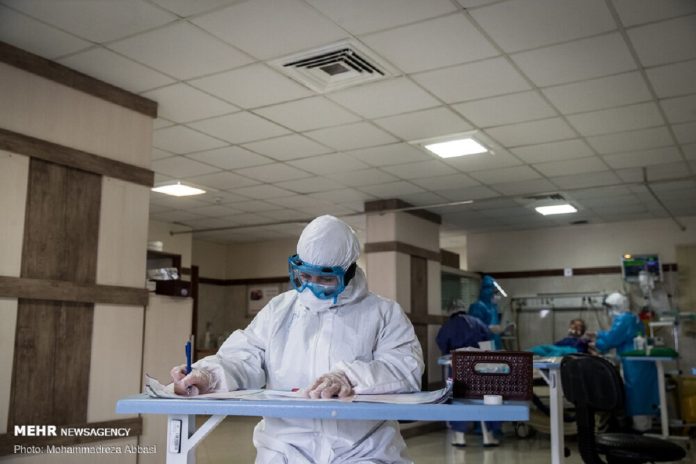
Downward trend in Iran Covid deaths holds

COVID in Iran

The total death toll from Covid now stands at 139,610.

But Covid’s daily caseload jumped slightly compared to Saturday. The Health Ministry logged 1,816 new infections over the past 24 hours while the previous day’s cases stood at 1323.

Sunday’s caseload included 339 hospitalizations.

Iran has been able to contain the pandemic thorough rolling out a nationwide vaccination campaign that has seen upwards of 146 million doses of vaccine administered to people.

More than 25 million people have received their third dose of vaccine, which is known as the booster shot.

The last surge in Covid cases, which is now subsiding, was driven by Omicron, a variant of the virus.

Despite the downward trend in the deaths and infections, Iranian officials including President Ebrahim Raisi are urging people to not ease health protocols as this could cause a resurgence of the virus. Raisi on Saturday said people should avoid thinking that things are back to normal.

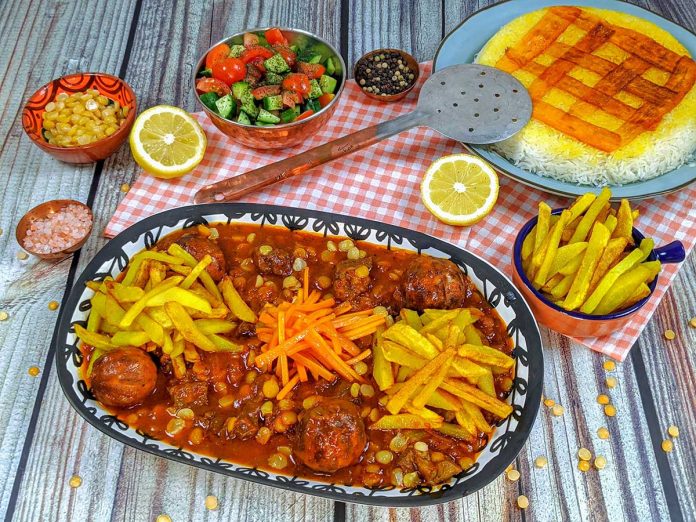
Recipe for Gheymeh stew

Khoresh Gheymeh
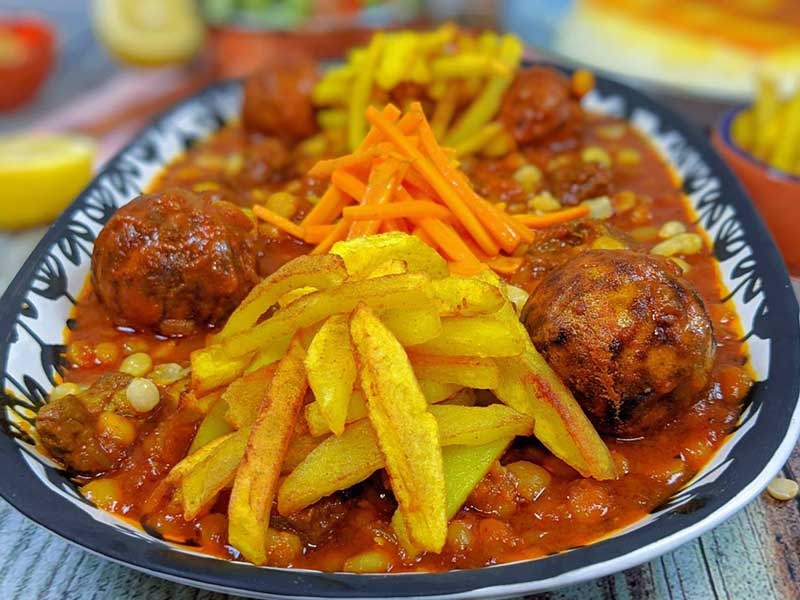
Khoresh Gheymeh is a well-recognized and popular dish to Iranians

Many Iranians associate the name “Gheymeh” with the votive food that is offered at mourning functions in the first ten days of Muharram which culminates in Ashura, the day Imam Hussein (PBUH) and his companions were martyred, and also on Arba’een [a Shiite Muslim religious observance that occurs 40 days after Ashura].

To give viewers a taste of what Iranian mourners are served at these religious ceremonies and others, IFP has decided to post the recipe for the dish that has made a name for itself as a permanent fixture of Muharram. In Farsi, Gheymeh means “small pieces of meat”, that’s why the meat chunks used in this classic Iranian dish are quite small. Based on how you like it though, the size of meat cubes can be bigger than the original recipe.

Some of the ingredients might be hard to source, like dried limes ( Limoo Amani in Farsi ), yellow split peas, and Iranian saffron and rice. It is worth noting that this dish must be served with plain steamed rice which is later garnished with saffron-covered rice. IFP hopes that you give it a try and like it.

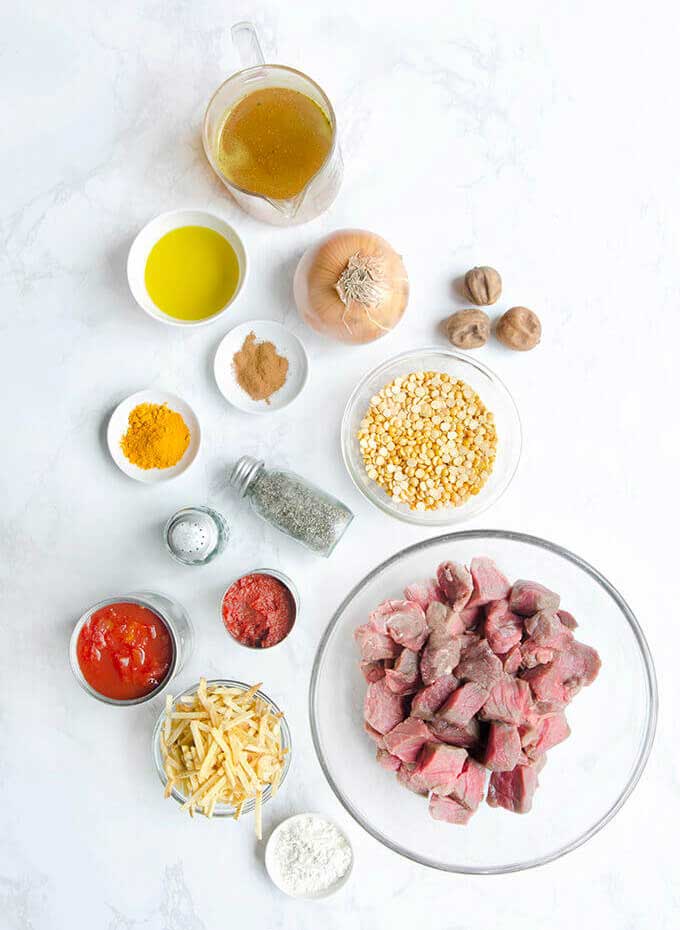
Ingredients for Gheymeh Stew

(Serves 4-6)

  1. 750 grams – 1kg cubed boneless mutton/lamb leg
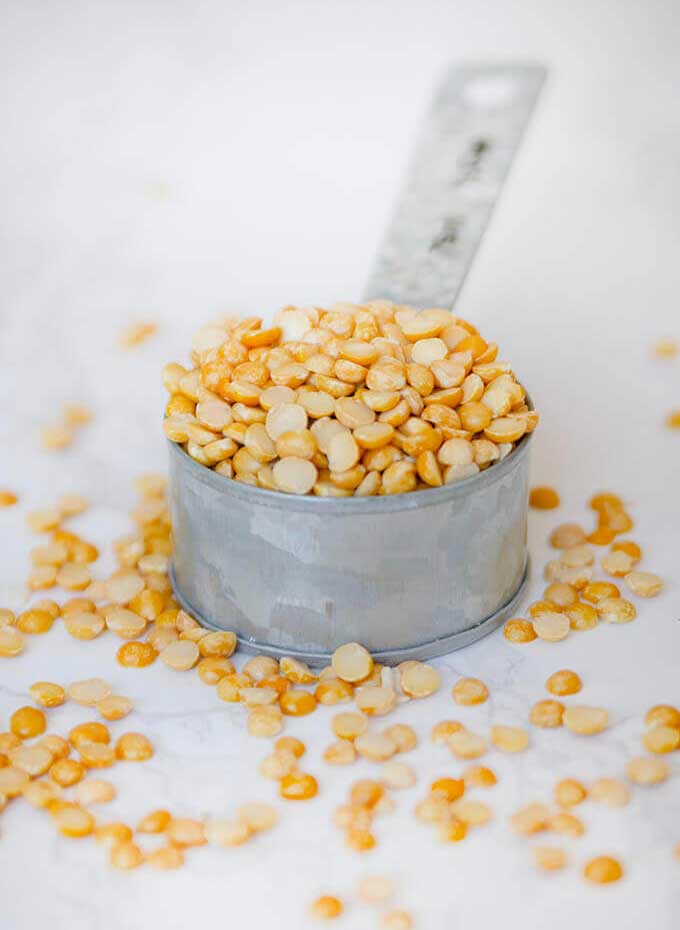
  2. One cup yellow split peas (100 grams) – you’d better pick them over and rinse them a few times, because otherwise they might have a faint unpleasant smell; it is advised that you soak them at least for half an hour. Another important thing about yellow split peas is that there might be varieties on the market that take a long time to cook. Even worse are those that get toughened as a result of cooking. So make sure you buy high-quality split peas.
  3. One-two large onions which are peeled and finely chopped – if they are not thinly chopped, large strips of fried onions might be later floating in the gravy, giving it a bad look. Besides, many people prefer them invisible.
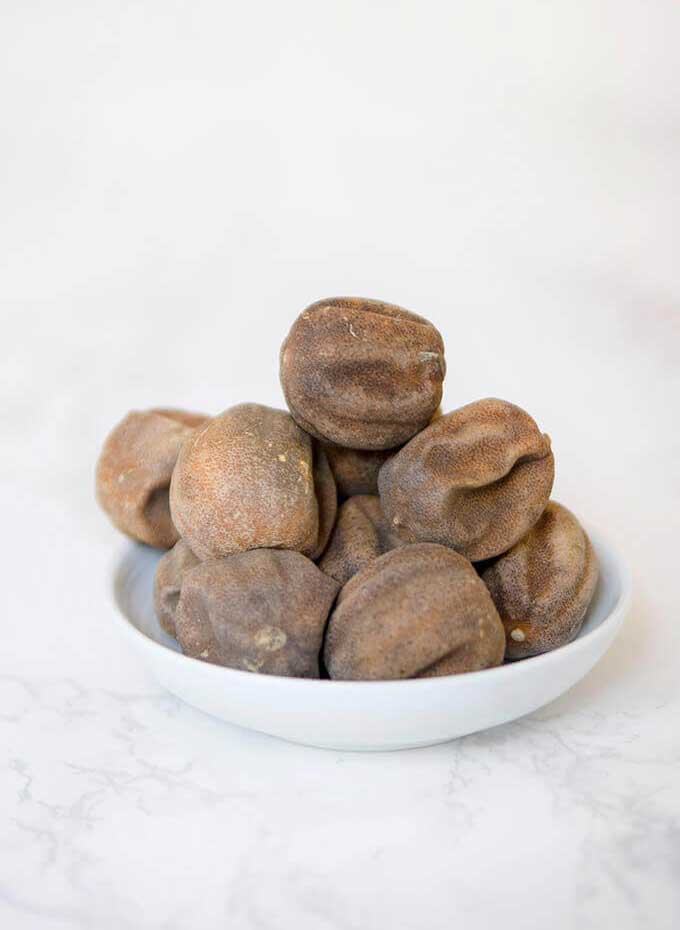
  4. Three-four dried limes – they give the stew a special flavor, one of the ingredients that should not be replaced with anything else. Try to buy them from Iranian grocery stores. Some recommend replacing them with lemon juice, but if you do, a special unique taste will be missing. They should be soaked in water for a few minutes and pierced with a fork. Avoid overusing limes, because it will give a bitter taste to your stew.
  5. Two-three heaped soupspoons tomato paste
  6. A piece of cinnamon bark – it can be replaced with a pinch of cinnamon powder, but it is worth noting that using powder makes the stew translucent. The bark should be removed after the stew is ready.
  7. One-two teaspoons turmeric
  8. One level teaspoon saffron – you will need a pestle and mortar to grind it into powder; the powder should not be prepared much in advance, because it will lose part of its aromatic smell. You had better brew it with a little hot water to have better color and aroma.
  9. Three-four potatoes for French fries – the stew is garnished with fries for topping. In another variation of the same dish, it is topped with fried eggplants.
  10. Salt and ground black pepper to taste
  11. Vegetable oil
  12. Water
  13. One teaspoon rose water – this ingredient is optional and can be excluded.

Cooking Steps for Persian Gheymeh

  1. Fry onions with vegetable oil over a medium heat until they turn soft and golden brown, add turmeric and pepper to it.
  2. Sauté the yellow split peas with the onions – you can also parboil them and add them at least 30 minutes before the stew is ready to be served. The cooking time might be different based on the kind of the yellow split peas. They should not be mushy or uncooked.
  3. Add meat cubes and fry them until browned on all sides.
  4. Tomato sauce should be fried with the mixture until it turns deep red; stir it frequently to prevent it from burning.
  5. Add the brewed saffron to the contents of the pot and give it 2-3 minutes to work its magic.
  6. Pour water into the pot to the extent that it submerges all ingredients and then keep the lid on to bring it to the boil. Afterward, turn down the heat to let it simmer.
  7. Add the piece of cinnamon bark to the pot.
  8. In the final one hour, the pierced dried limes can be added. They should maintain their ball-like shapes while being cooked.
  9. Salt should be added toward the end of cooking to stop meat from toughening and prolonging the cooking time. If fresh meat is used, the cooking time will decrease as opposed to frozen meat. When the meat is cooked the pot can be taken off the heat. Do not forget to remove the bark. The stew should neither be watery nor too thick. If you are interested in adding rose water, you can spoon it in now.
  10. Garnish the stew with fries and serve it with rice.
Khoresh Gheymeh (Gheymeh Stew)
Khoresh Gheymeh: A Traditional Iranian Dish with Meat and Yellow Split Peas

Supplementary Tips

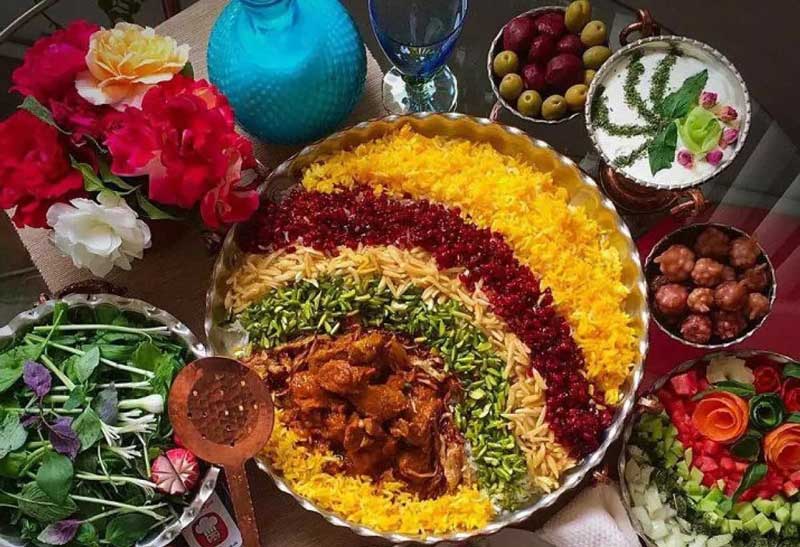
Gheymeh stew is one of the most delicious Iranian dishes which is cooked in any city or province of Iran according to the taste and raw materials available with different recipes. The most famous types of khoresh Gheymeh in Iran are as follows:

Simple traditional stuffing

Simple traditional Gheymeh is cooked using red meat, tomato paste, fried onions, cobs and dried lime.

Eggplant Gheymeh

Eggplant Qeimeh is a stew that is served with eggplant instead of potatoes.

Gheymeh Rizeh of Isfahan

This food is similar to Tabrizi meatballs in appearance, but it has a completely different taste. Minced mutton, dried mint and grated tomatoes are other ingredients of this stew

Gheymeh Pichaq of Ardebil

Eggs, sliced almonds, hair leaves, saffron, rural butter and stew spices are the ingredients of this food. Lemon juice or juice is used instead of dried lime to sour Qeimeh Pichaq.

Yazdi Gheymeh or chickpea Gheymeh

This stew is cooked using chickpeas instead of cobs in the central and southern regions of Iran, especially in Yazd. Chickpea Gheymeh tastes like broth, and goat meat is usually used to cook the food.

Gheymeh Nesar of Qazvin

To cook this stew, red meat or chicken, special spices, sliced almonds, pistachios, barberry and sometimes sliced oranges are used. Gheymeh Nesar is not served with potatoes. They pour Gheymeh Nesar on the rice and then bring it to the table.

Khoresh Gheymeh Nesar
Gheymeh Nesar: Traditional Meat Dish From Qazvin, Iran

Quince Gheymeh

Quince Gheymeh is one of the delicious dishes of Isfahan in autumn. It is interesting to know that the taste of this stew is not sweet at all. Orange juice and stew spices are used instead of dried lime to cook Quince Gheymeh.

Bushehri Gheymeh

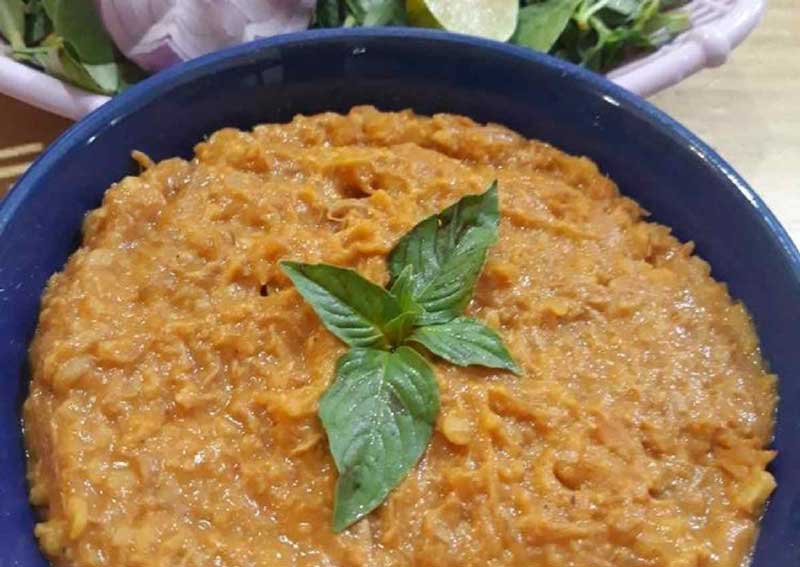
Bushehri Gheymeh is fundamentally different from stews of other cities. it is prepared by crushing the stew. The meat of this stew is completely crushed after cooking and the rest of the stew ingredients are added to it.

Gheymeh Bushehri
Bushehri Gheymeh

Grinded Gheymeh of Lahijan

Grinded Qiemeh of Lahijan is not much different from traditional type and minced mutton or mixed meat is used to prepare it.

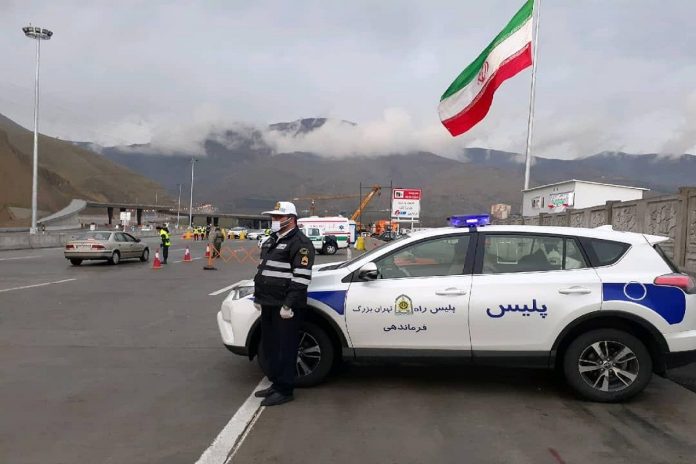
135 dead in four days of travels as Iranians prepare for Nowruz

Iran Police Roads

The police traffic control center is now warning travelers to be ready for adverse weather conditions for the coming week.

This comes after the Meteorological Organization issued a yellow warning due to strong wind and snow and rain forecasts in different areas of the country.

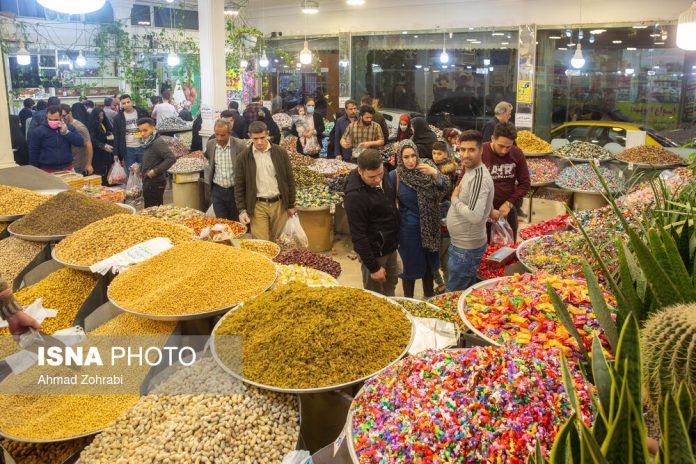
The new Persian year begins later on Sunday. The two-week-long holidays are one of the most popular travel seasons in Iran.

Currently, the northern Iranian provinces of Guilan and Mazandaran as well as the western province of Hamedan are witnessing the greatest number of incoming travels, by road.

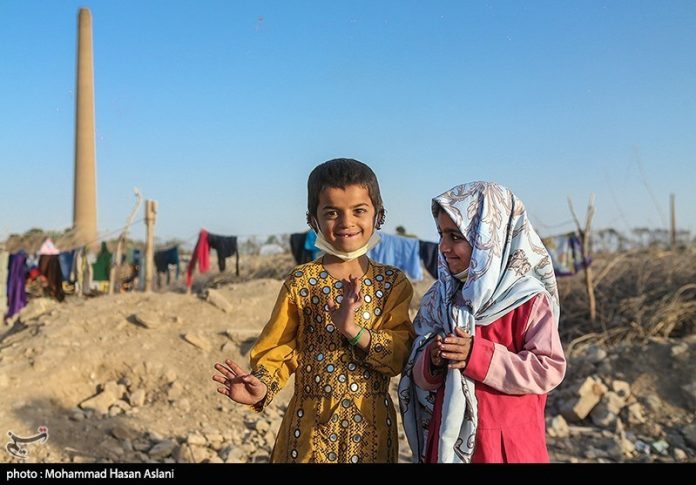
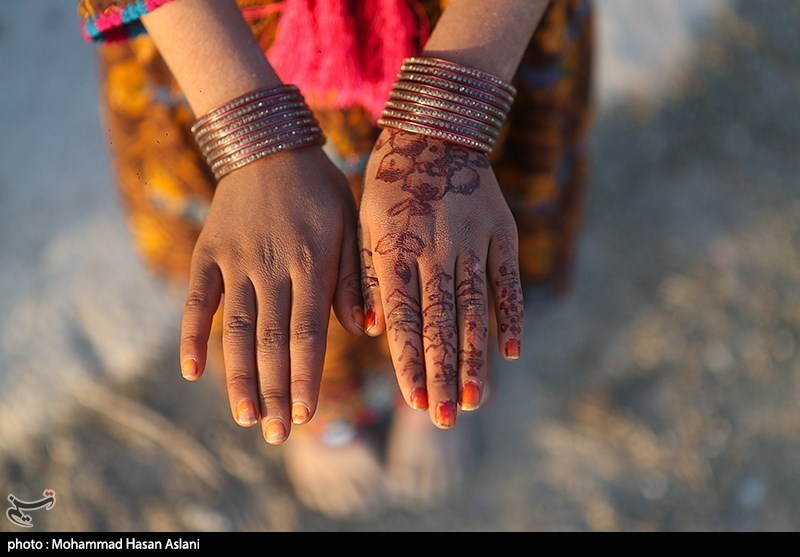
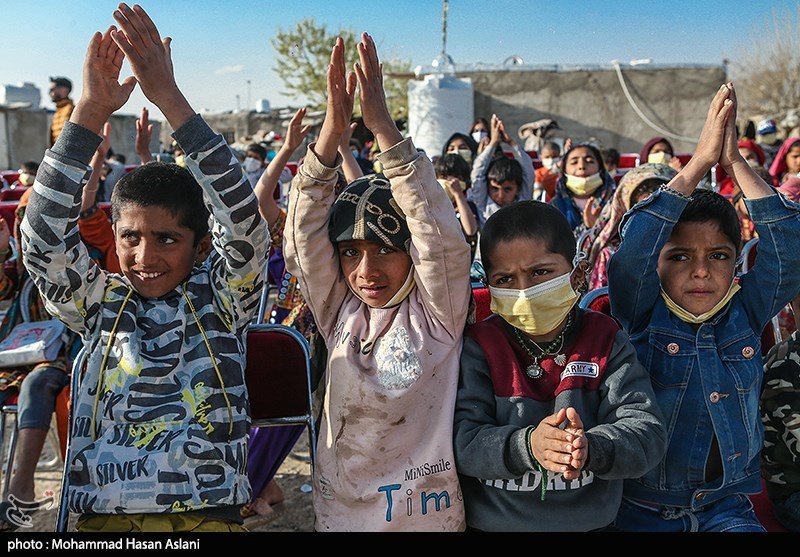
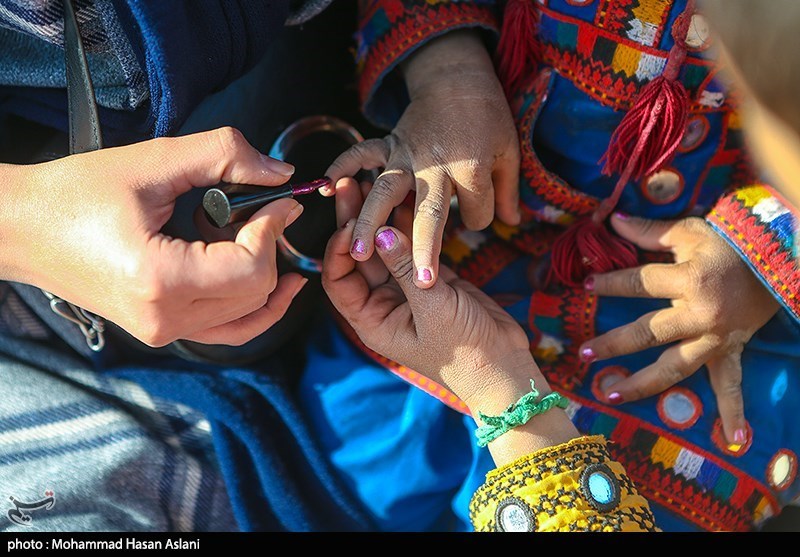
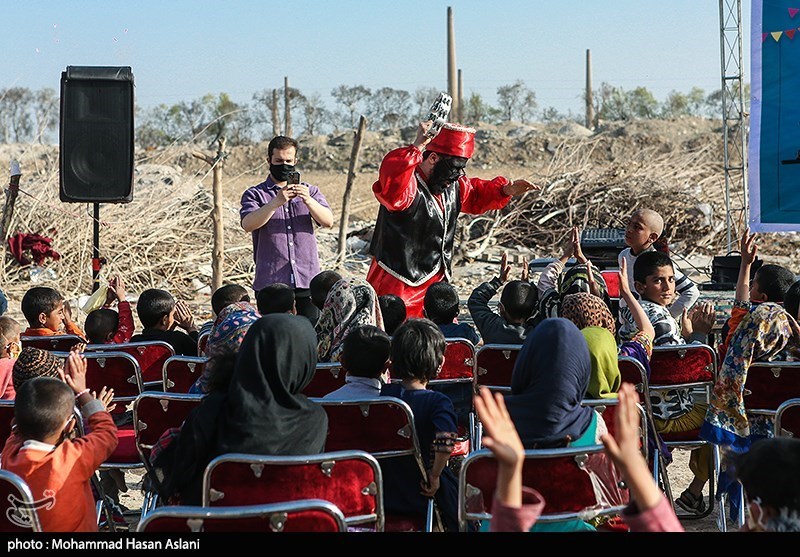
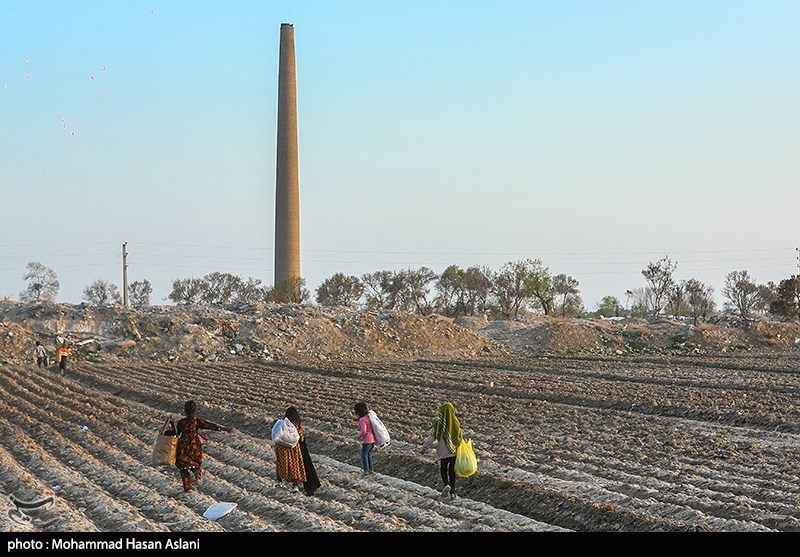
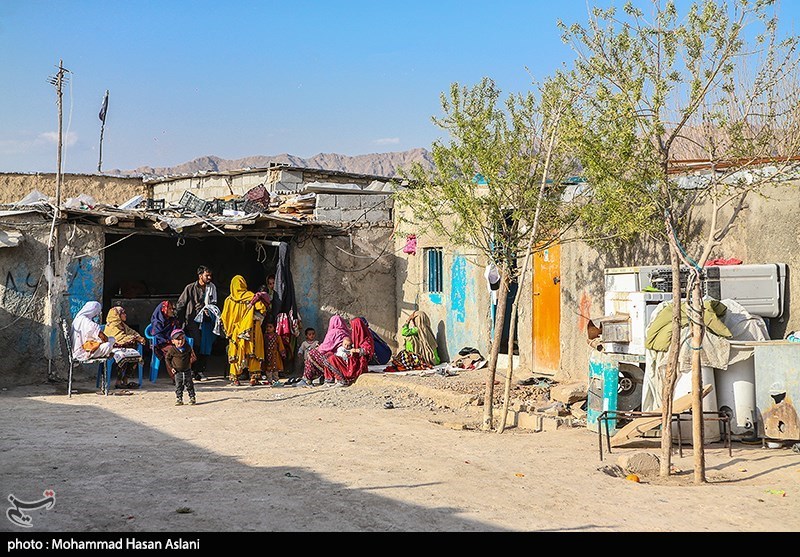
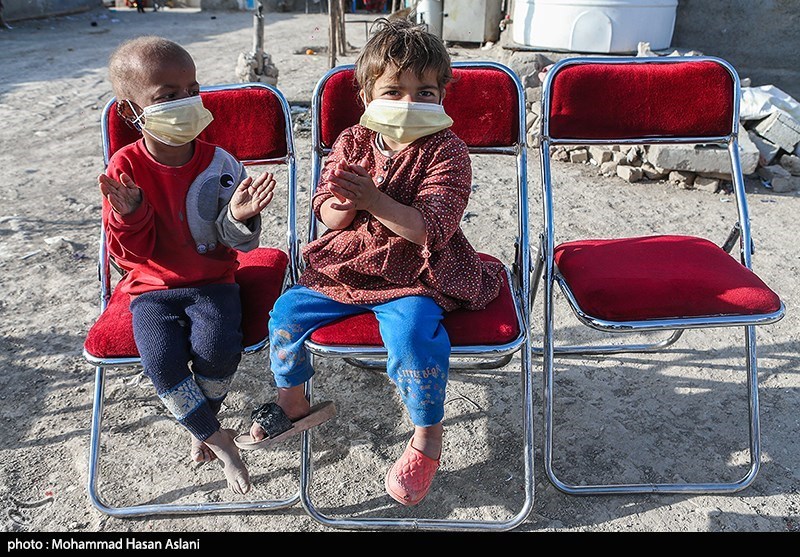
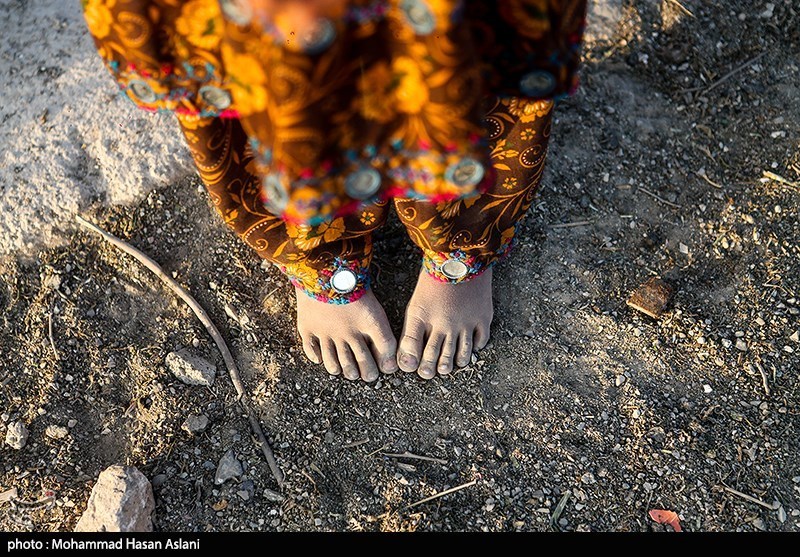
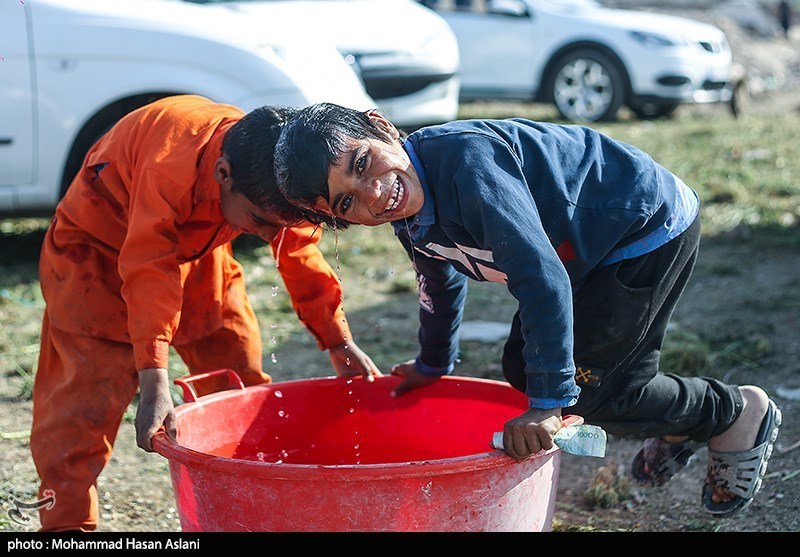
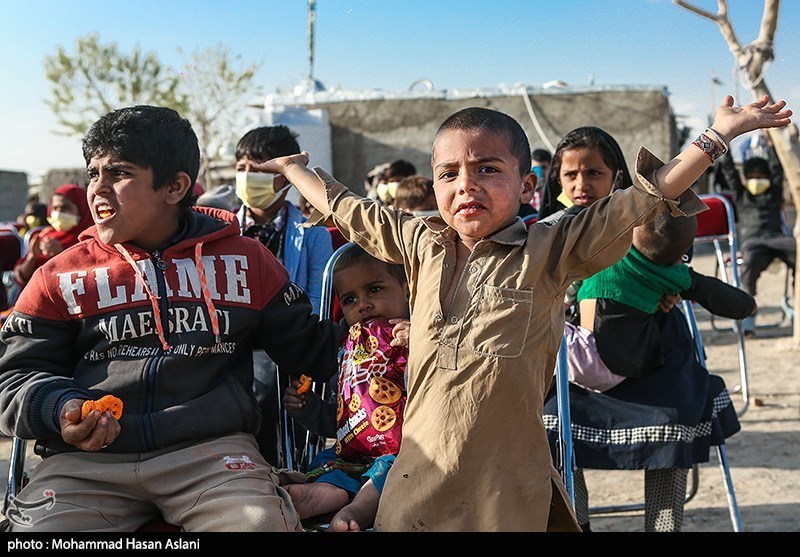
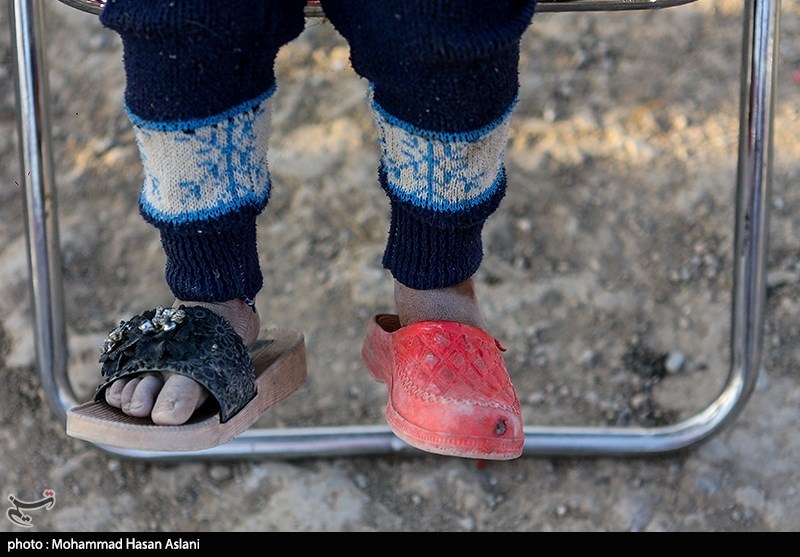
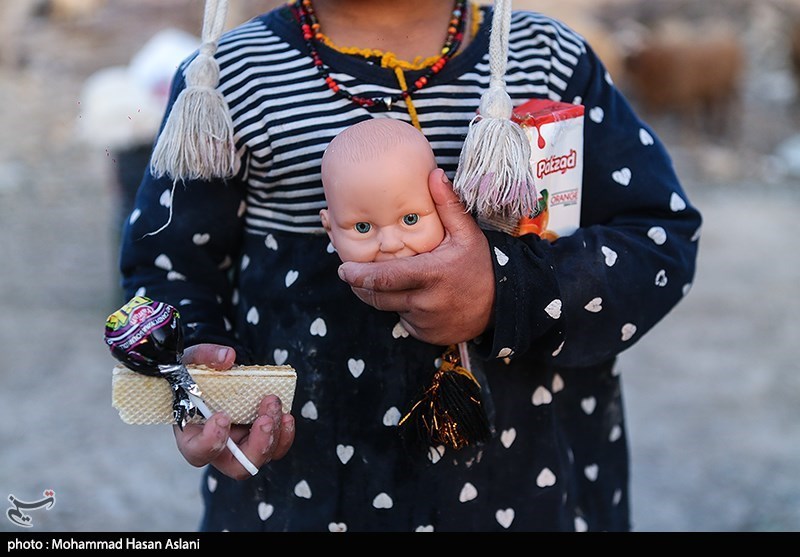
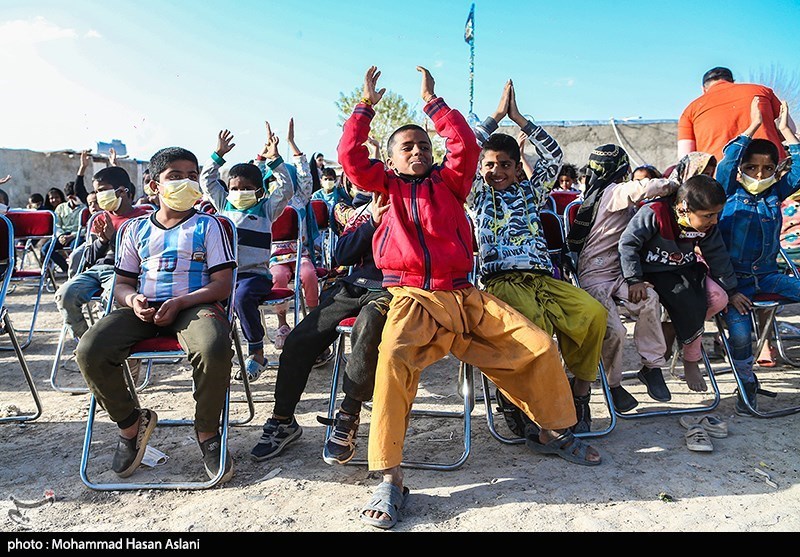
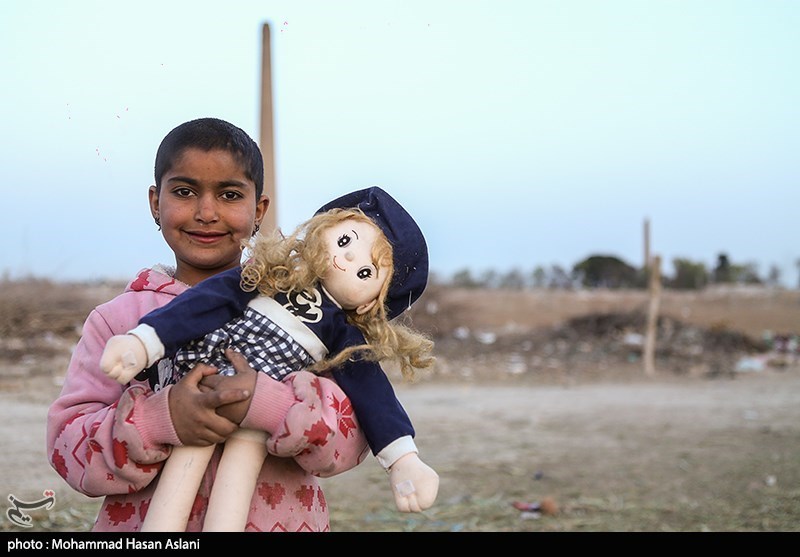
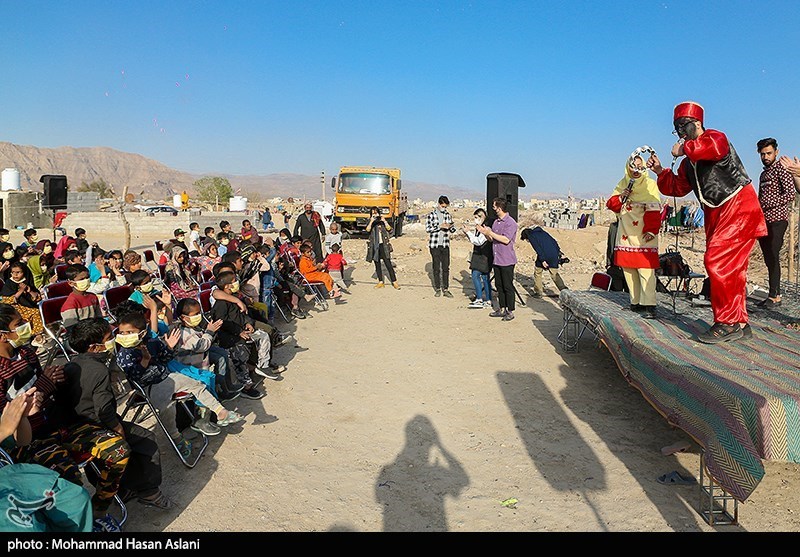
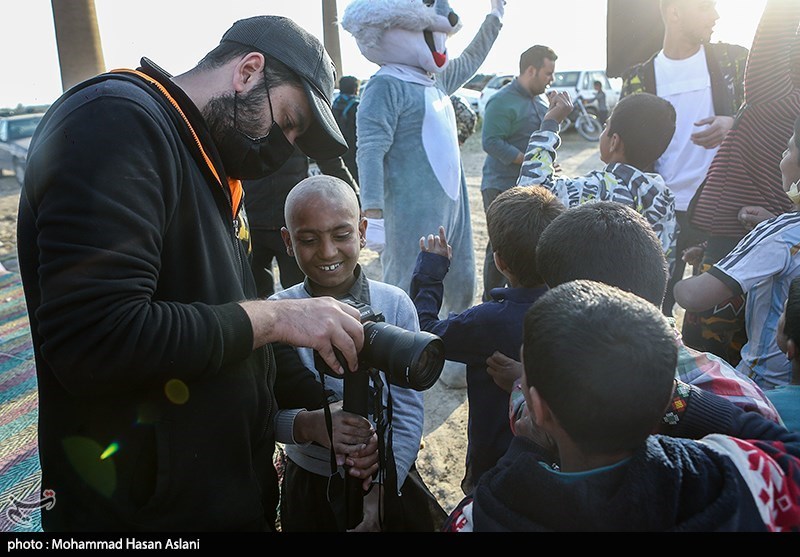
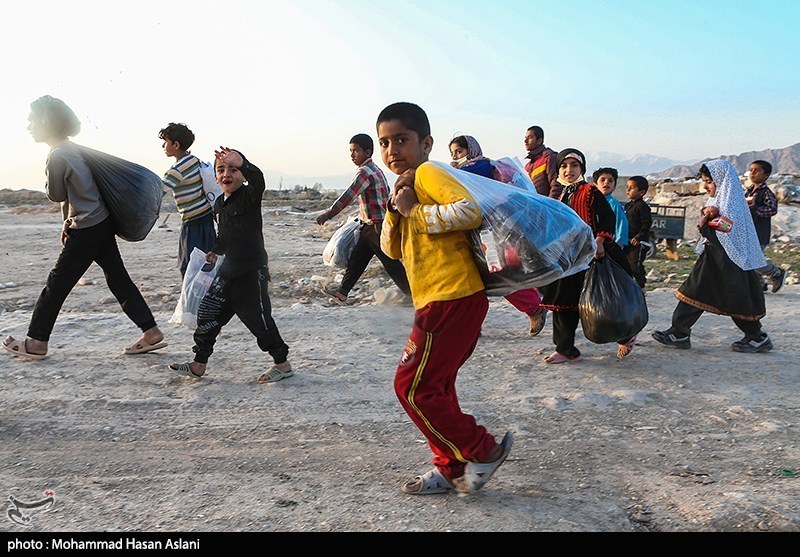
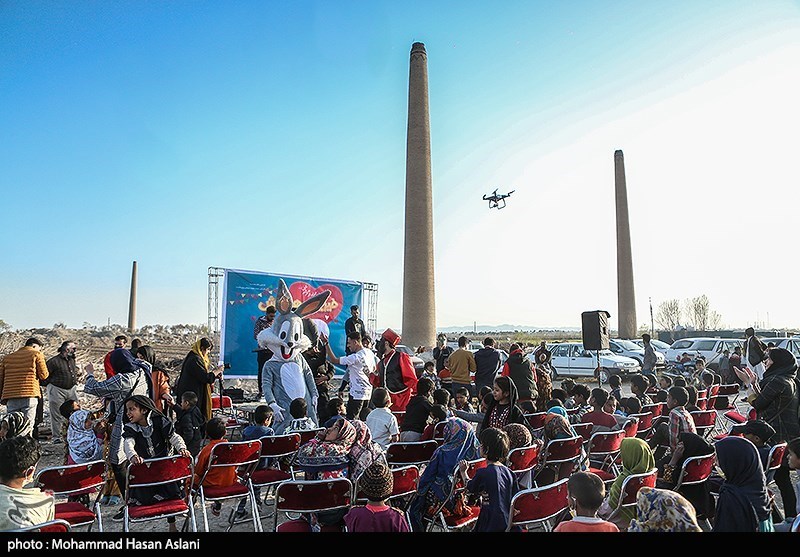
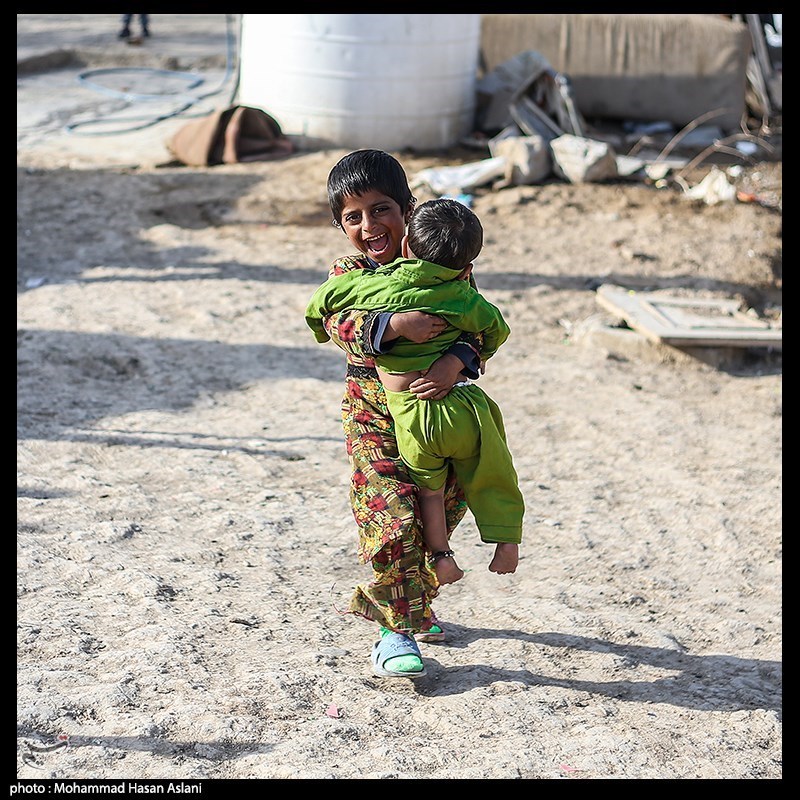
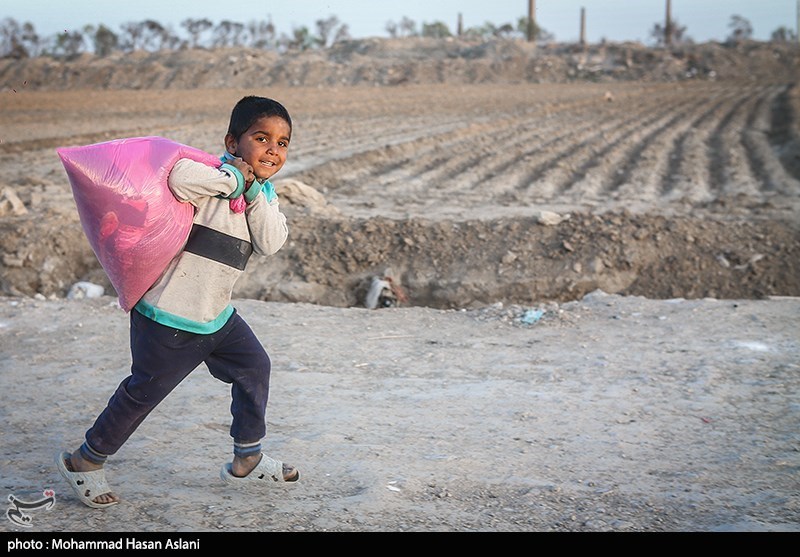
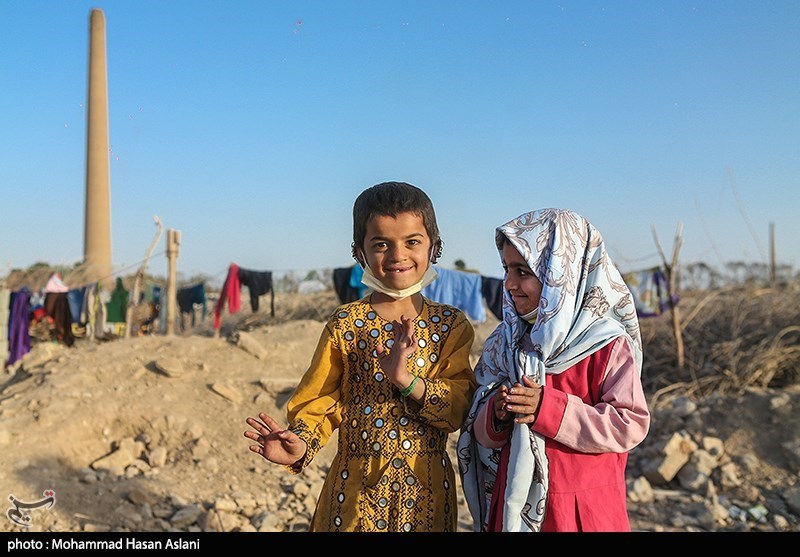
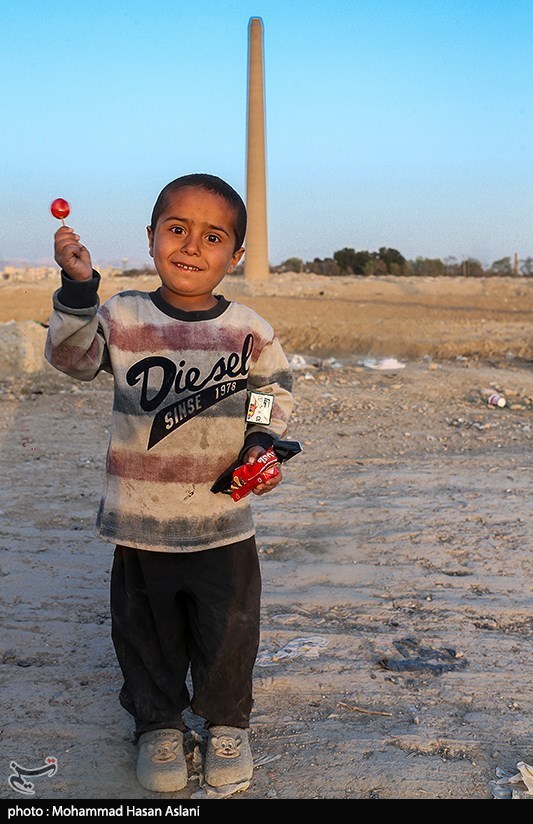
Nowruz feast for working children

Nowruz feast for working children

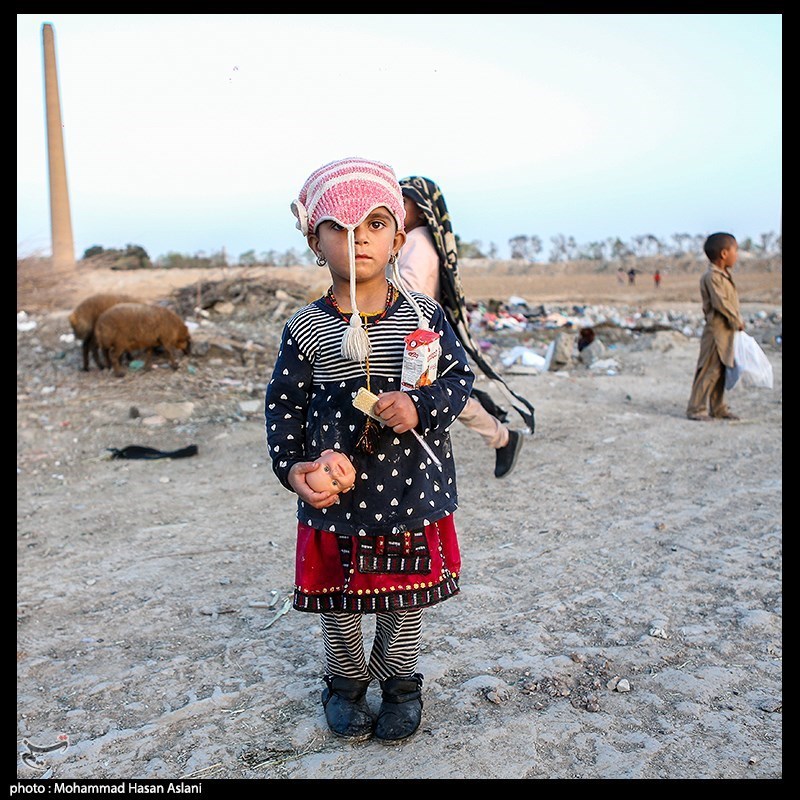
The feast was sponsored by a charity group and was held on Saturday March 19, a day before the new Persian year begins in Iran.