Saturday, December 27, 2025
Home Blog Page 1898

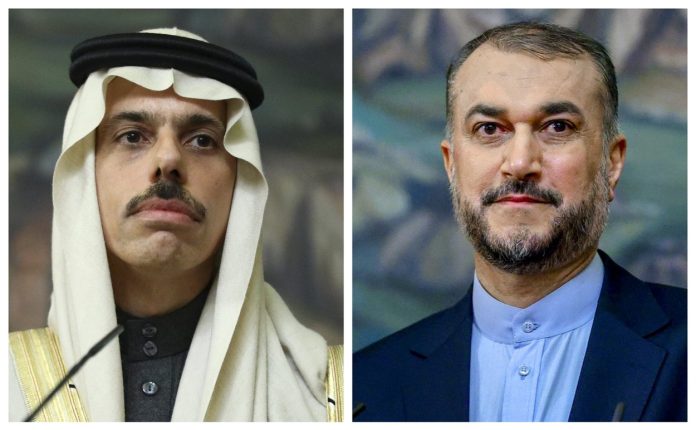
‘Foreign ministers of Iran and Saudi Arabia to meet soon in Iraq’

Iran and Saudi FMs Hossein Amir Abdolalhian and Faisal bin Farhan

Karimi Ghoddusi said Tehran and Riyadh have reached a preliminary agreement over the meeting.

He added the reopening of embassies, bilateral and regional issues, most notably the Yemen crisis, will top the agenda of the talks between Amir Abdollahian and bin Farhan.

Iran and Saudi Arabia have held several rounds of talks to normalize their relations. Iraq has mediated the negotiations.

Tehran and Riyadh cut off ties in 2016 after Iranians held a protest outside the Saudi embassy in Tehran to condemn the execution of Shia Muslim cleric Sheikh Nimr al-Nimr inside the kingdom.

The two countries also have differences over a range of other issues. Saudi Arabia accuses Iran of providing military support to Yemen’s Houthi Ansarullah movement, which brought about the collapse of a Riyadh-friendly government in Sana’a in 2014.

Riyadh is also an opponent of Iran’s nuclear program.

The two are also divided over the Saudi-led war on Yemen and Riyadh’s regional role including its support of militants that tried to topple the Syrian government for nearly a decade after their insurgency began in Syria in 2011

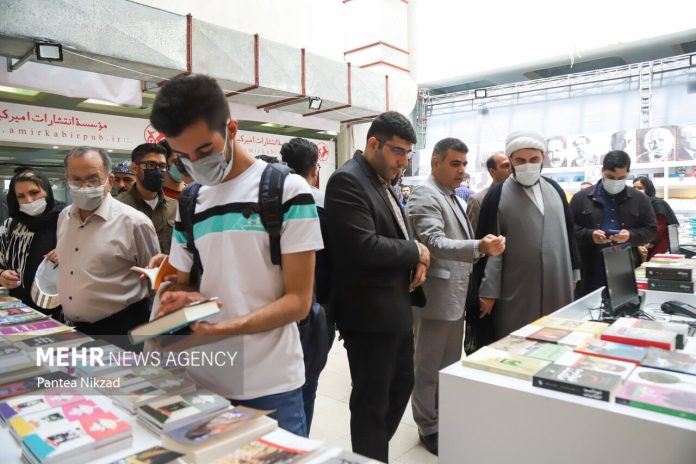
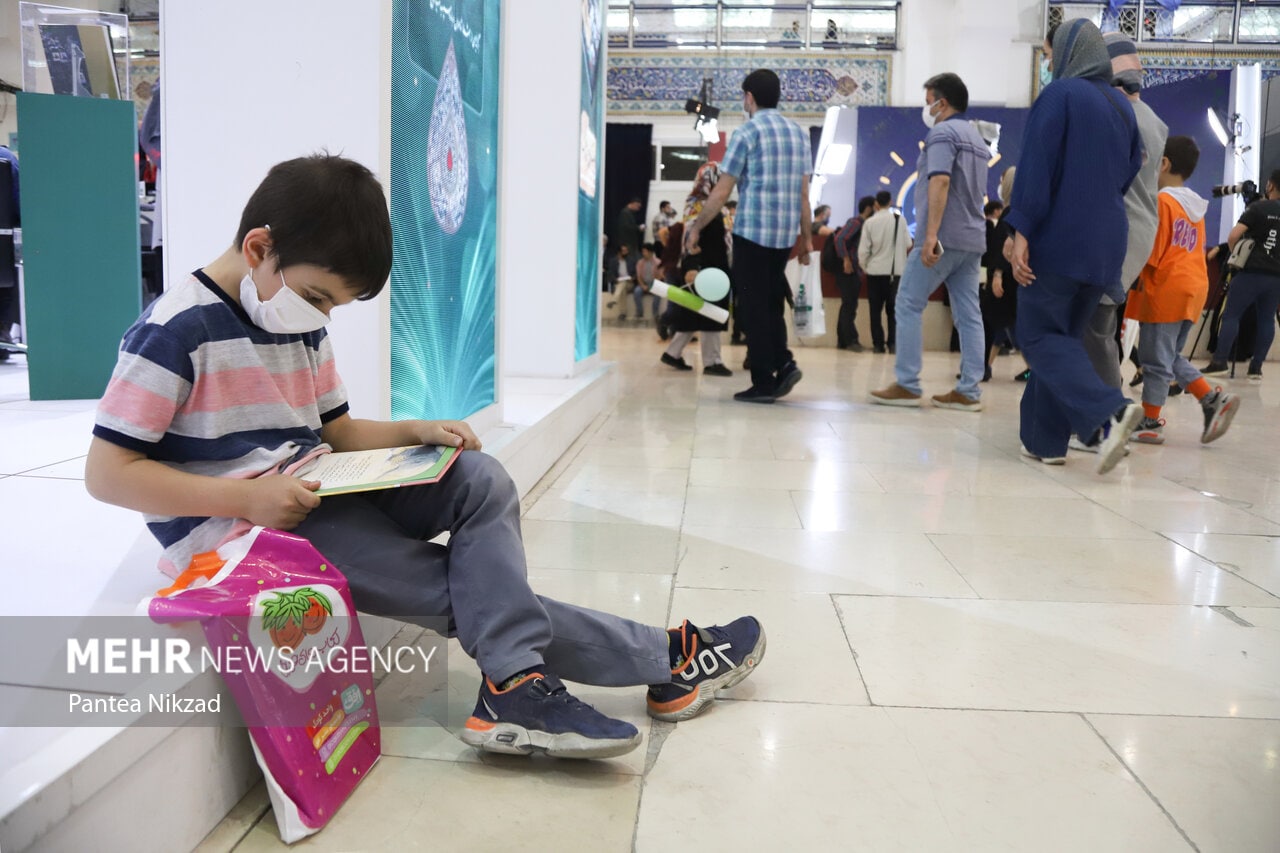
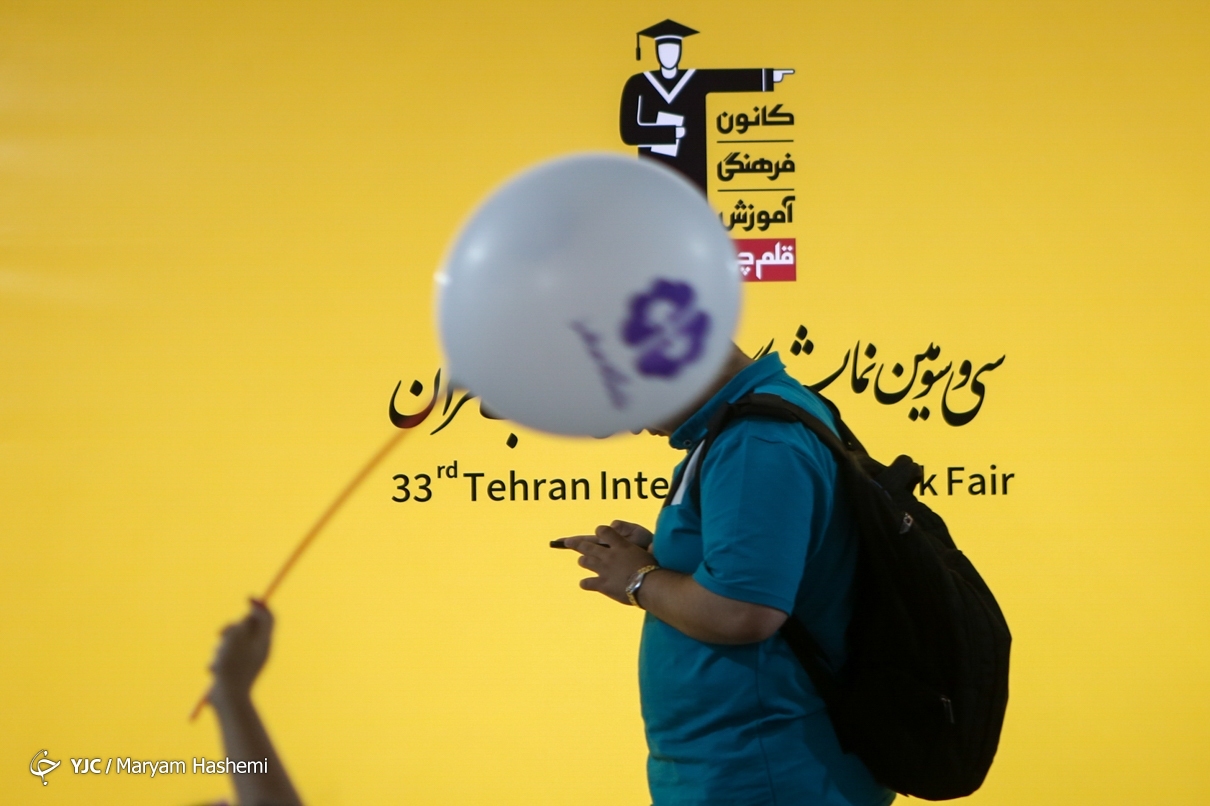
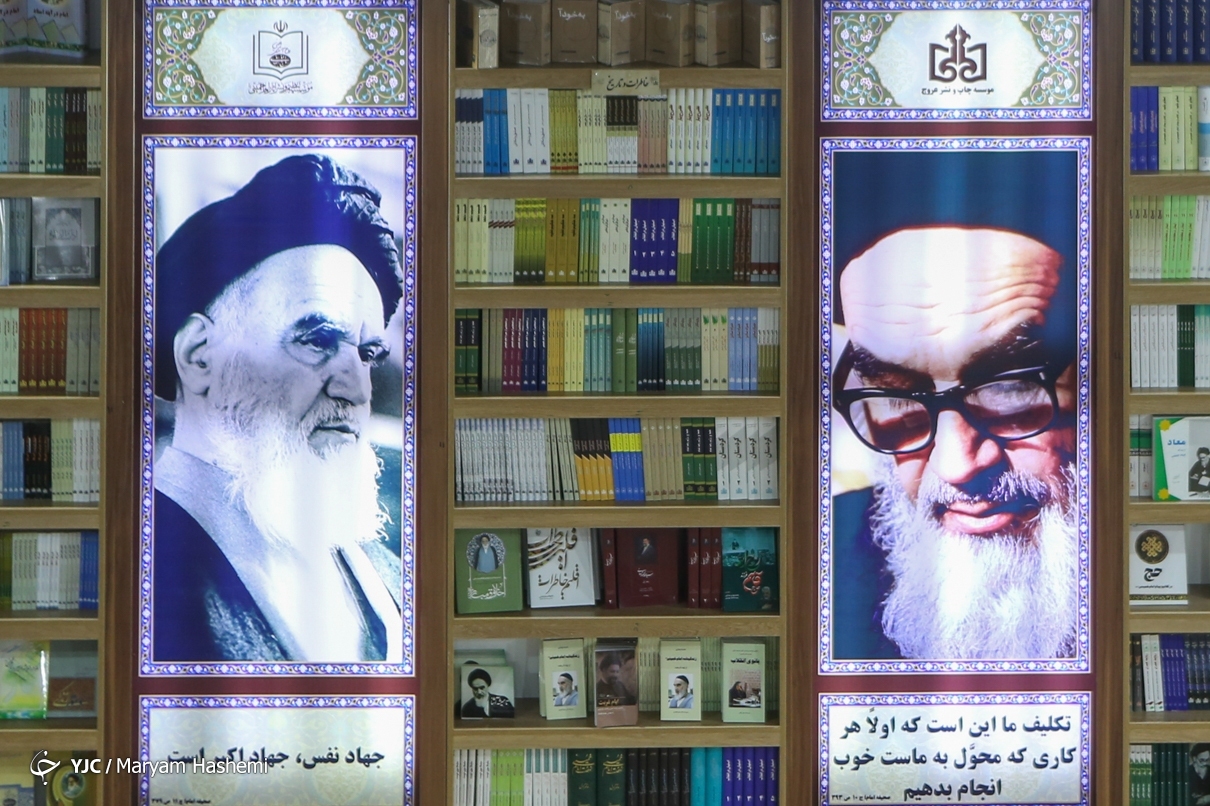
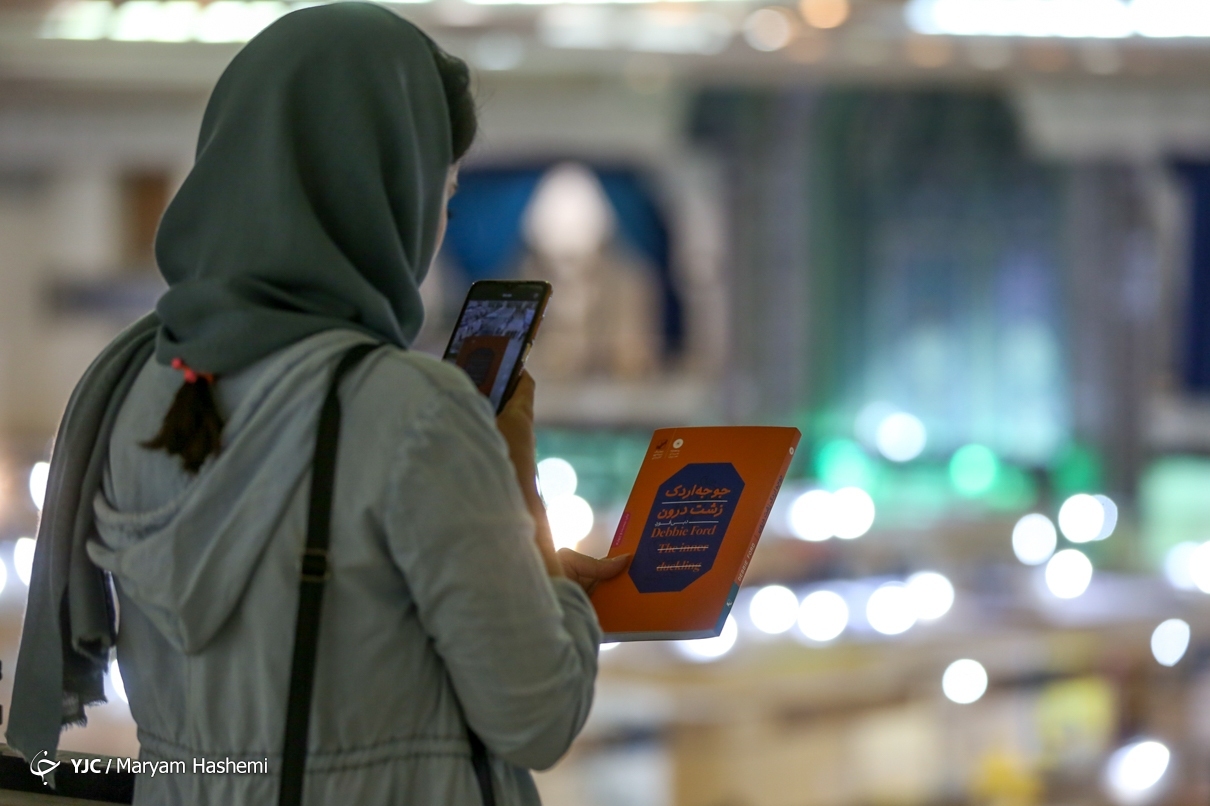
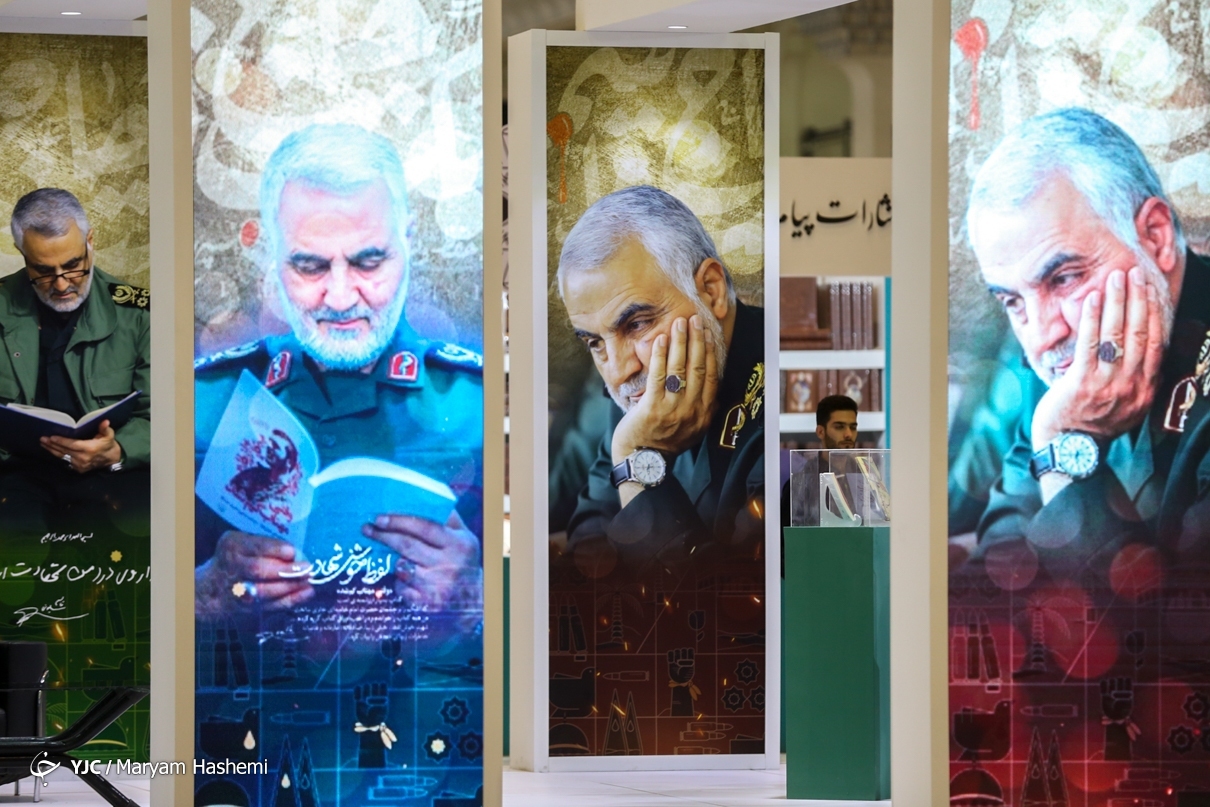
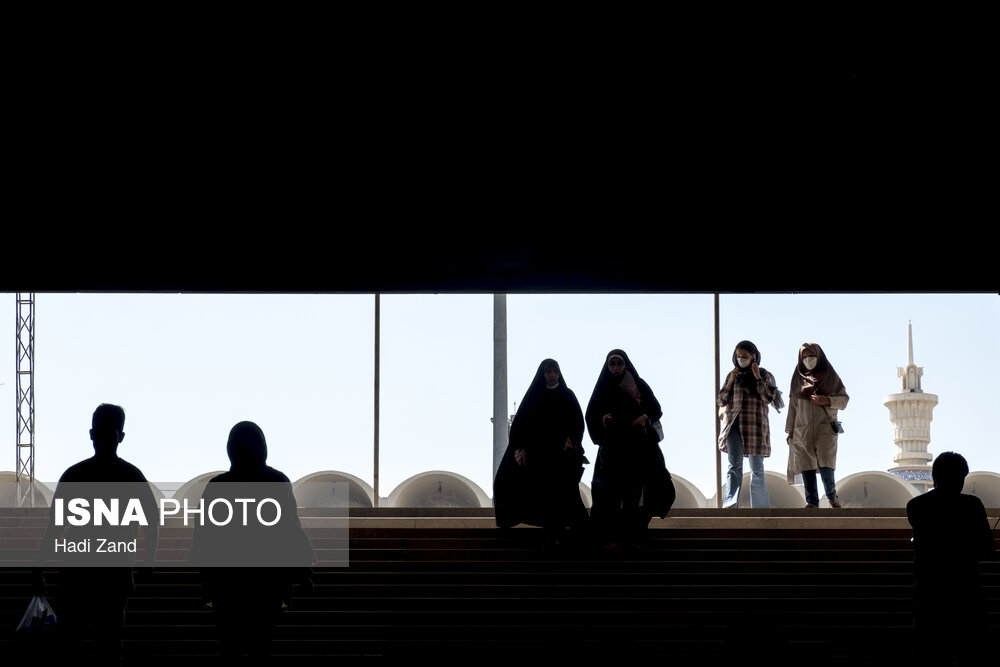
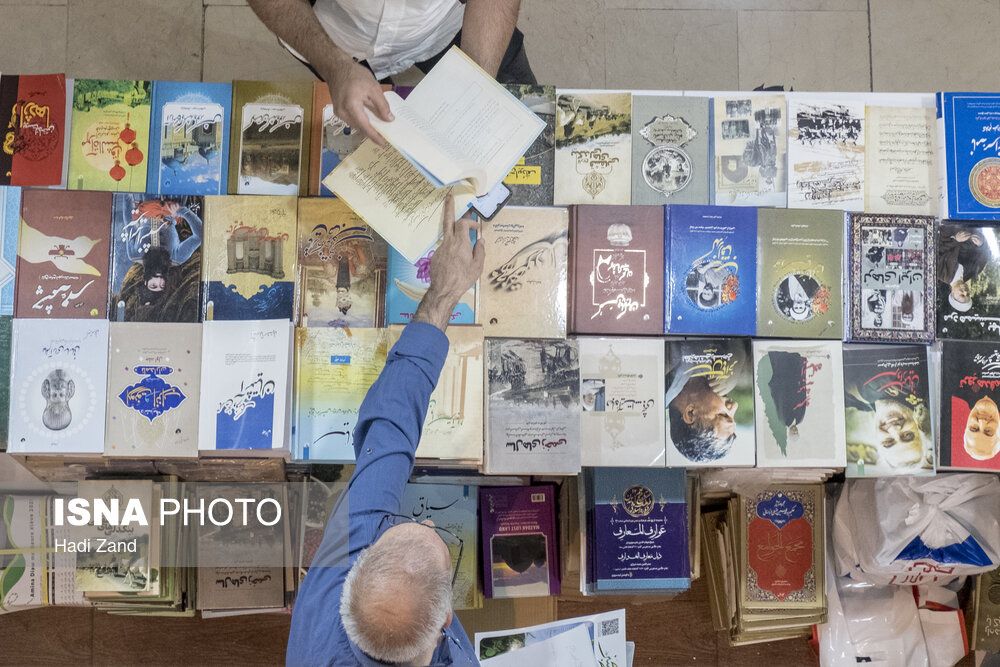
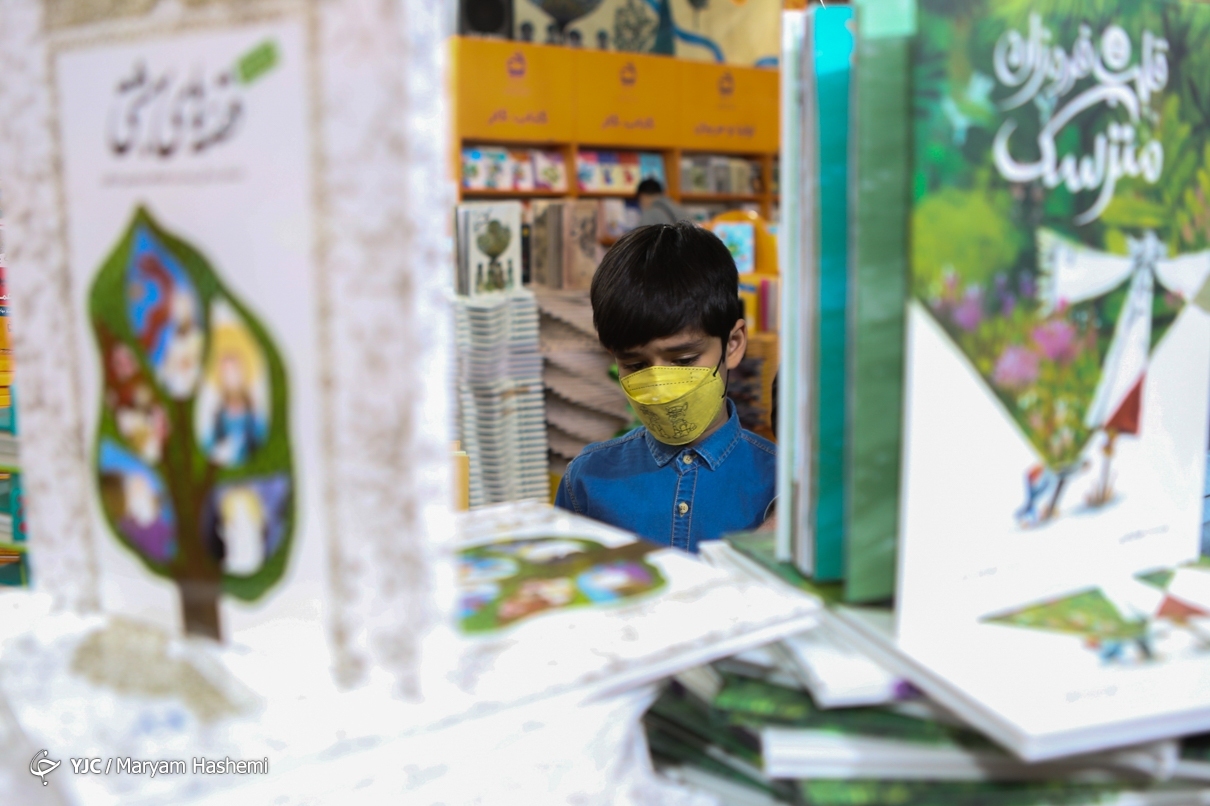
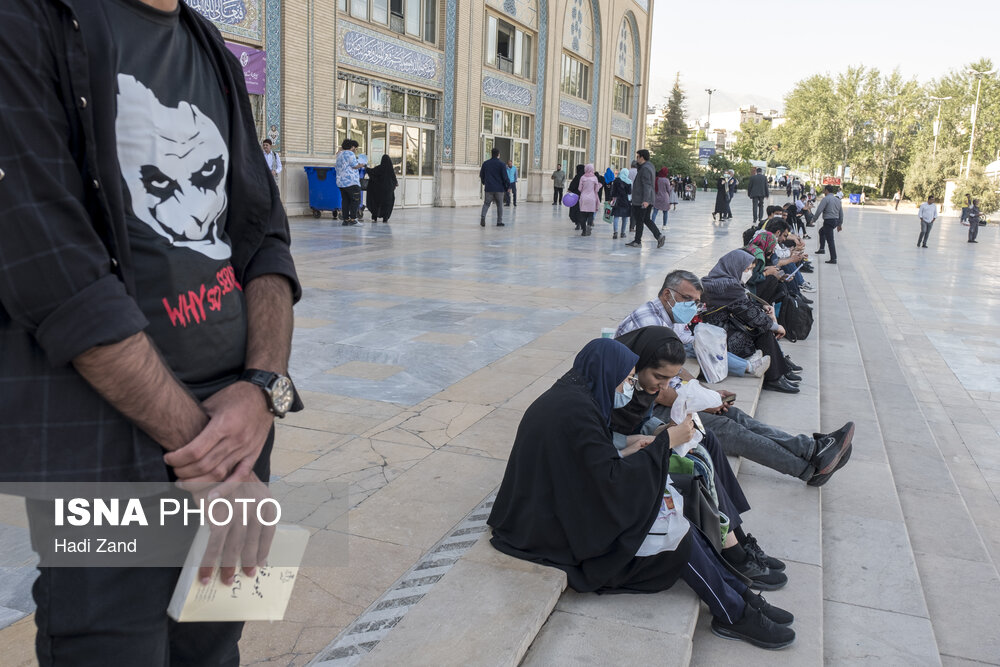
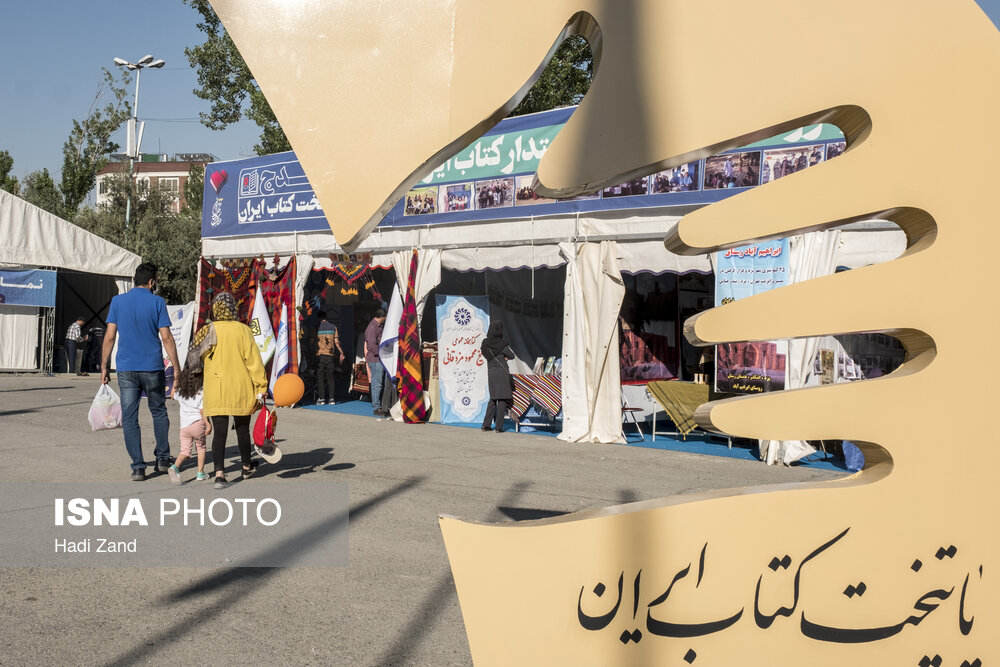
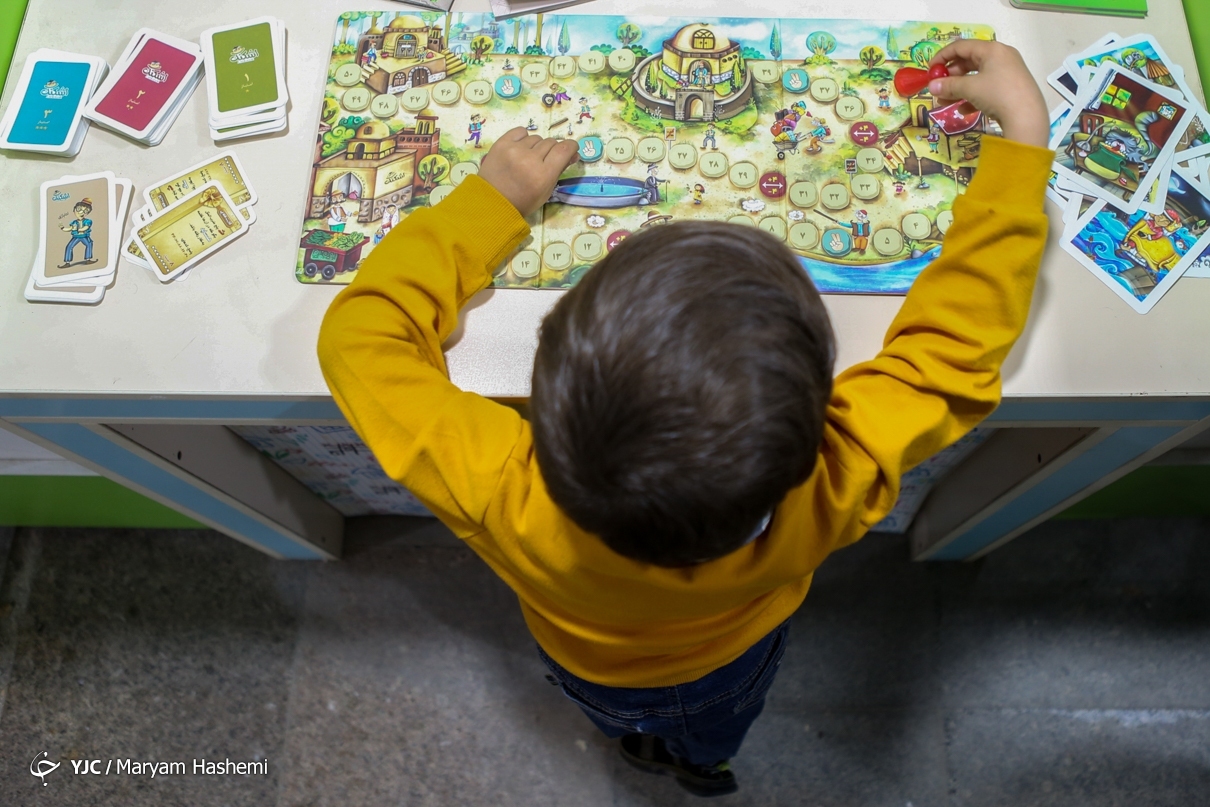
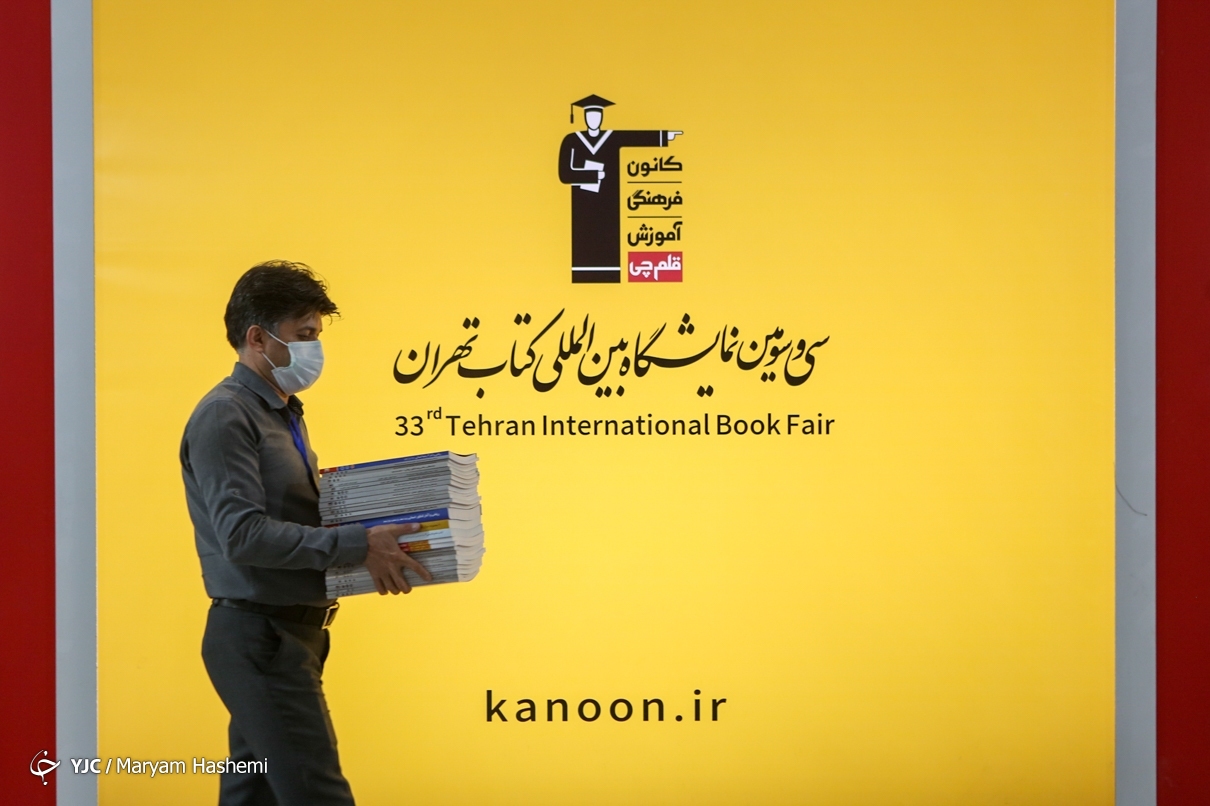
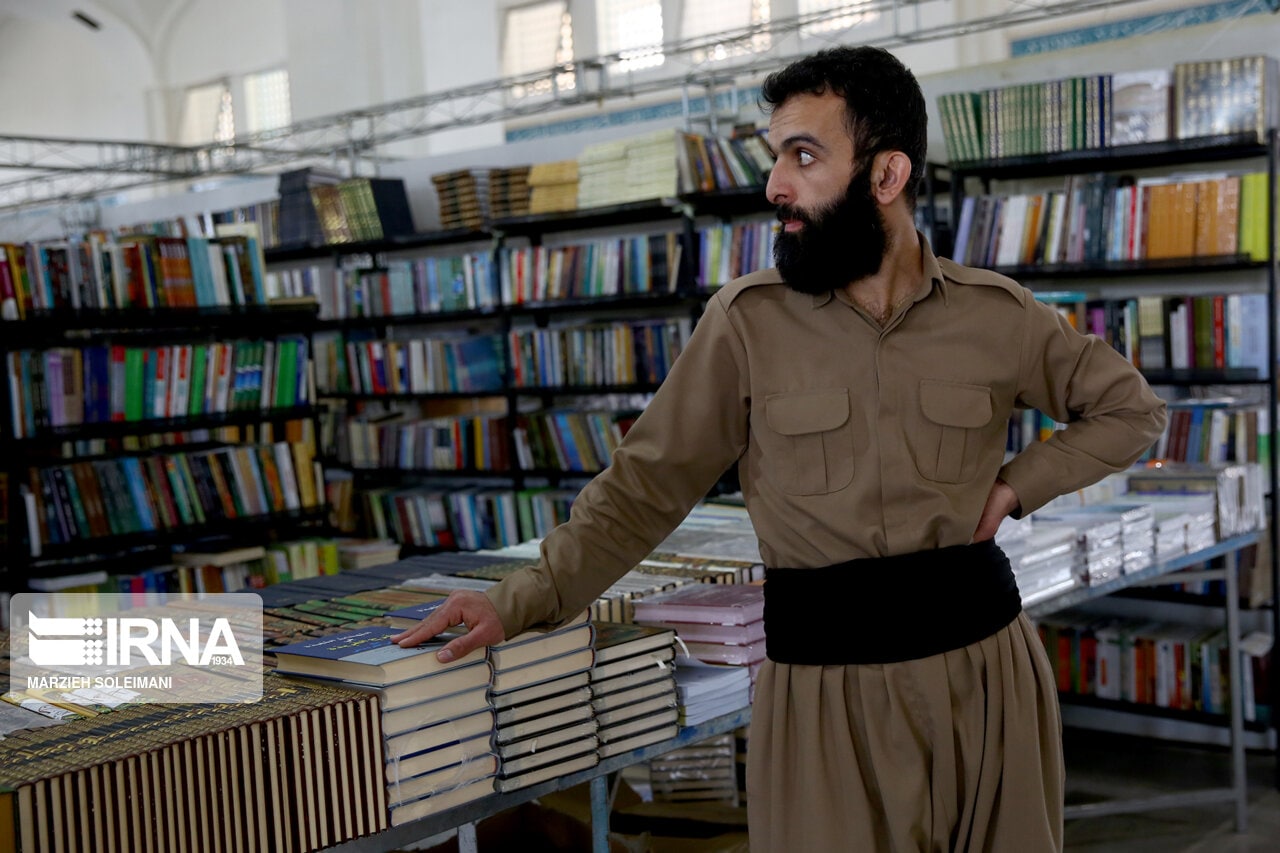
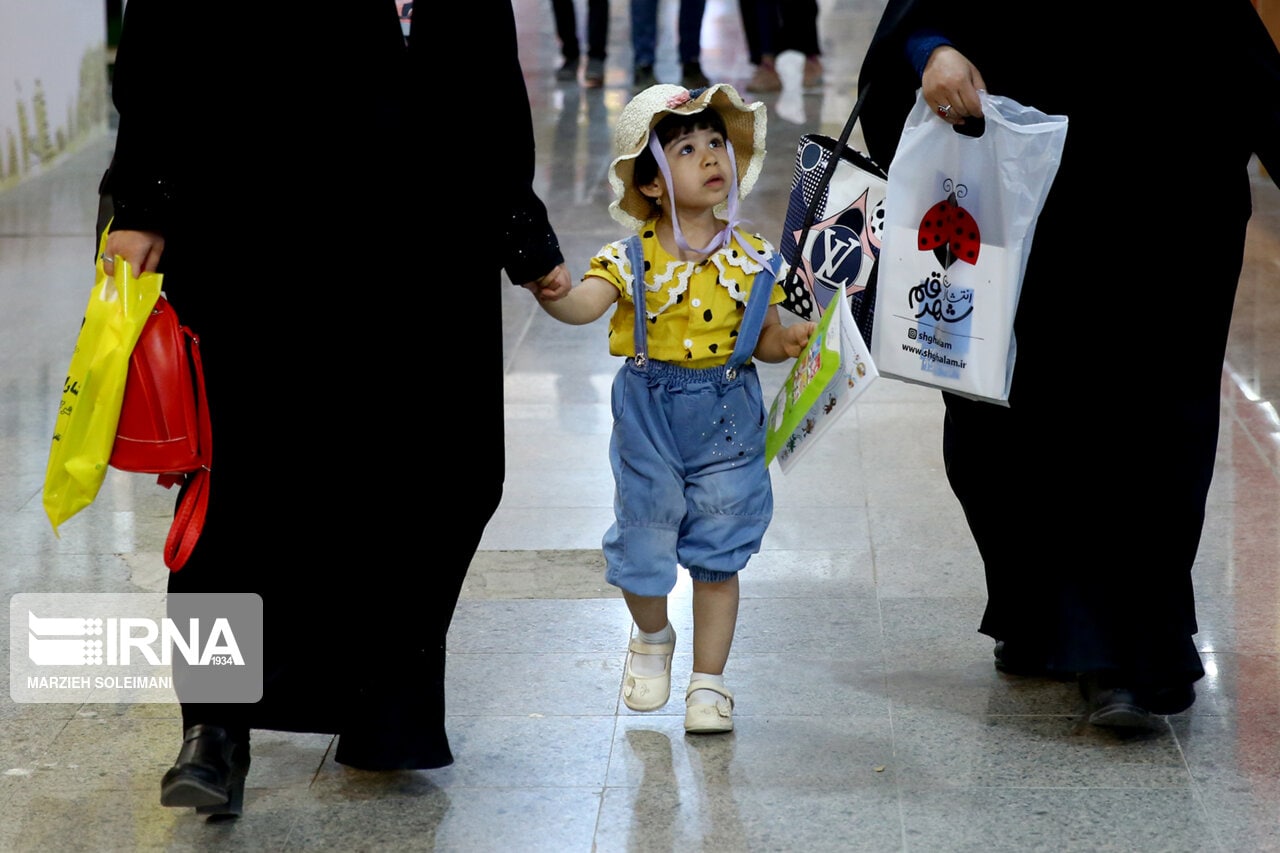
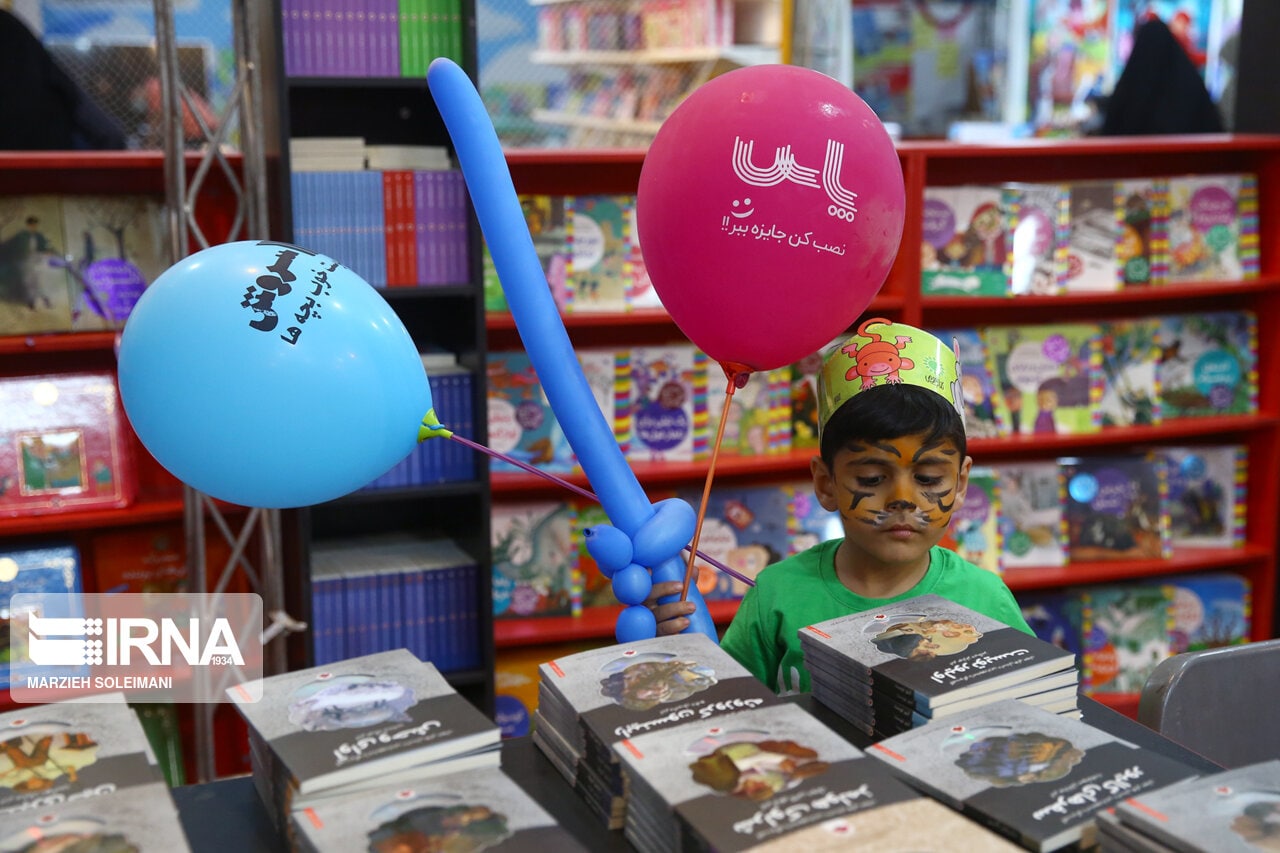
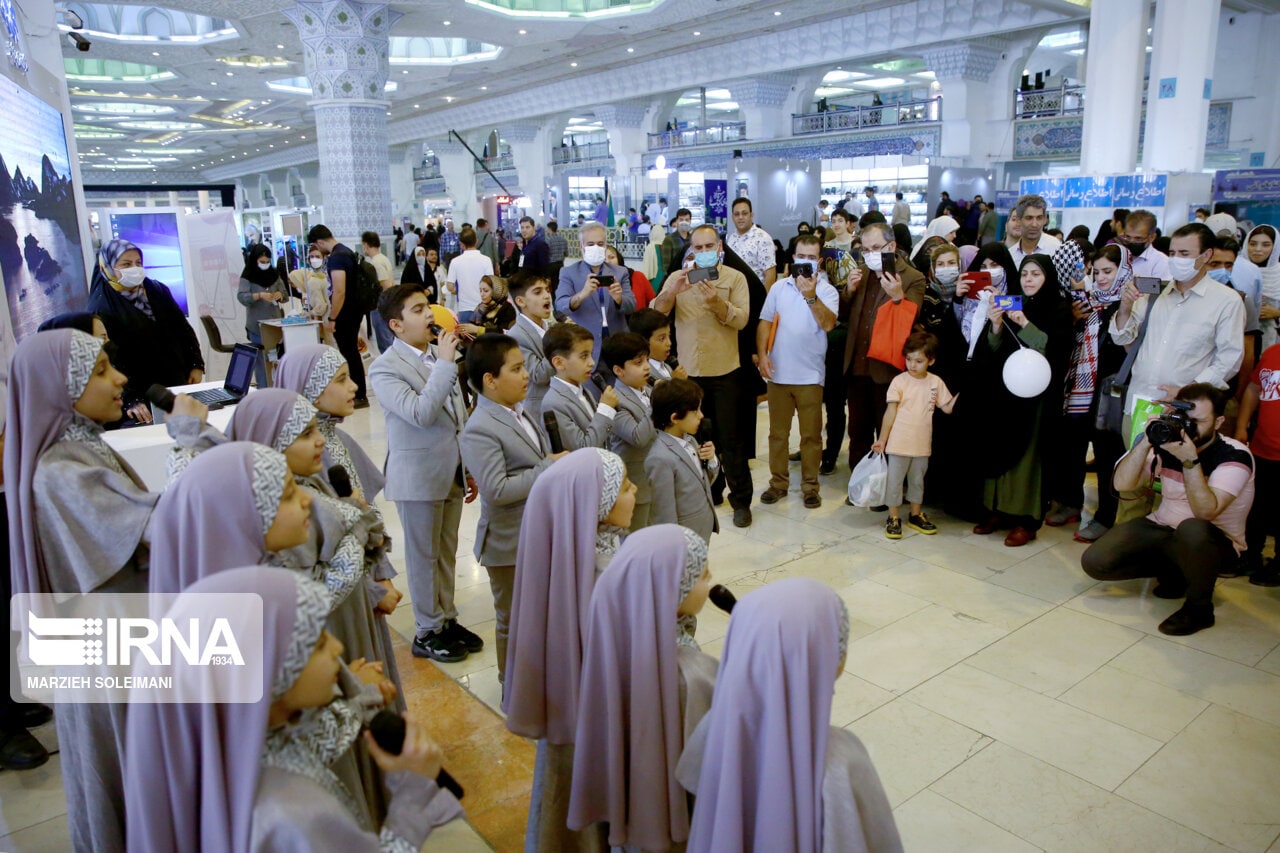
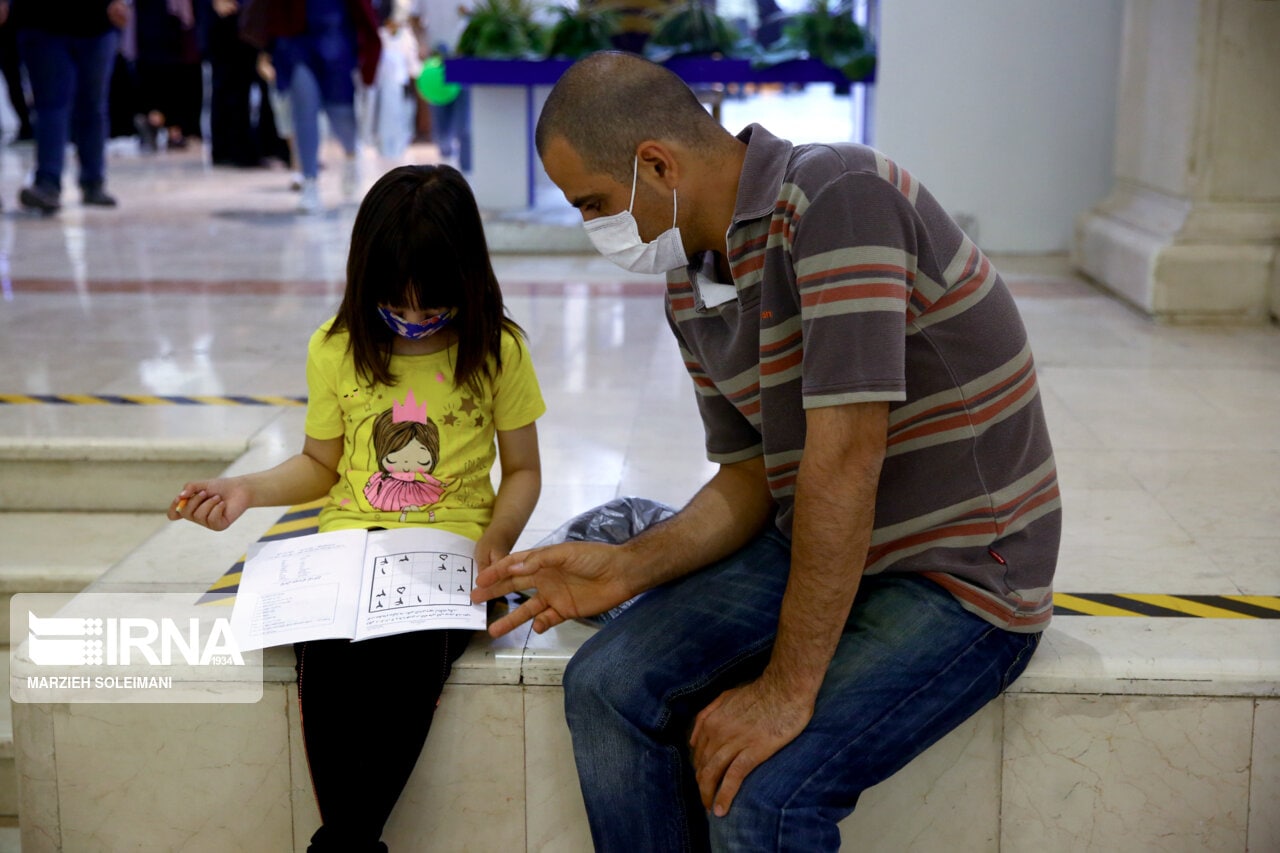
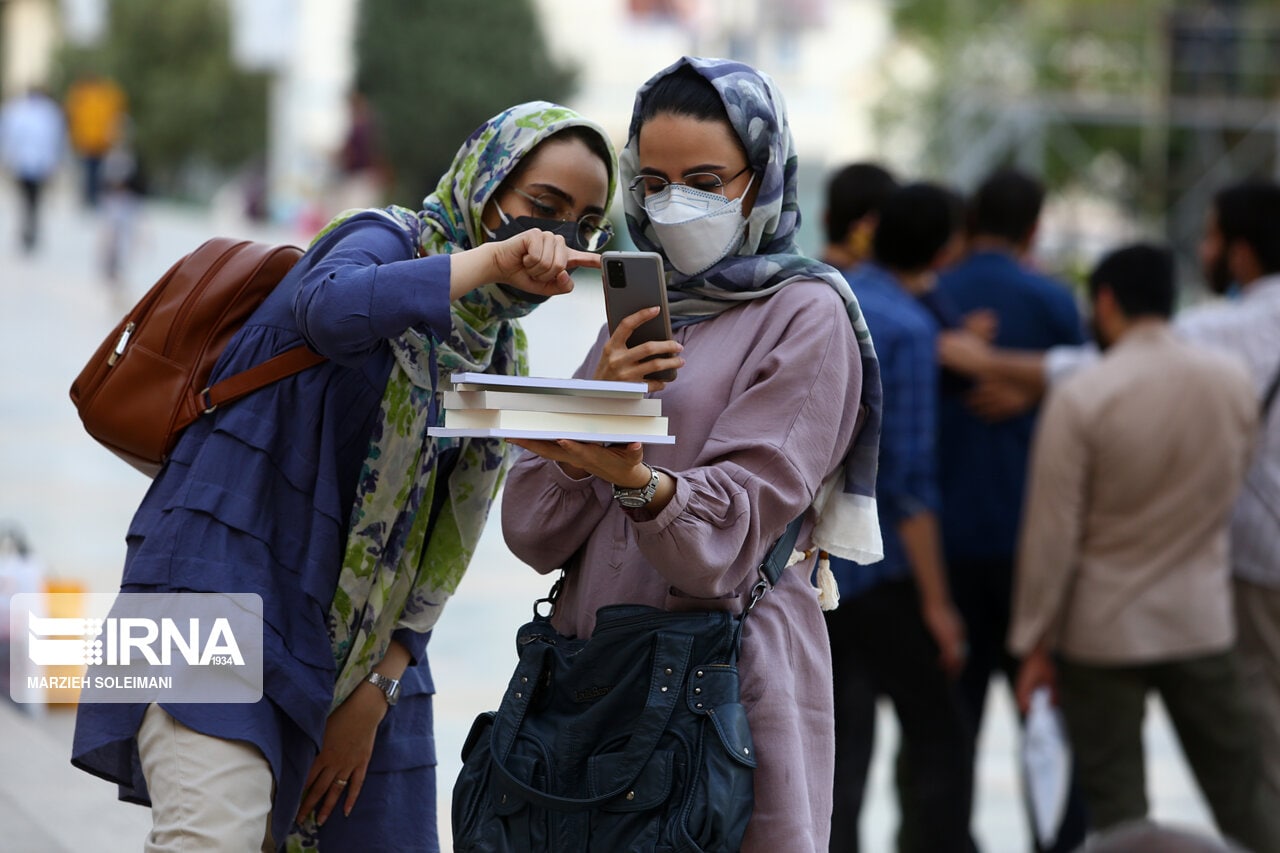
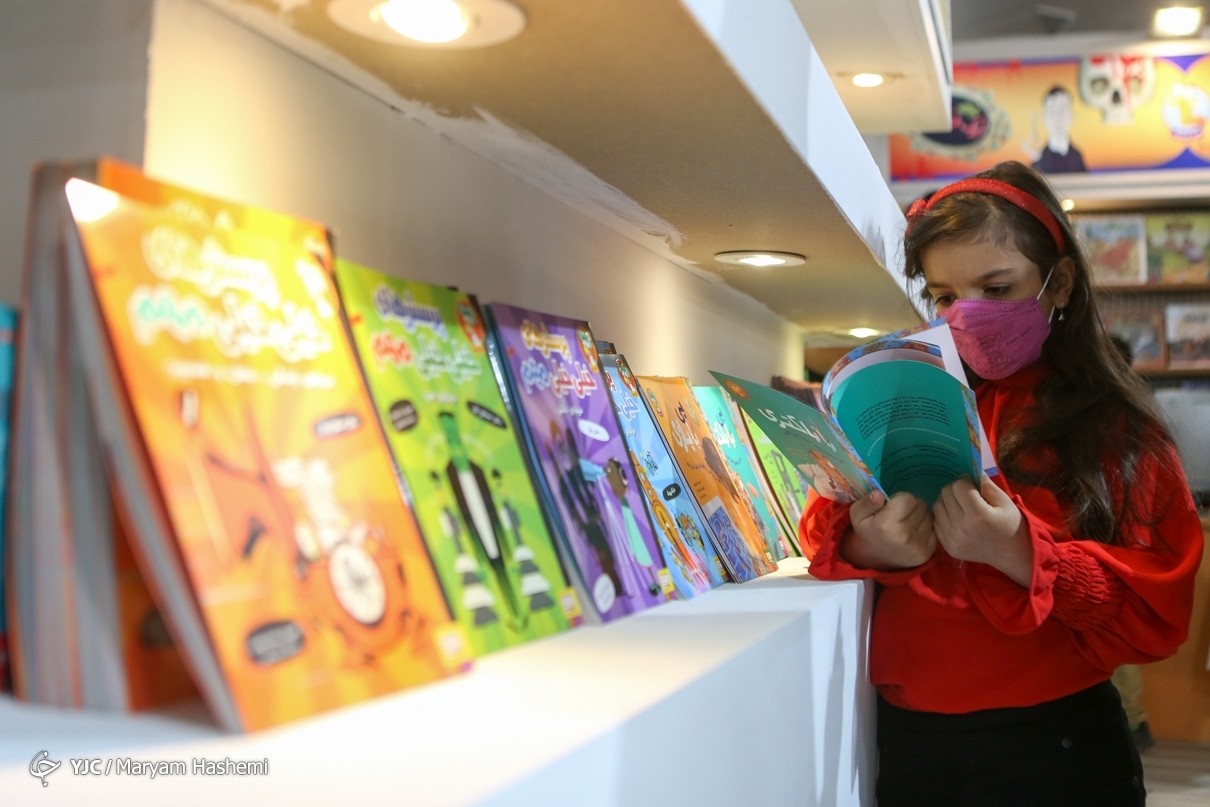
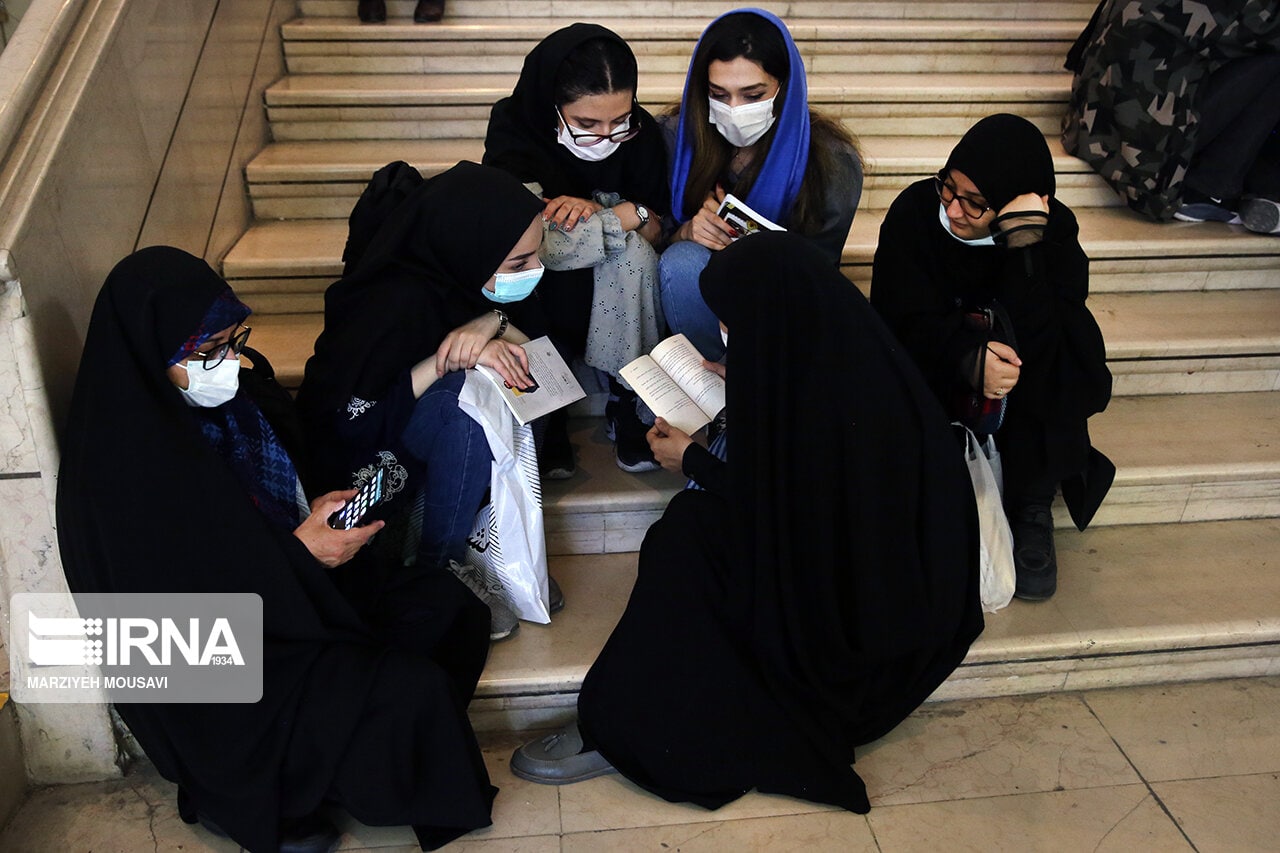
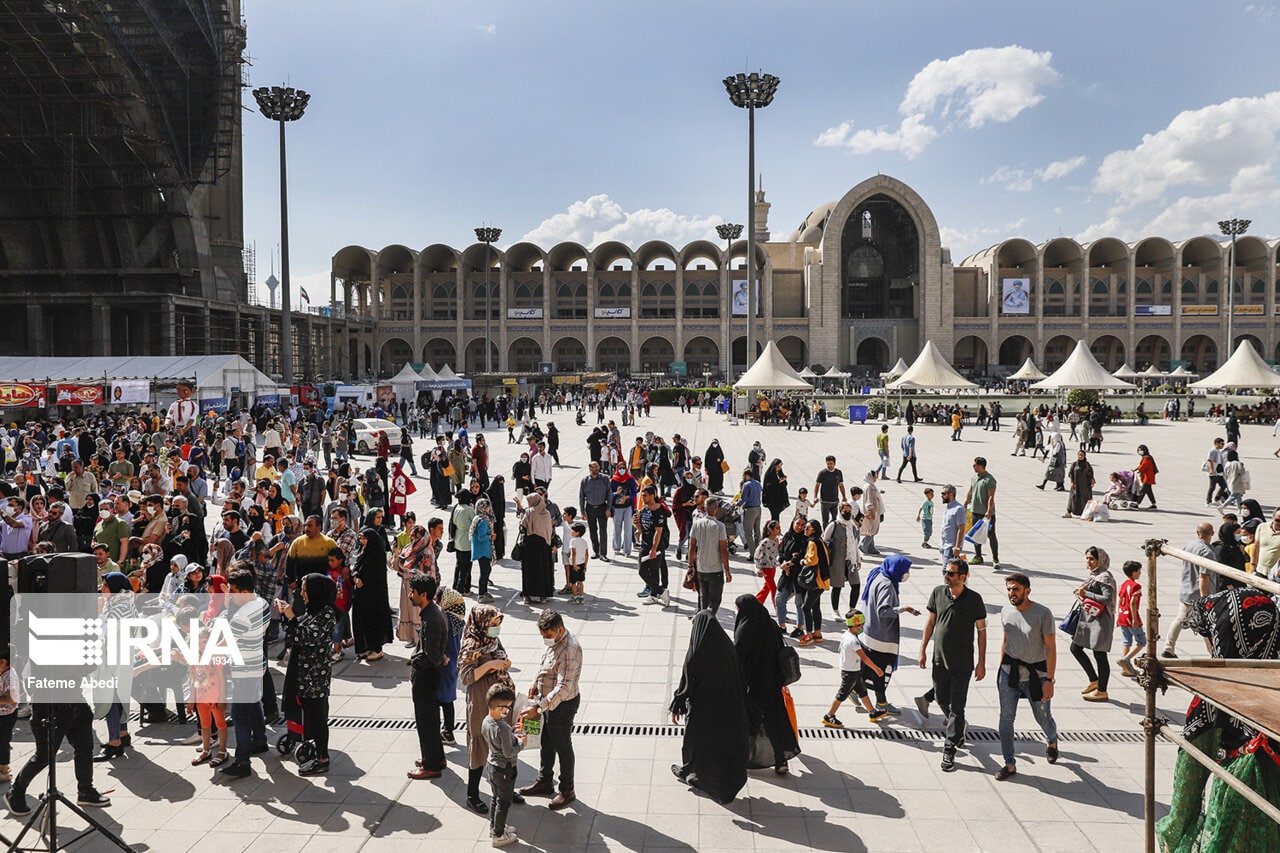
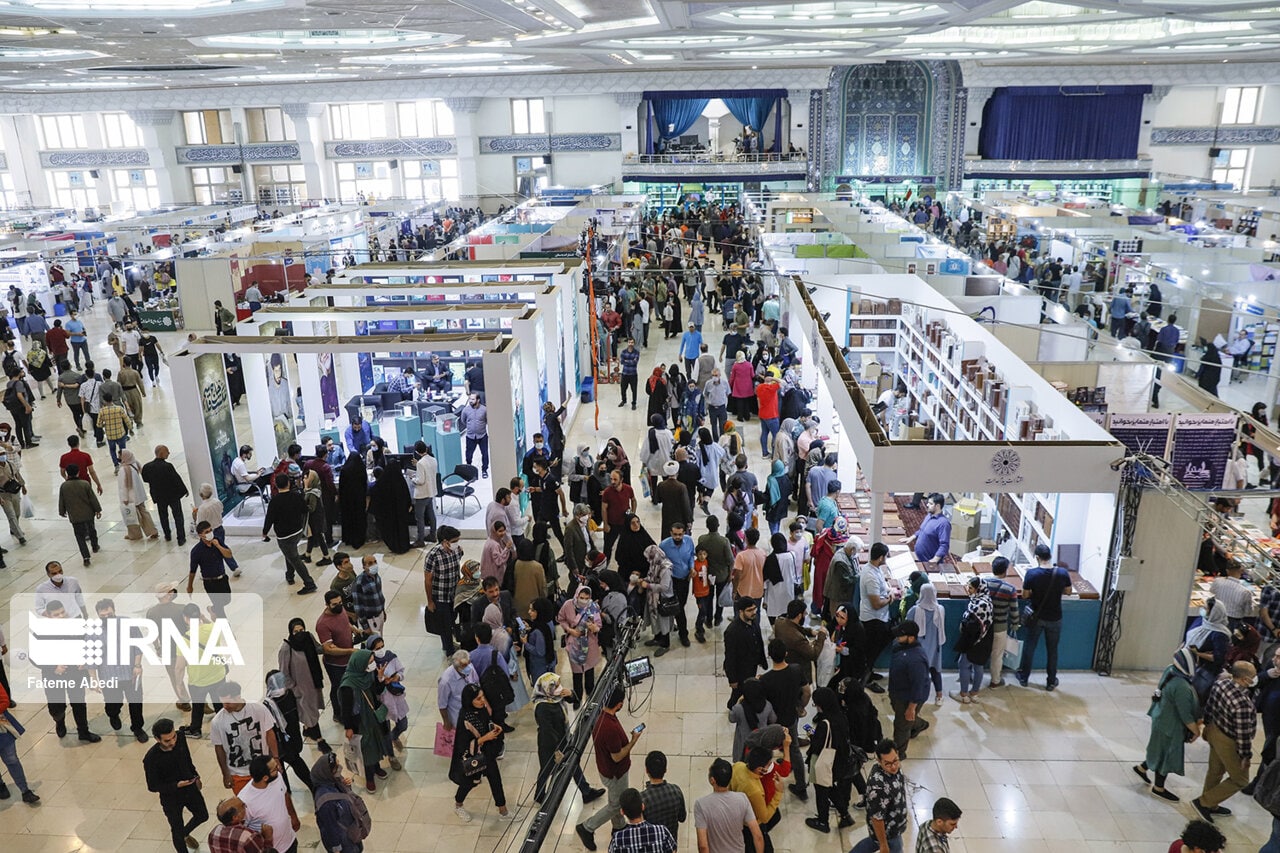
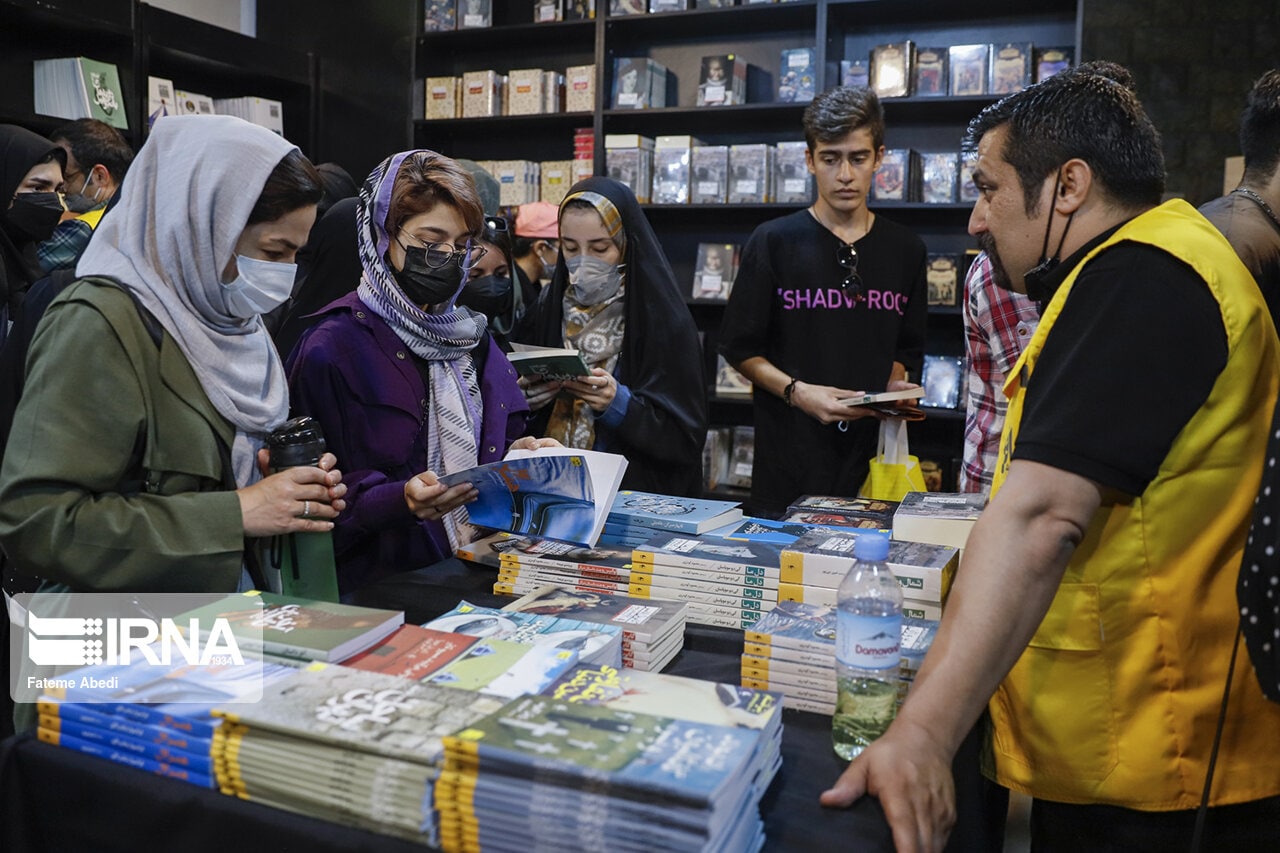
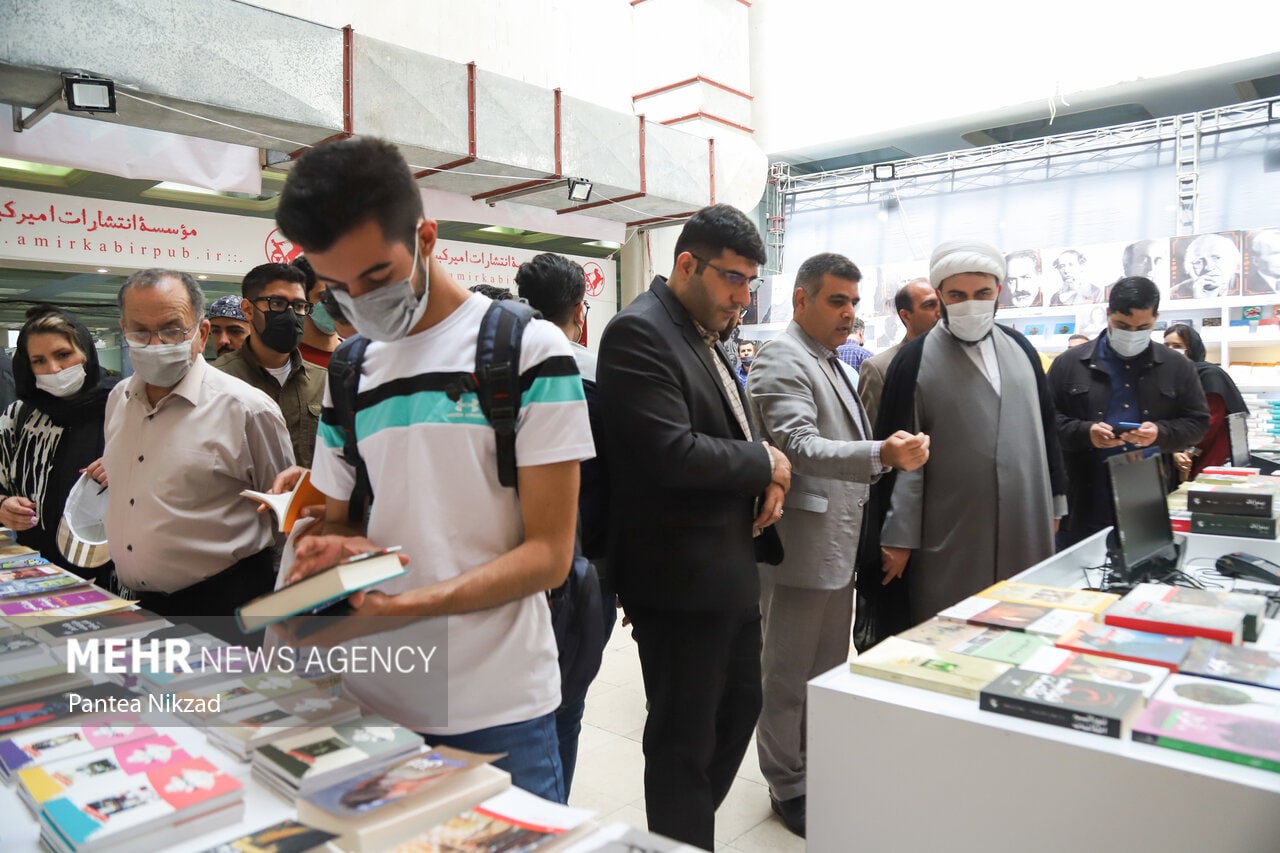
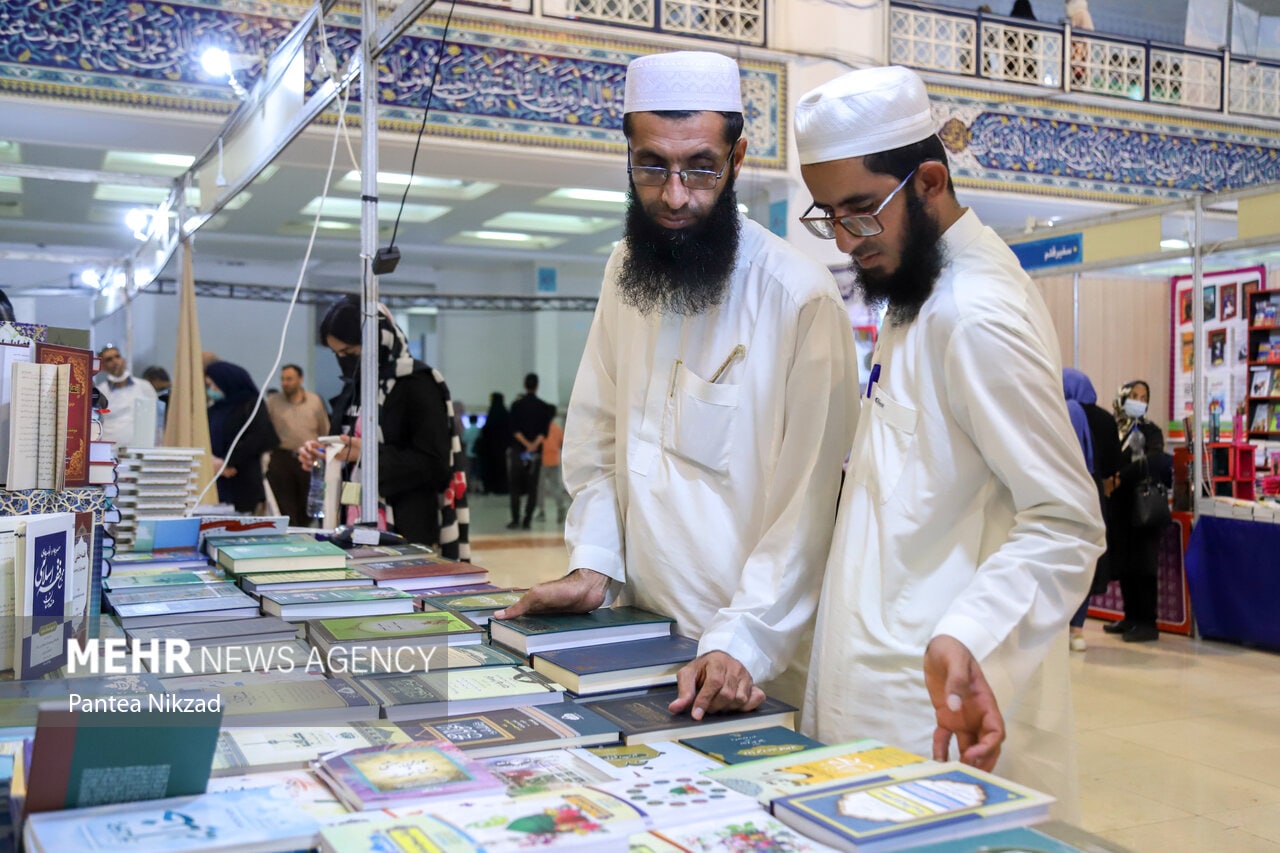
Iranians welcome Tehran International Book Fair

Tehran International Book Fair

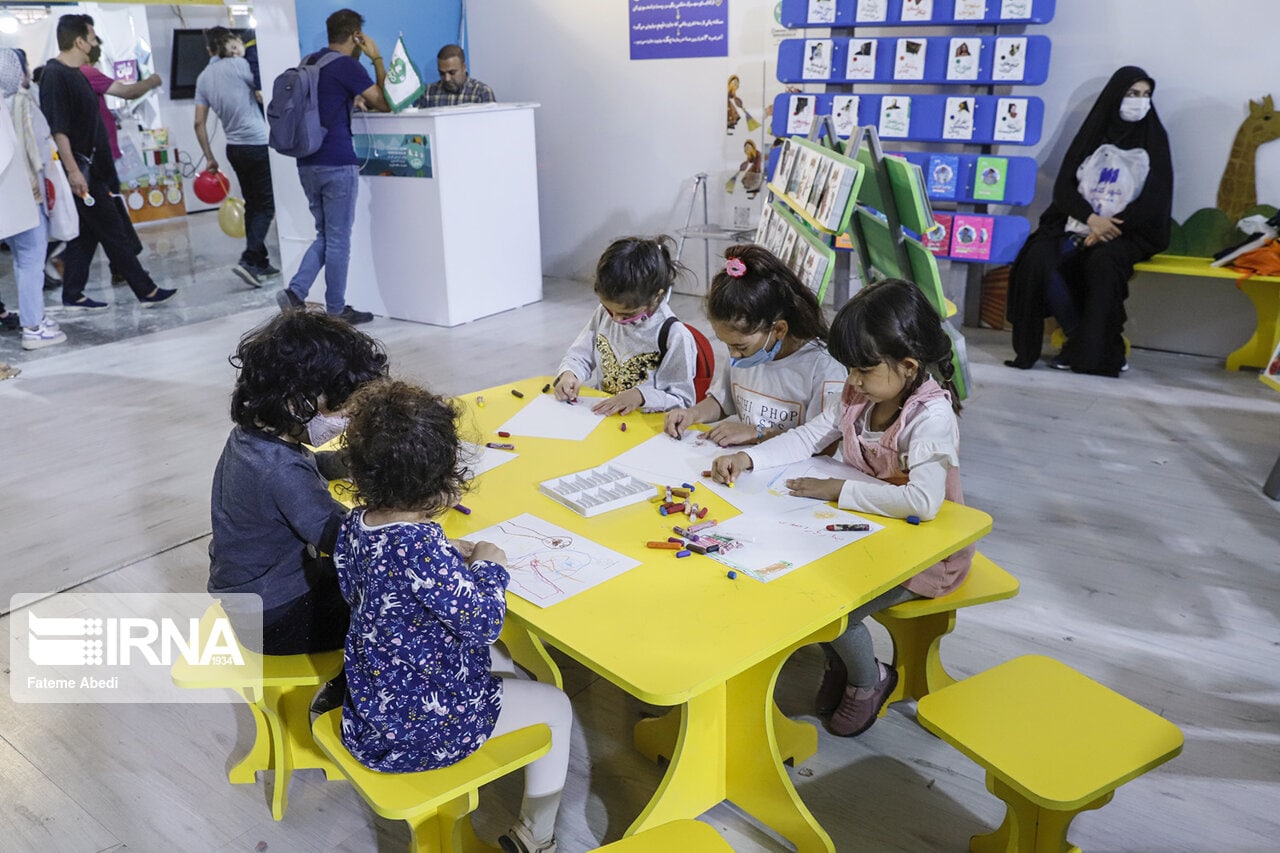
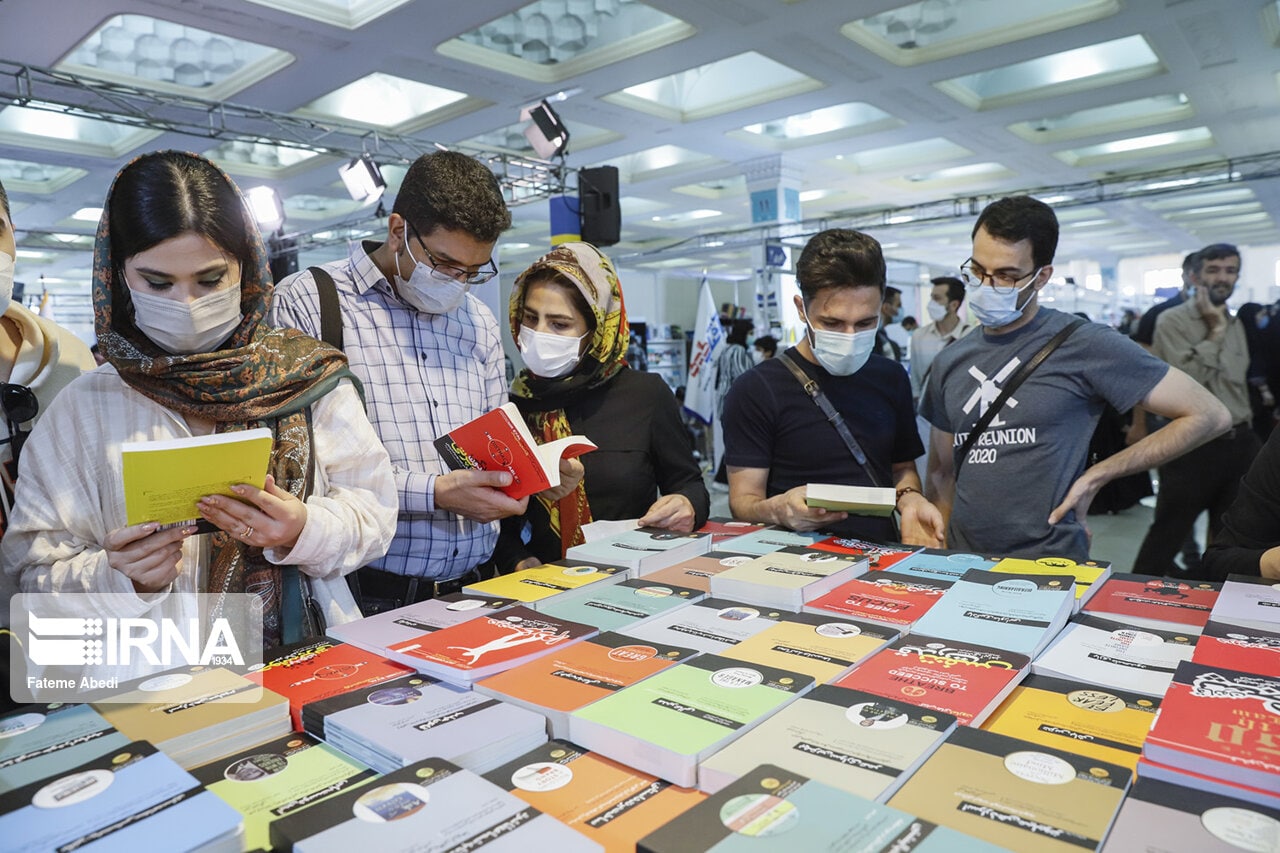
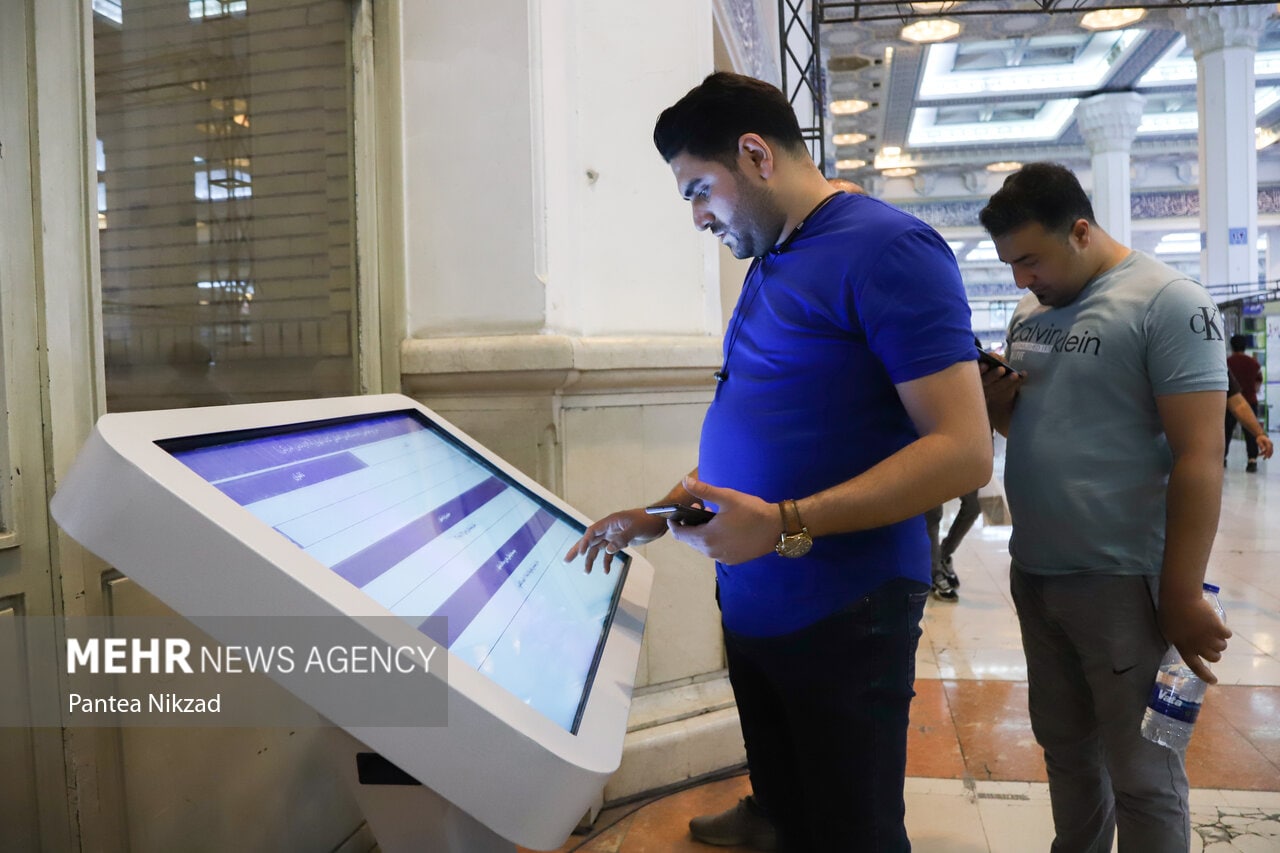
The fair will run until May 21 in-person and virtually. People from all walks of life and with different ages have visited the Tehran International Book Fair (source) so far.

Here are some pictures of the first six days of the Tehran International Book Fair published by different news outlets:


Downward trend in Iran Covid deaths holding

COVID in Iran

The daily caseload was also 352 and included 68 hospitalizations.

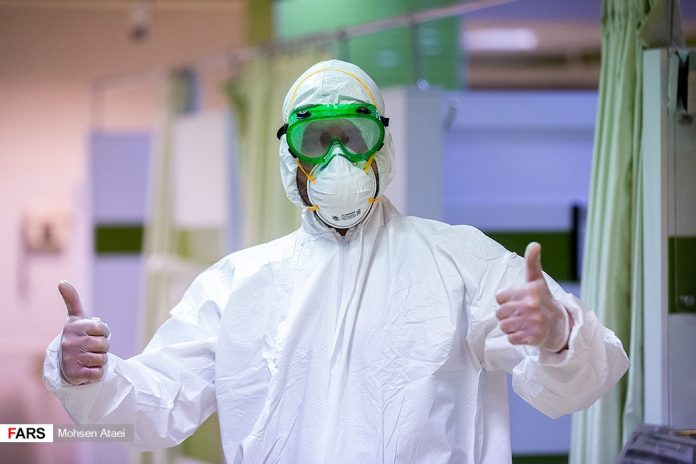
Covid’s daily death toll in Iran has remained single-digit in the past few days. The daily number of the new infections has also been way lower than the days when the virus infected thousands and killing hundreds per day.

Iran’s nationwide vaccination campaign has been credited with the downward trend in recent weeks. People’s observance of the health protocols has also been attributed to the situation.

Nearly 150 million doses of vaccine have been administered to citizens over the past year. That accounts for 85 percent of the population who have received two doses of the vaccine.

Despite this, the secretary of Iran’s Covid Scientific Committee has earlier warned of new waves of the disease in the country.

Hamidreza Jamaati said reports from other countries about new strains of Covid are worrying. Jamaati added that many in Iran mistakenly think the Covid pandemic is over. He urged all Iranians to keep wearing masks in public places.

Karkheh Dam: Drier than ever

Karkheh Dam

Some 300 million cubic meters of the dam’s water is dead volume and only 700 million cubic meters thereof can be used. The dam’s incoming water has dropped by nearly 60% since the start of the current water year compared to the long-term average.

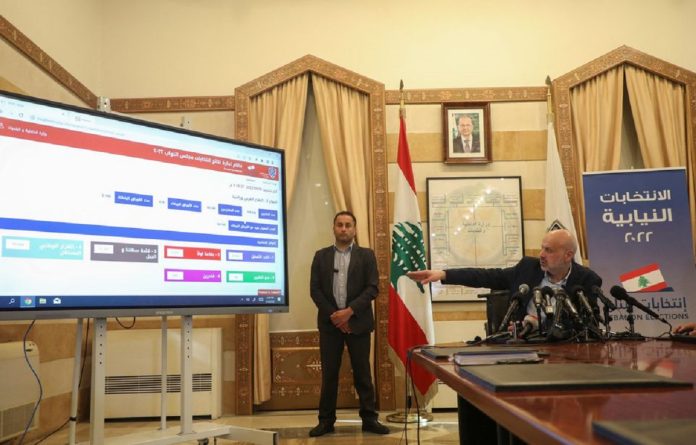
Ministry: Hezbollah, allies lose majority in Lebanon parliament

Lebanon parliament election

The Shia party’s allies suffered losses across the country, according to results released by the Interior Ministry on Tuesday.

The pro-Hezbollah bloc secured around 61 seats, fewer than the 65 seats needed to secure a majority, and down from 71 in the previous parliament.

The Free Patriotic Movement, a Hezbollah ally, is no longer the country’s largest Christian parliamentary bloc, winning 18 seats in Sunday’s elections, compared with 20 for its United States and Saudi Arabia-backed rival the Lebanese Forces.

Other key Hezbollah allies, such as Druze leader Talal Arslan in Aley, and Sunni leader Faysal Karame in Tripoli, also lost their seats to anti-establishment candidates.

Additionally, two Hezbollah-backed candidates in the movement’s electoral strongholds in southern Lebanon lost to anti-establishment candidates.

All in all, 16 anti-establishment independent candidates broke into parliament, a 15-seat increase compared with the 2018 elections.

Nine other candidates running on platforms critical of the status quo and the dominant political parties were also elected, among them billionaire businessman Fouad Makhzoumi, and four candidates of the once-influential Christian Kataeb Party.

For the first time in decades, the elections took place without the country’s largest Sunni party, the Future Movement.

Its leader, former prime minister Saad Hariri, stepped down from politics earlier this year. Some of his supporters endorsed the boycott, while some of his allies quit the party to take part in the elections.

Analysts and some Hariri allies feared that the political vacuum created by Hariri’s departure would allow Hezbollah’s allies to expand their influence in Beirut, Sidon, Tripoli, and other key constituencies.

However, in Beirut’s second district, a key electoral stronghold for Hariri, three opposition candidates broke through.

Ibrahim Mneimeh, an independent who won a Sunni seat in Beirut’s district with the most individual votes, believes that people want a new way of doing politics, and dismissed fears of a “Sunni gap”, as some analysts described.

“Those who said so were wrong – Beirutis decided to overcome traditional leaders and having to wait for their rights,” Mneimneh told Al Jazeera, adding, “And we didn’t just get Sunni votes, we got votes from Shia, Christian, and Druze, showing that having a civil discourse in the city matters to people.”

The United Nations Secretary-General Antonio Guterres congratulated the crisis-hit country for holding the elections.

“Despite the challenging circumstances, the authorities demonstrated their commitment to adhere to the Constitution and honor Lebanon’s democratic traditions,” Guterres announced in a statement, in which he also called for the swift formation of a government.

The country’s new parliament will now have to appoint a prime minister-elect and form a new government in order to resume IMF negotiations and enact economic and structural reforms to help the Lebanese economy reemerge after years of tumult.

The parliament will also vote on its speaker, which will likely be Nabil Berri, who has held the role for 30 years, as well as the country’s president in October.

Over three-quarters of the population lives in poverty.

Lebanon’s 128-seat parliament is split among its many Muslim and Christian sects. The country’s sectarian power-sharing system dictates that the president is a Maronite Christian, the prime minister a Sunni Muslim, and the speaker of parliament a Shia Muslim.

Elections observers have accused the authorities and political parties of corruption and violence.

Lebanese observers from the Lebanese Association for Democratic Elections, a local NGO, counted at least 3,600 violations, and said political partisans, mostly belonging to Hezbollah and another Shia party, Amal, had attacked and threatened their observers.

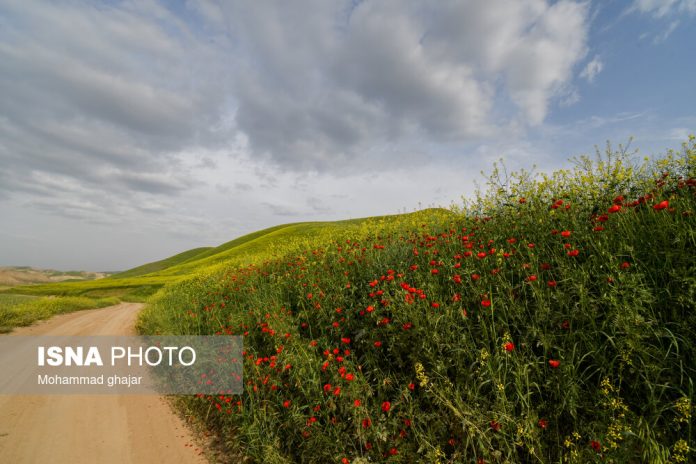
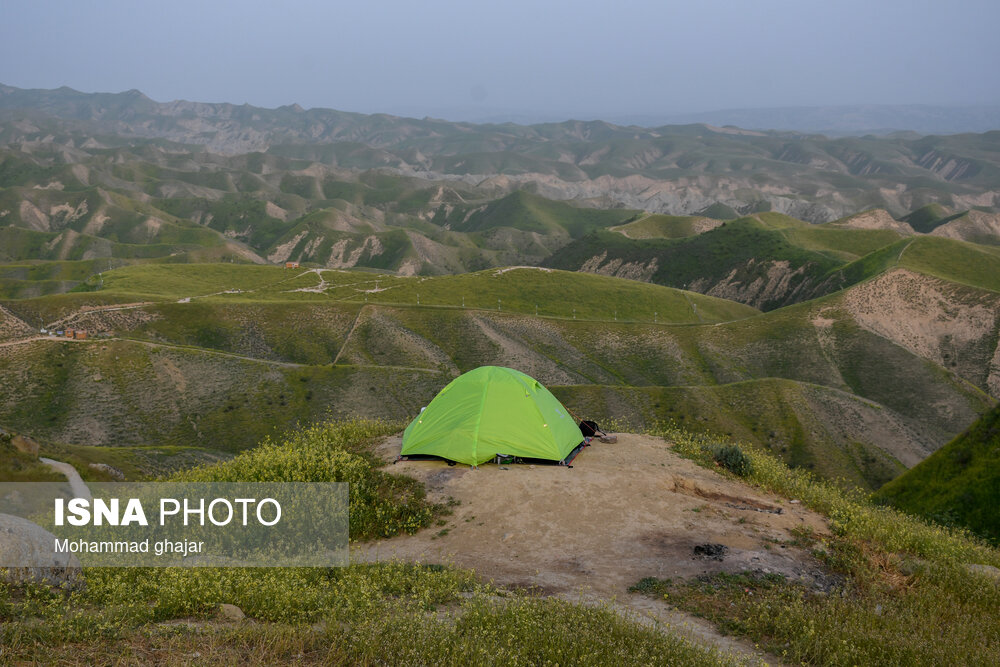
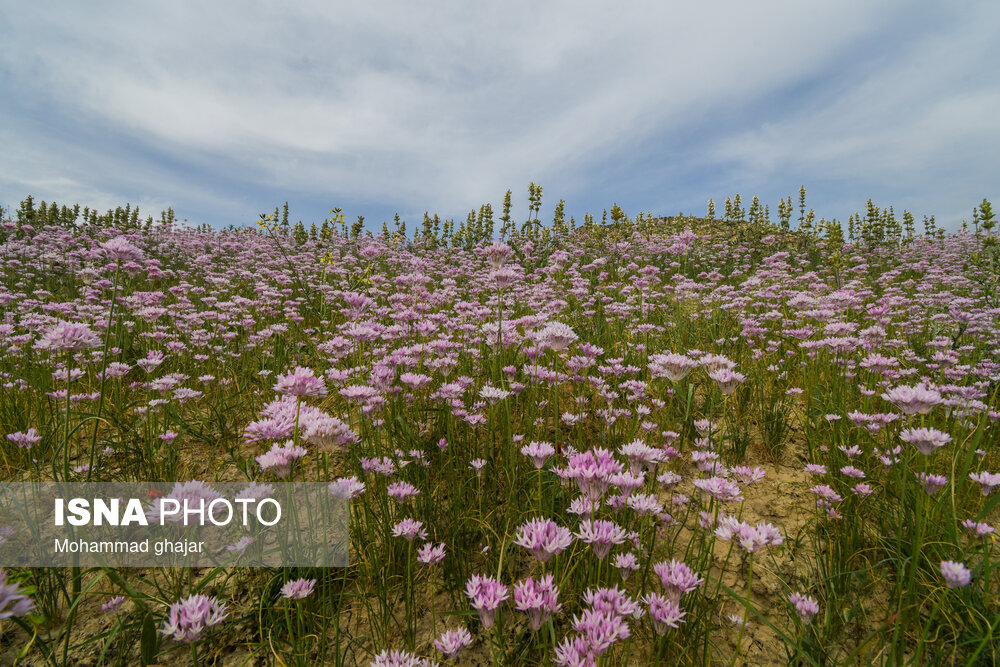
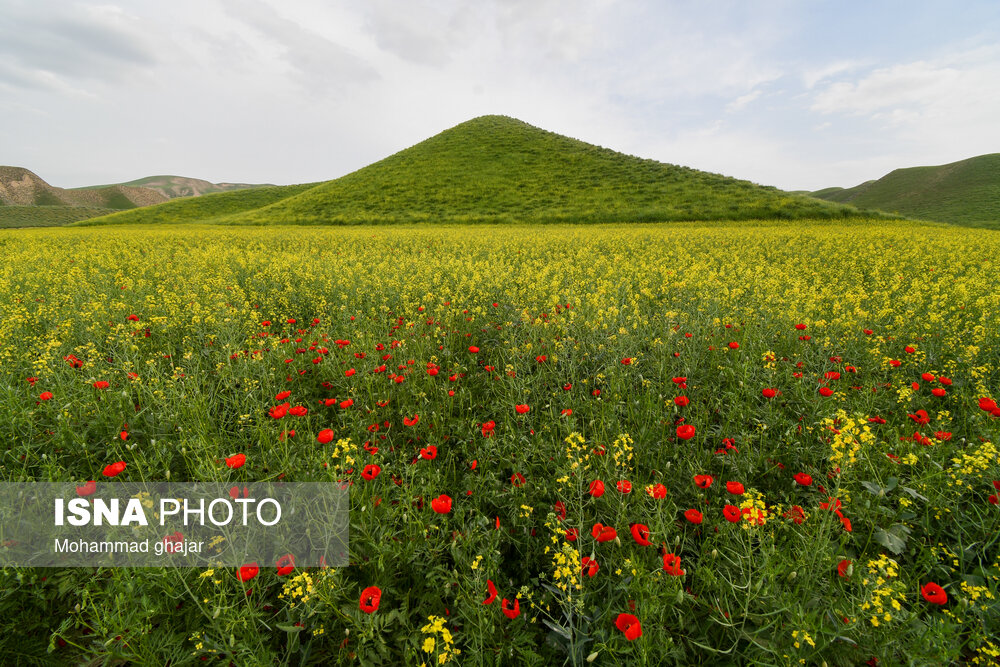
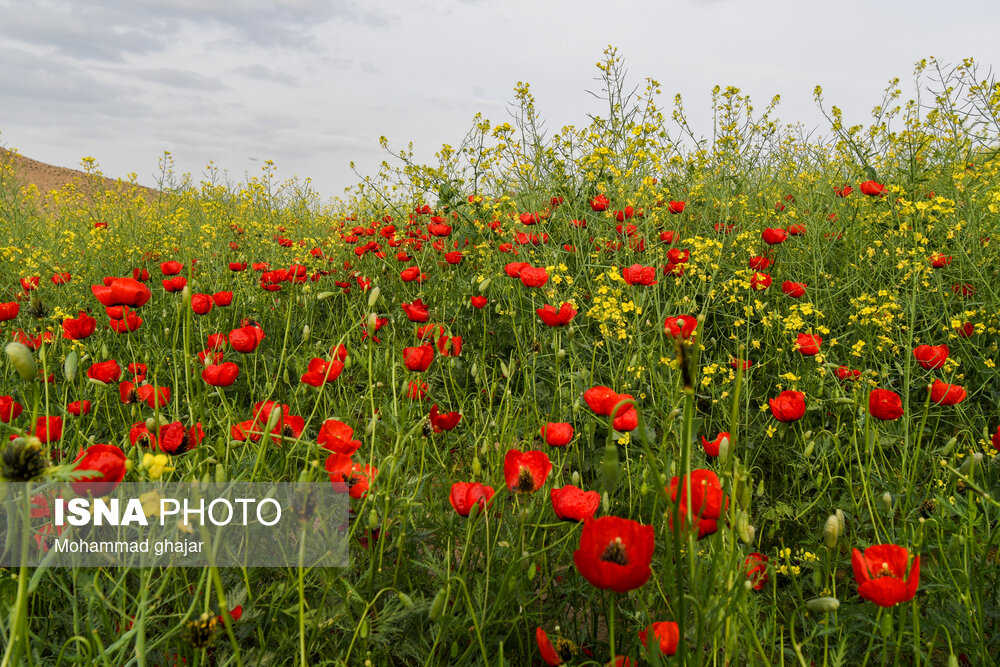
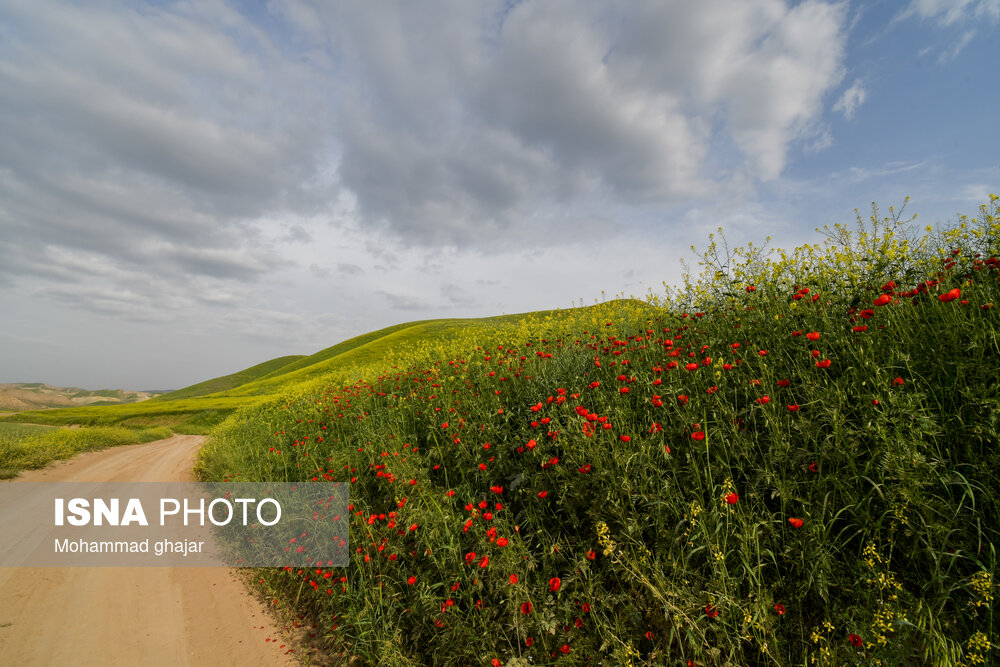
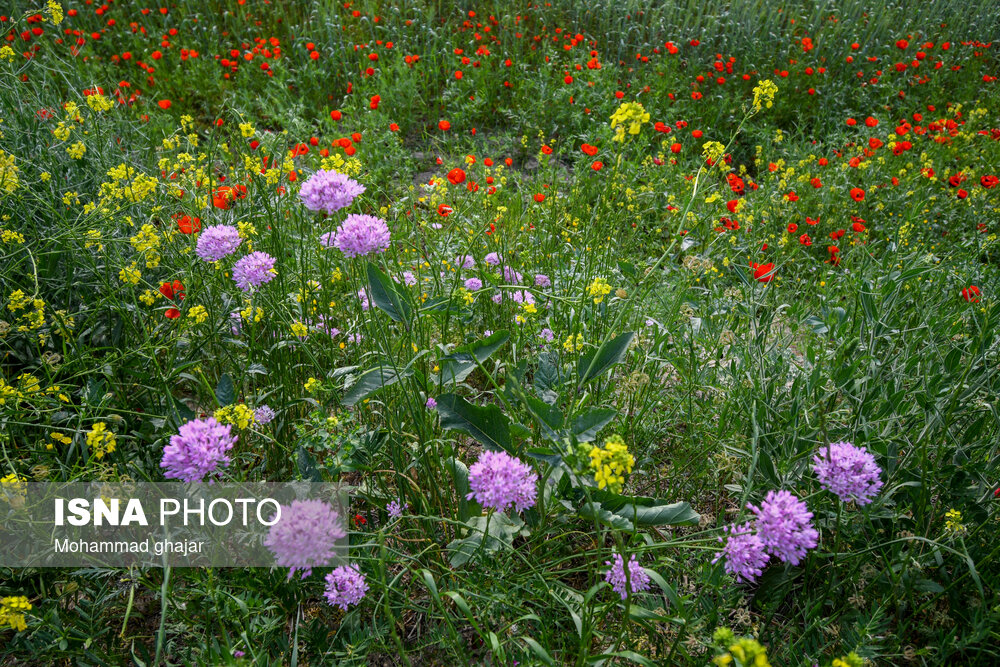
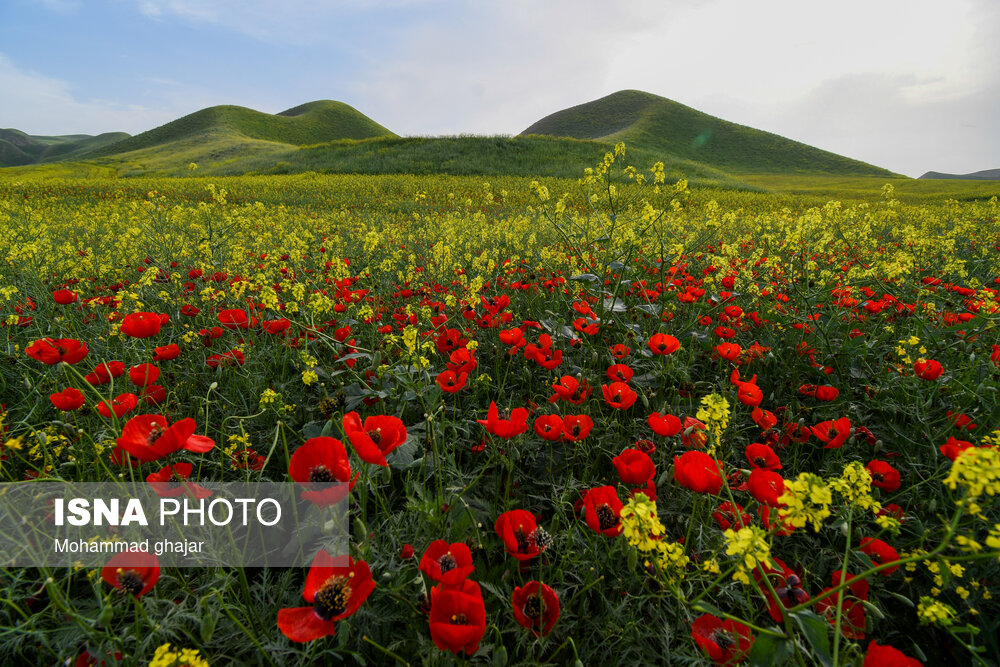
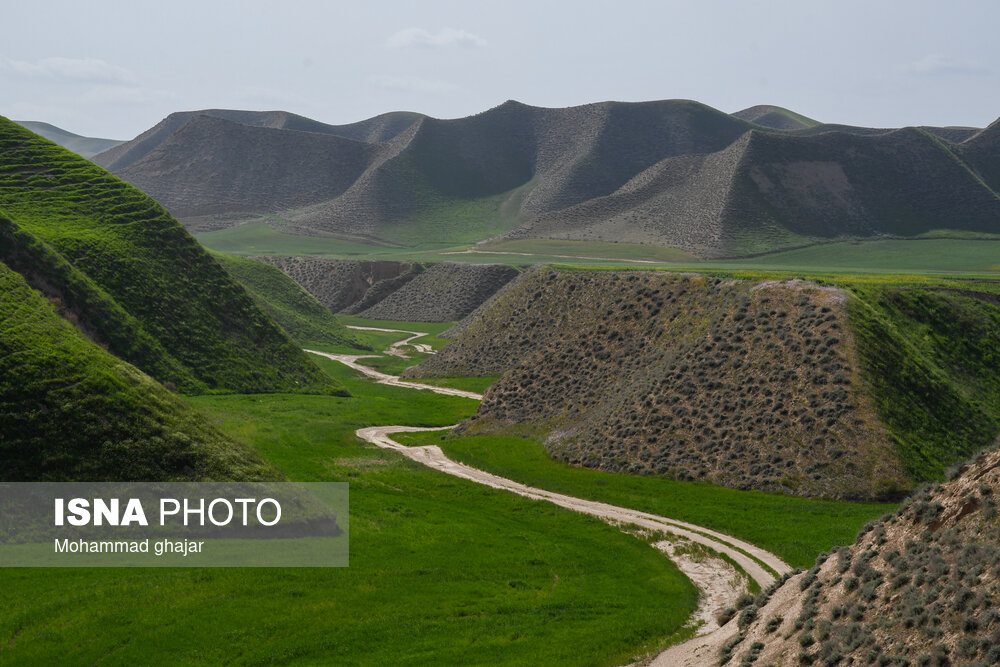
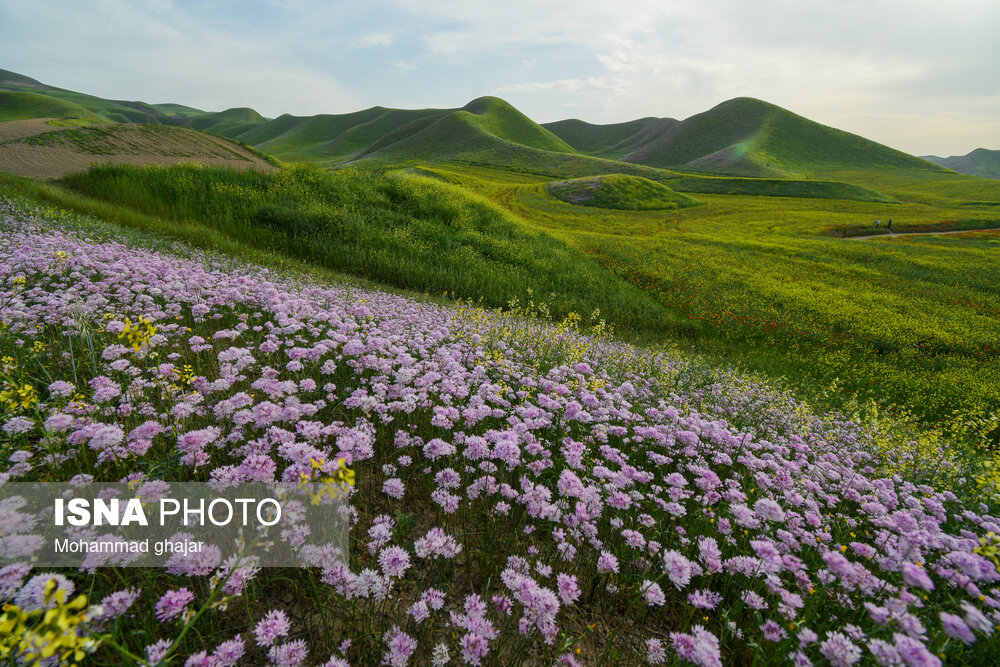
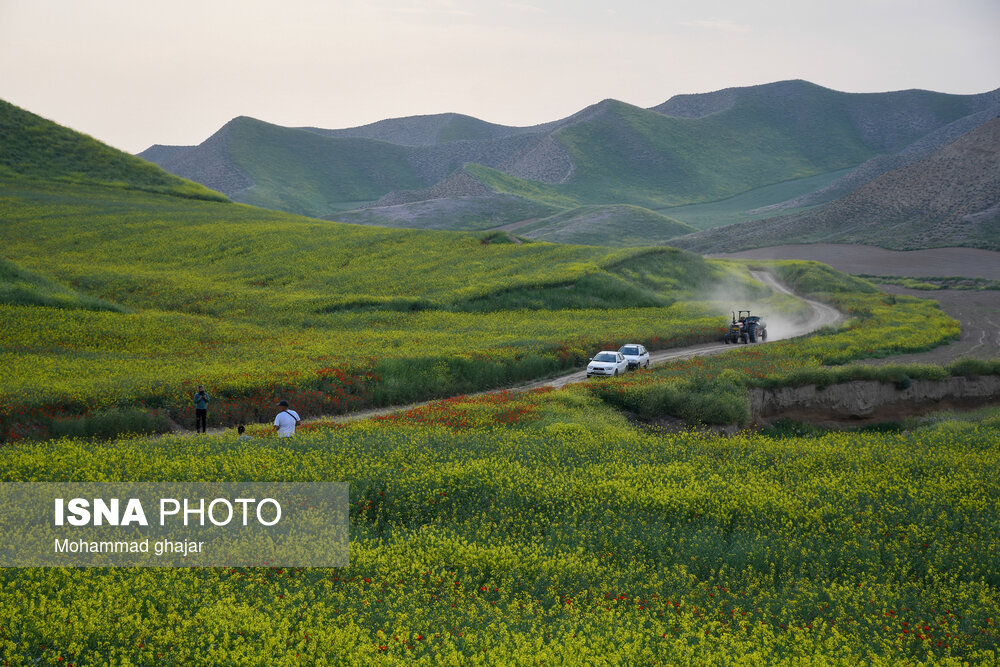
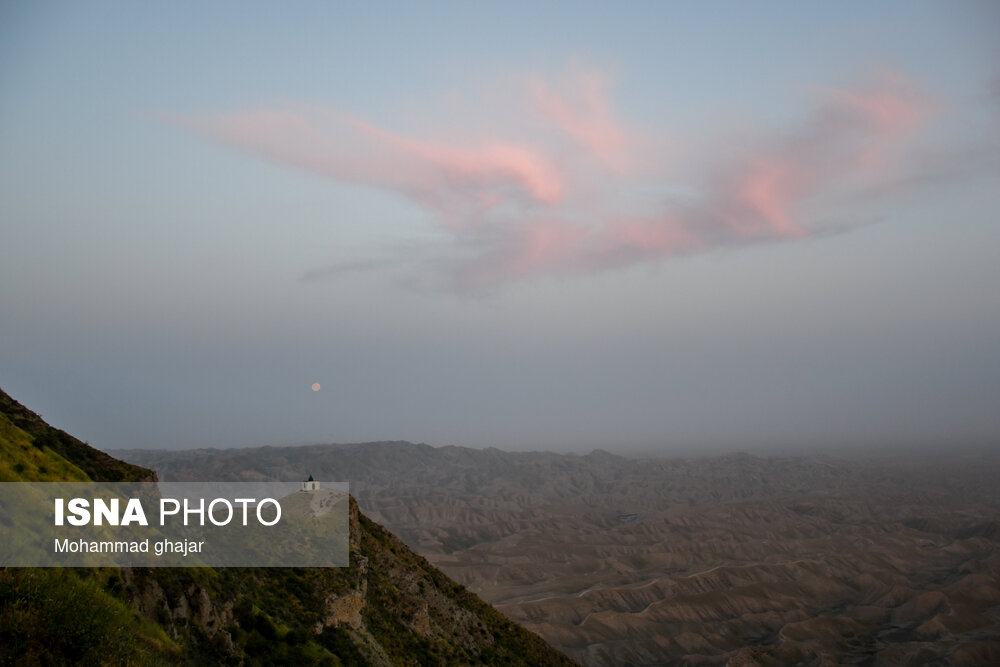
Spring on road to Prophet Khaled

Iran Prophet Khaled

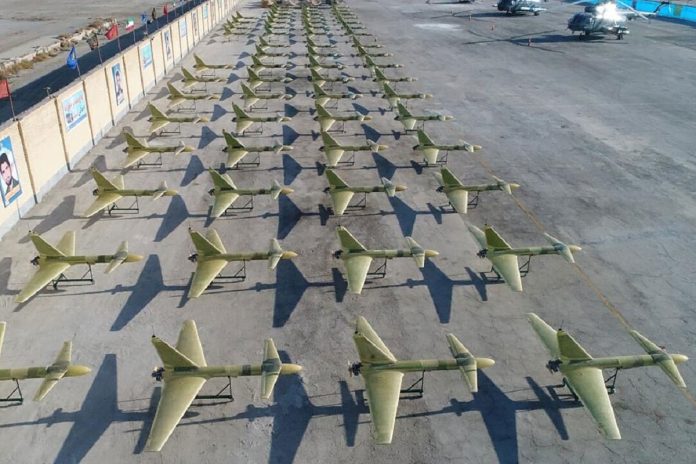
Iran opens drone manufacturing factory in Tajikistan

Ababil-2 drones

It’s supposed to manufacture Ababil-2 drones with help from experts of the defense industries of the Iranian Defense Ministry.

During the inauguration ceremony, General Bagheri said the Islamic Republic of Iran, thanks to efforts by its committed experts and scientists and also its domestic capabilities, has made progress in all military and defense areas, especially the manufacturing of unmanned aerial vehicles.
“We are today at a point where we are capable of exporting military hardware to allied and friendly nations while meeting our domestic needs”, the chairman of Iran’s Joint Chiefs of Staff said.
Bagheri expressed hope that military cooperation between Iran and Tajikistan will increase in the near future.

Ababil-2 drone is a low-flying UAV and is capable of conducting reconnaissance operations. Its range is 200 kilometers and it can fly at a maximum speed of 220 kilometers per hour.

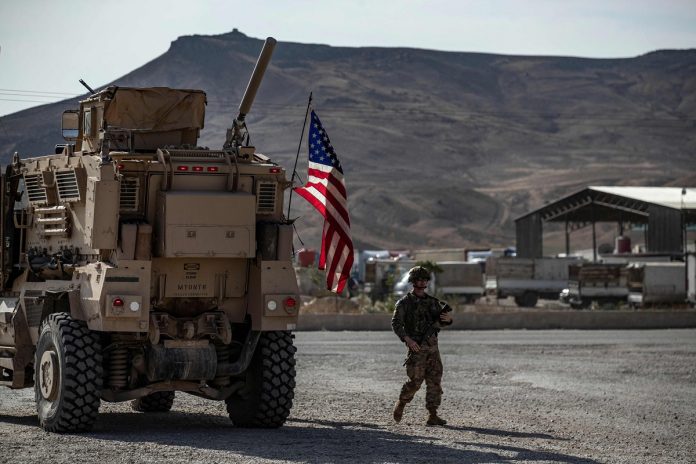
Rockets hit US military base in Syria

US Forces in Syria

Local sources, wishing anonymity, told Syria’s official news agency SANA that ‏the projectiles landed in the vicinity of the US-controlled al-Jabsa oil field in al-Shaddadi town late on Monday.

One of the rockets, they added, struck the al-Jabsa installations, which house the military aircraft of the US occupation forces.

Another hit the headquarters of the al-Jabsa Fields Directorate, which American forces use to manufacture unmanned aerial vehicles for Kurdish militants from the so-called Syrian Democratic Forces (SDF).

The sources said that ambulance sirens could be heard around the base after the incident.

US military drones flew over the field after it came under the attack, and groups of SDF militants were also immediately dispatched to the town.

The development came days after a convoy of 70 US military trucks transported stolen Syrian oil from the northeastern province of Hasakah to the semi-autonomous Kurdistan region in northern Iraq.

Local sources from al-Ya’arubyia, requesting anonymity, told SANA that the US military vehicles, including tankers, refrigerators, and 15 trucks carrying munitions, entered the Iraqi territories after crossing the al-Waleed border crossing on Saturday.

“The convoy was accompanied by six armored vehicles,” they were quoted as saying.

The US military has stationed forces and equipment in northeastern Syria, with the Pentagon claiming that the deployment is aimed at preventing the oilfields in the area from falling into the hands of Daesh terrorists.

Damascus, however, maintains the deployment is meant to plunder the country’s rich mineral resources.

Former US President Donald Trump admitted on more than one occasion that American forces were in the Arab country for its oil.

After failing to oust the Syrian government through militant proxies and direct involvement in the conflict, the US government has stepped up its economic war on the Arab country.

In June 2020, the US enacted the so-called Caesar Act that imposed the toughest sanctions ever on Syria intending to choke off revenue sources for the government.

The sanctions have crippled the war-torn country’s economy by barring foreign companies from doing trade with Damascus.

Syria says the real purpose of the measures is to put pressure on Syrians and their livelihoods.

Officials also say the increased smuggling of strategic Syrian resources is the latest inhumane tactic using people’s basic needs as a tool to mount pressure on the democratically-elected government in Damascus.

“Recent high-profile visits to Iran won’t affect Iran, US stance in Vienna talks”

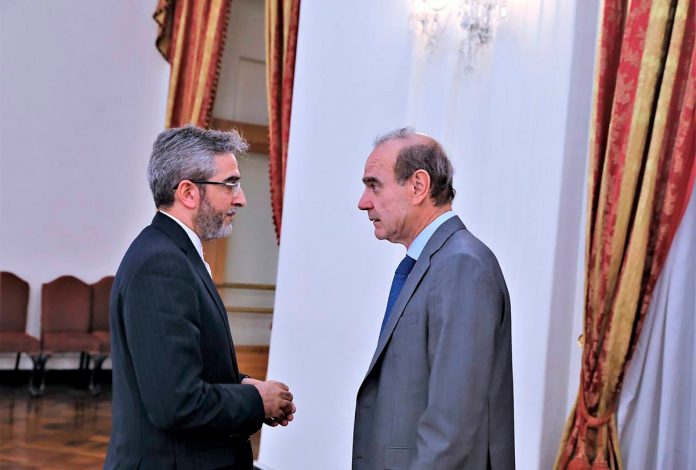
Iran's Bagheri and EU's Mora

Mahdi Motaharnia told Iranian Students’ News Agency, ISNA, that the process of the Vienna talks on the 2015 nuclear deal shows Iran and the US have developed a constant resistance against an agreement.

Motaharnia touched on the US claim that it does not want Iran to be a “rogue” element in the region.

“The Joint Comprehensive Plan of Action hinges on the US impression of Iran as a player that disrupts regional and international order. Tehran also considers negotiations on its nuclear case as a means to remove all sanctions it is facing,” he said.

This is why, the analyst says, the current process is advancing in a fashion that it does not facilitate the talks.

Motaharnia also talked about Europe’s role in the nuclear negotiations saying Europeans are heirs to the agreement therefore “the representative of the European Union is tasked with protection of this inheritance”.

“But Europe is reliant in its actions. It means Europe, in its personalized actions, faces a revolutionary Iran on the one side, and a US on the other that enjoys economic and security dominance over a united Europe, which is itself an ally of the US. This means Europe is both cooperating with the US and in rivalry with it,” he said.

“This is while Russia and China have variable resistances, which means their resistance revolves around their interests in the case. Russia and China are not after confrontation with the US. They seek to get concessions from the US. But their approach to Iran is stable and they consider Iran as a strategic target market, which is a winning card against the US.”

He noted that progress in the Vienna talks and achieving an agreement hinges on how Iran and the US confront each other, rather than on the moves by Europe and Russia in Ukraine. These, he said, are “elements that seek greater tension between Iran and the US” and they are represented by none other than Israel, in the region.

Motaharnia further touched on the visits by such “liaisons” as the Qatari Emir and the EU deputy foreign policy chief and the “positive signals” about all sides returning to the Vienna talks, stressing that the influence of such liaisons would be based on their interests.

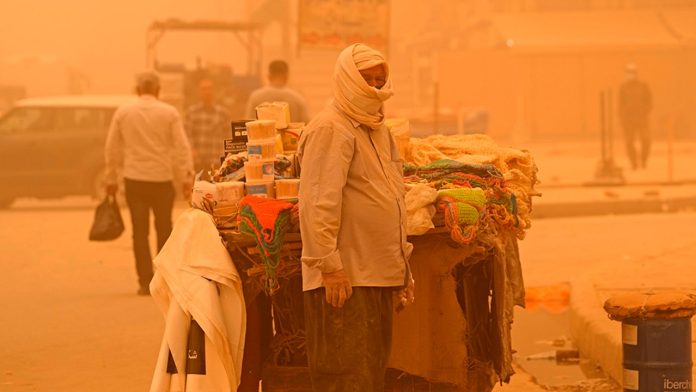
Official: Turkey dam construction cause of ME’s unprecedented dust storms

Dust storms Middle East

The company’s Managing Director Mohammad Mahdi Mirzaei Qomi says a look at the dust storm since March 21 shows construction of dams on Tigris and Euphrates by Turkey, have turned Iraq and Syria into hubs for spread of dust particles across the Middle East.

“Although dust storms have been seen in the city of Tehran over the past years, their repetition and strength in the current Iranian year have been unprecedented in the past 12 years,” Qomi says.

“In the dust storms that hit on April 8 and 9 this year, the main source was the hubs in Iraq, Syria and Jordan. Also, Iraq and Saudi Arabia were the sources of the dust storms that hit on May 7 and 8.”

He explained that Turkey’s construction of dams on Tigris and Euphrates over the past years has led to desertification of land in such countries as Iraq and Syria and has activated the dust particle hubs.