Saturday, January 17, 2026
Home Blog Page 1776

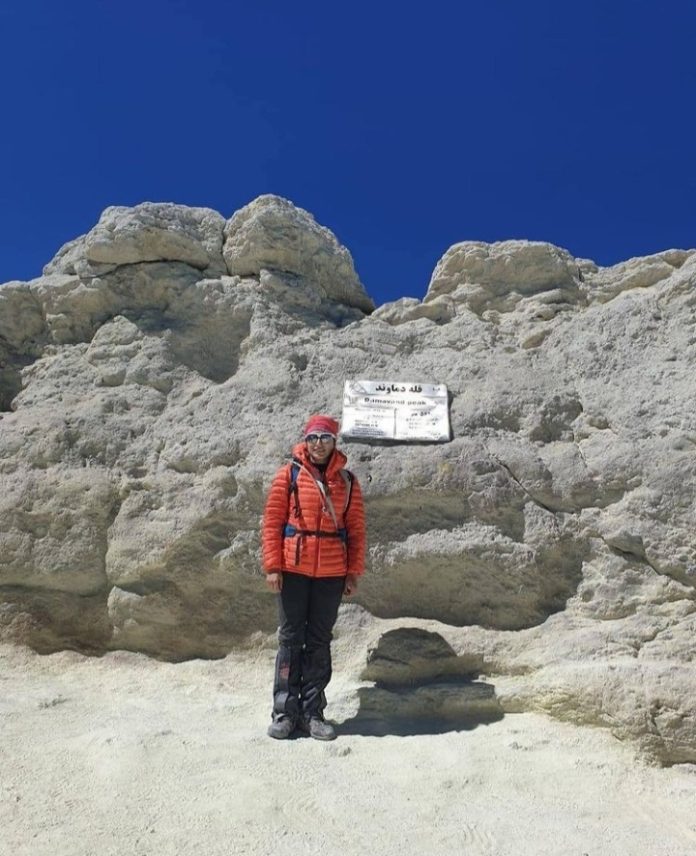
Iranian actress Negar Javaherian climbs to summit of Mount Damavand

Negar Javaherian

Javaherian posted images of hers atop the mountain on her Instagram account.
She has starred in many films and TV series.

Her recent series Khatun was a success. The 39-year-old also played in the movie “We have no other choice” that is currently being screened by movie theaters in Iran.

Mount Damavand, near Tehran, is the highest peak in Iran with an elevation of 5,609 meters.

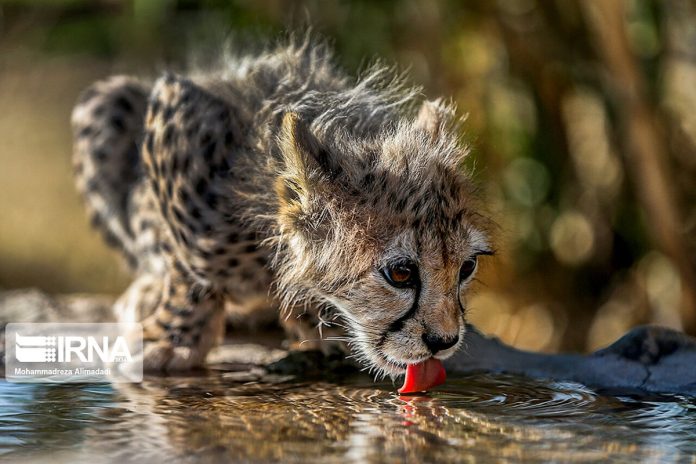
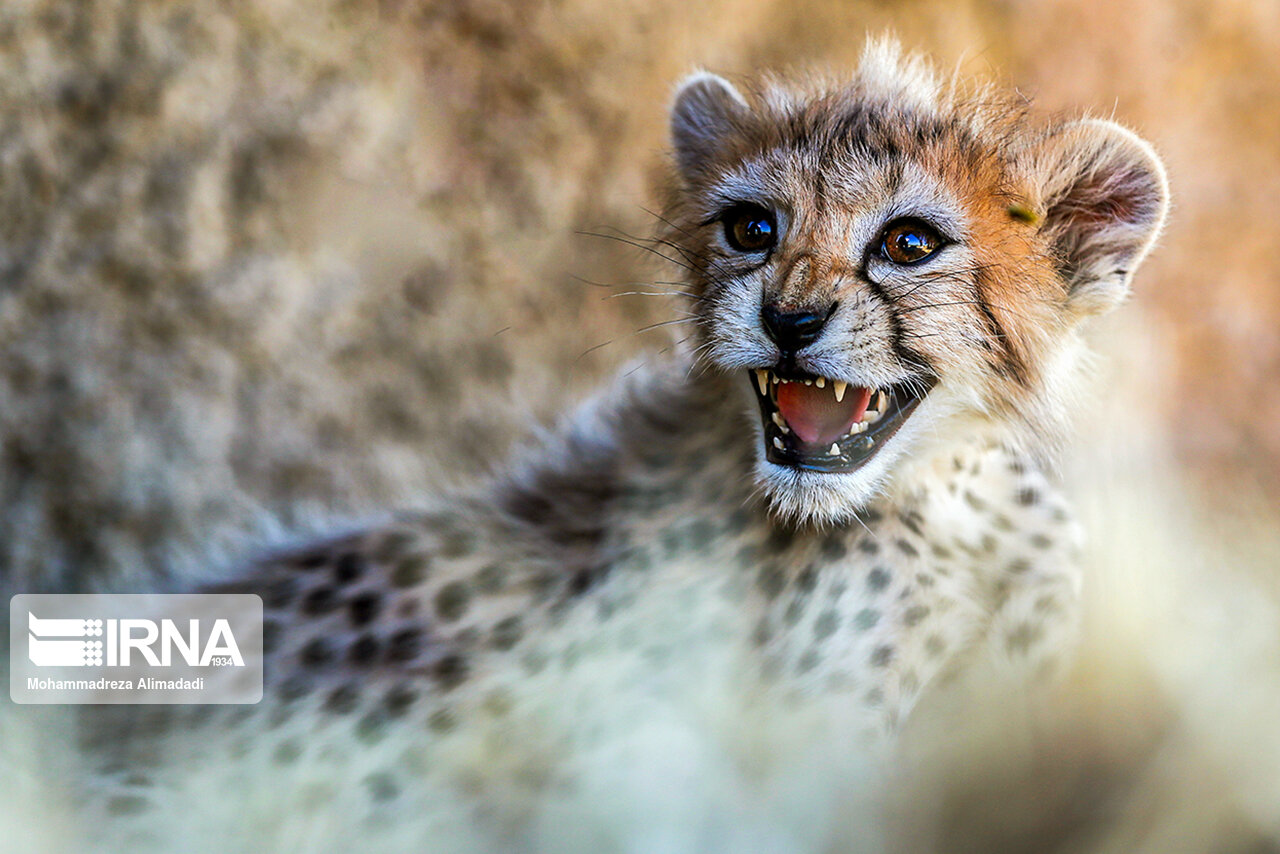
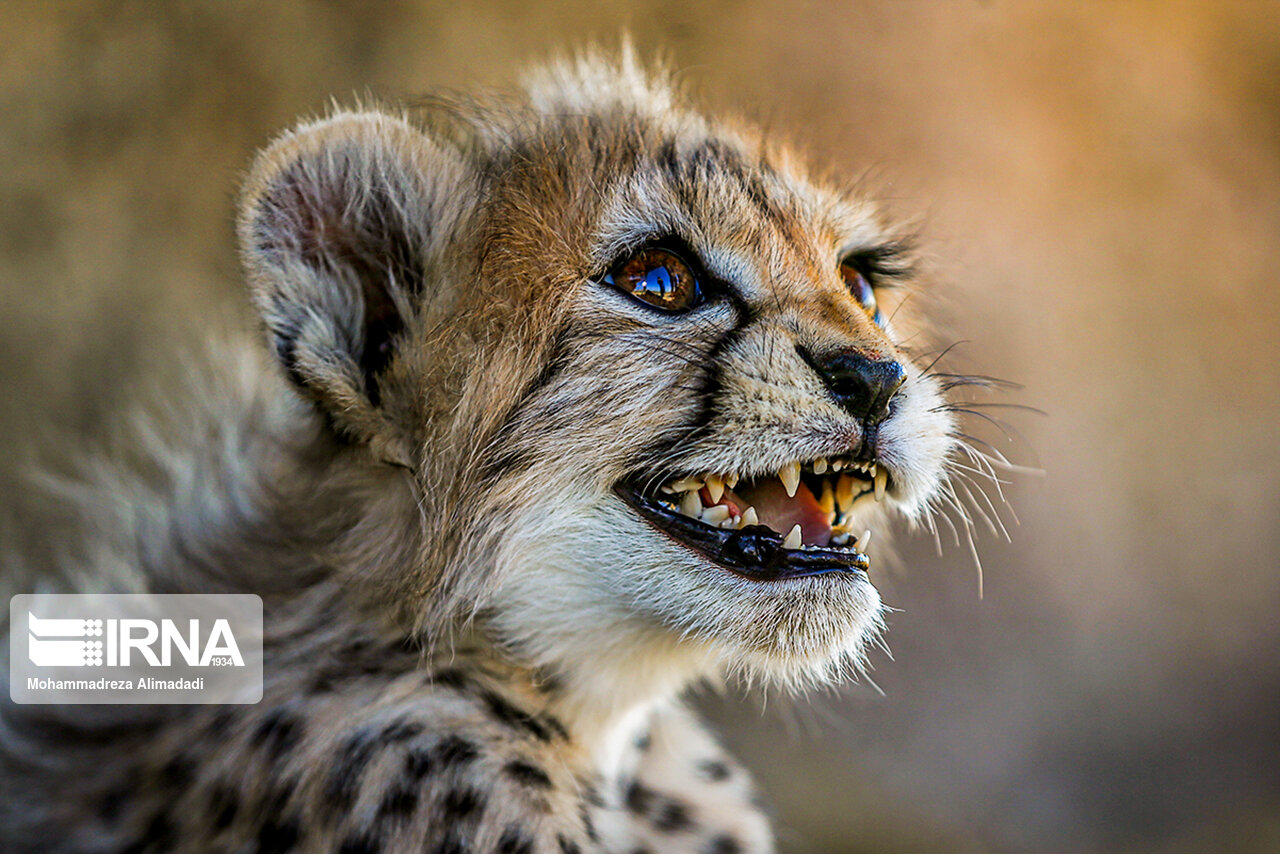
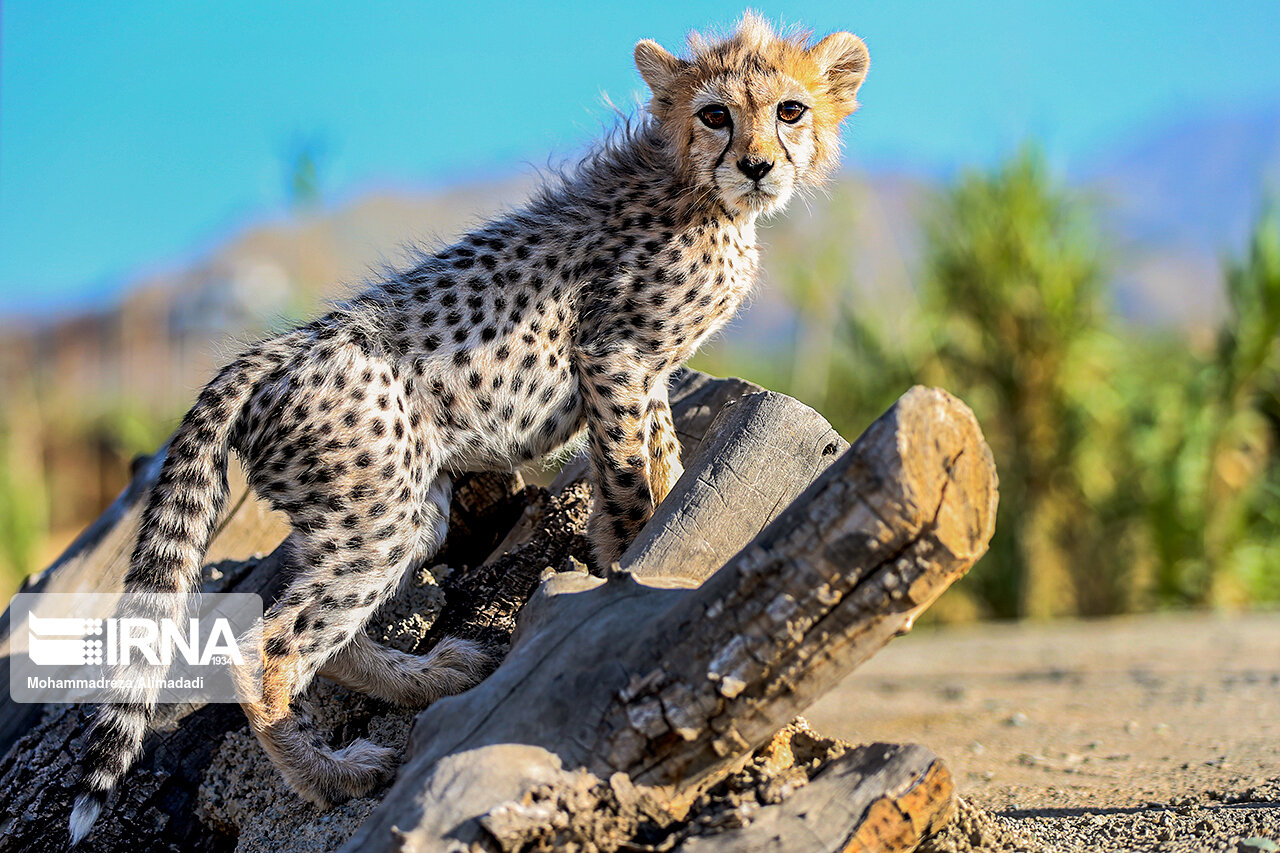
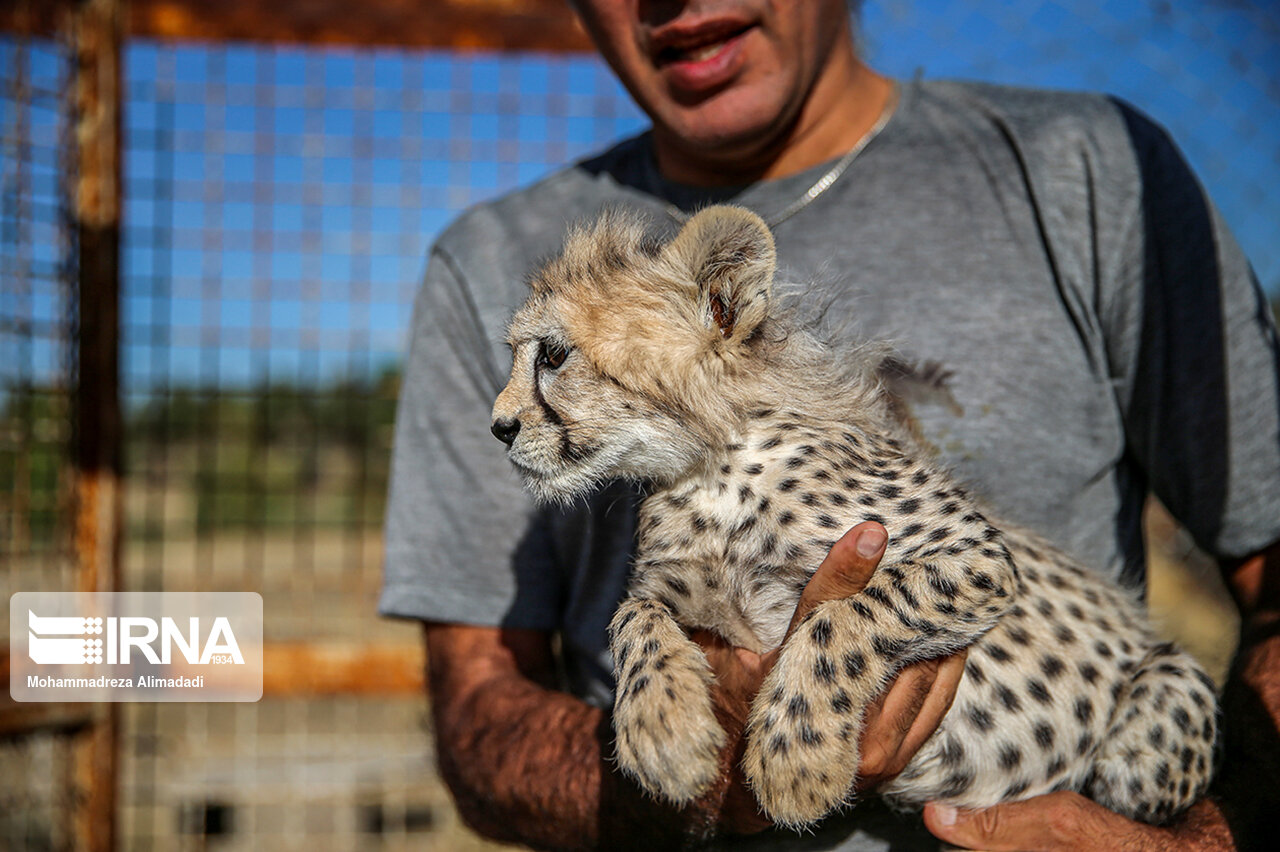
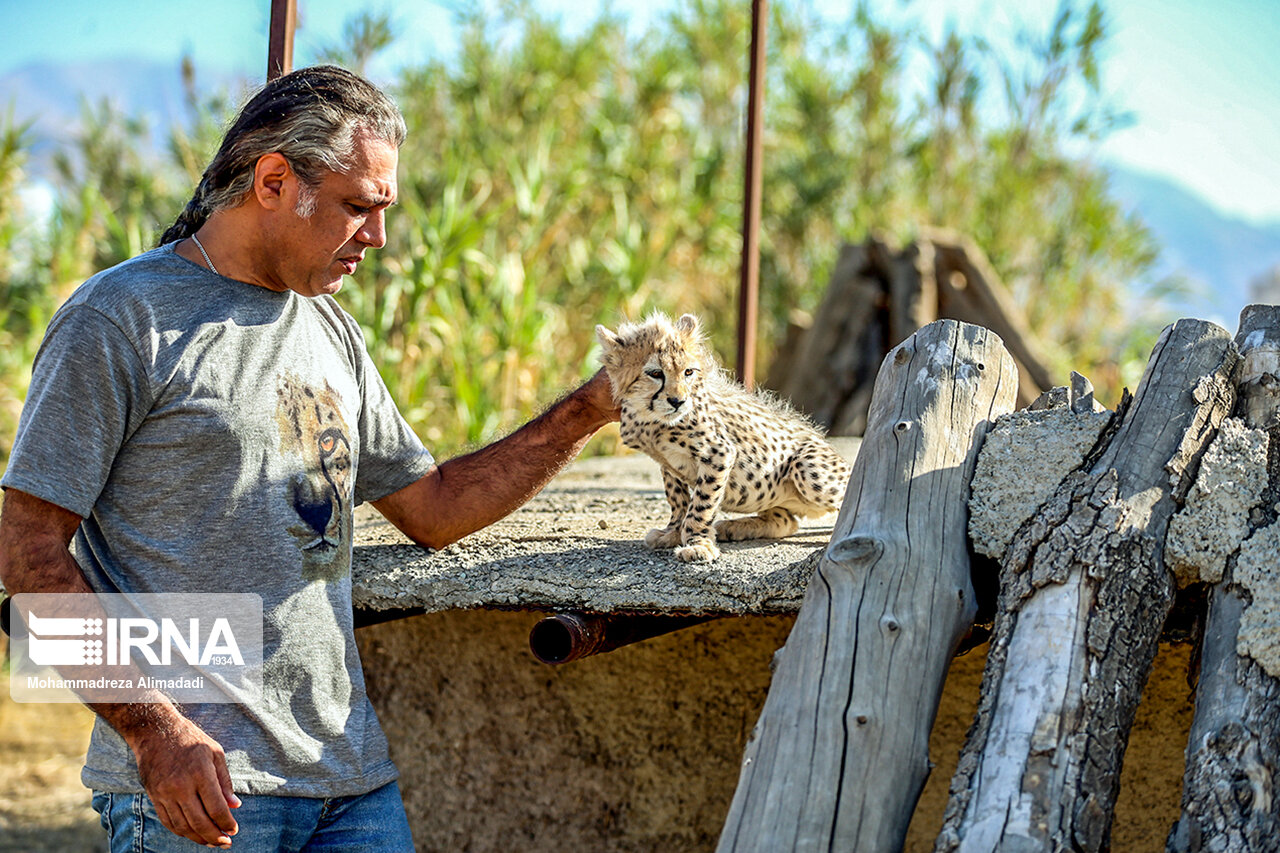
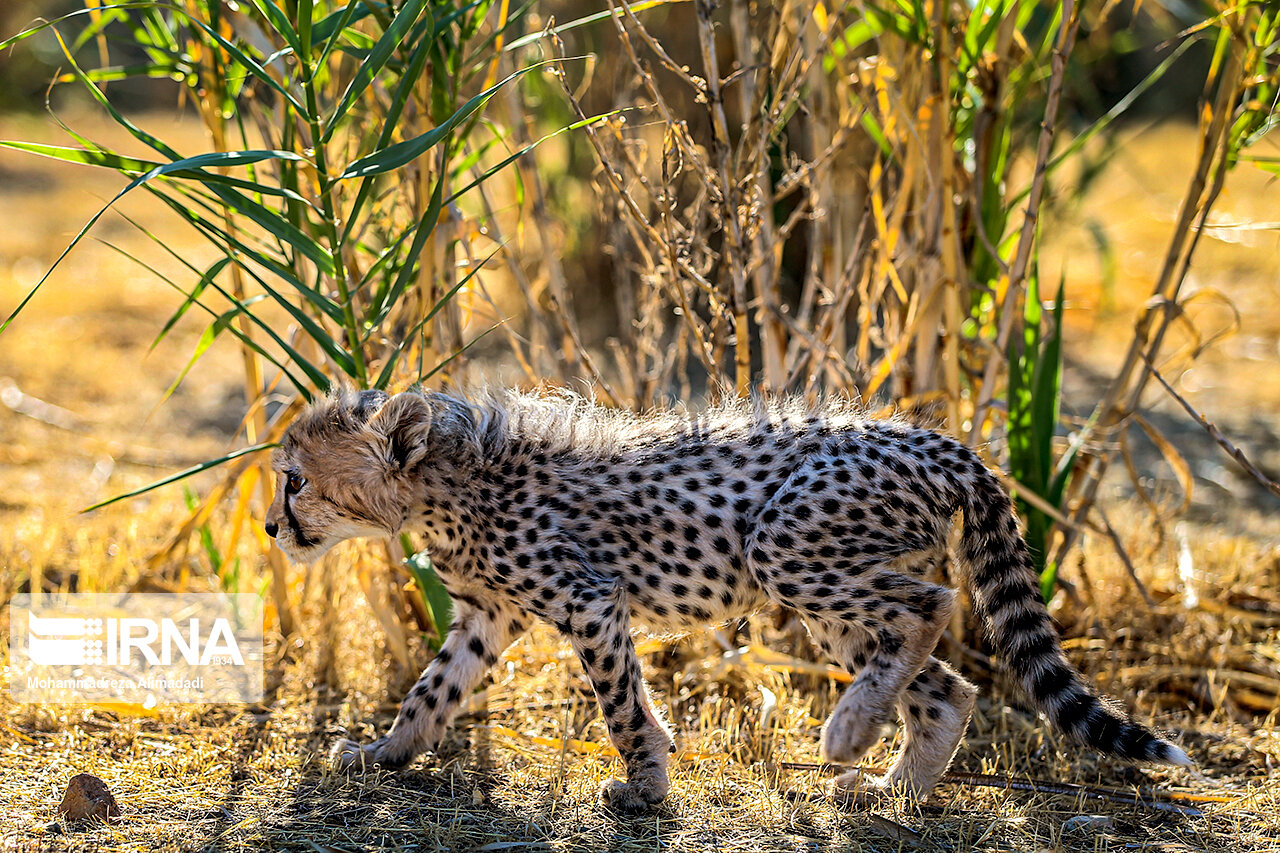
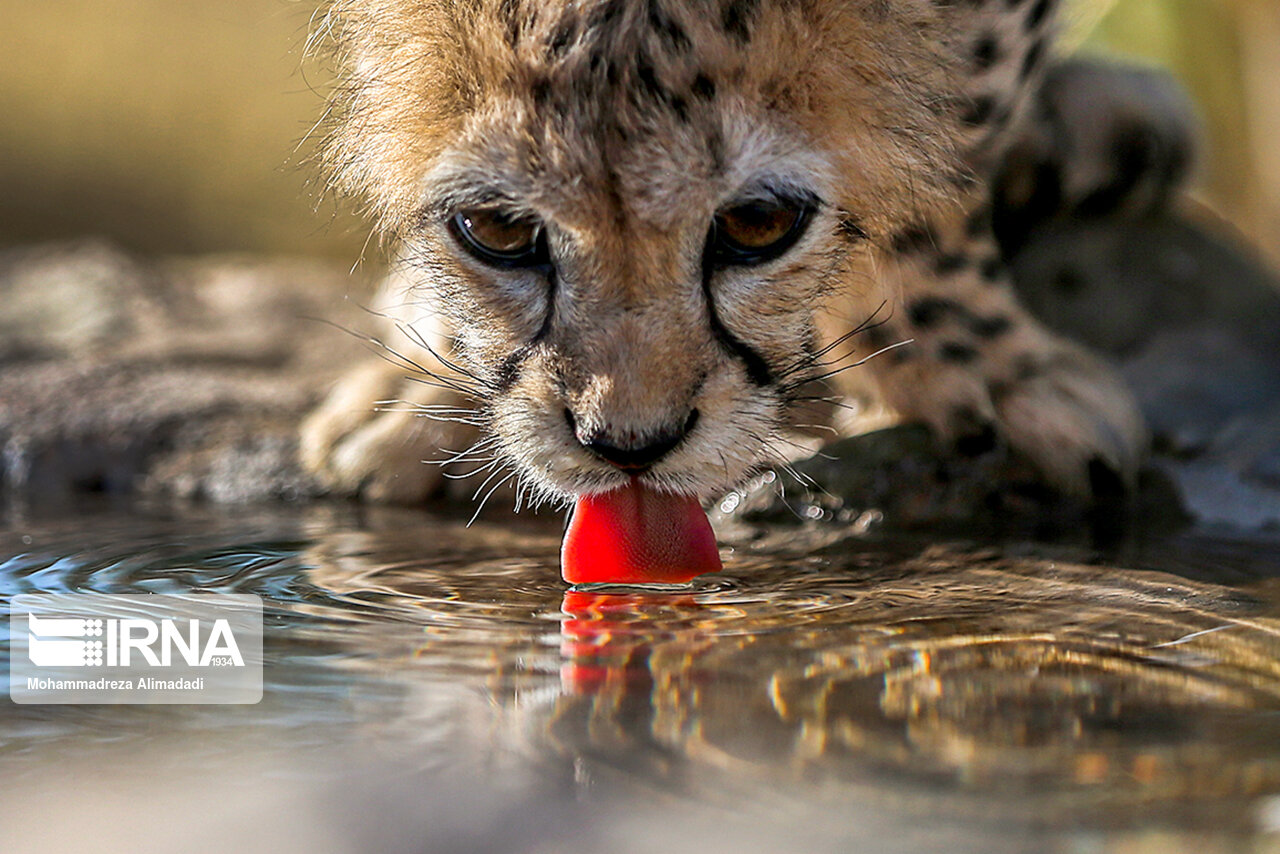
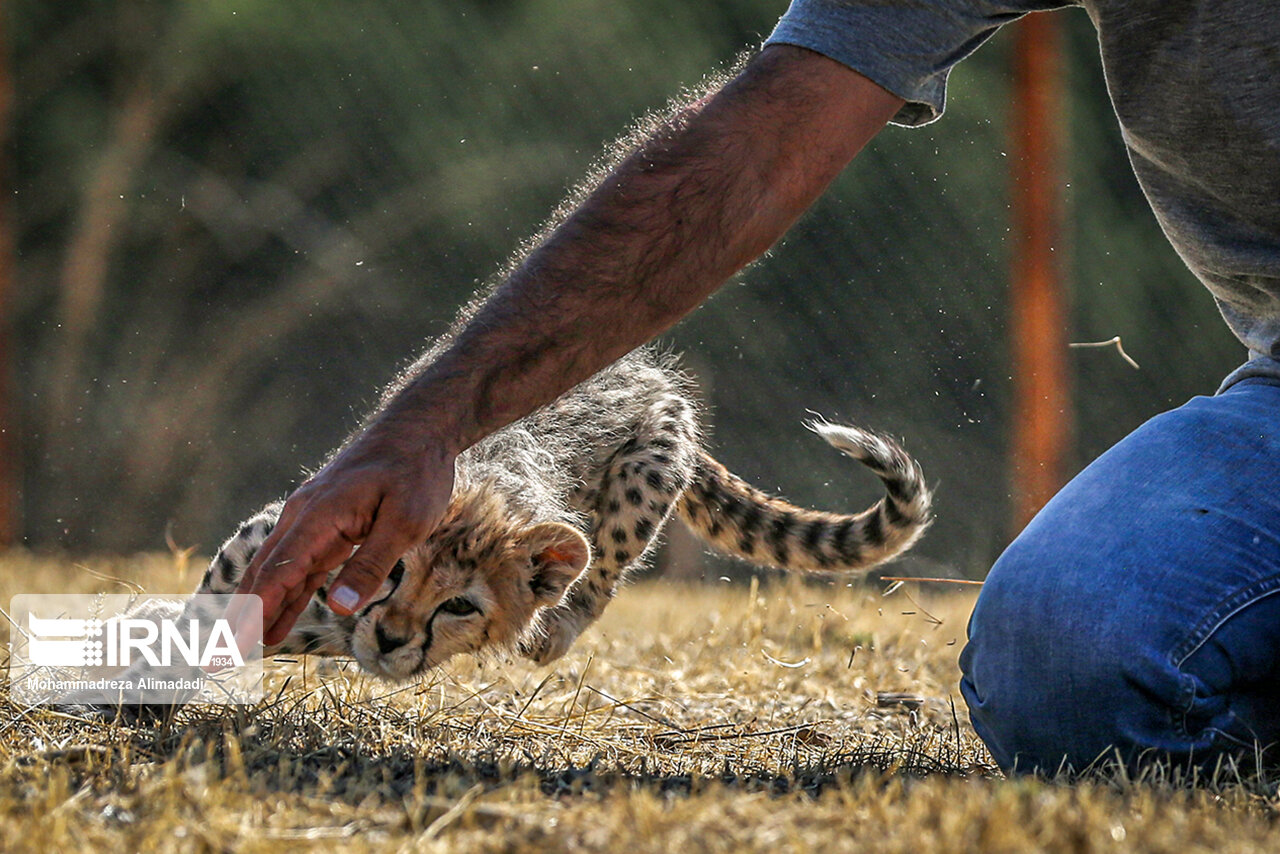
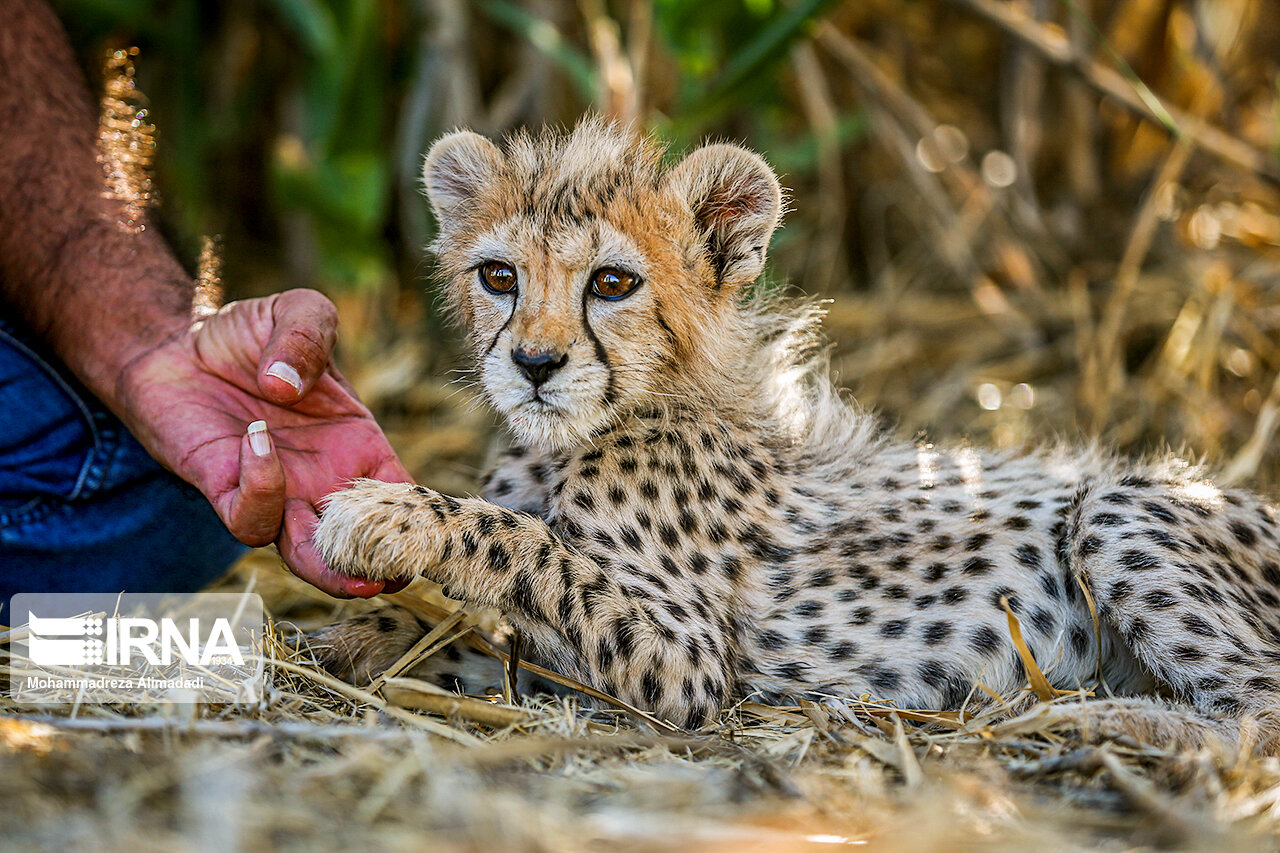
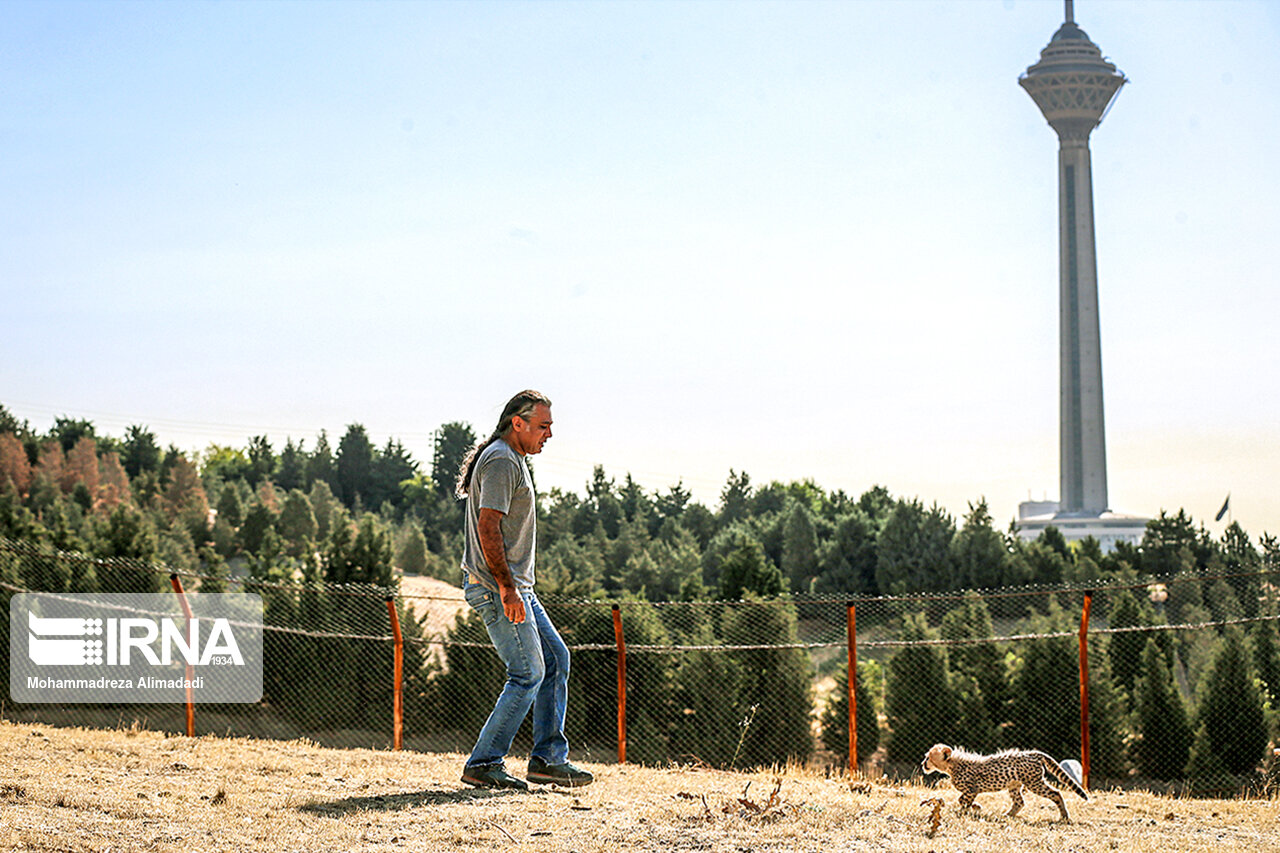
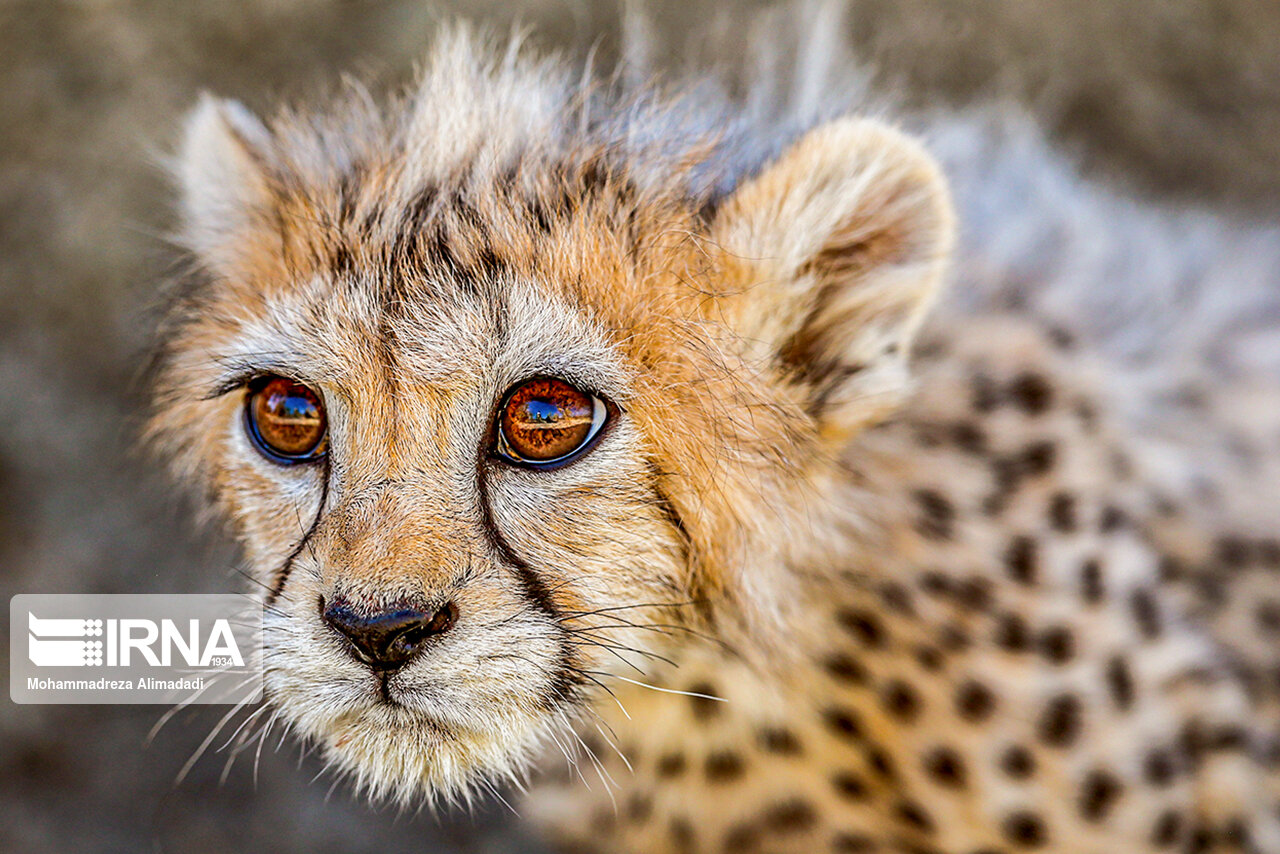
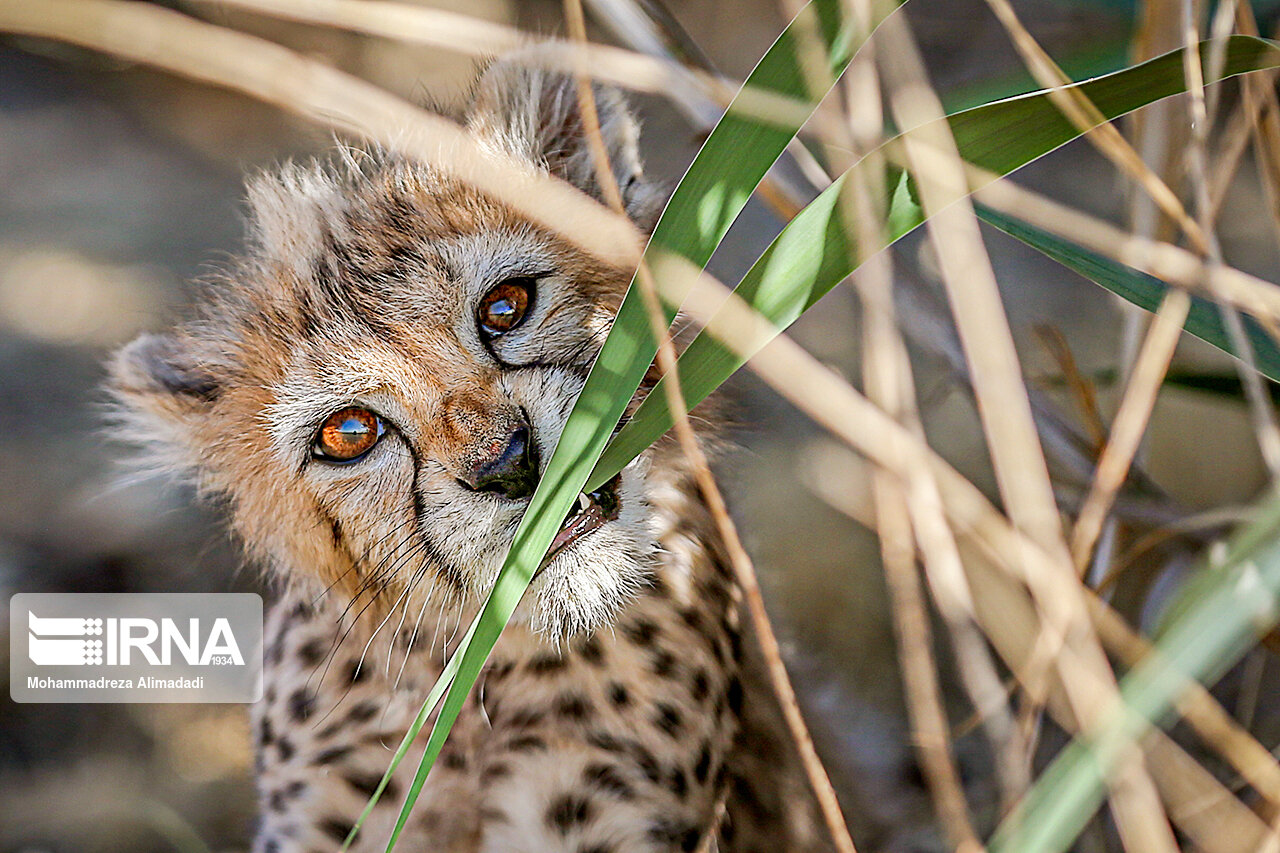
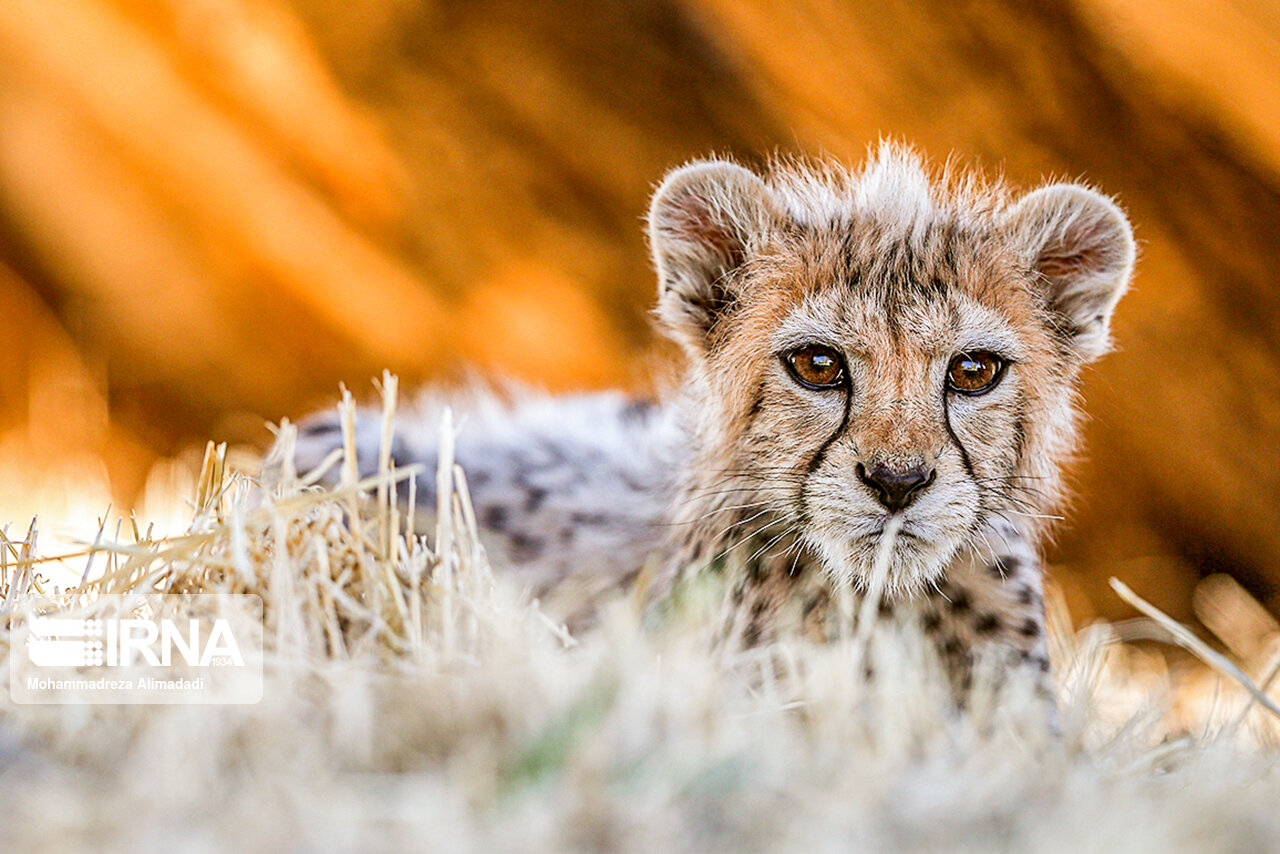
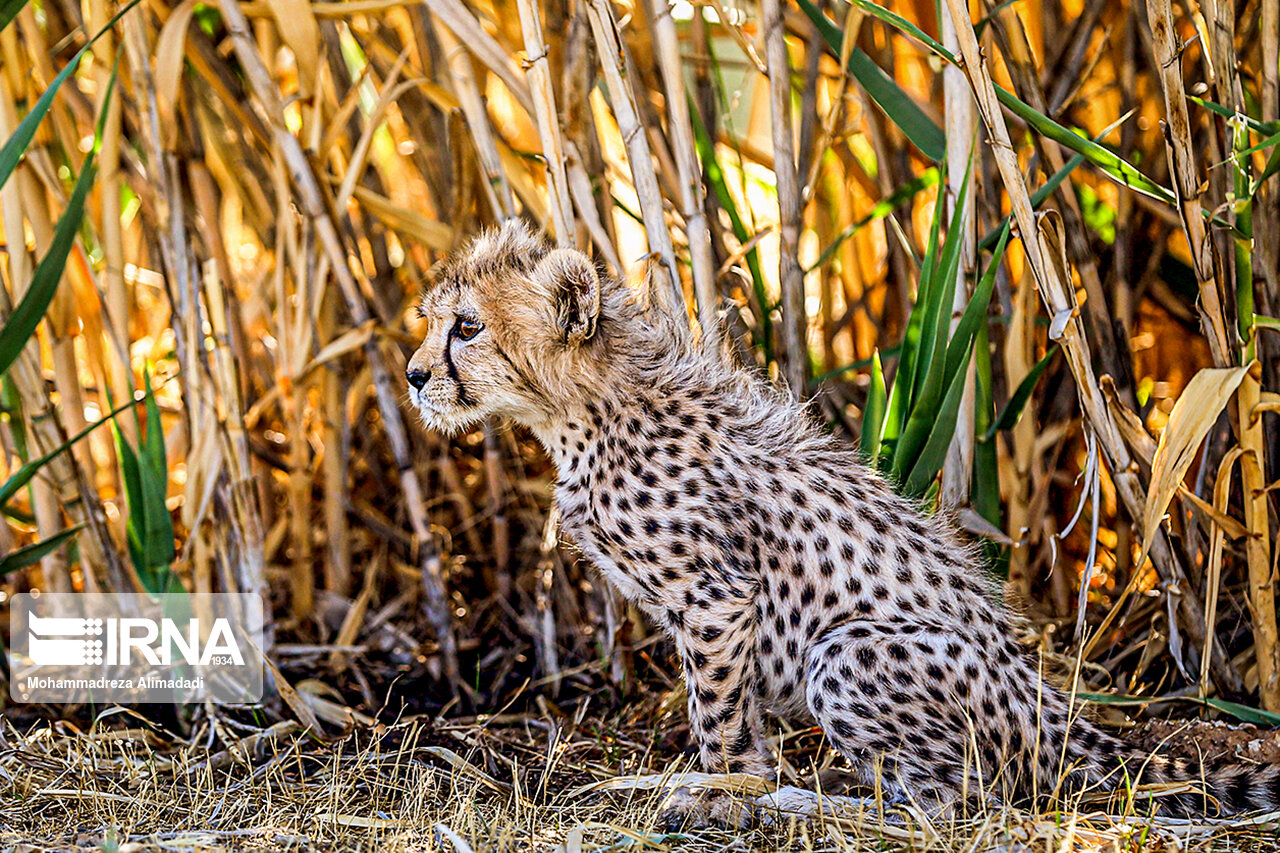
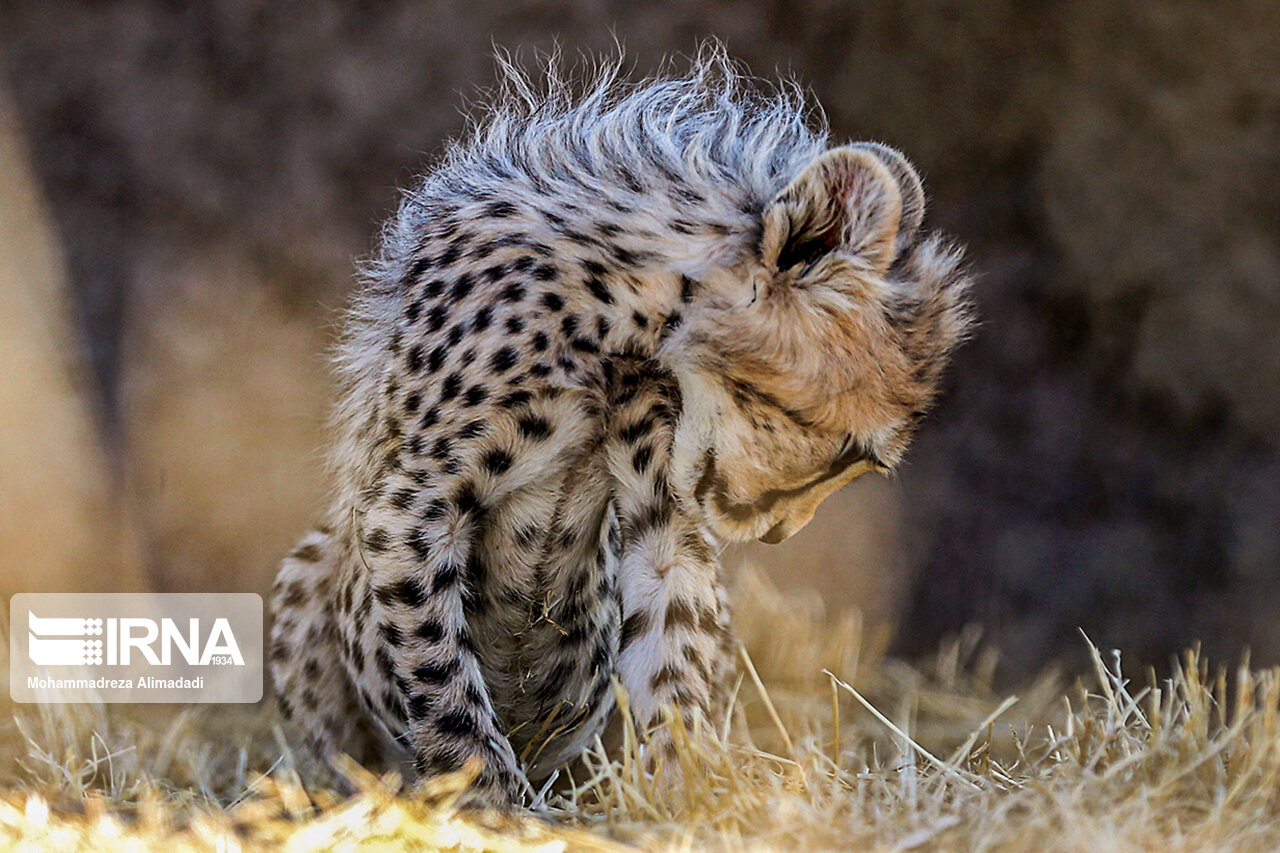
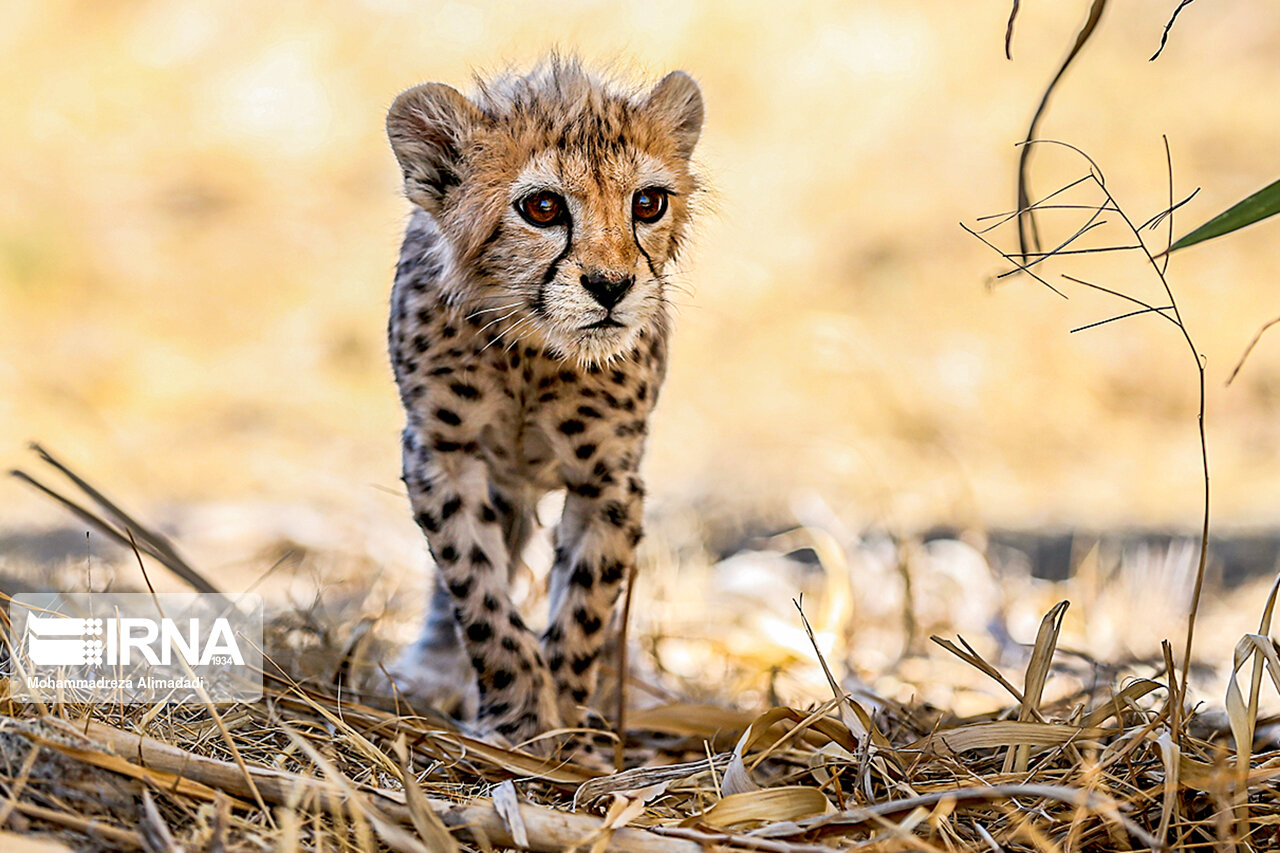
Persian cheetah cub born in captivity doing well, turns 4 months old

Persian cheetah cub

The mother of the litter, named Iran, gave birth to the three cubs on May 1 in the first birth of its kind in captivity.

The first cub died apparently from “congenital malformation of the left lung” and the second offspring died two weeks later.

Officials took extra measures and put the third cub in intensive care to prevent the repeat of the past two experiences.

The photos of the cub are available here:

Iranian FM says Tehran wants stronger nuclear text than the one proposed by US

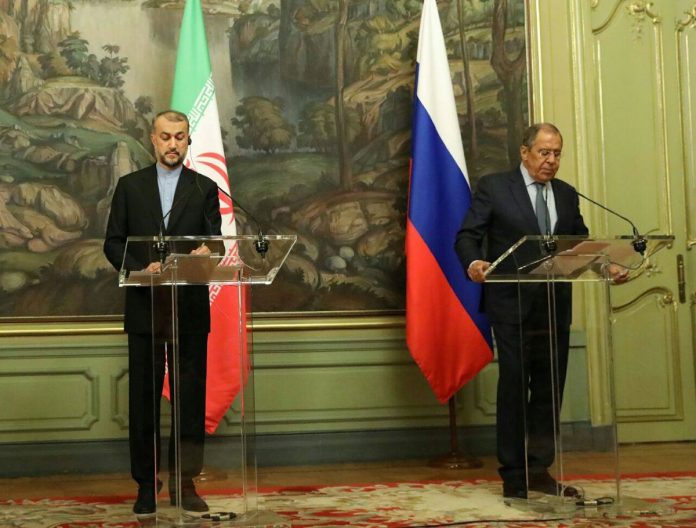
Amirabdollahian and Lavrov

Speaking at a news conference with his Russian counterpart in Moscow, Amirabdollahian stressed that Iran seeks a stronger draft with regard to guarantees and is exploring how the parties to the Vienna talks can come up with a more robust text in this respect.

He added that if the US acts realistically and agrees to strengthen the current draft, a deal will be at hand.

He also said that Iranian negotiators held talks for months in Vienna and their goal was to reach a good, robust and lasting agreement.

Amirabdollahian said Iran also cares about the UN atomic agency’s safeguards issue, adding the IAEA must distance itself from political behavior and focus on its technical task.

He noted that once the JCPOA gets revived, Iran will not accept politically-motivated statements and baseless accusations from the agency.

The top Iranian diplomat also said he has conveyed a European leader message to Russia regarding the Ukraine conflict.

Amirabdollahian said he discussed the humanitarian issues in Ukraine, Afghanistan, Yemen and Iraq, as well as issues of mutual interest with his Russian counterpart, Sergei Lavrov.

The Iranian foreign minister said economic and military relations were discussed at the meeting too.

Lavrov for his part said that Russia supports the revival of the JCPOA and the removal of all anti-Iran sanctions.

He added that Russia’s stance is similar to Iran on many issues and both countries oppose the Western governments’ push to impose their stance on others regarding regional and international issues.

The Russian foreign minister said Tehran and Moscow are working on a long-term economic partnership document.

He said the relationship between Iran and Russia is on track to become strategic and it’s likely the two sides work out an economic roadmap.

Lavrov added that Tehran and Moscow are trying to reach a deal to create a free trade zone between Iran and the Eurasian economic union.

Report: Macron secretly asks Iran to mediate in Ukraine crisis

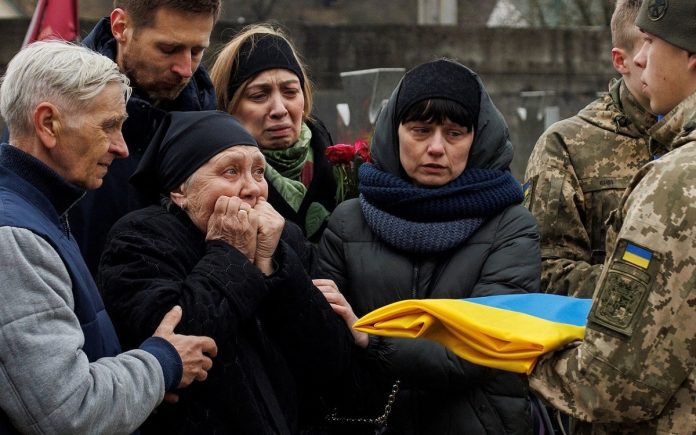
Russia Ukraine War

Following the development, ISNA news agency cited its own sources that the top European official, mentioned by the deputy for political affairs to presidential chief of staff, has been French President Emmanuel Macron.

Mohammad Jamshidi, also said on Twitter that Tehran is sending “a peace initiative along with an important message” to Moscow.

The message is slated to be conveyed by Foreign Minister Hossein Amirabdollahian, who is now visiting Moscow.

He had said before his departure that his visit is aimed at trying to help the resolution of the Ukraine crisis based on request by western sides for Tehran’s assistance.

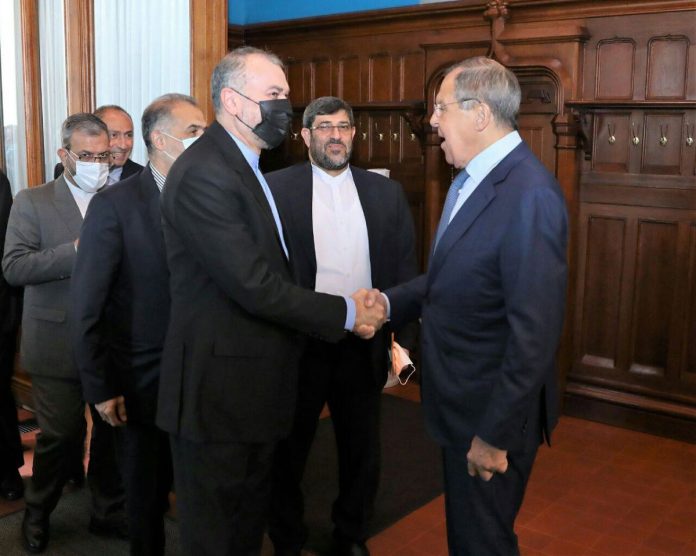
Iran, Russia FMs meet; Ukraine high on agenda

Amirabdollahian and Lavrov

Before the meeting, Amirabdollahian described bilateral ties between Tehran and Moscow as on the right path and focused on the interests of both nations.

He also said he is conveying an “idea” tabled by some European officials about Ukraine.

Lavron, in turn, said they will discuss unconditional revival of the 2015 nuclear deal and the crises in the region and coordination within the framework of the United Nations.

Amirabdollahian had told reporters before his departure for Moscow that the main aim of his visit is helping the resolution of the crisis in Ukraine after a request by what he called “some European leaders” that Iran intervene in the Ukraine crisis and help reduce hostilities, end the war and return things to the negotiating table.

Ulyanov: Western concerns about Iran’s nuclear facilities unfounded

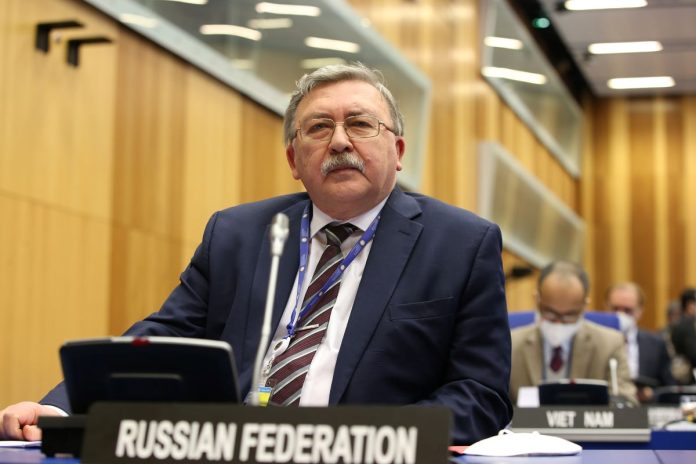
Mikhail Ulyanov

In an exclusive interview with Russia’s Izvestia Newspaper, Mikhail Ulyanov said, “Many of the concerns of Western countries regarding the presence of uranium particles found in Iran’s nuclear sites before 2003 are completely unfounded.”

Describing the Western accusations as ‘boring and annoying’, the Russian envoy said the attitude has made Iranians lose confidence in the Western parties to the negotiations to revive the Joint Comprehensive Plan of Action (JCPOA).

Ulyanov justified the Iranians’ mistrust, saying the Western countries have a dark history of using such allegations as a tool, as was the case with the former Iraqi dictator Saddam Hussein’s non-existent weapons of mass destruction and more recently the chemical bombardments on civilians in Syria, which the West tries to pin on the Syrian government without providing evidence.

He stated, “For this reason, it is important for the Iranian side to receive guarantees from all parties to the JCPOA that if Tehran gives the explanations required by the International Atomic Energy Agency (IAEA) and if its Director General Rafael Grossi issues a satisfactory report, the Western countries can no longer raise the issue at the agency’s Board of Governors.”

Iran says it has provided convincing answers to the IAEA regarding the origin of uranium particles found at three sites, stressing it has never sought nuclear weapons.

Iranian President Ebrahim Raisi warned Monday that any effort to restore the nuclear accord must see inspectors end their probe into the alleged undeclared sites in Iran.

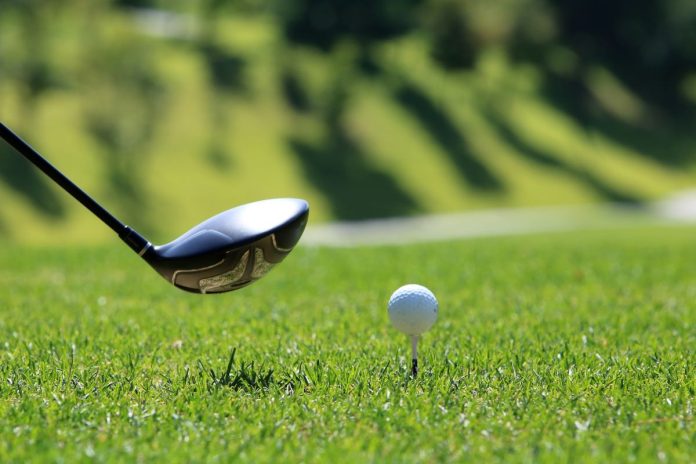
France denies Iran national golf team visas

Golf

The Iranian men’s team was invited by the International Golf Federation to take part in the Eisenhower Trophy 2022 scheduled to kick off on Wednesday, August 31, in Paris, but the French government locked the Iranians out of the tournament.

Although Iran’s golf federation had requested for the visas and submitted the required documents to the French Embassy in the Iranian capital Tehran in time, France did not provide any explanations for the decision.

The ‘hostile attitude’ towards Iranian athletes by some Western countries, specifically by the US, Canada and Britain, is not unprecedented.

In July, Iranian track and field athletes failed to attend the World Championships after the United States refused to issue visas for them.

The Iranian government also condemned the United States failure to issue visas for some members of the Iranian national wrestling team in February.

Iran has slammed the move and says it will follow the issue through international channels.

Nournews: Here’s why IRGC briefly seized US naval drone in Persian Gulf

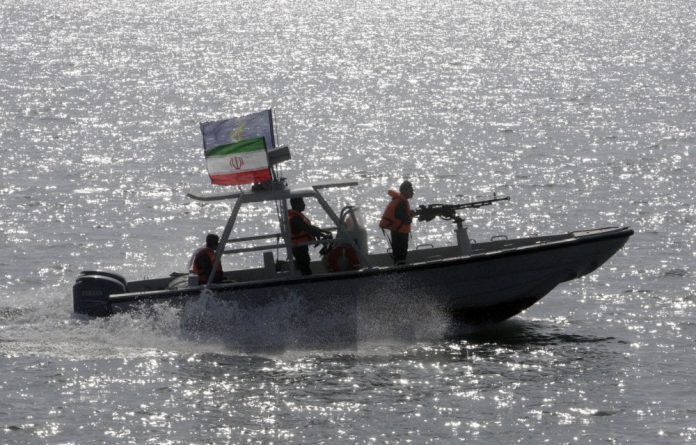
IRGC Boat

In a report on Tuesday evening, Nournews said the IRGC Navy moved, in a timely action, to take control of the vessel, whose “navigational communications had been cut off,” by a support vessel and began to tow it.

The measure, the report said, was meant to prevent a maritime accident and keeping the shipping lines secure.

The vessel was later released upon a decision by the commander of the Iranian support ship when a US patrol ship arrived at the scene and was briefed over security risks, it added.

In a statement late on Monday, the US Central Command’s 5th Fleet claimed the IRGC forces released the naval drone only when the Americans sent the USS Thunderbolt coastal patrol ship, which was operating nearby, and an MH-60S Sea Hawk helicopter to the scene.

Meanwhile, an Iranian military official told Nournews anonymously that the US military’s practice of sailing unmanned military vessels in the Persian Gulf and the Sea of Oman under the cover of “research” is endangering shipping in the bodies of water.

The official said that the practice threatened the security of shipping lines and had already led to maritime incidents.

“As in the past, we will not be indifferent to acts that cause insecurity in the region, and, to prevent any kind of insecurity and instability, we will continue our legal obligations in the form of missions inherently to protect and secure shipping lines,” he said.

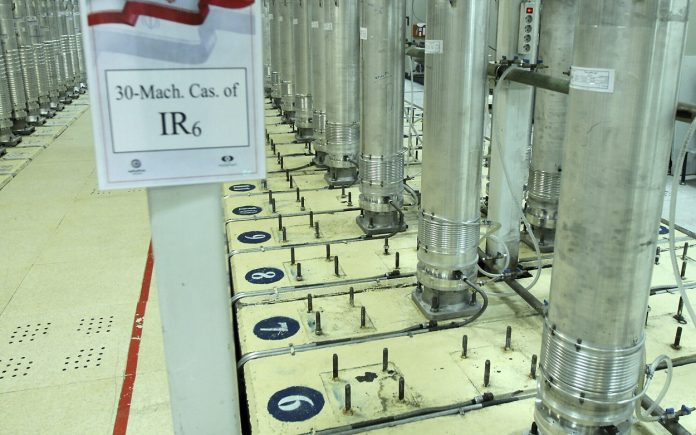
Nuclear chief: Iran managed to build over 1,000 IR-6 centrifuges in 1 year

Iran nuclear program

“Compared to the restrictions that had been created for us in the negotiations and in the JCPOA, and while they imagined we would be having two middle cascades of 20 to 30 IR-6 centrifuges from year eight, we managed to go past 1,000 devices within a year and advanced well beyond what they imagined,” he told ISNA in an interview published on Wednesday.

He was using an acronym for the Joint Comprehensive Plan of Action (JCPOA), the official name of the 2015 Iran nuclear deal.

About keeping the IR-6 centrifuges in the event of a return to the JCPOA, especially since Iran is way ahead of the JCPOA in that regard, he said, “For us, what matters is the enrichment process and its quantitative targeting… that it takes place for research reactors and for power and for the… targets that have been set in the radiation and accelerator processes.”

IR-6 centrifuges, Iran’s most advanced model, can enrich uranium to at least 60% purity.

He further elaborated on the AEOI’s performance over the past year, saying Iran’s nuclear authority had on agenda an increase in the uranium enrichment capacity using efficient IR-6 centrifuges as well as the purity level.

“We managed to enforce certain reforms in the processes related to enrichment and to prepare the use of enriched material for practical purposes other than producing fuel or stockpiling, like the 20-percent enrichment, which is used for the Tehran reactor fuel,” he said.

“But completing, continuing, and producing the 60-percent target, which few countries in the world have done, was advanced research work to enable us to effectively use targets to produce radiopharmaceuticals.”

‘Iran deal to see no re-implementation day unless IAEA drops claims’

Elsami warned that there would be no “re-implementation day” for the 2015 nuclear deal, despite the diplomatic efforts being made to restore the multilateral accord, if the International Atomic Energy Agency (IAEA) fails to drop its baseless claims against Tehran’s nuclear work.

He said the IAEA’s demands from Iran had no basis under the Safeguards agreement between the two sides and were part of the so-called possible military dimension (PMD) dossier, which had been closed under the 2015 nuclear agreement.

Rafael Grossi, the IAEA chief, in August called on Iran again to explain why traces of enriched uranium were found at previously undeclared nuclear research sites three years ago.

Grossi said, “Give us the necessary answers, people and places so we can clarify the many things needed for clarification.”

Eslami once again rejected the IAEA’s claims and what the Agency called “evidence” against three sites in question in Iran and reaffirmed that the Islamic Republic had no secret nuclear sites.

“What we wrote down is definitive,” he said, referring to Iran’s comments on an EU-drafted text aimed at restoring the Iran deal.

“Our goal and emphasis is that there will be no re-implementation day for [the Iran deal] if [the case] of these questions are not closed. We have not and cannot back down. We cannot sit back and [let them] impose sanctions on the Iranian people for delusional reasons,” he added.

‘Timetable in 2015 deal criterion for return to nuclear deal’

Elsewhere, he was asked to explain what will happen to the mutual commitments of Iran and its JCPOA partners, which have different time frames, in case the two sides agree to revive the accord.

“The dates stipulated in the JCPOA are Adoption Day, Day Zero, and Implementation Day. No matter how much time has passed from them, the criterion is the same dates. What Iran has been constantly emphasizing in the process of the negotiations is that the same time table envisaged in the 2015 JCPOA should remain and be the criterion,” he replied.

‘Iran won’t dispose of old-generation centrifuges’

The nuclear chief also spoke about a previously announced plan to replace the old-generation IR-1 centrifuges with IR-6 models and said the country will not dispose of any of the old machines that it retires

“Each of them has a benefit and it’s not true that they are useless. Each of them can be put to use at its own appropriate place and we will not at all lose them,” Eslami added.

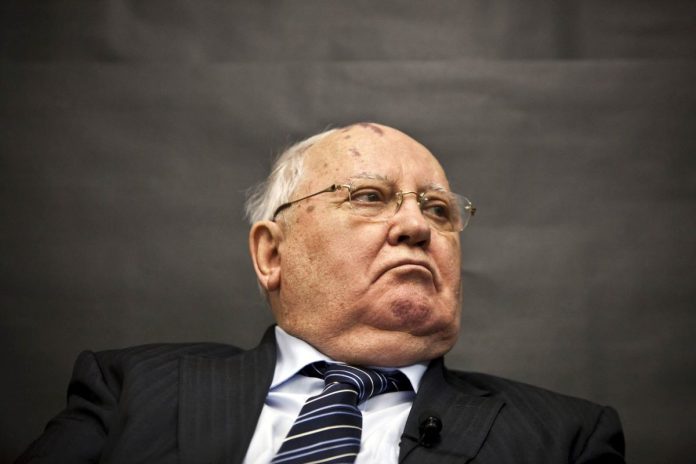
Former Soviet Union president Mikhail Gorbachev dies aged 91

Mikhail Gorbachev

His death was reported on Tuesday night by the Central Clinical Hospital, which announced in a statement that “Mikhail Sergeyevich Gorbachev died this evening after a serious and prolonged illness.”

According to the news agency TASS, Gorbachev was hospitalized at the very beginning of the Covid-19 pandemic, at the request of his doctors, and had been under medical supervision ever since.

Gorbachev will be buried in Moscow’s Novodevichy Cemetery next to his wife, Raisa, who died in 1999, TASS revealed, citing a source familiar with the family’s wishes.

Gorbachev was born on March 2, 1931. He graduated from the Department of Law of the Moscow State University in 1955 and later received a second education in 1967 from Stavropol Agricultural Institute.

Gorbachev joined the Communist Party in 1952 and became a member of its Central Committee in 1971. The last secretary general of the Communist Party’s Central Committee, he was elected to the post in 1985 following the death of his predecessor Konstantin Chernenko.

Gorbachev promoted glasnost – a policy of open discussion of political and social issues – and perestroika, a policy of political and economic reforms.

A divisive figure, supporters credit him with having played a key part in bringing about an end to the Cold War, while opponents accuse him of aiding in the fall of the Soviet Union and a major loss to Moscow’s prestige and global influence.

He was the first and the last president of the Soviet Union, winning elections for the post in March 1990 and resigning on December 25, 1991.

Gorbachev won the Nobel Peace Prize in 1990.

After stepping down as Soviet president, he was engaged in social and literary activities.