Wednesday, April 22, 2026
Home Blog Page 159

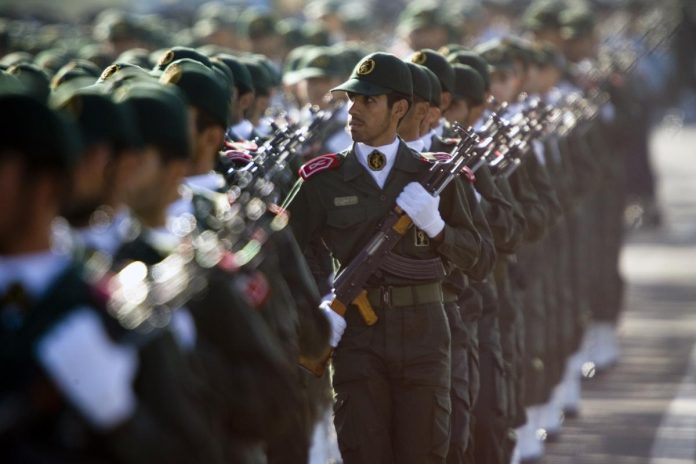
IRGC busts Zionist-affiliated terror safehouse

IRGC

In a statement released by the Quds Regional Headquarters of the IRGC Ground Forces, the operation follows the recent takedown of six armed and foreign-trained terrorists in the city of Chabahar. Subsequent investigations led security forces to the safehouse, where a massive cache of weapons and explosives was found.

Among the items seized were 13 ready-to-detonate bombs, 11 electric detonators, 9 remote circuits, 3 explosive traps, 8 radios, 47 kilograms of high explosives hidden in objects, 38 meters of detonation cord, 800 rounds of ammunition for M16 rifles and machine guns, and 2 vehicles.

According to the IRGC, the terrorist group—affiliated with the Zionist regime—had plotted to attack vital economic infrastructure and crowded civilian areas in an attempt to sow chaos and advance Tel Aviv’s broader regional agenda.

The statement praised local residents for their vigilance and reaffirmed that the people of Sistan and Baluchestan stand firm with the Islamic Republic against all foreign-backed subversion.

259 dengue fever cases detected in Iran; Aedes mosquito found in 8 provinces

Fever

According to the national communicable disease surveillance system, 255 cases were recorded in Chabahar, including 249 local transmissions and six cases linked to travel from Pakistan.

Additional cases were reported in Zahedan and Iranshahr, in Sistan and Baluchestan pdovince, involving individuals who had recently traveled to Chabahar.

In 2024, over 1,100 dengue cases were recorded nationwide, of which 922 were locally transmitted.

The dengue virus is spread by the bite of infected Aedes mosquitoes, particularly Aedes aegypti and Aedes albopictus. Authorities have detected these mosquitoes in eight provinces, including Hormozgan, Sistan and Baluchestan, Bushehr, Fars, Gilan, Mazandaran, Ardabil, and East Azarbaijan.

Health officials emphasize preventive measures such as using mosquito nets and eliminating stagnant water in plant trays, air cooler pans, and other containers where mosquitoes lay eggs.

Dengue symptoms include high fever, nausea, rash, joint pain, and in severe cases, abdominal pain and internal fluid accumulation.

Iranian envoy: Afghan repatriation plan is long-term, not abrupt

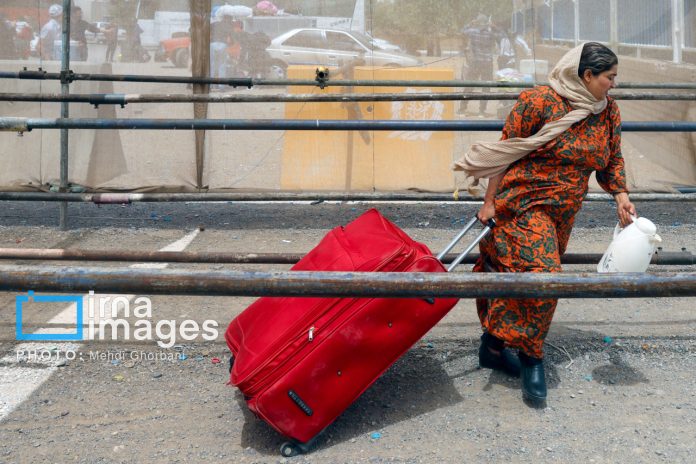
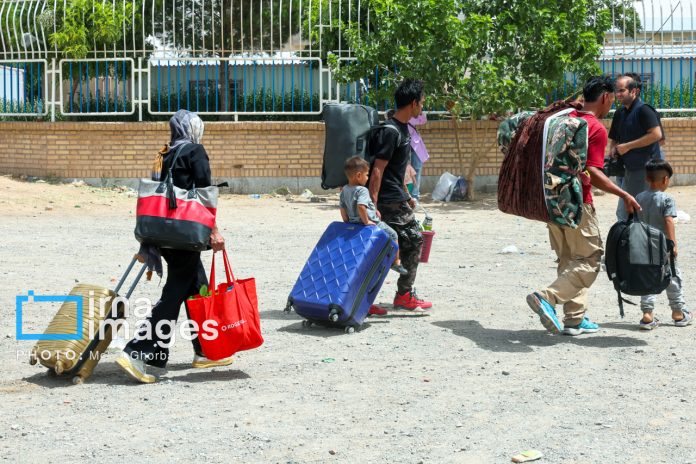
Speaking to TOLOnews, Alireza Bikdeli emphasized that over six million Afghans currently reside in Iran, with only a small fraction, estimated at 300,000, having recently returned through border crossings such as Eslam Qala and Milak.

He stated that the return process, officially called the “Afghan Nationals Organization Plan,” began in 2022 and aims to document and regulate migrants, distinguishing between legal and illegal residents.

Bikdeli stressed that the plan gave undocumented Afghans until July 5, 2025, to return voluntarily. Those who left by the deadline can re-enter legally with valid documents; otherwise, they face a five-year entry ban.

The Iranian diplomat also acknowledged the humanitarian concerns raised over border conditions and said Tehran has coordinated with Afghan authorities to address the needs.

He praised Afghanistan’s stance during recent regional tensions and affirmed that both nations share deep cultural and historical ties.

On recognizing the Taliban-led government, Bikdeli said such recognition follows legal processes and noted that Iran maintains ongoing cooperation with Afghan authorities.

Iran inaugurates nation’s largest solar power plant amid water, energy challenges

The project, led by Mobarakeh Steel Company, aims to eventually generate 600 megawatts of solar electricity, with the first 120-megawatt phase now operational.

The solar farm, spanning 1,200 hectares, is expected to play a key role in reducing reliance on fossil fuels and expanding Iran’s renewable energy capacity.

Built with a €305 million investment, the plant features advanced tracking technology to optimize solar capture and is projected to prevent one million tons of CO₂ emissions annually.

President Pezeshkian praised stakeholders for their role in advancing clean energy, especially during a time when Iran faces serious water shortages that have reduced hydropower generation.

Officials emphasize the urgency of diversifying energy sources. With hydropower output declining due to drought, solar expansion is viewed as critical for energy stability in Iran.

Isfahan Governor Mehdi Jamalinejad said solar capacity in the province is expected to reach 5,300 megawatts by 2028, contributing over 30% to the country’s solar power output.

British parliamentary committee seeks answers over US firm BCG’s role in Gaza

Gaza

Labour Party MP Liam Byrne, who chairs the House of Commons Business and Trade Select Committee, asked Boston Consulting Group (BCG) in a letter on Wednesday for “clarification and information” about its work in the besieged enclave, adding that the query was part of the committee’s “scrutiny of the UK’s commercial, political and humanitarian links to the conflict”.

Byrne’s letter to BCG CEO Christoph Schweizer comes after The Financial Times daily reported on Friday that the firm had drawn up an estimate of the costs of relocating Palestinians from Gaza and signed a multimillion-dollar contract to help create the Israel- and US-backed GHF.

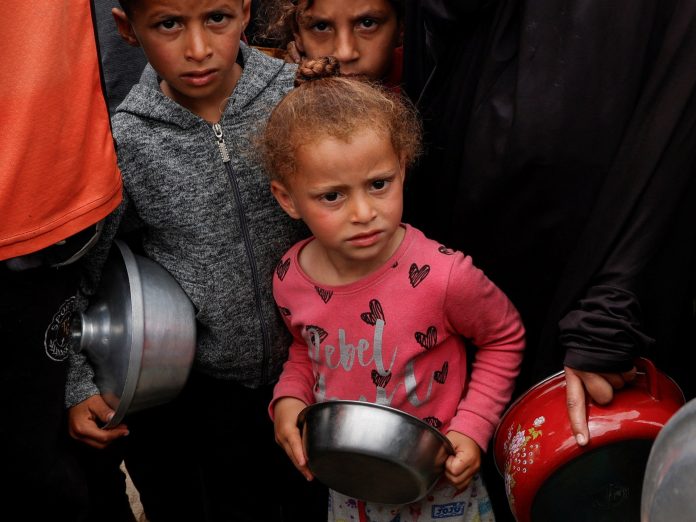
Gaza health authorities say that more than 700 Palestinians have been killed trying to access aid at distribution centres run by the GHF, which has been disavowed by the United Nations and numerous aid organisations.

The UK newspaper also reported on Monday that the Tony Blair Institute (TBI), run by the former British prime minister, participated in message groups and calls for a post-war development plan for Gaza that relied on BCG modelling.

In his letter, Byrne asked for a “clear and comprehensive response” to a list of questions, including a “detailed timeline” of when BCG began work on establishing the GHF.

Byrne also demanded information from BCG about other companies and institutions, as well as funding sources, linked to the creation of the group.

The GHF, which began operating in the bombarded Palestinian enclave in late May, has drawn widespread criticism amid numerous reports that its US security contractors and Israeli forces have opened fire on aid seekers.

While noting that BCG had ended its involvement with the GHF, and that some of the associated work had been “unauthorised”, Byrne said the firm should provide specific details on what activities were not authorised, “when and how” the work was undertaken, and what actions were made to correct those activities.

Byrne also called for more information about BCG’s work on proposals to relocate the population of Gaza, which have been condemned by Palestinians in the enclave, rights groups and the UN.

“Who commissioned or requested this work? Which individuals or entities . . . did BCG engage with in this context? Is any such work ongoing or active in any form? Were any UK-based organisations – including companies, NGOs, academics or think-tanks – involved?” Byrne said in the letter.

Byrne directed BCG to respond by July 22, “given the seriousness of these issues and the high level of public interest”.

Israeli Prime Minister Benjamin Netanyahu has also floated the idea of relocating Palestinians during his meetings this week with US President Donald Trump at the White House.

In a statement issued earlier this week, BCG said that “recent media reporting has misrepresented” the firm’s potential role in the post-war reconstruction of Gaza.

The firm said that two of its partners “failed to disclose the full nature of the work” they carried out without payment in helping to establish the GHF.

“These individuals then carried out subsequent unauthorised work. Their actions reflected a serious failure of judgment and adherence to our standards,” the company said, adding that the two partners had been fired.

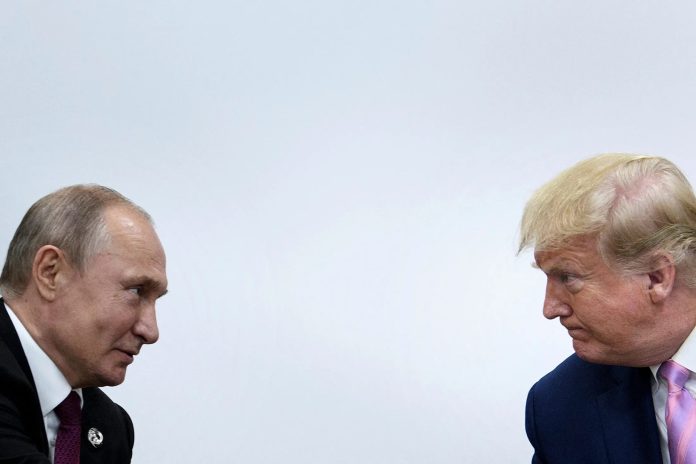
Trump ready to support new Russia sanctions bill: Politico

Putin Trump

If adopted, the “bone-crushing” legislation spearheaded by hawkish Senator Lindsey Graham would impose a 500% tariff on countries buying oil, gas, uranium, and other goods from Russia. Although the bill grants the president the power to exempt nations from the tariff for up to 180 days, Trump reportedly wants Congress to give him sole authority to decide on the sanctions.

“The administration is not going to be micromanaged by the Congress on the president’s foreign policy. The bill needs a waiver authority that is complete,” an official told Politico. The source added that otherwise, “conceptually there’s an openness” to signing the legislation.

Graham said on Tuesday that the Senate would soon vote on the draft. “The Senate bill has a presidential waiver to give President Trump maximum leverage,” he wrote on X. According to The New York Times, the vote could take place as soon as this month.

The push for tougher sanctions has gained momentum since Trump stepped up criticism of Russian President Vladimir Putin, as restarted negotiations between Moscow and Kiev have so far failed to produce a ceasefire.

Moscow has insisted that any lasting settlement must address the “root causes” of the conflict, including NATO’s eastward expansion and Ukraine’s aspirations to join the US-led alliance, which Russia views as a threat to its national security.

“We don’t need a pause, which the regime in Kiev and its foreign handlers would like to use to regroup their forces, continue mobilization, and strengthen their military potential,” Russian Foreign Minister Sergey Lavrov told Hungarian newspaper Magyar Nemzet on Monday.

Putin has demanded that Ukraine recognize Russia’s new borders and adopt permanent neutrality with a legally limited army.

Lavrov said this week that Moscow is working to arrange a third round of direct talks with Ukraine in Türkiye.

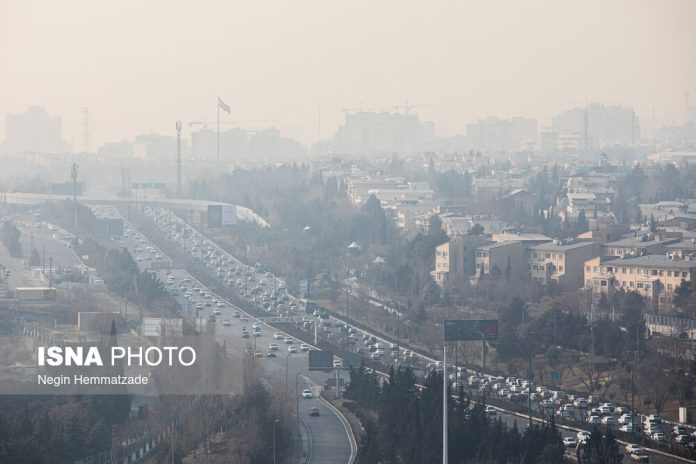
Tehran environmental authority denies presence of arsenic, cyanide in dust

According to Hassan Abbasnejad, Director General of Tehran’s Environment Department, thorough scientific assessments have found no credible evidence of these toxic substances in the region’s dust, soil, or water samples.
The allegations surfaced following a media report on Wednesday suggesting severe contamination in the area.

“Industrial activities in the Charmshahr Industrial Zone, including leather tanning, do not involve the use of high-risk materials such as arsenic or cyanide,” Abbasnejad clarified.

He noted that these chemicals are primarily used in specific mining or chemical industries, which are not present in the area.

While acknowledging the presence of hexavalent chromium in some industrial wastewater, Abbasnejad emphasized that its concentration and impact are not comparable to the alleged levels of arsenic or cyanide.

He also announced ongoing oversight programs, legal actions against polluters, and plans to upgrade wastewater treatment facilities. Additionally, a committee has been formed to restore the Band-e Ali Khan wetland, including efforts to secure environmental water rights.

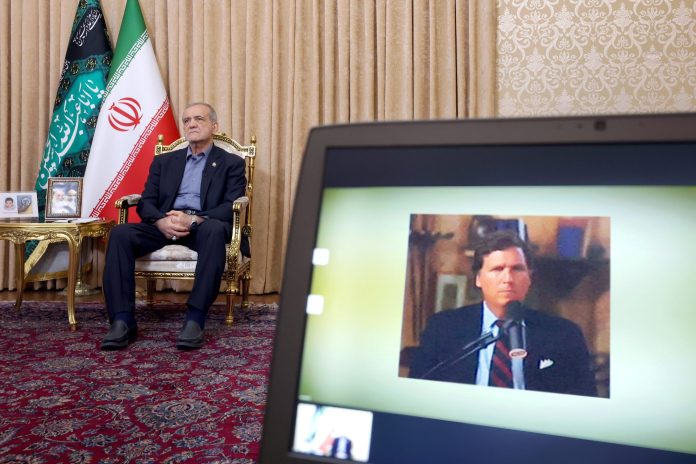
Tehran lawmakers criticize President Pezeshkian over remarks in US interview

The lawmakers accused the president of “undermining national unity” in the face of US hostility, stating that his comments on possible renewed negotiations with Washington and cooperation with the International Atomic Energy Agency (IAEA) “sent a message of weakness” following recent military strikes against Iran.

Referring to the 12-day conflict involving the US and Israel, the MPs argued that the Iranian public had achieved rare unity in opposing Western aggression, and the president’s statements risked undermining that consensus.

They also condemned President Pezeshkian’s attempt to distinguish between the US government and Israel, asserting that the two are inseparable in their actions against Iran.

The letter called on the president to adopt a firmer tone aligned with the leadership’s stance and to reject “poor advice” from close aides.

It criticized President Pezeshkian for not strongly supporting the religious decrees of senior clerics, particularly those defending sacred figures and the Leader Ayatollah Seyed Ali Khamenei.

The MPs said a firm stance would have conveyed a clear warning to Western audiences that any threat against the Iranian leadership would carry serious consequences.

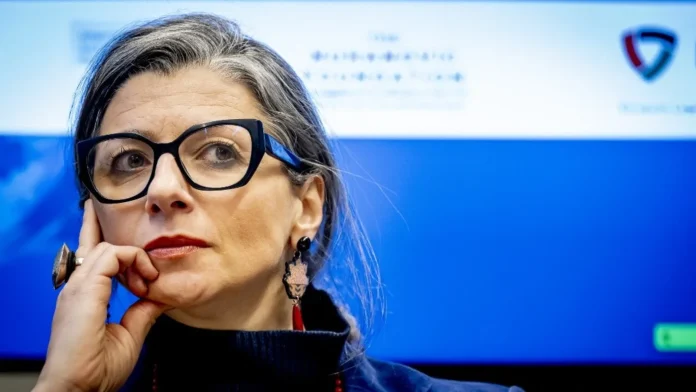
US imposes sanction on UN rapporteur following ‘economy of genocide’ report

The sanctions follow Albanese’s scathing report on 30 June in which she named over 60 companies, including major US technology firms like Google, Amazon and Microsoft, which she said were involved in “the transformation of Israel’s economy of occupation to an economy of genocide”.

The report called for the International Criminal Court and national judicial systems to pursue investigations and prosecutions of corporate executives and companies. It also called on United Nations member states to pursue sanctions and asset freezes.

“Today I am imposing sanctions on UN Human Rights Council Special Rapporteur Francesca Albanese for her illegitimate and shameful efforts to prompt @IntlCrimCourt action against US and Israeli officials, companies, and executives,” US Secretary of State Marco Rubio said in a statement on X on Wednesday.

“Albanese’s campaign of political and economic warfare against the United States and Israel will no longer be tolerated. We will always stand by our partners in their right to self-defense,” Rubio added.

The sanctions will freeze any assets Albanese has in the US and would likely restrict her ability to travel to the US.

Albanese is an Italian citizen. If the sanctions are fully enforced, they could also prohibit her from engaging in financial transactions within the European Union. US sanctions carry weight because the US can impose secondary sanctions on entities, such as banks or financial institutions, which conduct transactions with the sanctioned individual. Unlike Iran or North Korea, the EU is deeply wired into the US economy.

In a subsequent statement, Rubio said Albanese was engaging in “economic warfare” against the US.

Rubio added Albanese had written “threatening letters to dozens of entities worldwide, including major American companies across finance, technology, defense, energy, and hospitality, making extreme and unfounded accusations and recommending the ICC pursue investigations and prosecutions of these companies and their executives”.

In a forthcoming exclusive interview with Middle East Eye, Albanese slammed US and European companies that she said were profiting off of Israel’s war on Gaza.

“It’s not the Israelis [who] are getting rich out of the genocide, it is that there are corporations, and there is an oligarchy connected to the defence industry, including in Europe and in the US, getting rich out of the genocide,” she told MEE.

The report did not focus solely on US-domiciled companies but included Caterpillar, Airbnb, and Lockheed Martin. South Korea’s HD Hyundai, Sweden’s Volvo Group, France’s BNP Paribas and the UK’s Barclays were also listed.

The sanctions announcement coincides with Israeli Prime Minister Benjamin Netanyahu’s visit to Washington, DC this week. Rubio and Netanyahu met on Wednesday.

One US official who spoke with MEE after the sanctions were announced called the move “in keeping with the administration’s policies”, saying it had been expected.

Albanese has emerged as one of the most prominent UN officials to criticise Israel’s war on Gaza, which she has labelled a genocide against Palestinians. She has also levelled broadsides against the policies of US President Donald Trump, particularly his plan announced in early February to take over the Gaza Strip and forcibly displace Palestinians.

The US, earlier this month, requested that the UN remove Albanese from her post.

Half a million illegal Afghans deported from Iran

Amiri however noted that there are no legal grounds for deporting Afghan children without their parents.

“I have not seen any such case, and if it has happened; it is not legal and must be reported so we can investigate”, he said.

The MP also addressed complaints from Afghan tenants, noting that some Iranian landlords have delayed returning housing deposits.

“Repaying rent advances takes time, especially if landlords have already spent the money”, he said.

Authorities are reportedly seeking legal solutions to ensure tenants receive their deposits, possibly through power of attorney arrangements.