Monday, January 19, 2026
Home Blog Page 1507

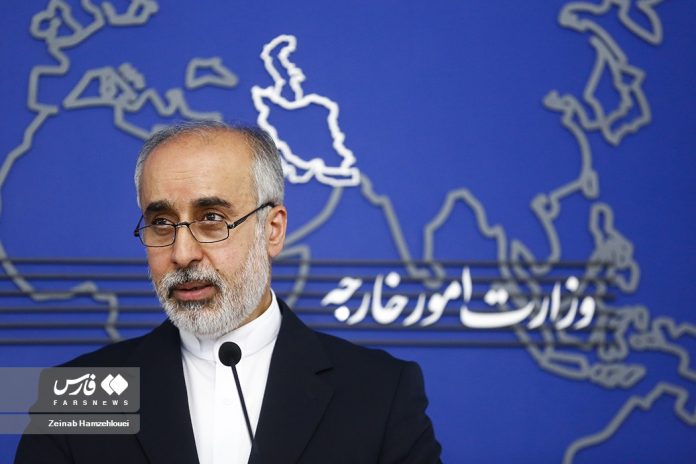
Iran “worried” about Sudan situation

Nasser Kanaani

Kanaani described Sudan as a Muslim and brotherly country, saying Tehran hopes that in the last days of the holy month of Ramadan, the Sudanese factions exercise restraint and resolve their differences through dialog.

He also voiced hope that the African country will leave behind the “worrisome situation” through negotiations.

Fighting on Saturday broke out between Sudan’s army and its main paramilitary group known as the Rapid Support Forces while the country is struggling to restore civilian rule following the 20-21 coup.

The RSF claims it has seized the presidential palace, the army chief’s residence and the capital’s international airport.

But the military denies the claim, saying fighting between the two sides is raging on.

Medical sources say a number of civilians have been killed after being caught in the crossfire.

The RSF has accused the army of attacking its forces first and attempting a coup. But the army says it was the militias who first attacked its bases in the capital, Khartoum.

The hostilities come amid days of tension between the army and the RSF.

Iran slams head of UN rights body over “biased and selective approaches”

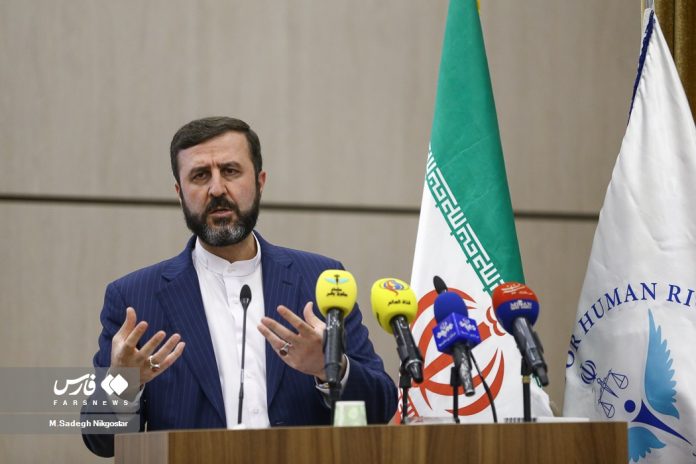
Kazem Gharibabadi

Kazem Gharibabadi said such approaches are detrimental to human rights and weakens public trust in rights mechanisms.

Gharibabadi made those comments in a letter to UN High Commissioner for Human Rights Volker Türk.

He said France has steadily been the scene of massive protests against the policies of the country’s government and in some cases, nearly 2 million people took out to the streets, but the French government used force to disperse the demonstrators instead of listening to their demands.

Ghariabadi also referred to the protests by environmentalists in the UK, saying the country approved a bill to increase the powers of the police to deal with the ralliers, which was slammed as the “crackdown legislation” by the critics.

The head of Iran’s rights council further spoke about the German interior minister’s order that required police to deal harshly with people who block streets in protest.

Ghariabadi said what happened several months ago in Iran was in fact instigated by foreign parties and degenerated into rioting.

He said the rioters trampled on the rights of citizens to security, health, safety, etc.

He stressed that the Iranian government adopted a responsible approach to the issue and has also formed an investigative committee to assess the damage, be it physical or financial, to people during the efforts to end the riots.

Despite that, Ghariabadi noted, the US and other Western governments took a politically-motivated step by abusing the UN Human Rights Council including the formation of an inquiry body into the issue.

Addressing Türk, the Iranian official said, “Your Excellency sent several biased letters while many European countries have been the scene of protests in recent months”.

Gharibabadi said the UN High Commissioner for Human Rights is expected to perform his tasks professionally and non-selectively.

Iran Covid: 27 killed, red zones and new cases decreased

COVID in Iran

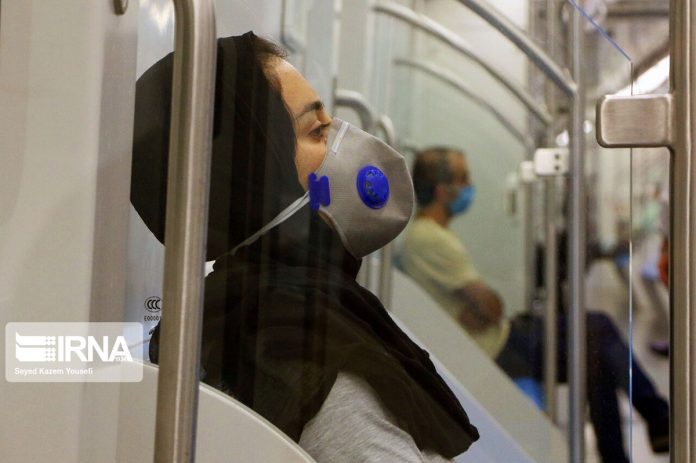
The number of orange cities, the second risky color, fell from 76 to 61. But the number of yellow cities jumped from 227 to 270. Blue cities where the situation is normal risk-wise fell from 127 to 105.

Meanwhile, Covid has killed 27 more people in Iran over the past 24 hours. The latest fatalities push the total kill count to 145,808 in the country.

From Friday to Saturday, 324 people tested positive for the Coronavirus. There were 170 hospitalizations.

Iran launched a nationwide inoculation drive soon after the pandemic began and it managed to contain the disease to a large extent.

Over the recent weeks and during Nowruz holidays covid toll jumped in Iran due to relatives gatherings and increase in travels.

IEA warns OPEC+ output cuts risk oil supply deficit, threaten economic recovery

Oil

OPEC+ and the IEA have jousted in recent months over their outlooks for global oil supply and demand.

Consumer countries represented by the IEA have argued that tightening supplies drive up prices and could threaten a recession, while OPEC+ blames Western monetary policy for market volatility and inflation which undercuts the value of its oil.

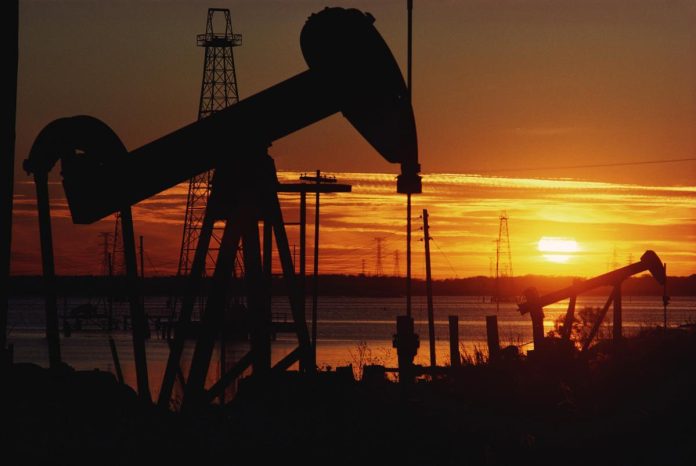
“Oil market balances were already set to tighten in the second half of 2023, with the potential for a substantial supply deficit to emerge,” the IEA said in its monthly oil report on Friday.

“The latest cuts risk exacerbating those strains, pushing both crude and product prices higher. Consumers currently under siege from inflation will suffer even more from higher prices,” it added.

The IEA saw 2023 demand at a record 101.9 million barrels per day, up 2 million barrels per day on last year and on par with its prediction last month.

OPEC+ called its surprise cut decision a “precautionary measure” and in a monthly oil report published on Thursday OPEC cited downside risks to summer oil demand from high stock levels and economic challenges.

The IEA announced it expected global oil supply to fall by 400,000 bpd by the end of the year citing an expected production increase of 1 million bpd from outside of OPEC+ beginning in March versus a 1.4 million bpd decline from the producers bloc.

Gains outside the producer alliance were due to be led by the United States and Brazil, with Norway and Ecuador also making significant contributions.

Rising global oil stocks may have influenced the OPEC+ decision, the IEA added, noting the Organisation for Economic Cooperation and Development (OECD) industry stocks in January hit their highest level since July 2021 at 2.83 billion barrels.

The demand picture will be skewed between lacklustre growth in OECD countries and rebounding demand led by China after the relaxation of its COVID-19 restrictions, the IEA added.

Meanwhile Russian oil exports in March hit their highest levels since April 2020 on robust oil product flows, the IEA said, despite a seaborne import ban from the European Union and a price cap sanctions policy spearheaded by the United States.

Russia’s March revenue rose by $1 billion month on month to $12.7 billion, but was still 43% lower than a year earlier partly due to capped prices on its seaborne oil exports.

Around 80 percent of Russians trust in Putin: Poll

Russian President Vladimir Putin

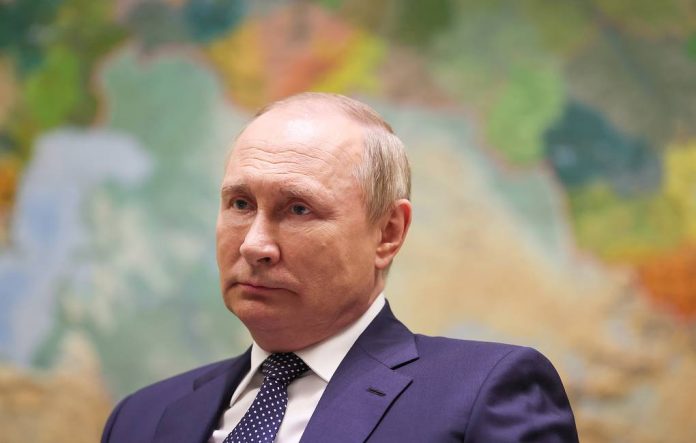
“When asked about trust in Putin, 79.7% of respondents answered positively (-0.7% over the week), the approval rate of the Russian president’s dropped by 0.8% and stood at 77.1%,” the pollsters noted.

Positive assessment figures for the Prime Minister and the Russian government amounted to 54.9% (-0.3%) and 54.1% (+0.3%), respectively,” the report stressed. Mikhail Mishustin was trusted by 63.5% of respondents (-0.2% over the week).

Those surveyed also expressed their confidence in the heads of various parliamentary factions. Russia’s Communist Party (CPRF) leader Gennady Zyuganov was trusted by 33.6% of respondents (-1%), Sergey Mironov, the leader of A Just Russia – For Truth, received 31.3% (-1.6%), the leader of the Liberal Democratic Party of Russia (LDPR) Leonid Slutsky got 16.3% (-1.1%), and the leader of The New People party Alexey Nechaev procured 7.8% (-1.3%).

The poll also revealed that the level of support for the United Russia party stood at 39.8% (-0.5%), with the CPRF supported by 10.3% (+0.4%). The LDPR got 8.9% (+0.6%), A Just Russia – For Truth procured 5.5% (-0.2% over the week), and The New People party’s figures came to 4.7% (no changes over the week).

US lawmakers call on EU to blacklist IRGC as terrorist entity

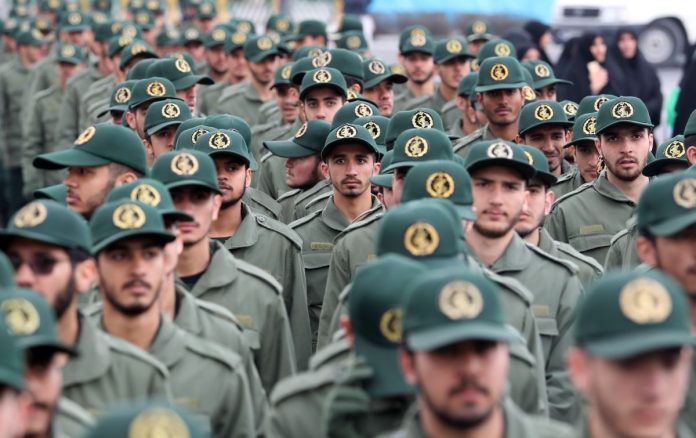
IRGC

In a letter written to Josep Borrell, the EU high representative for foreign affairs and security policy, more than 130 members of the House wrote, that given the growing threat Iran poses to EU member states and citizens, Borrell should treat this issue with the “utmost urgency”.

They wrote that there is an abundance of evidence which is available to the US that provides a basis for a terror designation.

Then on 13 April, Republican Congresswoman Claudia Tenney introduced a bipartisan resolution urging the EU to designate the IRGC as a terrorist organisation.

“Combatting the IRGC is one of the most urgent national security agenda items today,” Tenney wrote, adding, “Congress is united in opposing the IRGC’s terror campaign… This designation will increase pressure and send a clear message to the Islamic Republic that its terror campaigns must stop.”

On 18 January, the European Parliament voted 598 to 9 in favour of a measure calling for the EU to designate the IRGC as part of an annual foreign and security policy report.

Following the vote, the EU Foreign Affairs Council elected not to execute the designation.

“Iran remains a leading state sponsor of terror. For decades, the IRGC has freely and openly carried out plots targeting citizens in countries across the EU,” the bipartisan letter stated.

The lawmakers claimed that “the IRGC has supported and participated in numerous human rights abuses, including the crackdown of Iranian protesters following the murder of Mahsa Amini”.

“We strongly urge you, and your foreign affairs ministerial colleagues, to make the decision to fully sanction, penalize and delegitimize the IRGC, to help prevent them from further threatening democracy & freedom in the United States, Europe, and around the world,” the letter stated.

In 2019, the US designated the IRGC as a Foreign Terrorist Organisation (FTO), a year after former President Donald Trump withdrew from the Iran nuclear deal and imposed a “maximum pressure” strategy on Tehran that included reimposing sanctions.

Iranian officials have warned the Europeans against blacklisting the elite military force, stressing they will have to take responsibility for the consequences if they make such a mistake.

President Raisi says issue of hijab shouldn’t turn into security matter

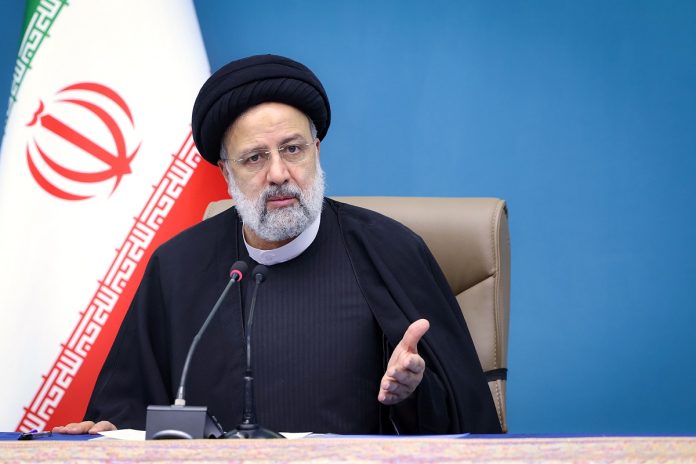
Iranian President Ebrahim Raisi

At a meeting with university student activists on Saturday, President Raisi said his administration was seeking to resolve the issue over hijab with a “cultural” approach, “because the enemy, through planning, intends to turn that into a matter of security and the administration, through planning [of its own], will definitely not allow what the enemies want to materialize.”

He answered more questions about his administration’s policies, including on the relationship with universities, his campaign promises of building four million housing units each year, and other economic matters, defending his record.

For several months, Iran was rocked by protests over the death in “morality police” custody of a 22-year-old woman, who had been arrested for not wearing her hijab properly. When she died in custody, protests erupted across the country. Hundreds were killed on both sides.

Some women have since been refusing to cover their hair as required by the Islamic Republic dress code.

Answering a question about the blocking of access to certain social media sites and messaging applications, he said the administration would allow any platform “that would be willing to be held accountable” by opening offices inside Iran to operate.

Iran’s IRGC successfully test-fires new advanced top-attack missile

Iran Missile

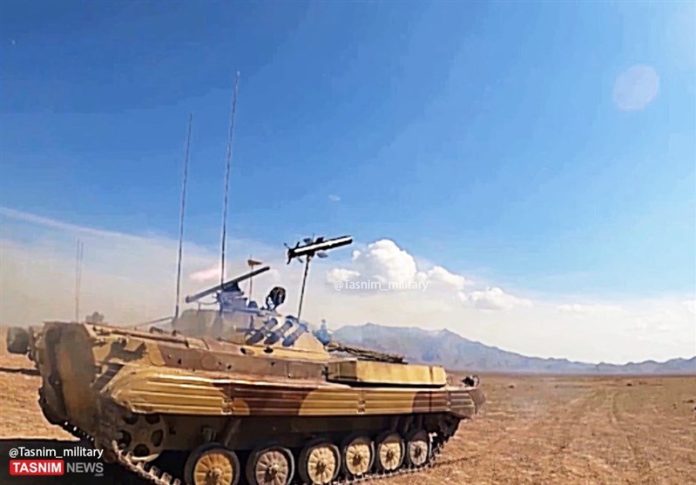
The weapon, named Sadid-365, which was put to test by the IRGC’s Ground Force on Saturday, is a guided anti-armor missile with a range of 8 kilometers and is capable of destroying all kinds of armored equipment.

The optically guided missile is highly accurate in hitting the target and can also pass through the barrier of the active defense systems of tanks and destroy them thanks to the ability to attack from above (top attack).

An official at the IRGC’s Ground Force said the missile has retractable wings and a fire-control system.

He said armored personnel carriers in the Iranian armed forces, will be equipped with four of missiles each.

Iranian President Raisi invited to UAE for intl. climate confab later this year: Diplomat

Ebrahim Raisi Airport

In an interview with ISNA, Alireza Enayati, a senior diplomat viewed as an option to take over the post of Iran’s ambassador to Saudi Arabia, pointed to a recent visit by Secretary of Iran’s Supreme National Security Council Ali Shamkhani and other officials to Abu Dhabi.

He said such visits are promising, adding, “We expect that the meetings can be effective in the development of relations between the two countries in various fields, including economic and commercial ones.”

The diplomat said Iran had received an invitation for Raisi to visit the UAE for the climate change conference, and that Tehran is reviewing the president’s schedule.

He highlighted the importance of economic cooperation between the countries located in the south as well as in the north of the Persian Gulf and the proper use of the existing capacities of each of these countries.

“Paying attention to these capacities can significantly help cooperation and economic development in the region,” he said.

“Using Iran’s capacities in this area is cost-effective for Persian Gulf countries, and they can use this optimal opportunity to import and export their desired goods from and to regions such as Central Asia,” Enayati added.

Iran’s Raisi calls for Muslim unity against Israel

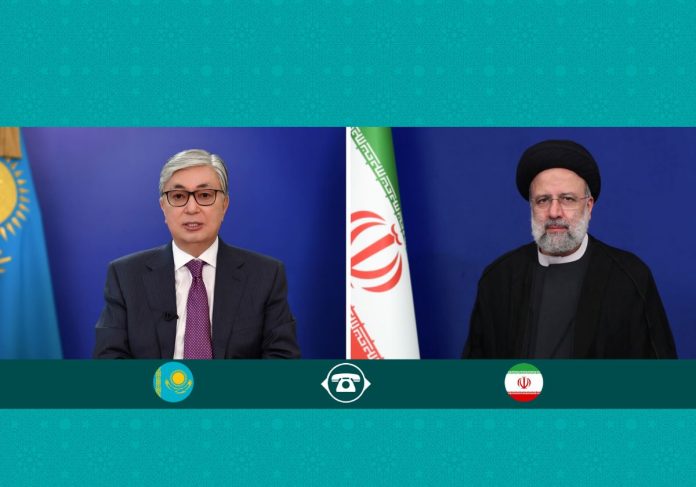
Raisi and Tokayev

In a telephone conversation with Kazakhstan’s President Kassym-Jomart Tokayev on Friday, President Raisi said only unity among Muslim states could stop Israeli atrocities.

“As we face inaction by international organizations vis-à-vis atrocities and violations by the Zionist regime, only a firm message of unity and convergence among Muslims can stop these violations from further expanding,” Raisi said.

He said various issues faced by the Islamic world, particularly the sacrilege of the al-Aqsa Mosque by Israeli forces, and violations against Gaza and Lebanon, require increased cooperation among Muslim countries.

President Tokayev, for his part, said he fully agreed that increased cooperation was necessary to resolve issues facing Muslims.

Both sides expressed keenness to boost bilateral cooperation between Iran and Kazakhstan.

Raisi, in other comments, said Iran was Kazakhstan’s best option to access free waters in a quick way and Tokayev said Tehran and Astana should do their best to implement agreements reached in the past.