Saturday, January 17, 2026
Home Blog Page 1481

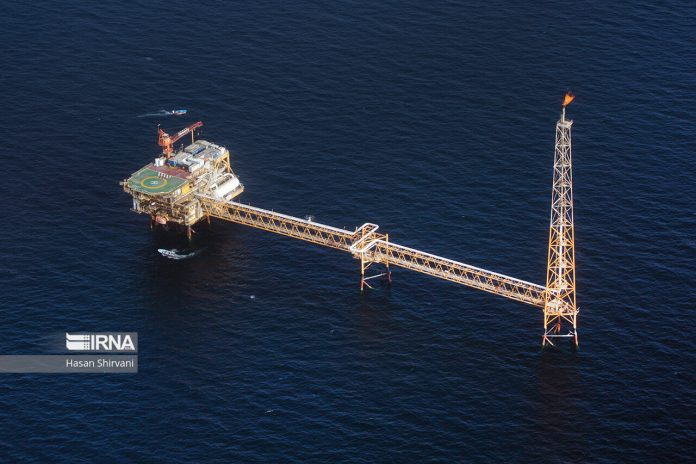
Iranian oil minister says crude production has exceeded 3 million bpd

Iran Oil Gas

Owji added that gas production has also increased to more than 1 billion cubic meters.
He however stressed that the current capacity of Iran’s oil and gas production is in no way commensurate with the amount of recoverable reserves.

Owji said a country like Russia, which has less recoverable reserves than Iran, currently produces 7.5 million barrels of oil per day.

The oil minister pointed to the participation of Iranian holdings and large banks in the development of fields, especially joint ones, saying since day one of this administration’s tenure, the oil ministry has been constantly looking for ways to increase the added value of the industry.

Owji added that, while boosting the upstream sectors, the ministry has made an effort to create energy security and stable supply of gas and liquid feed by building petro-refineries.

Palestine PM calls hunger-striker’s death in Israel custody ‘deliberate assassination’

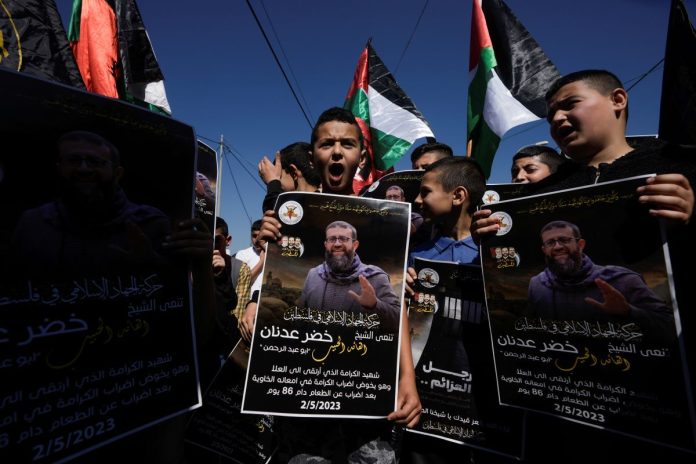
Khader Adnan

Palestinian resistance groups and authorities have mourned the murder of Adnan at the Israeli jail after an 87-day hunger strike, holding Tel Aviv fully responsible for its crime.

“… by rejecting his request for his release, neglecting him medically and keeping him in his cell, despite the seriousness of his health condition,” the premier announced in a statement.

The Palestinian Foreign Ministry also held the Israeli regime fully responsible for the incident and called for an international investigation into Adnan’s death.

It demanded an international investigation into the circumstances and details surrounding his death, emphasizing it will submit the file to the International Criminal Court.

The secretary general of the Executive Committee of the Palestine Liberation Organization has said he holds Israeli authorities “fully responsible” for Adnan’s death, blaming it on “negligence and forced detention”.

“My deepest condolences to his family, and we ask God to bless him with the martyrs and friends,” Hussein al-Sheikh posted on Twitter.

The Palestinian Authority’s Ministry of Detainees and Ex-Detainees Affairs has also announced the suspension of its activities in protest against Adnan’s death.

“The legal team suspends its work today in front of the Israeli occupation courts in protest against the martyrdom of the prisoner Khader Adnan,” it said on its Facebook page.

Qadri Abu Bakr, head of the Commission for the Affairs of Prisoners and Ex-Detainees in Ramallah, stated that through Adnan’s death Israel wanted to “send a message” to Palestinian prisoners that their fate would be death if they started a hunger strike.

“We will present what happened to the International Criminal Court because it is a full-fledged crime,” he stated, adding, “Israel considers itself a state above the law. America and European countries ignore Israel’s crimes, and so Israel follows up on their crimes.”

Palestinians have staged a general strike in the occupied West Bank on Tuesday following the death of Adnan.

Adnan, 44, was repeatedly detained by Israeli forces and had staged several hunger strikes to protest his detention. In 2012, Adnan staged a 66-day hunger strike in protest of his detention, forcing the Israeli authorities to release him. He staged similar hunger strikes in 2015 and 2018.

The Leader praises Iranian teachers’ efforts, urges govt. to address their issues

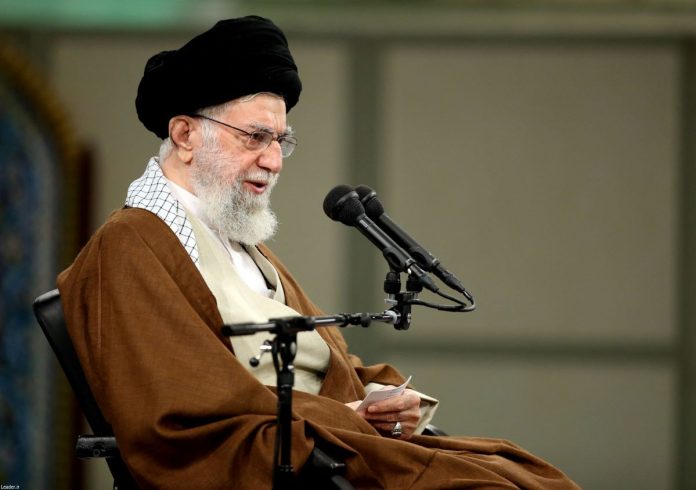
Leader of the Islamic Revolution Ayatollah Seyyed Ali Khamenei

Ayatollah Khamenei made the comments in a meeting on Tuesday with a group of Iranian teachers and academics, which took place on the occasion of the national Teachers’ Day.

The Leader expressed gratitude for the teachers’ sincere efforts despite all the woes they are facing, especially those in deprived areas, describing teachers as “the architects” of the country’s future.

“In exchange for its expectations from teachers, the establishment should truly feel responsible for the various problems they are grappling with,” the Leader said, describing teachers as one of the best and noblest strata of the country.

He called for efforts to improve the livelihood of the teachers, but said the problems of the teachers cover other areas than their livelihood as well.

Ayatollah Khamenei also drew attention to the importance for teachers to help “revive Iranian and Islamic identity” in children and youths.

“Language, nationality and flag are among the basic and important issues. A student should be proud of being Iranian, which indeed is a source of pride,” he said.

Two renowned Iranian actresses sued for not wearing head veil at public event

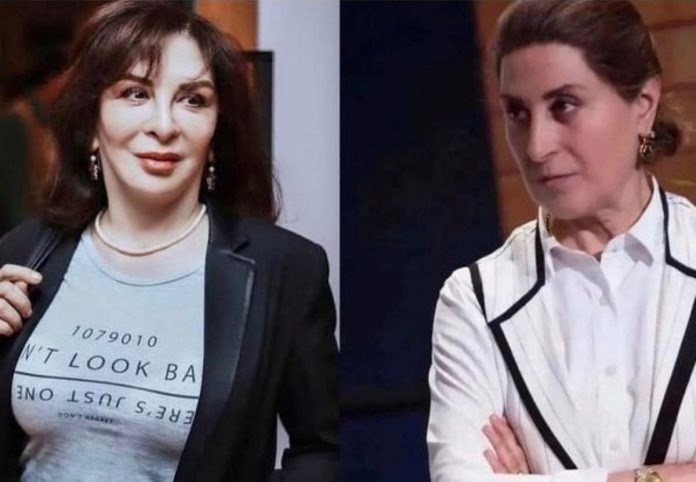
Fatemeh Mo’tamed-Ariya and Afsaneh Baygan

Tasnim News Agency said in an exclusive report that Mo’tamed-Ariya and Baygan had been accused of “removing their veil” and “stirring public opinion” by appearing with their hair uncovered at an event to commemorate another actor.

The report said images of the two actresses had circulated “quickly” on social media and “people had demanded that they be confronted.”

It didn’t provide any other details.

Women’s hijab has become a flashpoint in Iran since September last year, when a 22-year-old girl, Mahsa Amini, died in “morality police” custody. Amini had been arrested for purportedly not wearing her hijab properly.

Widespread protests erupted across Iran after her death, with many demanding that the “morality police” be dismantled and women not be forced to cover their hair. While the protests have subsided in recent months, the issue of hijab continues to attract widespread debate.

Israel launches deadly airstrike on Aleppo airport, Syria

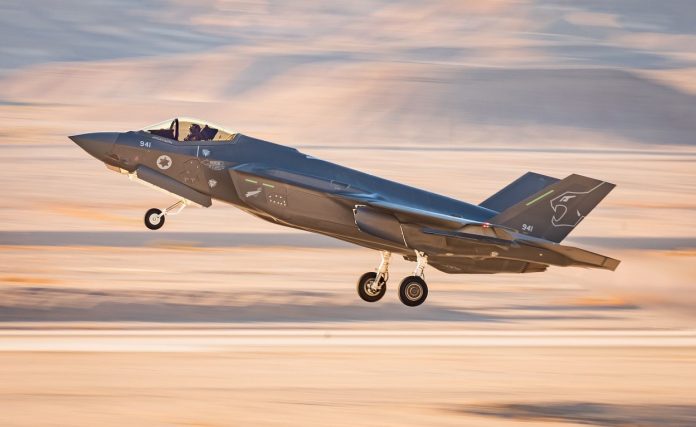
Israeli F-35 warplanes

Citing a military official, the state news agency SANA said two civilians and five other Syrian soldiers were wounded.

The airport has been a key channel for the flow of aid into the country after an earthquake hit Turkey and Syria on February 6, killing more than 50,000 people, including more than 6,000 in Syria.

The Syrian Observatory for Human Rights (SOHR), a United Kingdom-based opposition war monitor, said the attack targeted a munitions depot by the airport. It also reported Israeli raids at a military airport in the Aleppo countryside, though Syrian state media did not report on the matter.

In March, Israel struck Aleppo’s airport on two different occasions and put it out of commission for several days.

Israel frequently carries out missile attacks on targets in Syria, mostly using the airspace of Lebanon or the occupied territories.

It usually targets military positions inside the country, especially those of the resistance movement Hezbollah, which played a key role in helping the Syrian army in its fight against foreign-backed terrorists.

The regime launched similar attacks on the Syrian capital Damascus and the central Homs province in early April.

Damascus has repeatedly complained to the UN over Israeli assaults, urging the Security Council to take action against Tel Aviv’s crimes. The calls have, however, fallen on deaf ears.

The country has vowed to give a crushing response to such acts of aggression at some point in the future.

“We warn the Tel Aviv regime that an adequate response to such hostilities awaits them and it will be given sooner or later,” Syrian Foreign Minister Faisal Mekdad said last November.

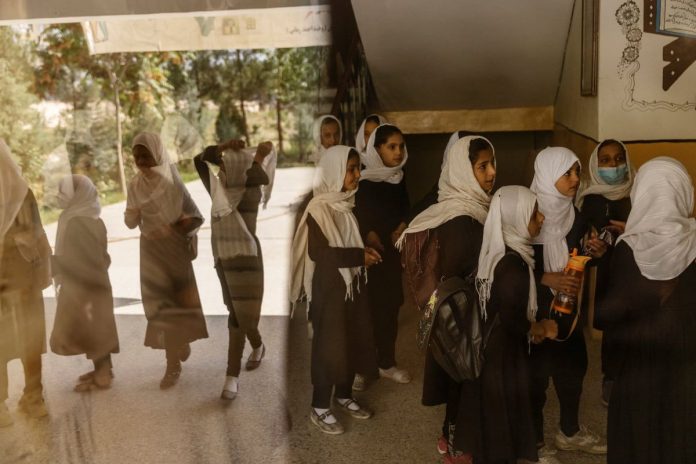
Official: Iran universities hosting 40k Afghan students, ready to admit female ones

Afghan Women School

Vahid Haddadi-Asl told ISNA that the Ministry is working to solve the financial issues facing Afghan students in Iran.

He added that many Afghan students are also interested in virtual education at Iranian universities.

After restrictions were imposed by the interim Taliban government on Afghan girls and women, three Iranian universities who solely admit female students announced readiness to take in female Afghan students, he added.

The Taliban-run higher education ministry announced in December 2022 that female students would not be allowed access to the country’s universities until further notice, drawing harsh criticism from Iran and the world community.

Iran is hosting around four million Afghan refugees.

The number of refugees and migrants has witnessed a sharp hike since the rise of the Taliban to power in 2021.

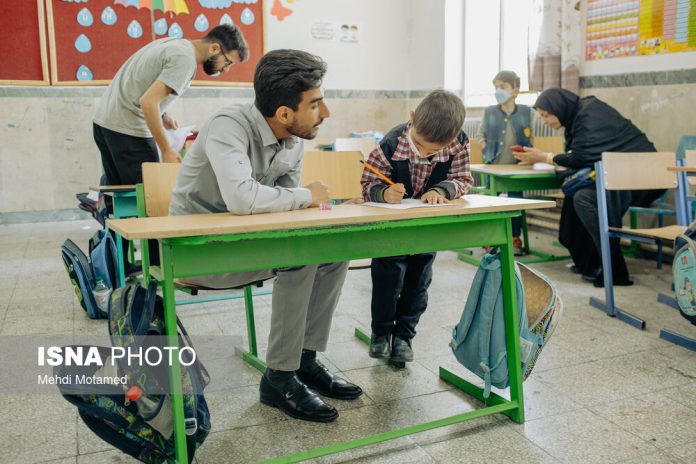
National Teacher’s Day marked in Iran

Teacher’s Day

Students are congratulating their teachers and thanking them for their services, while officials are sending out written congratulations to teachers across the country.

Iran’s Minister of Science, Research, and Technology Mohammad-Ali Zolfi-Gol in a message emphasized the “raising of students who, with the passion and enthusiasm of their youth, fill the goblet of their life with faith and knowledge.”

Separately, Zolfi-Gol took part in an event to name 52 top university teachers at the Shahid Beheshti University of Tehran on Tuesday.

Teacher’s Day is marked every year on Ordibehesht 12 on the Iranian calendar, which marks the day in 1979 when Iranian cleric Morteza Motahhari was assassinated. It also coincides with May 2, the international Teacher’s Day.

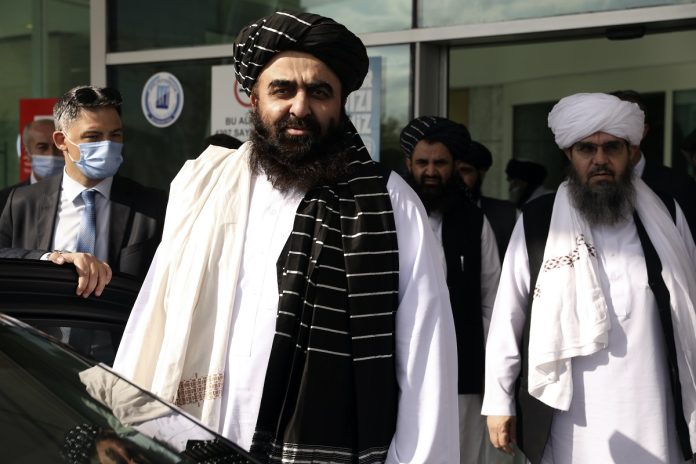
Taliban official to meet Pakistan, China FMs

Taliban Foreign Minister Amir Khan Muttaqi

The Reuters news agency reported on Monday that Pakistan’s UN mission requested an exemption for Muttaqi to travel between May 6 and 9 “for a meeting with the foreign ministers of Pakistan and China”.

Muttaqi has long been subjected to a travel ban, asset freeze and arms embargo under UN Security Council sanctions. The UN Security Council committee agreed to allow Muttaqi to travel to Uzbekistan last month for a meeting of the foreign ministers of neighbouring countries of Afghanistan to discuss urgent peace, security, and stability matters.

Afghanistan’s TOLOnews outlet said earlier on Monday that media in Pakistan were reporting on the upcoming visit and that Muttaqi would meet with Pakistan’s Foreign Minister Bilawal Bhutto-Zardari. Afghanistan’s foreign ministry had not yet commented on the reported trip, according to TOLOnews.

News of the Taliban official’s trip comes as representatives of nearly two dozen countries and international institutions met on Monday in Qatar with UN Secretary-General Antonio Guterres for talks on Afghanistan, focusing particularly on the plight of women and girls under the Taliban administration.

Taliban authorities were not invited to attend the closed-door two-day meeting in Doha, UN spokesperson Stephane Dujarric said.

The meeting aims “to achieve a common understanding within the international community on how to engage with the Taliban”, stated Dujarric, who noted that recognition of Taliban rule “is not up for discussion”. Key discussion topics include women’s and girls’ rights, inclusive governance, countering terrorism and drug trafficking, he added.

Since seizing power in August 2021, Taliban authorities have imposed rules that the UN has labelled “gender-based apartheid”.

“Any meeting about Afghanistan without the participation of the Afghan government is ineffective and counterproductive,” Abdul Qahar Balkhi, the Taliban foreign ministry spokesperson, told Al Jazeera.

Women have been barred from almost all secondary education and universities, and prevented from working in most government jobs. Last month, Taliban authorities extended the ban to working with UN agencies.

The Taliban administration says the ban is an “internal issue” that should not influence foreign dealings.

But, in response, the UN has ordered a review of its critical relief operation in Afghanistan, where many in the 38-million-strong population rely on food aid. The review is due to be completed on Friday. The UN has announced it faces an “appalling choice” over whether to maintain its relief efforts in Afghanistan.

Guterres said on social media before leaving for Doha that “reversing all measures that restrict women’s rights to work is key to reaching the millions of people in Afghanistan that require humanitarian assistance”.

Though not invited to the talks, the head of the Taliban representative office in Doha, Sohail Shaheen, stated he had met with delegation members from the United Kingdom and China. He added the UN meeting and “the importance of engagement” were among topics raised.

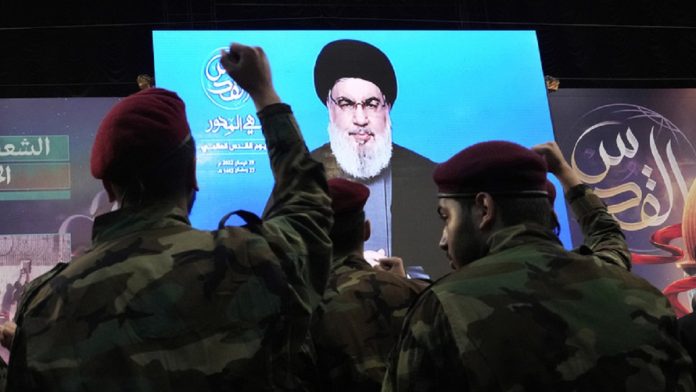
Saudi Arabia seeking dialogue with Hezbollah following détente with Iran: Report

Hezbollah Leader Sayyed Hassan Nasrallah

The Lebanese al-Akhbar newspaper carried the report, quoting an unidentified Saudi official, who claimed that the kingdom hopes to open dialogue with Hezbollah “soon.”

The daily also cited “unofficial sources in Beirut” as saying that the dialogue would “be conducted through a third party.”

“Whether the endeavor succeeds or fails, it reflects the new phase in which Riyadh is rearranging regional relationships…,” the paper wrote, describing the kingdom’s policy shift as “unprecedented.”

Analysts argue that this significant foreign policy overhaul has already witnessed Saudi Arabia taking steps to re-establish diplomatic ties with Iran, and showing openness towards reinstatement of relations with Syria and the Palestinian resistance movement, Hamas.

Saudi Arabia has been also significantly distancing itself from the United States both economically and politically.

Back in March, the same month when Riyadh and Tehran agreed to restore their relations through China’s mediation, Hezbollah’s Secretary-General Seyyed Hassan Nasrallah described the reconciliation as a “good development.”

The ties between the two major regional players were severed in 2016 following protests outside Saudi Arabia’s diplomatic facilities in Iran against the kingdom’s execution of a leading Shia cleric.

The foreign policy revamp also serves as a blow to any prospect of “normalization” of relations between Saudi Arabia and Israel.

Reflecting on the unfolding developments on Monday, Israel’s Maariv newspaper said, “Saudi train is expected to stop at a station bearing a large sign with the name Hezbollah on it.”

Many other Israeli outlets have likewise described Saudi Arabia’s ongoing campaign of rapprochement with the region’s anti-Israeli parties as a source of frustration for Tel Aviv.

President Raisi says Iran, India determined to deepen economic ties

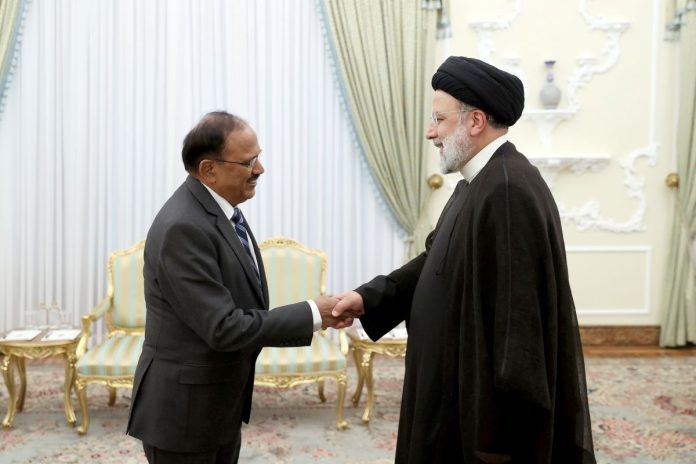
Raisi and Doval

Raisi said that Iran and India can give a boost to bilateral cooperation which enables both countries to have a more effective role in the new world order.

Referring to his meeting with Indian Prime Minister Narendra Modi in Samarkand on the sidelines of the 22nd Shanghai Cooperation Organization (SCO) summit in the Uzbek city last September, the Iranian president noted that the leaders of both countries are determined to expand relations in different economic and trade areas.

He added that regional and international organizations such as the SCO and BRICS group of emerging economies, with their remarkable power and resources, can affect the changing world.

The president also stated that more enhanced cooperation between Iran and India can help the settlement of regional issues, including the developments on the ground in Afghanistan.

The Indian official, for his part, said that great changes are happening across the world and emerging technologies are increasingly linking the economies of the countries.

Doval added that his country believes that in order to be able to affect these global changes, it needs to develop more increased relations with its neighbors, in particular Iran.