Tuesday, December 23, 2025
Home Blog Page 1352

Iran showcases indigenous agricultural and mapping drones during Raisi’s visit to Kenya

Iran Drone Kenya

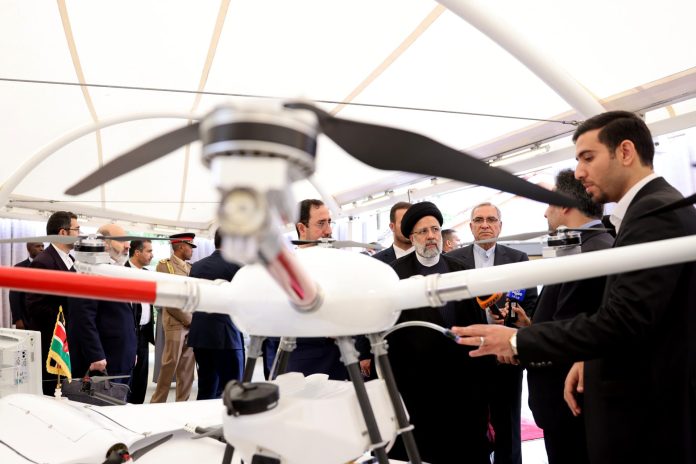
President Raisi and his accompanying delegation on Wednesday visited Iran’s House of Innovation and Technology in the Kenyan capital of Nairobi, as one of the leading centers in the development of the export of knowledge-based products.

During the visit, the Pelikan multipurpose agricultural drone and Dorna mapping drone, both manufactured by Iranian knowledge-based companies, were introduced to Kenya.

More than 35 Iranian knowledge-based companies in this center have introduced and exported their products to Kenya in the fields of medicine, medical equipment, agriculture, construction and architecture.

The Iranian president arrived in Kenya on Wednesday on the first leg of his three-nation tour of Africa aimed at expanding ties and signing multiple economic and cooperation agreements.

In the presence of President Raisi and his Kenyan counterpart William Ruto, Iran and Kenya signed five memoranda of understanding (MoUs).

Raisi highlighted the existing capacities to boost ties with Kenya and said the two countries aim to materialize a 10-fold growth in their economic cooperation.

The Iranian president’s three-day trip to Africa will also take him to Uganda and Zimbabwe.

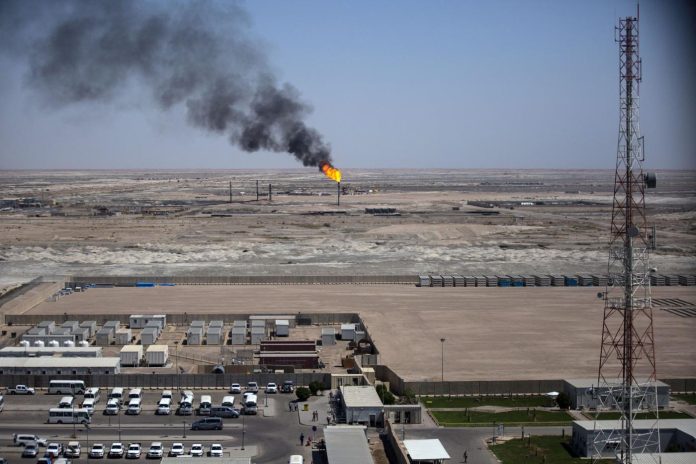
Iraq says to pay for Iranian gas with crude oil

Iraq Gas

“The agreement aims to address the gas supply crisis for power plants, while tackling payment issues and complications arising from US sanctions,” said the statement from the prime minister’s office.

Iraq is reliant on Iranian gas for a third of its energy needs, but is unable to directly pay for it as a result of US sanctions on Iran, forcing the country to resort to a complicated mechanism for transferring funds.

According to the mechanism, payments were to be held in a bank account and – following approval from Washington – be used by Tehran to fund imports of food and medicines, a method which left Iraq in heavy arrears.

Earlier this month, Iran halved its supply of gas to Iraq because of unpaid bills of more than $12 billion, according to Sudani.

Speaking in a televised address on Tuesday, he stated that “as the American side did not give the necessary permission for the transfer of funds… the supply of Iranian gas was stopped.”

“Because of the transfer mechanism and its complexity, we were unable to obtain authorisation to transfer these outstanding payments so our Iranian neighbour could continue to supply us” with gas, he continued.

He added, however, that a recent payment to Iran of around $1.9 billion had been made and that as a result of Tuesday’s agreement “we will be able to guarantee that the gas will continue to flow.”

In recent years, Iraq has seen widespread unrest and demonstrations, triggered in large part by failing energy supplies during intensely hot summers.

Corruption, crumbling infrastructure and continuing instability after decades of conflict and sanctions have left the country’s energy sector in a dire state, despite having some of the world’s largest oil reserves.

Baghdad has recently also been exploring several possibilities for reducing reliance on Iranian gas, such as imports Qatar and recovering flared gas from oilfields.

There has also been criticism of Washington for its refusal to allow the release of funds to Iran.

On Sunday, The Coordination Framework – a coalition of Iran-linked Shia parties that form the largest bloc in parliament – called on the government in a “to contact the US side and urge the immediate unlocking of the unpaid bills related to Iranian gas imports”.

Russia dismisses Ukraine’s claim Wagner fighters reached nuclear base

Wagner Group
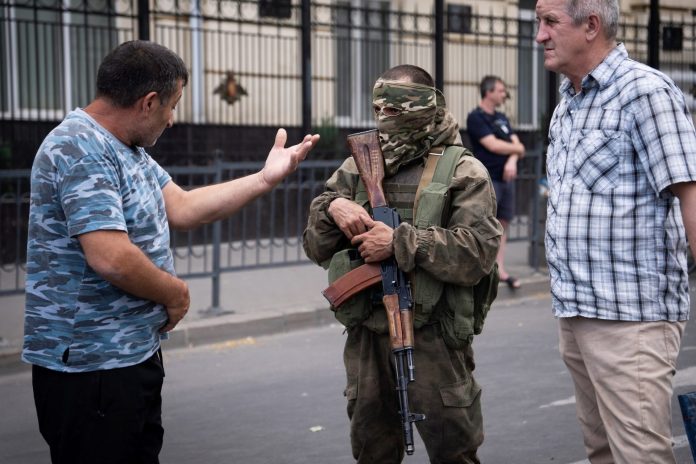
A local resident speaks with a member of Wagner Group in Rostov-on-Don, on June 24, 2023.

“The Kremlin has no such information and it looks like a new piece of fake news,” the Russian presidential spokesman said, commenting on the corresponding claim by Ukrainian Military Intelligence Head Kirill Budanov.

Budanov claimed in an interview with the news agency Reuters that Wagner fighters had allegedly reached a high-security facility but could not get inside.

Wagner fighters staged a mutiny attempt on June 23-25. The Telegram channel of Wagner private military company founder Yevgeny Prigozhin posted several audio records with his statements on the evening of June 23, in which he claimed that strikes had allegedly been delivered against his formations and accused the country’s military leadership of that. The Russian Defense Ministry dismissed this information as false.

Chairman of the State Duma Defense Committee Andrey Kartapolov said that before the mutiny attempt Prigozhin refused to sign a contract with the Defense Ministry, following which he was notified that the Wagner group would no longer participate in the special military operation in Ukraine.

The units of the Wagner private military company that supported Prigozhin moved towards the southern city of Rostov-on-Don and Moscow. On the evening of June 24, Belarusian President Alexander Lukashenko held negotiations with Prigozhin, following which the Wagner fighters agreed to return to their field camps.

Later, the Kremlin announced that Prigozhin “will depart for Belarus” while Wagner fighters would escape persecution.

Traditional Iranian medicine: A solution for a healthy lifestyle

Traditional Iranian medicine

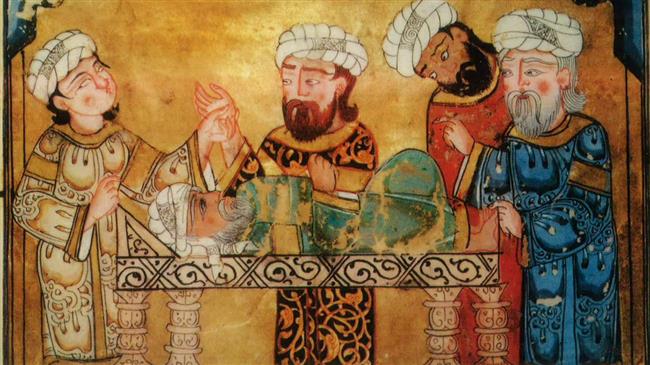
Given the wide use of traditional and complementary medical services all over the world, as well as the popularity of traditional  medicine with different strata of the Iranian society and its rich historical and cultural background, we at IFP decided to introduce traditional medicine and its place in the Iranian society.

Therefore, first of all, we will give a general outline of this traditional practice, and from now on, we will regularly offer some general recommendations and solutions of Iranian traditional medicine.

In this school of traditional medicine, maintaining health is prioritized over treatment, and the correct principles of lifestyle are presented depending on conditions of each person.

Being one of the most important cultural and civilization works of Iranians from ancient times to date, traditional Iranian medicine is of interest to many people and healthcare sector experts.

Traditional drugs have fewer side effects compared with chemical ones. But this is only one reason why Iranian traditional medicine has become so popular today.

Traditional Iranian medicine

Iranian medicine is a holistic school, which means that in order to correctly diagnose the disease and provide the appropriate treatment, the health of all parts of the body, genetics, living conditions, mental characteristics, age, geographical conditions, etc., must be taken into account to identify the factors that disturb the physical balance of the patient.

In traditional medicine, to treat the disease, the lifestyle and especially the nutrition of the patient is corrected in the first stage.

This done, drug and medical treatment (called therapeutic methods done by hand) such as massage are used to get the desired result. Drug therapy in this school is done very cautiously contrary to what many of self-styled practitioners thereof do.

Basics of traditional Iranian medicine

The foundations of traditional Iranian medicine build on the six principles of health: Air, drinks and food, sleep and wakefulness, movement and stillness, retention and vomiting (retention means the art of keeping what the body needs, and what, if lost due to negligence, illness etc., damages physical health.

Vomiting is the opposite of retention and it means the art of cleaning the body and the mental state of a person from what is harmful.)

In order to have a healthy life, it is necessary to observe the six principles of traditional medicine. Deficiency in any of them will cause damage to health.

Another principle of traditional medicine is the recognition of four mucus. Mucus is a fluid which is moist. This substance is made in the first stage of food digestion and after that, it flows in the veins.

The four mucus in traditional medicine are: Blood, phlegm, melancholia and bile.

The key to health is balance between the four mucus. Factors such as seasons, nutrition, weather, gender, etc. can affect the mixture. Hence, each type has its own unique characteristics.

Blood is about spring and represents passion and childhood. The element of air is directly linked to blood.

Bile is related to summer and represents anger and youth. The element of fire is directly linked to bile.

Melancholia is about autumn and represents sadness and middle age. Earth is the natural element related to melancholia.

Phlegm is related to winter and the old age and it represents lethargy in the future. The natural elements related to phlegm is water.

Moreover, sometimes mucus disorders vary in different body organs. For example, a person may have a stomach with a predominance of blood and a heart with a predominance of melancholia, which ought to be diagnosed by a doctor.

Difference between mucus and temperament in Iranian medicine

One should note that mucus and temperament are two different concepts. In fact, temperaments are defined based on mucus but the six principles that are proportionate to the temperament of each person must be followed properly to maintain the balance of the body.

Excess or deficiency in mucus causes imbalance in the body and predictable changes will occur there.

Sometimes, the dominance of mucus or bad temper or both of them causes a disease.

Knowledge of temperaments in Iranian traditional medicine

Knowledge of temperaments is a key topic in traditional medicine. By knowing the temperament correctly, one can make a sound diagnosis about the cause of some diseases and the type of treatment. The type of nutrition, the amount of rest and the psychological states of a person are, among others, directly related to his mood.

A person’s appearance such as skin color, hair condition, hair growth rate, body muscle size, mental states, etc. can be effective in recognizing their mood. In addition, paleness or flushing of the face, lack of sleep, lethargy, short temper, facial swelling, etc. are possible symptoms of a bad mood that should be treated.

Everything in our surroundings including humans, animals, inanimate objects, etc. have temperament.

The knowledge of mood helps one maintain the balance in the soul and body. This is done through choosing a diet proper for that mood.

Knowledge of temperament tells us that all foods are classified according to warmth, coldness, wetness, or dryness.

Among them, the four main moods are: warm and wet, warm and dry, cold and wet, and cold and dry. In our next edition, we will bring you more about the specifications of each temperament.

Related Article:

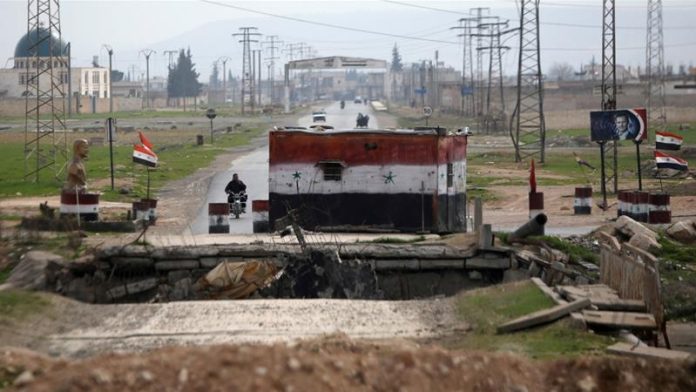
UNSC rejects Russia-proposed resolution on extending aid mechanism in Syria

Syria Damascus

The draft was supported by Russia and China. The United Kingdom, the United States, and France voted against it. The rest abstained.

Earlier in the day, Russia vetoed a draft resolution initiated by Switzerland and Brazil envisaging a nine-month extension of the operation of the only checkpoint at Bab al-Hawa on Syria’s border with Turkey.

The cross-border aid mechanism has been in place since 2014.

The cross-border aid mechanism in Syria is being used by the West to provide for terrorists in Idlib, Russian Permanent Representative to the United Nations Vasily Nebenzya said on Tuesday.

“You are completely giving yourself away by calling what the resolution must contain by definition concessions to Russia and Syria. It simply reveals your true attitude to the cross-border mechanism you want to use only to support terrorists nesting in Idlib,” he added.

Russia will support only its version of an extension of the cross-border aid mechanism in Syria, and there will be no technical extension, Nebenzya stated.

“The only way out of the deadlock is by supporting our draft, which was put to a vote after the Swiss one and offers practical measures to improve the cross-border aid mechanism. I would like to warn that if our draft is not supported, the mechanism will have to be shut down. In the current situation, we will not support a technical extension for any term,” he continued.

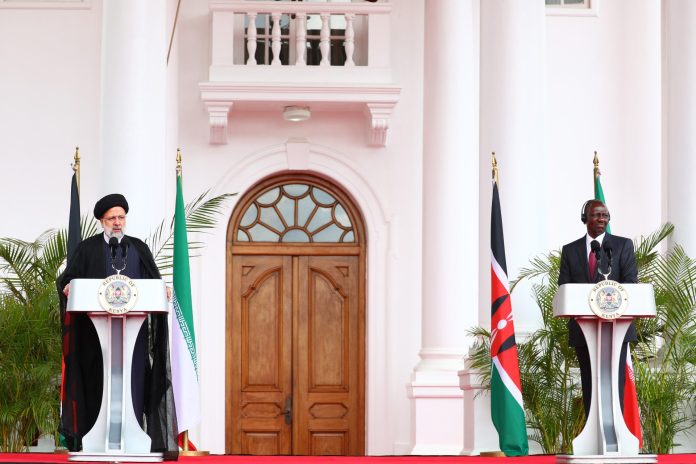
In Kenya, Iranian president calls for better ties with African nations

Ebrahim Raisi and William Ruto

“We warmly press the hands of all African countries,” Raisi said at a joint press conference with Kenyan President William Ruto in Nairobi on Wednesday. “Iran’s relations with the continent of Africa have historical roots and can broaden.”

He called Africa “the continent of opportunities” and said Iran and African states could use one another’s capacities to enhance their relations.

Earlier in the day, delegations from Iran and Kenya signed five agreements in the areas of veterinary medicine, communications, culture, fishery, and technical and vocational training in the presence of the two presidents.

At the presser, Raisi enumerated areas of cooperation where Tehran and Nairobi could develop ties and said the current level of bilateral trade was not acceptable and had to be raised.

President Ruto, for his part, said he welcomed investment by Iranian entities in Kenya with “open arms” and said Iranian car manufacturers would help open branches in the African country.

He also said that good cooperation had been planned between the two countries in the fields of mechanics and technology.

Raisi arrived in Nairobi at the head of a political and economic delegation earlier in the day. He was officially welcomed by Ruto at the State House on Wednesday. The Iranian president is visiting Kenya on the first leg of a tour of African countries and on the invitation of President Ruto.

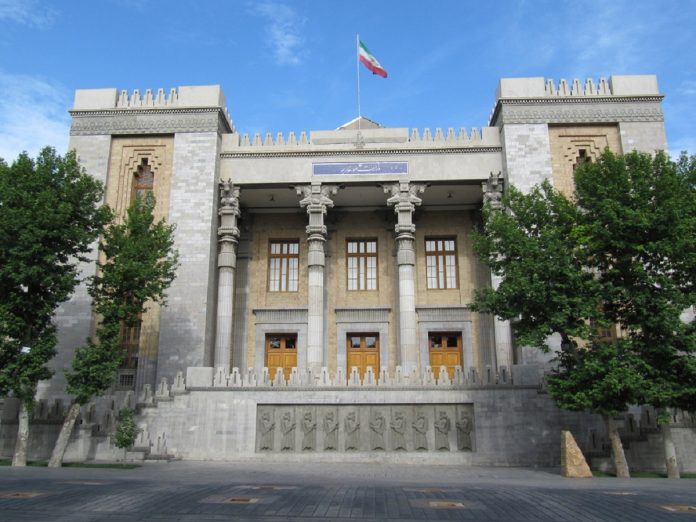
Russian envoy to Tehran summoned to Iran Foreign Ministry over stance on Persian Gulf islands

Ministry of Foreign Affairs of the Islamic Republic of Iran

During the meeting held at the Foreign Ministry, Alireza Enayati, assistant to the Iranian foreign minister and Director General of the Persian Gulf Department at the ministry, called in the Russian ambassador to hand over the Islamic Republic of Iran’s objections to the contents of a joint statement between Russia and the Council that was issued after the sixth ministerial meeting of strategic dialogue between the two sides.

Enayati told Dedov that the thee islands of Abu Musa, the Greater Tunb, and the Lesser Tunb belonged to Iran for eternity, and demanded that the Russian Federation rectify its stance on the matter.

The sixth joint ministerial meeting of the strategic dialogue between the Persian Gulf Cooperation Council and the Russian Federation was held on Monday, July 10, 2023, in Moscow.

The participants in the meeting said in a joint statement that they supported the United Arab Emirates’ efforts in pursuing sovereignty over the three Iranian islands of Abu Musa, the Greater Tunb, and the Lesser Tunb in the Persian Gulf.

The statement “affirmed… support for all peaceful efforts, including the initiative of the United Arab Emirates and its endeavours to reach a peaceful solution to the issue of the three islands… through bilateral negotiations or the International Court of Justice.”

The Islamic republic has repeatedly stressed that the three Persian Gulf islands of Abu Musa, the Greater Tunb, and the Lesser Tunb are inseparable and eternal parts of the Iranian territory.

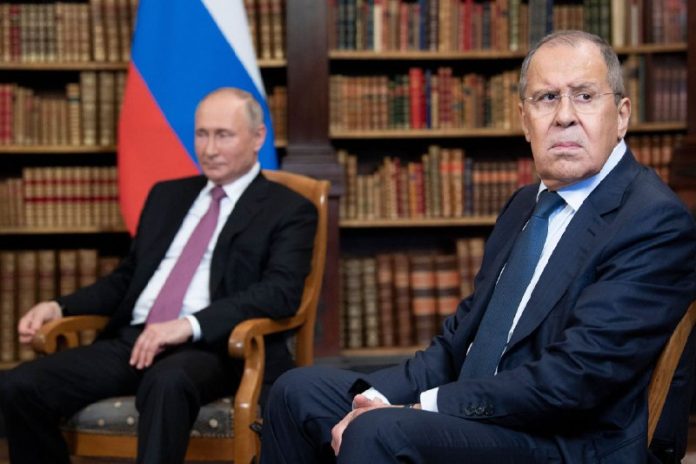
Former Iranian lawmaker calls out Russian ‘dictator’ for supporting Arab stance on Persian Gulf islands

Lavrov Putin

“Russia’s support for ‘the Sharjah lie’ is a continuation of Putin and Lavrov’s playing with Iran’s national interests. We will see a bigger betrayal by the Russians when the dictator is forced to deescalate with NATO,” Heshmatollah Falahatpisheh, a former head of the National Security and Foreign Policy Commission of Iran’s parliament, wrote in a tweet on Tuesday.

The tweet came a day after the Persian Gulf Cooperation Council (GCC) and Russia said in a joint statement that they supported the United Arab Emirates’ efforts in pursuing sovereignty over the three Iranian islands of Abu Musa, the Greater Tunb, and the Lesser Tunb in the Persian Gulf.

The statement “affirmed… support for all peaceful efforts, including the initiative of the United Arab Emirates and its endeavours to reach a peaceful solution to the issue of the three islands… through bilateral negotiations or the International Court of Justice.”

Iranian Foreign Ministry spokesman Nasser Kanaani said later that the three islands belonged to Iran “for eternity” and that the stance was not consistent with Iran’s friendly relations with its neighbors.

Iran has recently resumed relations with Saudi Arabia, a member state of the Persian Gulf Cooperation Council. The Islamic Republic is also considered a close ally of Russia, which is waging a war on Ukraine.

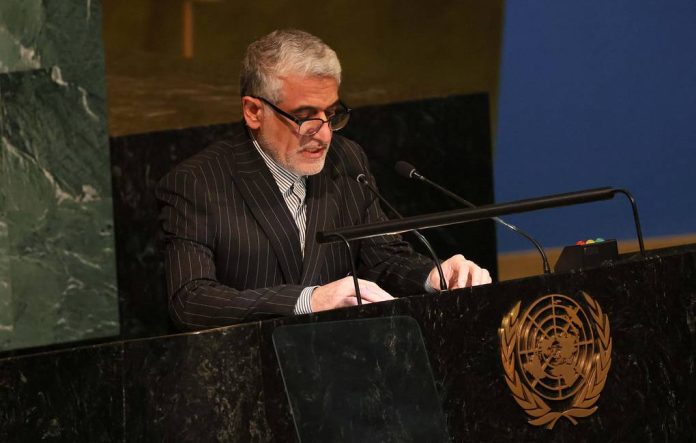
West must be held accountable for helping Saddam during war: Iran Envoy

Amir Saeed Iravani

“Western countries, including France, the United Kingdom, and the United States, bear a responsibility for supporting and collaborating with the Saddam regime during Iraq’s war against Iran,” Iravani said addressing the UN Security Counci aession on the ‘Situation in the Middle East: (Syria-Chemical).

The full text of Iravani’s speech is as follows:

Madam. President,

Iran once again condemns the use of chemical weapons by anyone, anywhere, and under any circumstances. The use of such lethal weapons is a flagrant violation of international law, constitutes a crime against humanity, and poses a serious threat to international peace and security.

Madam. President,

Iran has tragically been one of the primary victims of chemical weapons. On June 28, 1987, the city of Sardasht in Iran endured a devastating chemical weapons attack, leading to the immense suffering and loss of innocent civilians, including women and children.

Western countries, including France, the United Kingdom, and the United States, bear a responsibility for supporting and collaborating with the Saddam regime during Iraq’s war against Iran. Their complicity enabled the systematic use of chemical weapons against the Iranian people, an act that should not be forgotten.

The silence or active participation of Western countries in these atrocities undermined the pursuit of justice and revealed blatant double standards. This also hindered the UN Security Council’s ability to fulfill its responsibilities and hold perpetrators accountable for such heinous crimes.

Madam. President,

The Syrian Arab Republic remains steadfast in its commitment to fulfilling its obligations under the Chemical Weapons Convention. In alignment with this commitment, the Syrian government has maintained a constructive and cooperative approach towards the Organization for the Prohibition of Chemical Weapons (OPCW).

The Secretariat report confirms that all 27 declared chemical weapons production facilities (CWPFs) in Syria have been successfully destroyed. To ensure transparency and accountability, Syria has been regularly submitting monthly reports on the progress of chemical weapons dismantlement.

In May and June 2023, Syria submitted its 114th and 115th monthly reports to the OPCW Director-General, providing details of the activities carried out to dismantle chemical weapons and their production facilities. Moreover, Syria has facilitated two visits by a reduced team from the Declaration Assessment Team (DAT) to Damascus this year. During these visits, the Syrian National Authority extended its full cooperation by allowing access to sites, collecting samples, and conducting interviews with witnesses.

In line with the suggestion made by the Syrian National Authority, a separate meeting with a higher-level DAT was held in Beirut at the end of the last month, demonstrating Syria’s commitment to engagement and cooperation.

Additionally, the Syrian National Authority has agreed to extend the tripartite agreement between the Syrian Arab Republic, the OPCW technical secretariat, and the United Nations Office for Project Services. This extension, effective until the 31st of December this year, aims to facilitate the tasks and activities of the OPCW in Syria.

Madam President,

Through these actions, Syria is actively demonstrating its dedication to fulfilling its obligations and cooperating with the OPCW in the pursuit of the complete eradication of chemical weapons within its territory.

We fully support promoting constructive dialogue between Syria and the OPCW at the highest level, setting a specific timeframe to address any remaining issues and bring the file to a final and conclusive closure. Such an approach will ensure transparency, accountability, and a satisfactory resolution to all outstanding matters related to chemical weapons in Syria. In this context, we applaud Syria’s determination to convene such a high-level meeting.

Madam President,

The integrity and credibility of the OPCW, as an international body, hinge on its ability to remain neutral and objective, guided solely by scientific and technical considerations. This approach is essential in effectively preventing the use of chemical weapons and advancing the goals of the Convention.

Furthermore, any investigation must be impartial, professional, reliable, and objective. Such investigations must fully adhere to the requirements and procedures outlined in the Convention.

To effectively address unresolved issues and maintain the technical nature of discussions, it is crucial to avoid politicizing the matter and employing double standards. By doing so, we can work towards justice, accountability, and the prevention of further atrocities.

Thank you, Madam President

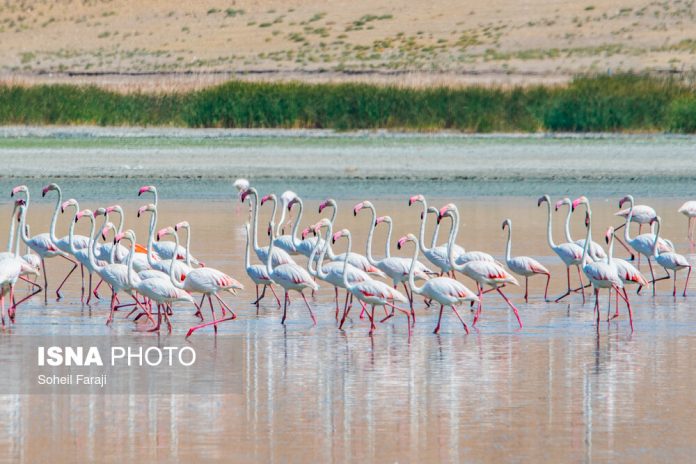
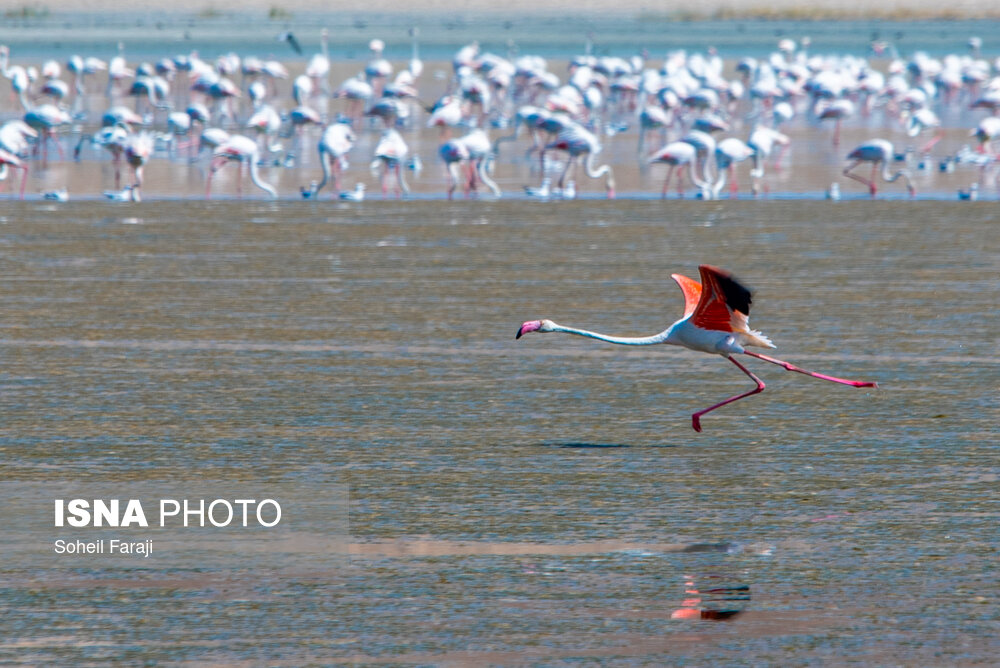
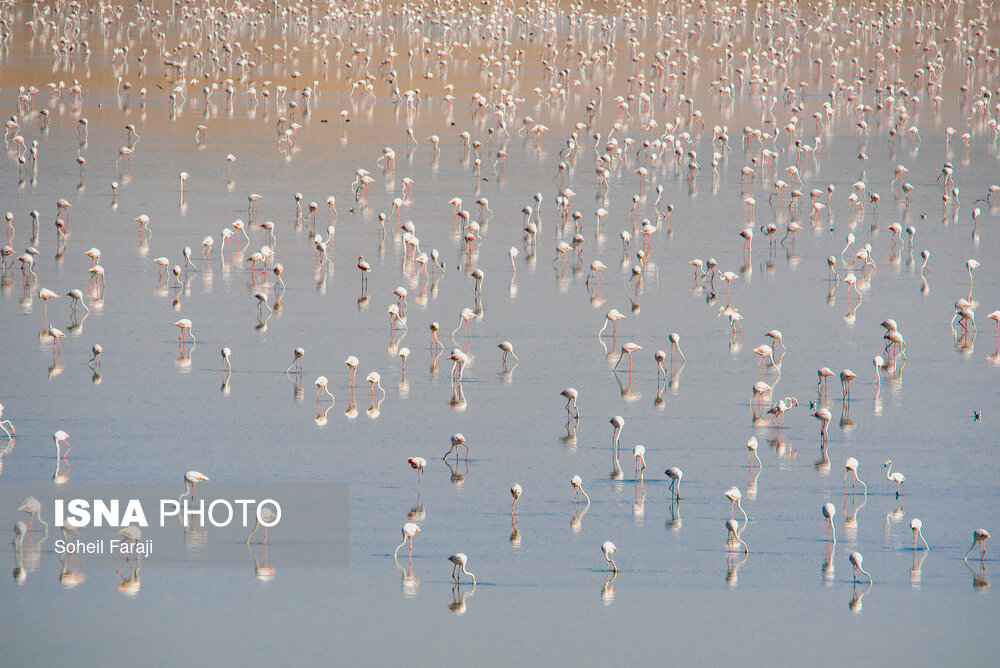
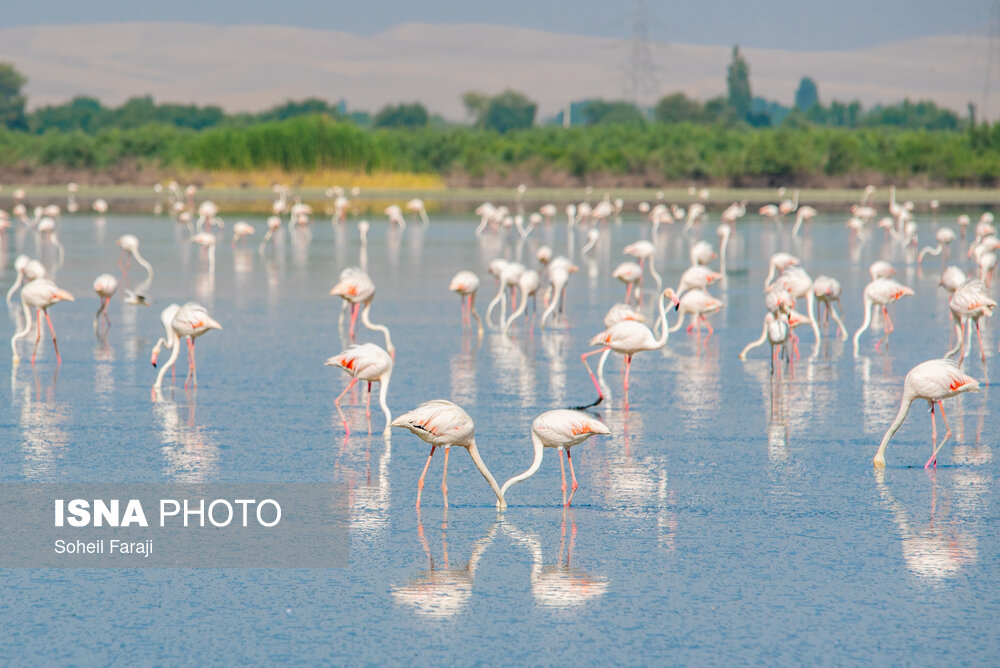
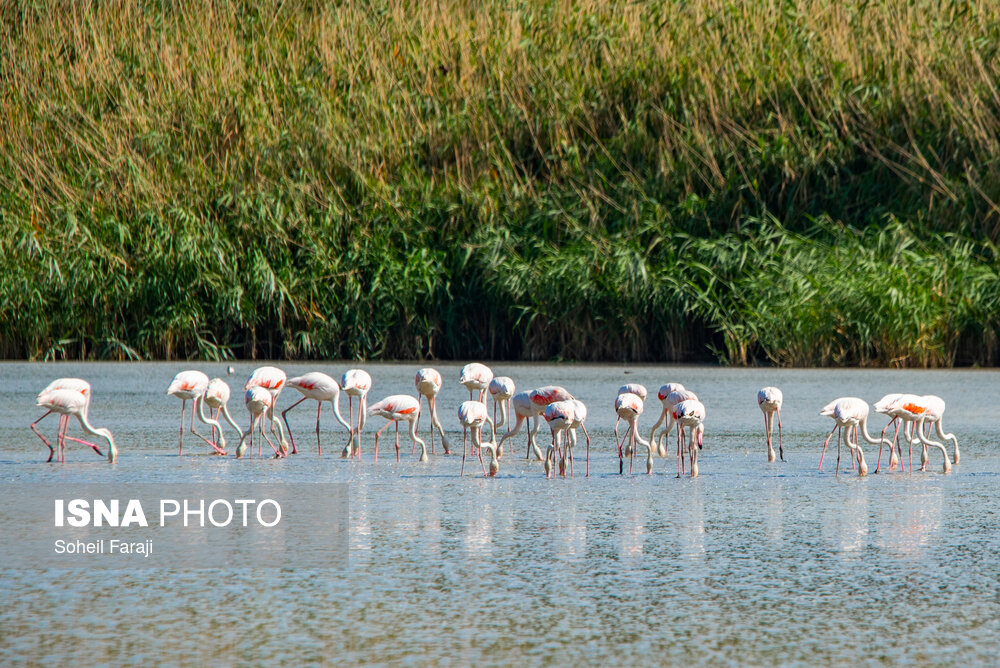
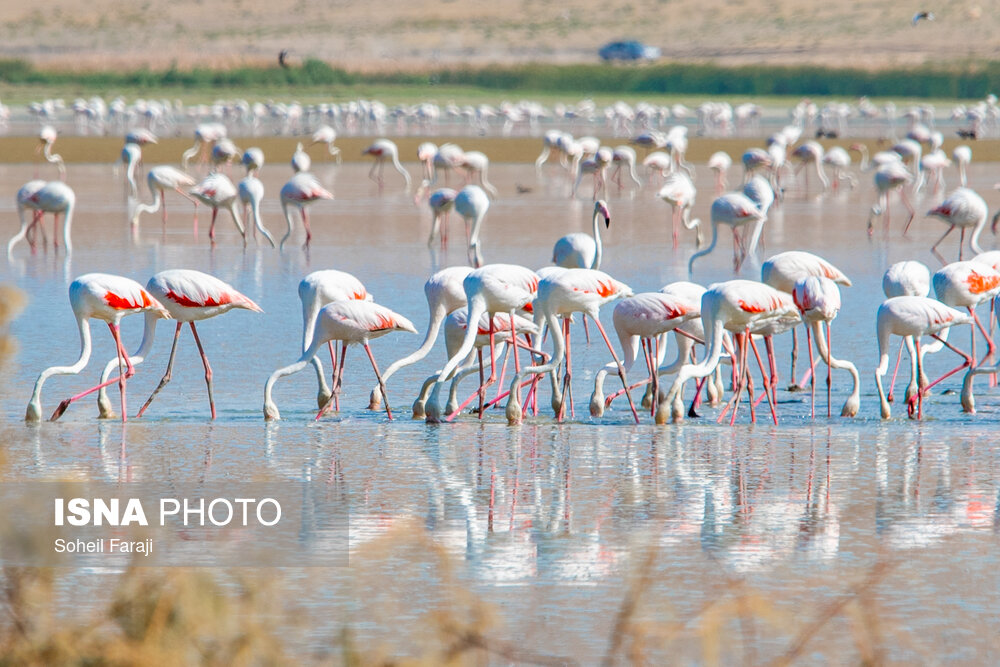
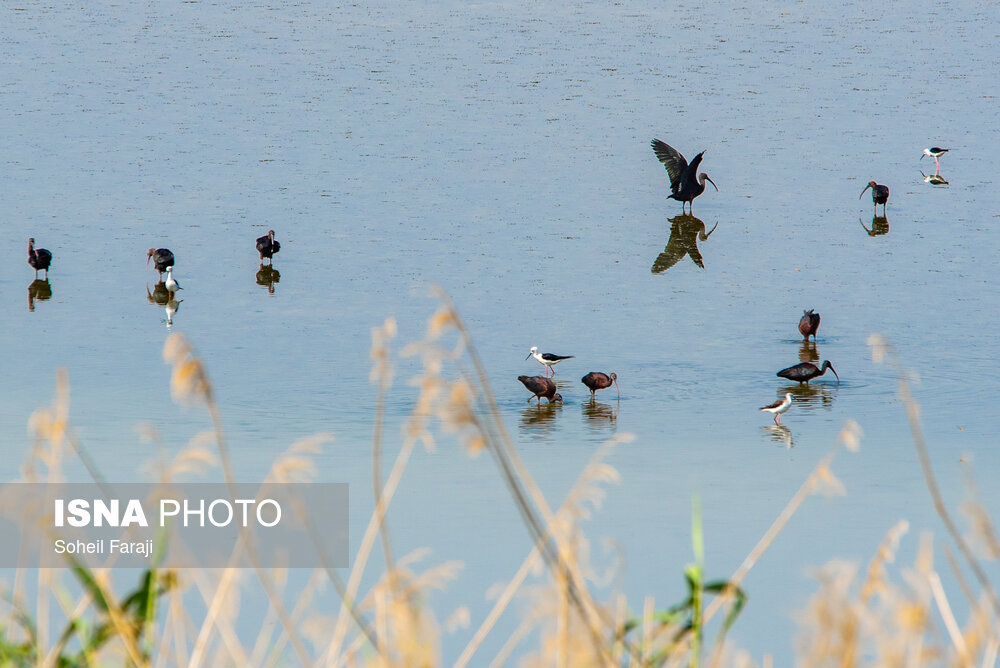
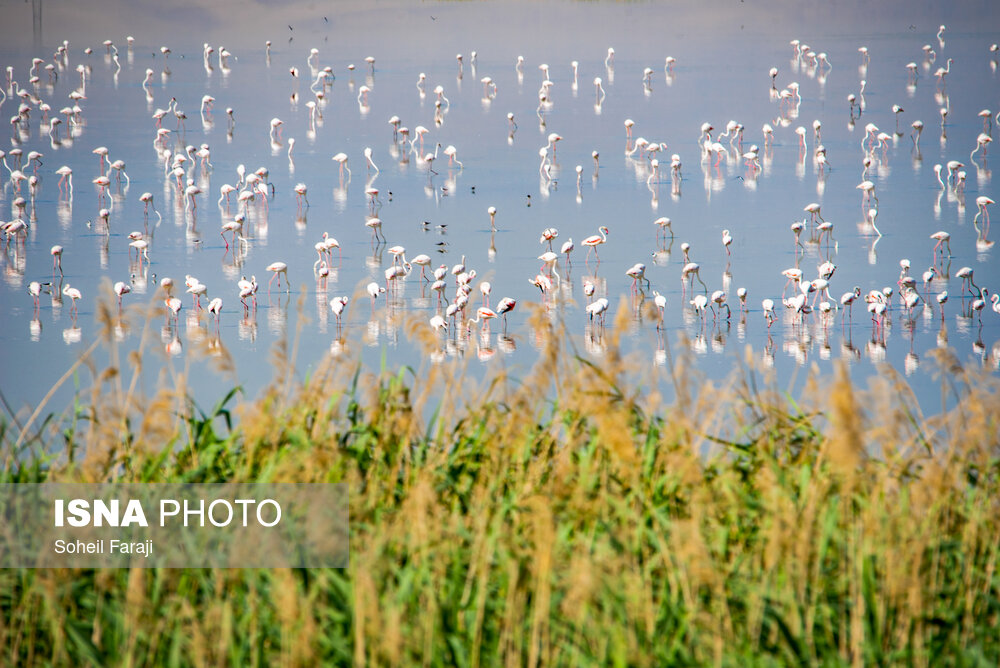
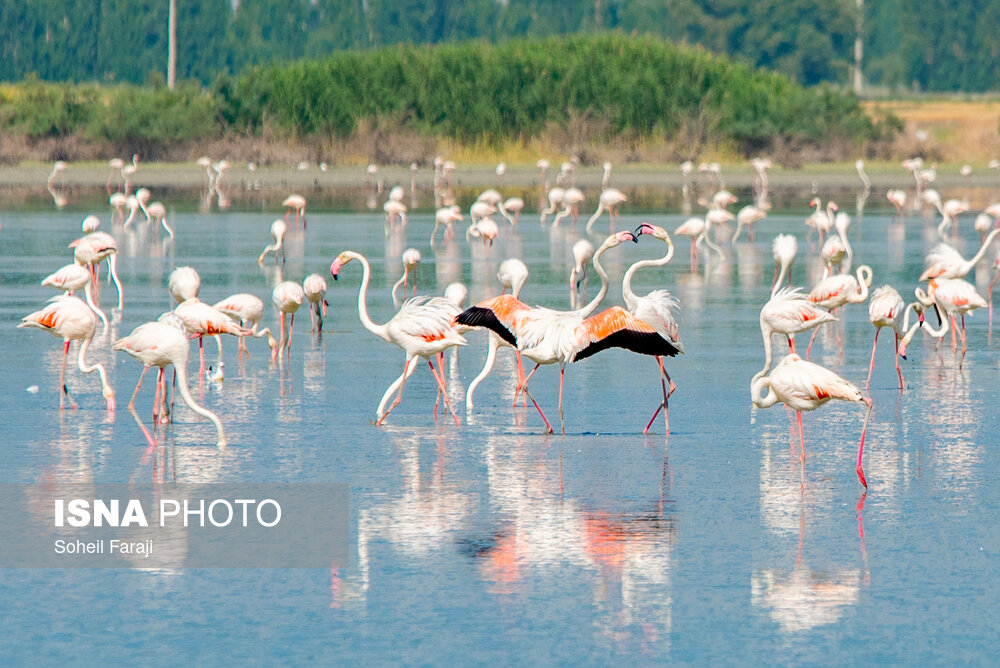
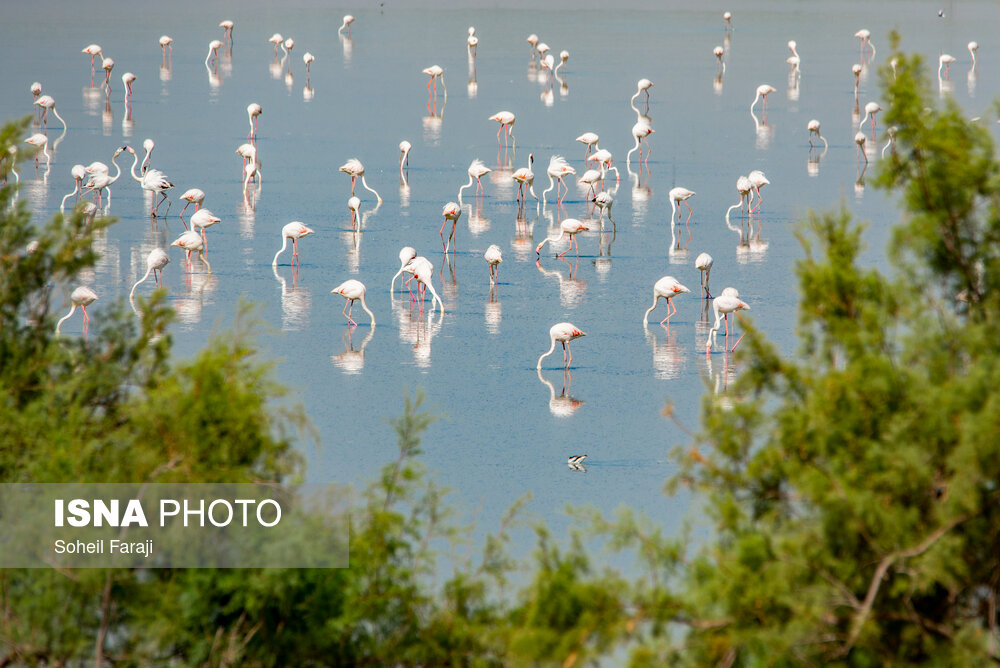
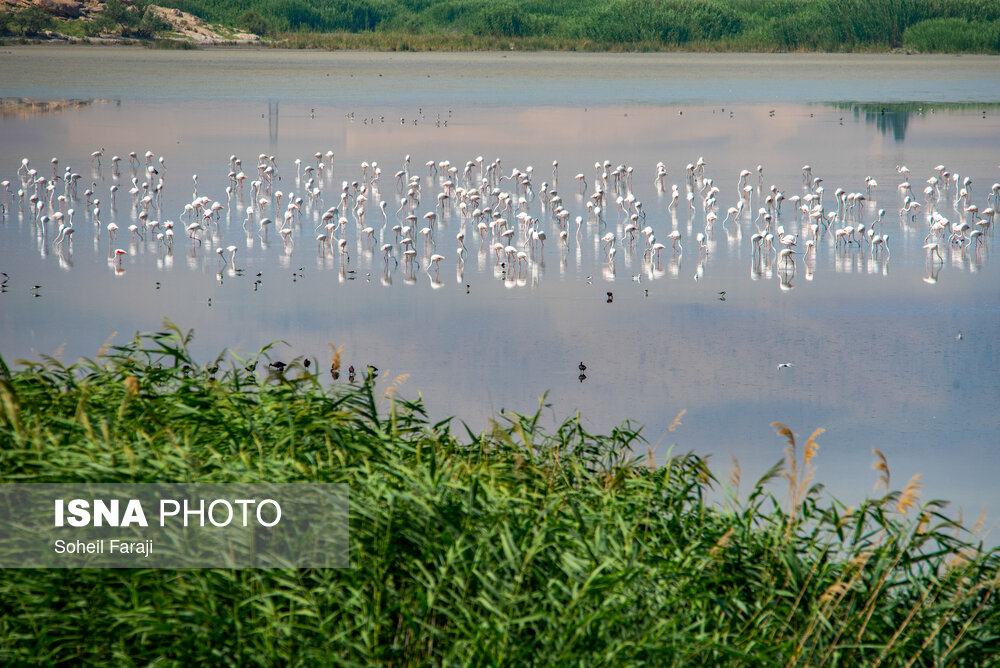
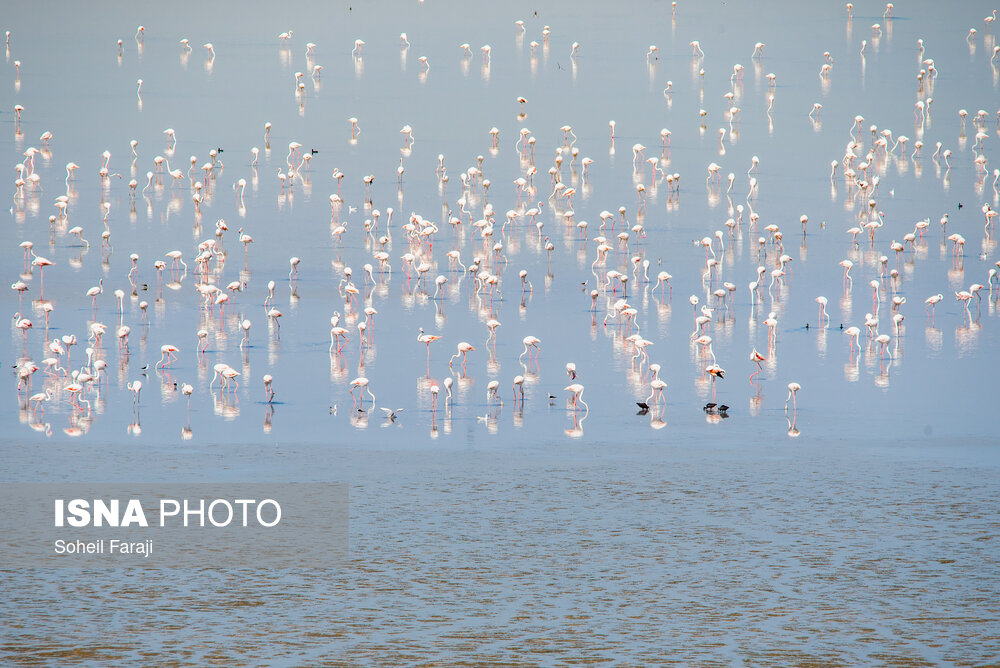
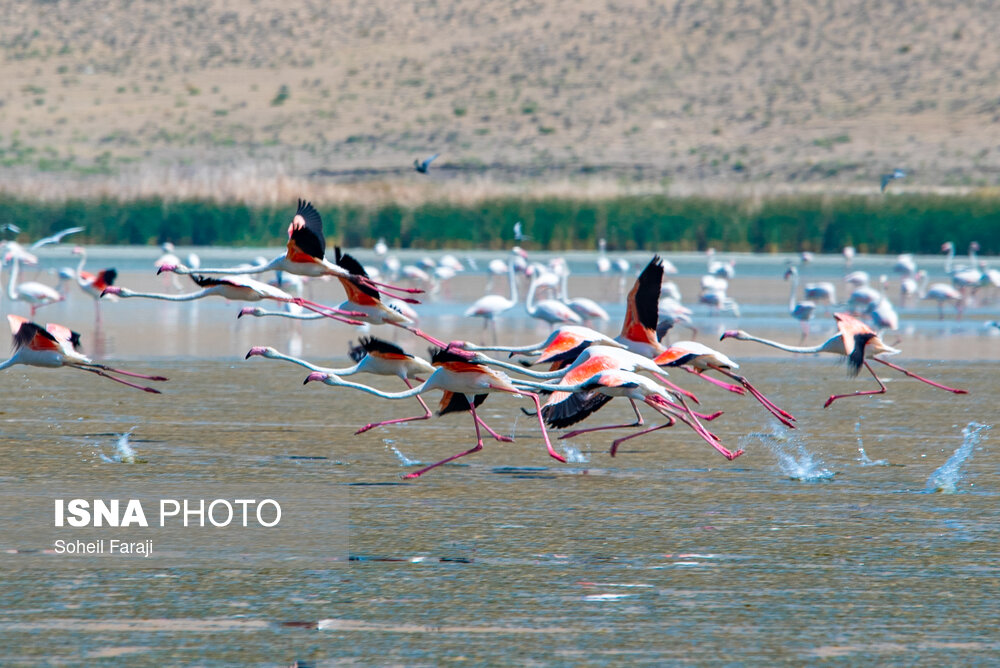
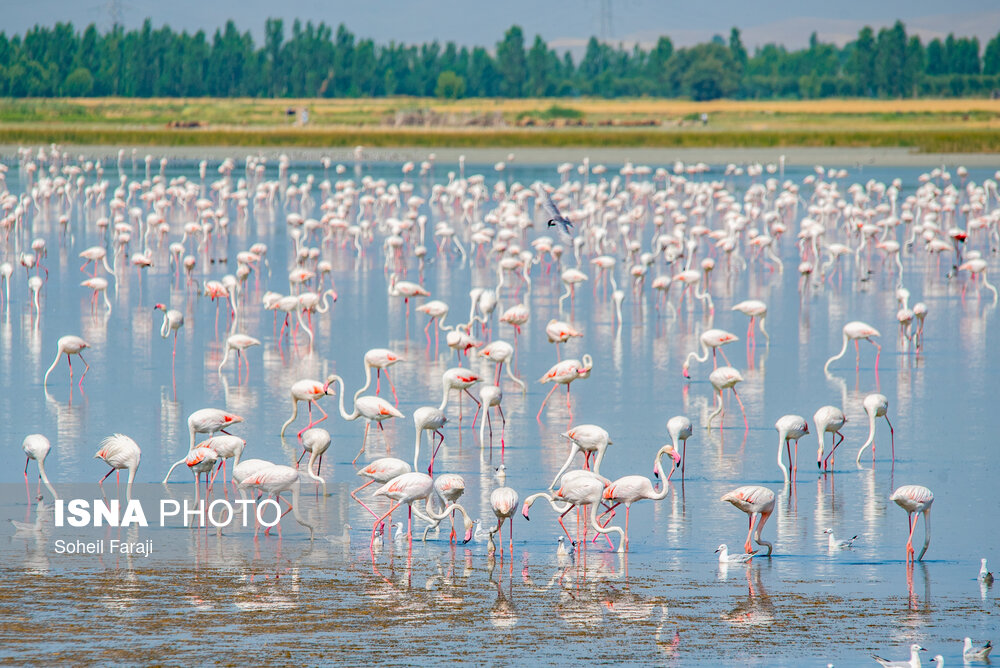
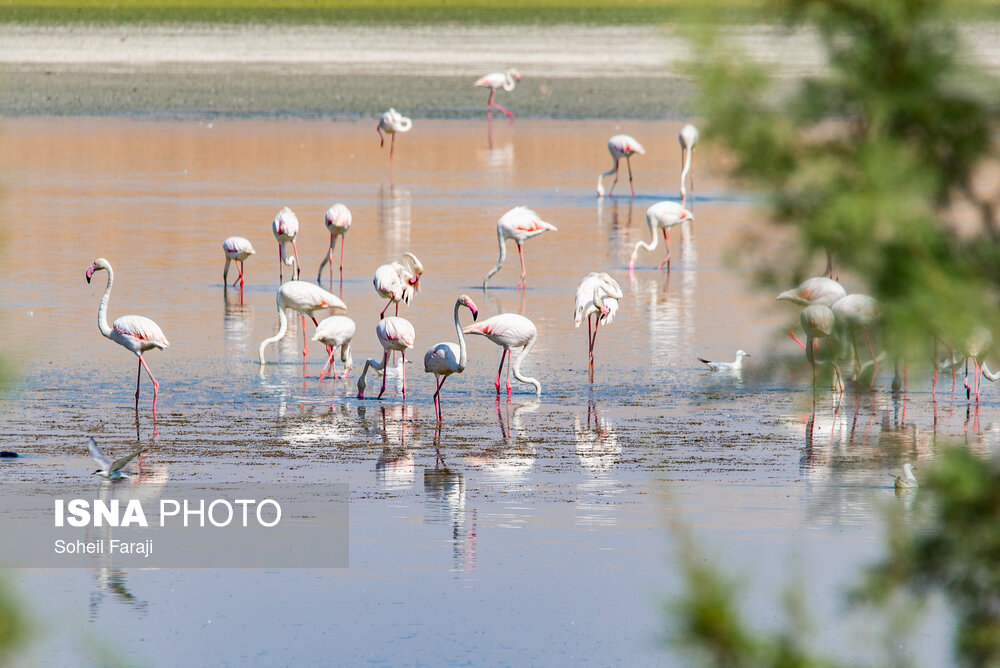
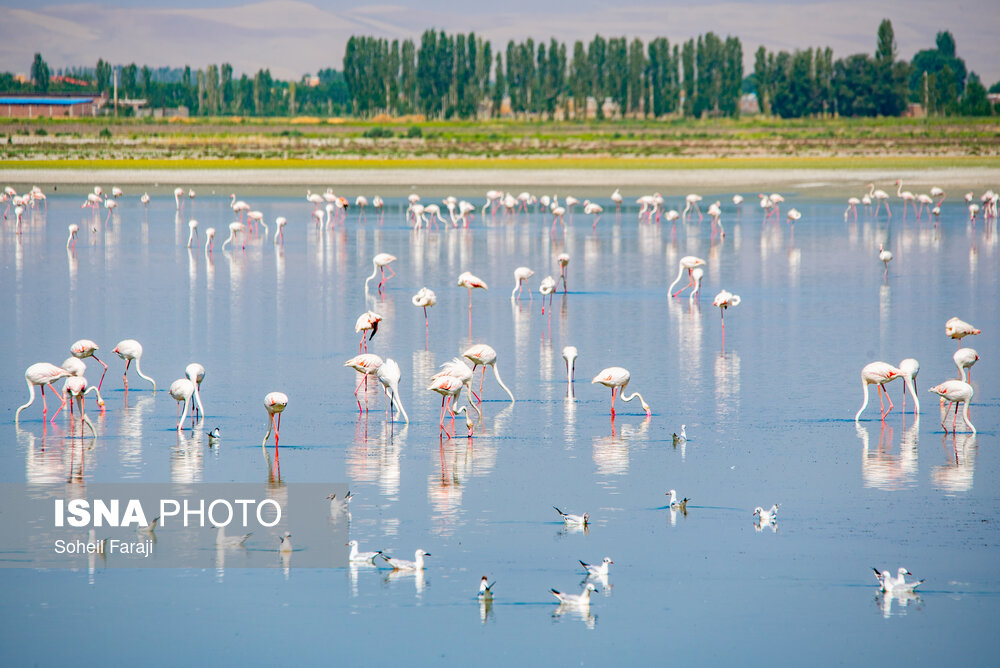
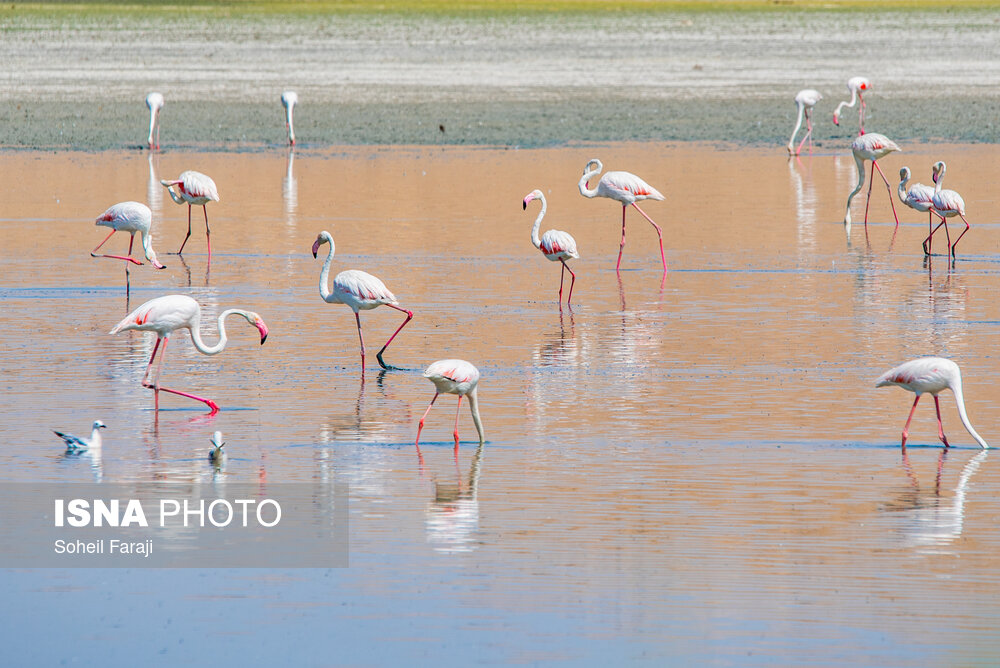
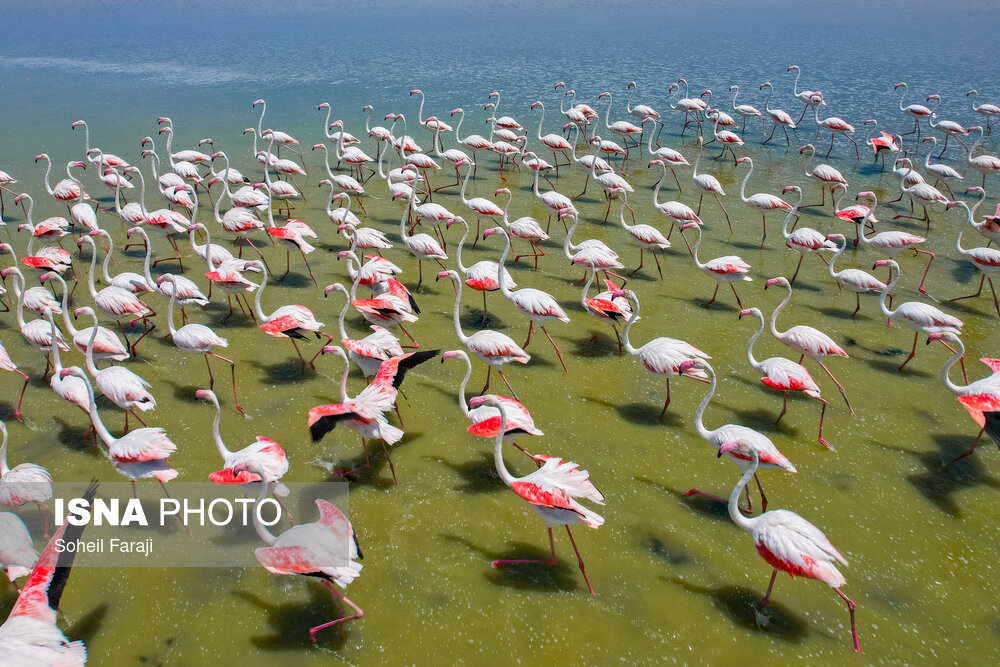
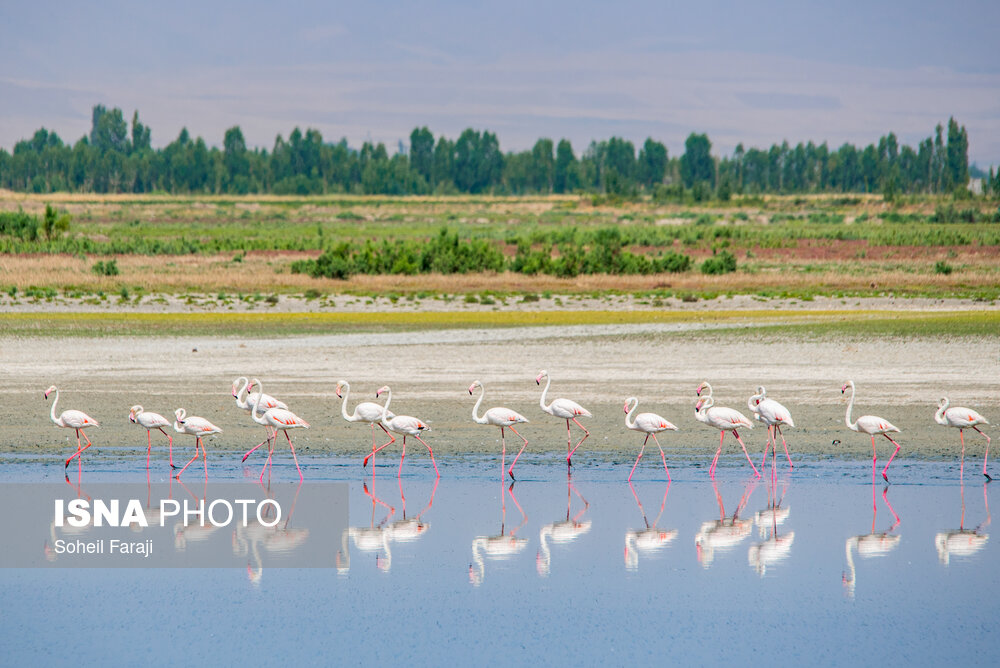
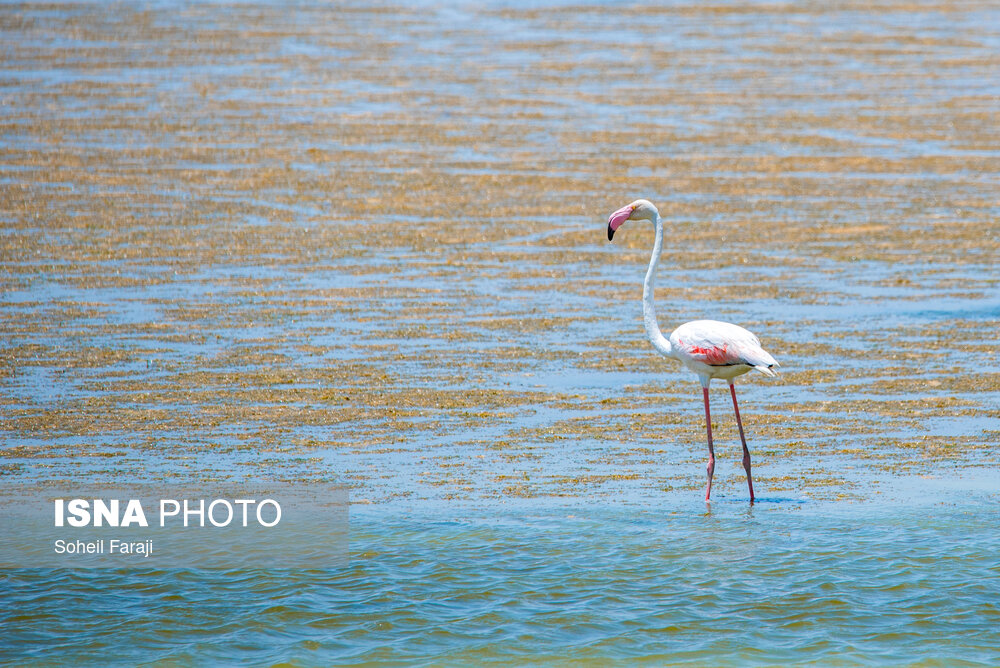
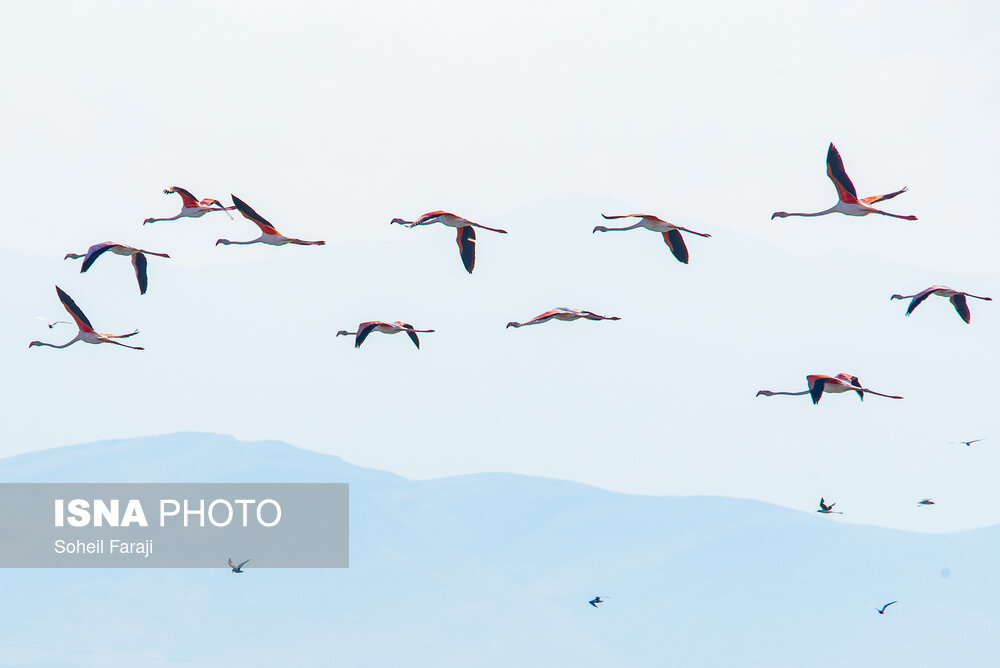
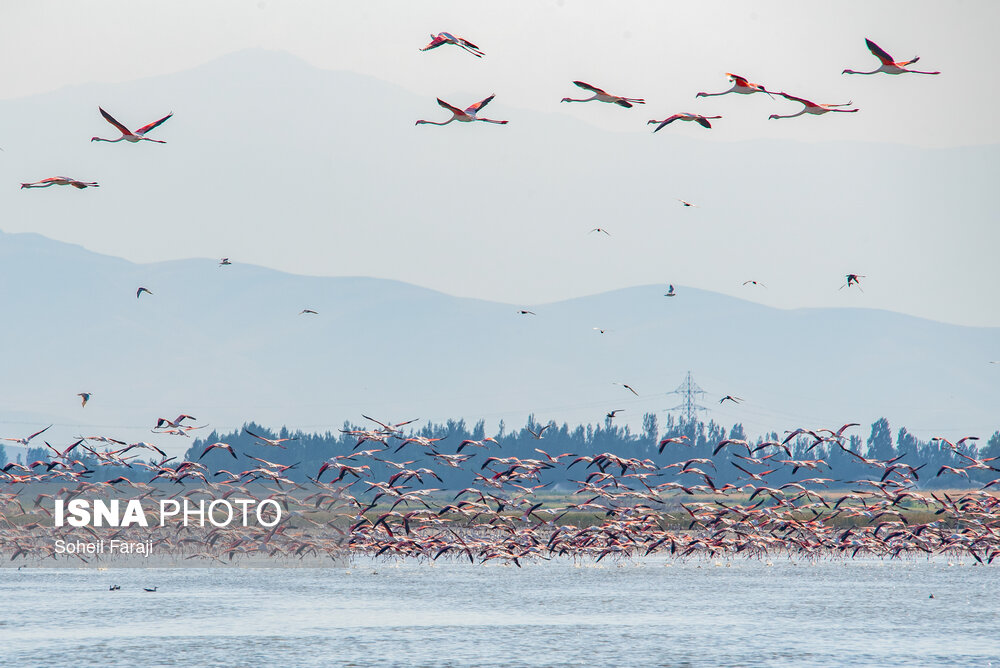
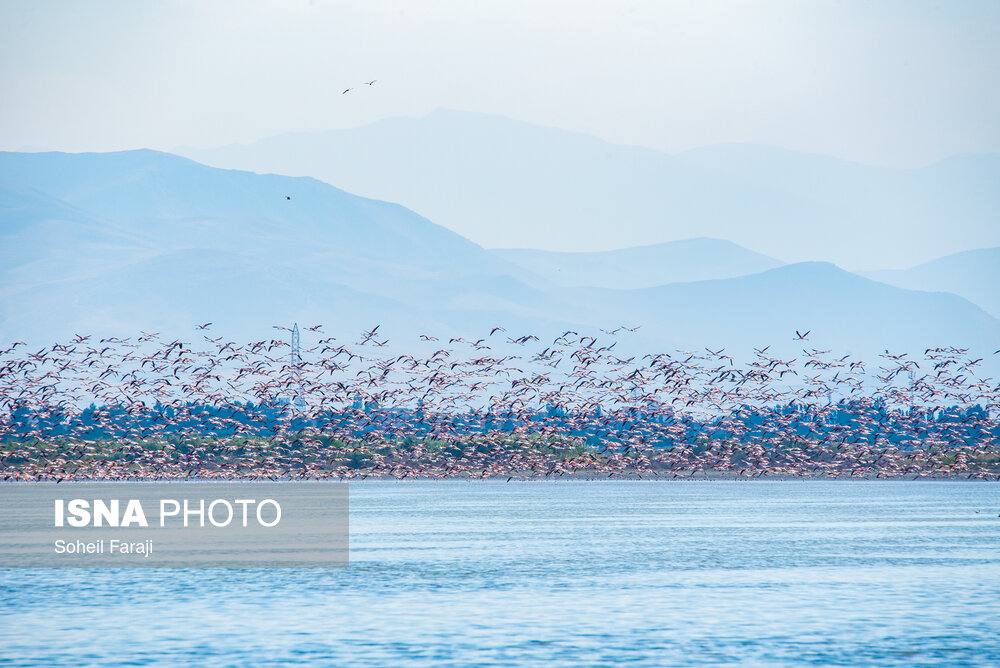
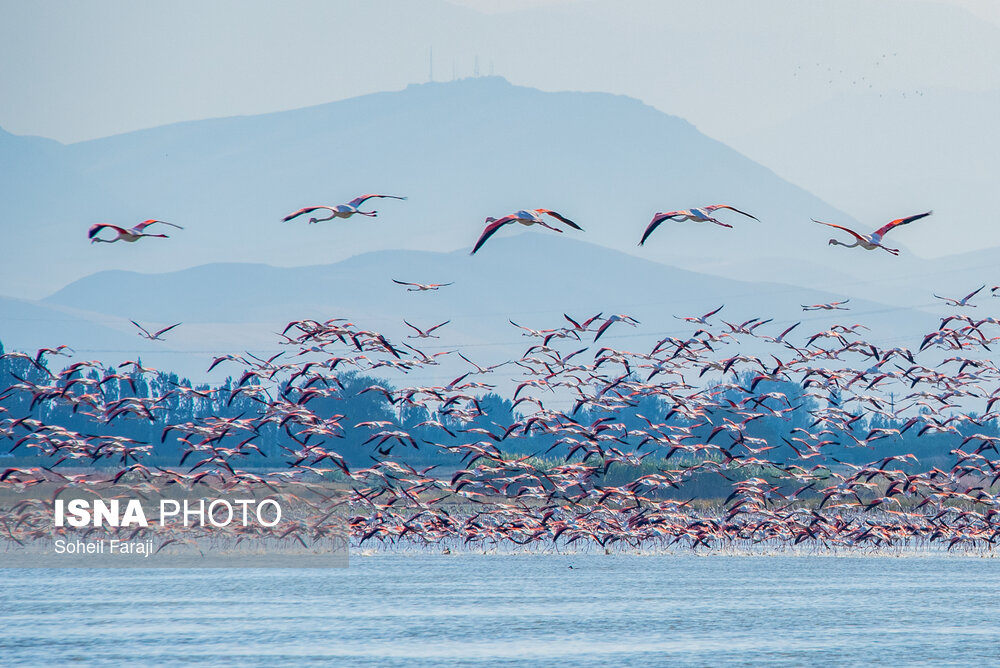
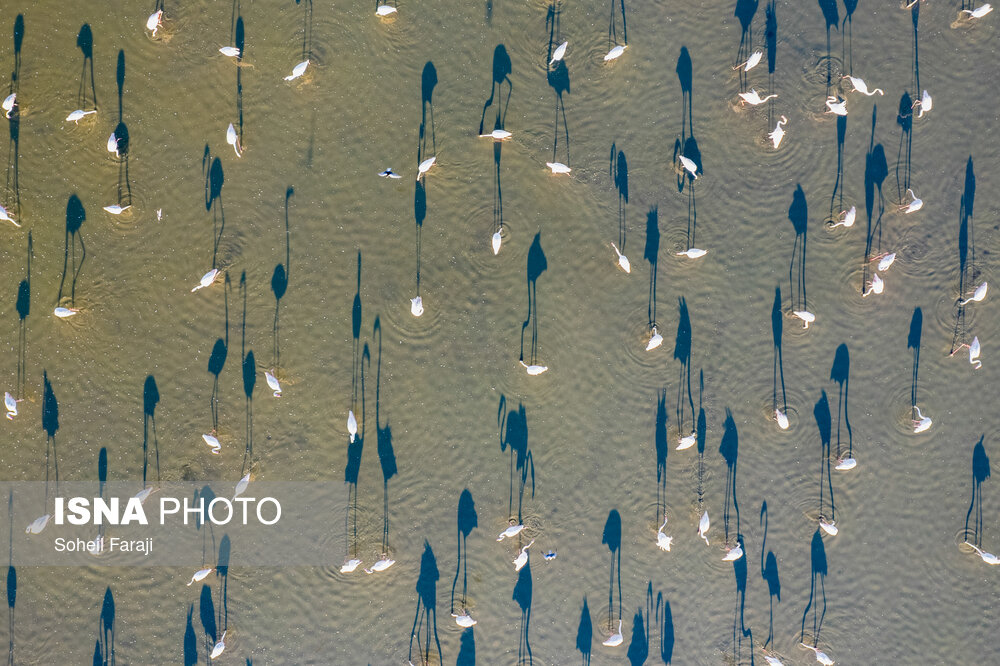
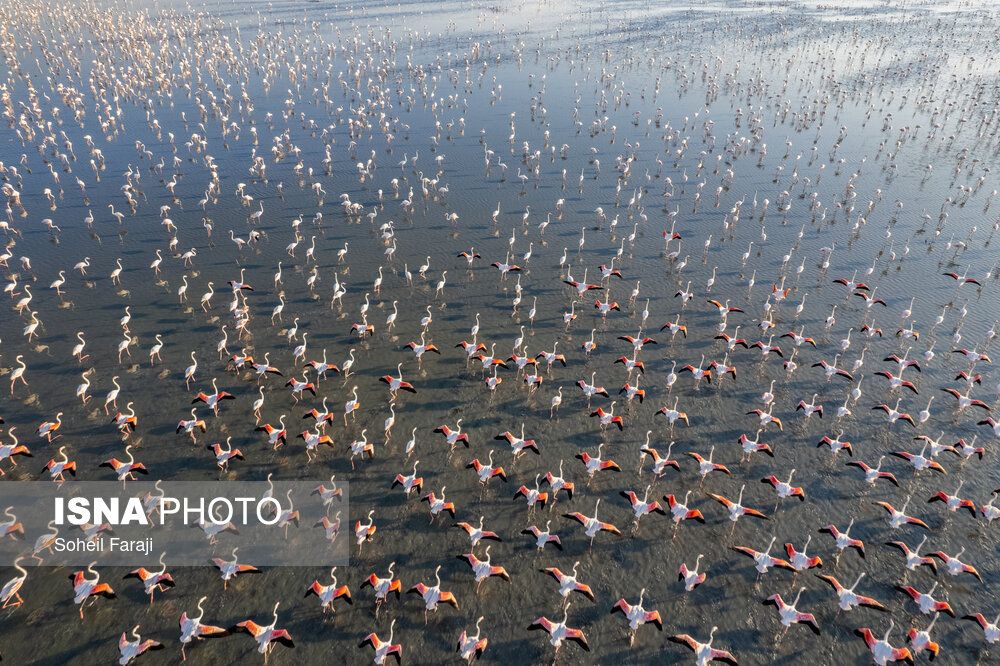
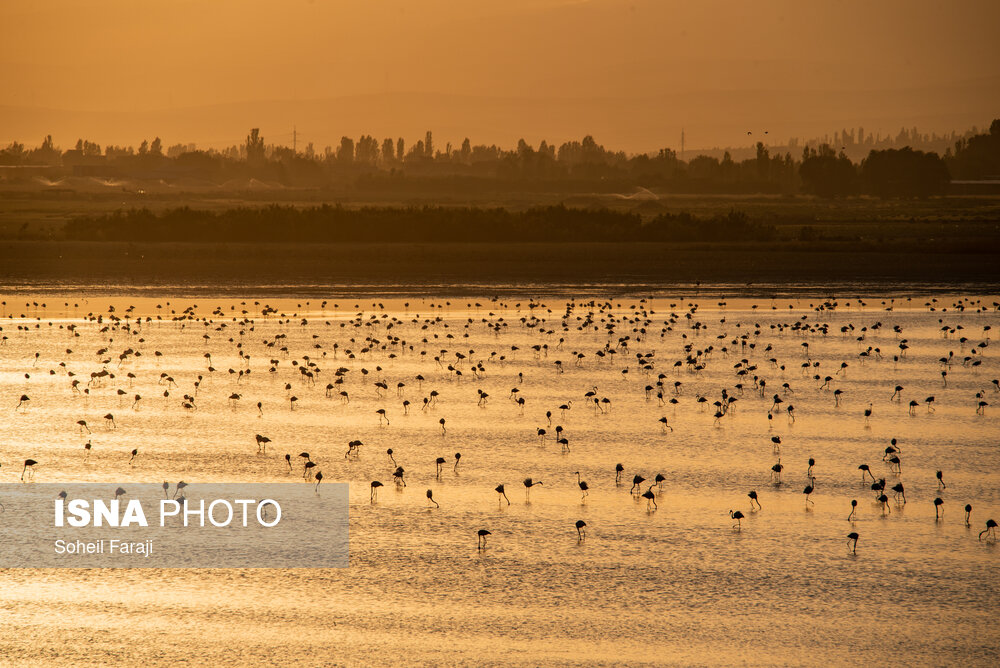
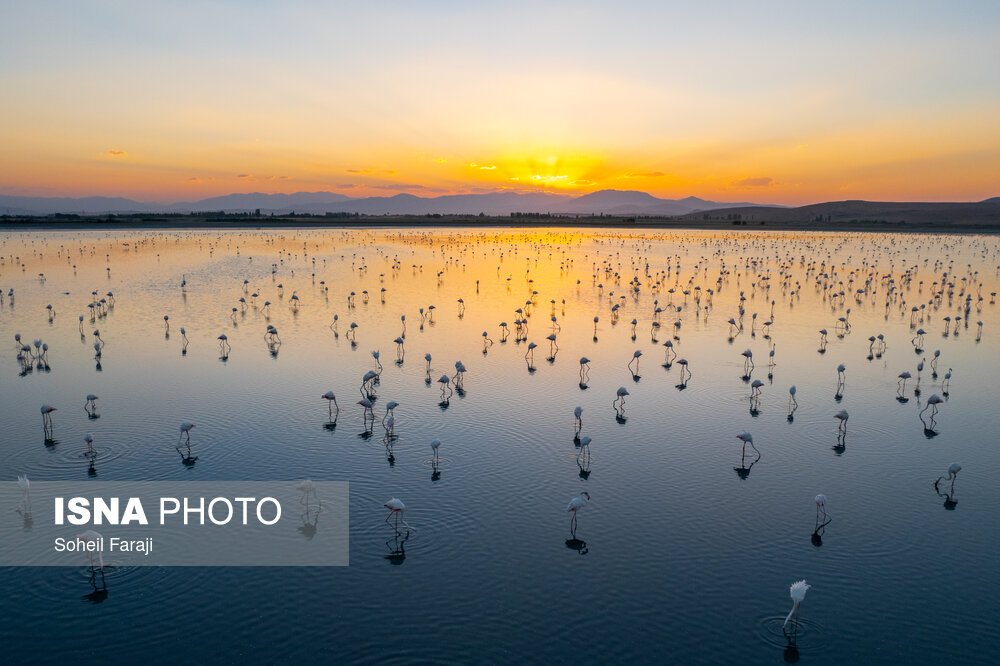
A flamboyance of flamingos in Lake Urmia, northwestern Iran

A flamboyance of flamingos in Lake Urmia

One such wetland is the international Sa’eeran Guli Wetland, hosting about 10,000 flamingos this year.

Overall, between 30,000 to 35,000 flamingos are estimated to be at the Lake Urmia wetlands currently.

Though many of the wetlands had died up due to limited rainfall last fall, local authorities saw to it that enough water shares were allotted for them to be livened up again.