Tuesday, December 23, 2025
Home Blog Page 1351

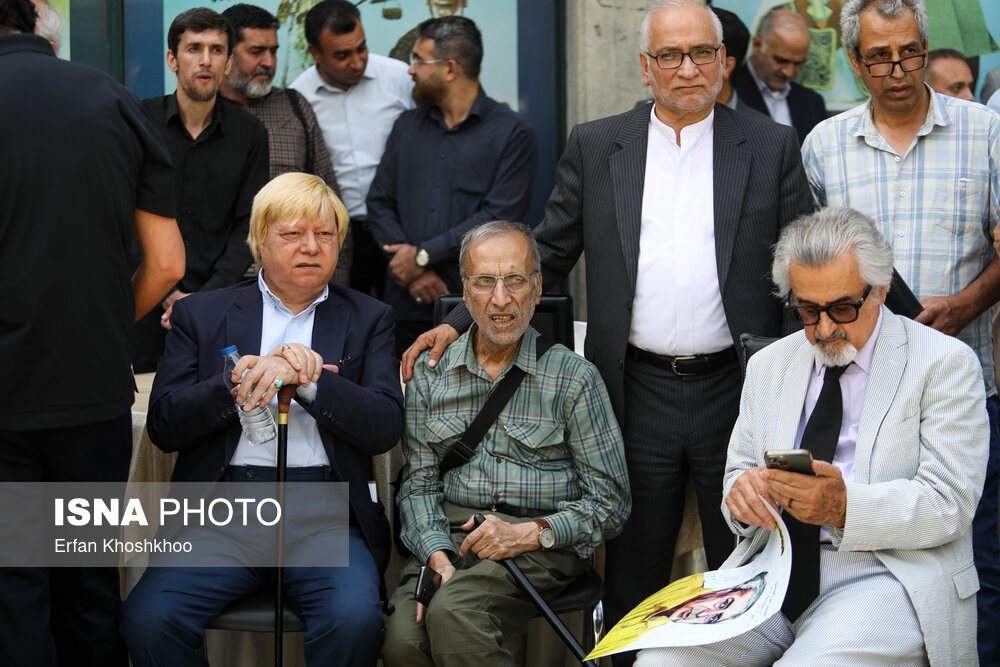
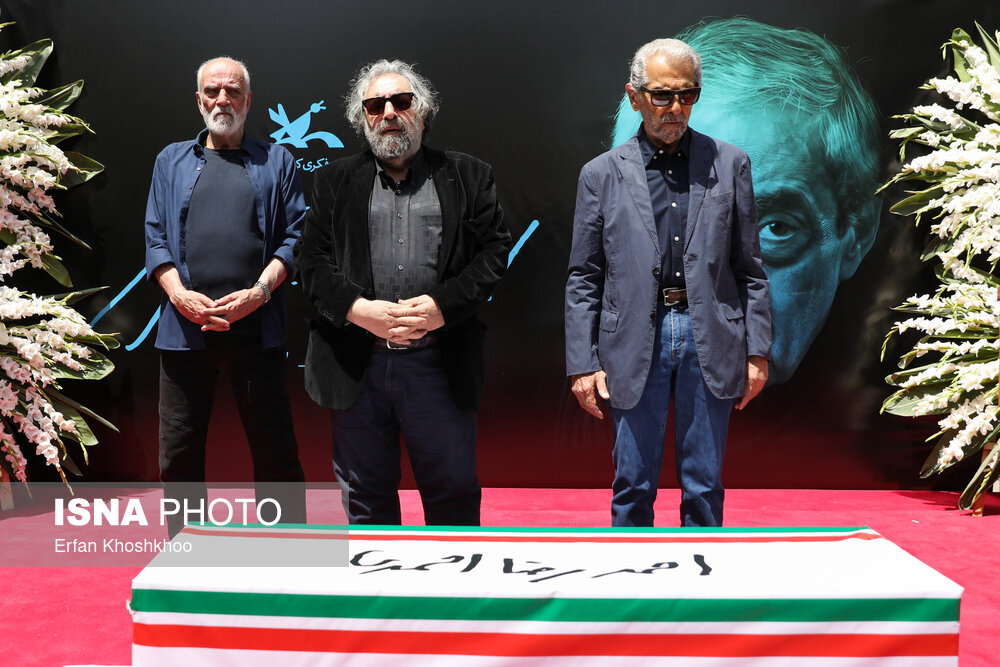
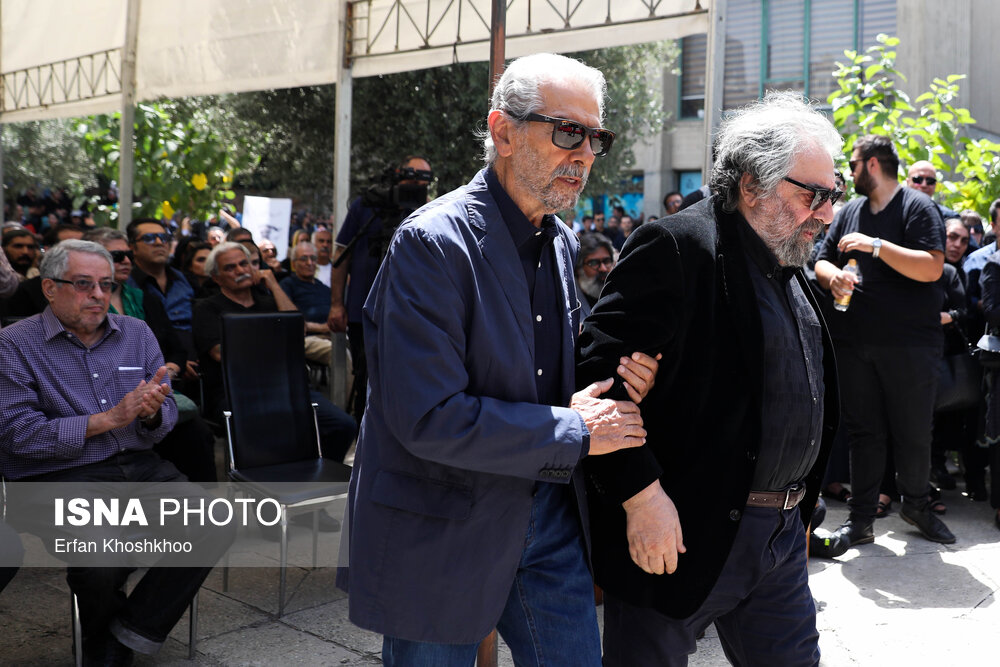
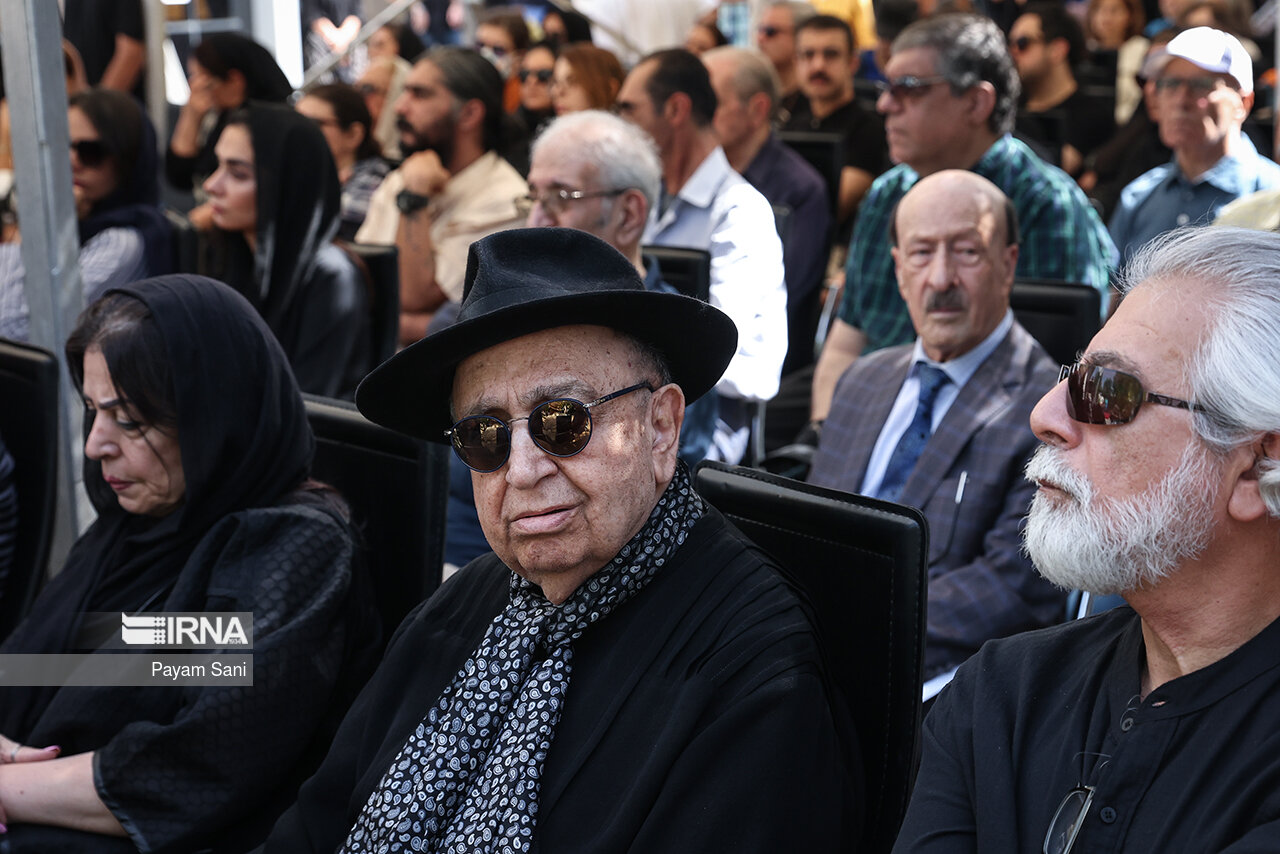
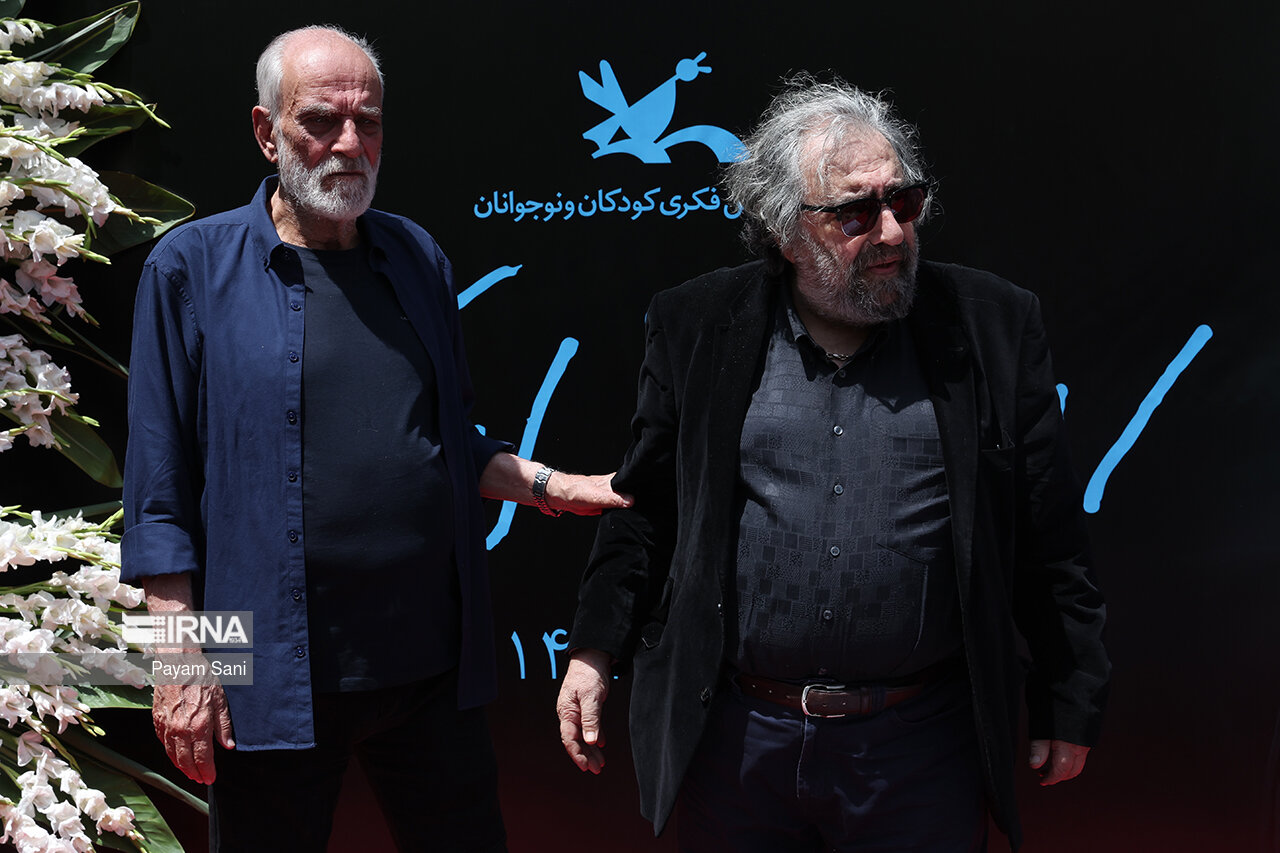
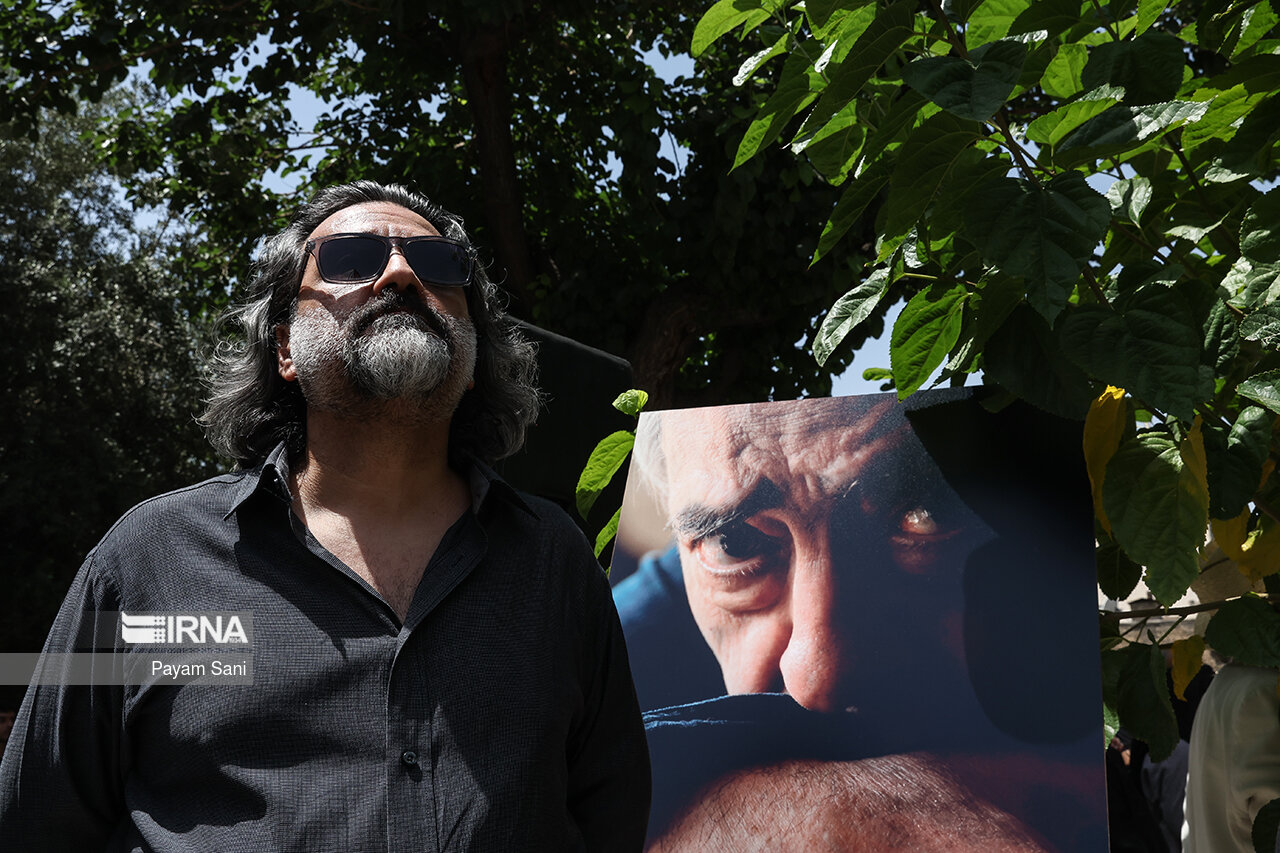
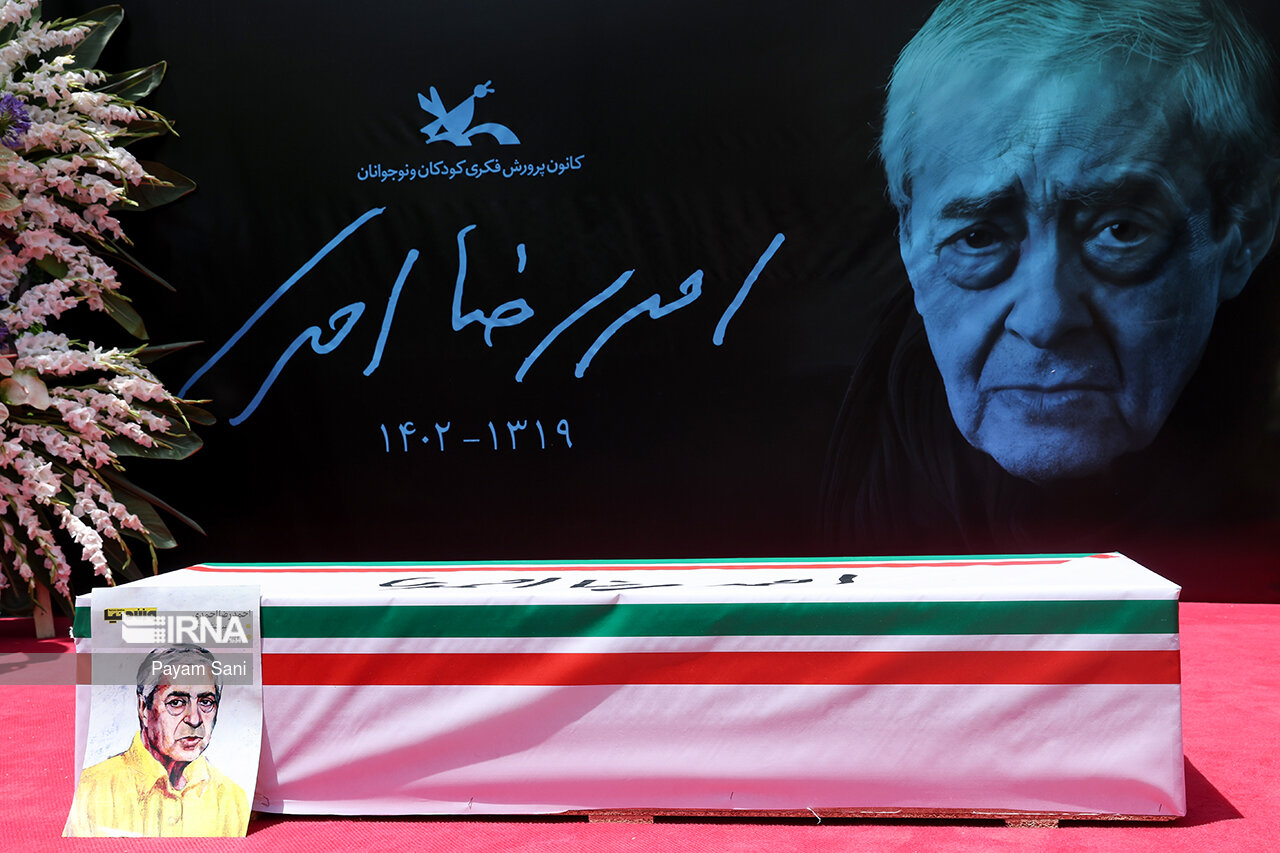
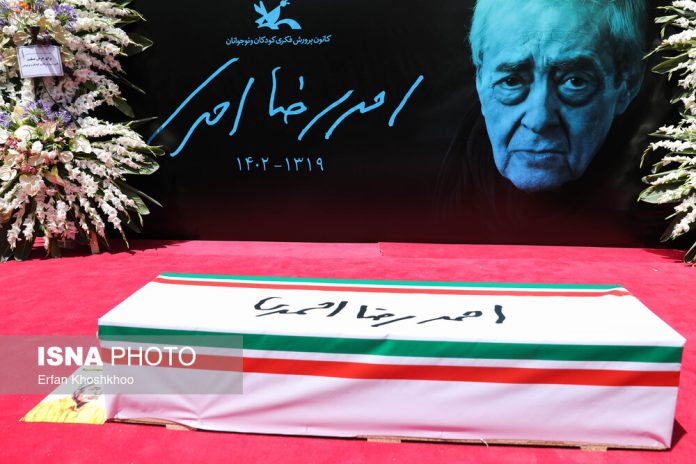
Iranians bid farewell to renowned poet Ahmad Reza Ahmadi

Iranians bid farewell to renowned poet Ahmad Reza Ahmadi

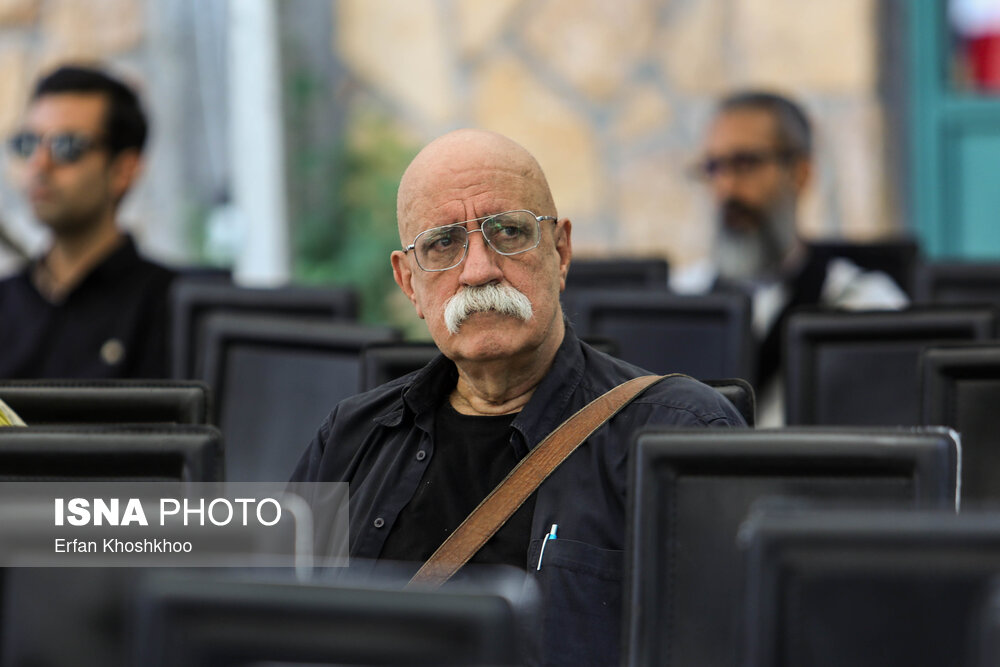
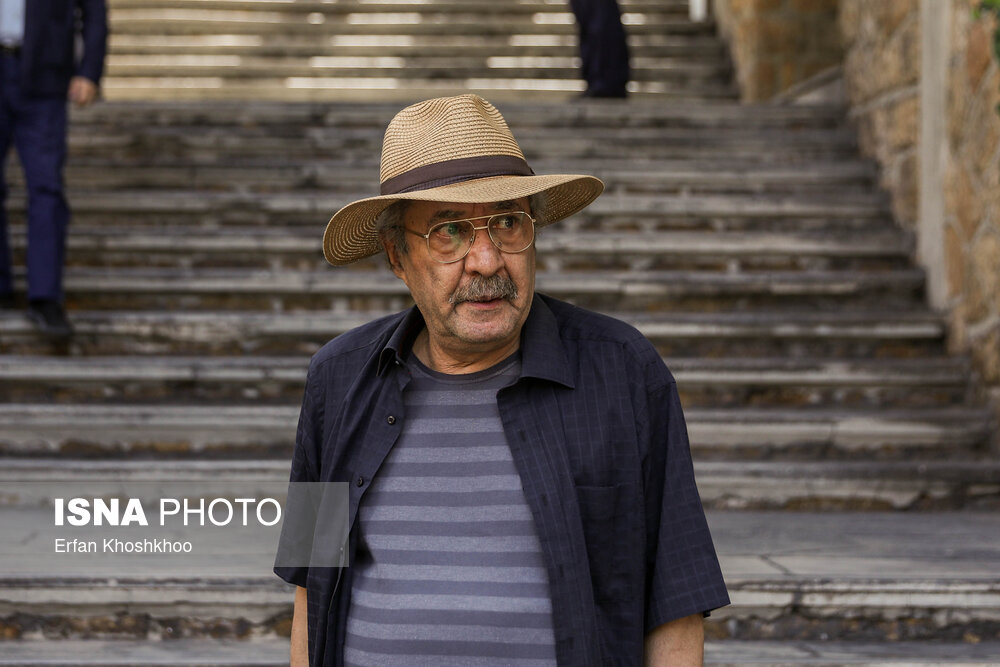
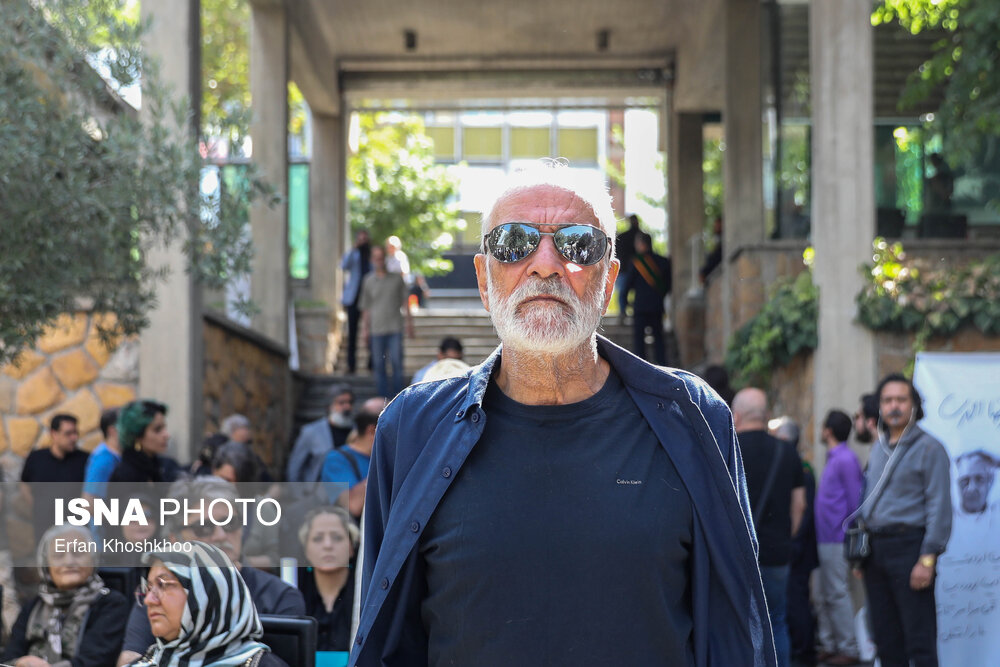
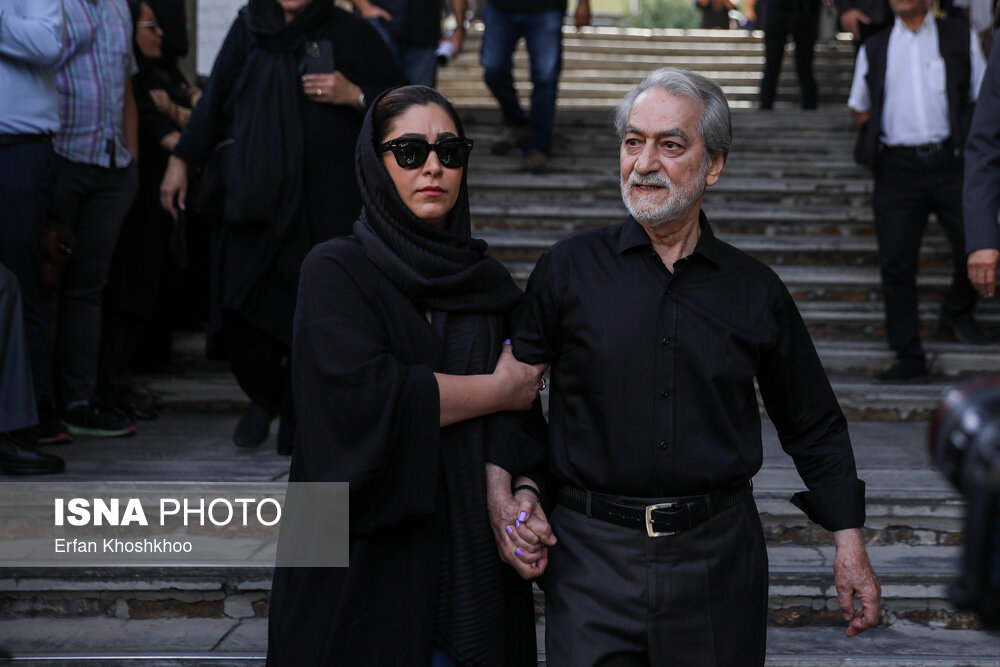
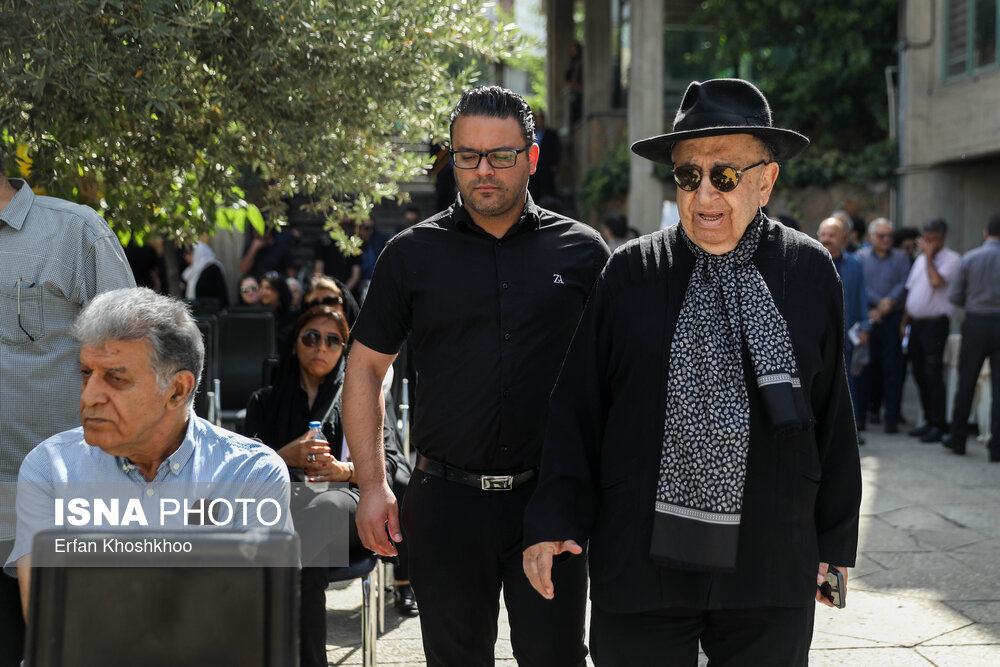
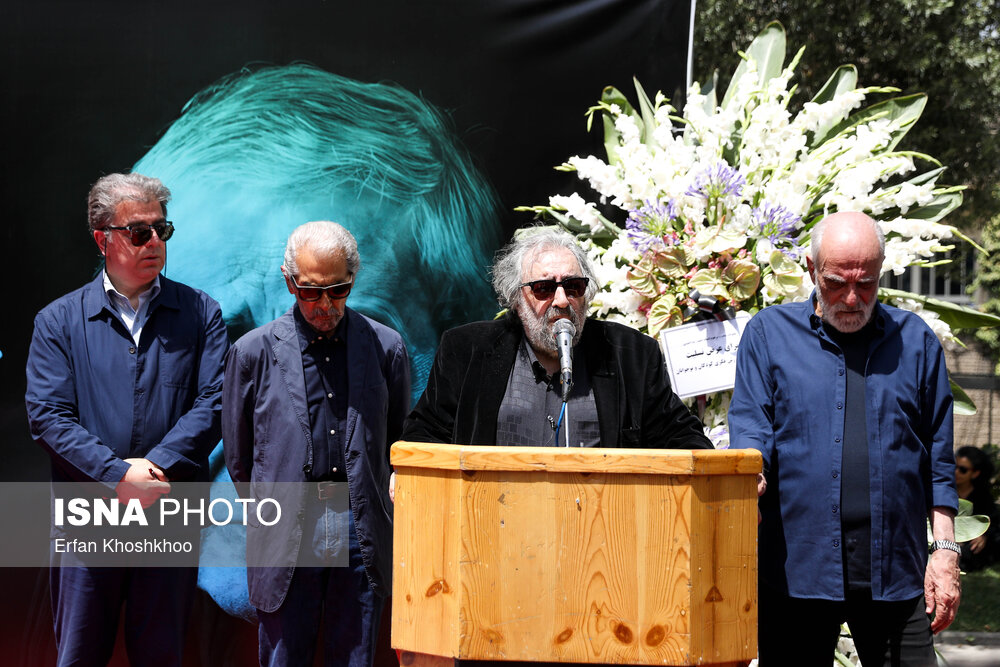
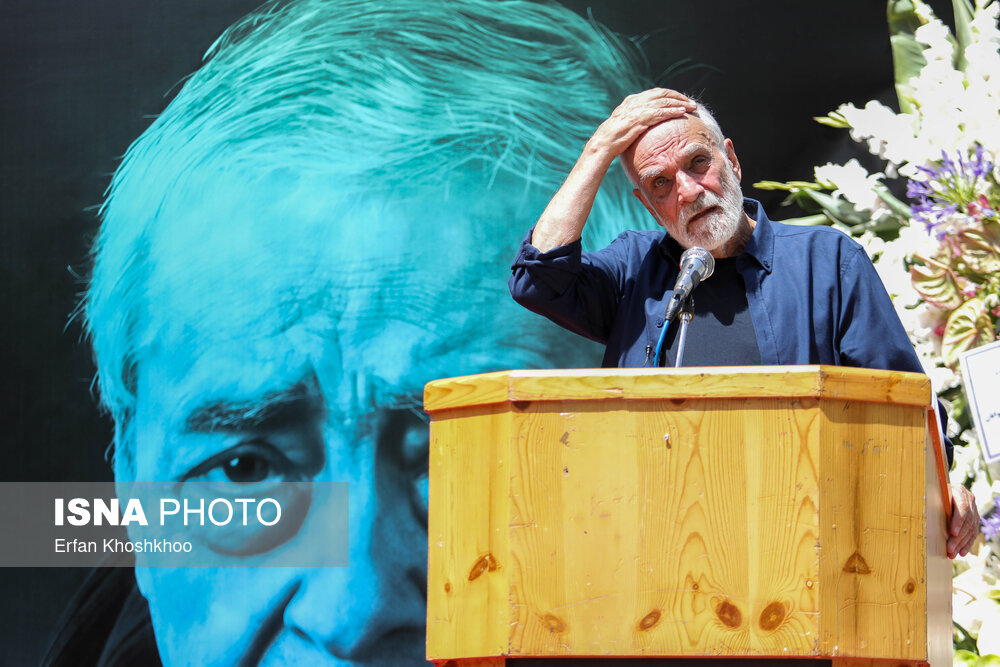
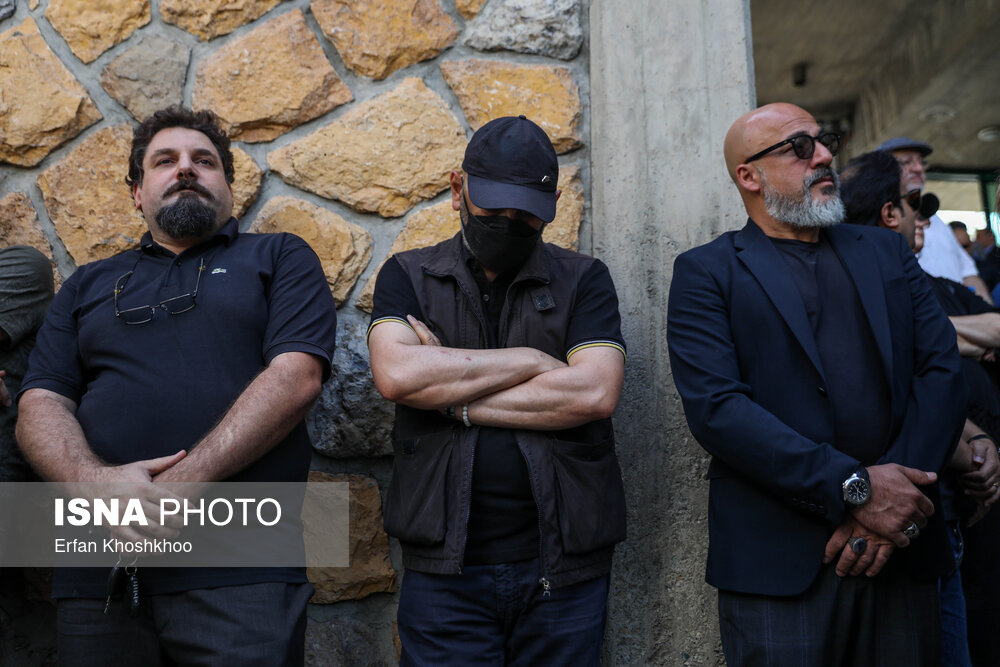
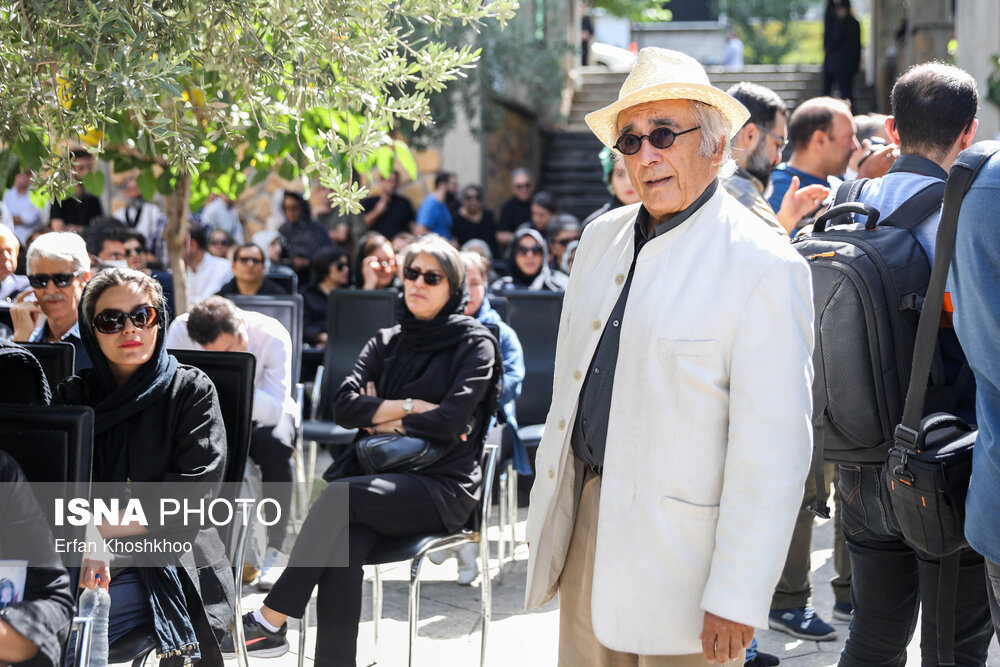
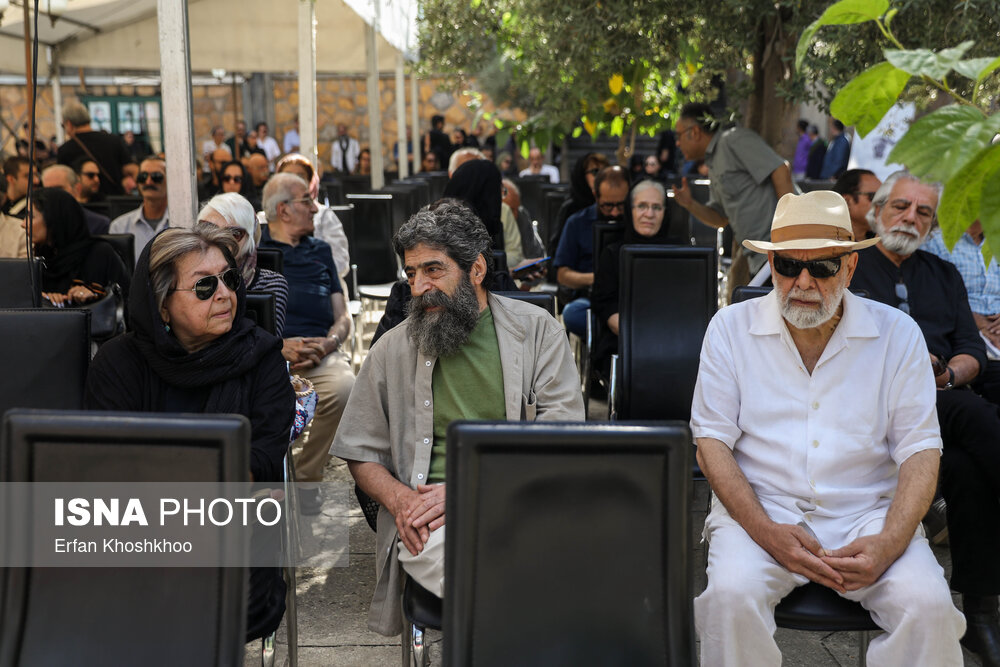
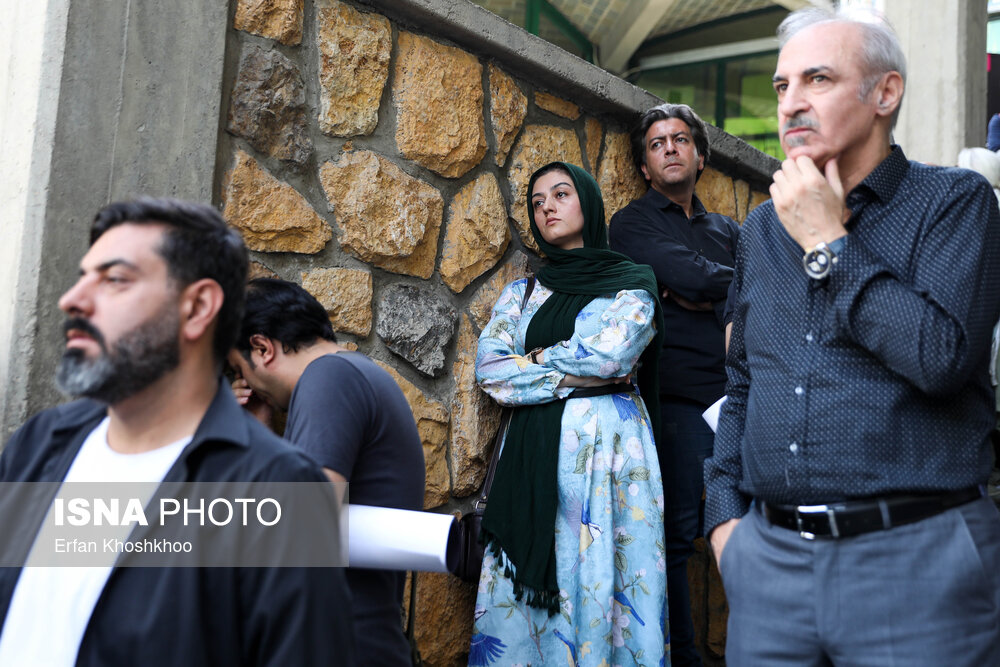
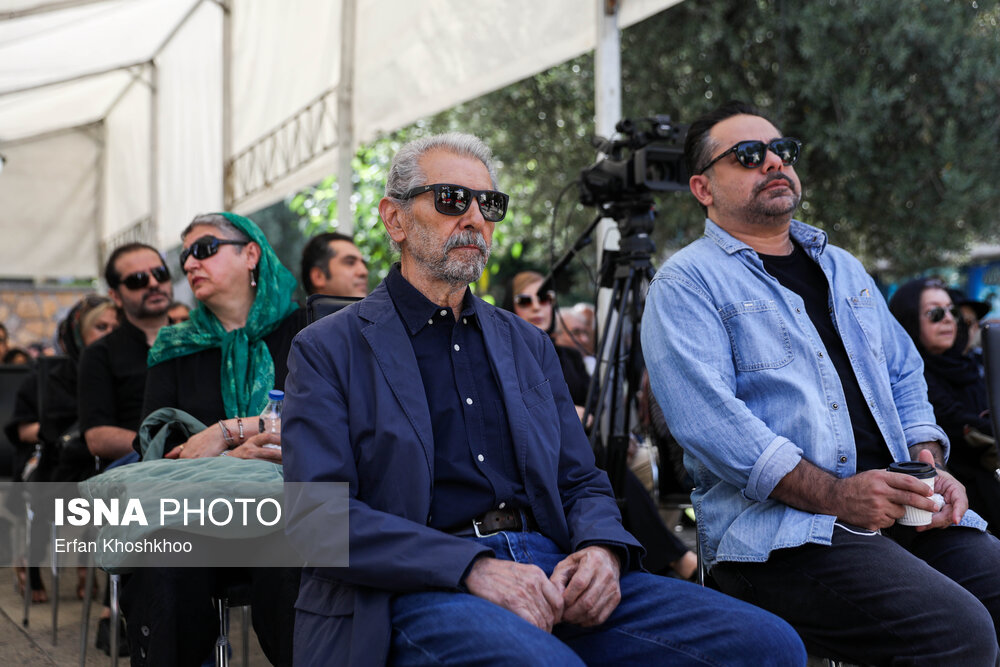
The mourning ceremony was held in Tehran on Thursday morning with the presence of hundreds of Ahmadi’s fans as well as literature and arts lovers.
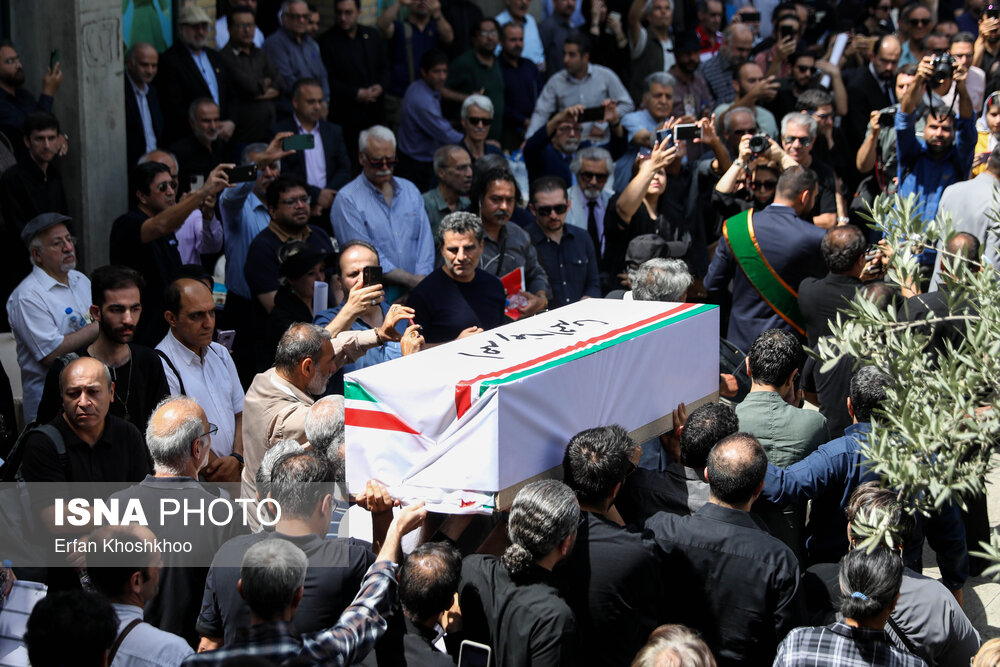
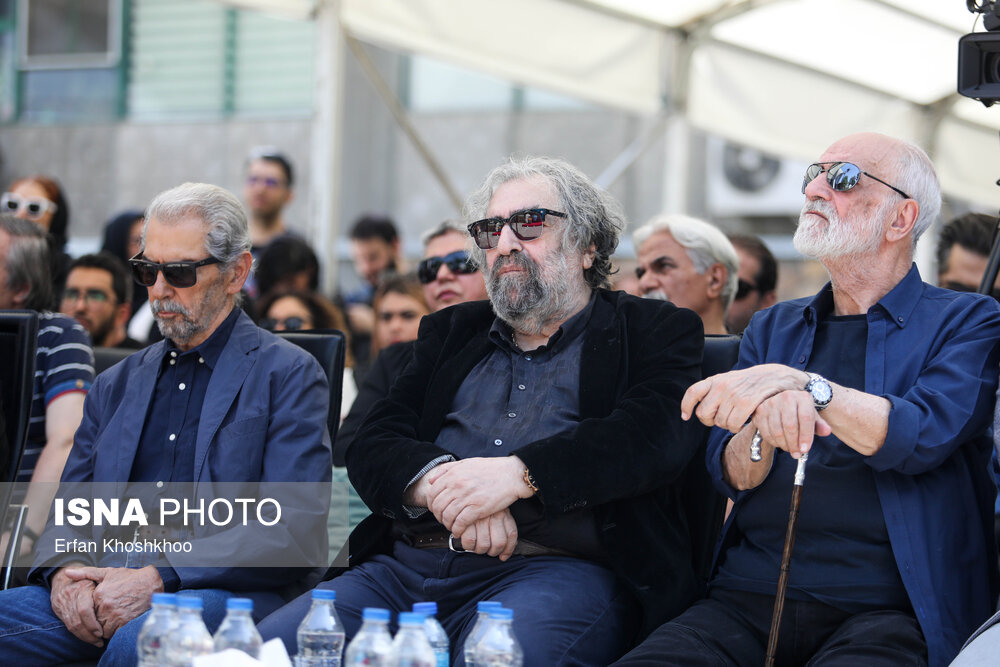
Ahmadi died earlier this week after months of health complications.

Ahmadi is known to be the founder of the new wave of poetry and the pioneer of surrealism in children’s literature in Iran.

Literature, poetry, writing and cinema were the main fields of his professional activities.
IMF predicts Iran’s inflation to shrink in 2024

Iran Economy

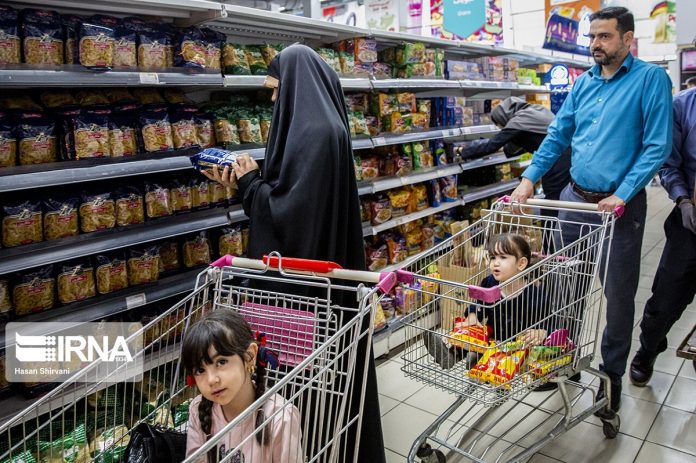
Figures from an IMF report cited by Iran’s official IRNA agency on Wednesday showed that the international lender expects Iran’s inflation rate would drop to around 30% in 2024, down from 49% in 2022 and lower than a figure of 42% estimated for this year.

It said the IMF expects more than 76% of the world’s economies would experience a gradual drop in their inflation rates in 2023 and in next year.

However, regional economies like Turkey would still face higher inflation rates compared to Iran in the two years to the end of 2024.

The IMF report projected that Iran’s economy would continue to expand at a stable rate of 2% in 2023 and in 2024, half a percentage point lower than the growth figure reported for last year.

However, the lender stipulated that high economic growth rates expected for countries like China and India would translate into increased demand for Iranian oil and would boost the country’s economic prospects next year despite the fact that oil prices are expected to fall to levels below $70 a barrel in 2024.

The IRNA report noted that lower oil prices would hardly impact Iran’s economy in the near future as the country has significantly cut its reliance on oil revenues.

It added, however, that Iran’s accession earlier this month to the Shanghai Cooperation Organisation, a major political and economic bloc of countries led by China and India, would create major trade and economic benefits for Iran given that those economies are expected to expand at a record pace in the near future.

Iran rejects claims in NATO summit communique

NATO

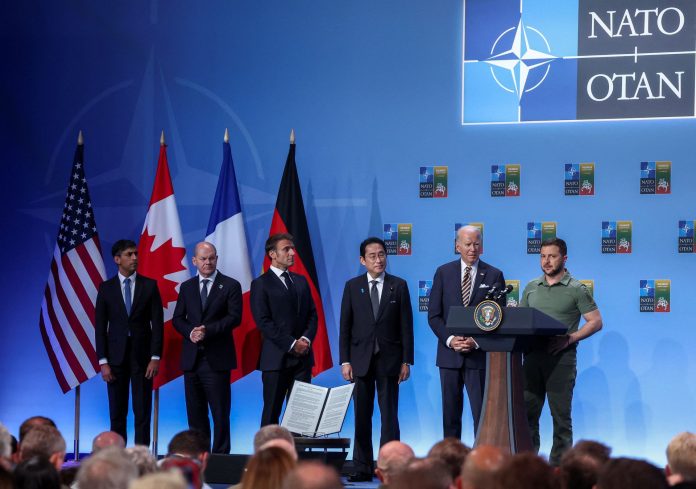
The two-day summit was held in the Lithuanian capital of Vilnius to discuss the Russian war on Ukraine and Sweden’s accession to the military alliance.

In a final communique on Tuesday, the heads of state and government of NATO countries expressed concern about Iran’s “escalation of its nuclear programme,” and what they called “malicious activities within Allied territory,” support for Russia, and “destabilizing actions, including seizures of maritime vessels,” in the Persian Gulf region.

The Iranian Embassy in the Belgian capital, where the NATO headquarters is also located, later issued a statement rejecting those allegations.

It called claims about Iran’s involvement in the Ukraine war “unfounded” and reiterated Iran’s official stance of neutrality in the conflict as well as respect for the independence, sovereignty, and territorial integrity of all countries including Ukraine.

The mission said that while Iran was adhering to international law, a number of NATO countries were actively supporting riots in Iran by giving refuge to and aiding terrorist elements and organizations inside of the country.

“Furthermore, Iran has played a constructive role in assisting regional countries to confront destabilizing forces, which are mainly supported from outside of the region,” the Iranian Embassy said.

The statement by the mission reiterated Iran’s continued compliance with the 2015 nuclear deal, the Joint Comprehensive Plan of Action (JCPOA), even though, it said, several NATO countries, “which are parties to the JCPOA as well,” had consistently violated their own obligations under the deal.

“The Islamic Republic of Iran calls on NATO member states to stop leveling baseless accusations against Iran and perform their commitments under the United Nations Charter,” it said.

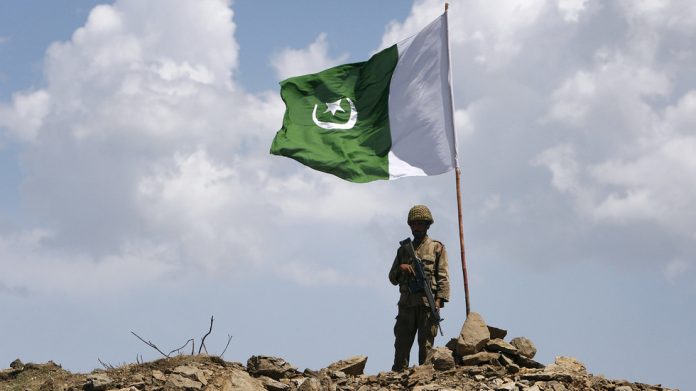
4 Pakistani soldiers killed in raid on army base

Pakistan Border Guard

Another five soldiers were critically wounded, the army said in a statement. At least three armed fighters were killed in retaliatory fire, and an operation was under way to apprehend two other attackers, it added.

Several fighters stormed the military base in Northern Balochistan’s Zhob district in the early hours, according to the army.

Security officials stated that the armed fighters fought a gun battle for several hours after hurling hand grenades inside a military mess.

“Initial attempt of terrorists to sneak into the facility was checked by soldiers on duty,” the army said, and added that “in ensuing heavy exchange of fire, the terrorists have been contained into a small area at the boundary.

“A clearance operation by security forces is under way to apprehend remaining two terrorists as well,” the statement added.

A newly founded group called Tehreek-e-Jihad Pakistan (TJP) claimed responsibility, saying in a statement it would release the pictures and videos of their fighters who took part in the attack.

The mineral-rich southern province that borders Afghanistan and Iran has faced a decades-old ethnic separatist uprising.

Bordering Iran and Afghanistan, Balochistan is strategically important because of its rich copper, zinc and natural gas reserves. Cities in the province are a constant target of armed groups.

Much of the violence is seen as a reaction by rebels to China’s investment plans in the region to link its Xinjiang province with the Arabian Sea in Balochistan through a network of roads and railways.

Attacks targeting law enforcement officers and workers, especially those involved with projects initiated by China under a $62bn investment plan, have grown in frequency in recent years.

Authorities claim to have quelled the armed uprising, but violence persists. The restive province has also seen attacks by the Tehreek-e-Taliban Pakistan (TTP) and Daesh armed groups.

The TTP have stepped up attacks since revoking a ceasefire agreement with the government in late 2022, including the bombing of a mosque in the northwestern city of Peshawar that killed more than 100 people in January.

Islamabad says rebel groups have rebased their operations to Afghanistan, which Kabul denies.

Mahmoud Abbas visits Jenin amid frustration with Palestinian Authority

Mahmoud Abbas

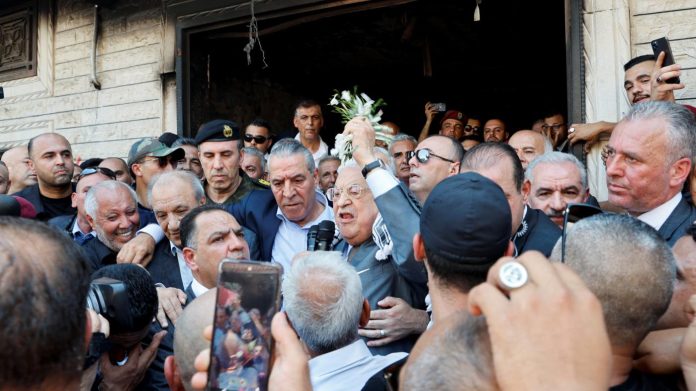
The 87-year-old arrived by helicopter from the Palestinian Authority’s (PA) headquarters in Ramallah and visited the Jenin refugee camp and the cemetery where many Palestinians killed by Israeli forces are buried.

Three senior PA officials were heckled by crowds at the same cemetery last week when they attended the funerals for the 12 Palestinians killed in Israel’s large-scale offensive in early July.

Many Palestinians feel let down by the PA for its inaction during the raid, which over two days damaged or destroyed more than 80 percent of homes in the camp and displaced some 4,000 people.

According to local reports, almost 1,000 Palestinian armed guards were deployed in Jenin to secure Abbas’ visit.

Speaking to crowds in Jenin, Abbas called the refugee camp there an “icon of struggle and steadfastness” and vowed to rebuild the camp, left in ruins by the Israeli raid.

He also issued a stern warning to those who he said want to disrupt Palestinian unity.

“We came to say that we are one authority, one state, one law… and we will cut off the hand that tampers with the unity and security of our people,” he said.

The brief visit lasted nearly two hours before Abbas returned by helicopter to Ramallah.

Abbas’ security bubble stands in stark contrast to his predecessor Yasser Arafat, who prior to his death in 2004 would regularly travel among Palestinian cities, drawing huge crowds.

Abbas on the other hand rarely travels outside of Ramallah, the seat of the PA.

The last time he toured Palestinian cities, including Jenin, Nablus and Hebron, was in 2012.

Under Abbas, the PA has become distant from the lives of ordinary Palestinians and seemingly unable to provide basic services or find a solution to the regular Israeli raids throughout the occupied West Bank.

Israeli attacks have particularly spiked in the last two years, with Palestinian fatalities in the West Bank reaching record levels not seen since the Second Intifada, before Abbas became president.

The PA, established in 1994 following the Oslo Accords, holds devolved authority over parts of the occupied West Bank and was supposed to mark the first tentative step towards Palestinian sovereignty and negotiations over the creation of an independent state.

In the years since its creation, however, it has become widely unpopular over its corruption, authoritarianism and security cooperation with Israel. Abbas has also long outstayed his mandate as president.

The PA’s collapse would see governance of the occupied territory fully returned to the Israeli state, as was the case between 1967, when Israel conquered the territory, and 1993.

Russia says Wagner has handed over heavy weapons

Wagner Group

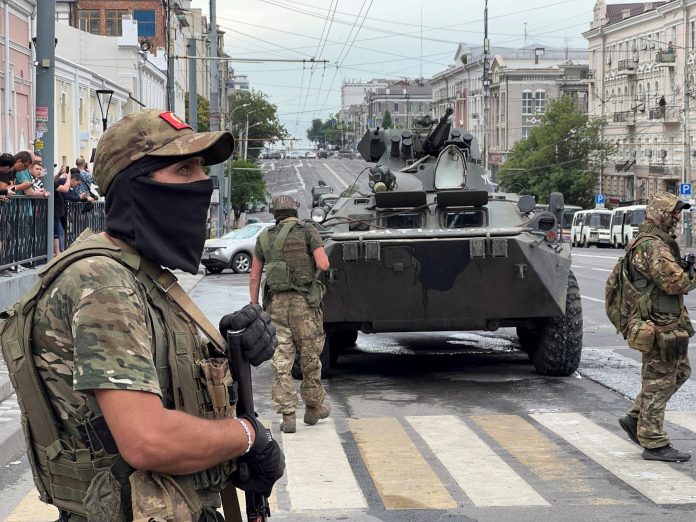
The Wagner Group private military company has surrendered more than 2,000 pieces of military hardware to Russia’s military inventory, the country’s Defense Ministry said on Wednesday. The transfer process is going “according to plan” and is nearing completion.

The inventory includes hundreds of heavy weaponry pieces, including main battle tanks of various types, multiple rocket launcher systems, self-propelled and towed artillery, anti-aircraft systems, and other combat vehicles, the ministry announced in a statement.

The military also released a video, showing rows of tracked and wheeled combat vehicles, as well as other equipment kept at undisclosed locations.

Dozens of combat vehicles transferred by the PMC group “have never been used in a combat environment,” the military noted. The group also surrendered over 2,500 tons of assorted ammunition as well as around 20,000 firearms.

The equipment is currently being transferred to rear field sites for maintenance, the ministry stated. Afterwards, it will be transferred to Russian military units for its “intended use,” the ministry concluded.

The Wagner Group, a private military company, has seen extensive action amid the ongoing hostilities with Ukraine. Prigozhin ended up becoming entangled in a public conflict with the Defense Ministry, repeatedly accusing it of withholding supplies from the group. The conflict was apparently aggravated by an ongoing effort to incorporate loose volunteer groups, active in the formerly Ukrainian Donbass for years already, into Russia’s military structure.

It culminated in a short-lived mutiny staged by the group in late June. Prigozhin accused the Defense Ministry of launching deadly strikes on a Wagner camp, vowing retaliation, and capturing within hours several military installations in the southern Russian city of Rostov-on-Don, while some forces marched on Moscow.

The group’s leader ultimately backed down the next day, with the mediation of Belarusian President Alexander Lukashenko. Under the deal, Moscow agreed to drop the criminal case against the Wagner chief, with Prigozhin himself consenting to move to Belarus.

Iran’s Raisi says West putting independent countries under pressure

Ebrahim Raisi

Western countries, he said, attack family values, promote “the obnoxious phenomenon” of homosexuality, support radicalism and terrorism, and exploit human rights as an instrument.

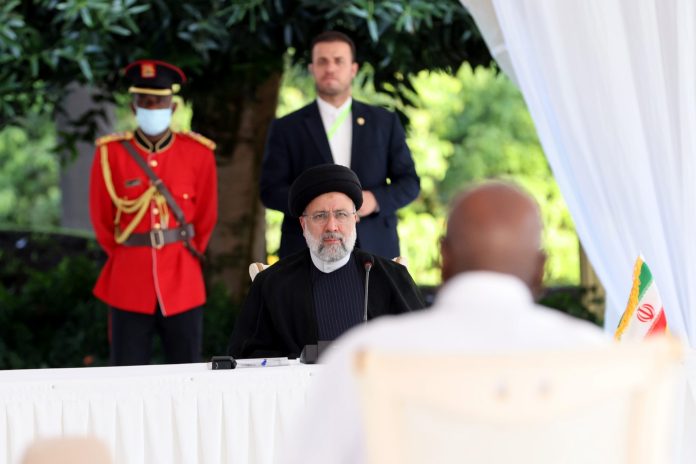
Raisi, who was speaking at a joint meeting of high-ranking Iranian and Ugandan officials in the African state on Wednesday, said such independent countries as Iran and Uganda had to increase cultural cooperation to fight off enemy pressure.

He said Iran and Uganda both had an anti-colonialism nature.

Raisi arrived in the Ugandan capital of Kampala on Wednesday, on the second leg of an African tour. Earlier, he was in Kenya, where he promoted the enhancement of relations with African nations.

Ugandan President Yoweri Museveni said his country was keen to enhance economic relations with Iran.

Separately, Raisi and Museveni presided over a session of officials from the two countries signing four documents on bilateral cooperation, including in the area of agriculture.

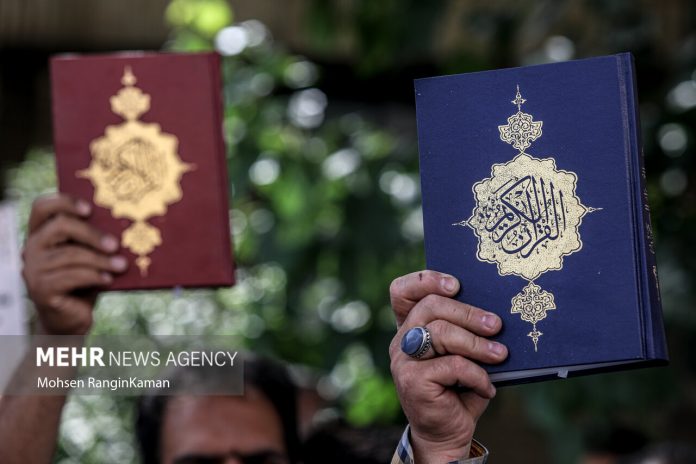
UN Human Rights Council approves resolution on religious hatred after desecration of Holy Qur’an in Sweden

Quran

The resolution, introduced by Pakistan on behalf of the 57-nation Organization of Islamic Cooperation (OIC) and opposed by the United States and the European Union, passed on Wednesday.

The motion calls for the UN rights chief to publish a report on religious hatred and for states to review their laws and plug gaps that may “impede the prevention and prosecution of acts and advocacy of religious hatred.”

The motion called on countries to “impede the prevention and prosecution of acts and advocacy of religious hatred.”

It was strongly opposed by the United States and the EU countries, which often throw their weight behind incidents of insulting Islam and desecrating its symbols.

The OIC member states, concerned by the incident last month outside Stockholm’s main mosque, secured an urgent debate at the UN’s top rights body on Tuesday.

Speaking on Tuesday at the 53rd session of the UN Human Rights Council, Iranian Foreign Minister Hossein Amirabdollahian said any kind of delay in condemning and preventing the desecration of the Holy Qur’an bespeaks of “double standards” by the Western countries.

Amirabdollahian stated the latest desecration of the Qur’an in Sweden was the sixth incident of its kind in European countries in 2023 and described it as “an act that brazenly incites violence, hatred, discrimination and hostility against Muslims.”

The top Iranian diplomat stressed the need for identifying and eliminating the “legal loopholes” both at the national and international levels so as to prevent the recurrence of the insult to the Holy Qur’an as soon as possible.

Pakistan’s Foreign Minister Bilawal Bhutto Zardari told the Geneva-based council via video on Tuesday that the incident was an incitement to hatred.

“We must see this clearly for what it is: incitement to religious hatred, discrimination and attempts to provoke violence,” the top Pakistani diplomat said.

He added such acts occurred under “government sanction and with the sense of impunity.”

“Stop abusing freedom of expression,” Indonesia’s Foreign Minister Retno Marsudi stressed, noting, “Silence means complicity.”

On June 28, Salwan Momika, a 37-year-old Iraqi immigrant stomped on the Qur’an before setting several pages alight in front of Stockholm’s largest mosque. The insult to the Muslim holy book was made under the authorization and protection of the Swedish police.

The incident, coinciding with the start of the Muslim Eid al-Adha and the end of the annual pilgrimage to Mecca in Saudi Arabia, drew the anger of Muslims from across the world.

Following the incident, several thousand Iraqis gathered near the Swedish embassy in Baghdad in protest against the Qur’an burning and demanded the expulsion of the ambassador.

People in other Muslim countries also took to the streets in protest against the move.

The perpetrator of the sacrilegious move told a Swedish newspaper later that he intended to repeat his protest in July.

Sweden has repeatedly permitted Qur’an burnings in recent years. In January, a Swedish-Danish right-wing extremist burned a copy of the Qur’an near the Turkish embassy in Stockholm.

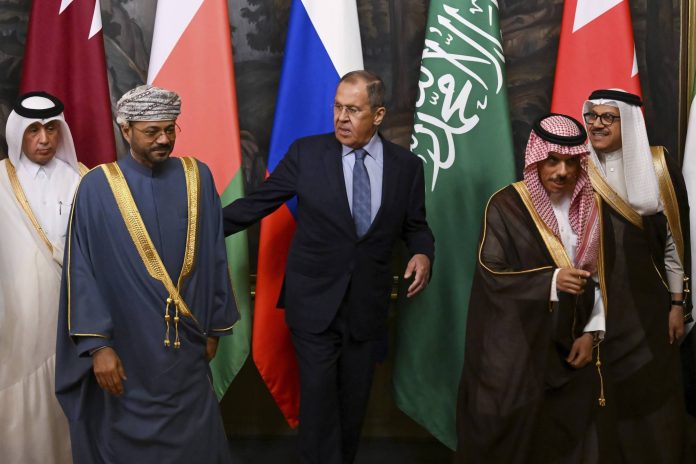
Iran daily: Govt. must revise ties with Russia after ‘betrayal’

Russia PGCC

In an editorial, the Jomhouri-e Eslami daily said the summoning of the Russian envoy to Iran was not sufficient.

“Foreign Ministry officials should not imagine that they can put an end to this story merely by summoning the Russian ambassador,” said the daily. “This will not be Russia’s last betrayal of the country.”

Days earlier, Russia and the Persian Gulf Cooperation Council issued a statement at the end of a meeting in Moscow, challenging Iran’s ownership of its southern islands of Greater Tunb, Lesser Tunb and Abu Musa, to which the UAE lays territorial claims.

In response, Iran summoned the Russian ambassador and asked Moscow to correct its position.

The Iranian daily further called on the Iranian government to revise its ties with Russia in the face of the act of “betrayal.”

“We need to fundamentally revise relations with Russia so that we can dissuade the Russian statesmen from such acts of betrayal against the Iranian nation,” it added.

Hezbollah chief says resistance front foiled US Middle East project

Seyyed Hassan Nasrallah

Speaking at a televised address on Wednesday, Nasrallah said the 2006 war was a key part of America’s Greater Middle East project, which he said aimed to solidify Israeli dominance over the region under American influence.

Nasrallah made the address on the 17th anniversary of the 2006 Israeli war on Lebanon.

He stated the victory of the resistance front in 2006 also foiled the so-called Greater Israel Project and put the regime on the decline.

Nasrallah added the 2006 war’s goal was to crush the Lebanese resistance and to subjugate Lebanon, but such goals were never realized and Israelis and the Americans both admitted the failure of the war on Lebanon on several occasions.

He said the 2006 victory marked a defining moment in Lebanon’s history, shaping its destiny in the region for the years to come, adding that the victory also laid the groundwork for putting up deterrence that continues to exist to this day and has led to the erosion of Israeli deterrence.

Commenting on the recent desecration of a copy of the Holy Qur’an in Sweden, the Hezbollah leader stressed that the act of sacrilege was committed with the goal of “sowing division between Muslims and Christians.”

The perpetrator of the heinous act of profanity “is in liaison with [the Israeli spy agency] Mossad and sought to create division between” the people of the two faiths, Nasrallah stated.

The Christian clergy, however, stepped in and condemned the sacrilege, thus contributing much towards the prevention of sedition, he noted.

The Hezbollah chief, meanwhile, called on the people of the region to demand their respective governments to adopt more decisive stances on the issue of the desecration of the Muslim holy book.

Nasrallah added that Israel had suffered defeat in its recent operation against the city of Jenin and its refugee camp in the northern part of the occupied West Bank.

“The goal sought by the Israelis in the aggression against Jenin was [creation of] deterrence,” he continued.

“However, the Israelis obtained a very opposite image,” said the Hezbollah leader, noting that “continuation of the resistance’s operations in the West Bank serves as the evidence of the defeat of the [Israeli regime’s] incursion in Jenin,” he stated.

Nasrallah, meanwhile, condemned the Israeli regime’s setting up of barbed wires and erection of a wall in the border village of Ghajar, considering the move to be a “re-occupation” of the village in question.

“Sovereignty [over the village] cannot be divided up,” he said, warning that the resistance would not remain silent on the issue.

“The village is part of Lebanon’s soil and should return to Lebanon without any condition,” he added.