
Ayatollah Khamenei felicitates Iran wrestlers on world championship titles
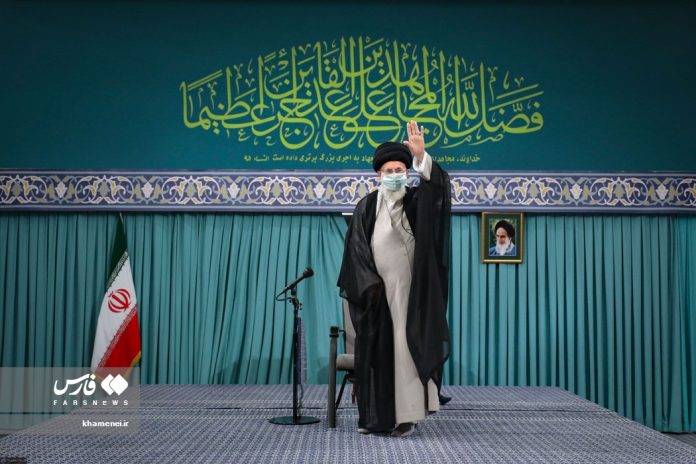
“Dear youth in national Greco-Roman wrestling team did make the Iranian nation happy by their victory,” the Leader said in his message on Monday.
Further, he thanked the other Iranian wrestling teams for the successes they achieved during the past two weeks.
Iran won four championship titles in the United World Wrestling U20 and U17 Greco-Roman and freestyle championships, held respectively in Jordan and Turkiye, in the past two weeks.
Earlier on Monday, Iranian President Ebrahim Raisi congratulated Iran’s U20 Greco-Roman wrestling team on winning the world championship title in Amman, Jordan.
Iran won the games on Sunday while scoring 162 points. Iranian wrestlers grabbed three gold, two silver and one bronze medals from 10 weight categories of the tournament.
Raisi, Biden won’t meet on sidelines of UNGA: Spokesman
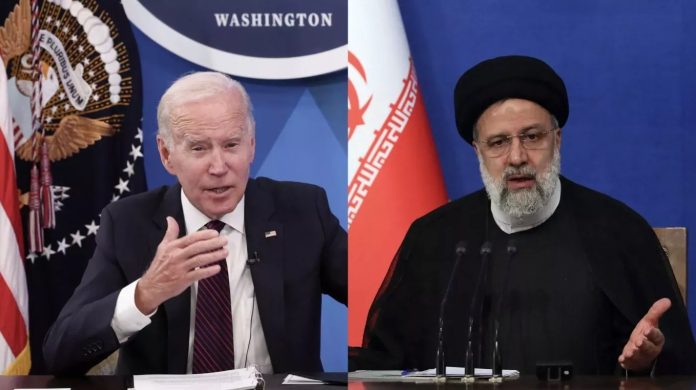
Asked by reporters about the likelihood of a meeting between the presidents of Iran and the US in New York, Kanaani said at a press conference on Monday, “Such a plan is not on the agenda.”
He stressed that Iran and the US are involved in “indirect negotiations” which relate to a series of definite issues, such as the exchange of prisoners and the release of Iran’s foreign assets.
Last week, Iranian Foreign Minister Hossein Amirabdollahian dismissed any connection between the exchange of prisoners with the US and the release of Iran’s assets frozen abroad.
He stated that the agreement between Iran and the US, mediated by a third country, contains two separate agendas about the prisoner swap and the release of Iran’s assets.
The indirect exchange of messages between Iran and the US has been in progress for months, the top diplomat added, stressing, “We have never been after an interim or little-for-little agreement.”
Opponents, proponents wrangle over participation in Iran election
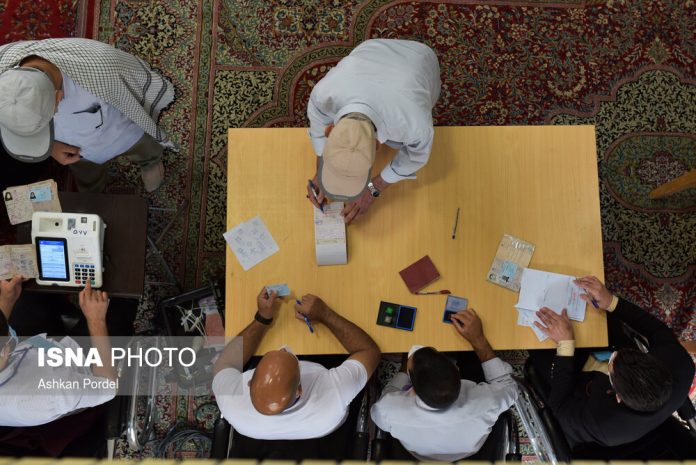
Hossein Marashi, the secretary general of the reformist Executives of Construction Party, in reaction to the letter by Hashemi told Khabar Online on Sunday, those who urge people to stay away from the polls have to give an alternative solution.
Marashi also warned people’s failure to show up in the March elections would not lead to the resolution of the problems in the country.
In a new letter from prison, Faezeh Hashemi rejected Marashi’s argument, accusing the reformist camp of giving up the fight and “sitting idly by at home under various pretexts.”
The jailed political activist and former lawmaker claimed that Iranians have long moved past the reformists and wrote, “Our weapon is our refusal; testing the proven is a mistake.”
Faezeh Hashemi, a daughter of late President Akbar Hashemi Rafsanjani, has been in jail since September last year following conviction in two cases brought against her. She was sentenced to 15 months for spreading propaganda against the Iranian establishment and another 37 months for insulting sanctities.
She was arrested after protests and riots erupted in different Iranian cities over the death of a young woman in police custody.
Frozen Iranian funds transferred to Swiss central bank: Report
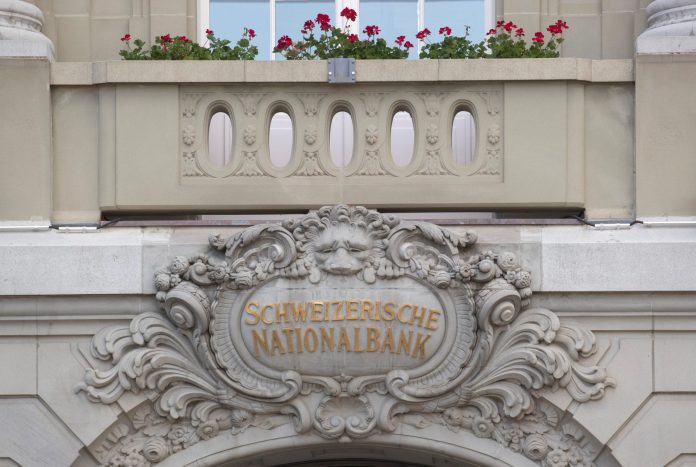
The Swiss National Bank plans to exchange its $6 billion holdings in won for dollars and then euros in the currency market, converting about 300 billion won ($223.85 million) to 400 billion each day for next five weeks, Yonhap Infomax reported, citing an unnamed currency market source.
An official at South Korea’s finance ministry declined to confirm the report, citing the legal and diplomatic sensitivity of the matter.
Iran and the United States recently reached an agreement in which five US citizens detained in Iran would be released while Iranian assets in South Korea would be unfrozen and sent to an account in Qatar that Iran could access.
Iranian President Ebrahim Raisi stated last week that the released assets would be used to enhance domestic production.
HRW says Saudi guards kill, abuse refugees at border with Yemen
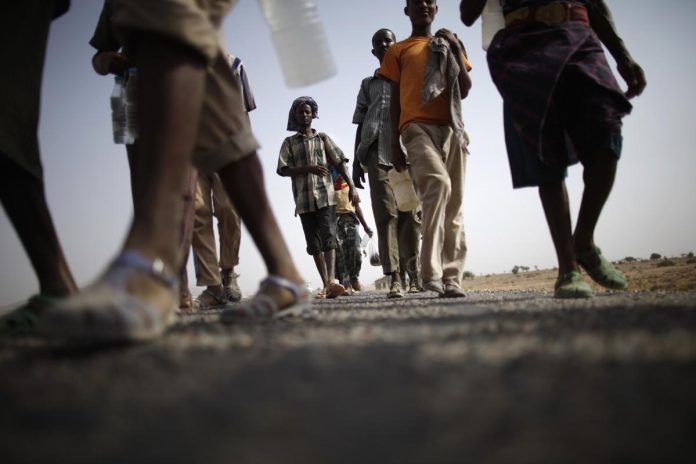
HRW has documented, in a report made public on Monday, “widespread and systematic” abuses committed by Saudi border guards against mostly Ethiopian refugees who flee armed conflict, economic hardships and droughts in their homelands.
The nongovernmental New York-based organisation said hundreds, and likely thousands, have been murdered by Saudi border guards between March 2022 and June 2023, and killings are continuing.
Witnesses say they were targeted by firearms, explosives, and artillery and mortar shelling from Saudi border guards when trying to cross. Some saw dozens killed in front of their eyes, while others experienced serious injuries like amputations, or saw refugees arrested.
“I saw people killed in a way I have never imagined,” said Hamdiya, a 14-year-old girl who crossed the border in a group of 60 in February but was forced to go back to the Yemeni capital Sanaa after repeated attacks.
“I saw 30 killed people on the spot.”
A male minor interviewed by HRW stated border guards detained their group of five men and two 15-year-old girls after killing many others, and ordered the men to rape the girls. One man refused and was shot and killed on the spot.
“I participated in the rape, yes. To survive, I did it,” the boy continued, adding, “The girls survived because they didn’t refuse. This happened at the same spot where killings took place.”
“Saudi Arabia’s abuses against migrants and asylum seekers, committed historically and detailed more recently in this report, have been perpetrated with absolute impunity.”
“If committed as part of a Saudi government policy to murder migrants, these killings would be a crime against humanity,” HRW said in its report, for which it interviewed dozens of Ethiopians and analysed videos, photographs and satellite imagery.
Rights groups have documented abuses of refugees in Yemen by both the government and the Houthi armed group that took control of parts of the country since the war started in 2014 – and launched one of the world’s worst humanitarian crises – but HRW stressed the scale and intensity have only increased since.
East African refugees, predominantly Ethiopians, begin their arduous journey to Saudi Arabia by taking on the Eastern Route, also known as the Yemeni Route, which goes through Djibouti then by boat across the Gulf of Aden.
In Yemen, smugglers take them north by land, and the abuse begins.
HRW said a network of smugglers, traffickers and authorities have for years kidnapped, detained and beaten Ethiopian refugees in Yemen, and extorted them or their families – mostly displaced women and children in dire straits themselves – for money.
Female refugees are often at risk of being sexually assaulted by smugglers or other refugees, and two out of 10 interviewed by HRW said they became pregnant as a result.
Refugees are often taken to one of two makeshift “camps” on the Yemeni side of the border, separated by ethnicity, ostensibly for language purposes.
“There are no fewer than 50,000 people,” HRW quoted Berhe, an 18-year-old from southern Tigray as saying of al-Raqw camp where Tigrayan Ethiopians were taken. People interviewed by HRW confirmed that there were tens of thousands in the makeshift camps, waiting to cross into Saudi Arabia.
The crossing is a mountainous border separating Yemen’s Saada governorate and Saudi Arabia’s Jizan province, which is documented to be littered with land mines. Refugees travel in groups that could range from a handful of people to several hundred.
On the way, the refugees may be attacked with explosive weapons – including mortar projectiles – at times for hours on end, or days. The people who survive the attacks but do not manage to escape back into Yemen are detained by Saudi border guards.
While the exact numbers of people killed were difficult to document, survivors were able to give HRW the number of people who returned to the camps in Yemen, between 4 and 10 percent of those who had set out.
One of the people HRW interviewed said he had approached the border guards to retrieve the body of a girl from his village and found “her body was piled up on top of 20 bodies”.
The group called on Saudi Arabia to immediately and urgently revoke any policy to deliberately use lethal force on refugees, asked concerned governments to impose sanctions on Saudi and Houthi officials, and said the United Nations should establish an independent investigation into the killings and abuses.
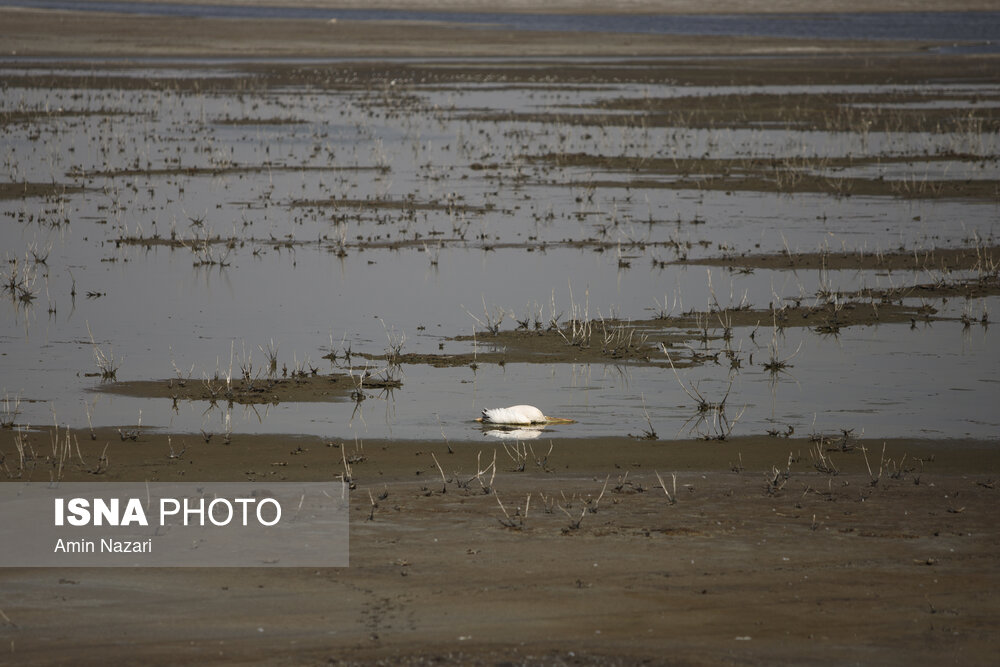
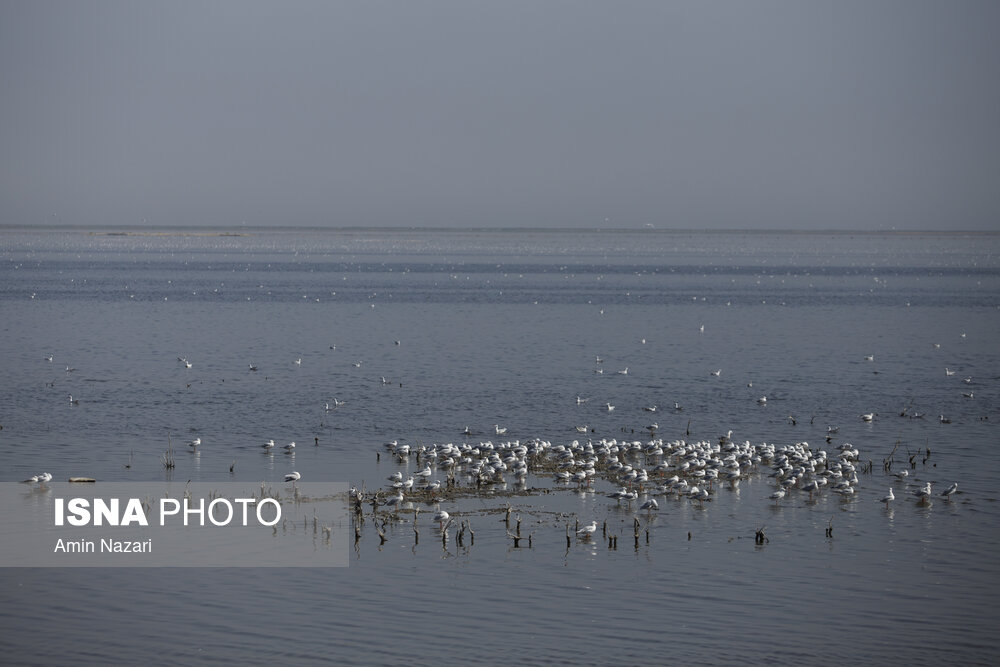
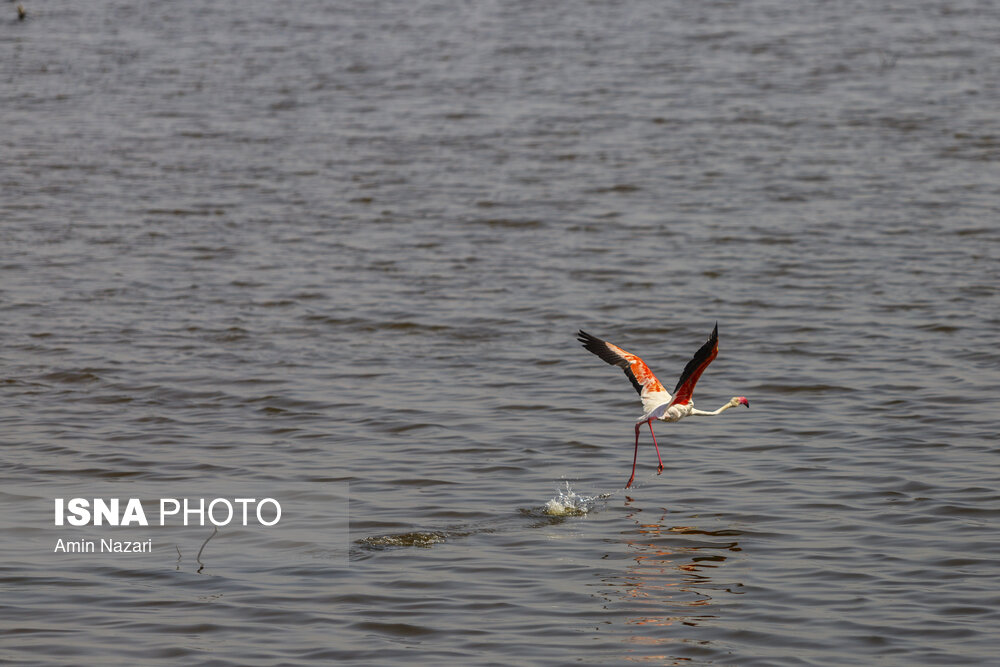
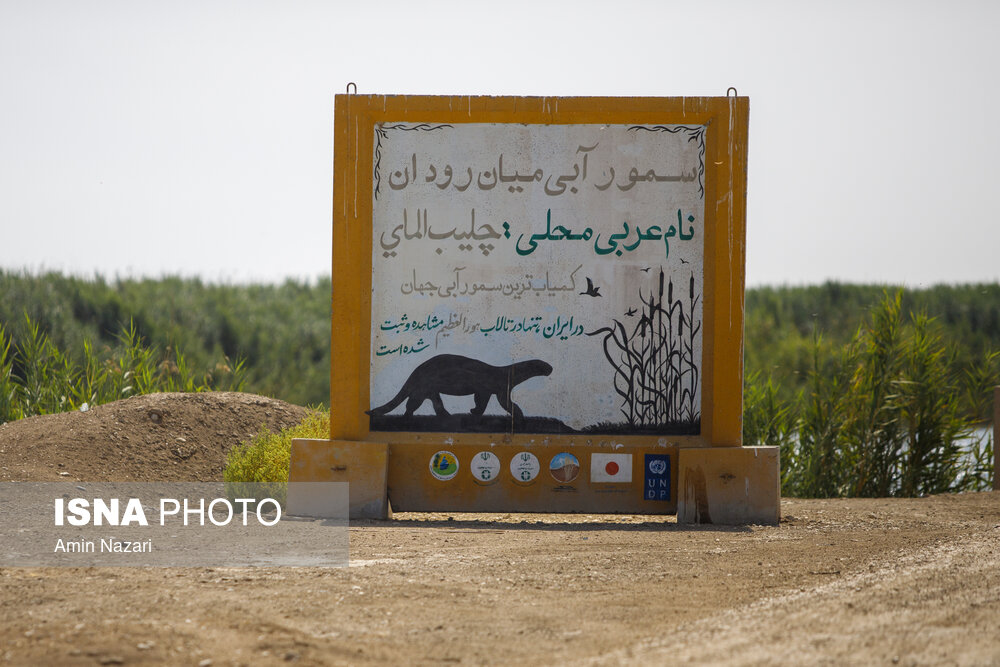
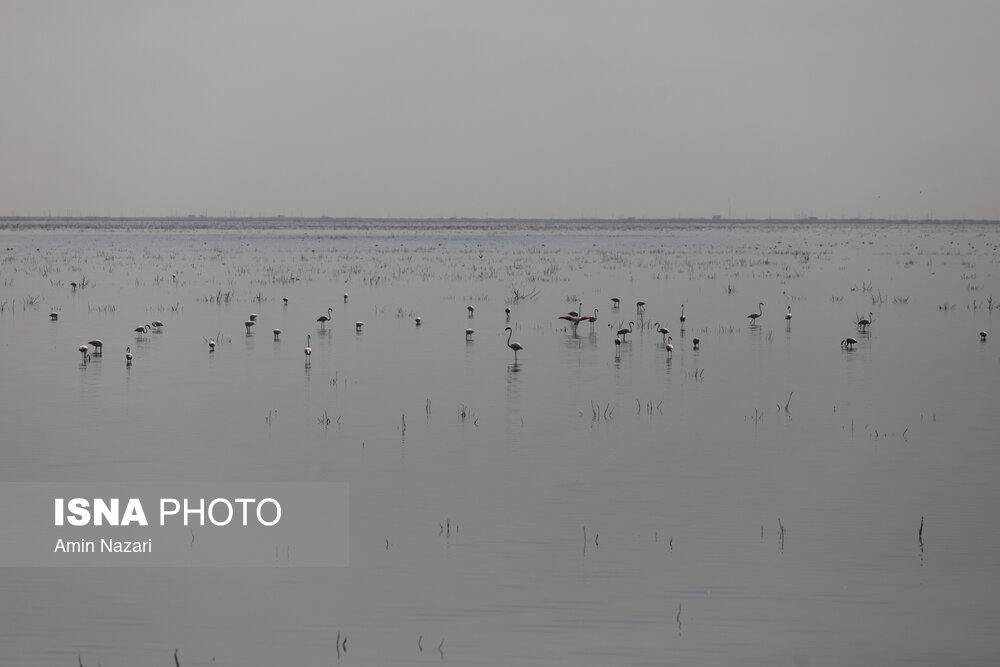
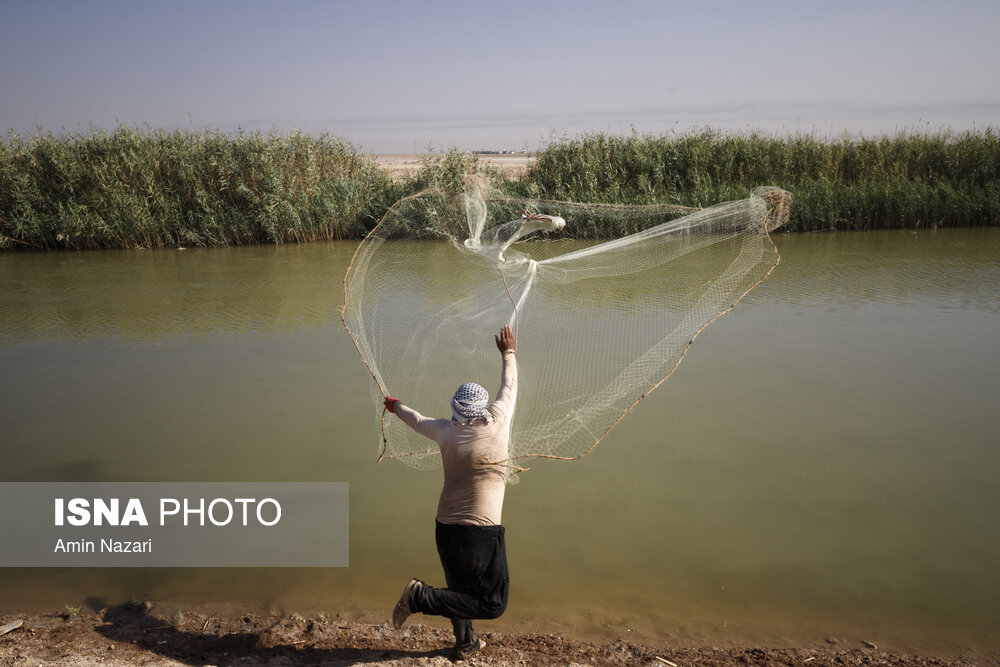
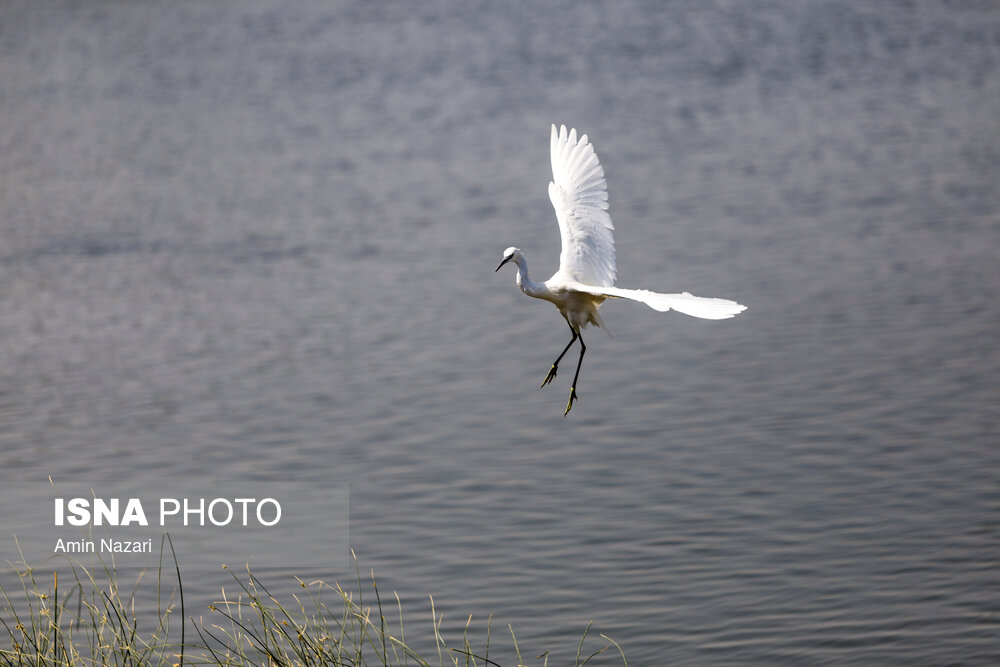
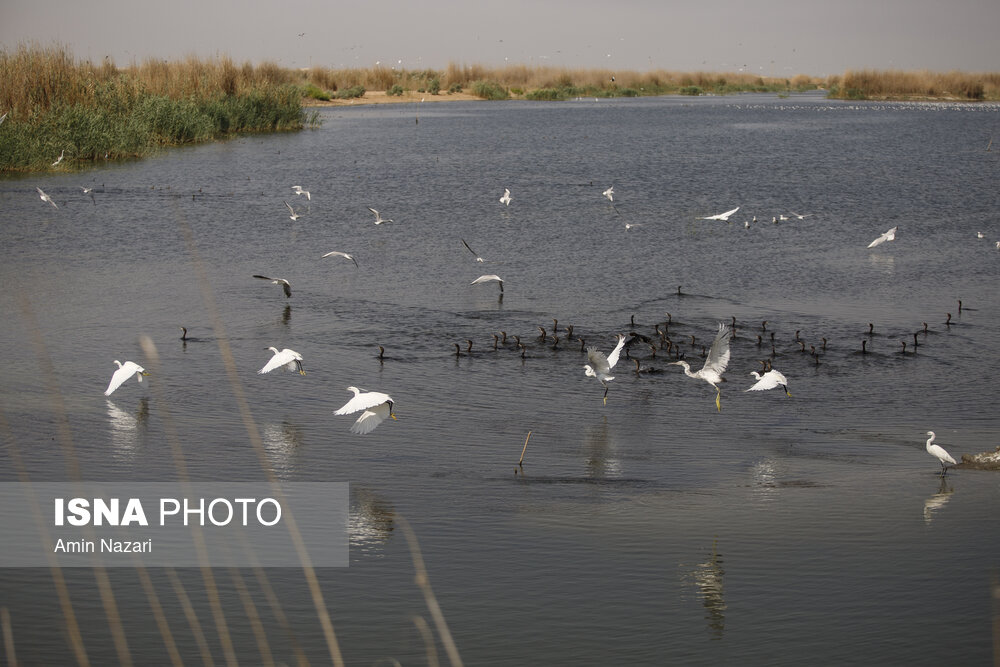
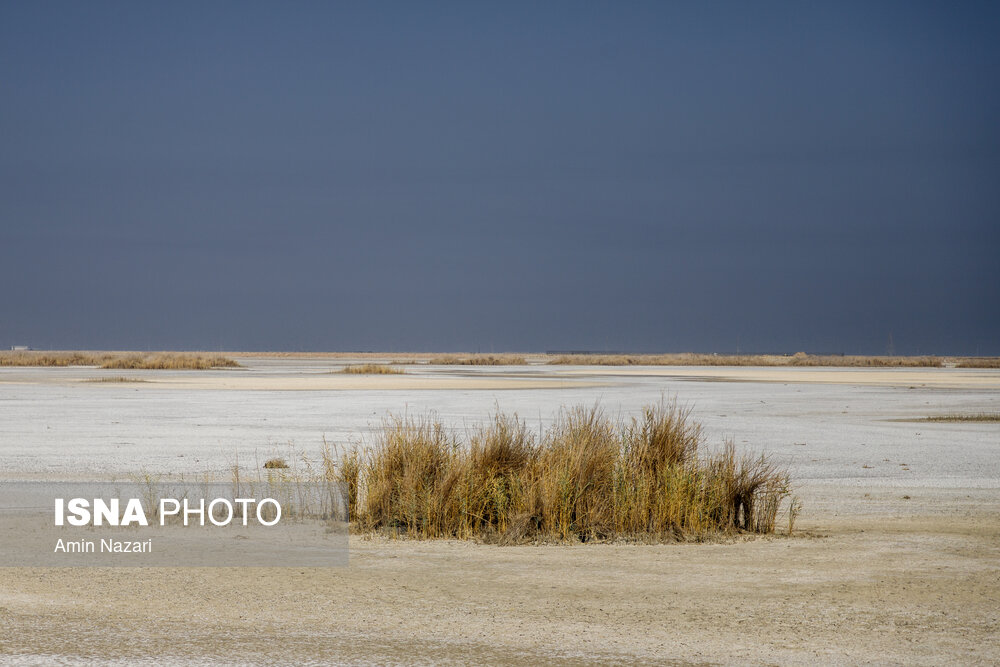
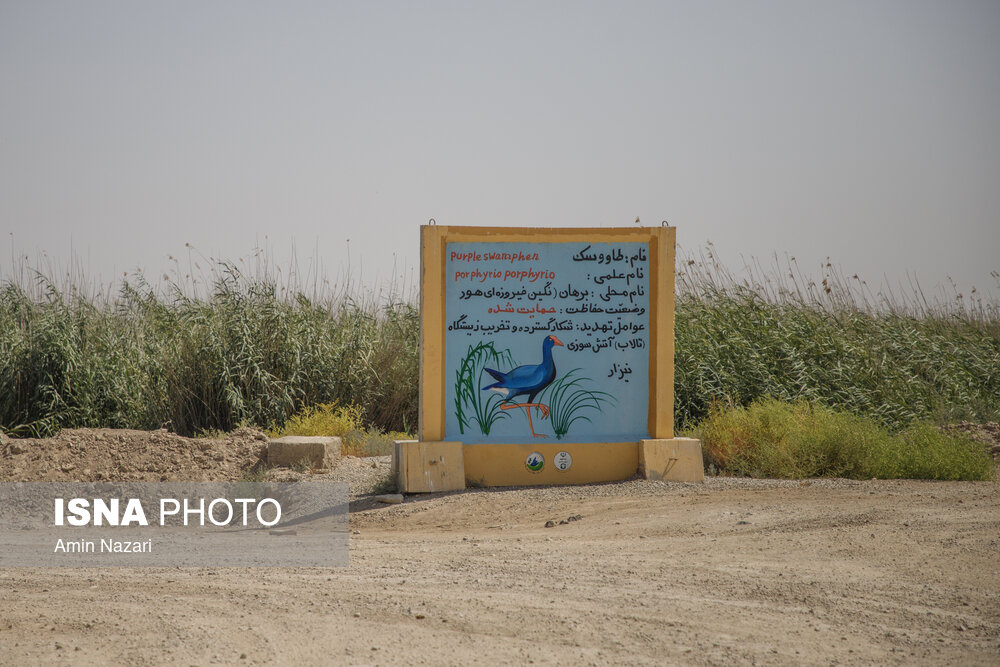
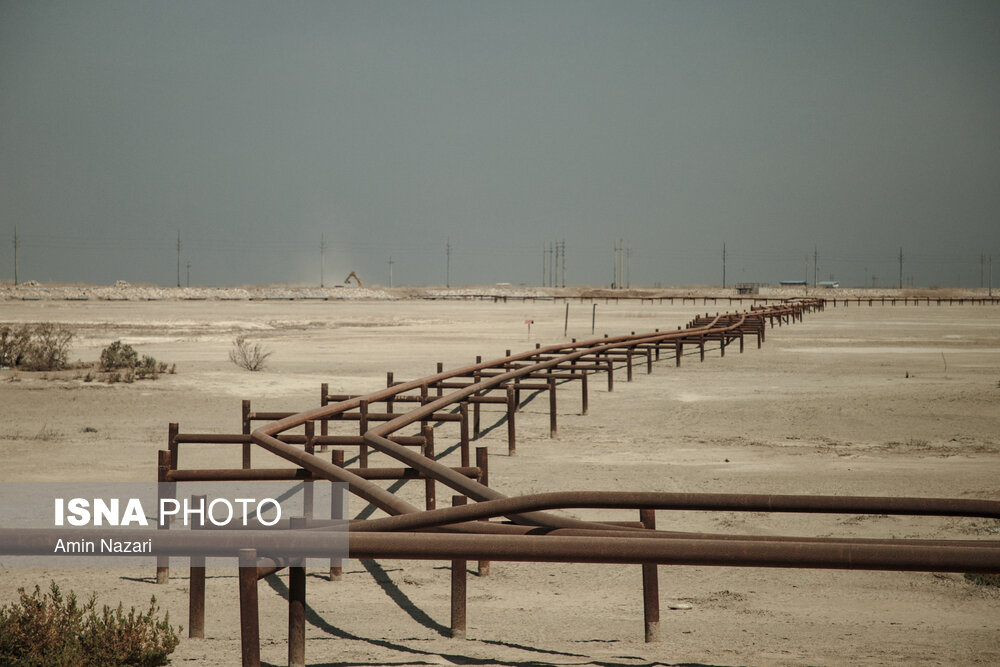
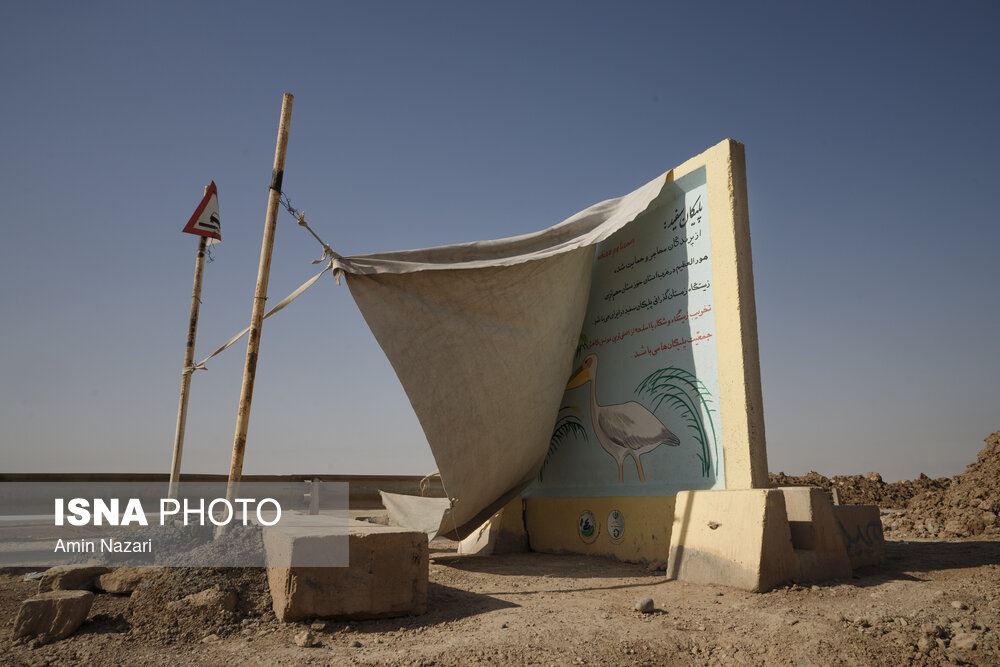
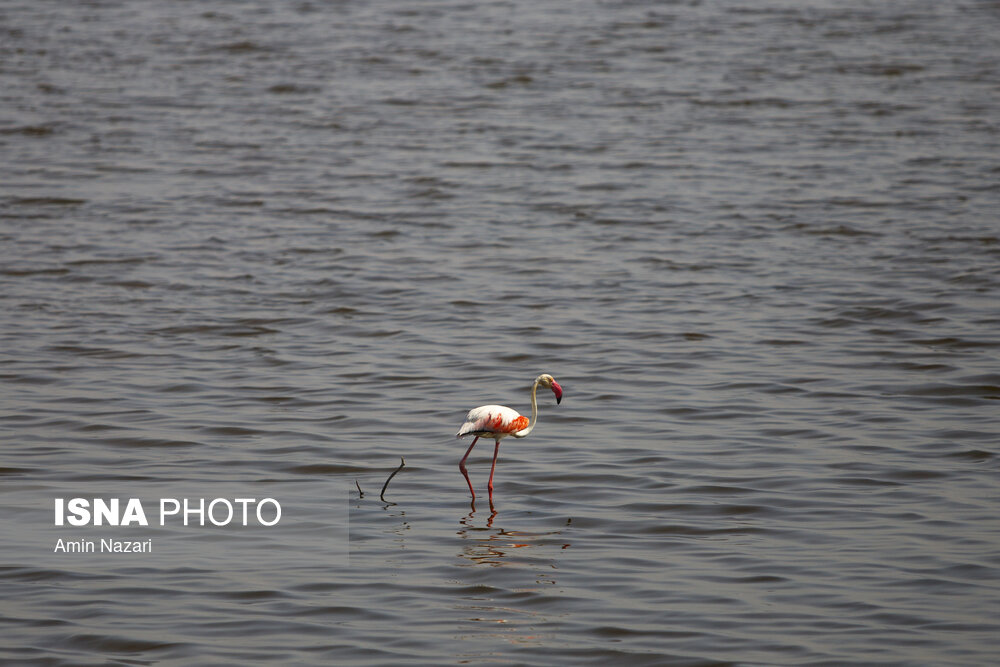
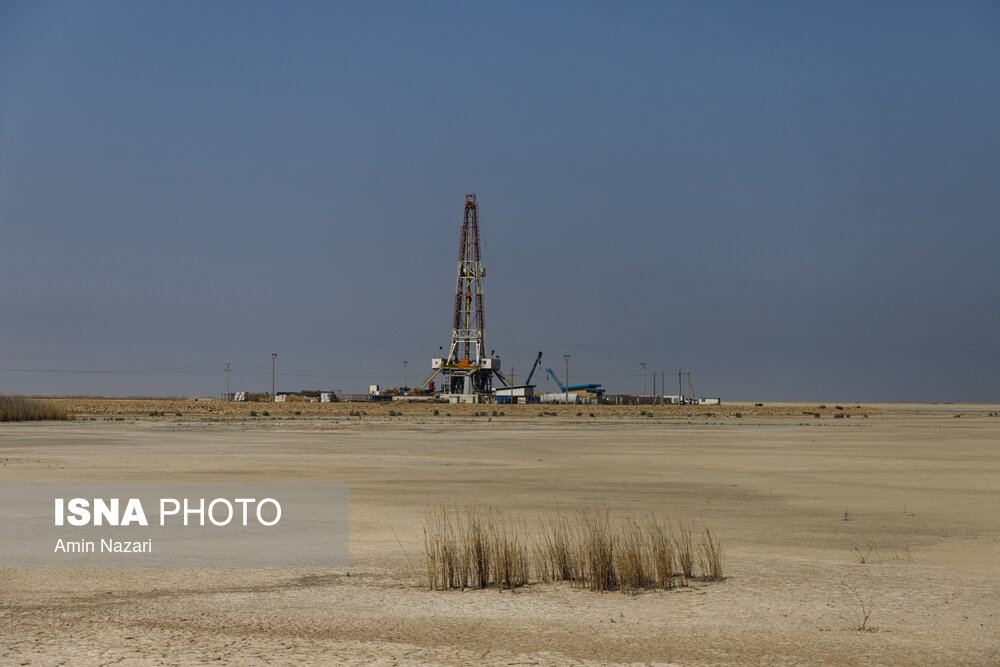
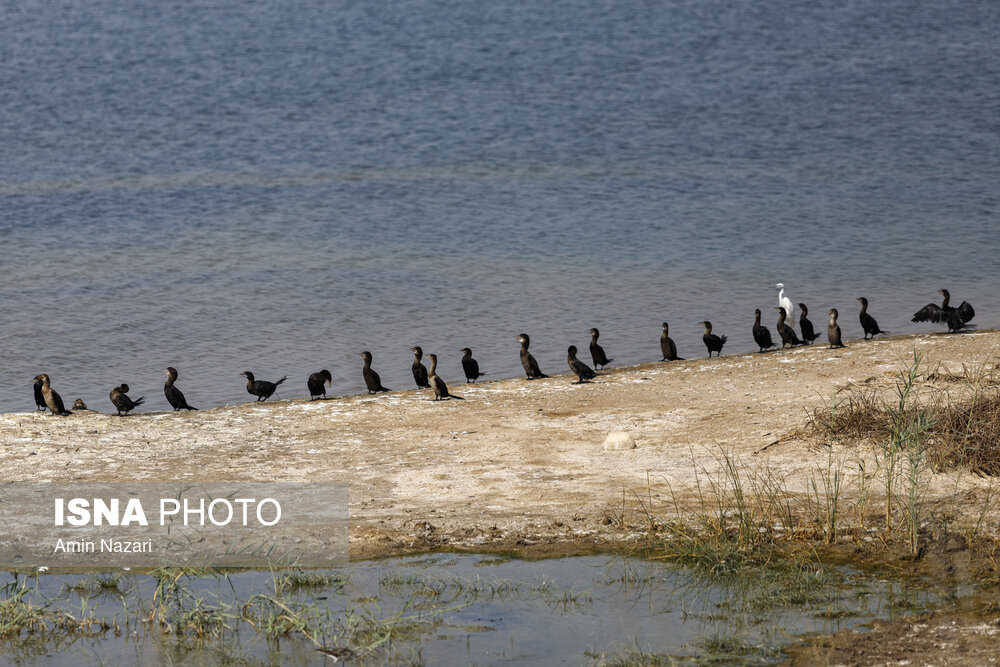
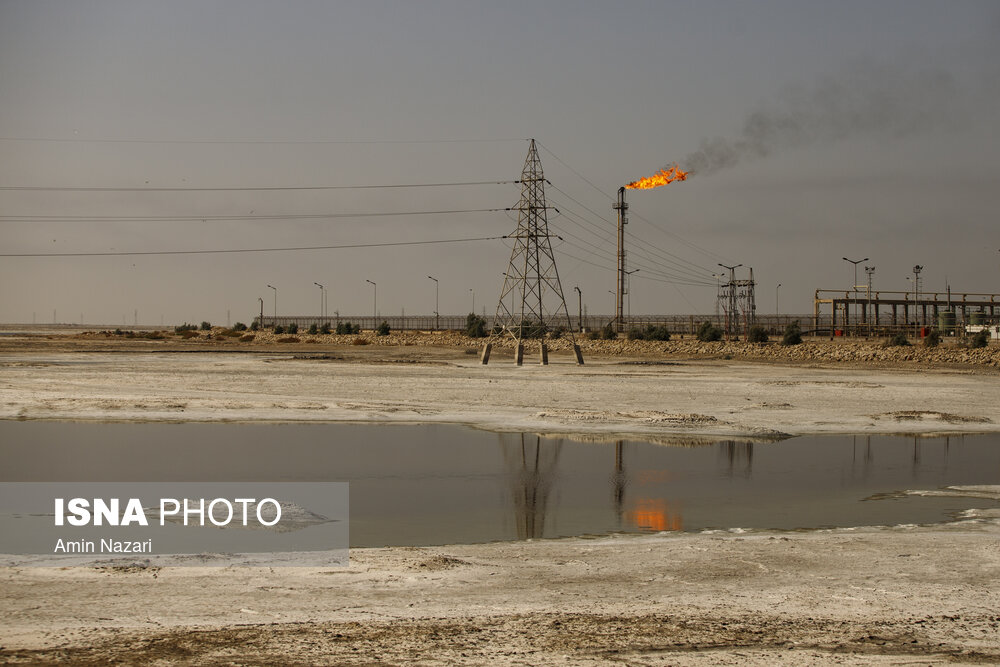
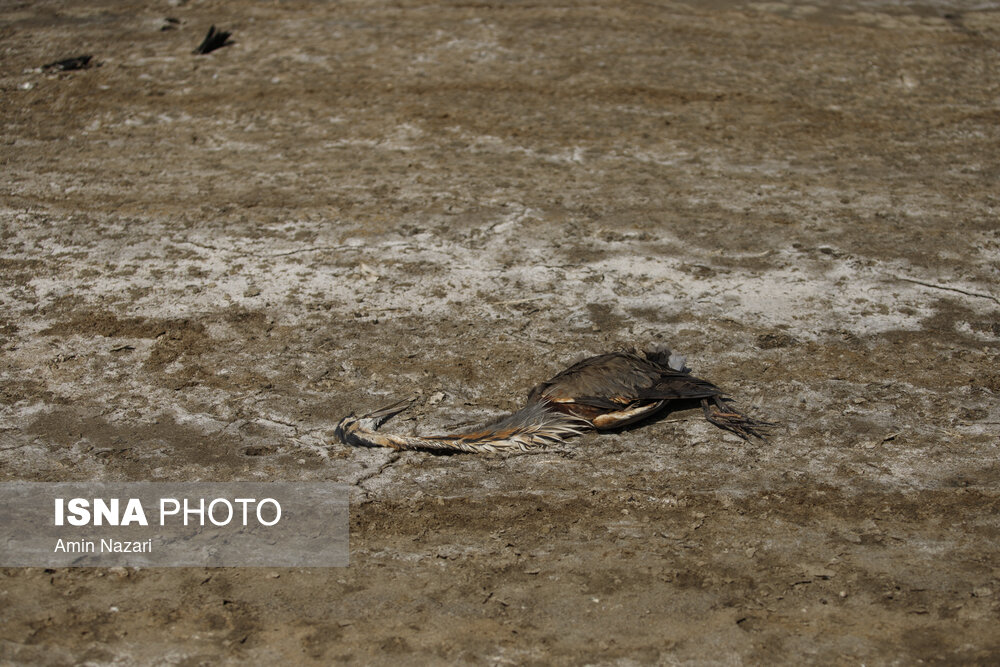
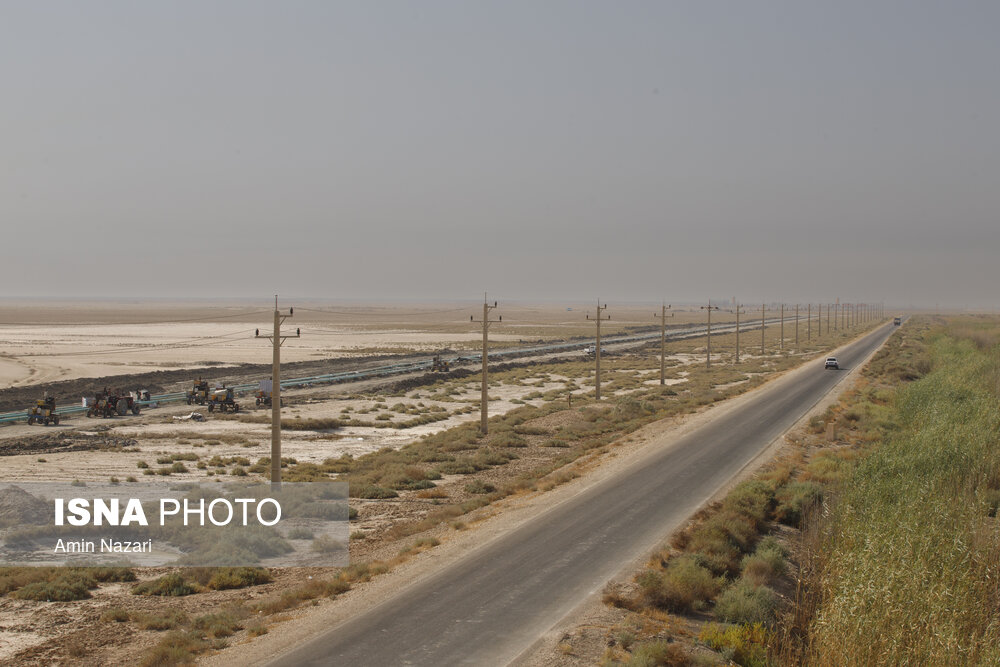
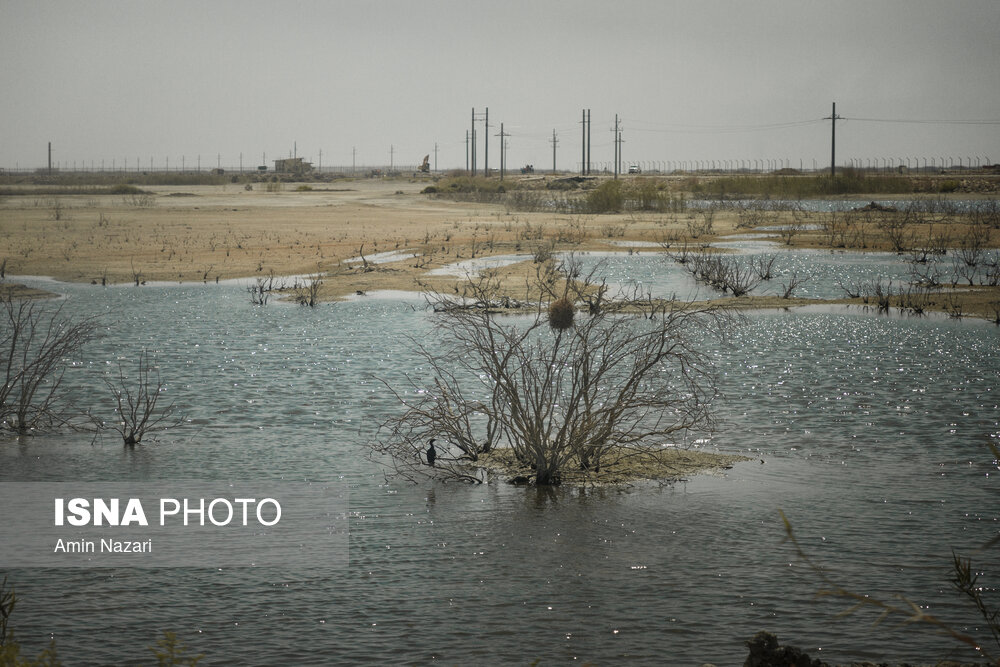
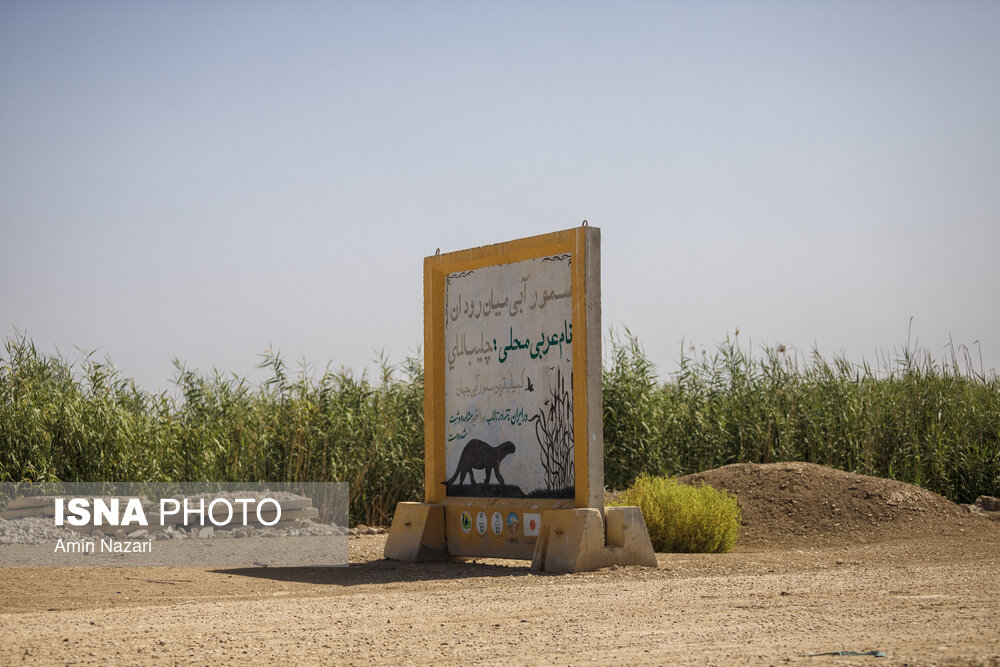
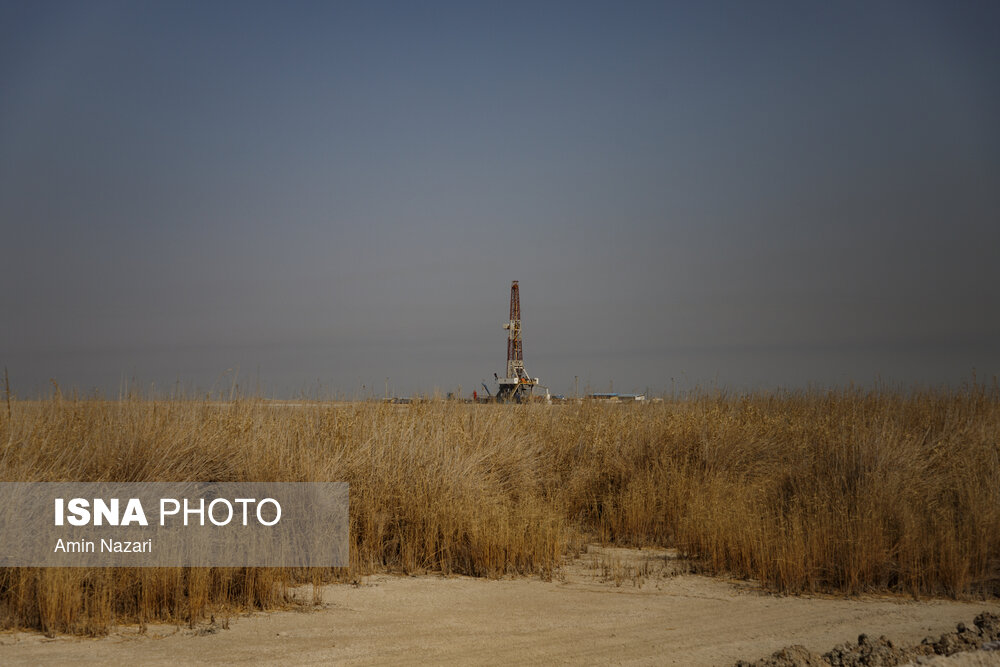
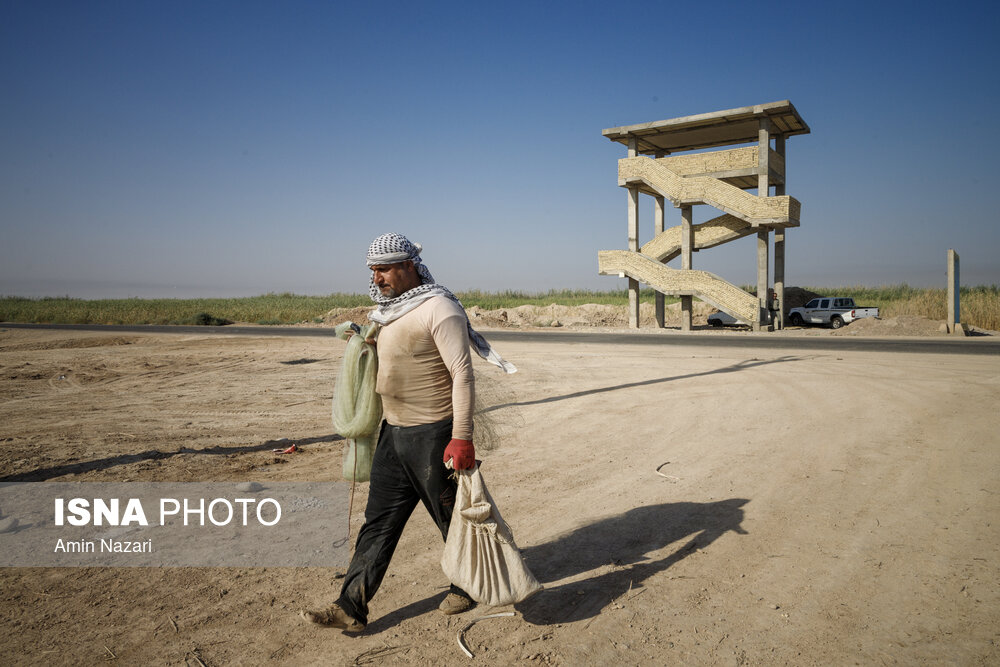
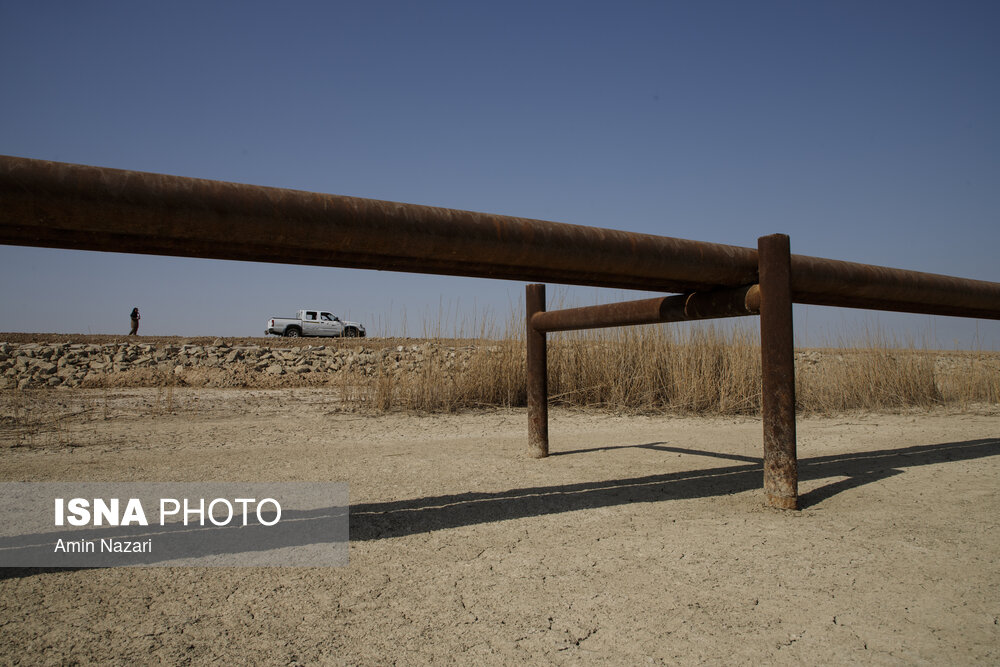
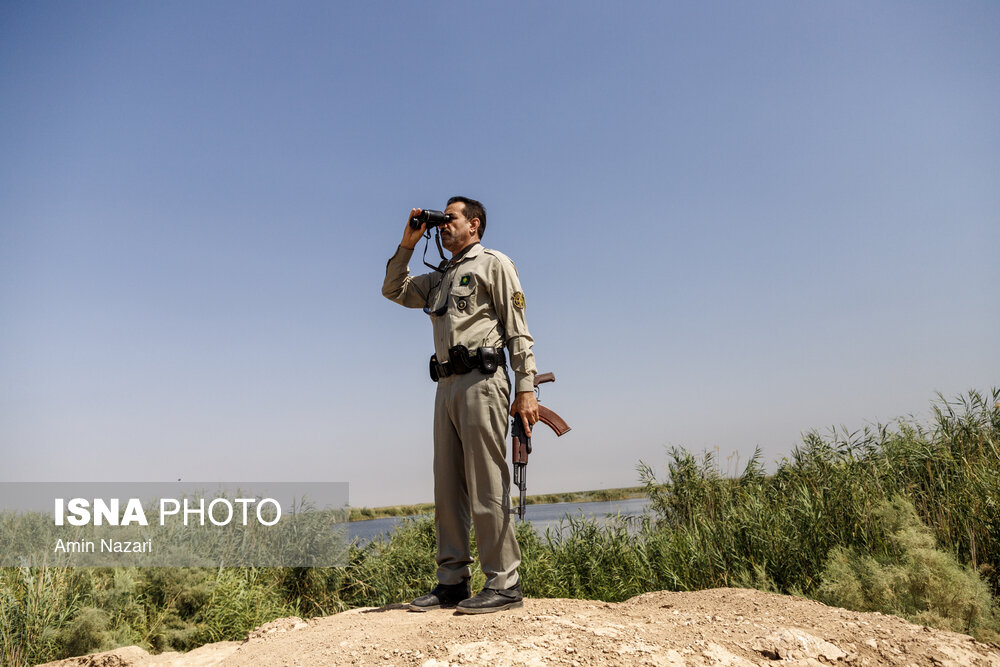
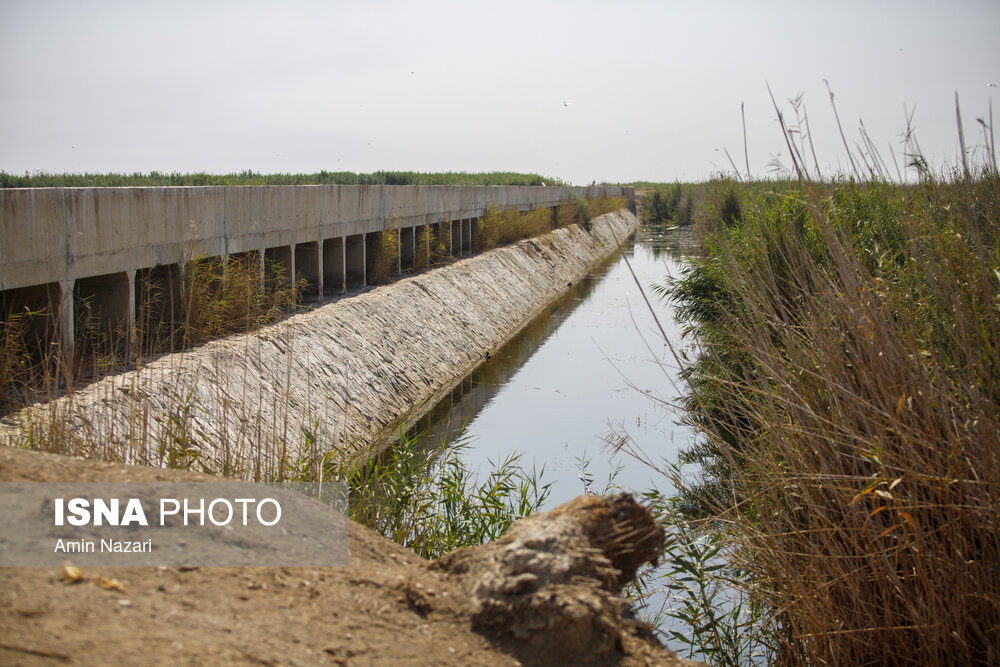
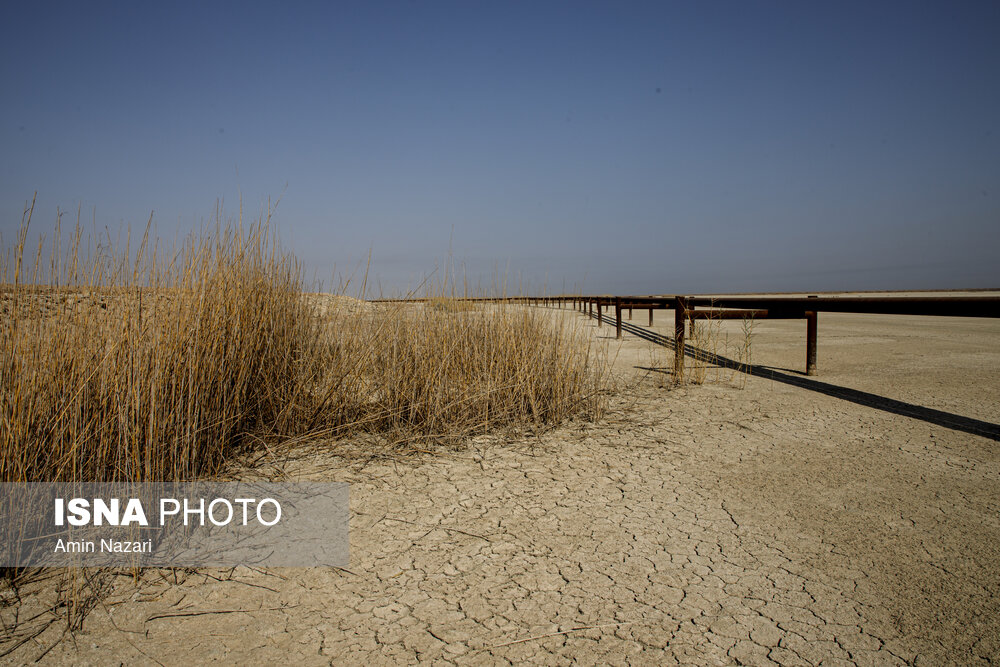
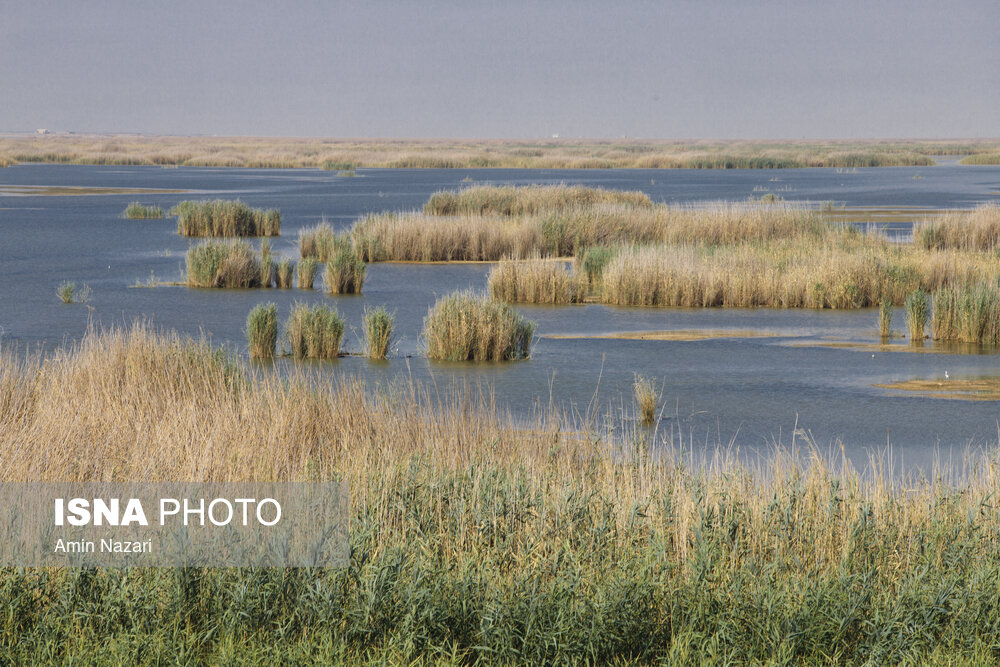
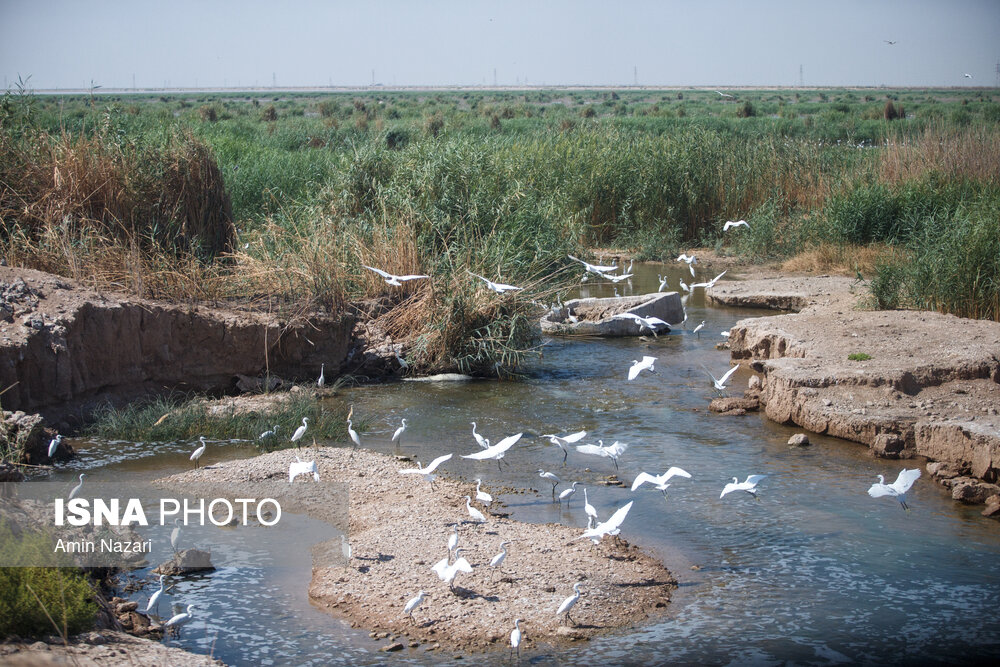
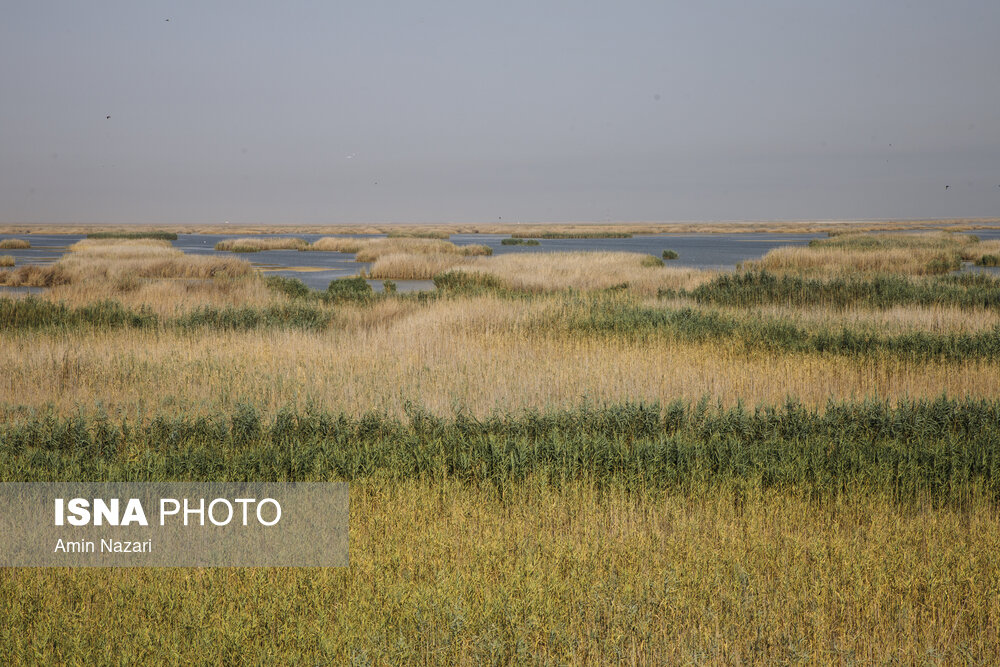
Hoor-al-Azim’s gradual death dashes hopes of revival
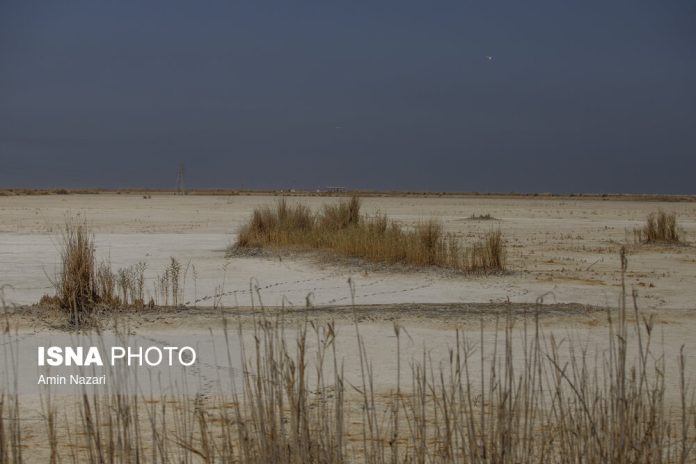
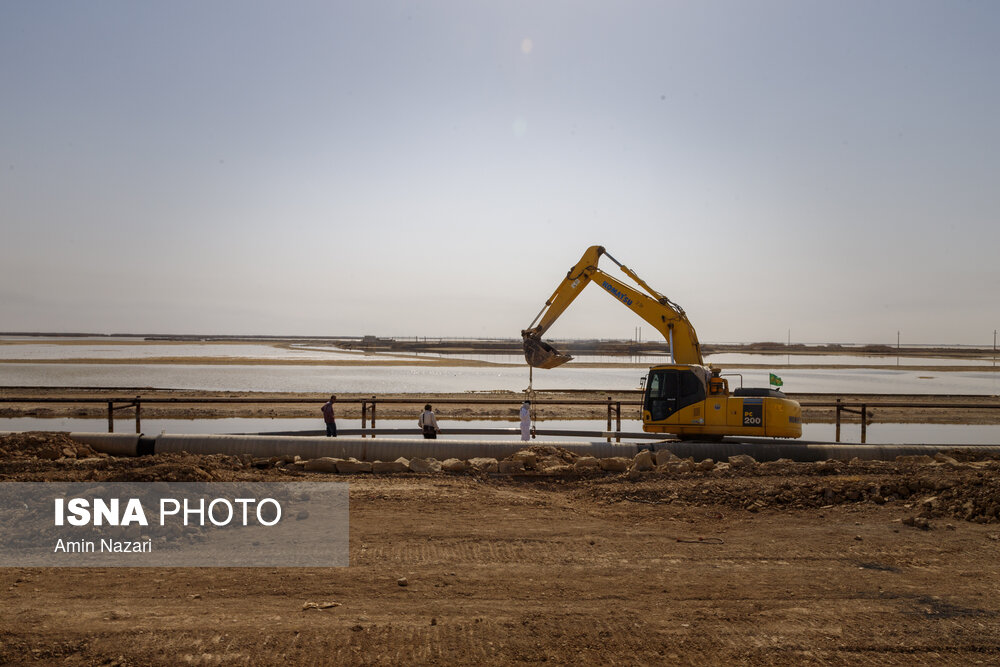
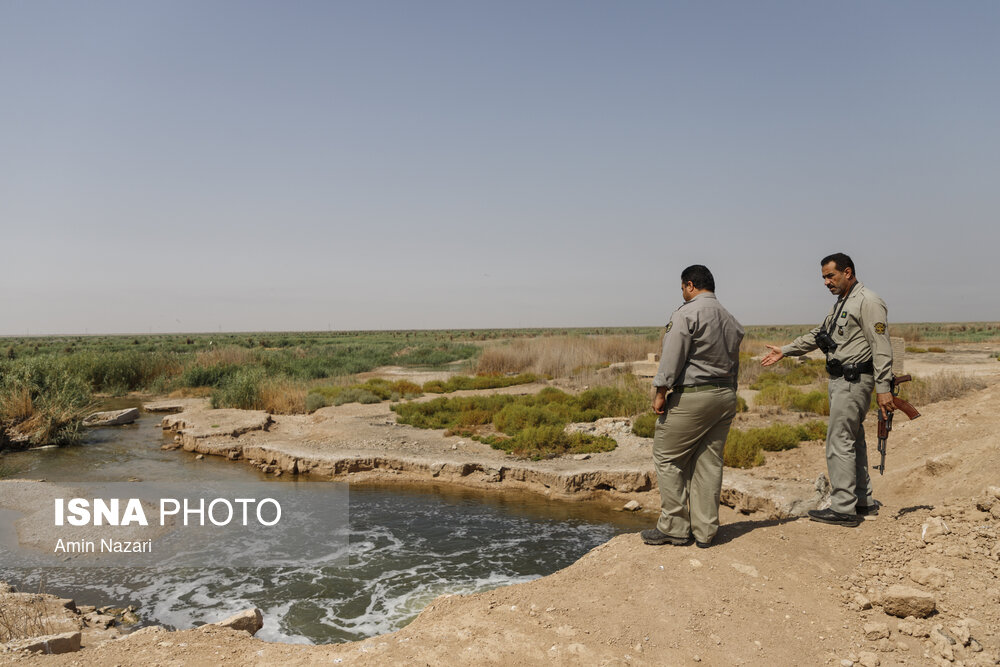
The 120,000-hectare wetland has five reservoirs, which are drying up due to the lack of water rights, drought, oil extraction, road construction, and also construction of embankments by oil companies.
The Department of Environment Protection of Khuzestan Province, where the wetland is located, says Hoor al-Azim is facing water tension due to the shrinking water reserves in the country, especially in the upstream Karkheh river.
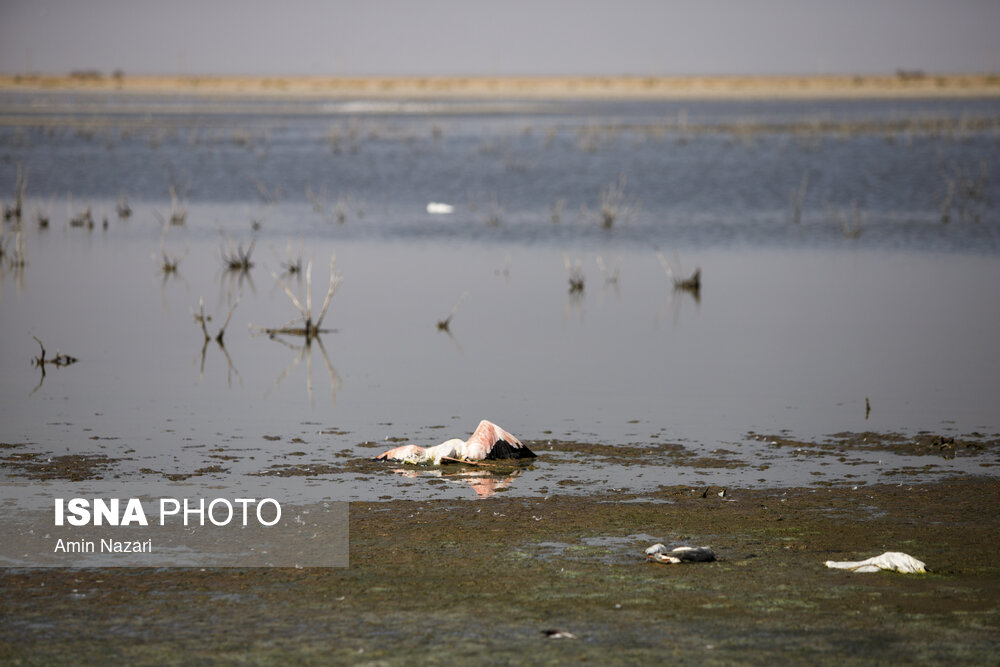
The latest figures show that Hoor al-Azim’s water reservoirs are at critically reduced levels and efforts to revive the wetland seem to have failed.
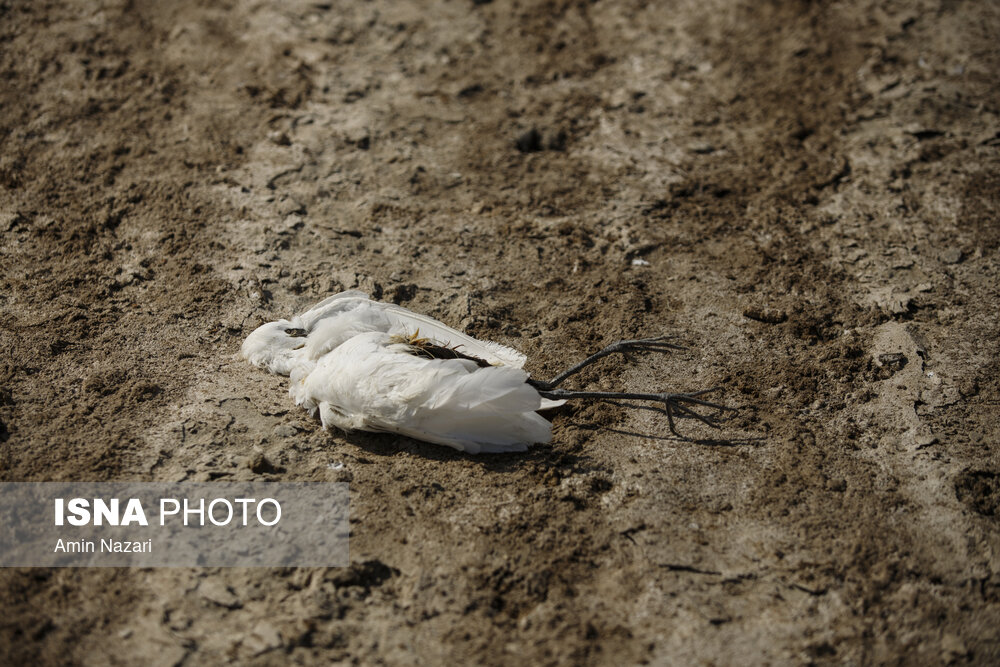
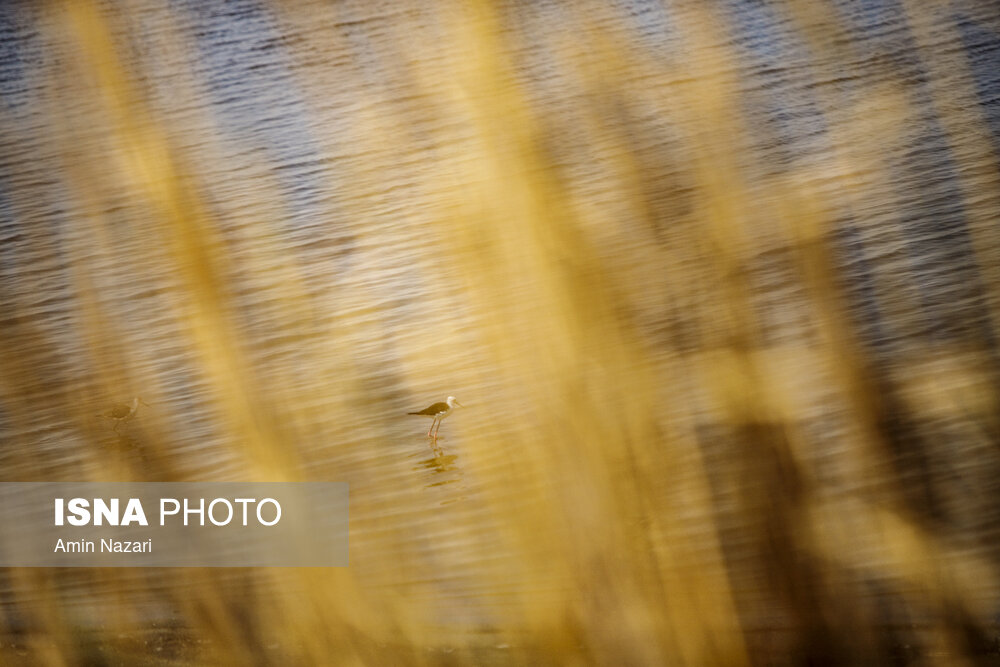
The reduction of the wetland’s water level has led to the death of fish and other marine life, making the area an inbound source of dust storm in the southwestern province.
Iran Greco-Roman team becomes champion at U20 world wrestling competitions
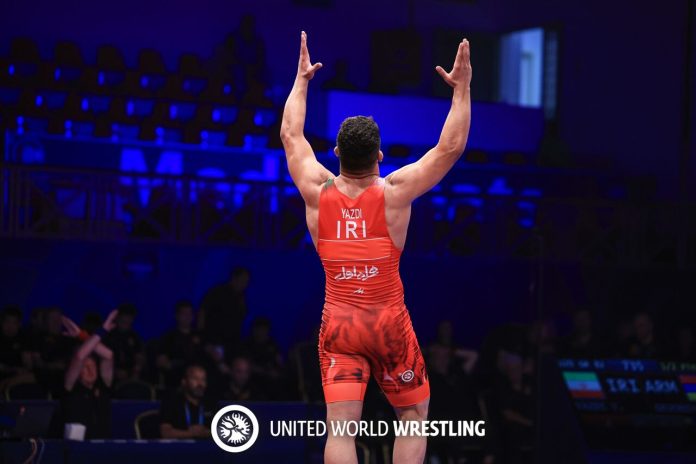
The three-day competition ended on Sunday, with Ahmad-Reza Mohsen-nezhad wresting the first gold for Iran in the 63kg weight class by defeating the 2022 U17 Asian champion Zhantoro Mirzaliev from Kyrgyzstan.
Alireza Abdevali grabbed the second gold in the 77kg weight class by beating Moldova’s Alexandru Solovei.
The third gold went to Fardin Hedayati in the 130kg weight class. Hedayati came out on top by beating Wenhao Jiang from China.
Iran’s two silvers were won by Yasin Yazdi in the 82kg and Abolfazl Choubani in the 87kg weight classes, while the bronze went to Amir-Reza Dehbozorgi in the 60kg weight class.
The team’s stellar performance earned Iran 162 points. Georgia and Armenia ended up second and third, respectively, with 89 and 88 points.
Swedish, Danish chargés d’affaires summoned to Iran foreign ministry over Quran desecrations
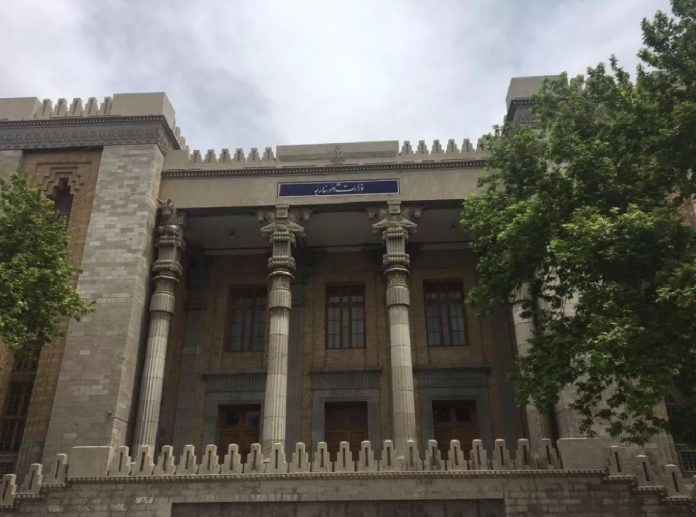
Addressing the chargés d’affaires in separate meetings on Sunday, the deputy director of the Human Rights Department of the Iranian Ministry of Foreign Affairs strongly condemned the repetition of the desecration of the holy Quran in Sweden and Denmark, adding that the Swedish and Danish governments are fully responsible for the serious consequences of desecrating the holy Quran.
Referring to the recent statements made by Supreme Leader of the Islamic Revolution Ayatollah Seyyed Ali Khamenei about the countries that support the criminals and insulters of the holy Quran as tantamount to taking a war arrangement against the Islamic world, the Foreign Ministry warned against repeating such conspiratorial and dangerous attempts.
Stating that freedom of speech comes with special duties and responsibilities, the foreign ministry officials called on the envoys of Sweden and Denmark to abide by international obligations under articles 19 and 20 of the International Covenant on Civil and Political Rights (ICCPR).
Pointing to the resolutions adopted at the 53rd session of the Human Rights Council, as well as the 18th emergency meeting of foreign ministers of Islamic countries, it was reiterated that despite the clear stance and serious determination of the world’s freethinkers to condemn the insult to the Holy Quran, governments like Sweden and Denmark have been passive in complying with these resolutions, and regrettably continue to support insulters by not showing serious willing and determination against hatred and islamophobia.
The Swedish and Danish chargés d’affaires recalled their country’s position in condemning any insult to the Holy Quran, saying that the Swedish and Danish governments are determined to prevent such attempts by making changes in their domestic laws.
They also reiterated that they would reflect the issues to their capitals soon.
Prominent cleric Naghshbandi arrested in Sistan, southeastern Iran
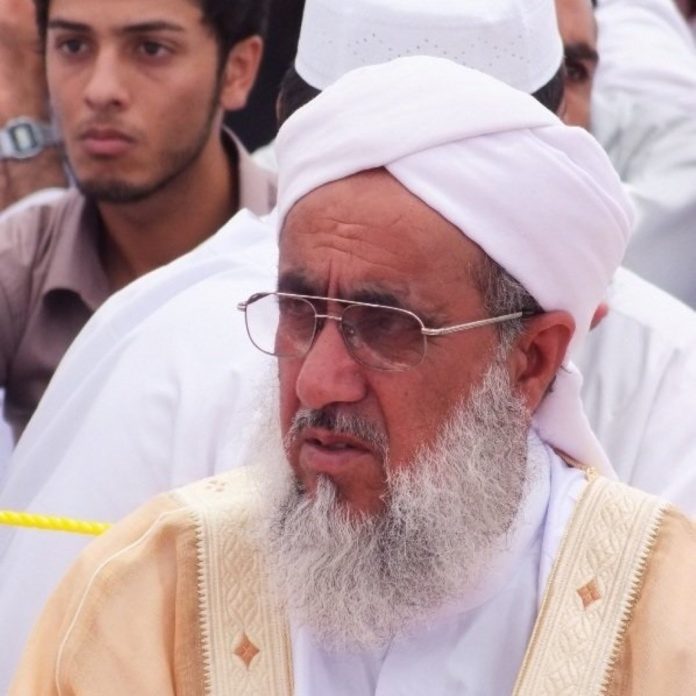
The Public Relations Office of the Justice Department in Sistan and Baluchestan, said in a statement on Sunday, “Unfortunately, Mawlawi Fat’hi Mohammad Naghshbandi, has in recent months taken harsh positions in line with the opponents of the Islamic system, and in his Friday prayer sermons and meetings, he has delivered false speeches far from reality.”
Naghshbandi, who is the Friday prayers leader of Rask, had called on people to take to the streets for riots, so he was taken to the provincial capital Zahedan on Sunday for a briefing, the statement added.
The statement further noted that Naghshbandi was briefed on his numerous cases of violating Iran’s laws and was asked to change course, but he insisted that he would stand his ground, so he was referred to judicial authorities.
Sistan and Baluchestan has been a hotbed of riots and unrest ever since the death of young Iranian woman Mahsa Amini in a police station in September last year and has witnessed bloody clashes between security forces and armed dissidents.
