Thursday, December 25, 2025
Home Blog Page 1293

Iran tourism: Conquering the Babak Castle

Iran Babak Castle

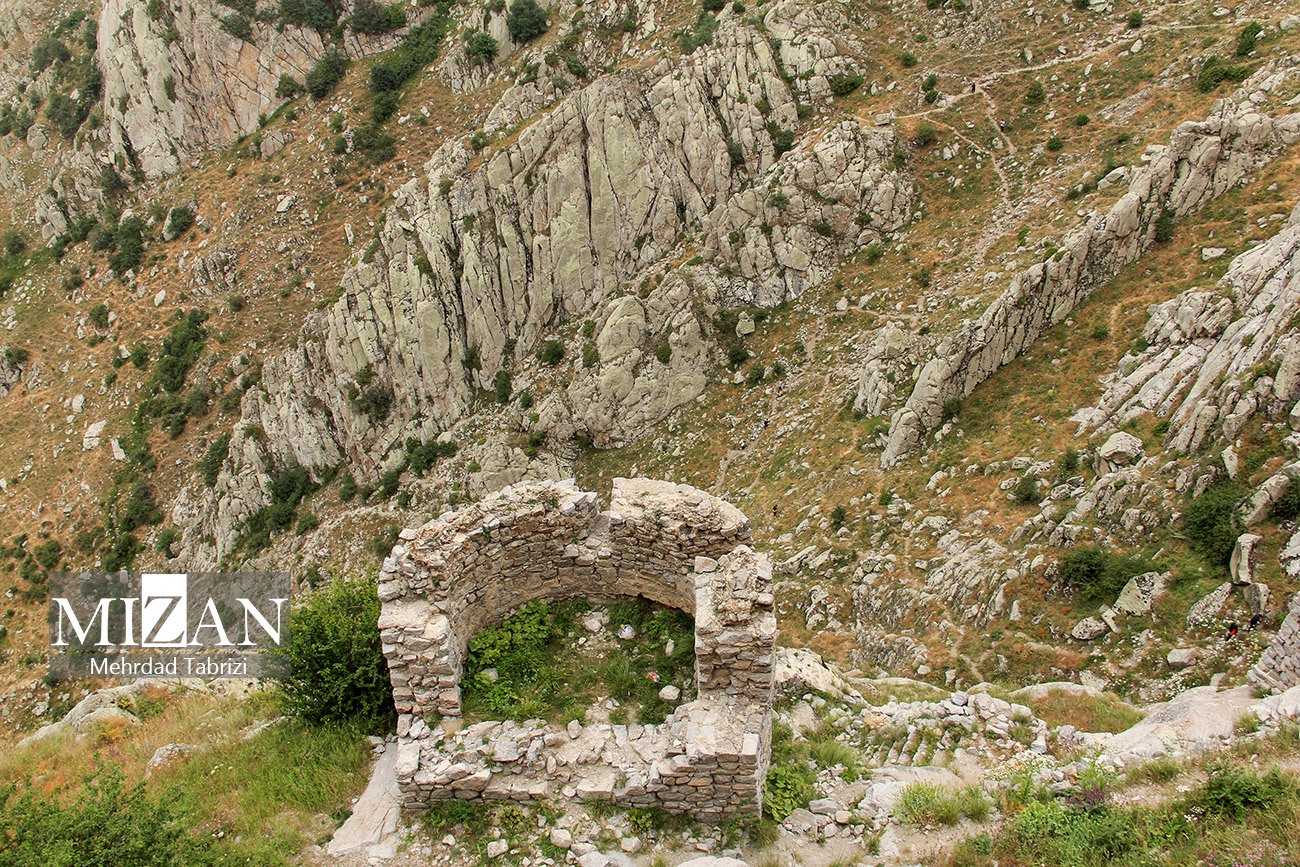
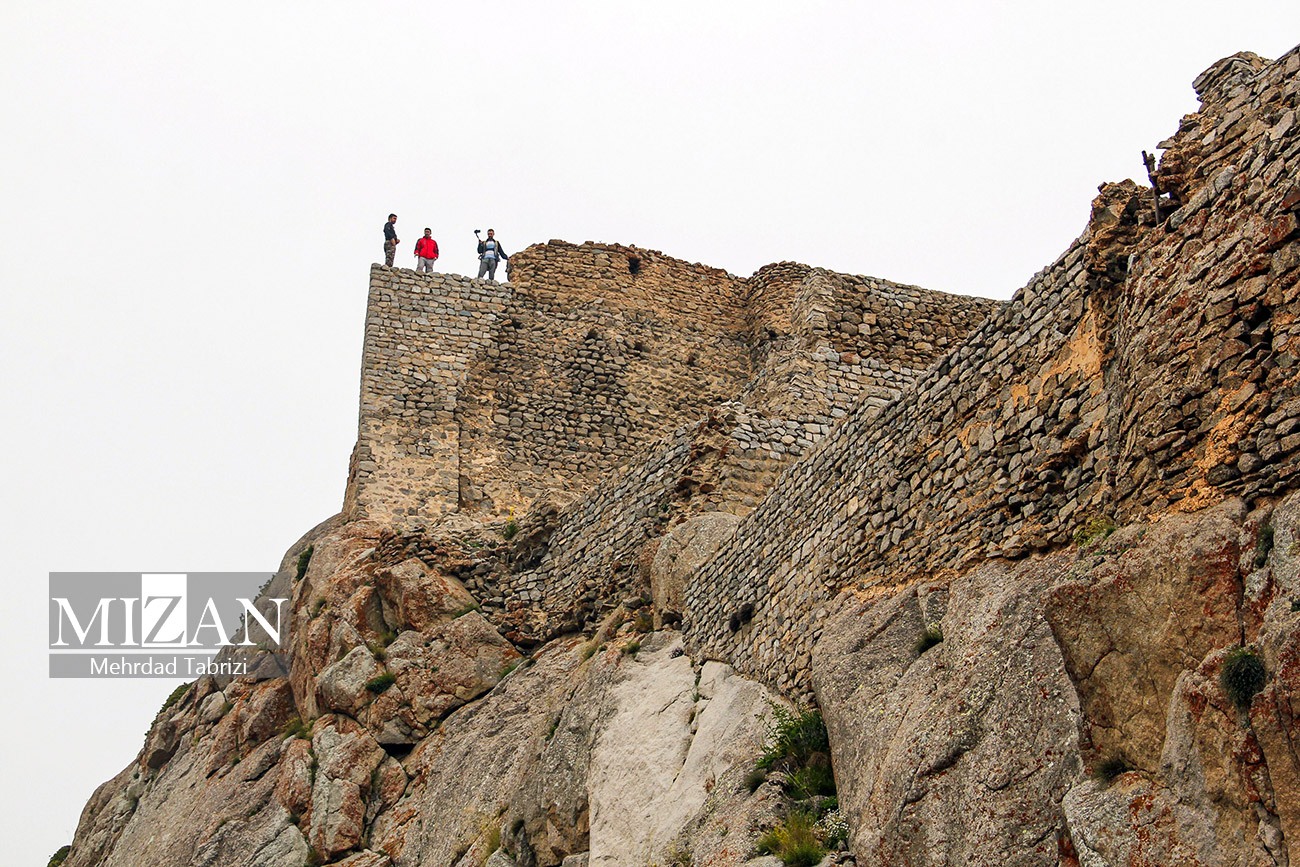
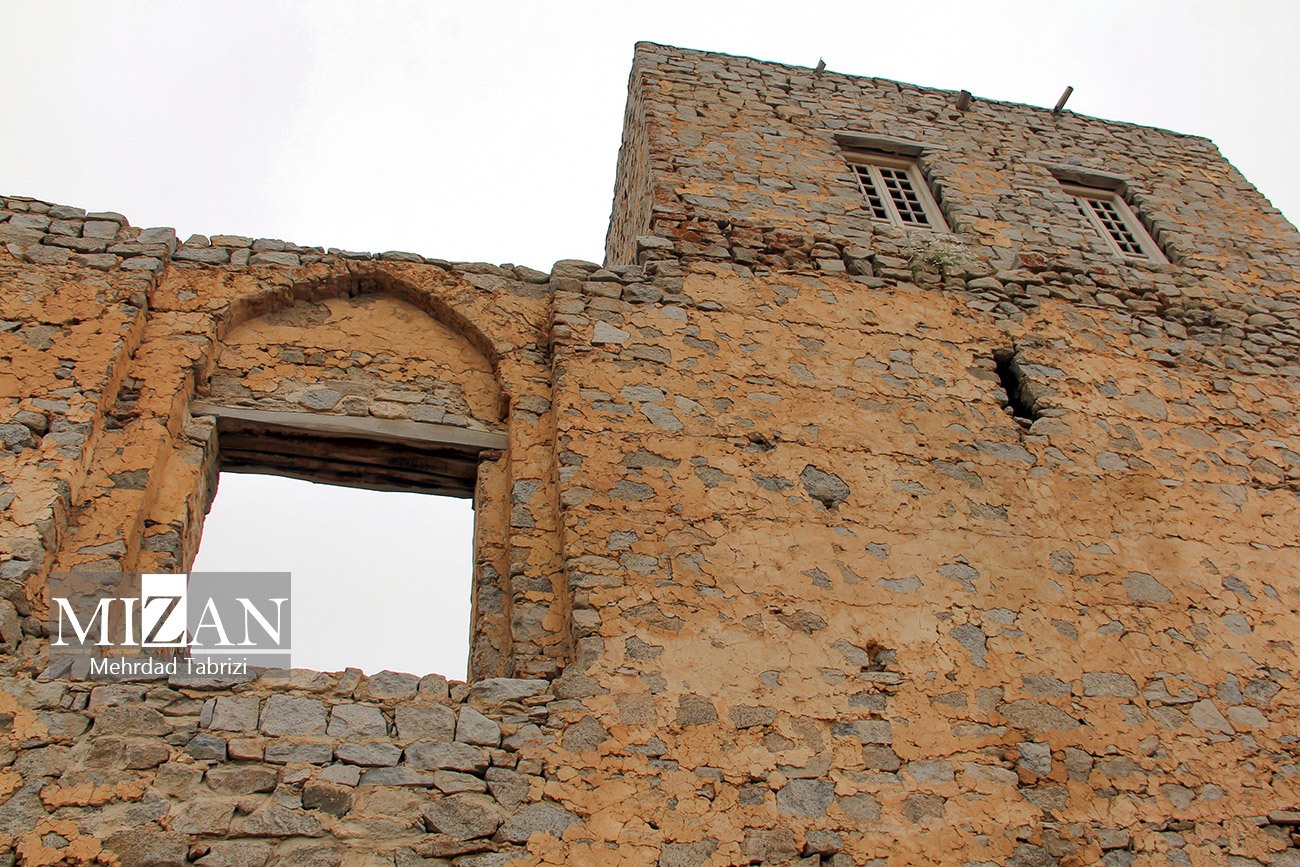
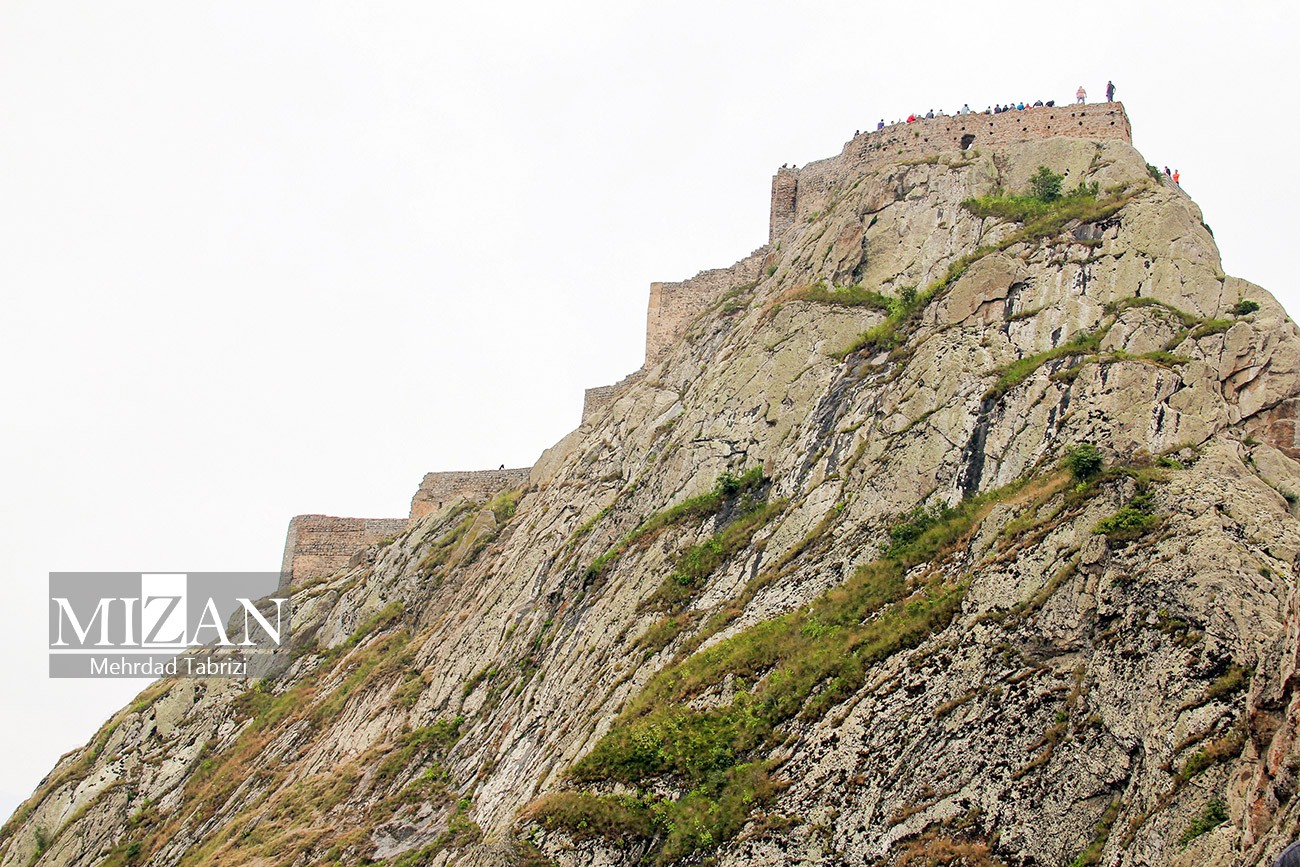
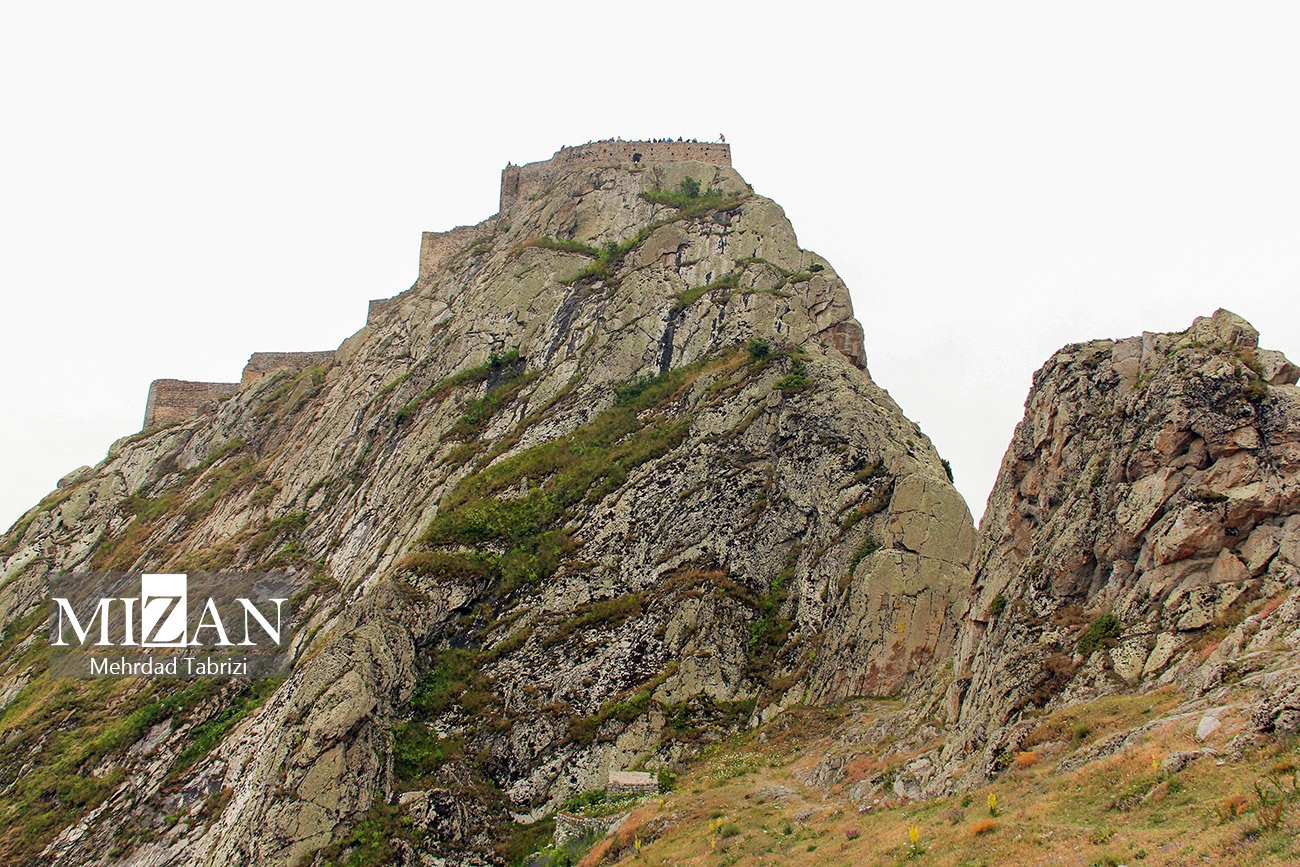
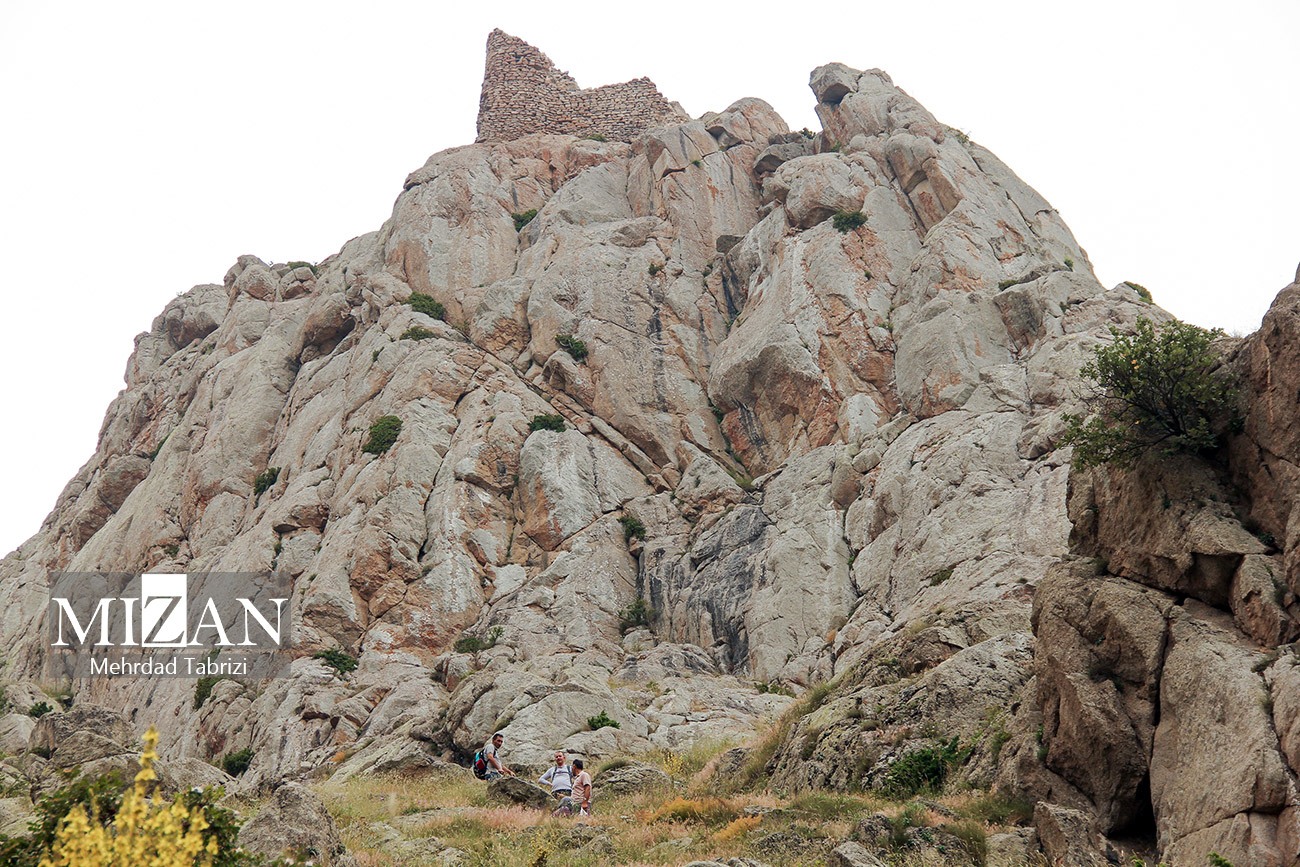
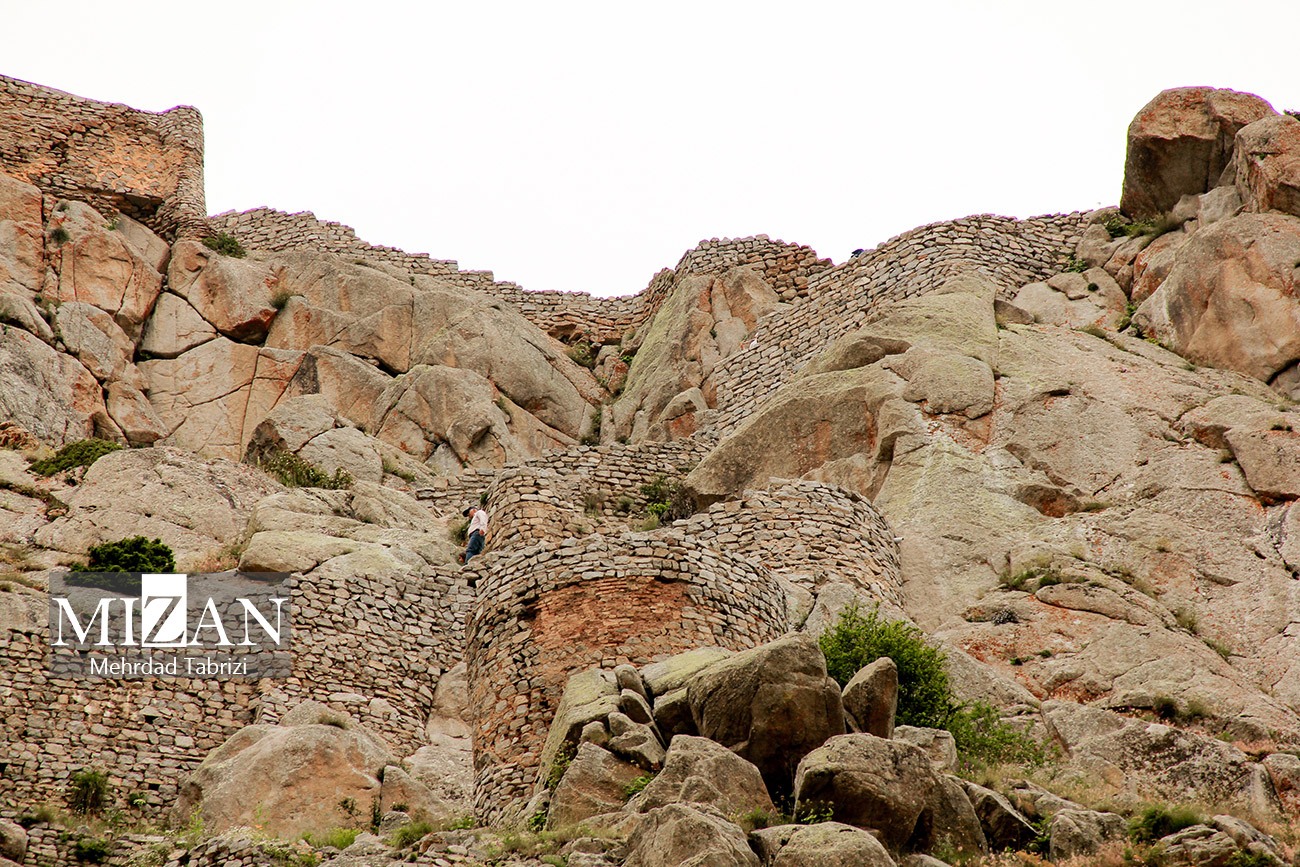
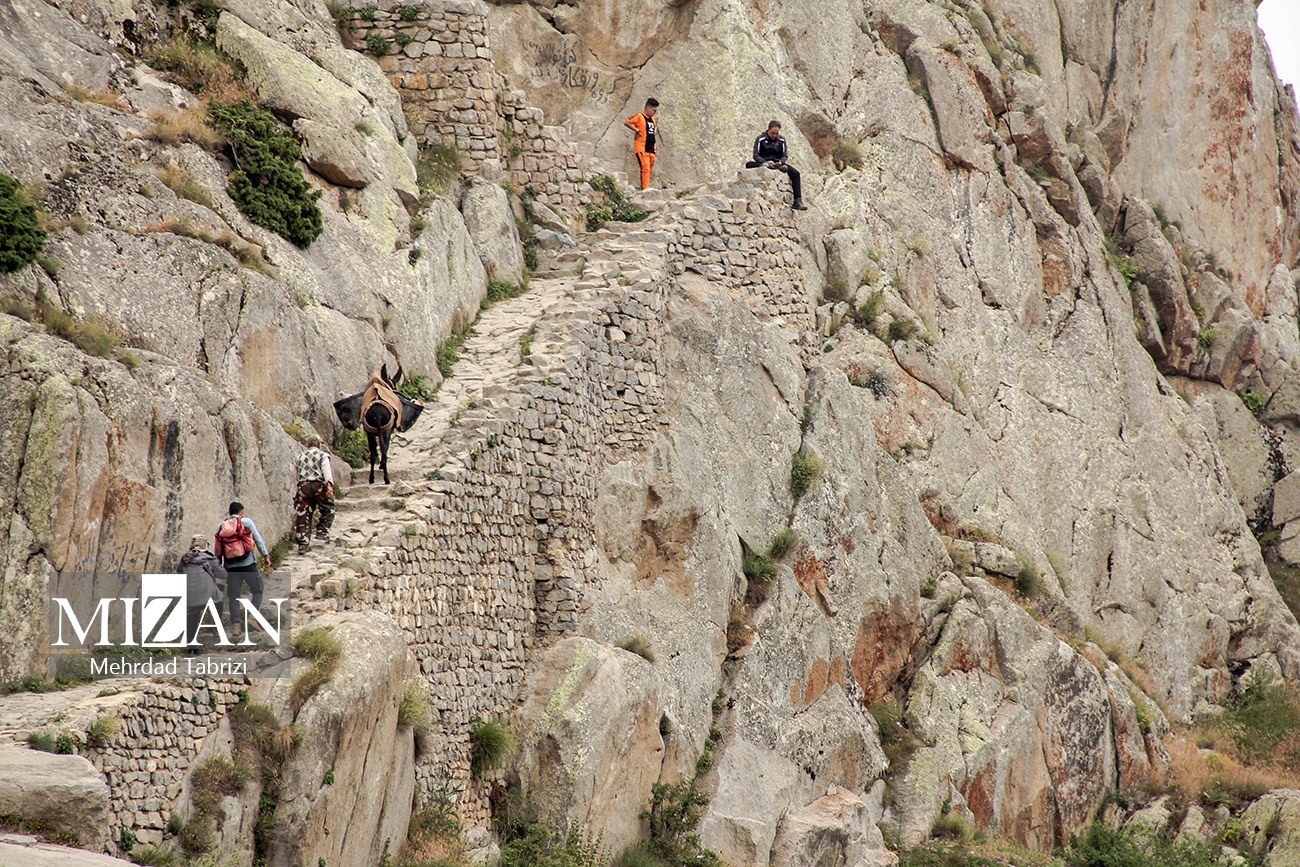
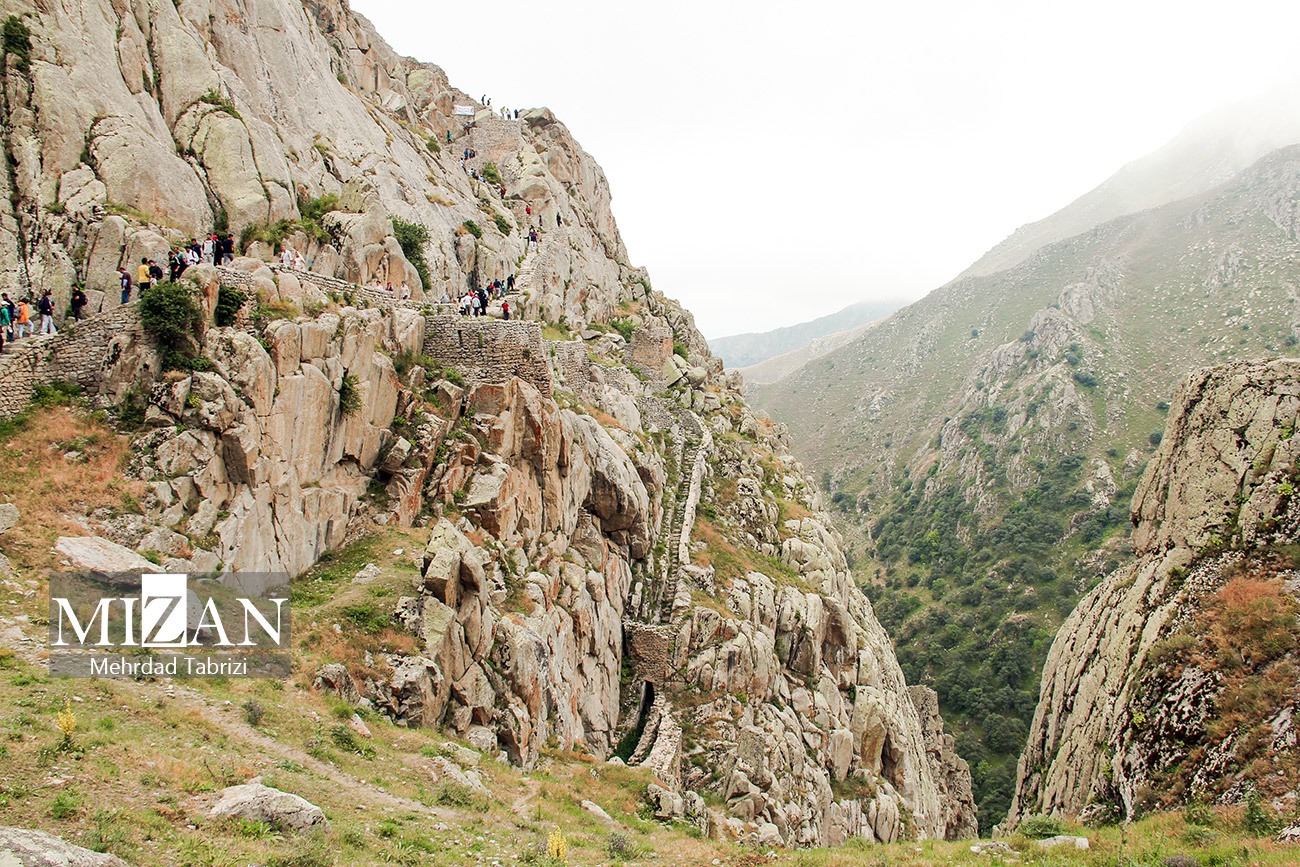
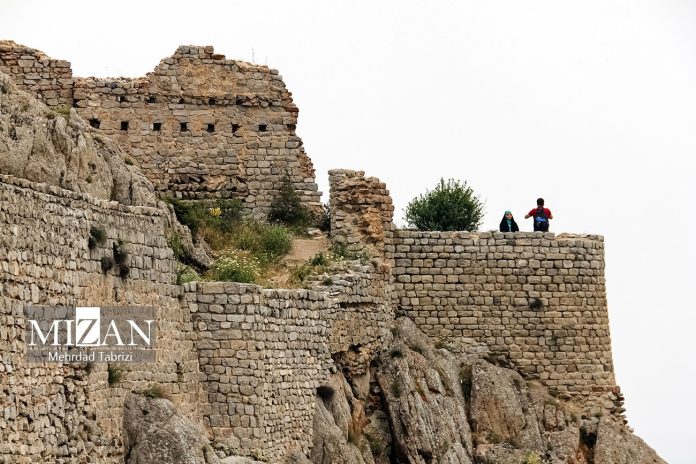
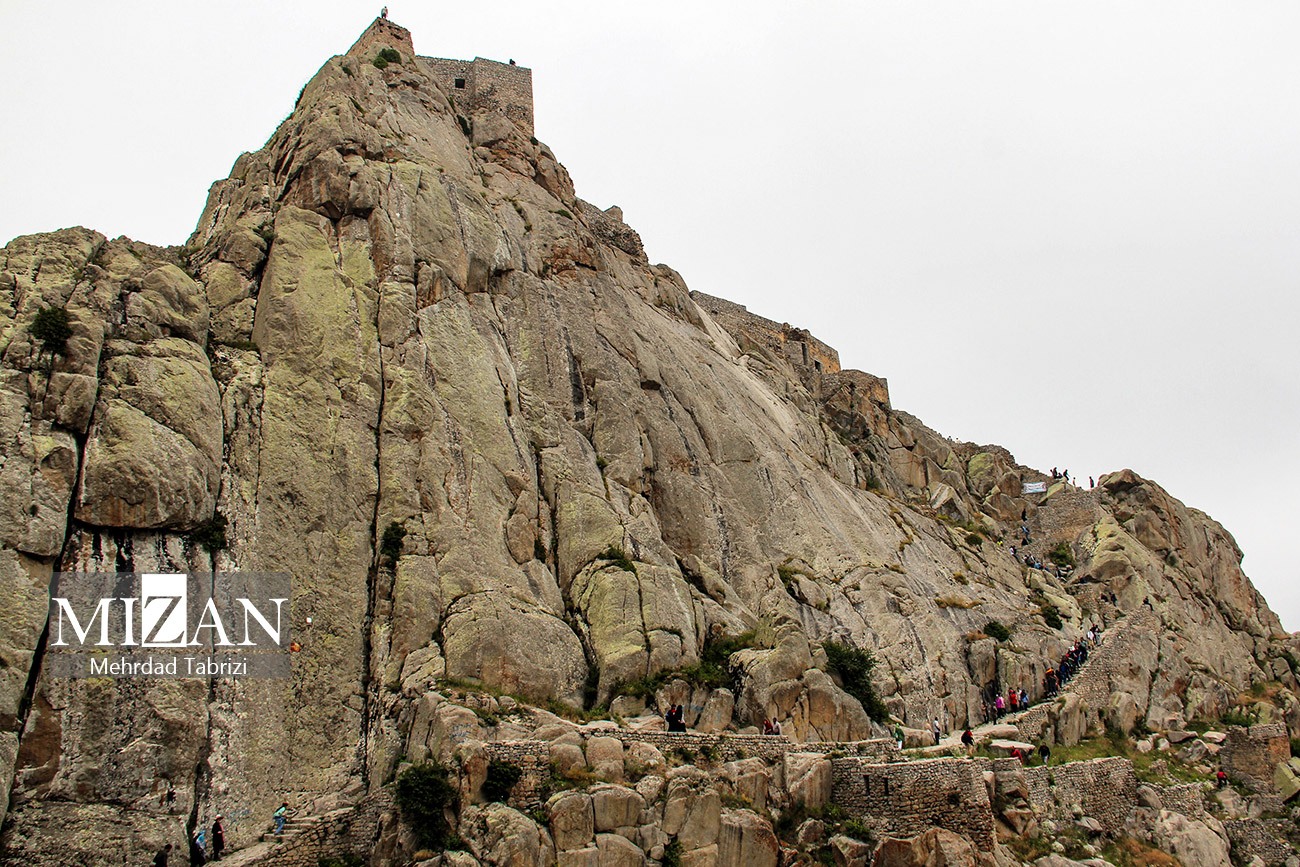
The Baz Fort or Jomhour Castle also known as the Babak Castle is one of the main destinations of mountaineers as well as tourists interested in nature and ancient sites in East Azerbaijan Province.

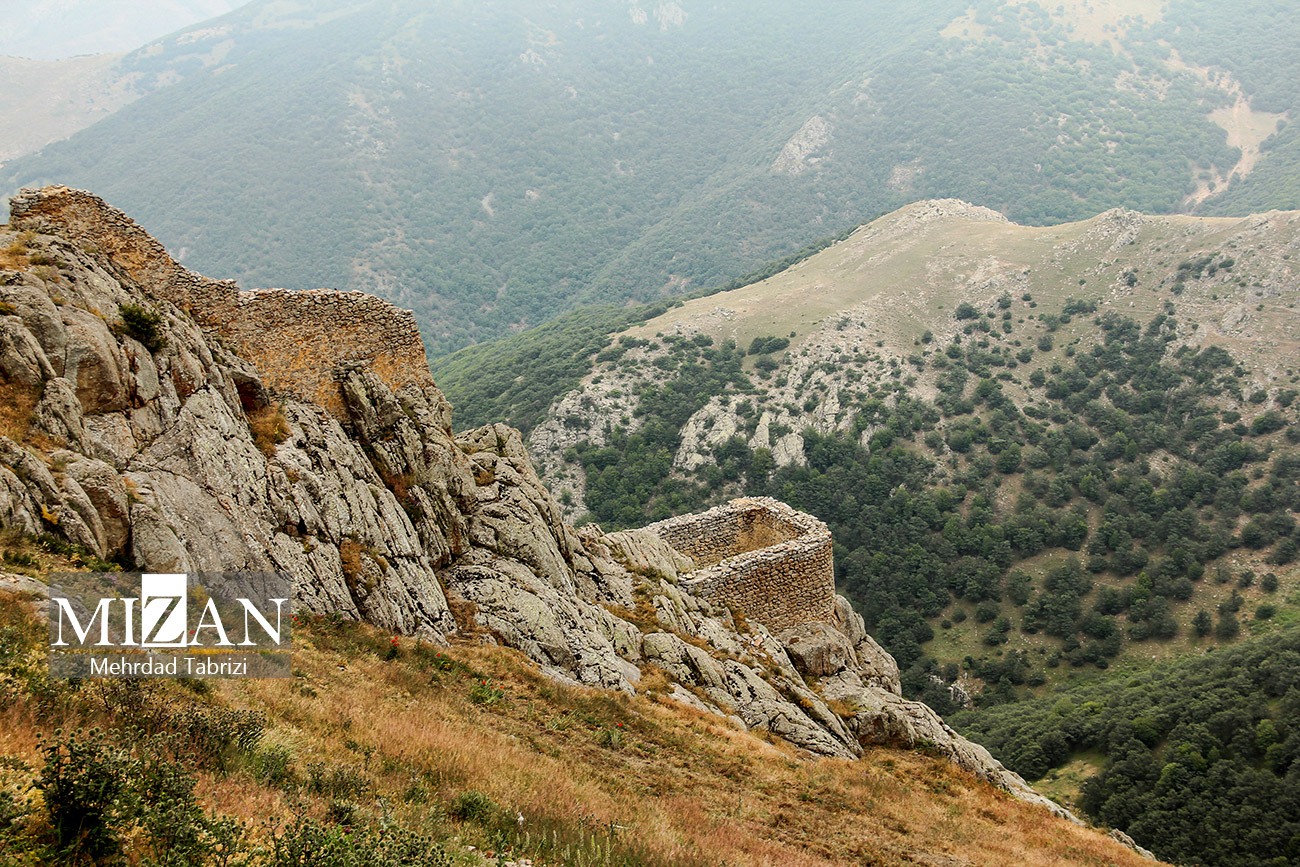
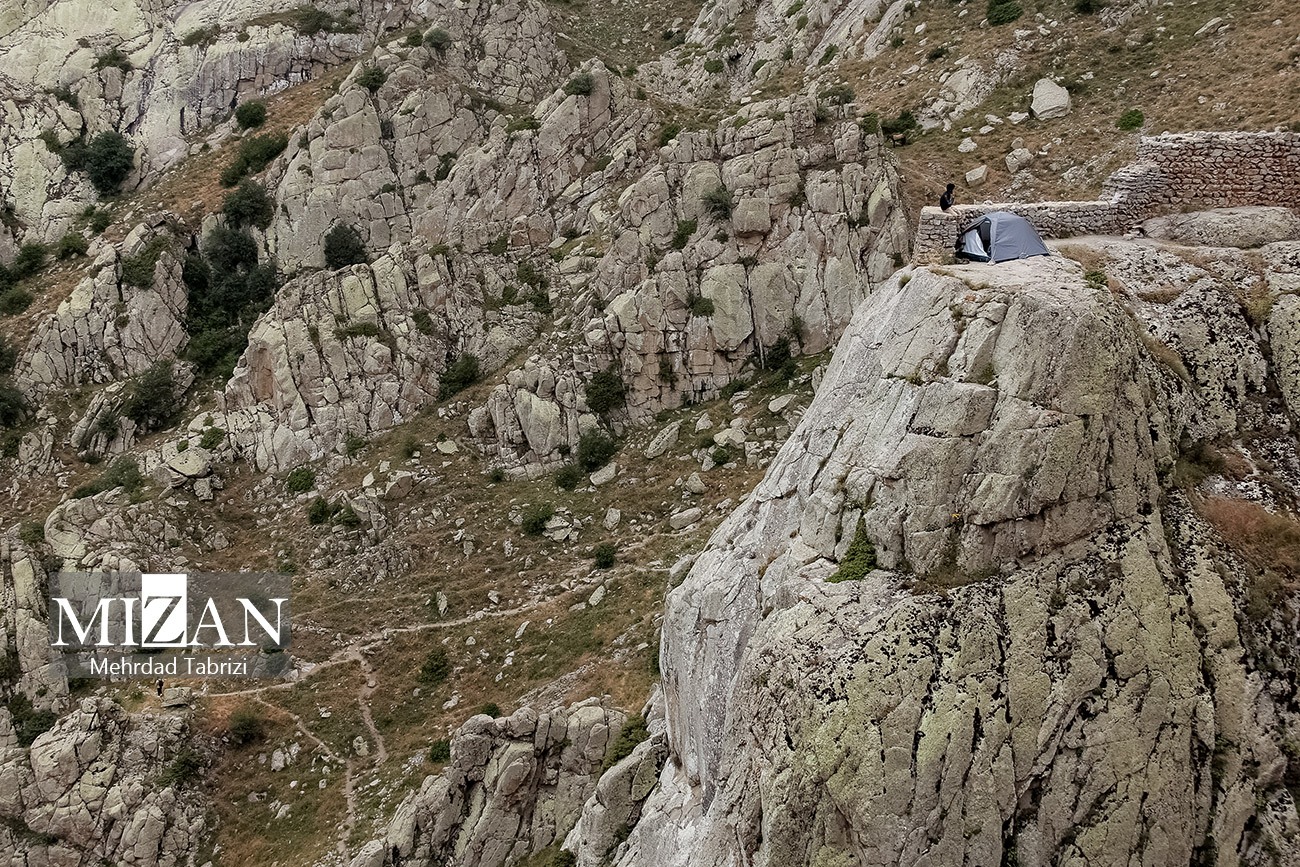
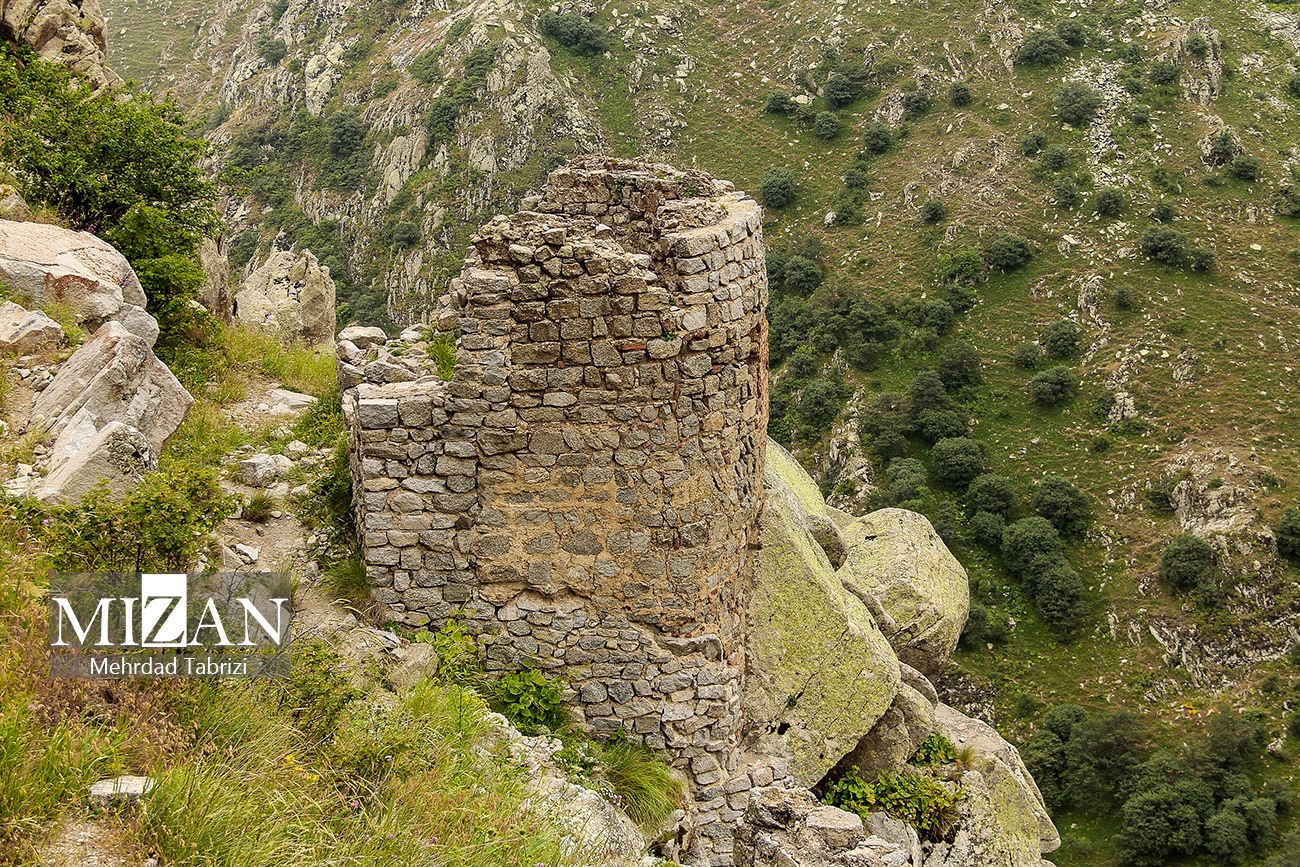
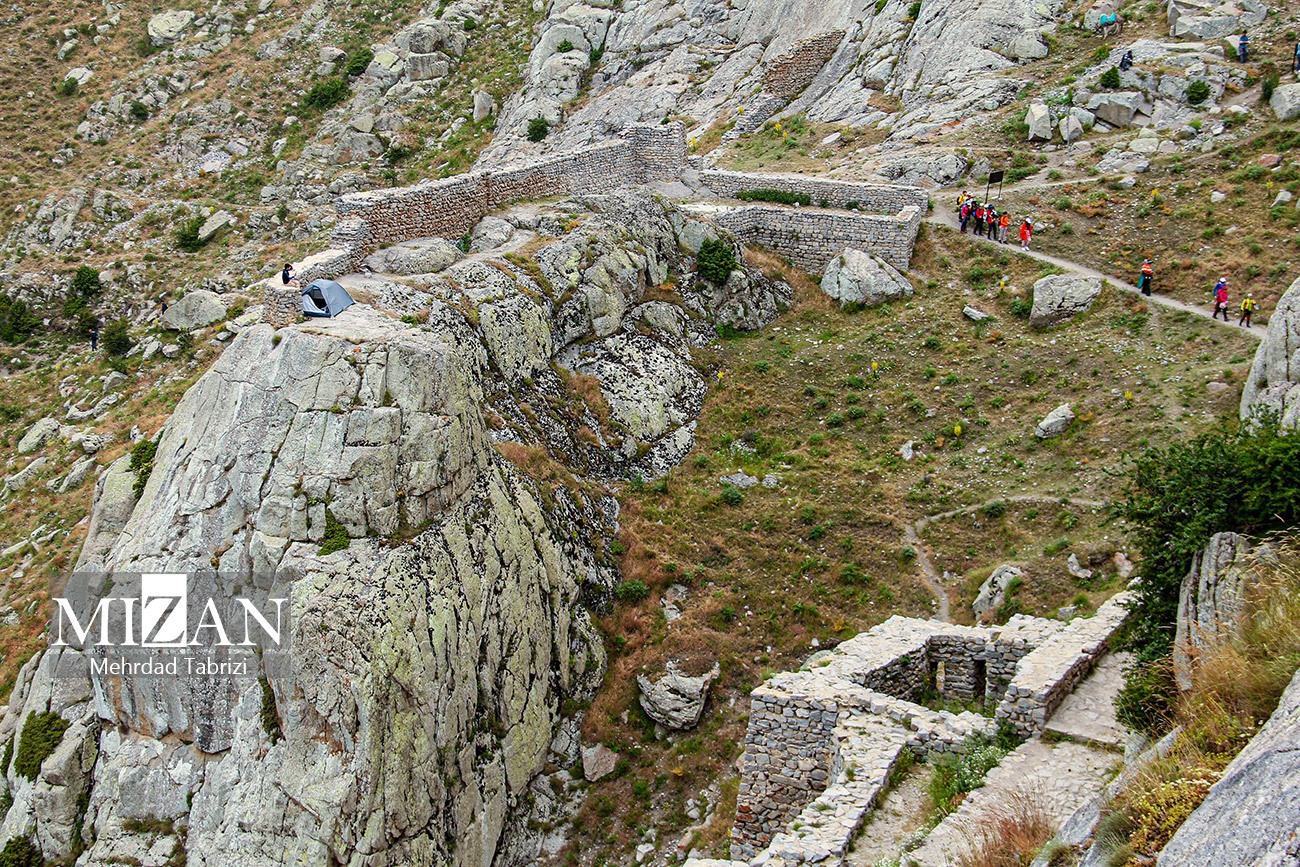
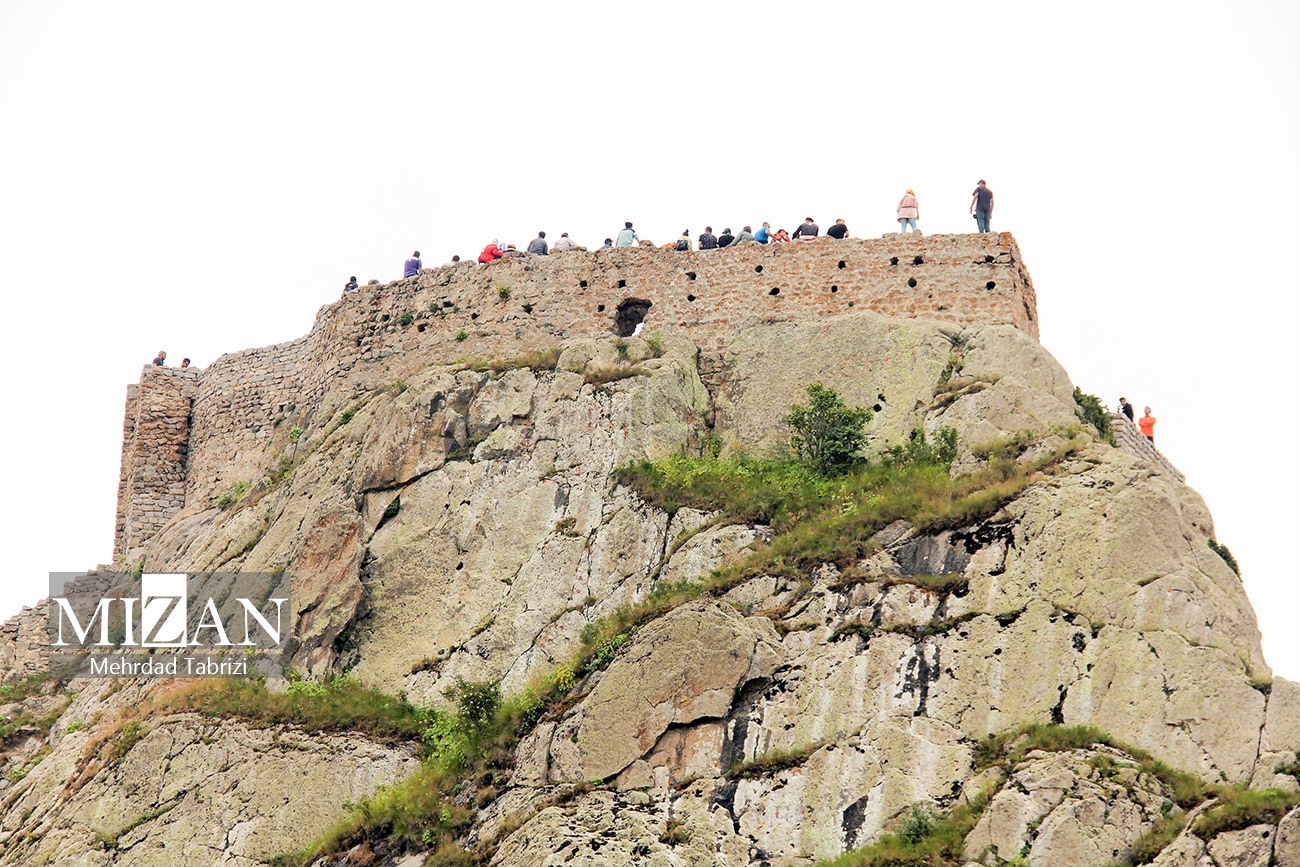
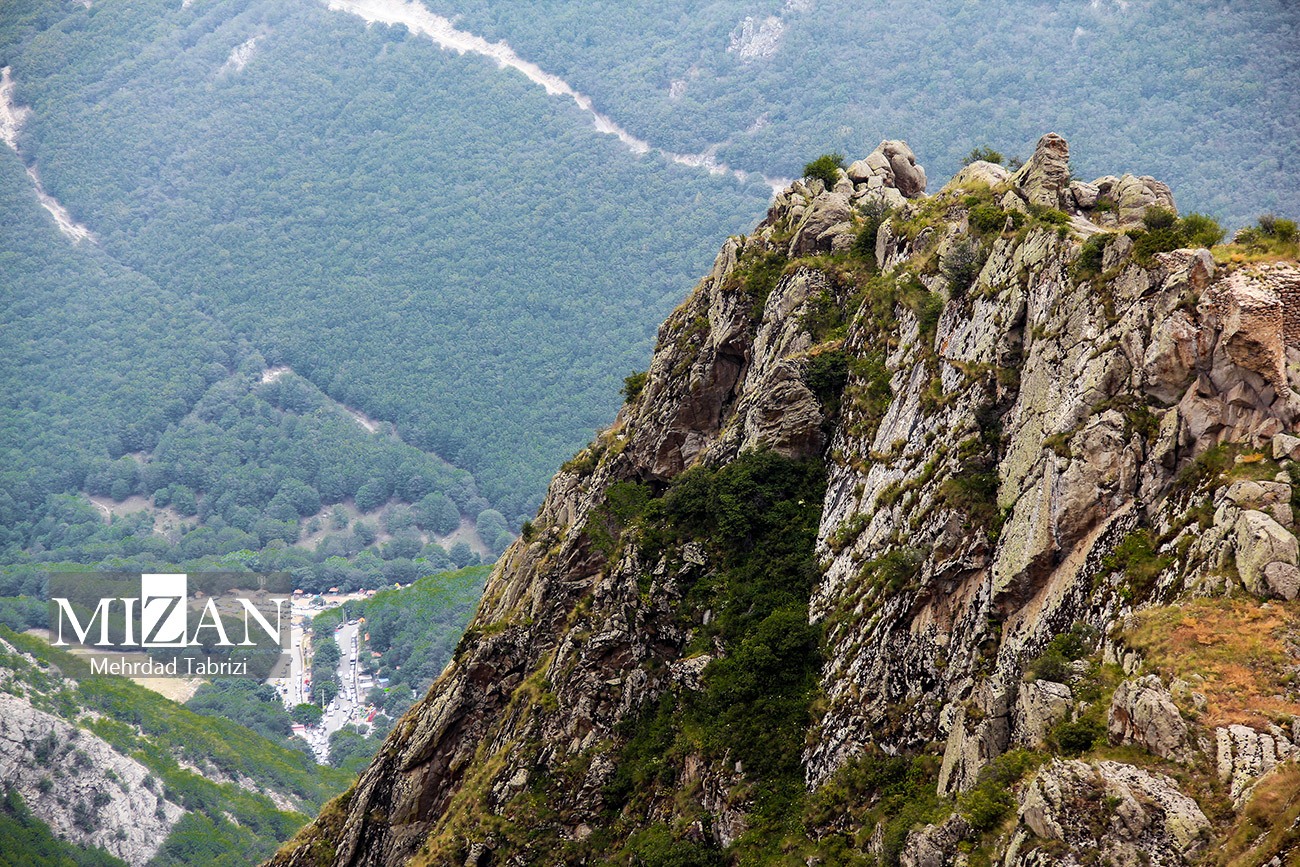
Archeologists believe the historical monument dates back to the Sassanid era. The impregnable fortress lies around 2700 meters above sea level and is surrounded by valleys as deep as 400-600 meters.

Babak Khorramdin and his companions known as “The Red-Clad” or “The Khorramdins” lived and fought in this castle for more than 20 years.

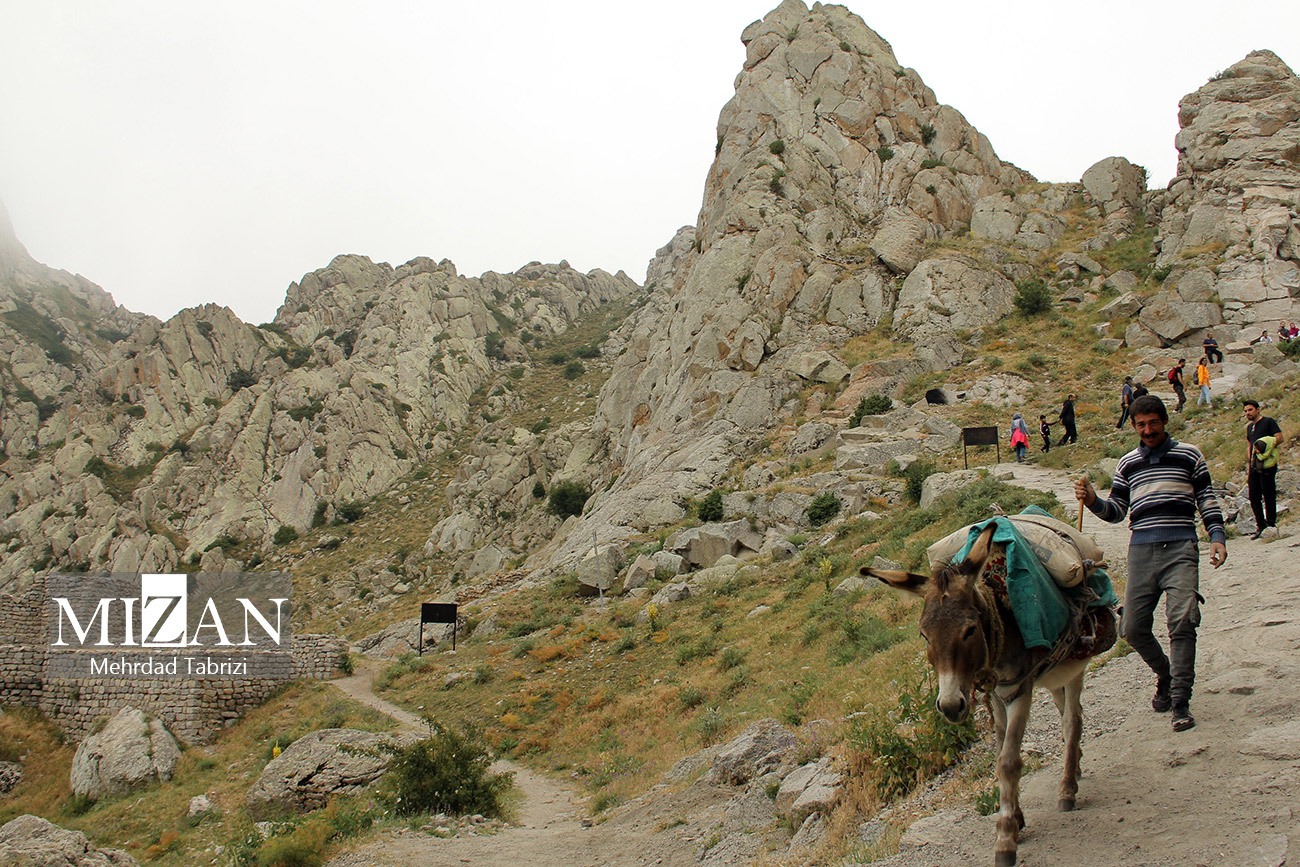
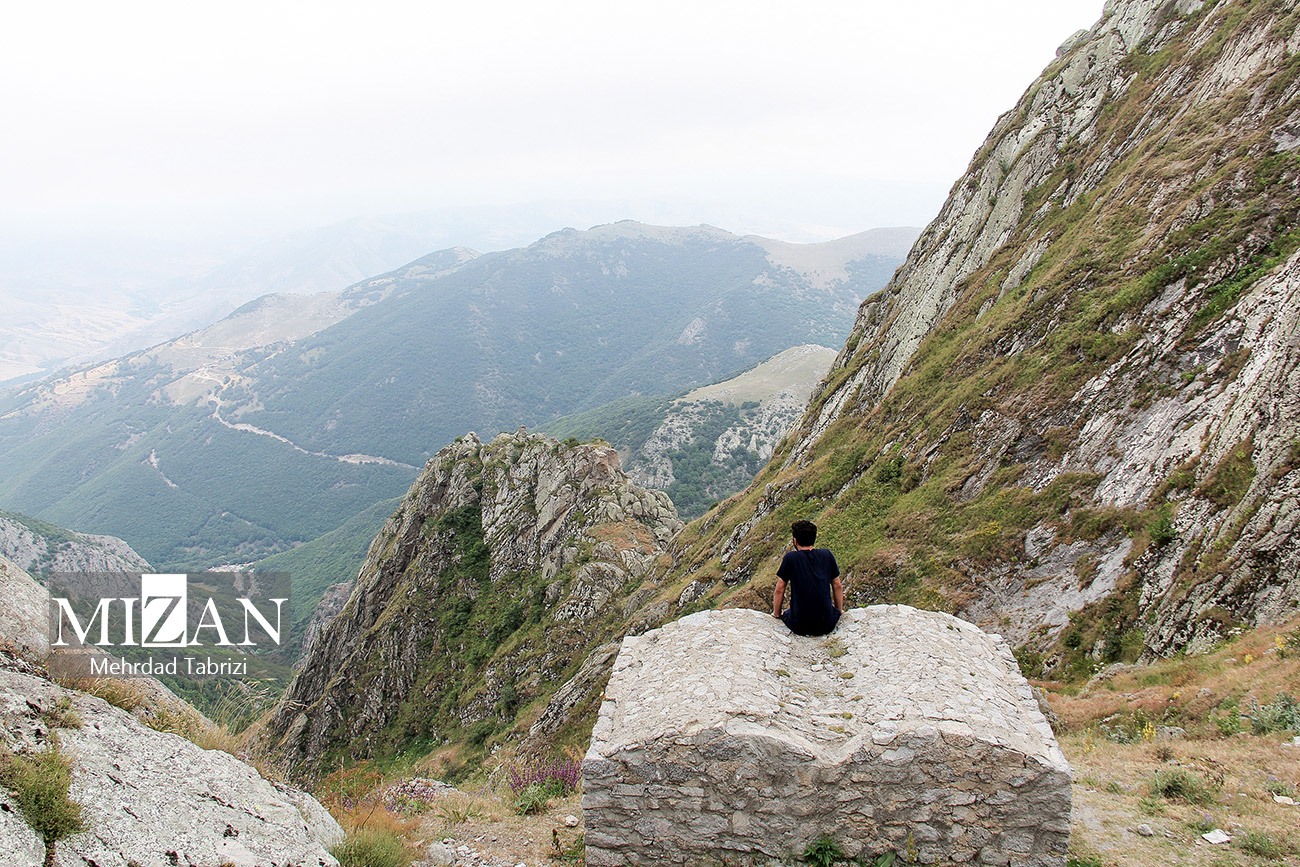
Although it requires visitors to climb the mountain to reach the fortress and, hence, it may seem difficult to get there, the historical aspect of the castle and its breathtaking view to the surrounding mountains and areas make the journey worth it.

The Babak Castle was registered on Iran’s List of National Heritage Sites back in 1966 and its restoration work kicked off in 1997.
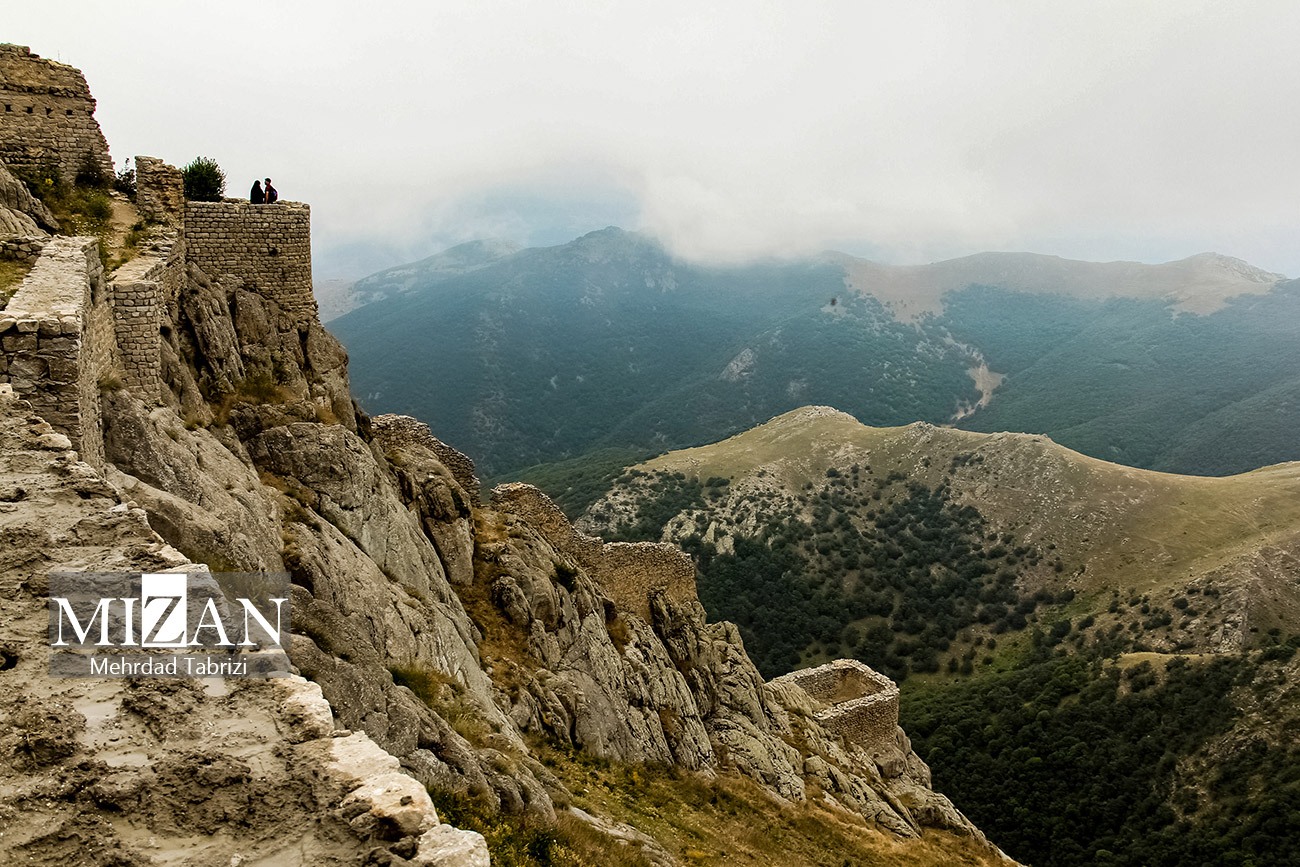
The Babak Castle in the town of Kaliber in the northwestern Iranian province of East Azerbaijan

The Appeal of Mountain Climbing to Reach the Babak Castle

After a tough journey up the mountain, you will finally reach the summit and the Babak Castle whose splendid scenery will fill you with awe. Undoubtedly, watching such a view of nature from the summit of a mountain coupled with taking selfies and recording the moments will be an appealing and unforgettable experience for you.

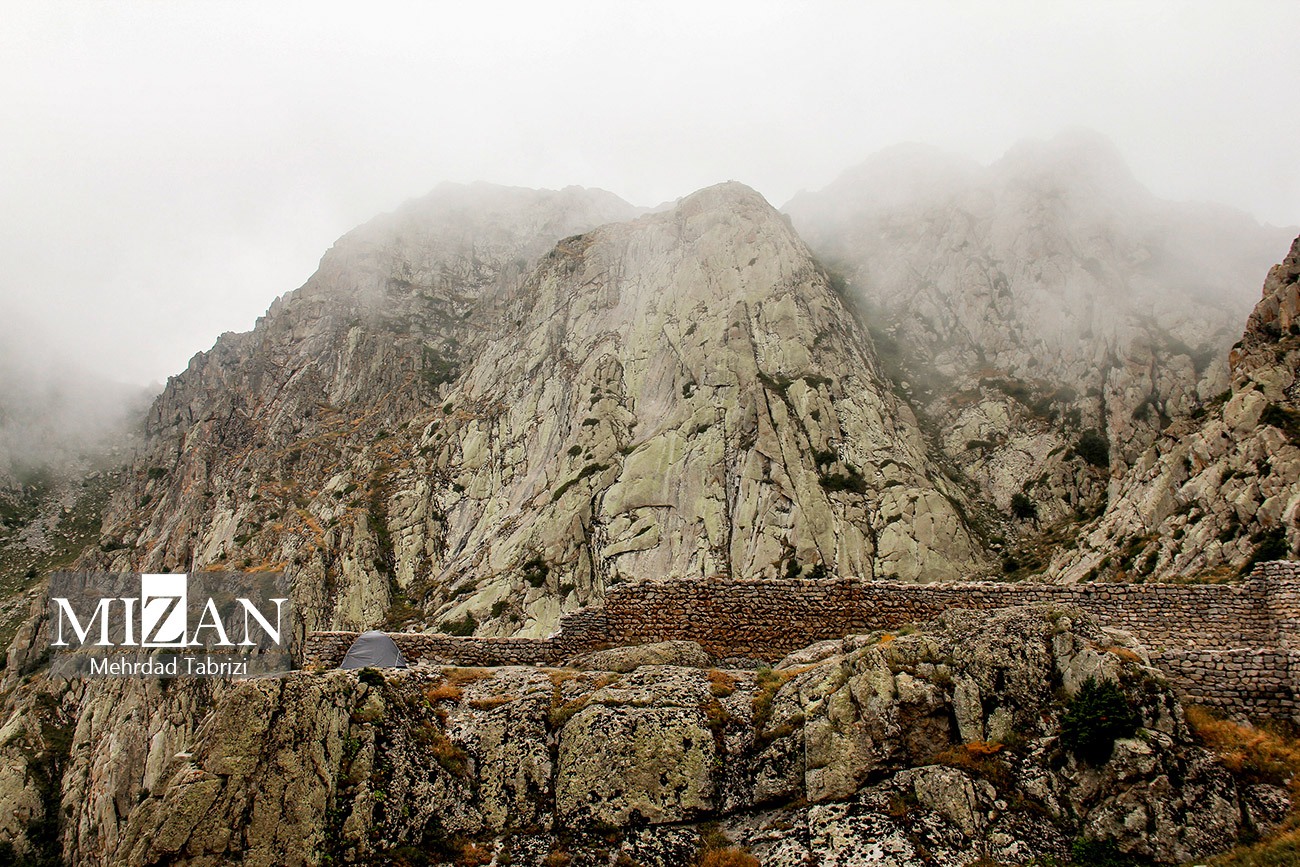
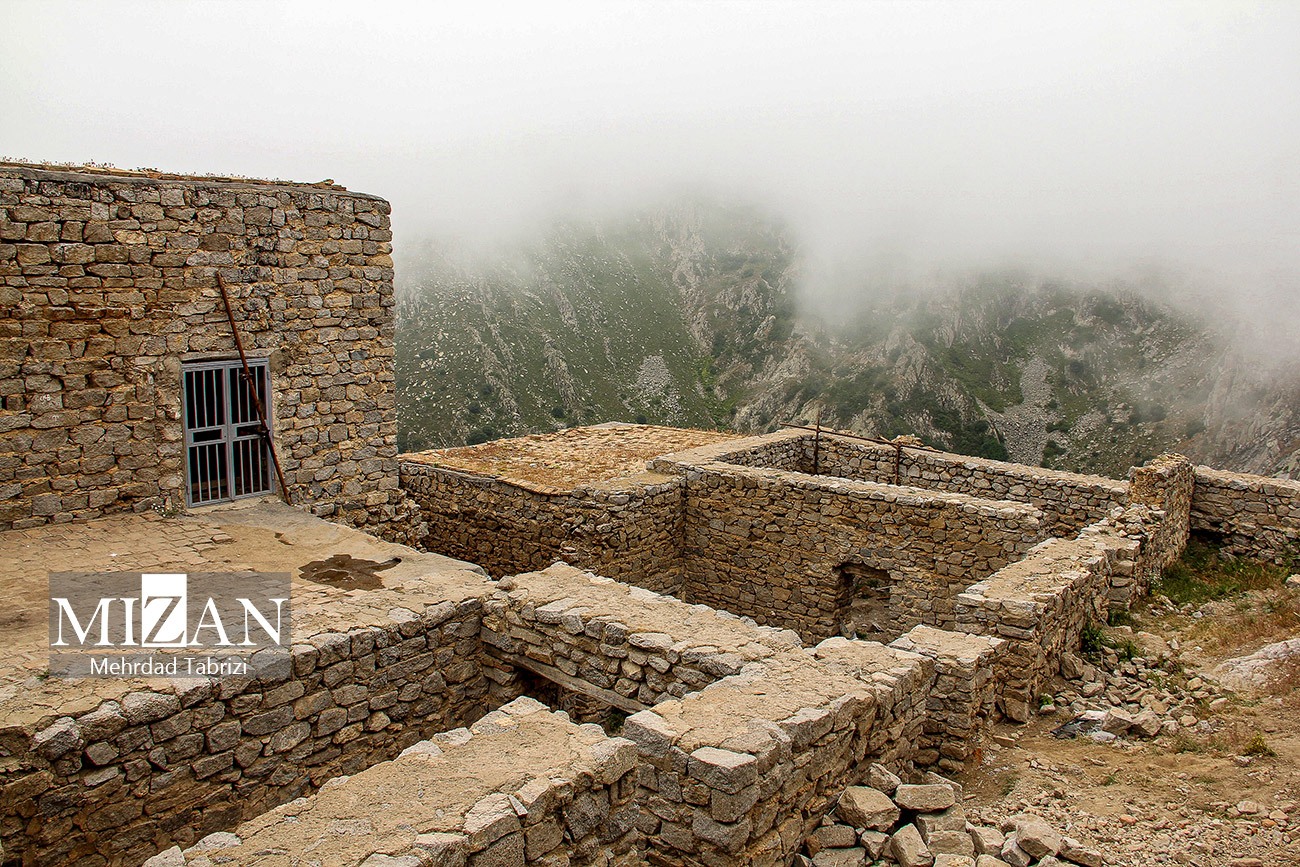
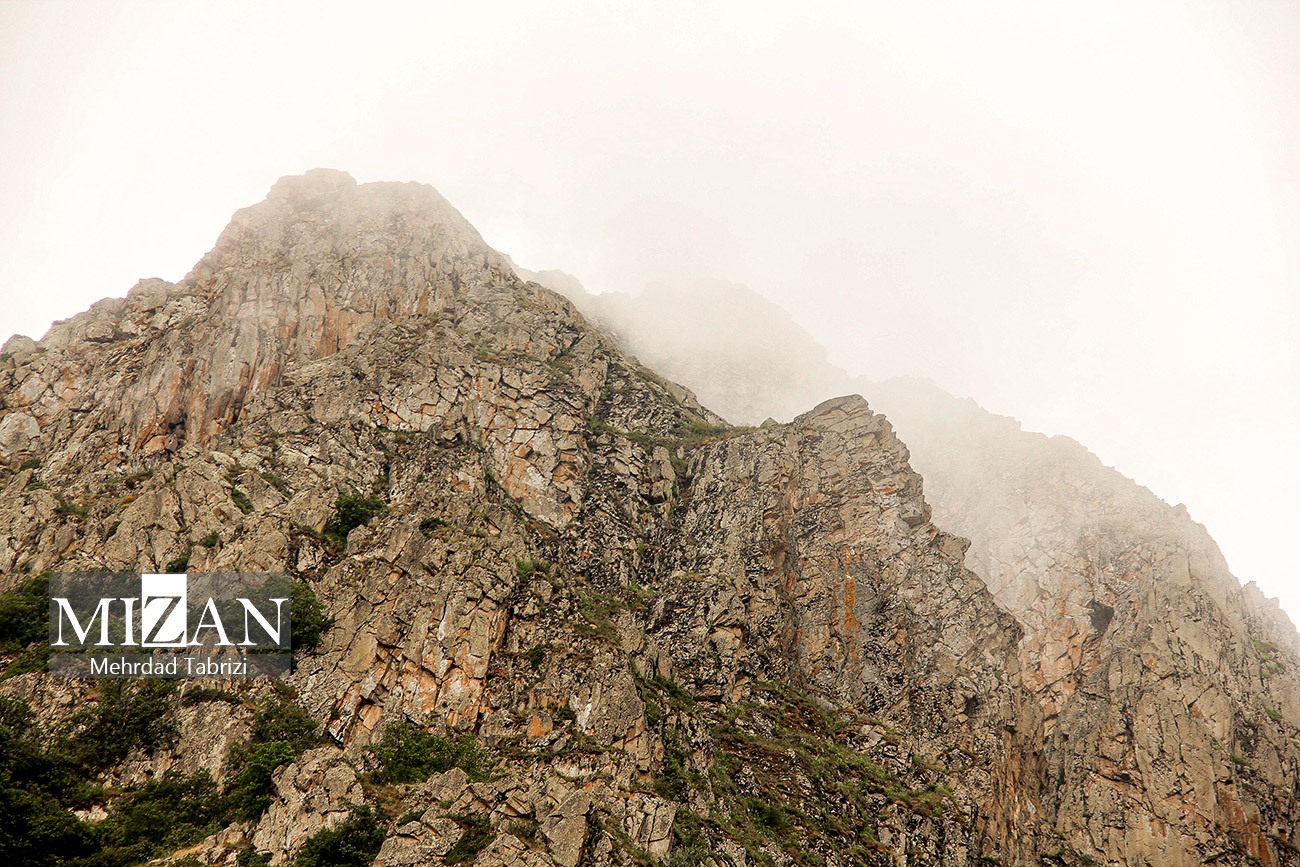
The Arasbaran region is blanketed with thick fog, especially in spring and fall, and you are likely to come across foggy weather while climbing the mountain to reach the Babak castle, which will redouble your joy.

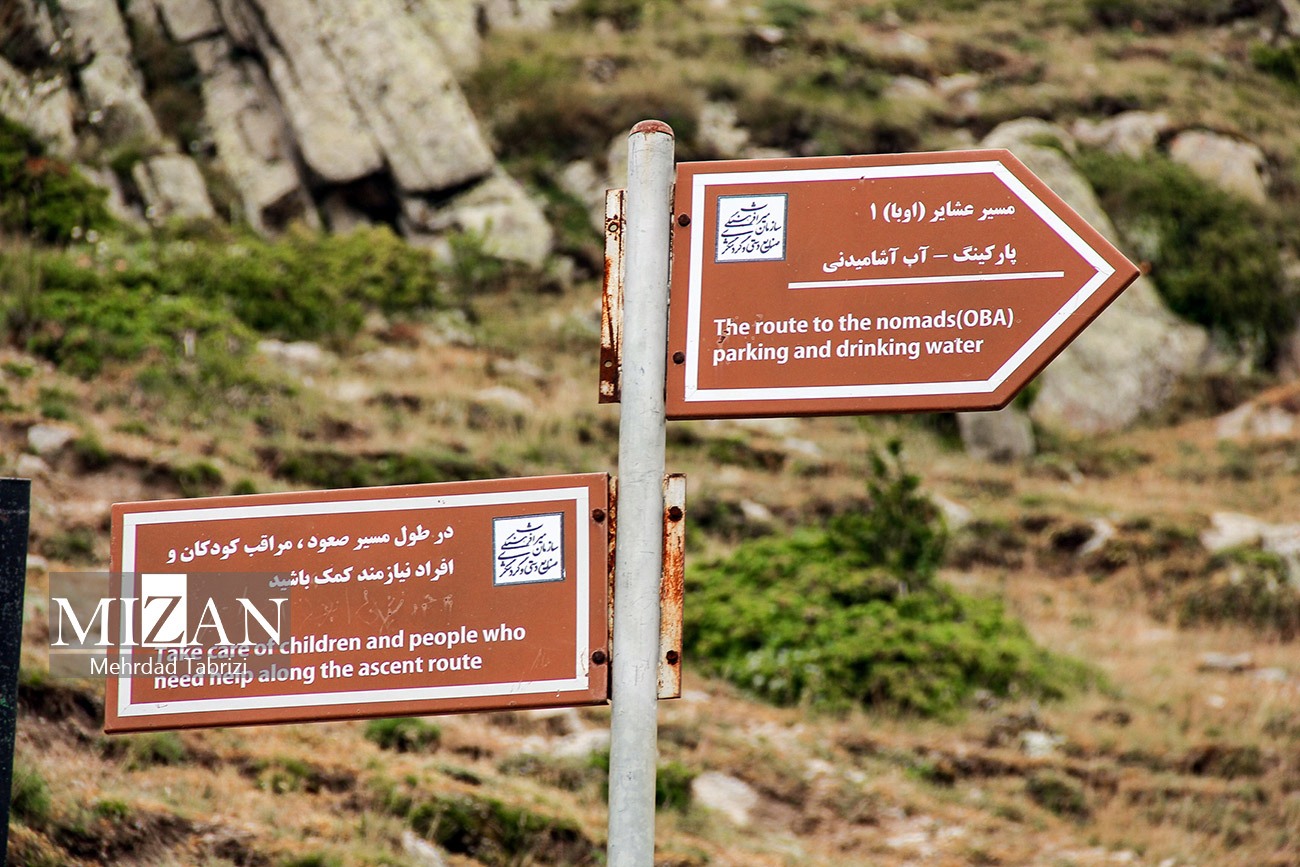
Moreover, if you choose to visit the fortress in summer, you will get a chance to visit the black tents of the Shahsavan nomadic tribe who live in the mountains of this region. You may drink local doogh (a traditional Persian drink made with yoghurt and water) and see and buy the handicrafts of Shahsavan nomads.
Iran tourism: Conquering the Babak Castle

The Best Season to Visit the Babak Castle

The period of time from mid-April to late May, and from September to October is the best time to set off on a journey to the fortress. The Arasbaran region witnesses beautiful springs. You may also visit the fort in summer, but it is a little hot then.

In fall, the region witnesses double as much beauty, but the path is slippery. Travelling to the area is not recommended in winter due to the bitter cold.

The Hiking Path to Reach the Baz Fort

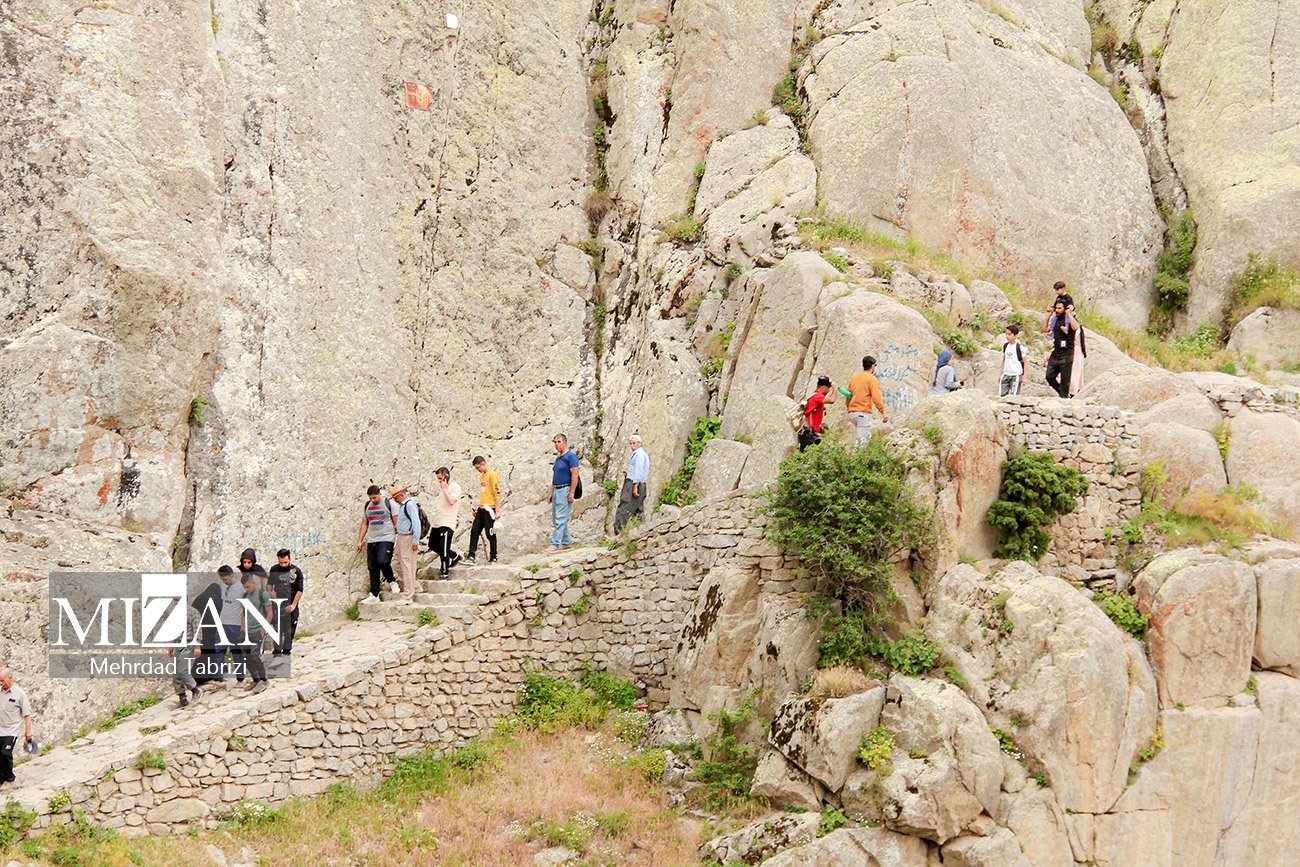
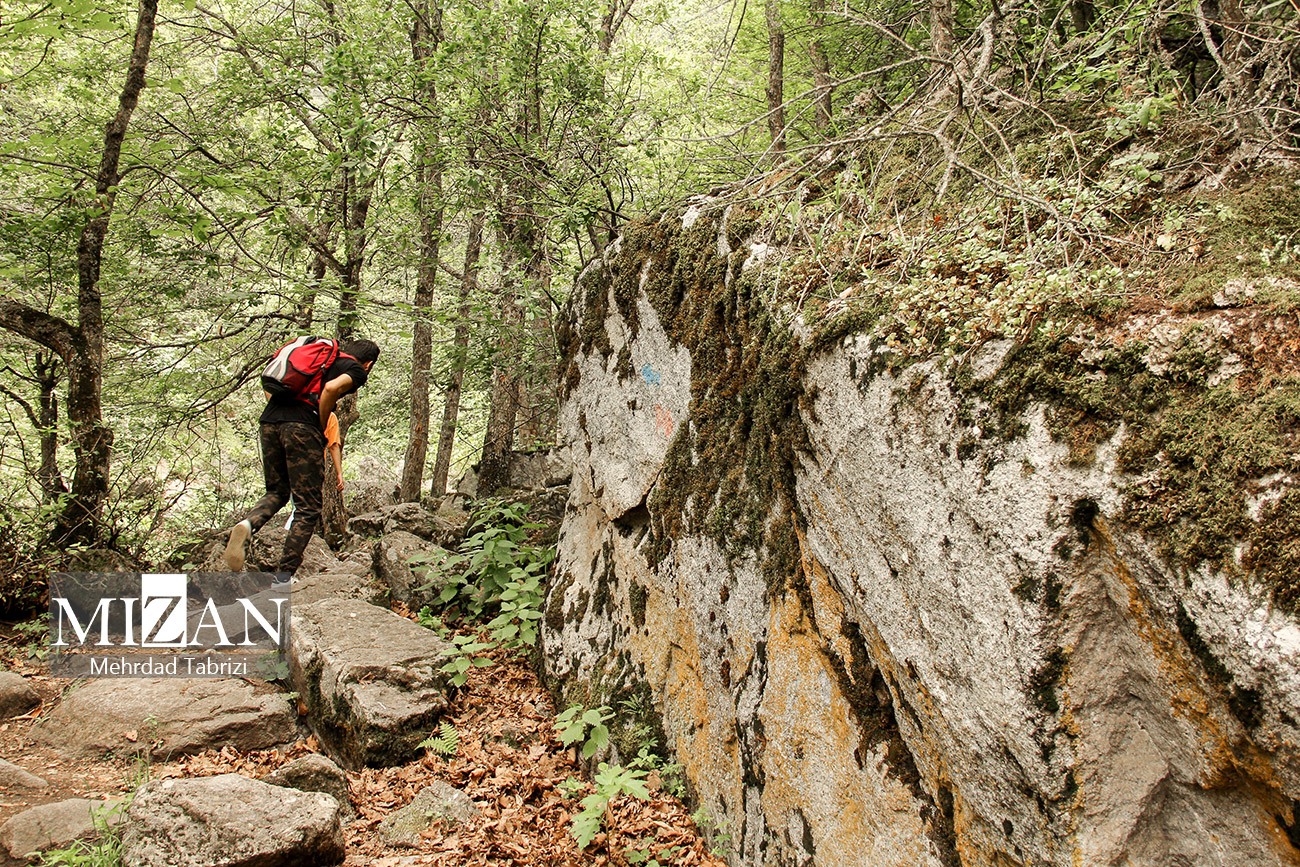
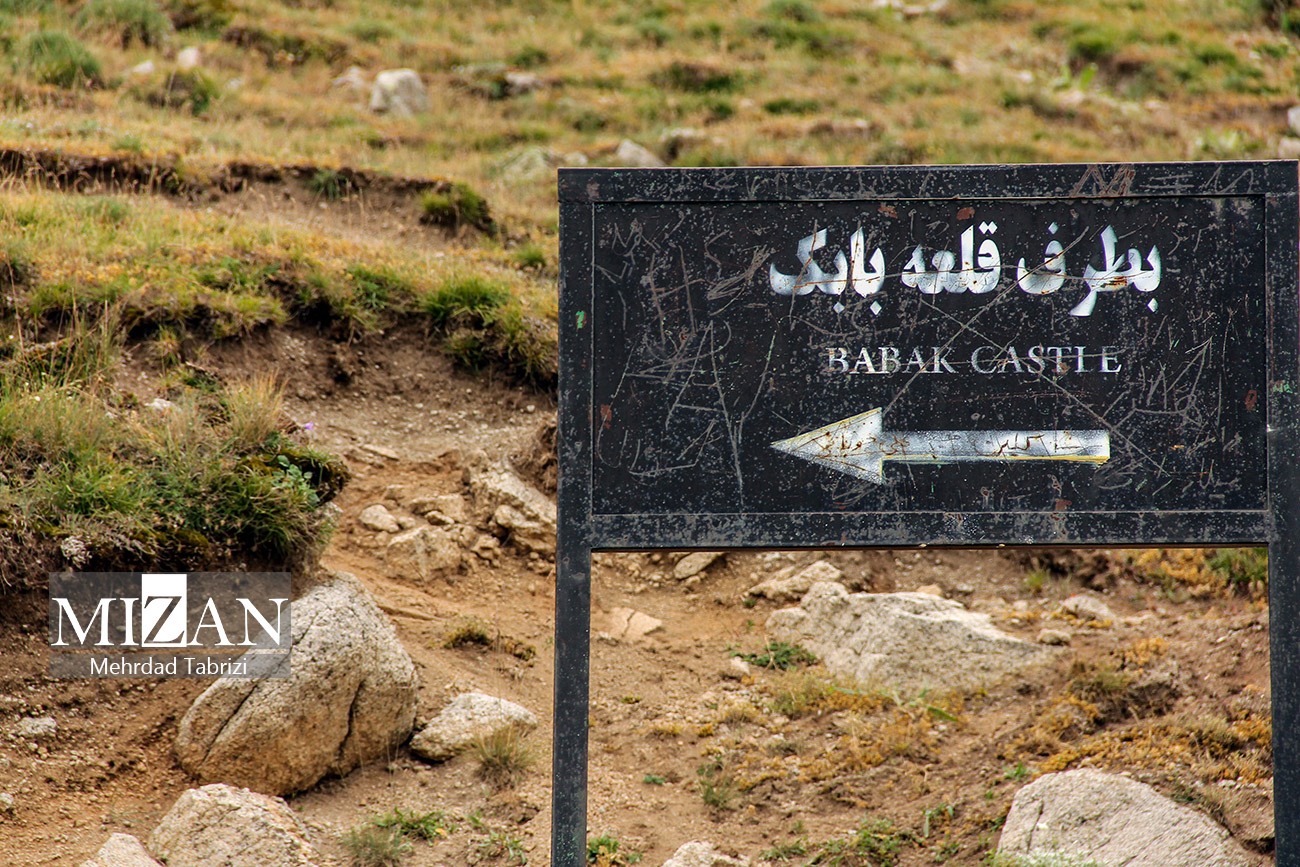
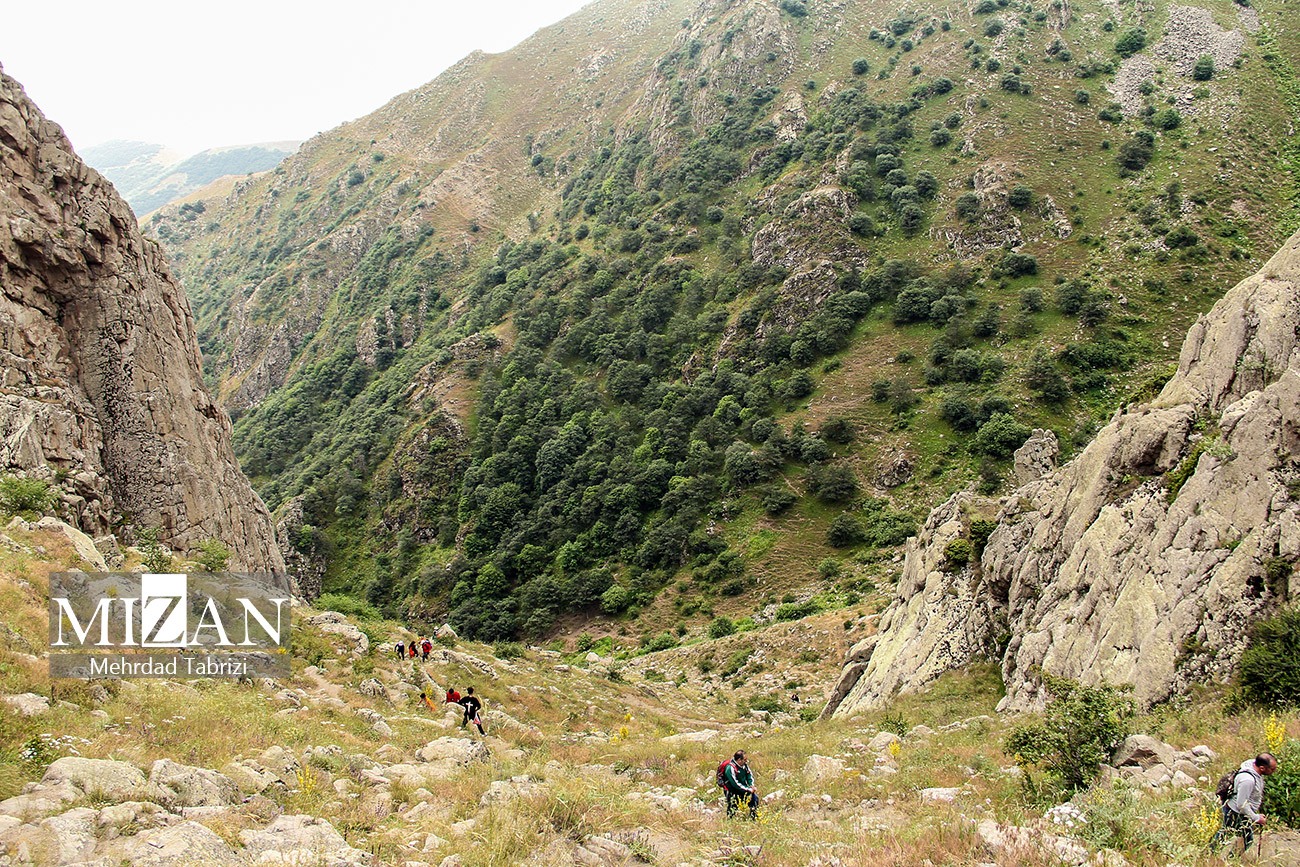
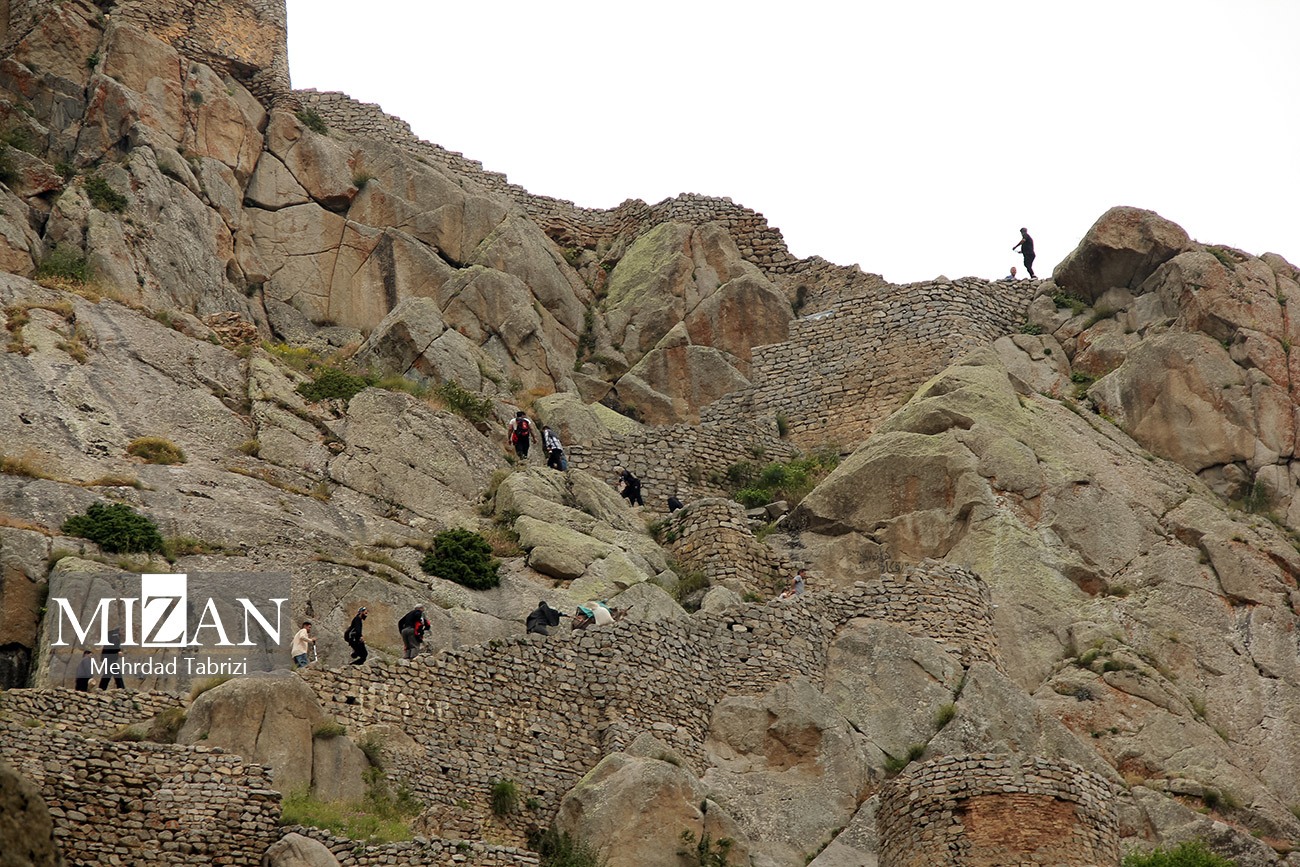
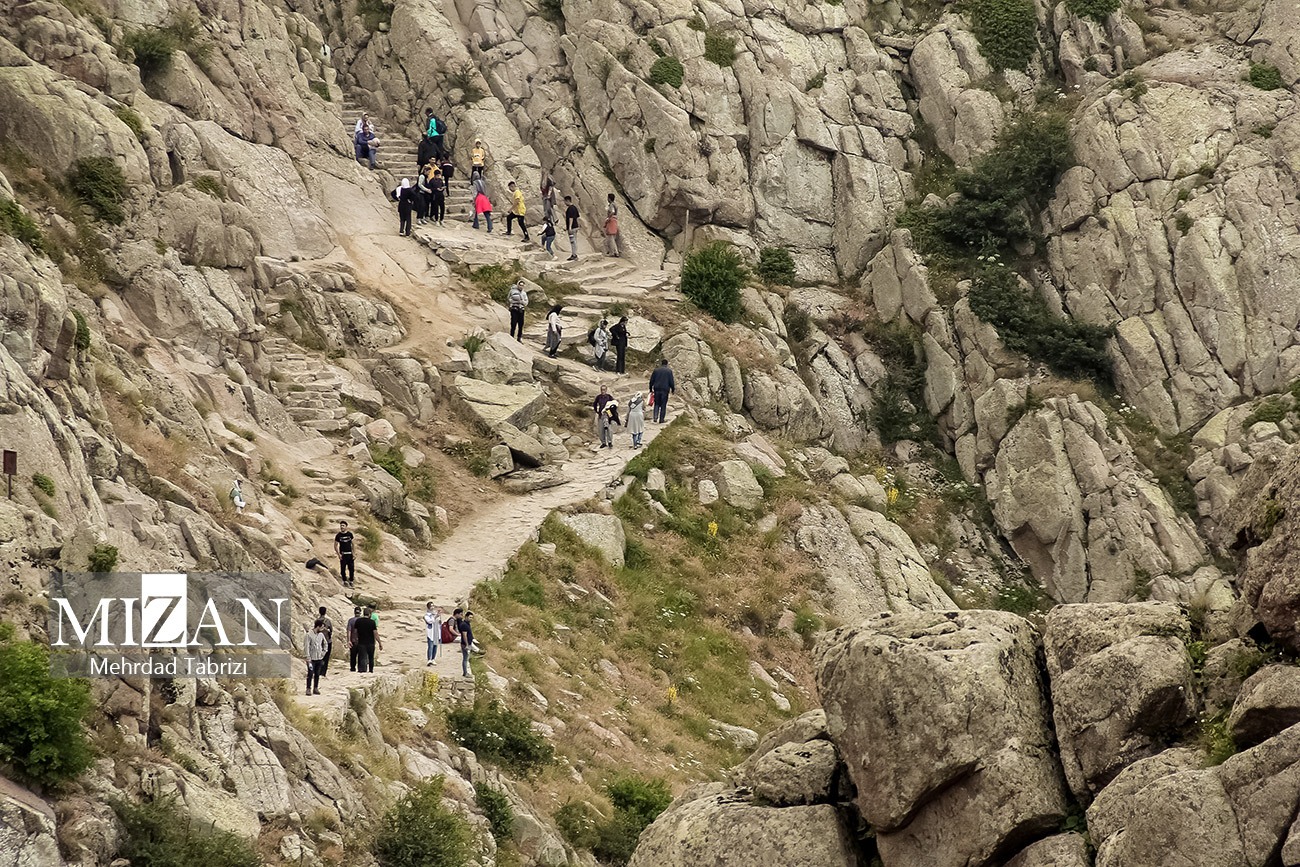
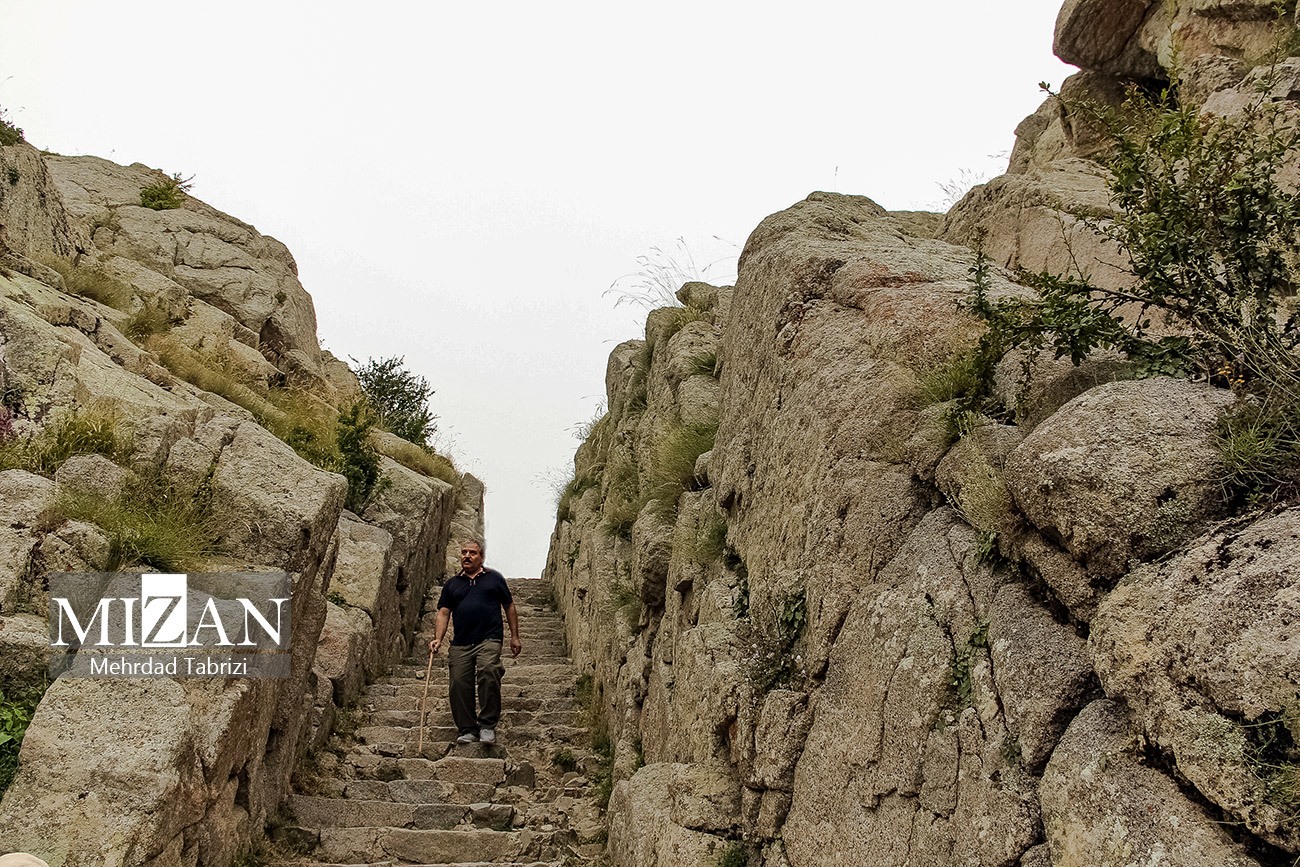
There are three routes to get to the Babak Castle, each of which is regarded as part of the attractions of the trip. These paths meet at the beginning of the staircase passage leading to the fortress. This passageway is the only way to enter the castle.

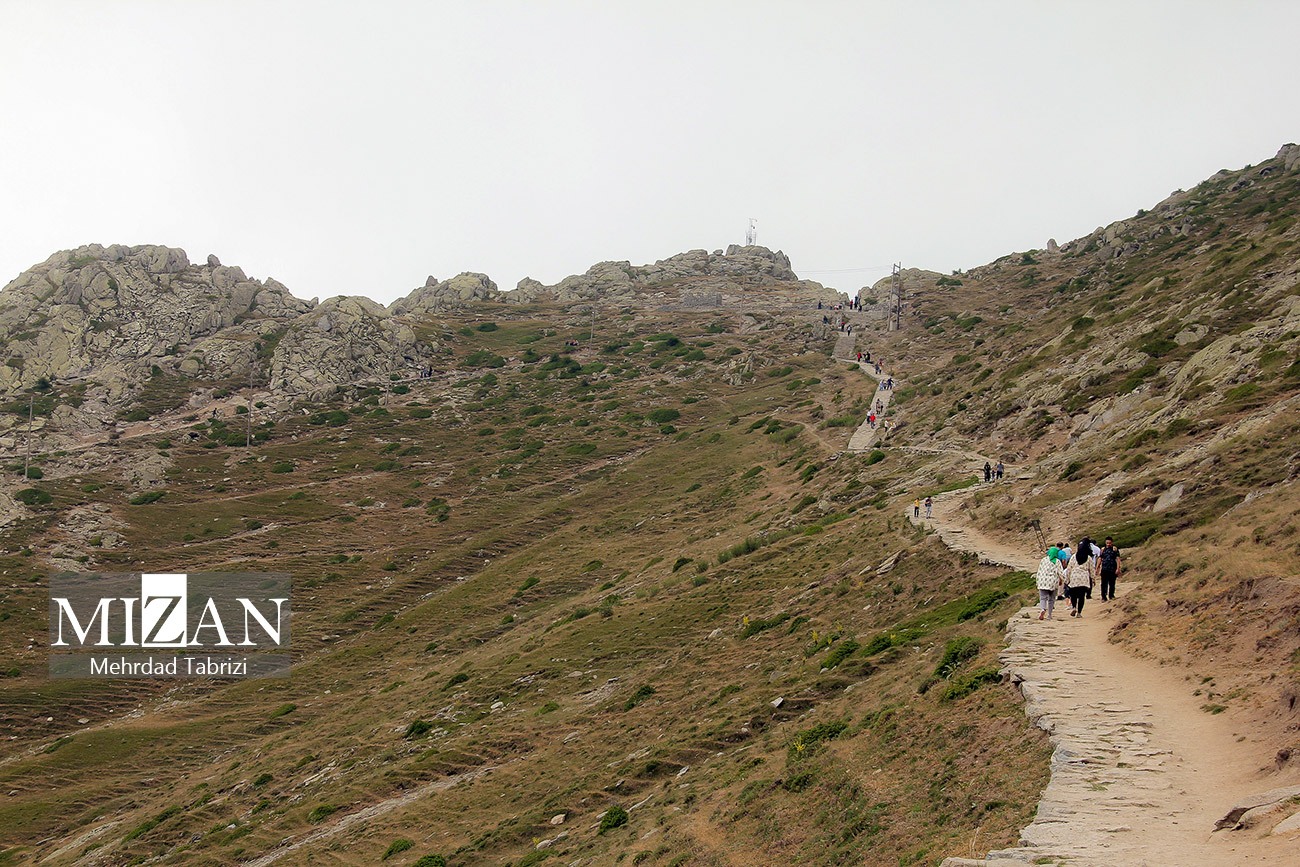
The first pathway: If you choose to climb to the castle from the direction of the Babak Hotel, you have go up around 1000 stone steps, which is roughly a three-hour walk.

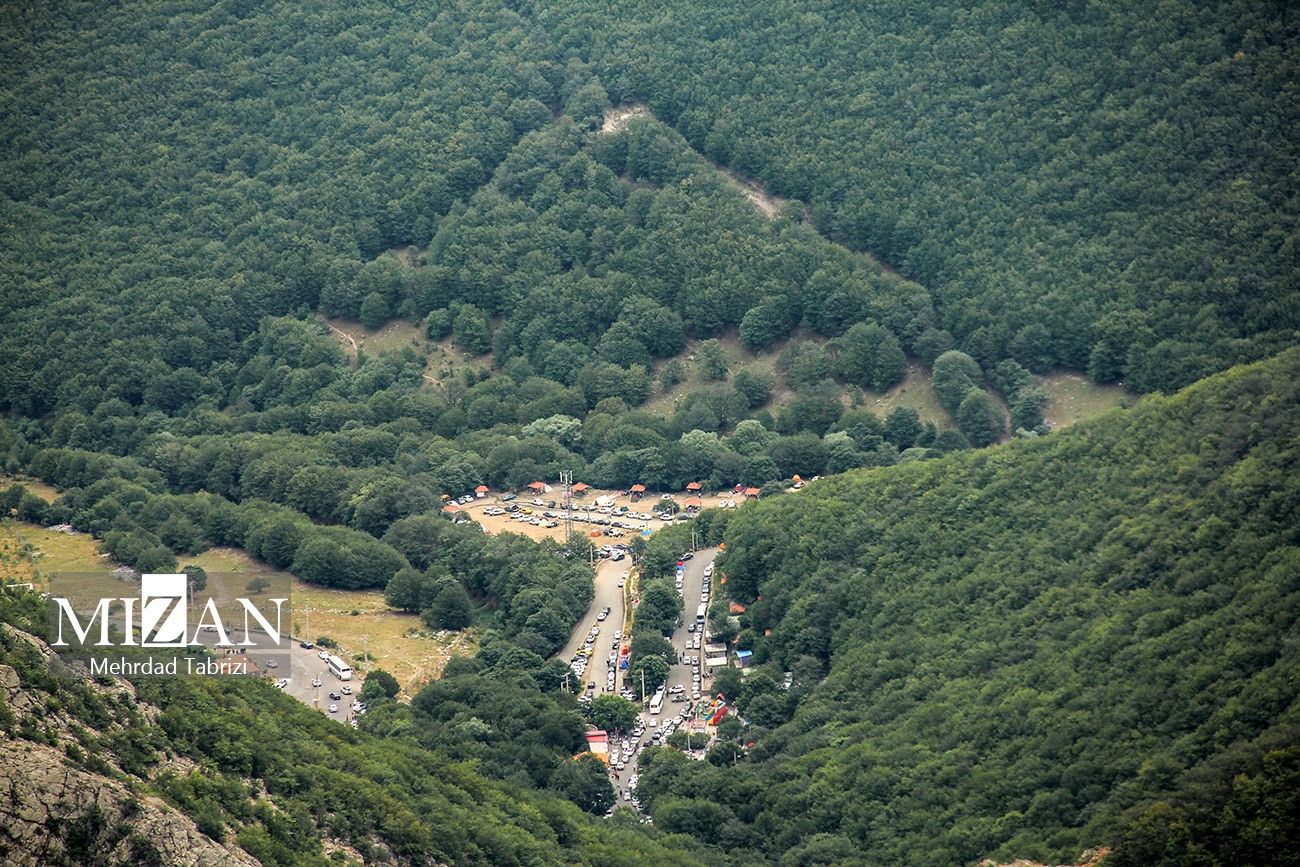
The second pathway: The Daresi Castle Tourism Camp located three kilometers from the Babak Castle can be another option. You can drive to the camp with your personal car before continuing your journey to the fortress on foot. It takes almost three hours to walk up the path with a rather slight slope.

The third path: It is a path which runs all the way from Kaliber to the hotel and the nomads’ campsite and should be traversed with a powerful vehicle; then you should be ready for an hour’s walk to get to the passageway of the castle.
Iran tourism: Conquering the Babak Castle

The Story of Babak Khorramdin from Azerbaijan to India and Rome

The strategic position of the castle and the hardly negotiable pathway to the summit had enabled a 20-strong group of soldiers to overcome a 100,000-strong army as the far distance did not allow the bows and arrows as well as other weapons of the time to harm the guards and soldiers at the castle.

There are many stories and legends about the life and death of Babak Khorramdin. Despite the numerous surveys conducted, there is little information about his birthplace. He seems to have been born more than 1200 years ago.

Babak was finally defeated in a battle with Afshin in the year 817 and apprehended.

Despite being Iranian, Afshin served Al-Mu’tasim, the eighth Abbasid caliph, to gain control over Khorassan province and took Babak captive by deceiving him. In the same year, Babak’s limbs were amputated and he was finally executed on the caliph’s orders.

Stories of Babak and his companions’ valor and courage were not limited to Azerbaijan only, and the saga of the Khoramdins’ uprising spread all the way from India to Rome to other areas as an interesting legend.
Iran tourism: Conquering the Babak Castle

Ceremonies at the Babak Castle

Babak fans and enthusiasts converge on the castle on July 06 every year to hold a ceremony commemorating him. The gathering marks the anniversary of the birthday of this Iranian commander, which has been honored by people from all walks of life since 2000.

The Castle’s Building

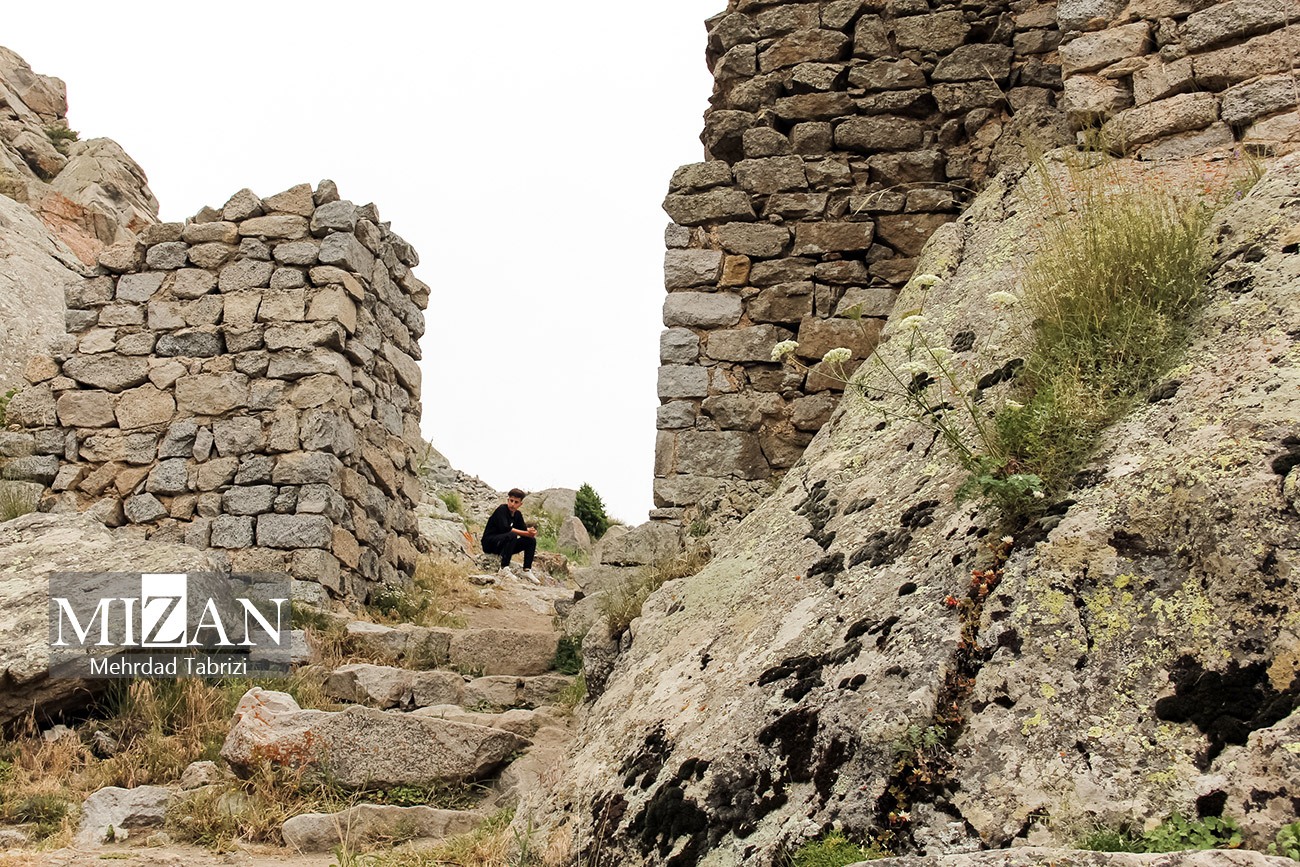
The only entrance to the fortress is through the main gate. After you enter the gate and walk past the battlements, you have to walk through a narrow passageway, which is a 100-meter slope toward the summit. Then you will get to the interior entrance of the castle.

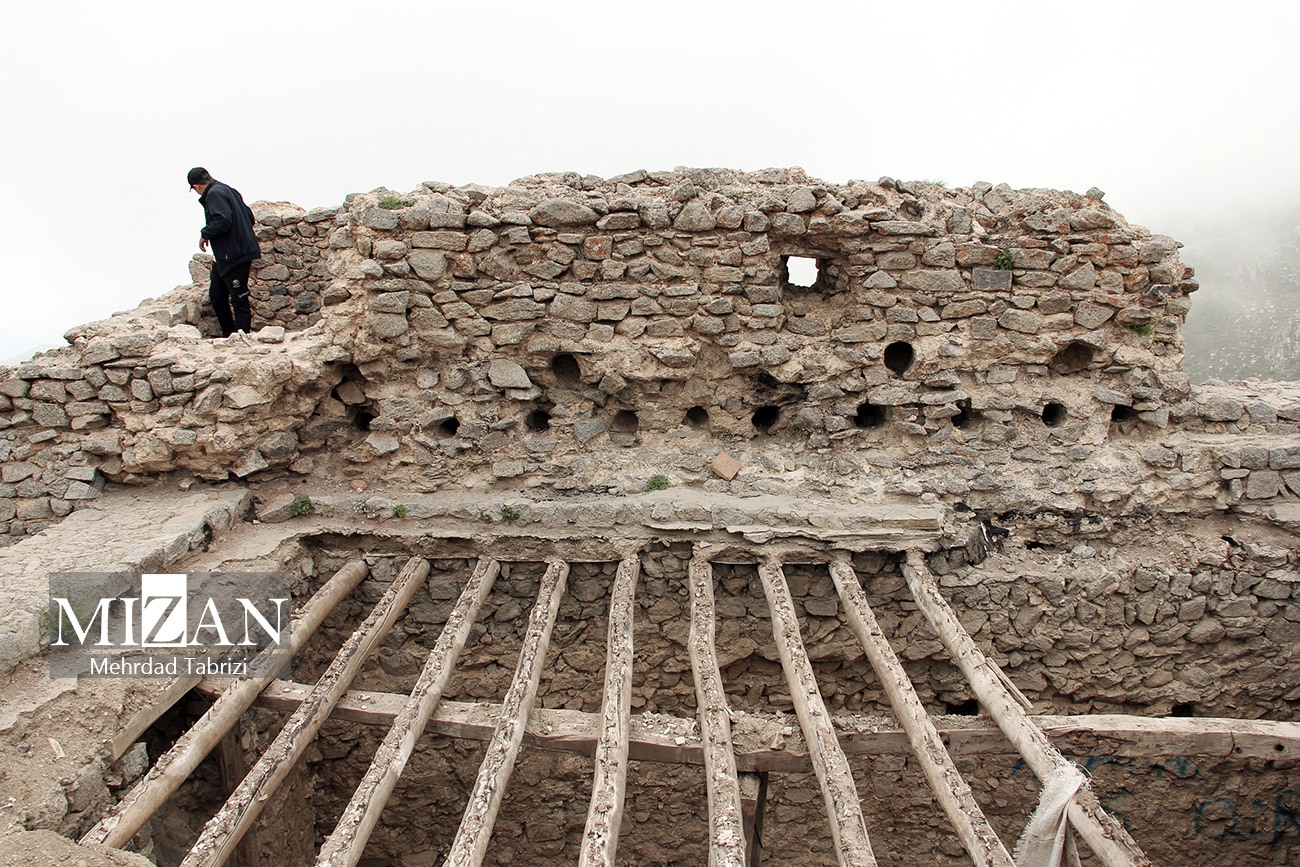
The building of the castle is located after the entrance and used to have two or three stories. Seven rooms surround the main hall all of which are connected to the central hall.

The Babak Castle was used in the 6th and 7th centuries, too. This can be proved by the objects discovered at the site such as coated and painted pottery. There are no documents and evidence about the era after that date. It seems like the castle was abandoned from then on.

More Images of Conquering the Babak Castle

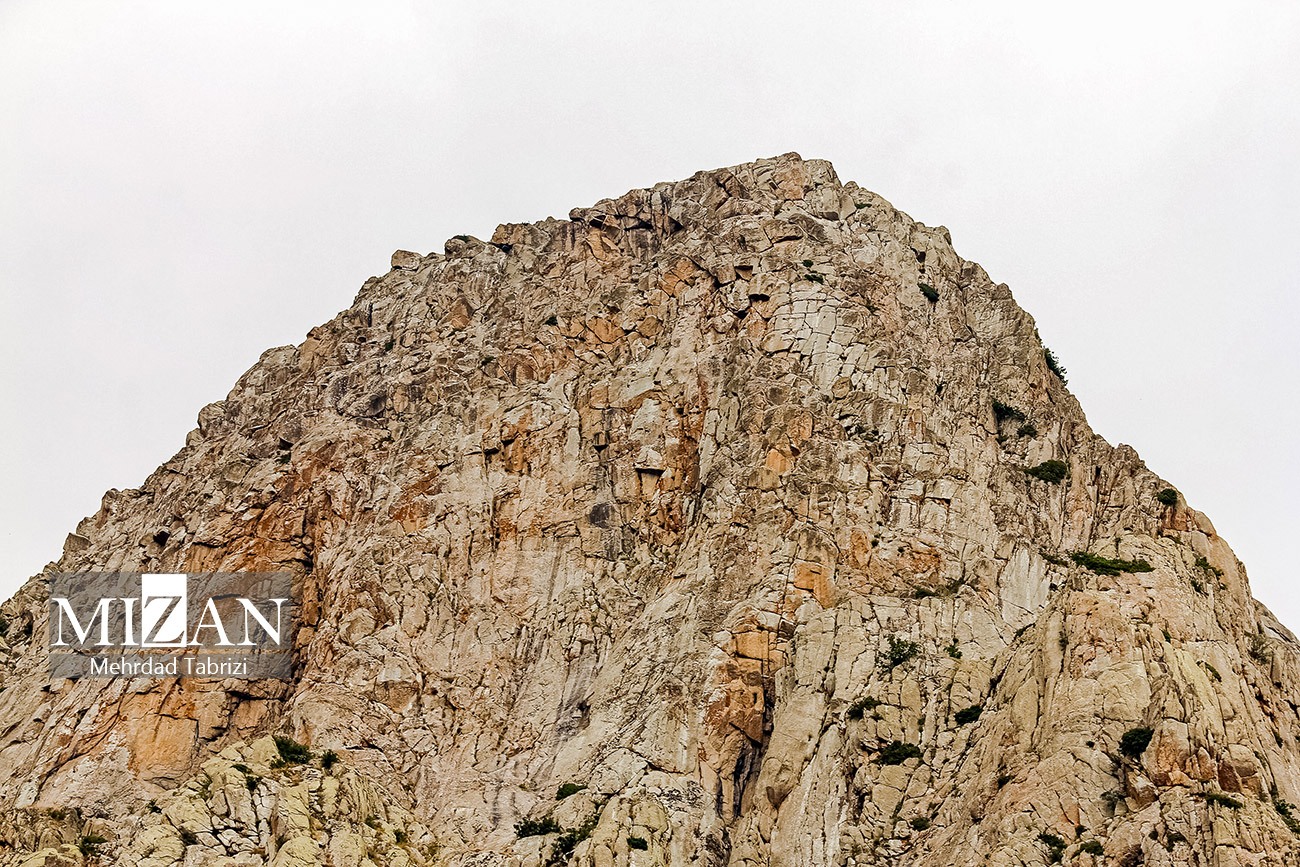
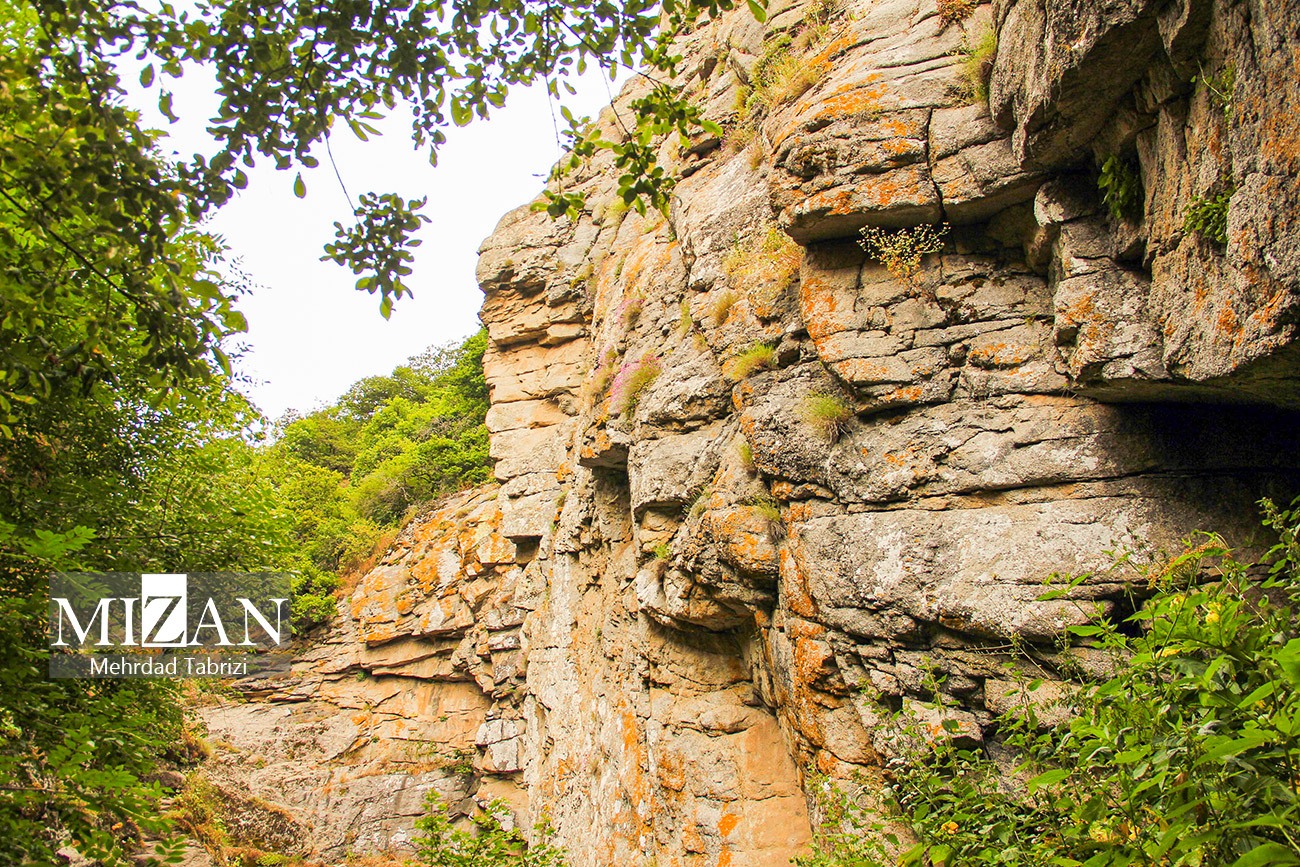
The following photos of tourists climbing the mountain to reach the historical Babak Castle have been published by the Mizan News Agency.
Frequently Asked Questions

1. Where is the Babak Castle located?
It is located near the town of Kaliber in East Azerbaijan Province.

2. When was the Babak Castle built?
Based on archeological findings, the castle dates back to the Parthian and Sassanid eras.
3. What is the castle famous for?
The castle has a reputation for being home to an Iranian commander named Babak Khorramdin, who fought Abbasid caliphs at mountainous areas of Arasbaran for more than two decades.
4. Which is the best season to visit the Babak Castle?

You had better travel to this region and visit the castle during the period of time from mid-April to late May, and from September to October.
READ MORE:


Officials: US believes missile inside Russia likely shot down Wagner head’s presumed plane

Yevgeny Prigozhin

The officials, who spoke on condition of anonymity given the sensitivity of the matter, stressed that the information was still preliminary and under review.

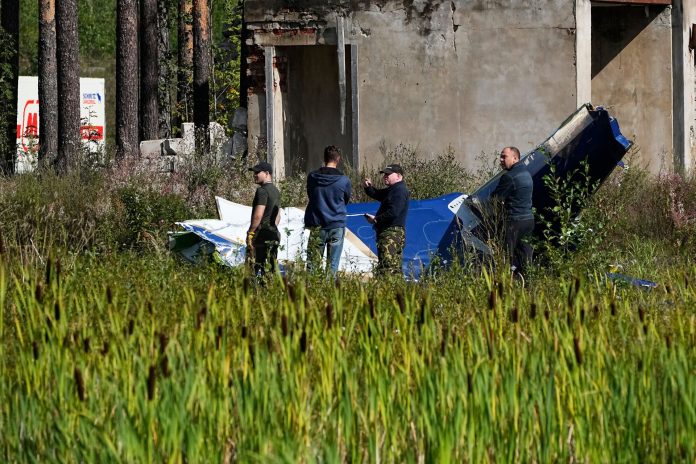
Prigozhin was on the passenger manifest of the Embraer private jet that crashed on Wednesday in the Tver Region, en route from Moscow to St. Petersburg. All seven passengers and three crew members perished.

Authorities are still working to identify the bodies, but Prigozhin is presumed to be among them, along with six other Wagner leaders.

The New York Times has also reported that American and other Western officials has stated an explosion on the plane likely brought down the aircraft.

A definitive conclusion has not been reached, but an explosion is the leading theory of what caused the plane to crash in a field between Moscow and St. Petersburg. The blast could have been caused by a bomb or other device planted on the aircraft, though other theories, like adulterated fuel, were also being explored, the officials said.

The incident happened exactly two months after Wagner’s failed mutiny against the Russian military. Prigozhin had accused the Russian Defense Ministry of attacking a Wagner base and sent a convoy of troops toward Moscow, while taking over the military command post in Rostov-on-Don.

Russia President Vladimir Putin condemned the mutiny as tantamount to treason and had a criminal case opened against Prigozhin. The charges were dropped within days, however, as Prigozhin agreed to disband much of Wagner and leave with the rest to Belarus and Africa, as part of a deal brokered by Belarusian President Alexander Lukashenko.

Putin comments on Prigozhin plane crash, describes Wagner chief as “talented man”

Putin and Prigozhin

Speaking with journalists at the Kremlin, Putin said that he had known Prigozhin since the early 1990s, and described him as “a man of complicated destiny.”

“He’d made serious mistakes in his life, but also got results. For himself as well as our common cause, when I asked it of him in these last months,” Putin added.

He described Prigozhin as “a talented businessman” who worked in Russia as well as Africa dealing in oil, gas, precious metals and gems. Putin stated Prigozhin had apparently just returned from Africa, and had met with some Russian officials.

Prigozhin was on the passenger manifest of the Embraer private jet that crashed on Wednesday in the Tver Region, en route from Moscow to St. Petersburg. All seven passengers and three crew members perished. Authorities are still working to identify the bodies, but Prigozhin is presumed to be among them, along with six other Wagner leaders.

Putin expressed his sincere condolences to their families and vowed that the investigation into the crash would be thorough.

The incident happened exactly two months after Wagner’s failed mutiny against the Russian military. Prigozhin had accused the Russian Defense Ministry of attacking a Wagner base and sent a convoy of troops toward Moscow, while taking over the military command post in Rostov-on-Don.

Putin condemned the mutiny as tantamount to treason and had a criminal case opened against Prigozhin. The charges were dropped within days, however, as Prigozhin agreed to disband much of Wagner and leave with the rest to Belarus and Africa, as part of a deal brokered by Belarusian President Alexander Lukashenko.

Benefits of Iran’s accession to BRICS to be historic: President Raisi

Ebrahim Raisi

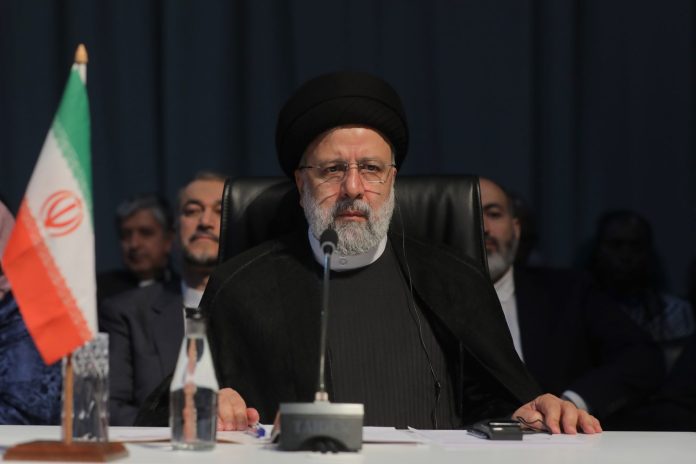
The president made the remarks addressing the 15th BRICS Summit in Johannesburg, South Africa, on Thursday, an event in which Iran and five other countries were admitted to the bloc.

This membership will mark a new chapter and a stronger step towards justice, fairness, morality, and lasting peace in the international scene, Raisi said.

He praised the decision of the BRICS members to expand the bloc, calling it an admirable measure that paves the way for global development based on justice.

Iran’s president also referred to issues such as dominance-seeking, injustice, discrimination, and moral crises across the world, stating that BRICS can contribute to finding solutions to these crises.

Voicing Iran’s readiness for cooperation will all BRICS members, Raisi stressed that Iran strongly supports successful efforts of the BRICS bloc to ditch the dollar from economic relations among member countries and make use of their national currencies and any BRICS mechanism for payment and financial development.

He added that Iran enjoys exceptional potential and is fully prepared for partnership with BRICS in different political, security, economic, financial, and social areas.

Putin says western states trying to scupper BRICS

Vladimir Putin BRICS

Speaking at the closing ceremony of the BRICS summit in South Africa via video link on Thursday, the Russian leader pointed out that the group’s efforts to create a new world order based on multipolarity has “irreconcilable opponents” who wish to slow down the process and restrain the formation of new and independent centers of development and influence in the world.

Putin said that states of the “golden billion” are doing everything in their power to preserve a unipolar world that suits them and is beneficial to them.

“They are trying to replace the system of international law with their own so-called rules-based-order,” the president stated, adding that no one has actually seen the rules, which are constantly being changed and adapted to benefit the interests of individual countries.

The Russian leader went on to state that the way the countries operate is tantamount to colonialism, but “in a new package, which, by the way, doesn’t look that good.”

“Modern colonialists, hiding behind the good slogans of democracy and human rights, seek to solve their problems at someone else’s expense, continuing to shamelessly pump resources out of developing countries,” Putin claimed.

At the same time, he maintained that these “modern colonialists” also create financial relationships with developing economies that make it nearly impossible for the borrowers to pay off their debts.

“It no longer looks like loan obligations, but like an indemnity,” Putin continued.

He went on to name “radical neoliberalism” as another threat to the new, multipolar world order, which he said was being imposed by some countries that wish to destroy crucial traditional values, such as the institution of the family and the respect for national and religious traditions.

“For the sake of opportunistic tasks, some politicians do not hesitate to even justify neo-Nazism, xenophobia, extremism of different kinds and condone terrorists,” the president observed.

Putin stated that “the world majority,” a large portion of which are represented in BRICS, have grown tired of pressure and manipulation and wish to establish honest, equal, and mutually respectful cooperation.

Iranian president: Iran’s accession to BRICS bolsters groups opposition to US unilateralism 

Raisi and Xi

Raisi and Xi met on the sidelines of the BRICS meeting in South Africa on Thursday.
The Iranian president stressed the need for Iran and China to implement their bilateral agreements, most particularly, the 25-year strategic partnership treaty.

The Chinese president also congratulated Iran on its access to BRICS. Xi said China is ready to boost its bilateral ties with Iran and expand cooperation with the Islamic Republic in different areas to bolster the trend of multilateralism.

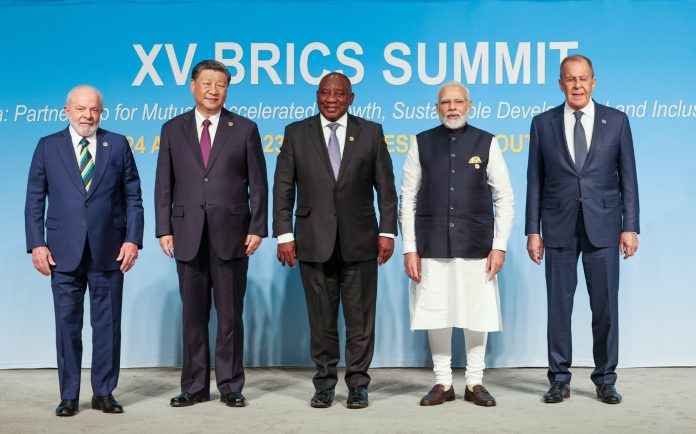
Leaders of the BRICS group of developing nations invited six states – Argentina, Egypt, Iran, Ethiopia, Saudi Arabia and the United Arab Emirates – to become new members of the bloc.

The invitation was made during BRICS summit in Johannesburg, South Africa on Thursday.
BRICS is comprised of Brazil, Russia, India. China and South Africa.

BRICS invites Iran, Saudi Arabia, four other states, to be new members

BRICS

Six nations will become full-fledged members of the BRICS group of nations starting January 2024, after their candidacies were approved by leaders of the current member states, Ramaphosa has announced. The expansion topped the agenda of the summit in Johannesburg this week.

Argentina, Egypt, Ethiopia, Iran, Saudi Arabia, and the United Arab Emirates were welcomed as new members on Thursday. The bloc currently consists of Brazil, Russia, India, China, and South Africa.

“We value the interest of other countries in building a partnership with BRICS. We’ve tasked our foreign ministers to further develop the BRICS Partners Country model and a list of prospective partner countries,” the South African leader added.

Reacting to the news, Mohammad Jamshidi, the Iranian president’s deputy chief of staff for political affairs, said Iran’s full membership in BRICS is a “historic development” and a “strategic success” for the foreign policy of the Islamic Republic.

“Felicitations to the Leader of Islamic Revolution [Ayatollah Seyyed Ali Khamenei] and the great nation of Iran,” Jamshidi said via X, formerly Twitter.

BRICS previously expanded only once in 2010, when South Africa joined the organization. The admission was made without any prerequisites. One of the key goals of this year’s summit was to agree to more formal criteria for new candidates.

The group touts itself as an alternative to Western-dominated international institutions, saying that its approach better reflects the emerging multipolar world. Member states have blamed the US and its allies for abusing their position during the moment of unipolarity, which they enjoyed following the collapse of the Soviet Union. As Western influence dwindled, its leaders leveraged tools under their control, such as the dollar, to protect its hegemonic position, BRICS members claim.

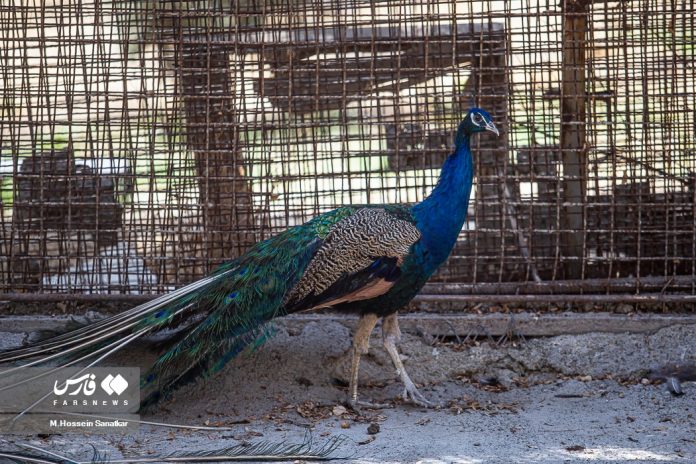
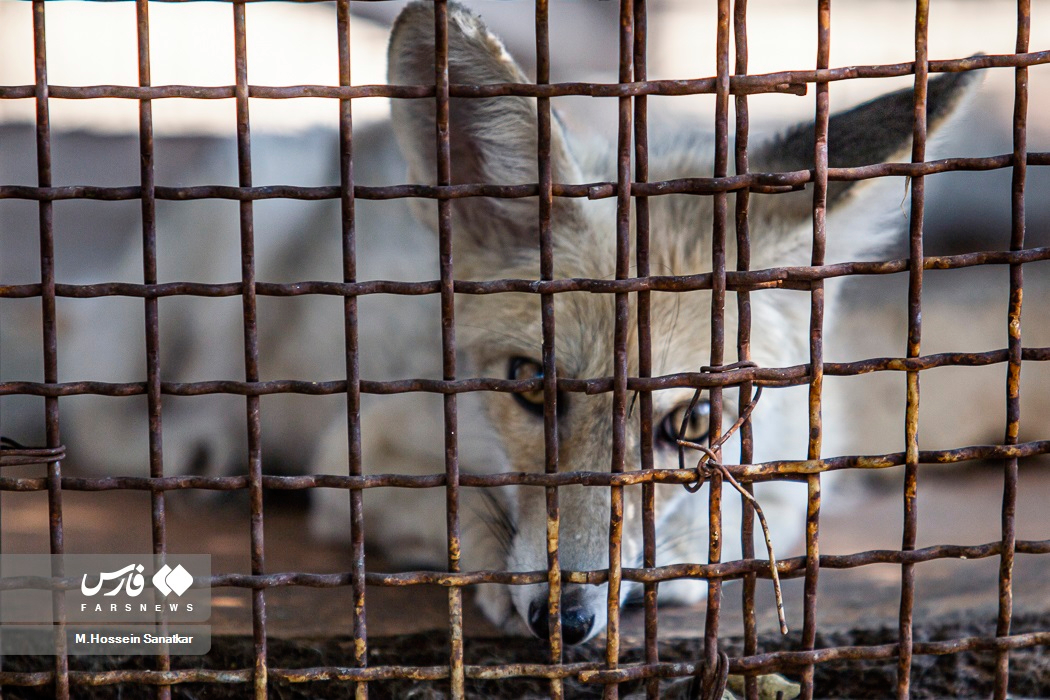
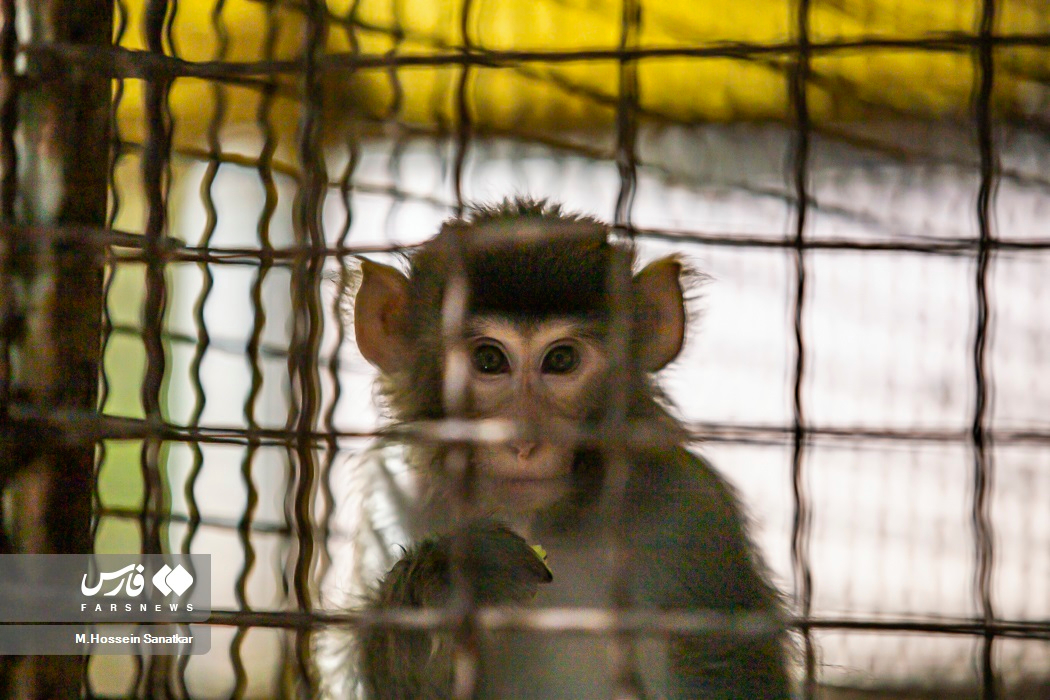
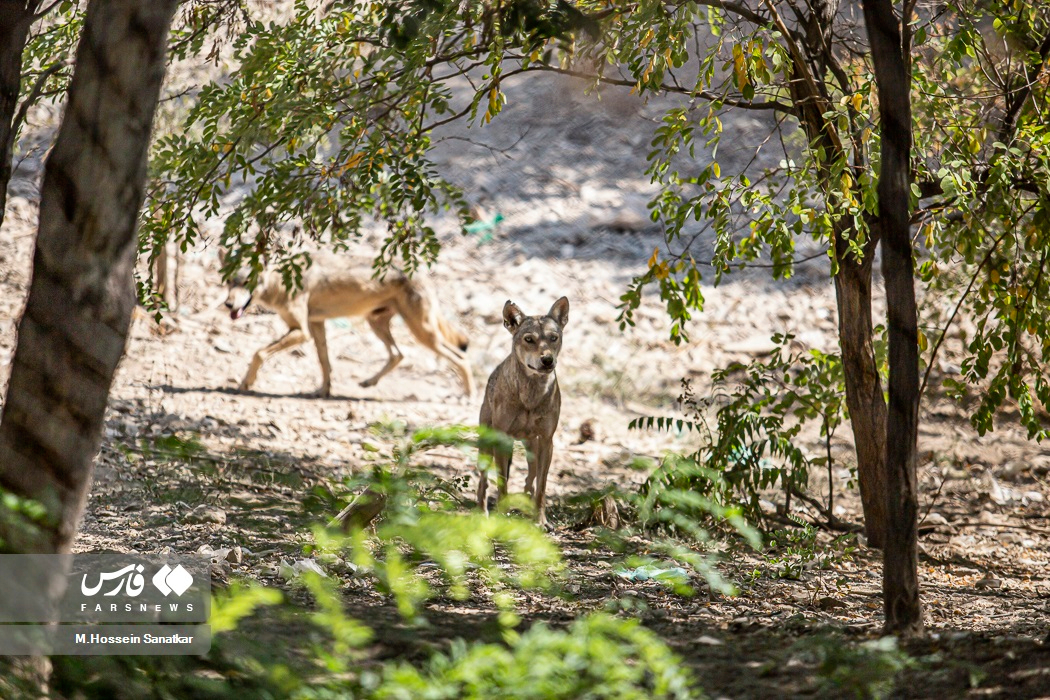
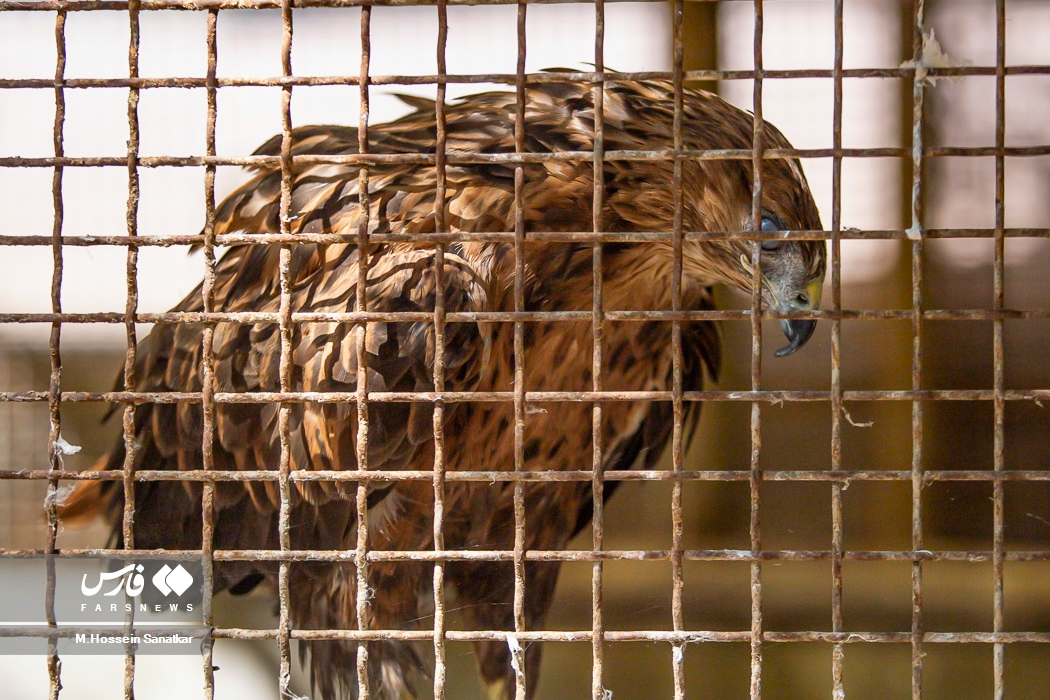
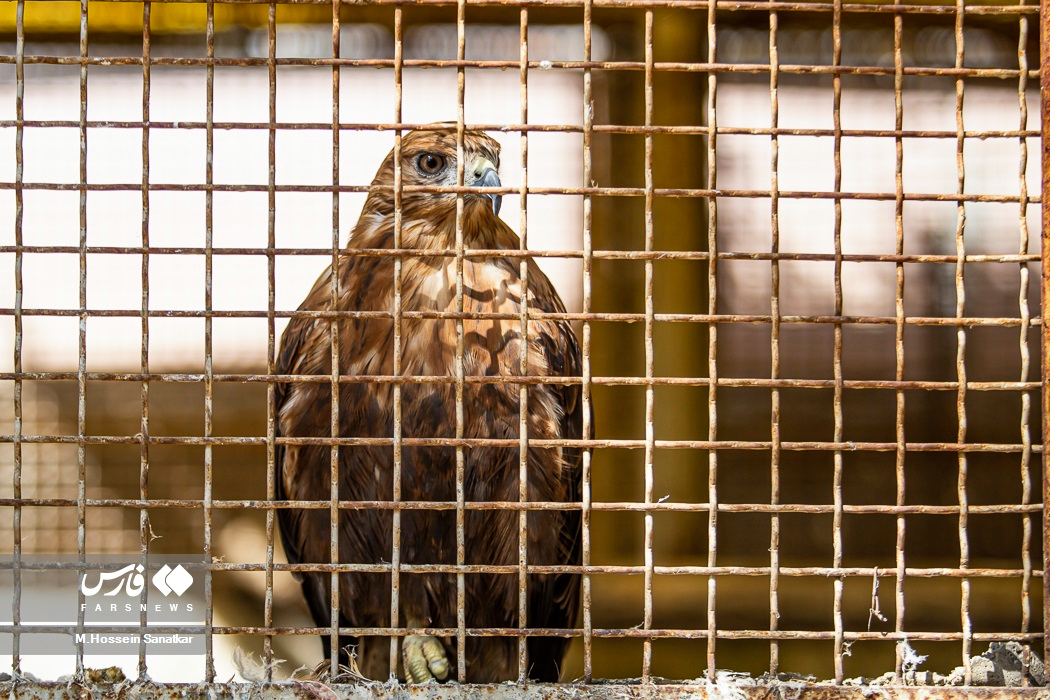
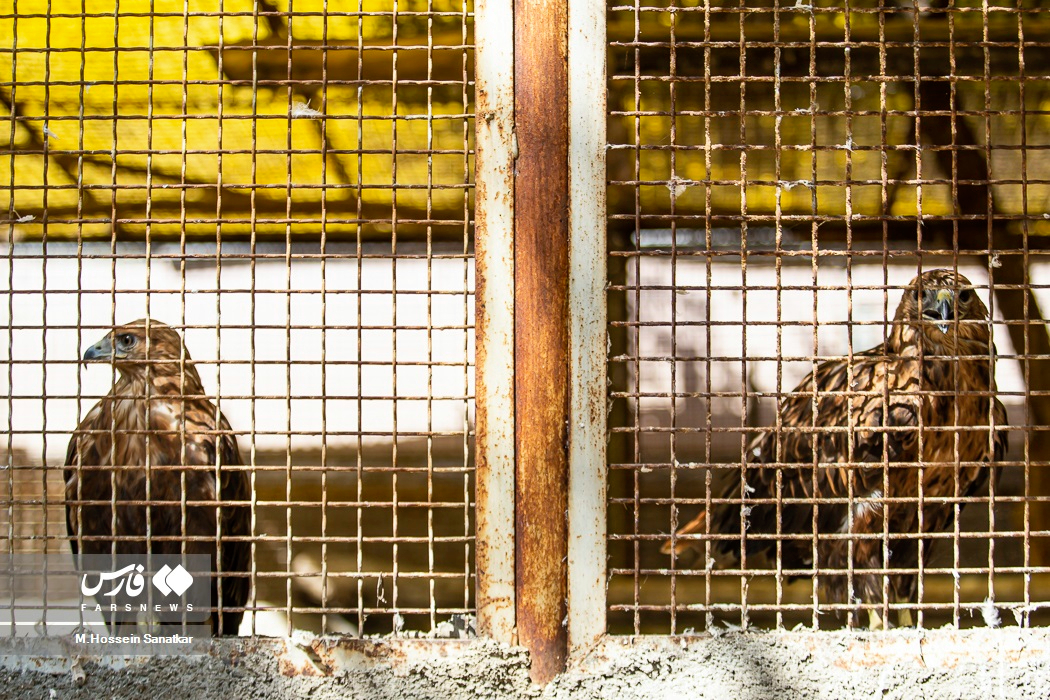
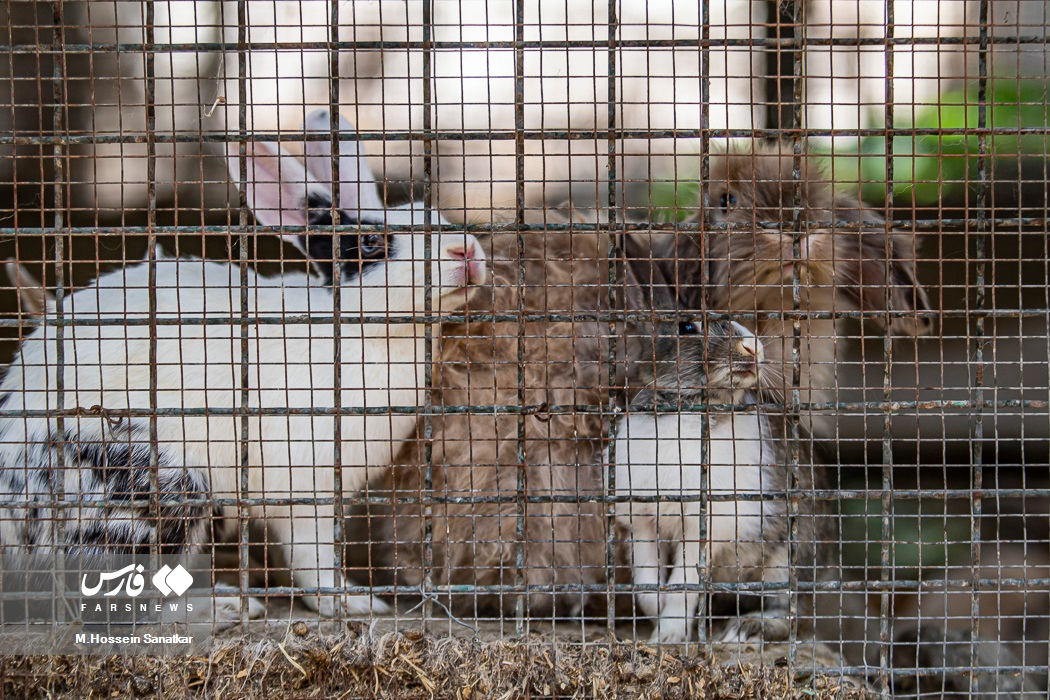
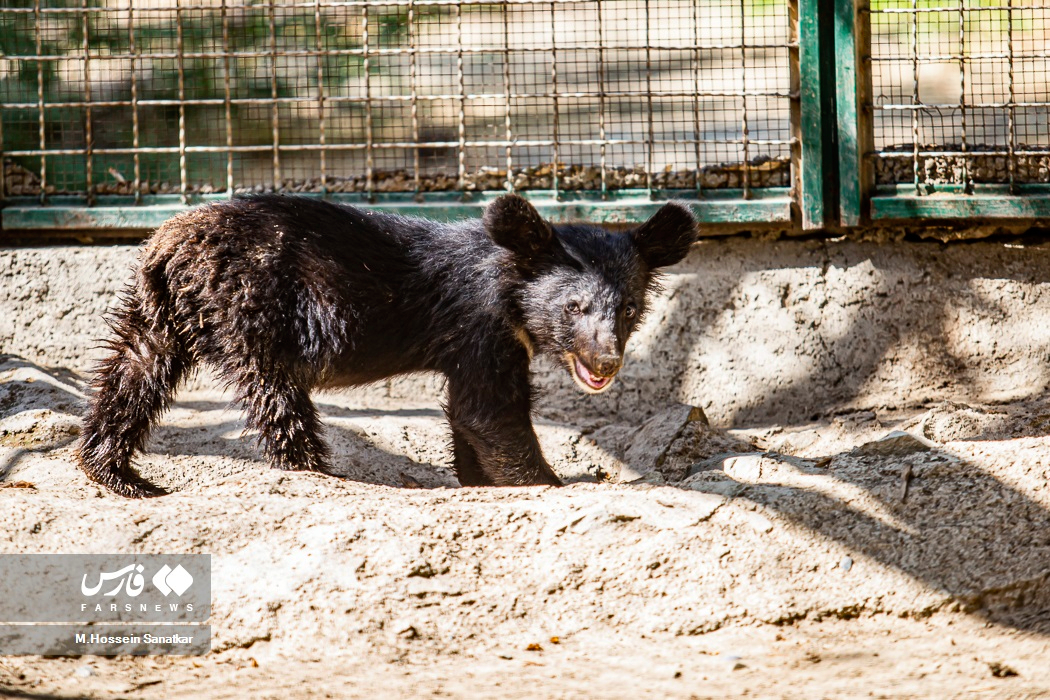
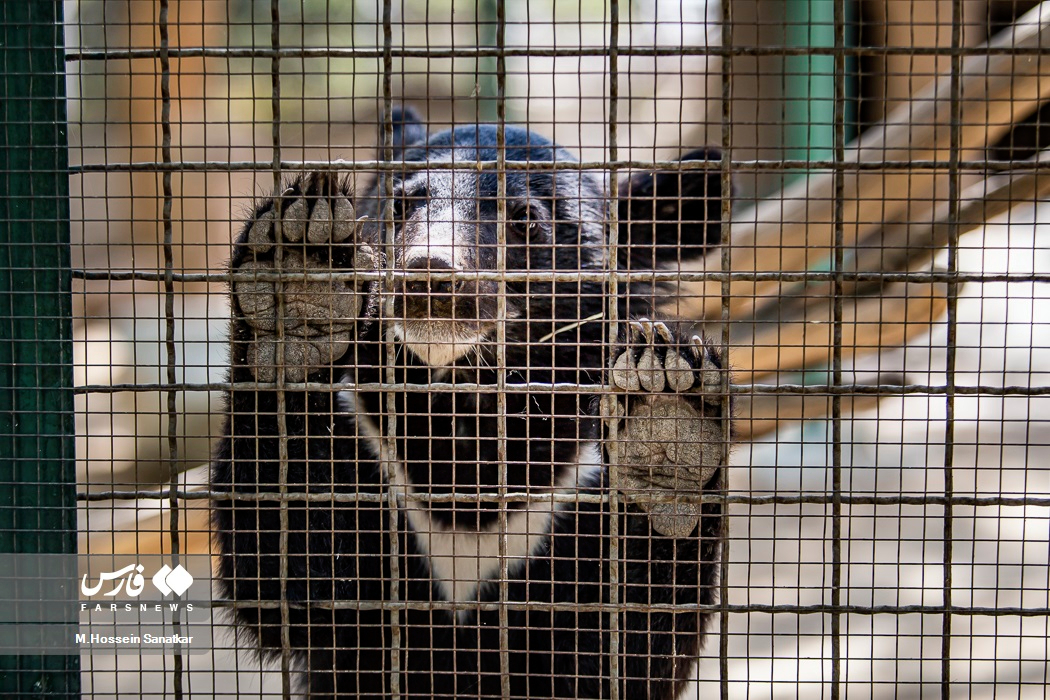
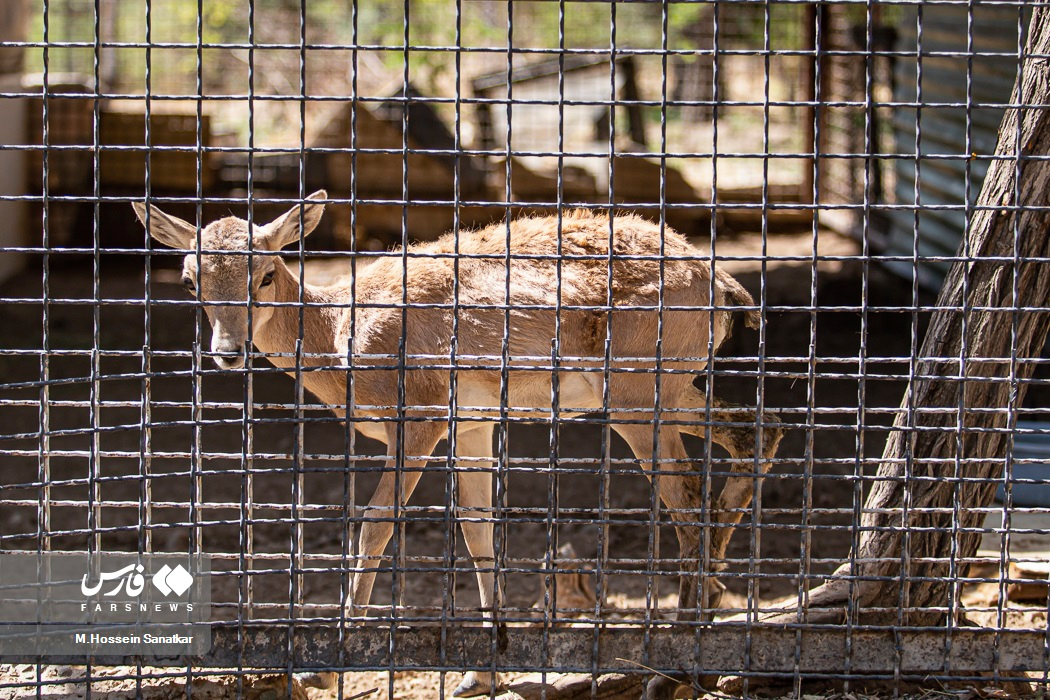
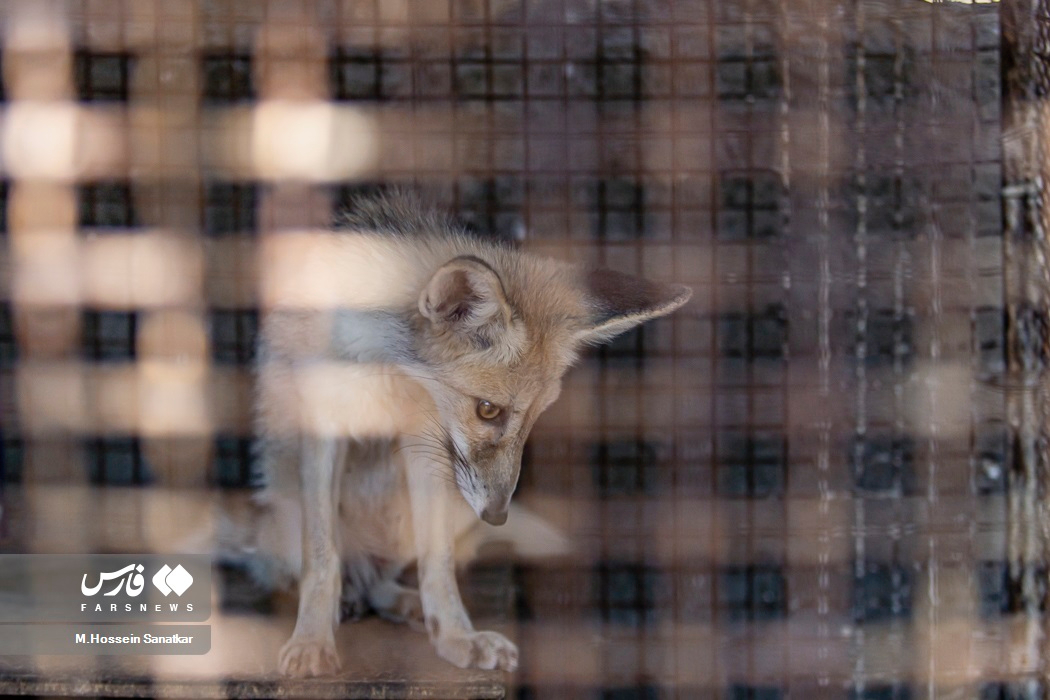
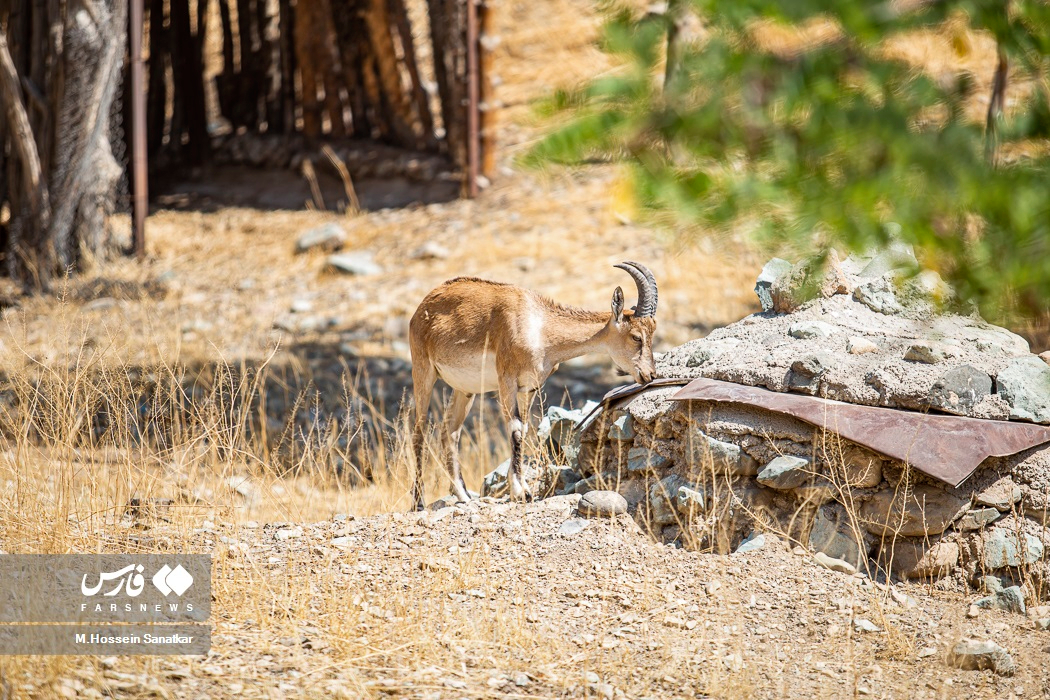
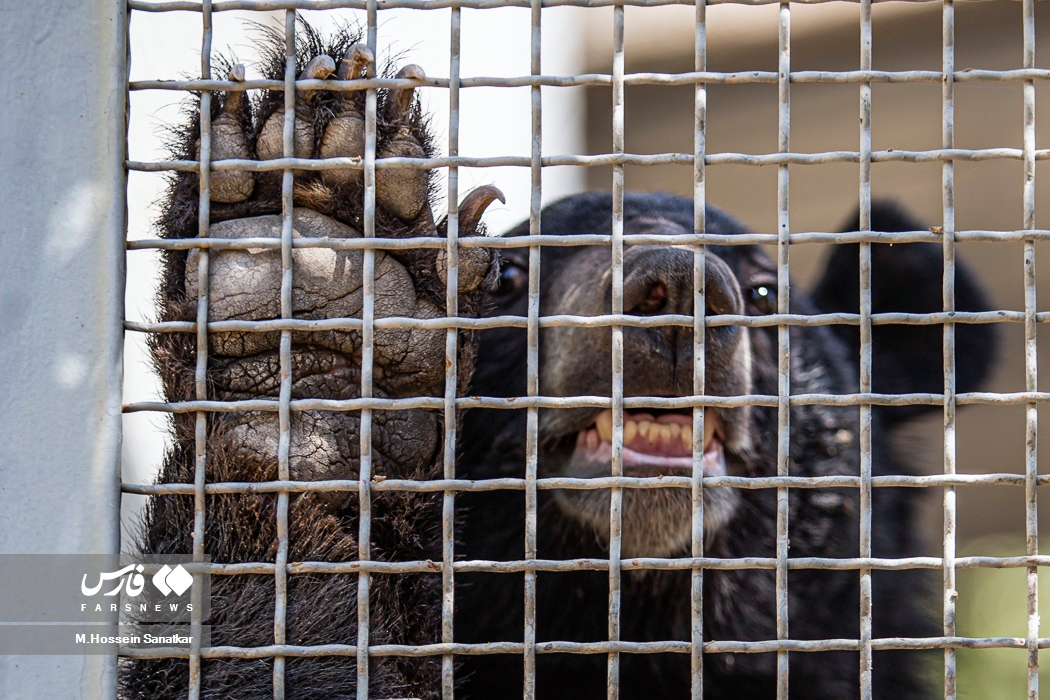
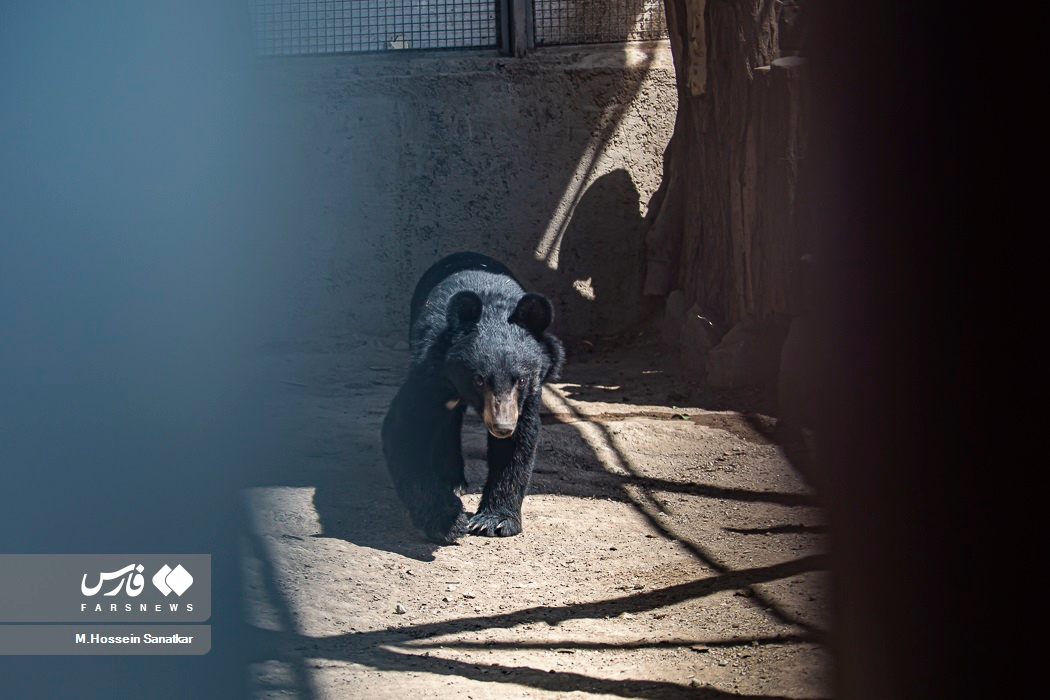
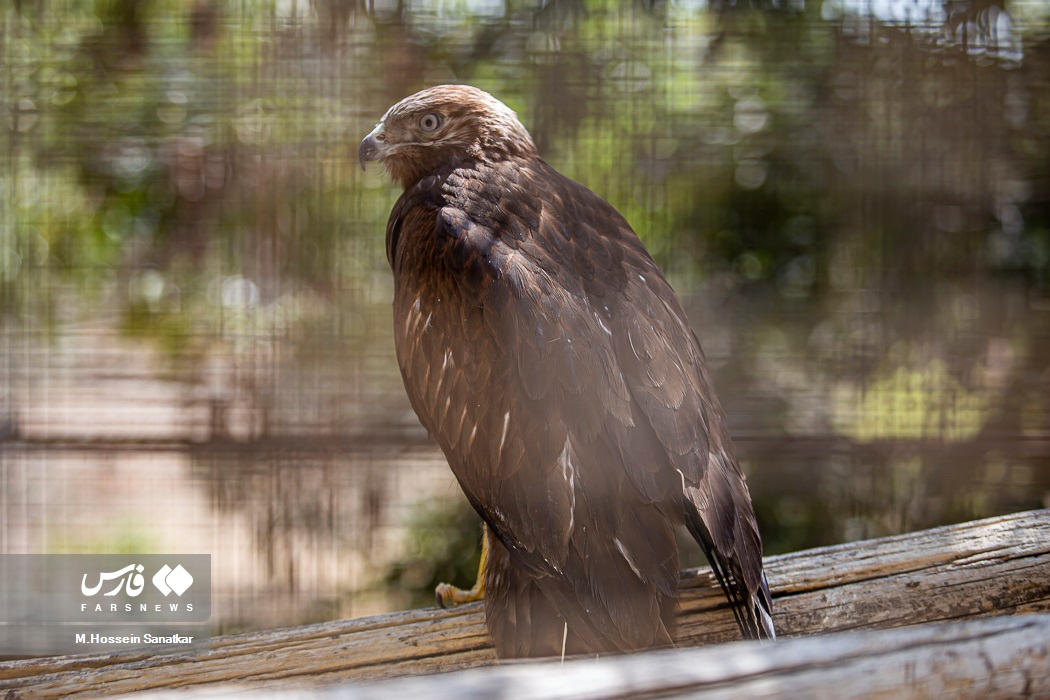
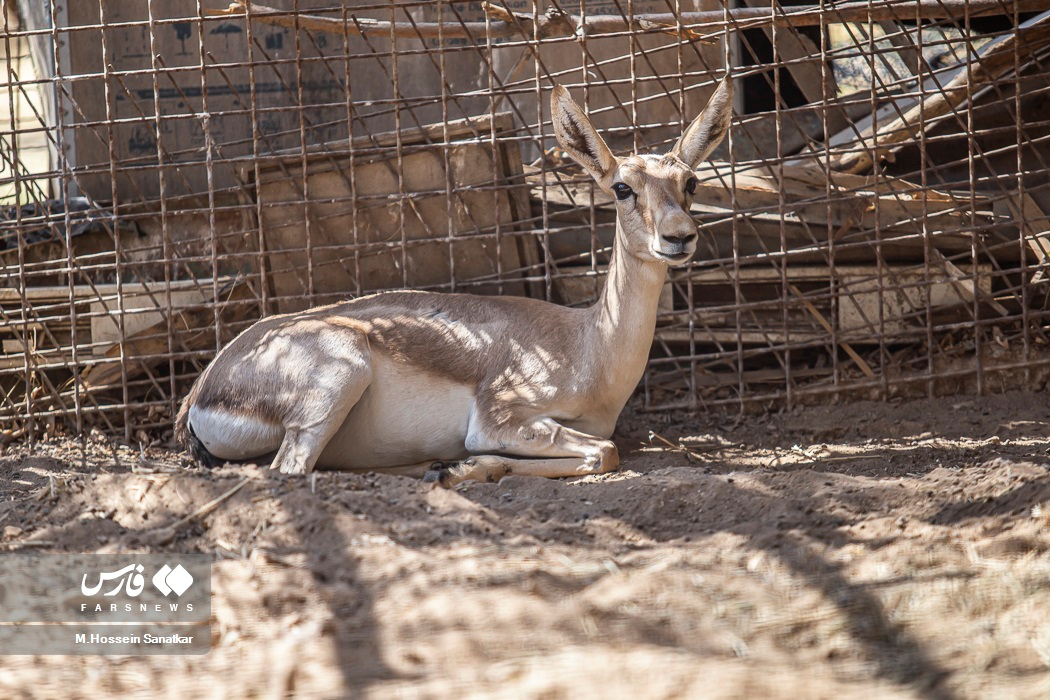
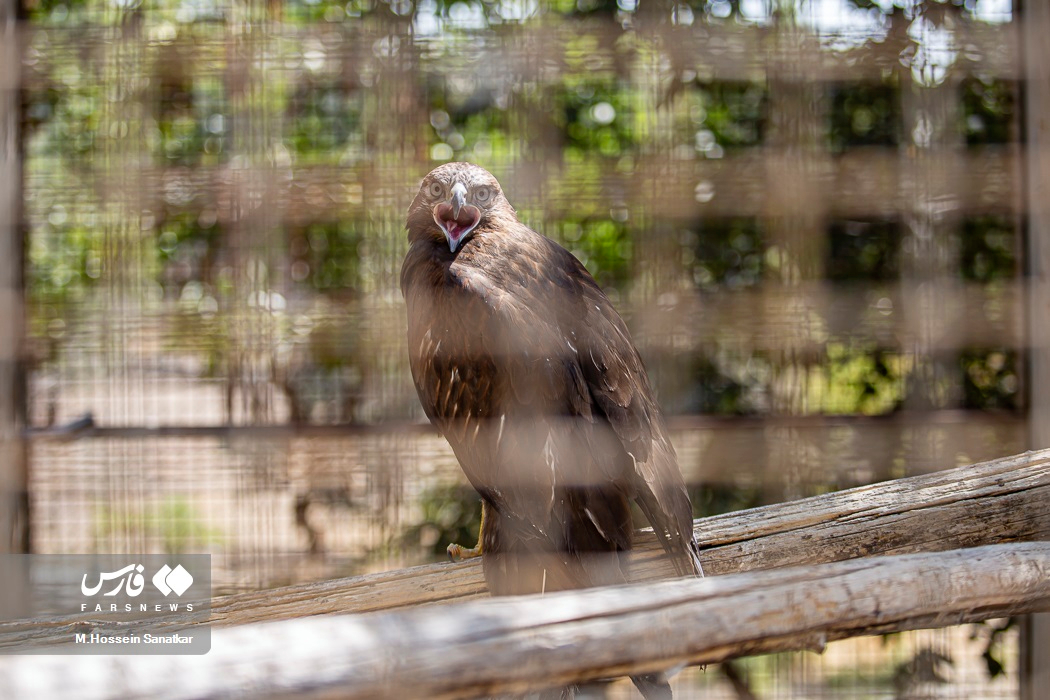
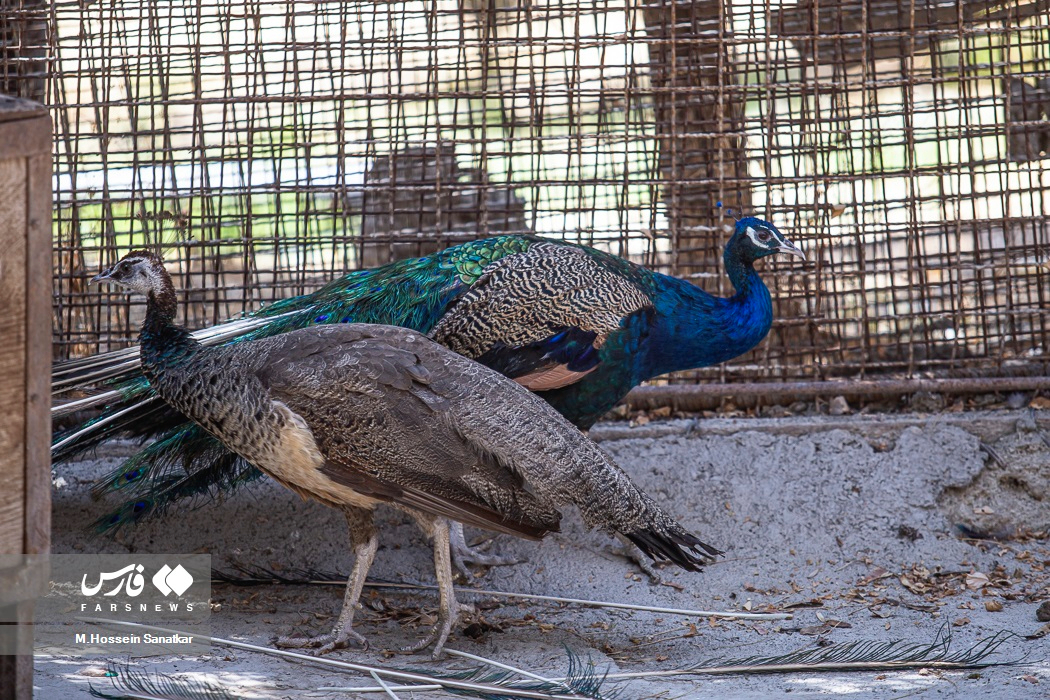
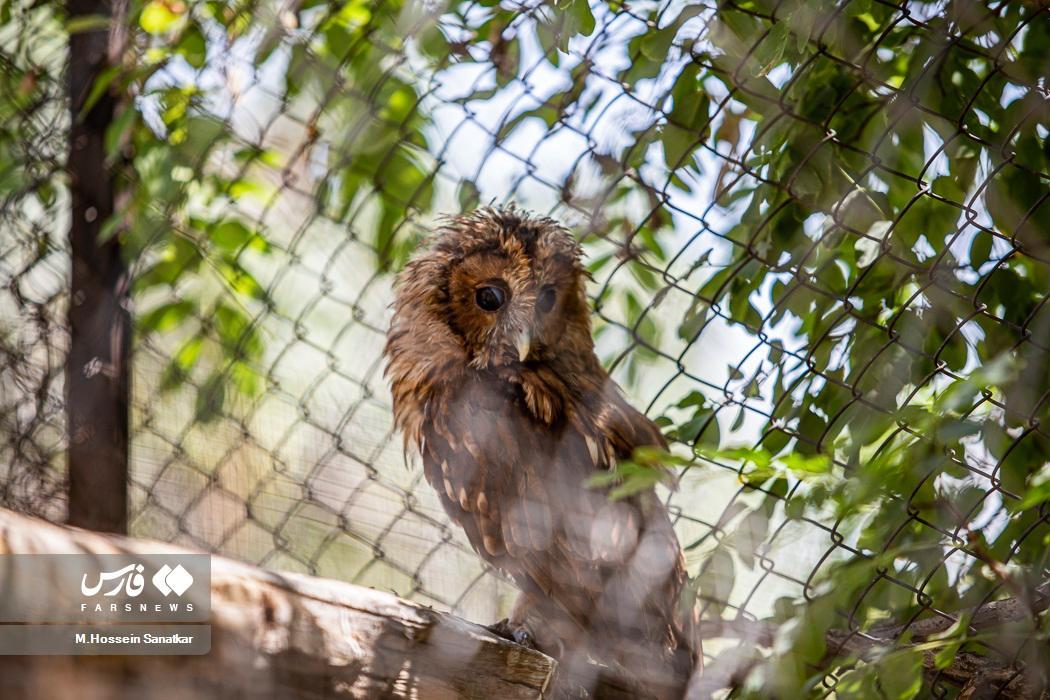
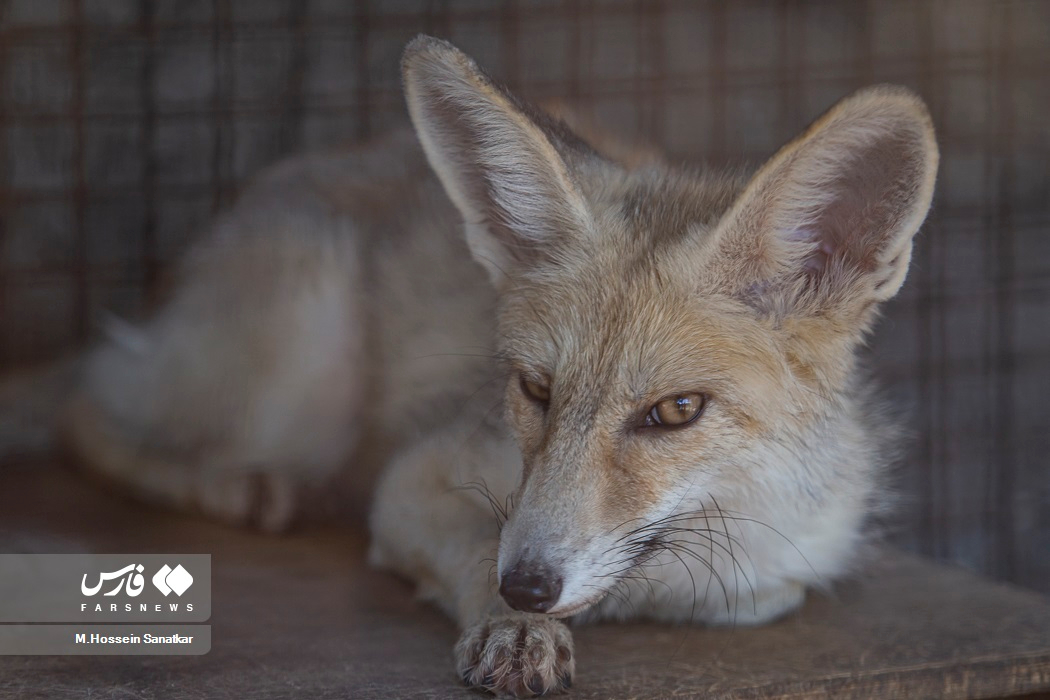
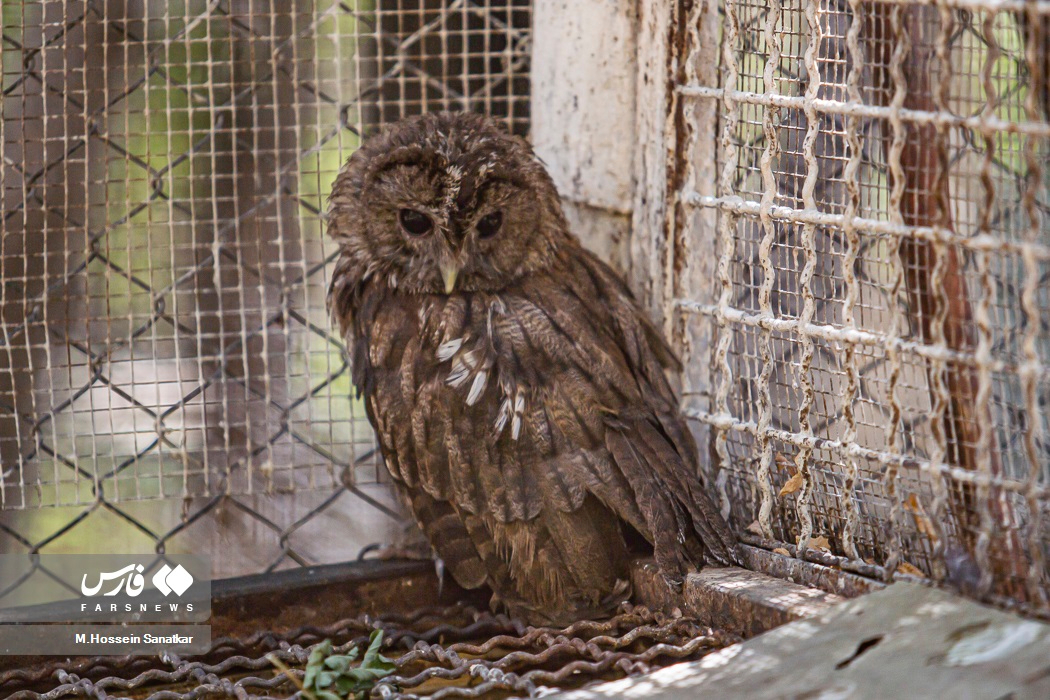
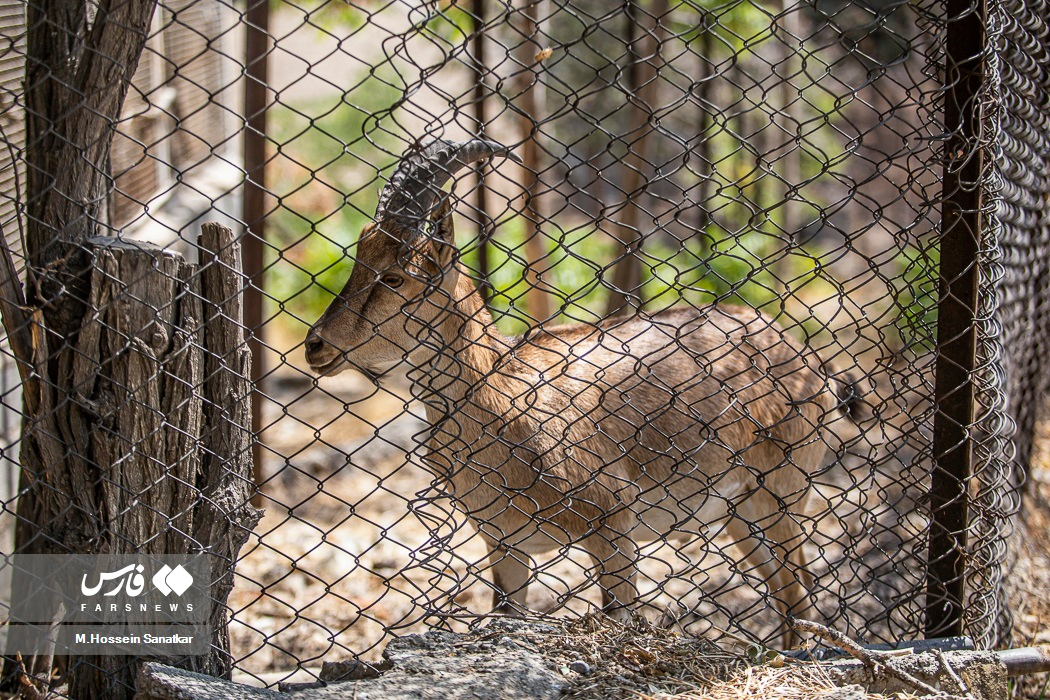
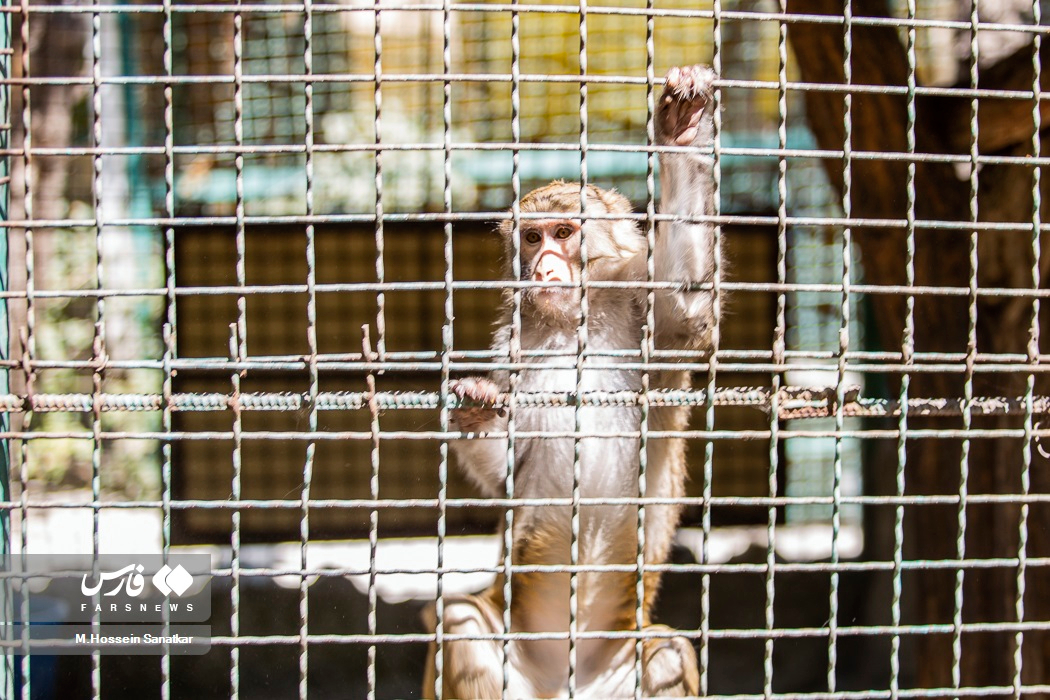
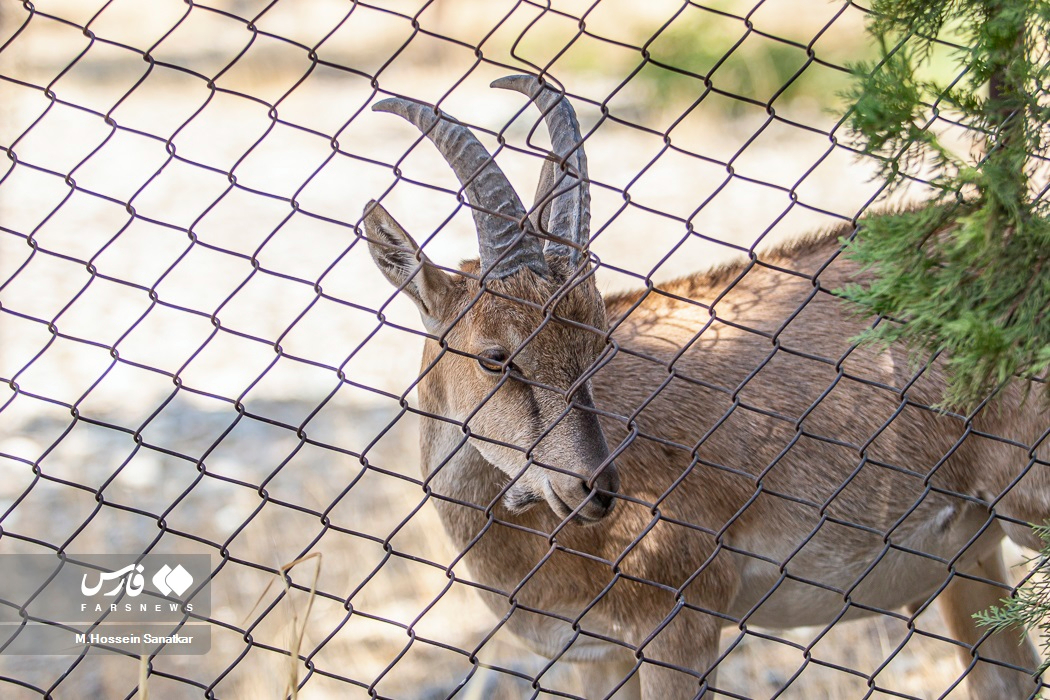
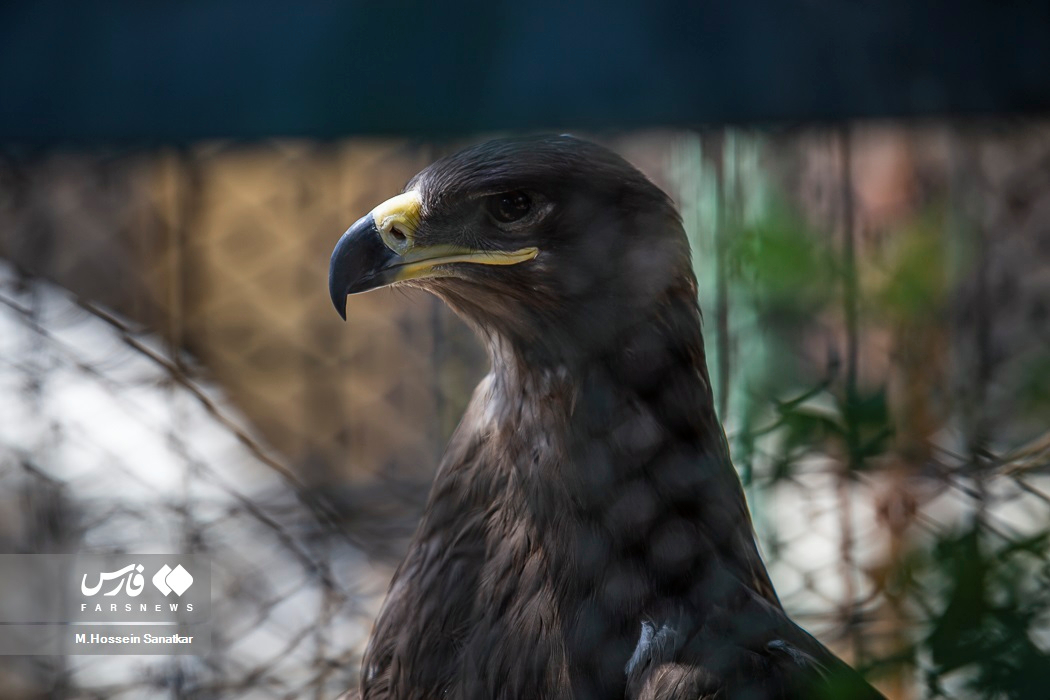
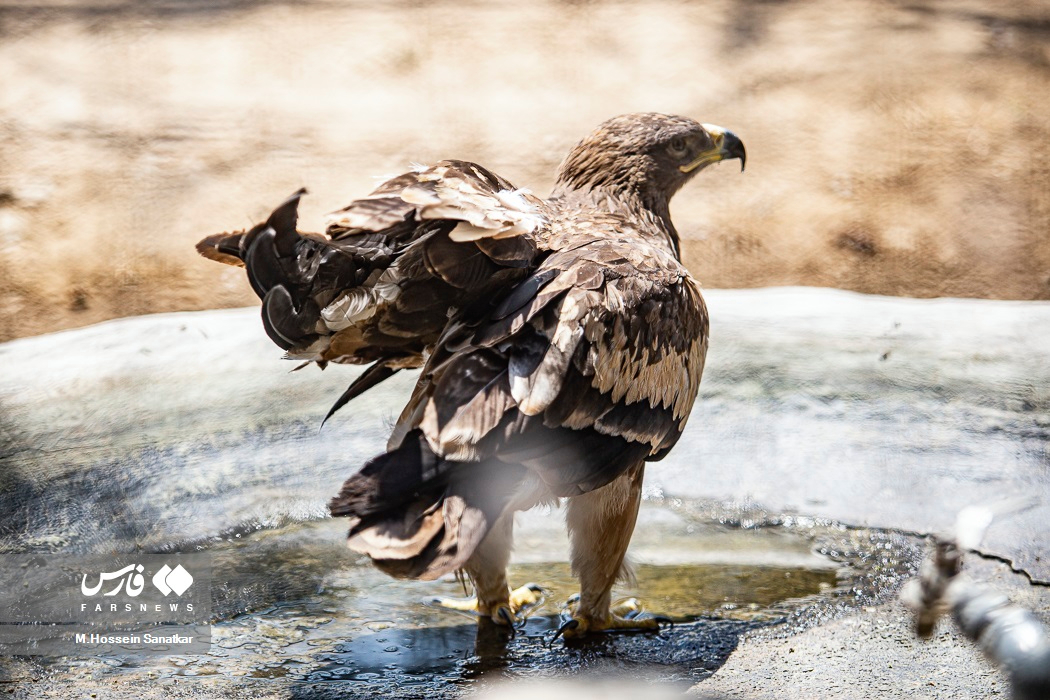
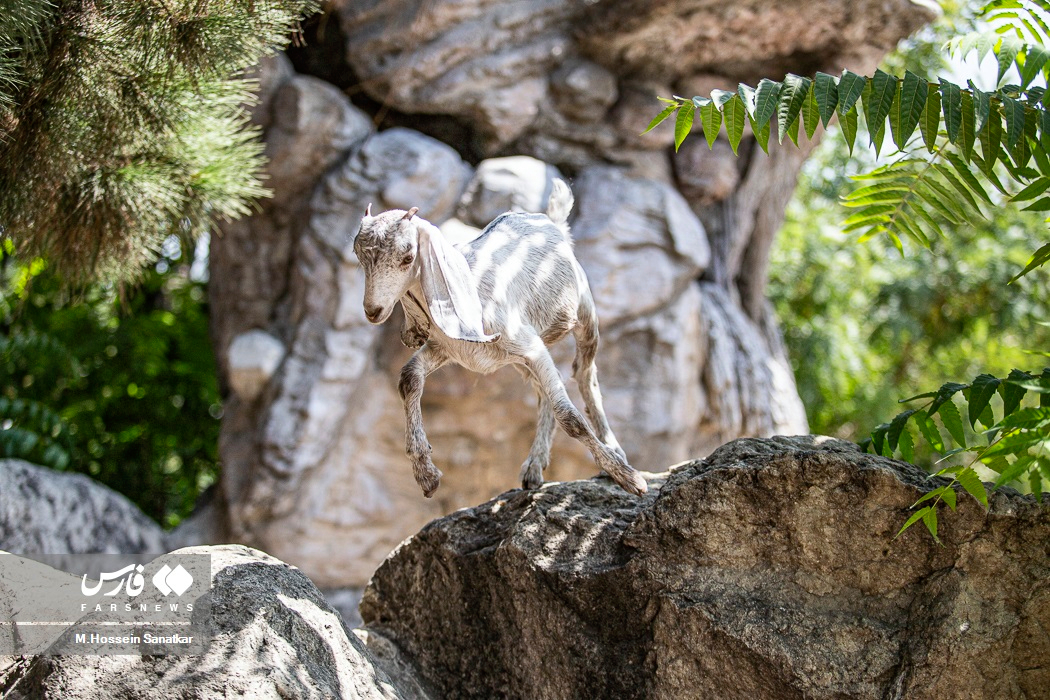
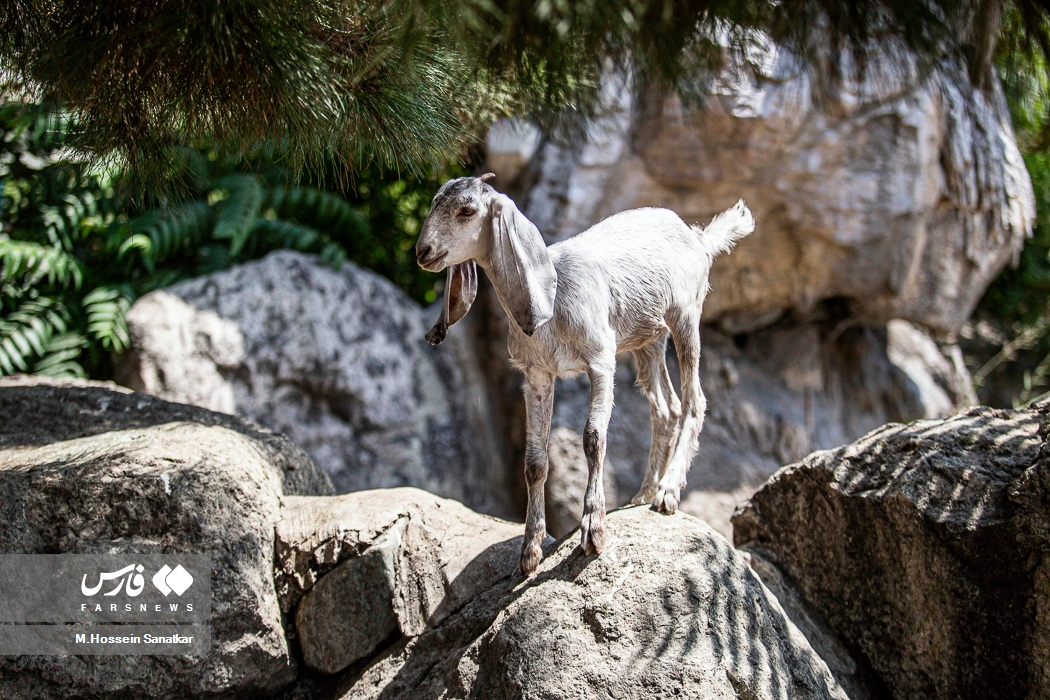
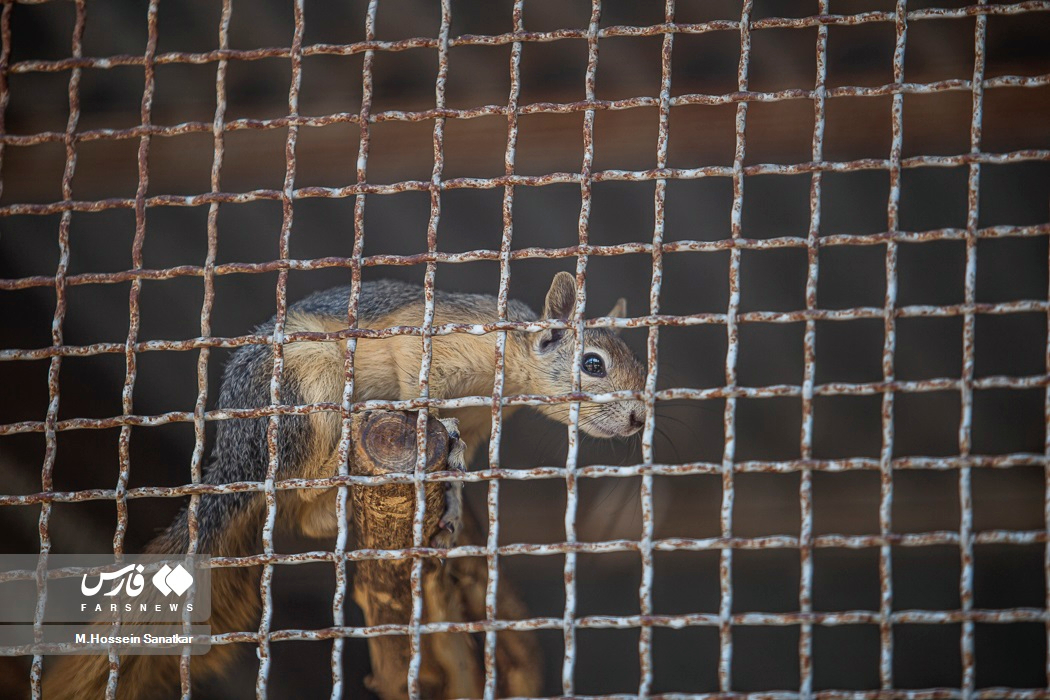
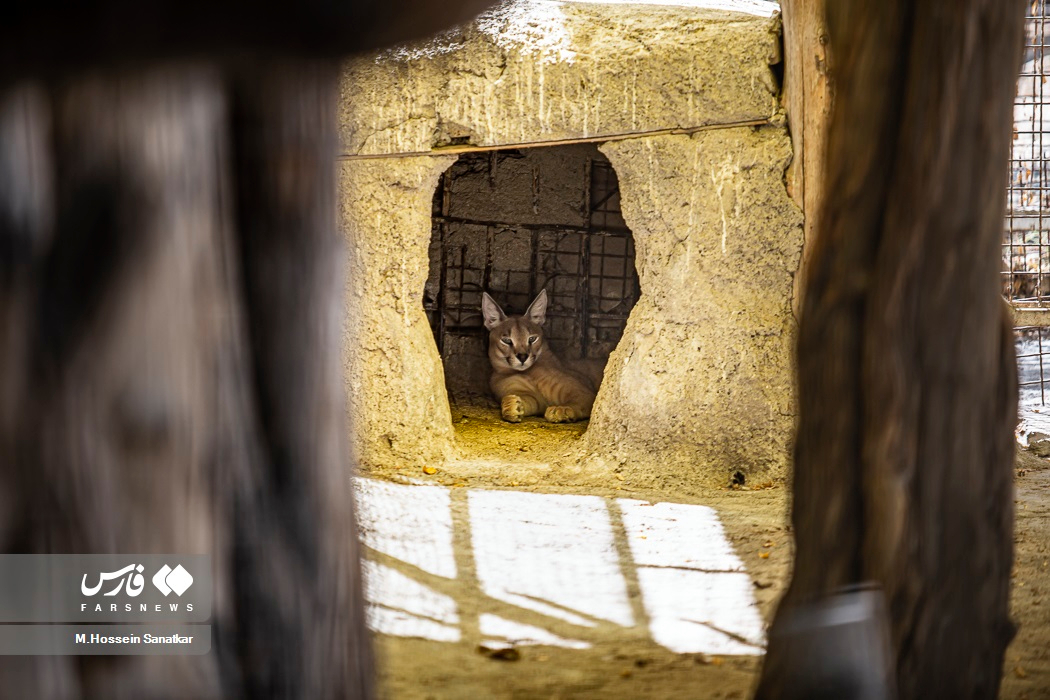
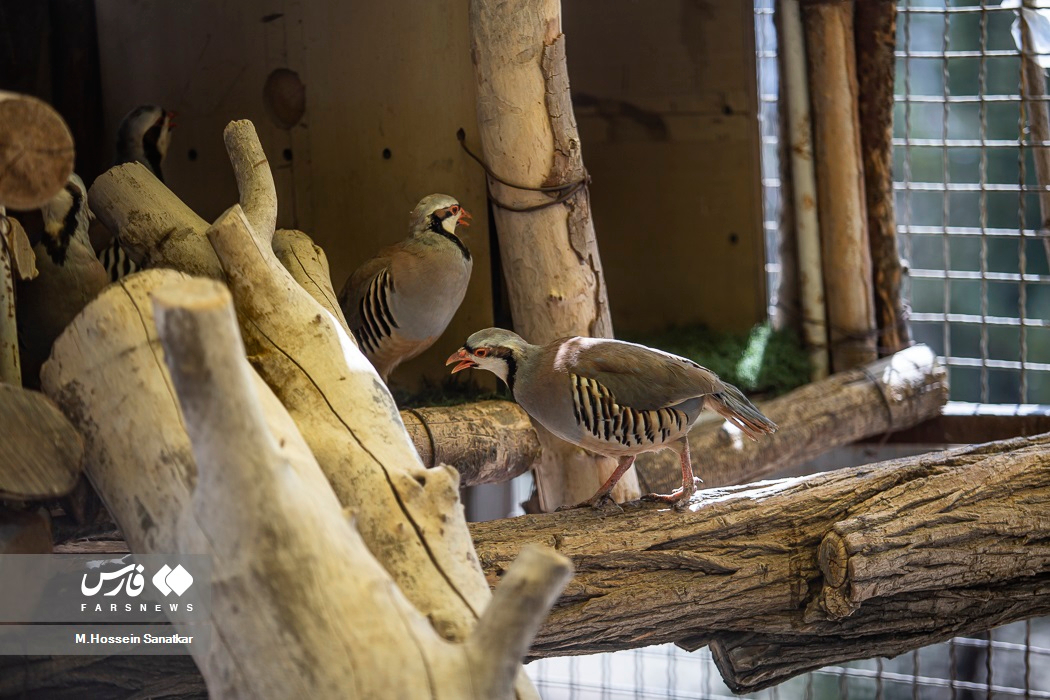
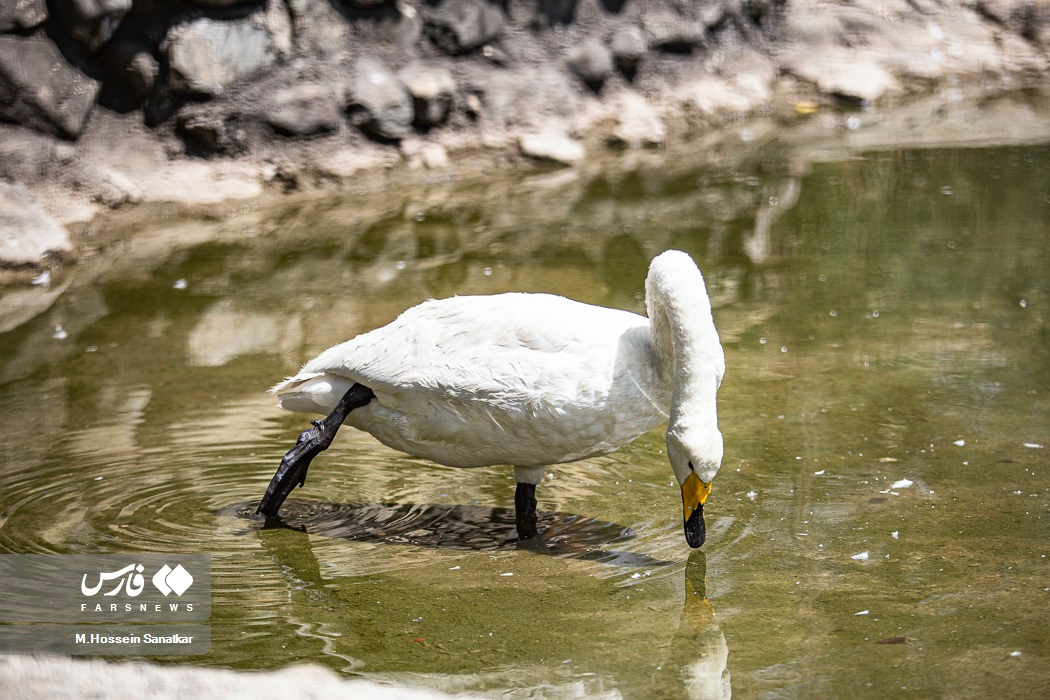
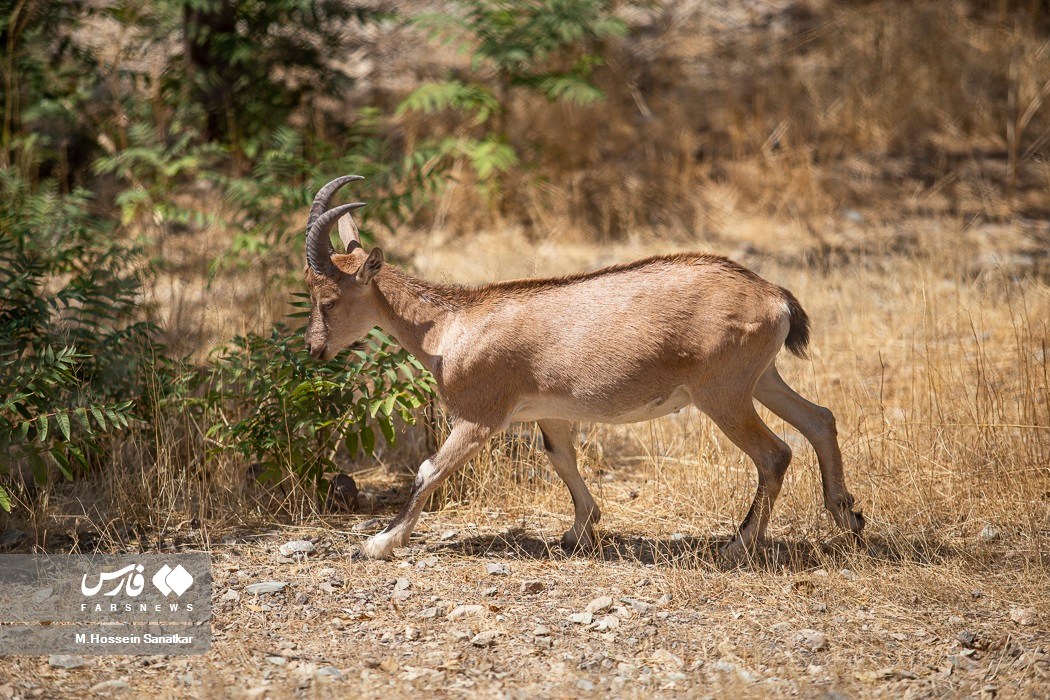
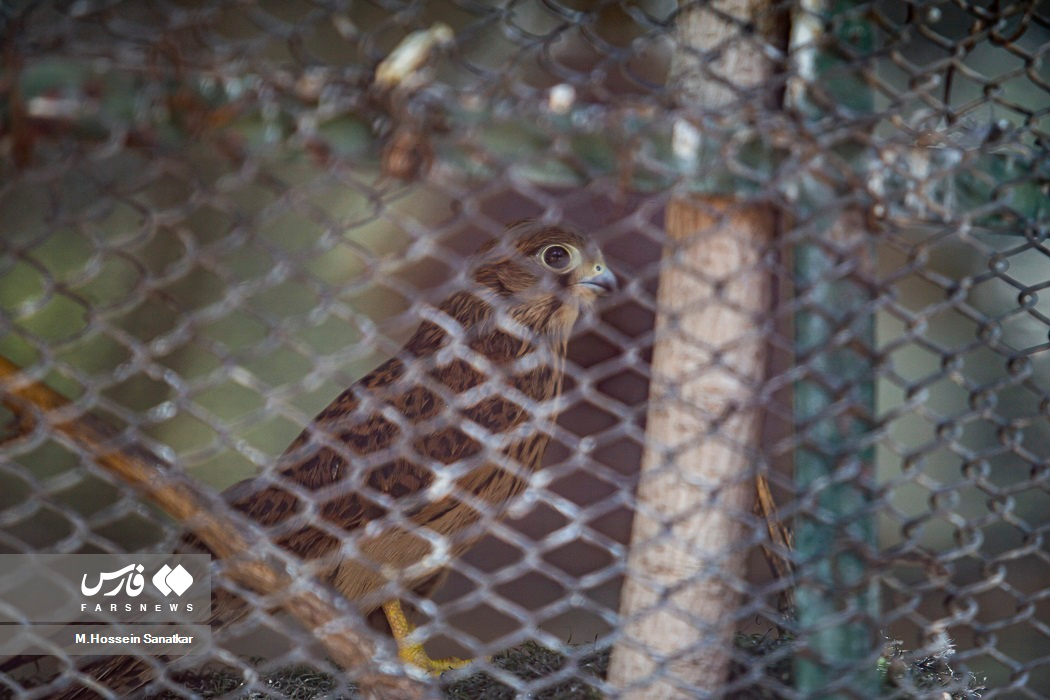
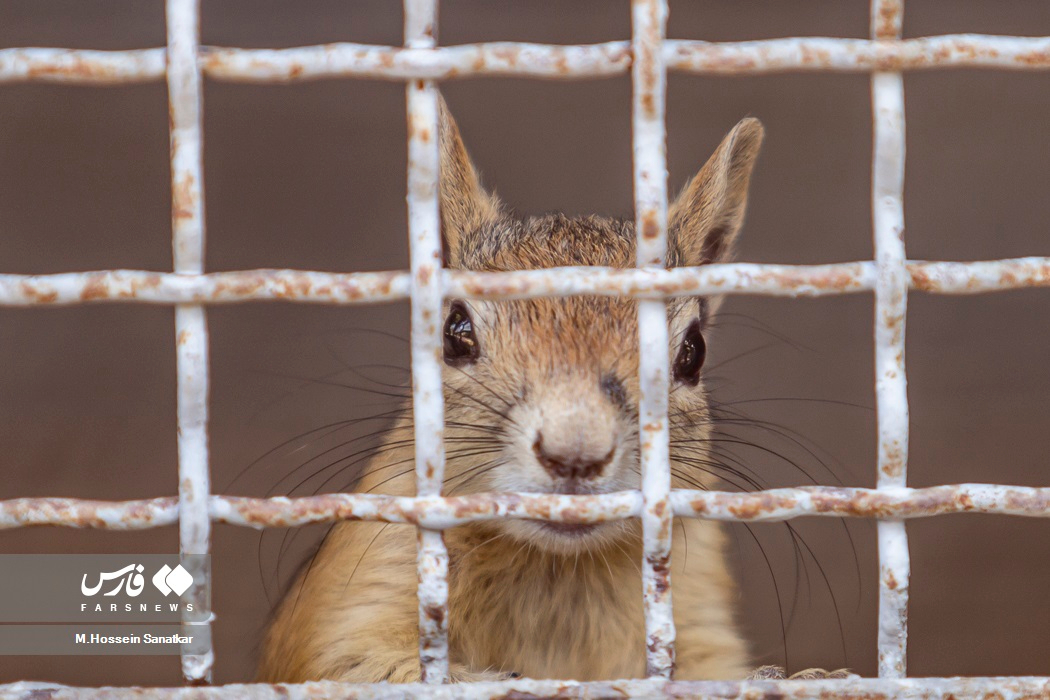
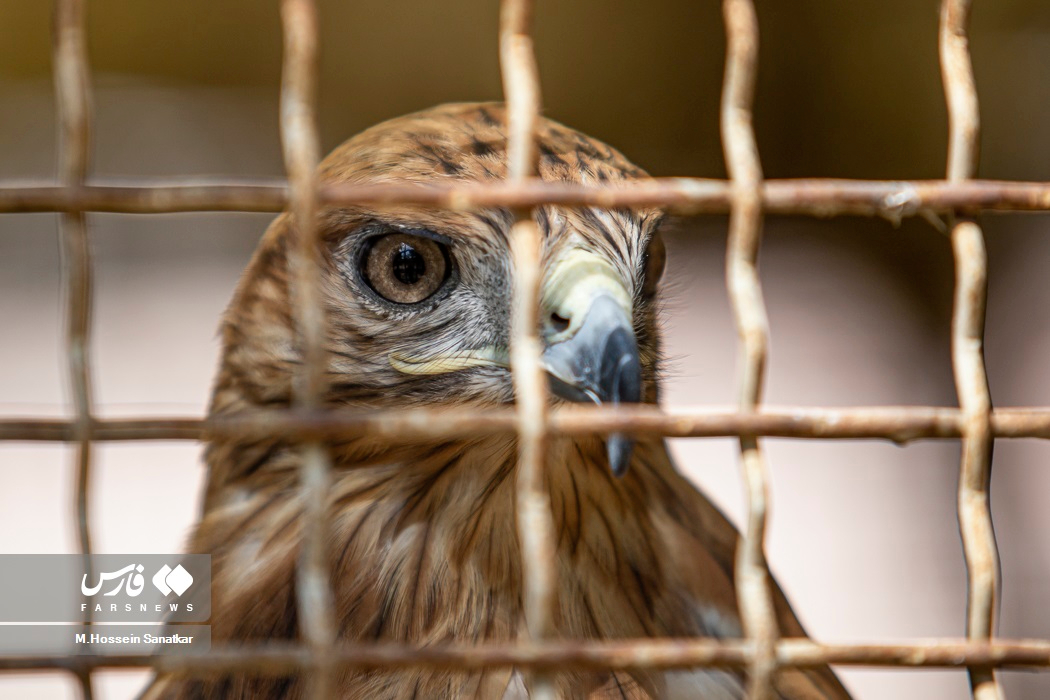
Tehran Wildlife Clinic treating stray animals

Iran Wildlife Clinic

In a praiseworthy move, the clinic tries to treat both domestic species and exotic ones smuggled into the country or injured at the hands of poachers.

Then they are reintroduced into the wildlife after being treated.

This center seeks to remedy the adversities inflicted upon animals by humans intentionally or unintentionally before releasing them to live their lives.

More in pictures:

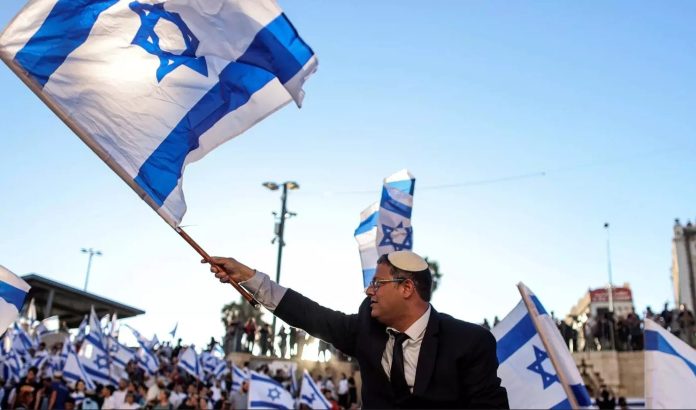
Israel far-right minister says his rights outweigh those of Palestinians

Israel’s far-right National Security Minister Itamar Ben Gvir

Speaking in an interview with the Israeli Channel 12 news outlet, Ben Gvir was asked about the increasing tensions in the West Bank which in recent weeks has seen Palestinians and Israeli settlers being killed.

Ben Gvir said that his rights were “more important” than those of Palestinians and more needed to be done to ensure the security of Jewish settlers.

The national security minister went on to add that the country’s Defence Minister, Yoav Gallant, was not doing enough to clamp down on Palestinians.

“My right, and my wife’s and my children’s right to get around on the roads in Judea and Samaria, is more important than the right to movement for Arabs,” noted Ben Gvir.

The term “Judea and Samaria” is often used by Israelis to describe the occupied-West Bank.

“Sorry Mohammad,” Ben Gvir went on to tell Channel 12 journalist Mohammad Magadli, “but that’s the reality. That’s the truth. My right to life comes before their right to movement.”

Ben Gvir is himself a settler in the West Bank settlement of Kiryat Arba, near the Palestinian city of Hebron.

Mairav Zonszein a senior Israeli analyst with the Crisis Group, said that that Ben Gvir spoke the “quiet part out loud” – in reference to disdain many on the Israeli right have for Palestinian life.

Arab parliamentarian Ahmad Tibi of the Hadash-Ta’al party called Ben Gvir proof that Israel doesn’t value Palestinian life.

“For the first time, an Israeli minister admits on air that Israel enforces an apartheid regime, based on Jewish supremacy,” Tibi said on X, the platform formerly known as Twitter.

Ben Gvir, has a long track record of expressing racist anti-Palestinian views.

He was educated in Rabbi Meir Kahana’s Kach party with its official platform advocating the nullification of Israeli citizenship for the state’s Palestinian citizens.

After Kach – the only Jewish political entity in Israel ever defined as a terrorist organisation – was outlawed, Ben-Gvir continued his violent activism against Palestinians and was charged eight times for it, including for incitement to racism and support for a terrorist organisation.

For many years, he hung at his home a portrait of Baruch Goldstein, the settler from Kiryat Arba who in 1994 murdered 29 Muslim worshippers in Hebron’s Ibrahimi Mosque (Jews call it the Cave of the Patriarchs).

Earlier this month Ben Gvir praised settlers suspected of killing a 19-year-old Palestinian in the occupied West Bank as “heroes”.

The far-right minister said that anyone defending themselves against “stone-throwing” should “receive a commendation”.

“A Jew who defends himself and others from murder by Palestinians is not a murder suspect, but a hero who will get full backing from me,” he said.

Since the start of the year, at least eight Palestinians have been killed during settler attacks, compared with five Palestinians killed by suspected settlers in 2022.

Iranian ex-diplomat: West, G7 set to undermine BRICS

BRICS

“Although some of its member states have economic relations with the West, BRICS is seeking a structure to wean itself off the US dollar, and that is why the bloc is regarded as a rival to major member states of the G7,” said Abdoreza Faraji, Iran’s ex-ambassador to Norway and Hungary, in an interview with IRNA.

“Naturally, the West and G7 will not stand idly by against BRICS and will try to undermine it,” he explained.

He said BRICS’ member states, in total, make up around 47% of the population, nearly a fourth of the gross national product (GNP) and approximately a third of the land of the world.

“Ditching the greenback and establishing a balance in the world’s financial and economic situation are among the objectives of the formation of BRICS,” he explained.

He then touched upon Iran’s BRICS membership bid, adding, “Organizing domestic economy and international relations is a prerequisite for gaining maximum benefit from BRICS membership.”

He expressed hope Iran’s membership in the bloc will lay the groundwork for the lifting of sanctions against Tehran.

BRICS is made up of Brazil, Russia, India, China and South Africa. A BRICS summit kicked off in the South African city of Johannesburg on Tuesday.

Iranian President Ebrahim Raisi arrived in South Africa on Thursday to attend the summit.