Thursday, December 25, 2025
Home Blog Page 1294

Putin says western states trying to scupper BRICS

Vladimir Putin BRICS

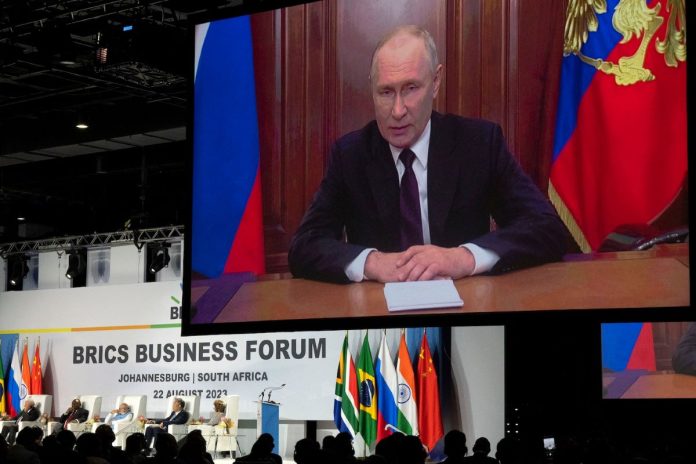
Speaking at the closing ceremony of the BRICS summit in South Africa via video link on Thursday, the Russian leader pointed out that the group’s efforts to create a new world order based on multipolarity has “irreconcilable opponents” who wish to slow down the process and restrain the formation of new and independent centers of development and influence in the world.

Putin said that states of the “golden billion” are doing everything in their power to preserve a unipolar world that suits them and is beneficial to them.

“They are trying to replace the system of international law with their own so-called rules-based-order,” the president stated, adding that no one has actually seen the rules, which are constantly being changed and adapted to benefit the interests of individual countries.

The Russian leader went on to state that the way the countries operate is tantamount to colonialism, but “in a new package, which, by the way, doesn’t look that good.”

“Modern colonialists, hiding behind the good slogans of democracy and human rights, seek to solve their problems at someone else’s expense, continuing to shamelessly pump resources out of developing countries,” Putin claimed.

At the same time, he maintained that these “modern colonialists” also create financial relationships with developing economies that make it nearly impossible for the borrowers to pay off their debts.

“It no longer looks like loan obligations, but like an indemnity,” Putin continued.

He went on to name “radical neoliberalism” as another threat to the new, multipolar world order, which he said was being imposed by some countries that wish to destroy crucial traditional values, such as the institution of the family and the respect for national and religious traditions.

“For the sake of opportunistic tasks, some politicians do not hesitate to even justify neo-Nazism, xenophobia, extremism of different kinds and condone terrorists,” the president observed.

Putin stated that “the world majority,” a large portion of which are represented in BRICS, have grown tired of pressure and manipulation and wish to establish honest, equal, and mutually respectful cooperation.
Iranian president: Iran’s accession to BRICS bolsters groups opposition to US unilateralism 

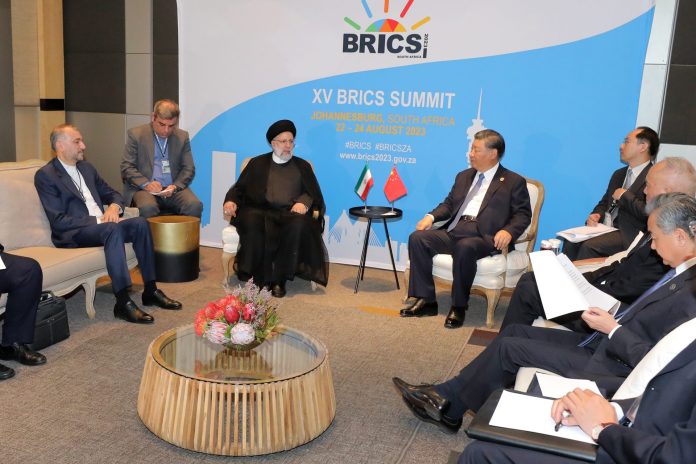
Raisi and Xi

Raisi and Xi met on the sidelines of the BRICS meeting in South Africa on Thursday.
The Iranian president stressed the need for Iran and China to implement their bilateral agreements, most particularly, the 25-year strategic partnership treaty.

The Chinese president also congratulated Iran on its access to BRICS. Xi said China is ready to boost its bilateral ties with Iran and expand cooperation with the Islamic Republic in different areas to bolster the trend of multilateralism.

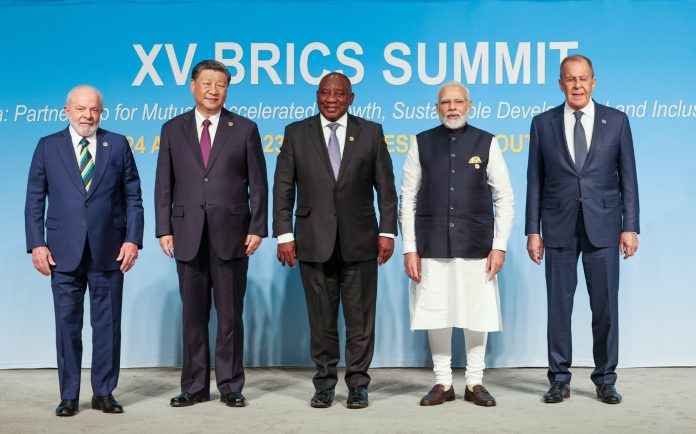
Leaders of the BRICS group of developing nations invited six states – Argentina, Egypt, Iran, Ethiopia, Saudi Arabia and the United Arab Emirates – to become new members of the bloc.

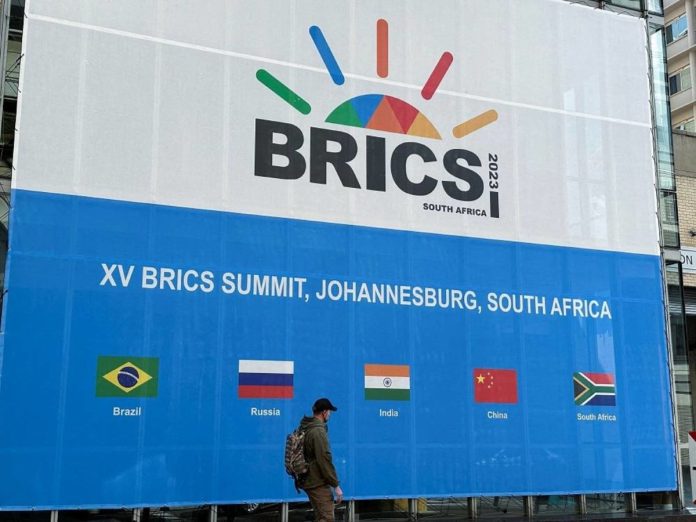
The invitation was made during BRICS summit in Johannesburg, South Africa on Thursday.
BRICS is comprised of Brazil, Russia, India. China and South Africa.

BRICS invites Iran, Saudi Arabia, four other states, to be new members

BRICS

Six nations will become full-fledged members of the BRICS group of nations starting January 2024, after their candidacies were approved by leaders of the current member states, Ramaphosa has announced. The expansion topped the agenda of the summit in Johannesburg this week.

Argentina, Egypt, Ethiopia, Iran, Saudi Arabia, and the United Arab Emirates were welcomed as new members on Thursday. The bloc currently consists of Brazil, Russia, India, China, and South Africa.

“We value the interest of other countries in building a partnership with BRICS. We’ve tasked our foreign ministers to further develop the BRICS Partners Country model and a list of prospective partner countries,” the South African leader added.

Reacting to the news, Mohammad Jamshidi, the Iranian president’s deputy chief of staff for political affairs, said Iran’s full membership in BRICS is a “historic development” and a “strategic success” for the foreign policy of the Islamic Republic.

“Felicitations to the Leader of Islamic Revolution [Ayatollah Seyyed Ali Khamenei] and the great nation of Iran,” Jamshidi said via X, formerly Twitter.

BRICS previously expanded only once in 2010, when South Africa joined the organization. The admission was made without any prerequisites. One of the key goals of this year’s summit was to agree to more formal criteria for new candidates.

The group touts itself as an alternative to Western-dominated international institutions, saying that its approach better reflects the emerging multipolar world. Member states have blamed the US and its allies for abusing their position during the moment of unipolarity, which they enjoyed following the collapse of the Soviet Union. As Western influence dwindled, its leaders leveraged tools under their control, such as the dollar, to protect its hegemonic position, BRICS members claim.

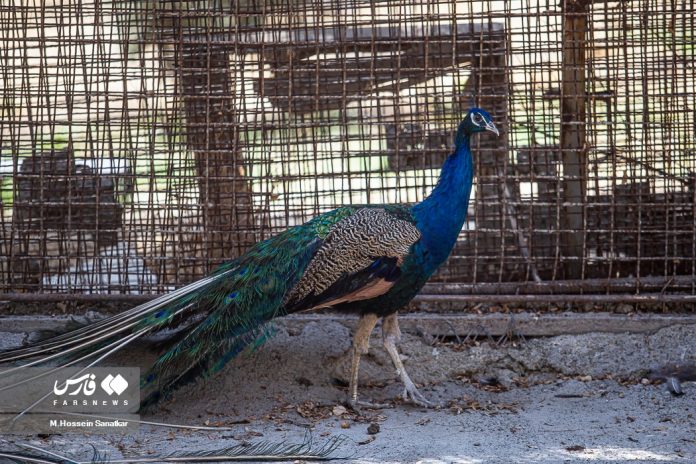
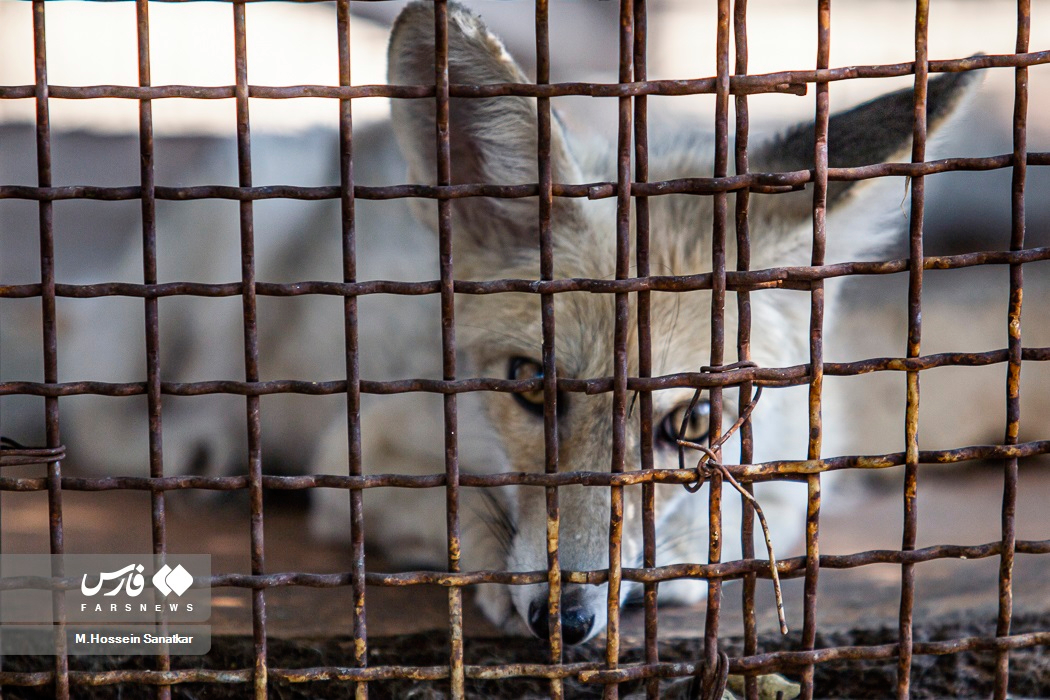
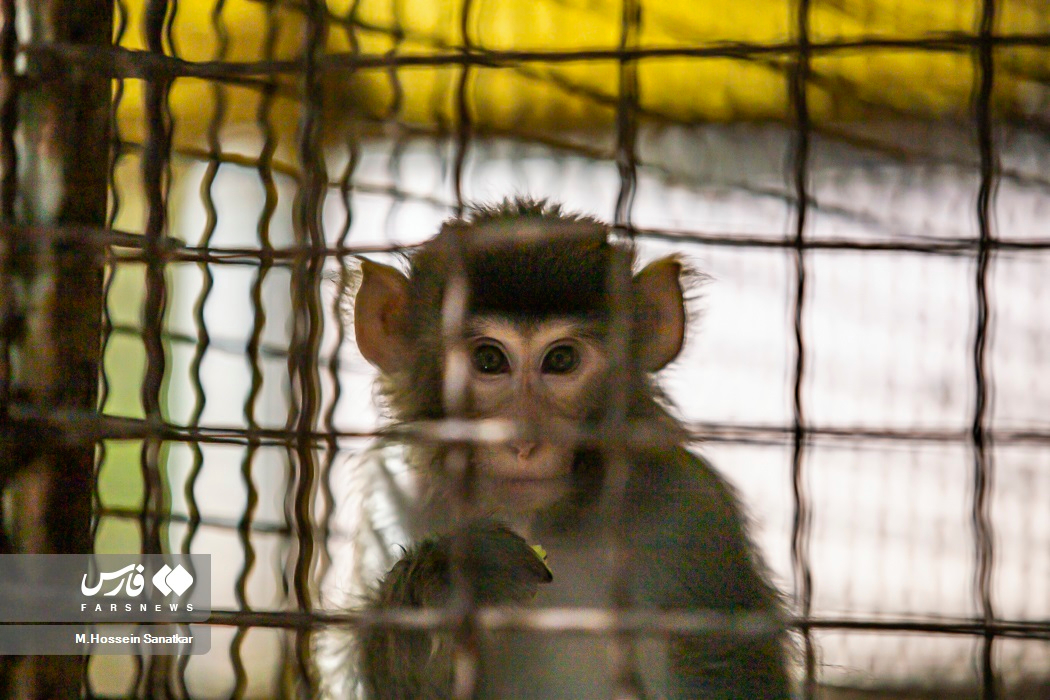
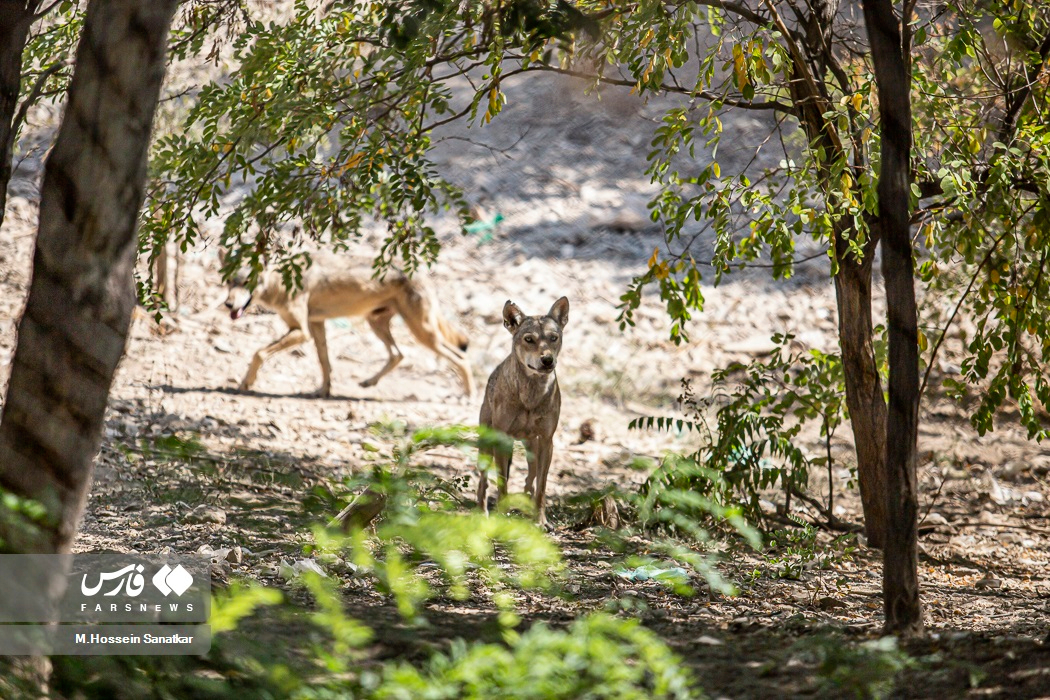
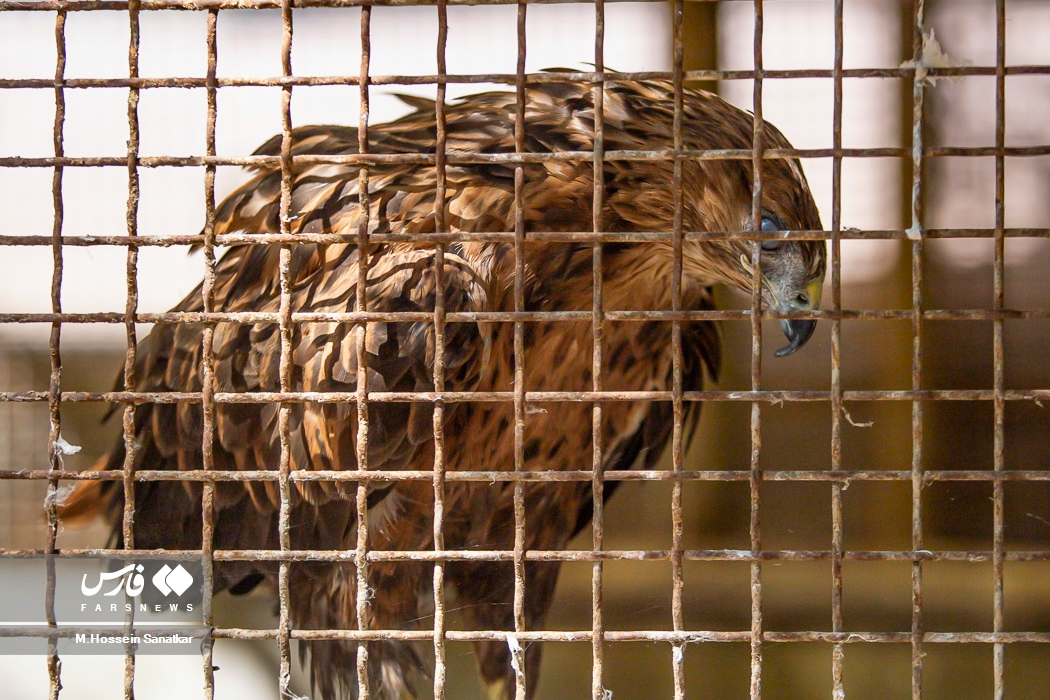
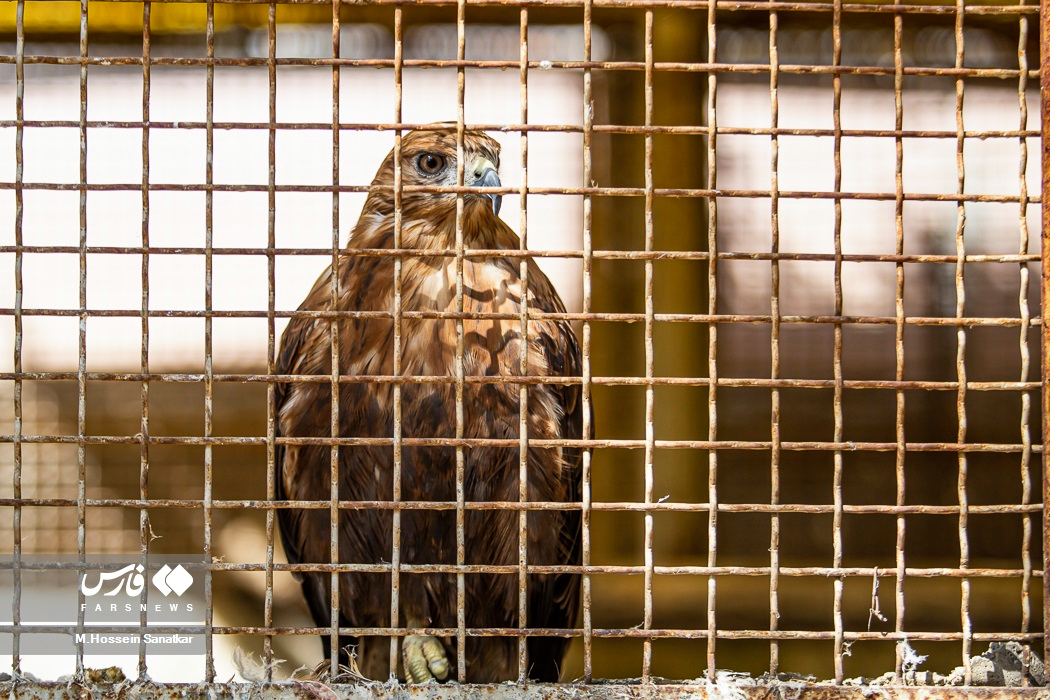
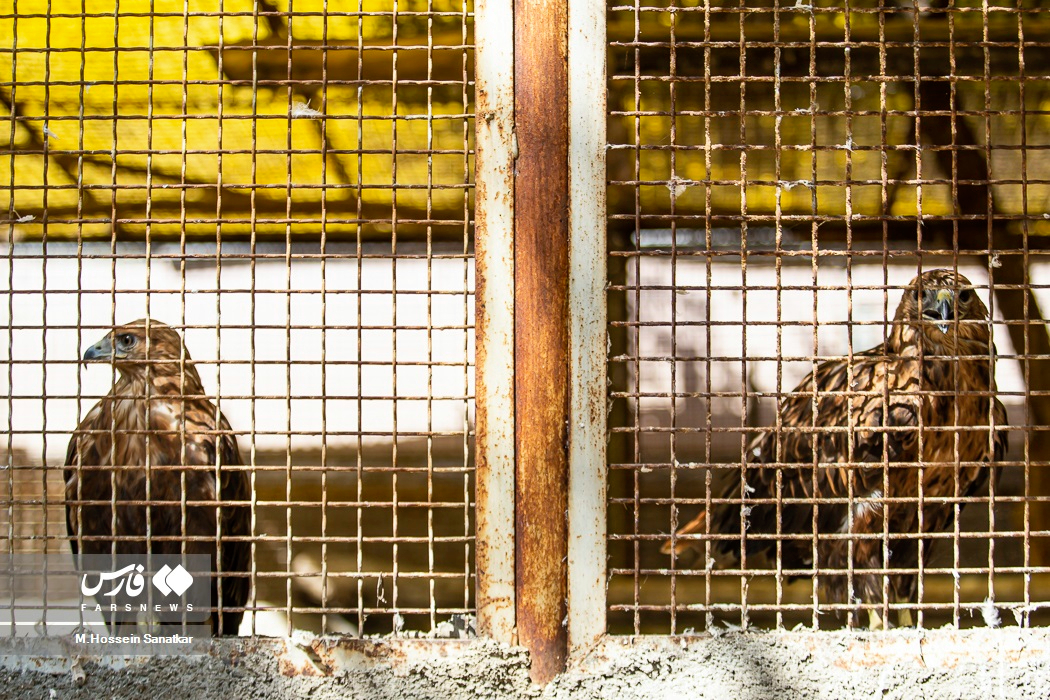
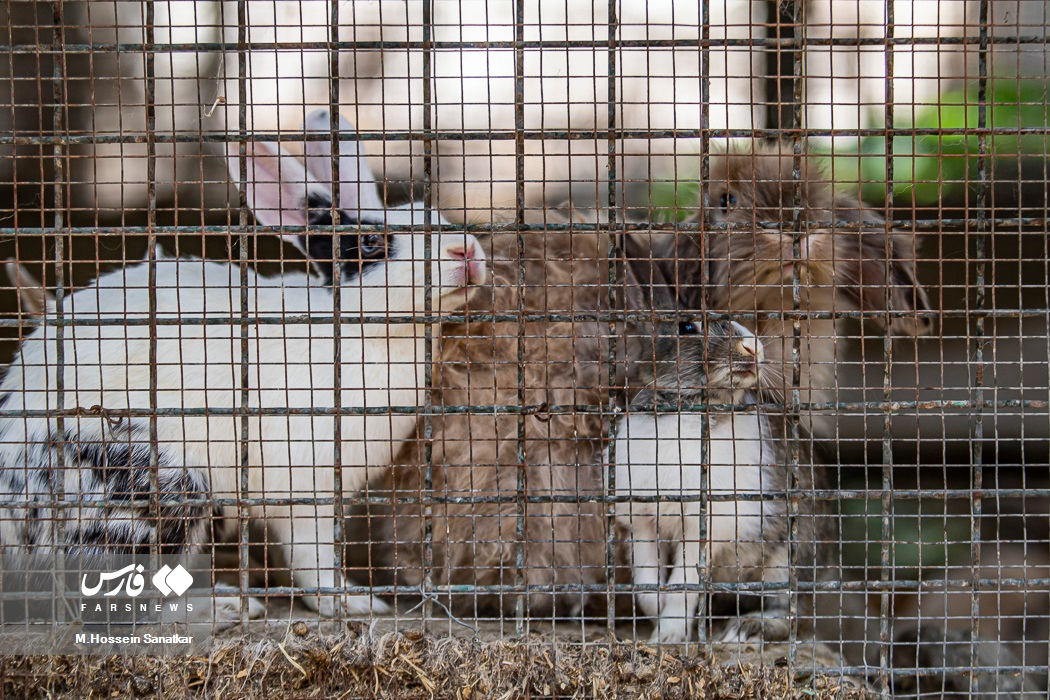
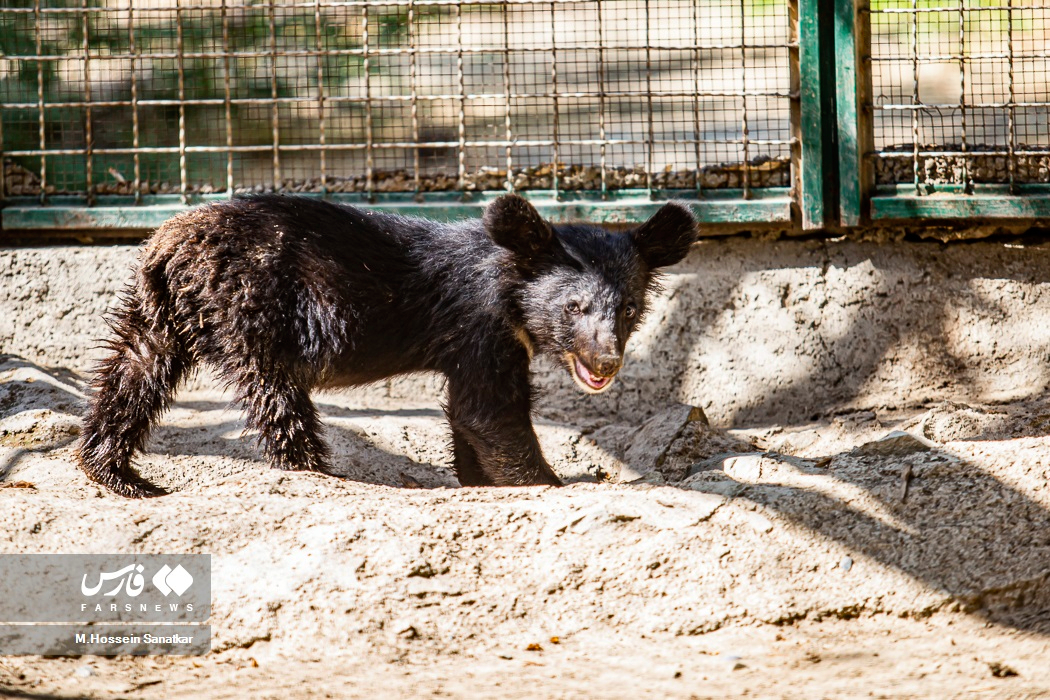
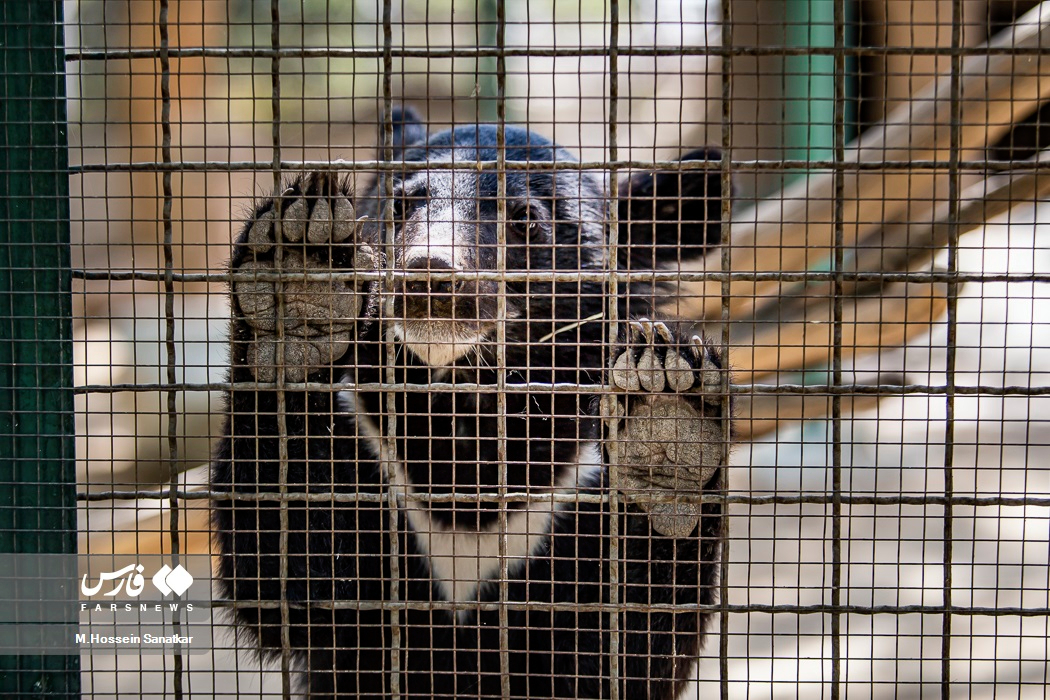
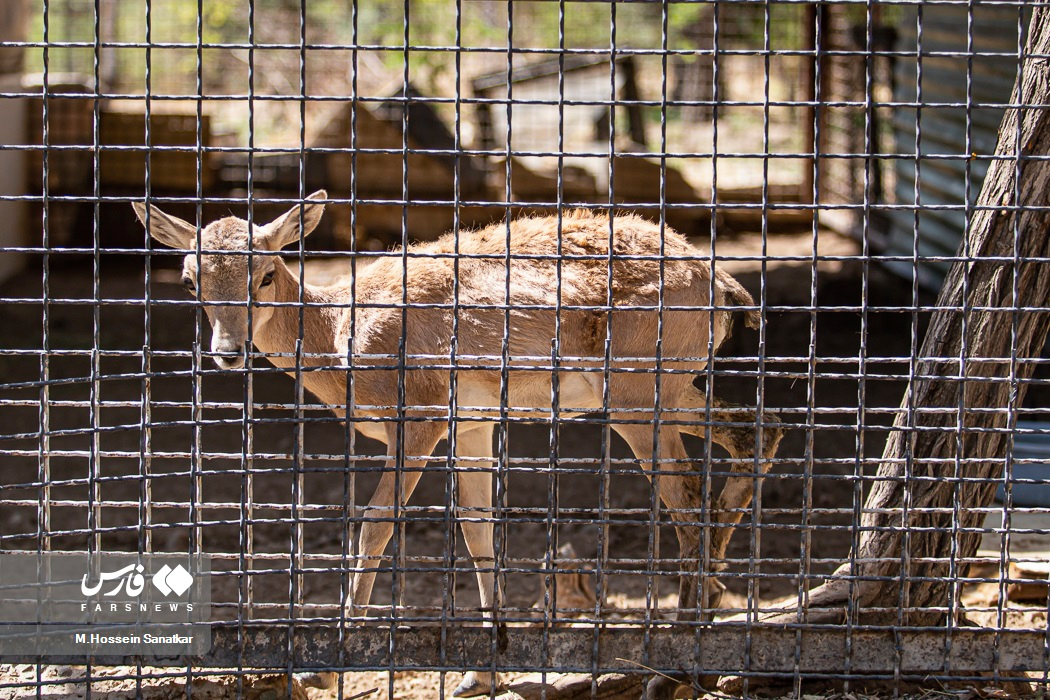
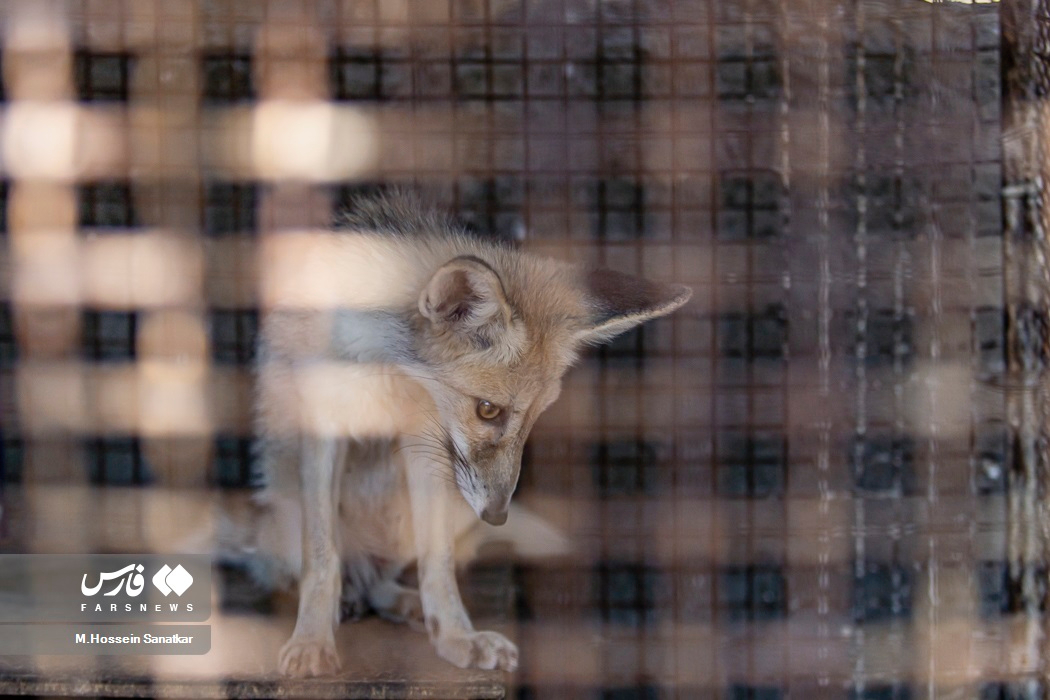
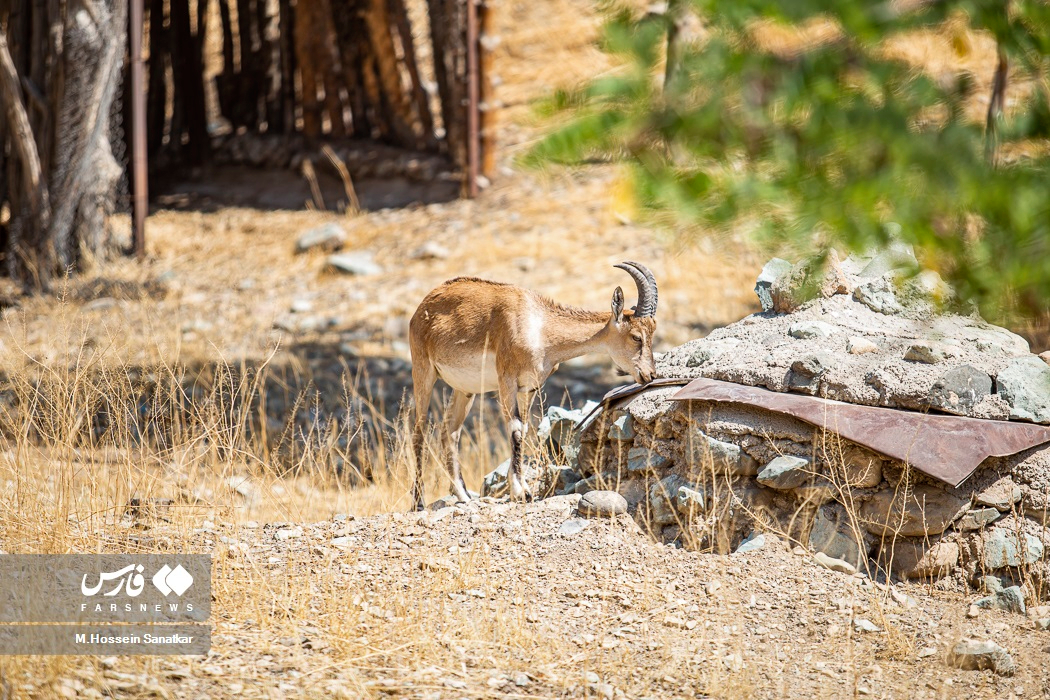
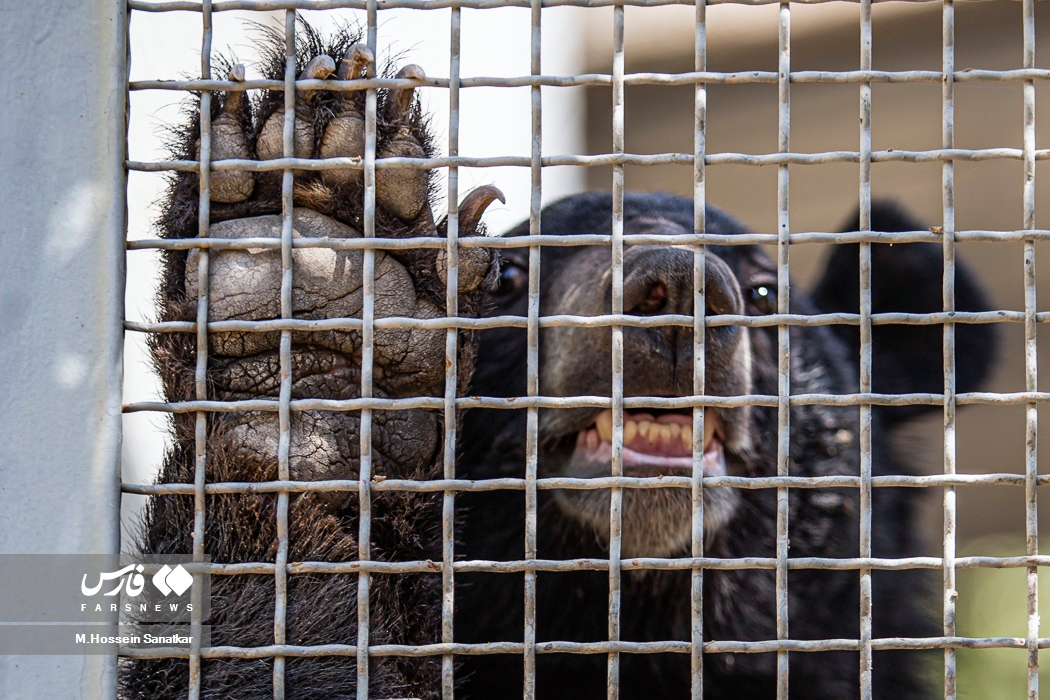
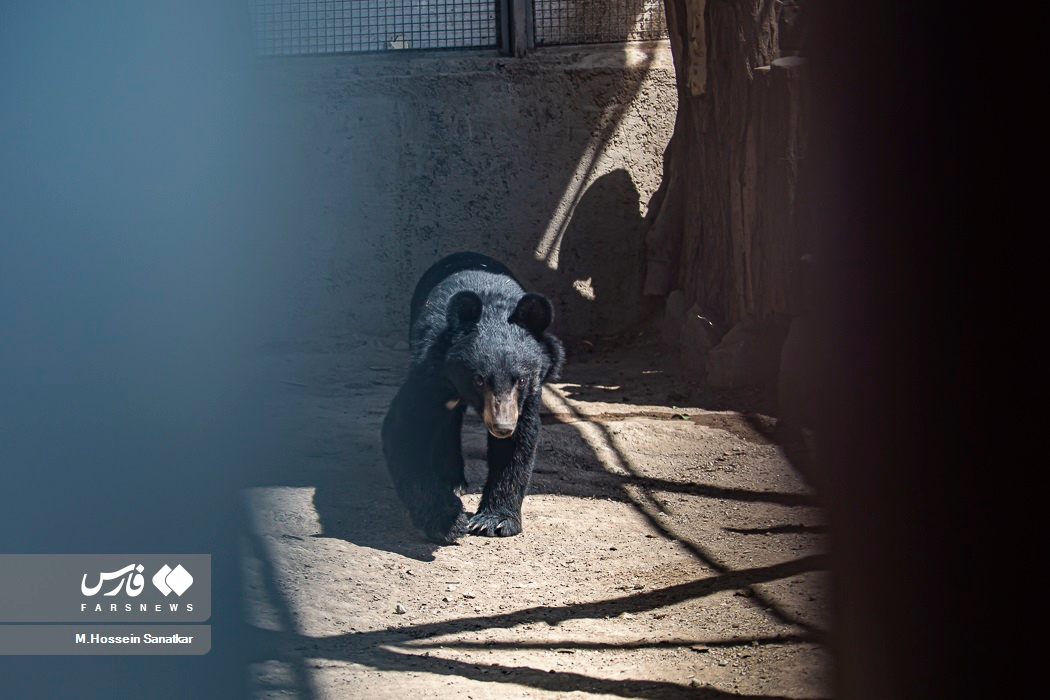
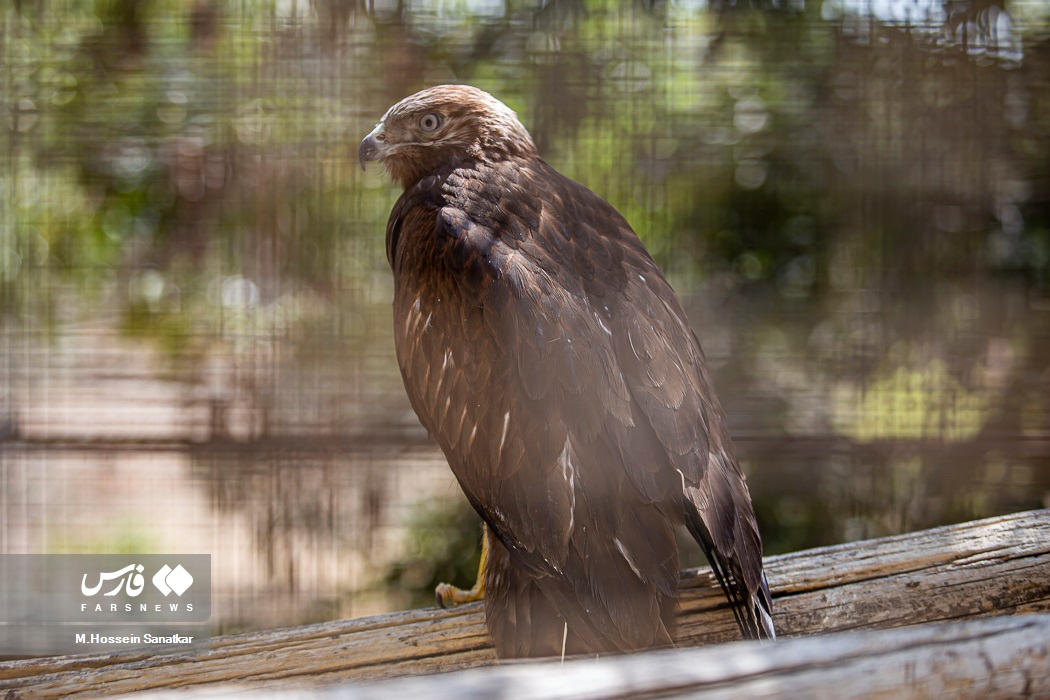
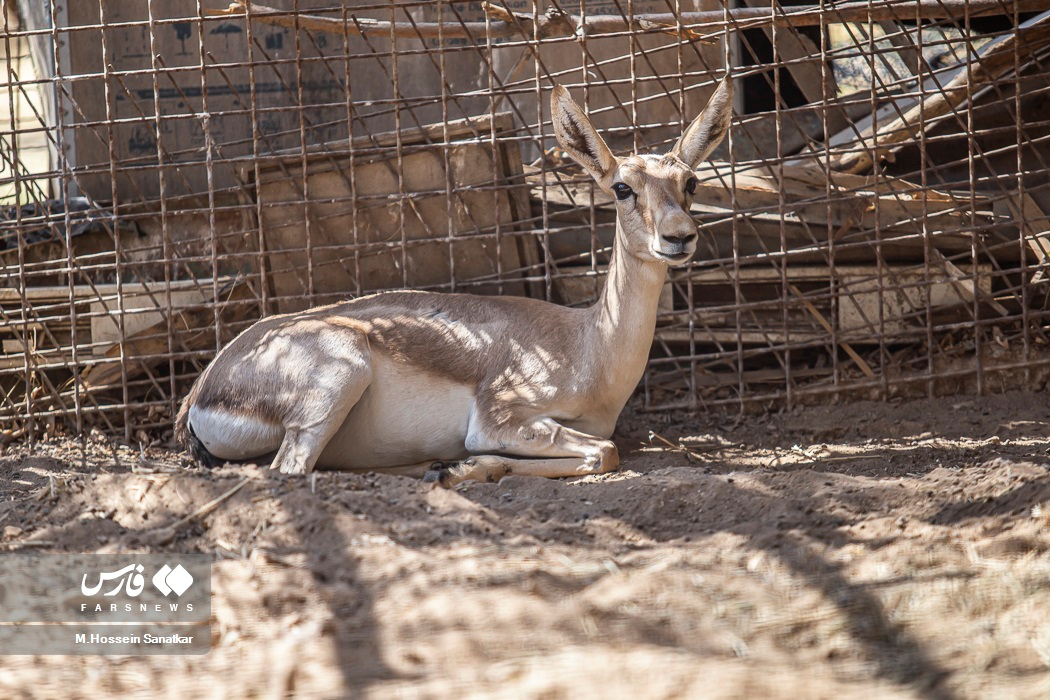
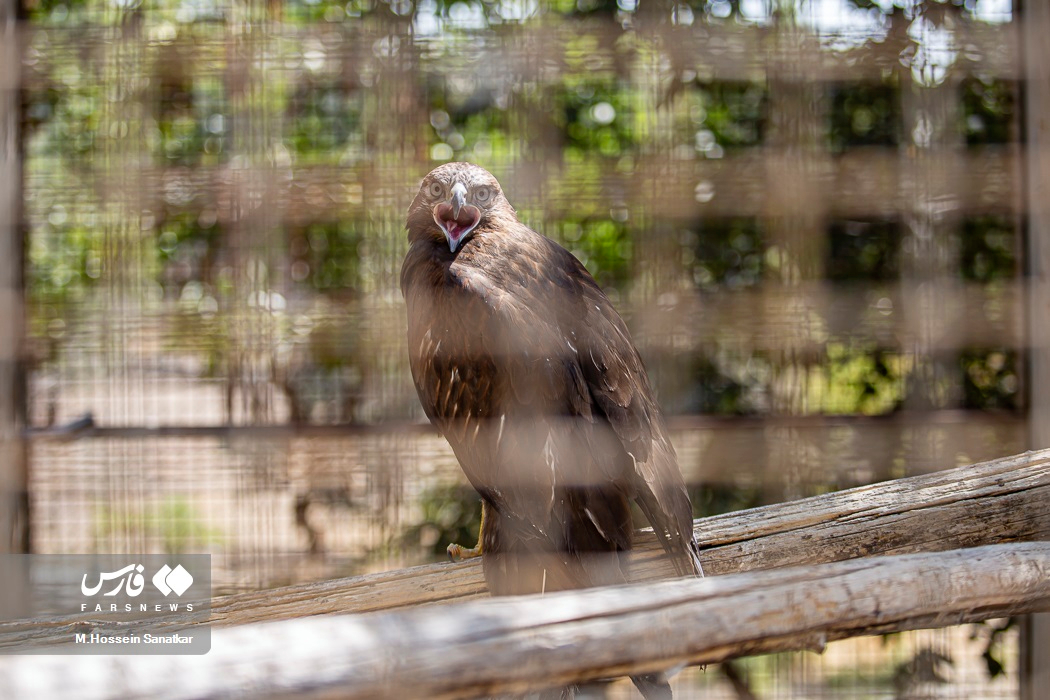
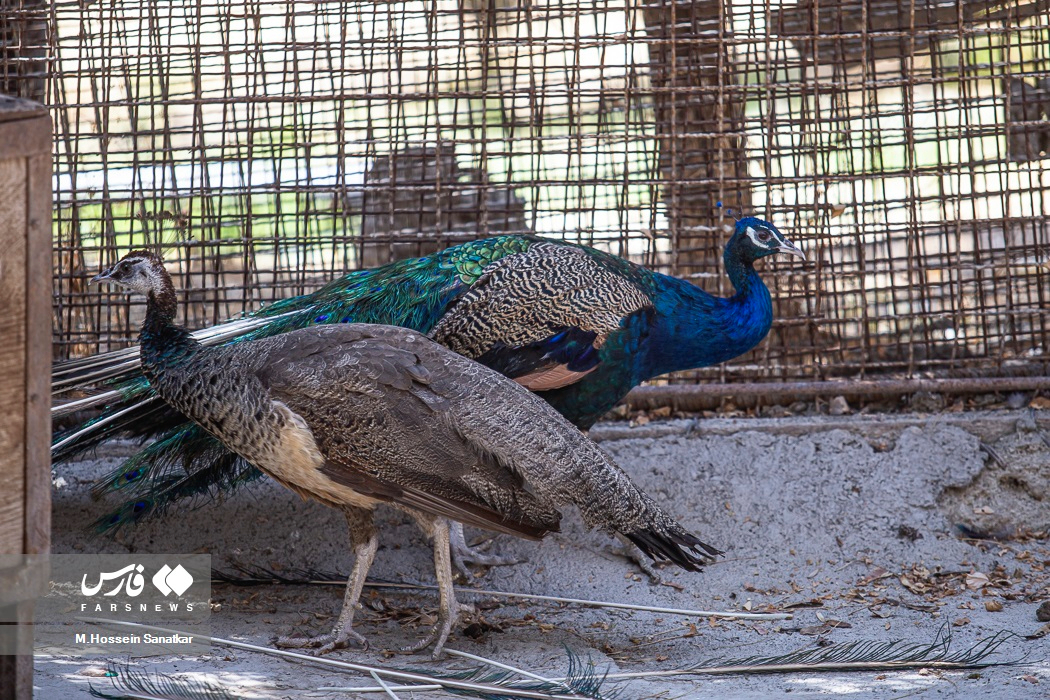
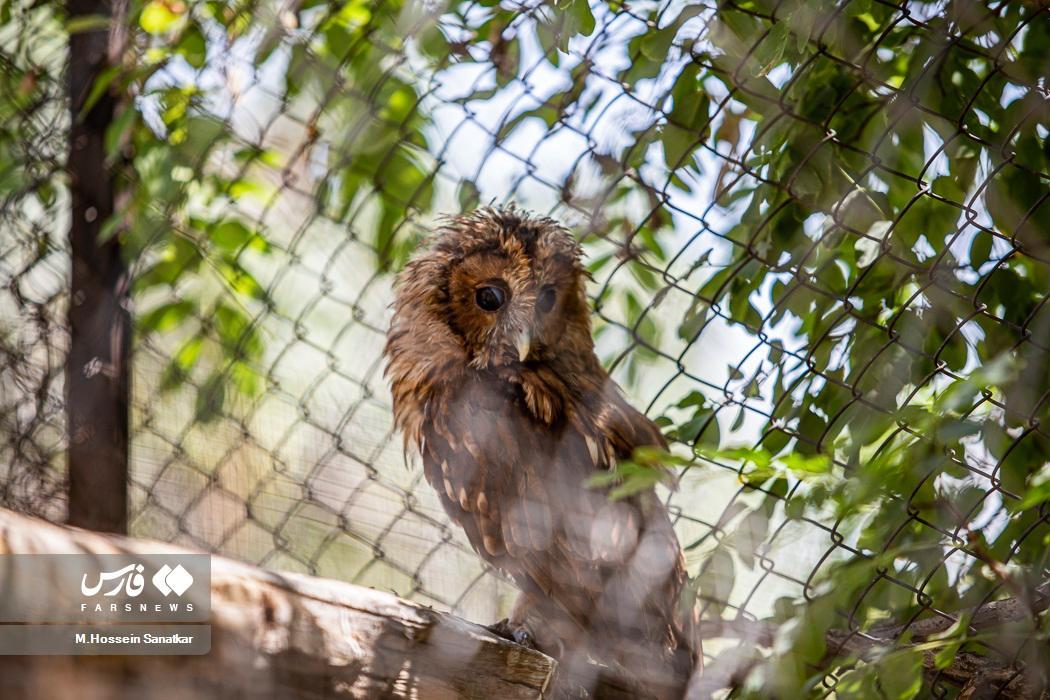
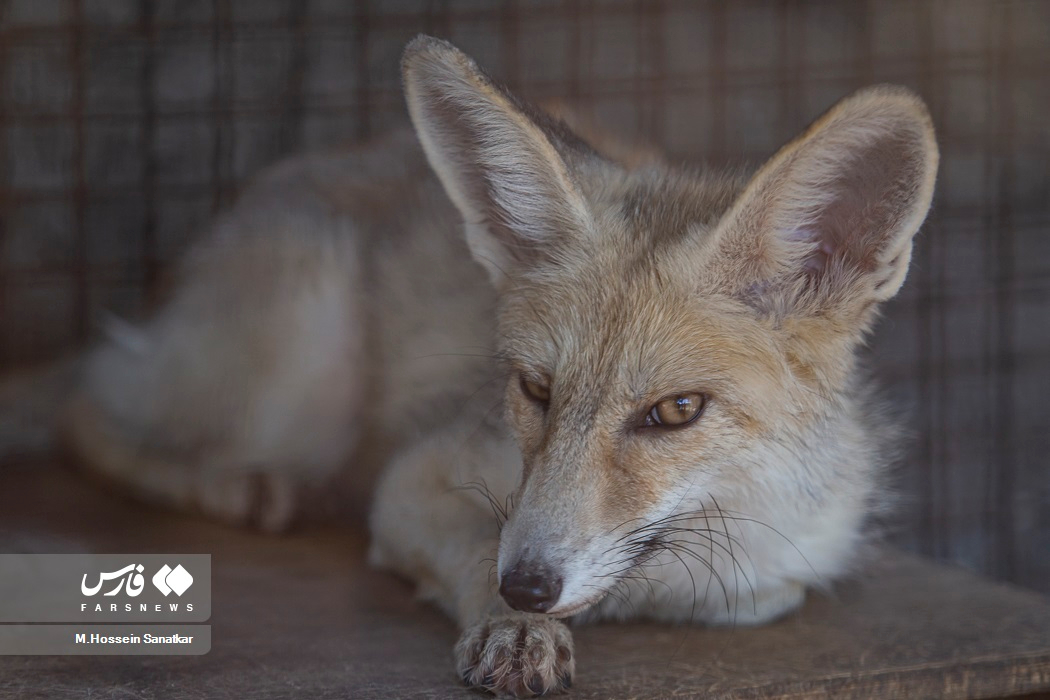
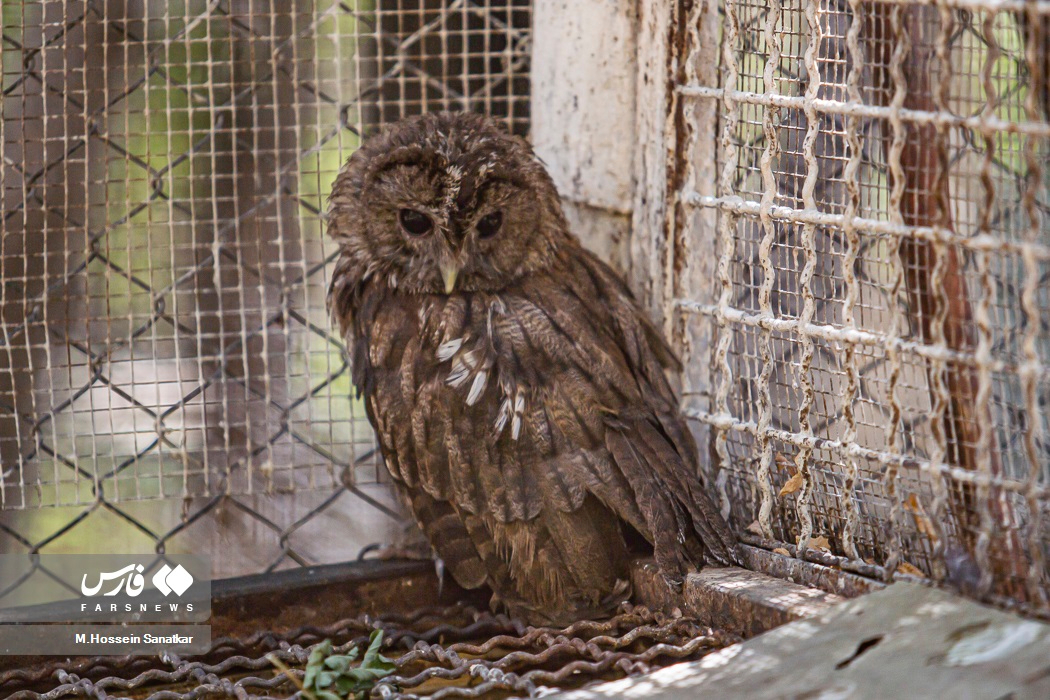
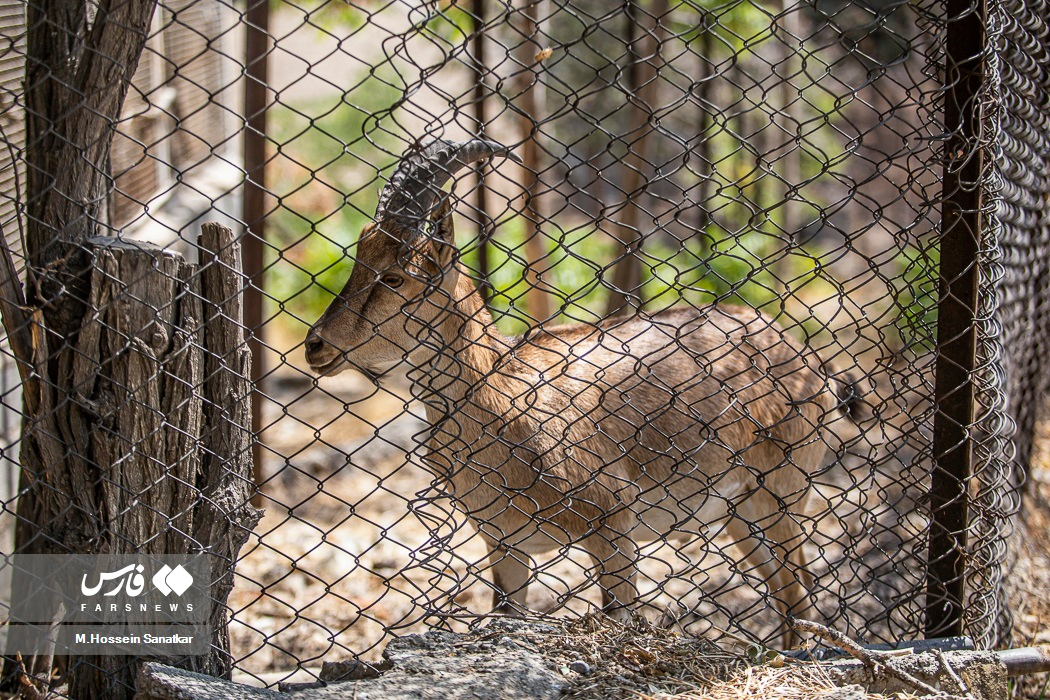
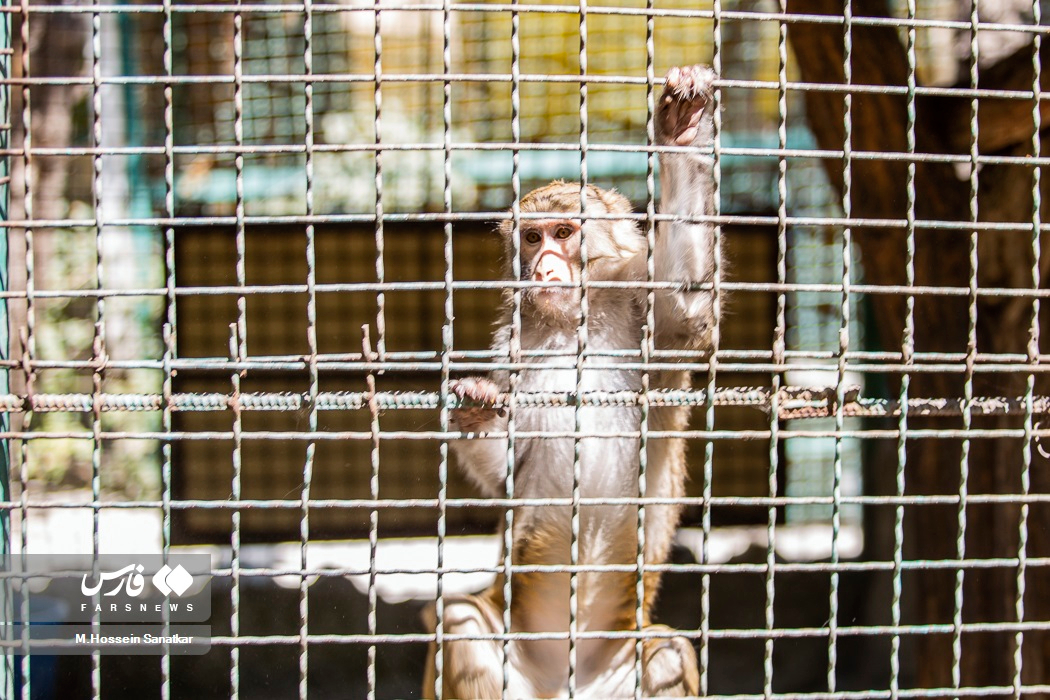
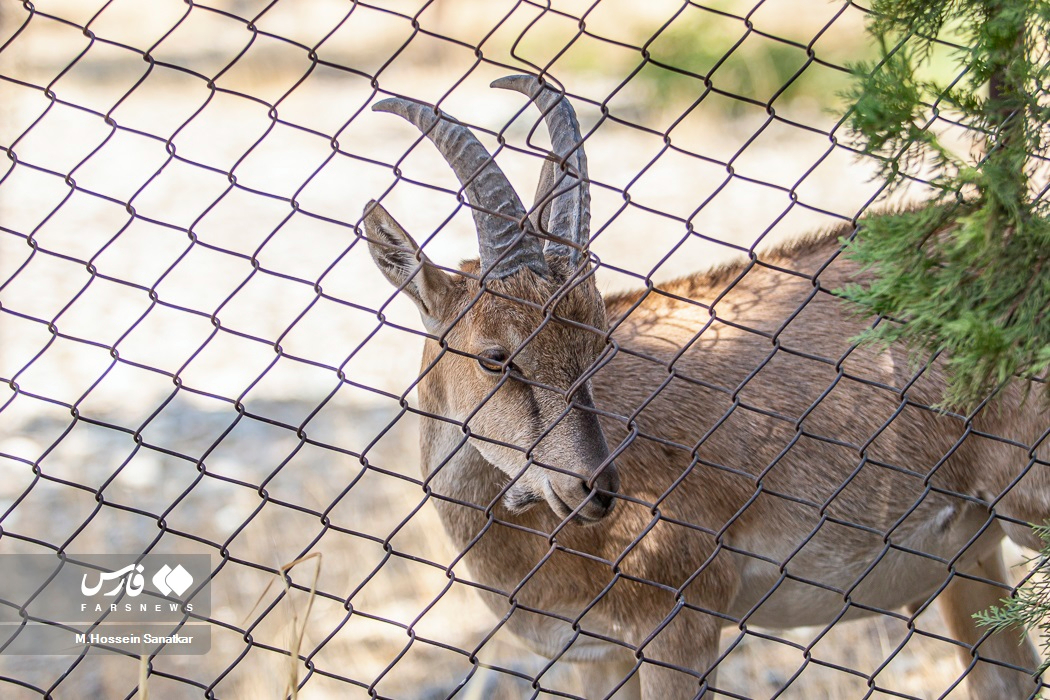
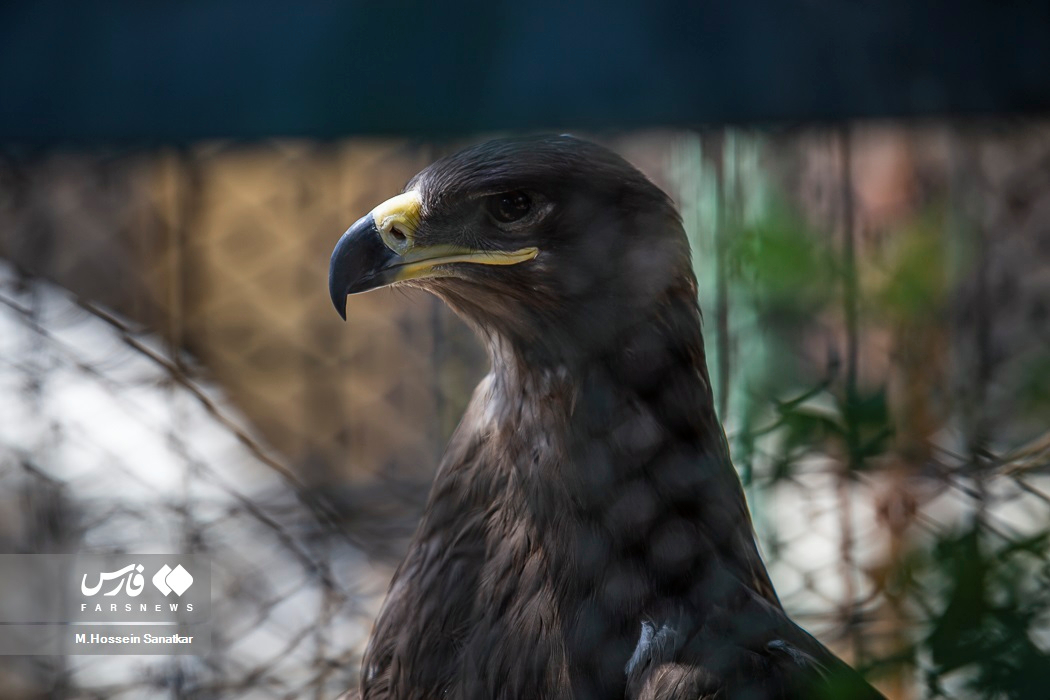
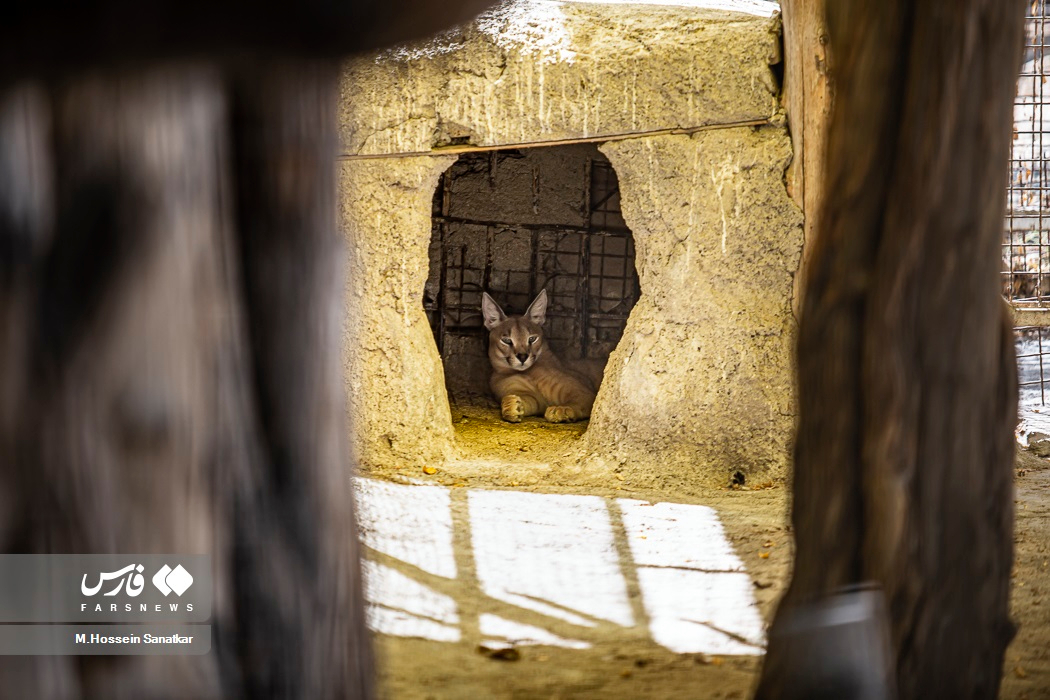
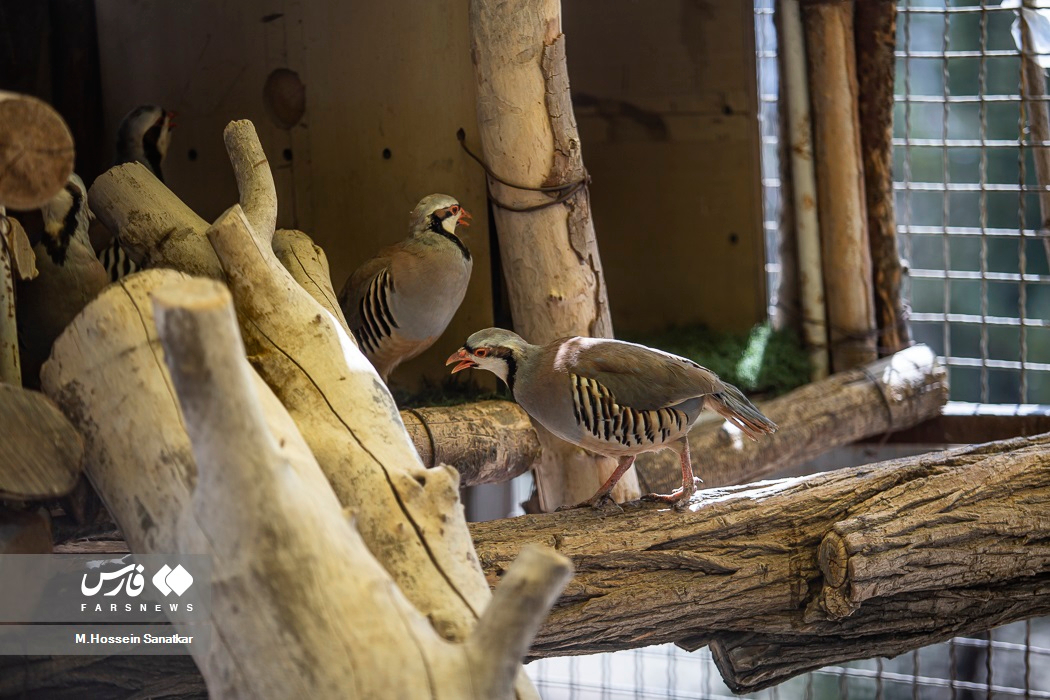
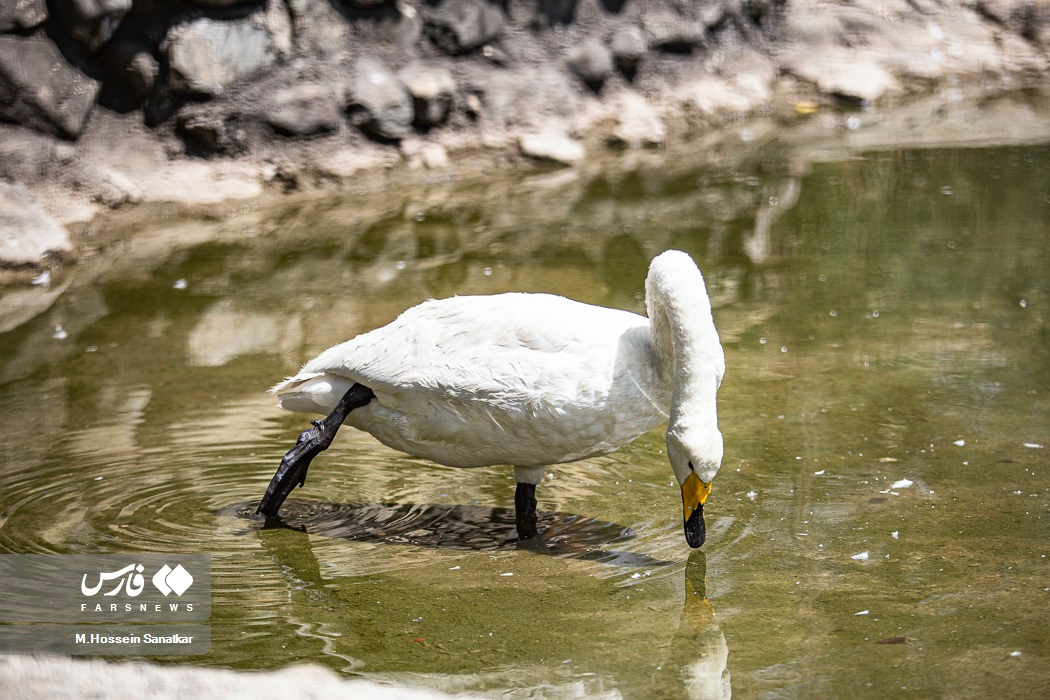
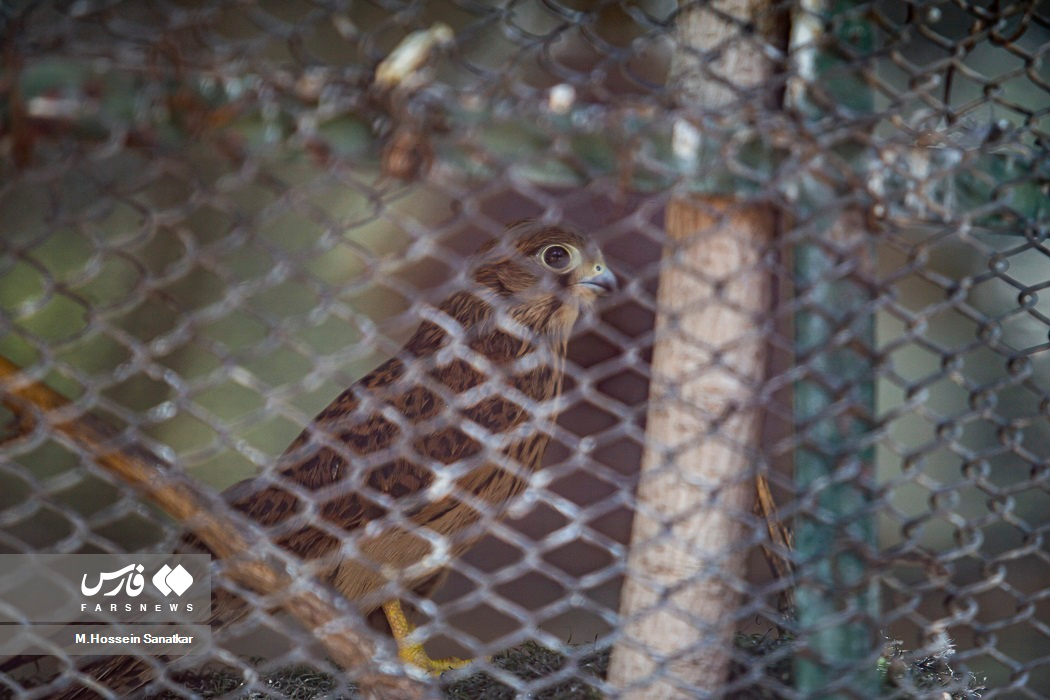
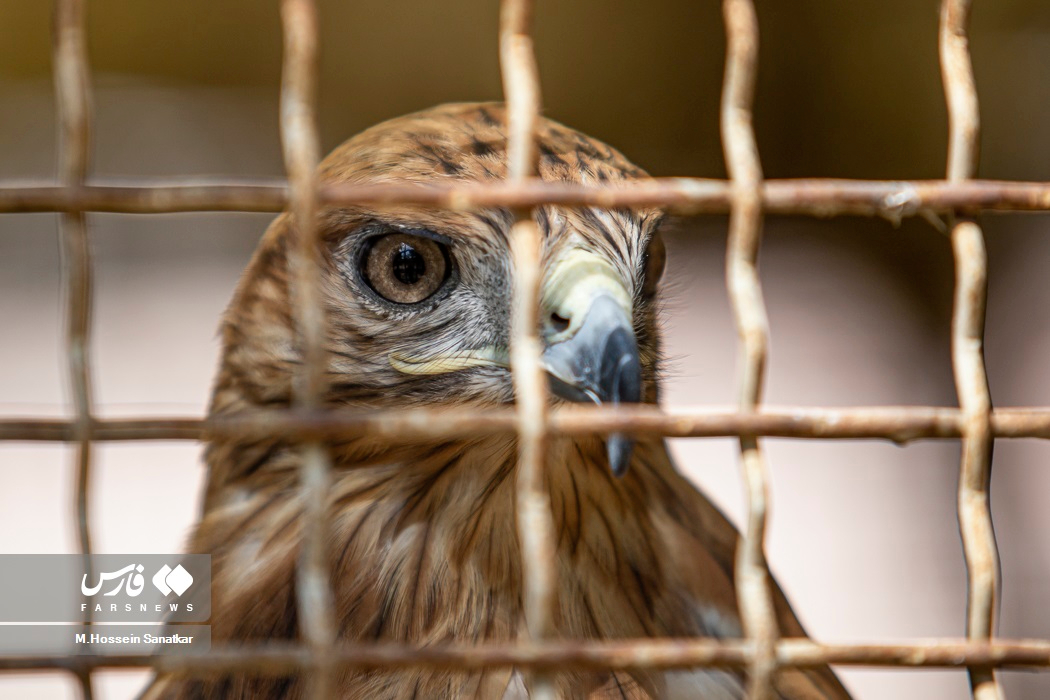
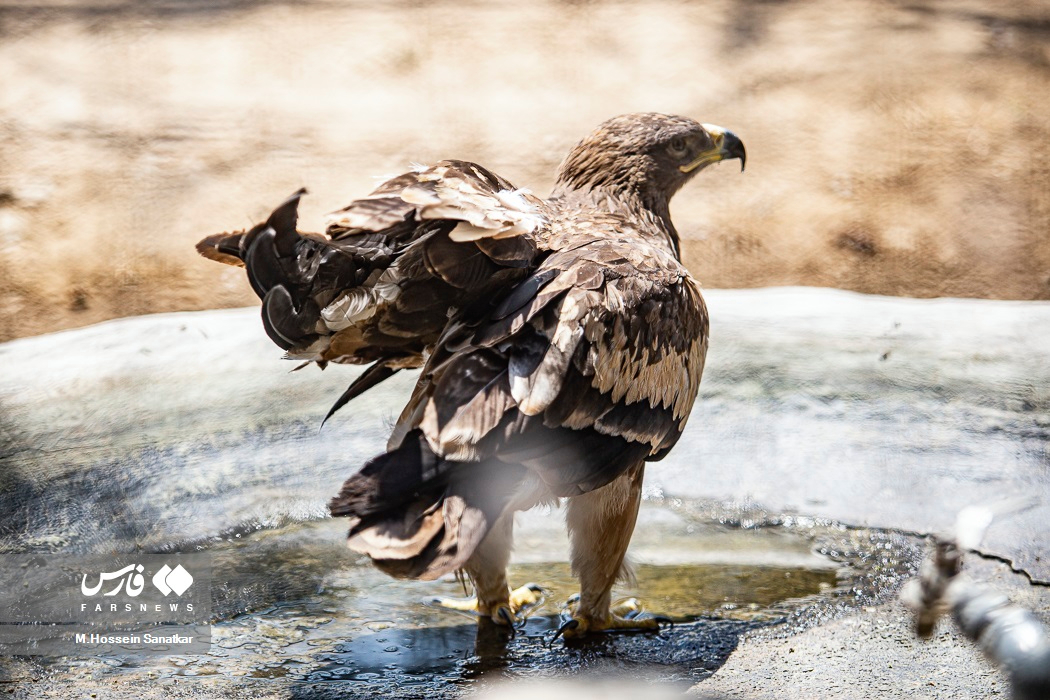
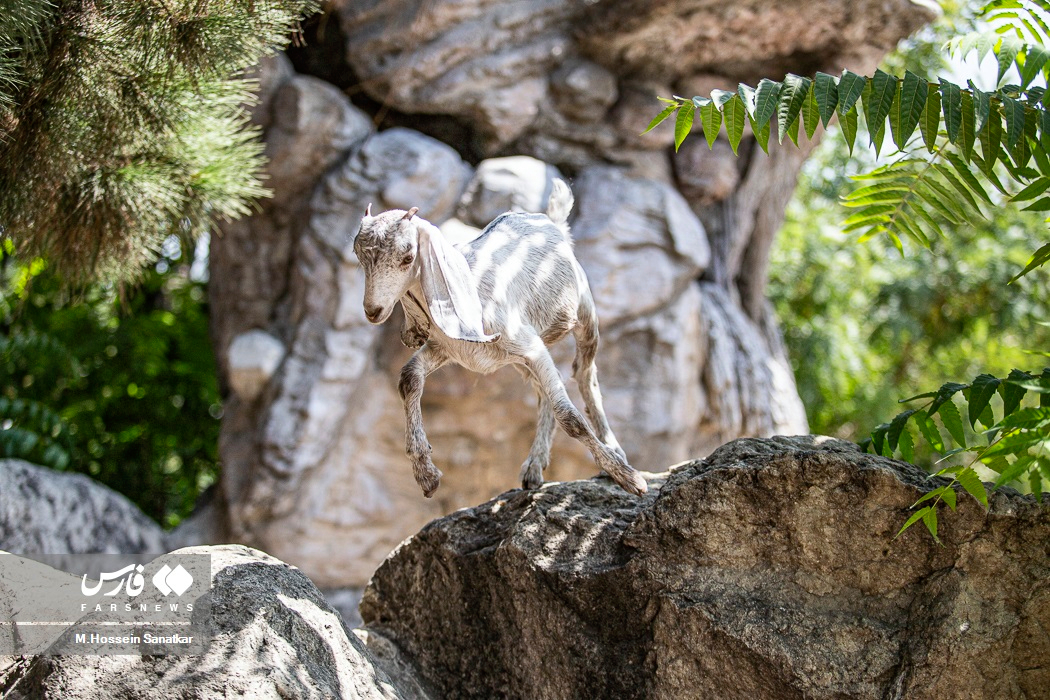
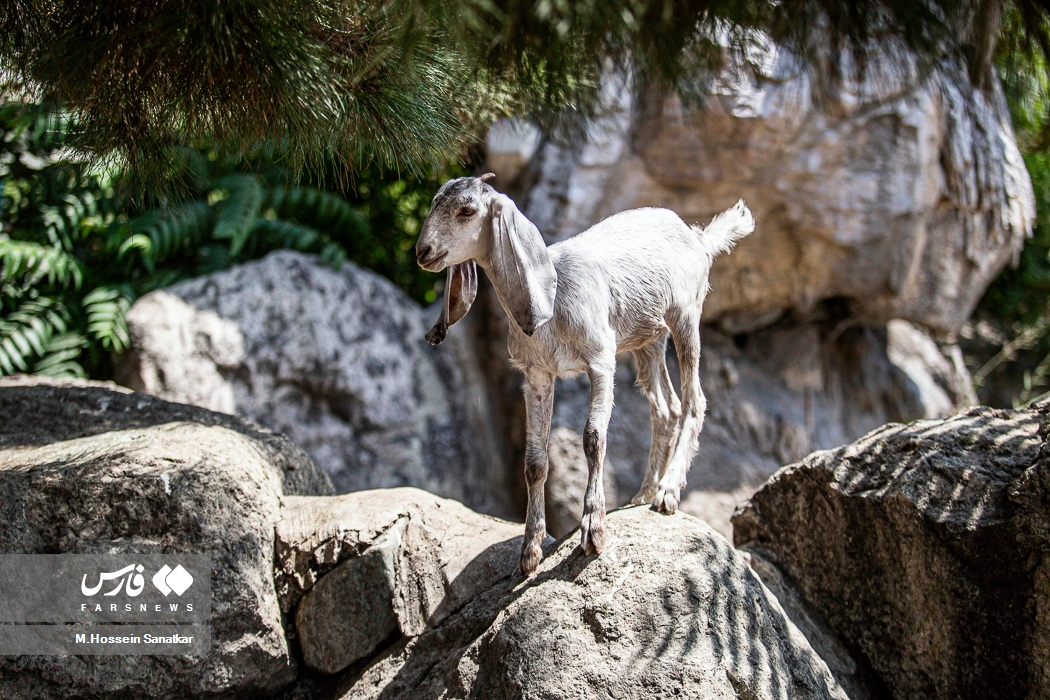
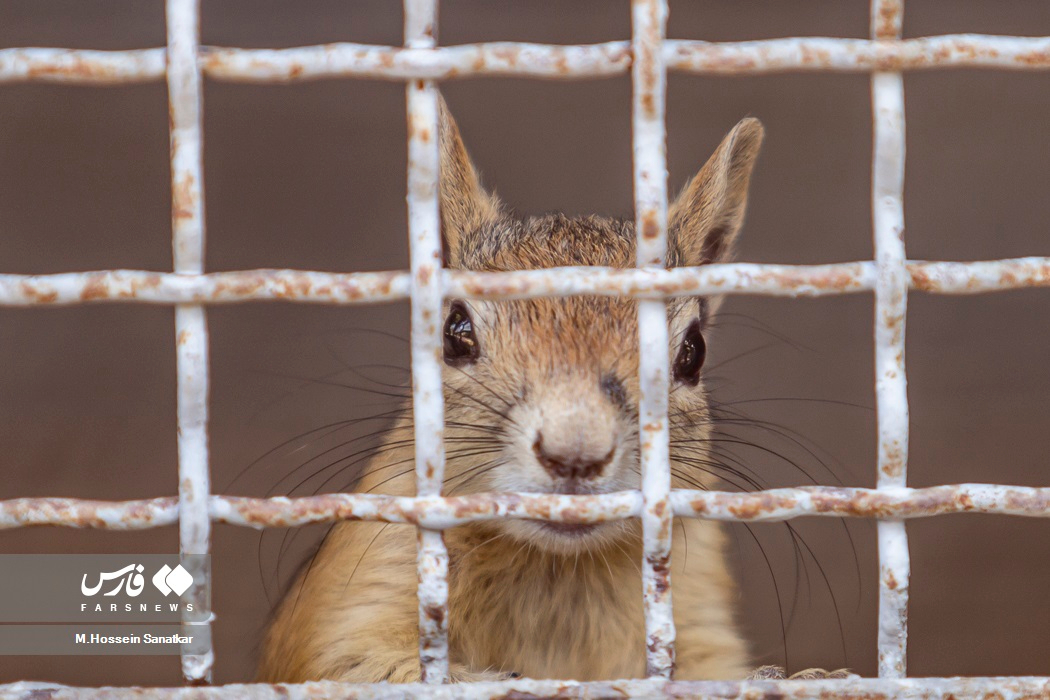
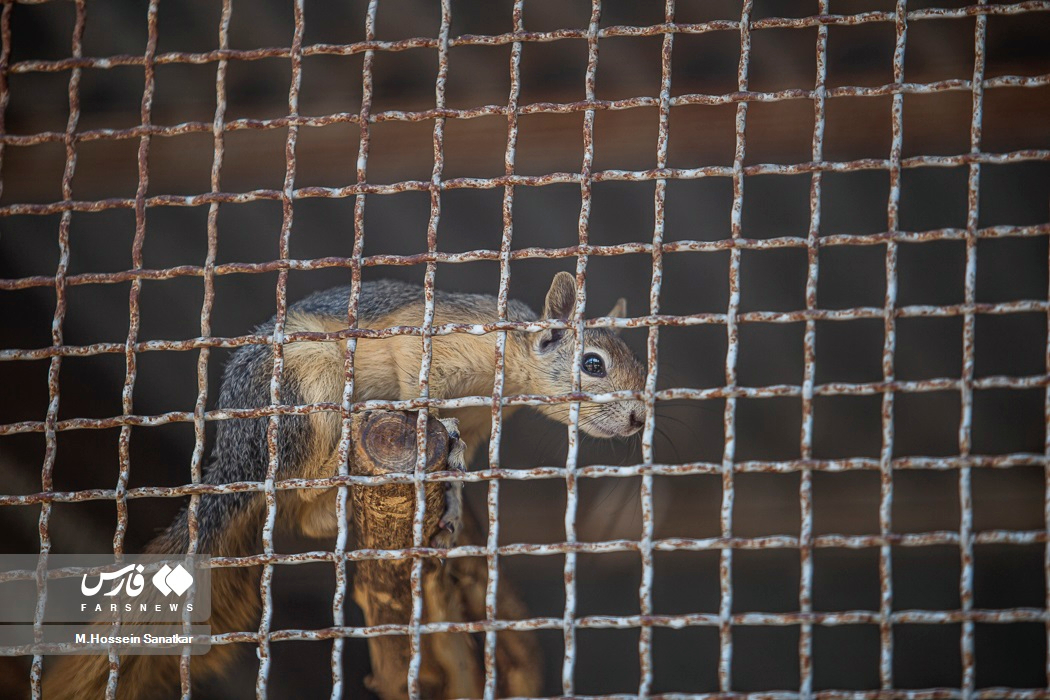
Tehran Wildlife Clinic treating stray animals

Iran Wildlife Clinic

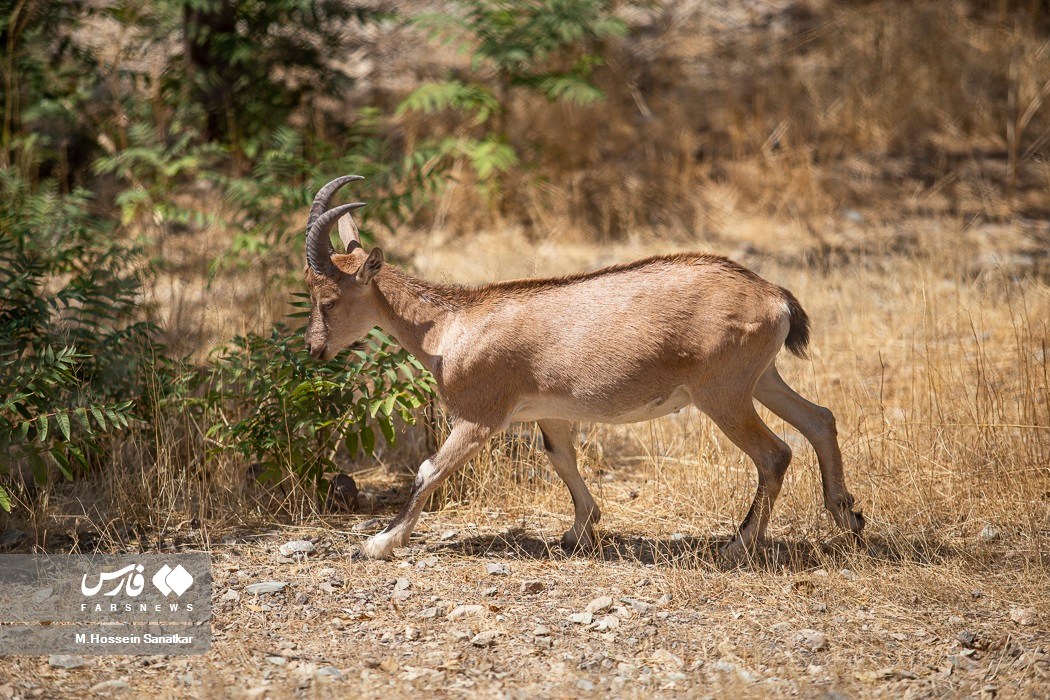
In a praiseworthy move, the clinic tries to treat both domestic species and exotic ones smuggled into the country or injured at the hands of poachers.

Then they are reintroduced into the wildlife after being treated.

This center seeks to remedy the adversities inflicted upon animals by humans intentionally or unintentionally before releasing them to live their lives.

More in pictures:

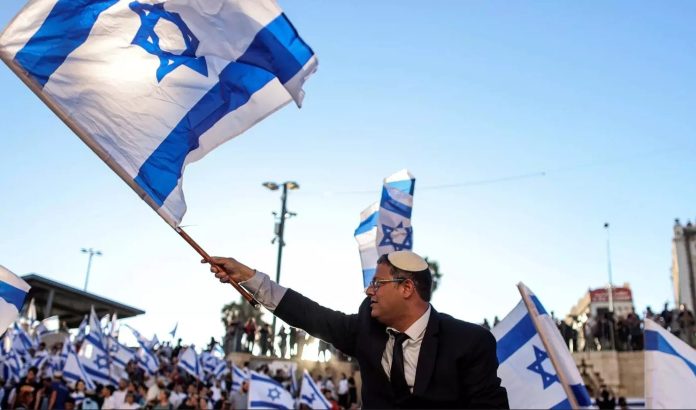
Israel far-right minister says his rights outweigh those of Palestinians

Israel’s far-right National Security Minister Itamar Ben Gvir

Speaking in an interview with the Israeli Channel 12 news outlet, Ben Gvir was asked about the increasing tensions in the West Bank which in recent weeks has seen Palestinians and Israeli settlers being killed.

Ben Gvir said that his rights were “more important” than those of Palestinians and more needed to be done to ensure the security of Jewish settlers.

The national security minister went on to add that the country’s Defence Minister, Yoav Gallant, was not doing enough to clamp down on Palestinians.

“My right, and my wife’s and my children’s right to get around on the roads in Judea and Samaria, is more important than the right to movement for Arabs,” noted Ben Gvir.

The term “Judea and Samaria” is often used by Israelis to describe the occupied-West Bank.

“Sorry Mohammad,” Ben Gvir went on to tell Channel 12 journalist Mohammad Magadli, “but that’s the reality. That’s the truth. My right to life comes before their right to movement.”

Ben Gvir is himself a settler in the West Bank settlement of Kiryat Arba, near the Palestinian city of Hebron.

Mairav Zonszein a senior Israeli analyst with the Crisis Group, said that that Ben Gvir spoke the “quiet part out loud” – in reference to disdain many on the Israeli right have for Palestinian life.

Arab parliamentarian Ahmad Tibi of the Hadash-Ta’al party called Ben Gvir proof that Israel doesn’t value Palestinian life.

“For the first time, an Israeli minister admits on air that Israel enforces an apartheid regime, based on Jewish supremacy,” Tibi said on X, the platform formerly known as Twitter.

Ben Gvir, has a long track record of expressing racist anti-Palestinian views.

He was educated in Rabbi Meir Kahana’s Kach party with its official platform advocating the nullification of Israeli citizenship for the state’s Palestinian citizens.

After Kach – the only Jewish political entity in Israel ever defined as a terrorist organisation – was outlawed, Ben-Gvir continued his violent activism against Palestinians and was charged eight times for it, including for incitement to racism and support for a terrorist organisation.

For many years, he hung at his home a portrait of Baruch Goldstein, the settler from Kiryat Arba who in 1994 murdered 29 Muslim worshippers in Hebron’s Ibrahimi Mosque (Jews call it the Cave of the Patriarchs).

Earlier this month Ben Gvir praised settlers suspected of killing a 19-year-old Palestinian in the occupied West Bank as “heroes”.

The far-right minister said that anyone defending themselves against “stone-throwing” should “receive a commendation”.

“A Jew who defends himself and others from murder by Palestinians is not a murder suspect, but a hero who will get full backing from me,” he said.

Since the start of the year, at least eight Palestinians have been killed during settler attacks, compared with five Palestinians killed by suspected settlers in 2022.

Iranian ex-diplomat: West, G7 set to undermine BRICS

BRICS

“Although some of its member states have economic relations with the West, BRICS is seeking a structure to wean itself off the US dollar, and that is why the bloc is regarded as a rival to major member states of the G7,” said Abdoreza Faraji, Iran’s ex-ambassador to Norway and Hungary, in an interview with IRNA.

“Naturally, the West and G7 will not stand idly by against BRICS and will try to undermine it,” he explained.

He said BRICS’ member states, in total, make up around 47% of the population, nearly a fourth of the gross national product (GNP) and approximately a third of the land of the world.

“Ditching the greenback and establishing a balance in the world’s financial and economic situation are among the objectives of the formation of BRICS,” he explained.

He then touched upon Iran’s BRICS membership bid, adding, “Organizing domestic economy and international relations is a prerequisite for gaining maximum benefit from BRICS membership.”

He expressed hope Iran’s membership in the bloc will lay the groundwork for the lifting of sanctions against Tehran.

BRICS is made up of Brazil, Russia, India, China and South Africa. A BRICS summit kicked off in the South African city of Johannesburg on Tuesday.

Iranian President Ebrahim Raisi arrived in South Africa on Thursday to attend the summit.

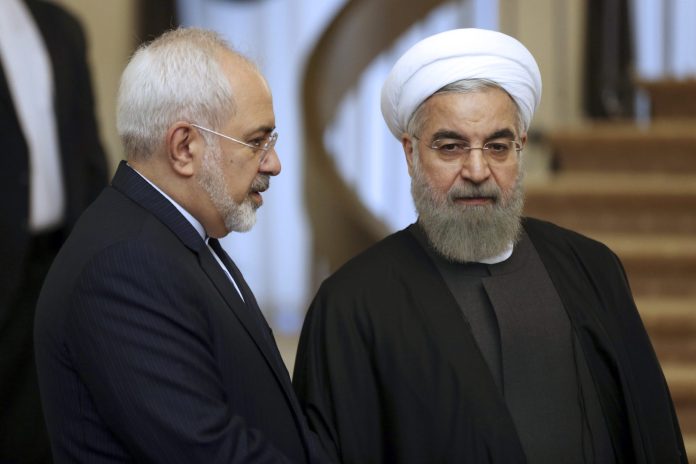
Former Iranian reformist chief blasts failure to revive 2015 Iran nuclear deal

Rouhani and Zarif

“You see, they cannot hold negotiations during the tenure of the [incumbent US President Joe] Biden [administration] to bring to fruition efforts to return to the JCPOA,” said Behzad Nabavi in an interview published by news website Entakhab.ir.

He praised former Iranian President Hassan Rouhani for “being able to preserve the JCPOA during the tenure of [former US President Donald] Trump.”

Nabavi added Biden took power toward the end of Rouhani’s term in office as President, adding negotiators were ready to resume talks over the nuclear deal.

“The revival of the JCPOA was close at hand, but they did not allow it to happen,” said Nabavi, without specifying who he exactly meant by “they.”

“Apparently, Mr. Rouhani had said: Allow my administration to sign an agreement, then you will be able to reap the benefits,” noted Nabvai, adding, “But Rouhani’s proposal was not accepted.”

Talks over the revival of the JCPOA have stalled for months with Iran accusing the US and some of allies of lack of the necessary resolve to that end.

The US withdrew from the nuclear deal in 2018 under former President Donald Trump.

Brazilian reporter says 5 countries, including Iran, to become new BRICS members

BRICS

According to the reporter, the geographical factor was among the main selection criteria. Choices were made in order to maintain the regional balance inside the group. In accordance with the principle, the membership of one more African country is now under consideration.
Also, the government of Brazil would also like to see Indonesia as a member of BRICS, but the country is not yet ready to join the group.

The 2023 BRICS summit is being held in South Africa’s Johannesburg on August 22-24. The country’s Foreign Minister Naledi Pandor said earlier the leaders had eventually come to terms about accepting new members and approved a document specifying membership’s principles, requirements and procedure.

South African President Cyril Ramaphosa will announce the names of countries that will be invited to join the BRICS group of nations as full-fledged members after BRICS leaders complete their discussion on the issue on Thursday morning.

South Africa’s BRICS Sherpa Anil Sooklal told TASS on Wednesday that the leaders “will tomorrow morning have a further meeting to finalize the list of countries, and thereafter there will be a press conference tomorrow morning when President Ramaphosa will formally announce the list of countries that have been agreed to by all of the BRICS countries.”

“Our leaders had a discussion last night based on the recommendation of ministers,” he explained, adding, “It was quite an extensive discussion, because expansion has to be a carefully considered position, and they continued discussion today, and they have now reached consensus on expansion.”

The diplomat underscored that BRICS expansion criteria had already been “finalized and adopted by consensus by our leaders.”

“So that process is finalized, which has made it possible for them now to finalize countries that they [the leaders] will consider for full membership. So by tomorrow morning, that’s the last meeting they will have. They will finalize the consultation on which countries they agree on, and there will be a formal announcement tomorrow morning,” Sooklal said.

He added that the work on BRICS expansion criteria was actively conducted at various levels since last year.

South African Foreign Minister Naledi Pandor stated earlier the leaders had eventually come to terms about accepting new members and approved a document specifying membership’s principles, requirements and procedure.

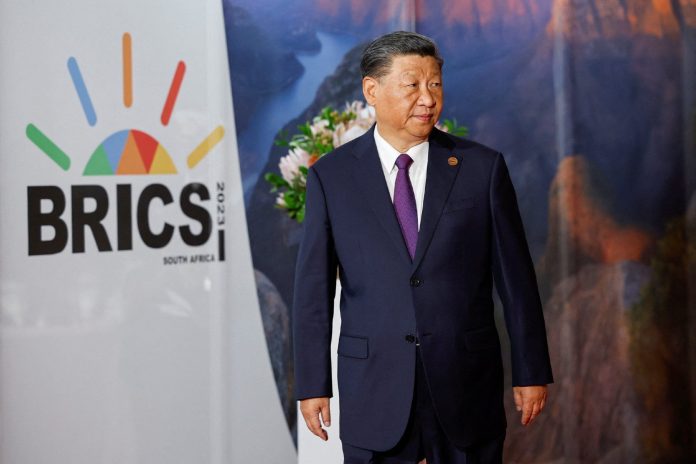
BRICS offers a path to “true multilateralism”: China president

Xi Jinping

“We gather at a time when the world has entered a new period of turbulence and transformation,” Xi told the leaders of Brazil, Russia, India, and South Africa, in Johannesburg.

He added that the world “is undergoing major shifts, division and regrouping, leading to more uncertain, unstable and unpredictable developments.”

“The Cold War mentality is still haunting our world, and the geopolitical situation is getting tense,” he continued, before restating China’s position on the Ukraine conflict: that the fighting began for “complex reasons,” and that “no one should add fuel to the fire and worsen the situation.”

The Chinese president has maintained for several years that American hegemony is in decline, and that a more multipolar world – in which Washington must treat “rising” powers like China as equals – is emerging. Xi has publicly celebrated the rebalancing of power, telling Russian President Vladimir Putin in March that both men were driving “changes, the likes of which we haven’t seen for 100 years.” Behind closed doors, he has reportedly warned his military that the geopolitical shift may lead to “the outbreak of a war and its chain reactions.”

To avert this, Xi declared that “BRICS countries need to champion the spirit of inclusiveness, advocate peaceful coexistence and harmony between civilizations, and promote respect of all countries in independently choosing their modernization paths.”

“There are many civilizations and development paths in the world, and this is how the world should be,” he stated.

The Chinese leader called for the strengthening of global institutions and the adoption of global rules based on the UN Charter, “rather than dictated by those with the strongest muscles or the loudest voice.” Beijing has repeatedly condemned the US for positioning itself as leader of the “rules-based international order,” while violating the same rules that it applies to others.

“BRICS countries should practice true multilateralism, uphold the UN-centered international system, support and strengthen the WTO-centered multilateral trading system, and reject the attempt to create small circles or exclusive blocs,” Xi said, calling for increased trade, financial, and development ties between the five-nation group.

Xi was not the only BRICS leader to denounce Western hegemony at the Johannesburg summit. Addressing the conference by video link, Putin blamed the conflict in Ukraine on the West’s attempts to preserve its power, and declared that BRICS stands for “the formation of a multipolar world order, truly just and based on international law.”

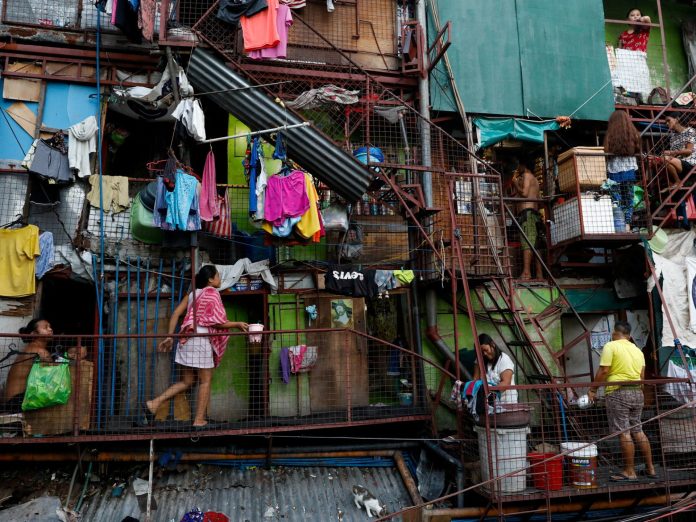
Inflation, COVID plunge 68 million more in Asia into extreme poverty: Asian Development Bank

Asia Poverty

In a new report released on Thursday, the ADB said an estimated 155.2 million people in developing Asia, or 3.9% of the region’s population, lived in extreme poverty as of last year, 67.8 million more than would have been the case without the health and cost-of-living crises.

Developing Asia consists of 46 economies in the Asia-Pacific and excludes Japan, Australia and New Zealand.

“Asia and the Pacific is steadily recovering from the COVID-19 pandemic, but the increased cost-of-living crisis is undermining progress toward eliminating poverty,” stated ADB Chief Economist Albert Park.

Extreme poverty is defined as living on less than $2.15 a day, based on 2017 figures.

Inflation in most countries has soared to multi-year highs last year, driven by a rebound in economic activity and a surge in supply chain disruptions.

Price increases affected everyone but poorer people were hit the hardest because they had to spend more on food and fuel, making it difficult for them to save money and pay for essentials including health care and education.
“By strengthening social safety nets for the poor and fostering investment and innovation that creates opportunities for growth and employment, governments in the region can get back on track,” Park added.
Developing Asia was on track to grow 4.8% this year from a year earlier, faster than the previous year’s 4.2% expansion, the ADB said in July.

But while economies in developing Asia were expected to make progress in addressing poverty, the ADB said 30.3% of the region’s population, or about 1.26 billion people, will still be considered economically vulnerable by 2030.