Monday, December 29, 2025
Home Blog Page 1282

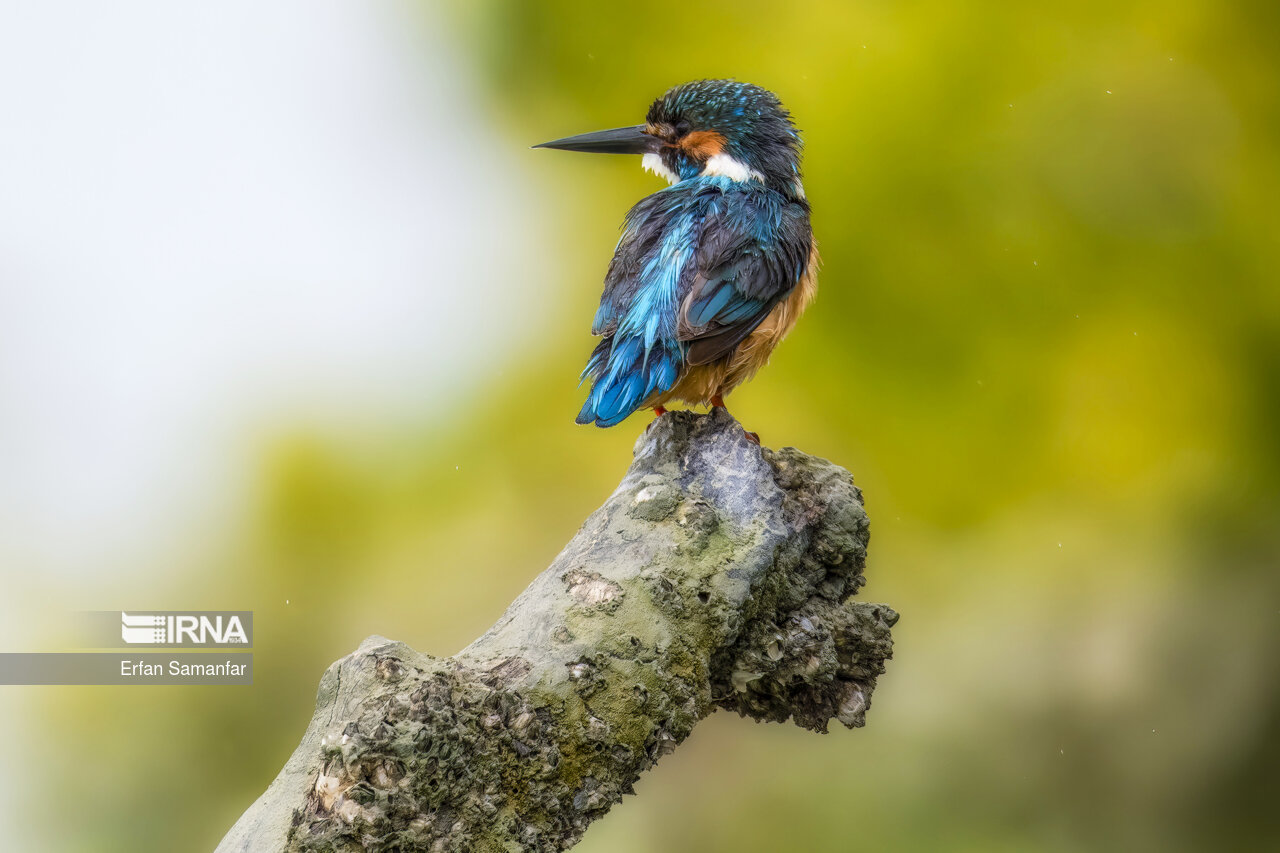
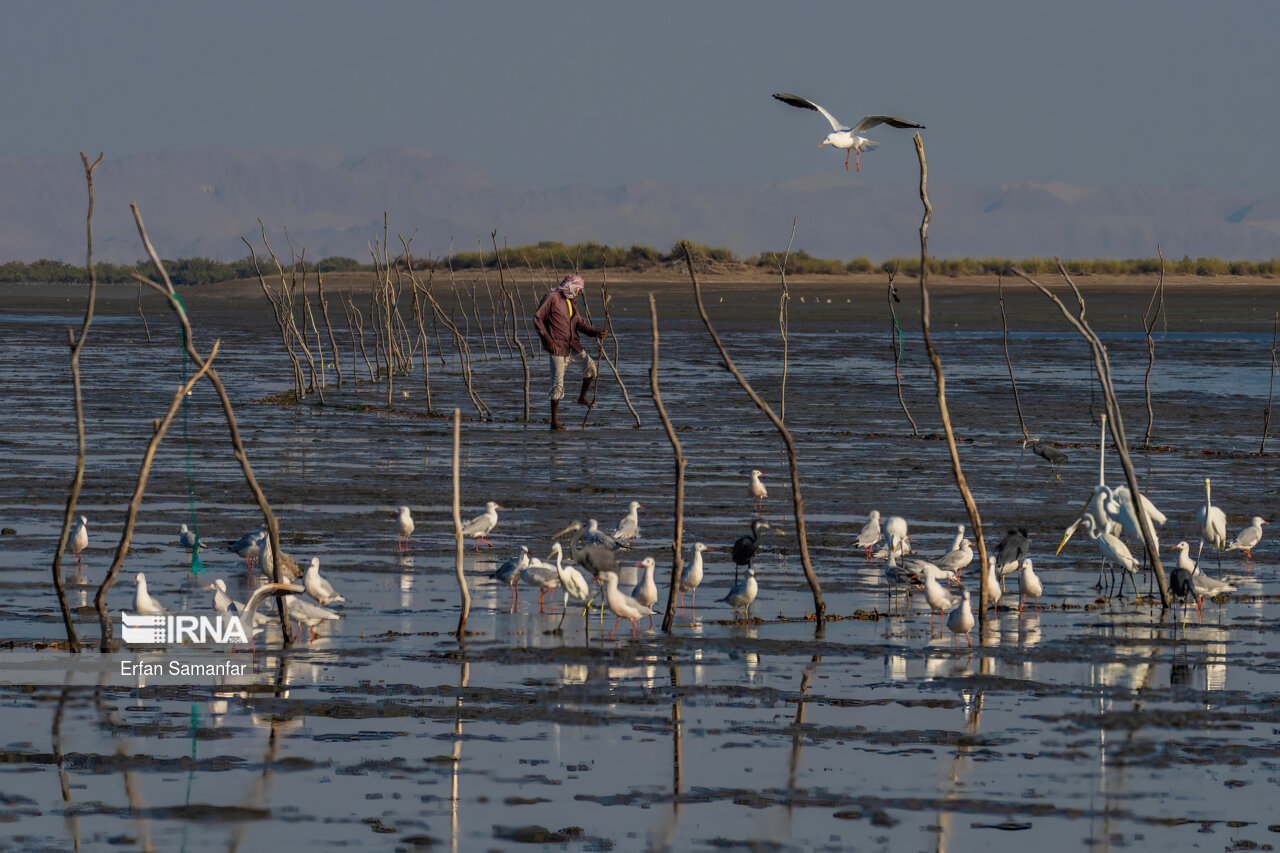
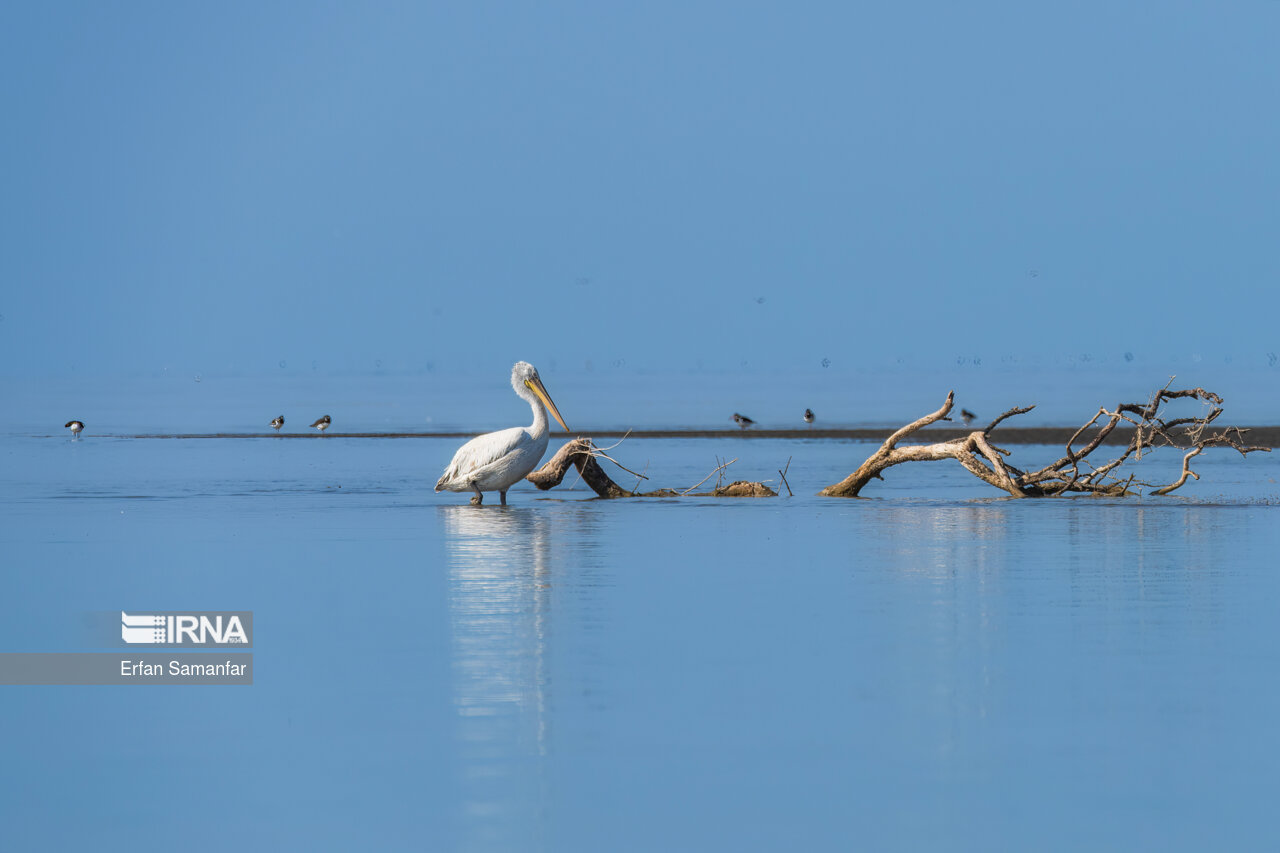
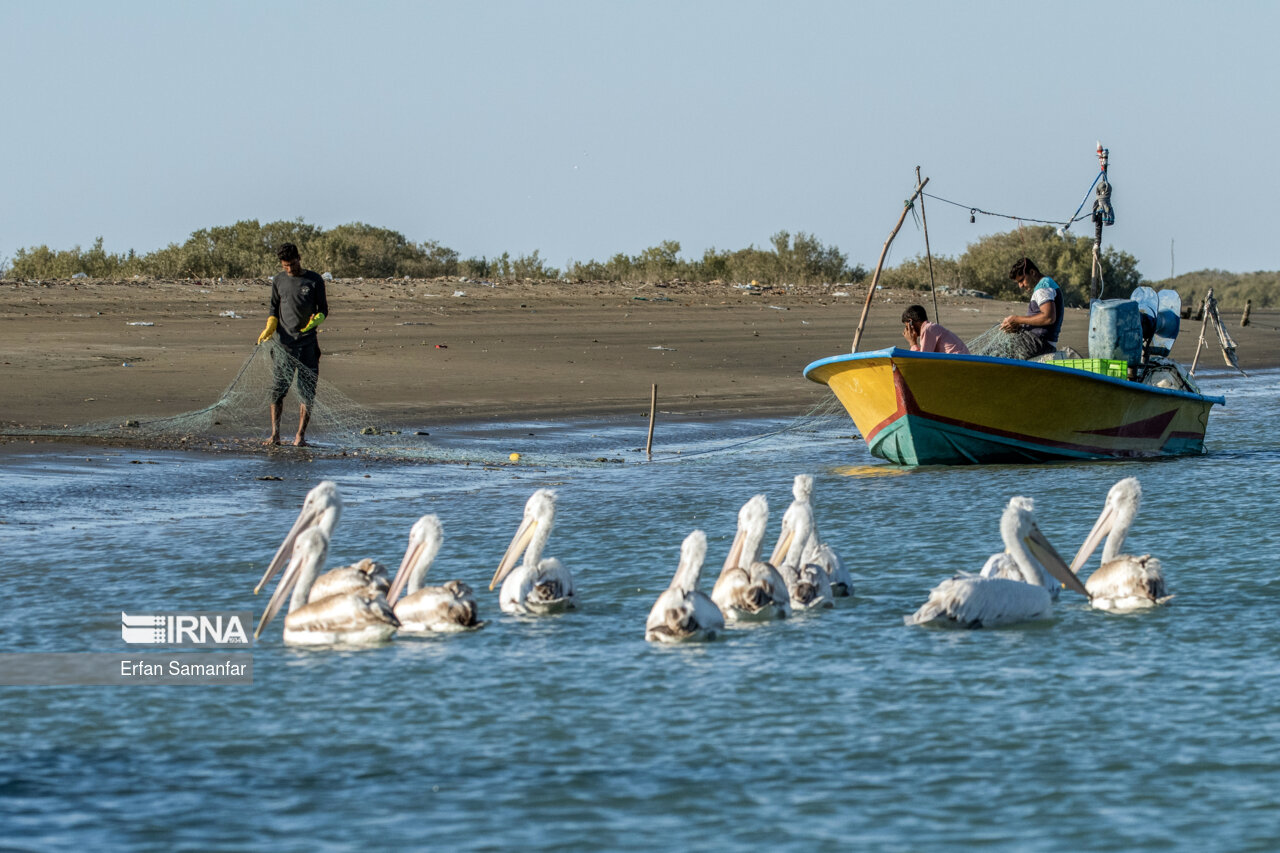
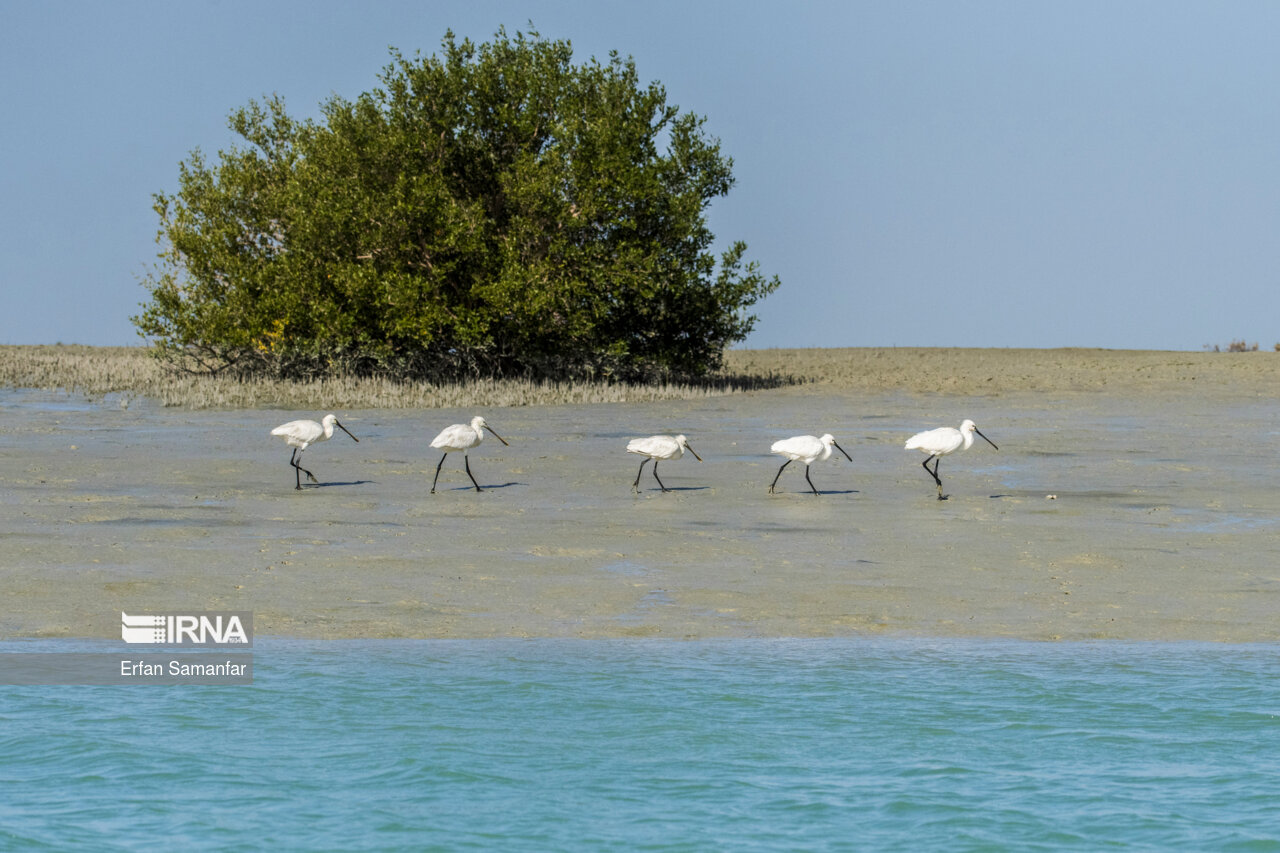
Iran’s Azini Wetland, a winter abode for endangered birds

Iran’s Azini Wetland

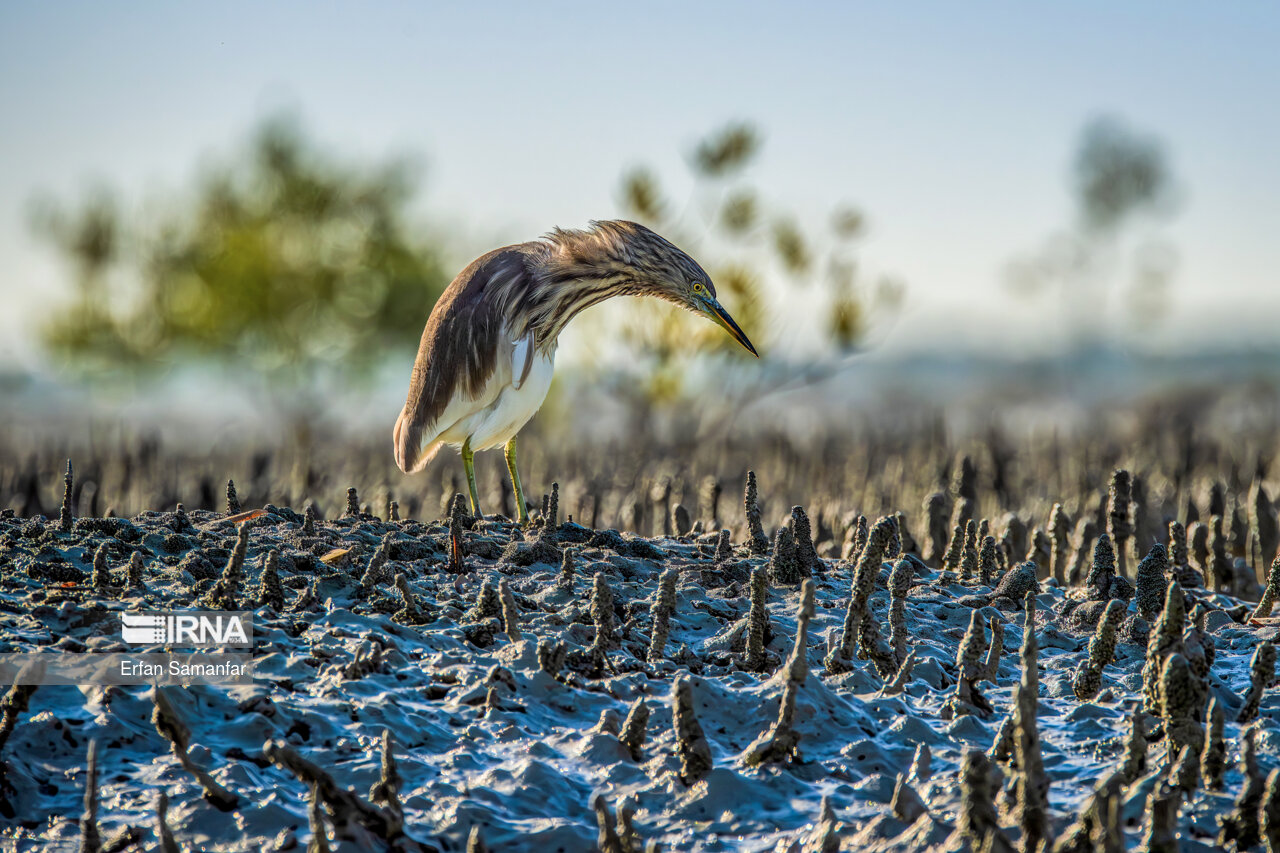
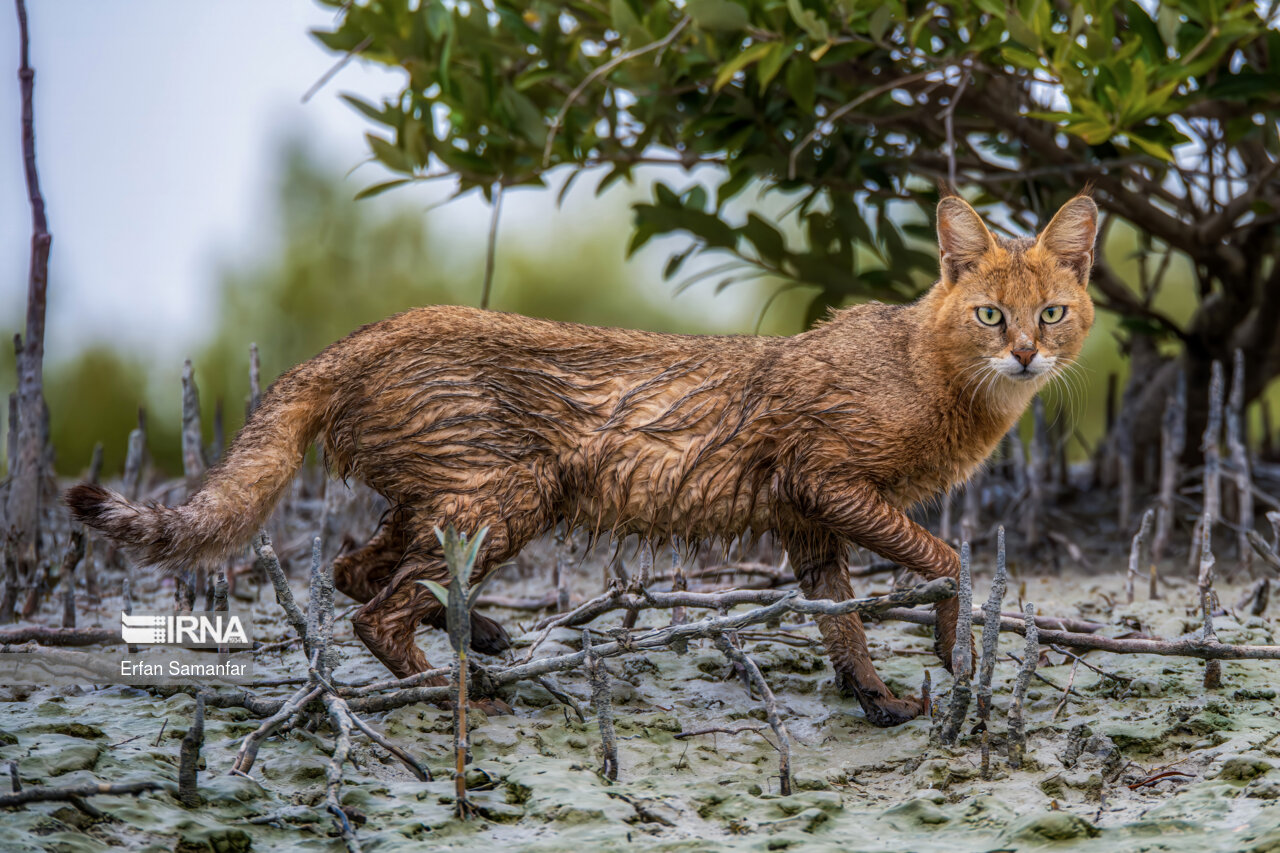
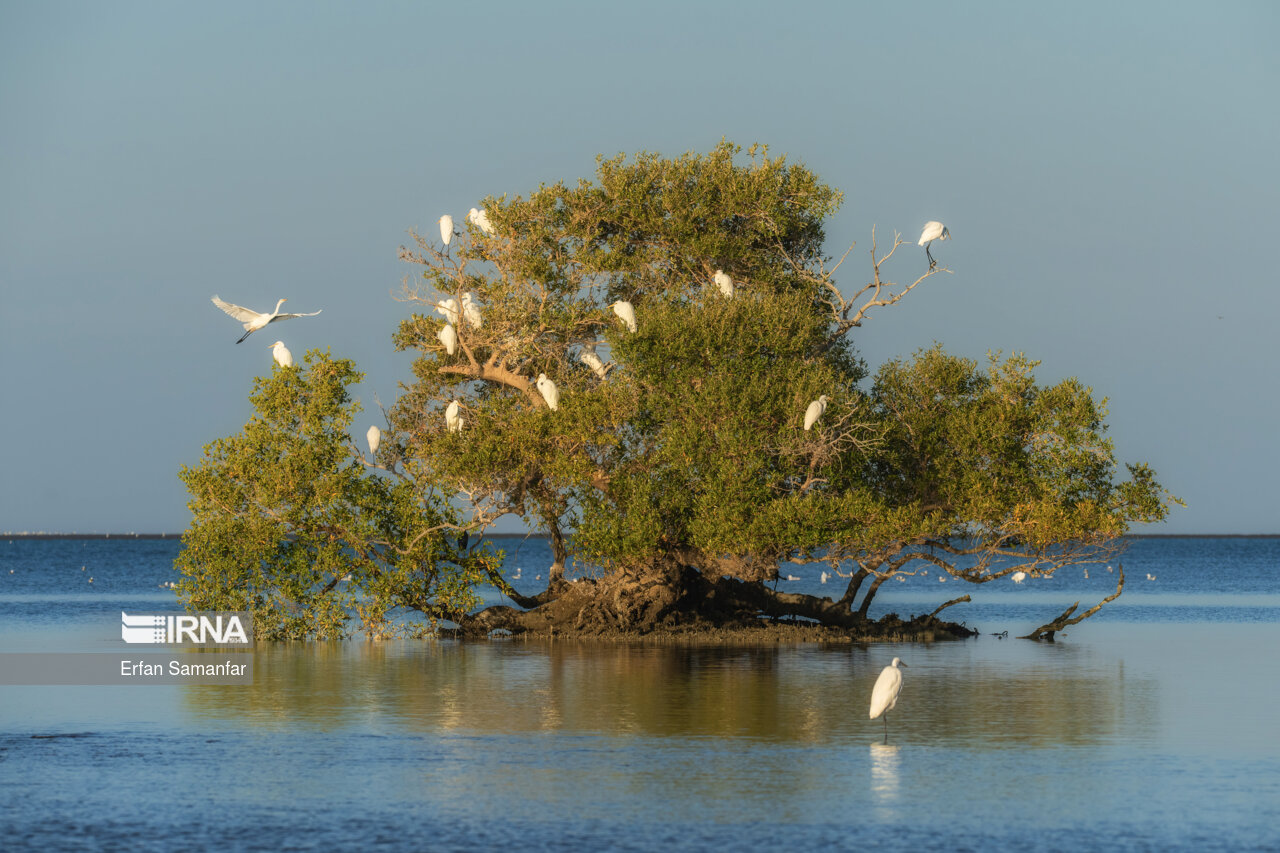
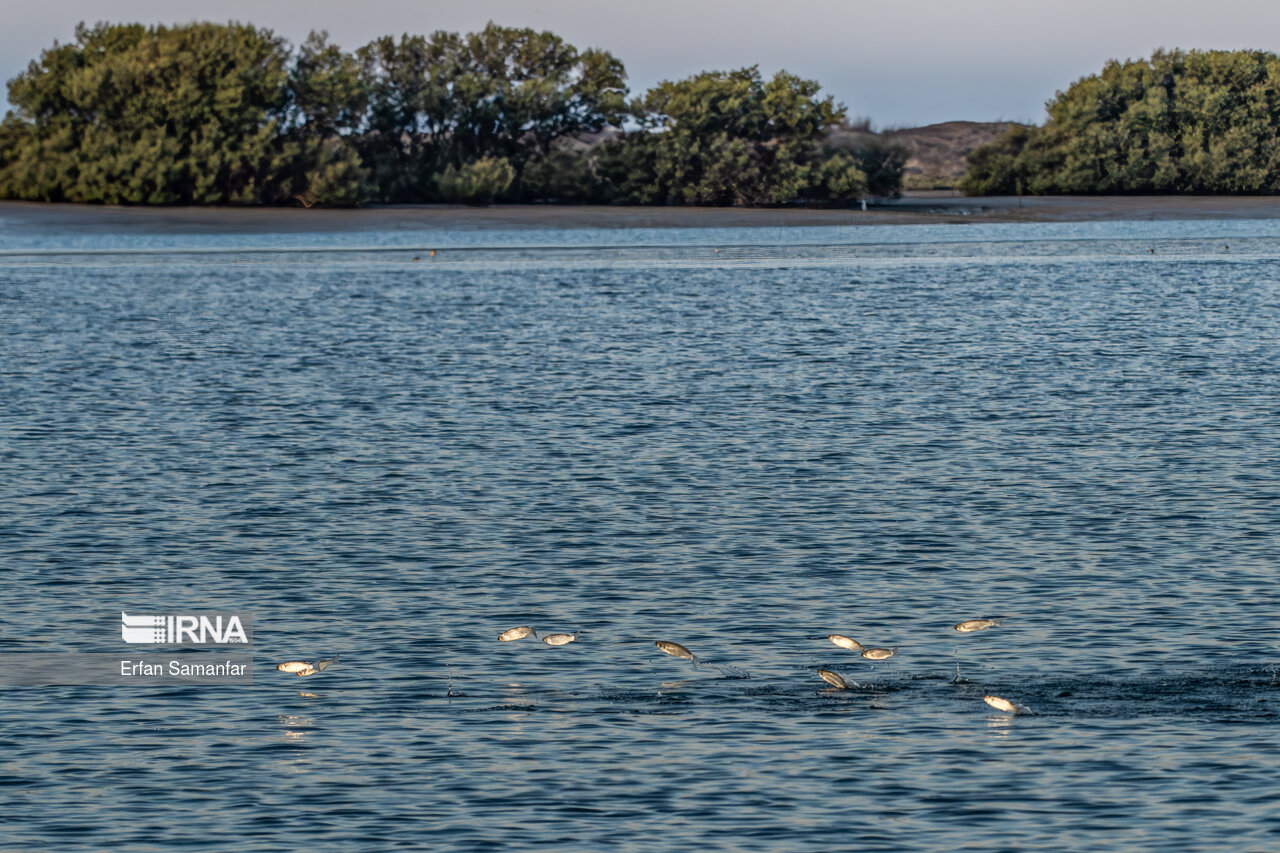
The wetland is comprised of a set of mangrove forests with the two best species of mangrove, including loop-root ones.

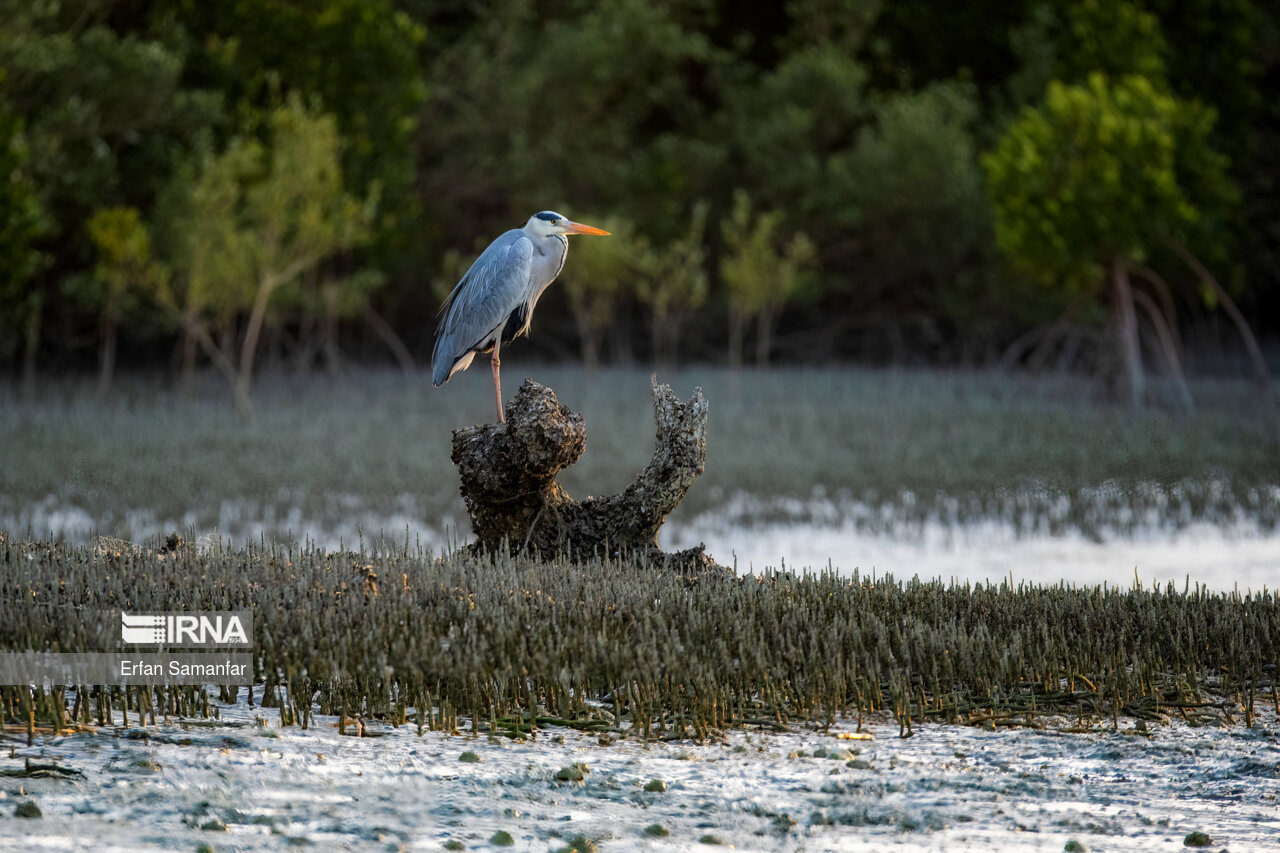
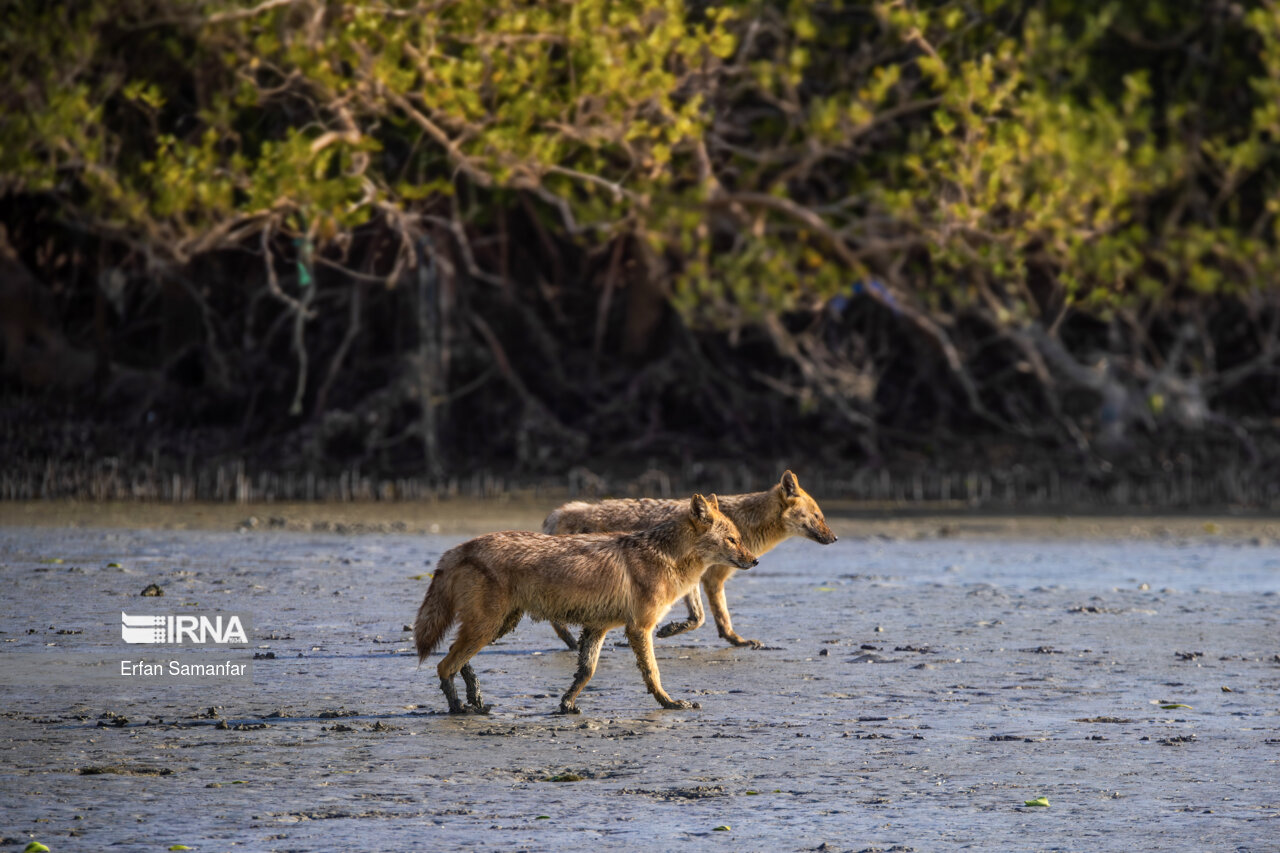
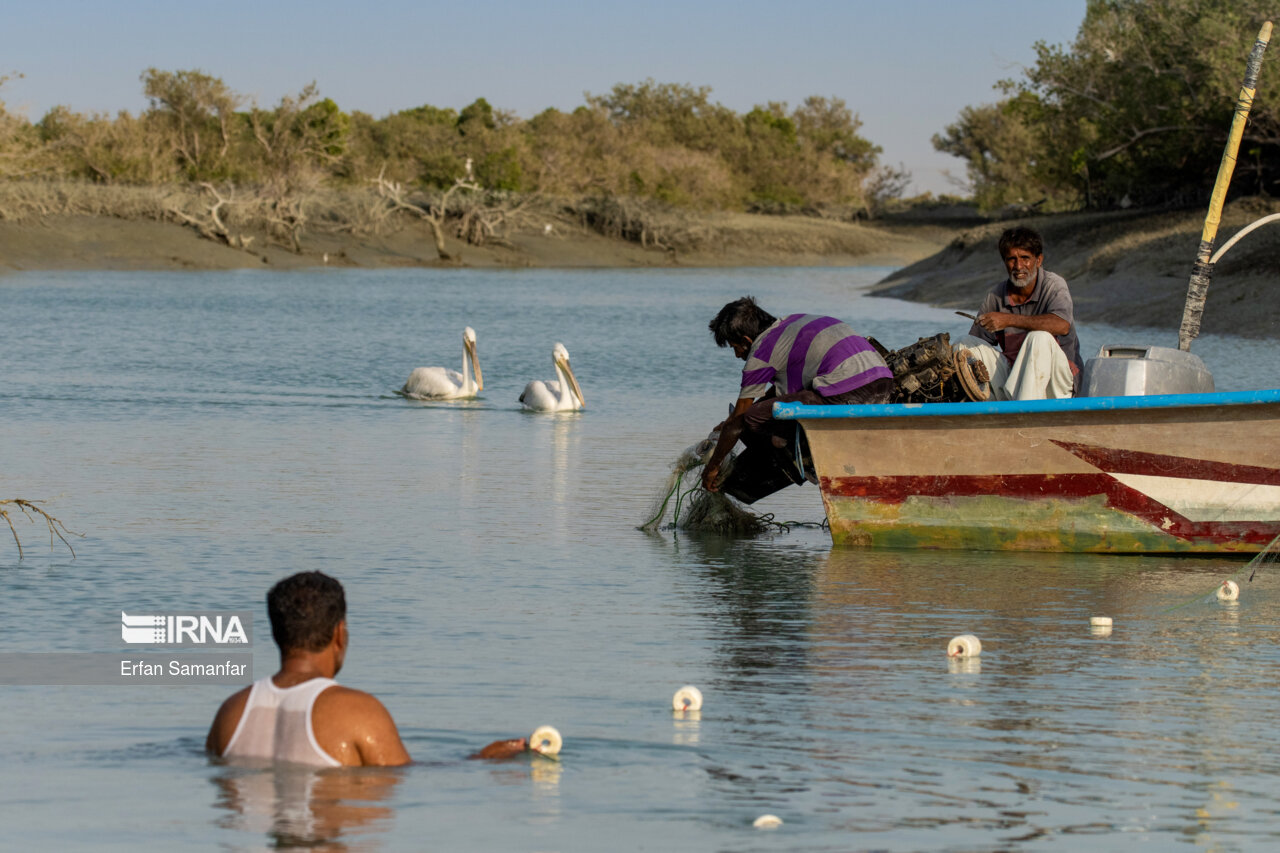
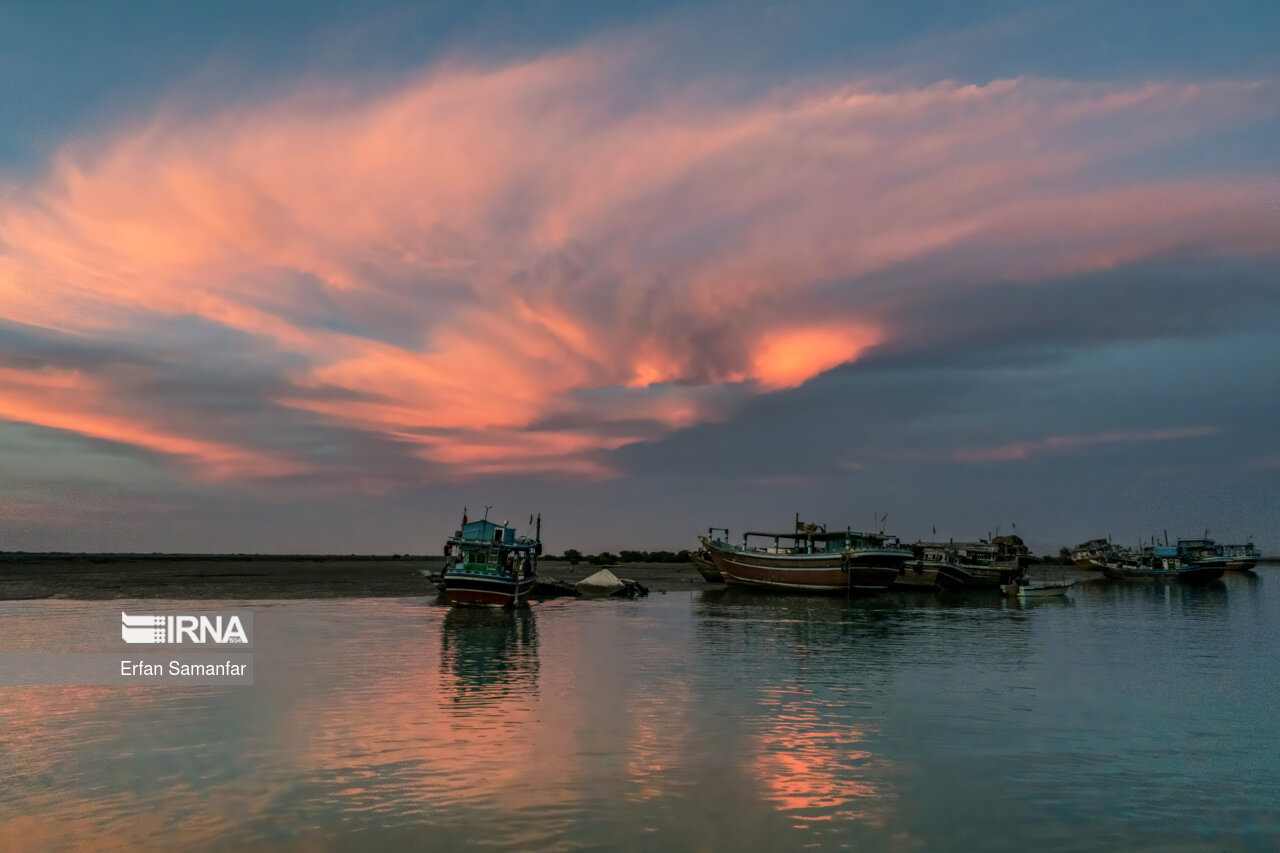
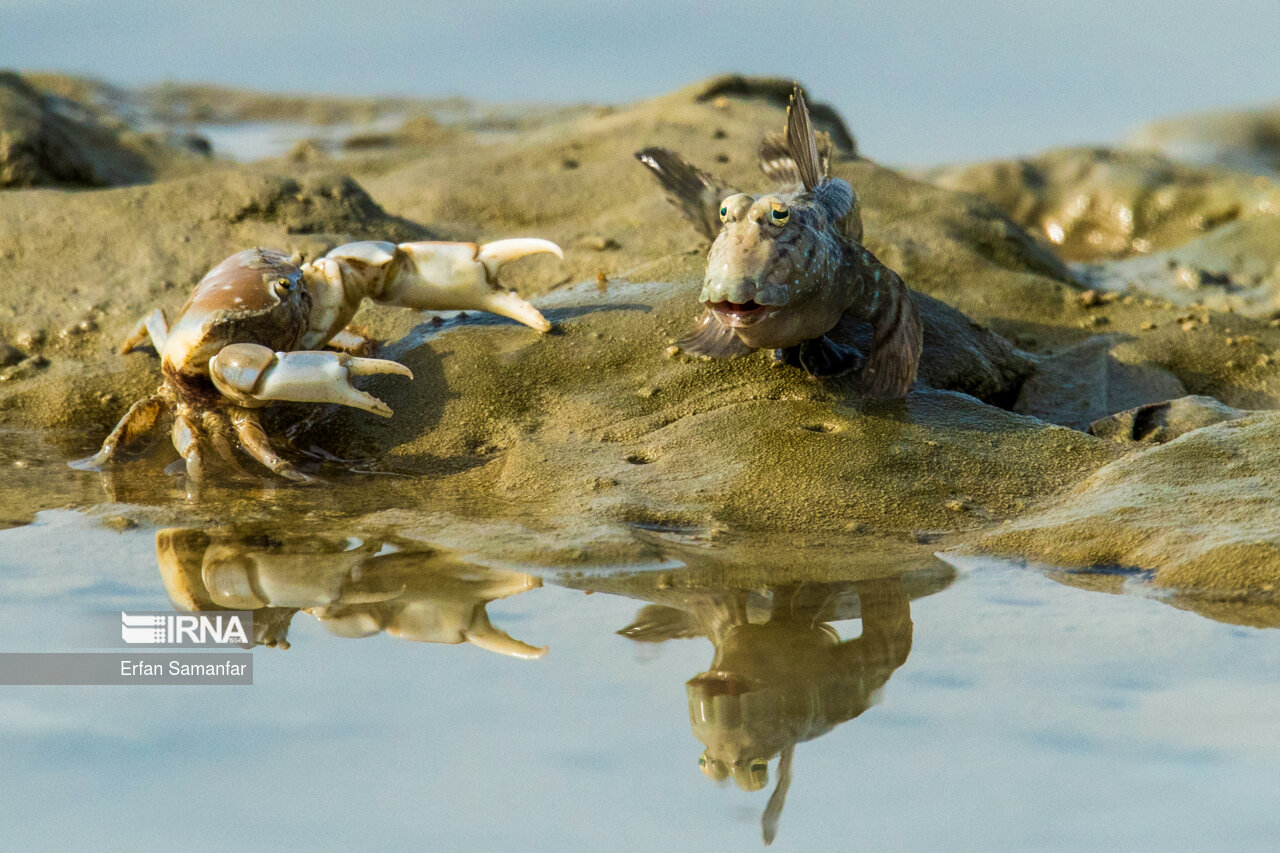
Azini is a muddy, sandy and intertidal wetland with large and small estuaries and houses scattered small islands covered by mangrove forests in the distance between the Gaz and Hiwe rivers.

The wetland, with an area of more than 500 hectares in a special geographical location, has a high ecological and genetic diversity.

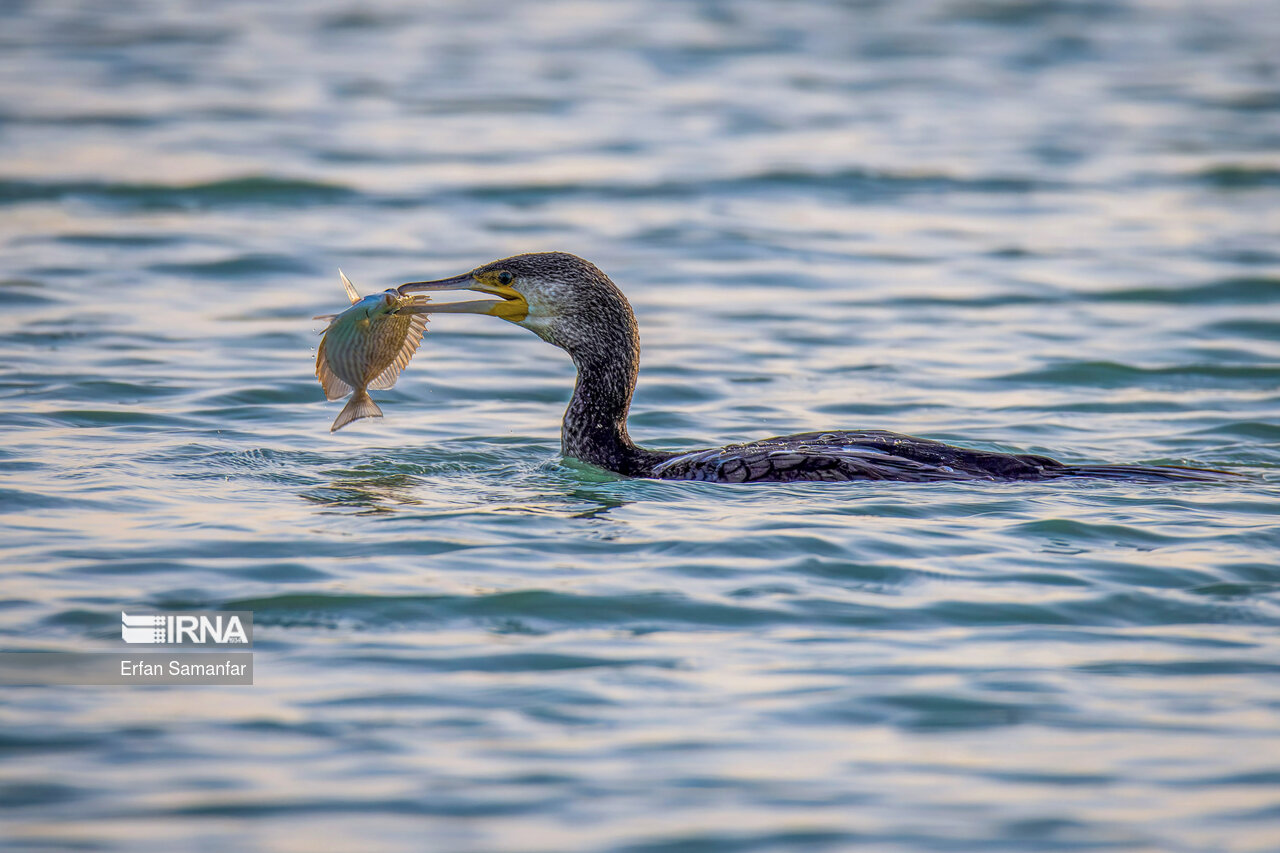
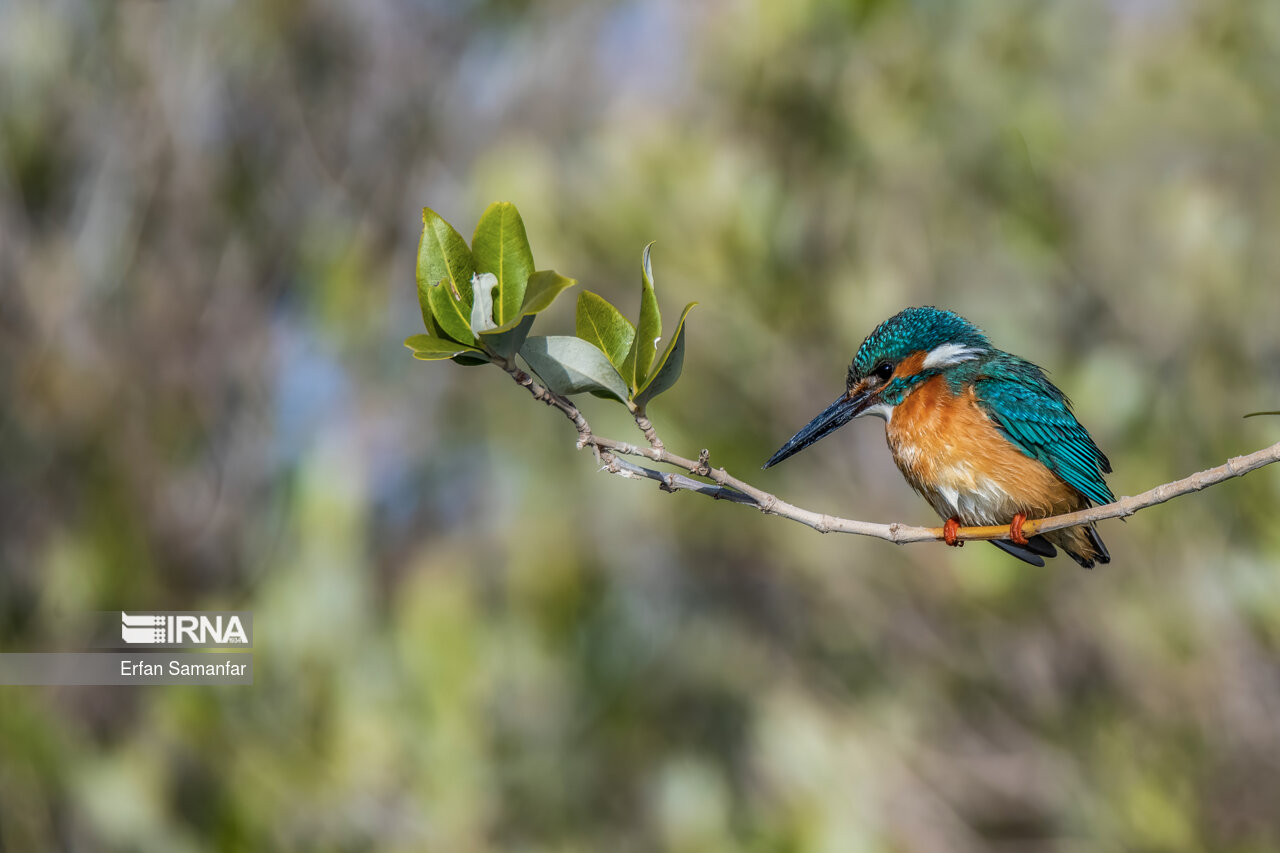
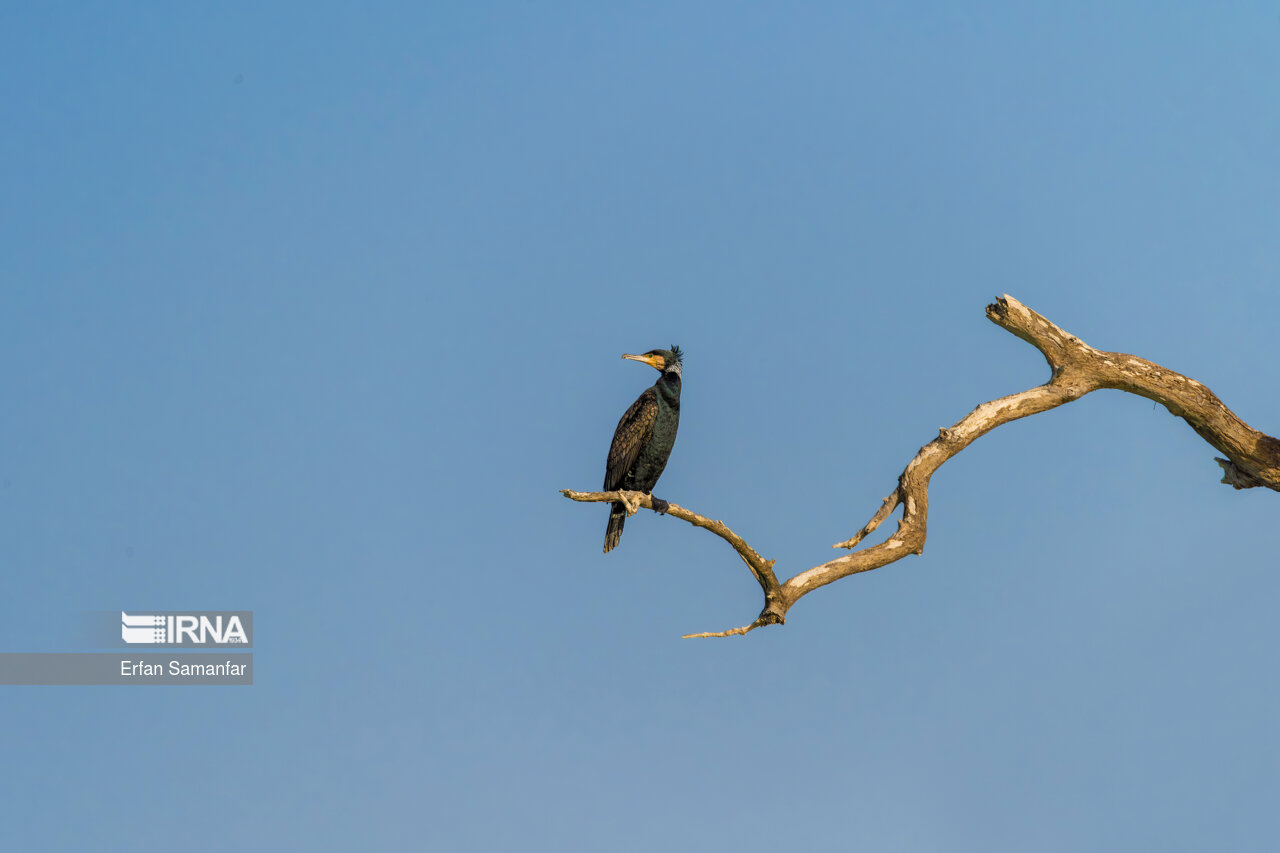
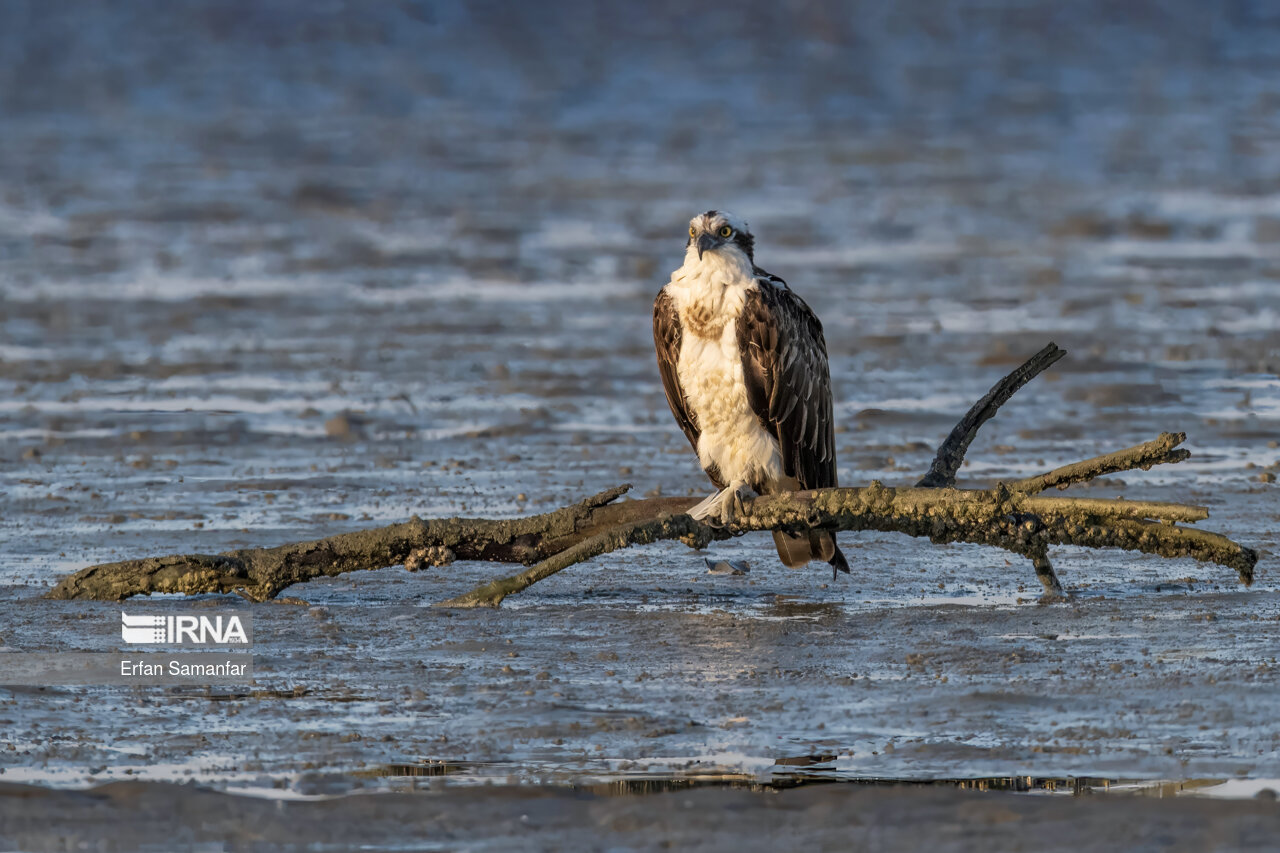
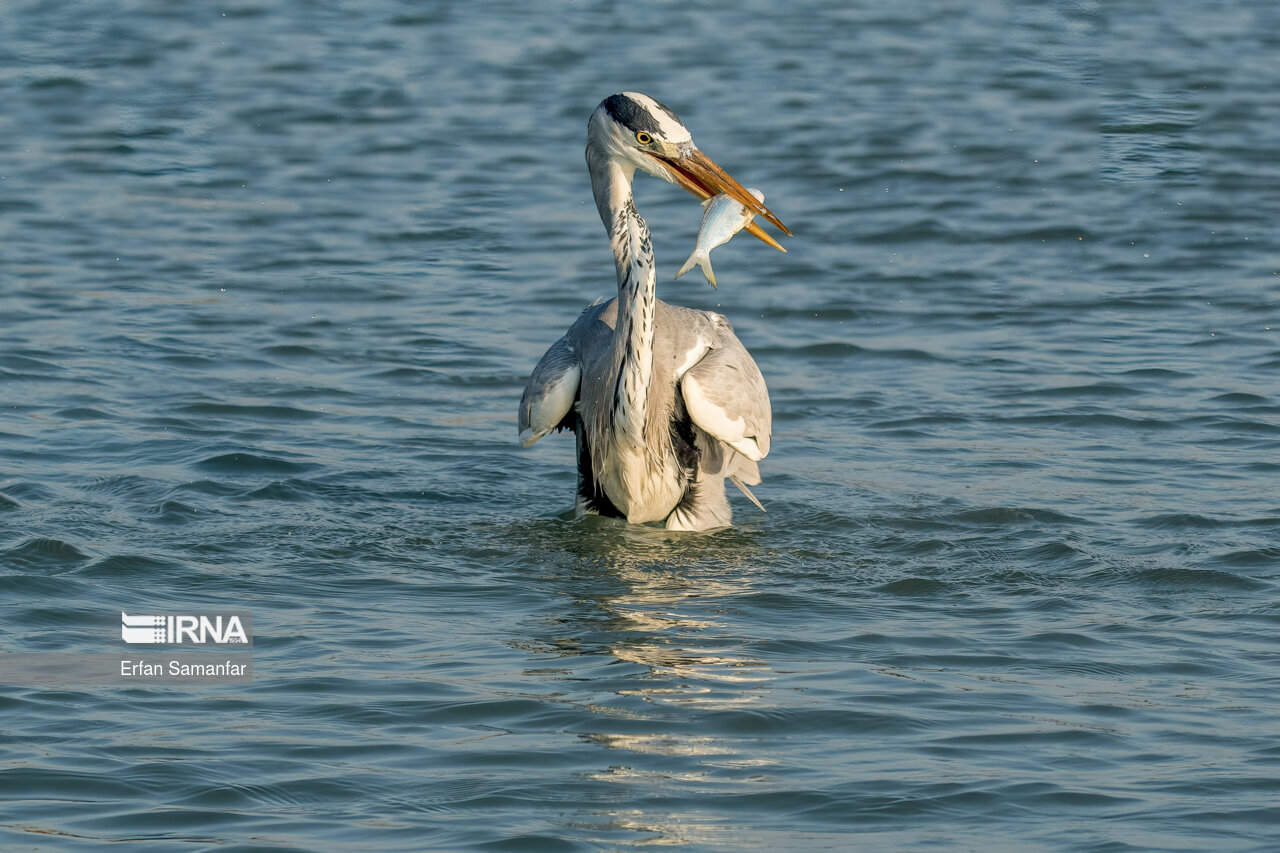
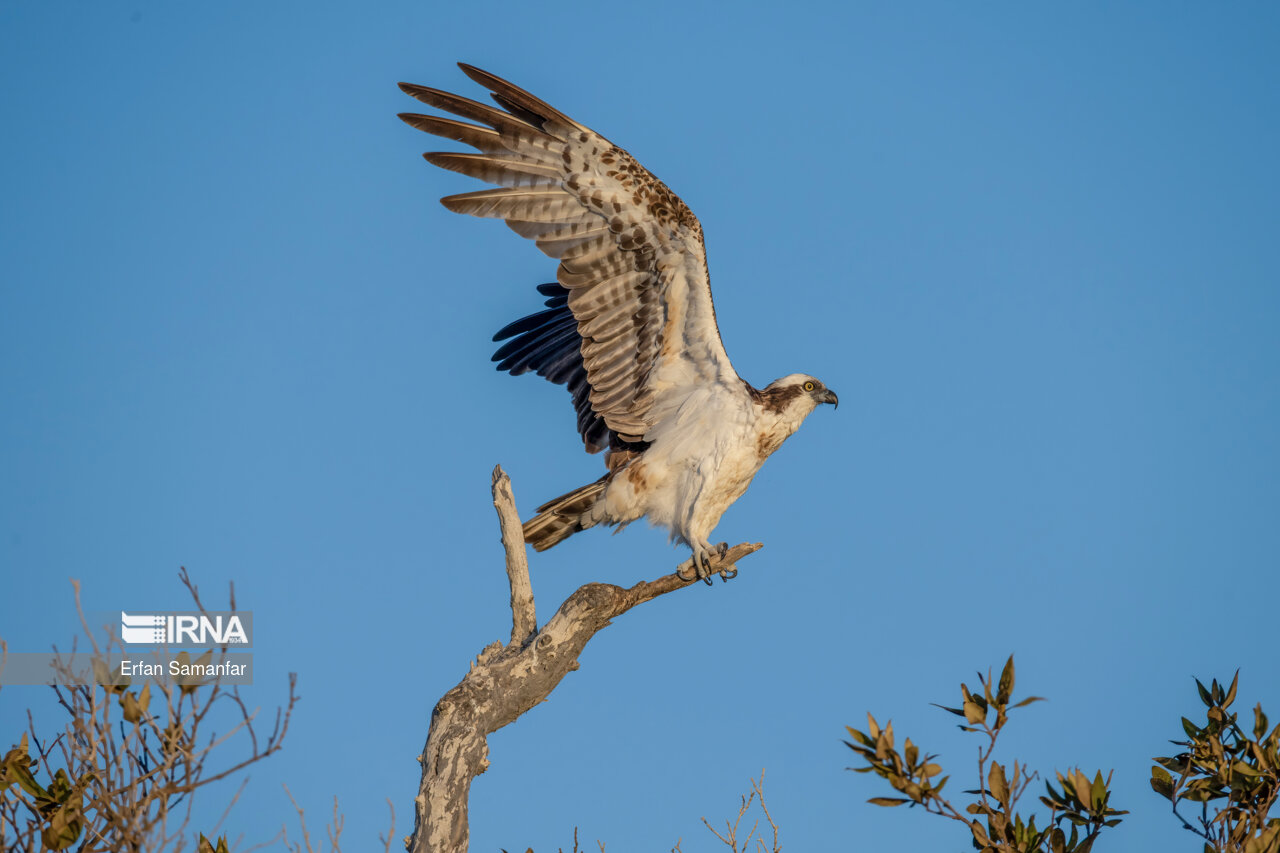
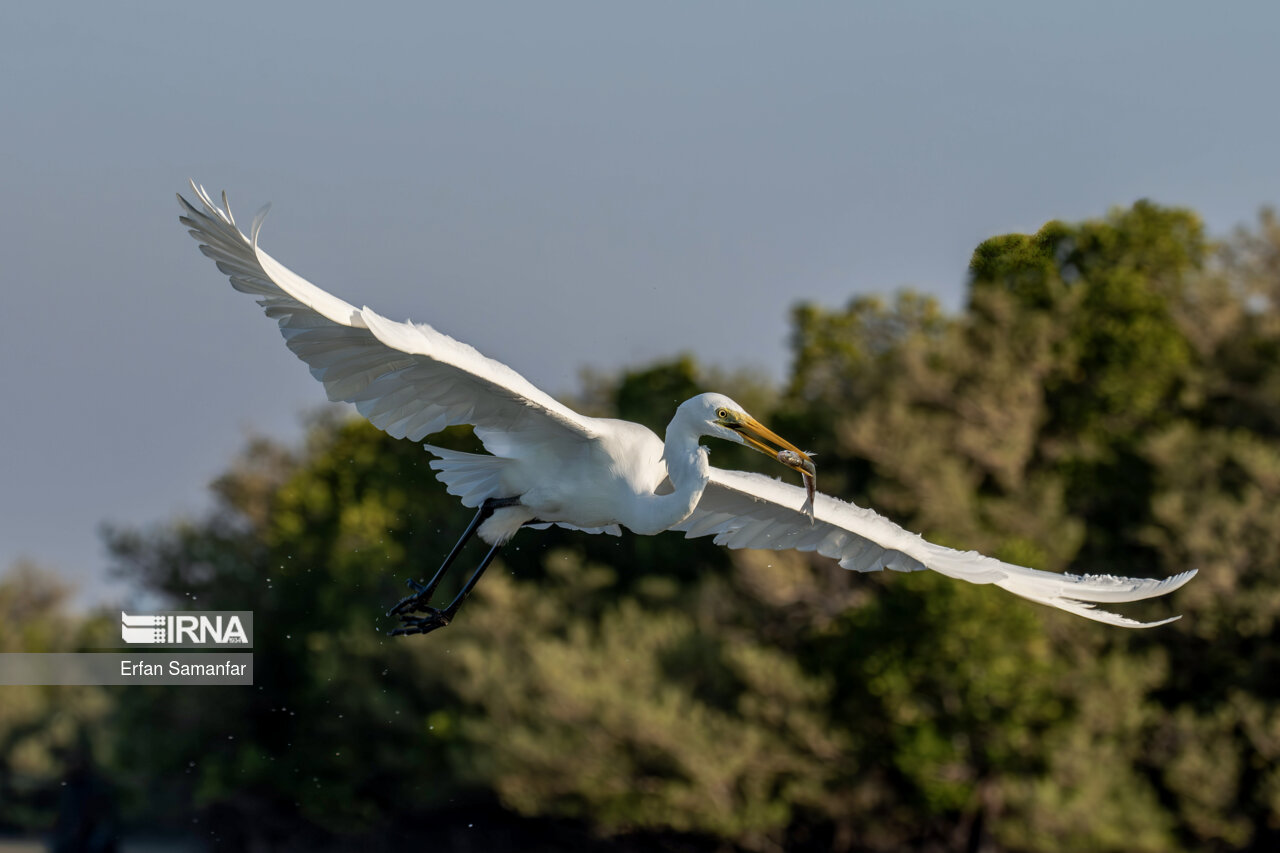
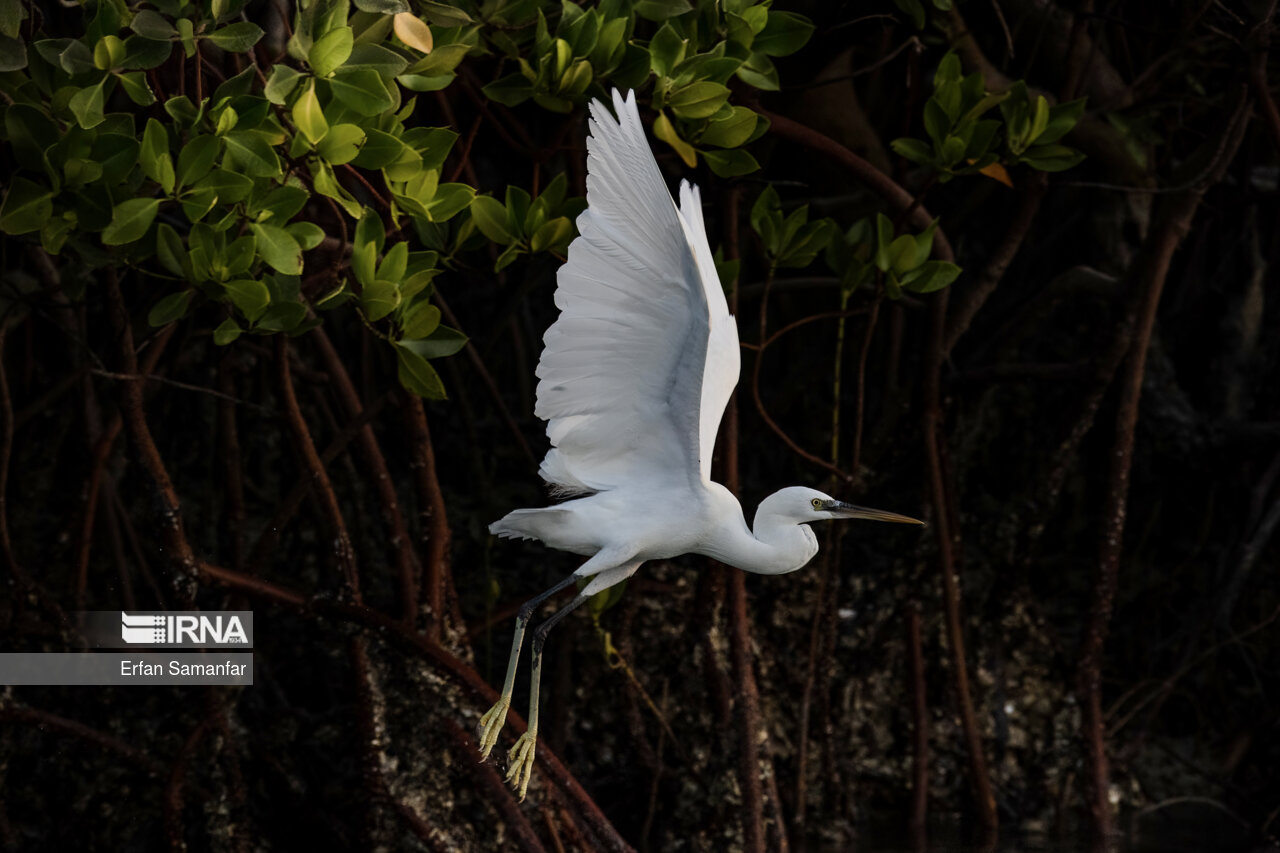
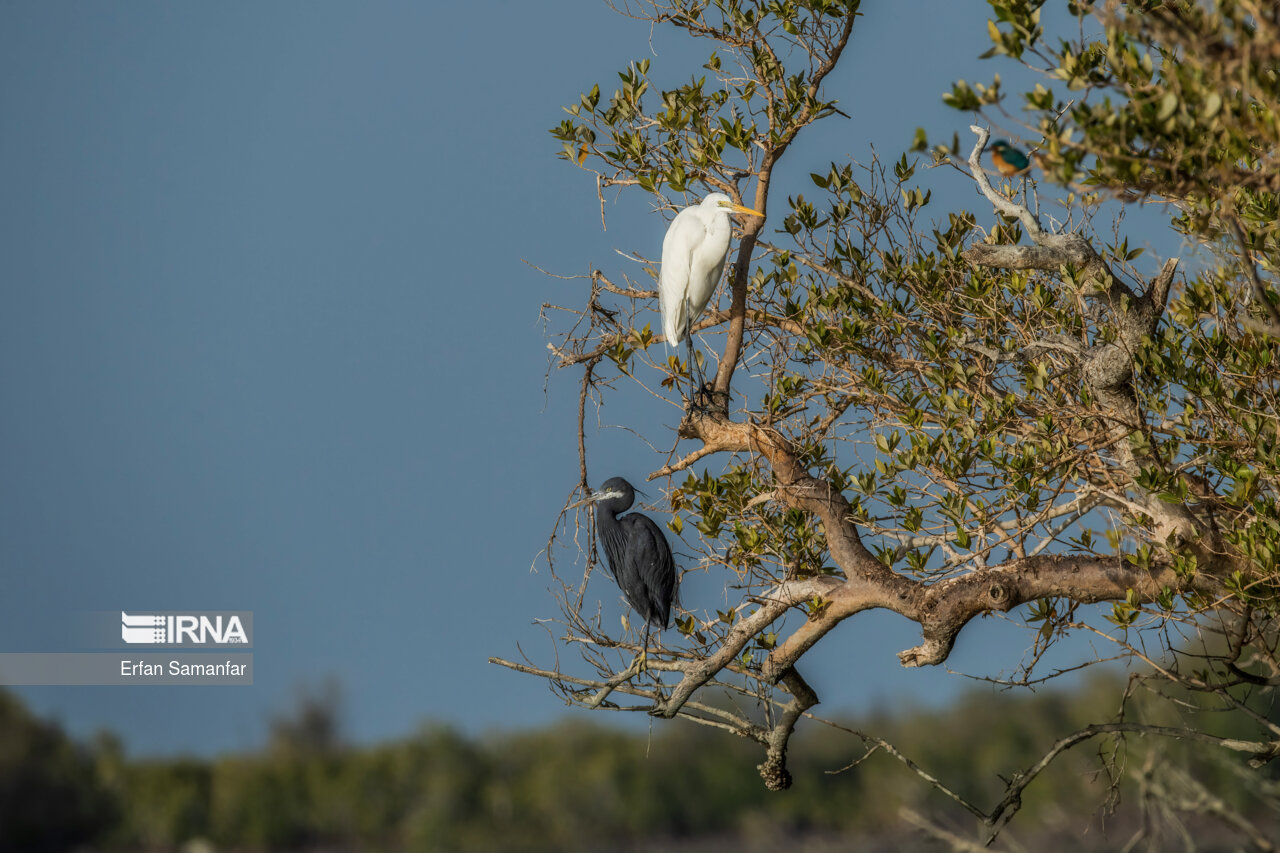
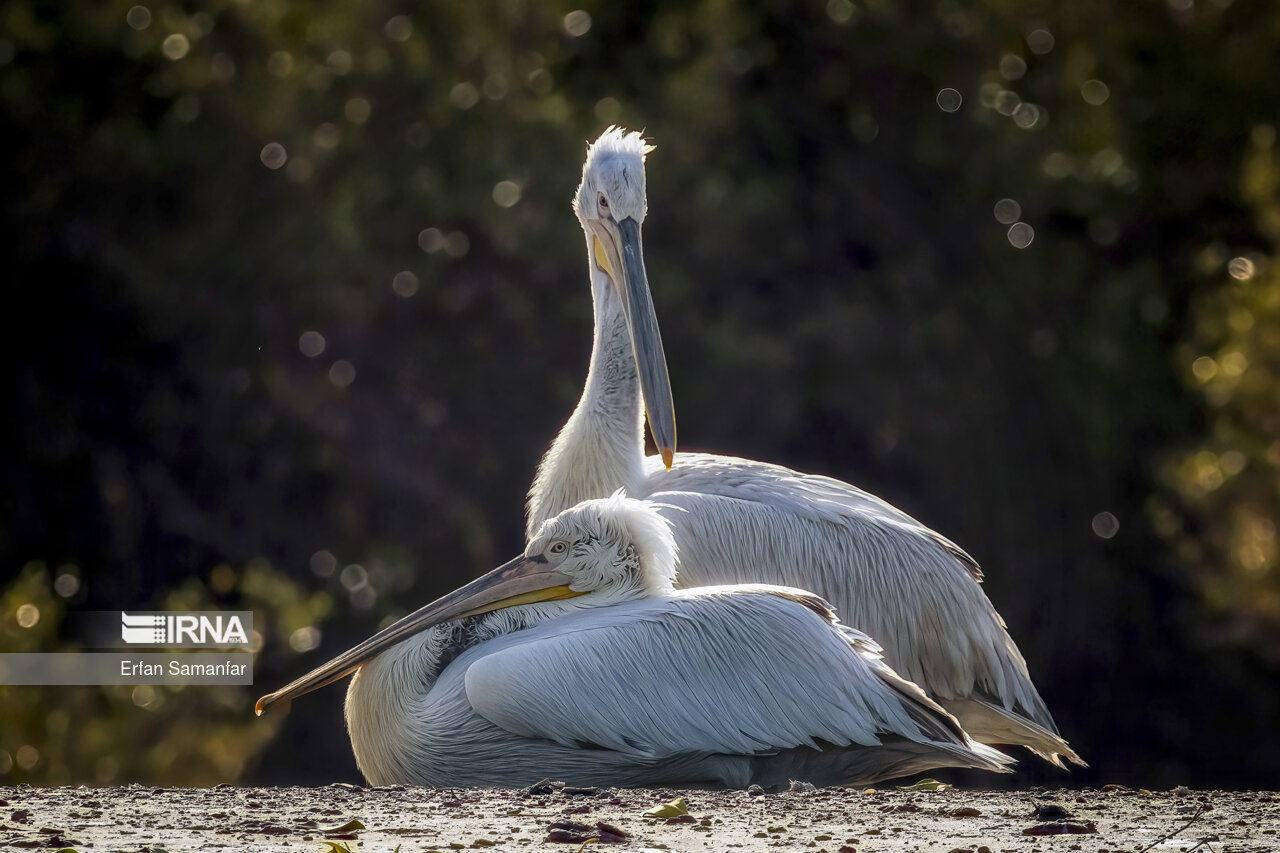
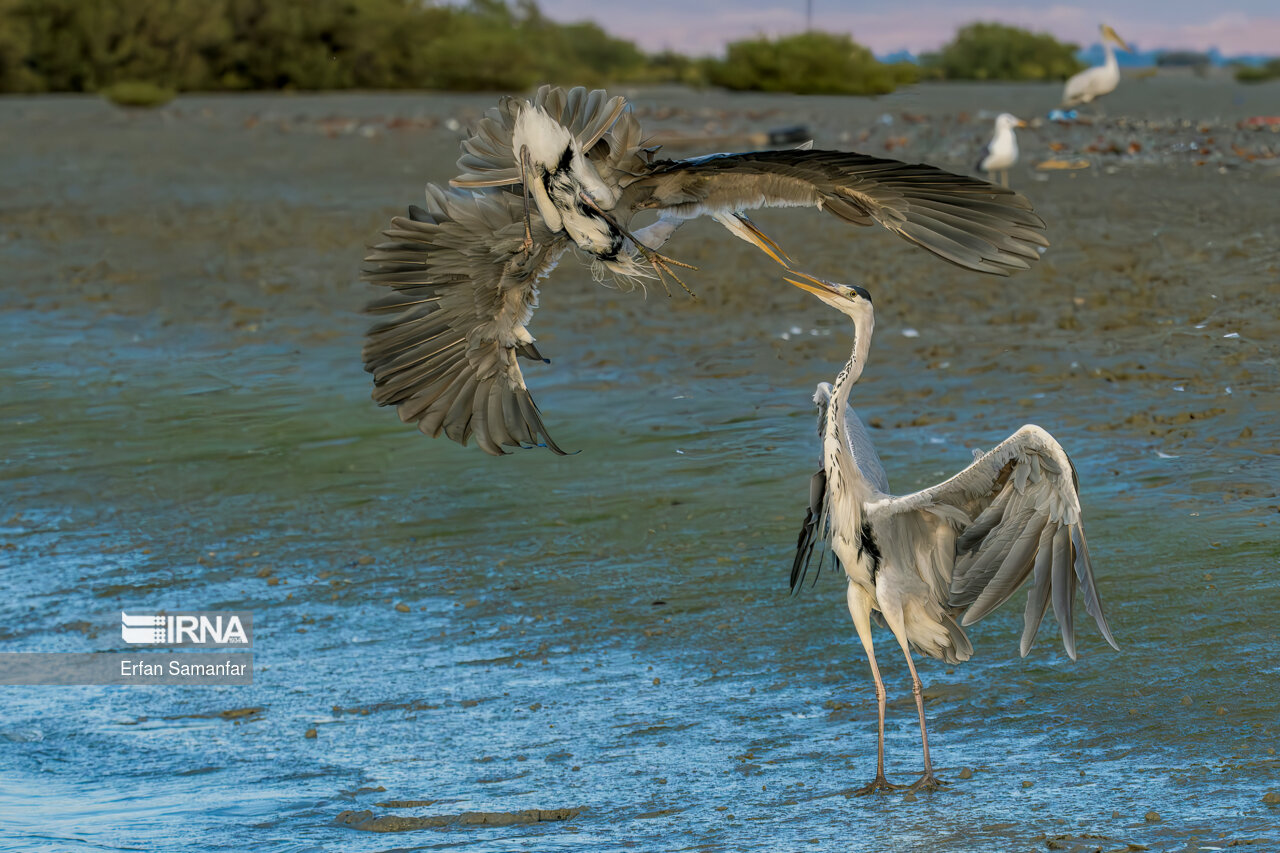
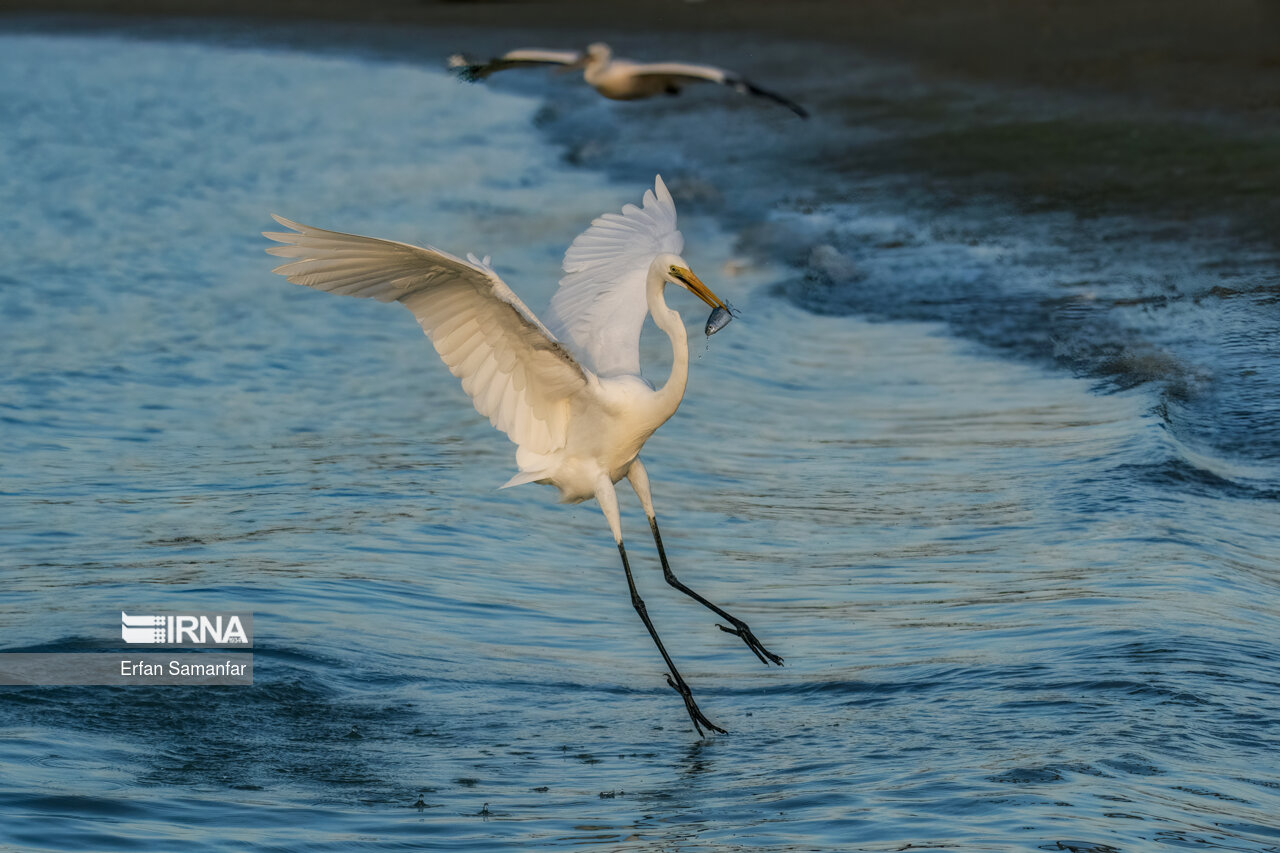
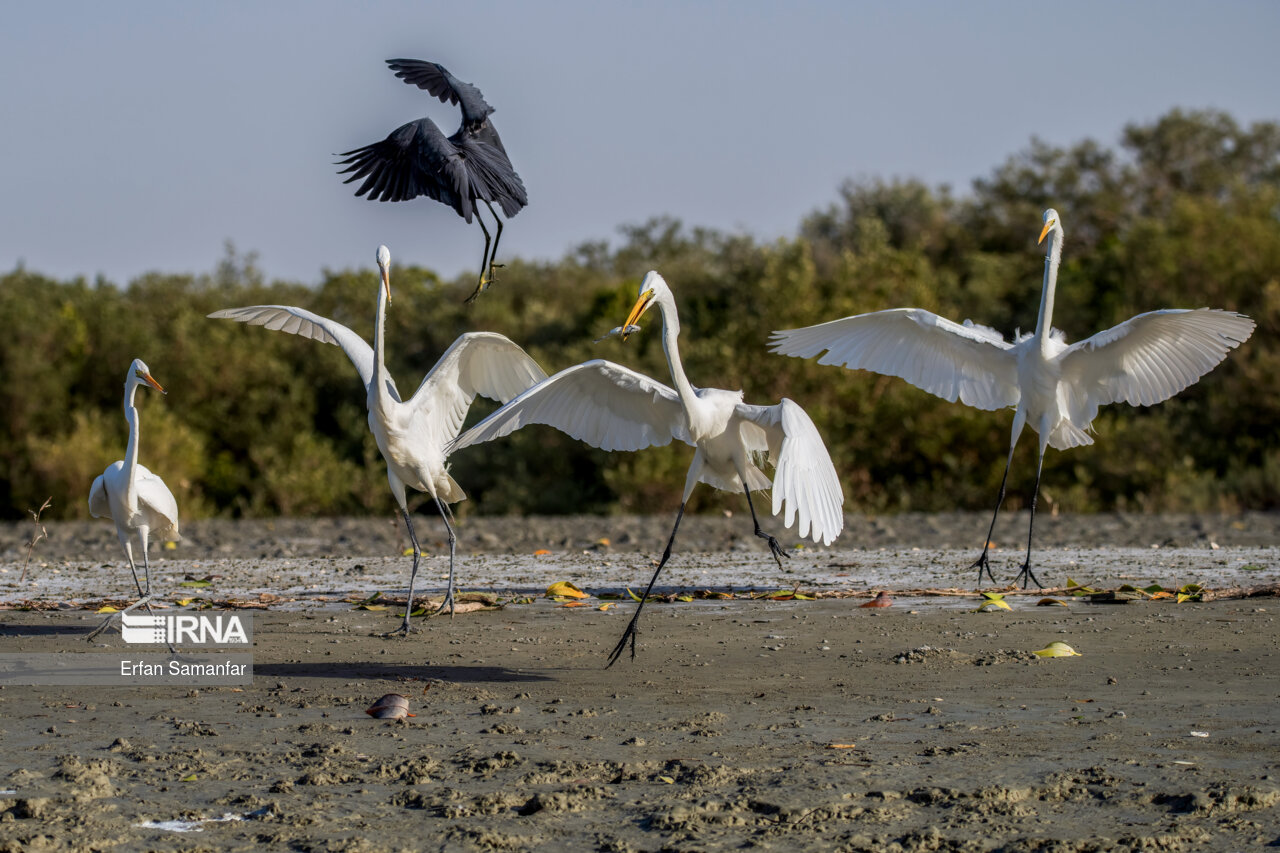
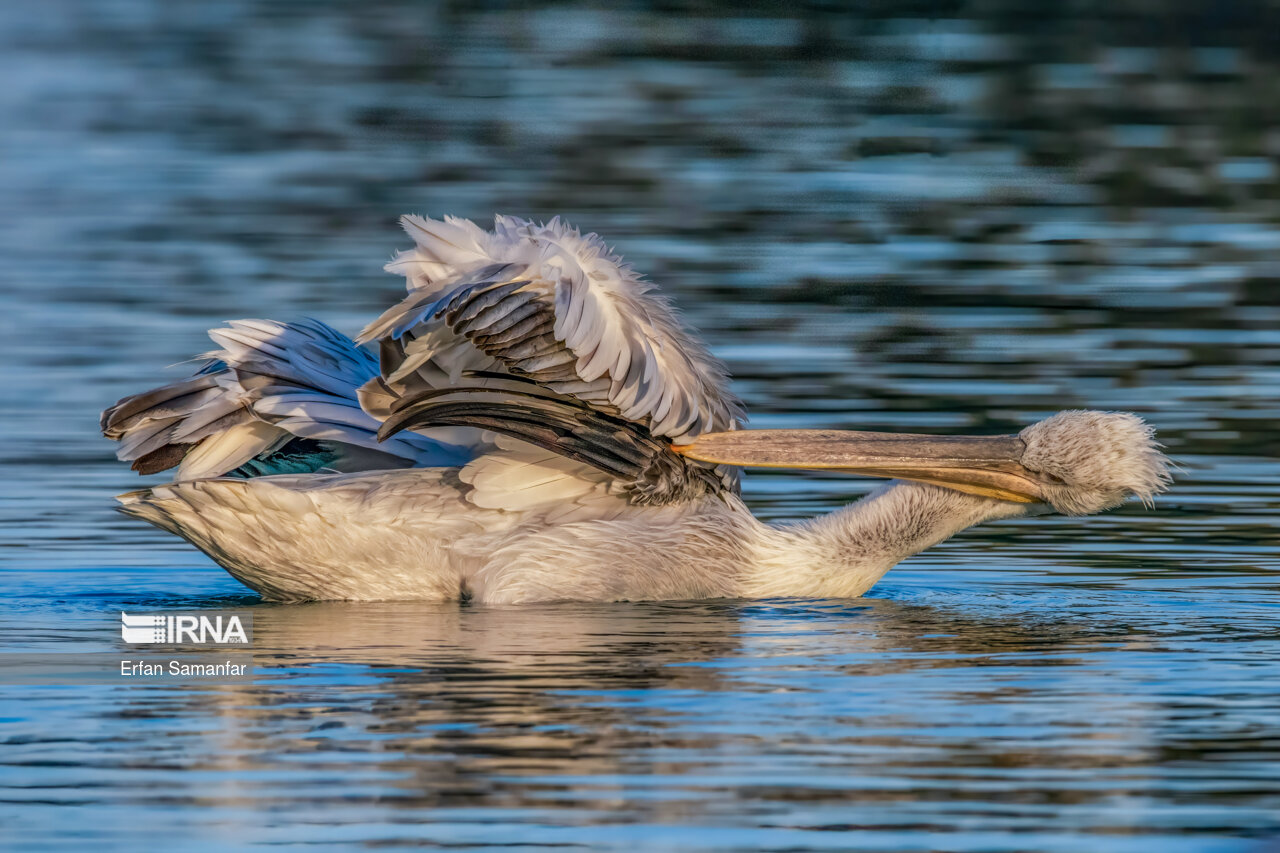
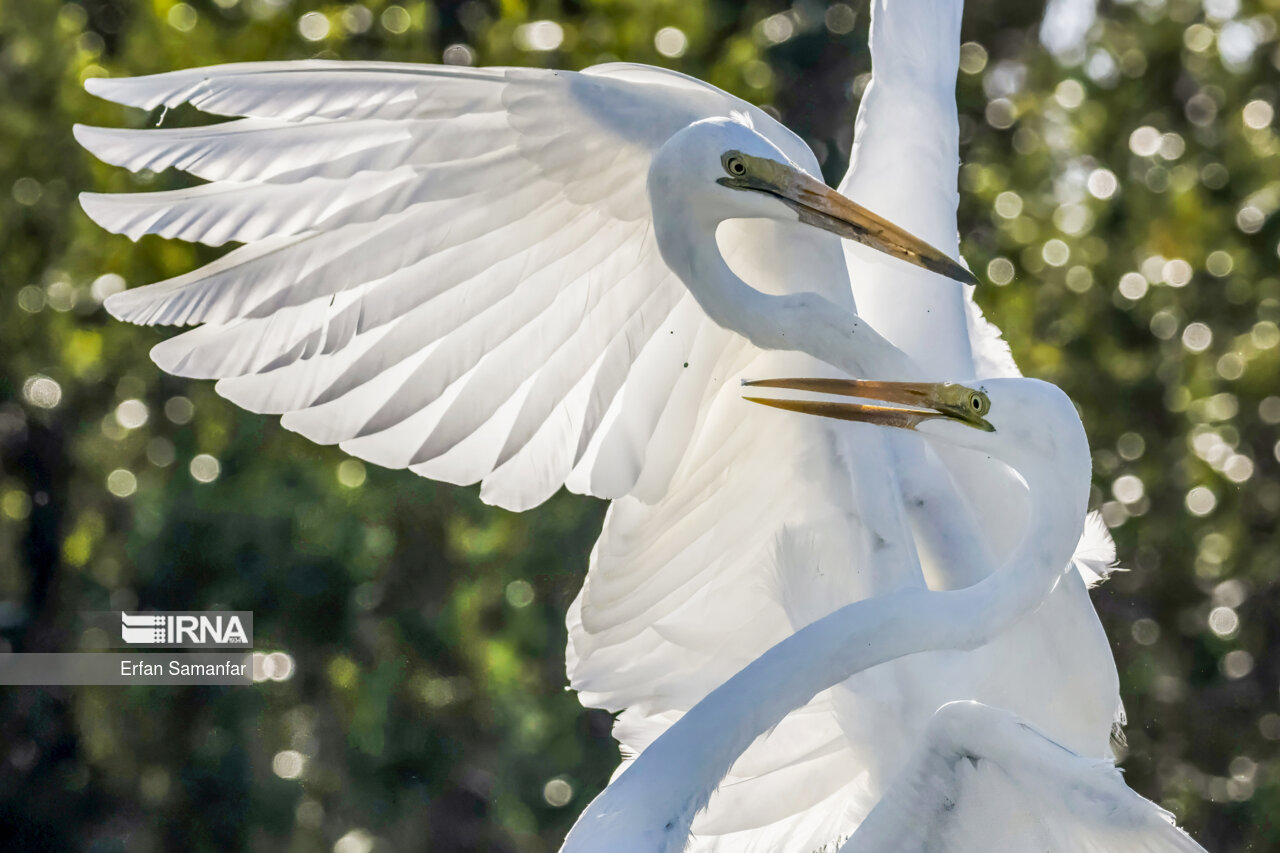
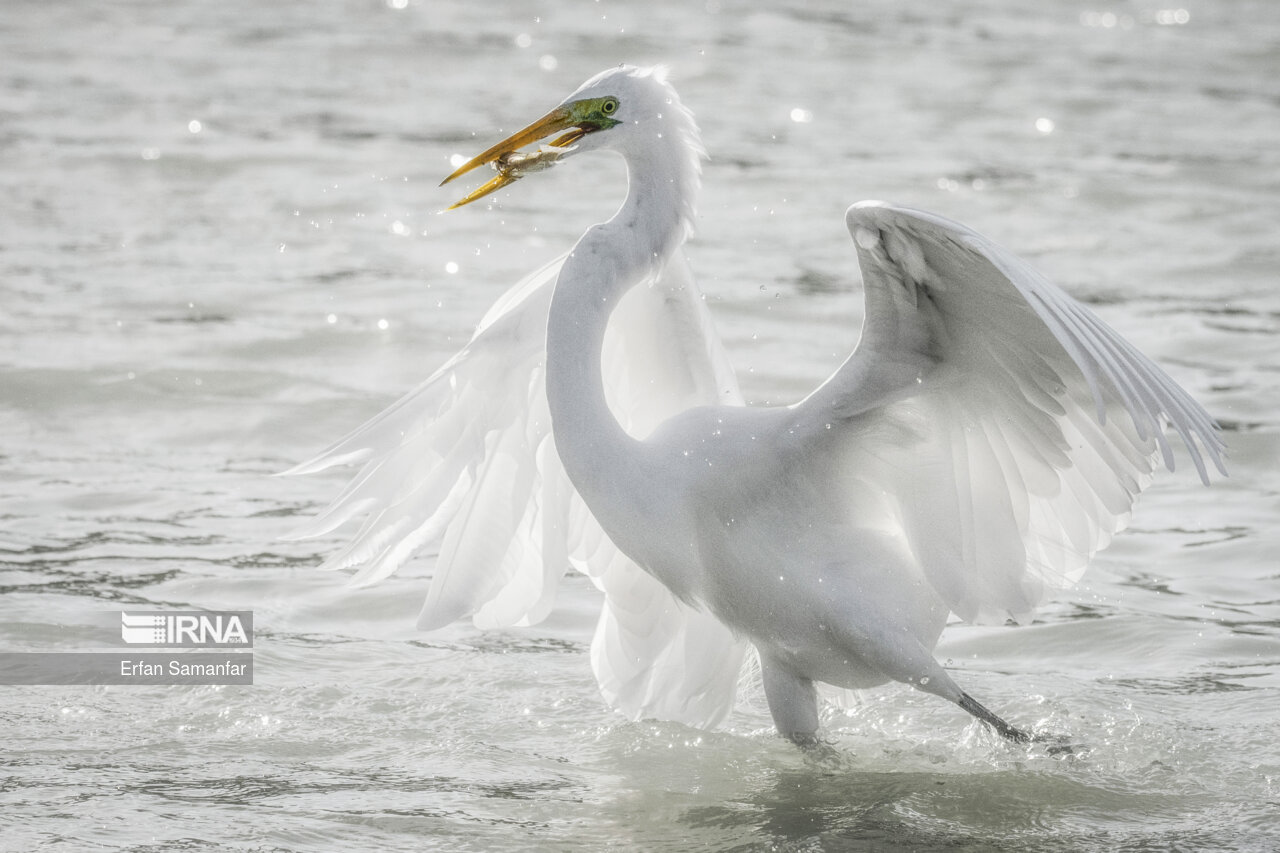
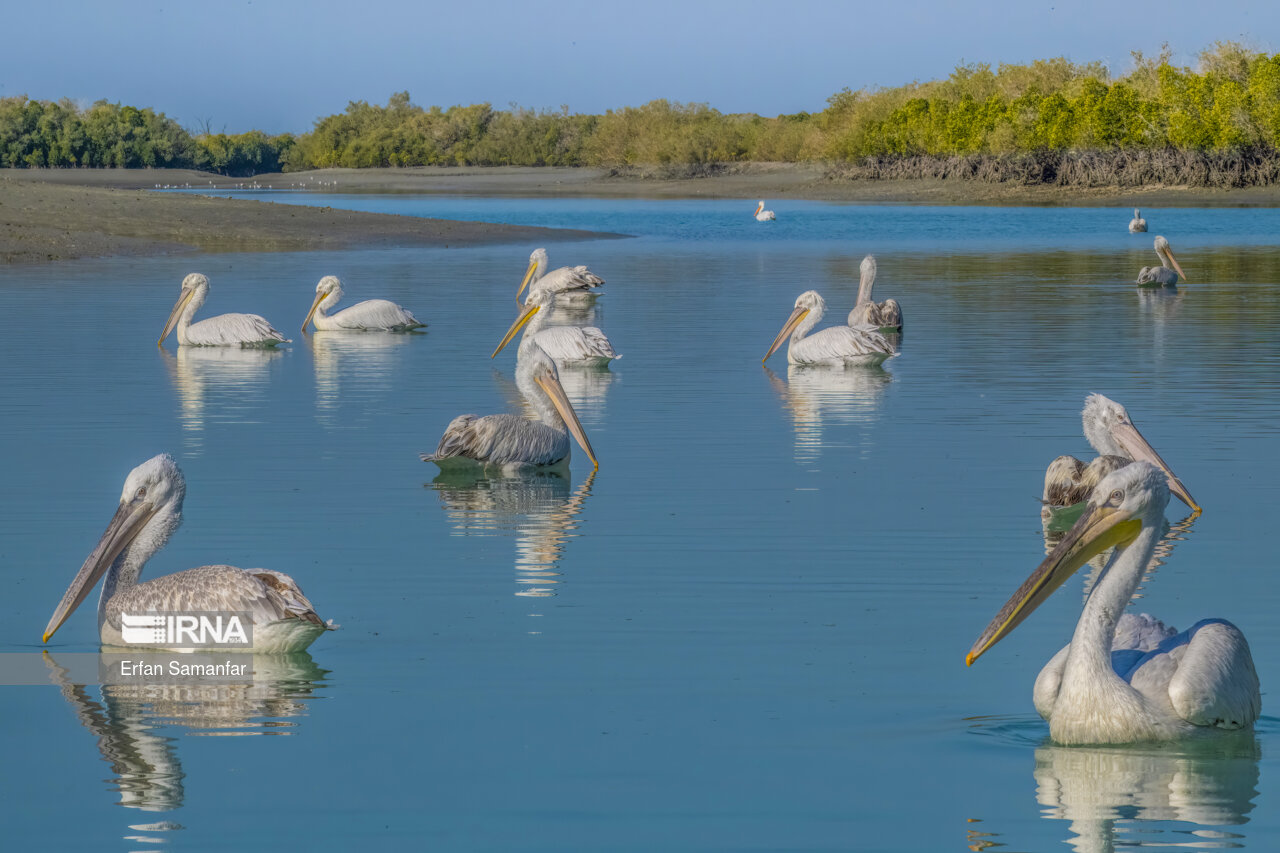
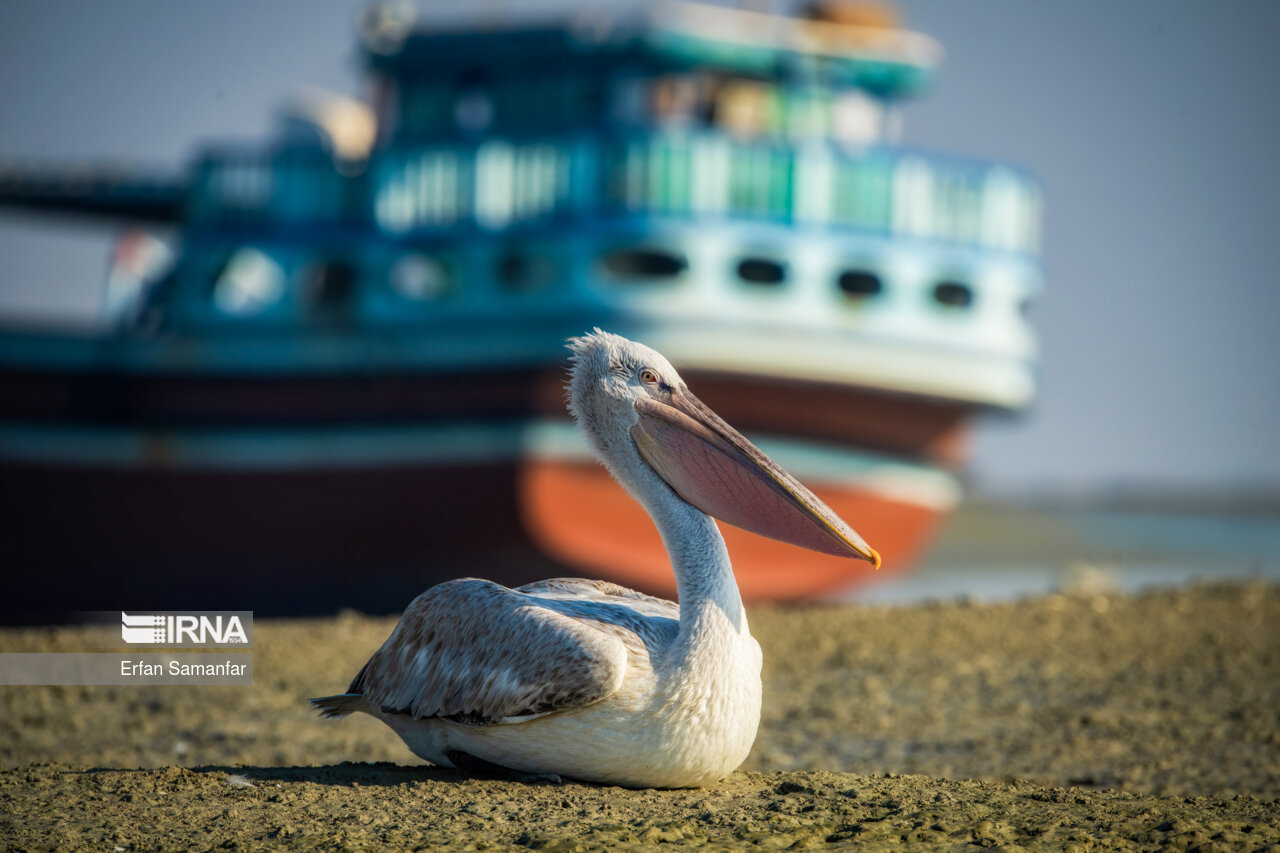
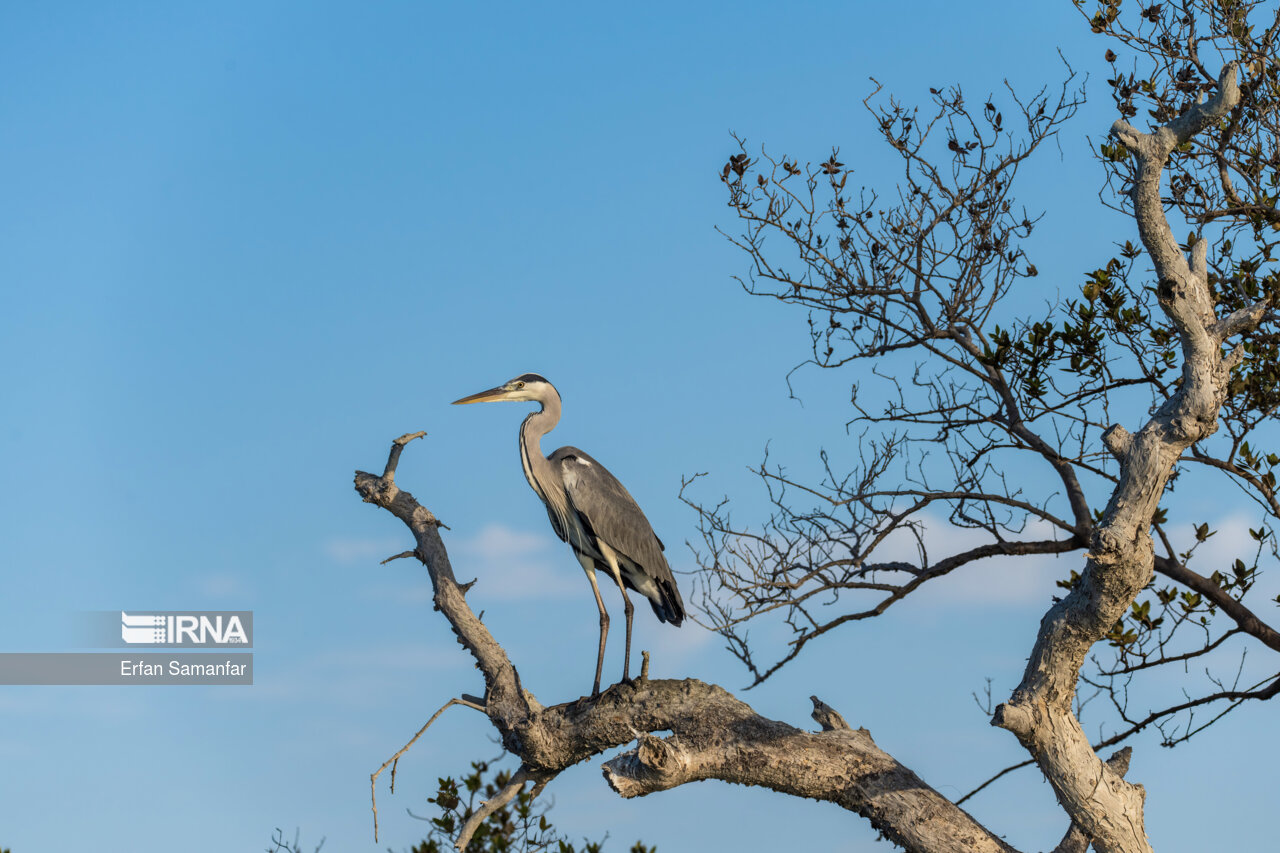
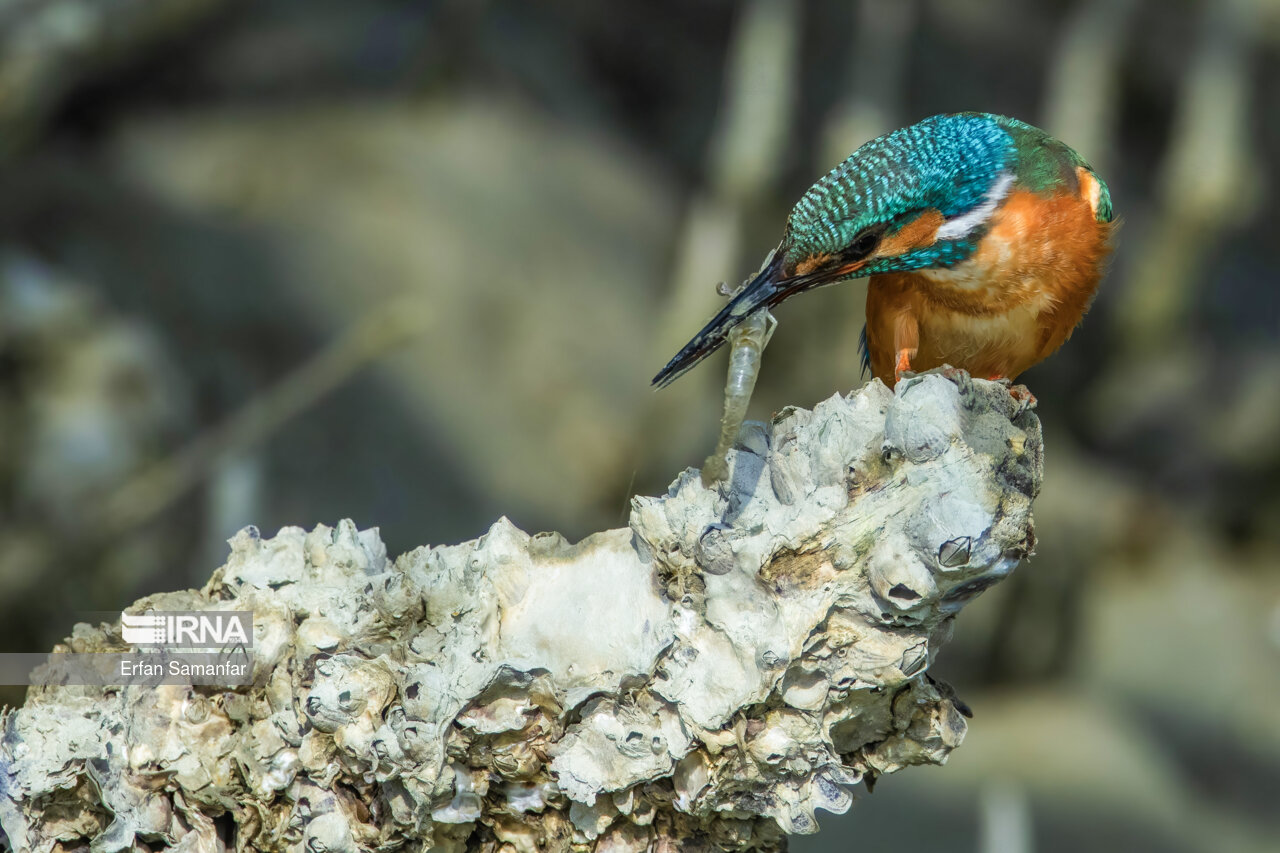
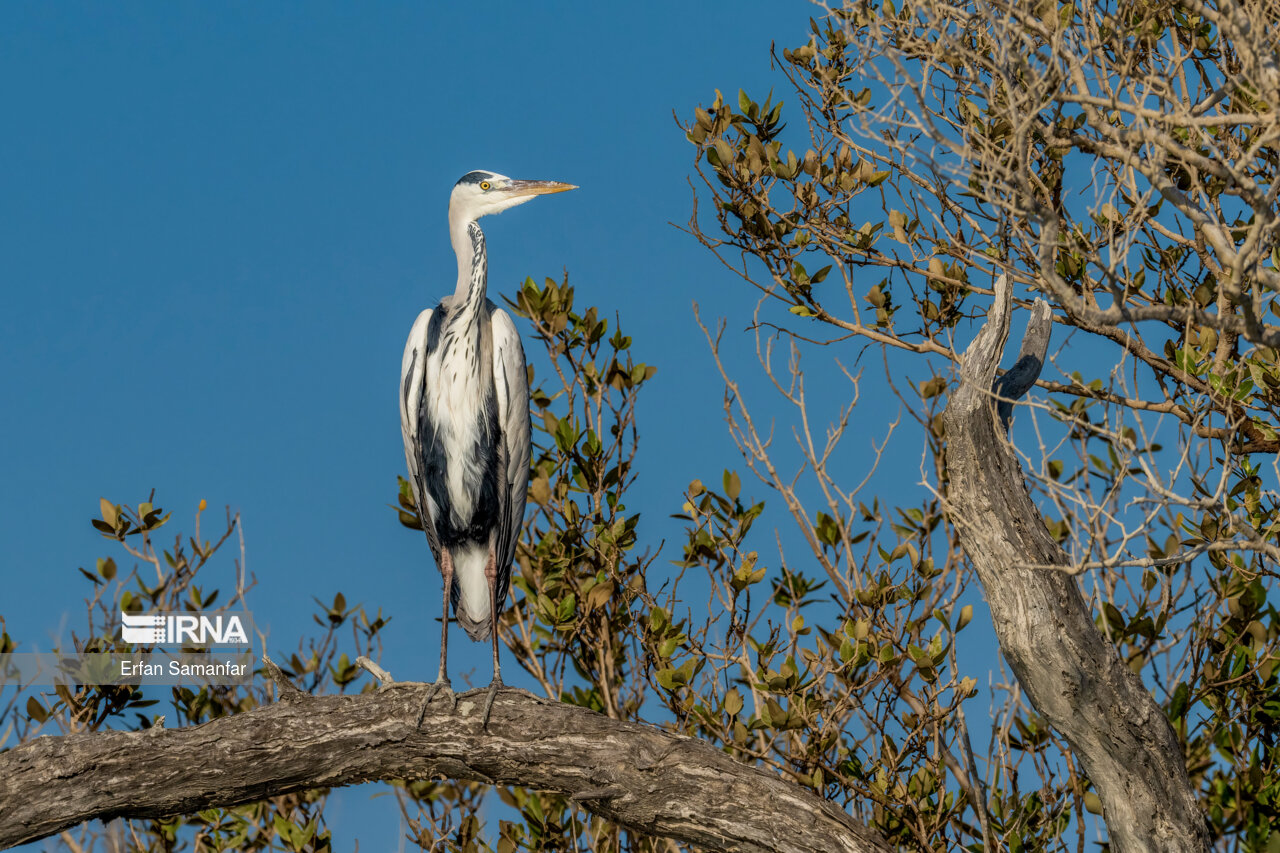
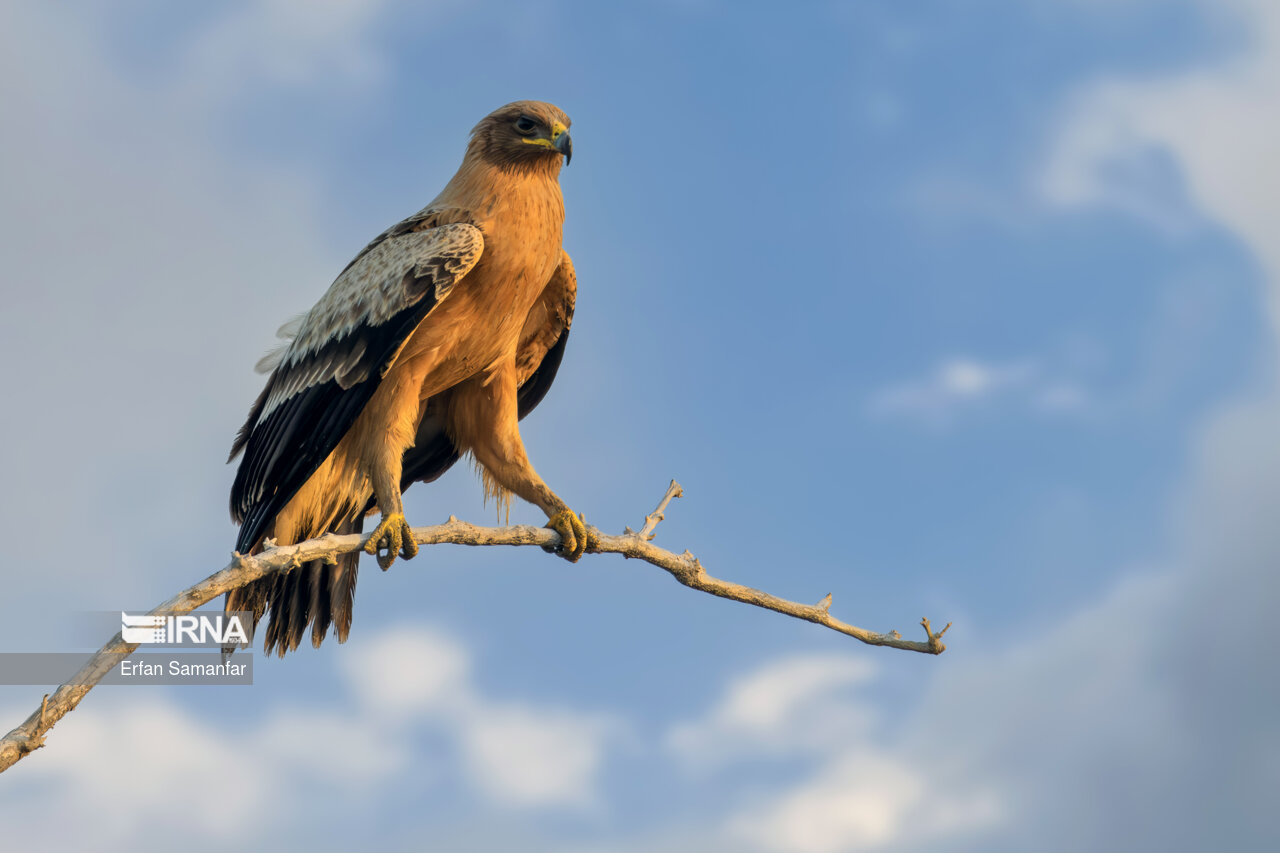
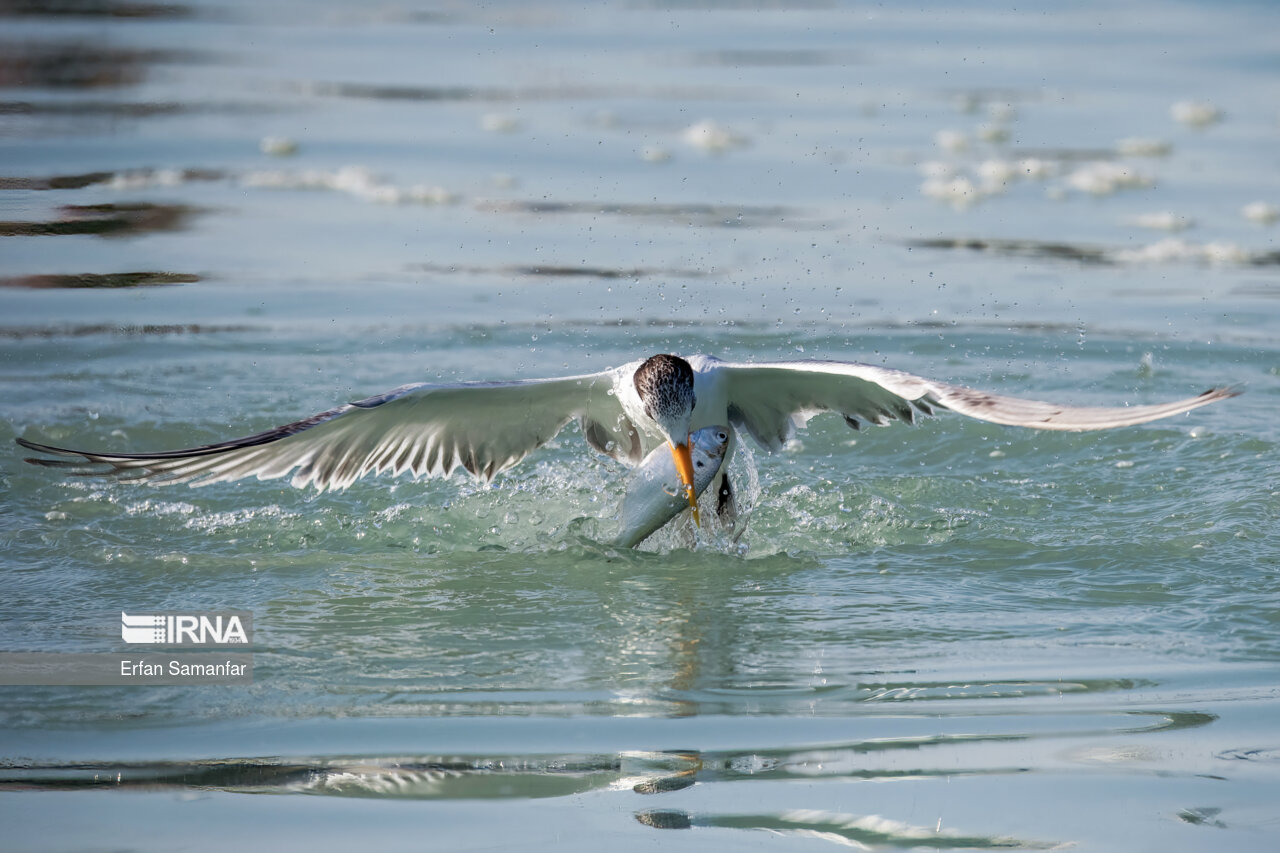
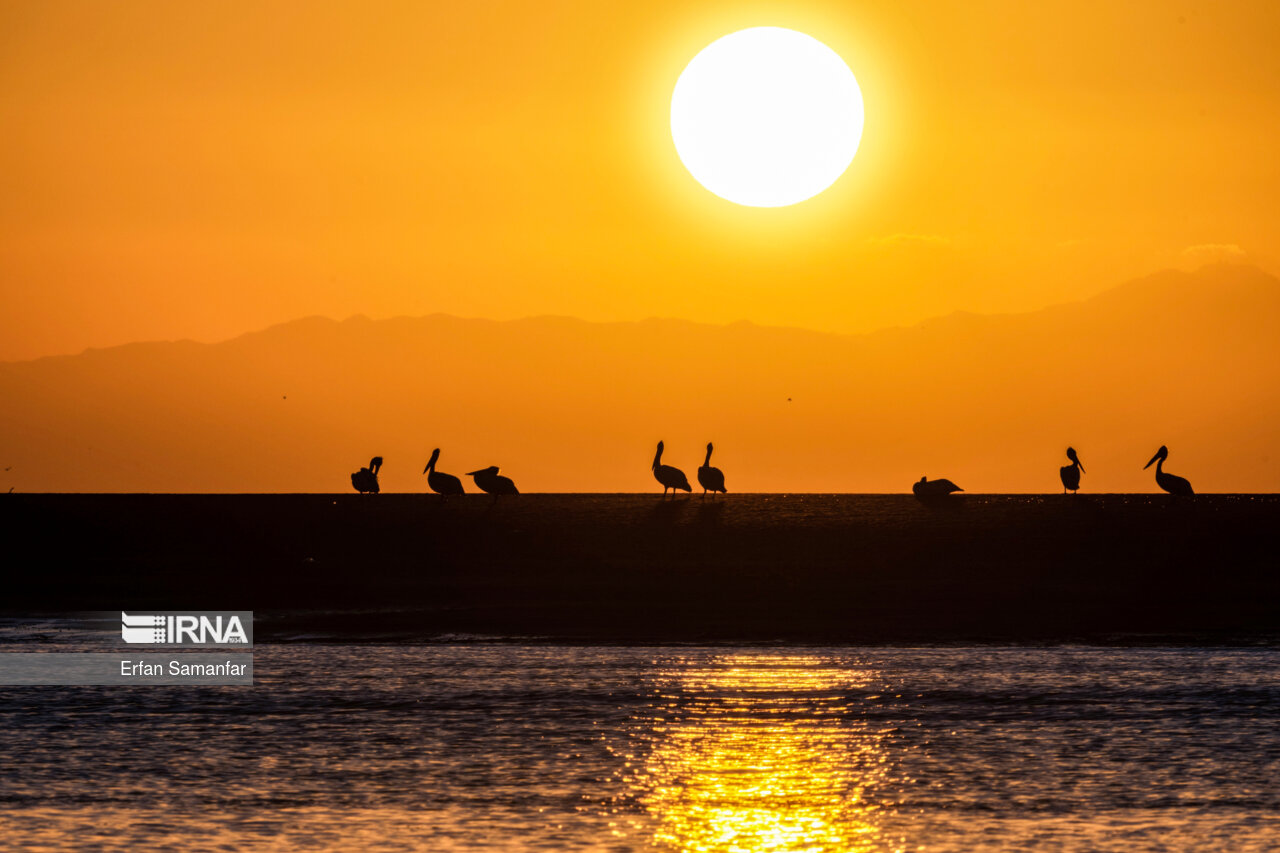
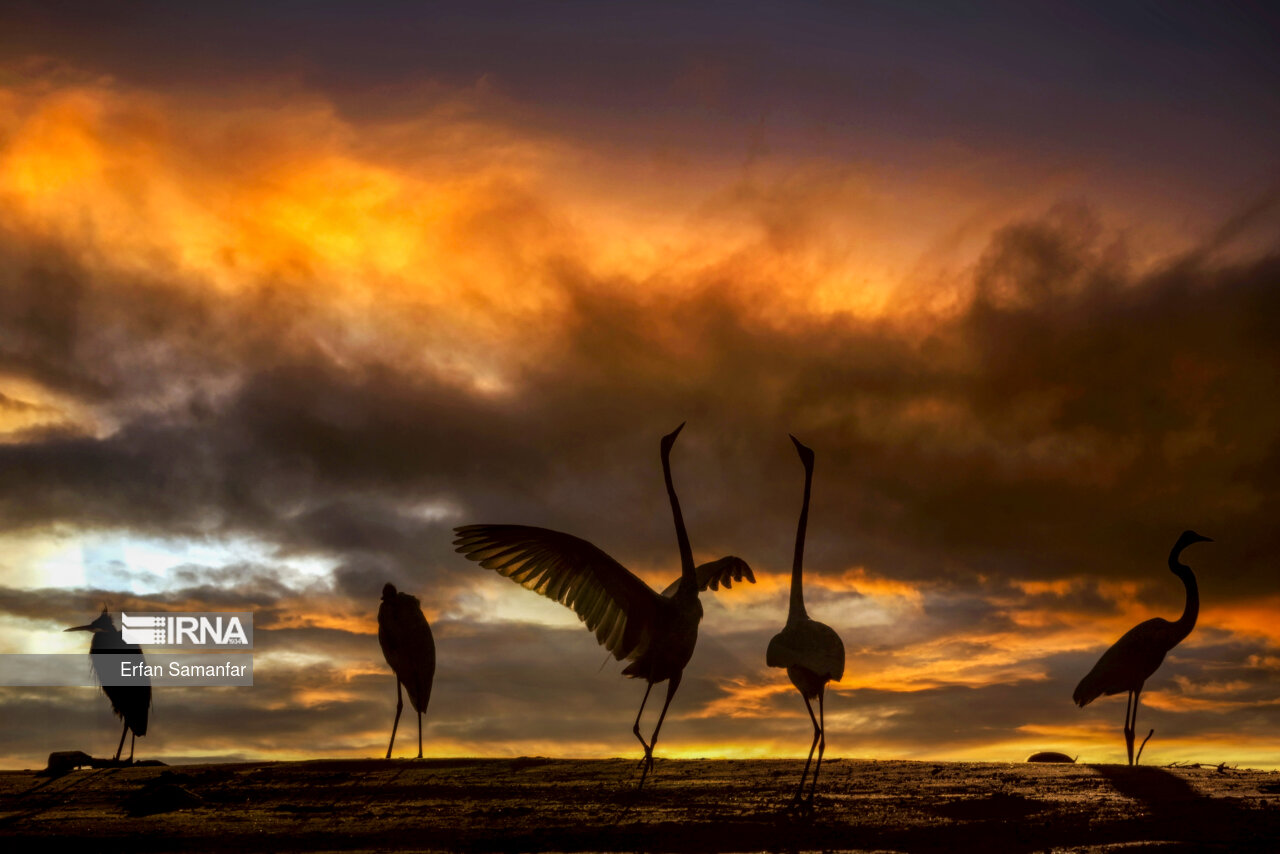
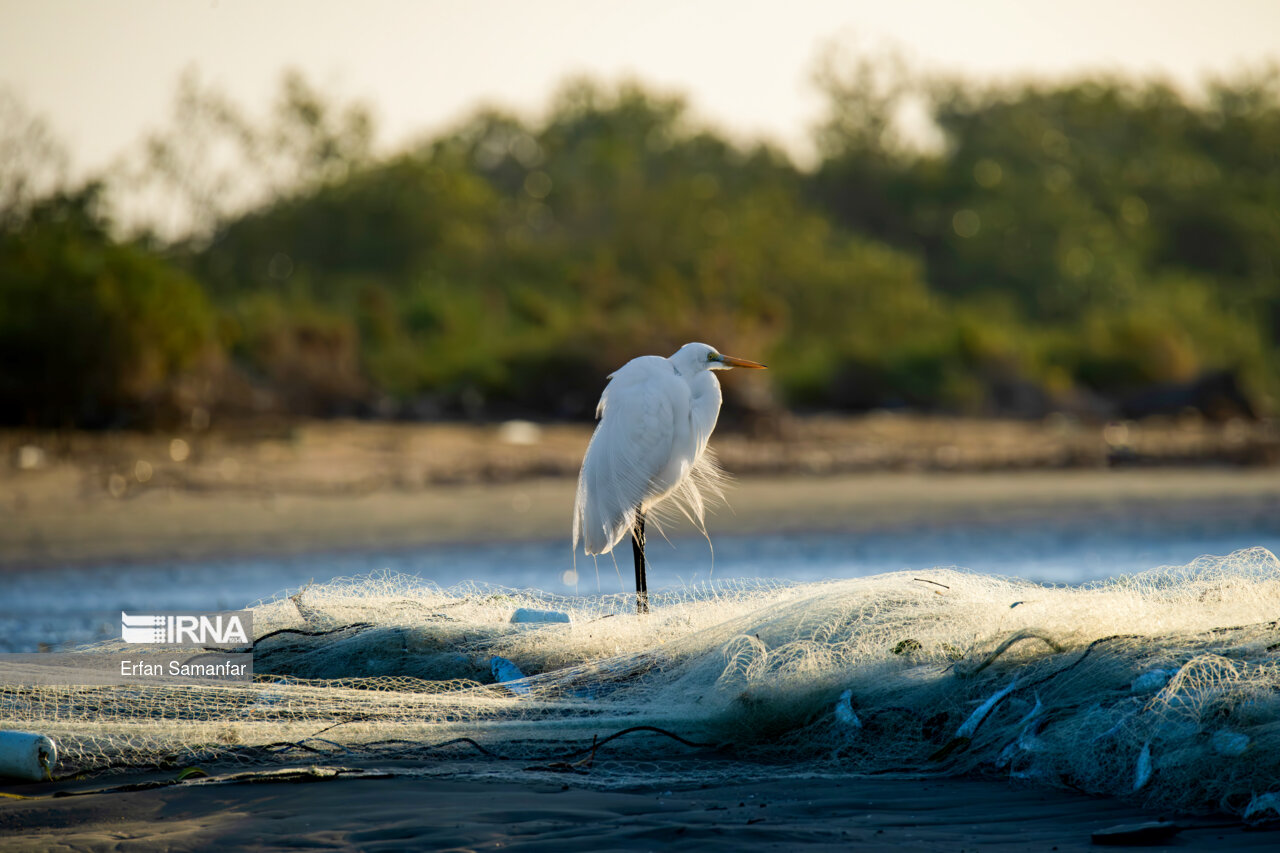
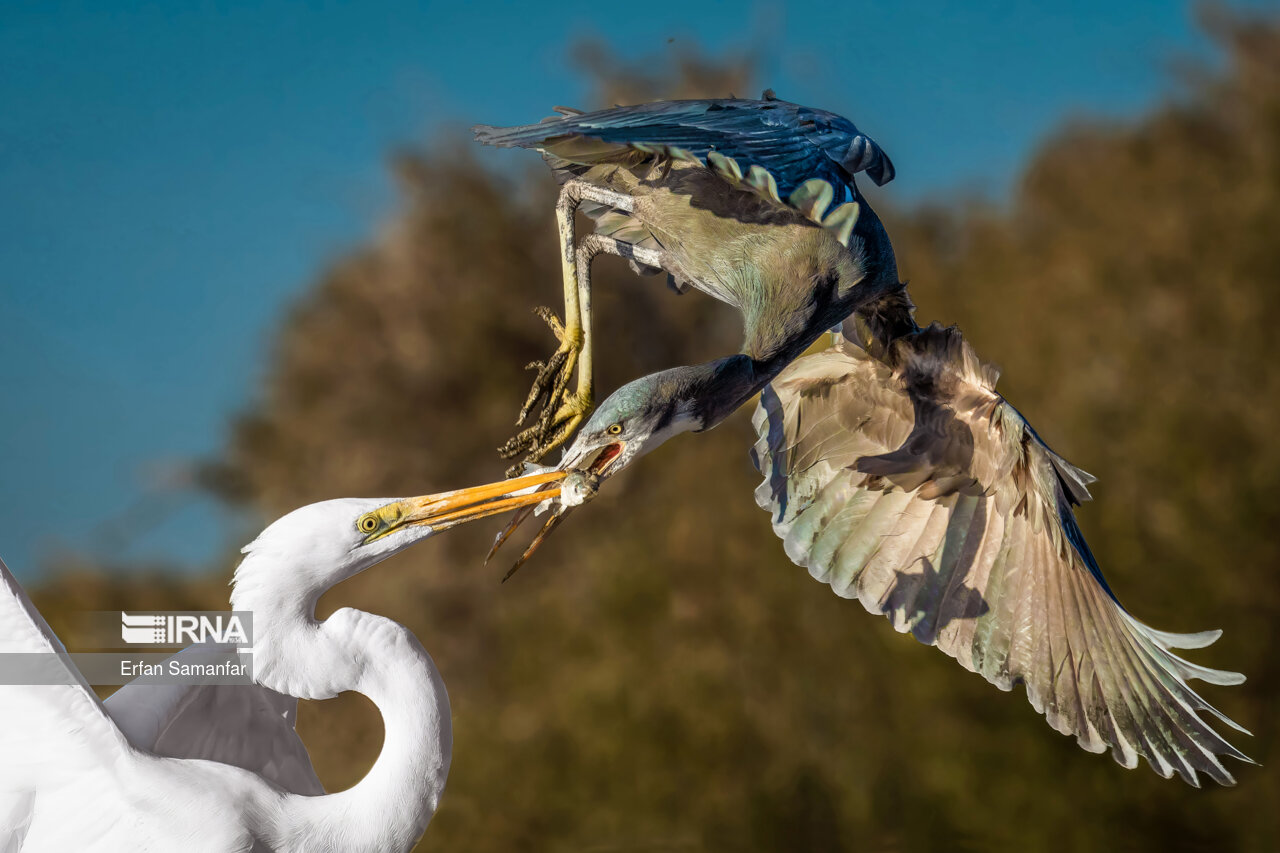
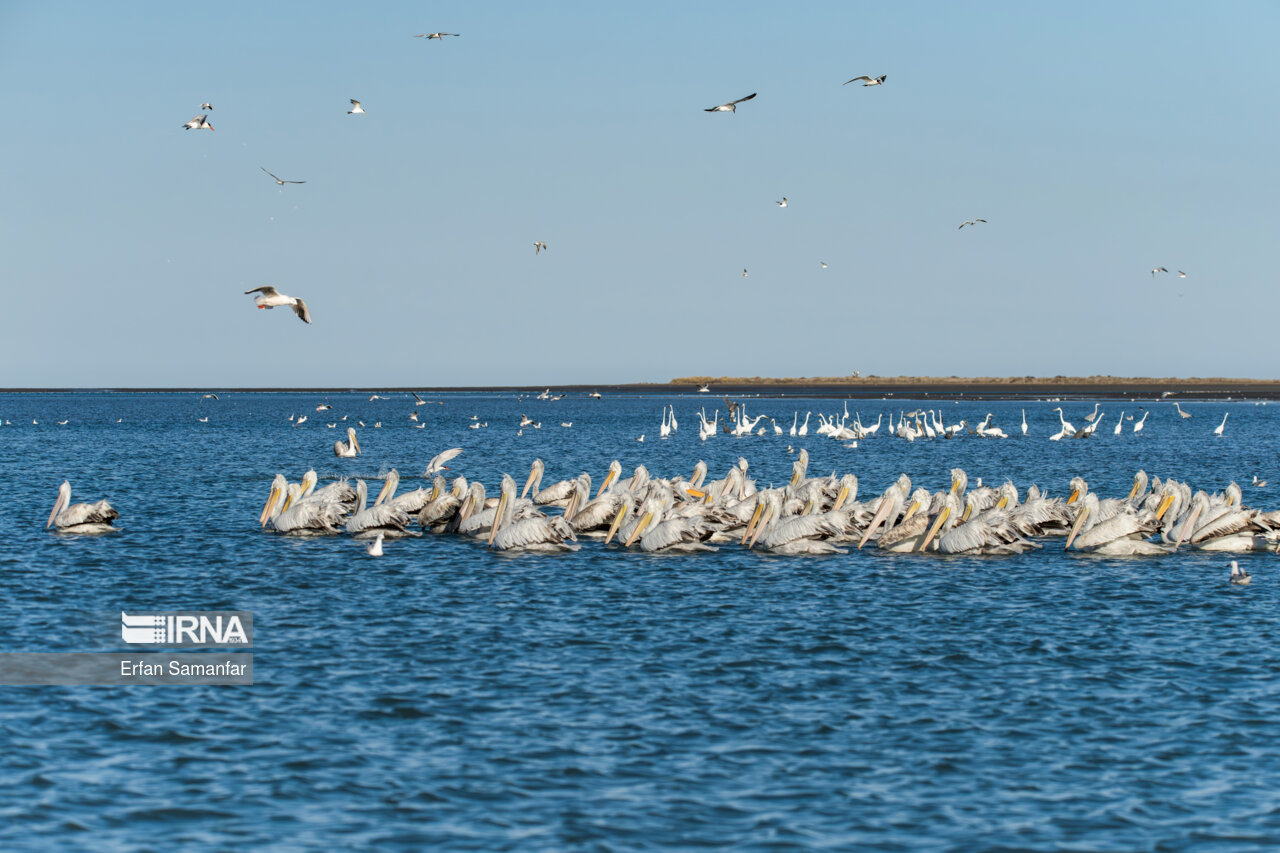
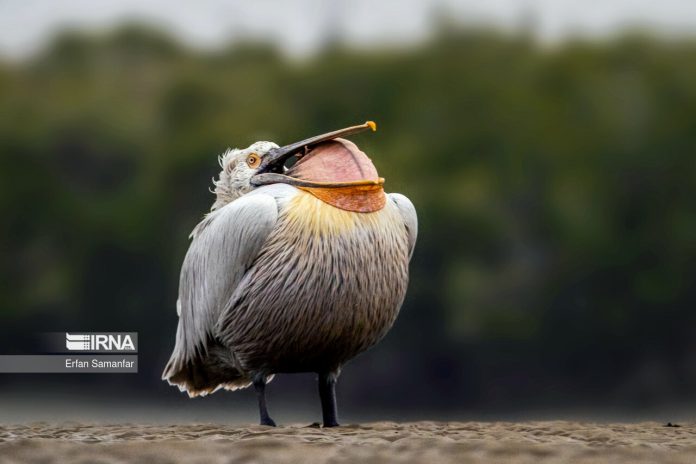
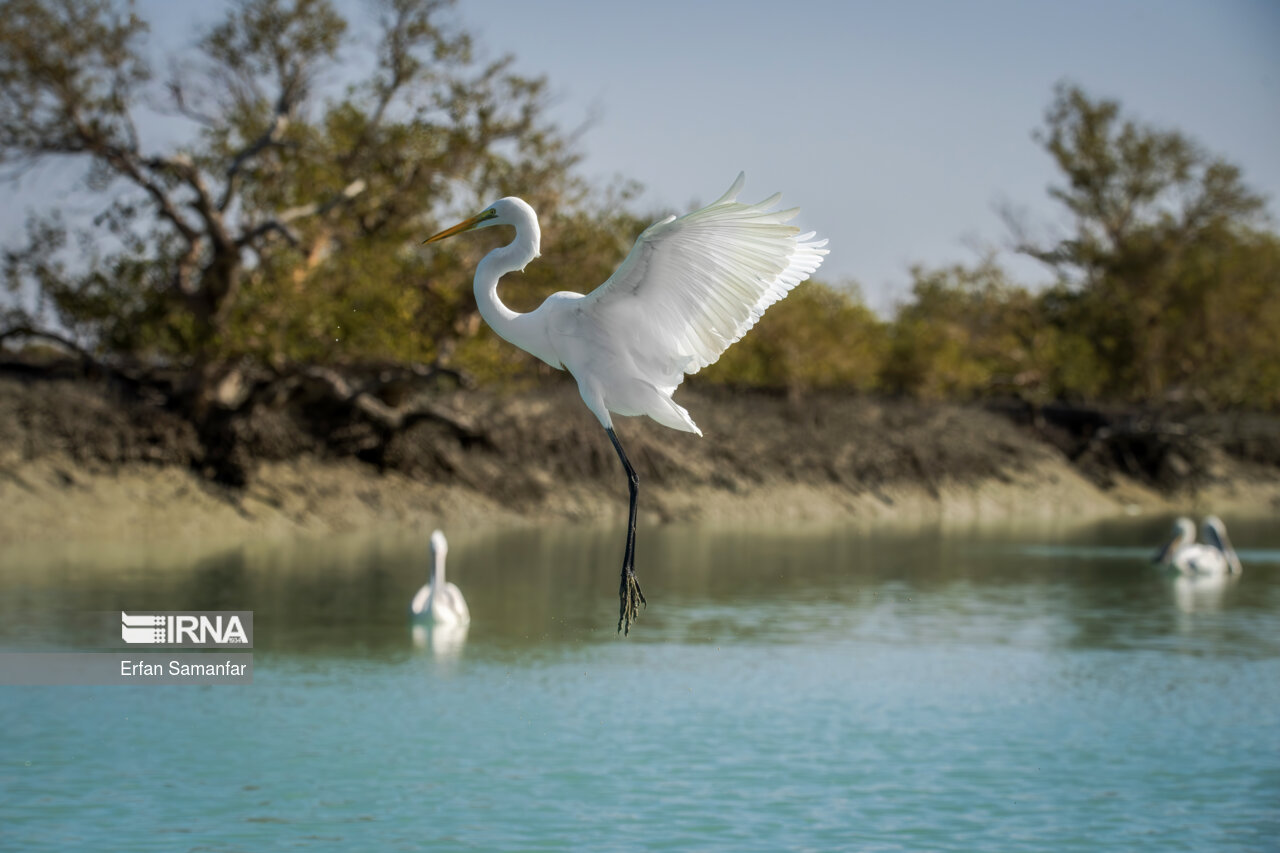
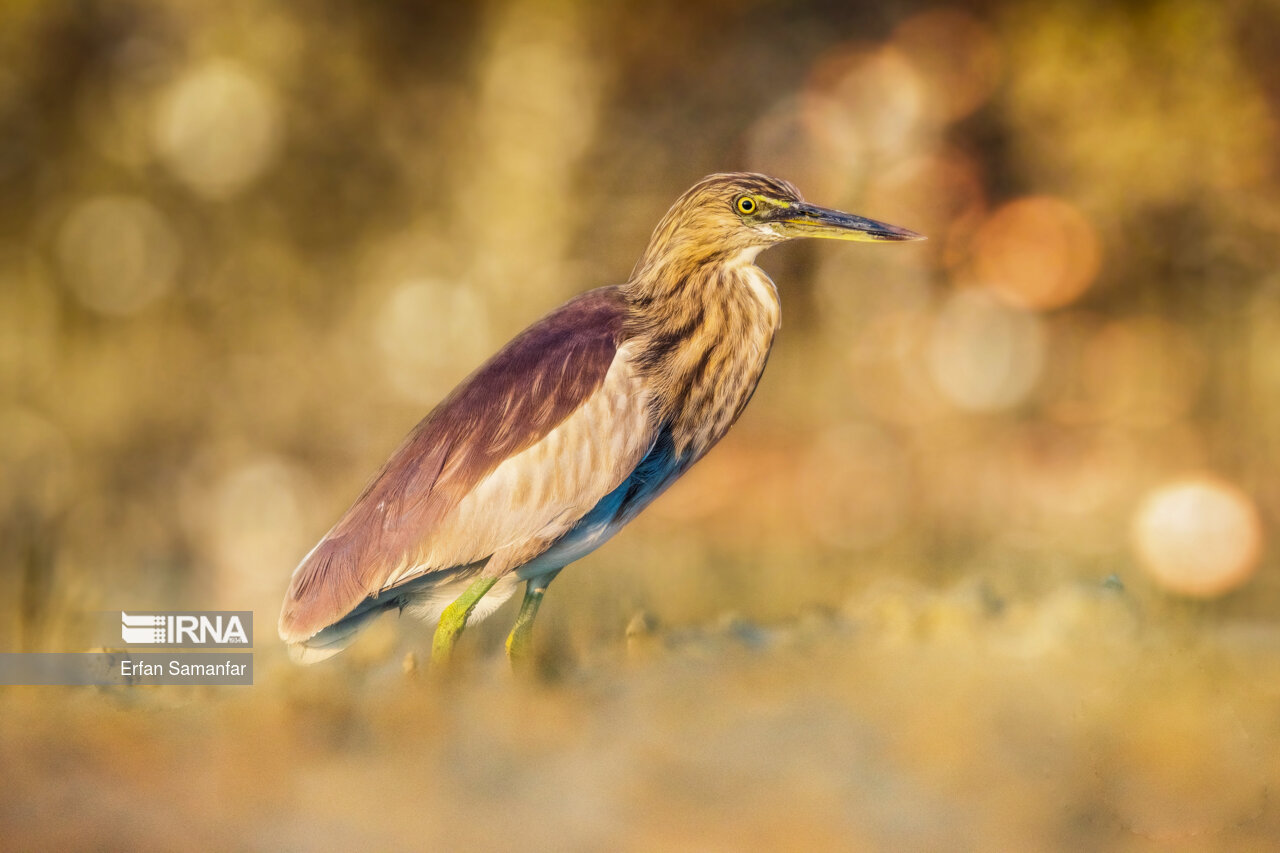
It is a valuable habitat and protected area, and an important abode for endangered birds in the winter, such as the gray-footed pelican, gray heron, large egrets, coastal egrets, curlews with white eyebrows, brown curlews, etc.

Local people refrain from hunting the birds, so the birds live safely in the wetland. Here are some of the pictures of the wetland.

Israel halts Gaza exports after “explosives found”

Palestinian Workers Gaza

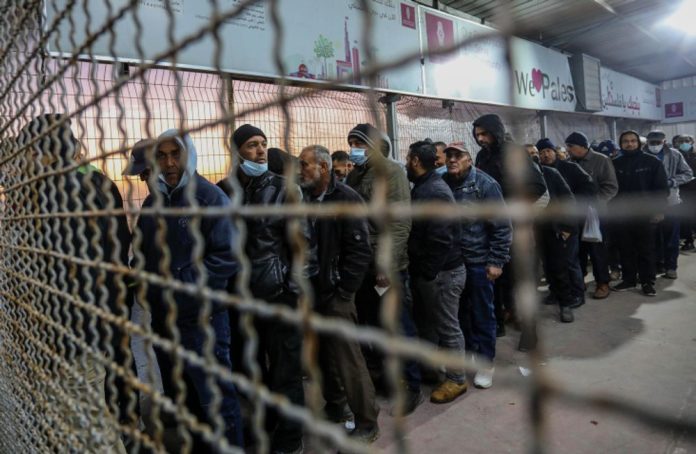
Israel’s military, which controls the crossing points between Israel and the Palestinian enclave, “detected several kilograms of high quality explosives, hidden within a clothing delivery carried by three trucks” at the Kerem Shalom crossing, the army and ministry said in a statement on Monday.

The halting of all “commercial deliveries from Gaza to Israel” is being carried out to allow “security adjustments to be made at the crossing”, according to the statement.

“Deliveries will resume in accordance with subsequent situation assessments,” it added.

Palestinian border officials said they were told by Israel that the crossing would be closed “until further notice”.

The Kerem Shalom crossing is the only point of export of goods from Gaza, which has been under a crippling Israeli blockade since Hamas seized power there in 2007. The blockade has exacted a huge economic toll and most Palestinians in Gaza depend on foreign aid.

The closure of the crossing point for goods comes amid raging tensions in the occupied West Bank and spiralling violence that has seen at least 225 Palestinians killed so far this year. At least 32 Israelis, a Ukrainian and an Italian have also been killed during the same period.

Releasing Iran’s assets in South Korea opens new chapter in bilateral ties: FM

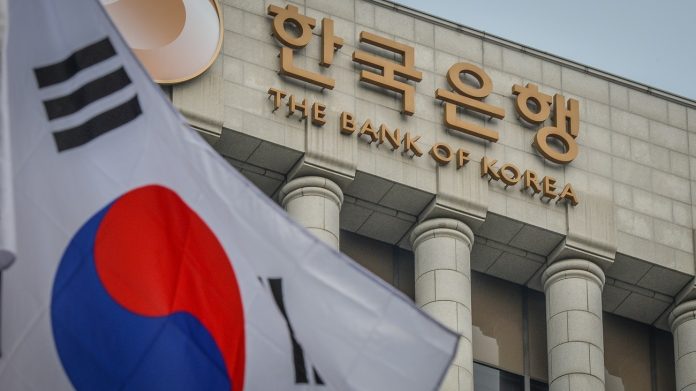
The Bank of South Korea

Amirabdollahian made the remarks in a Monday phone call with his South Korean counterpart, Park Jin, during which the two sides discussed the most important issues of bilateral interest on regional and international levels.

Referring to transfer of Iran’s funds from South Korean banks to Switzerland, Iran’s top diplomat said, “Now we can open a new chapter in bilateral relations.”

He added, “The Islamic Republic welcomes any initiative that would help promote ties between the two countries.”

The Islamic Republic and the United States recently reached a deal regarding the unblocking of about six billion dollars worth of Iran’s funds, which were illegally blocked in South Korea under the pretext of US sanctions.

South Korean media reported in late August that the unblocked Iranian funds had been transferred to Switzerland’s central bank ahead of their transfer to Iran.

Governor of the Central Bank of Iran Mohammad Reza Farzin stated on August 12 that all of Iran’s blocked funds in South Korea were released and will be used in the form of banking payment to purchase non-sanctioned goods and commodities.

Elsewhere in the phone conversation, Amir-Abdollahian said promoting ties with Asian countries is among the priorities of the Iranian administration’s foreign policy, adding, “We believe that the current century belongs to Asia.”

He emphasized that Iran and South Korea are “two important players” in Asia, and Tehran attaches special importance to cordial relations with Seoul.

The top Iranian diplomat also expressed Tehran’s readiness to boost cooperation with Seoul within the framework of regional and international organizations.

The South Korean foreign minister, for his part, lauded the agreement on unblocking Iran’s frozen funds in his country, saying the move showed Seoul’s practical commitment to the Iranian government and people.

Pointing to recent positive developments in relations between the two countries, he voiced Seoul’s readiness to boost cooperation with Tehran with the goal of promoting peace and stability in the West Asia region.

Live Update: Russia’s “Special Operation” in Ukraine; Day 559

Russia Ukraine War

Three ships leave Ukraine through Black Sea carrying metal products

Another three ships were able to leave Ukraine through the Black Sea, despite the termination of a UN-brokered deal that allowed grain to be exported from ports in the Odesa region, but this time carrying metal products.

The vessels, Primus, Anna Tereza and Ocean Courtesy, which had been stuck in Ukraine since before the Russia’s full scale invasion on February 24, became the second, third and fourth ships respectively that have managed to leave Ukrainian ports since the termination of the grain agreement in July.

The ships are carrying products of Ukrainian steelmakers and miners, including “over 76,000 tonnes of rolled steel produced by Azovstal, Zaporizhstal, Kamet Steel and ArcelorMittal Kryvyi Rih, as well as 172,000 tonnes of iron ore concentrate produced at Metinvest Group’s mining and processing plants,” said Metinvest in a statement Tuesday.

The international steel and mining group has operations in Ukraine as well as in other European countries and the US.

Metinvest said the ships were able to effectively break what it called “a maritime blockade” by Russia of Ukraine’s seaports, opening the door for further exports.

“This means the accelerated recovery of Ukraine’s economy, which has suffered enormous losses, including due to the illegal blockade of Ukraine’s ports by the Russian Federation,” said Oleksandr Vodoviz, the head of the Metinvest CEO’s Project Office, adding that a full unblocking of ports for all cargo will help “bring additional tens of billions of dollars of foreign currency earnings annually to the Ukrainian economy.”


North Korea seeking advanced technology from Russia for weapons in potential deal: US officials

As the US government says North Korean leader Kim Jong Un may travel to Russia to meet President Vladimir Putin for discussions on a potential deal to supply Moscow with weapons for its war on Ukraine, Washington and its allies are concerned about the technology Pyongyang is seeking in return, according to two US officials.

North Korea is looking for technology from Russia that could advance its satellite and nuclear-powered submarine capabilities, officials said. Both kinds of technology could significantly advance North Korea’s capabilities in areas that the rogue regime has not fully developed.

Just last month, North Korea’s second attempt to launch a spy satellite into orbit failed, according to the state-run Korean Central News Agency.

North Korea does not currently have any nuclear-powered submarines, according to an assessment of their submarines from Nuclear Threat Initiative, a think-tank focused on reducing nuclear threats.

Kim’s possible visit to Russia comes as the US has expressed increasing concerns about North Korea’s military assistance to Russia’s war effort in Ukraine – a move that would be in breach of US sanctions.


Turkey in close contact with UN on grain deal: Erdogan

Turkey is in close contact with the United Nations on reviving the Black Sea grain deal, President Recep Tayyip Erdogan has reportedly said.

Speaking to reporters after a meeting in Russia with President Vladimir Putin, Erdogan stated the latest UN proposal sought to address some Russian demands and believed a solution could be found soon.

“On August 28, UN Secretary-General Guterres, in the letter he sent, proposed an intermediary mechanism that would result from the SWIFT transaction, not directly SWIFT as the Russians wanted,” Erdogan continued.

“They said work was under way on the insurance issue too.”

He added Moscow was putting these two demands as “musts” to revive the deal and that Putin had told him he would not take steps on this until “Europe keeps the promises they made me”, according to Turkish media.


Ukraine’s counteroffensive unsuccessful on every front: Russian DM

Kyiv’s counteroffensive has failed to register success on any front, Russia’s defence minister has claimed.

“Ukraine’s armed forces have not achieved their goals on any front,” the defence ministry quoted Sergei Shoigu as saying.

The much-vaunted counteroffensive, which began about three months ago, has seen Kyiv’s troops recapture more than a dozen villages but no major settlements yet.

Progress has been hampered by vast Russian minefields and defensive lines.


Kremlin declines to comment on potential meeting between Putin and Kim

The Kremlin has declined to comment on the United States government’s claim that North Korean leader Kim Jong Un is expected to meet with Russian President Vladimir Putin in Russia to advance arms negotiations between the two countries.

“We have nothing to say on the subject,” Kremlin spokesman Dmitry Peskov said on Tuesday.

Washington’s National Security Council warned on Monday that weapons discussions between Moscow and Pyongyang are “actively advancing.”

“We have information that Kim Jong Un expects these discussions to continue, to include leader-level diplomatic engagement in Russia,” the council’s spokesperson Adrienne Watson said in a statement.


Russian-appointed official injured in apparent assassination attempt

An official in the occupied Luhansk region in eastern Ukraine has been injured after an explosion at his house.

The blast is being described as an assassination attempt by both Ukrainian and Russian sources, but there are conflicting reports on Yuriy Afanasievsky’s condition.

Russian state news agency TASS reported Afanasievsky was “not seriously injured,” but added his son was hospitalized.

“His son is in the hospital, not him. But the terrorist attack, most likely, was directed specifically against Afanasievsky,” officials in the so-called Luhansk People’s Republic (LPR) told TASS on Tuesday.

Ukrainian officials, however, suggested Afanasievsky’s condition was more serious.

“Let’s look at the severity of his injuries,” the Ukrainian head of the Luhansk regional military administration Artem Lysohor wrote on Telegram Tuesday.

“The house of Yuriy Afanasievsky, who headed the ‘state customs committee,’ was blown up in the ‘LPR’.”

Lysohor accused Russia of being behind the assassination attempt, without providing any evidence.

“Another collaborator did not meet the expectations of the Russians,” he added.

It comes as authorities backed by Moscow pushed local elections in four Ukrainian regions that were illegally annexed last year, including Luhansk, Donetsk, Kherson and Zaporizhzhia. Russian forces held similar elections last year, which are illegal under international law.


Ukrainian drones destroyed near Moscow

Russian air defenses destroyed Ukrainian drones over Moscow and two regions neighboring the capital on Tuesday morning, according to Russia’s defense ministry.

In a statement on Telegram, the ministry said the drones were thwarted over the regions of Moscow, Kaluga and Tver.

Moscow Mayor Sergei Sobyanin stated a household facility was damaged as a result of falling debris.

No casualties were reported.

Reports of Ukrainian drone attacks on Russian territory have become an almost daily occurrence in recent weeks as Kyiv ramps up its apparent efforts to wear down Russian domestic support for the war.


US says Kim Jong Un expects to engage with Putin to actively advance arms negotiations

North Korean leader Kim Jong Un expects to engage with Russia’s President Vladimir Putin in Russia to continue actively advancing arms negotiations between the two countries, according to the US government.

“We have information that Kim Jong Un expects these discussions to continue, to include leader-level diplomatic engagement in Russia,” said National Security Council spokesperson Adrienne Watson of ongoing arms negotiations between Russia and North Korea.

Watson did not say when and where a potential meeting between Kim and Putin in Russia might take place, but it would follow Russian Defense Minister Sergei Shoigu’s visit to North Korea in July and comes after US officials last week said the two countries are “actively advancing” their negotiations over another potential arms deal that could see Pyongyang providing weaponry to support Russia’s war effort in Ukraine.

The Shoigu visit was made “to try to convince Pyongyang to sell artillery ammunition to Russia,” Watson continued, adding, “We urge the DPRK to cease its arms negotiations with Russia and abide by the public commitments that Pyongyang has made to not provide or sell arms to Russia.”

Since that trip another group of Russian officials traveled to Pyongyang for follow-on discussions, NSC strategic communications coordinator John Kirby said last week. Putin and Kim have also have exchanged letters pledging to increase their bilateral cooperation, he added.


“Classic blackmail”: Ukrainian foreign minister criticizes Russia’s grain deal demands

Russia’s conditions to revive the Black Sea grain deal amount to “blackmail,” Ukrainian Foreign Minister Dmytro Kuleba told national news agency Ukrinform on Monday.

The deal “must be restored,” but not “at the expense of blackmail and fulfilling Russia’s whims,” he said.

Russia withdrew from the initiative in July, nearly a year after it was brokered by Turkey and the United Nations to guarantee the safe passage of Ukrainian grain through the Black Sea and help facilitate Russian exports of grain and fertilizer. Its withdrawal has caused spikes in wheat prices and fears about food security worldwide.

On Monday, Russian President Vladimir Putin told his Turkish counterpart that Moscow will be ready to consider rejoining the deal “as soon as all the agreements on lifting restrictions on the export of Russian agricultural products are fully implemented.”

Russia claims it was forced to pull out of the deal and that promised guarantees made about its own agricultural and fertilizer exports had not been upheld.

In his interview with Ukrinform Monday, Kuleba said “there were no legal or political grounds for the Russians to withdraw from the agreement,” adding that if Ukraine “makes concessions now,” Russia will “come back and then once again withdraw a month later to put forward new terms.”

“It’s just classic blackmail,” he added.

Kuleba claimed Russia cannot be trusted, so it is necessary to develop alternative maritime export lanes, which can be accomplished by Ukraine with strengthened security.

“We have already shown that it works,” he said. “We have already shown that there are countries expressing interest in helping us organize these lanes on a stable basis.”

Following his meeting with Putin on Monday, Turkish President Recep Tayyip Erdogan said Ukraine needs to “soften its approach” to revive the grain deal “in order to be able to take common steps with Russia.”

Kuleba told Ukrinform that Ukraine and Turkey have “trusting relations” and he anticipates that discussions will be held between the Ukrainian and Turkish presidents about the grain deal.


Ukraine needs to “soften its approach” to revive Black Sea grain deal with Russia: Erdogan

Ukraine needs to “soften its approach” to revive the Black Sea grain deal, from which Russia withdrew in July, Turkish President Recep Tayyip Erdogan stated on Monday.

“In order to be able to take common steps with Russia, Ukraine needs to soften its approach. Especially now, grain which will be sent to the least developed poverty-stricken African countries is important,” Erdogan said at a joint press conference with Russian President Vladimir Putin after a meeting in Sochi.

“Putin rightfully does not approve if 44% of the grain goes to European countries,” the Turkish leader added.

Erdogan said Turkey has prepared a new proposal with the United Nations to revive the grain deal, which involves “important improvements.”

“From the Turkish side, I believe we will be able to reach a solution soon which fulfills the expectations (regarding the grain deal),” he added.

The previous grain deal from which Russia pulled out, was brokered by Turkey and the United Nations. It lasted about a year and allowed billions of dollars worth of grain and wheat to safely transit out of war-torn Ukraine via the Black Sea.


Putin says Russia is not refusing negotiations over Ukraine conflict

In brief remarks on the conflict in Ukraine, President Vladimir Putin said Russia is not refusing to negotiate on how to end the war.

“I want to say that Russia has never refused negotiations and now we are not refusing,” Putin stated.

He added that Turkish President Recep Tayyip Erdogan raised questions about negotiations on the war during meetings between the two leaders on Monday.

“As we know, through the mediation of the President of Turkey, an agreement was reached, draft documents were agreed upon between the Russian and Ukrainian delegations, but then Ukraine sent them to… to the scrapheap! Nobody is coming back to this. We hear about some new initiatives, but this is not something that was ever discussed with us. Therefore, we do not accept anything new. As for mediation services, we have never refused them. We are also grateful to the President of Turkey for his efforts in this direction,” Putin continued.

The Russian president also stressed the Ukrainian counteroffensive had been a failure.

Ukrainian leaders have acknowledged the counteroffensive’s slow progress, but in recent days, the Ukrainian military said it notched victories in the southeastern Zaporizhzhia region, penetrating the “first line” of Russian defenses.

Iran’s Entekhab news outlet banned; editor in chief says due to story about Friday prayer leader

Iran Mobile Internet

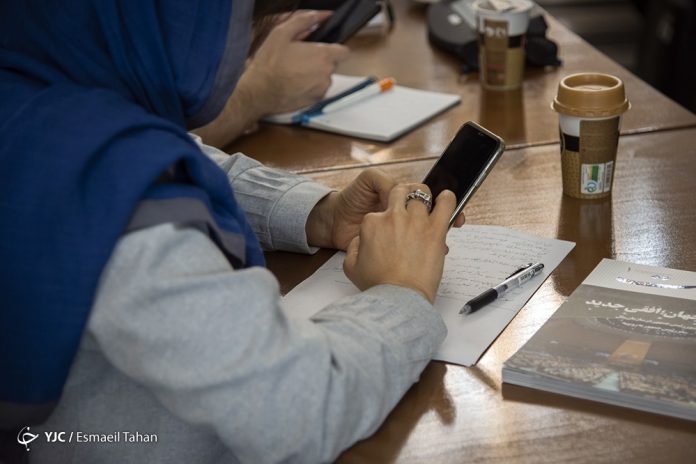
Mostafa Faghihi told Rouydad24 that his news outlet, Entekhab, faces some complaints lodged by the media regulator and other authorities but the complaints were so serious as to lead to banning Entekhab.

Faghihi added that some quarters waged a campaign against Entekhab after it ran a story it took from Mehr News Agency.

The story quoted the Friday prayer leader of Shiraz as saying that President Ebrahimi Raisi has created 20 million jobs.

Faghihi stressed that Entekhab ran the story exactly as it was published by Mehr News without any addition.

Fars News Agency however says the media regulator of Iran decided to ban Entekhab after it posted an editorial titled “Auctioning off the Iran brand: Why has Iran’s foreign policy weakened so much?”

Fars added that Entekhab has published other editorials which were at odds with national interests and targeted the principled policies of the Islamic Republic of Iran.

Entekhab news outlet is seen close to the reformist camp in Iran.

Israel and Bahrain agree to bolster trade ties

Israel FM Bahrain

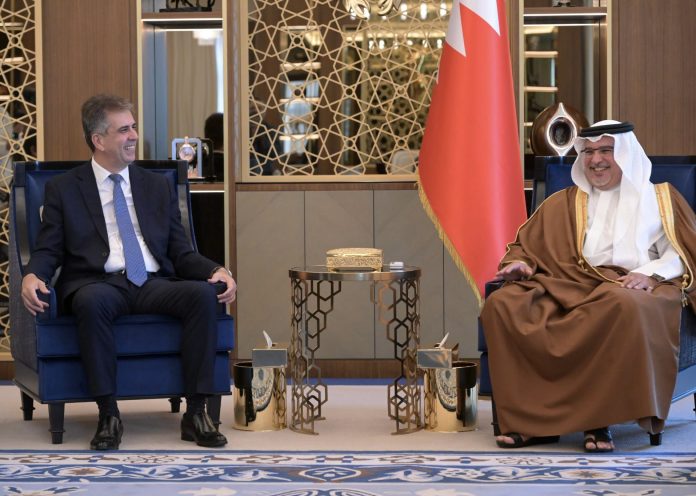
“The foreign minister and I agreed that we should work together to increase the number of direct flights, the tourism, the trade volume, the investment,” Cohen said during a ceremony to inaugurate Israel’s new embassy.

The embassy in the capital Manama will replace the first embassy Israel opened in 2021, a year after it established diplomatic relations with Bahrain as part of the US-brokered Abraham Accords.

Under the accords, Israel also established ties with the United Arab Emirates and Morocco.

Monday’s ceremony was attended by Bahraini Foreign Minister Abdullatif Al Zayani, who said the event signified a “shared commitment to strengthening and cultivating bilateral relations”.

“As we build into deeper diplomatic endeavours and engage in bilateral cooperation across various sectors, the establishment of this new embassy assumes a pivotal role in our collaboration,” he told reporters.

Cohen arrived in Bahrain on Sunday, accompanied by a business delegation of more than 30 companies working in high-tech, logistics and real estate.

Earlier on Monday, he met Crown Prince Salman bin Hamad Al-Khalifa and discussed “the importance of advancing a free trade agreement and projects to connect youths in Israel and Bahrain”, Cohen posted on X, formerly Twitter.

“We look forward to expanding the circle of peace and normalisation to other states in the area,” he added.

Despite now having steady ties with Israel, Bahrain and the UAE have joined other Persian Gulf Arab states in issuing a series of condemnations against it this year.

The storming of the Al Aqsa mosque in Jerusalem and raids by Israeli forces on Nablus and the Jenin Palestinian refugee camp in the occupied West Bank were among Israeli moves that sparked outcry.

However, Cohen’s trip coincides with growing speculation about an impending normalisation deal between Israel and Saudi Arabia, which is not a signatory to the Abraham Accords.

Riyadh and Washington have held talks on Saudi conditions for progress on normalisation with Israel, according to people briefed on the meetings.

In Bahrain, Cohen also visited the US Navy’s Fifth Fleet base where he discussed maritime security cooperation, according to a statement by US Naval Forces Central Command (NAVCENT).

The visit “underscores our expanding partnership with Israel”, NAVCENT commander Vice-Admiral Brad Cooper was quoted as saying.

Medicine shortages in Kuwait leave patients without treatment

Pakistan Hospitals

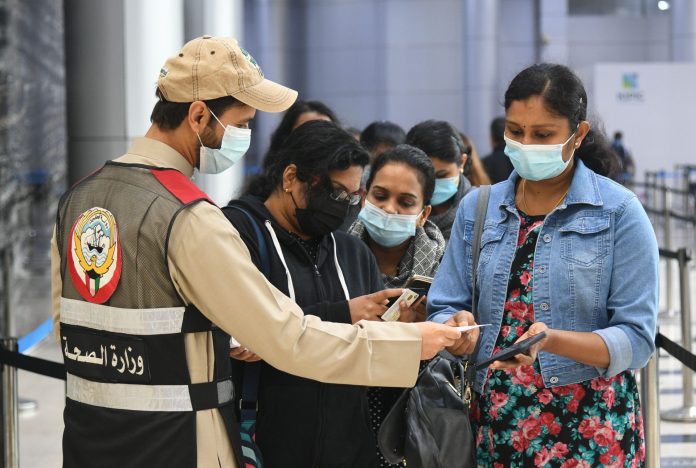
Both doctors and ordinary citizens have been using social media platforms to express their concerns over the medicine shortage, detailing how difficult it has been to obtain certain medications.

Many are placing the blame on the minister of health, and are demanding the issue be addressed.

Using the hashtag “medicine shortages” in Arabic on X (formerly Twitter), doctors are stating that they are unable to treat patients, some of whom are in serious conditions.

Some social media users have also directed their frustration towards the council of ministers, demanding an answer as to what has caused the shortages and for a solution to the issue.

One doctor, Sh’aib Nuri al-Kalaf, joined in the conversation, and said that doctors cannot be held responsible for the consequences of the lack of medication in pharmacies and hospitals.

“The state is responsible for caring for the patient and providing them with comfort and treatment. We have a huge shortage of medicine, including biological medicines which are used for patients with Crohn’s disease as well as ulcerative colitis,” he posted on X.

“We are not the ones who are able to offer new medicines to patients or provide the necessary dosage of medicines to those who have been diagnosed long ago.”

Patients have also complained about their deteriorating conditions after not being able to get hold of medicines.
“The shortage of medicines is truly a catastrophe, I went to the Eye hospital with allergies but unfortunately the treatment is not available, they transferred me to a centre for mid-next month… so I have to wait for a month and two weeks,” a patient wrote.

Last week, the country’s health minister, Ahmed al-Awadhi, was questioned over the medicine crisis and given a chance to address the issue.

Member of parliament Hamdan al-Azmi said he would take a “decisive and firm step at the beginning of the upcoming parliamentary year” if the issue remains unsolved, according to local media.

Last month, the health minister assured people that there was “no severe shortage” of medicine, and that there are alternatives to medications that are unavailable or are in short supply.

He also caused outrage this week after reportedly responding to a journalist’s questions about the medicine shortage with a thumbs-up gesture.

The Kuwaiti al-Qabas newspaper reported last year that the country has been plunged into a medicine crisis, with dozens of treatments unavailable.

Al Qabas quoted health sector sources as saying: “The shortage of medicines has expanded to include many vital medicines, which are prescribed to a wide category of patients on a daily basis.”

The sources confirmed that the shortage of medicines requires increasing the current budget from $651m to $814m to permanently solve the crisis.
Report: IAEA says Iran has slowed its enrichment of “near-weapons-grade uranium”

Iran nuclear program

The confidential report comes as Iran and the United States are negotiating a prisoner swap and the release of billions of dollars in Iranian assets frozen in South Korea. However, international inspectors also noted new challenges in trying to monitor Iran’s program.
Former US President Donald Trump pulled the US out of the JCPOA and imposed tough economic sanctions against the Islamic Republic under what he called the “maximum pressure” policy.

In 2019, Iran began its retaliatory remedial measures by reducing its commitments to the 2015 deal after the European parties to the deal — France, Germany, and Britain — failed to protect Iran’s interests under the JCPOA.

Tehran began to gradually remove a cap set in the JCPOA on its nuclear activities at bi-monthly intervals. Tehran maintained that it would reverse its nuclear decision if the Iranian economy were to be shielded from sanctions.

Multilateral diplomatic efforts to revive the JCPOA have been stalled since last August, with Iran blaming the United States for failing to guarantee that it will not leave the deal again.

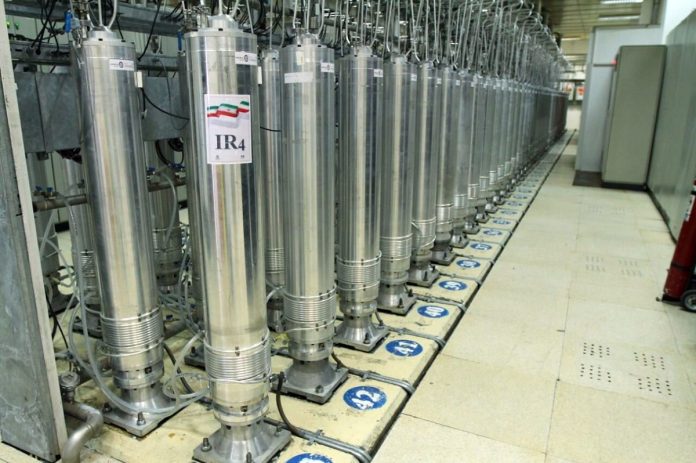
The International Atomic Energy Agency said in its report that Iran has 121.6 kilograms (268 pounds) of uranium enriched up to 60%. That means its stockpile of the fuel is growing at its slowest pace since 2021.

A report in May put the stockpile at just over 114 kilograms (250 pounds). It had 87.5 kilograms (192 pounds) in February.

Uranium enriched at 60% purity is just a short, technical step away from weapons-grade levels of 90%. Iran has maintained its program is peaceful, but the IAEA’s director-general has warned Tehran has enough enriched uranium for “several” nuclear bombs if it chose to build them.

Iran likely would still need months to build a weapon. U.S. intelligence agencies said in March that Tehran “is not currently undertaking the key nuclear weapons-development activities that would be necessary to produce a testable nuclear device.” The IAEA, the West and other countries say Iran had a secret military nuclear program it abandoned in 2003.

Tehran has repeatedly declared that its nuclear program remains purely peaceful as always and that the Islamic Republic had no intention of developing nuclear weapons as a matter of an Islamic and state principal.

Leader of the Islamic Revolution Ayatollah Seyyed Ali Khamenei issued an official fatwa (religious decree) clearly establishing that any form of acquisition, development, and use of nuclear weapons violate Islamic principles and are therefore forbidden.

Overall, the IAEA report estimated Iran’s total enriched uranium stockpile at 3,795.5 kilograms (8,367 pounds). That’s a drop from the last IAEA report, which put the stockpile at 4,744.5 kilograms (10,459 pounds). The stockpile reportedly declined because Iran diluted some of its enriched uranium.

U.S. President Joe Biden has said he’d be willing to re-enter a nuclear deal with Iran, but formal talks to try to find a roadmap to restart the deal collapsed in August 2022. In the time since, Oman and Qatar have mediated indirect talks between Iran and the U.S. that led to the current planned prisoner swap and asset release.

Under that proposal, anywhere from $6 billion to $7 billion, depending on exchange rates, would be changed from South Korean won into euros. The cash represents money South Korea owed Iran — but had not yet paid — for oil purchased before the Trump administration imposed sanctions on such transactions in 2019.

The U.S. maintains that, once in Qatar, the money will be held in restricted accounts and Iran will only be able to use it for humanitarian goods, such as medicine and food. Those transactions are currently allowed under American sanctions targeting the Islamic Republic over its nuclear program.

In exchange, Iran would release five Iranian-American prisoners now under house arrest. The U.S. likely will release Iranian prisoners as well, though those details remain murky. If that deal goes through, it could improve the chances of overall talks on the nuclear deal resuming — though Biden already faces strident criticism from Republicans and others over the prisoner swap.

While Iran has slowed enrichment, the IAEA reported other problems with trying to monitor its program. The report from the watchdog seen by the AP said Iran had denied visas for agency officials and affected their ability to work in other ways as well.

Iran has not acknowledged the visa denials.

The IAEA also hasn’t been able to access surveillance camera footage since February 2021 under Iranian restrictions, while the only recorded data since June 2022 has been from cameras at a workshop in the Iranian city of Isfahan.

Iran says won’t wait nuclear deal revival in foreign trade

Nasser Kanaani

Speaking at a weekly press conference on Monday, Kanaani said Iran remains committed to diplomatic courses, but won’t wait for the result of the negotiations on the revival of the Joint Comprehensive Plan of Action (JCPOA).

Iran is seriously pursuing efforts to nullify the sanctions without pinning its hopes on the revival of the JCPOA or the US government’s decision about Iran’s trade relations with other countries, he stated.

The spokesman emphasized that Tehran will resort to all legal procedures to restore the Iranian nation’s rights.

“We managed to export our oil and maintain our position in spite of the sanctions. The cruel sanctions have undoubtedly placed limitations on Iran and its partners, but Iran proved that it won’t be restricted by sanctions,” Kanaani added.

Iranian President Ebrahim Raisi, who took office in August 2021, has highlighted the economic growth and production boom in Iran under his tenure, saying his administration has not linked the settlement of problems to plans for shaking hands with outsiders or appeasing them.

In an address at the beginning of the Iranian year 1402, Leader of the Islamic Revolution Ayatollah Seyed Ali Khamenei stressed the need for Iranian officials to focus on controlling inflation and boosting production.

President Raisi calls Iran and Saudi Arabia influential governments of Muslim world

Ebrahim Raisi

While noting that Iran’s policy is to bolster ties with all neighbors, Raisi called for Riyadh and Tehran to use all their potentials to expand their ties.

The Iranian president stressed that cooperation among regional nations will elevate their standing in the region and the whole world.

He added that this also restricts interference by extra-regional governments in the region.

Iran and Saudi Arabia have been expanding their relations every sine the restored diplomatic ties several months ago.

Saudi Arabia cut ties with Iran unilaterally in 2016 following a raid on its embassy in Tehran. The attackers were angry with Riyadh over the execution of s Shia leader in the kingdom.

Several months ago, the two sides reached a rapprochement deal mediated by China.