
The week is annual commemoration of the 1980–1988 Iran–Iraq war.
More in pictures:
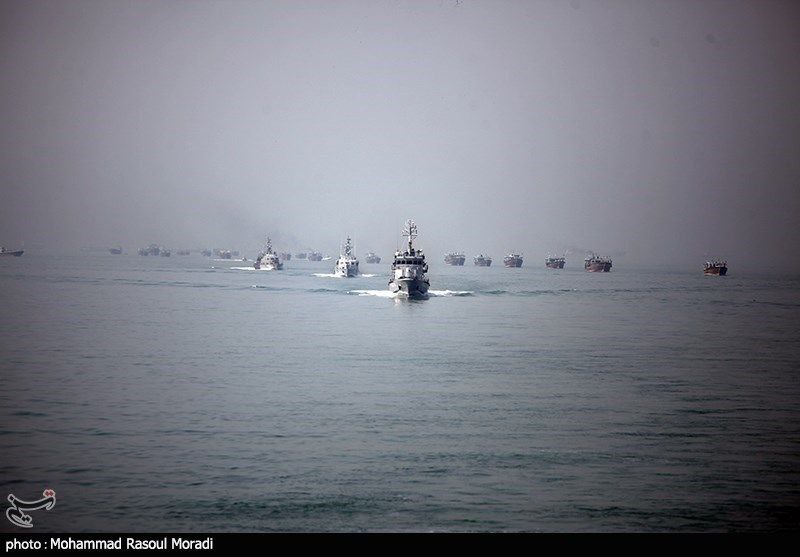
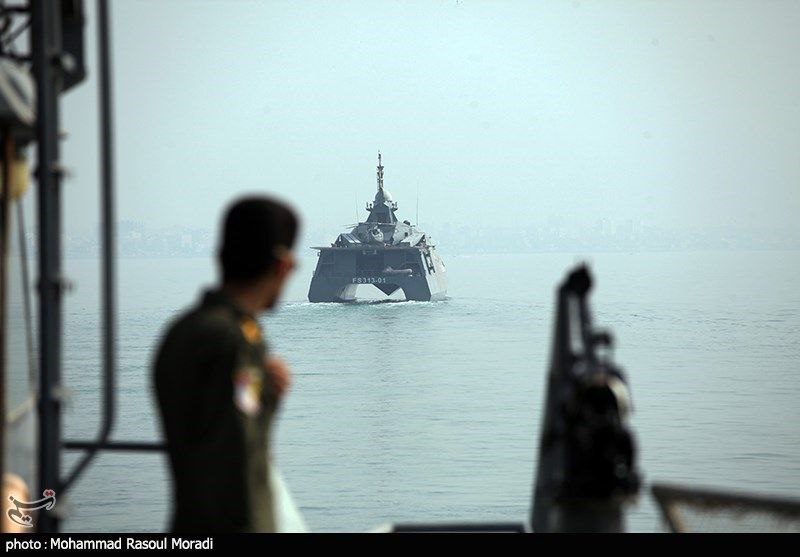
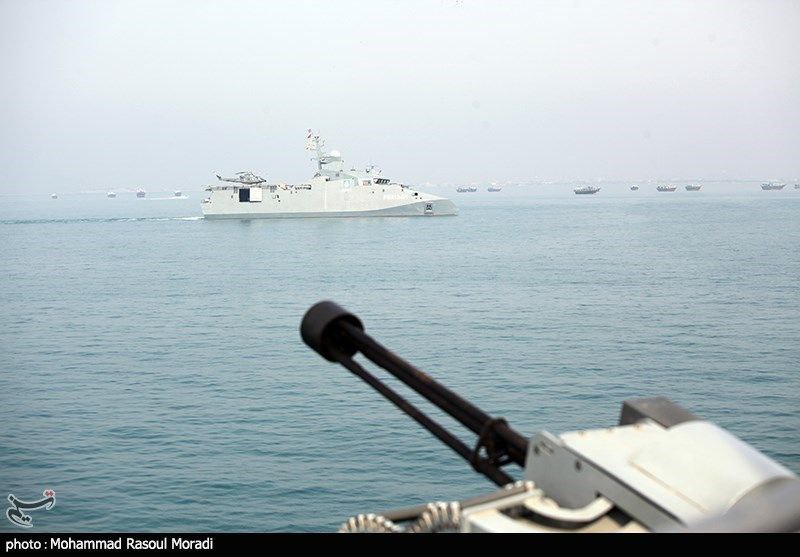
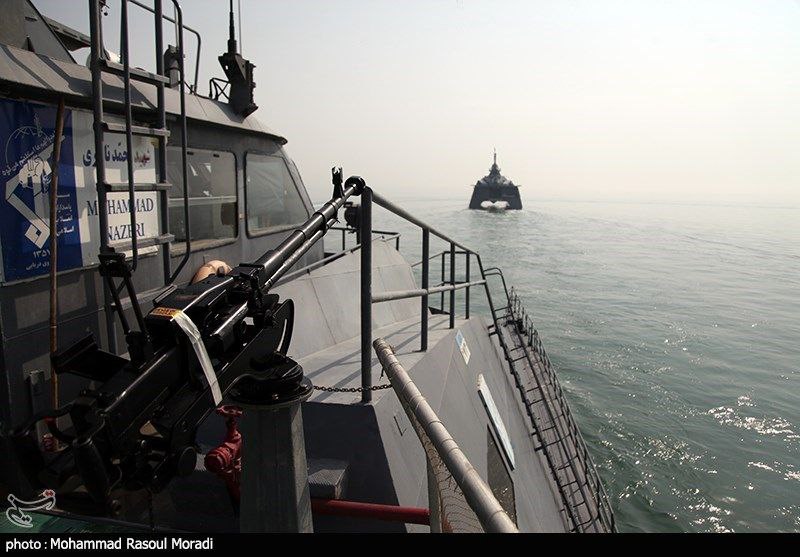
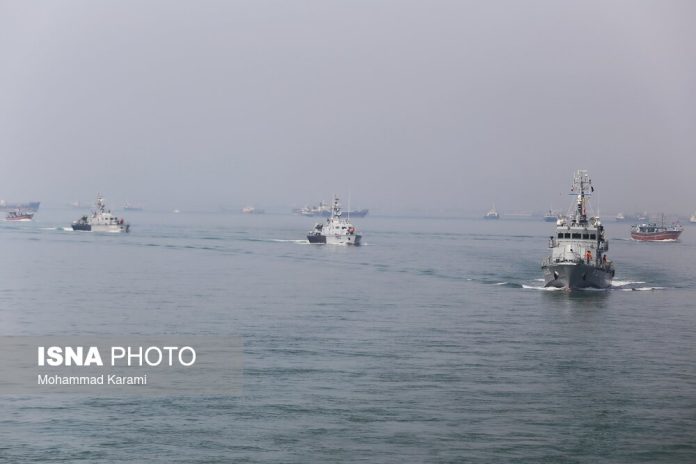
The week is annual commemoration of the 1980–1988 Iran–Iraq war.
More in pictures:
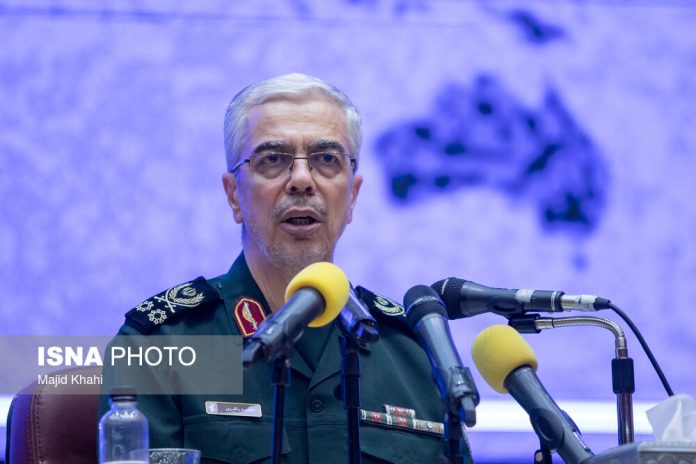
Genersl Bagheri however said the Iraqi authorities have forced the groups to move away from Iran’s border.
While thanking Iraq’s efforts thus far, he noted that the relocation of the terrorists to an area far from the Iranian border is not enough.
He said under a deal the two sides have reached, the terror groups in northern Iraq must disarm and even kicked out of Iraqi soil.
General Bagheri stressed that Iran will later conduct an investigation to see if the groups have disarmed and then it will take due action in response.
Iran has blamed the terrorist groups in the Kurdistan region for rioting in parts of Iran last year. Tehran has been pressuring Iraq ever since to expel the terror groups.
Iran has pounded the positions of the groups several times
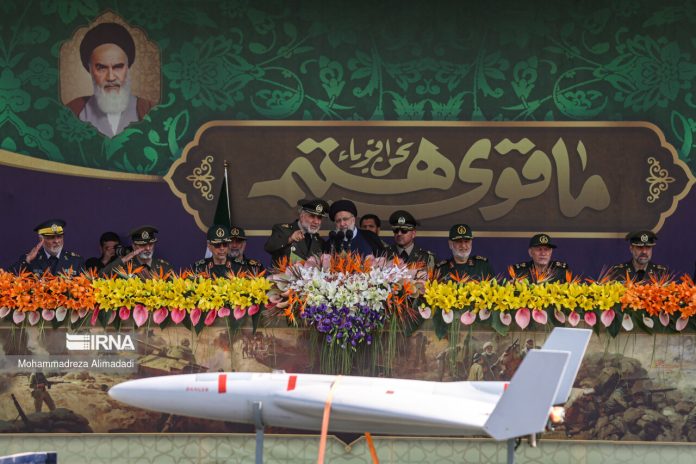
The drone dubbed Arash is named after Arash the Archer, a heroic figure of Iranian mythology.
The drone is an advanced version of Kian 2 drone and uses a piston propulsion system.
Arash has a range of 2000 kilometers and in addition to being a kamikaze UAV, it is capable of pounding air defense systems.
The commander of the Iranian Army, explaining about Arash, said that Iran has designed the drone for attacks on Haifa and Tel Aviv.
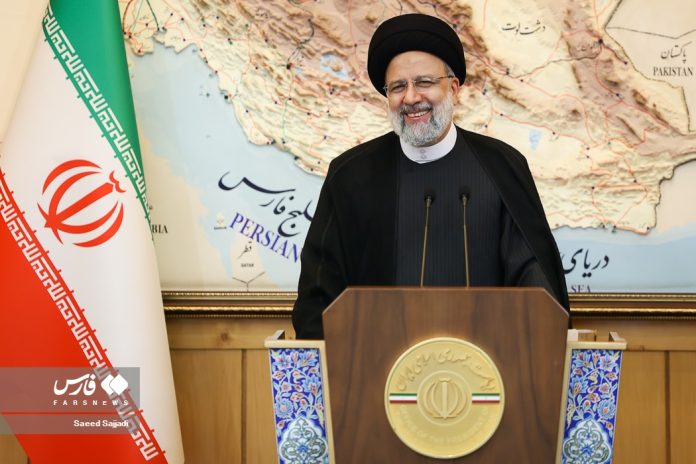
“Thanks to proper follow-ups by the Ministry of Cultural Heritage, Tourism and Handicraft Organization, the permanent mission of Iran to the United Nations in New York and the Ministry of Foreign Affairs, the tablets of the Achaemenid Empire, which were being kept in the United States and the Center for East Asian Studies at the University of Chicago (CEAS) for 84 years were repatriated to Iran. The tablets were originally set to stay there for three years for study purposes,” Raisi told reporters on Thursday evening upon arrival at Tehran’s Mehrabad Airport after a trip to New York.
“It is questionable why the tablets were in the possession of Americans. The scientists who worked on the tablets are of Iranian origin, and have been undertaking studies on them for more than 10 years.”
The Iranian president stated 3,500 clay tablets have been repatriated, and they will be given to Iranian museums in order to be put on display.
Elsewhere in his remarks, Raisi said participation in the annual UN General Assembly creates an opportunity for interaction and clarification of the positions of states.
“The two important issues of amplification of Iran’s position as well as safeguarding the country’s interests and values were underscored during the event and separate meetings with heads of state,” he added.
“Those who forego values would occasionally serve others’ interests. Protection of values is therefore of paramount significance. Homage to the Holy Qur’an is an important issue as it constitutes our identity. Emphasis on family values is also of significance to us and human societies, and should be paid attention to by anyone.”
“We had twenty meetings and interviews with journalists, scholars and politicians. During the meetings, Iran’s positions were made clear. The main focus of the meetings with the heads of more than 10 countries was to elaborate on Iran’s trade and economic relations with other countries as well as regional and extra-regional institutions,” Raisi continued.
The Iranian president also highlighted that Tehran’s preparedness to cooperate and work with various countries and international organizations, particularly as regards political and economic ties, was also emphasized.
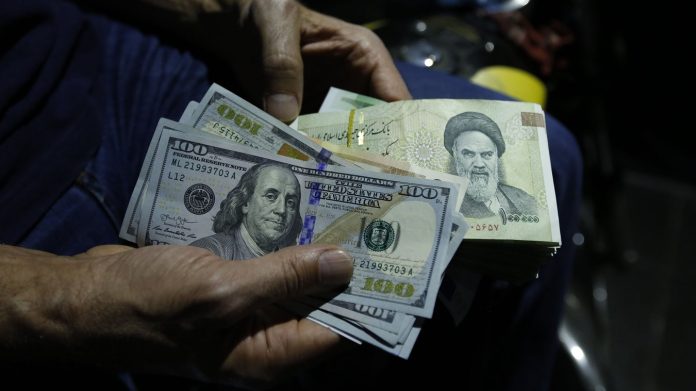
In a special feature on Didaar News, Hassan Beheshtipour discussed the potential trade routes connecting India to the West, particularly via the Chabahar-Astara-West corridor.
He noted, “The India-Chabahar-Russia-West route is economically justified but not currently feasible due to the anti-Iran sanctions and it presence on the FATF blacklist.
The expert added, “It’s perplexing why some individuals overlook these significant issues and instead raise concerns about a conspiracy against Iran. All of Iran’s economic and trade affairs, especially the motivation to attract investors for creating new trade routes, hinge on Iran’s removal from the international Financial Action Task Force (FATF) blacklist.”
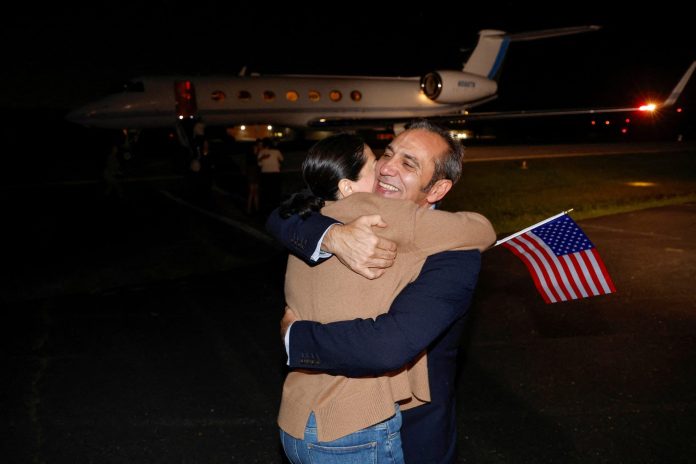
On Monday, the US and Iran exchanged five prisoners each under the deal brokered by Qatar and Oman.
“I do not think that this particular agreement will radically change anything in terms of contradictions, a certain confrontation. On many platforms and in many stories, the US-Iran situation speaks for itself,” Ryabkov stated.
There is no direct connection between the US-Iran prisoner swap and the Joint Comprehensive Plan of Action (JCPOA) dialogue resumption, but this means mutual understanding is possible, the official added.
“There is no direct connection, but [this is] a political signal, as a certain element of demonstrating that mutual understanding is possible,” Ryabkov stated.
Russia is ready, if Western colleagues demonstrate common sense, to resume work on the JCPOA in Vienna, the diplomat emphasized.
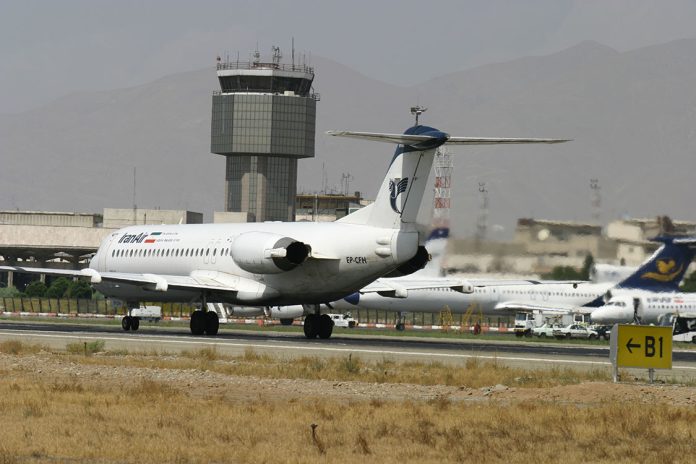
This development follows the recent establishment of peace and a ceasefire in the region.
In a statement to IRNA, Jafar Yazerlu explained that the decision to halt flights was made promptly after the military actions in the disputed Karabakh region escalated tensions between Azerbaijan and Armenia.
Yazerlu noted that tensions have significantly subsided since the previous night, aligning with the established peace and ceasefire agreement.
Azerbaijan Republic initiated a military operation in the region, accusing Armenian-backed forces in Karabakh of activities such as “systematic” shelling, reconnaissance, and fortifying defensive positions, emphasizing a high level of combat readiness.
Subsequently, Armenian separatist forces reported successful mediation by the Russian peacekeeping contingent stationed in the area, leading to a mutual truce agreement between both sides.
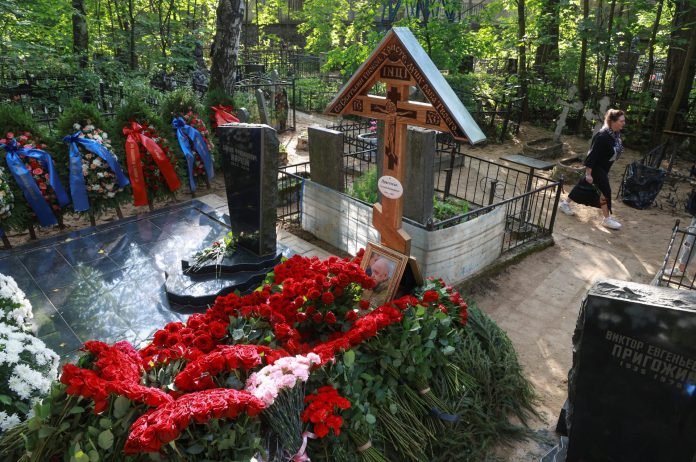
According to a report on Wednesday, a guard post and a CCTV camera have been installed after a violin was stolen from the burial site at the Prokhorovskoe cemetery in St. Petersburg.
The instrument is among the symbols of the Wagner Group, whose fighters are nicknamed ‘the Musicians’ due to the name that the PMC shares with classical German composer Richard Wagner.
A violin and a sledgehammer – another symbol of the PMC – appeared at Prigozhin’s grave a few days after his burial on August 29, the cemetery worker recalled. However, he claimed that the musical instrument, which he described as looking “pricey,” had been “snatched” the following day.
According to the worker, a cyclist was seen “racing away” from the site at the time of the incident, but the perpetrator has not been found.
“After that, a CCTV camera and a guard booth were set up at Prigozhin’s grave,” the employee revealed, adding, “Now there’s a security guard on duty there 24/7.”
The worker said it was his understanding that the measures had been organized by Wagner members, who received approval from the cemetery’s administration.
When asked about the whereabouts of the sledgehammer, the cemetery worker replied that it was still at the grave.
Prigozhin and several other high-ranking Wagner figures were killed in a plane crash in Russia’s Tver Region on August 23. The cause of the incident is being investigated, and Kremlin spokesman Dmitry Peskov said late last month that a “deliberate atrocity” could not be ruled out.
The Wagner PMC was instrumental in the Russian capture of the strategic city of Artyomovsk (Bakhmut) from Ukrainian forces in May, making Prigozhin a household name.
However, the PMC leader launched a short-lived mutiny against the Russian military in mid-June, after which a deal was reached for him to move to Belarus. Under an agreement with the Kremlin, Wagner fighters avoided prosecution and were provided with a choice of moving to Belarus together with their leader, joining the Russian armed forces, or retiring.
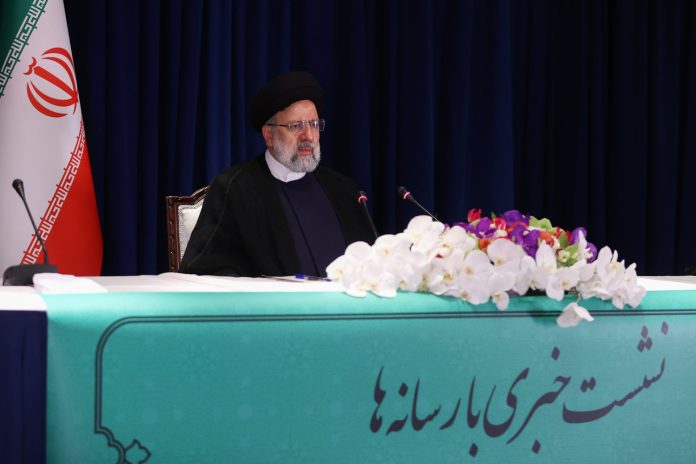
“The Islamic Republic of Iran sees no obstacles in the way of establishing relations with Egypt. This has been announced to the Egyptian side. Today’s meeting between the two countries’ foreign ministers can also pave the way for the establishment and revival of mutual ties,” said Ebrahim Raisi in a press conference in New York on Wednesday.
Raisi was referring to the meeting between the Iranian and Egyptian foreign ministers on the sidelines of the United Nations General Assembly session in New York.
Iran severed ties with Egypt in 1979 following the victory of the Islamic Revolution which led to the ouster of autocratic Iranian ruler, the Shah.
After he was toppled, the Shah fled to Egypt where he was warmly welcomed by then Egyptian President Anwar El-Sadat, something which enraged the Islamic Republic of Iran and prompted Tehran to break its ties with Cairo.
President Raisi also touched upon the detente followed by a rapprochement between Iran and Saudi Arabia.
“Iran and Saudi Arabia have re-established their relations and we intend to enhance these ties,” said the president.
Tehran and Riyadh had severed diplomatic ties years ago over a host of issues, namely Saudi Arabia’s execution of Shiite cleric Sheikh Nimr, one of its vocal critics, which led to the attack on the Saudi embassy in Tehran by angry protestors.
President Raisi further referred to the Tehran-Moscow cooperation, saying the two sides have long had economic, political, technological and scientific cooperation, and will continue to work together.
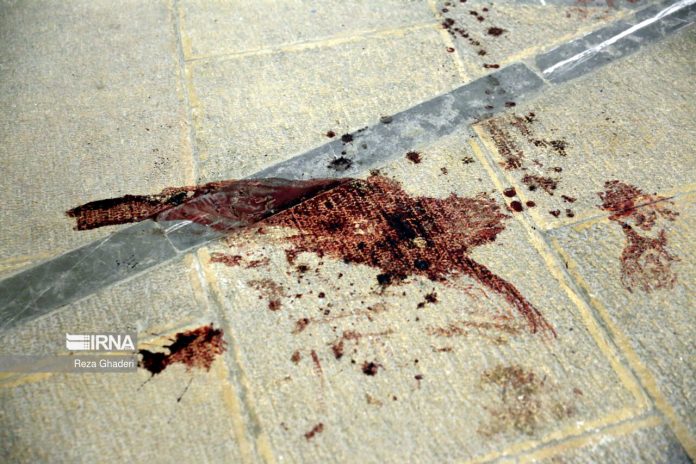
“Defendant number one in the case on the attack on pilgrims of the Shah Cheragh holy shrine, Rahmatollah Nourozov alias Mostafa Aslamyar, a national of Tajikistan, who had launched an armed attack on the shrine on August 13 (2023), was charged with Moharebeh (waging war against God), rebellion and collusion against the country’s national security,” said the head of the Justice Department of southern Fars Province.
The defendant was handed down a death sentence after being found guilty of the charges, added the department.
“After investigations were conducted, a writ of summons was issued [to the defendant] to attend the court hearing, and an indictment was issued at the Public and Islamic Revolution Prosecutor’s Office of Shiraz, and after 20 hours of trial were held, … he was sentenced to death, twice,” the Justice Department explained.
Probes and the convict’s own confessions revealed that he had been acting in cahoots with the ISIS terrorist group and used a firearm to trigger panic, as a result of which two people were killed and 7 wounded.
© All Content by IFP News ( Iran Front Page ) is licensed under a Creative Commons Attribution 4.0 International License.
