Thursday, December 25, 2025
Home Blog Page 1218

Human Rights Watch verifies Israeli use of white phosphorus in Gaza, Lebanon

Gaza War

The rights group said it verified videos taken earlier this week “showing multiple airbursts of artillery-fired white phosphorus over the Gaza City port and two rural locations along the Israel-Lebanon border”.

HRW noted the weapon “has a significant incendiary effect that can severely burn people and set structures, fields and other civilian objects in the vicinity on fire”.

It added that the use of white phosphorus in densely populated places like Gaza “magnifies the risk to civilians and violates the international humanitarian law prohibition on putting civilians at unnecessary risk”.

The Palestinian Foreign Ministry has claimed in a social media post on Tuesday the Israel Defense Forces (IDF) has used white phosphorus munitions in its strikes against Gaza. showing the aftermath of an alleged strike using the incendiary weapon.

White phosphorus munitions are not banned under international law, but their use is tightly regulated. These munitions should not be used in densely populated areas, due to the threat they pose to civilians, according to the 1980 UN Convention on Certain Conventional Weapons.

A video published by the Palestinian Foreign Ministry on X (formerly Twitter) shows a large, barren area near buildings covered with a significant number of small flare-like objects that are still burning and releasing thick white smoke. No casualties or recent damage to the nearby buildings can be seen in the footage.

“The Israeli occupation is using internationally banned white phosphorus bombs against the Palestinians in the Karama neighborhood in northern Gaza,” the ministry alleges, in a caption with the clip.

Munitions filled with white phosphorus are commonly used by the military to create smokescreens and conceal the movement of troops, due to their ability to produce a large amount of smoke. It can also be used to mark enemy targets. However, they also have incendiary qualities that make them particularly dangerous for humans.

White phosphorus ignites through simple contact with air due to its interaction with oxygen. It burns at a temperature of between 800C and 2,500C. Having a wax-like nature, the substance easily sticks to various surfaces, including clothes and skin, and is extremely difficult to wipe off or extinguish. It is known to cause deep burns as far as the bone, while the remnants of the substance contained in human tissue can potentially reignite after initial treatment when it makes contact with air again.

Israel is known to have repeatedly used white phosphorus munitions in the past. In 2006, the Israeli government admitted to using these weapons during its months-long war with Lebanese armed group Hezbollah. Israel insisted at the time that it used the munitions in accordance with international law, despite numerous media reports that they were fired in particular at areas with civilian populations.

In 2009, Israel acknowledged using “munitions containing white phosphorus” during an offensive in Gaza between December 2008 and January 2009.

Previously, the military was heavily criticized by Human Rights Watch for these actions, described as “evidence of war crimes” by the NGO. According to the media, the use of these munitions also led to a UN compound in Gaza partially burning down after coming in contact with the incendiary substance at the time.

In April 2013, Israel claimed it would stop using white phosphorus munitions to create smokescreens and would switch to gaseous substances for these purposes.

The latest escalation between Hamas and Israel began early on Saturday, when the Palestinian fighters launched a surprise attack on multiple locations along the Gaza border in response to Israel’s repeated aggression against Palestinians and desecration of the al-Aqsa Mosque.

Israeli officials estimate that more than 1,300 people have been killed in the Hamas assault and over 3,000 have been wounded.

Israeli massive air strikes on the densely-populated Gaza Strip, has so far killed almost 1,500 people.

The UN announced on Tuesday it would launch a war-crimes investigation against both sides, citing “clear evidence” that there are violations of international law.
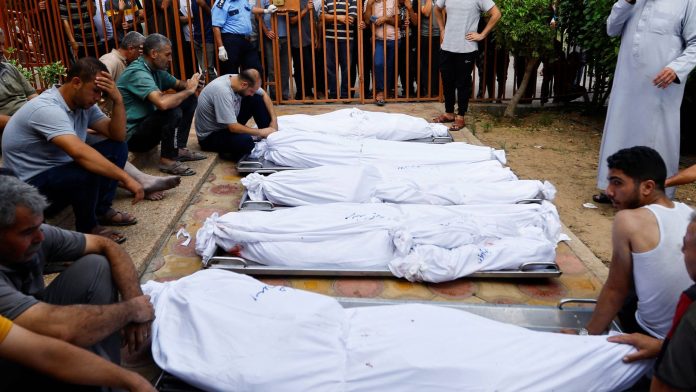
WHO warns Gaza hospitals at ‘breaking point’ as death toll tops 1,500

Gaza War

Noting Gaza’s overstretched hospitals had only a few hours of electricity a day, with fuel being rationed to maintain critical services including intensive care, and X-ray and dialysis services, the United Nations’ health agency called for the opening of a humanitarian corridor to allow health workers into the territory, as well as the evacuation of the sick and injured.
It said shortages of medical supplies were also severe and that time was running out to prevent a humanitarian disaster in a territory that is home to more than two million people.

“Without the immediate entry of humanitarian aid into Gaza – especially health services, medical supplies, food, clean water, fuel, and non-food items – humanitarian and health partners will be unable to respond to urgent needs of people who desperately need it,” the agency announced in a statement late on Thursday.

“Each lost hour puts more lives at risk,” it added.

The International Committee of the Red Cross (ICRC) also raised concern about the deteriorating situation in Gaza, describing the situation as “abhorrent”.

“As Gaza loses power, hospitals lose power, putting newborns in incubators and elderly patients on oxygen at risk. Kidney dialysis stops, and X-rays can’t be taken,” Fabrizio Carboni, the regional director for the Near and Middle East for the ICRC said in a statement on Friday.

“Without electricity, hospitals risk turning into morgues,” Carboni added.

Israel has announced it has dropped about 6,000 bombs on Gaza since it began its bombardment almost a week ago following an attack by the armed Hamas group that caught its security forces off-guard and killed more than 1,300 Israelis.

At least 1,500 Palestinians have been killed in the subsequent onslaught and thousands more injured as Israel prepares for a possible ground assault on the enclave.

Gaza has about 30 hospitals, 13 of them operated by the Ministry of Health and others privately run.

The WHO said it had documented 34 attacks on healthcare services in Gaza since Saturday. By yesterday, 11 WHO health workers had been killed while 16 were injured. Another five ICRC workers were killed. The WHO added 20 ambulances had also been hit.

The agency called for the immediate opening of the Rafah border crossing on the border with Egypt.

“WHO is ready to immediately dispatch trauma and essential health supplies … to ensure that they can reach the Gaza Strip via the Rafah border crossing,” the WHO said.

“Urgent access through the crossing is essential so that WHO and other humanitarian agencies can act quickly to help save lives,” it added.

The United Nations has also announced that more than 423,000 people have now been forced to flee their homes in Gaza due to the Israeli military onslaught against the besieged enclave.

The number of displaced people in Gaza rose by an additional 84,444 people late on Thursday and has now reached 423,378, the UN’s Office for the Coordination of Humanitarian Affairs (UNOCHA) said.

UNOCHA also issued an emergency appeal for $294m to address “the most urgent needs” of Palestinian people in Gaza and the occupied West Bank.

The funds are needed to help more than 1.2 million people, added UNOCHA, stressing that aid groups do not have “the resources required to adequately respond to the full range of needs of vulnerable Palestinians”.

The head of the World Health Organization on Thursday said he has asked Egypt to help transfer medical supplies to neighboring Gaza as the humanitarian crisis in the enclave deepens under Israeli bombardment.

WHO Director-General Tedros Adhanom Ghebreyesus stated Egyptian President Abdel Fattah El-Sisi had agreed to help in transferring medical supplies through the crossing that connects Egypt with southern Gaza.

“I’m really worried. My heart goes to all those who have lost their lives and their families both from Israel and Palestine. This is a very sad moment,” he told reporters in Lyon, France.

Under the Israeli siege, the only corridor through which Palestinians or aid can pass in and out of Gaza is the Rafah Crossing that borders Egypt.

Supplies have dwindled so low at hospitals in Gaza that it is feared the hospitals will become morgues.

Avril Benoit, executive director of Doctors Without Borders USA, told CNN on Thursday that one hospital used three weeks of supplies within three days due to the influx of patients.

As a result of the siege, she said there is a looming crisis as hospitals are not able to bring in more supplies, fuel, water and staff.

“The situation in the hospitals is absolutely overwhelming,” Benoit continued, adding, “I do agree with the analysis and the commentary from the International Committee of the Red Cross that the hospitals will become morgues.”

Benoit said that without electricity critical patients — like babies in incubators, people on dialysis and those on respirators — would be without care.

“What we are hearing from the hospitals that we support is that it is very difficult for patients to even reach the hospitals,” she noted, adding, “Everyone is just terrified to move.”

“It’s impossible for staff sometimes, medical staff, to be able to go to work. And if they do go to work they don’t know if they will ever see their families again at night.”

She stressed hospitals are running short on anesthesia to do surgeries and even four ambulances were destroyed by air strikes as they were transporting patients.

Iran FM warns of expansion of Gaza war, does not rule out new front against Israel

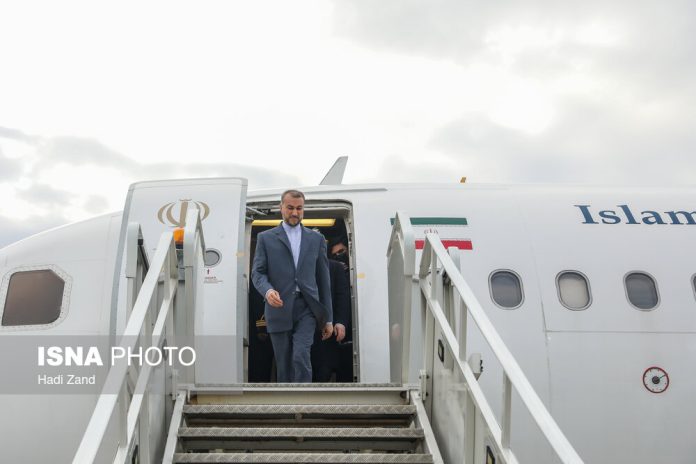
Hossein Amirabdollahian

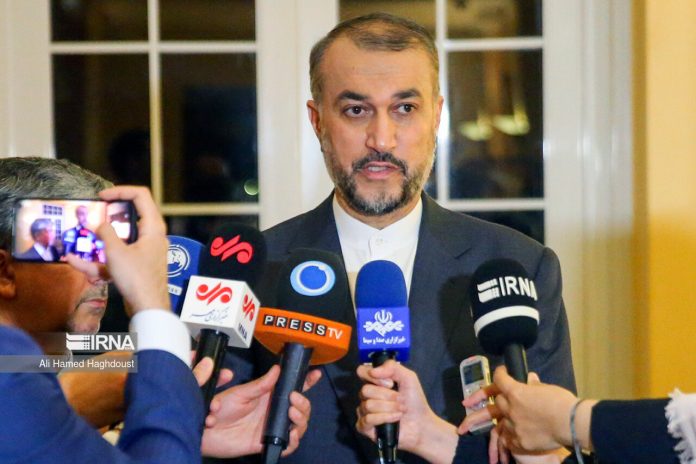
Upon his arrival in the Lebanese capital Beirut earlier on Friday as part of his regional tour, Amirabdollahian said, “Displacing tens of thousands of Palestinians and cutting off water, electricity, food and medicine is an organized war crime by the Zionist regime. The continuation of the war crime will face reactions in other areas, for which the Zionist regime and its supporters will be responsible.”

The Iranian foreign minister stated that Operation Al-Aqsa Flood, initiated by the Palestinian resistance movements on Saturday, was in response to the longstanding atrocities by the Israeli regime and settlers. The unprecedented operation in terms of severity has left the Israeli regime authorities in limbo.

He added Iran supports the resistance groups in Palestine and continues consultations with regional countries, including Saudi Arabia, to shore up support for them.

Amirabdollahian on Thursday embarked on a regional tour, which has so far taken him to Iraq and Lebanon, to discuss the recent events in the Palestinian territories.

In a meeting with Qasim al-Araji, the Iraqi National Security Advisor on Thursday in Baghdad, Amirabdollahian emphasized that if Israel does not stop its attacks on the civilians of Gaza, the region will face new conditions.

He wrned: “Israel cannot put Gaza under a complete siege and bombard civilians and commit war crimes and expect no reaction to these crimes.”

Iran rejects US media reports over unblocked assets in Qatar

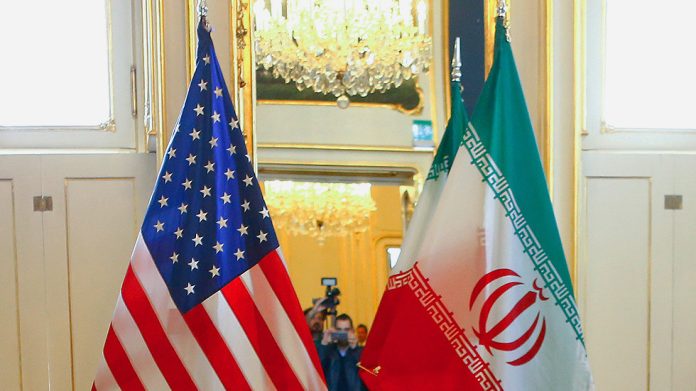
Iran US Flags

“There has been no change in the issue of Iran’s access to its foreign exchange resources in Qatari banks and the agreement [reached in this regard] remains in force,” Nour News said on Thursday.

Earlier in the day, the Washington Post reported that US Deputy Treasury Secretary Wally Adeyemo had told House Democrats that American officials and the Qatari government had agreed to stop Iran from accessing a $6 billion account in light of a surprise attack by the Palestinian Hamas resistance group against Israel.

Adeyemo’s remarks were cited by two people who were speaking on the condition of anonymity.

Back in August, Iran and the United States agreed to a Qatar-brokered deal to secure the release of some $6 billion of Iranian funds that had remained blocked in two South Korean banks since 2018 under the pretext of US sanctions.

The money was successfully transferred last month to accounts held by six Iranian banks in Qatar’s Ahlibank and Dukhan Bank.

The administration of US President Joe Biden claimed at the time that the funds and the proceeds of Iranian oil sales to South Korea could only be spent on “humanitarian” purposes.

However, Iranian President Ebrahim Raisi stressed Tehran’s full authority on its assets, stating it is the Islamic Republic that decides how to spend the funds and that the money will be spent “wherever we need it.”

also on Thursday, US Secretary of State Antony Blinken did not confirm a US media report that Washington was freezing Iranian funds meant to be transferred as part of a prisoner swap agreement. However, he maintained that the US has strict oversight of the assets and retains the right to block them.

Republicans in the US have linked the funds, which are currently being held in a Qatar bank, to the attack by Hamas fighters on Saturday. US officials have stated they have found no evidence Iran was behind the attacks.

“None of the funds that have now gone to Qatar have actually been spent or accessed in any way by Iran. Indeed, funds from that account are overseen by the Treasury Department and can only be dispensed for humanitarian goods, food medicine, [and] medical equipment,” Blinken added.

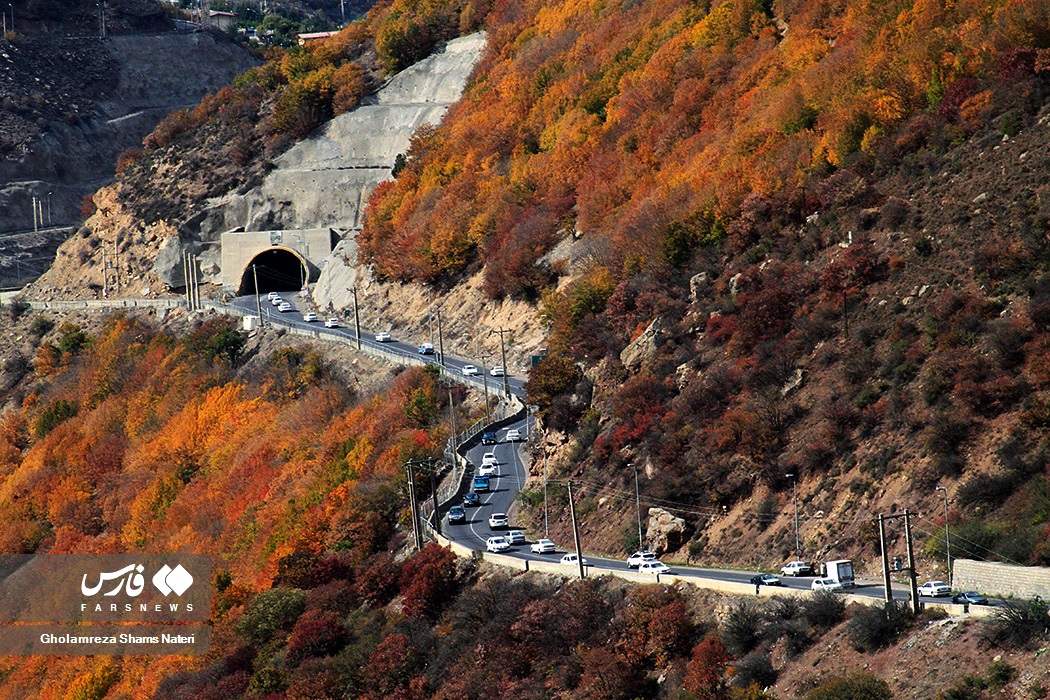
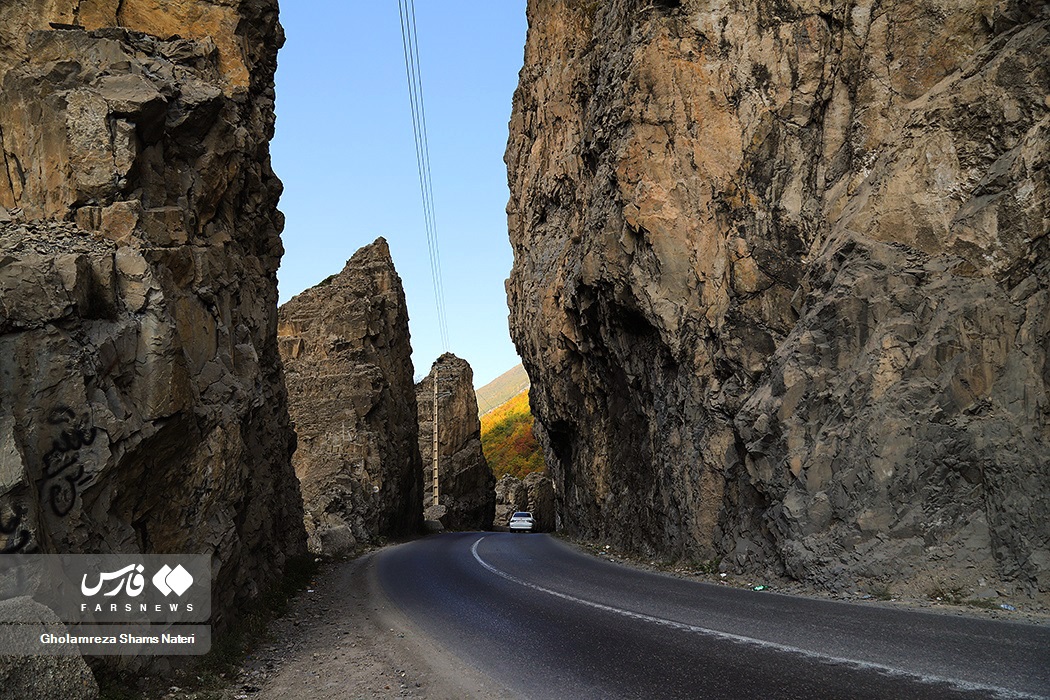
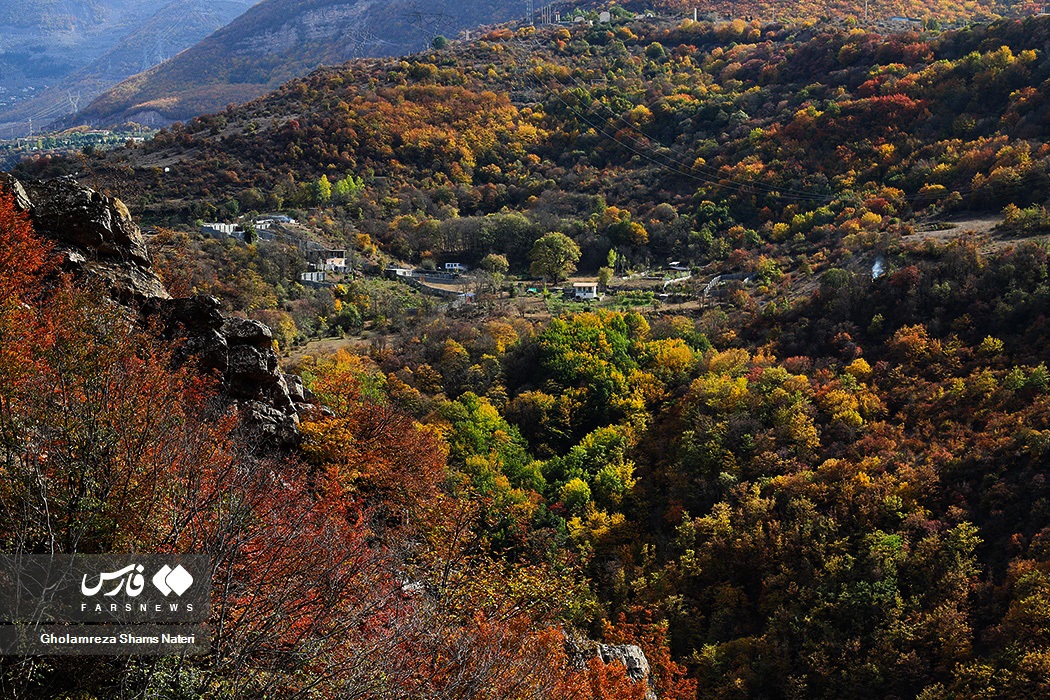
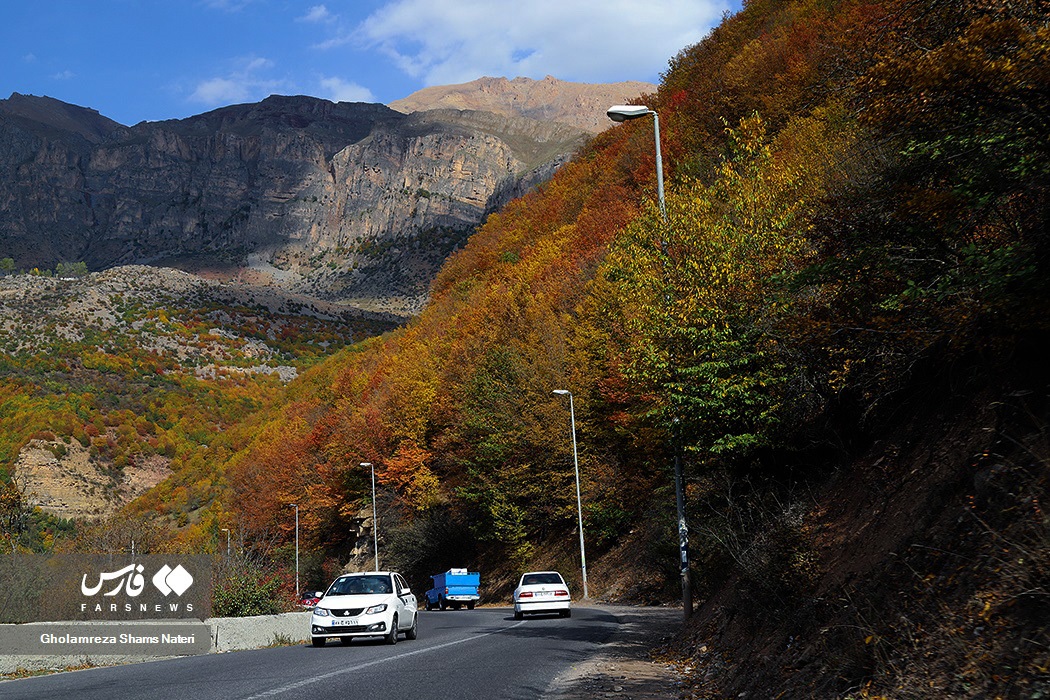
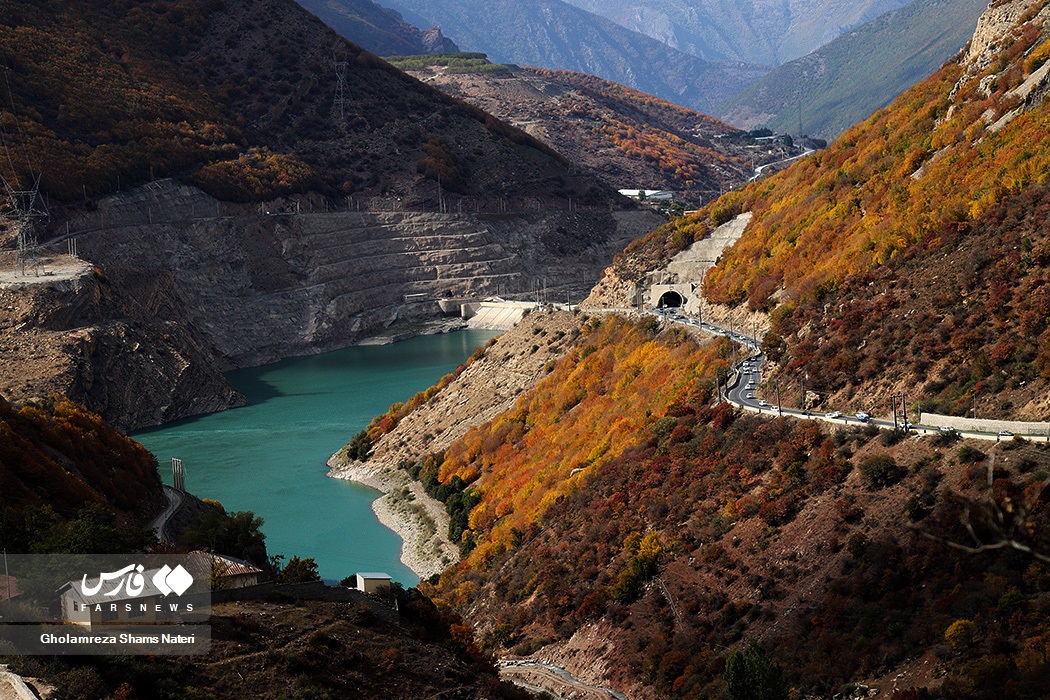
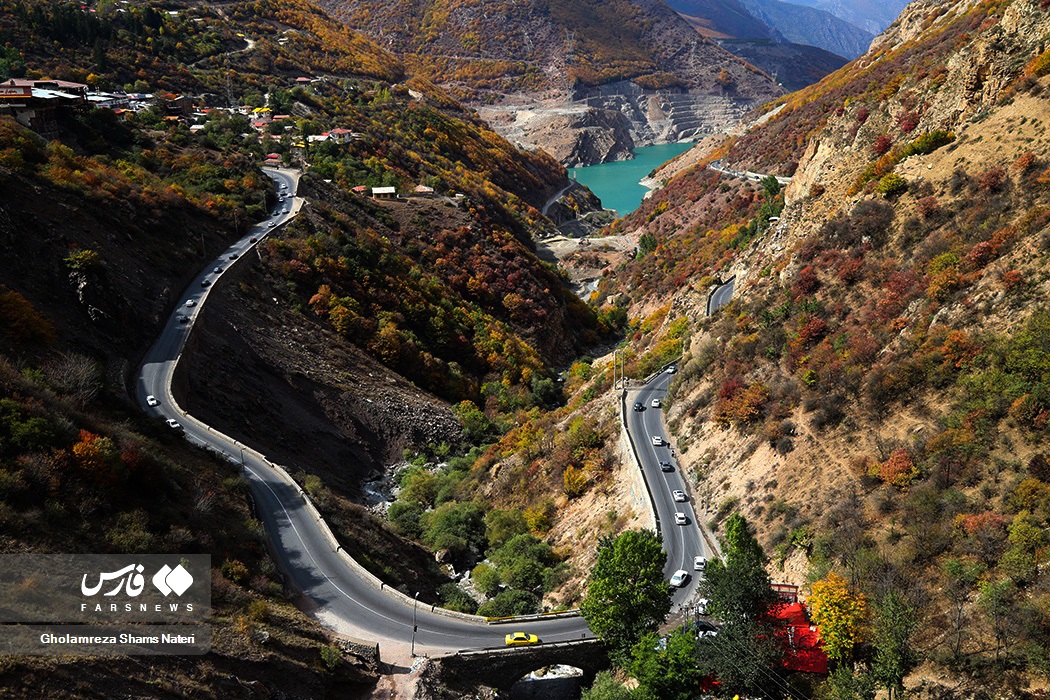
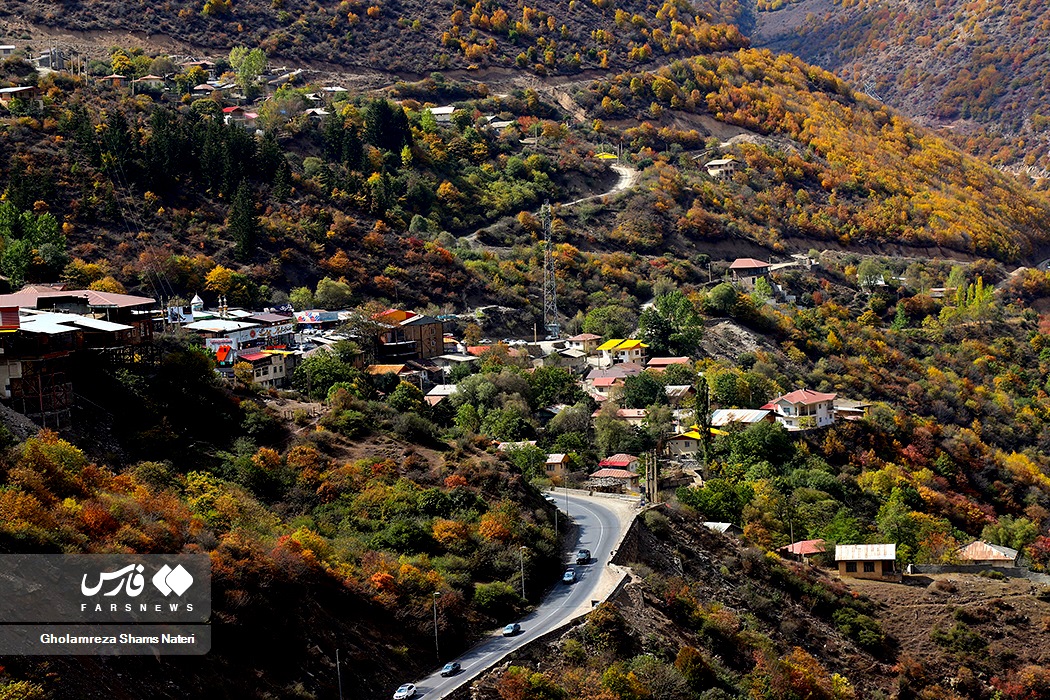
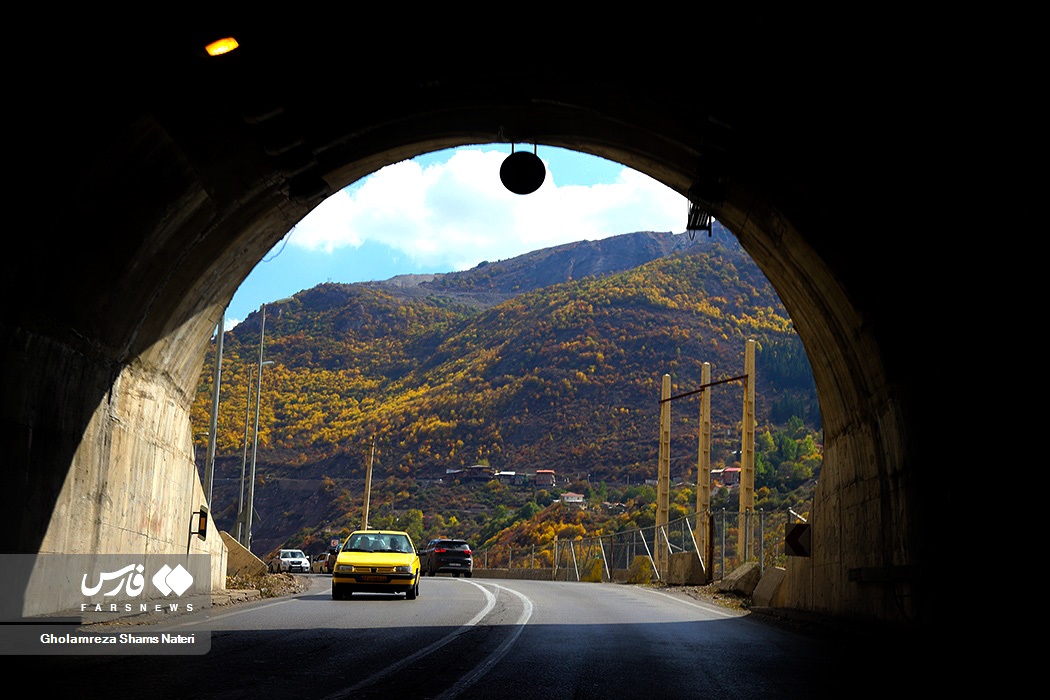
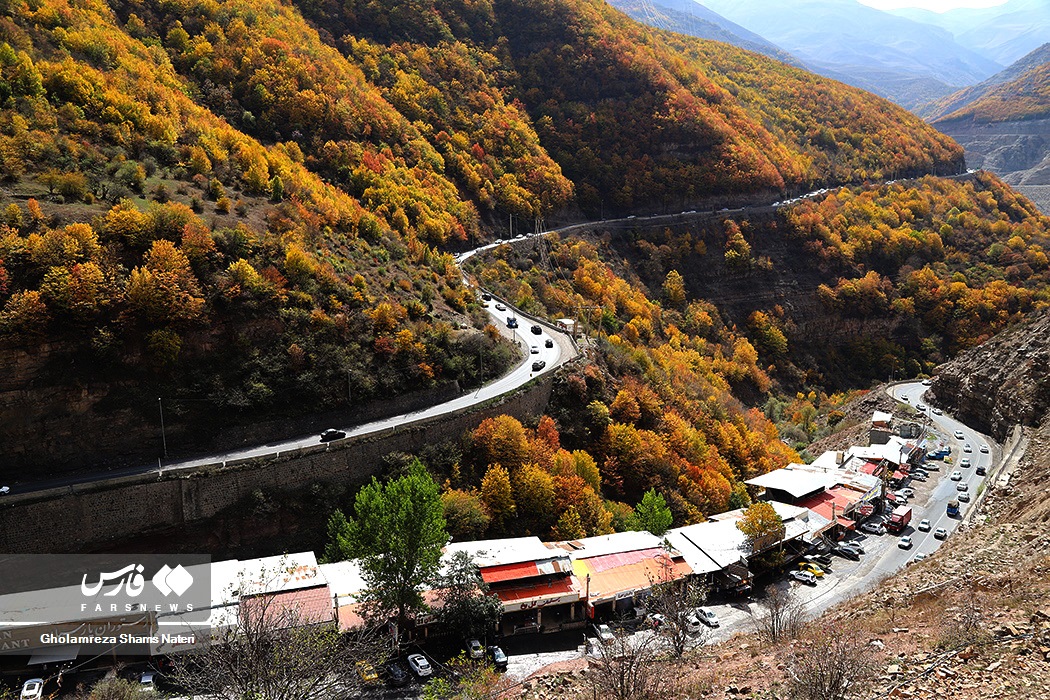
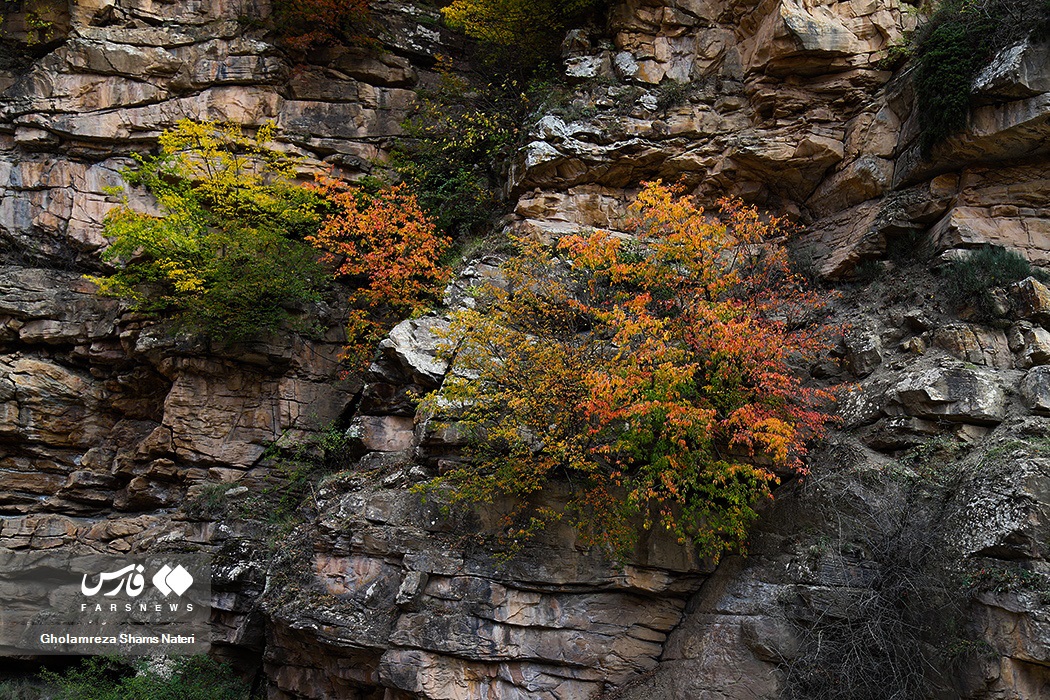
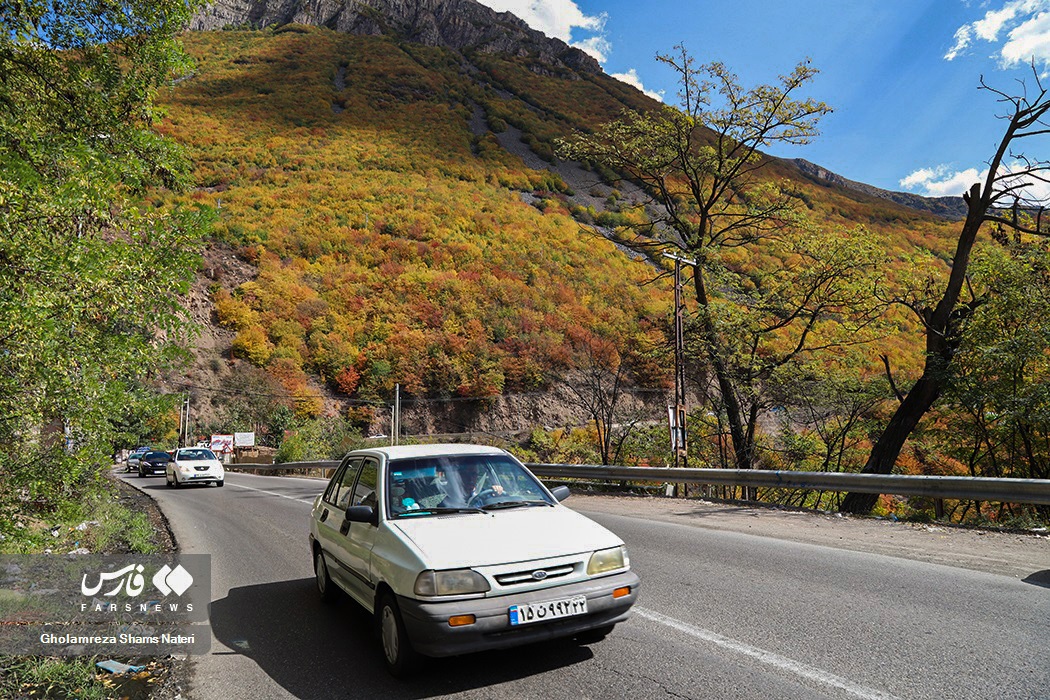
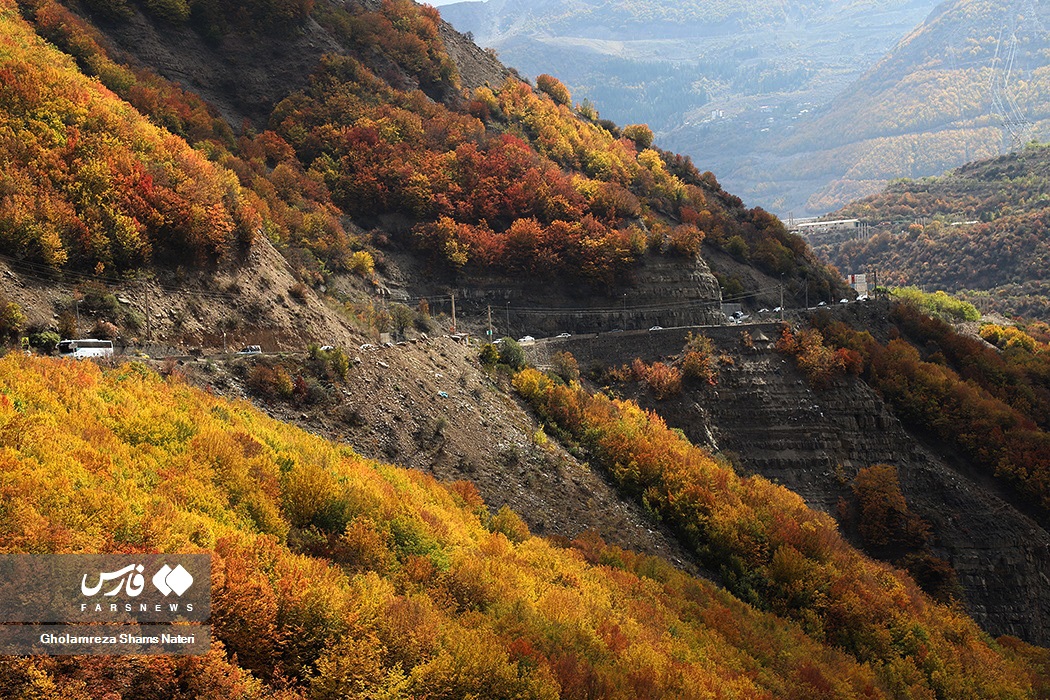
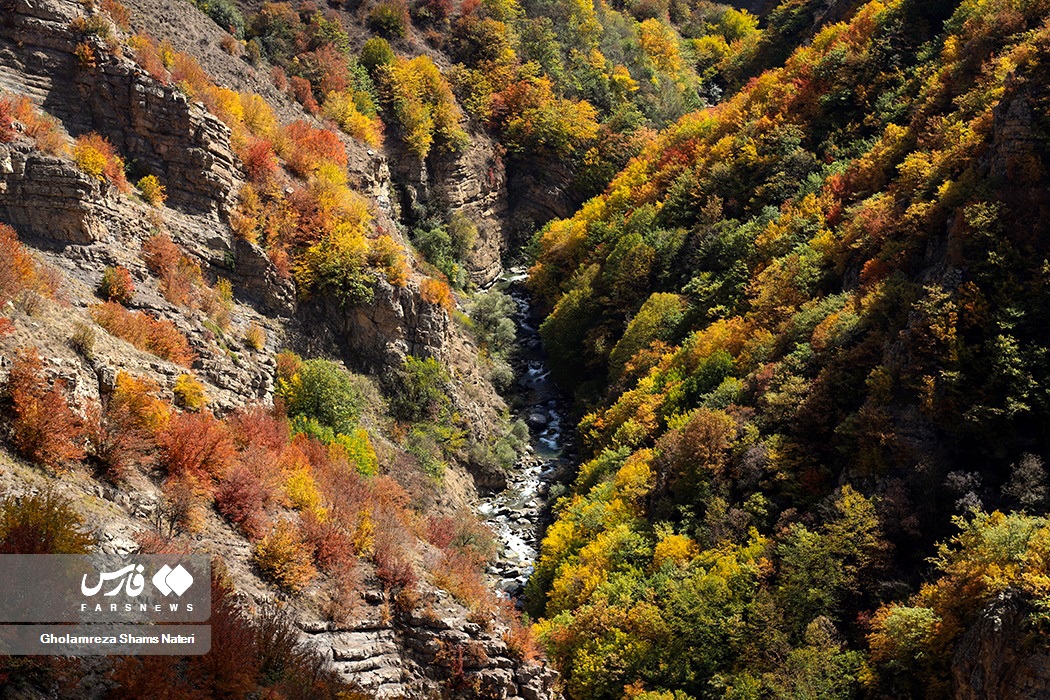
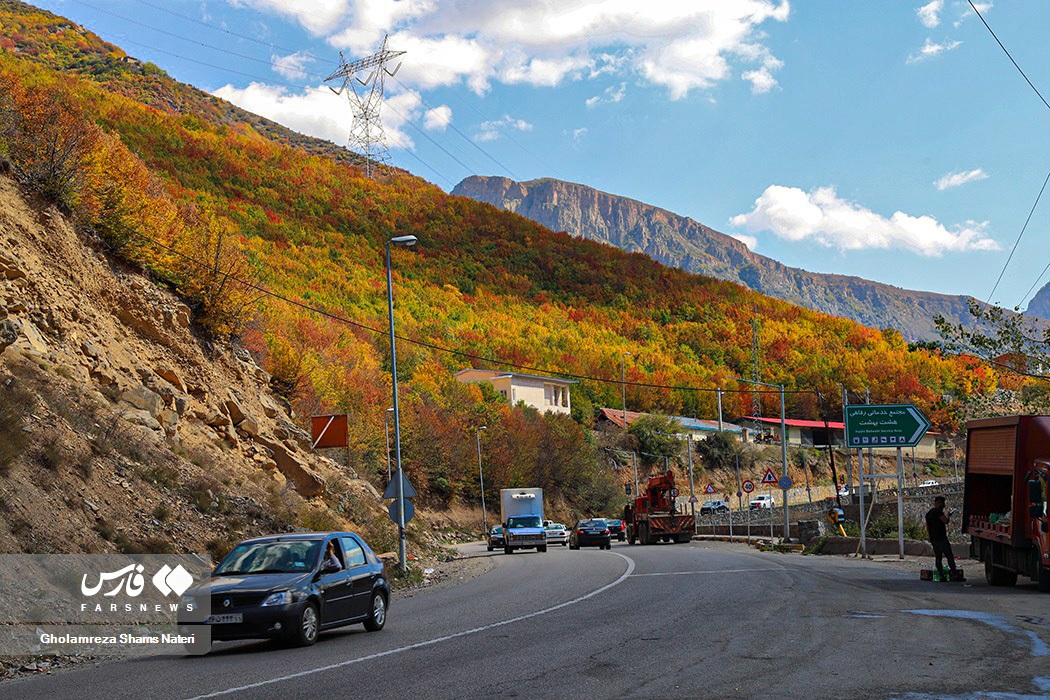
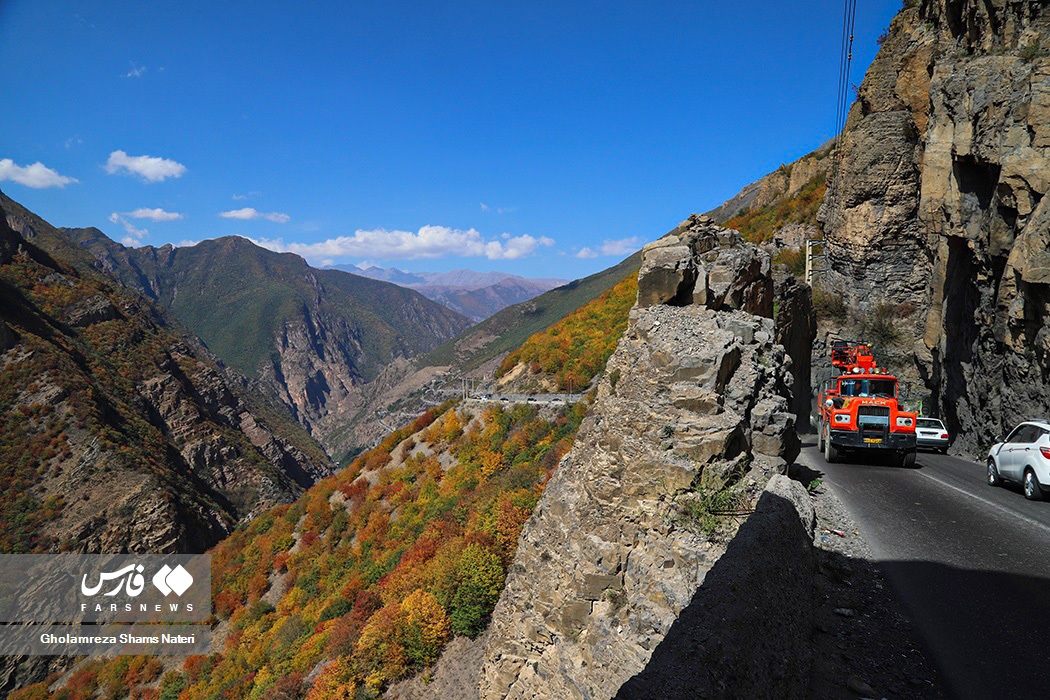
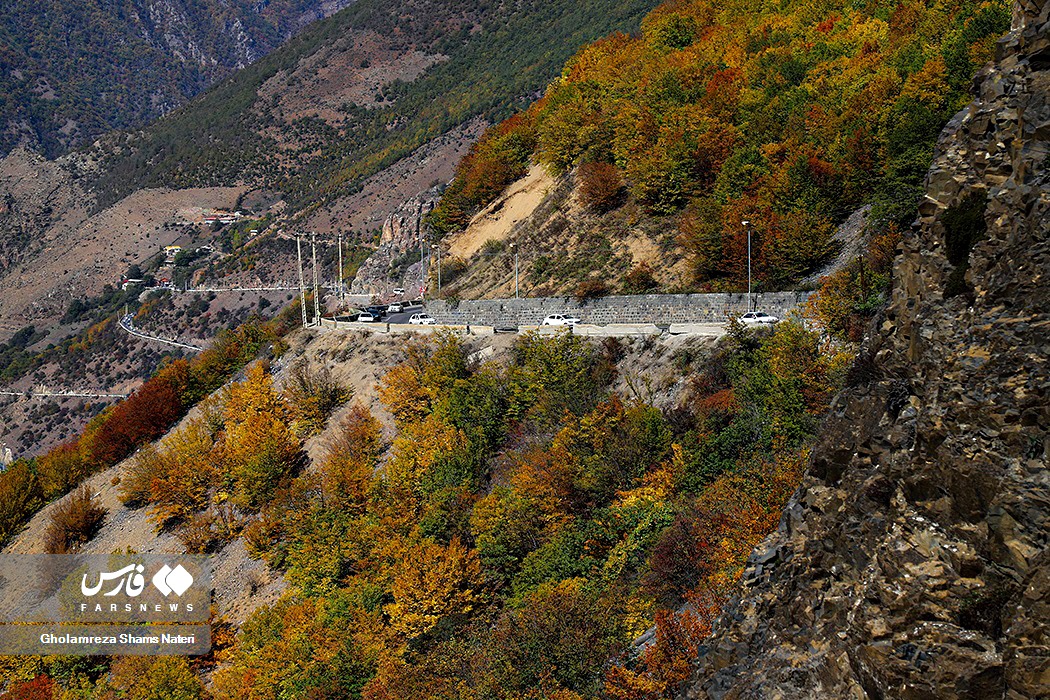
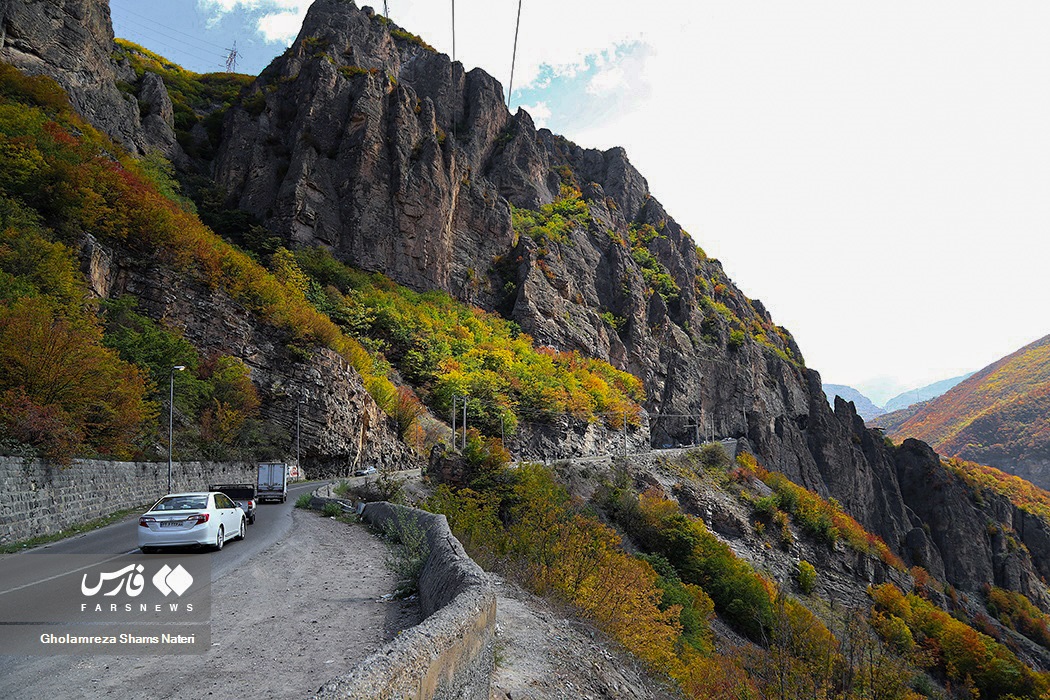
Iran tourism: Chalus Road, along the top pass to the Caspian Sea

Iran Chalus Road

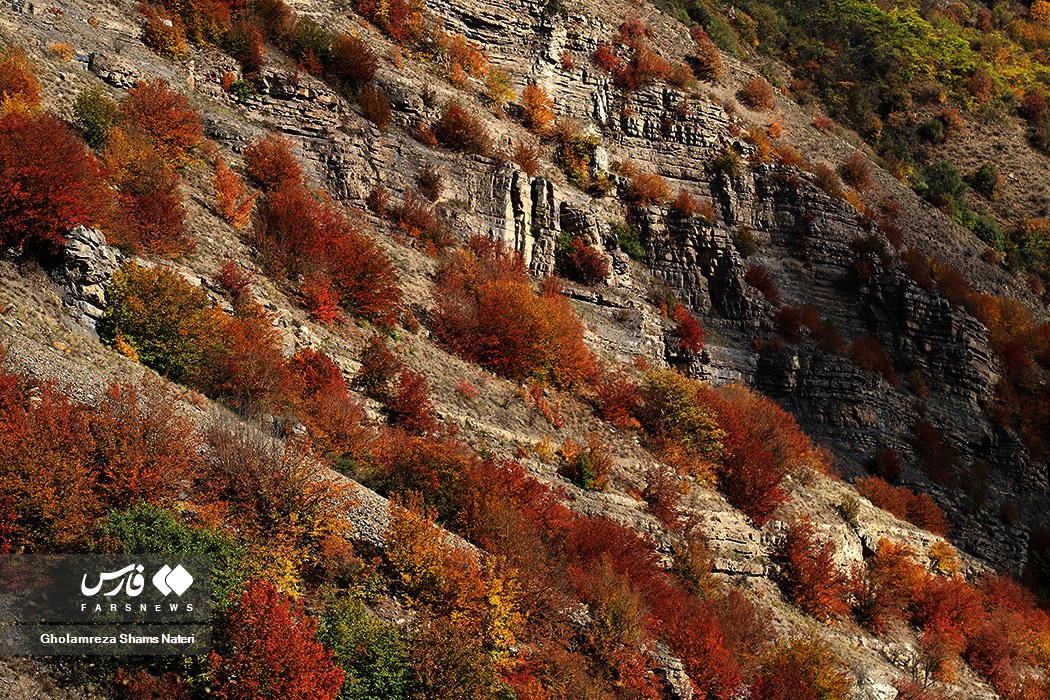
Better known as the Chalus Road, it has become more mesmerizing these days as the fall season with all its gold, yellow and red colors has made the road all the more attractive and fabulous.

More in pictures:

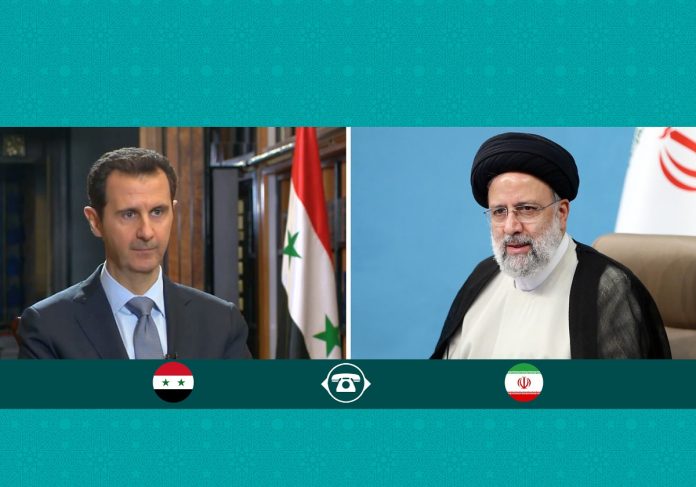
Iranian, Syrian presidents urge global solidarity to support Palestine

Raisi and Assad

Raisi emphasized the necessity for a unified front among Islamic, Arab nations, and the global community to halt the Zionist regime’s oppression against the Palestinian people.

He stressed that the recent Al-Aqsa Flood operation by Palestinian resistance group, Hamas, against Israel provided clear evidence that the region’s order must prioritize Palestinian rights.

The Iranian president further condemned those openly supporting the Zionist regime under the guise of defending Palestinian rights, emphasizing the regime’s weakened state.

The Syrian president echoed this sentiment, highlighting the significant victories of the resistance movement against the Israeli regime and urging Arab and Islamic nations to forge a unified stance to support the Palestinian people.

Assad emphasized the need for a swift action to establish a consolidated position in support of Palestine, recognizing that any delay would result in further atrocities against the Palestinians.

The two leaders underscored the critical importance of collective efforts to protect the rights and well-being of the Palestinian people and called for immediate global solidarity to that end.

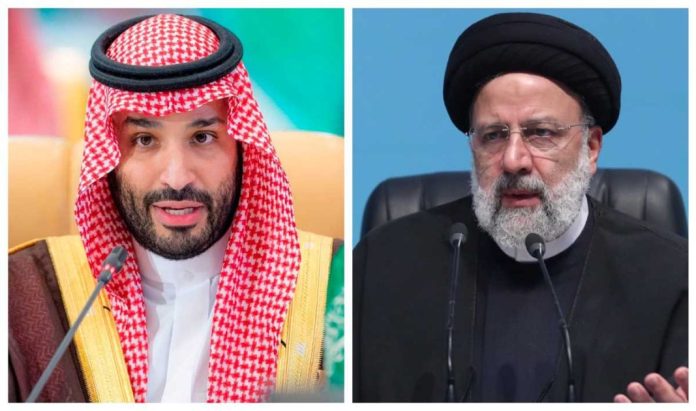
Iran president discusses Palestine-Israel conflict with Saudi Crown Prince

Raisi and MbS

Iran and Saudi Arabia have said that the Israeli regime’s crimes and the United States’ green light for the atrocities stand to invite “destructive insecurity” for the Zionist regime and its supporters.

The remarks were made on Wednesday in the first telephone conversation to take place between President Raisi and MbS, Mohammad Jamshidi, the Iranian chief executive’s deputy chief of staff for political affairs, wrote on a message on X, formerly known as Twitter.

The comments came after the Gaza Strip’s resistance movements initiated their biggest operation against Israel in years on Saturday in response to the occupying regime’s decades-long campaign of bloodshed and destruction against Palestinians.

Codenamed the al-Aqsa Storm Operation, the campaign killed at least 1,200 Israeli forces and settlers, and led to many others among them being taken hostage by the resistance groups.

Shedding further light on the contents of the conversation between Raisi and bin Salman, Jamshidi said, “…the 2 agreed on the need to end war crimes against Palestine.”

Israel has responded to the Palestinian operation by waging a “long” war against Gaza, for which it has called up an unprecedented 300,000 reservists.

The Israeli war has killed at least 1,200 Palestinians and injured over 5,000 others.

The military campaign has seen the regime leveling entire districts and featured its use of banned white phosphorous munitions against densely populated neighborhoods.

Earlier this week, Israeli Minister for Military Affairs Yoav Gallant announced a “total blockade” to stop food and fuel from reaching Gaza, home to 2.3 million people.

UN Secretary-General Antonio Guterres on Monday said he was “deeply distressed” by Israel’s announcement of the complete siege.

“The humanitarian situation in Gaza was extremely dire before these hostilities; now it will only deteriorate exponentially,” Guterres stressed.

Iran’s FM due in Iraq on Thursday

Hossein Amirabdollahian

The Iranian top diplomat will leave for Baghdad later today.

Bilateral ties and issues of mutual interest, including the latest developments in the region, especially in Palestine, will be top on the agenda during Amirabdollahian’s talks with Iraqi officials.

In a telephone conversation on Sunday, the Iranian foreign minister and his Iraqi counterpart Fuad Hussein talked about the latest developments in Palestine.

The two sides emphasized the need for coordination and solidarity among the Islamic nations in supporting the oppressed Palestinian people.

They also urged the Organization of Islamic Cooperation to hold an emergency meeting to review the current developments in Palestine and provide support for the Palestinian nation and the Al-Aqsa Mosque against the aggressive actions of the Zionist regime.

The Iranian foreign minister stressed the legitimate right of the Palestinian nation to resist aggression and occupation.

Amirabdollahian also stated that the spontaneous operations of the Palestinian resistance groups are a natural response to the continuous aggression and extreme actions of the Zionist regime against Islamic holy sites and the Al-Aqsa Mosque, as well as the continuation of the crimes and killings against the Palestinian nation, especially women, children and prisoners.

He further called for a coordinated and effective action by the Islamic countries to help Palestine and put an end to the Zionist regime’s aggressive attacks against Palestinian women and children in Gaza and the West Bank.

It’s too early to exchange Israeli hostages: Senior Hamas official

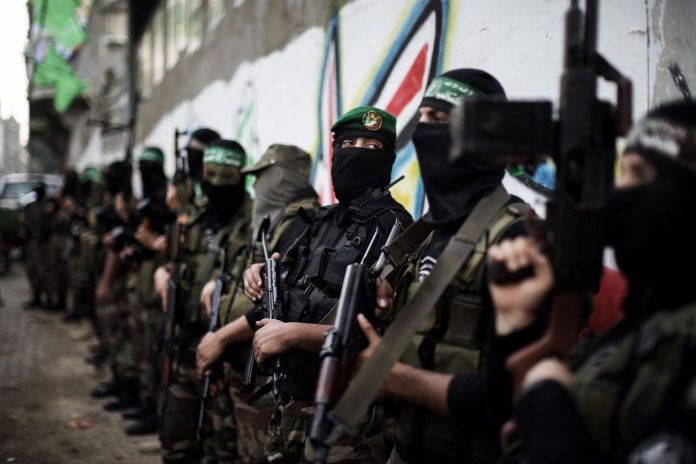
Hamas Group

“We will only discuss this issue when the Israeli aggression against our people ends,” al-Risheq told CNN Wednesday.

He also denied Hamas had any help from Iran or Lebanon’s Hezbollah in executing or planning Hamas’ large-scale surprise military operation on Israel.

“I say it very clearly that this operation was a 100 percent Hamas operation without any help from any regional party,” al-Risheq said.

“Hamas fighters are holding as many as 150 people hostage in locations across Gaza following their raids on southern Israel on Saturday,” Israel’s ambassador to the United Nations confirmed Monday.

Abu Obaida, the spokesperson of Hamas’ Al-Qassam Brigades, announced Monday that Hamas would start executing civilian hostages if Israel targeted people in Gaza without warning.

Hamas also denied that its militants beheaded children and assaulted women when it launched a large-scale surprise military operation against Israel last Saturday that left at least 1,200 people dead.

Al-Risheq said in a statement Wednesday that reports “spread lies about our Palestinian people and the resistance claiming that members of the Palestinian resistance beheaded children and attacked women with no evidence to support such claims and lies”.

“We strongly condemn the fabricated and baseless allegations promoted by the occupation in an attempt to cover up for the massacres, crimes and genocide committed in Gaza,” al-Risheq added.

Tal Heinrich, a spokesperson for Israeli Prime Minister Benjamin Netanyahu, claimed earlier on Wednesday that babies and toddlers were found with their “heads decapitated” in Kfar Aza in southern Israel after Hamas’ attacks in the kibbutz over the weekend.

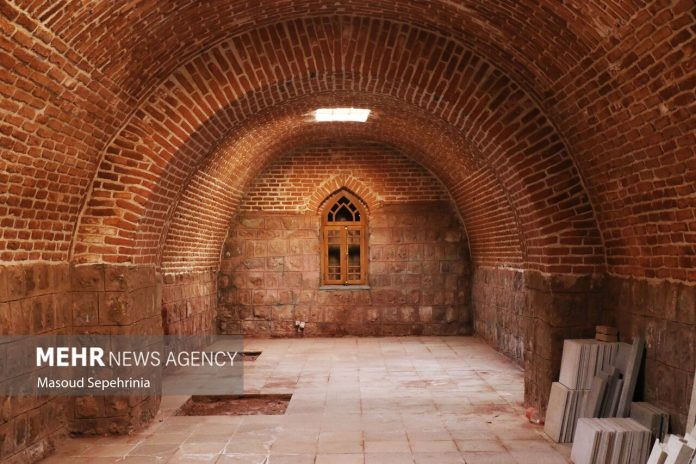
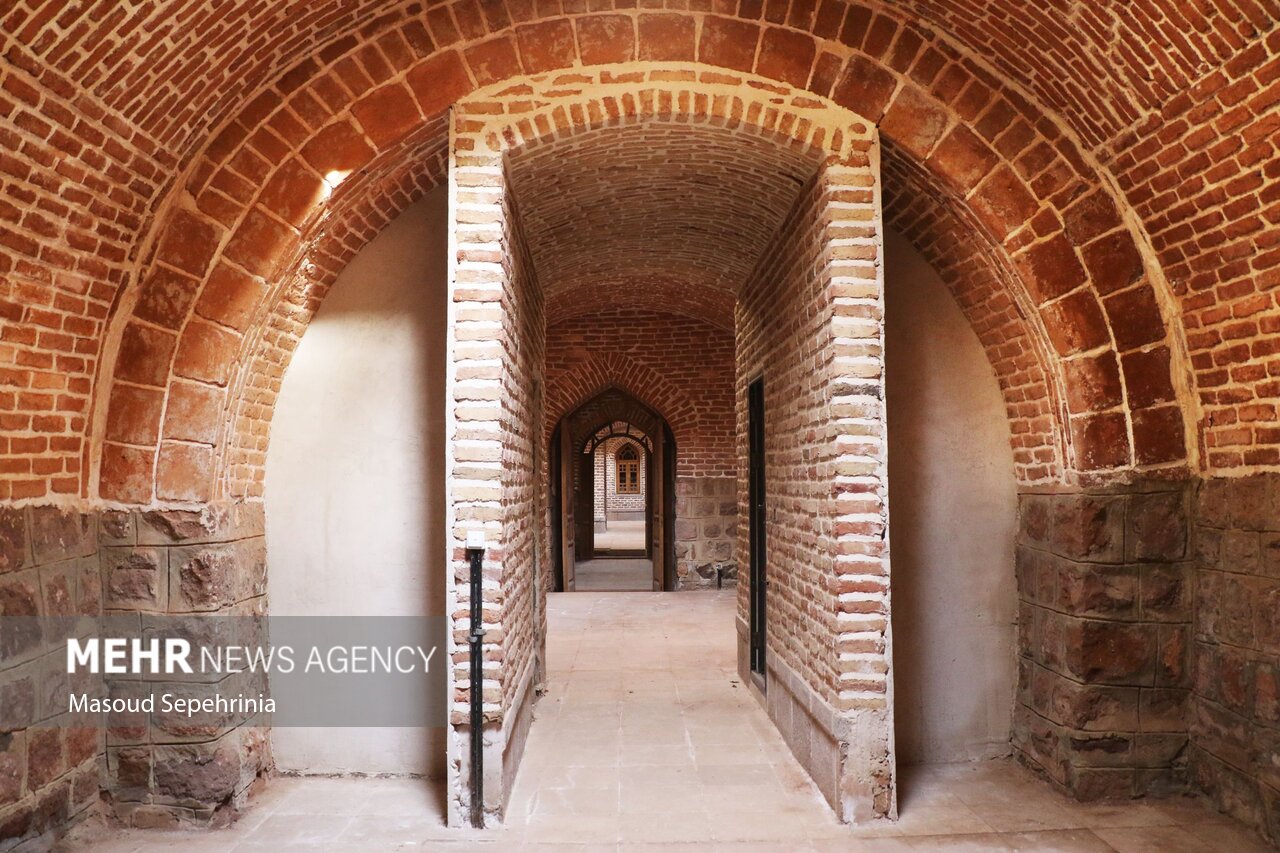
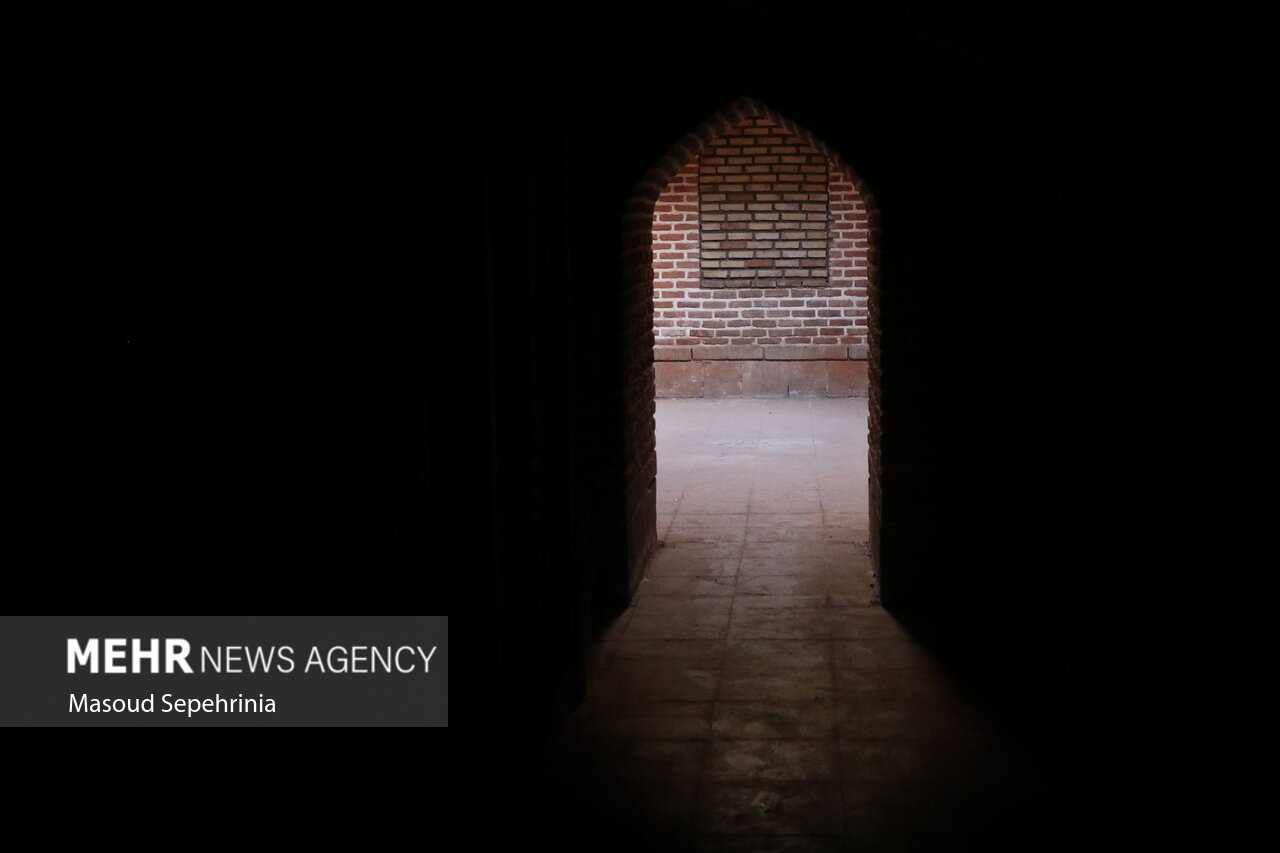
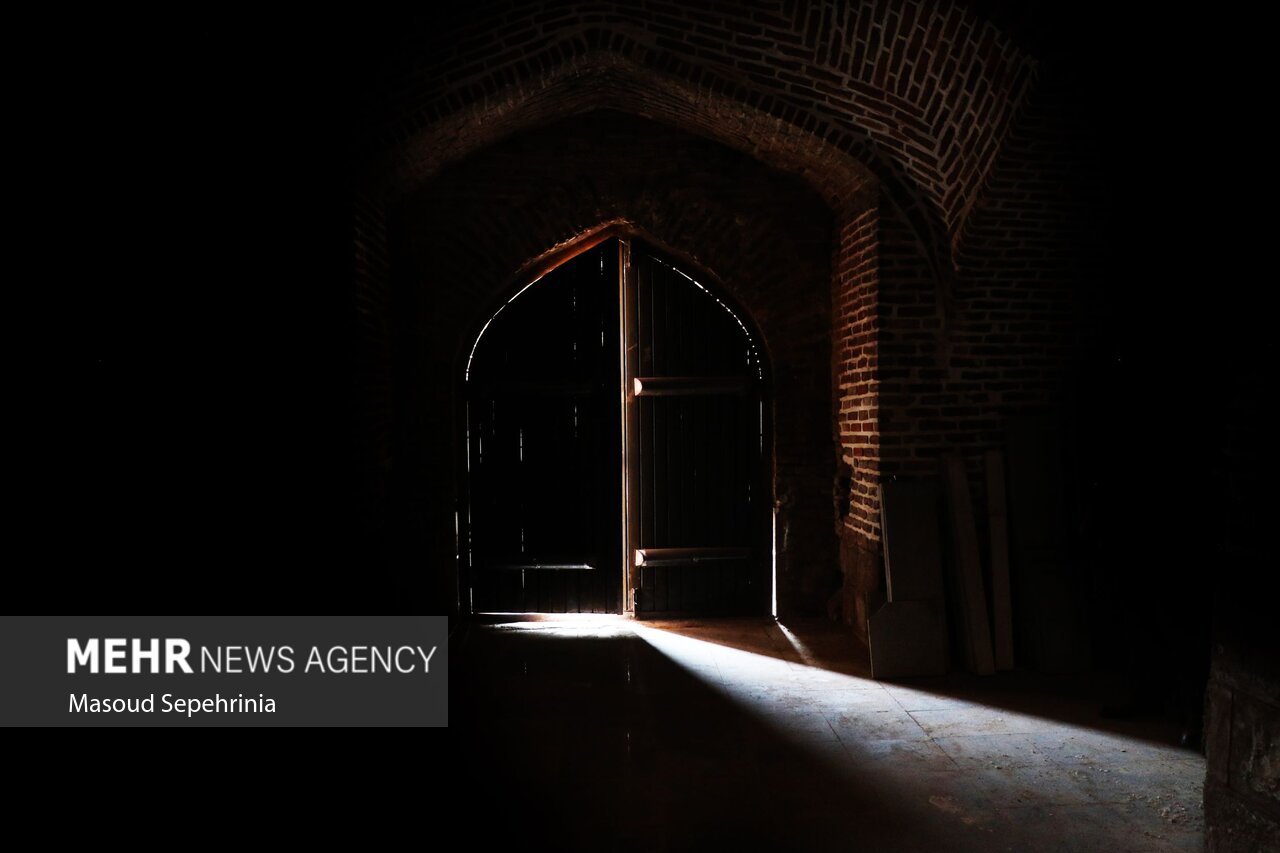
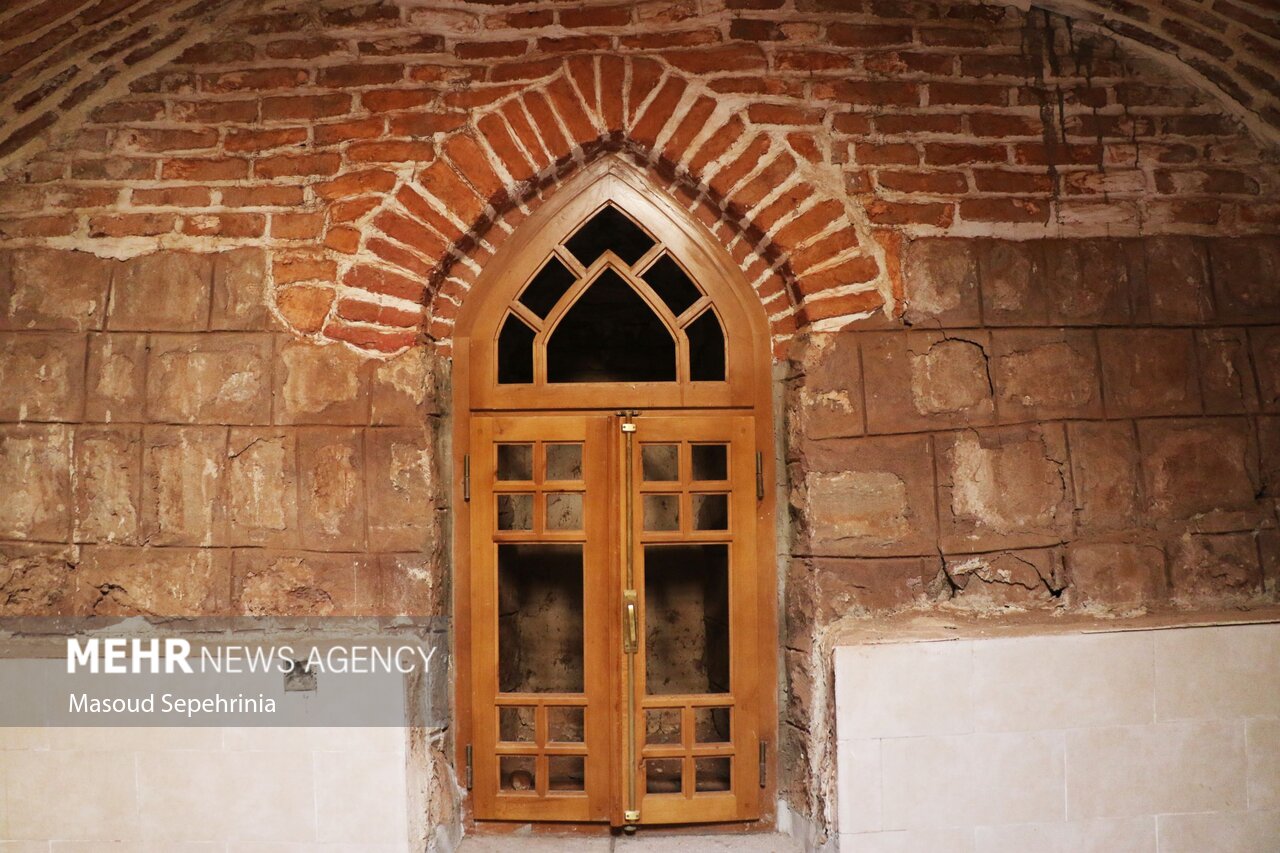
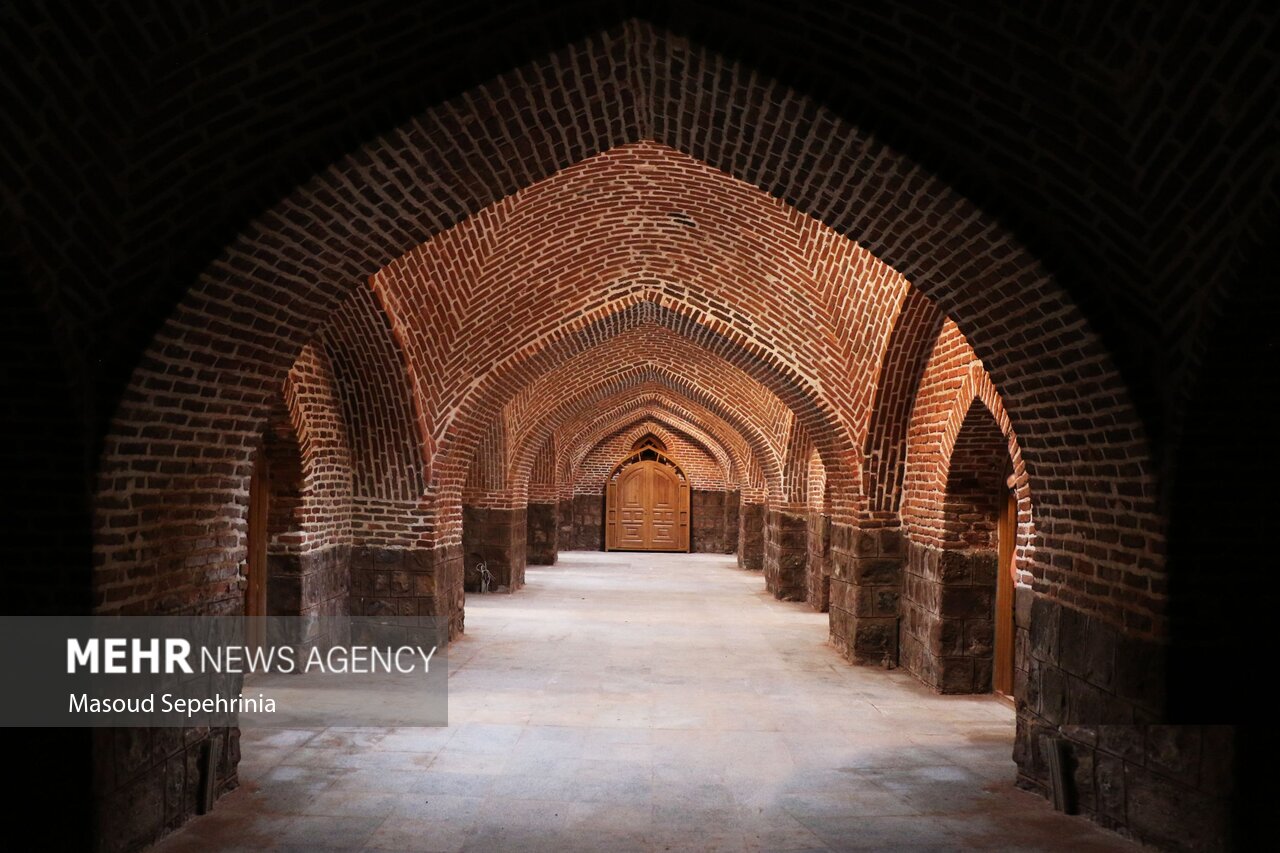
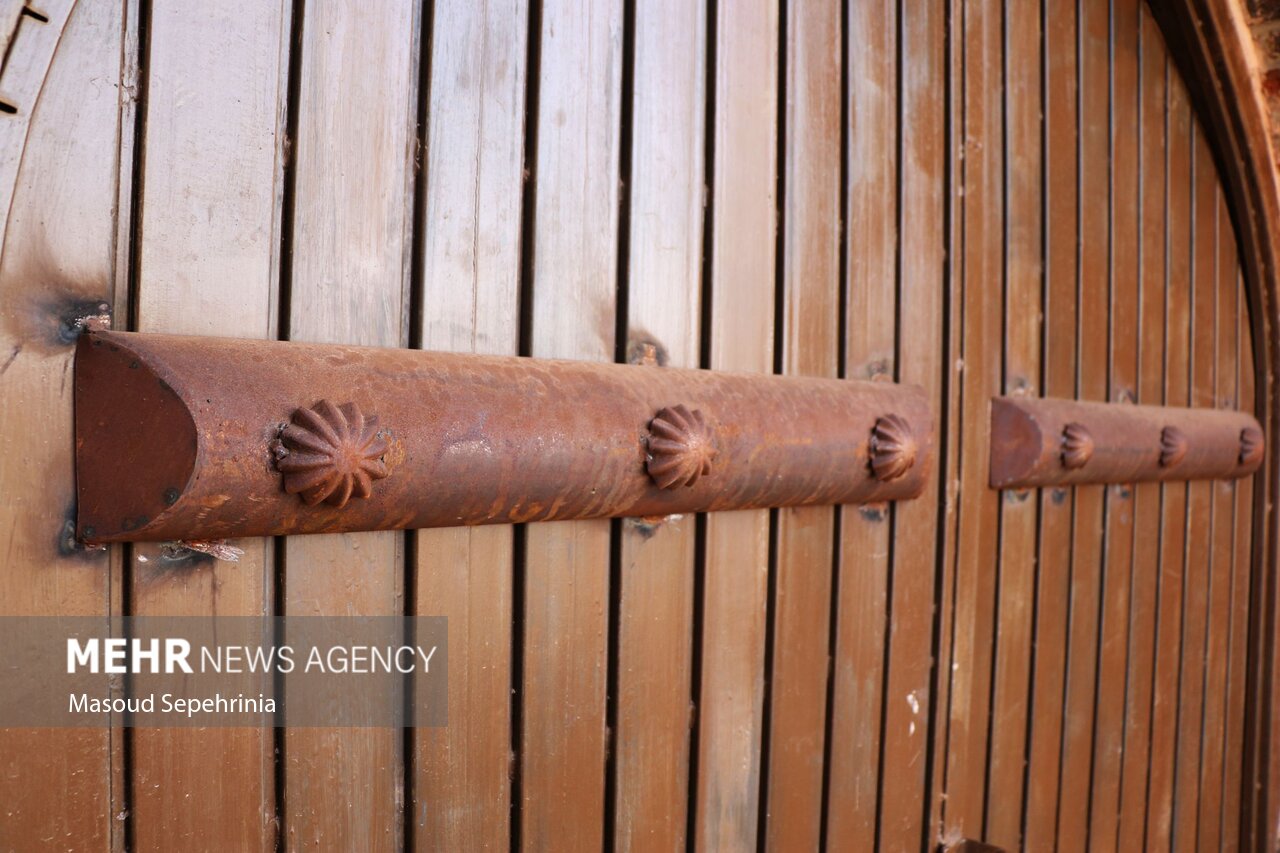
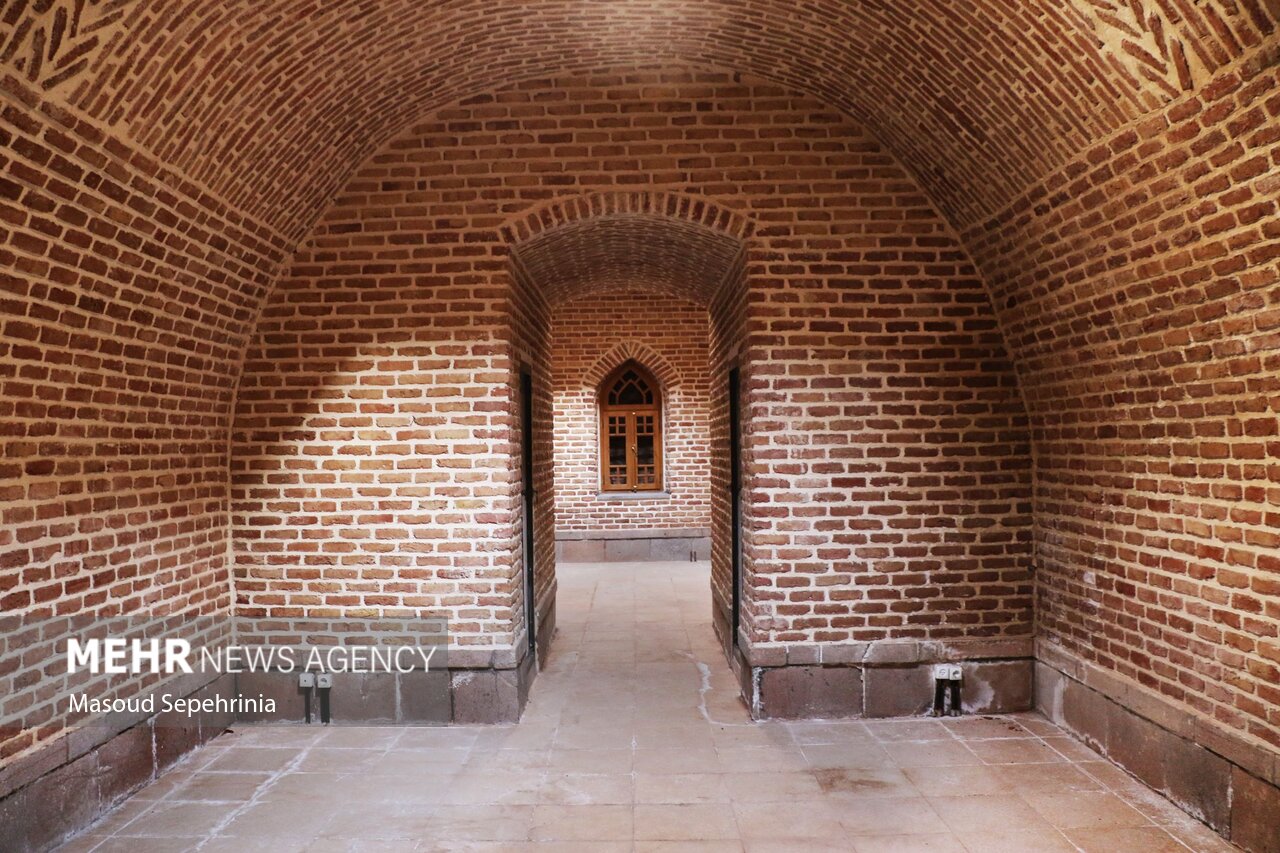
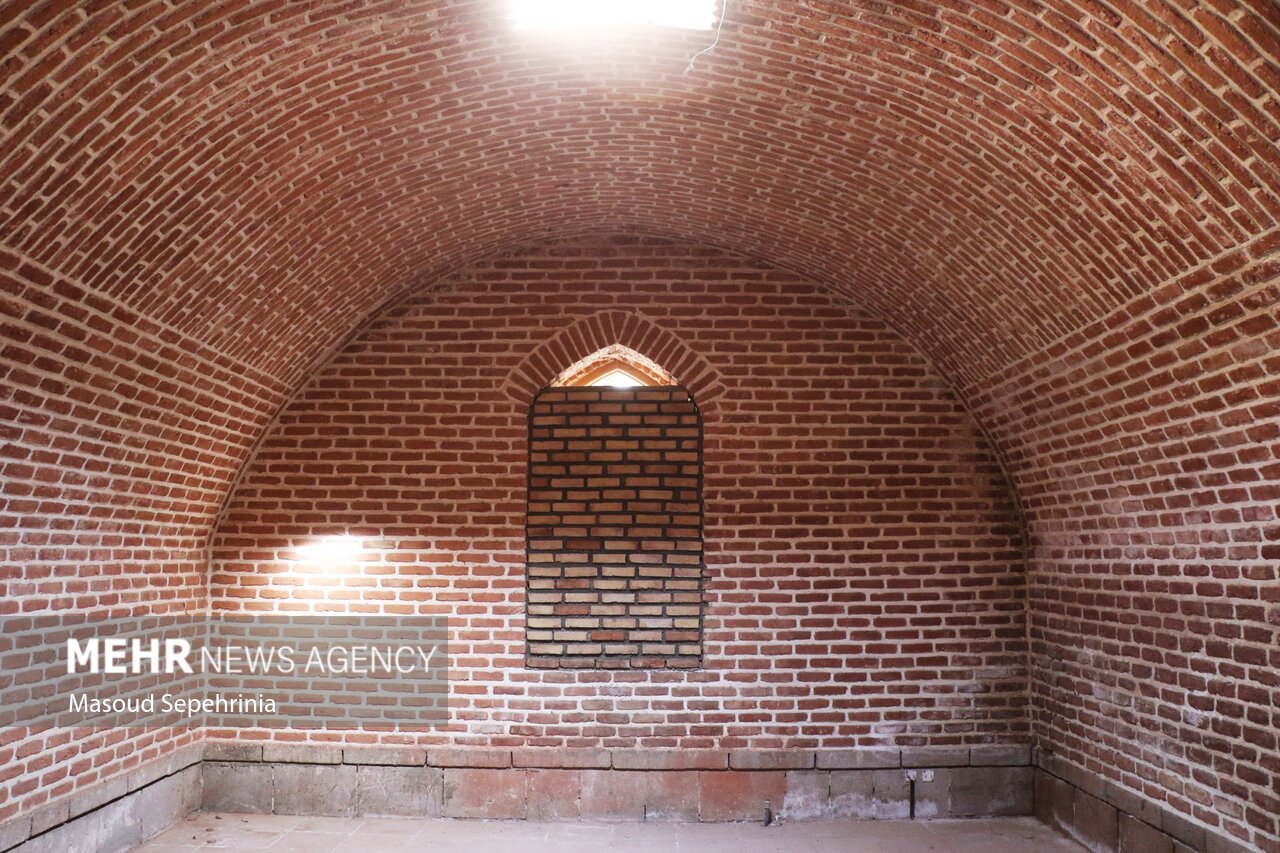
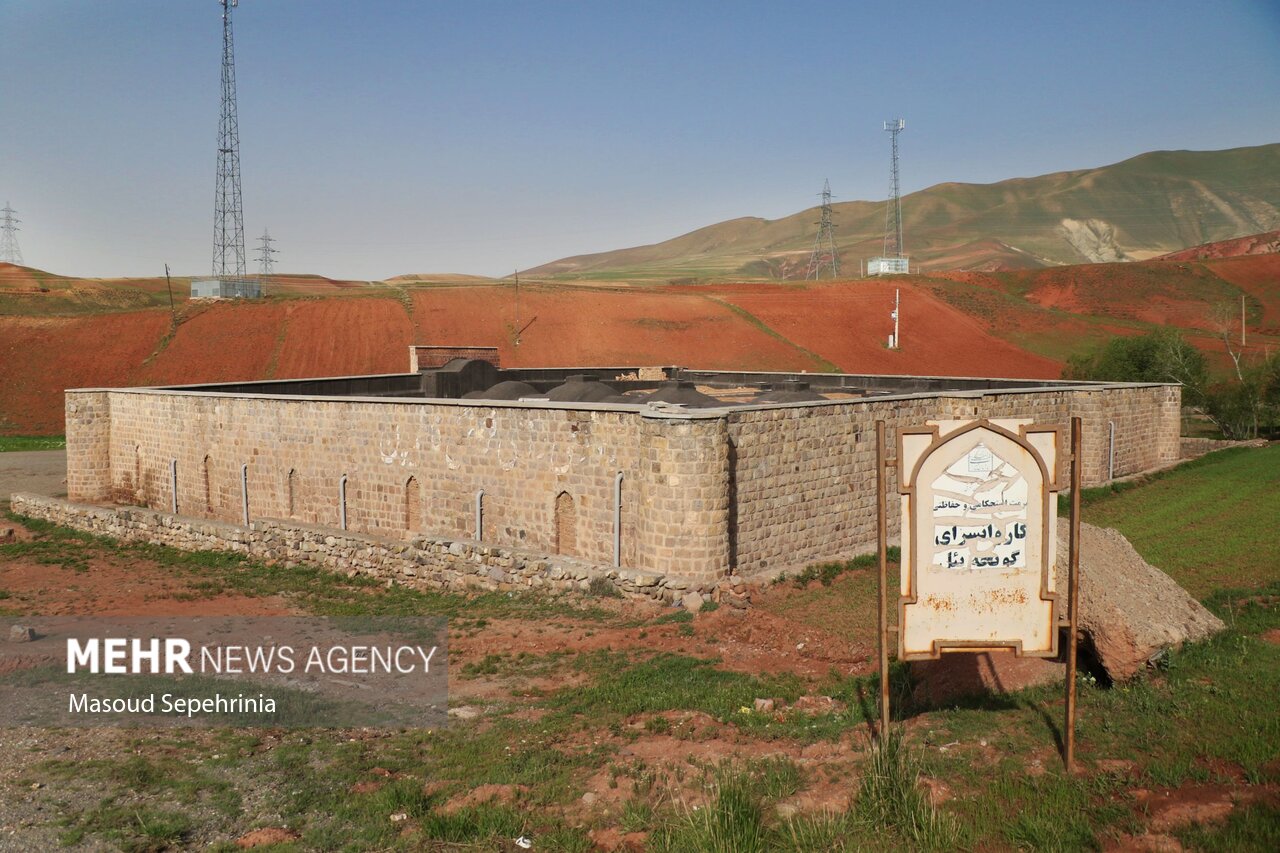
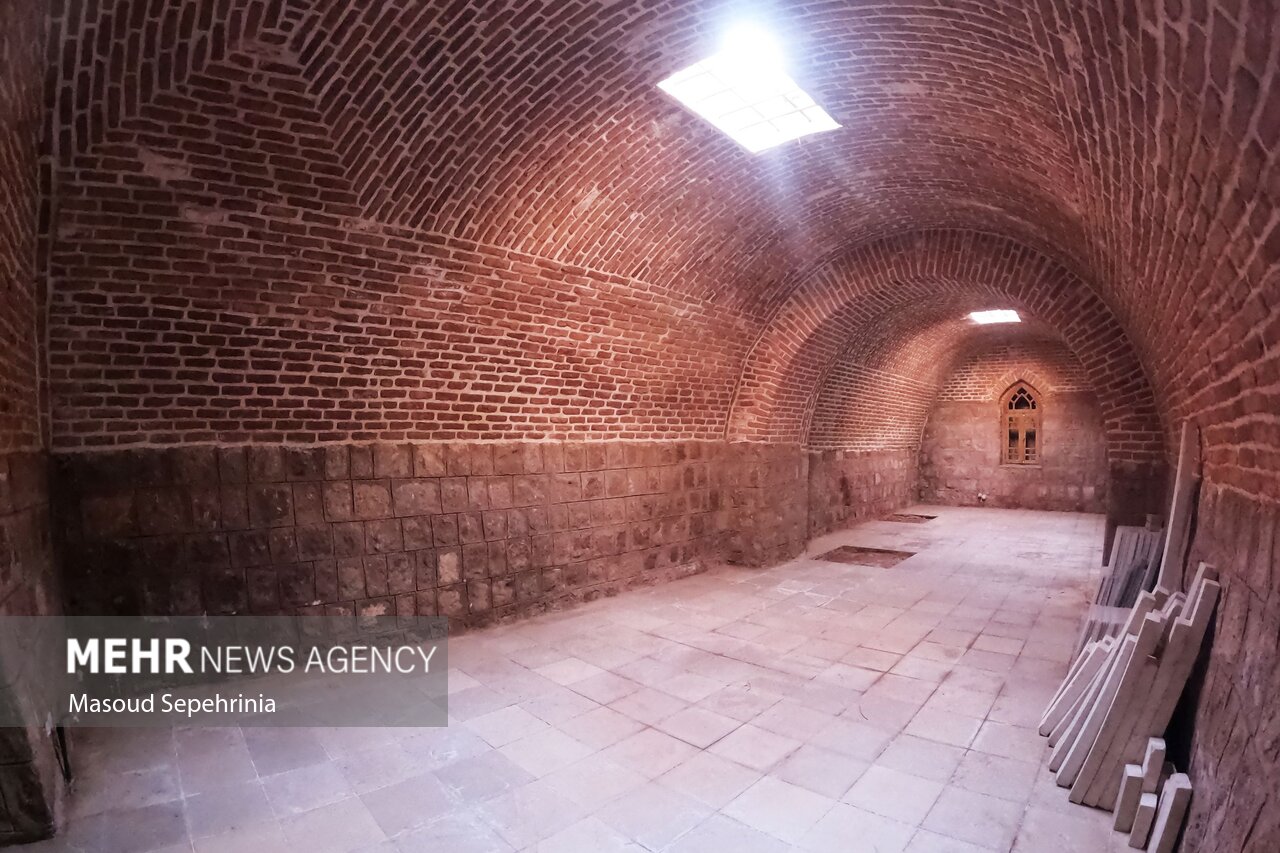
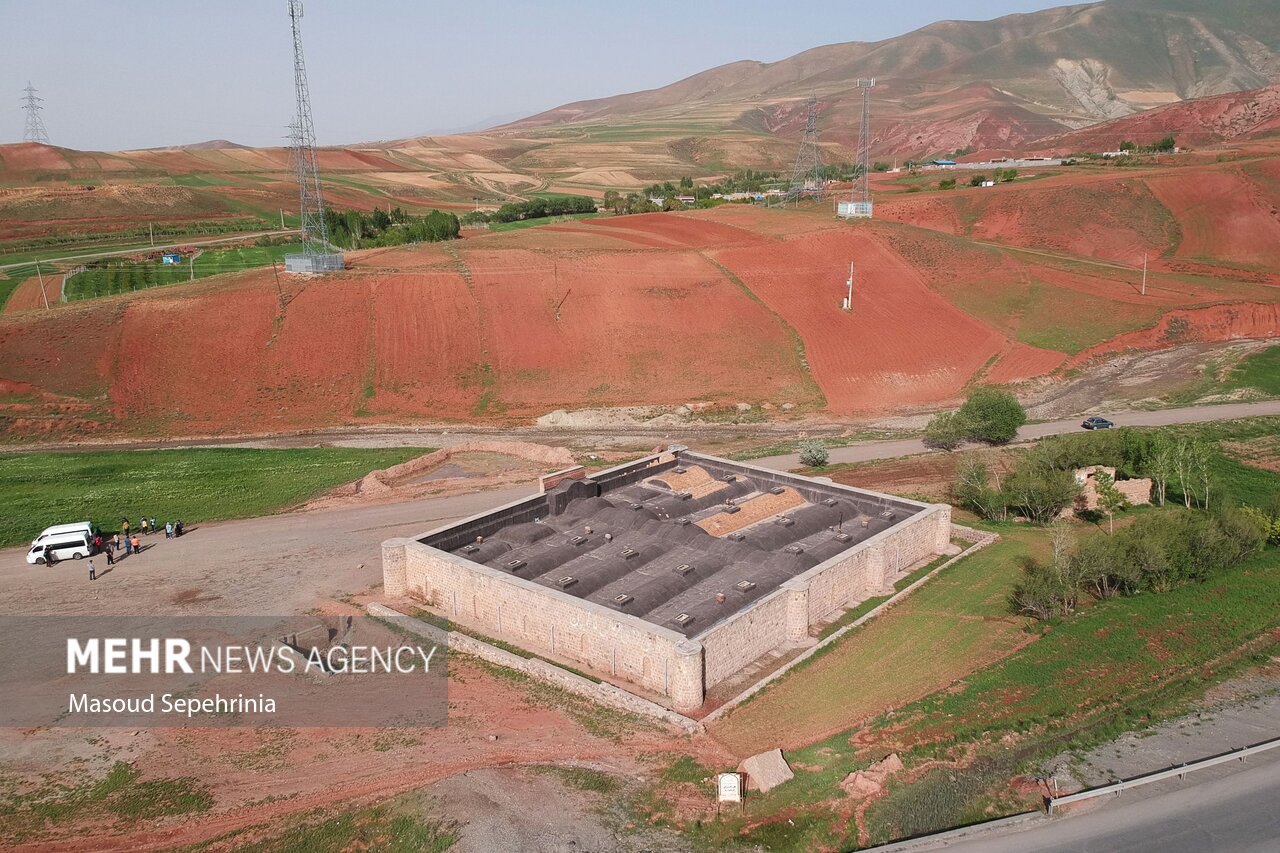
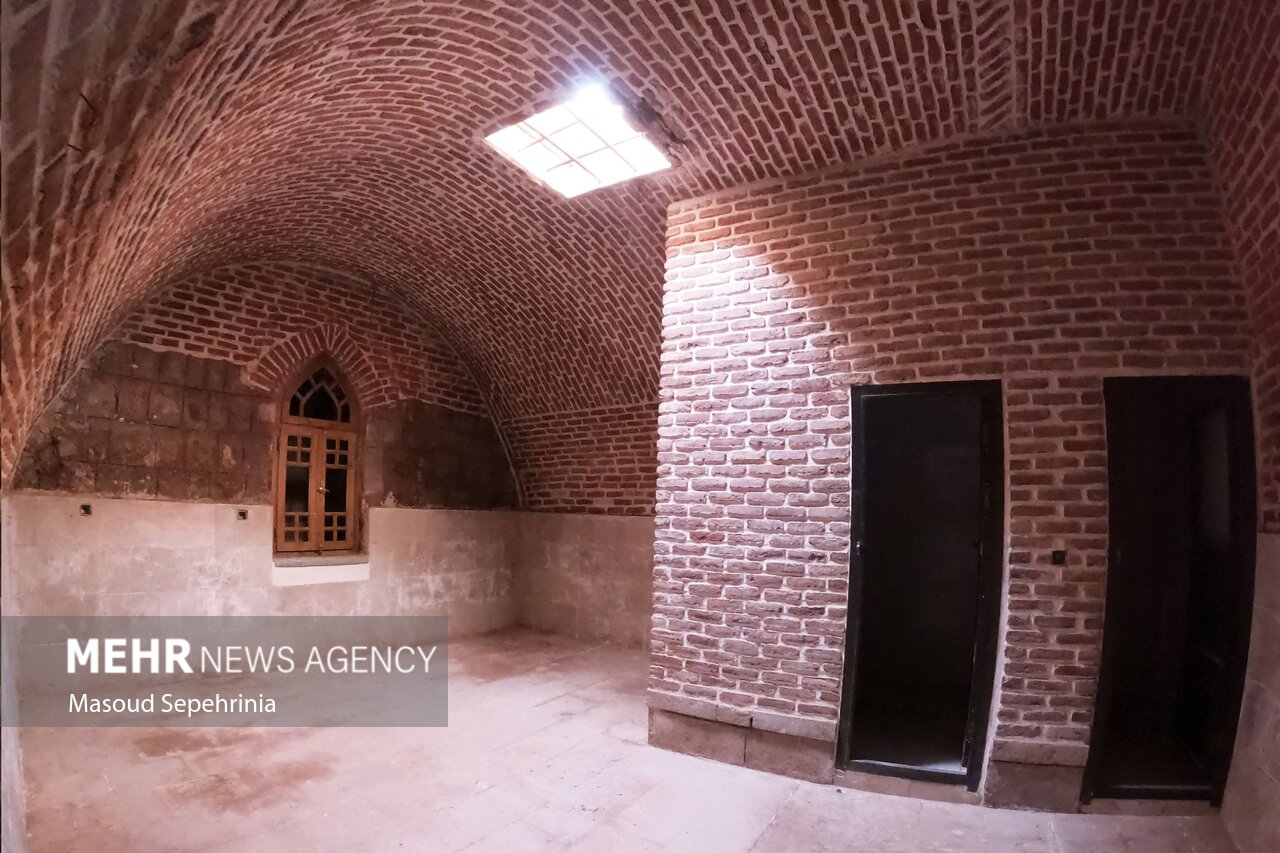
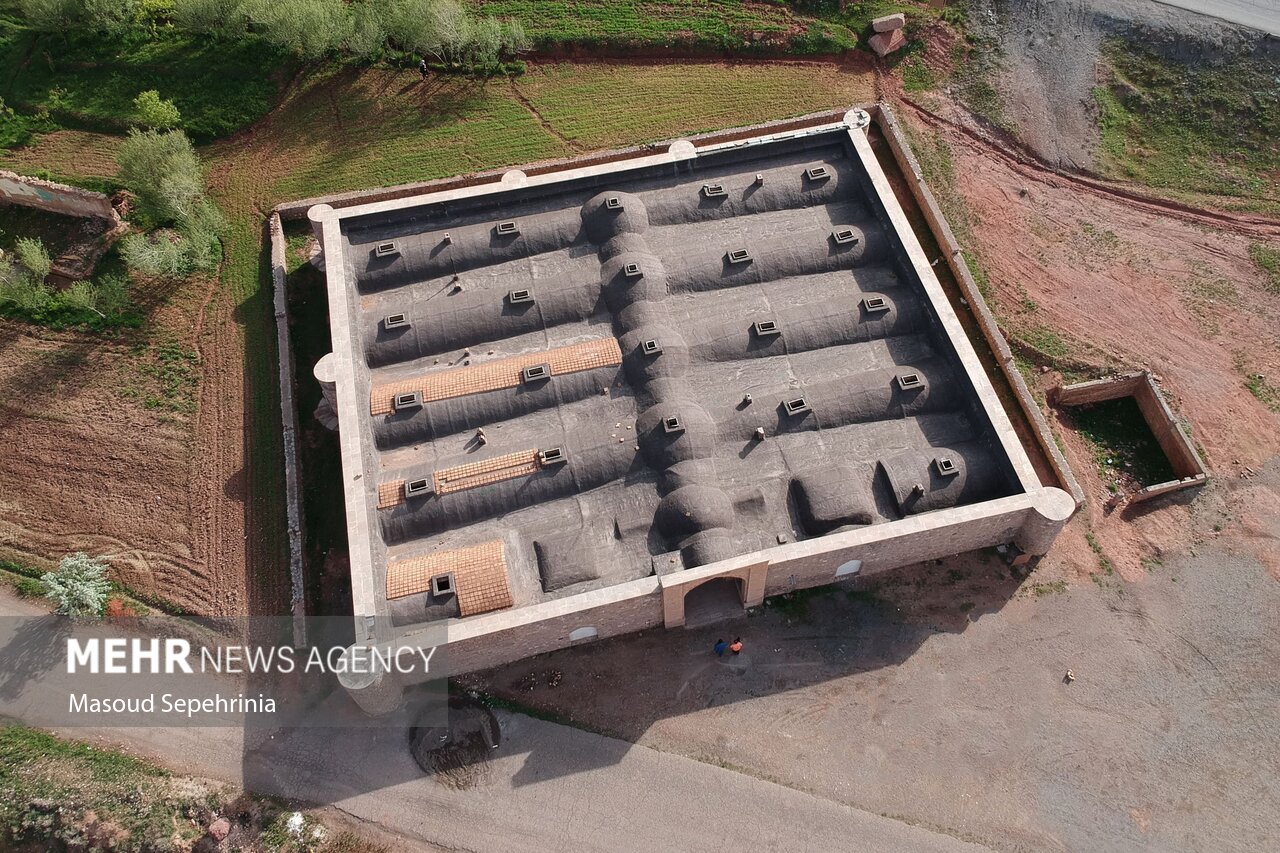
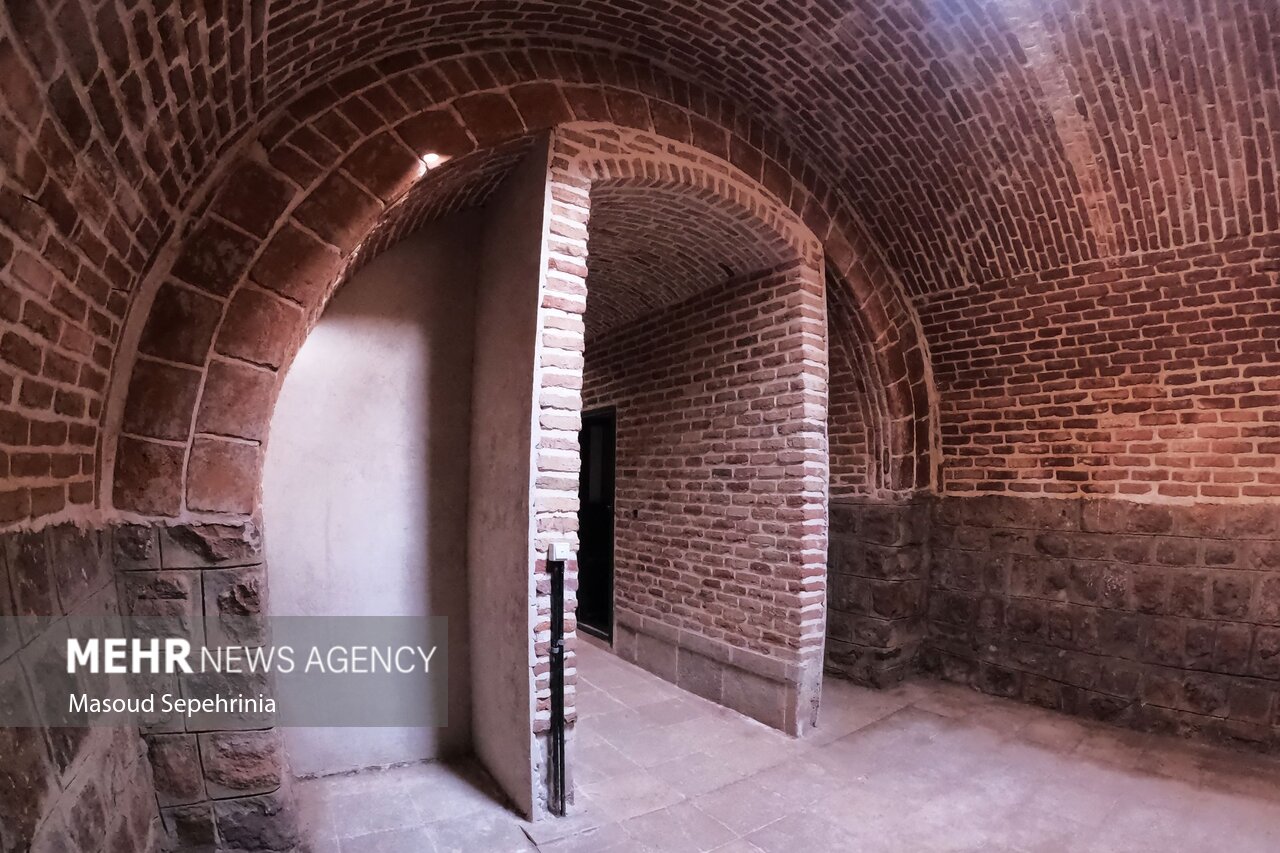
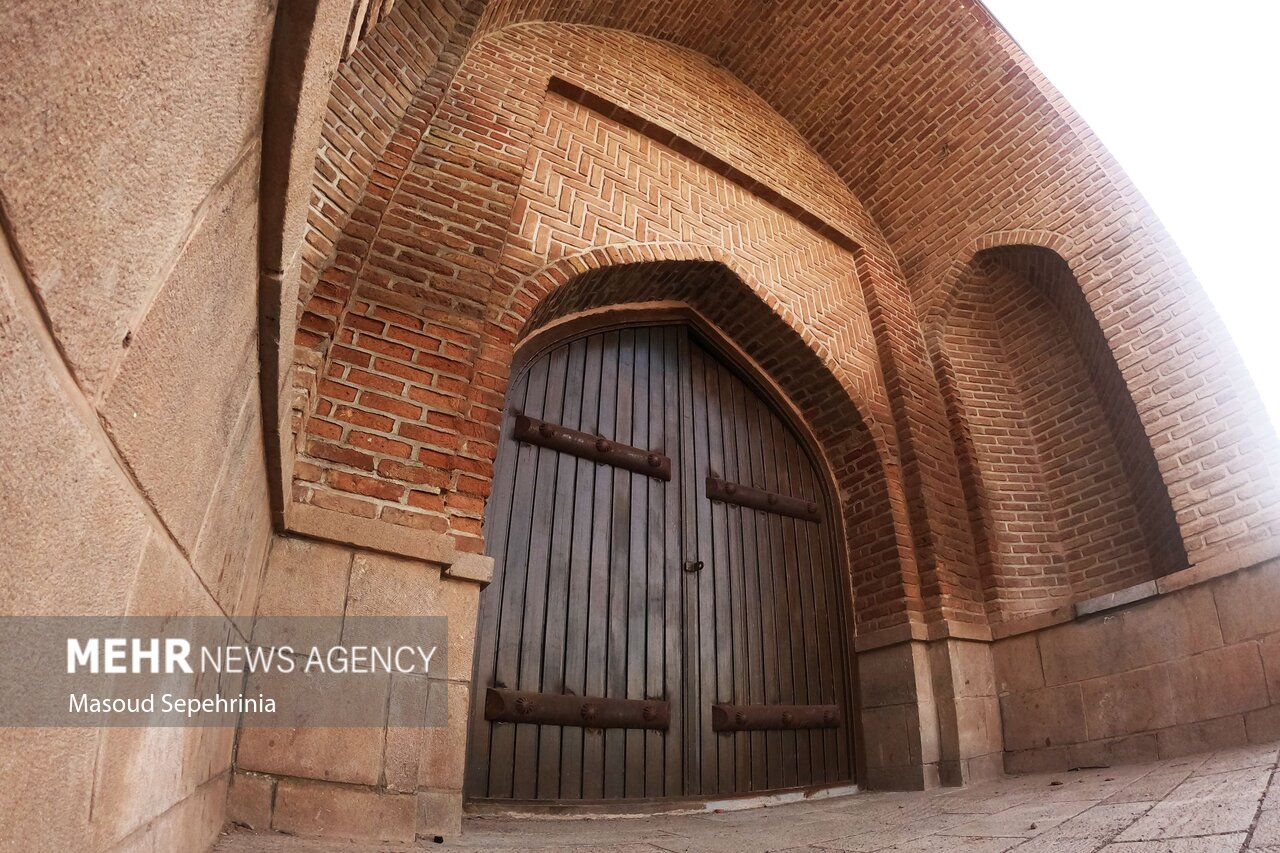
Iran tourism: Goujebel Caravanserai, one of Iran’s major ancient monuments

Iran Goujebel Caravanserai

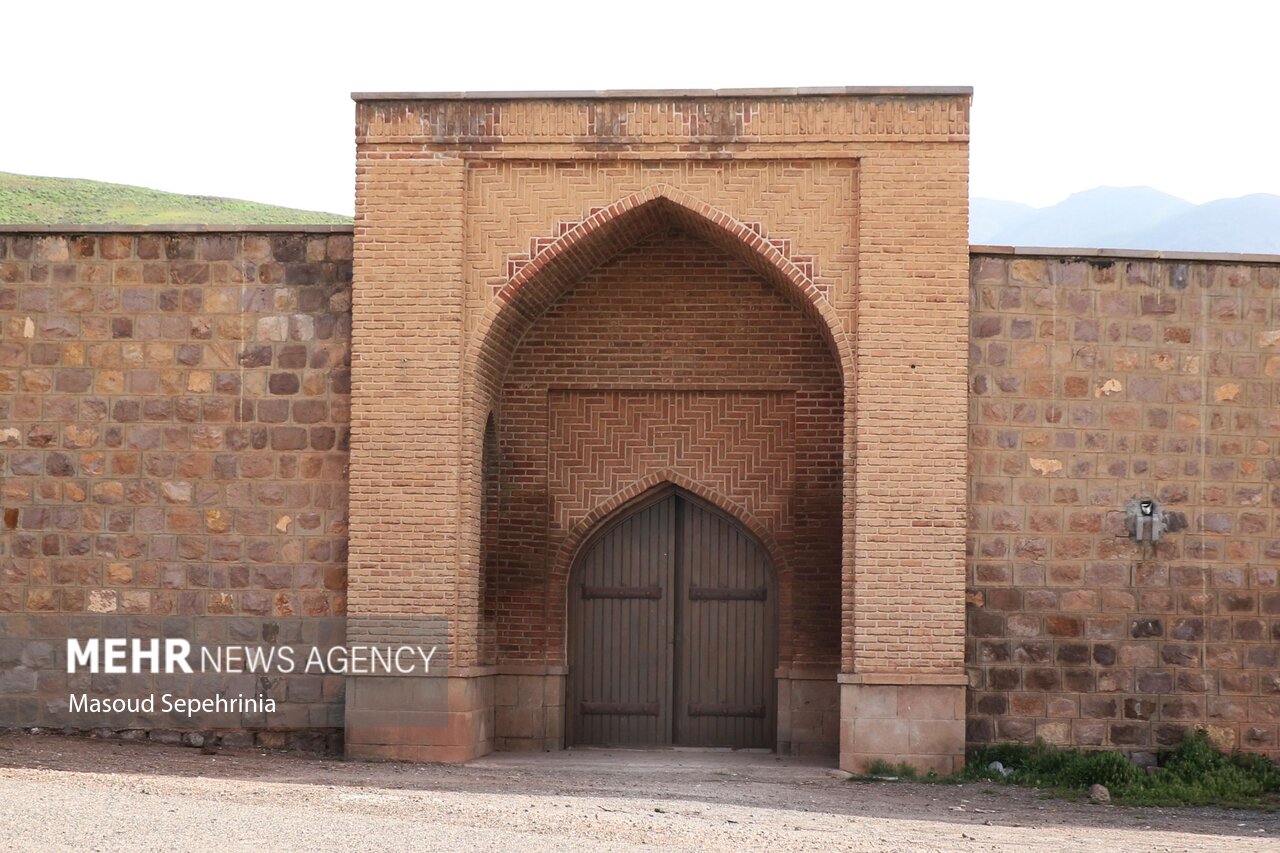
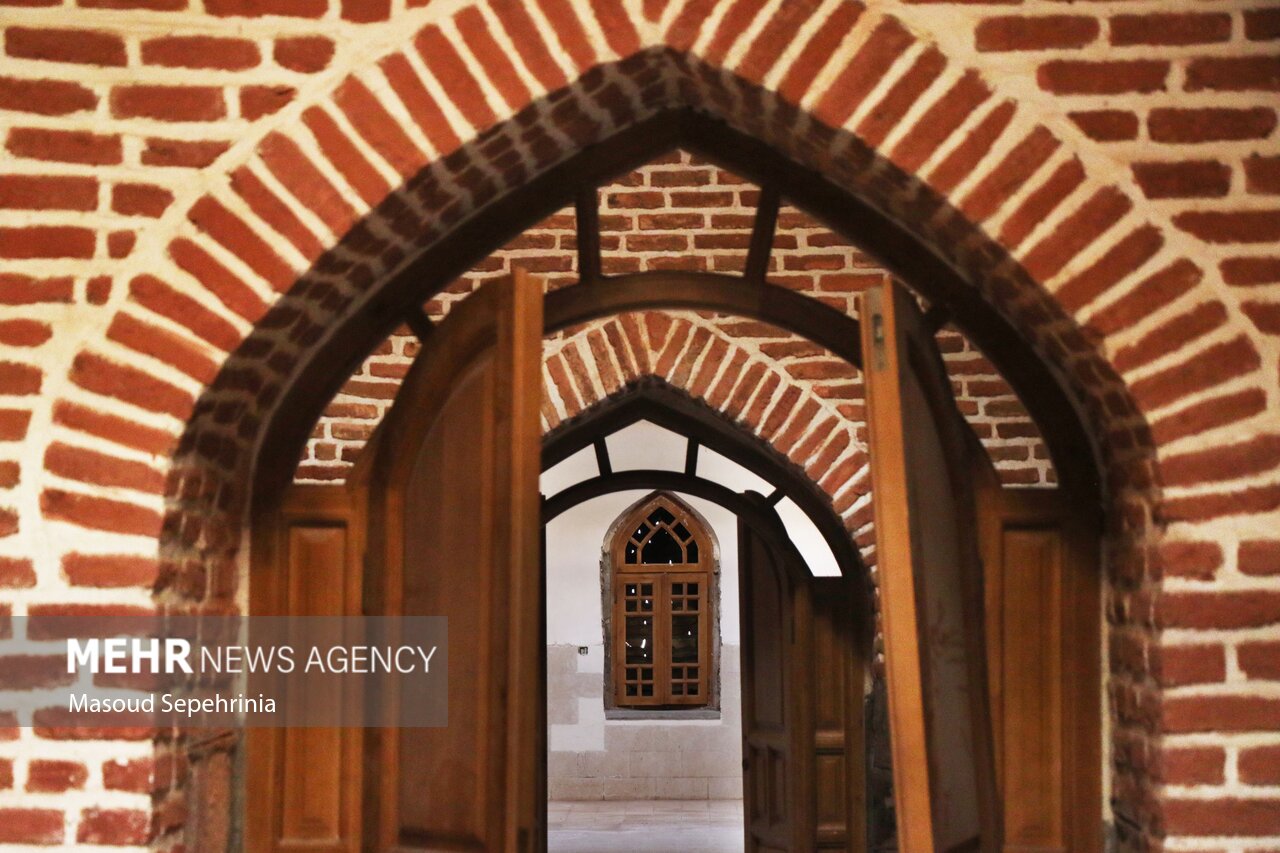
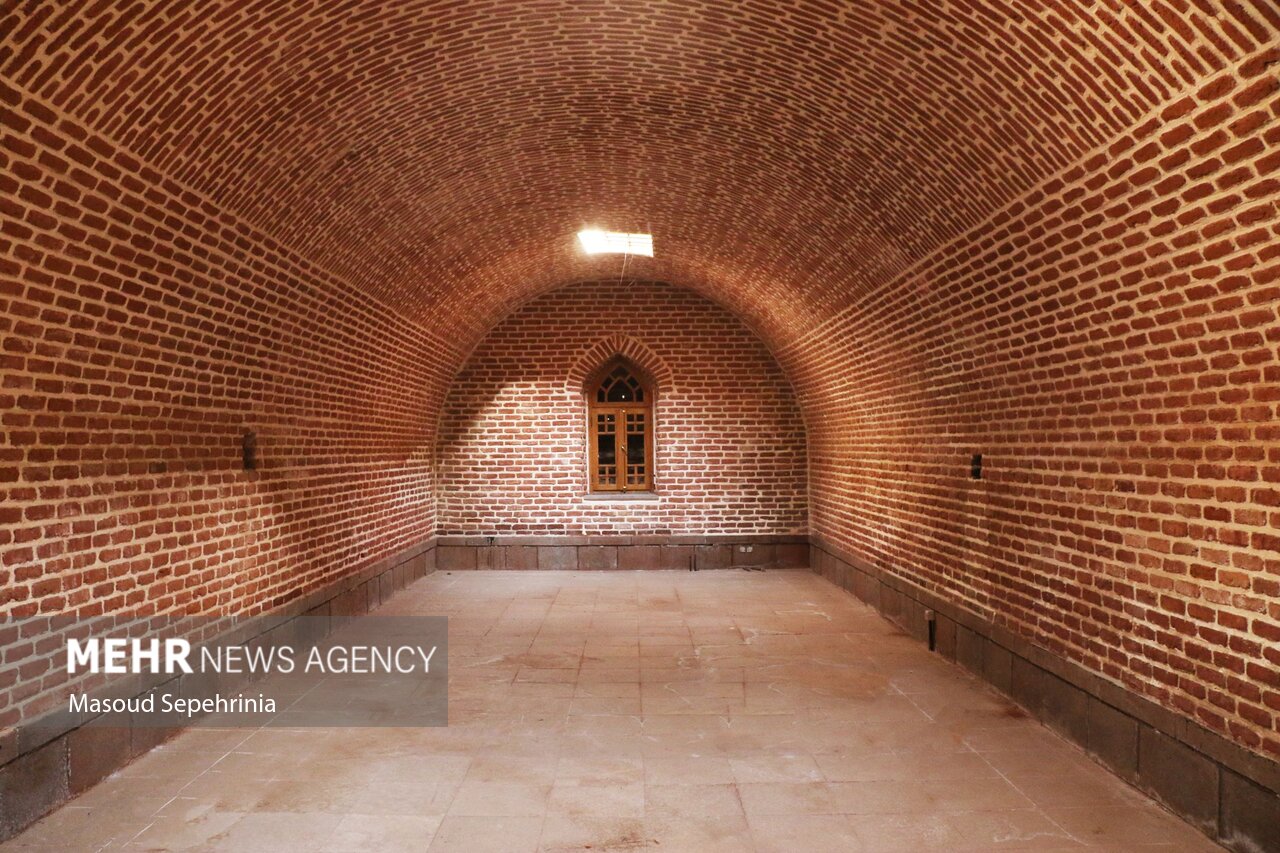
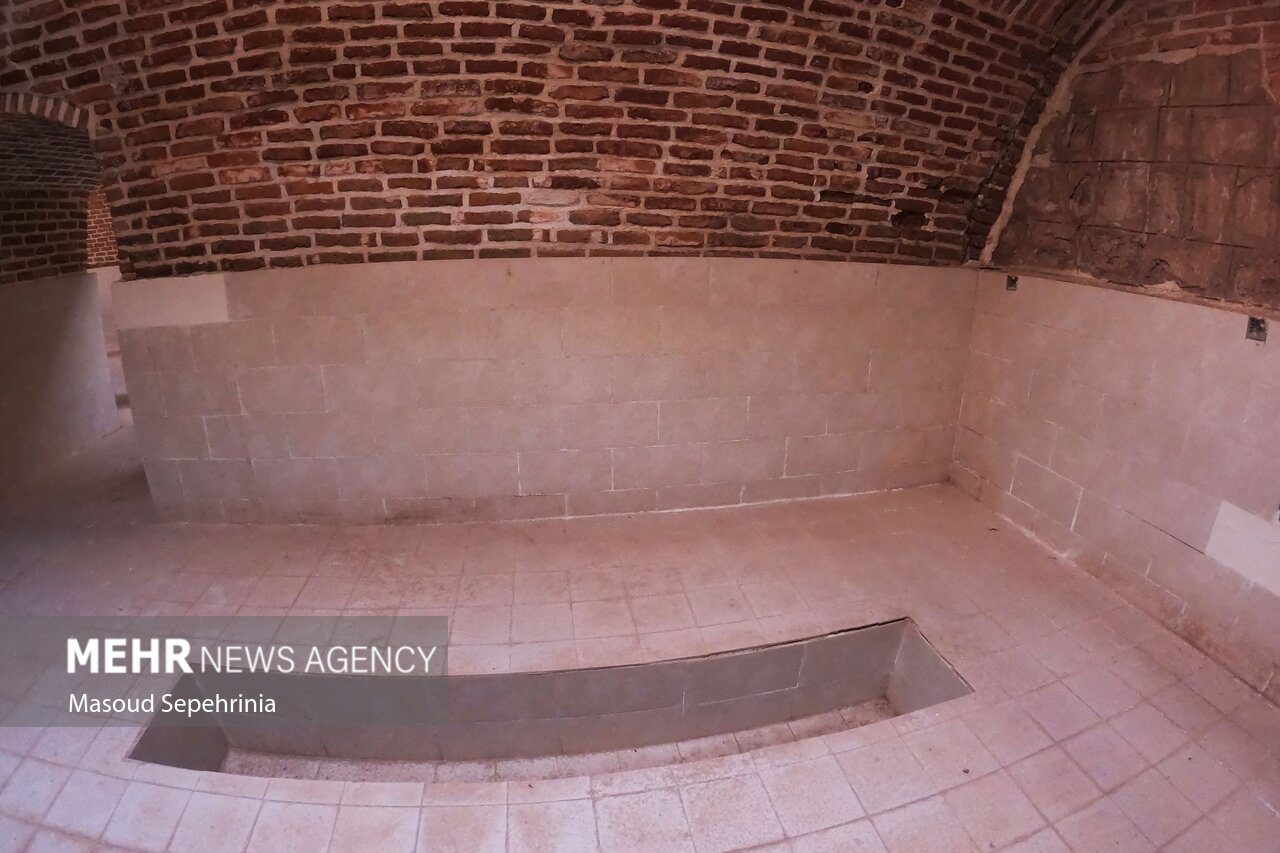
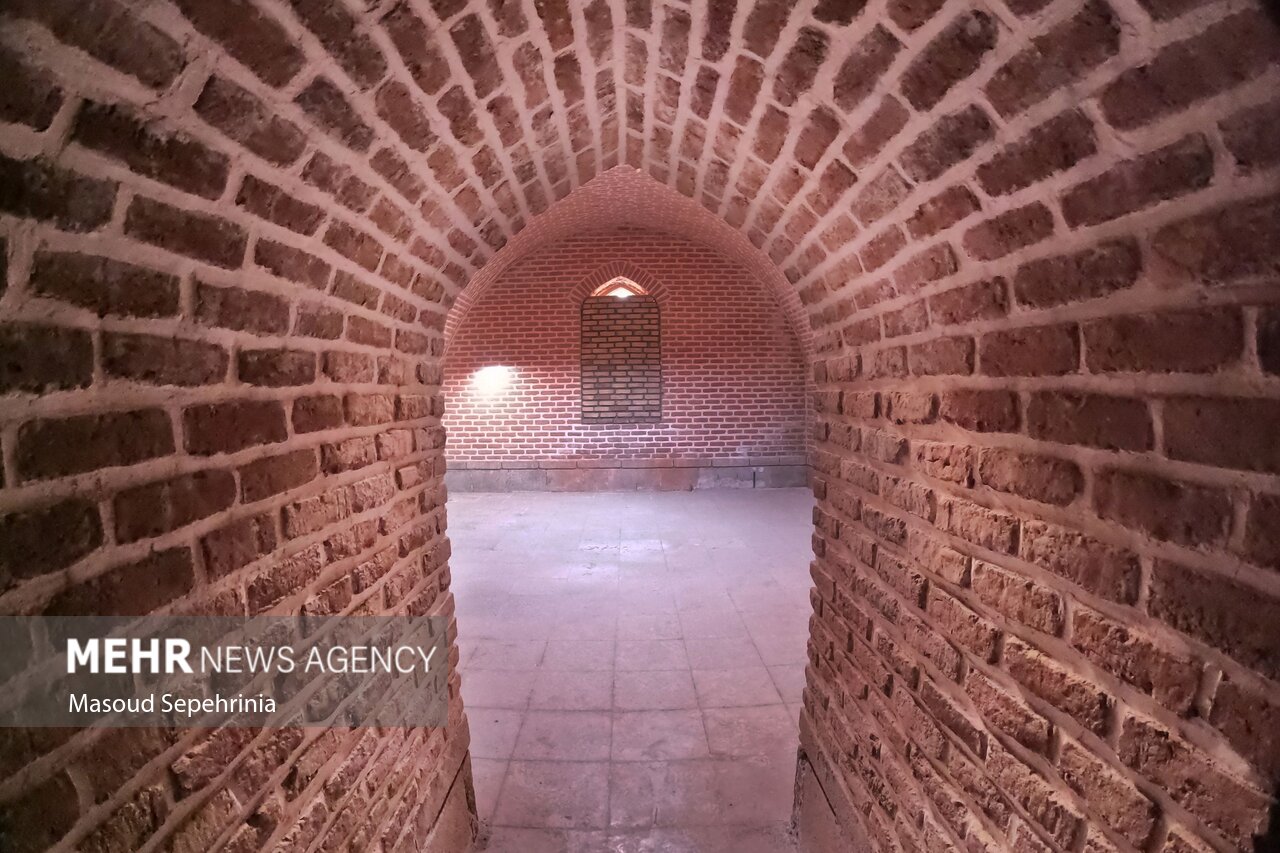
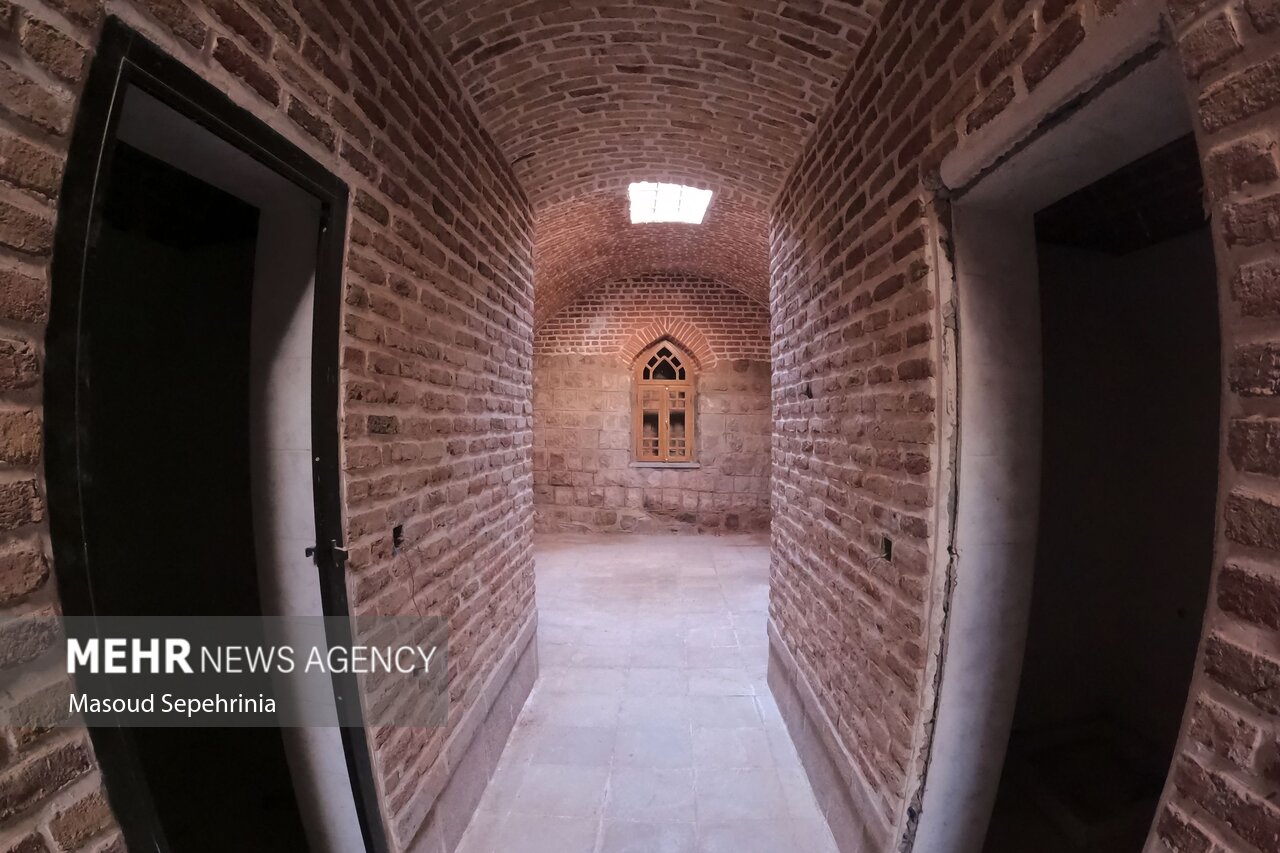
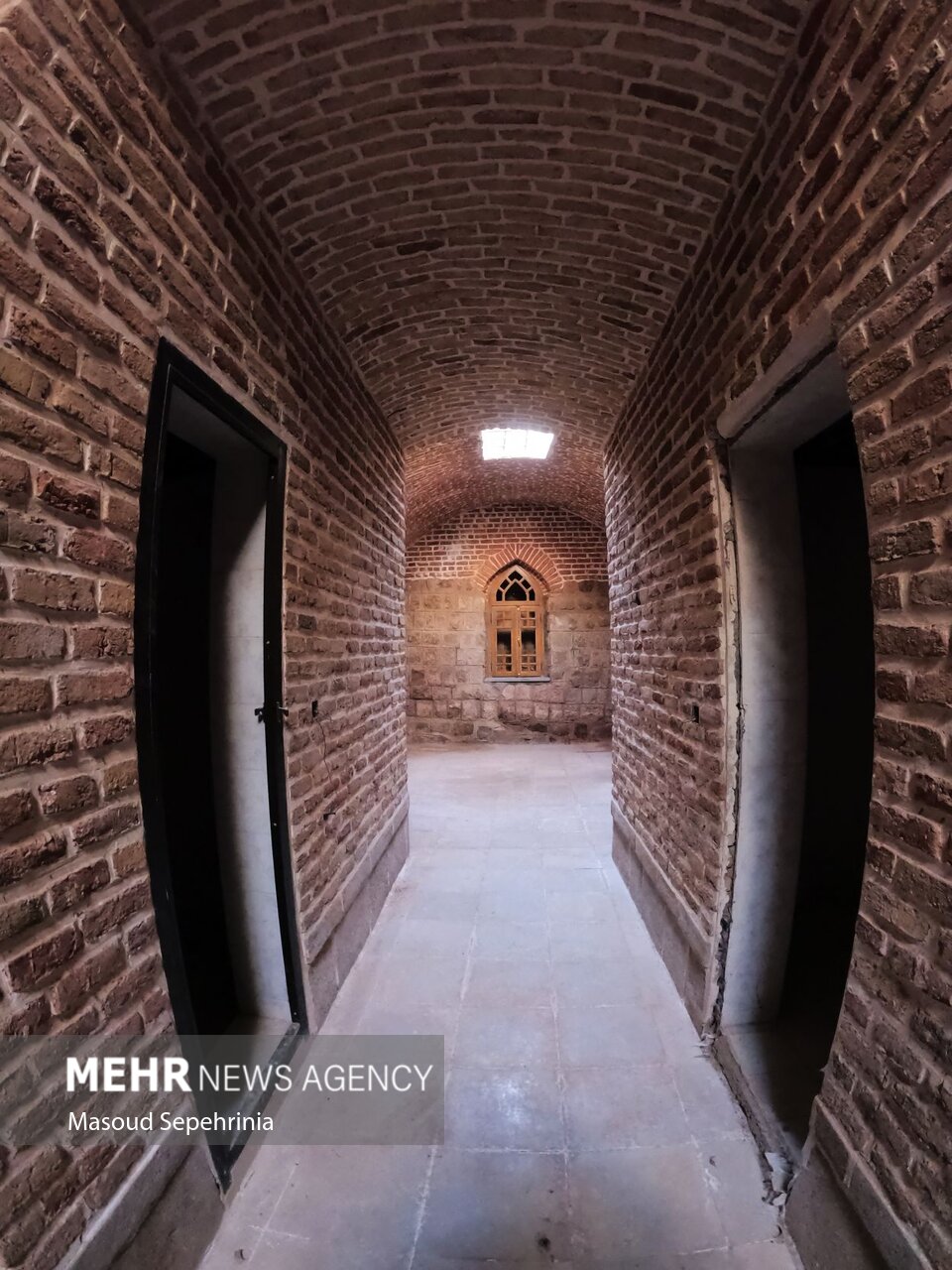
Historical documents show the building dates back to the Safavid era, formerly used as a mountain caravanserai.

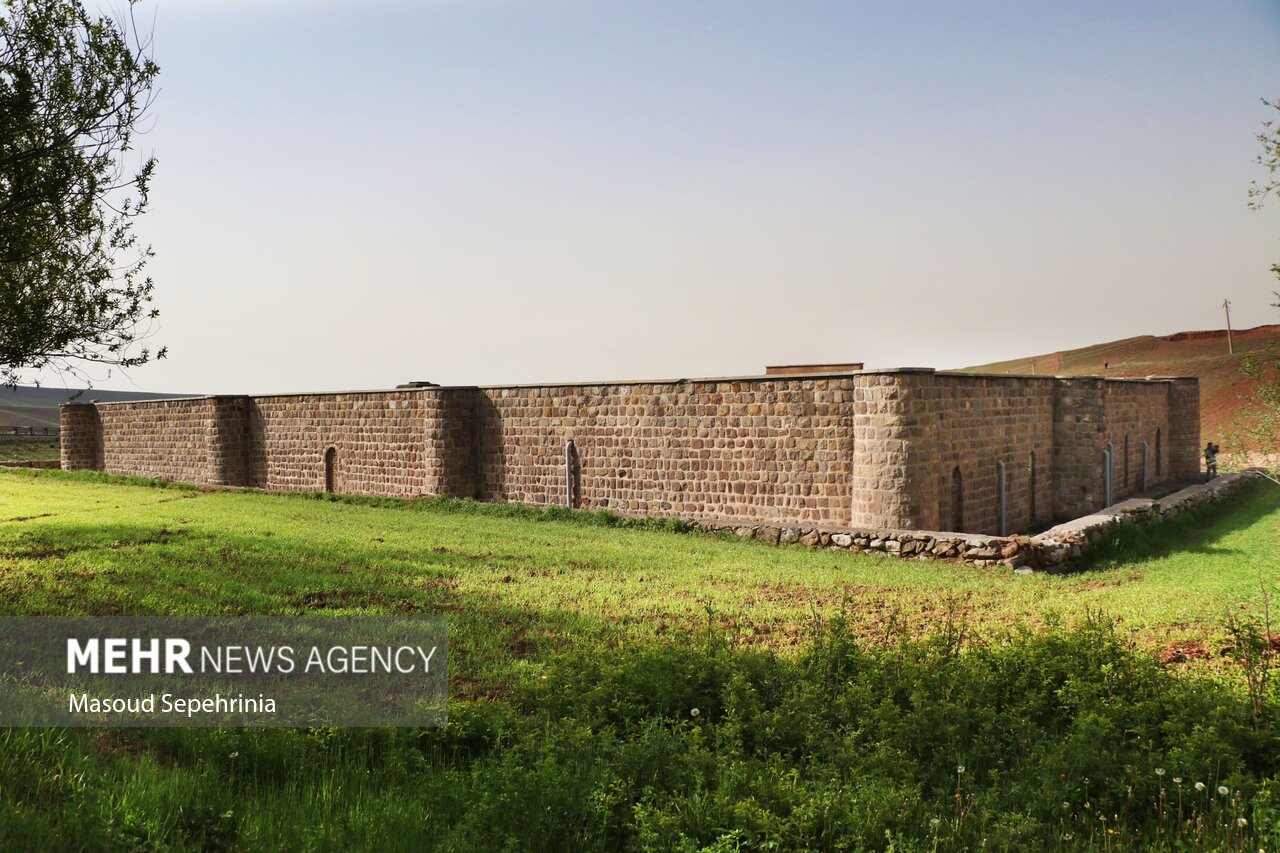
Among its striking features is that the building is designed to suit mountainous and cold climate with harsh and snowy winters.

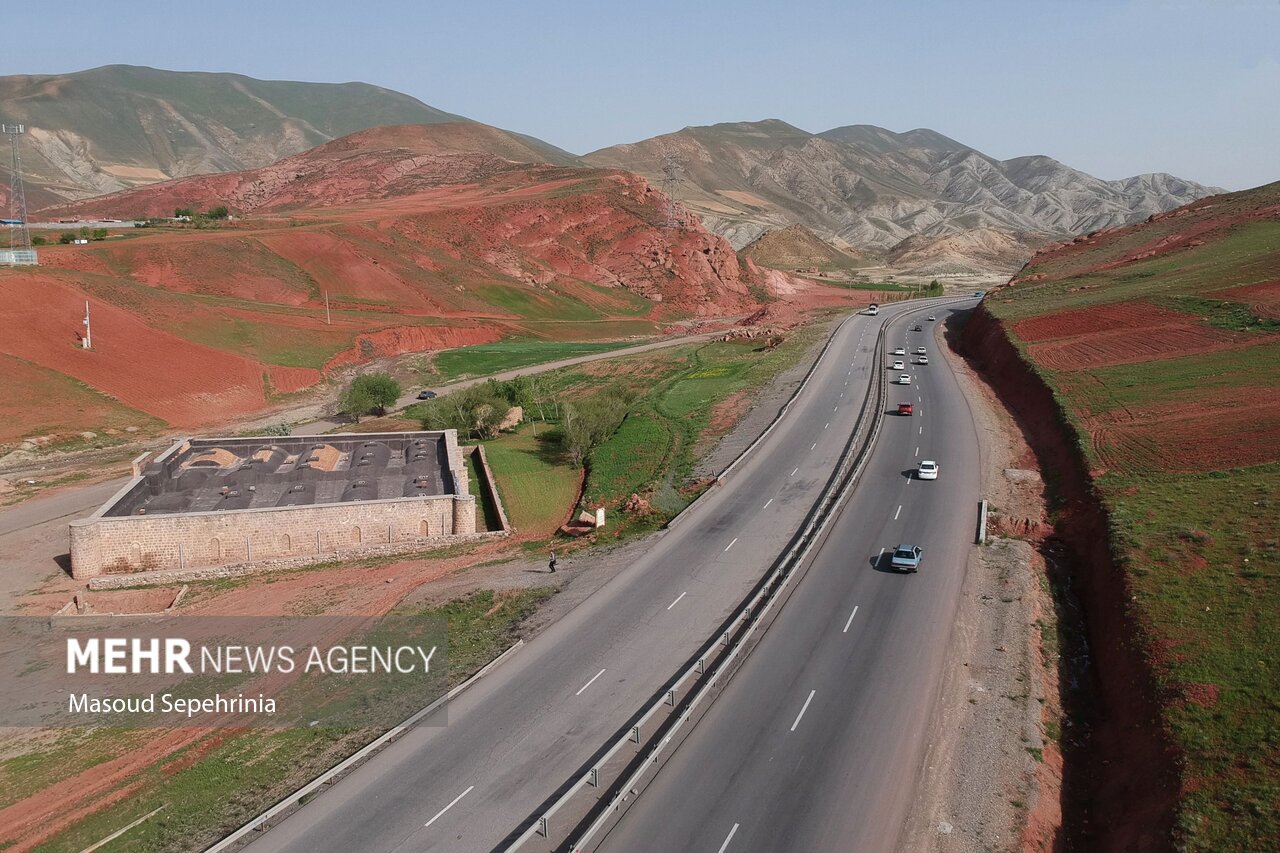
The monument is located on the outskirts of Ahar adjacent to the Goujebel pass on the Ahar-Tabriz road.

The building is rectangular and is reinforced on all four corners with turrets.

The documents of this historical building along with those of other ancient monuments of the East Azarbaijan Province have been sent to UNESCO to be registered on its list of heritage sites.