Sunday, December 28, 2025
Home Blog Page 116

Flamingos arrive at Iran’s Miankaleh wetland as autumn migration begins

Flamingos arrive at Iran’s Miankaleh wetland as autumn migration begins

Ali Akbar Fadaei, director of the reserve, told Fars News Agency that the arrival of flamingos began with the onset of autumn and continues as more flocks reach the region.

“Most of these birds are transient migrants,” he said, adding that some choose the wetland as their wintering ground, remaining there until the end of the cold season.

Fadaei emphasized the importance of maintaining peace and security in natural habitats to protect these species during their stay.

Flamingos-Iran’s Miankaleh

He also noted that bird migration to Miankaleh is expected to increase in the coming months, reaching its peak in late December.

The return of flamingos has added vibrant color and life to the landscape, drawing the attention of birdwatchers and nature enthusiasts alike.

Known as the “Birds’ Paradise,” the Miankaleh Wetland is one of Iran’s most significant habitats for migratory birds, hosting thousands of species each year.

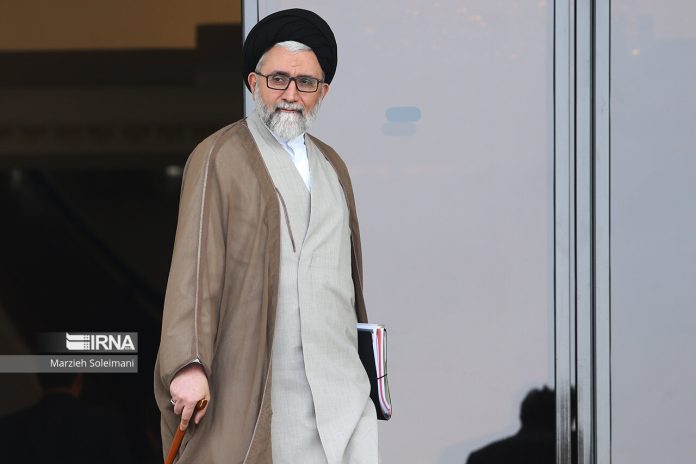
Iran Defense Ministry spox: Israel Forced to Sign Agreement with Hamas

Iran Defense Ministry spox Israel Forced to Sign Agreement with Hamas

Talai-Nik stated that “the criminal Israeli regime, which had claimed it could achieve its goals — such as freeing hostages — through military operations and the destruction of Hamas, has now been forced to sign an agreement and grant concessions to Hamas.”

Referring to the extensive US support for Israel, the Defense Ministry spokesman emphasized that the “US-Israel axis, as the global criminal front, has lost its credibility under popular pressure and has been compelled to accept a ceasefire and an agreement with Hamas.”

In another part of his remarks, Talai-Nik highlighted Iran’s self-sufficiency in military affairs, noting that dependence on foreign military sources has sharply decreased since the Islamic Revolution. He added that “thanks to the efforts of knowledge-based companies and Iranian experts, more than a thousand defense systems and pieces of equipment have been produced, bringing the country to 90 percent self-reliance.”

According to Talai-Nik, despite sanctions and external pressure, Iran’s advancements in defense capability serve as a successful model for other sectors.

Putin: Israel sent message that it seeks no confrontation with Iran

Vldimir Putin

Putin emphasized that “the Israeli leadership has communicated to us, through our ongoing contacts, a message we have passed on to our Iranian friends — that Israel is not seeking a conflict and prefers a diplomatic settlement.”

The Russian president noted that Moscow maintains “active and continuous” communication with both Israel and Iran.

He also underscored that Iran “is inclined toward pursuing a diplomatic path” in addressing its nuclear issue and that Russia “feels Tehran’s determination to find mutually acceptable solutions and to resume constructive cooperation with the International Atomic Energy Agency (IAEA).”

Putin confirmed that he had recently held detailed discussions with IAEA Director-General Rafael Grossi during his visit to Russia, during which Grossi “acknowledged Iran’s commitment to resolving all outstanding matters.”

The Russian leader added that although certain technical issues remain, “once existing agreements are implemented, they will play a key role in reaching a final settlement on this complex regional matter.”

Reiterating his point, Putin said Israel “has no desire for any form of confrontation with Iran” and remains interested in a “peaceful and diplomatic resolution.”

NATO weighing stronger military response to Russian provocations: FT

The discussions come amid a surge in mysterious drone sightings across European countries, raising fears of Russian involvement in hybrid warfare and renewed concern about the alliance’s security.

According to four NATO officials briefed on the talks, the goal is to raise the cost of Moscow’s gray-zone operations and strengthen deterrence following a series of incursions by Russian drones and aircraft, the FT reported.

Among the steps under consideration are deploying armed drones along the Russian border and easing engagement rules to let NATO pilots open fire on Russian aircraft that violate allied airspace.

The officials said countries bordering Russia, supported by France and the U.K., started the discussions.

Proposals include arming spy drones that currently operate only in an intelligence-gathering role and easing engagement rules for pilots patrolling the eastern flank. Another measure under review involves conducting NATO military exercises directly along Russia’s borders.

The debate follows a string of airspace incidents, including two consecutive disruptions at Munich International Airport. Similar incidents temporarily shut down Oslo Airport in Norway and Copenhagen Airport in Denmark in recent weeks.

In September, Polish forces shot down several Russian drones that entered Polish territory. Days later, a Russian drone breached Romanian airspace, though Bucharest chose not to engage.

Three Russian MiG-31 fighters also entered Estonian airspace over the Gulf of Finland for 12 minutes in mid-September, prompting the Baltic country to invoke consultations under NATO’s Article 4.

EU envoys approve plan to phase out Russian gas, oil by 2028: Reuters

European allies began pushing for stricter measures against Russian energy, particularly after former U.S. President Donald Trump has stated that Washington would impose sanctions on Russia if all NATO members halted imports of Russian oil.

The plan to phase out Russian oil and gas by January 2028 has received broad backing from most member states, though Hungary and Slovakia continue to oppose it, a source told Reuters.

Both countries remain heavily reliant on Russian energy and maintain warmer ties with Moscow than many of their EU counterparts.

EU ambassadors have agreed to move the draft legislation forward, paving the way for ministers to vote during a meeting scheduled for Oct. 20.

For the plan to pass, it will need a “qualified majority,” meaning support from at least 55% of member states, representing at least 65% of the EU population.

If approved, the law will proceed to negotiations between EU governments and the European Parliament, where the final text will be agreed.

Under the proposal, each member state would be required to develop a national plan to end Russian oil and gas imports by 2028.

One sticking point in the discussions remains the challenge of verifying the origin of liquefied natural gas (LNG). EU countries are still debating how to establish an effective system to ensure that imported LNG does not originate from Russia.

The EU is also in talks over a new sanctions package that would move up the ban on Russian LNG to January 2027, one year earlier.

Ukraine introduced a new wave of sanctions and extended existing measures against Russia’s energy sector, with a particular focus on the oil industry, in early October.

Ukraine plans to intensify efforts over the next month to align its sanctions policy more closely with its Western allies. This push comes as the European Union prepares to adopt its 19th package of sanctions targeting Russia.

The European Commission unveiled in mid-September its latest proposed sanctions, which include further restrictions on Russia’s financial and energy sectors, along with a full ban on imports of Russian LNG.


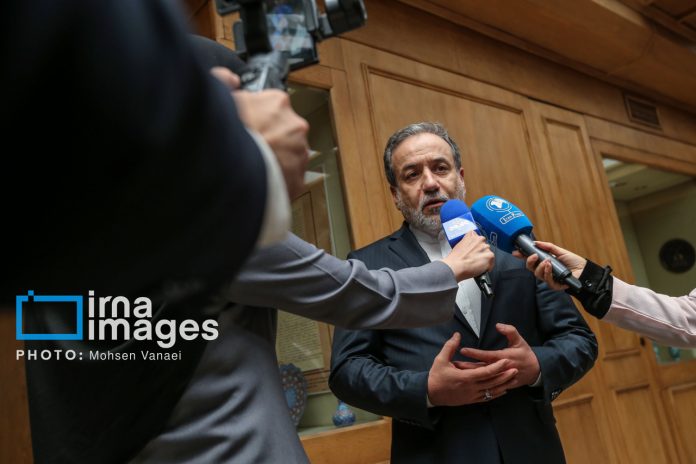
Iran says supports any initiative aimed at halting Gaza genocidal war

Ministry of Foreign Affairs of the Islamic Republic of Iran

In reaction to the ceasefire in Gaza, the ministry issued a statement saying, “As a supporter of the legitimate resistance of the Palestinian nation in its pursuit of the right to self-determination, the Islamic Republic of Iran has, over the past two years, employed all its diplomatic capacities—particularly within the framework of regional mechanisms, the Organization of Islamic Cooperation, and the United Nations—to exert pressure upon the Zionist regime and its backers to end the genocide and withdraw the occupiers from Gaza.”

Honoring the memory of the great martyrs of the Resistance, the Iranian Ministry of Foreign Affairs underscored the responsibility of the international community to prevent the occupying regime’s violations of its obligations, calling upon all parties to remain vigilant and alert to the deceit and duplicity of the Zionist regime.

The statemeny further said the Ministry of Foreign Affairs once again stresses that the cessation of crimes and genocide in Gaza does not in any way relieve States and competent international institutions of their shared legal, humanitarian, and moral duty to pursue justice through the identification and prosecution of those who ordered and perpetrated war crimes, genocide, and crimes against humanity in the Gaza Strip, with the aim of bringing an end to the decades-long impunity enjoyed by the Zionist regime.

UN plans to cut 25% of global peacekeeping force amid funding shortfall

A senior UN official, speaking on the condition of anonymity to discuss a private meeting, briefed journalists on the matter on Wednesday, detailing that 25% of the UN’s peacekeeping force will be reduced in the coming months.

The official said the UN was forced to make those cuts as Washington, the UN’s largest donor, makes changes to align with US President Donald Trump’s “America First” policy.

Roughly 13,000 to 14,000 military and police personnel out of the more than 50,000 peacekeepers deployed across nine global missions will be sent back to their home countries.

The UN plans to reduce the peacekeeping force’s budget by approximately 15% for the upcoming fiscal year, affecting important and longstanding UN missions, including the support office in Somalia.

The countries where the UN has peacekeeping missions include Congo, the Central African Republic, South Sudan, Lebanon, Cyprus and Kosovo.

Each of the UN’s 193 member countries is legally obliged to pay its share toward peacekeeping.

UN Secretary General Antonio Guterres has argued that with a budget “representing a tiny fraction of global military spending — around one half of one percent — UN peacekeeping remains one of the most effective and cost-effective tools to build international peace and security.”

The decision to overhaul the peacekeeping force — known globally for their distinctive blue berets or helmets — followed a meeting on Tuesday between Guterres and representatives from major donor countries, including Mike Waltz, the new US ambassador to the UN.

Waltz and other Trump administration officials have argued that the organisation’s budget and agencies are bloated and redundant, pledging not to make any further contributions until the US State Department assesses the effectiveness of every single UN agency and programme.

Upon entering his second term in January, Trump ordered a review of the UN and other multilateral institutions, which has already resulted in cutting Washington ties from the UN cultural agency UNESCO, the World Health Organisation and the top UN human rights body, while reassessing its funding for others.

More than 60 offices, agencies and operations of the New York-headquartered organisation are facing 20% job cuts, part of Guterres’ reform effort and reaction to already announced Trump funding cuts.

In a television interview last week on US broadcasters, Waltz said the White House is focused on getting “the UN back to basics of promoting peace, enforcing peace, preventing wars.” He added, “We have to cut out all of this other nonsense.”

The US earlier outlined that it would commit $680 million (€584 million) to nine of those peacekeeping efforts, a significant reduction from the $1 billion (€859 million) payment it had made this time last year.

That funding will be accessible for all active missions, especially those which Washington takes a special interest in, such as peacekeepers in Lebanon and the Democratic Republic of Congo.

Contributions from the US and China make up roughly half of the peacekeeping budget. Another senior UN official said China has indicated it will be paying its full contribution by the end of the year. Beijing is responsible for 20% of the UN’s regular budget as well as roughly 24% of its peacekeeping funding.


India likely to buy more Russian oil: Bloomberg

Russia is offering Indian refiners discounts of $2 to $2.50 per barrel of Urals crude compared to Dated Brent, the media outlet said, citing sources familiar with the matter.

Oil imports from Russia to India are projected to rise by 6% in October and average around 1.7 million barrels per day, according to analytics firm Kpler. The projected rise comes despite the 25% US punitive tariffs imposed on most Indian products for New Delhi’s continued purchases of Russian oil.

India, the world’s third-largest oil importer and consumer, has seen a major shift in its energy dynamics since the escalation of the Ukraine conflict, with Russia emerging as its top oil supplier since February 2022.

Russian crude accounted for 34% of India’s oil imports in September, according Kpler data.

Following the introduction of additional Western sanctions on Moscow in July, India reiterated its commitment to continue purchasing Russian oil, provided the price remains below the $47 per barrel cap, according to media reports.

Indian refiners have maintained that they will buy as long as shipments are transported on non-sanctioned vessels and transactions avoid blacklisted companies or individuals, Bloomberg reported.

Washington has imposed 50% tariffs on Indian goods, including a 25% penalty specifically linked to India’s continued purchases of Russian oil. New Delhi has resisted reducing imports, viewing the US position as economic coercion.

India’s state-owned oil producers are looking for flexibility in purchases and are in talks with Middle Eastern and African oil companies for new long-term supply deals for next year, according to Bloomberg.

India’s energy demand is poised to grow over the next few decades.

BP’s chief economist said on Tuesday that the country is expected to become the world’s largest oil consumer in 2050.


EU pressuring Belgium to tap frozen Russian funds: FT

The Belgium-based Euroclear depository currently holds about €190 billion ($220 billion) in Russian sovereign funds, frozen by the EU. EU leaders and pro-Kiev governments have been attempting to force through a €140 billion ($160 billion) “reparations loan” for Kiev by December, leveraging the frozen Russian assets.

Russia has denounced any attempt to repurpose its sovereign wealth as “theft.” Skeptics, such as IMF chief Christine Lagarde, have warned that the move could undermine global trust in the EU’s financial system.

Supporters of the plan argue it falls short of outright confiscation, claiming Moscow could eventually agree to repay the loan as part of a future peace settlement.

Belgian Prime Minister Bart De Wever said last week that his country does not want to be solely responsible for the proposed obligation “if it goes wrong,” and has called for other EU nations to share the potential liabilities.

“Belgium has spent three years saying Euroclear is Belgian and so are the benefits,” one senior official told FT, adding, “Now, when it wants to share the risks, it claims Euroclear is European.”

Another source argued that the financial risks were “probably manageable.”

“There is no more low-hanging fruit,” another EU diplomat told the newspaper, arguing that Brussels needs new funding sources for Ukraine.

“Everyone has to do what they can.”

According to the FT, De Wever’s reluctance frustrated several EU leaders during last week’s Ukraine-focused summit in Copenhagen.

Moscow has accused the EU of sabotaging potential peace efforts, arguing that Kiev’s backers would rather prolong the conflict than admit their strategy has failed.


‘Uncertainty is the new normal’ in global economy: IMF chief

imf

As finance ministers and central bankers prepare to meet in Washington for the IMF’s annual meetings next week, its managing director, Kristalina Georgieva said the world economy had shown surprising resilience in the face of Donald Trump’s trade war.

The US is now expected to avoid recession, despite the imposition of historic tariffs on many of its trading partners, and the global economy is forecast to slow “only slightly this year and next”, she stated.

But Georgieva pointed to growing signs of strain, including the record gold price – which topped $4,000 an ounce on Wednesday, signalling anxiety among investors – and exceptionally high valuations for US stocks.

“Before anyone heaves a big sigh of relief, please hear this: global resilience has not yet been fully tested. And there are worrying signs the test may come,” she told an audience at the Milken Institute in Washington.

Georgieva suggested the full economic impact of US tariffs “is yet to unfold”, after many firms front loaded exports earlier this year to dodge the levies.

“Buckle up: uncertainty is the new normal and it is here to stay,” she warned.

In the last update of its World Economic Outlook in July, the IMF forecast global GDP growth of 3% for this year – a modest slowdown from 3.3% in 2024. It will update its projections at next week’s meetings.

While financial markets have broadly remained calm in the face of policy turmoil, she said this was “masking but not arresting some softening trends”, and warned: “History tells us this sentiment can turn abruptly.”

Share prices in the US have surged to fresh highs in recent weeks, driven by rocketing valuations for the “magnificent seven” tech firms, including chip maker Nvidia and Elon Musk’s electric vehicle-maker Tesla.

Optimism about future productivity gains from generative AI have continued to underpin confidence on Wall Street, despite signs of a slowdown elsewhere, including in the US jobs market.

Drawing a parallel with the dotcom bubble at the turn of the millennium, Georgieva noted, “Today’s valuations are heading toward levels we saw during the bullishness about the internet 25 years ago.”

“If a sharp correction were to occur, tighter financial conditions could drag down world growth, expose vulnerabilities, and make life especially tough for developing countries,” she added.

The IMF is urging policymakers in large economies to take action to reduce the risks of instability by addressing global imbalances – including calling on the US to tackle its spiralling public sector deficit.

Trump’s tax cuts, targeted at higher earners, are expected to add more than $3tn to US public debt over the next decade – though the US president has hailed tariff revenues as a way of improving the nation’s finances.

Georgieva also called on Beijing to carry out reforms aimed at kickstarting growth and boosting household spending, saying that in China, “private savings are chronically high”.

The Bulgarian economist also offered what she called “tough love”, to “my beloved native Europe”, urging the EU to appoint a “single market tsar”, to accelerate the integration of markets.

“Enough lofty rhetoric on how to lift competitiveness – you know what must be done. It is time for action,” she stressed.

“Remove border frictions in the labour market, goods and services trade, energy and finance. Build a single European financial system. Build an energy union. Complete your project.”

She also highlighted growing public frustration at the economic status quo in some countries, warning: “Many people in many places – especially the young – are taking their disappointment to the streets: from Lima to Rabat, from Paris to Nairobi, and from Kathmandu to Jakarta, all are demanding better opportunity.”