Saturday, January 3, 2026
Home Blog Page 1106

Yemen says US military buildup in Red Sea serious threat to intl. shipping

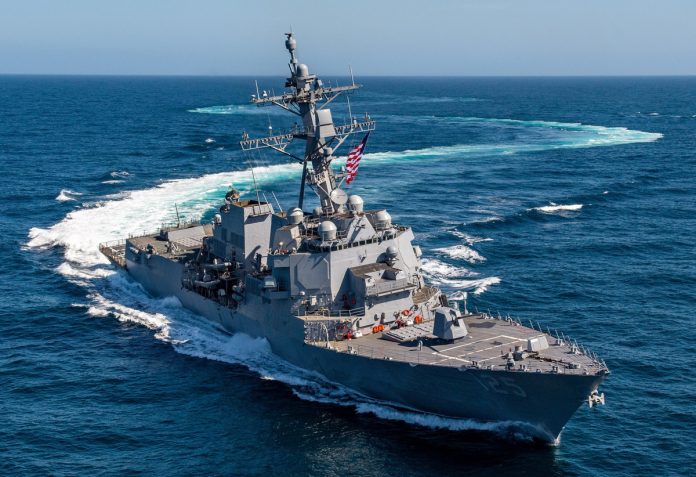
US Navy Warship

The Houthi group (Ansarullah) made the statement on Friday after the United States, which has over the past weeks been spearheading a maritime coalition in the Red Sea under the pretext of safeguarding the transit of vessels in the area, claimed that the Yemeni forces and the popular resistance movement were targeting international ships and jeopardizing the security of the Red Sea.

The United States and the coalition members warned Yemen’s Armed Forces of “consequences” if they continued their missile and drone attacks against ships en route to Israeli ports in support of Palestinians in the besieged Gaza Strip.

Ansarullah said the Yemeni armed forces never attacked international ships and that the security and safety of international maritime transport in the Red Sea, the Arabian Sea and the Bab el-Mandeb Strait was guaranteed by them.

“The US claim and the statement of 12 countries regarding the [Yemeni] threat to international shipping is not true. This threat stems from the militarization of the Red Sea by the United States to serve the Israeli regime and encourage the regime to continue its crimes against Gaza,” the resistance movement said in a statement.

“The Israeli attacks on the Gaza Strip and its genocidal crimes against Palestinians, which has entered the fourth consecutive month, should have forced the so-called international community or the UN Security Council to stop such massacres by the Israeli regime,” it added.

Ansarullah categorically censured the Israeli aggression against the besieged territory and said it has so far killed more than 22,000 Palestinians, injured tens of thousands of others, and “destroyed everything in Gaza”.

“The bloody events that have been taking place in Gaza for the past three consecutive months would not have been possible without the support of the United States and the complicity of Western countries with the criminal Zionist regime and encouraging it to continue its crimes against civilians in the Gaza Strip.”

Stressing that the regional countries cannot remain idle in the face of Israel’s genocidal war in Gaza and its suffocating siege on the Palestinian territory, the resistance movement noted, “The Yemeni armed forces have carried out their missile, drone and naval operations to target the ships of the Israeli regime or the ships that move towards the ports of occupied Palestine.”

The statement added the US and its allies should know that their “evil alliance” will not prevent Yemen from continuing to support the oppressed people of Gaza by carrying out military operations against the ships of the Israeli regime or the ships that move towards the occupied Palestinian ports.

“Any attack on Yemen calls for a large-scale response, and Yemen does not accept any threat to its security and stability, and rejects the claim of the United States and its allies that Yemen is a threat to international shipping in the Red Sea,” Ansarullah said.

“The alliance of the United States and its allies was formed to support the Israeli regime and protect the ships of this regime, which is a real threat to the security and safety of international shipping and the security of the entire region,” the movement added, stressing that the coalition should bear the consequences of its escalation in the strategic waterway.

Yemenis have declared their open support for Palestine’s struggle against the Israeli occupation since the regime launched a devastating war on Gaza on October 7 after the territory’s Palestinian resistance movements carried out a surprise retaliatory attack, dubbed Operation Al-Aqsa Storm, against the occupying entity.

The relentless Israeli military campaign against Gaza has killed at least 22,000 people, most of them women and children. More than 57,000 individuals have been wounded.

Reports revealed that Israeli shipping companies have already decided to reroute their vessels in fear of attacks by Yemeni forces.

Yemeni forces have also launched missile and drone attacks on targets in the Israeli-occupied territories after the regime’s aggression on Gaza.
Lebanon lodges complaint to UNSC over Israel assassination of Hamas leader in Beirut

Saleh al-Arouri

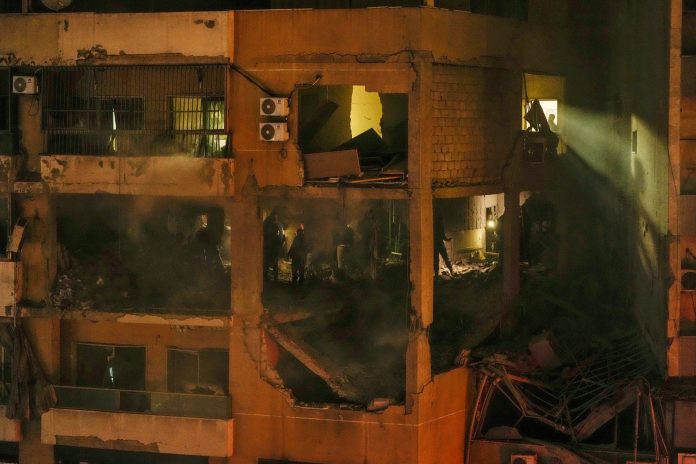
The document says the regime of Israel fired six missiles in the attack on Tuesday that led to the martyrdom of six people, including al-Arouri, who used to serve as the deputy head of the Political Bureau of the Gaza Strip-based Palestinian Hamas resistance movement.

According to the document, the attack on Lebanon’s soil was “the most dangerous escalation since 2006″.

“The attack specifically targeted a densely populated residential zone, constituting a clear violation of Lebanon’s sovereignty, territorial integrity, and the safety of its civilian population and aviation,” it adds.

The appeal urged the Security Council to put pressure on Tel Aviv to cease its escalations and take decisive action to halt further aggression against Lebanon, according to the country’s National News Agency.

On Thursday, the Israeli military launched yet another attack on several areas along the border in southern Lebanon with artillery fire, killing nine members of the Lebanese Hezbollah resistance movement.

Since October 8, the day after the Israel onslaught against Gaza started, the frontier between Lebanon and the Israeli-occupied territories has seen deadly exchanges of fire, mainly between the Israeli military and the Hezbollah movement.

The fighting has forced the evacuation of tens of thousands from the northern part of the Israeli-occupied territories, which have been pummeled by rocket fire and shelling carried out by Hezbollah and allied Palestinian groups.

Nearly 150 Hezbollah fighters have lost their lives since the beginning of the conflict, while some 11 Israeli soldiers have also been killed.

Israel seeking security control over Gaza

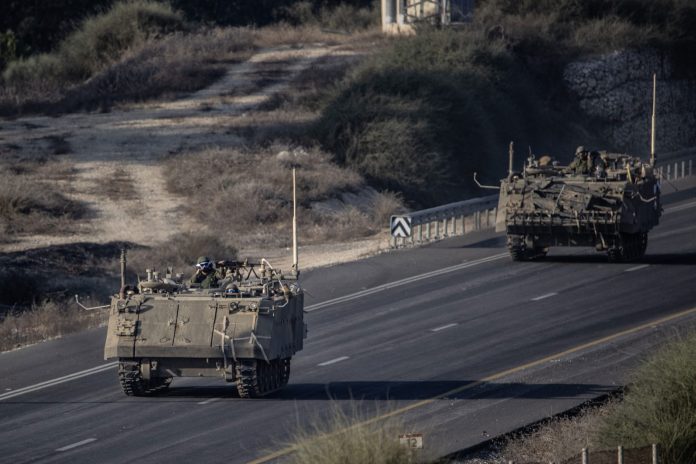
Israeli Army

The plan was revealed to the media ahead of US Secretary of State Antony Blinken’s visit to Israel, his fourth since the war in Gaza began, to discuss plans for post-war possibilities in the Palestinian enclave.

The US had previously called for revitalising the Palestinian Authority and handing it control over the Gaza Strip, which has been ruled by Hamas since 2007, in a process that would lead to the formation of a Palestinian state.

Israel expressed its disapproval of this proposal, and Prime Minister Benjamin Netanyahu even openly boasted about stopping the creation of a Palestinian state.

Months before Gallant’s proposal, Netanyahu had already spoken about taking control of security in Gaza, which many saw as a call for occupation of the strip.

Hezbollah’s secretary general, Hassan Nasrallah, reiterated in a speech on Friday that the Lebanese armed group will respond to Israel’s strike on Beirut’s Dahieh suburb, which killed senior Hamas official Saleh al-Arouri.

“If we remain silent over the killing of al-Arouri, all of Lebanon will be exposed,” he said, addressing a crowd of supporters and party officials through a screen in Lebanon’s Beqaa region.

The leader also discussed in detail his party’s role in the current Israeli war in Gaza, as Hezbollah has been engaging in back-and-forth strikes with Israel since the day after Hamas’s assault on 7 October.

Nasrallah added his party’s role is to reduce the pressure on Hamas in Gaza, by forcing the Israeli army to spread out across Israel’s borders rather than focus its full force on the strip.

He also stated that, while Israel has not revealed clear numbers of its own casualties, over 2,000 Israeli soldiers have been injured in their confrontations with Hezbollah on the border with Lebanon.

“What is happening on the northern front is a real humiliation of the enemy’s army.”

As Israel’s war in Gaza enters its fourth month, the situation for Palestinians in the enclave is deteriorating all the time. The death toll has now surpassed 22,600 people.

US says ‘out of money’ for Ukraine

Russia Ukraine War Weapons Arms

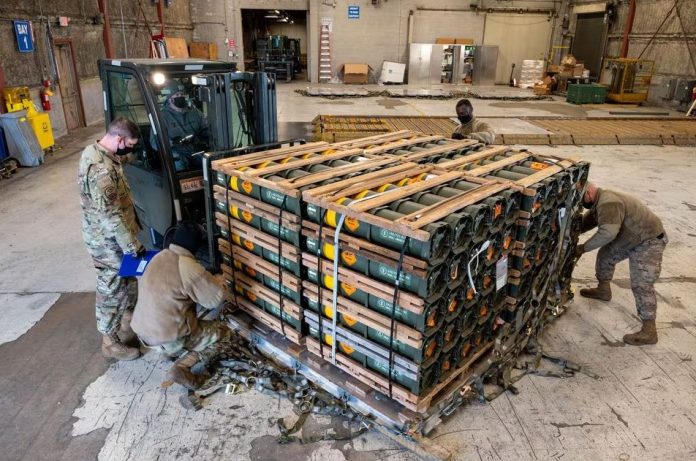
Speaking to reporters at a Friday briefing, Ryder explained that while the Pentagon is authorized to spend another $4.2 billion on weapons for Ukraine, the actual funds are not available and must be set aside by Congress.

“We have the authority to spend that [$4.2 billion] from available funds but wouldn’t have the ability to replenish the stocks by taking money out – or taking stuff out of our inventory,” the spokesman said, adding “We’re out of money.”

The admission came after Ukrainian Foreign Minister Dmitry Kuleba told CNN’s Christiane Amanpour that his country had no “plan B” without American military aid, reiterating demands for new combat drones, long-range missiles and air defense capabilities, among other gear.

Kuleba also noted growing political divisions In the US regarding Ukraine, as a vocal group of Republican critics have blocked the passage of additional aid funds while demanding sweeping immigration reforms. Though the party backed dozens of separate aid packages following the escalation of the Ukraine conflict in 2022, some GOP members have soured on the American largesse in recent months, creating a widening partisan divide on the issue.

While President Joe Biden has urged lawmakers to pass a massive aid package including some $61 billion for Kiev, Congress has remained deadlocked for weeks amid Republican opposition, though independent Senator Kyrsten Sinema has said lawmakers are “closing in” on a deal.

Nonetheless, State Department spokesman Matthew Miller told reporters on Thursday to expect decreases in US aid in the future, voicing hopes to eventually help Ukraine “build its own military industrial base so it can both finance and build and acquire munitions on its own”.

The United States has authorized nearly $45 billion in direct military assistance to Ukraine since the conflict with Russia escalated in early 2022, in addition to other indirect military aid and financial and humanitarian assistance. Moscow has repeatedly condemned Western arms shipments to Kiev, arguing they would only prolong the fighting and do little to deter its military aims.

Speaking at a press conference on Friday, European Commission President Ursula von der Leyen said the EU is considering alternative ways to keep funding Ukraine, in case member states fail to bypass a veto by Hungary.

Budapest earlier blocked a €50 billion ($55 billion) assistance package for Kiev amid the conflict with Russia.

Von der Leyen stressed that the EU must “urgently move forward on stabilizing our financial aid” to Ukraine.

Reaching a consensus between all 27 member states is the “first priority… But of course we must prepare for other options. These are operational solutions that we are preparing right now,” she said, without giving details.

Von der Leyen recalled that just before Christmas, the EU adopted an €18 billion ($20 billion) support package for Kiev, to help “Ukraine finance their needs for the beginning of this year” and give Brussels some leeway when negotiating the main funding package.

“But of course we have to work as hard and as fast as possible to deliver,” the top official added.

The Financial Times reported late last month that the EU was working on a mechanism to bypass the Hungarian veto, that would see member states provide guarantees to the EU budget, thereby allowing Brussels to borrow some €20 billion for Kiev.

An EU special summit on funding Ukraine will take place on February 1. Since the start of the conflict between Moscow and Kiev in February 2022, the EU has provided Ukraine with more than $91 billion in various forms of aid. Russia has repeatedly denounced arms shipments to Kiev, while warning that continued support is becoming a serious burden for EU taxpayers.

Russia’s Defense Ministry has published statistics detailing the aid supplied to Ukraine from abroad during the conflict with Russia. According to its figures, Kiev’s foreign backers together have spent more than $203 billion on assisting the government of President Volodymyr Zelensky.

Some 54 countries have been providing assistance to the Ukrainian forces amid the fighting with Russia, the ministry said on Thursday.

More than 500 US and NATO spacecraft are working for the needs of Kiev. Those include 70 military surveillance satellites, while the rest are commercial but of double use, the ministry claimed in a post on Telegram.

Ukrainian troops are also relying on more than 20,000 Starlink terminals from Elon Musk’s SpaceX, according to the figures.

Kiev has been supplied with more than 1,600 units of missile and artillery equipment, over 200 air defense systems, some 5,220 tanks and armored vehicles, and more than 23,000 drones, the ministry added.

The Russian military’s estimates also claim that over 13,500 foreign mercenaries came to Ukraine to fight for Kiev. Among these were some 8,500 Europeans and over 2,700 from North and South America, while the rest traveled from Asia and Africa, it noted.

Tasnim: Israel was behind Kerman terror attack 

Tansim said despite the statement issued by the Daesh terrorist group claiming the twin bombings, earlier comments by Zionist officials show that Tel Aviv orchestrated the terrorist act.

The editorial added that Israel’s involvement in the attack was exposed by the differences between the latest statement attributed to Daesh and the previous ones issued by the terror group.

Tasnim argued that Daesh has never used the word “Iran” in its statements before and instead calls the country “The land of Persia” or the “province of Khorasan”.

Tasnim added that Daesh has not used blurred pictures of the perpetrators of suicide bombers or attackers before, adding neither has the group issued a statement to claim an attack with a 30-hour delay.

The news outlet noted that in fact, before any operation, Daesh shoots clips of terrorists bidding allegiance to the group and prepares a statement in which it claims credit for the terror attack it does.

According to Tansim, such a statement is issued immediately after a terrorist attack.

The news agency added that this latest statement was basically different from previous ones issued by Daesh.

It also said actually, only after the statement was written by the intelligence apparatus of the Zionist regime, it was released by the terrorist group.

Tasnim further argued that the reason for the move by the Zionists is that they feared the consequences of the terrorist attack in Kerman and that Daesh is merely a tool in the hands of the Israeli regime.

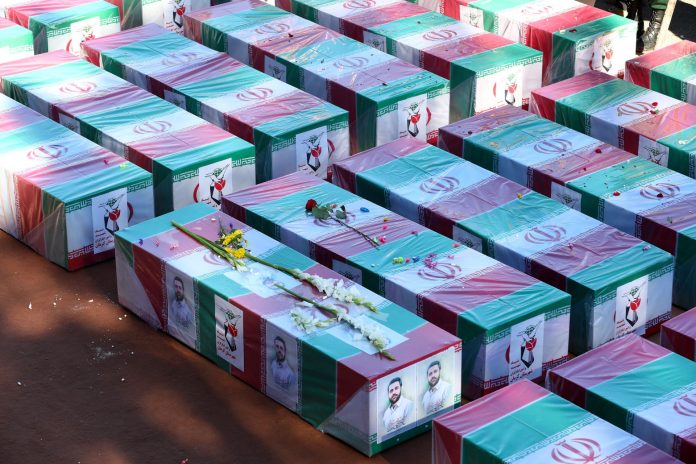
Iranians call for revenge, during funeral for victims of terror blasts in Kerman

Kerman Terror Attack

Also present at the funeral service was Major General Hossein Salami, the general commander of Iran’s Islamic Revolution Guards Corps (IRGC).

“Commander! Revenge, Revenge,” the mourners chanted.

Iran president: Martyr Soleimani foiled U.S. plot to bring another Israel to power in region 

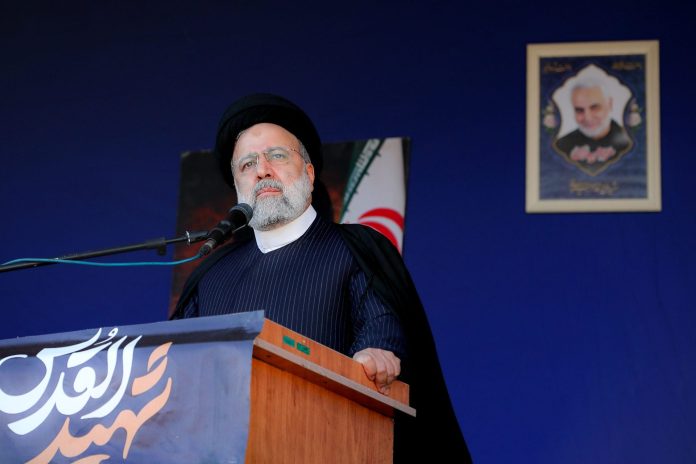
“General Soleimani utilized all forces and potential in the region to rein in the diabolical Daesh entity, a handiwork of the United States, and he made round-the-clock efforts to achieve that end,” said President Ebrahim Raisi on Friday at a funeral held for the victims of the recent twin terrorist attacks in the southeastern Iranian city of Kerman.

The blasts hit a rally marking the fourth anniversary of the martyrdom of General Soleimani in Kerman.

“We owe security in the region and in West Asia to efforts by martyr Soleimani,” he added.

Elsewhere in his remarks, the president noted that general Soleimani was aptly named ‘ A martyr of al-Quds’ by senior members of the resistance front.

He said the achievements of the resistance front today are the fruit of martyr Soleimani’s efforts, moves and support.

“Although we should praise Palestine, Hamas and Hezbollah, too, martyr Soleimani’s role was unparalleled,” the president explained.

Also present at the funeral service was Commander General of Iran’s Islamic Revolution Guards Corps (IRGC) Major General Hossein Salami, who underlined that the blood of martyrs will only make the resistance front stronger.

The funeral procession was held at the tomb of martyr Qassem Soleimani in Kerman.

89 people were killed and hundreds more injured in the Kerman terror incident, claimed by the Daesh terrorist group.

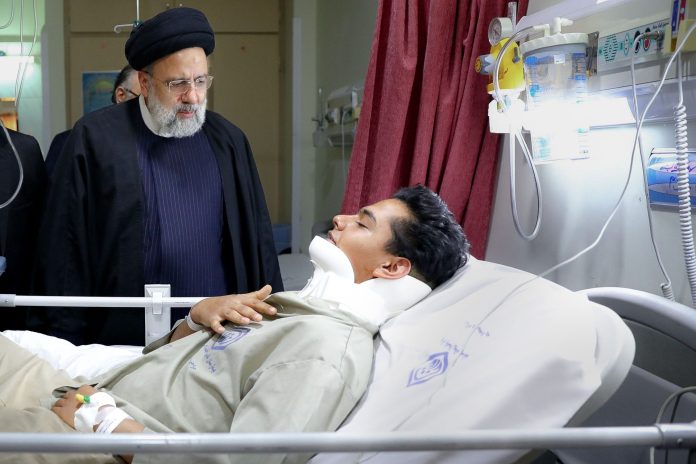
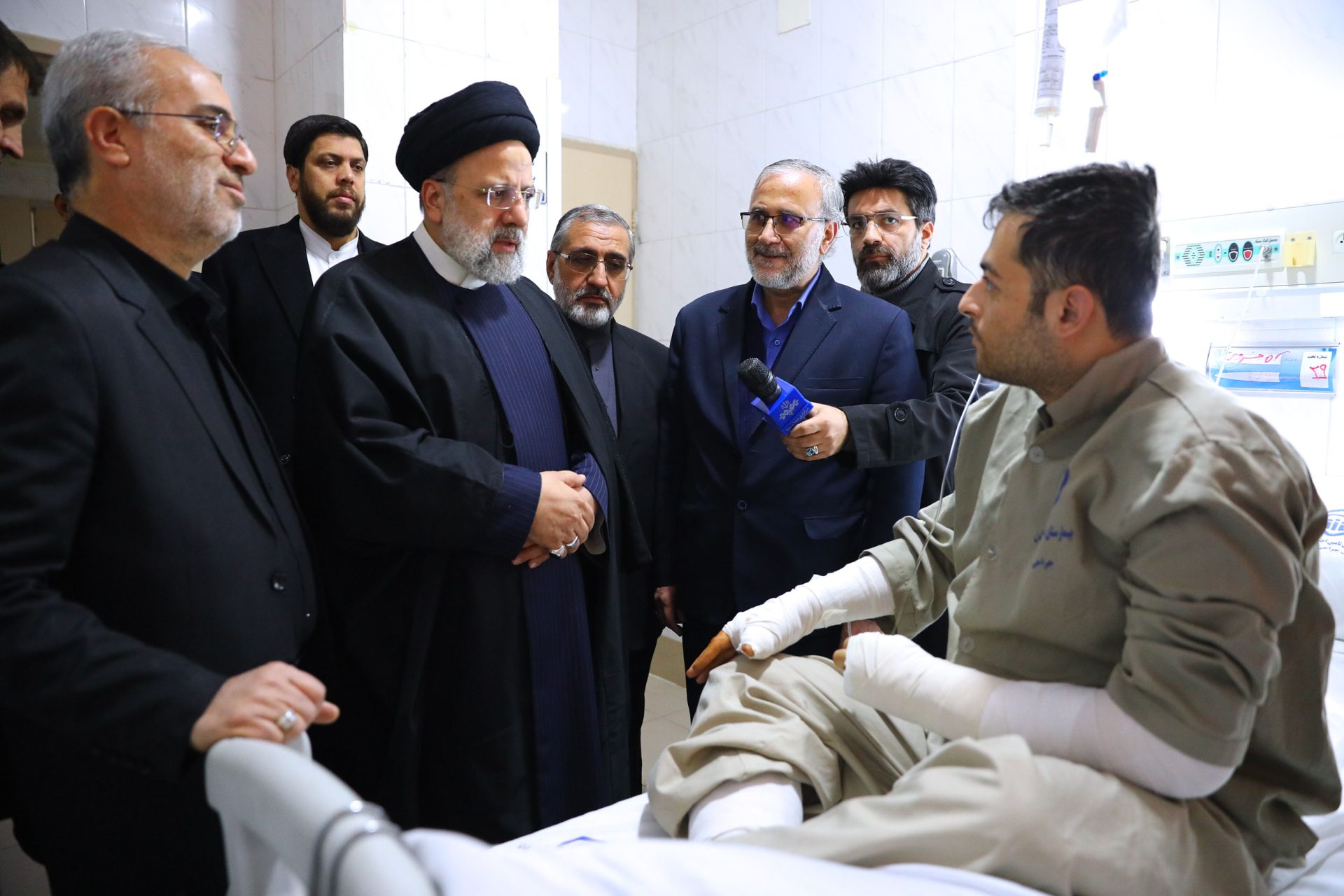
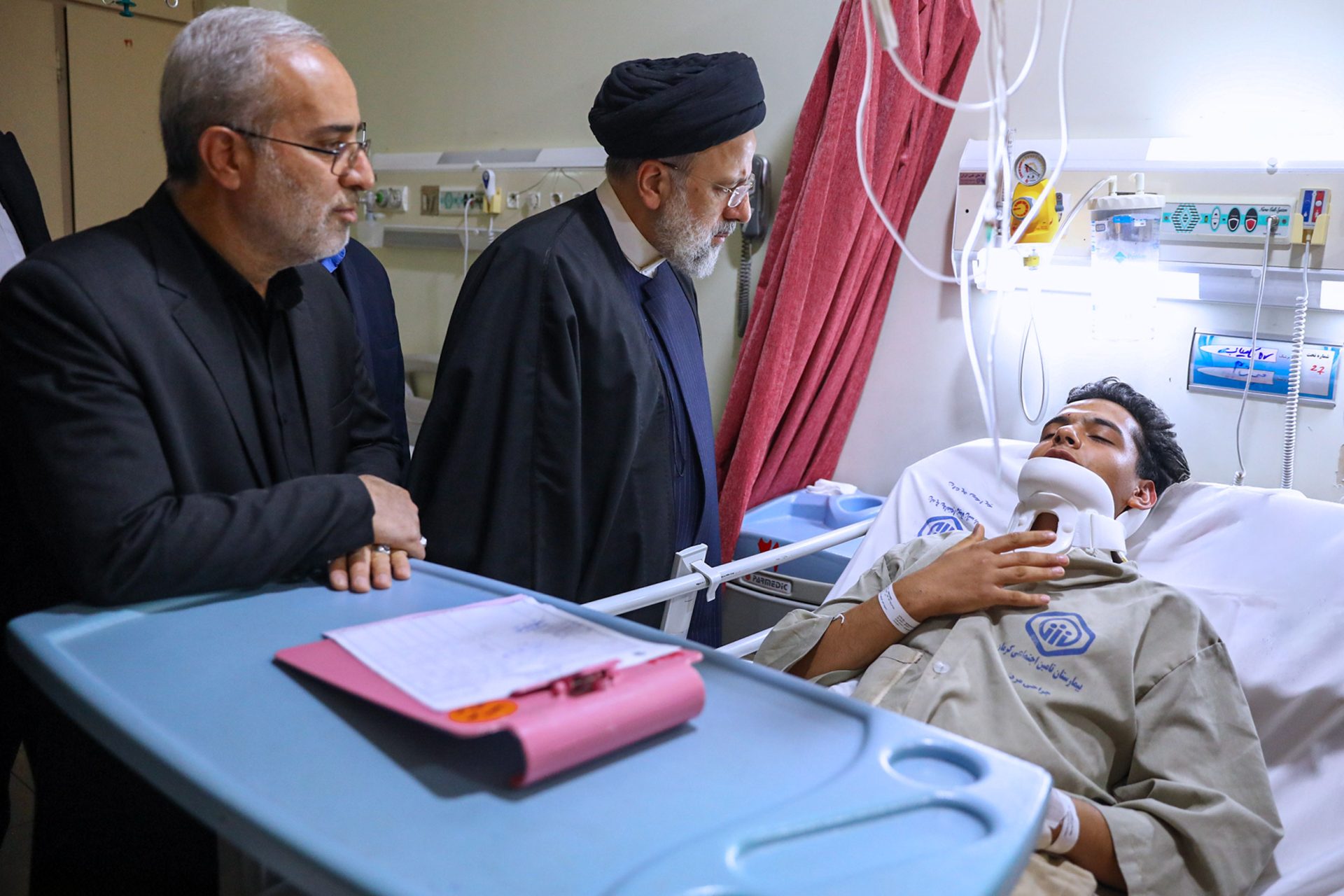
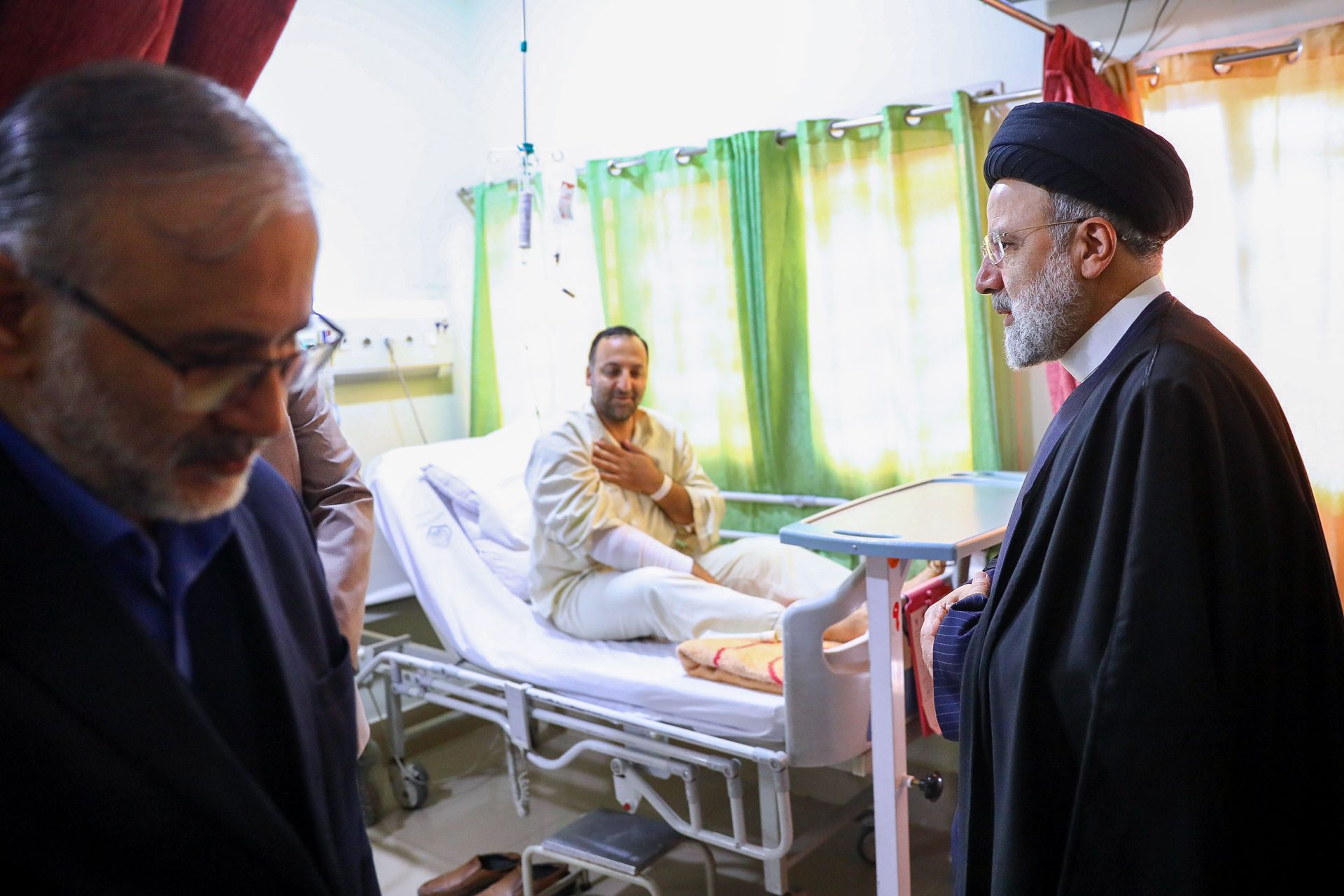
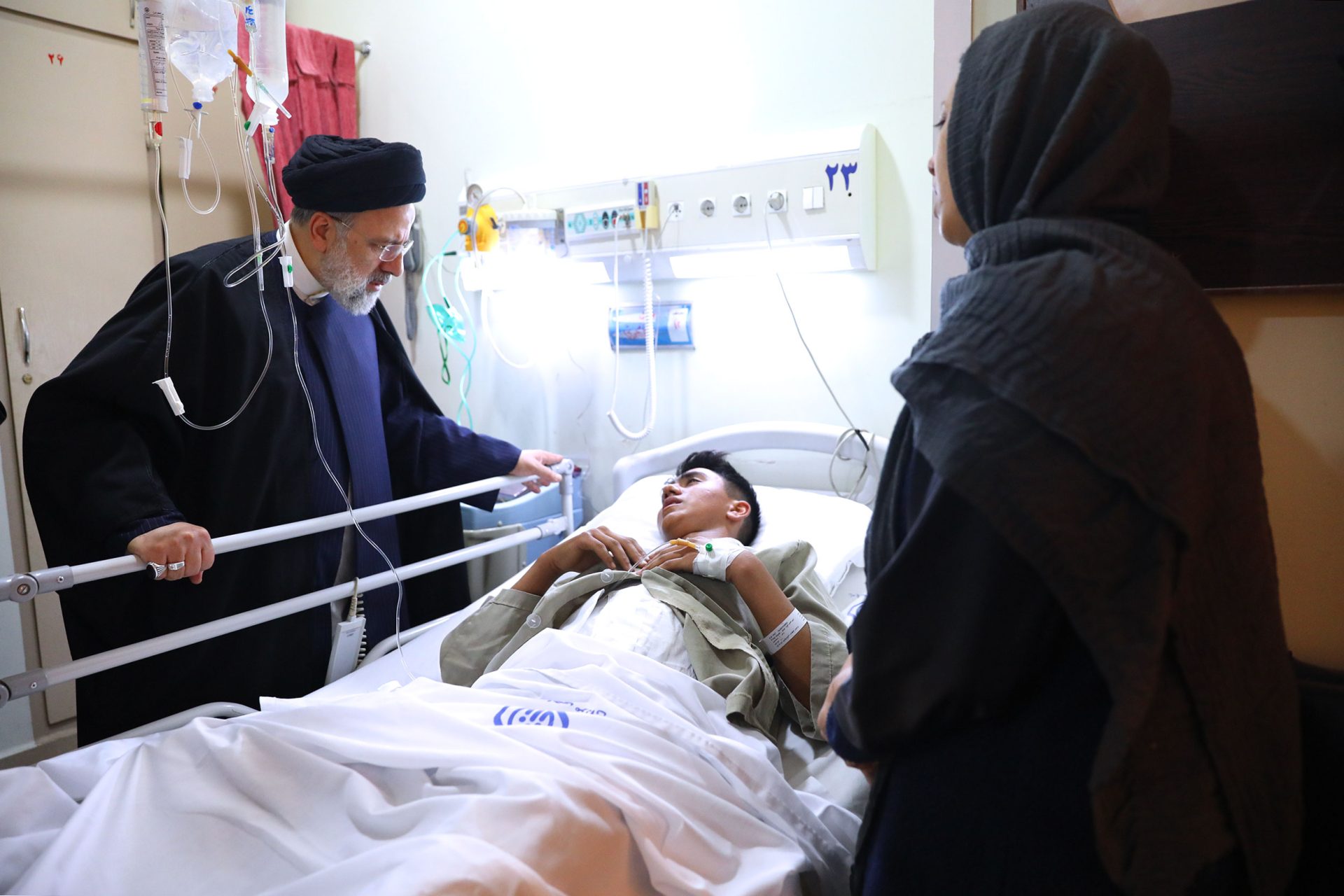
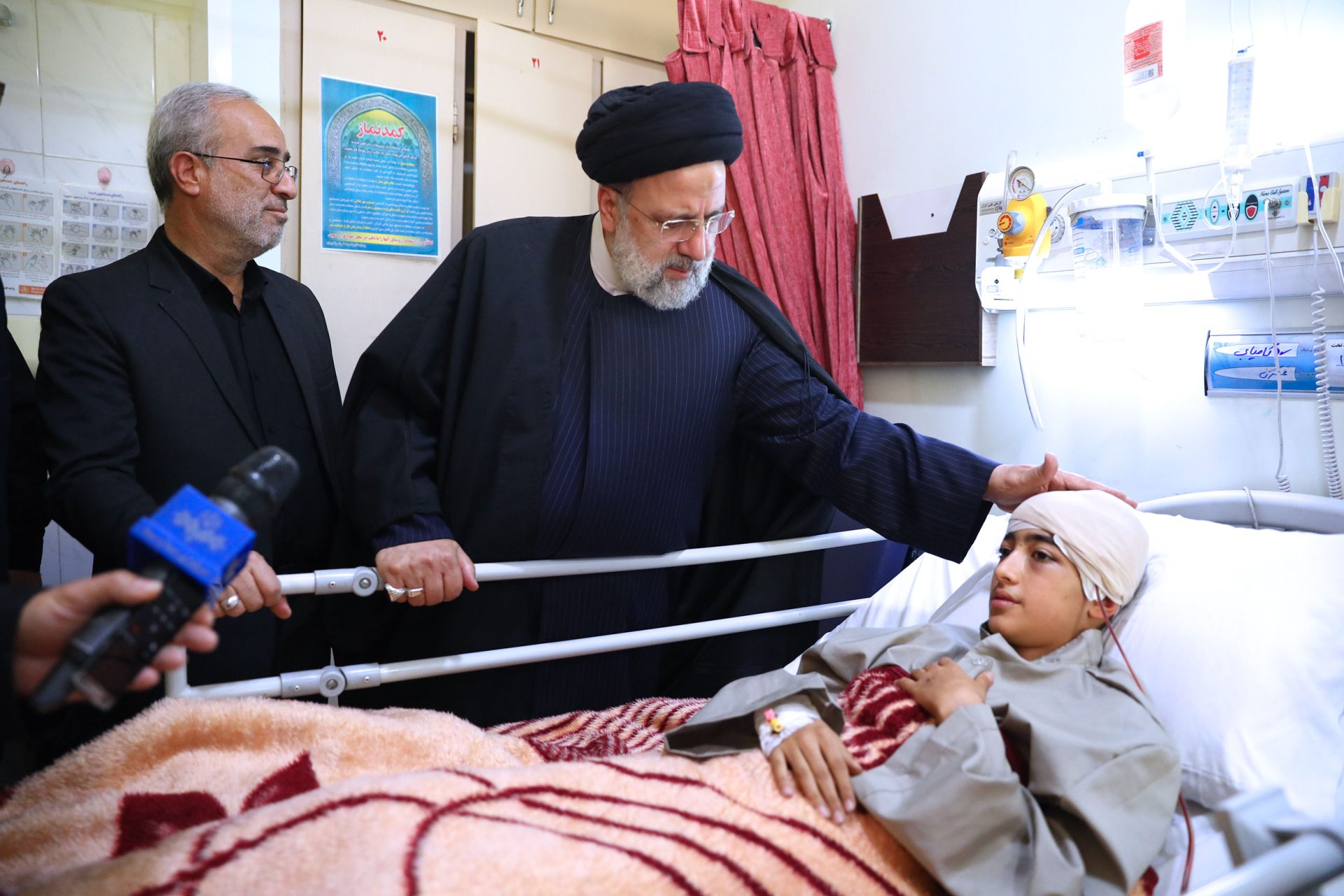
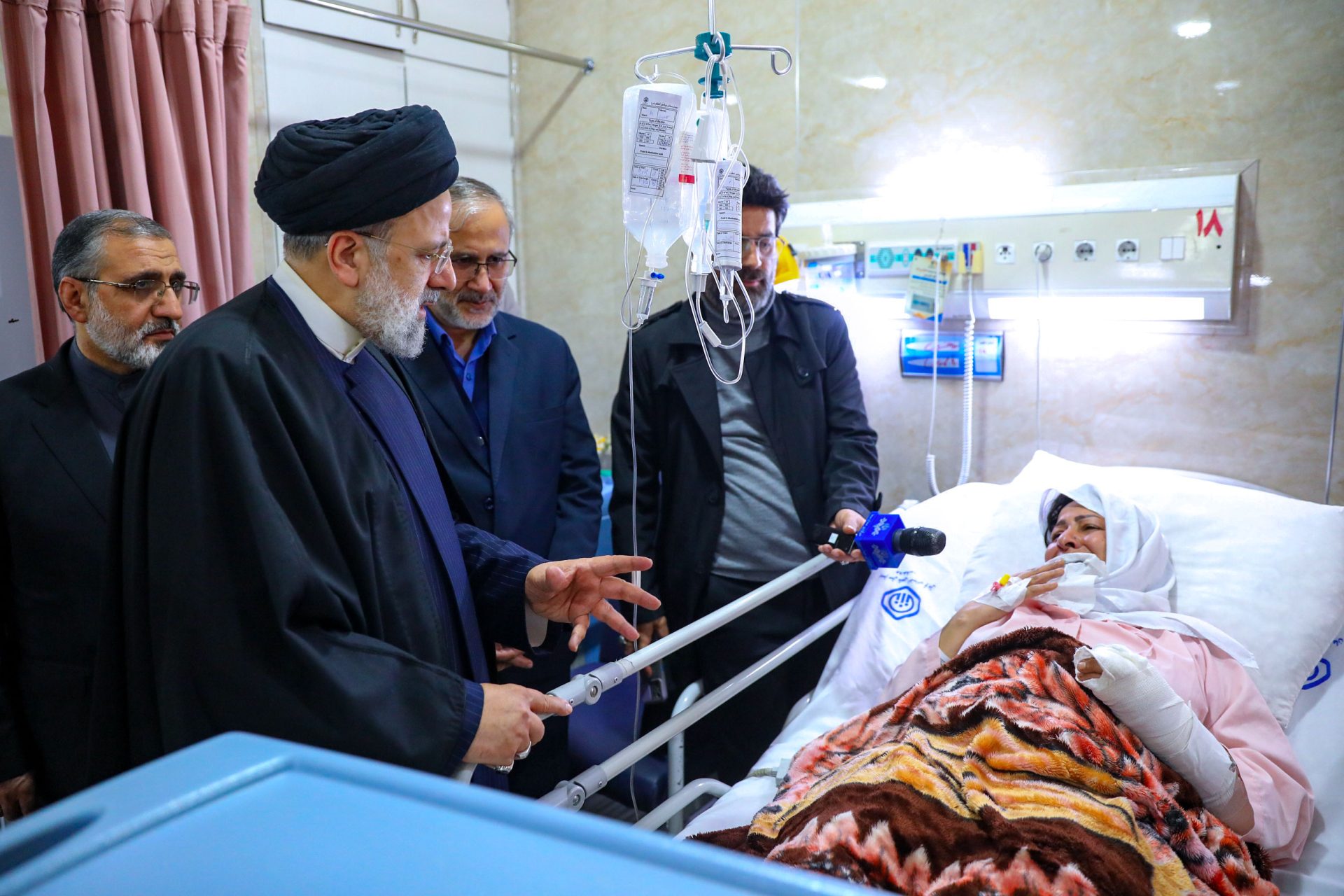
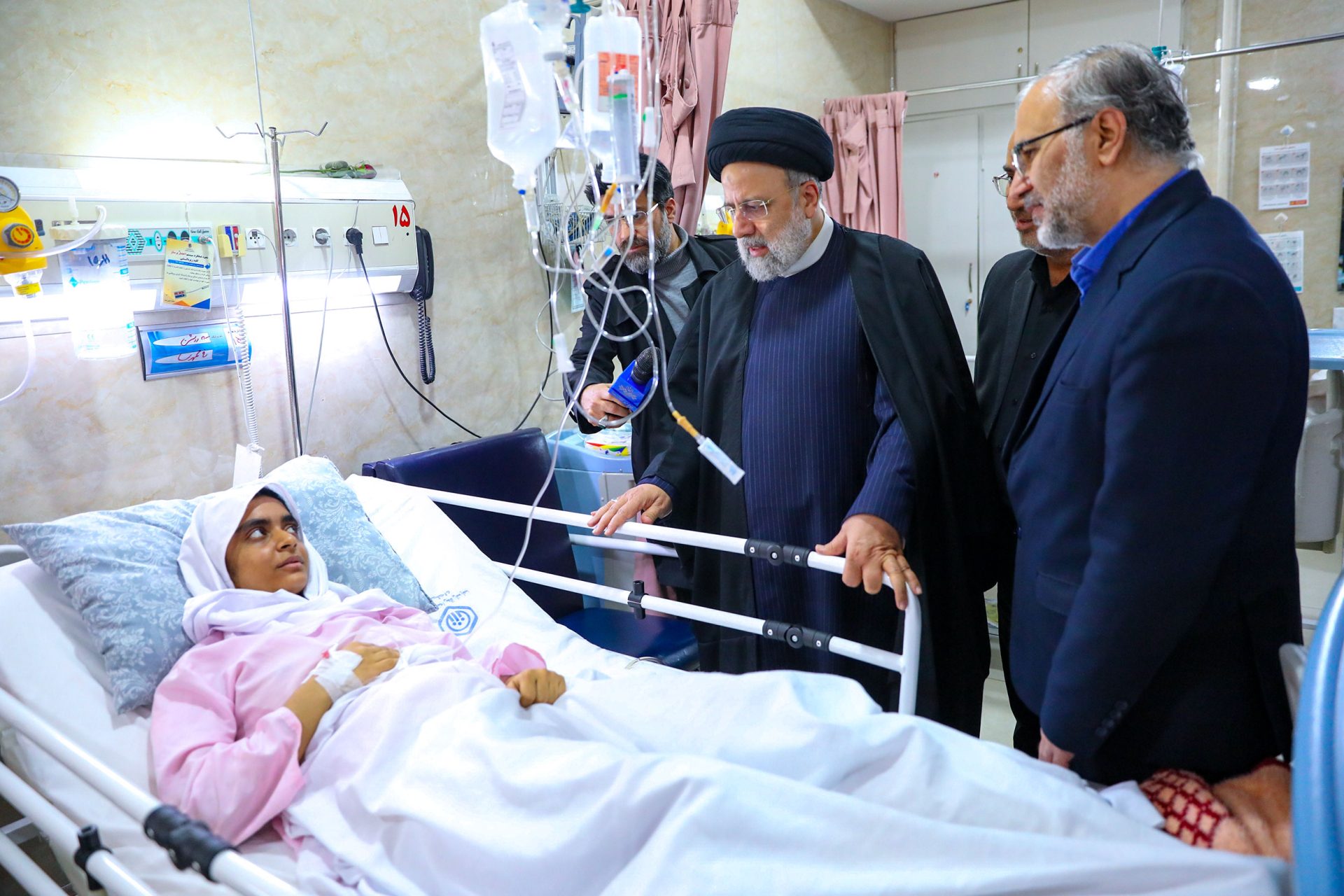
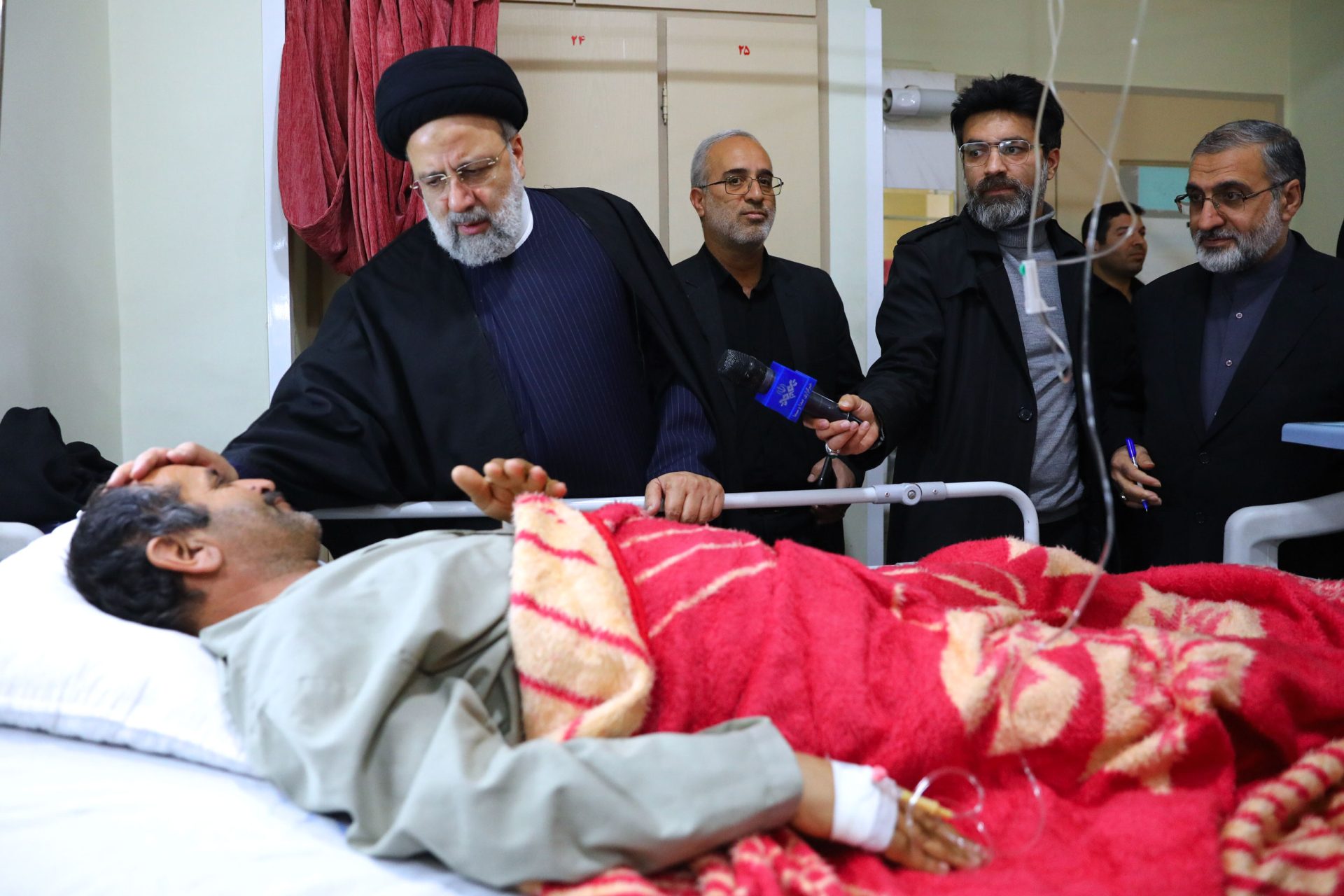
Iran president visits survivors of Kerman terror incident 

President Ebrahim Raisi traveled to Kerman on Friday to take part in a funeral held for victims of the tragedy.

At least 89 people were killed and hundreds more were injured in the twin blasts, claimed by the Daesh terror group.

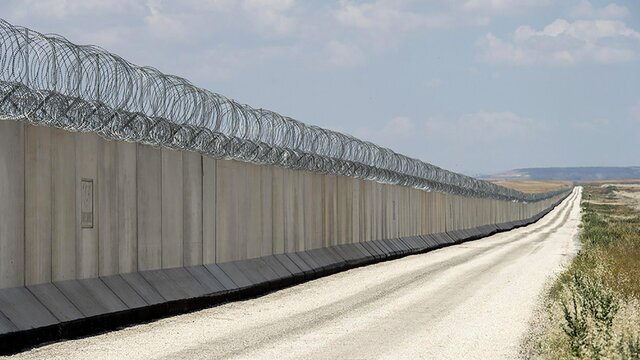
Iran to seal off porous borders with Afghanistan, Pakistan to beef up security

“The plan to block the border is a comprehensive plan which has different dimensions,” said Interior Minister Ahmad Vahidi.

“It is not only a wall. Different measures will be adopted to seal off the border,” he added.

The minister noted the project will be managed and implemented by the Armed Forces.

“The plan to seal off the border takes time. So, porous stretches of the border which are being abused take priority,” he said.

His comments come as many illegal immigrants and sometimes terrorists have slipped into Iran from Afghanistan and Pakistan, jeopardizing national security.

On Wednesday two bomb blasts ripped through the southeastern Iranian city of Kerman, killing 89 people and injuring hundreds more.

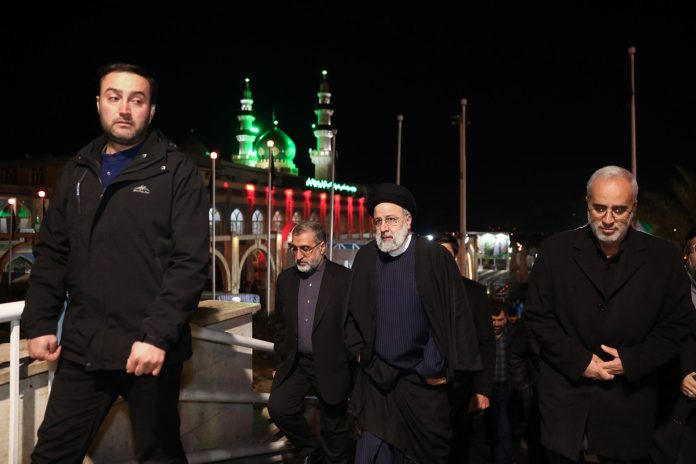
President Raisi in Kerman, two days into terror deadly blasts 

Ebrahim Raisi is in Kerman to take part in a funeral for the victims of twin terrorist attacks which hit a rally in the city on Wednesday marking the fourth anniversary of the martyrdom of general Soleimani.

89 people were killed and nearly 300 others were injured in the terror incident.

The Daesh terror group has reportedly claimed responsibility for the blasts.