
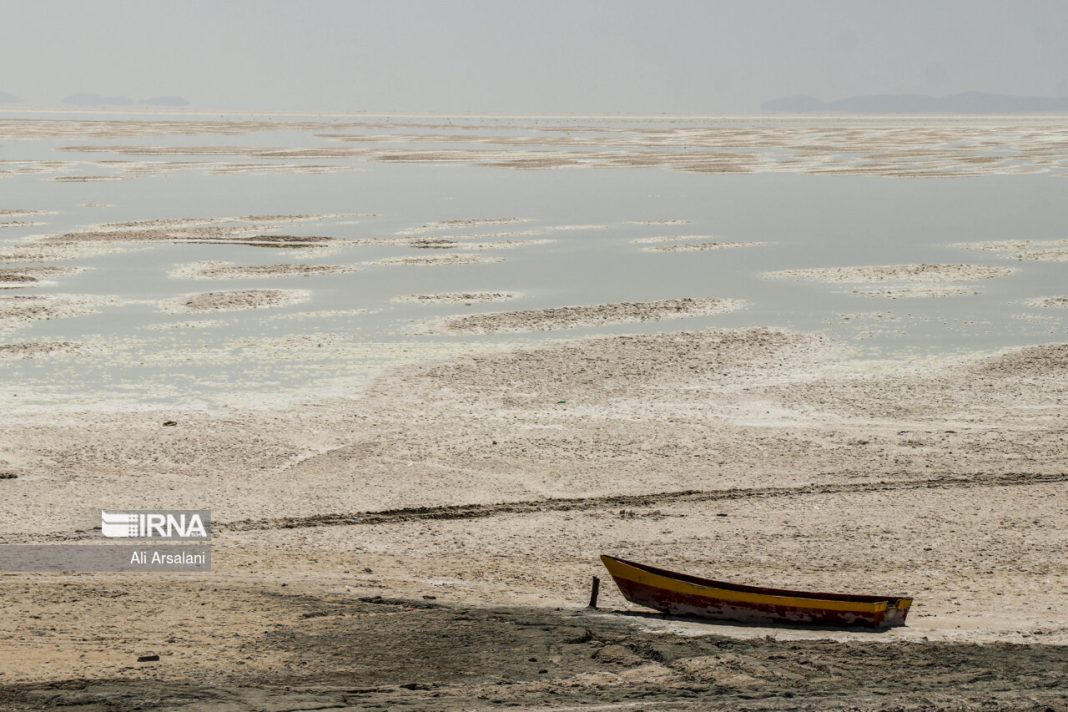
The new photos show no trace of the once-vast body of water, long known as the “blue jewel” of Iran.
Experts had warned earlier this summer that the lake faced total desiccation by the end of the season, citing prolonged drought, overuse of water resources, and climate change as key factors.
Local environmental officials had already reported that Urmia was 100 percent dry in parts of its basin.
Lake Urmia, estimated to have existed for around 13,000 years, was once a thriving ecosystem supporting migratory birds, brine shrimp, and surrounding agriculture.
At its peak, it stretched over 5,000 square kilometers, attracting tourism and sustaining local communities.
The disappearance of the lake has raised serious concerns about ecological collapse, loss of biodiversity, and worsening dust storms in the region.
Environmental advocates had repeatedly urged stronger measures to restore water inflows, though years of government projects failed to halt the decline.
