
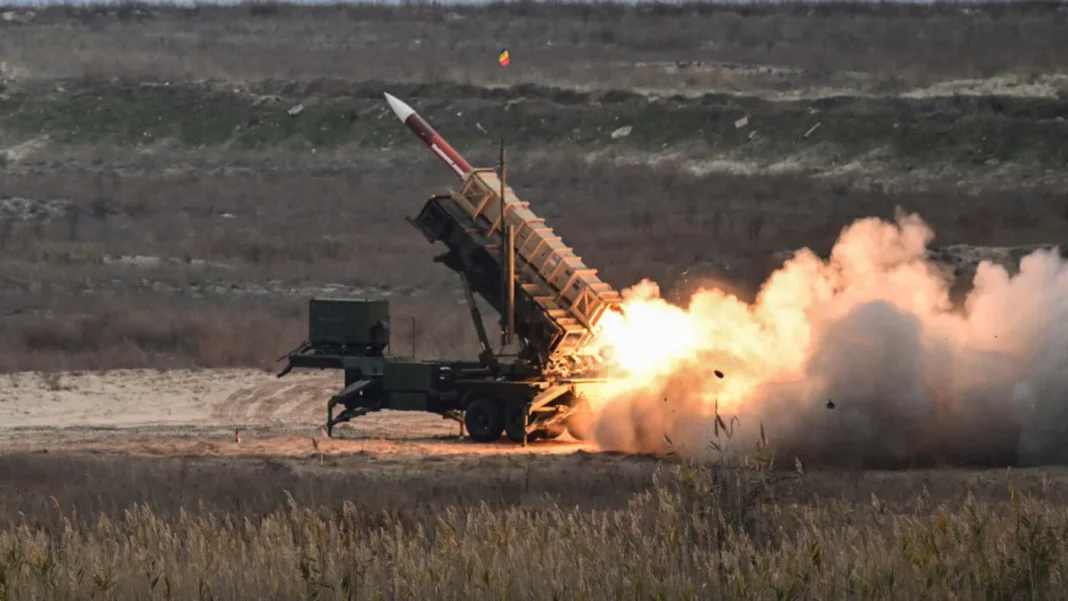
According to the report, deputy defence secretary Stephen Feinberg was so alarmed by the dwindling reserves that he ordered transfers to be halted while the Pentagon reviewed deliveries to US partners.
Middle East Eye was the first to reveal during the recent Israel-Iran conflict that US officials were concerned about the pace at which they were using interceptors to defend Israel from ballistic missile attacks.
A US official told MEE at the time that there were concerns a direct US strike on Iran could lead to bigger retaliation from the Islamic Republic, which would drain the US’s stockpile to a “horrendous” level.
The conflict between Israel and Iran culminated in limited US strikes on Iran’s Natanz, Fordow and Isfahan nuclear sites. Iran responded by informing the US via Qatar that it would fire 14 ballistic missiles at al-Udeid air base, southwest of Doha.
According to open-source defence analysts, the US was expected to fire two to four interceptors for each missile fired. The Guardian reported that the US fired close to 30 patriot interceptors, or PAC-3s, to down the Iranian barrage. Even this relatively low number exacerbated the stockpile shortages, according to the report.
Dan Caine, US Air Force general and chairman of the joint chiefs of staff, told The War Zone news site that the operation to defend al-Udeid from Iran’s symbolic attack was the “largest single Patriot engagement in US military history”.
The relatively low numbers involved underscore just how precious a commodity Patriot missiles are, particularly at a time of increasing ballistic missile use in Eastern Europe and the Middle East.
In 2024, Lockheed Martin reported that it produced and delivered 500 interceptors, a 30 percent increase from the previous year.
In addition to firing Patriots during the conflict, the US joined in Israel’s defence, using at least one Terminal High-Altitude Area Defence antimissile battery in the region and ship-mounted SM-3 interceptors.
Roughly a week after the Israel-Iran conflict, the Donald Trump administration confirmed reports that it had suspended the delivery of air defence interceptors and other weapons to Ukraine as it faced massive Russian air strikes.
The shipments to Ukraine were halted when they were in Poland, The Wall Street Journal reported, and included Patriot air defence interceptors, air-to-air missiles, artillery rounds, Stinger surface-to-air missiles and Hellfire air-to-ground missiles.
The suspension of Hellfire missiles to Ukraine is notable because just days before Israel launched its surprise attack on Iran in June, the US delivered hundreds of Hellfire missiles to Israel. MEE exclusively reported on the delivery.
President Trump has reversed the decision to halt shipments, stating that the US would send additional defensive supplies to Ukraine. However, he did not provide details on the weapons systems or numbers.
