Wednesday, December 24, 2025
Home Blog Page 985

Palestinian FM says Netanyahu prolonging Gaza war to stay in power

Gaza War

He made the remarks during a meeting with South African Ambassador Sean Benfeldt at the Foreign Ministry’s headquarters in Ramallah, the Palestinian news agency WAFA reported.

“Netanyahu is not interested in a cease-fire. On the contrary, he wants to prolong the war for as long as possible to remain in power,” said Al-Maliki.

He said Israel “is using starvation as a weapon of war, as there are nearly 600,000 Palestinians on the verge of famine,” expressing his disappointment with the international community, as it is not doing enough to pressure Netanyahu.

Al-Maliki emphasized the necessity for the international community to bear its responsibilities towards the Palestinian cause, confirming that Palestine will continue to pressure the UN Security Council and the US to implement a cease-fire.

He pointed out the danger of Israel’s daily raids on Palestinian camps in the West Bank, the destruction of infrastructure, the killing of Palestinians and the ongoing pressure on residents of the camps to force them out.

Regarding the genocide lawsuit filed by South Africa against Israel in December, al-Maliki expressed appreciation from the Palestinian leadership and people for South Africa’s historic stance and advocacy against Tel Aviv at the International Court of Justice in the Netherlands.

He affirmed that “this legal, humanitarian and moral effort is of utmost importance to expose the corruption of the world and its double standards.”

Al-Maliki added that “the provisional measures issued by the court (in January) are very important to show that Israel is still continuing its crimes in the Gaza Strip.”

Israel has waged a deadly military offensive on the Gaza Strip since an Oct. 7 cross-border attack by the Palestinian group Hamas in which 1,163 people were killed.

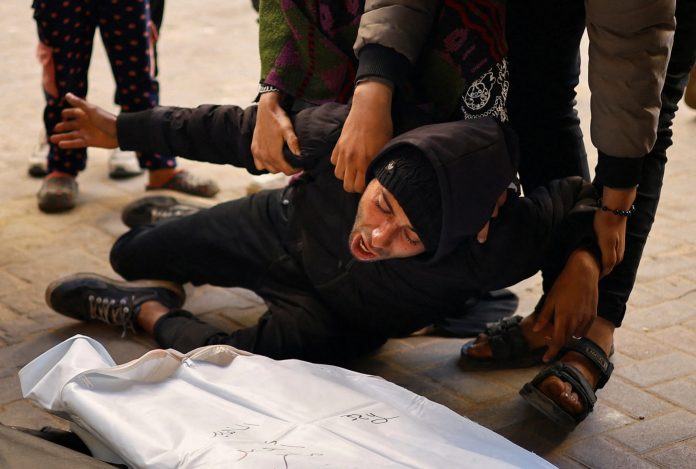
More than 31,000 Palestinians, mostly women and children, have since been killed in Gaza and over 73,000 injured amid mass destruction and shortages of necessities.

The Israeli war has pushed 85% of Gaza’s population into internal displacement amid a crippling blockade of most food, clean water and medicine, while 60% of the enclave’s infrastructure has been damaged or destroyed, according to the UN.

Israel is accused of genocide at the International Court of Justice. An interim ruling in January ordered Tel Aviv to stop genocidal acts and take measures to guarantee that humanitarian assistance is provided to civilians in Gaza.

Report: US privately tells Israel it will accept small-scale raid on Rafah

Biden Netanyahu

The report cites four unnamed US officials, who told Politico that the US wants Israel to avoid a large-scale invasion of the southern Gaza City, where some 1.5 million displaced Palestinians are sheltered after fleeing Israeli bombardment in other parts of the Strip.

“In private conversations, top administration officials have signaled to Israel that they could support a plan more akin to counterterrorism operations than all-out war, four US officials said”, the report notes.

“That, the administration officials argue, would minimize civilian casualties, decimate Hamas’ ranks and avoid scenes that have led to souring public opinion on Israel’s campaign and Biden’s handling of the war,” it adds.

The US has long announced that it would require a plan to protect civilians in Rafah before it supported Israel’s promised Rafah invasion. Secretary of State Antony Blinken told reporters that the US has yet to see such a plan.

United States President Joe Biden has warned that there are “red lines” Israel should not cross in its war in the Gaza Strip while insisting he would never abandon Washington’s ally.

Israel has waged a retaliatory offensive on Gaza since a cross-border attack by Hamas on Oct. 7, which killed nearly 1,200 people. The offensive has killed around 31,300 Palestinians and injured over 73,000 others amid mass destruction and shortages of necessities.

Israel has also imposed a crippling blockade on the Palestinian enclave, leaving its population, particularly residents of northern Gaza, on the verge of starvation.

The Israeli war has pushed 85% of Gaza’s population into internal displacement amid a crippling blockade of most food, clean water, and medicine, while 60% of the enclave’s infrastructure has been damaged or destroyed, according to the UN.

Israel stands accused of genocide at the International Court of Justice. An interim ruling in January ordered Tel Aviv to stop genocidal acts and take measures to guarantee that humanitarian assistance is provided to civilians in Gaza.
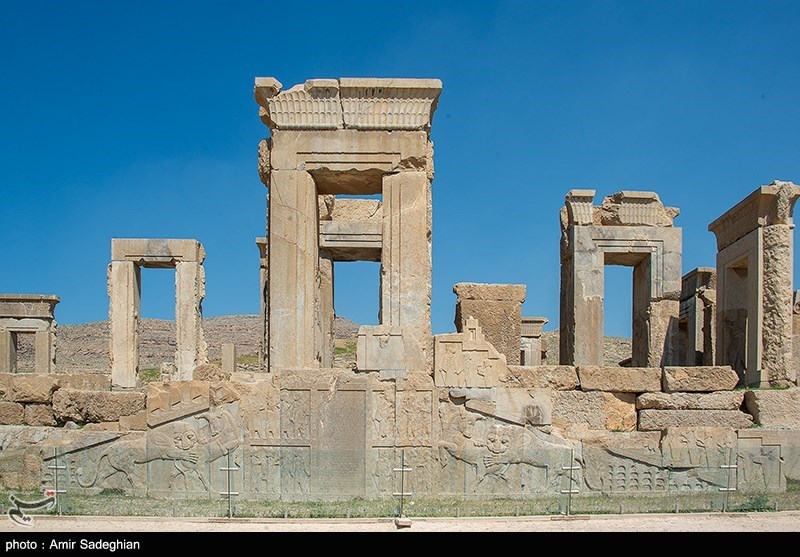
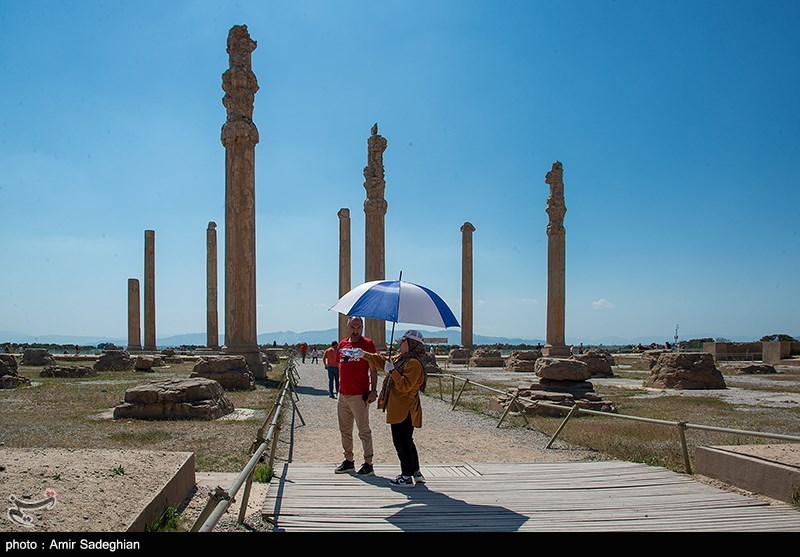
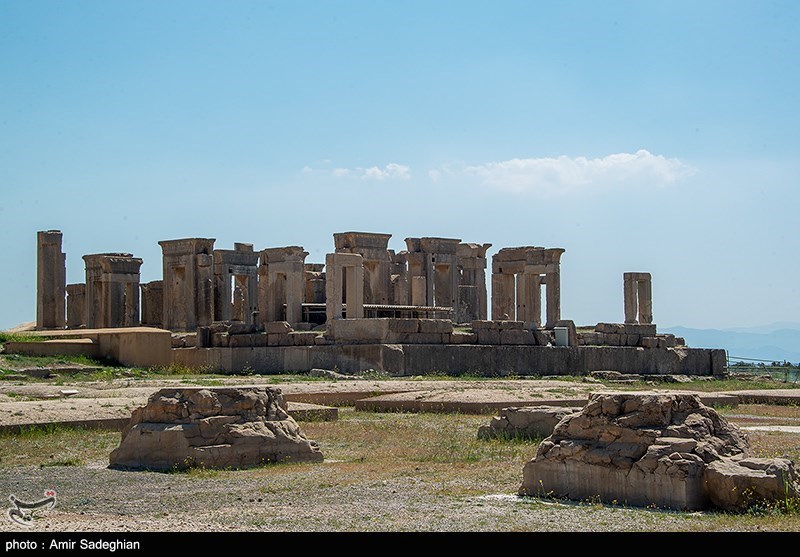
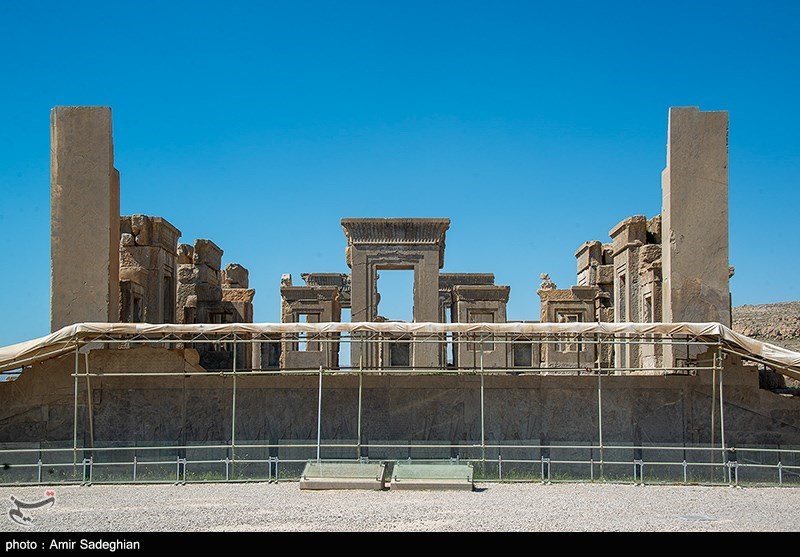
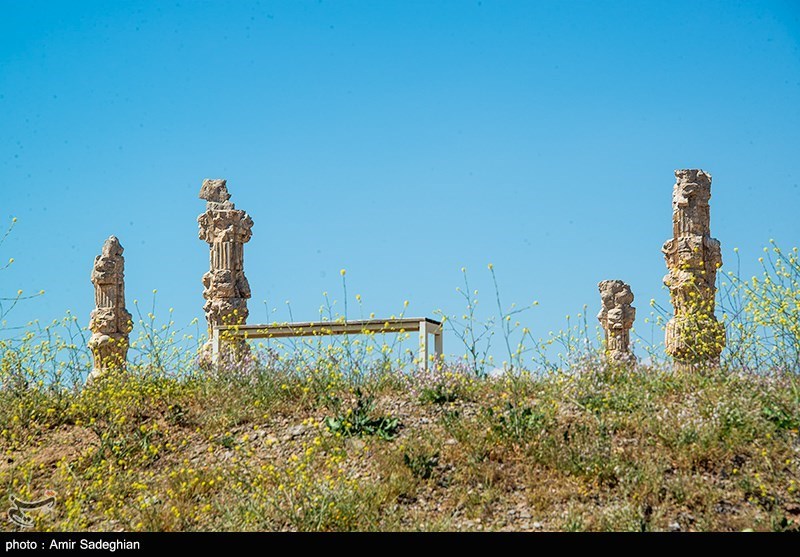
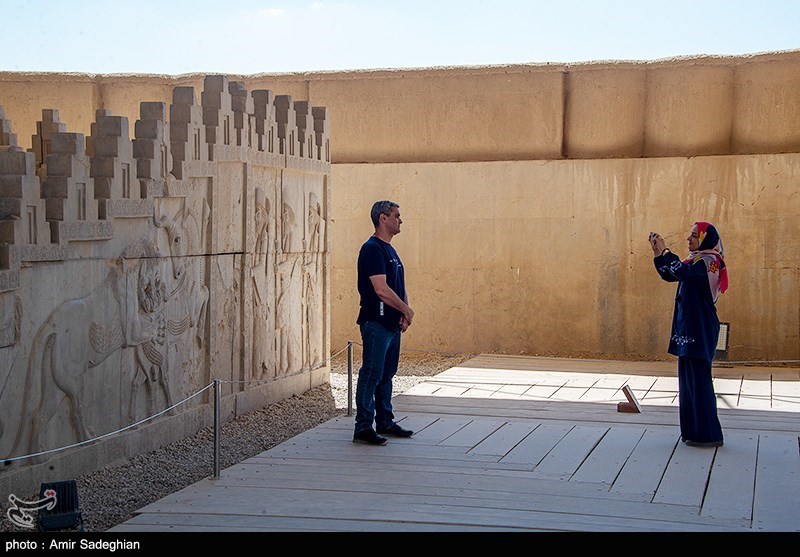
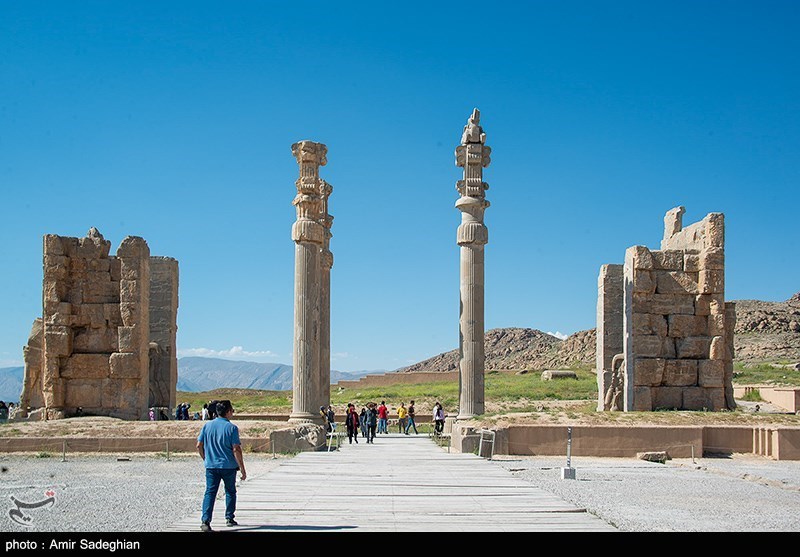
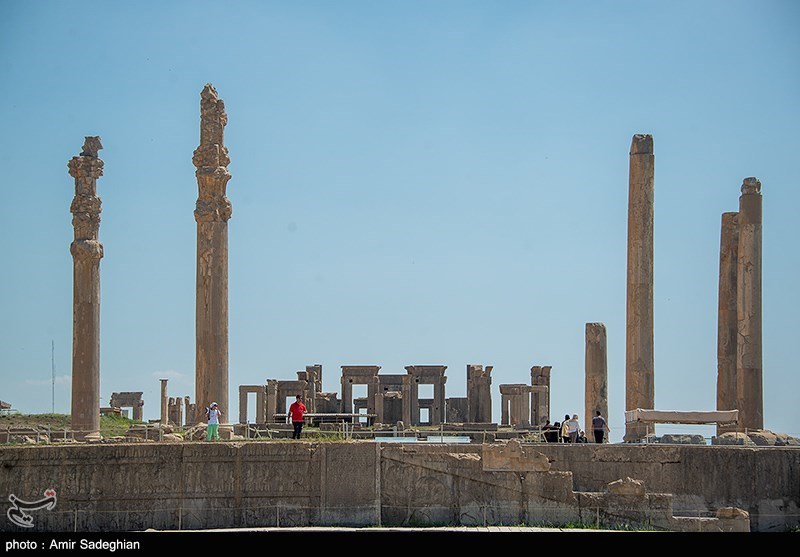
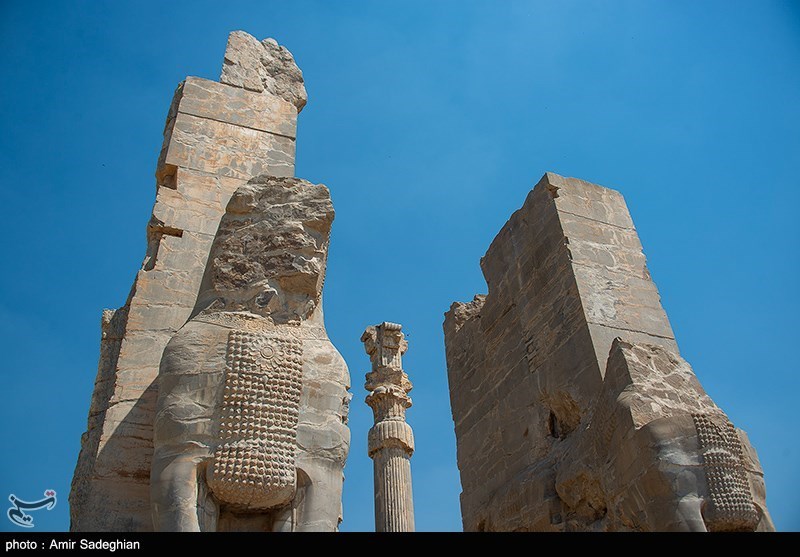
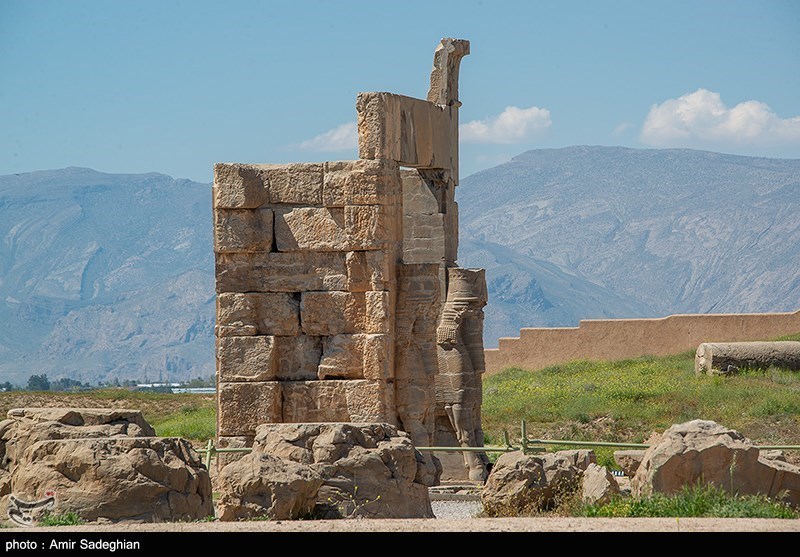
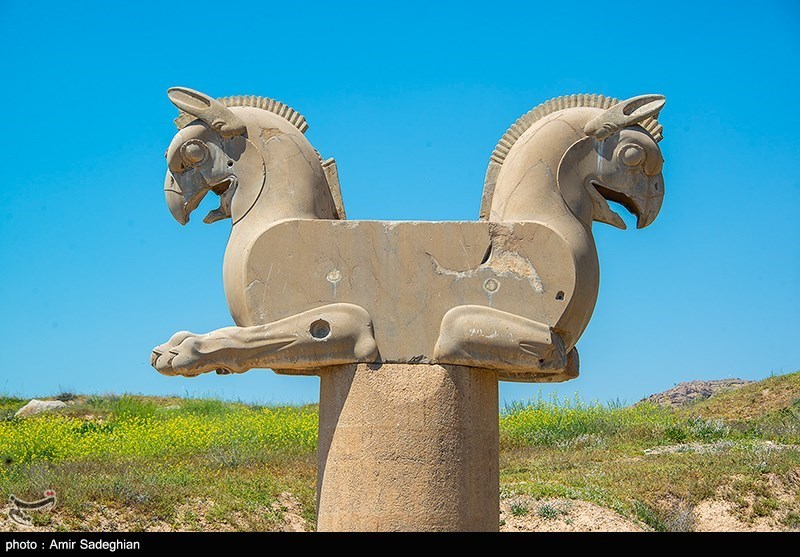
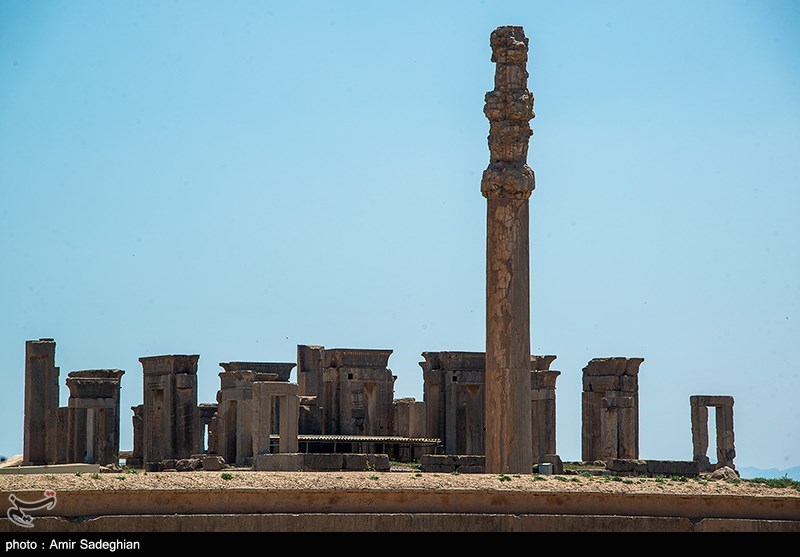
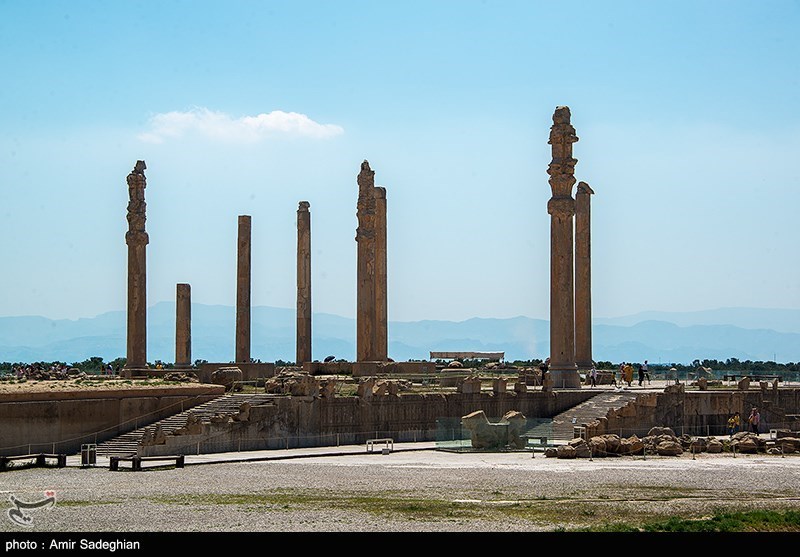
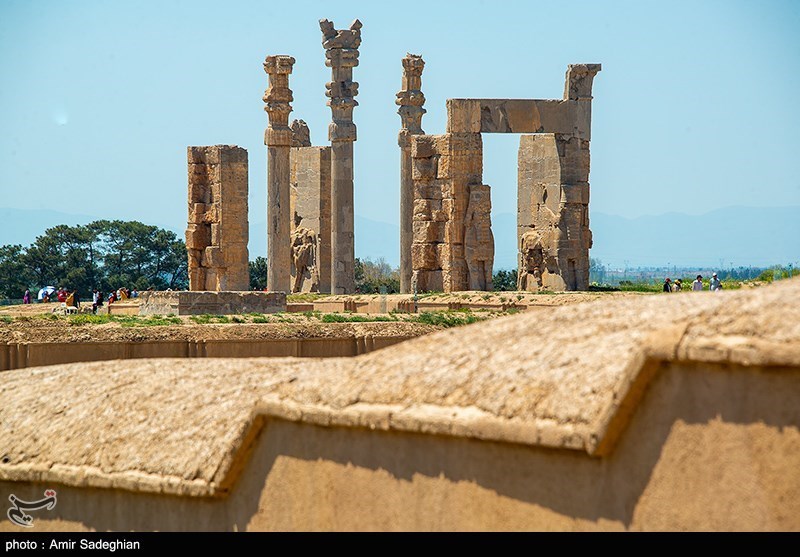
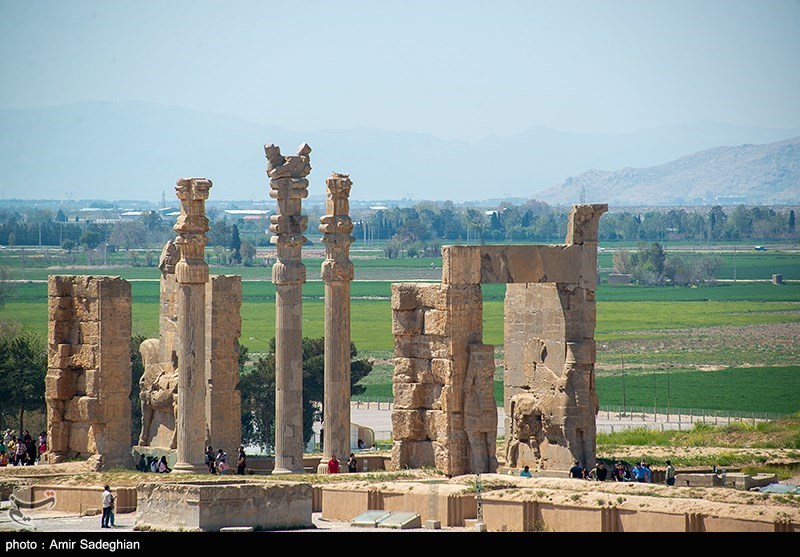
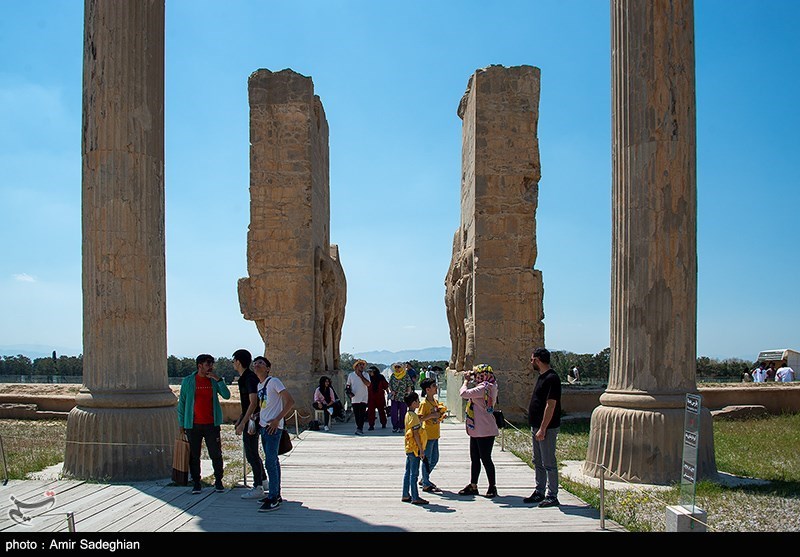
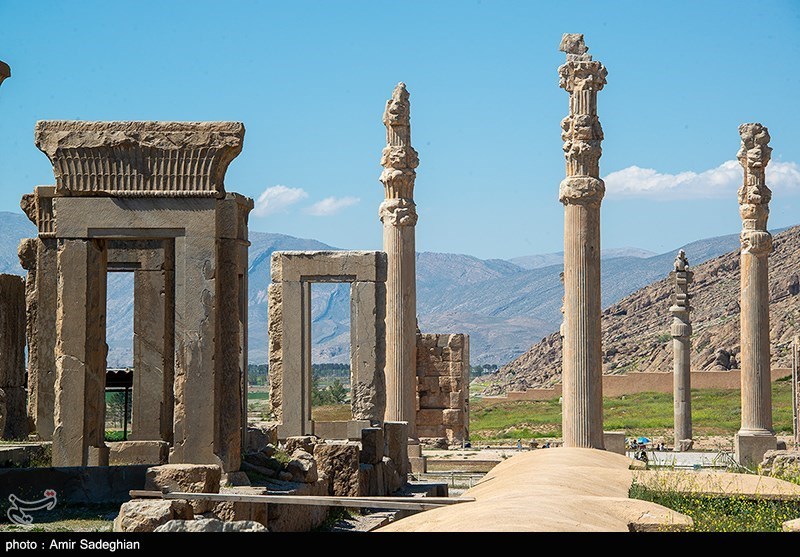
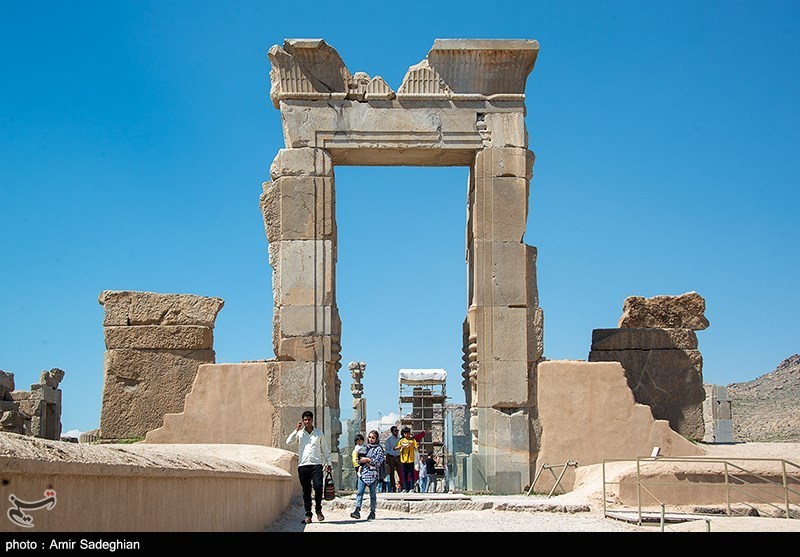
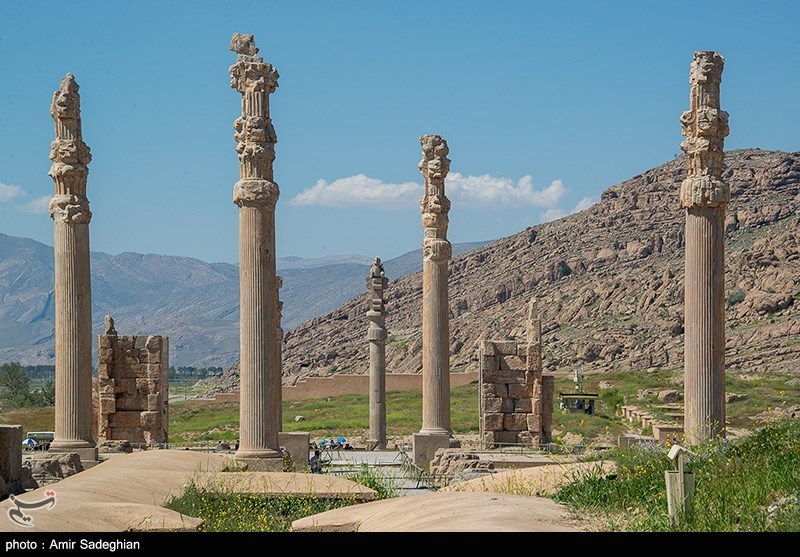
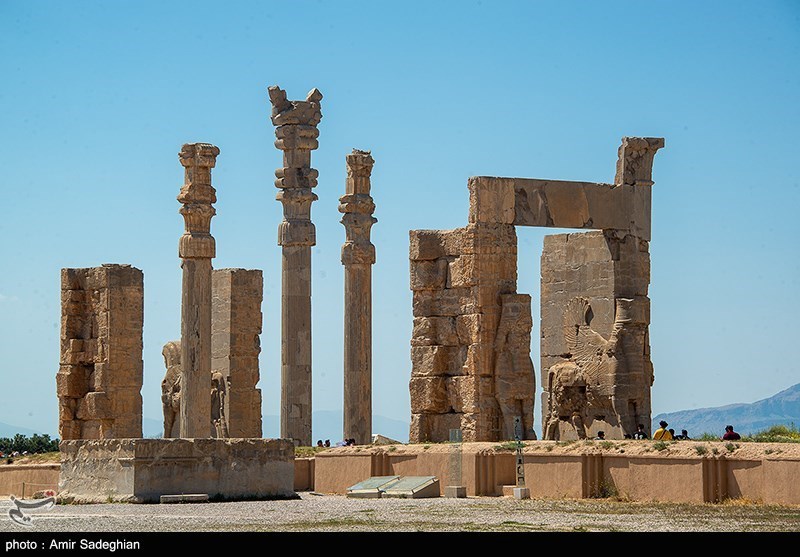
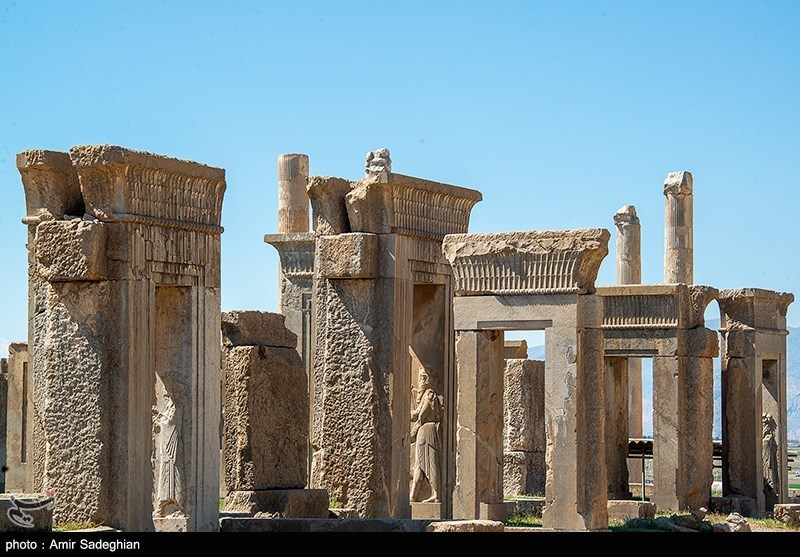
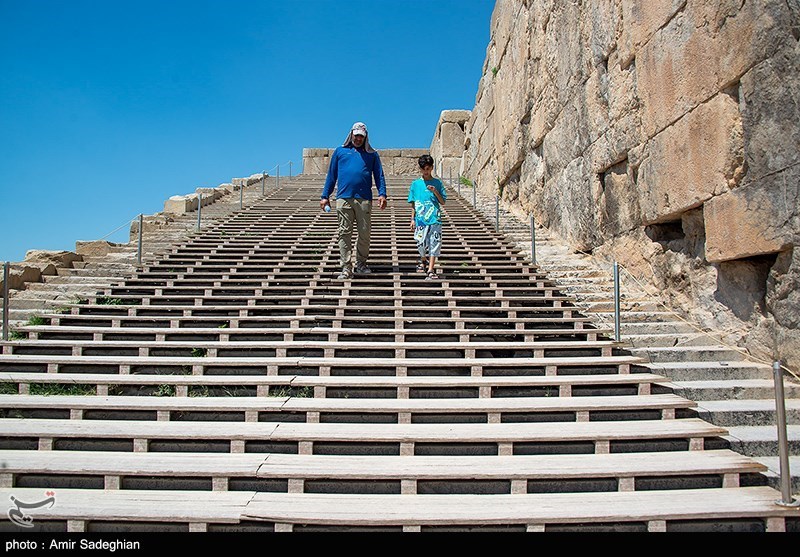
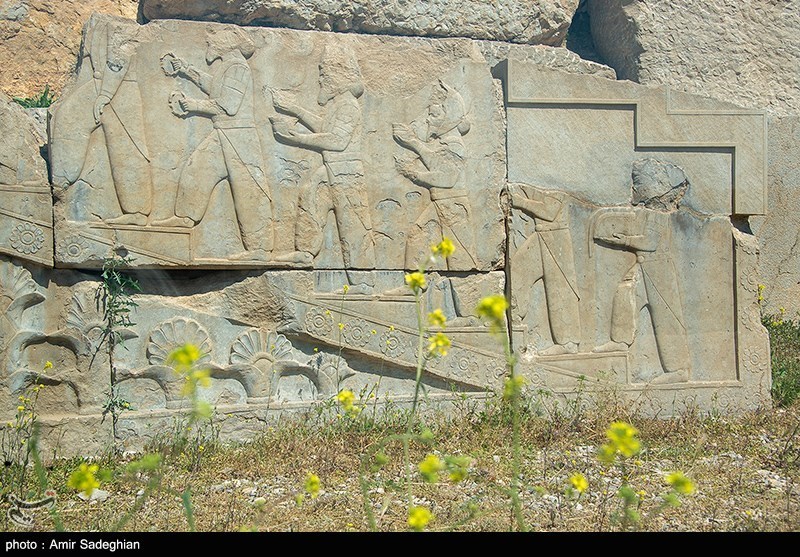
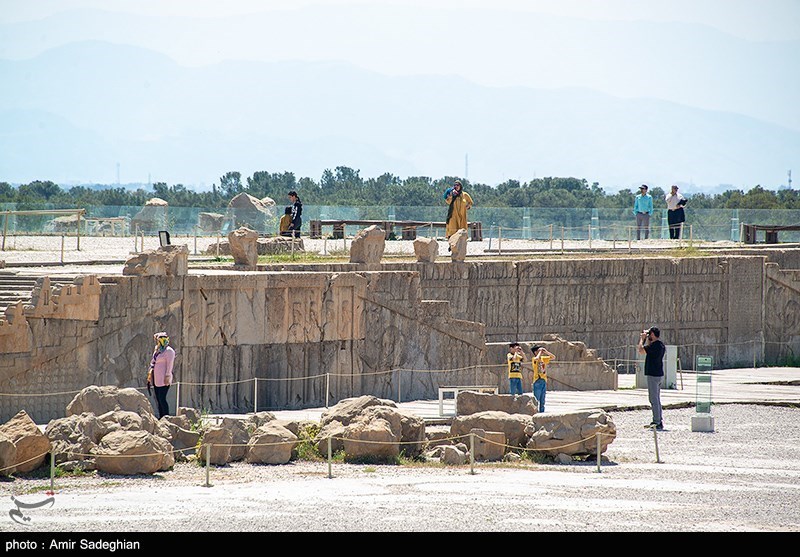
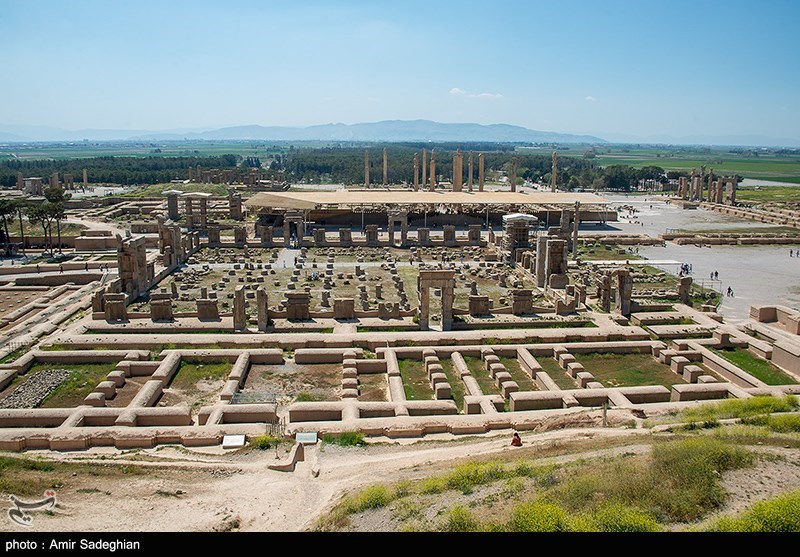
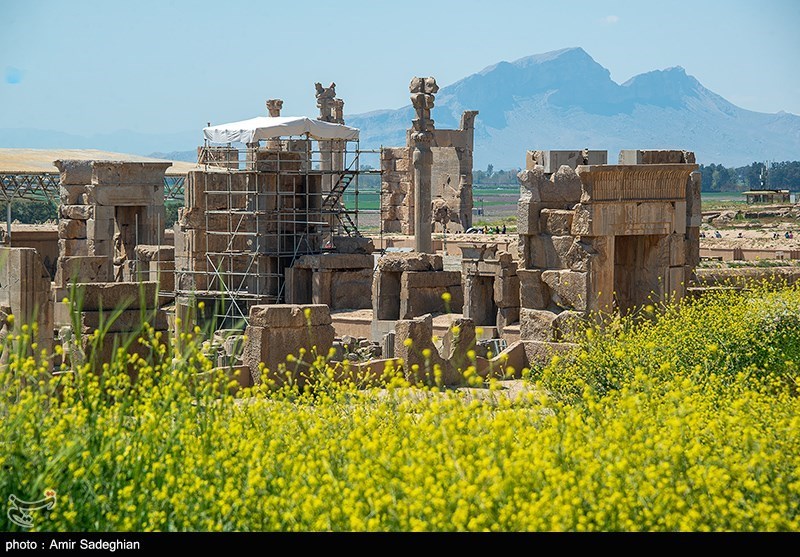
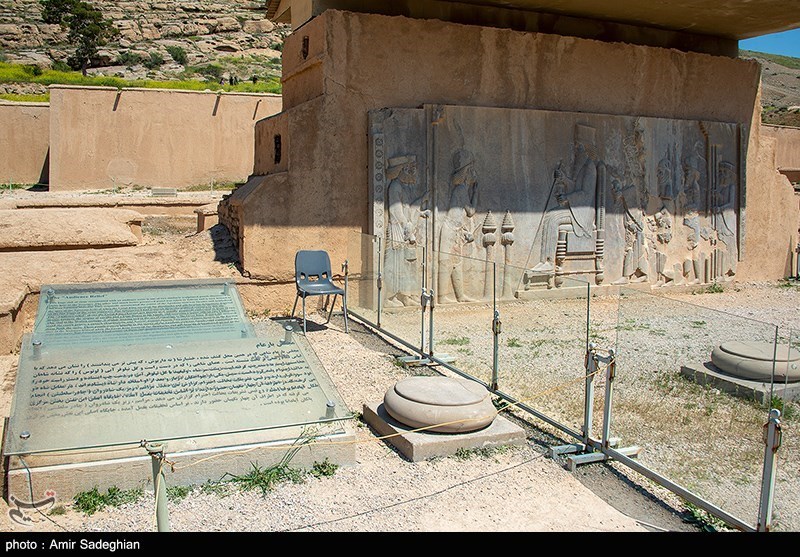
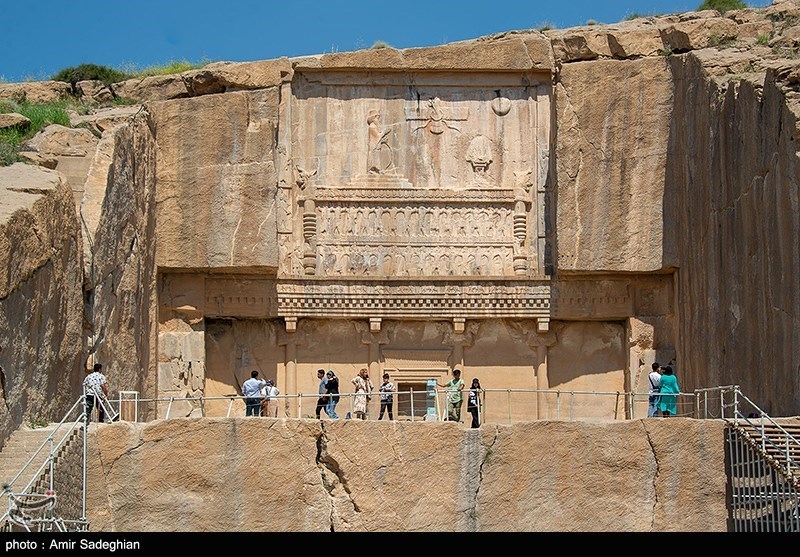
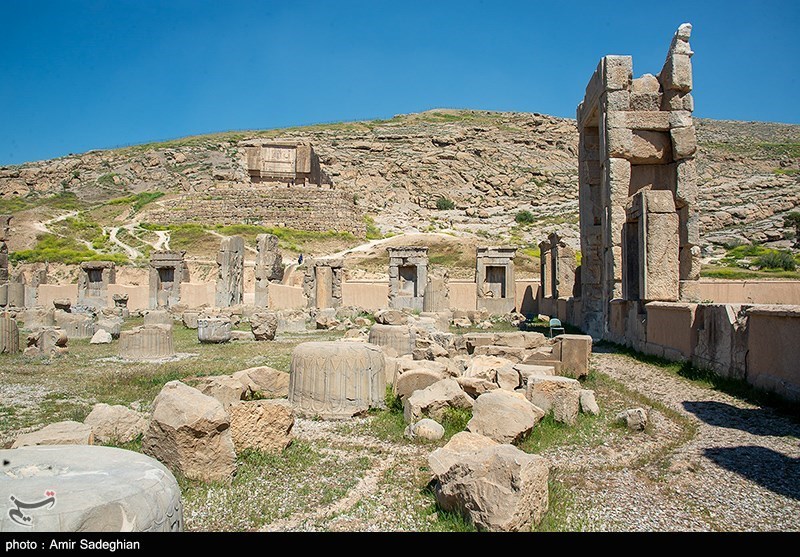
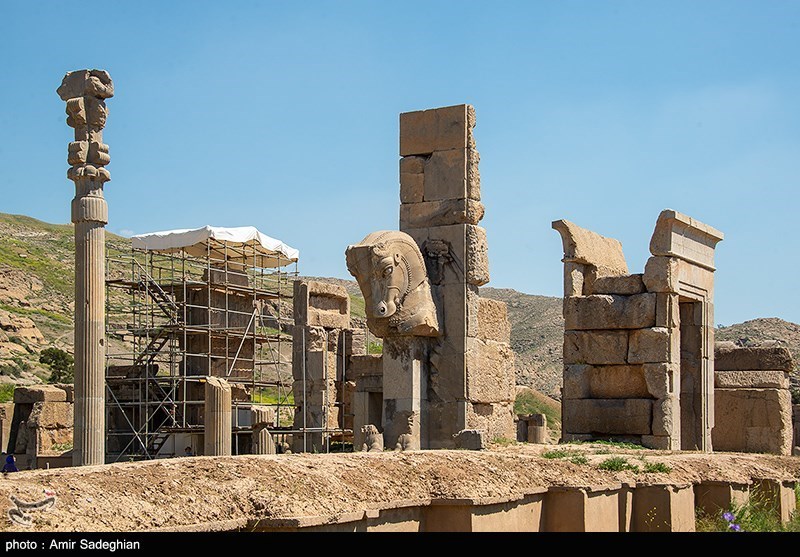
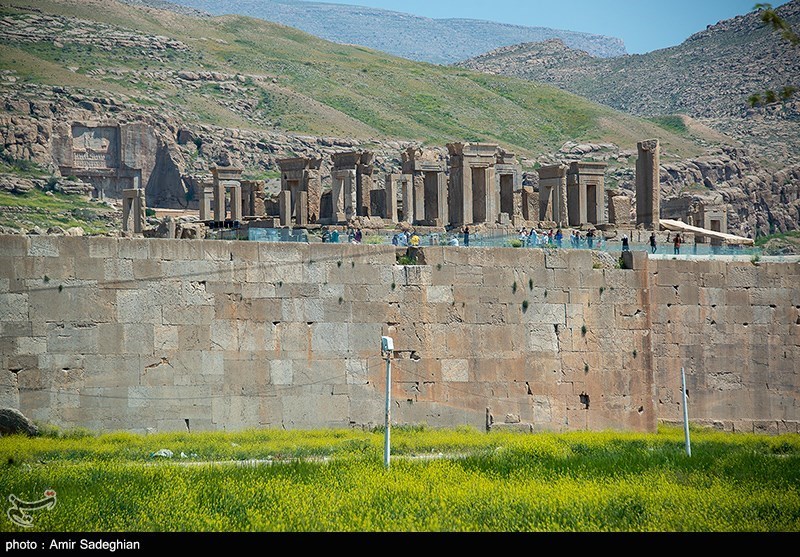
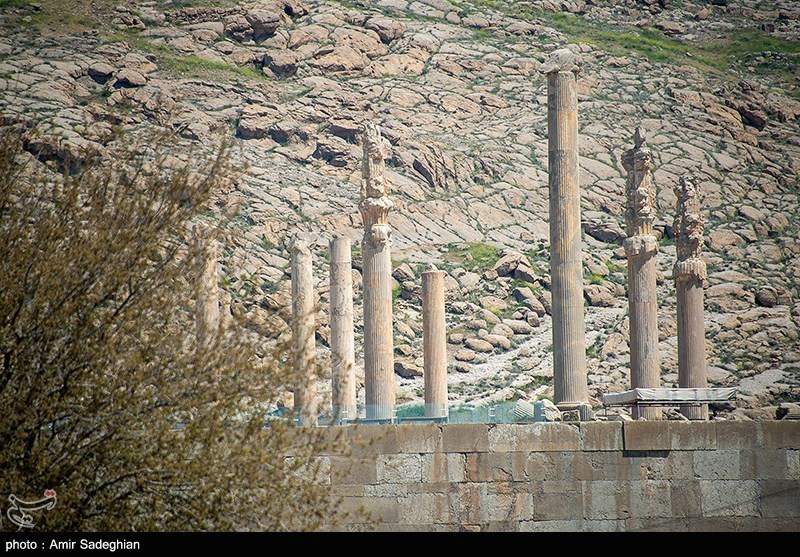
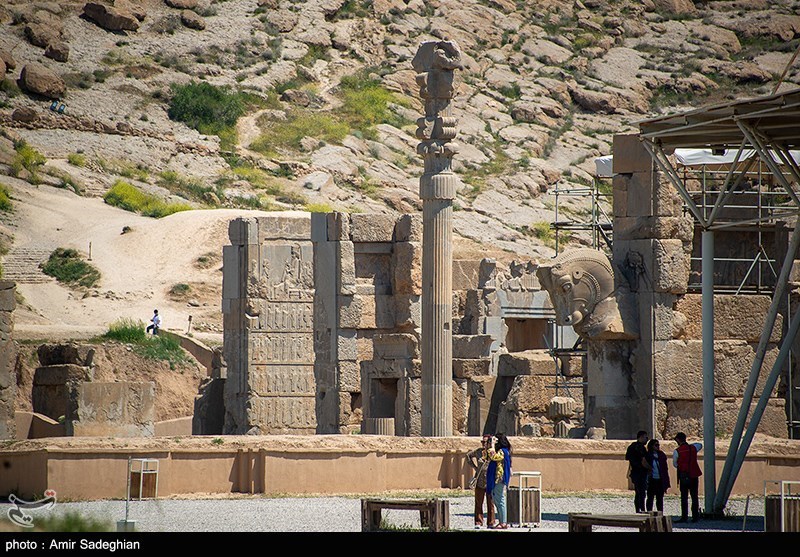
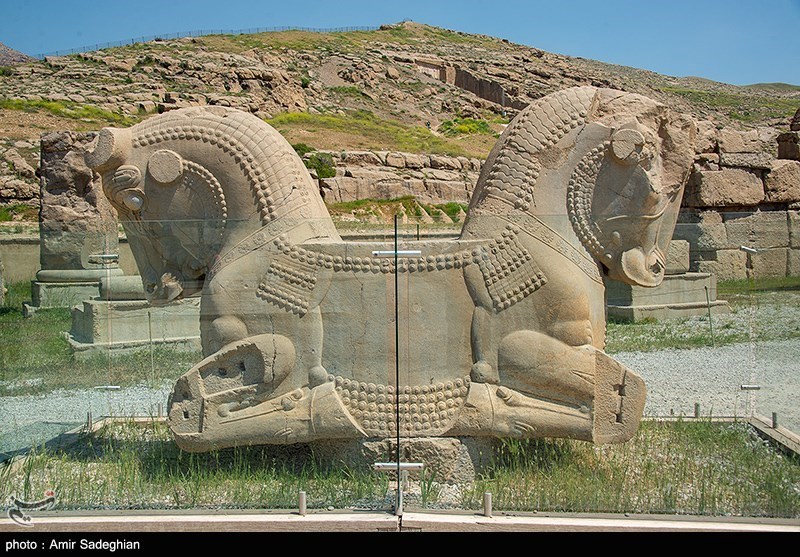
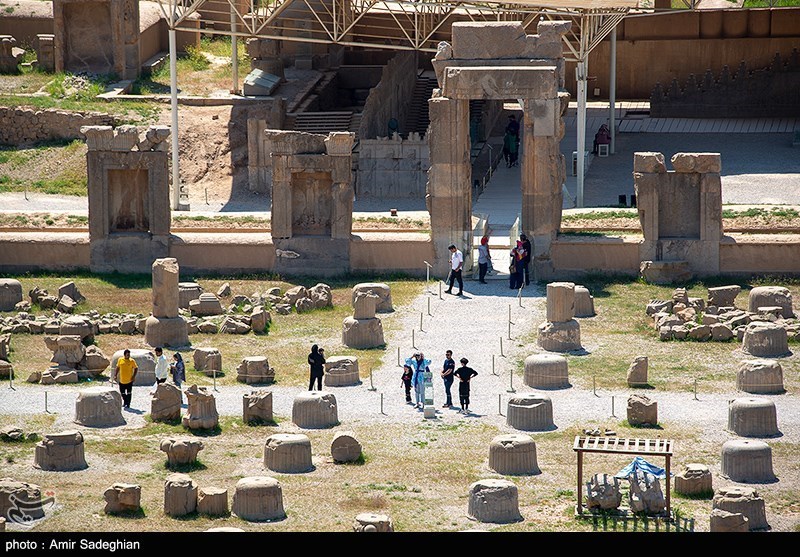
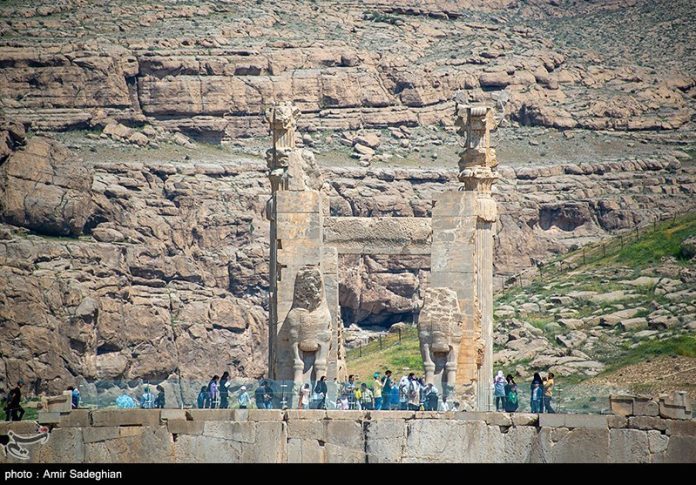
Iran’s Persepolis continues to mesmerize tourists after millennia

Iran’s Persepolis

It is situated in the plains of Marvdasht, about 60 kilometers south of the city of Shiraz in southern Iran.
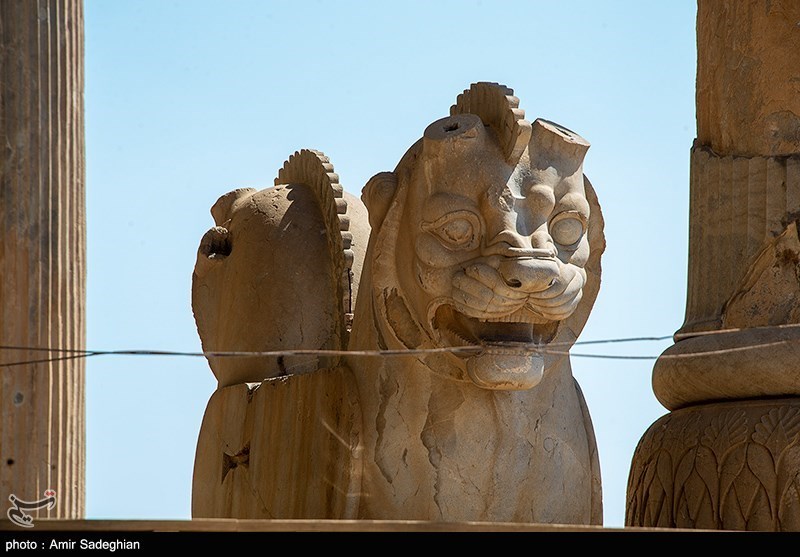
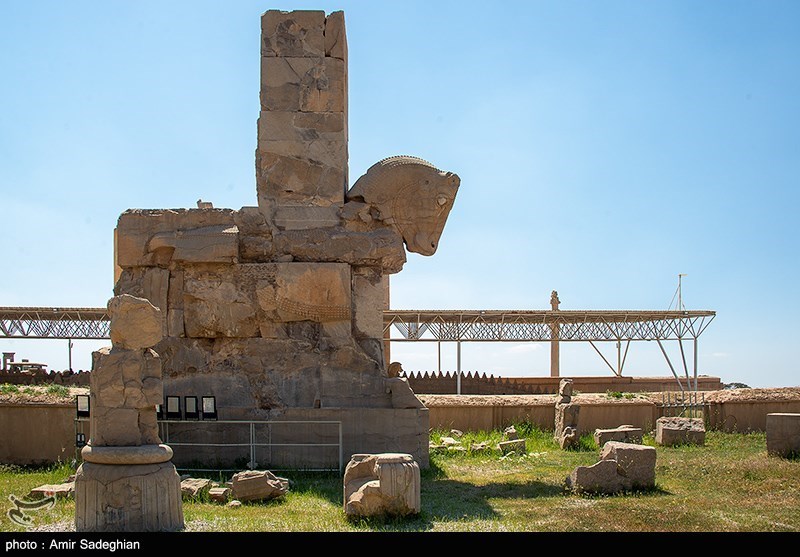
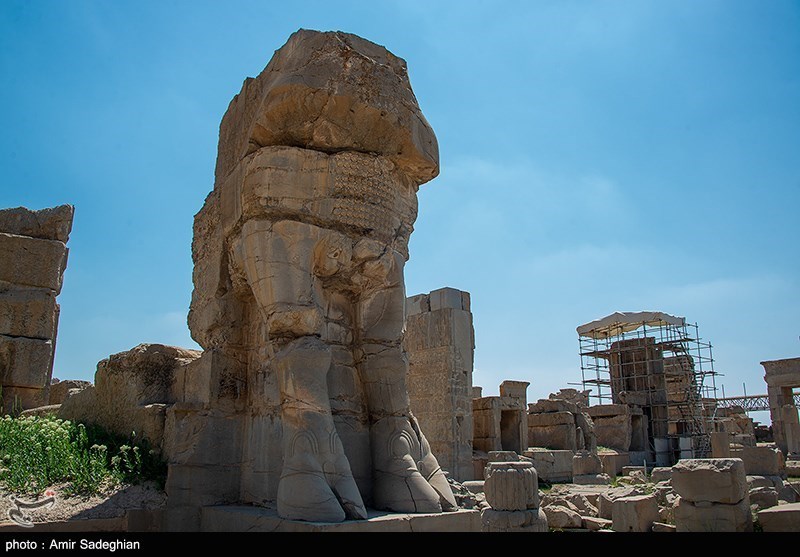
The ancient city houses the ruins of a palace which was built during the reign of Darius the Great, Xerxes, and Ardeshir I, and was inhabited for about 200 years.

The ancient city is on the UNESCO list of cultural heritage.

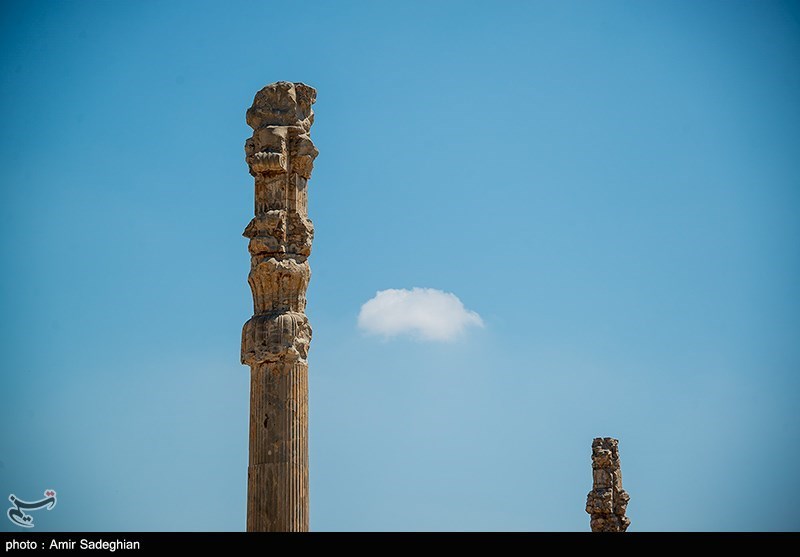
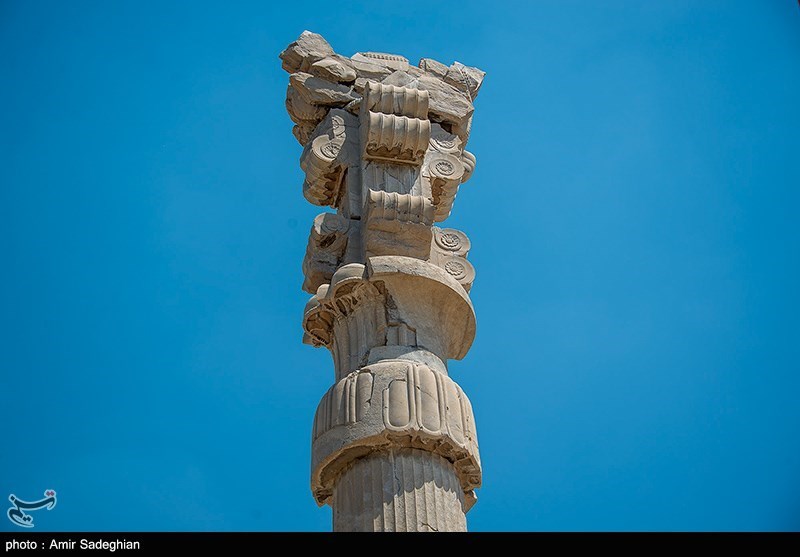
Here are some of the pictures of the historical monuments in Takht-e Jamshid:


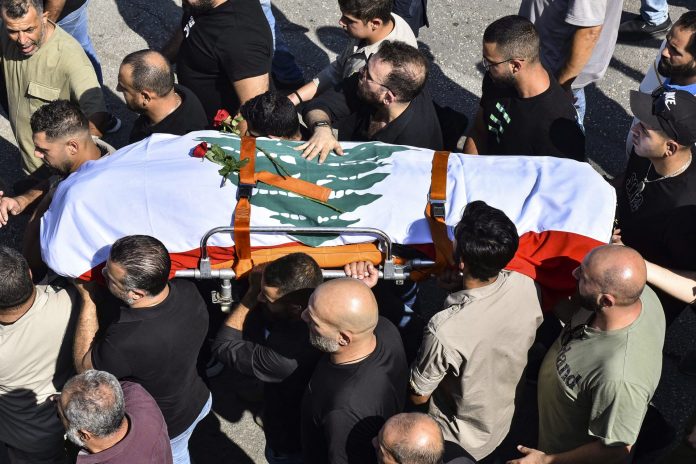
Israel breached international law in killing Reuters journalist in Lebanon: UN

Israel Lebanon

The United Nations Interim Force in Lebanon (Unifil) concluded in a report that their observers did not witness any cross-border hostilities between Israel and Lebanon for over 40 minutes prior to the moment an Israeli Merkava tank initiated fire.

“The firing at civilians, in this instance clearly identifiable journalists, constitutes a violation of UNSCR 1701 (2006) and international law,” said the seven-page Unifil report, dated 27 February and referring to Security Council resolution 1701.

“It is assessed that there was no exchange of fire across the Blue Line at the time of the incident. The reason for the strikes on the journalists is not known.”

Besides killing Abdallah, the two tank rounds also wounded six other journalists at the scene.

“(The) IDF should conduct an investigation into the incident and a full review of their procedures at the time to avoid a recurrence,” the report said in its recommendations.

“The IDF should share their investigation’s findings with Unifil,” it added.

When he was struck on 13 October, Abdallah was covering clashes between the Israeli military and the Lebanese group Hezbollah near the Israel-Lebanon frontier.

Identifiable as members of the media, he and a group of reporters with him had been stationary for around 75 minutes before they were hit by two shells, which eyewitnesses at the scene said came from Israel.

Two other Reuters journalists, Thaer al-Sudani and Maher Nazeh; two Al-Jazeera TV staffers, Elie Brakhya and reporter Carmen Joukhadar; and Agence France-Press journalists, Christina Assi and Dylan Collins, were wounded in the attack.

Three reports into the killing of journalist Abdallah were published in December by Reuters, Human Rights Watch, and Amnesty International.

All three found that two Israeli missiles were fired at a group of journalists reporting from south Lebanon near the village of Alma El-Chaab.

Human Rights Watch announced it found no evidence of a military target near their location.

Amnesty International said the missiles were “likely a direct attack on civilians that must be investigated as a war crime”.

Using video evidence, expert audio analysis, and witness accounts, Human Rights Watch said it appeared the group was visible to the cameras of a nearby unmanned aerial vehicle that was “most likely Israeli”.

The group was also “within line of sight of five Israeli surveillance towers, and most likely targeted by at least one munition fired from the main gun of a tank from an Israeli military position approximately 1.5 kilometres south-east” from the Israeli frontier, the report added.

There were two direct hits on the group of journalists that came in the space of 37 seconds, and the second strike was likely a small guided missile, Amnesty noted.

Iran dismisses UN fact-finding commission as ‘politically charged’

Iran Protests

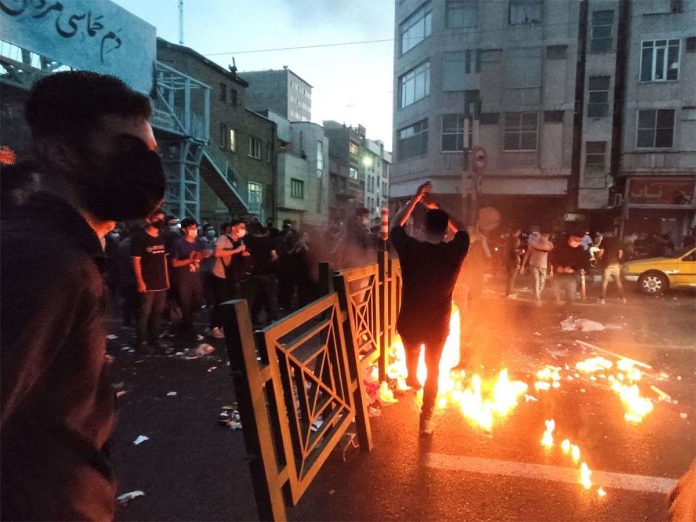
The committee was established by some Western countries, especially Germany, and, Iranian officials say, with the money donated by them, in November 2022 following the death of young Iranian woman Mahsa Amini who passed after she was taken in by the police for a briefing on her hijab, or Islamic dress code.

Kazem Gharibabadi said on Thursday that Iran can “responsibly deal with the issue of riots that took place last year.”

He undermined the UN Human Rights Council’s fact-finding mission was established in a political process that “has made the victims of human rights violations suffer more by moving in the direction of the political and mostly illegitimate demands of Western countries,” adding “it has become a tool for political interventions.”

Many killed, injured in Israeli strike on UN food distribution center in Rafah

Gaza War

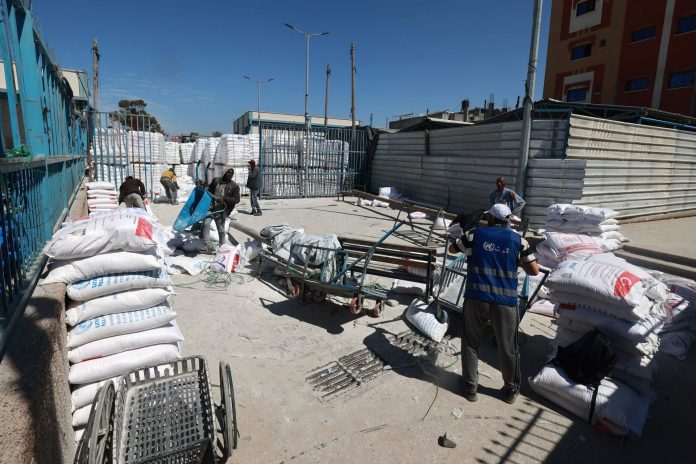
UNRWA Commissioner General Philippe Lazzarini in a statement on Wednesday said that the strike hit one of the very few remaining UNRWA distribution centers in the eastern part of Rafah.

“Today’s attack on one of the very few remaining UNRWA distribution centers in the Gaza Strip comes as food supplies are running out, hunger is widespread and, in some areas, turning into famine,” Lazzarini added.

“Every day, we share the coordinates of all our facilities across the Gaza Strip with parties to the conflict,” he continued.

He stressed the attack was carried out even though “the Israeli Army received the coordinates including of this facility yesterday”.

Lazzarini further urged the protection of the UN, its staff, and its premises and called for an independent investigation.

Israel acknowledged an airstrike on a food aid distribution center in southern Gaza, which it claimed targeted and killed a high-ranking member of Hamas.

Meanwhile, the statement by the UNRWA head added that since October 7, at least 165 team members have been killed while in the line of duty and more than 400 people sheltering in UN buildings also lost their lives due to Israel’s attacks.

More than 150 of the agency’s facilities, including schools and shelters, have been hit in the war, with some destroyed, and UNRWA staff have reportedly been mistreated and humiliated while in Israeli detention centers, according to the UNRWA.

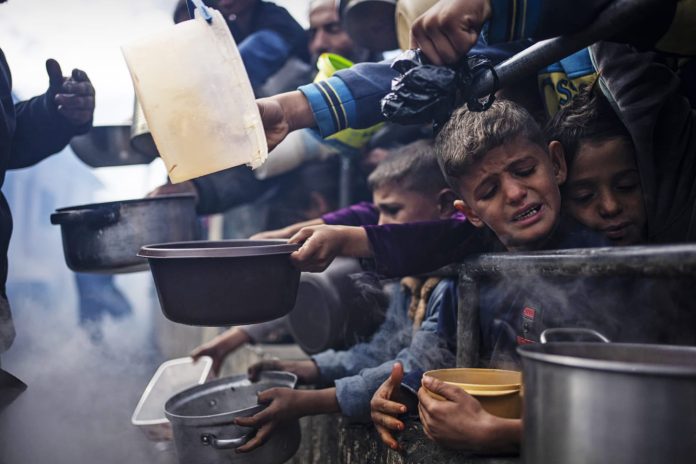
The Israeli military has restricted the delivery of humanitarian supplies to northern Gaza for weeks, and thousands of children are going without sufficient food and medication.

The prevention of aid convoys comes as humanitarian officials have already issued a dire warning, stating that unless a ceasefire is implemented and aid is significantly increased, the toll of malnutrition and disease is expected to rise, leading to an alarming loss of lives.

So far, the Tel Aviv regime has killed at least 31,300 Palestinians, mostly women and children, and injured 73,000 others.

Veteran Iranian journalist demands Tehran send aid ships to Gaza

Gaza War

Hossein Shariatmadari, in an article published on Thursday, said, “The Islamic Republic can and should send shipments of food, medicine and other necessities of the people of Gaza to the enclave by the sea.”

However, he added, “Undoubtedly, the United States and its Western allies as well as the Zionist regime will oppose the move and it is not unlikely that they will attack the ships carrying the supplies.”

The Iranian journalist stressed that Iran has to send supplies despite the threats, arguing, “Firstly, it will set a lasting precedent for Muslim states, secondly, the Western states that ostentatiously talk about the need to provide aid to the people of Gaza will be more disgraced and, thirdly, international authorities can verify that the cargoes are not weapons.”

The comment comes as Palestinians say the aid sent to the war-hit territory is an inadequate response to the needs of its 2.4 million people.

Since the start of the carnage on October 7 last year, the Israeli regime has killed at least 31,000 Palestinians and injured more than 72,000 others, besides cutting off aid supply lines to the blockaded territory.

Iran, China, Russia conclude joint naval maneuvers in Gulf of Oman

Iranian Navy

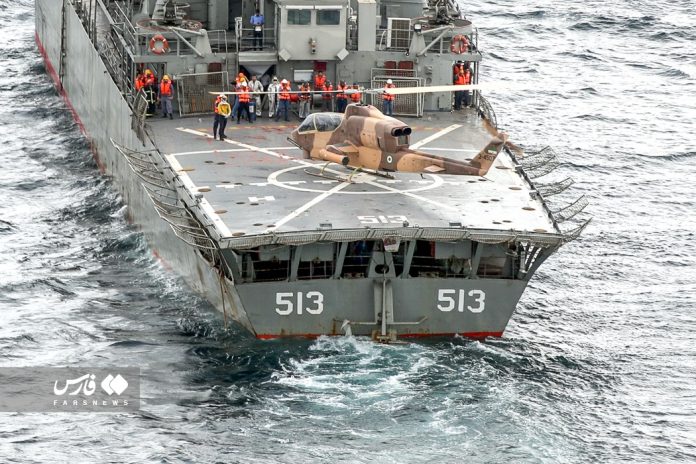
They staged day and night shooting operations at targets in the air on Wednesday in their joint naval maneuvers in the Gulf of Oman, the spokesman for the drills said.

Rear Admiral Mostafa Tajeddini said on Thursday, “In the continuation of the Maritime Security Belt 2024 joint drills by Iran, China and Russia in the northern Indian Ocean, last night shooting operations at air targets, which are considered the most important naval exercises, were successfully carried out by the participating units, and shooting operations in the day were also carried out.”

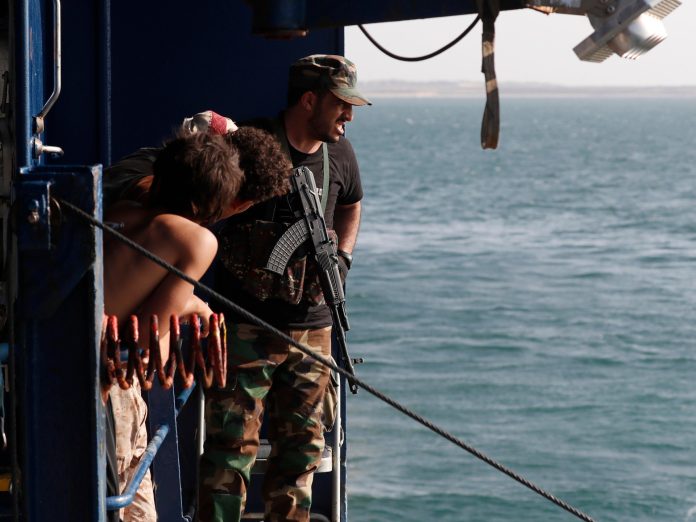
The naval and aviation forces of the three countries also practiced the operation to free hijacked ships.

Besides the day and night aerial targets, and also practicing freeing a vessel seized by pirates, the tripartite forces carried out joint drills, held communications exercises, fired large-caliber machineguns and small-caliber artillery during the two day drills.

A closing ceremony will be held later on Thursday in the southeastern Iranian city of Chabahar with the participating countries as well as observers from Azerbaijan, India, Kazakhstan, Oman, Pakistan, and South Africa.
Ukraine says needs massive mobilization to relieve frontline forces in war against Russia

Russia Ukraine War

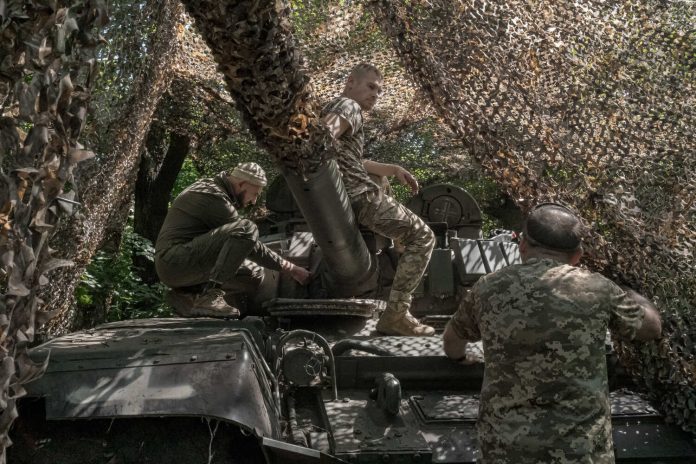
An estimated 330,000 “exhausted troops” require rotation, which a radical military reform being deliberated in the Ukrainian parliament is intended to provide, the report said. The remaining new recruits will “replace casualties and meet other military needs”, according to the ministry.
The Russian military estimated Kiev’s casualties at over 444,000, as of the end of February. Ukrainian President Volodymyr Zelensky claimed last month that 31,000 Ukrainian soldiers had been killed in two years of hostilities with Russia, a figure that even journalists sympathetic to the Ukrainian cause have called implausibly low.

The conscription reform, which the Ukrainian parliament is set to vote on later this month, will likely introduce harsh punishments for draft dodgers and reduce the age of eligibility for mobilization from 27 to 25. Men of fighting age will be required to submit their personal data electronically for a possible summons, as opposed to the current system, under which conscription officials need to hand over the papers in person.

The Ukrainian government estimates the pool of potential draftees at 3.7 million, the FT reported. That number is a third of the 11.1 million male citizens who would land in the post-reform age bracket. The rest are either fighting, disabled, abroad, or considered critical workers shielded from mobilization.

Would-be conscripts are largely unwilling to answer Kiev’s rallying call, the newspaper added, citing a February survey by Ukrainian pollster Info Sapiens. Almost half of them (48%) said they were not prepared to fight, compared to 34% who said they were. Almost 30% said they were “absolutely not” ready to be mobilized, which was the most popular answer.

When asked why they were reluctant to join the military, Ukrainians cited concerns about the quality of equipment, inadequate training, the risk of death or disability, uncertainty over how long they would have to serve, and the fear of being assigned to a unit led by a poor commander.

The latter risk was cited more often than the danger of being captured by Russian forces, the pollster stated. It could be rooted in the fact that casualty numbers are not taken into consideration when a military leader’s performance is evaluated by their superiors, Info Sapiens suggested.

US asked Iran to rein in Yemen’s Houthi strikes in secret talks: Report

Yemen Houthis

In keeping with past negotiations, the US and Iran didn’t engage directly but relied on Omani officials to carry messages. The meeting underlines how both Tehran and Washington are tapping backchannels to prevent their shadow war sparked by Israel’s war on Gaza from spilling over into a more intense regional conflict.

The White House’s top Middle East advisor Brett McGurk and Iran envoy Abram Paley led the talks on the US side, while Iranian Deputy Foreign Minister Ali Bagheri Kani represented Tehran, according to the FT.

McGurk has conducted several trips to the region since 7 October when the war between Israel and Palestine broke out after the Hamas-led attack on southern Israel. In January, Axios reported that he was set to visit Qatar and Egypt as part of efforts to reach a hostage deal between Hamas and Israel.

The Houthis began attacking commercial vessels in the Red Sea in November, in a move they said was done in solidarity with the Palestinians in the besieged enclave.

The US and UK have responded with direct strikes on the Houthis, but have so far been unable to deter the group backed by Tehran. On Monday, the group claimed responsibility for an attack on a Liberian-flagged merchant ship.

The US accuses Iran and Lebanese Hezbollah of arming, training and providing intelligence to the Houthis, but western officials say the Houthis also operate with some degree of autonomy.

Iranian officials have repeatedly stressed that the resistance groups in West Asia are not directed by Tehran and do not take orders from Tehran.

The Joe Biden administration sees indirect communication channels as “a method for raising the full range of threats emanating from Iran”, the FT said. The White House negotiators conveyed to the Iranians “what they need to do in order to prevent a wider conflict, as they claim they want”.

A second round of talks, reportedly scheduled for last month, was delayed because McGurk was focused on trying to help broker a ceasefire in the Israel-Hamas war. The conflict in Gaza also derailed efforts by the US to negotiate de-escalation measures with Iran, including limitations on the Islamic Republic’s uranium enrichment, the FT added.