Wednesday, December 24, 2025
Home Blog Page 984

Iranians commemorate the dead on last Friday of Persian year

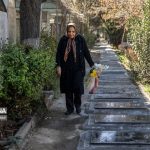
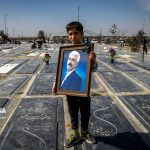
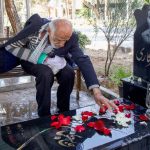
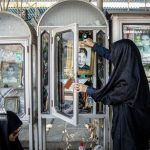
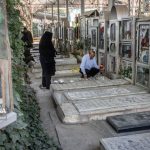
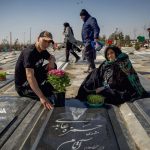
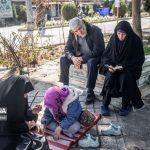
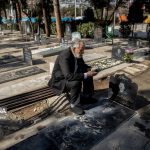
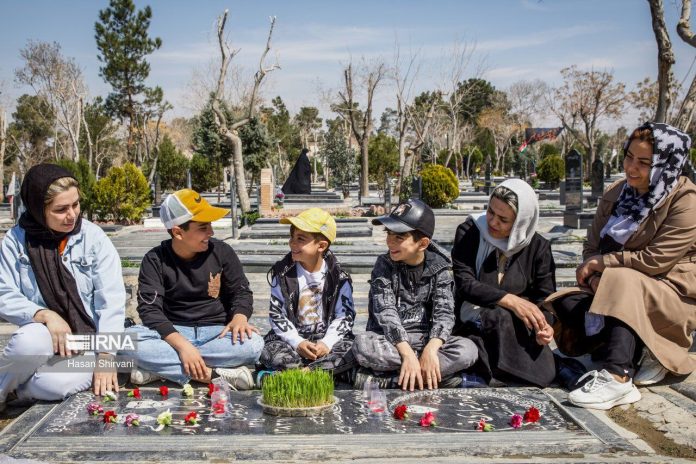
In Tehran, people have swarmed the Behesht-e Zahra cemetery, by far the largest in Iran in south of the capital, to put flowers and Sabzeh, green sprouts, on the graves of their loved ones as a symbol of the New Year and hand out charity food.

Iranian New Year starts on Tuesday, March 20.

More in the pictures from the Behesht-e Zahra cemetery:

Iran vice president insists on ceasefire in Gaza

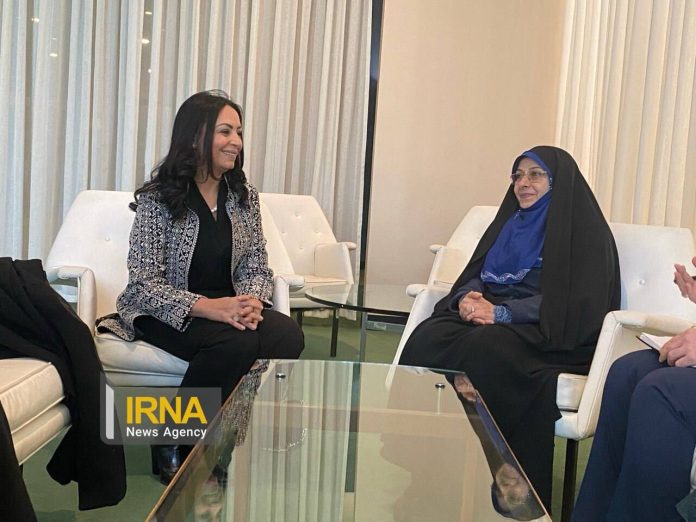
Ensieh Khazali, who is in New York to attend the 68th annual session of the Commission on the Status of Women, made the remarks in a meeting on Thursday with the President of Egypt’s National Council for Women Maya Morsy.

Morsy said, “We stand by you and the Organization of Islamic Cooperation to establish an immediate ceasefire and send humanitarian aid accumulated behind the borders of my country.”

She was referring to the humaniterian aid sent to Gaza but blocked by Israel at the Egypt-Gaza border.

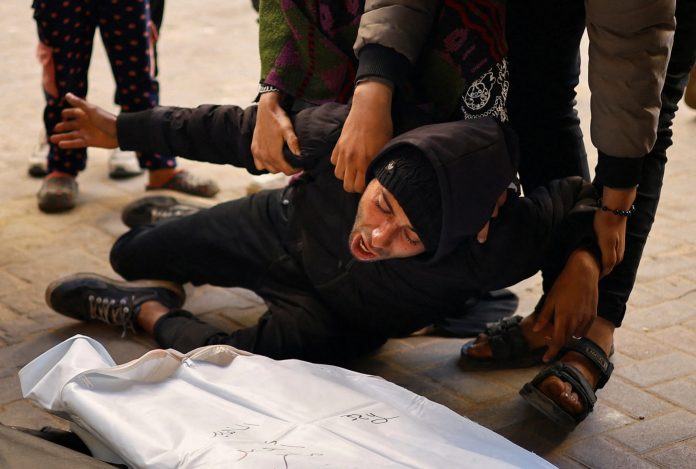
The Israeli regime waged an intense aggression on Gaza on October 7 last year, after a Hamas-led operation on occupied territories. The Israeli military campaign, slammed as genocidal, has left over 31,000 Palestinians dead so far and almost all of the already-suffering territory in ruins. More than 70 percent of the victims are women and children.

Khazali also met with the women’s forum’s chair Philippines UN Ambassador Antonio Lagdameo earlier on Thursday, and demanded that the UN body revoke Iran’s ‘unjust’ removal from women’s commission.

Iran was removed from the 45-nation body after a push by the US in November 2022, amid the deadly protests and riots across Iran.

The Iranian vice president argued that Iran has taken unique measures for Iranian women and girls, and even for Afghan immigrants, adding if the commission was supposed to cancel any party’s membership, it should have been the Israeli regime “for killing thousands of women and children.”

Israeli PM, defense chief at odds over humanitarian aid to Gaza

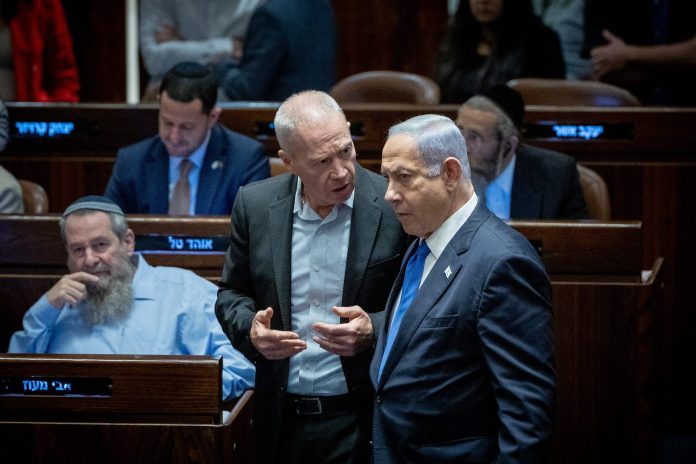
Netanyahu Gallant

The report said that the issue was brought up during a closed-door meeting when Gallant said: “The problem lies not with bringing supplies, but with who distributes it. Someone has to take the lead, and it is not going to be Sweden. It must be the Palestinian Authority.”

In response, Netanyahu is reported to have said: “I do not want to hear about the Palestinian Authority.”

Israel started its war on Gaza after the Oct. 7, 2023 cross-border incursion by Hamas. It has since killed more than 31,000 Palestinians, and pushed the territory to the brink of famine besides causing mass destruction and displacement.

The rift between Netanyahu and Gantz is said to have persisted for a long time, mainly over differences on the potential role of the Palestinian Authority, which administers the occupied West Bank, in governing the Gaza Strip after the war.

The US has also called for “revitalizing” the Palestinian Authority to take over in Gaza, a suggestion opposed by Netanyahu.

In an interview with Politico earlier this month, Netanyahu reiterated his opposition to putting the Palestinian Authority in charge of Gaza after the war ends, stressing that “the overwhelming majority of Israelis” agree with him and support his policies.

Tensions have also increased between Washington and Tel Aviv over Israel’s plans to invade Rafah, a city in the southern Gaza Strip, refusal to adhere to a two-state solution, and obstruction in the delivery of aid to the Palestinians.

A total of 25 non-governmental organizations (NGOs) operating in Gaza have called on governments worldwide to deliver humanitarian aid to the Strip by land, Amnesty International announced on Wednesday.

“States cannot hide behind airdrops and efforts to open a maritime corridor to create the illusion that they are doing enough to support the needs in Gaza,” the group emphasized, adding: “Their primary responsibility is to prevent atrocity crimes from unfolding and apply effective political pressure to end the relentless bombardment and the restrictions which prevent the safe delivery of humanitarian aid.”

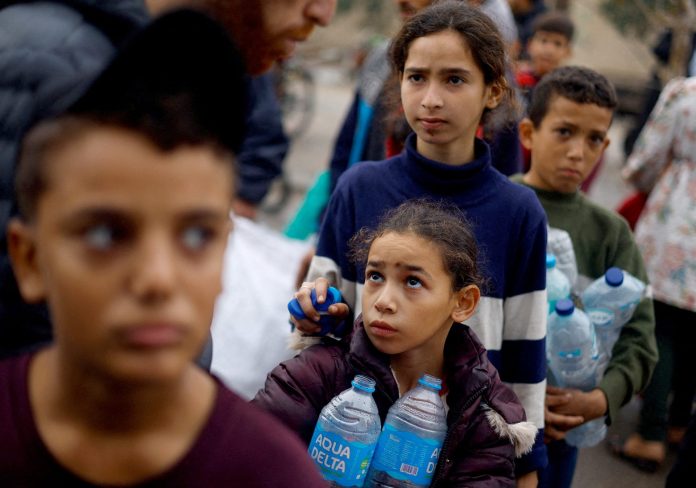
People in the region have been “surviving with crisis-level hunger” for over five months, the organization indicated, adding it is the “largest proportion of any population in food security crisis ever recorded by the Integrated Food Security and Nutrition Phase Classification (IPC).”

It also criticized the capacity of airdrops, saying: “While a convoy of five trucks has the capacity to carry about 100 tons of lifesaving assistance, recent airdrops delivered only a few tons of aid.”

“Airdrops can also be extremely dangerous to the lives of civilians seeking aid: there have already been reports of at least five persons killed from free-falling aid packages in Gaza,” it noted.

It is essential for aid deliveries to be person-centered, enabling accurate evaluation of the affected individuals’ requirements while also revitalizing hope and dignity among a population already grappling with trauma and despair, it warned.

“After enduring five months of continuous bombardments and dehumanizing conditions, children, women and men in Gaza have the right to more than meager charity dropped from the sky.”

UN chief warns Gazans are living in one waking nightmare

Gaza War

The UN chief met with civil society organizations as part of activities of the Commission on the Status of Women at the UN where he said: “Conflicts raging around the world are catastrophic for women and girls.”

Guterres highlighted the worldwide assault on women’s rights, the narrowing of their spaces in society and threats faced by women’s rights defenders.

“At our current rate, 340 million women and girls will still be living in extreme poverty by 2030. We cannot allow this to happen,” he added.

Referring to raging global conflicts, Guterres said at least two-thirds of those killed in Gaza are women and children.

“The people of Gaza are living in one waking nightmare,” he added.

Guterres further noted that targeting civilians and failing to protect them violates international humanitarian law, as he urged all to condemn instances of sexual violence in conflicts.

Israel has waged a deadly military offensive on the Gaza Strip since an Oct. 7 cross-border attack led by the Palestine resistance group, Hamas, in which less than 1,200 people were killed.

More than 31,000 Palestinians, mostly women and children, have since been killed in Gaza, and over 73,000 injured amid mass destruction and shortages of necessities.

The Israeli war has pushed 85% of Gaza’s population into internal displacement amid a crippling blockade of most food, clean water and medicine, while 60% of the enclave’s infrastructure has been damaged or destroyed, according to the UN.

Israel is accused of genocide at the International Court of Justice. An interim ruling in January ordered Tel Aviv to stop genocidal acts and take measures to guarantee that humanitarian assistance is provided to civilians in Gaza.

The EU’s foreign policy chief Josep Borrell has also stated that the “very survival of the population in” the Gaza Strip hangs in the balance.

“We need to act,” Borrell said before meeting with US Secretary of State Antony Blinken at the State Department.

“We need to clear the humanitarian access through sea, by air – that’s good. That’s not enough.”

“You cannot replace hundreds of trucks by sending parachutes. The most important thing is to open the borders by land and continue working – or start working on the two-state solution that both of us, US and EU, endorse,” he added.

“It is the only way for a lasting peace. I hope that we can join our efforts in order to make that a reality.”

Blinken said he and Borrell would discuss support for Ukraine, the crisis in the Middle East and in Gaza, issues related to the Western Balkans and relations with China.

The meeting is being held after Borrell accused Israel of obstructing the delivery of aid and using starvation as a “weapon of war” in Gaza.

Addressing the UN Security Council in New York, Borrell stated: “There is a humanitarian crisis, which is not a natural disaster.”

“It is man-made. When we look for alternative ways of providing support by sea or by air, we have to remind that we have to do it because the natural way of providing support through road is being closed, artificially closed. Starvation is being used as a war arm,” he added.

Palestinian FM says Netanyahu prolonging Gaza war to stay in power

Gaza War

He made the remarks during a meeting with South African Ambassador Sean Benfeldt at the Foreign Ministry’s headquarters in Ramallah, the Palestinian news agency WAFA reported.

“Netanyahu is not interested in a cease-fire. On the contrary, he wants to prolong the war for as long as possible to remain in power,” said Al-Maliki.

He said Israel “is using starvation as a weapon of war, as there are nearly 600,000 Palestinians on the verge of famine,” expressing his disappointment with the international community, as it is not doing enough to pressure Netanyahu.

Al-Maliki emphasized the necessity for the international community to bear its responsibilities towards the Palestinian cause, confirming that Palestine will continue to pressure the UN Security Council and the US to implement a cease-fire.

He pointed out the danger of Israel’s daily raids on Palestinian camps in the West Bank, the destruction of infrastructure, the killing of Palestinians and the ongoing pressure on residents of the camps to force them out.

Regarding the genocide lawsuit filed by South Africa against Israel in December, al-Maliki expressed appreciation from the Palestinian leadership and people for South Africa’s historic stance and advocacy against Tel Aviv at the International Court of Justice in the Netherlands.

He affirmed that “this legal, humanitarian and moral effort is of utmost importance to expose the corruption of the world and its double standards.”

Al-Maliki added that “the provisional measures issued by the court (in January) are very important to show that Israel is still continuing its crimes in the Gaza Strip.”

Israel has waged a deadly military offensive on the Gaza Strip since an Oct. 7 cross-border attack by the Palestinian group Hamas in which 1,163 people were killed.

More than 31,000 Palestinians, mostly women and children, have since been killed in Gaza and over 73,000 injured amid mass destruction and shortages of necessities.

The Israeli war has pushed 85% of Gaza’s population into internal displacement amid a crippling blockade of most food, clean water and medicine, while 60% of the enclave’s infrastructure has been damaged or destroyed, according to the UN.

Israel is accused of genocide at the International Court of Justice. An interim ruling in January ordered Tel Aviv to stop genocidal acts and take measures to guarantee that humanitarian assistance is provided to civilians in Gaza.

Report: US privately tells Israel it will accept small-scale raid on Rafah

Biden Netanyahu

The report cites four unnamed US officials, who told Politico that the US wants Israel to avoid a large-scale invasion of the southern Gaza City, where some 1.5 million displaced Palestinians are sheltered after fleeing Israeli bombardment in other parts of the Strip.

“In private conversations, top administration officials have signaled to Israel that they could support a plan more akin to counterterrorism operations than all-out war, four US officials said”, the report notes.

“That, the administration officials argue, would minimize civilian casualties, decimate Hamas’ ranks and avoid scenes that have led to souring public opinion on Israel’s campaign and Biden’s handling of the war,” it adds.

The US has long announced that it would require a plan to protect civilians in Rafah before it supported Israel’s promised Rafah invasion. Secretary of State Antony Blinken told reporters that the US has yet to see such a plan.

United States President Joe Biden has warned that there are “red lines” Israel should not cross in its war in the Gaza Strip while insisting he would never abandon Washington’s ally.

Israel has waged a retaliatory offensive on Gaza since a cross-border attack by Hamas on Oct. 7, which killed nearly 1,200 people. The offensive has killed around 31,300 Palestinians and injured over 73,000 others amid mass destruction and shortages of necessities.

Israel has also imposed a crippling blockade on the Palestinian enclave, leaving its population, particularly residents of northern Gaza, on the verge of starvation.

The Israeli war has pushed 85% of Gaza’s population into internal displacement amid a crippling blockade of most food, clean water, and medicine, while 60% of the enclave’s infrastructure has been damaged or destroyed, according to the UN.

Israel stands accused of genocide at the International Court of Justice. An interim ruling in January ordered Tel Aviv to stop genocidal acts and take measures to guarantee that humanitarian assistance is provided to civilians in Gaza.

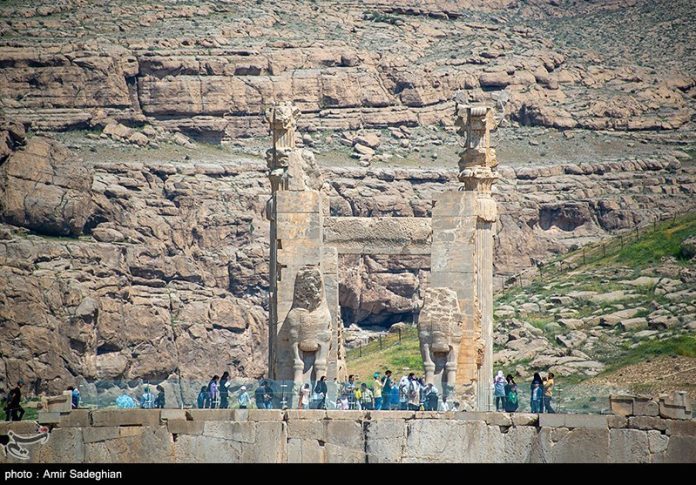
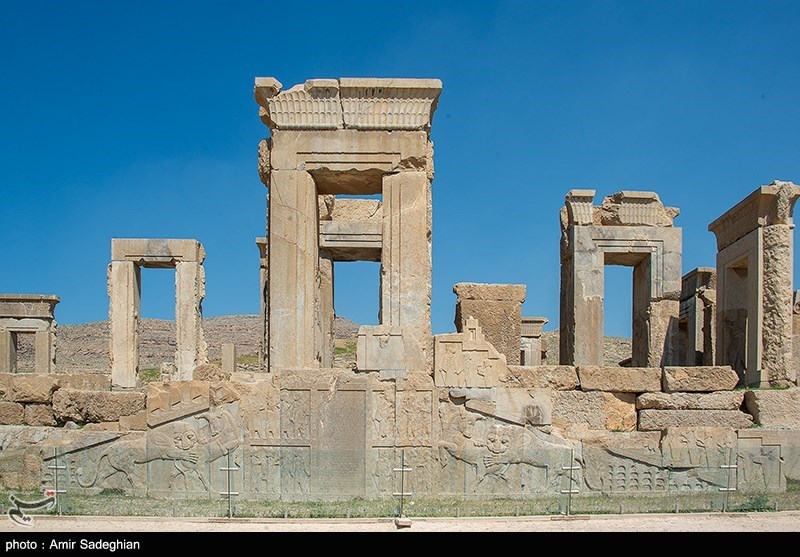
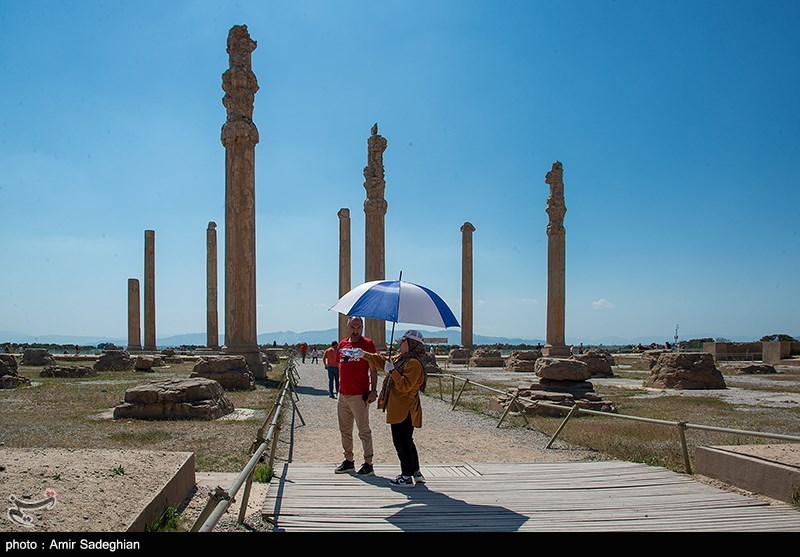
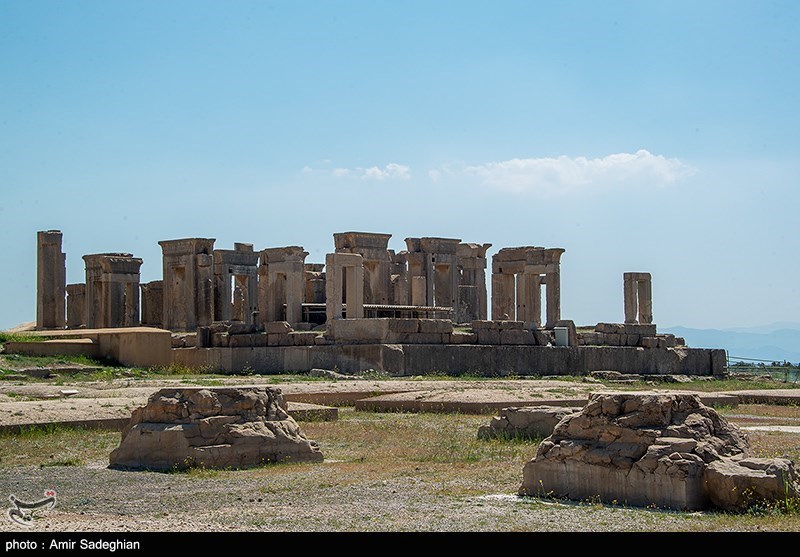
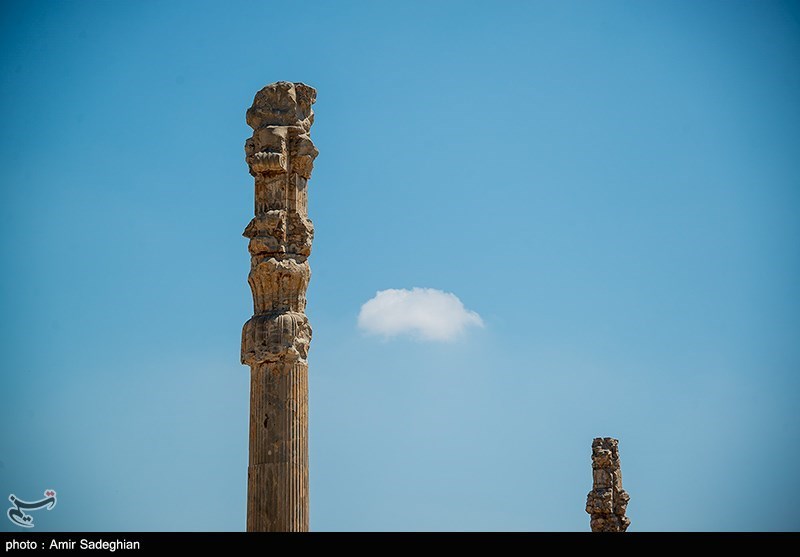
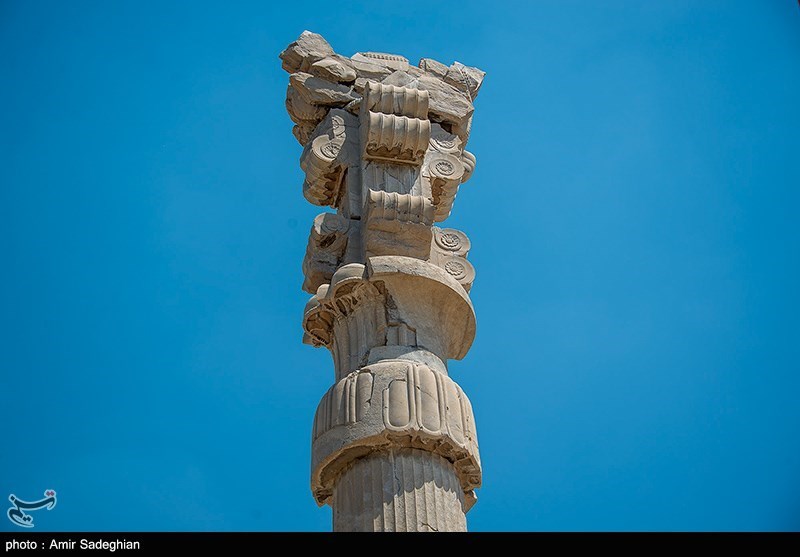
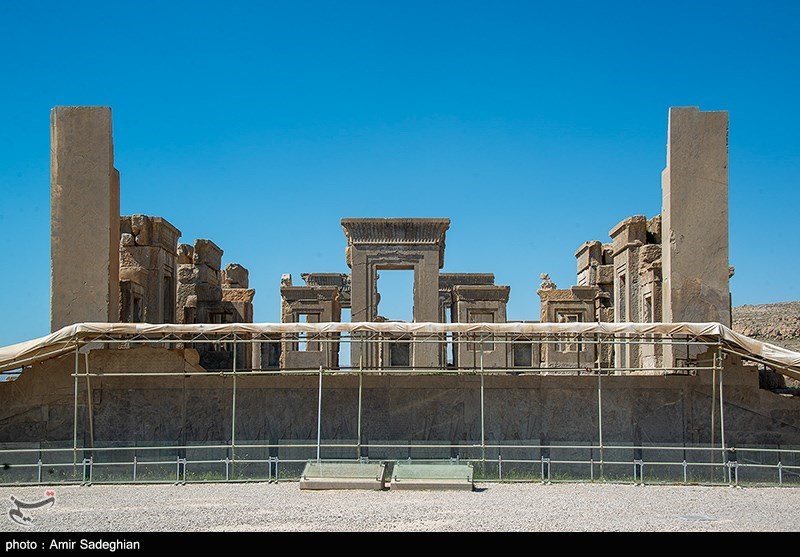
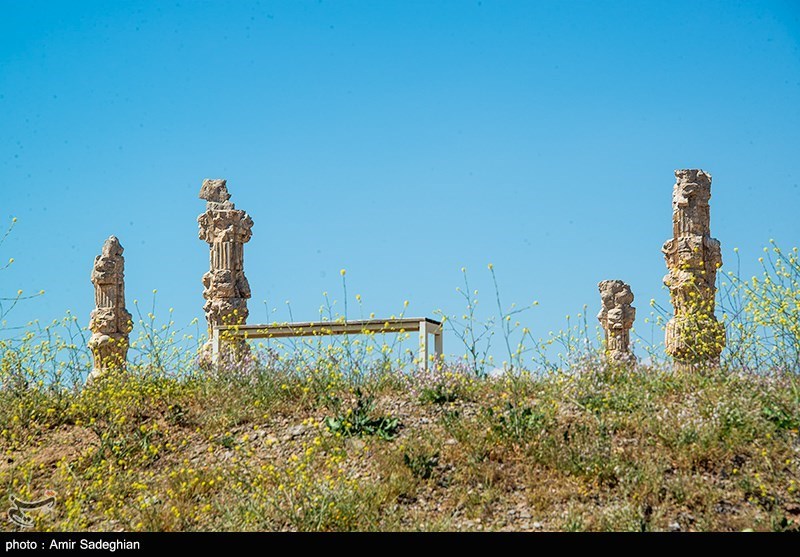
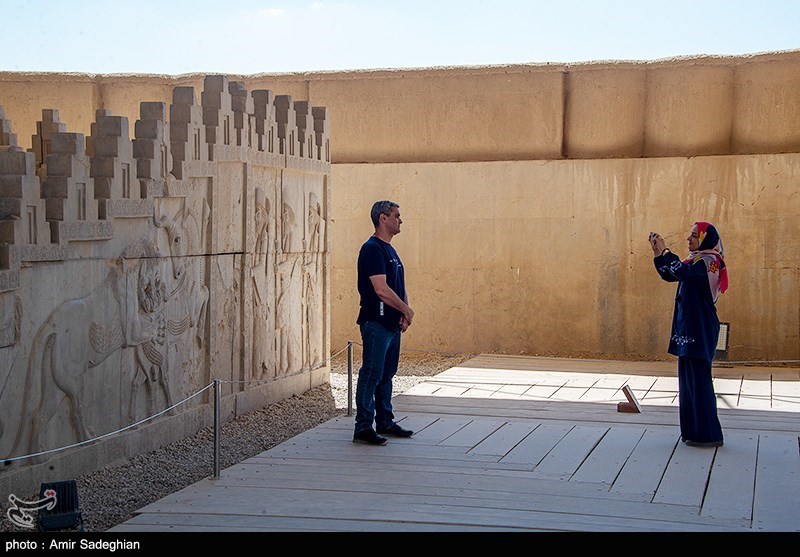
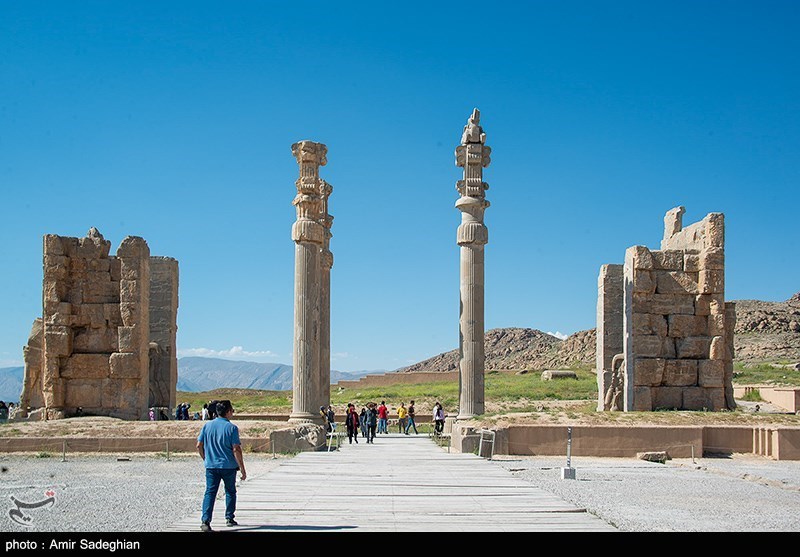
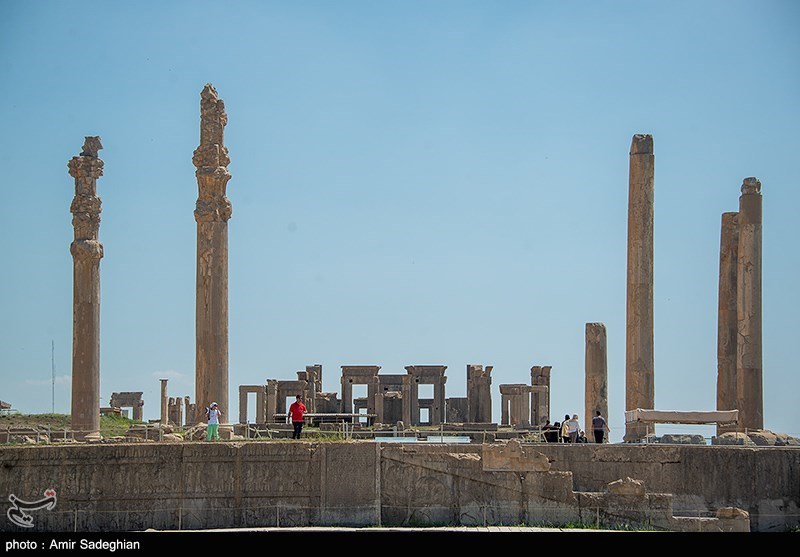
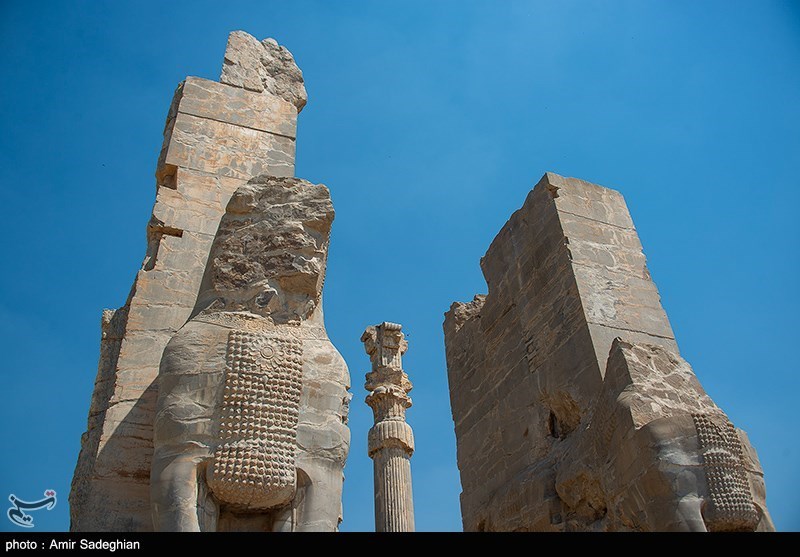
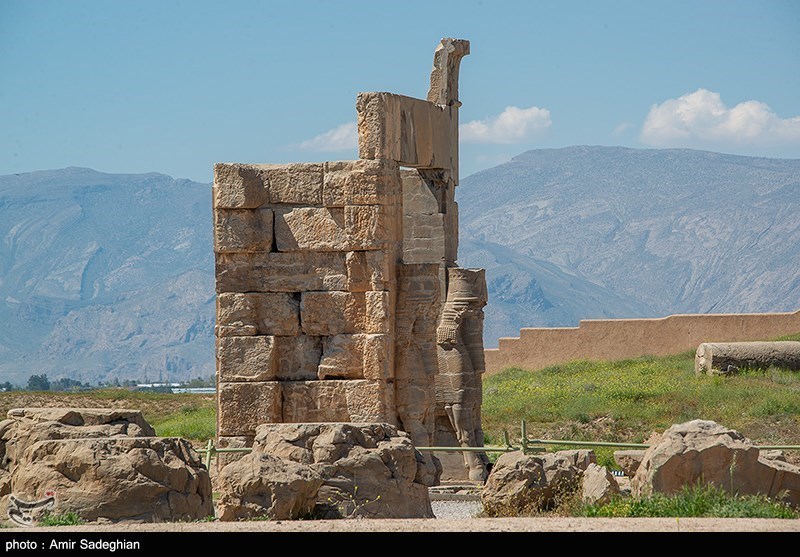
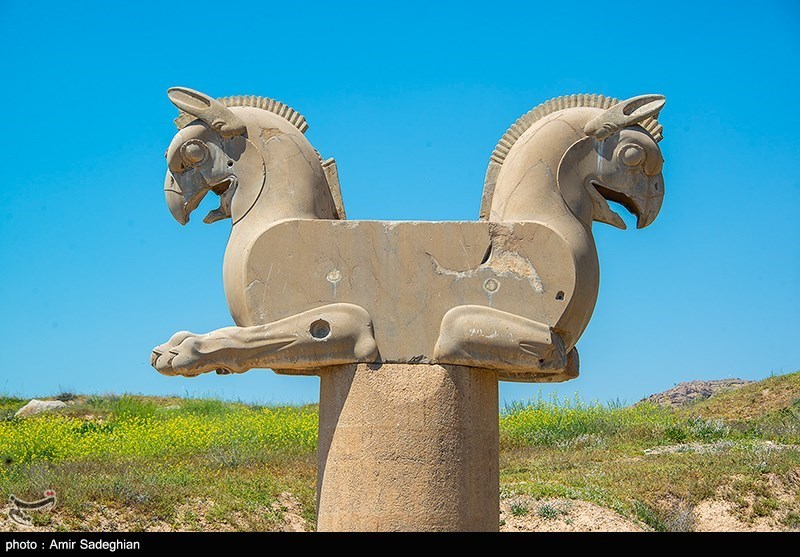
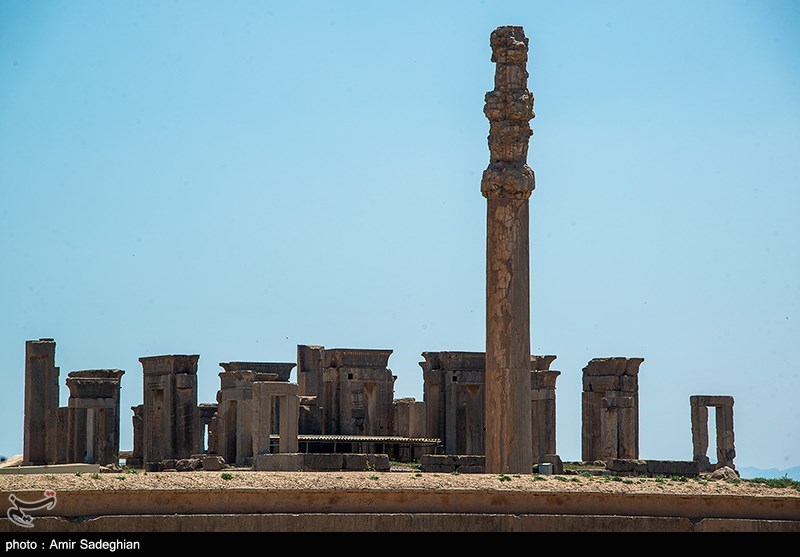
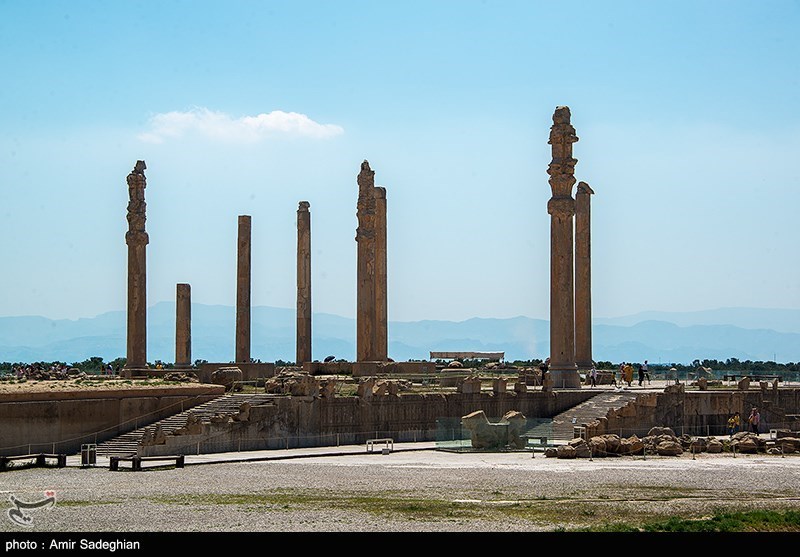
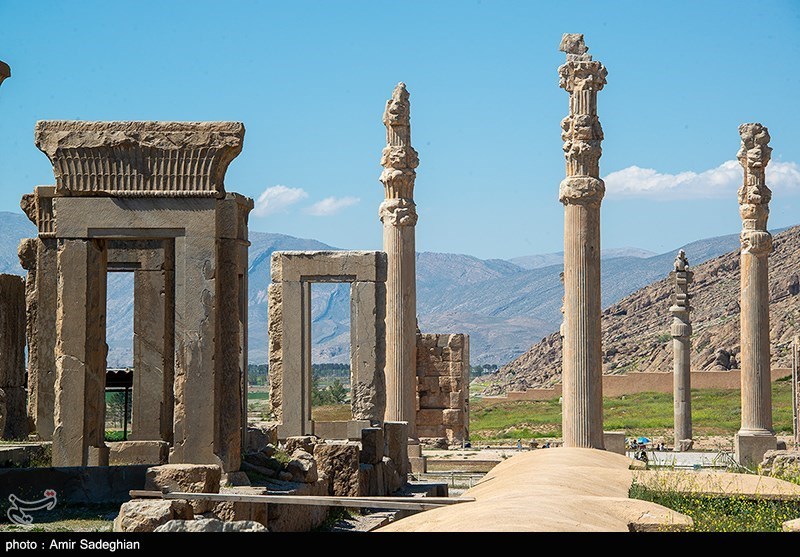
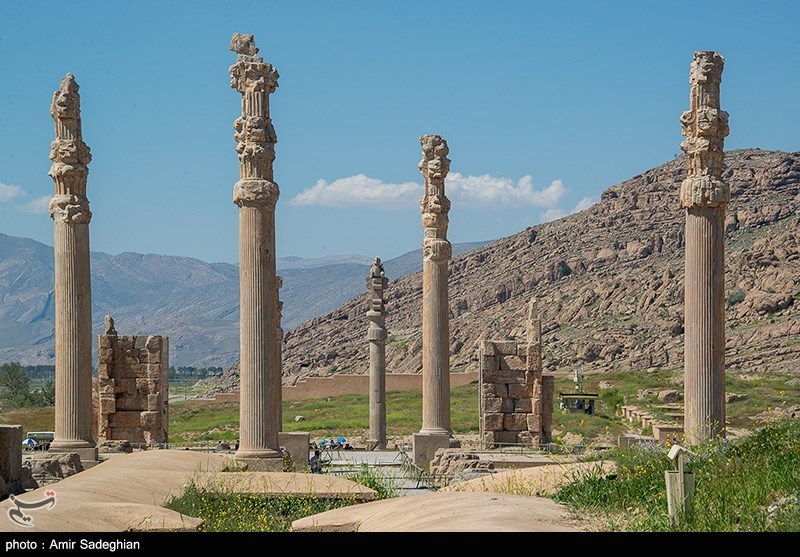
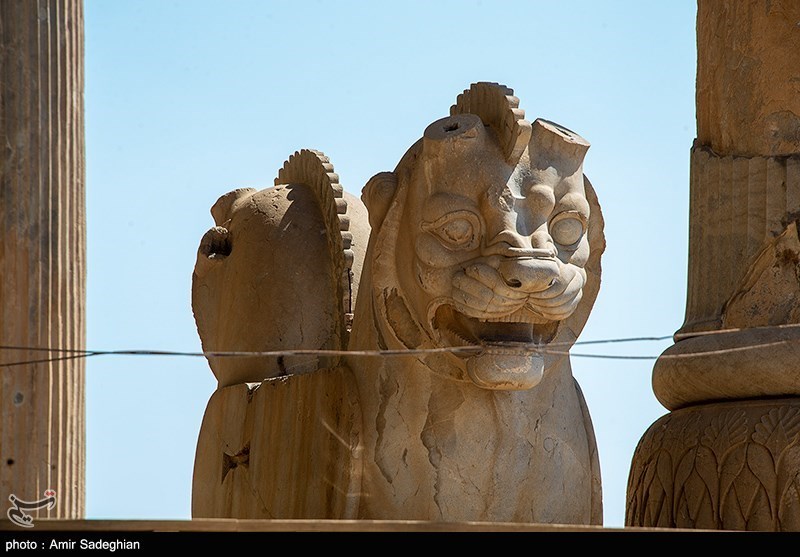
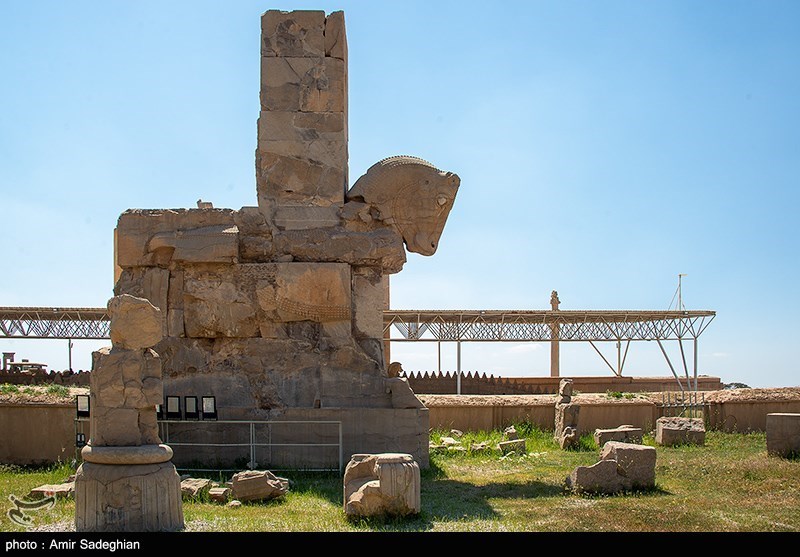
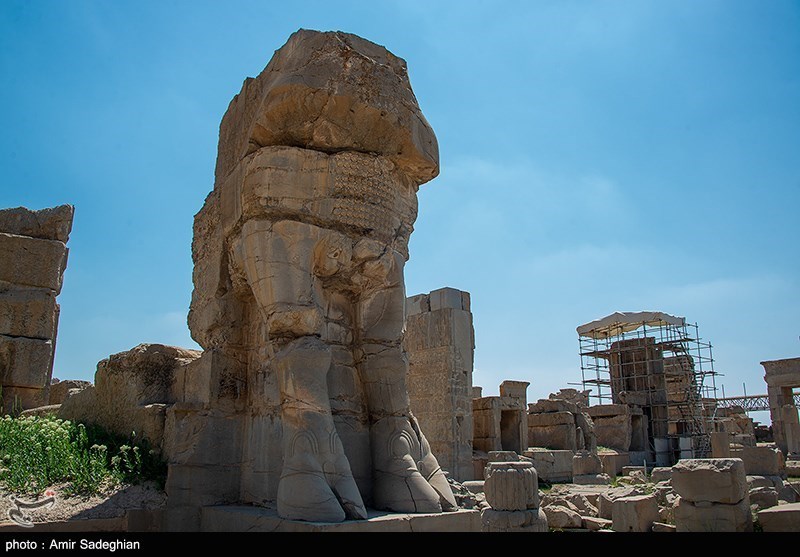
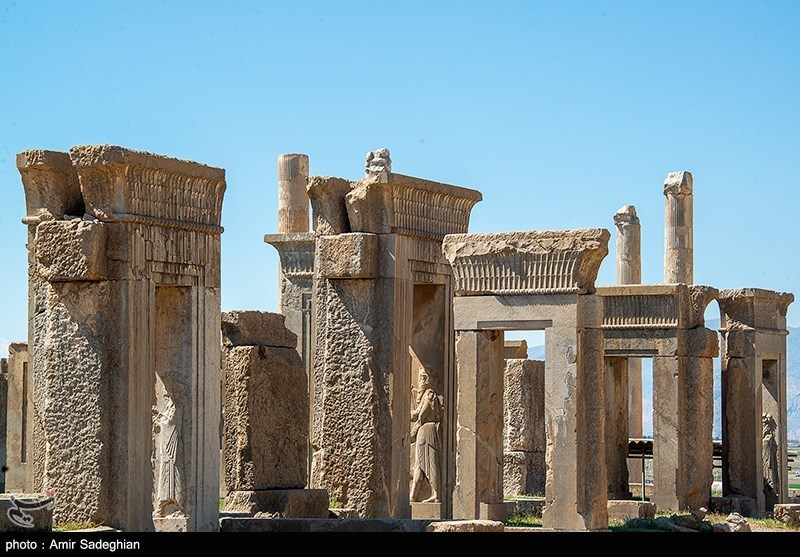
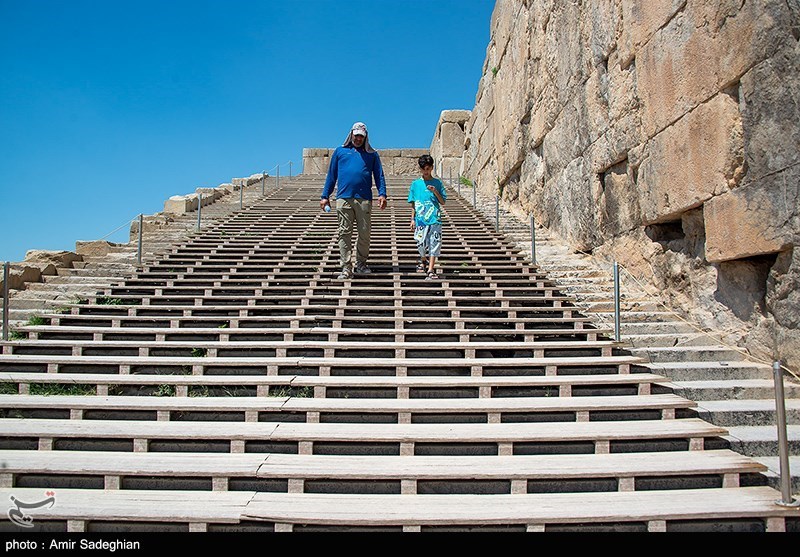
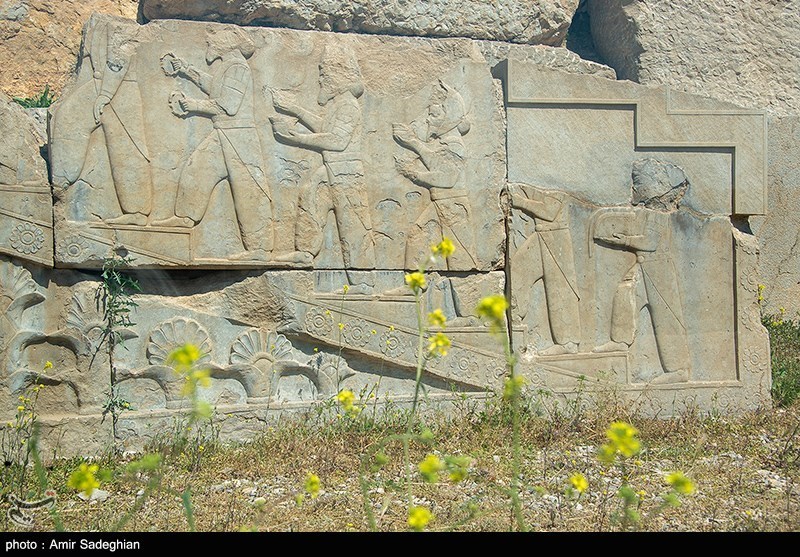
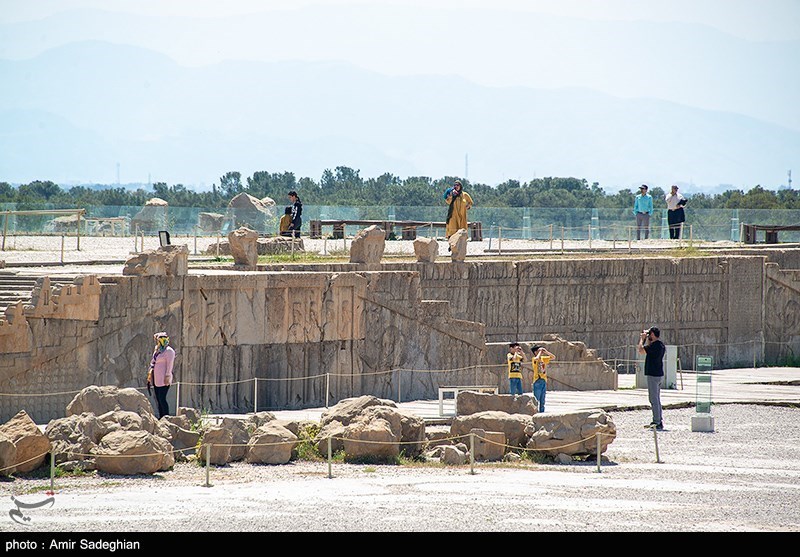
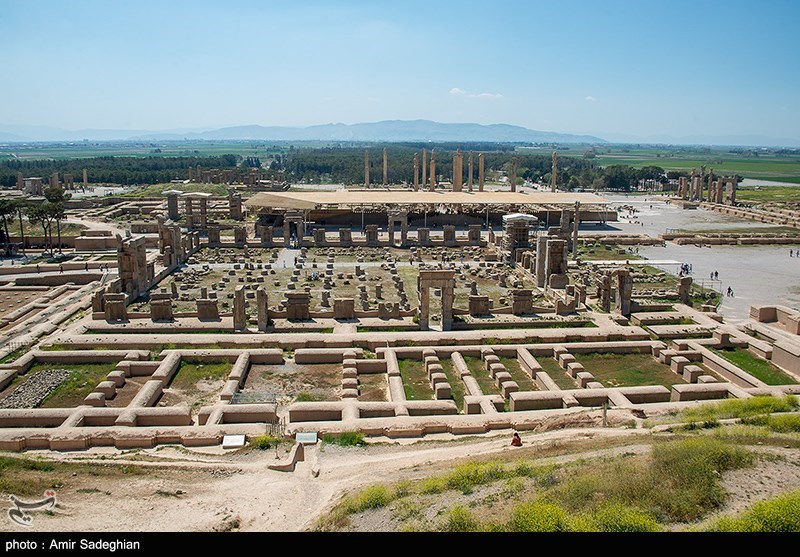
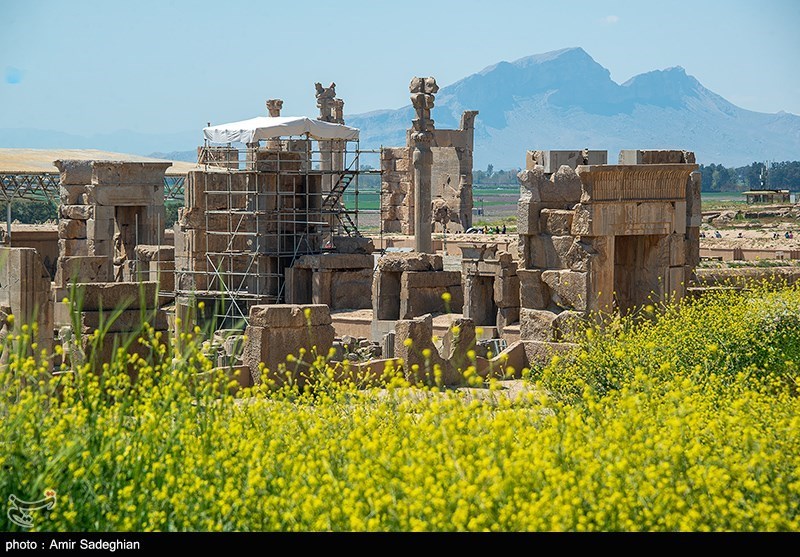
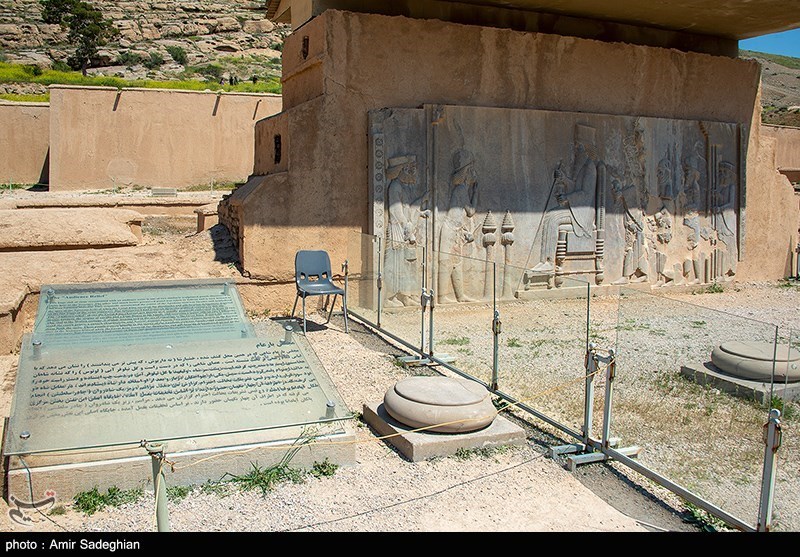
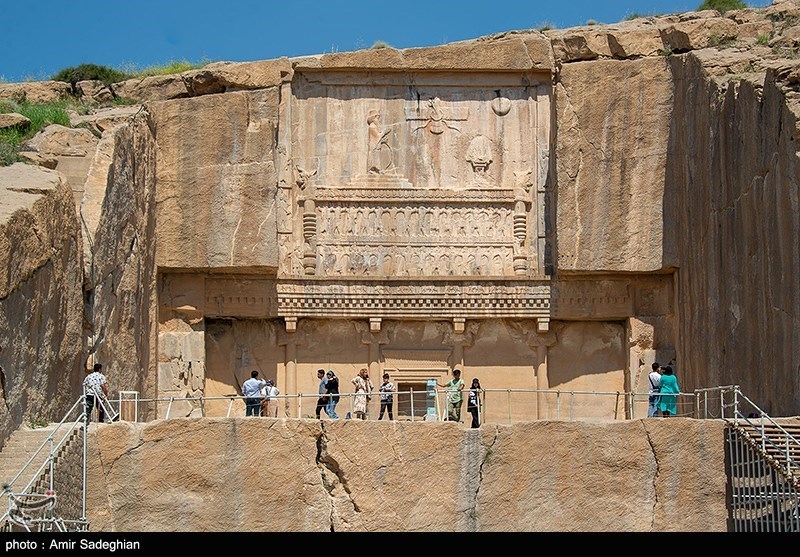
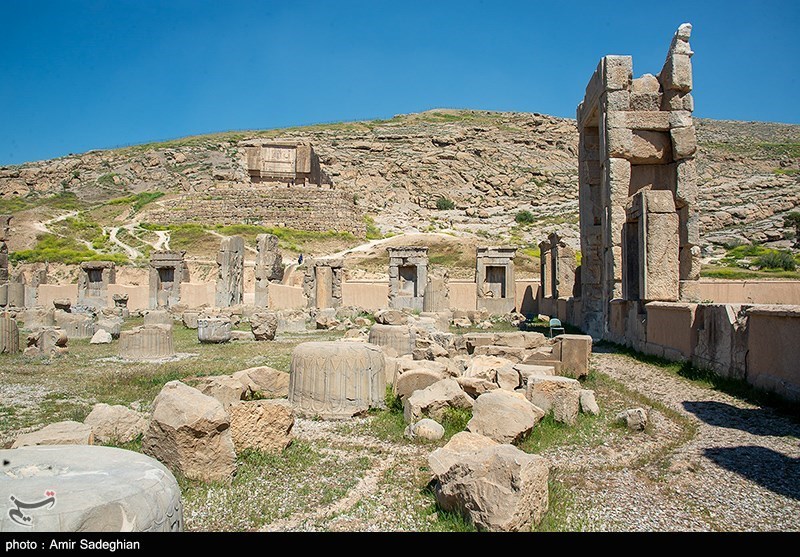
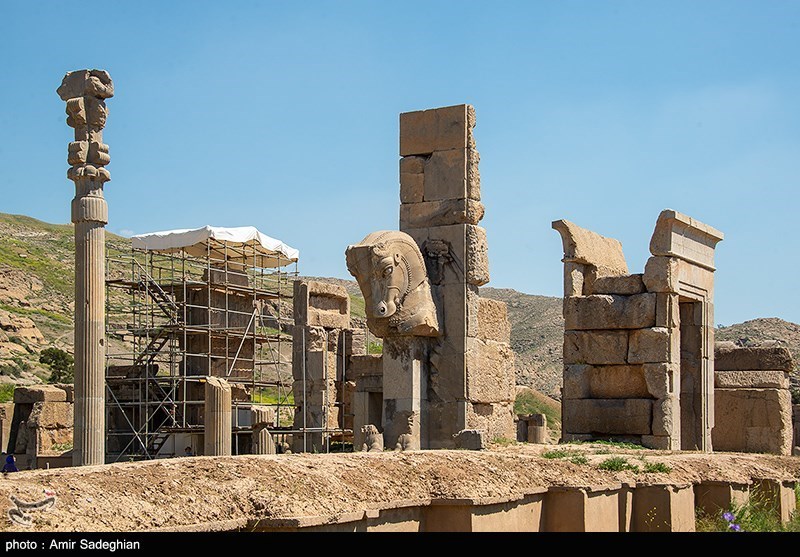
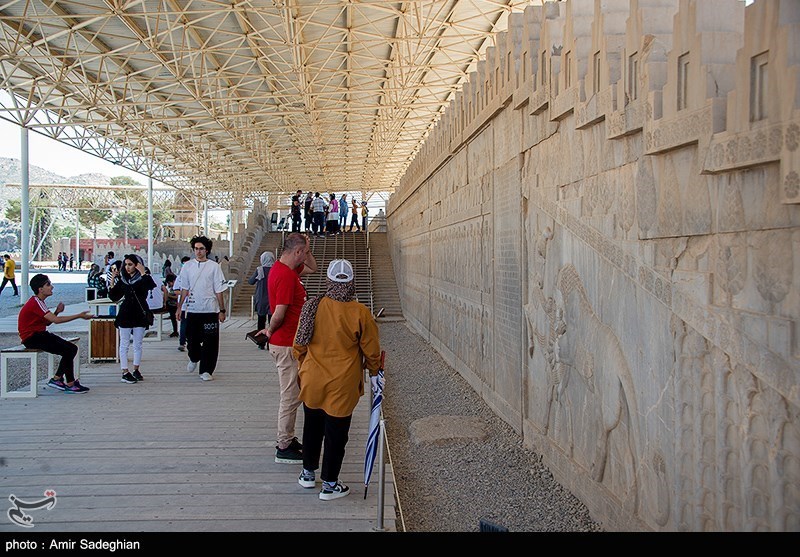
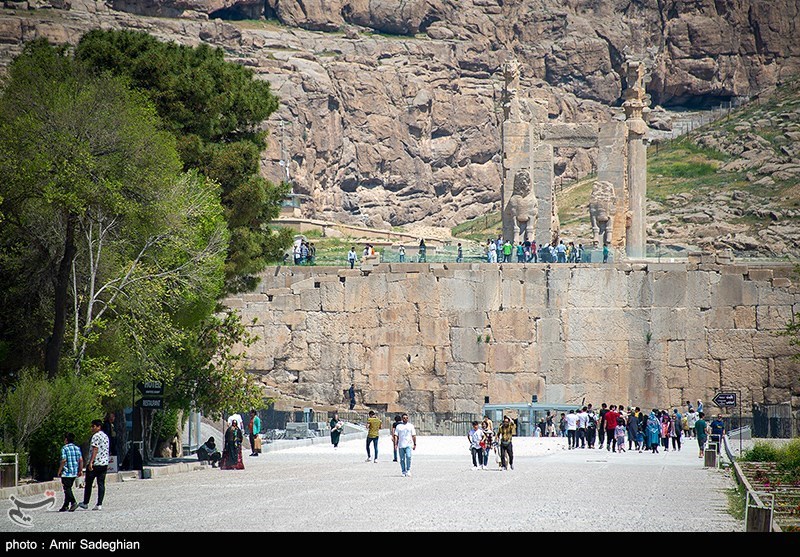
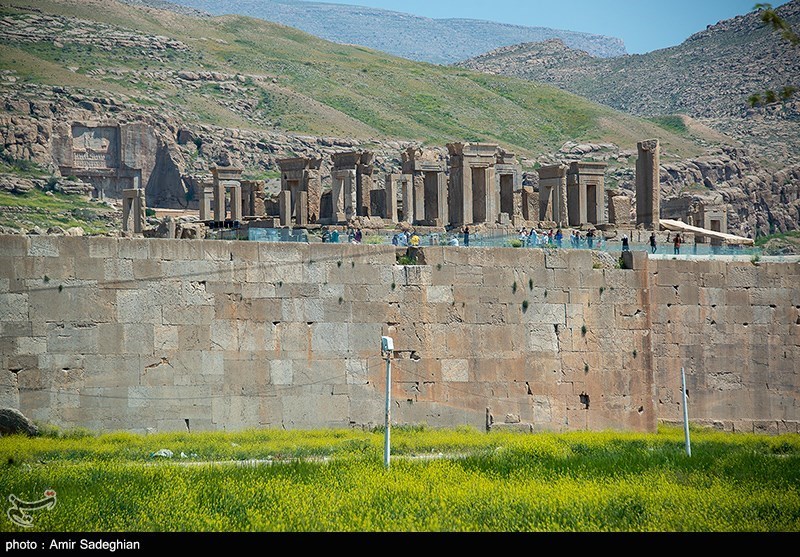
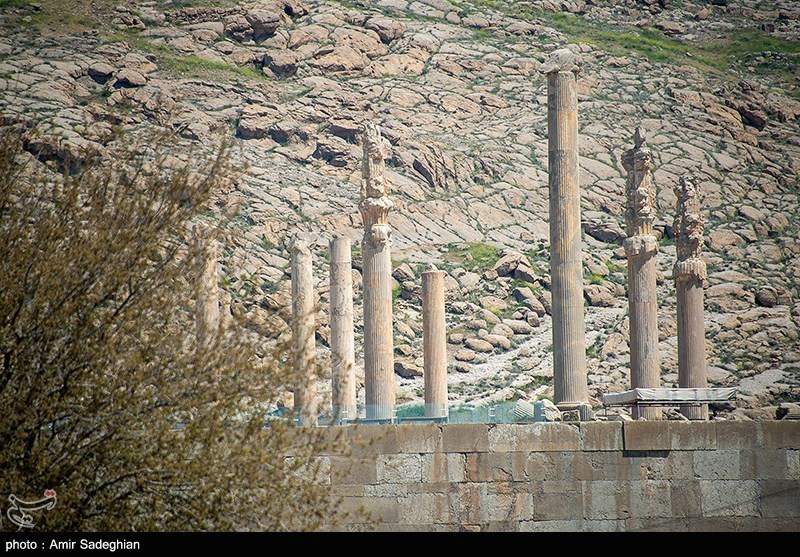
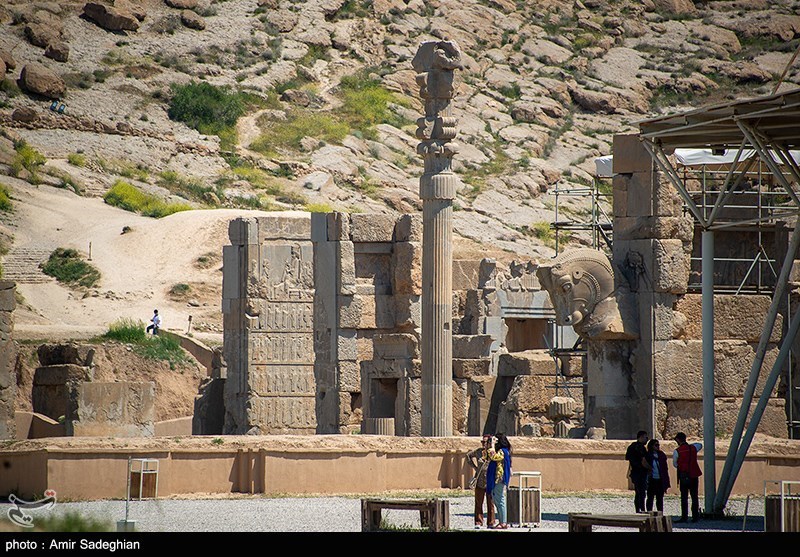
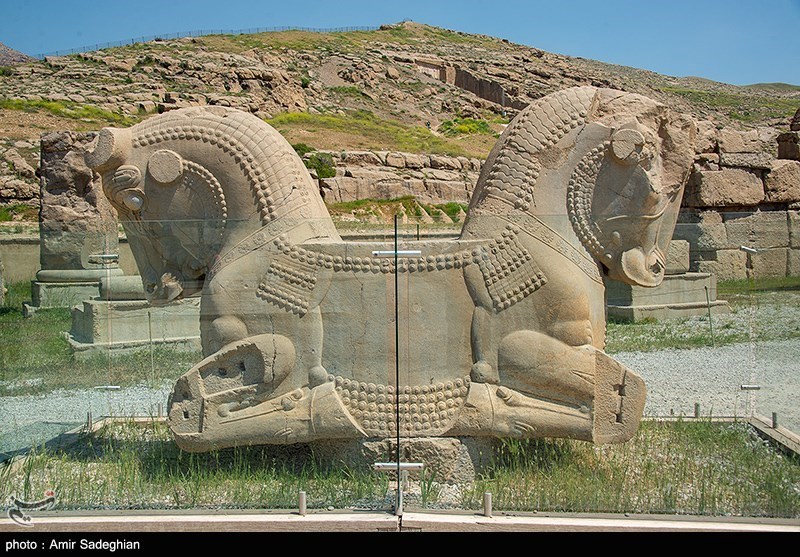
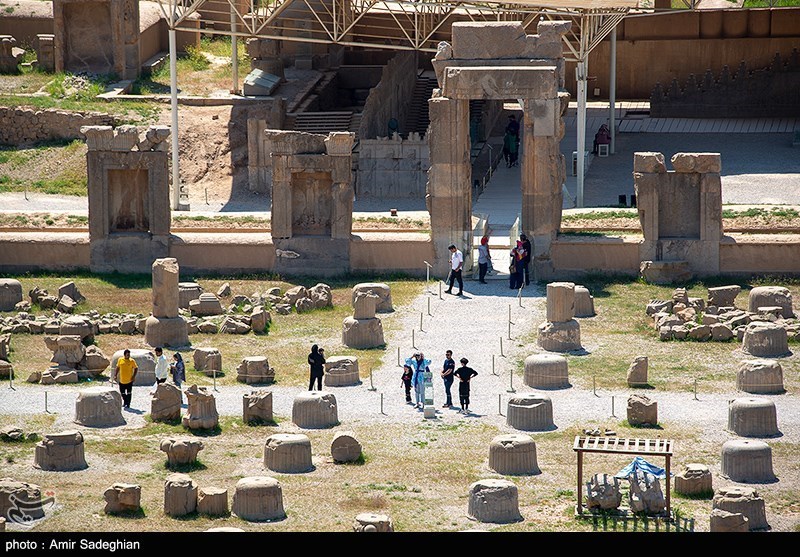
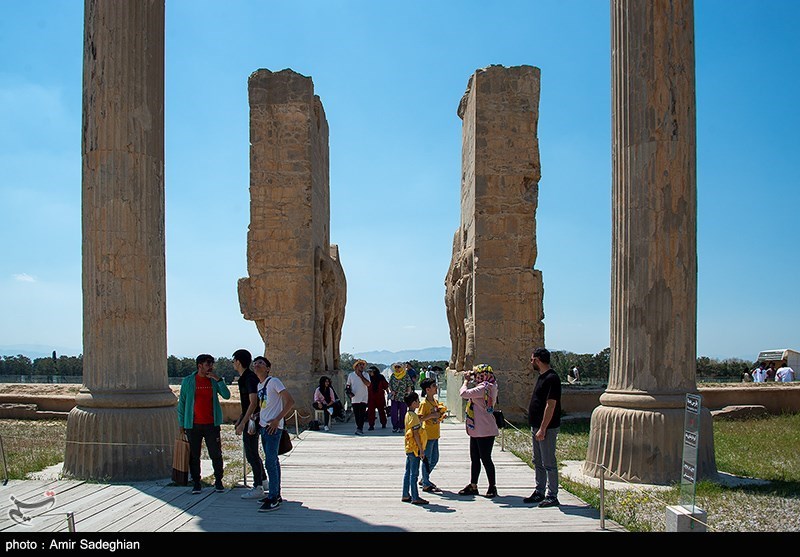
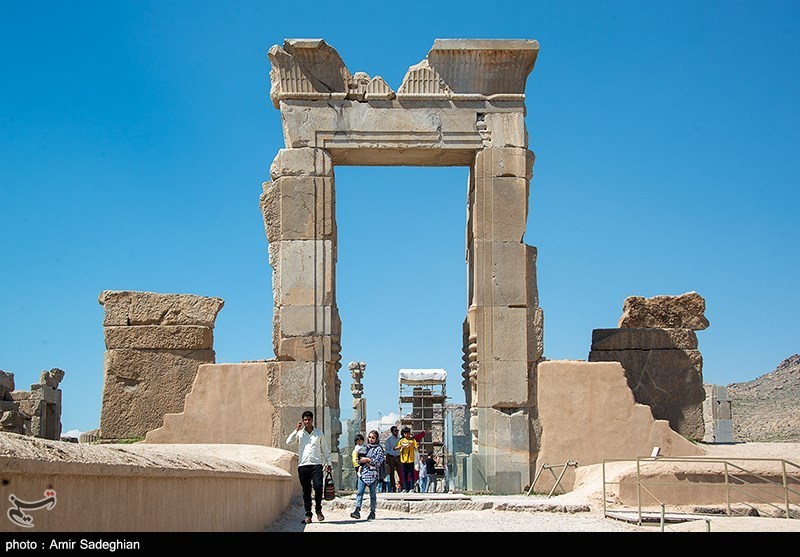
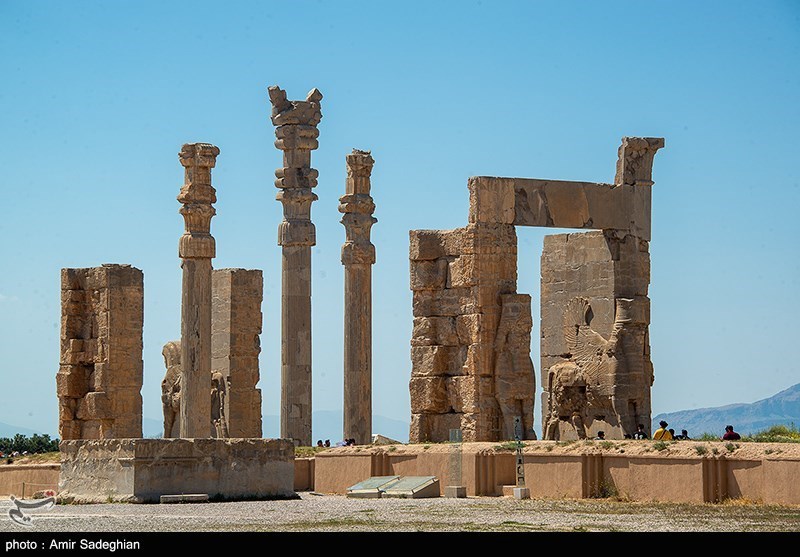
Iran’s Persepolis continues to mesmerize tourists after millennia

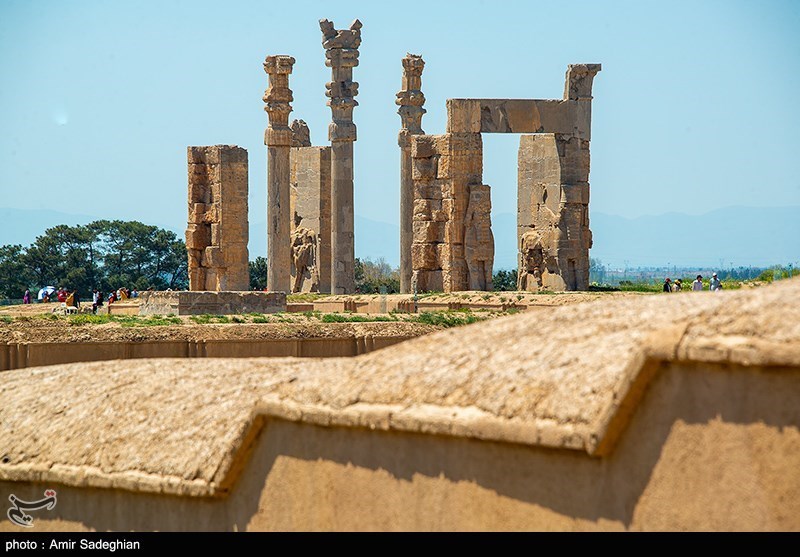
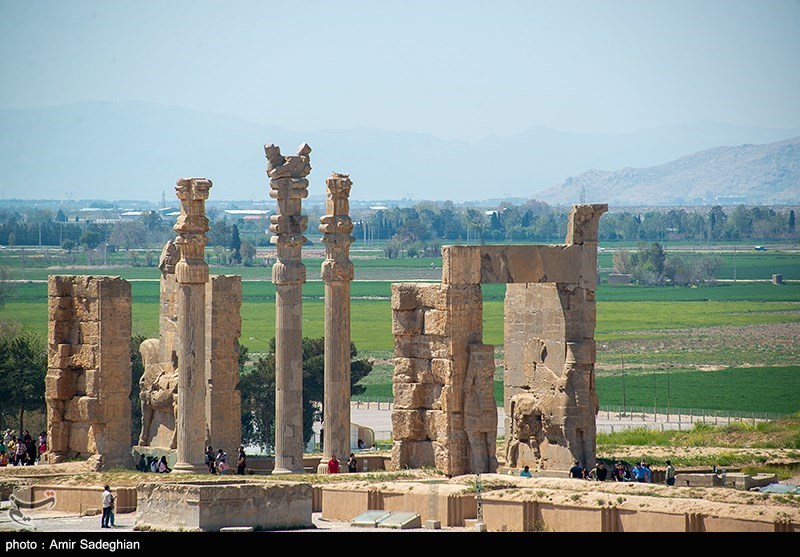
Iran’s Persepolis

It is situated in the plains of Marvdasht, about 60 kilometers south of the city of Shiraz in southern Iran.
The ancient city houses the ruins of a palace which was built during the reign of Darius the Great, Xerxes, and Ardeshir I, and was inhabited for about 200 years.

The ancient city is on the UNESCO list of cultural heritage.

Here are some of the pictures of the historical monuments in Takht-e Jamshid:


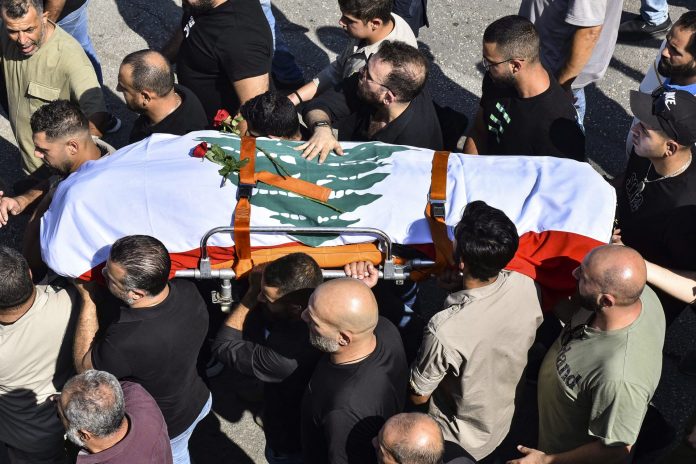
Israel breached international law in killing Reuters journalist in Lebanon: UN

Israel Lebanon

The United Nations Interim Force in Lebanon (Unifil) concluded in a report that their observers did not witness any cross-border hostilities between Israel and Lebanon for over 40 minutes prior to the moment an Israeli Merkava tank initiated fire.

“The firing at civilians, in this instance clearly identifiable journalists, constitutes a violation of UNSCR 1701 (2006) and international law,” said the seven-page Unifil report, dated 27 February and referring to Security Council resolution 1701.

“It is assessed that there was no exchange of fire across the Blue Line at the time of the incident. The reason for the strikes on the journalists is not known.”

Besides killing Abdallah, the two tank rounds also wounded six other journalists at the scene.

“(The) IDF should conduct an investigation into the incident and a full review of their procedures at the time to avoid a recurrence,” the report said in its recommendations.

“The IDF should share their investigation’s findings with Unifil,” it added.
When he was struck on 13 October, Abdallah was covering clashes between the Israeli military and the Lebanese group Hezbollah near the Israel-Lebanon frontier.

Identifiable as members of the media, he and a group of reporters with him had been stationary for around 75 minutes before they were hit by two shells, which eyewitnesses at the scene said came from Israel.

Two other Reuters journalists, Thaer al-Sudani and Maher Nazeh; two Al-Jazeera TV staffers, Elie Brakhya and reporter Carmen Joukhadar; and Agence France-Press journalists, Christina Assi and Dylan Collins, were wounded in the attack.

Three reports into the killing of journalist Abdallah were published in December by Reuters, Human Rights Watch, and Amnesty International.

All three found that two Israeli missiles were fired at a group of journalists reporting from south Lebanon near the village of Alma El-Chaab.

Human Rights Watch announced it found no evidence of a military target near their location.

Amnesty International said the missiles were “likely a direct attack on civilians that must be investigated as a war crime”.

Using video evidence, expert audio analysis, and witness accounts, Human Rights Watch said it appeared the group was visible to the cameras of a nearby unmanned aerial vehicle that was “most likely Israeli”.

The group was also “within line of sight of five Israeli surveillance towers, and most likely targeted by at least one munition fired from the main gun of a tank from an Israeli military position approximately 1.5 kilometres south-east” from the Israeli frontier, the report added.
There were two direct hits on the group of journalists that came in the space of 37 seconds, and the second strike was likely a small guided missile, Amnesty noted.

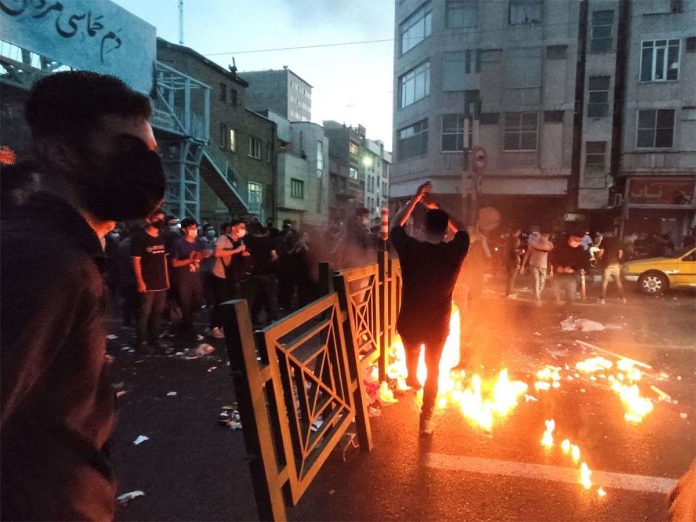
Iran dismisses UN fact-finding commission as ‘politically charged’

Iran Protests

The committee was established by some Western countries, especially Germany, and, Iranian officials say, with the money donated by them, in November 2022 following the death of young Iranian woman Mahsa Amini who passed after she was taken in by the police for a briefing on her hijab, or Islamic dress code.

Kazem Gharibabadi said on Thursday that Iran can “responsibly deal with the issue of riots that took place last year.”

He undermined the UN Human Rights Council’s fact-finding mission was established in a political process that “has made the victims of human rights violations suffer more by moving in the direction of the political and mostly illegitimate demands of Western countries,” adding “it has become a tool for political interventions.”

Many killed, injured in Israeli strike on UN food distribution center in Rafah

Gaza War

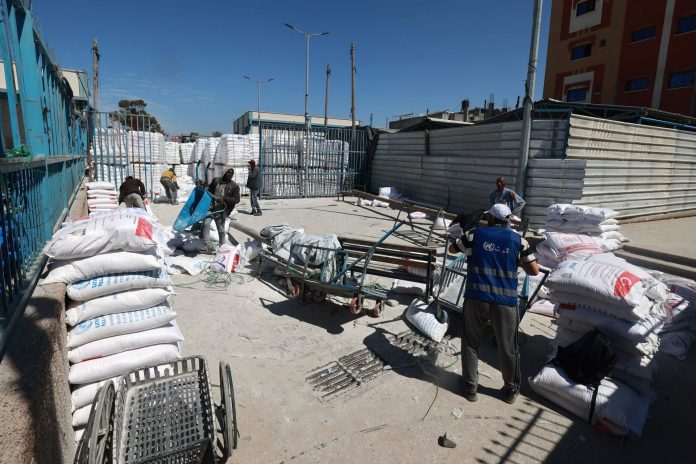
UNRWA Commissioner General Philippe Lazzarini in a statement on Wednesday said that the strike hit one of the very few remaining UNRWA distribution centers in the eastern part of Rafah.

“Today’s attack on one of the very few remaining UNRWA distribution centers in the Gaza Strip comes as food supplies are running out, hunger is widespread and, in some areas, turning into famine,” Lazzarini added.
“Every day, we share the coordinates of all our facilities across the Gaza Strip with parties to the conflict,” he continued.
He stressed the attack was carried out even though “the Israeli Army received the coordinates including of this facility yesterday”.
Lazzarini further urged the protection of the UN, its staff, and its premises and called for an independent investigation.

Israel acknowledged an airstrike on a food aid distribution center in southern Gaza, which it claimed targeted and killed a high-ranking member of Hamas.

Meanwhile, the statement by the UNRWA head added that since October 7, at least 165 team members have been killed while in the line of duty and more than 400 people sheltering in UN buildings also lost their lives due to Israel’s attacks.

More than 150 of the agency’s facilities, including schools and shelters, have been hit in the war, with some destroyed, and UNRWA staff have reportedly been mistreated and humiliated while in Israeli detention centers, according to the UNRWA.

The Israeli military has restricted the delivery of humanitarian supplies to northern Gaza for weeks, and thousands of children are going without sufficient food and medication.

The prevention of aid convoys comes as humanitarian officials have already issued a dire warning, stating that unless a ceasefire is implemented and aid is significantly increased, the toll of malnutrition and disease is expected to rise, leading to an alarming loss of lives.

So far, the Tel Aviv regime has killed at least 31,300 Palestinians, mostly women and children, and injured 73,000 others.