Friday, December 26, 2025
Home Blog Page 894

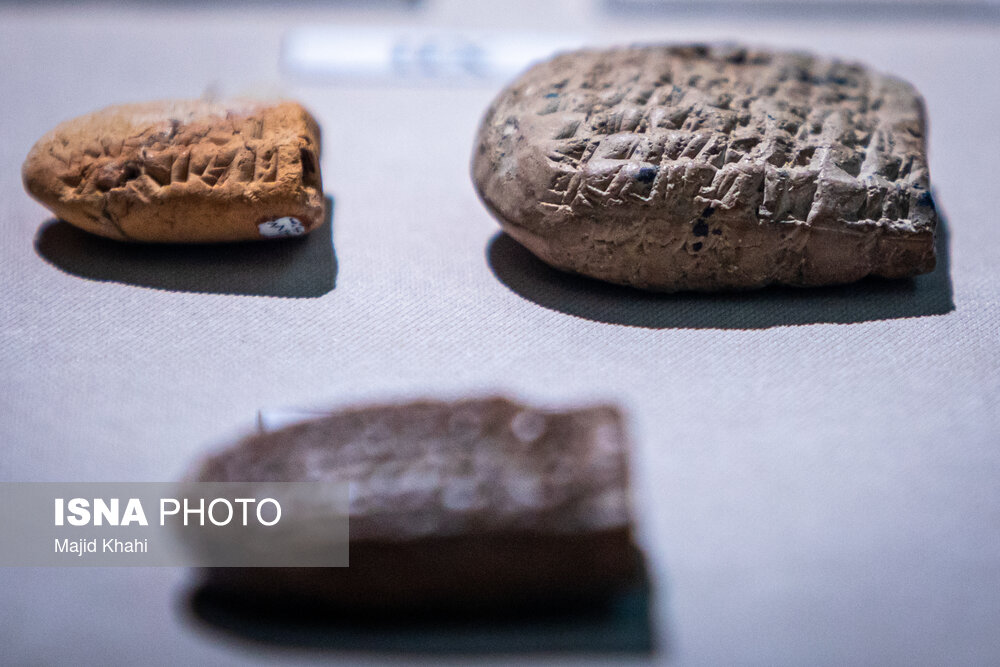
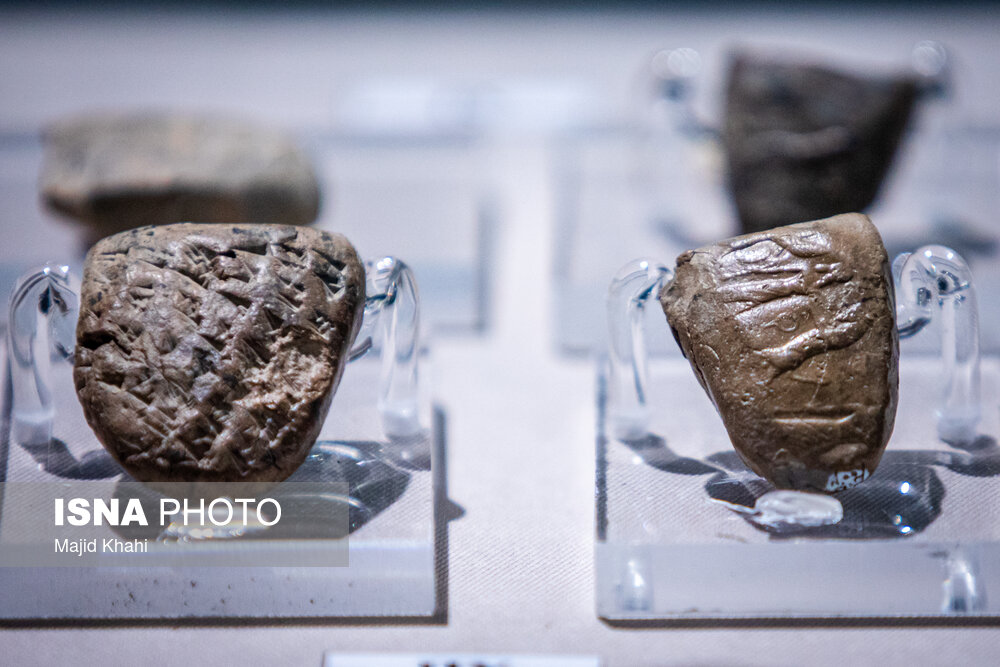
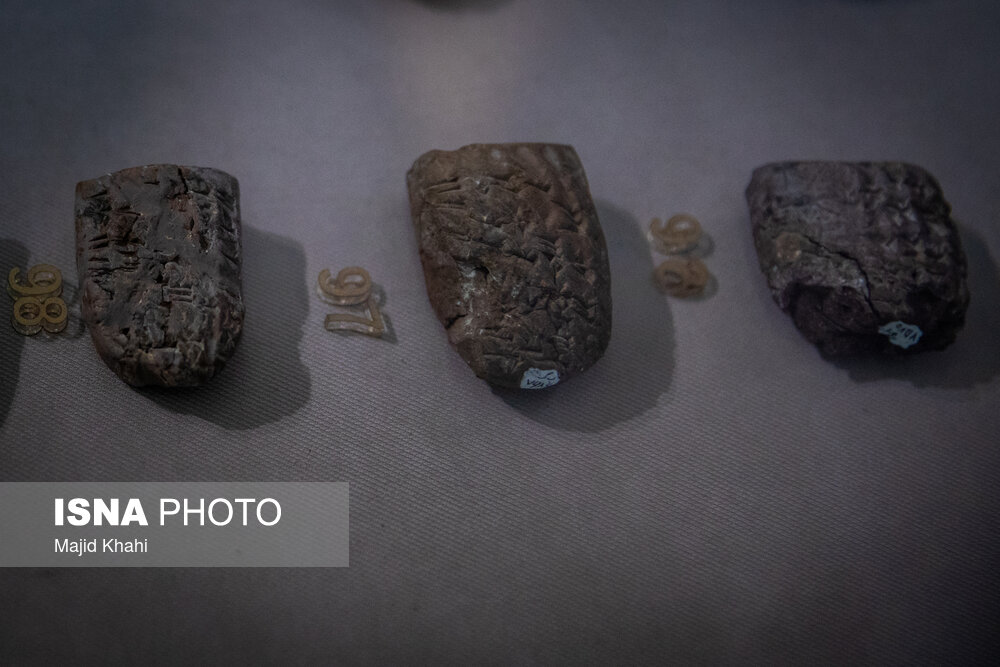
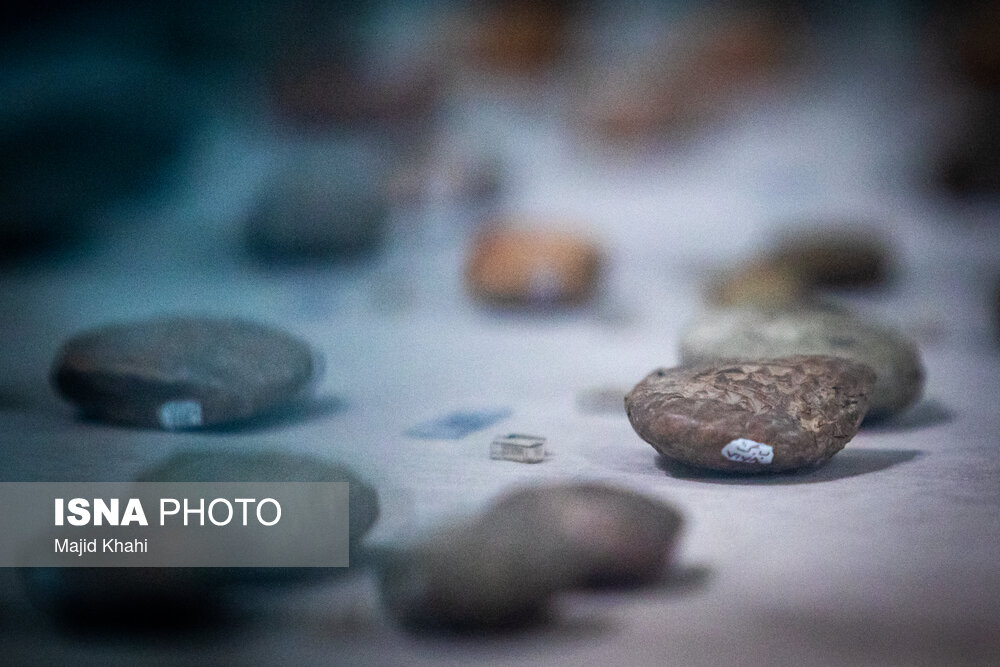
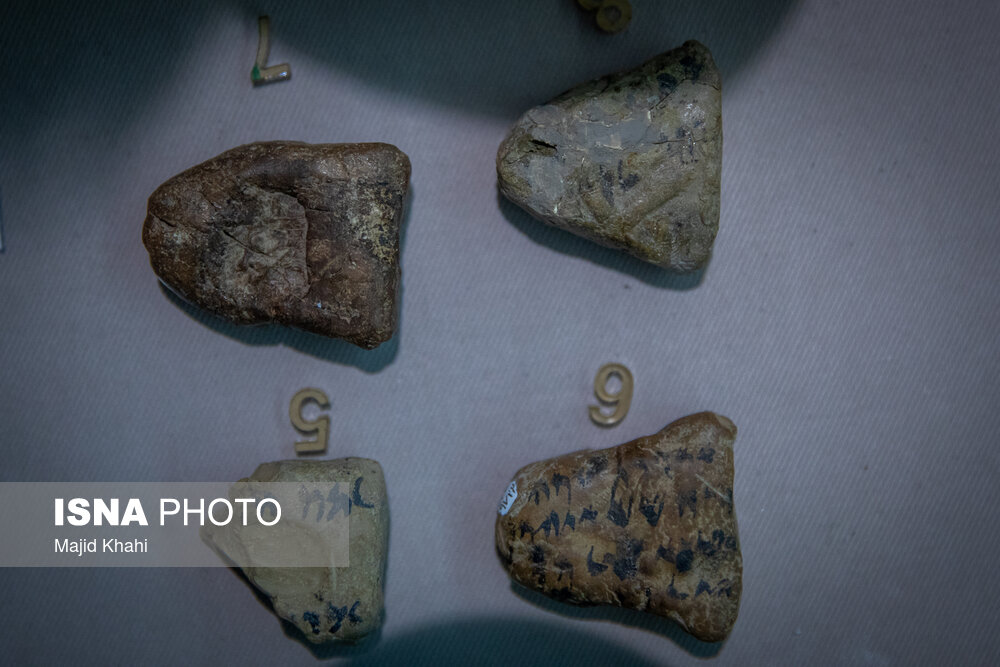
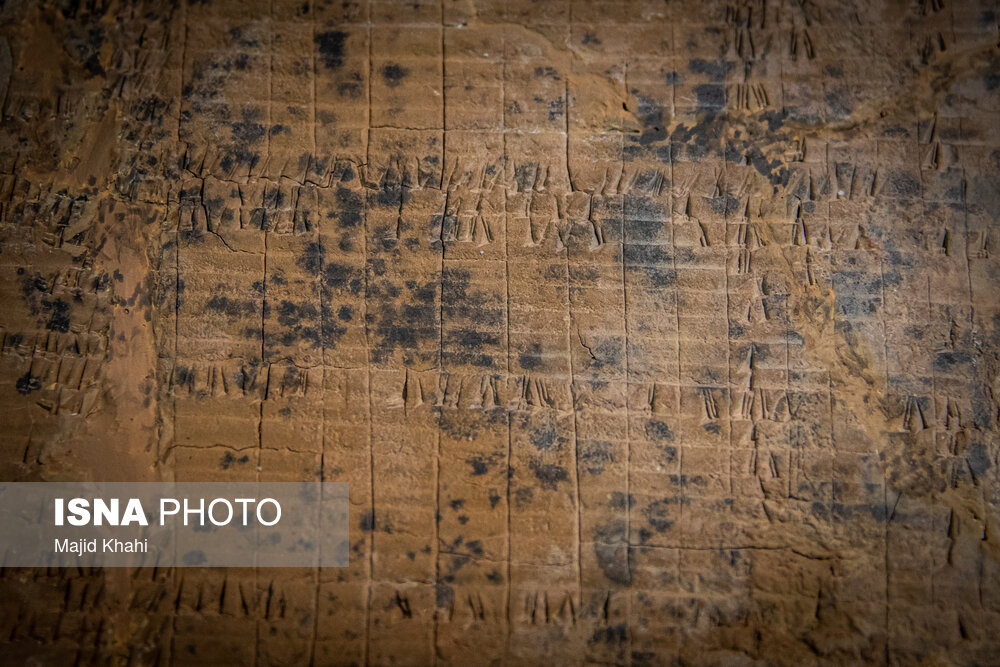
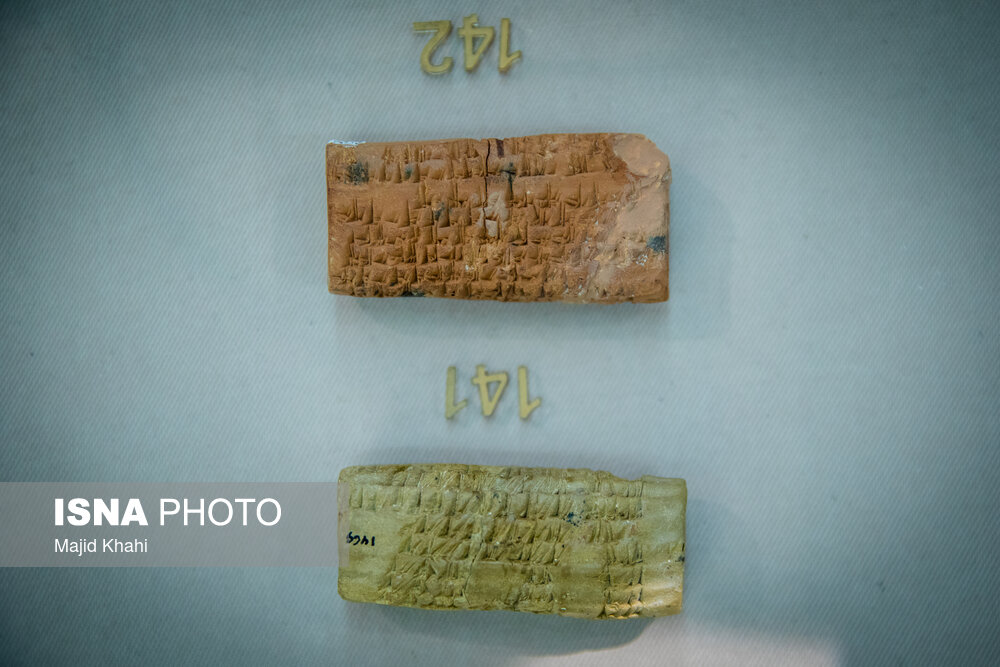
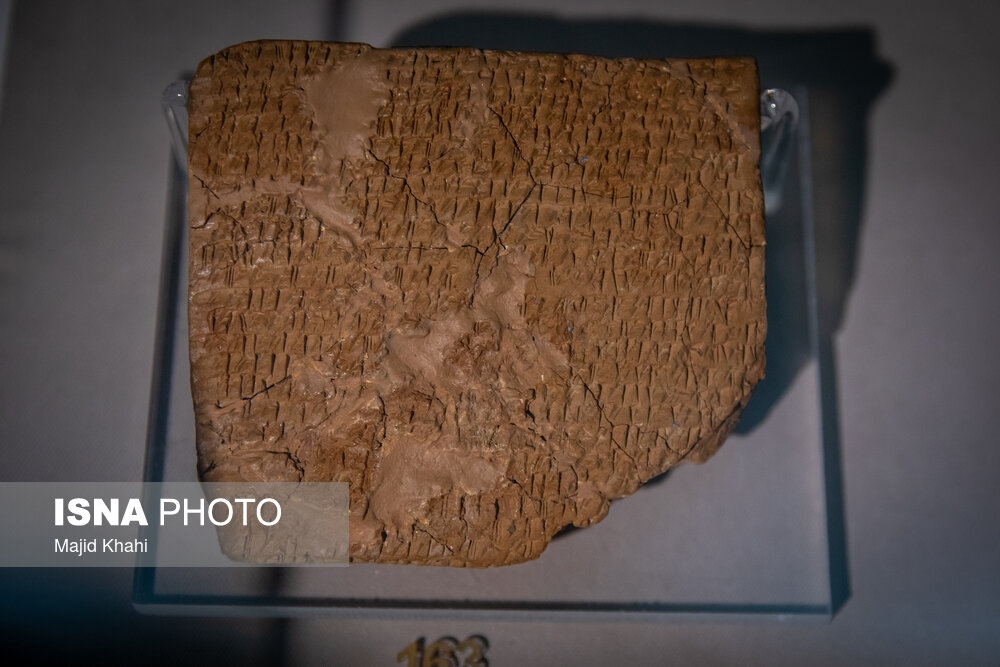
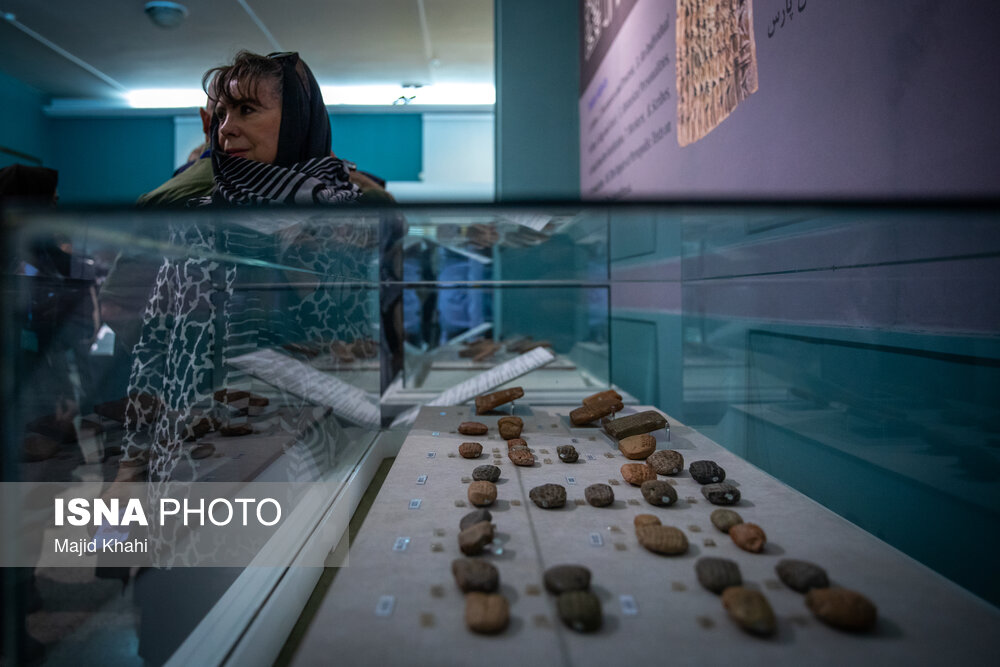
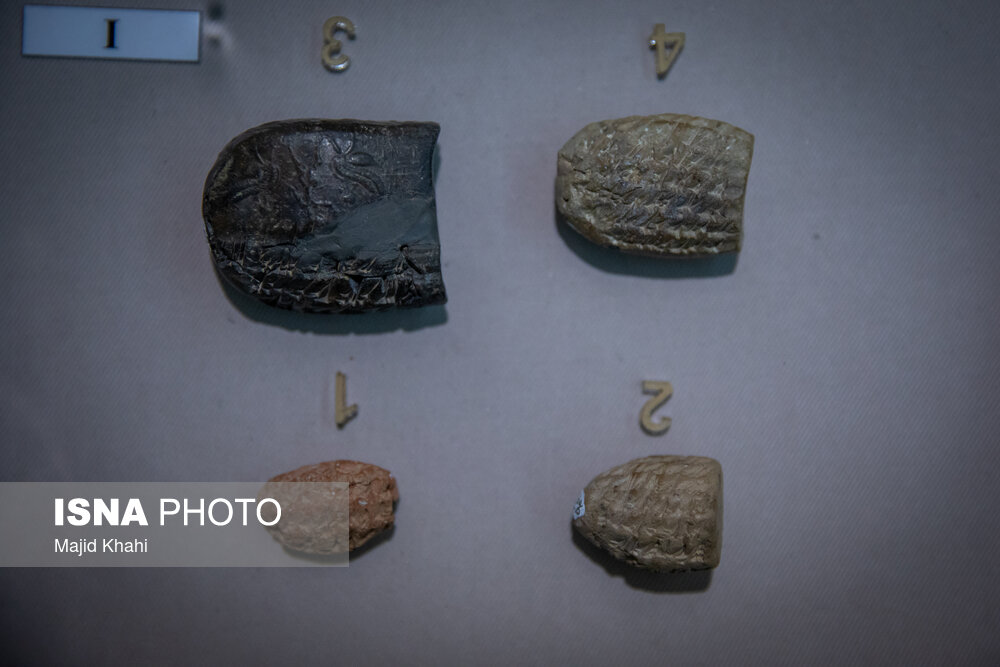
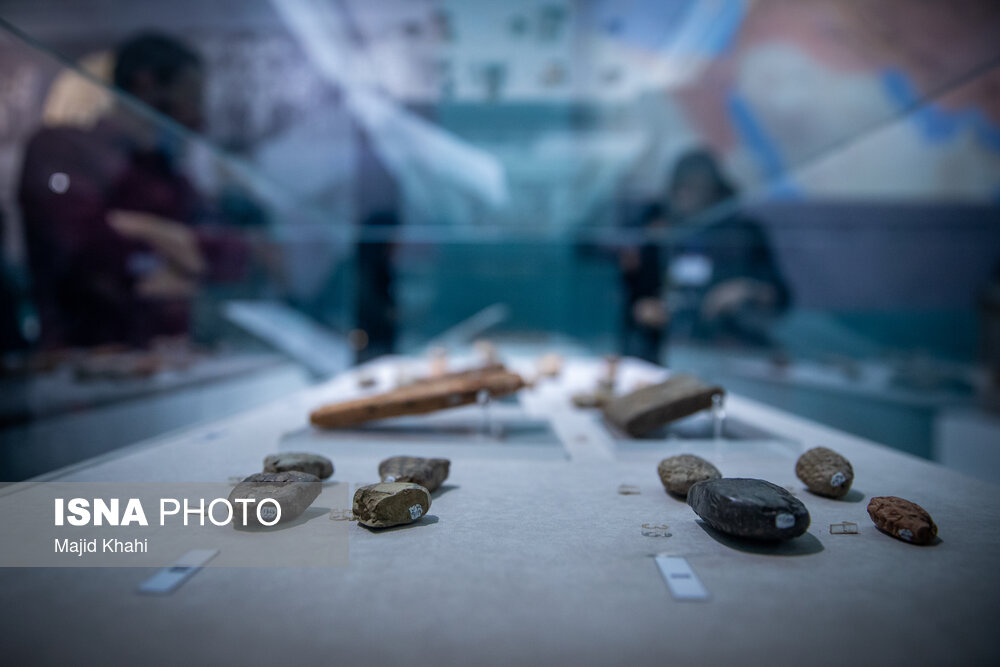
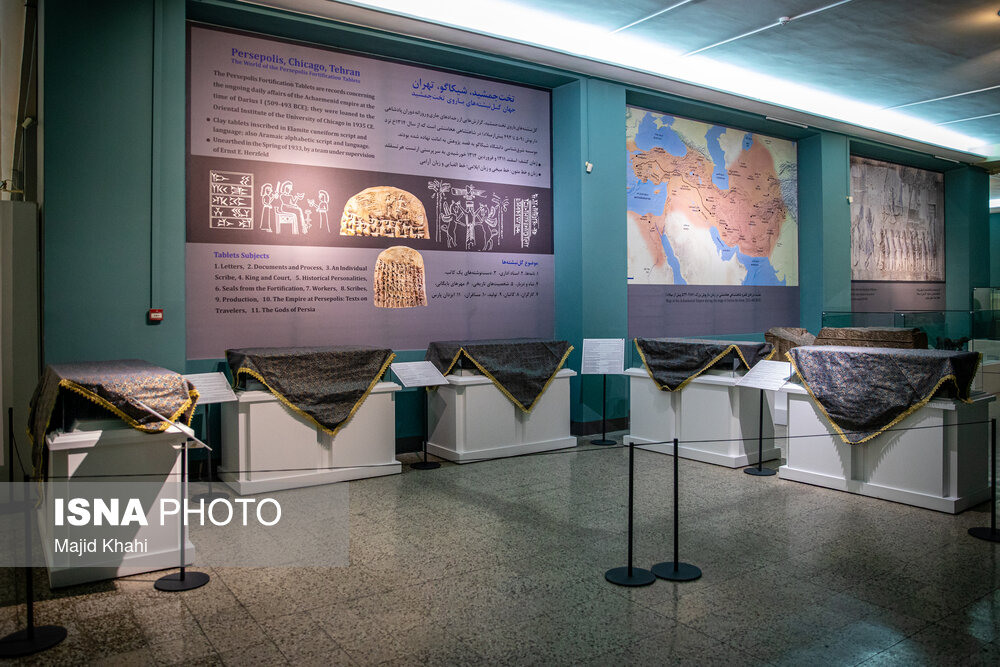
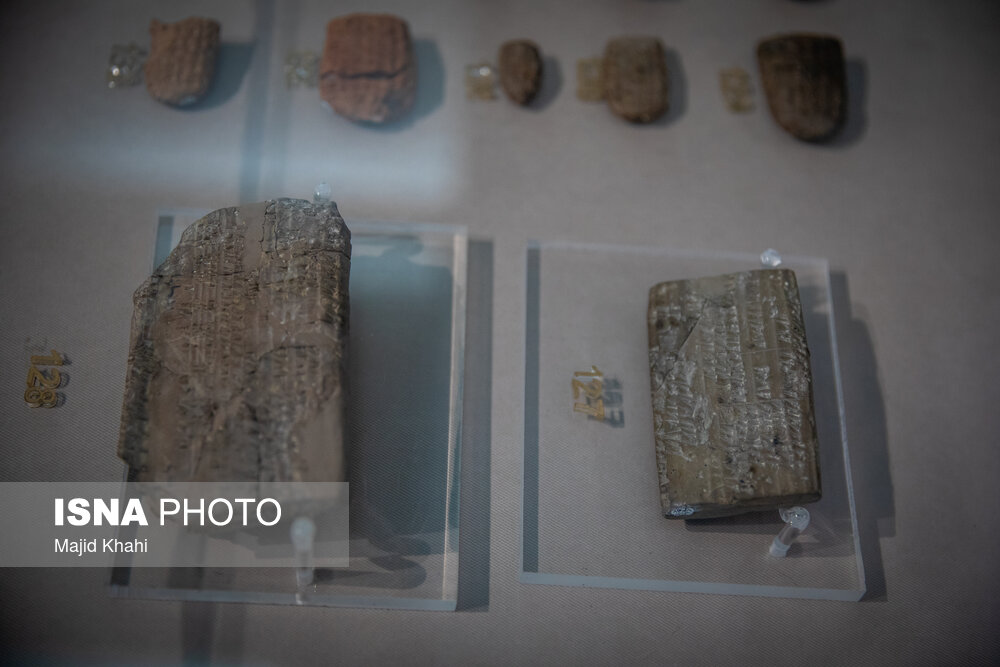
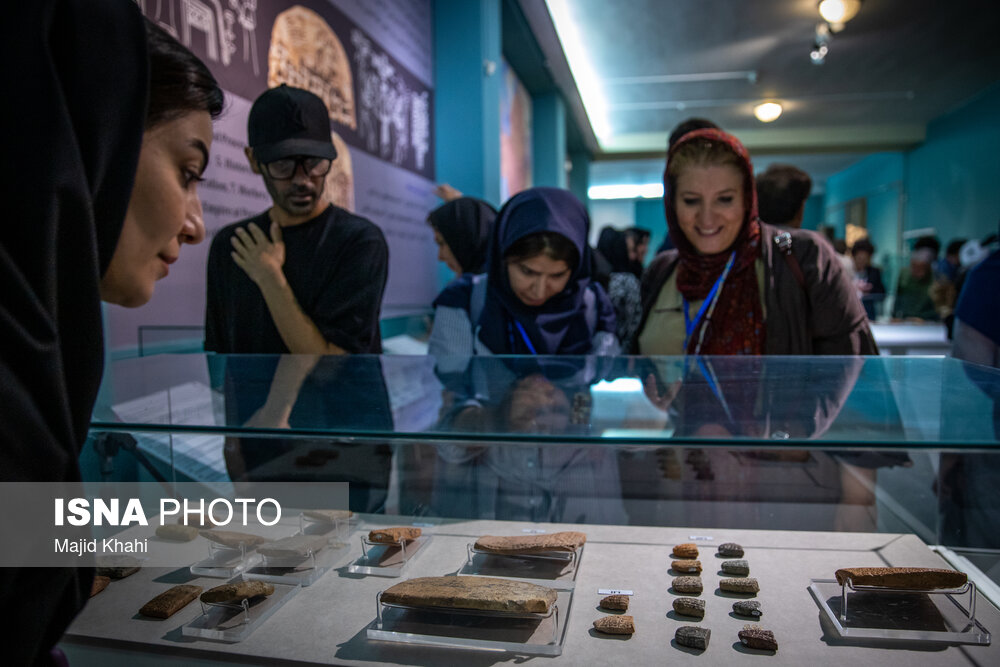
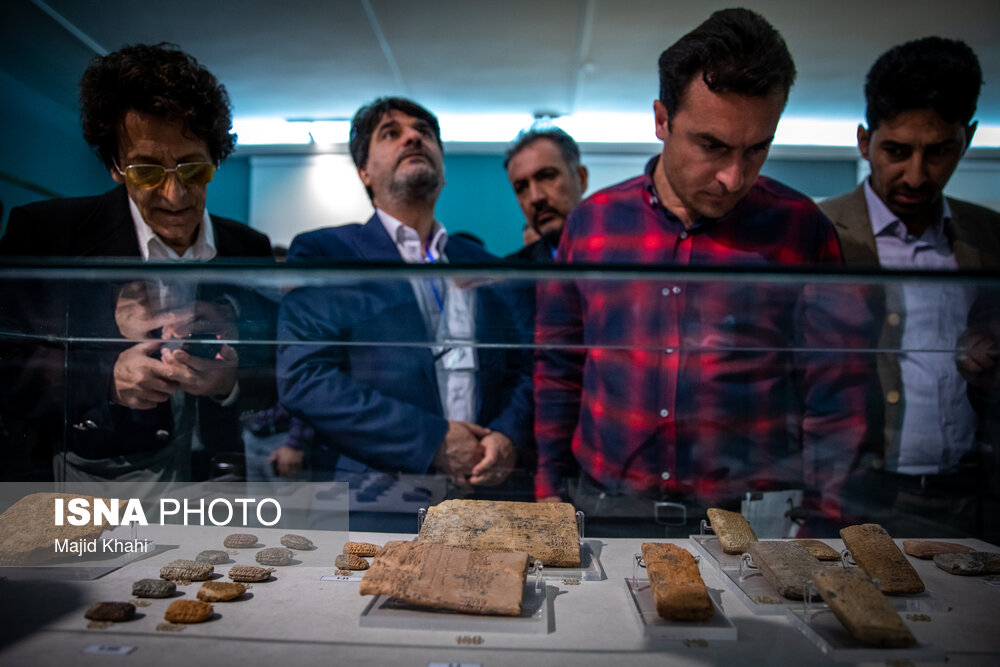
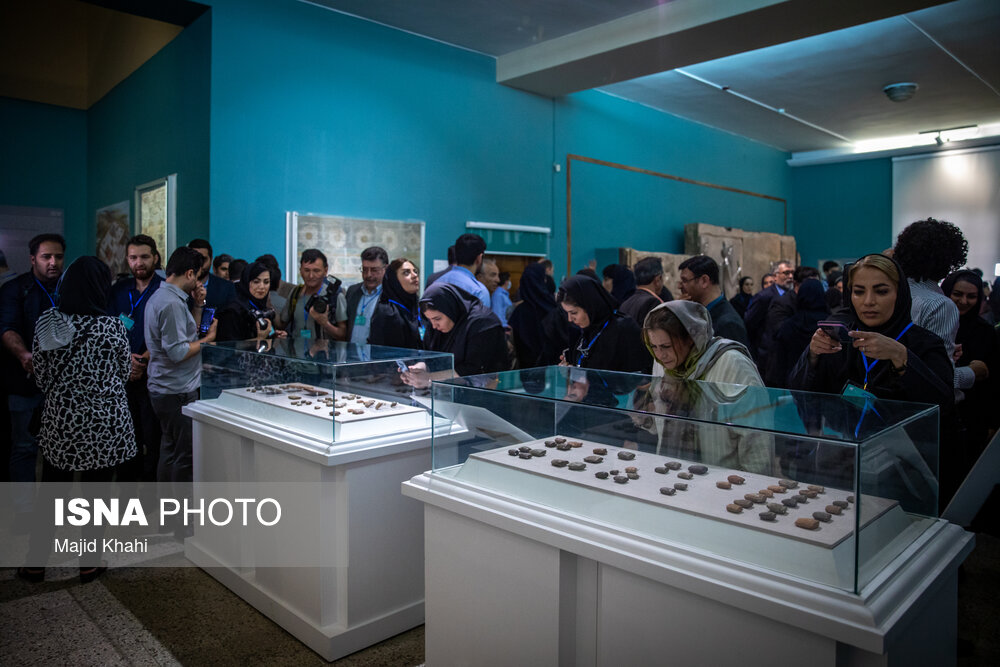
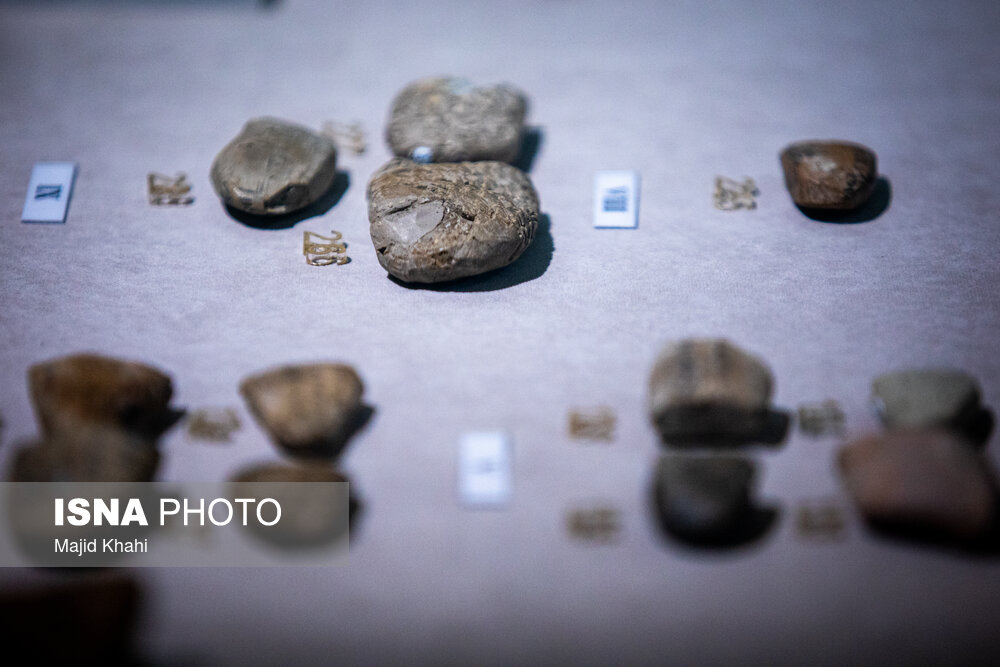
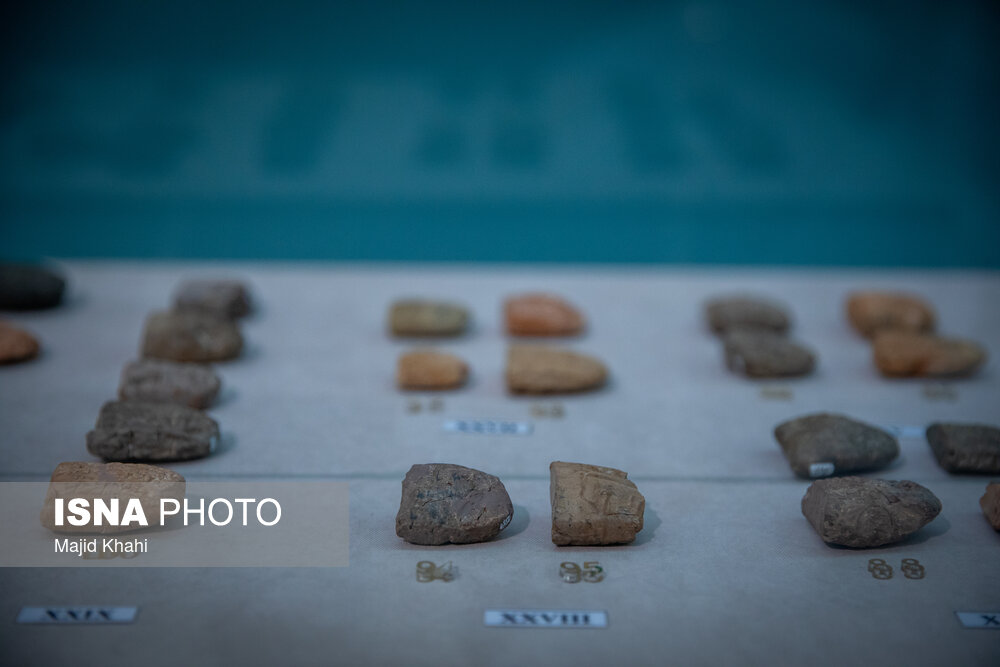
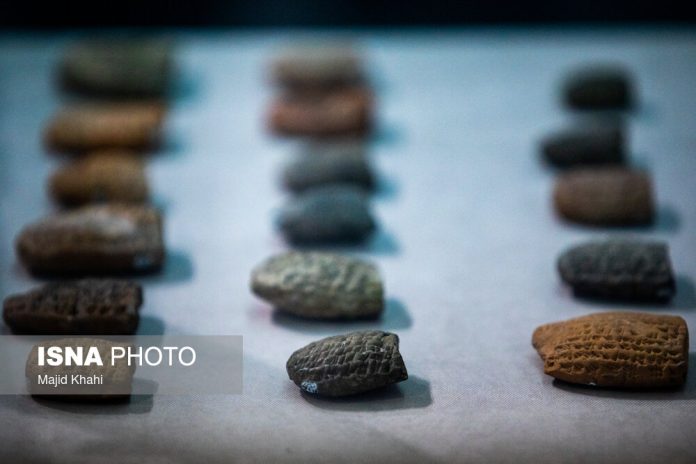
Achaemenid tablets unveiled in Iran

These tablets are part of the collection of inscriptions that the then government of Iran entrusted to the Oriental Institute of Chicago about 90 years ago to be deciphered and studied.

The tablets have been returned to Iran in five stages so far, while some 10,000 pieces remain to be delivered back to Iran.

Nine months after the return of Achaemenid tablets from the US to Iran, some of these inscriptions have finally been unveiled in the National Museum of Iran in Tehran.

Official: Iran to help Venezuela with defective hospital accelerators

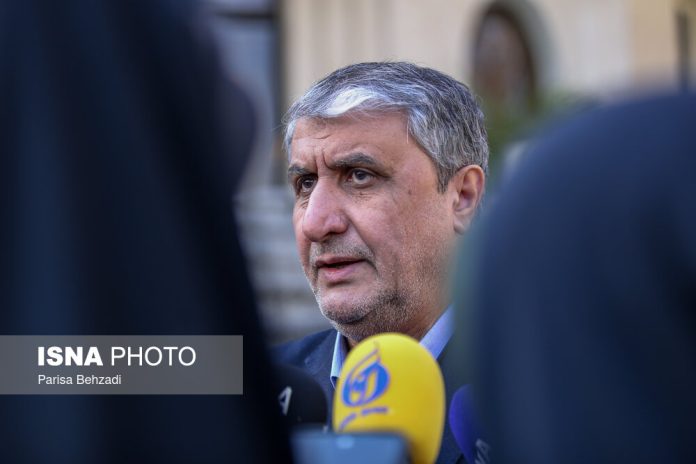
Mohammad Eslami

Mohammad Eslami added that Iran is providing assistance for Venezuela following a request by Caracas.

Eslami also said it’s Iran’s policy to cooperate with neighboring countries and any country that interacts with the Islamic Republic in the fields of education, research, services, and technology.

Venezuela’s deputy minister of science and head of the country’s scientific research institute recently underlined the need for nuclear cooperation between Tehran and Caracas in medical and pharmaceutical industries.

The Venezuelan official said the significant progress of Iran’s peaceful nuclear programs with regard to medical science, radiopharmaceuticals and nanotechnology can be of significant help for the treatment of dangerous diseases such as cancer.

US officials say Washington focused on hunting down Hamas leader Yahya Sinwar

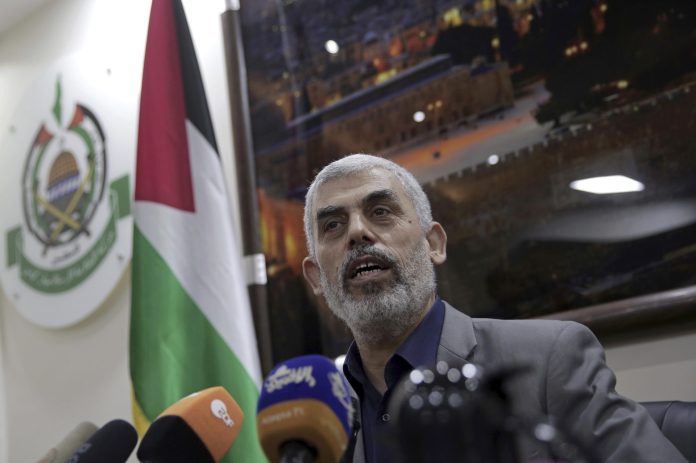
Yahya Sinwar

Current and former US officials, who spoke with MEE on condition of anonymity because of the sensitive nature of the mission, said the US was expanding its search efforts across the region, after believing the 61-year-old was hiding in tunnels deep below Gaza.

A US official, speaking on condition of anonymity as they were not authorised to speak to the media, told MEE that the Joe Biden administration is now exploring possibilities that Sinwar fled to Egypt’s Sinai peninsula, and from there may have even escaped to either Lebanon or Syria.

The current and former officials did not reference any specific intelligence but said one factor driving the debate was that US intelligence was lagging on Sinwar’s last whereabouts.

According to the officials, the Biden administration is roughly one month behind on tracking Sinwar’s last known location, which was within the Gaza Strip.

Bruce Riedel, a former CIA official who also advised four US presidents on national security, told MEE that the lack of clarity surrounding Sinwar’s last location was “pretty bad.”

When asked about the timeframe, he said: “One month means you aren’t even close to real-time information.”

Last month, a Hamas official said that Sinwar had visited combat zones above ground and had held deliberations with the group’s leadership abroad.

Speaking to the pan-Arab news outlet Al-Arabi Al-Jadeed (or The New Arab), the Hamas official said Sinwar was not always staying in tunnels, as claimed by Israel, but also performing his duties in the field.

Tracking Sinwar has taken on a new urgency within the US intelligence community because the Biden administration believes it could help pressure Israel to end the war by declaring victory, the officials said.

US President Joe Biden alluded to that strategy last week when he told CNN: “I said to Bibi (Israeli Prime Minister Benjamin Netanyahu), ‘Don’t make the same mistake we made in America. We wanted to get bin Laden. We’ll help you get Sinwar’.”

The parallel between hunting Sinwar and al-Qaeda chief Osama Bin Laden underlines the extreme difficulty the US and Israel face trying to find Sinwar.

The hunt for Bin Laden took ten years, and when he was located, he was in Pakistan, roughly one kilometre away from a military academy of the US’s counterterrorism ally.

According to the officials, Washington wants to focus Israel’s energy on finding key Hamas leaders such as Sinwar and Mohammad Deif, the head of the al-Qassam Brigades, as a way to avert a wider full-scale assault on Rafah.

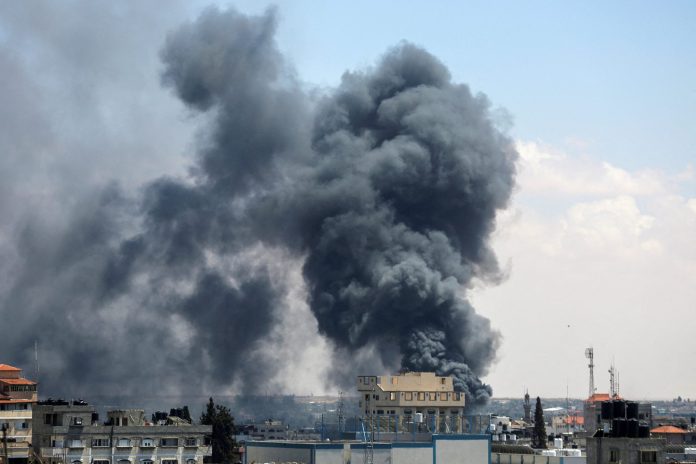
The Biden administration, which continues to provide Israel with military and intelligence support, has said it would withhold offensive arms from Israel if it attacks “population centres”, referring to Rafah, the southern Gaza border city which currently houses around 1.4 million displaced Palestinians.

On Sunday, The New York Times reported that US officials believed Sinwar was not in Rafah but likely remains in Khan Younis, a city that Israeli forces laid siege to between December and April.

Sinwar himself previously bragged in 2021 that there were 310 miles of tunnels in the Gaza Strip.

A former US intelligence official familiar with Hamas told MEE that one of Sinwar’s brothers, Mohammad, oversaw tunnel construction between Sinai and Gaza and has deep ties to smuggling networks in Sinai, a factor that could aid Sinwar’s escape.

William Usher, a former senior Middle East analyst at the CIA, told MEE, “Right up until 7 October, Hamas had pretty unimpeded access to the tunnel network. They had contingency plans to put key leaders out of harm’s way,” he said.

“In the past, Hamas went to Lebanon, Syria and even Iran,” Usher said. “It wouldn’t shock me if Sinwar was hiding there.”

On Monday, The Washington Post reported that the US was offering Israel new intelligence to help track Hamas leaders in exchange for Israel not launching the assault on Rafah.

That report was carried by some Israeli news outlets under the title: US withholding “sensitive intelligence” on Hamas from Israel. However, several current and former US and Arab diplomats, as well as defence and intelligence officials, told MEE it was highly unlikely the US would withhold information on Hamas from Israel.

In January, The New York Times reported that US national security advisor Jake Sullivan ordered the creation of a new task force to collect information on senior Hamas leaders and the location of hostages in Gaza, and share that intelligence with Israel.

One of the main challenges for the US is that it paid little attention to Hamas in the lead-up to 7 October, analysts and former US officials said.

The Palestinian movement is a designated terrorist organisation by the US, but whilst it was boxed into ruling the impoverished Gaza Strip, it was never considered a major threat to the US.

The last time the US faced a major security threat in Gaza was in 2003, when a US diplomatic convoy was bombed there, killing three Americans.

“The US depends on Israel to a large extent to share intelligence with us on what’s happening in Gaza because it has historically been their priority,” Usher said.

The US officials said that the Biden administration had accelerated intelligence, surveillance and reconnaissance (ISR) coordination with Israel. Meanwhile, a former US official said that Israel would be particularly interested in tapping into the US’s geospatial intelligence capabilities.

One of the routes the US is exploring to track Sinwar is the ceasefire talks, the sources said. While the face-to-face negotiators on Hamas’s behalf are the political leaders based in Qatar, Sinwar is widely believed to have the final say on any agreement, as the group holds captives in Gaza and exercises control over military units.

Current and former Arab and US officials told MEE that Sinwar is probably relying on a circuitous network of couriers and potentially messaging apps to communicate with Hamas officials abroad.

“If he was using a mobile phone, he’d be dead already,” Riedel told MEE.

An Arab official familiar with Hamas told MEE that the group has had years of experience learning to cloak its communication during previous wars with Israel.

“This is a guy from a different generation who is used to communicating off the grid,” the official said.

According to US officials, whilst Algeria and Turkey also maintain dialogue with Hamas, Washington is leaning on Egypt to rule out whether Sinwar fled to Sinai.

Egypt’s military intelligence talks directly to Hamas’s armed wing, giving them better access to Hamas than any of Washington’s other Arab partners.

The current and former US and Arab officials told MEE that if Sinwar fled the Gaza Strip, it could be a blow to Hamas’s morale.

Although he has been described as “prepared to die in Gaza”, one US official said that Hamas’s endurance on the battlefield after seven months may be impacting his decision-making.

“He might want to reconstitute for Hamas 3.0,” the US official said.

Despite the US effort, some doubt that killing Sinwar would be enough for the US to press Israel into a ceasefire agreement.

Jonathan Panikoff, the director of the Scowcroft Middle East Security Initiative at the Atlantic Council, told MEE, “killing Sinwar might be sufficient for the US to decide its time for Israel to declare victory and move on, but it’s not clear that it would be sufficient for Netanyahu’s political survival”.

“Ultranationalists like Ben Gvir and Smotrich will likely still demand a military operation in Rafah.”

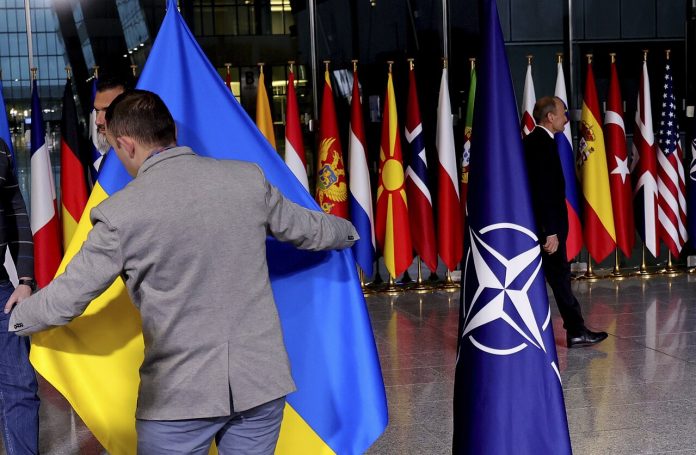
NATO member states ‘considering’ sending troops to Ukraine: Report

NATO Ukraine

Facing troop shortages, the government in Kiev has asked the US and NATO to “help train 150,000 new recruits” inside Ukraine, so they could be sent to the front faster, according to the American outlet.

The move “would be another blurring of a previous red line” and could draw the US and the EU “more directly into the war”, the Times noted. Although the White House has publicly opposed sending instructors, the chairman of the Joint Chiefs of Staff thinks it is inevitable.

“We’ll get there eventually, over time,” General Charles Q. Brown Jr. told reporters on Thursday, while traveling to Brussels.

One problem with deploying NATO instructors to Ukraine would be having to shift already scarce air defenses away from the battlefield in order to protect them from Russian air and missile strikes, the newspaper noted. According to the outlet, the US would be obligated to defend any NATO instructors inside Ukraine from attack, “potentially dragging America into the war”.

French President Emmanuel Macron first raised the issue of sending NATO troops to Ukraine back in February, as an idea that should not be ruled out. Estonia and Lithuania have since expressed support for either sending instructors or support troops, to free up Ukrainian soldiers for combat duty.

The White House is “adamant” that it will not put American troops on the ground in Ukraine – including instructors – and has urged NATO allies not to do it either, an anonymous White House official told the daily.

Meanwhile, Britain, France and Germany are working on a plan to send contractors to maintain weapons in the combat zone, the US outlet has revealed. Though the US has banned defense contractors from going to Ukraine, “a small number have already been allowed in, under State Department authority, to work on specific weapons systems like Patriot air defenses,” the Times noted.

American instructors used to be part of a NATO training program in Yavorov, in western Ukraine, but were withdrawn in early 2022. Russia has since struck the facility with missiles multiple times.

NATO has trained tens of thousands of Ukrainian troops in Germany, Poland, the UK and elsewhere. Western tactics have proven less than adequate during the summer 2023 offensive, however. The Times has described the Ukrainian battlefield as “far different and more intense than what American forces have fought on in recent years”.

According to anonymous US military officials, training inside Ukraine would allow American instructors “to more quickly gather information about the innovations occurring on the Ukrainian front lines, potentially allowing them to adapt their training”.

Earlier this week, British Defense Secretary Grant Shapps stated that “moving training closer” to Ukraine would make sense, but added that London did not want to put British troops on the ground.

Sixteen Democrats join Republicans to override White House’s halt on bomb transfers to Israel amid Gaza war

Gaza War

The largely symbolic vote in the House of Representatives passed by a vote of 224-187, but has little chance of becoming law because it must pass the Democrat-controlled Senate.

The Biden administration also said it would veto the bill, claiming it “undermines” the president’s foreign policy.

The bill’s passage in the House of Representatives is notable, however, because 16 pro-Israel democratic lawmakers joined with Republicans in a sign of defiance of Biden’s decision to pause a shipment of 2,000-pound and 500-pound bombs to Israel.

The lawmakers who broke ranks with their party include vocal democratic supporters of Israel such as Lois Frankel, Jared Moskowitz, Josh Gottheimer, and Ritchie Torres.

Republican Senator Tom Cotton has introduced a companion bill, but Senate Majority leader Chuck Schumer has said he will not put the bill on the floor for a vote. Senior Democrats in the House also whipped heavily against the bill.

A notice shared by Democratic Congresswoman Katherine Clark said Biden had provided “ironclad” support for Israel but that the Republican legislation amounted to an “unprecedented limitation” of the president’s executive authority and ability to implement foreign policy.

Israel’s war on Gaza has divided the Democratic Party, with progressives criticising Biden’s support for Israel. The tensions are already playing out in Democratic primary races.

This week pro-Palestinian Democratic Congressman Jamaal Bowman claimed his primary challenger was in the “pocket and bought and paid for by Aipac”, the pro-Israel lobbying group. Bowman, like some other progressives, has called Israel’s war on Gaza a genocide.

The focal point of Israel’s war has become Rafah, the southern Gaza border town where around 1.5 million Palestinians are sheltering.

Biden warned last week he would delay the transfer of offensive bombs and artillery shells to Israel if they launched a full-scale assault on Rafah.

Biden’s decision to follow through on that public threat is being tracked minute by minute by US voters, supporters and critics of Israel. The Biden administration has not clearly defined what they mean by a “full-scale invasion”, as Israel has been heavily bombarding Rafah and has seized control of the crossing with Egypt.

The vast majority of arms transfers to Israel are continuing despite the Rafah threat and current freeze.

The Wall Street Journal reported on Tuesday that the Biden administration plans to send over $1bn in additional arms and ammunition to Israel.

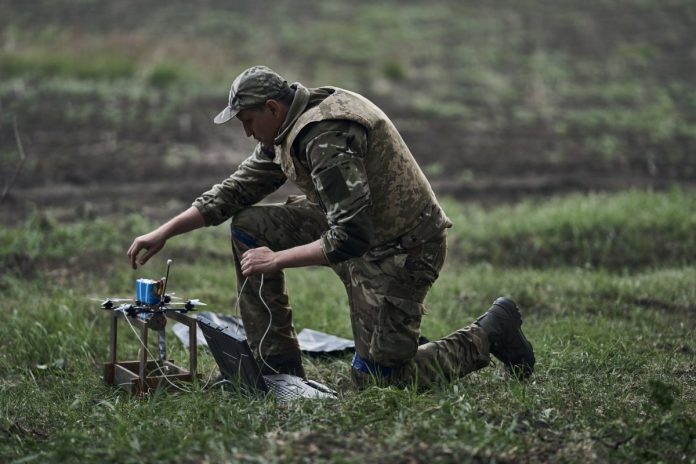
Ukraine calls on US to help locate targets in Russia

Russia Ukraine War

In addition, members of Ukraine’s parliament have approached lawmakers in Washington, requesting the green light to use US-provided weapons in strikes on Russia, the paper wrote, citing US and Ukrainian officials.

The Russian offensive in Kharkov Region was facilitated by the US restrictions, which are “handcuffing the Ukrainian war effort,” Kiev’s delegation told Congress, according to news website Politico.

Despite such requests being turned down in the past, administration officials are now reviewing the latest requests, according to the report.

Intelligence from the US and other allies on military targets on Russian soil would allow Ukraine to better plot approach routes for its drones and missiles, the newspaper said. With detailed terrain mapping, it would allow them to fly low and avoid radar detection, increasing their effectiveness. While Kiev already has access to commercial satellite imaging data, US intelligence would provide more detailed and timely information, they wrote.

General Charles Q. Brown Jr., chairman of the Joint Chiefs of Staff, confirmed that Kiev has been seeking to ramp up strikes inside Russia. The Ukrainians have been “asking us for help to be able to strike into Russia,” the US general told reporters on Thursday, while flying to Brussels for NATO meetings.

The day before, State Secretary Antony Blinken stated that the US has left it up to Ukraine whether or not it uses US-supplied armaments to attack Russian territories. “We have not encouraged or enabled strikes outside of Ukraine, but ultimately Ukraine has to make decisions for itself about how it’s going to conduct this war,” he told reporters in Kiev.

In early May, British Foreign Secretary David Cameron said Kiev had the right to use UK-provided weaponry to for cross-border strikes on Russian targets. Moscow condemned the remarks and summoned London’s ambassador. Any use of British weapons against Russian territory could prompt Moscow to strike “any British military facilities and equipment on the territory of Ukraine and beyond,” the Russian Foreign Ministry warned.

Russian President Vladimir Putin stressed on Friday that it is Kiev’s repeated strikes against residential districts in Russia that is forcing Moscow into creating a buffer zone on the border, as Russian forces push Ukrainian troops further back into Kharkov Region.

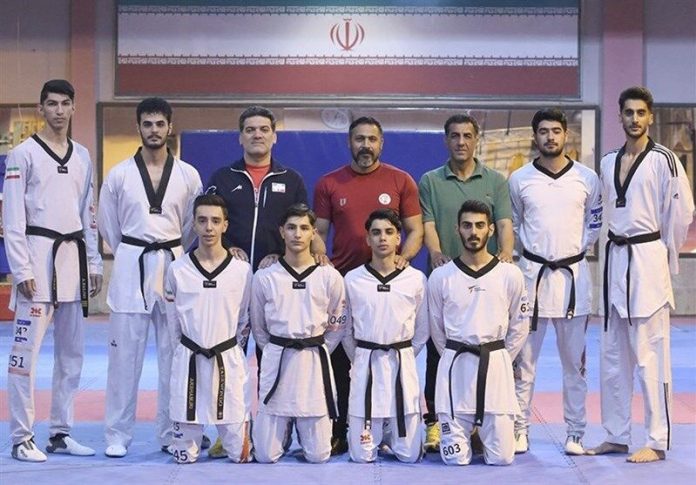
Iran’s national Taekwondo team stand on top of Asia

The glory in the 26th edition of the games, held in Vietnam, comes to Iran after eight years.

Mehdi Haj Moussaei in -58 kg, Mohammad Hossein Yazdani in -87 kg and Arian Salimi in +87 kg won gold medals, Ali Khosh Ravesh in -80 kg and Mehran Barkhodari in -87 kg bagged silver medals and Abolfazl Zandi in -58 kg and Matin Rezaei in -63 kg won bronze medals in the bout.

South Korea, Uzbekistan, and Saudi Arabia were ranked second to fourth.

In Iran’s women’s team, Melika Mirhosseini and Saeedeh Nasiri won a bronze medal each.

French report slams Turkey for interference in New Caledonia unrest

“Both Azerbaijan and Turkey are suspected of exploiting the Caledonian separatists,” Europe 1 reported, adding, “It is no longer a secret for the DGSI [French intelligence], which sees the hand of Baku or Ankara behind the Caledonian separatists.”

Unrest erupted on the islands on Monday after French lawmakers pushed forward plans to allow citizens who have lived in New Caledonia for at least 10 years to vote in the territory’s elections.

Separatists argue that the constitutional amendment would undermine the indigenous Kanak vote, which constitutes about 40 percent of the population.

Unrest in Noumea, the capital city, left five dead, including two gendarmes.

Hundreds were injured, and a state of emergency was declared on Thursday. As of Friday, hundreds had been arrested, and the French government deployed an additional 1,000 security officers to the city.

Paris has already publicly accused Azerbaijan of interfering in New Caledonia, but media allegations against Turkey surprised and amused officials in Ankara.

Gerald Darmanin, French minister of the interior and overseas territories, pointed the finger at Baku in an interview with broadcaster France 2.

“Azerbaijan is not a fantasy; it is a reality,” he said on Thursday, adding, “I regret that some of the Caledonian independence leaders made a deal with Azerbaijan, which is indisputable.”

Baku publicly rejected the allegation as “baseless”.

In April, Azerbaijan signed a memorandum of understanding with an elected official from the local Caledonian parliament, establishing parliamentary relations between the two.

New Caledonian lawmaker Omayra Naisseline then thanked the Azerbaijani state “for being our site on our path towards independence”.

Azerbaijani flags were present at a demonstration by Kanak separatists in March, likely at the initiative of the Baku Initiative Group.

Created just under a year ago, the group’s goal is to “support the fight against colonialism and neocolonialism” in France.

At its inaugural conference in July, it welcomed representatives of independence movements from Martinique, Guyana, Corsica, New Caledonia, and French Polynesia.

Its president, Abbas Abbasov, has denied any involvement in the March protests by Kanak separatists. T-shirts bearing his organisation’s logo were worn by demonstrators at the demonstration.

According to the report in Europe 1, which is owned by a right-wing French businessman, “representatives of the indigenous people attended an international conference on decolonisation in the Turkish capital”.

The report cited a French domestic intelligence source, who said that the Kanak delegation’s transportation was paid for by Azerbaijan’s secret services.

The Baku Initiative Group in fact held the conference titled “Decolonisation: Awakening of the Renaissance” in Istanbul, not Ankara, as claimed by Europe 1.

The French radio station also misreported the date as 1 March, but the event took place on 24 February.

It featured representatives from 13 different territories, including New Caledonia, French Polynesia, French Guiana, Martinique, and Guadeloupe, as well as four international bodies.

While Ankara is not expected to formally repudiate the report, the claims were met by amusement in the Turkish capital.

“It is funny to think that Ankara has an intention to stir unrest somewhere thousands of kilometers away from Turkey,” a Turkish source based in Ankara told Middle East Eye.

“Turkey is a busy country.”

Europe 1 also accused Turkey of “launching a disinformation campaign targeting France” last autumn when the French minister of the armed forces wanted to visit Noumea. It did not provide a source or evidence of the claim.

The radio broadcaster claimed the “campaign” was a sign that “alliances between secret services are being put in place to designate a common enemy, France”.

The report added: “According to another source, Baku and Ankara are in fact controlled by Moscow and Beijing in order to open peripheral fronts, such as in New Caledonia, or to weaken the French state.”

Analysts speaking to French media have alleged that Azerbaijan has backed separatists in New Caledonia to punish French President Emmanual Macron’s support to Armenia in the disputed Nagorno-Karabakh region, which Baku took control of last year after three decades.

Most Britons support immediate ceasefire in Gaza, Israeli arms embargo: Poll

Among those who voted for the governing Conservative Party in 2019, 67 percent backed an immediate ceasefire in the besieged enclave, according to the poll released on Friday and commissioned by Medical Aid for Palestinians (MAP) and the Council for Arab-British Understanding (CAABU).

Eighty-six percent of Labour voters backed the call, while only 8 percent of respondents said there should not be a ceasefire.

The United Kingdom has refused to call for an immediate ceasefire.

In December, UK Foreign Secretary David Cameron and his German counterpart Annalena Baerbock wrote in The Times, “We do not believe that calling right now for a general and immediate ceasefire, hoping it somehow becomes permanent, is the way forward.”

Such a call “ignores why Israel is forced to defend itself”, they wrote, adding, “Hamas barbarically attacked Israel and still fires rockets to kill Israeli citizens every day. Hamas must lay down its arms.”

But as the war rages on and bodies pile up across Gaza, a large section of society finds the government’s stance untenable.

The survey has come more than seven months into Israel’s latest and deadliest war on Gaza, which has killed, to date, more than 35,000 people, mostly women and children.

The poll reflects a sample of 2,053 people, who were surveyed between May 1 and 2.

“The government and the Labour leadership continue to lag sluggishly behind British public opinion by failing to take the decisive actions needed to help bring the horrors we see in Gaza to a swift end – a trend also highlighted in polls across Europe,” stated Caabu director Chris Doyle.

“There is little confidence in the leadership of both the main parties in the handling of this major international crisis.”

With Israel expanding its military incursion into Rafah, a densely populated area in southern Gaza, calls for the UK to halt its military ties to Israel have grown louder.

The poll suggested that 55 percent of people support the UK ending the arms sales to Israel for the duration of the war, while 13 percent said they wanted to see a continuation.

Along political lines, 40 percent of Conservative voters believed the UK should stop selling weapons, while just 24 percent were opposed. As for Labour Party voters, 74 percent favour the UK halting deals, compared with only 7 percent who opposed the call.

Cameron said on Sunday that the UK does not directly sell weapons to Israel but grants licences to weapons companies.

“Just to simply announce today that we will change our approach on arms exports, it would make Hamas stronger and it would make a hostage deal less likely,” Cameron told the BBC.

Since the war began, tens of thousands of people have protested in London and other major cities calling for an end to the war.

Iranian, Azerbaijani presidents to inaugurate dam on Aras River on Sunday

President Raisi will travel to Parsabad in northwestern Iran near the border with the Republic of Azerbaijan for the opening ceremony of the Qiz Qalasi embankment dam, jointly constructed by the two countries.

President Aliyev and a high ranking Azerbaijani delegation will attend the ceremony.

The dam, which showcases the engineering expertise and knowledge, is planned to provide water for downstream lands and boost agriculture. It will also contribute to regional economic development.

The dam can annually regulate two billion cubic meters of water through the Khodaafarin Dam in Iran for both countries and has a reservoir capacity of 62 million cubic meters.