Friday, December 26, 2025
Home Blog Page 893

President Raisi: Deep bond between Iran, Azerbaijan unbreakable

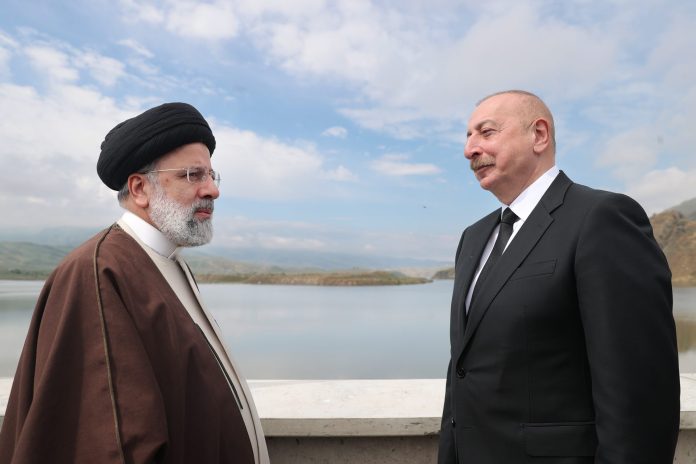
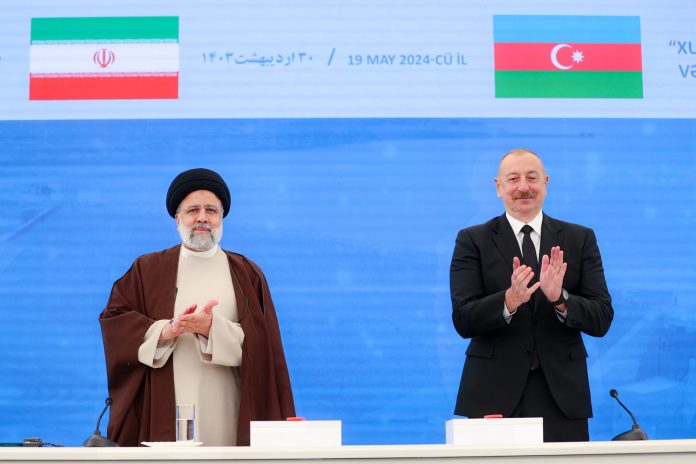
President Raisi made the remarks in a joint press conference with his Azerbaijani counterpart Ilham Aliyev on Sunday after the inauguration of The Qiz Qalasi dam on the Aras River in northwestern Iran.

He said the major project, which took two decades to complete, “is a symbol of the development of the region and a sign of the determination of the two countries and nations to expand cooperation.”

“The Aras River has always been a focal point for the connection between the people of Iran and the Republic of Azerbaijan,” he added.

During the inauguration ceremony, Azerbaijan’s Ilham Aliyev also highlighted the historical friendship between the two countries, saying both sides will support each other in regional and international organizations in order to improve security in the region.

The dam is expected to boost the neighboring countries’ economy and agriculture by increasing the volume of water stored in the upstream Khodaafarin dam to 2 billion cubic meters per year.

Iran, Azerbaijan inaugurate Qiz Qalasi dam on Aras River

Iranian President Ebrahim Raisi and his Azerbaijani counterpart Ilham Aliyev inaugurated the dam which was under construction for two decades.

The project, which is a symbol of friendship and improved ties between the two neighbors, is expected to serve as an economic, social, environmental and hydraulic boon for the neighboring countries.

The dam will increase the volume of water stored in the upstream Khodaafarin dam to 2 billion cubic meters per year and boost the region’s tourism, agriculture, and electric production on both sides of the border.

Besides showcasing the engineering expertise and knowledge, the dam also heralds a new era of amicable ties between the two neighbors after the recent setbacks over bilateral and regional issues.

Zelensky claims west afraid of both Russian, Ukrainian defeat

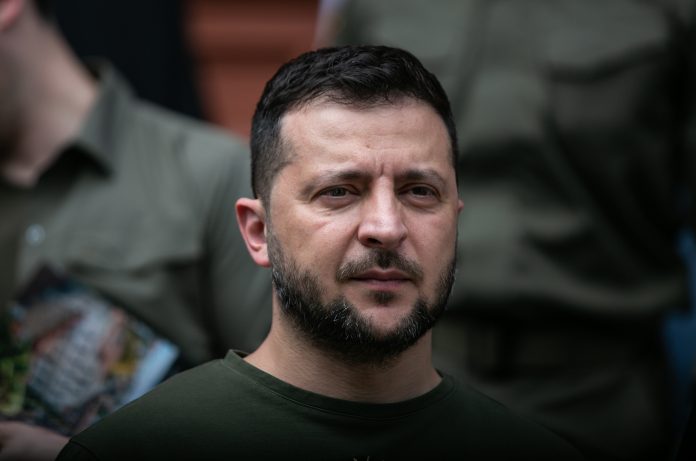
President Of Ukraine Volodymyr Zelensky

In an interview with AFP, Zelensky launched a rare attack on Western countries for supplying Kiev with long-range arms but at the same time imposing a strict ban on using them to strike targets inside Russia.

“They can fire any weapons from their territory at ours. This is the biggest advantage that Russia has. We can’t do anything to their systems, which are located on the territory of Russia, with Western weapons,” he said in the interview which aired on Saturday.

Back in April, US National Security Advisor Jake Sullivan said that Washington had received guarantees from Kiev that it would only use the donated MGM-140 Army Tactical Missile System (ATACMS) missiles inside the occupied territories of Ukraine, not inside Russia.

Zelensky strongly criticized the West for simultaneously supporting Ukraine and being “afraid” of any clear defeat for Russia.

“We are in a nonsense situation where the West is afraid that Russia will lose the war. And it does not want Ukraine to lose it,” he added.

“We want the war to end with a fair peace for us” while “the West wants the war to end. Period. As soon as possible. And for them, this is a fair peace.”

Since late last year, Russia has been making gradual advances and has seen larger gains along the northeastern border in an offensive that began on May 10 in the Kharkiv region.

Suffering from manpower shortages, Kiev has just passed a mobilization law to boost the forces’ morale, according to a rare acknowledgment from Zelensky, as Ukrainian fighters are increasingly exhausted and angry at the lack of rotation.

“We need to staff the reserves… A large number of [brigades] are empty. We need to do this so that the guys have a normal rotation. Then their morale will be improved. It is a matter of their physical strength and justice. This requires that reserves be prepared,” the Ukrainian president further stressed.

Zelensky has repeatedly asked the West, particularly the US, for long-range missiles and advanced fighter jets to challenge Russia’s air superiority and compensate for failure on the ground.

“I believe that today, we have about twenty-five percent of what we need to defend Ukraine. I’m talking about air defense. As for the aircraft, I say this openly, so that Russia does not have air superiority, our fleet should have 120 to 130 modern aircraft,” he added.

Ukraine has lost much of its air force, including the Soviet-era jets donated by several NATO members as replacements, and has consistently pursued the acquisition of F-16s from the US-led bloc.

Several countries, including Belgium, Denmark, Norway, and the Netherlands, have stepped forward to offer their support by donating F-16s. Additionally, a coalition of countries has pledged to assist in training Ukrainian pilots to effectively operate the advanced aircraft.

“In total, we need this fleet of F-16s in the number I am talking about in order to have parity,” Zelensky further said on Friday.

While Kiev has frequently been reminded not to use such weapons to hit targets inside Russia, Russian President Vladimir Putin on March warned that any attempt to use F-16s against Russian troops from airfields in neighboring countries will not go unanswered, “no matter where they might be”.

Russia has repeatedly warned that the conflict in Ukraine could be prolonged due to the support of Western countries, on top of them the US, for Kiev.

Back in February, Putin stressed that certain Western countries are risking triggering a nuclear war by deploying boots in eastern Ukraine, warning Moscow could strike Western targets.

Gantz demands overhaul of Netanyahu’s post-conflict vision for Gaza

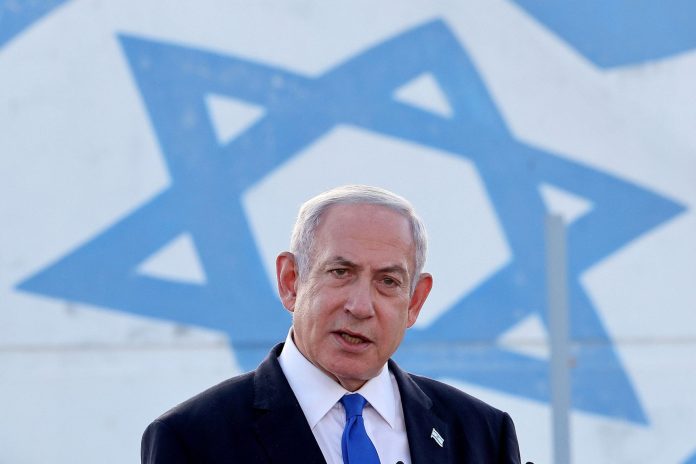
Benjamin Netanyahu

Gantz, seen as a chief rival of Netanyahu, demanded the government provide an updated six-point plan by June 8.

His request could further divide the emergency government that was formed following Palestinian group Hamas’ Oct. 7 attack on Israel, which killed roughly 1,200 Israelis and resulted in more than 250 people being taken hostage.

Gantz’s push focused on first ensuring the safe return of the remaining hostages being held by Hamas and then shifting focus to defeating the armed group in the Gaza Strip. He also proposed an international administration — composed of U.S., European, Arab and Palestinian delegates — to lead civilian affairs in Gaza, without including Hamas.

“If you choose the path of fanatics and lead the entire nation to the abyss — we will be forced to quit the government,” Gantz said in a press conference.

His proposal also includes normalizing relations between Israel and Saudi Arabia, and widen military service in the nation.

Netanyahu pushed back on Gantz’s request, claiming he was choosing to issue an ultimatum on Israeli government and not Hamas. Instead, the prime minister called the requests “euphemisms” for Israel’s defeat.

The proposal also comes just days after Israeli Defense Minister Yoav Gallant made a similar threat, claiming he would step down if Israel is elected to govern Gaza. Instead, he pressured Netanyahu to make plans for a Palestinian state.

“I call on Prime Minister Benjamin Netanyahu to make a decision and declare that Israel will not establish civilian control over the Gaza Strip, that Israel will not establish military governance in the Gaza Strip and that a governing alternative to Hamas in the Gaza Strip will be advanced immediately,” Gallant stated last week.

Netanyahu’s plan, unveiled in February, would permit Israel to retain indefinite security in Gaza when the conflict is over. However, that plan would run counter to pressure from the U.S. and other nations for Israel to establish an independent Palestinian government.

Israeli military says recovered another captive slain in Gaza

Israel Hamas Hostages

Military spokesman Rear-Admiral Daniel Hagari said Benjamin’s body was found during the same operation that saw troops recover the remains of three other captives, which was announced on Friday.

The bodies of the other captives were also recovered in a tunnel in Gaza, according to the Israeli military. Hagari added Benjamin and the other three captives had been killed on the day they were taken.

Israel continued its brutal offensive on the Gaza Strip despite a UN Security Council resolution demanding an immediate cease-fire in the enclave.

Nearly 35,400 Palestinians have been killed, mostly women and children, and over 79,300 others injured since last October following a Hamas attack.

More than seven months into the Israeli war, vast swathes of Gaza lay in ruins amid a crippling blockade of food, clean water, and medicine.

Israel is accused of “genocide” at the International Court of Justice, which has ordered Tel Aviv to ensure its forces do not commit acts of genocide and take measures to guarantee that humanitarian assistance is provided to civilians in Gaza.

Thousands of Israelis demonstrated on Saturday in several cities across Israel, including Tel Aviv and Haifa, demanding a hostage swap deal with the Palestinian resistance groups, the dismissal of Benjamin Netanyahu’s government, and early elections.

The protesters held signs, reading: “It’s time to replace Netanyahu.”

The demonstrators called for a return to the negotiating table immediately and for striking an agreement with the Palestinian factions.

Iran confirms holding indirect talks with US in Oman

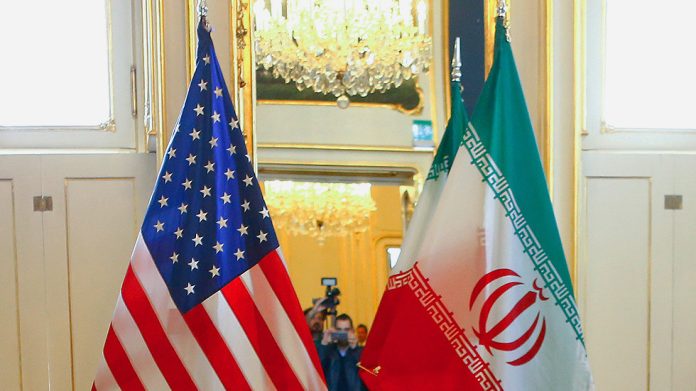
Iran US Flags

The mission said on Saturday that Iran and the US had held indirect negotiations in Oman, saying that the talks are “an ongoing process”.

It also added that the negotiations have not been the first and will not be the last of their kind.

The confirmation followed a report by American news website Axios which said that two top US administration officials had held indirect talks with Iranian officials in Oman this week.

Citing two sources with knowledge of the talks, Axios added President Joe Biden’s top Middle East adviser Brett McGurk, and acting US envoy for Iran Abram Paley represented the US side, but it was unclear who represented the Iranian side.

Axios reported that the talks, which were the first since similar negotiations in January 2024, focused on how to avoid escalating tensions in West Asia.

Iran Health int’l exhibition underway in Tehran

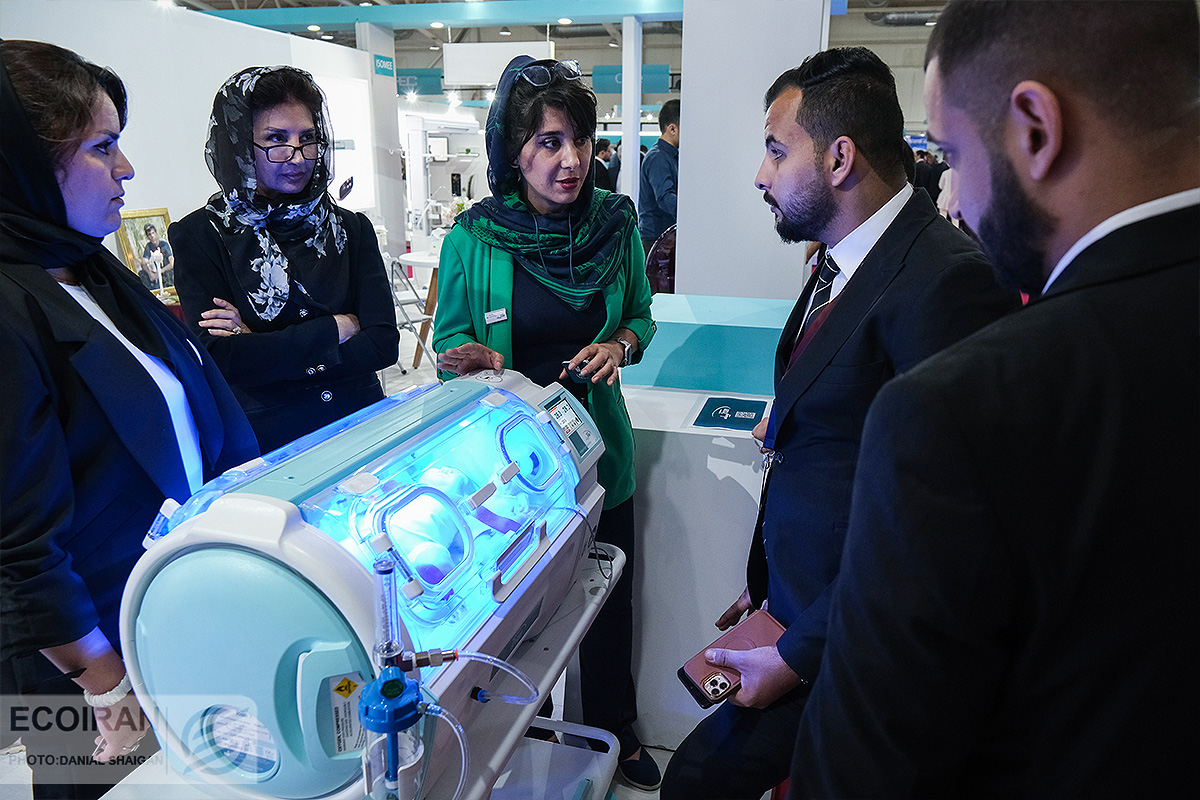
Iran Health Expo 2024 on medical, dental, pharmaceutical, and laboratory equipment kicked off on Saturday and will run through Tuesday.

Knowledge-based companies, emerging firms and startups in the medical equipment industry have put a wide range of health products on display for over 200 businesspersons and about 25,000 experts and professionals.

A Trade Connection Hub platform is featured in this year’s event in order to facilitate the connectivity between the manufacturing companies and the visitors, based on their specific needs.

The event mainly seeks to promote Iran’s health technologies and knowledge-based companies and help them elevate their standing in international markets.
Hossein Salmai, Managing Director of the Non-governmental fund on medical equipment research and technology says over 200 foreign businesspeople, active in the health field, from various countries will attend the event and hold talks with their Iranian and non-Iranian peers.

Salmani added the foreign guests will also pay a visit to the Iranian-made products in the related domain.
Salmani, who is responsible for the international section of the Iran Health Expo 2024, added Iranian missions abroad have been involved in the information process regarding the major health event.

He added the event has seen the participation of businesspeople from such countries as Afghanistan, Uzbekistan, Tajikistan, Iraq, Turkey, Russia, Armenia, Belarus, South Africa, Indonesia, China, Singapore, Norway, Syria, Pakistan, India, Kenya.

According to Salmani, the specialized platform dubbed ” trade connection hub” is available for the registration of the companies participating in the Iran Health Expo 2024, adding B2B meetings will also be possible through this platform.

Salmani went on to add Over 30 workshops are scheduled to be held on the sidelines of the expo on international trade, health standards, development of technologies related to health and business strategies, export procedures to different countries, digital marketing and principles of market research.

UN says 800k ‘forced to flee’ Gaza’s Rafah

Gaza War

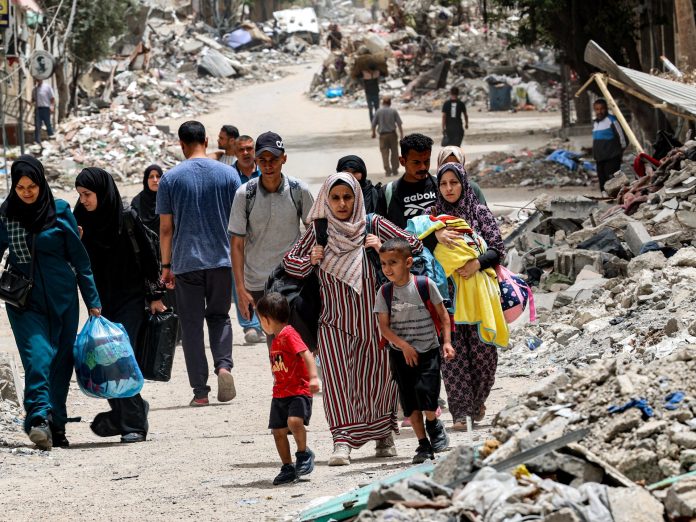
“Nearly half of the population of Rafah or 800,000 people are on the road having been forced to flee since the Israeli forces started the military operation in the area on 6 May”, UNRWA chief Philippe Lazzarini said in a post on social media site X.

“Every time, they are forced to leave behind the few belongings they have: mattresses, tents, cooking utensils and basic supplies that they cannot carry or pay to transport. Every time, they have to start from scratch, all over again,” he continued in a lengthy thread.

“The claim that people in Gaza can move to ‘safe’ or ‘humanitarian’ zones is false. Each time, it puts the lives of civilians at serious risk. Gaza does not have any safe zones,” he added.

“No place is safe. No one is safe.”

Saturday saw intense fighting across Gaza – not just in Rafah – with Israeli attacks killing dozens of Palestinians.

Israel has faced international warnings, including by its top ally the United States, against invading Rafah. But the government of Prime Minister Benjamin Netanyahu appears to be ignoring those calls and proceeding with the assault.

Last week, Israeli forces seized the Rafah crossing that links Gaza to Egypt. The gate, which had served as a major artery for life-saving aid and an entry and exit point for humanitarian workers, has been closed since May 7.

The closure of the Rafah crossing has trapped thousands of sick and injured Palestinians who may have had a chance to leave Gaza to receive treatment abroad.

Before the assault began, Rafah was home to 1.5 million people, most of whom had been displaced from other parts of Gaza.

Throughout the war, Israel has ordered Palestinian civilians in Gaza to move south as it invaded the territory from the north.

Many residents were first displaced to the middle part of the enclave and then moved to the southern city of Khan Younis. They were ultimately forced to flee again to Rafah. Now people from Rafah are fleeing northward.

Netanyahu has portrayed Rafah as the last Hamas stronghold in the territory. But as the Israeli army invades the city, fighting is raging in Jabalia and the Zeitoun neighbourhood of Gaza City in the north of the enclave.

Israel claimed in January that it had dismantled Hamas’s “military framework” in the north.

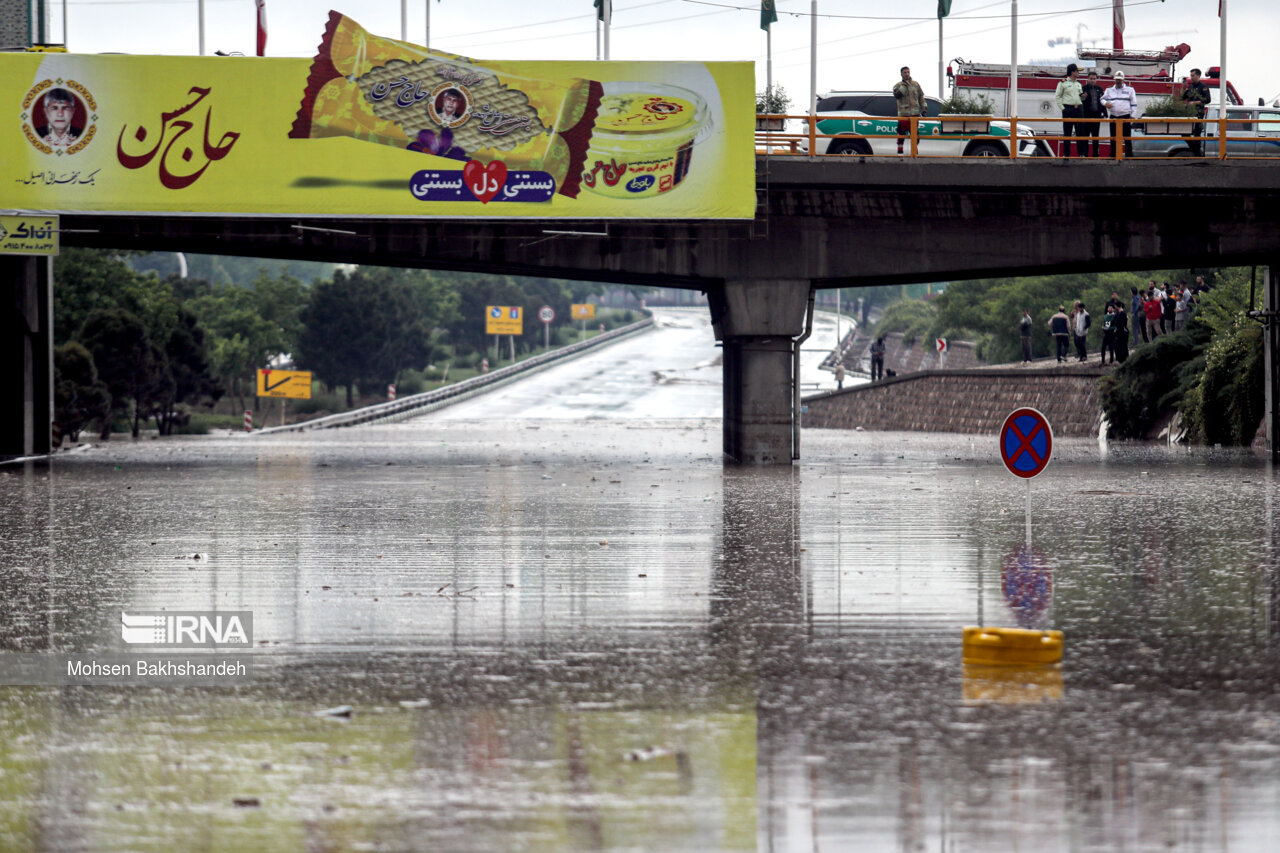
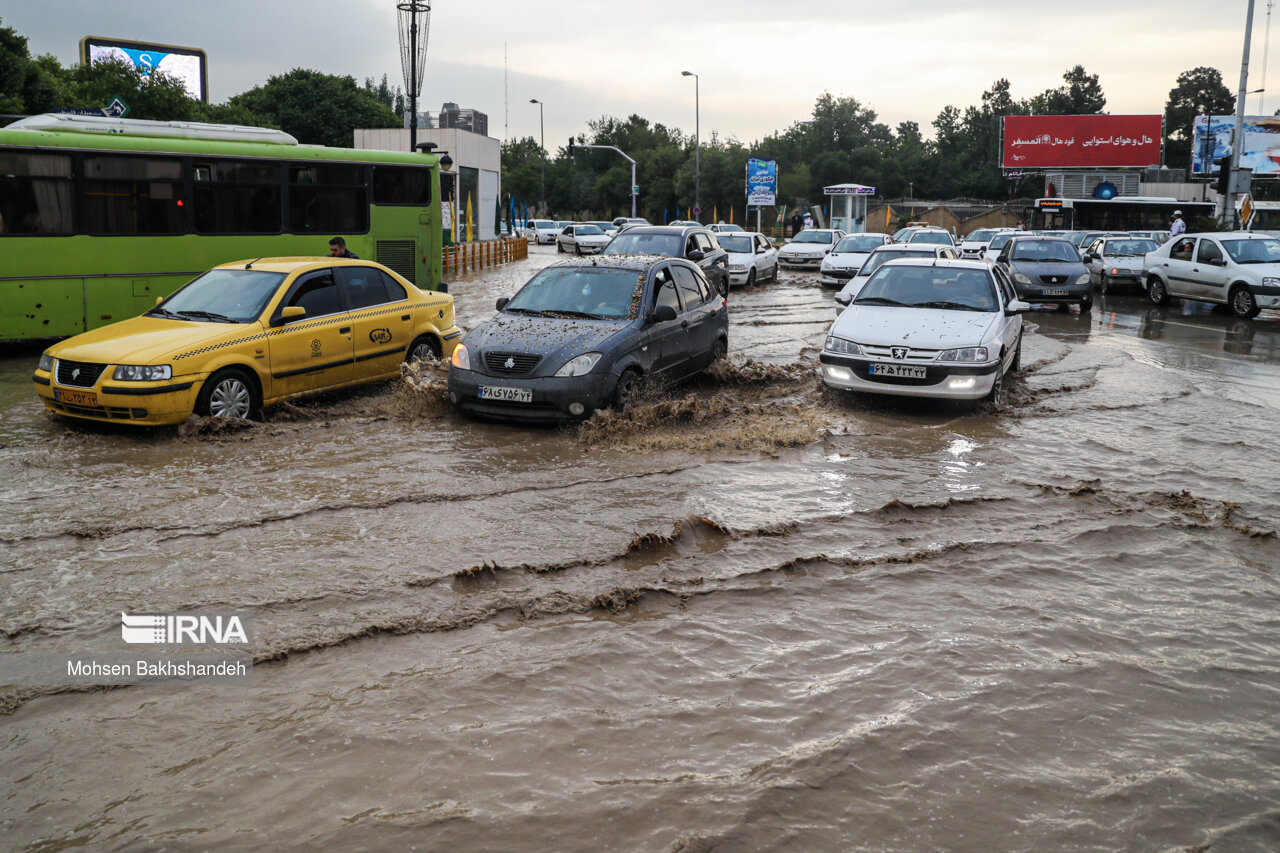
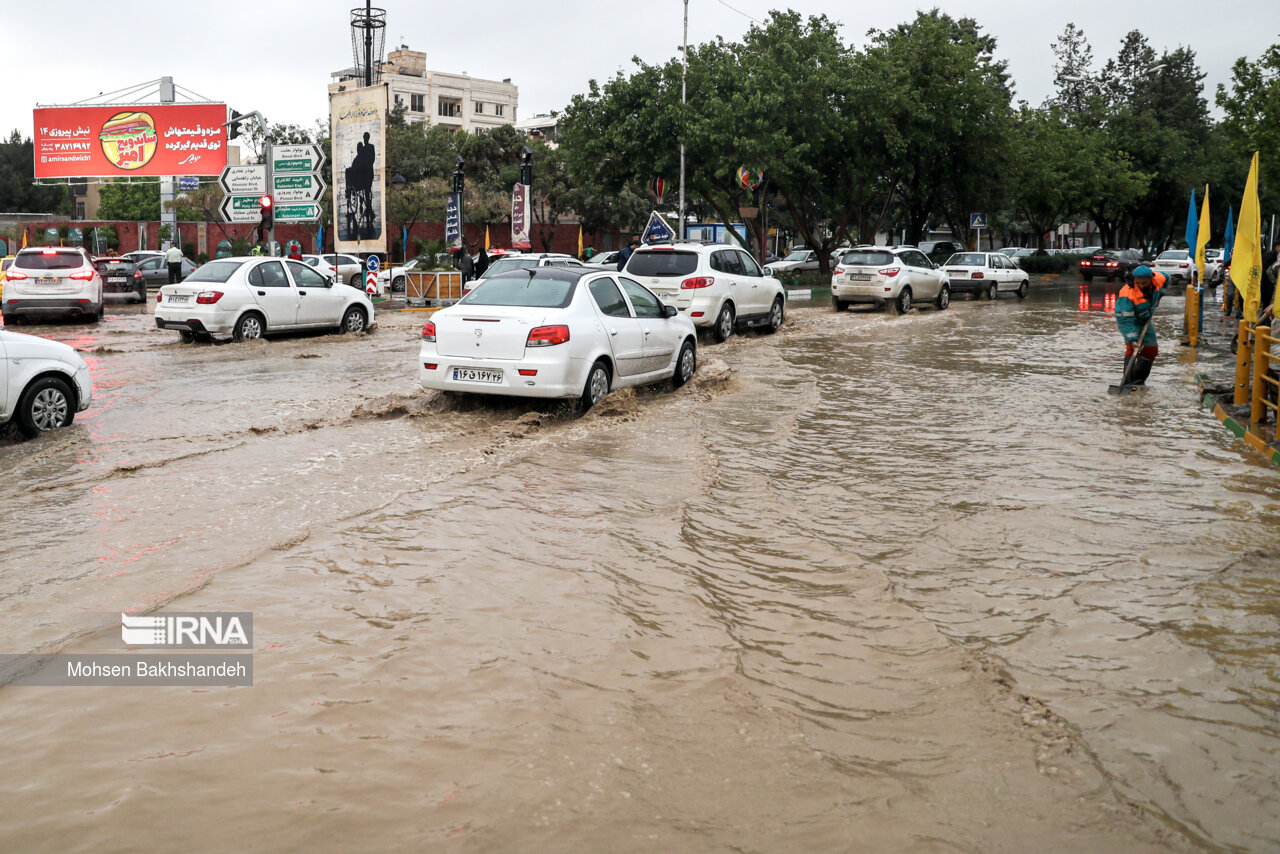
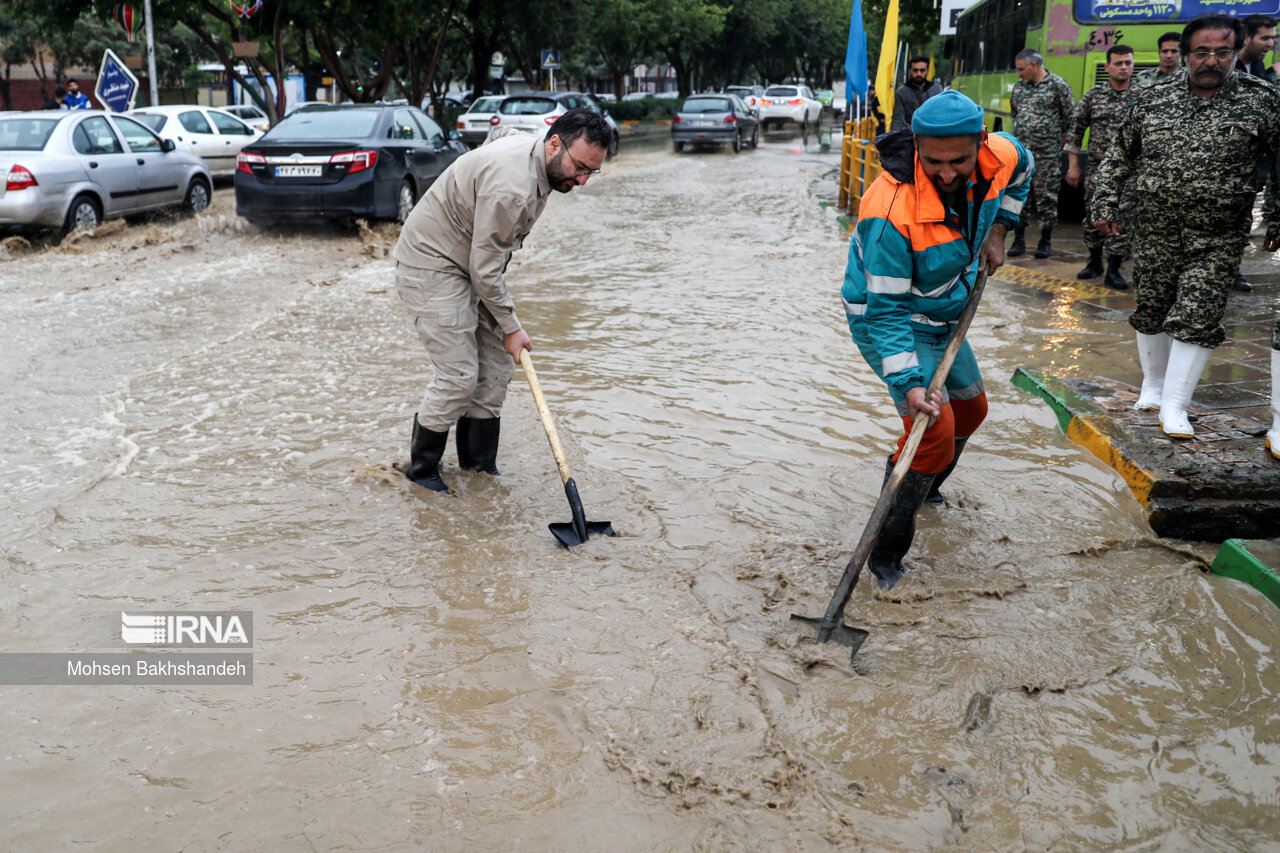
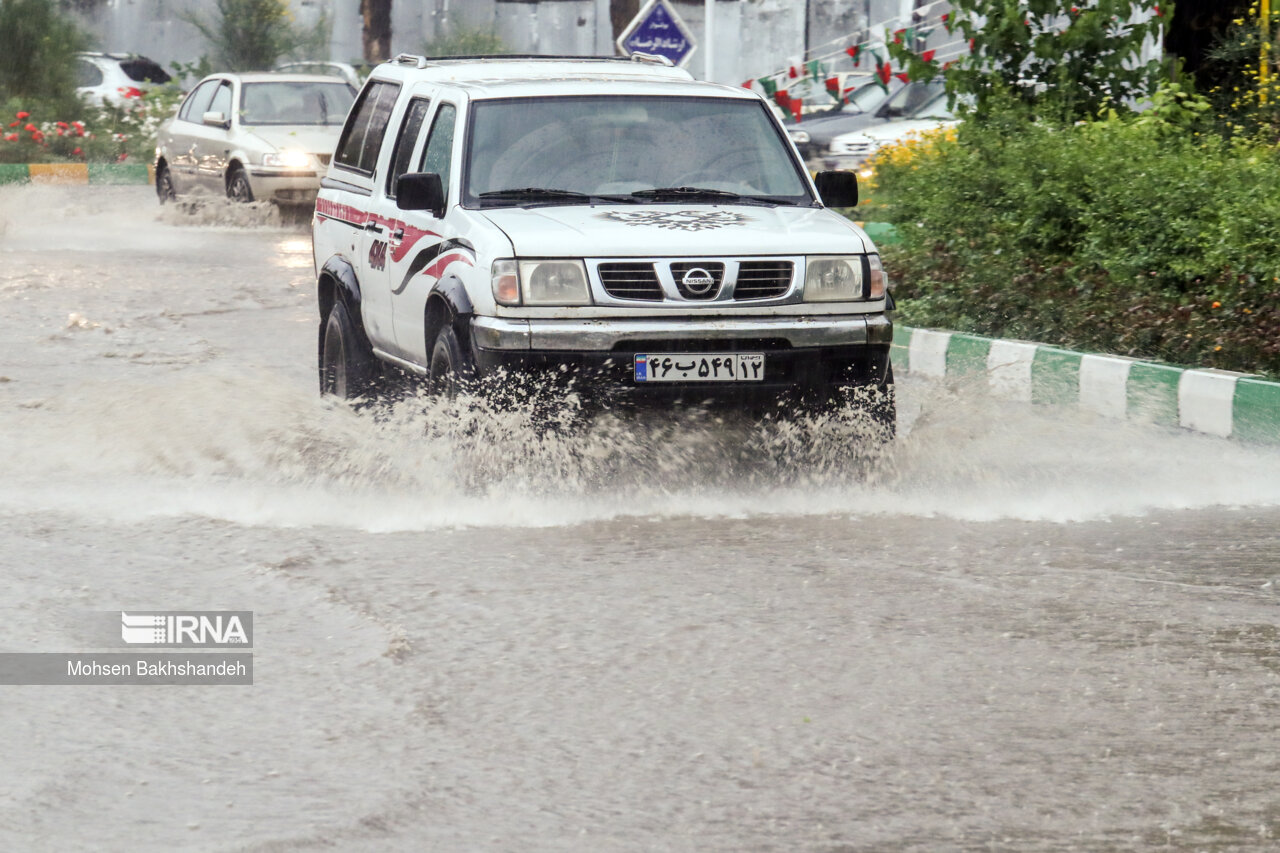
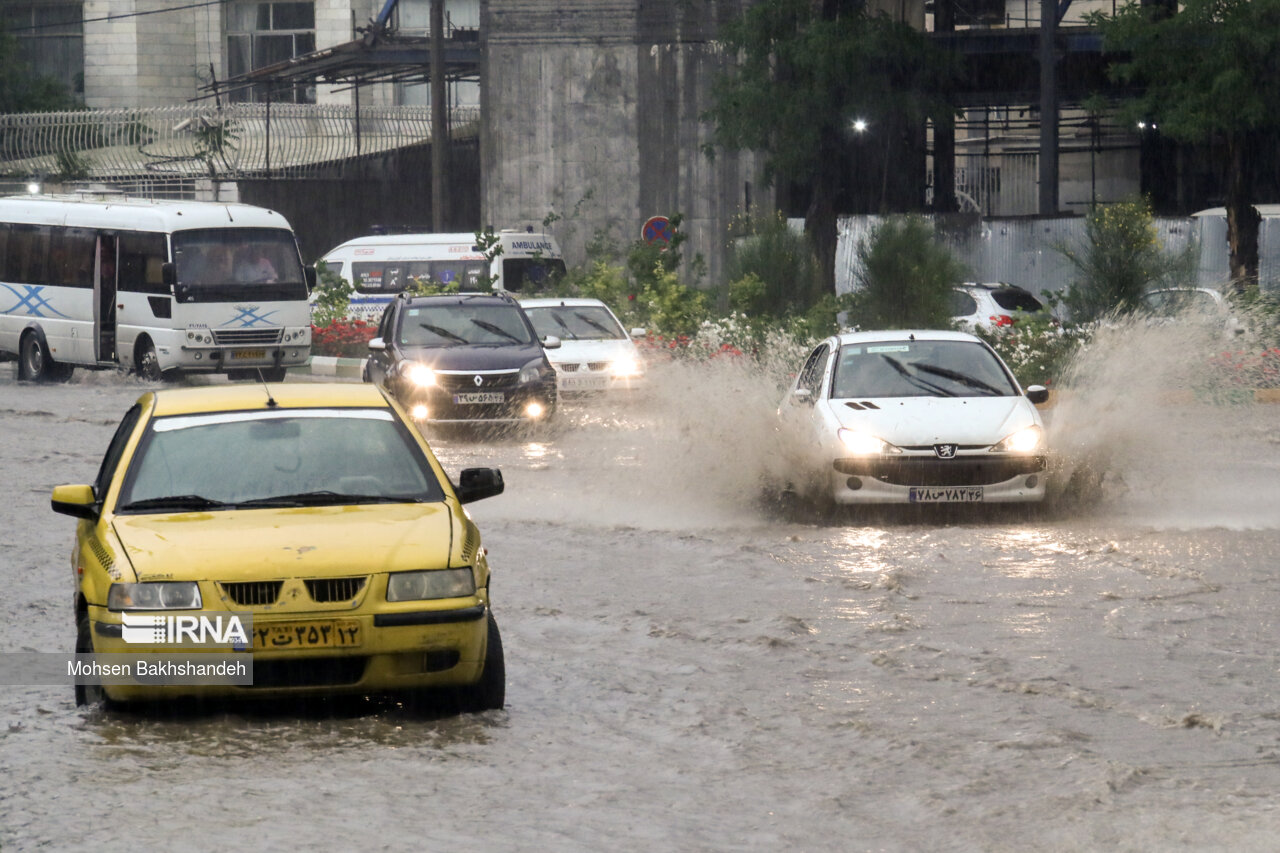
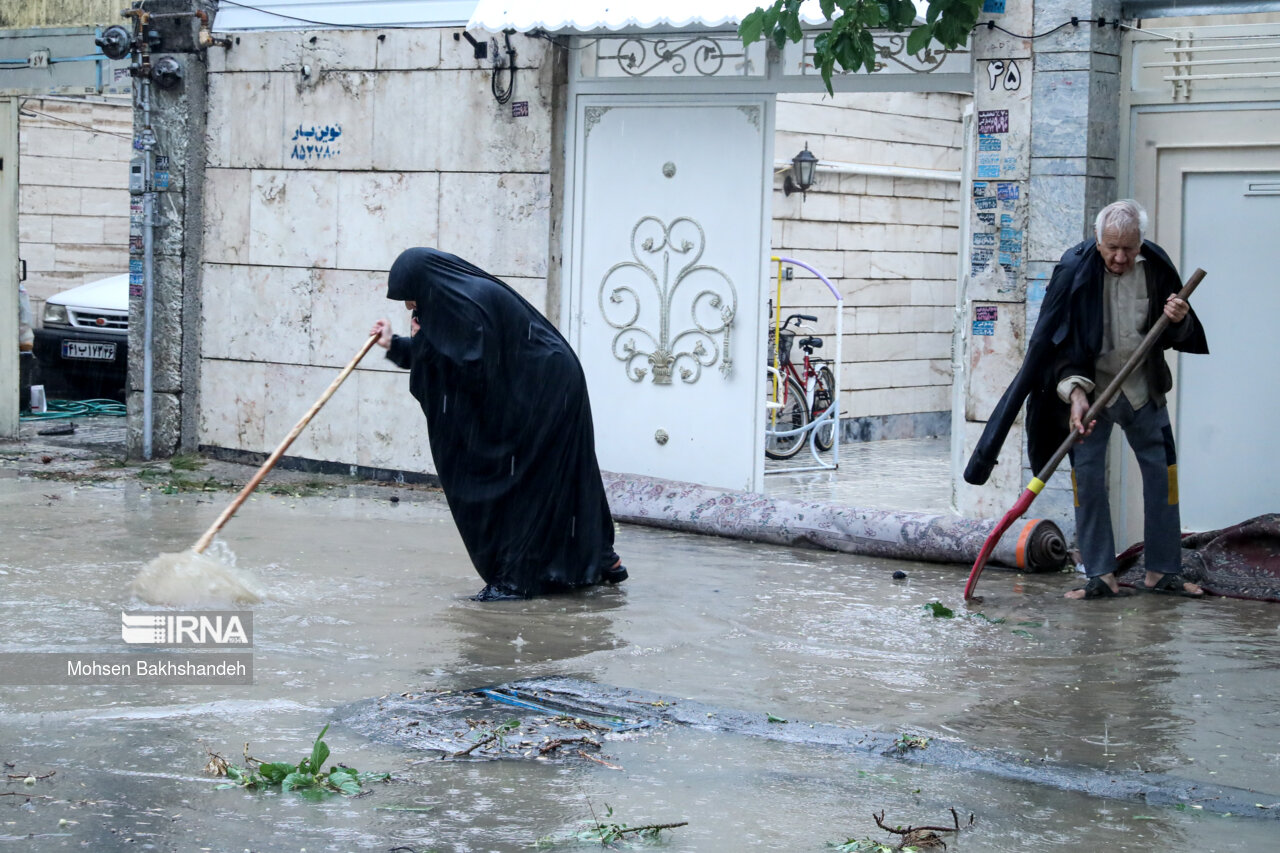
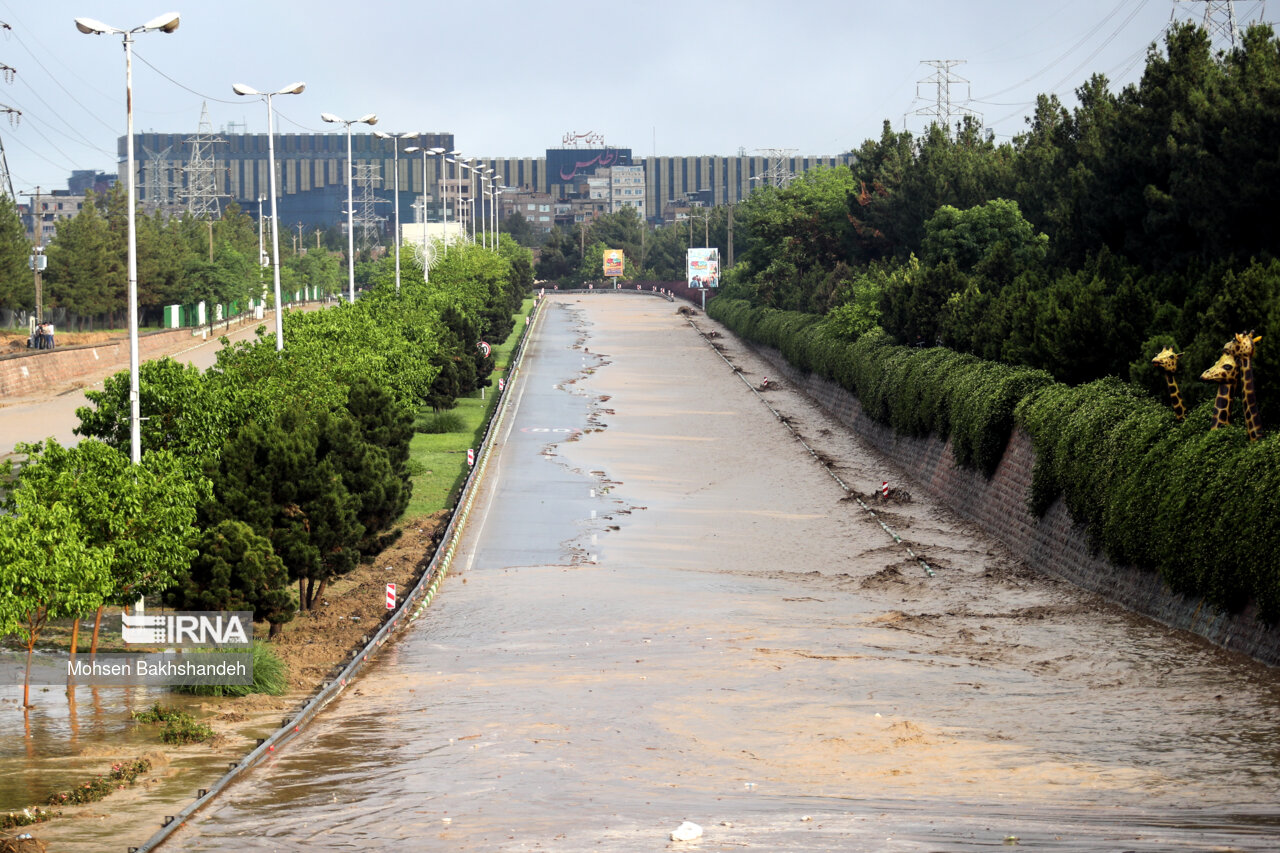
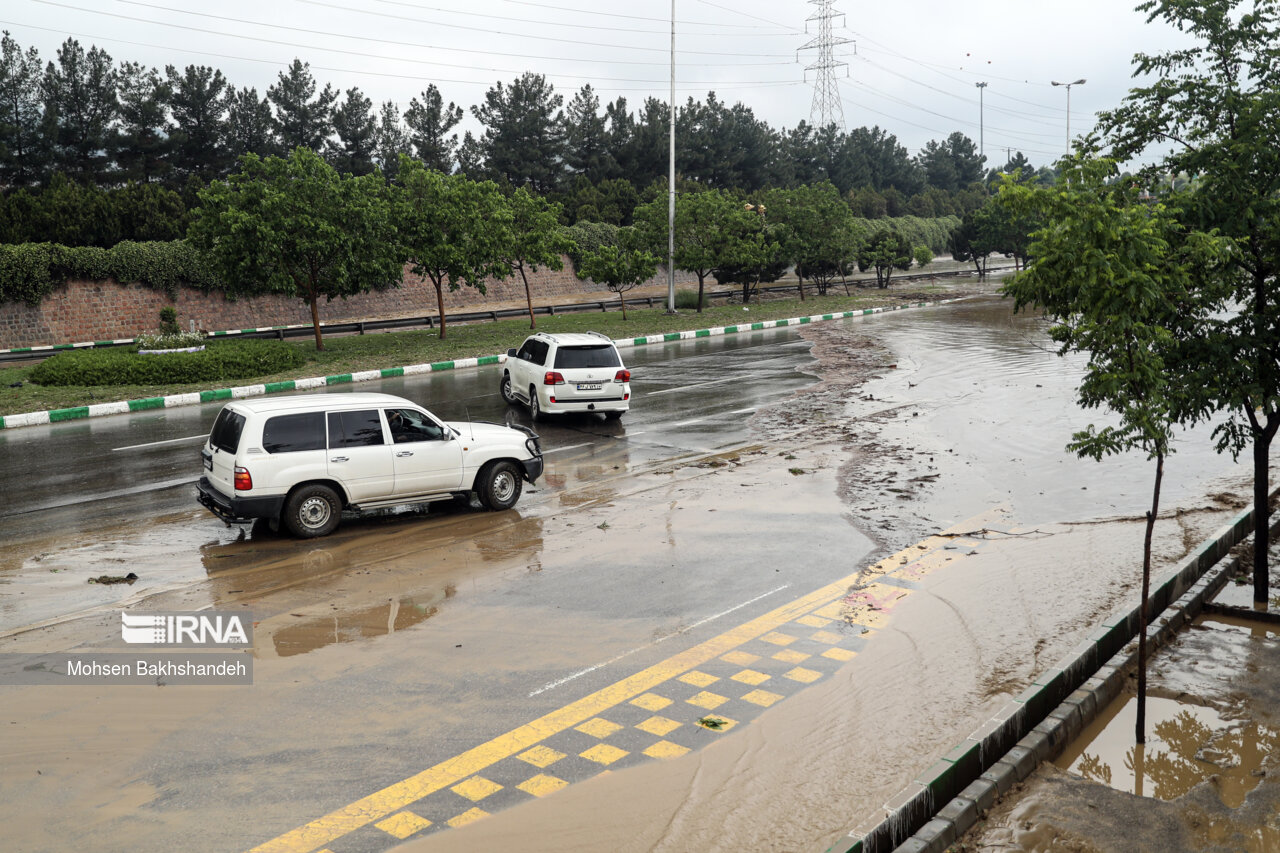
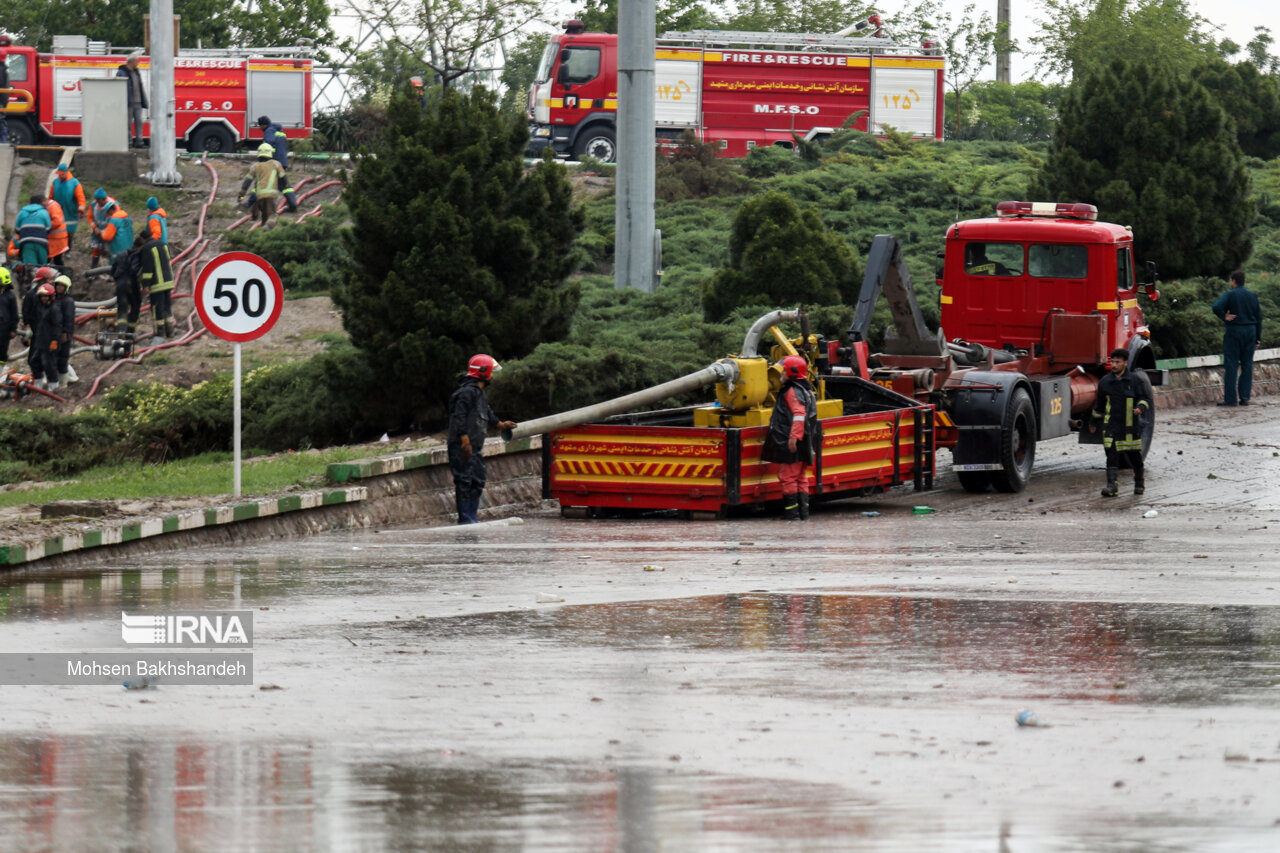
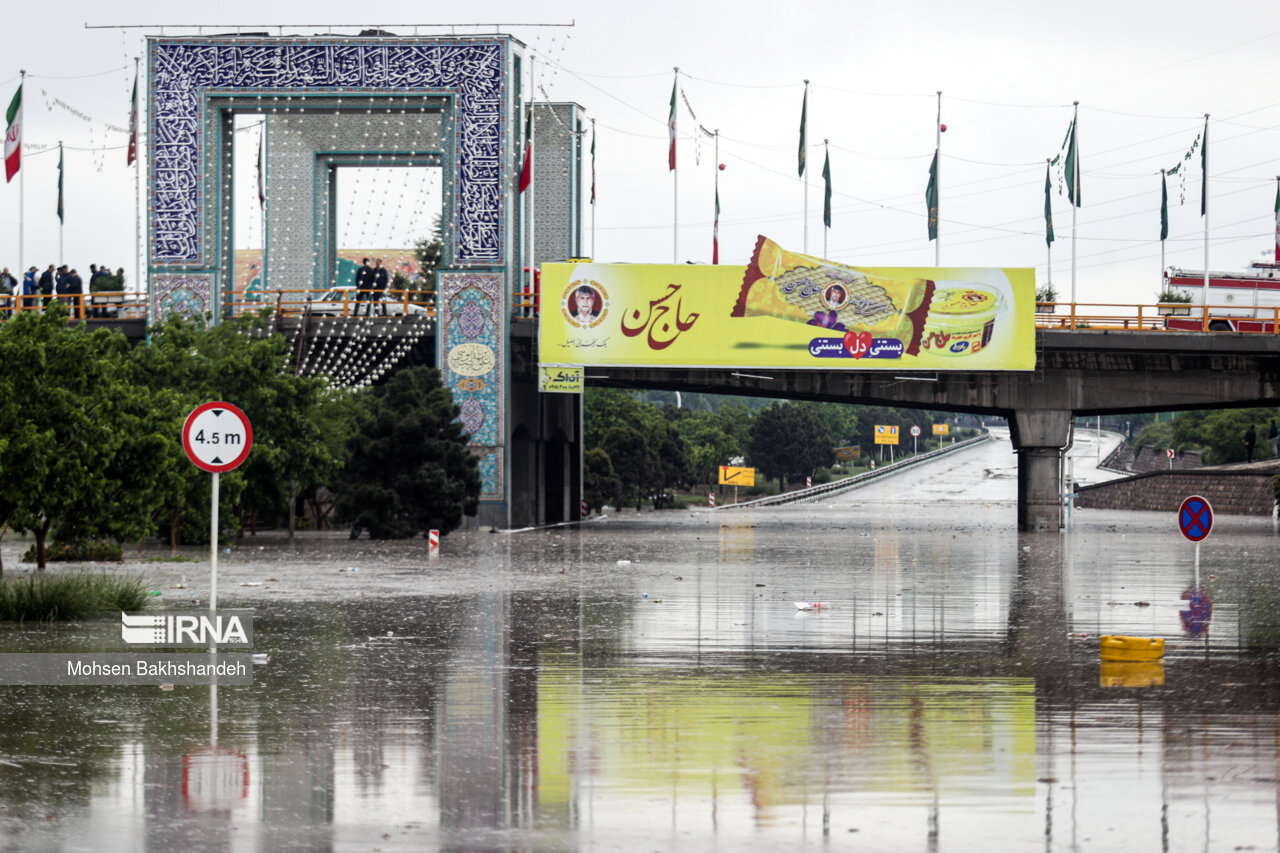
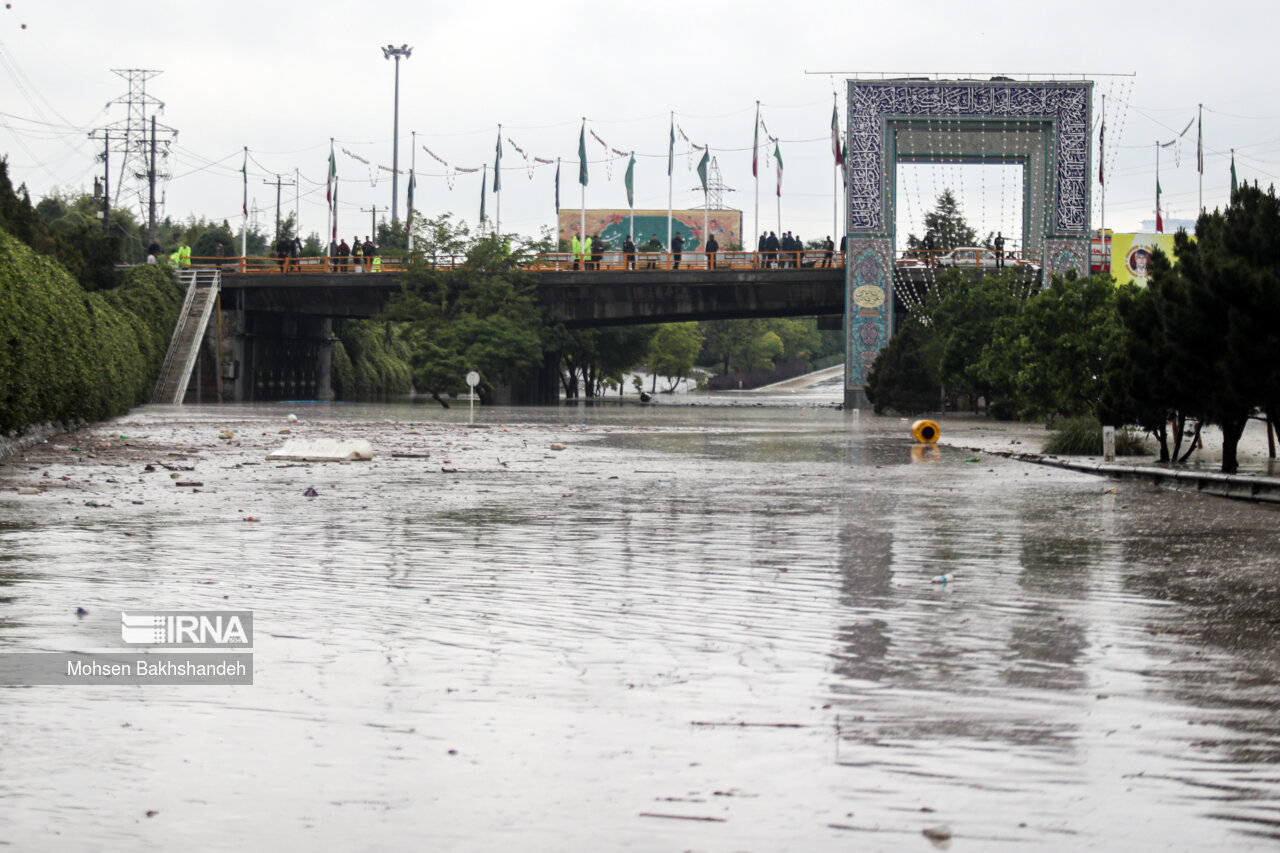
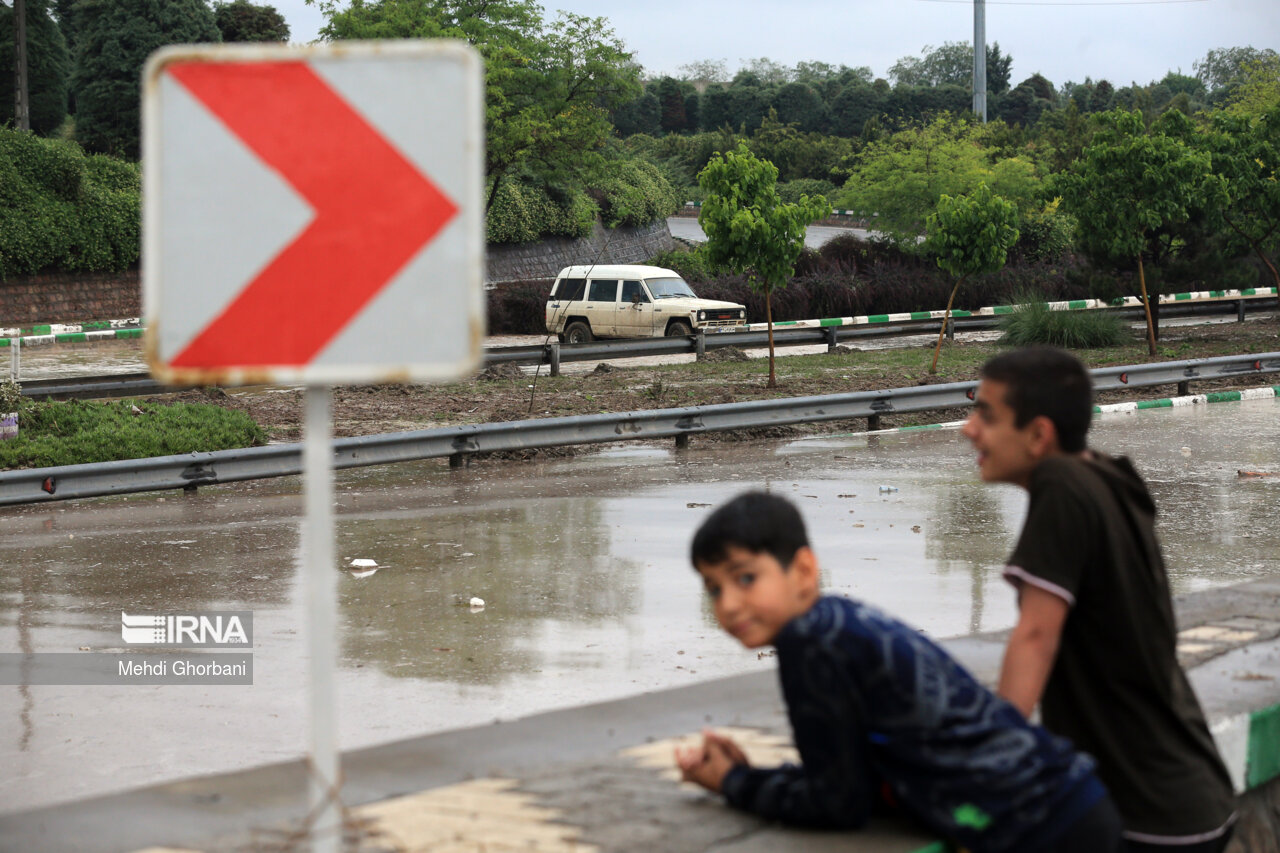
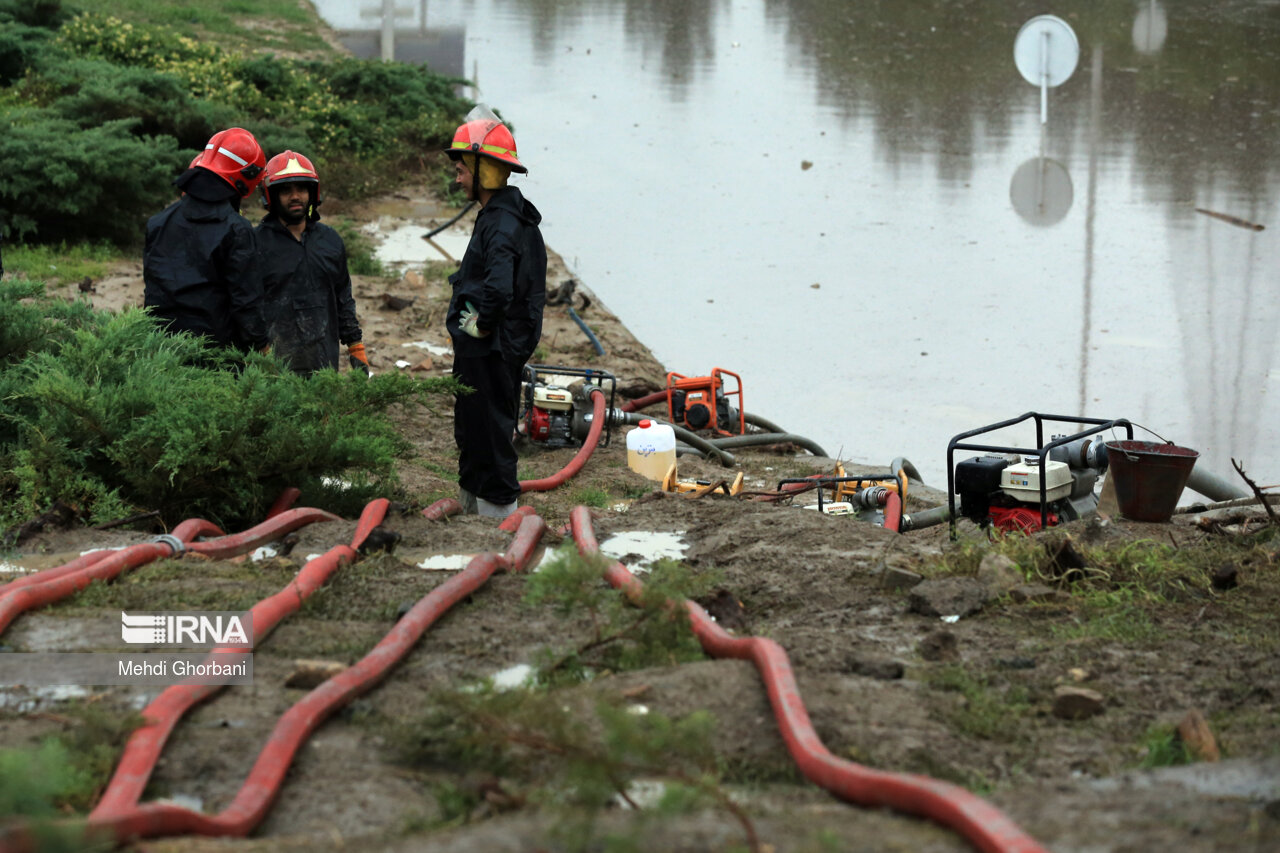
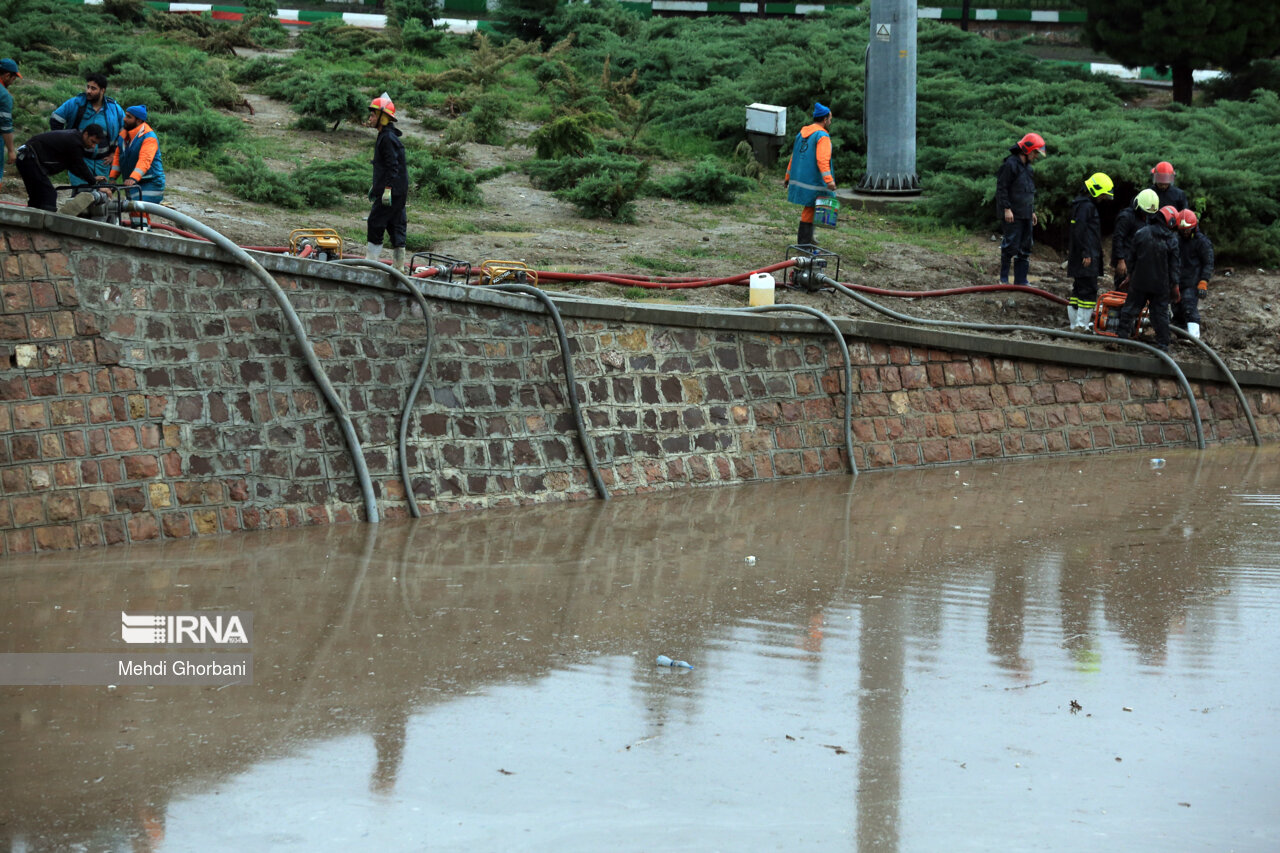
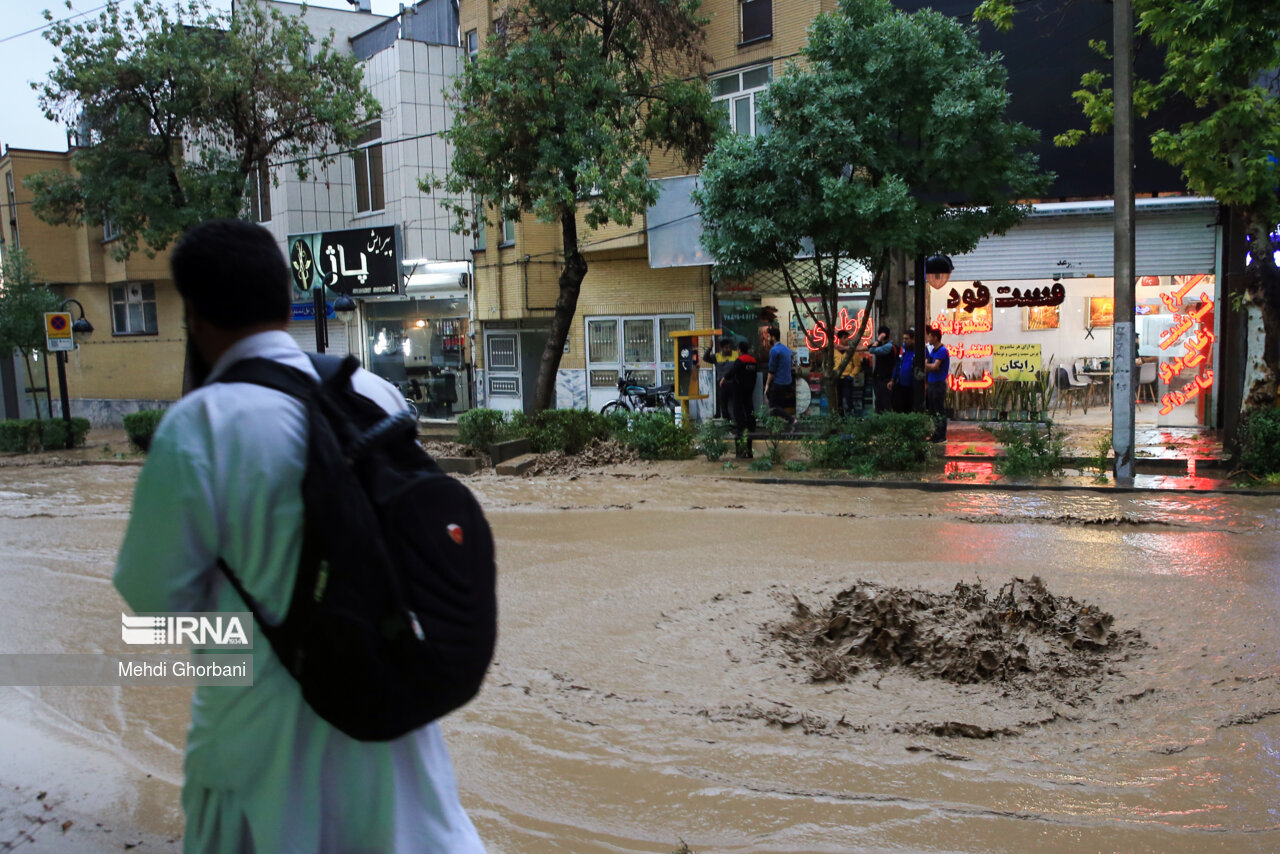
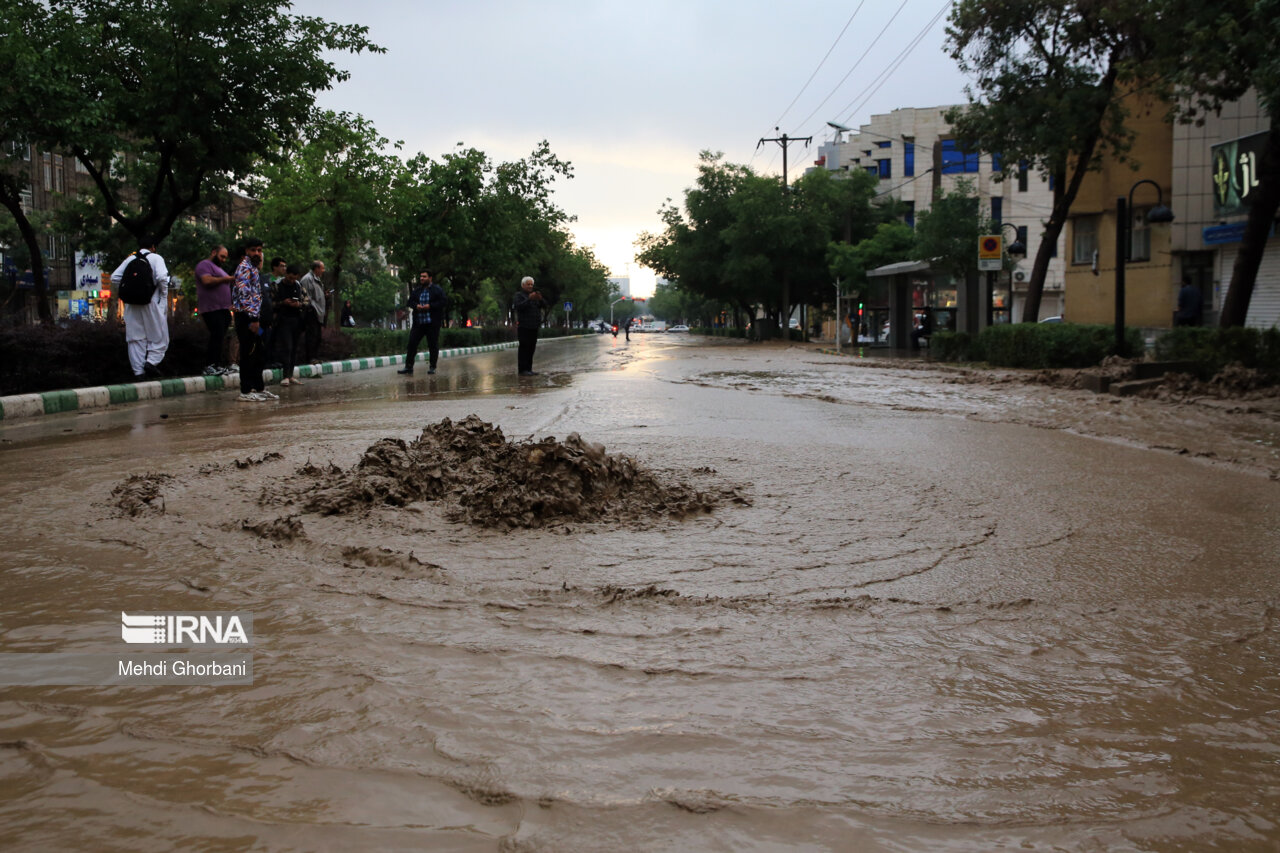
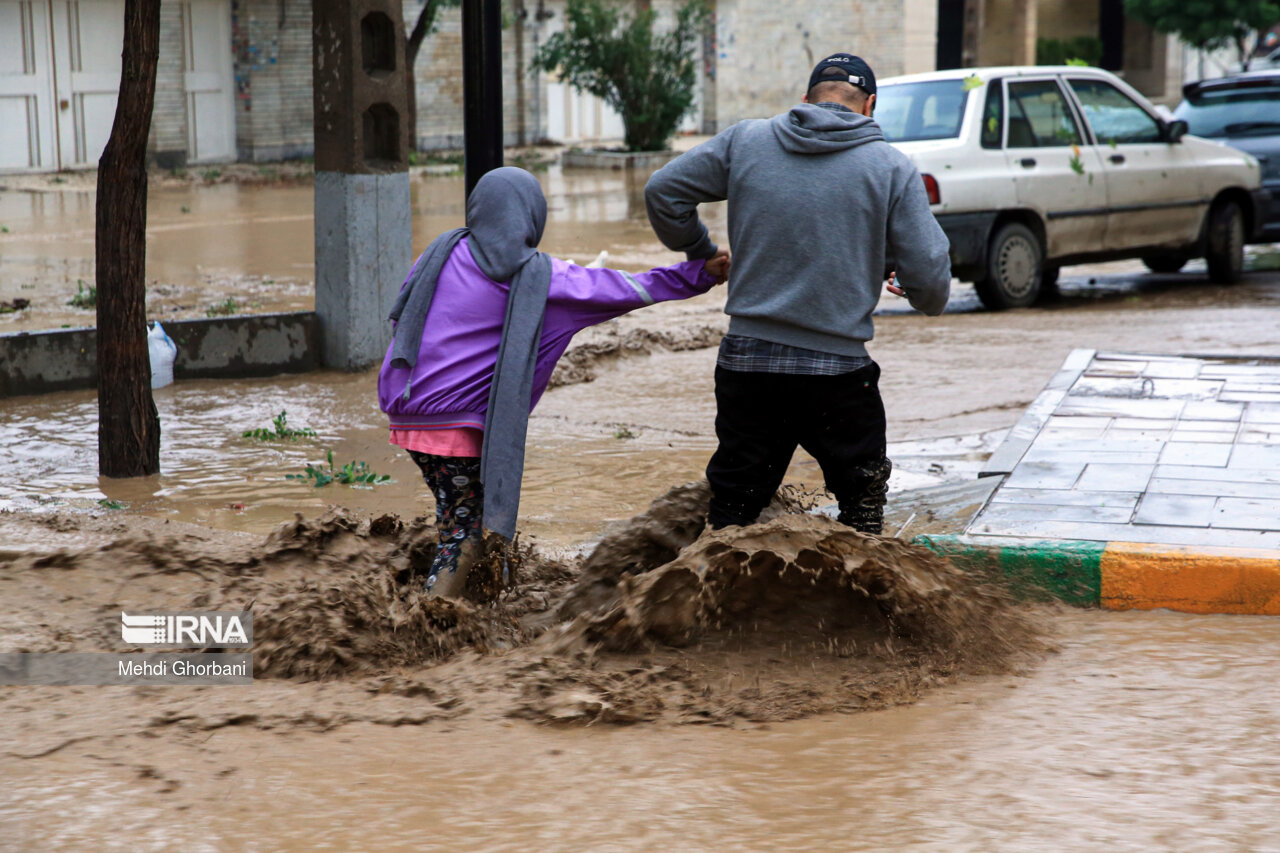
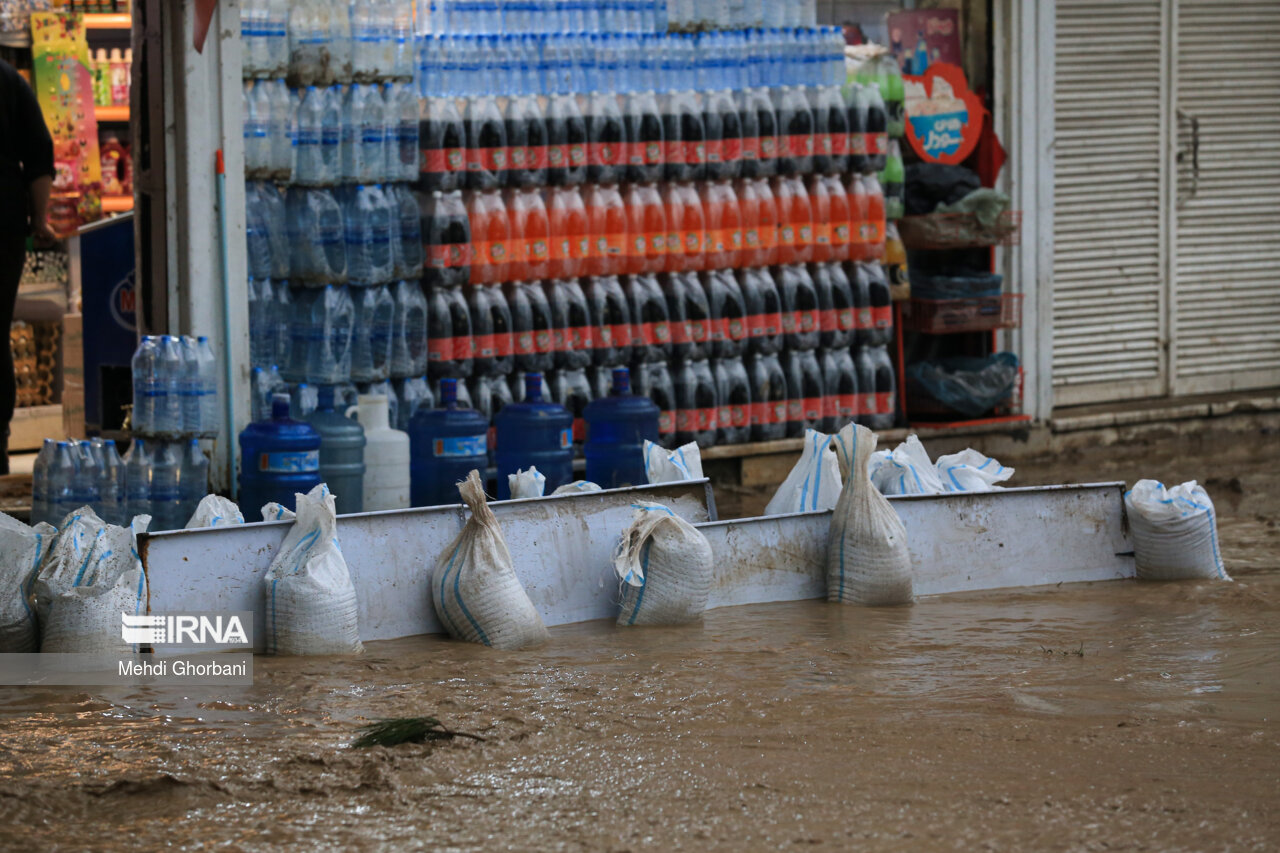
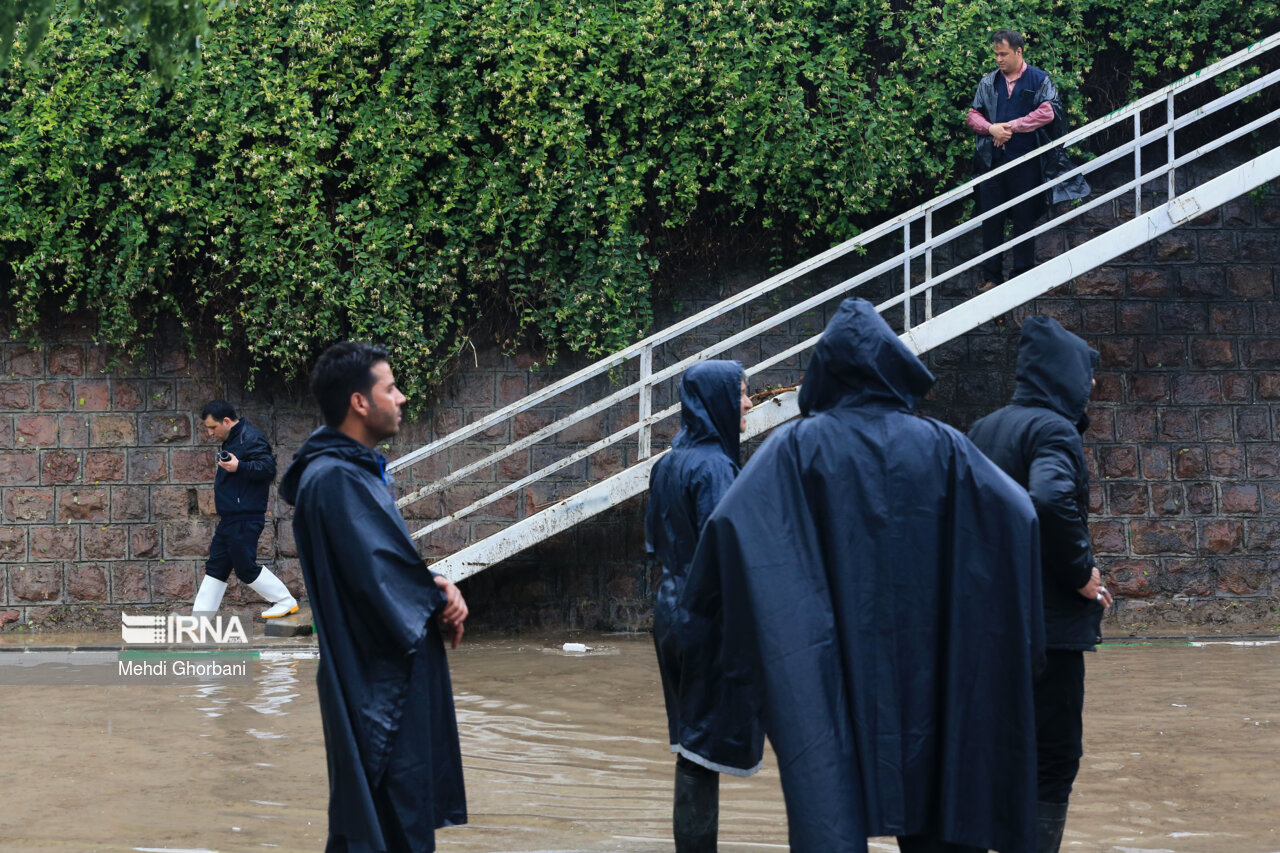
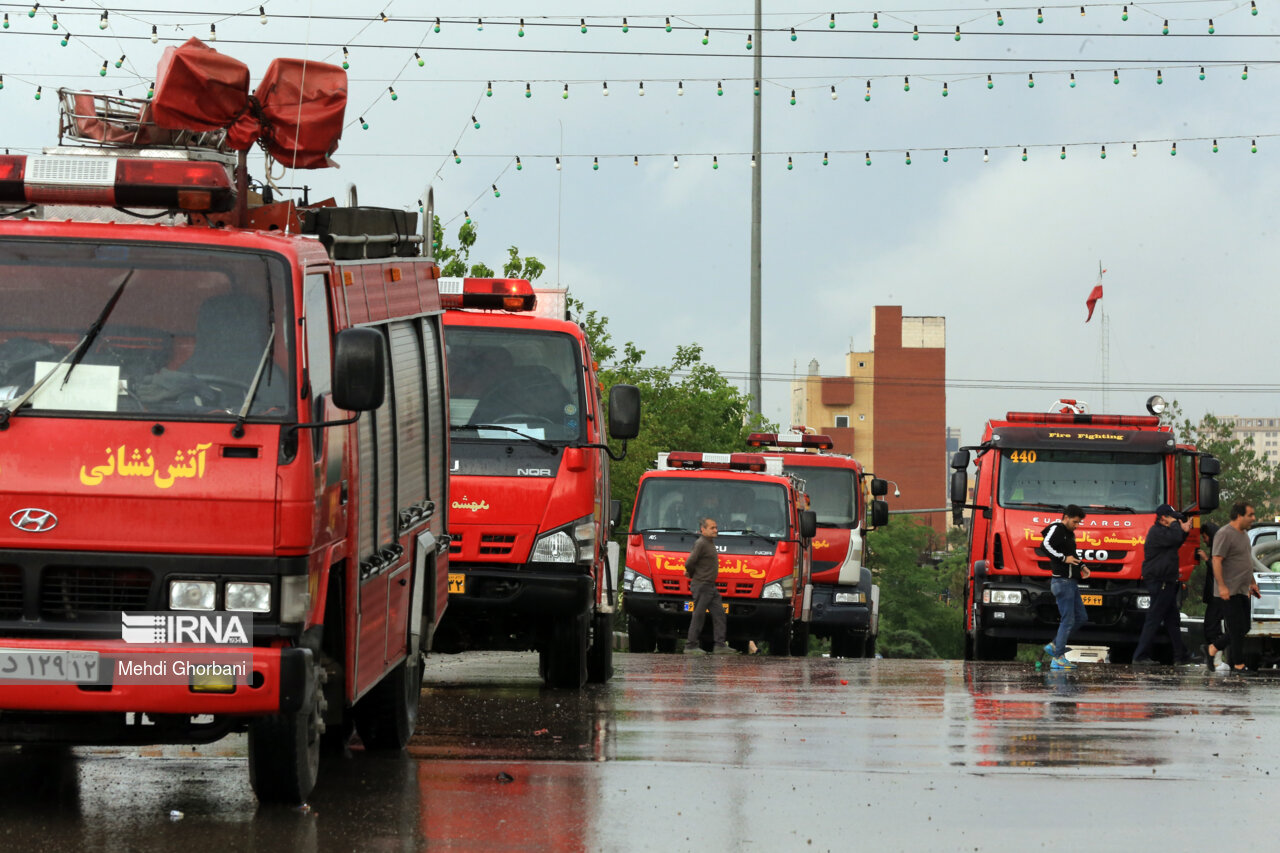
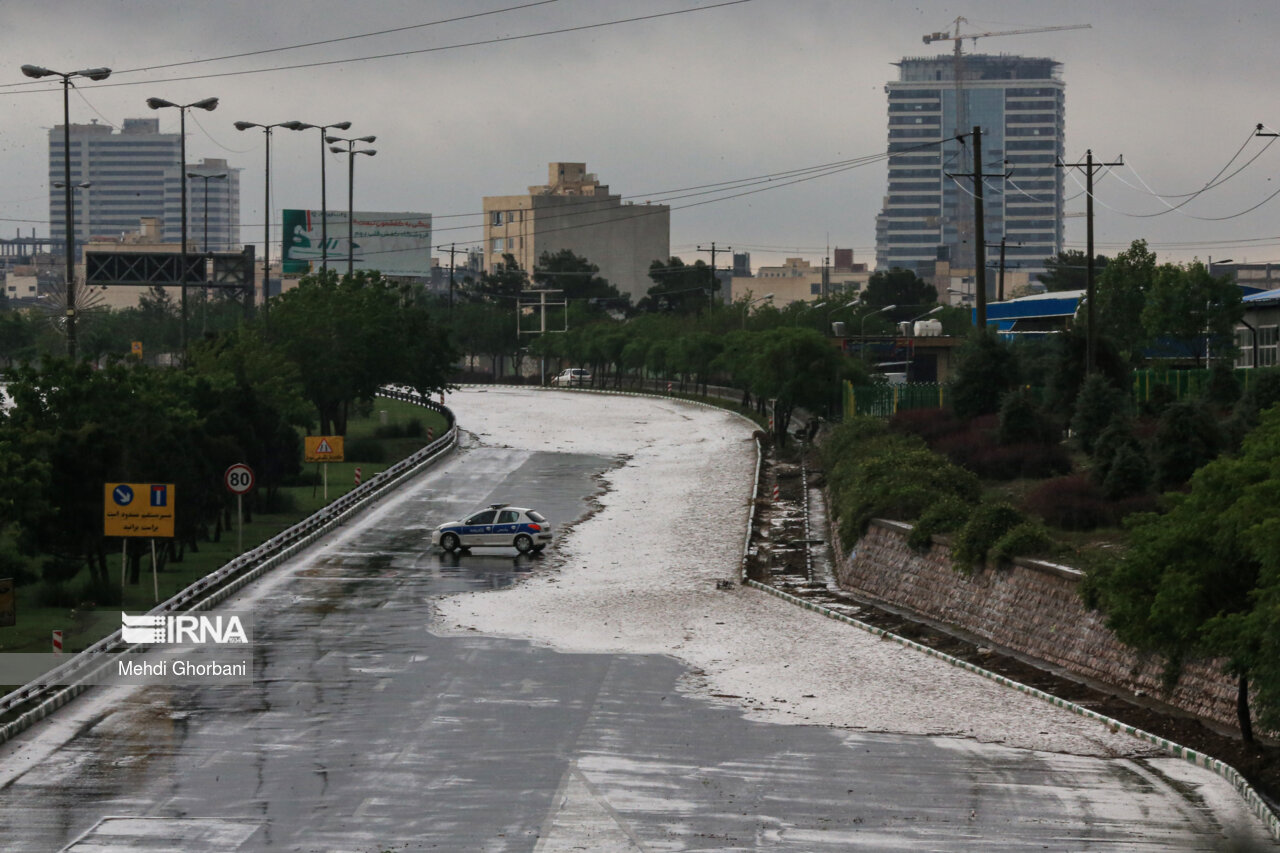
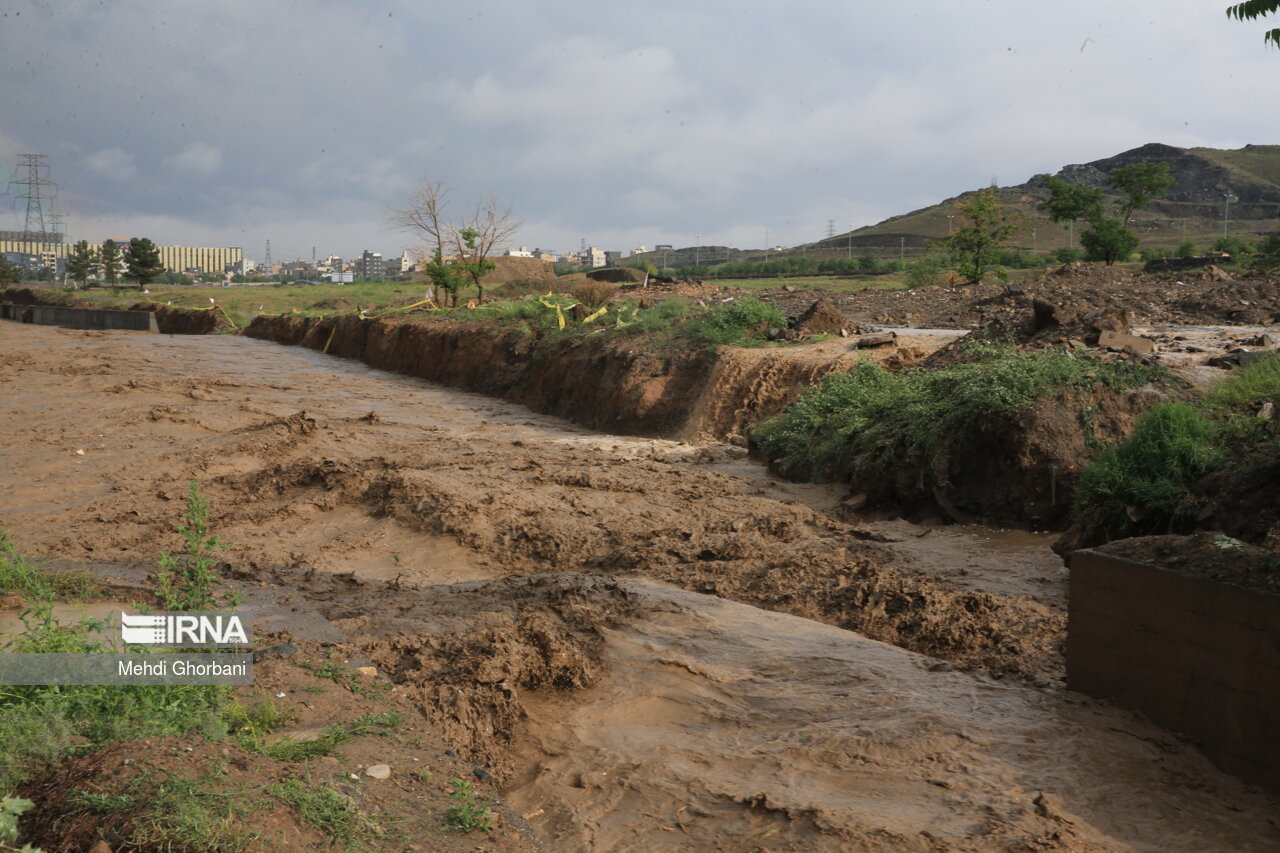
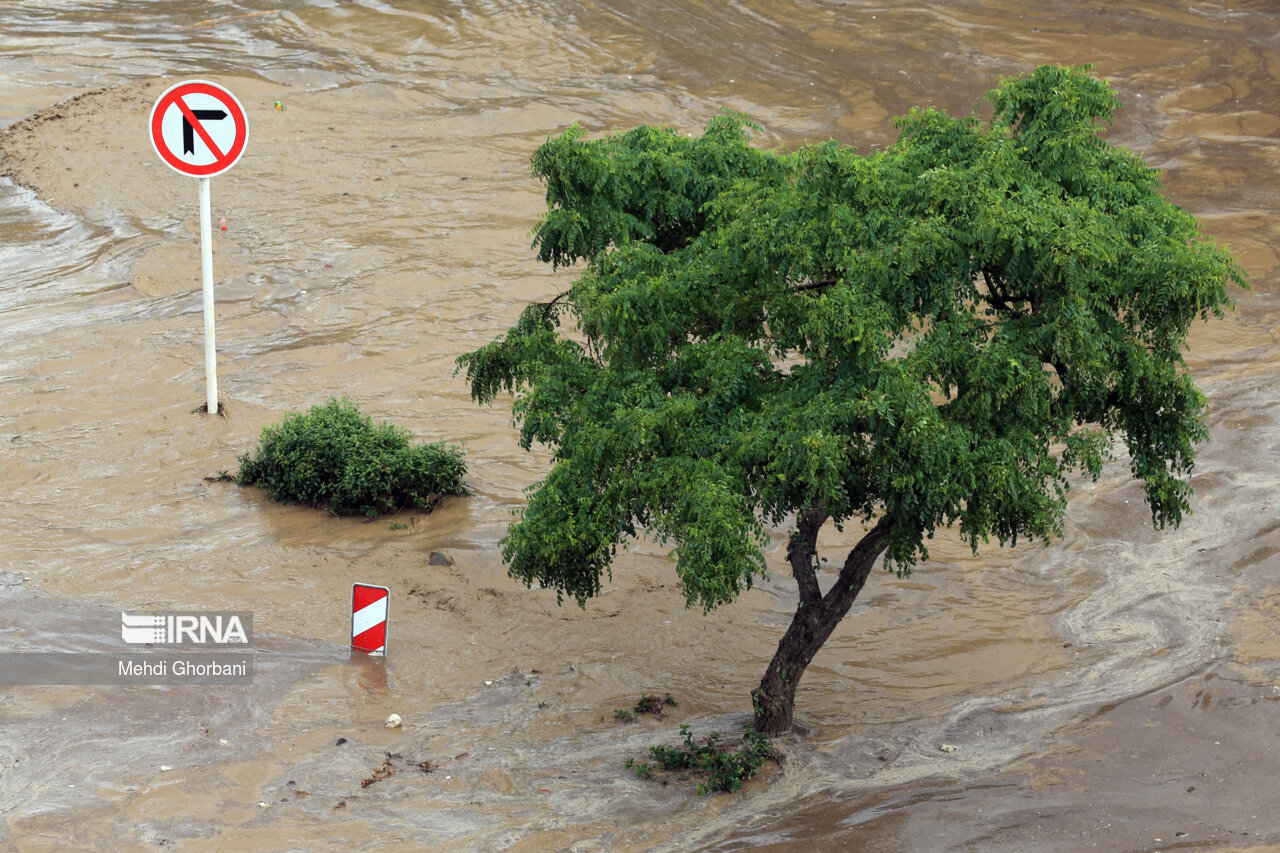
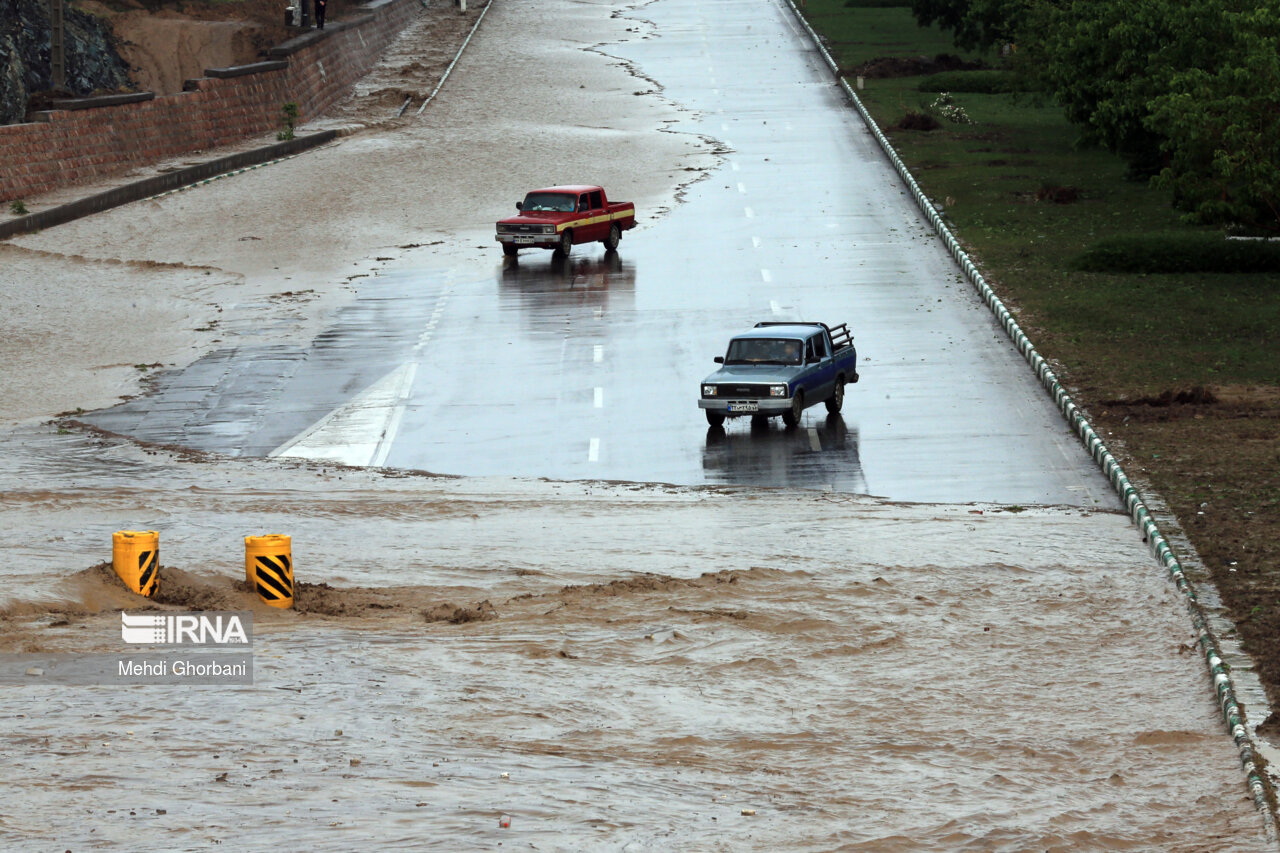
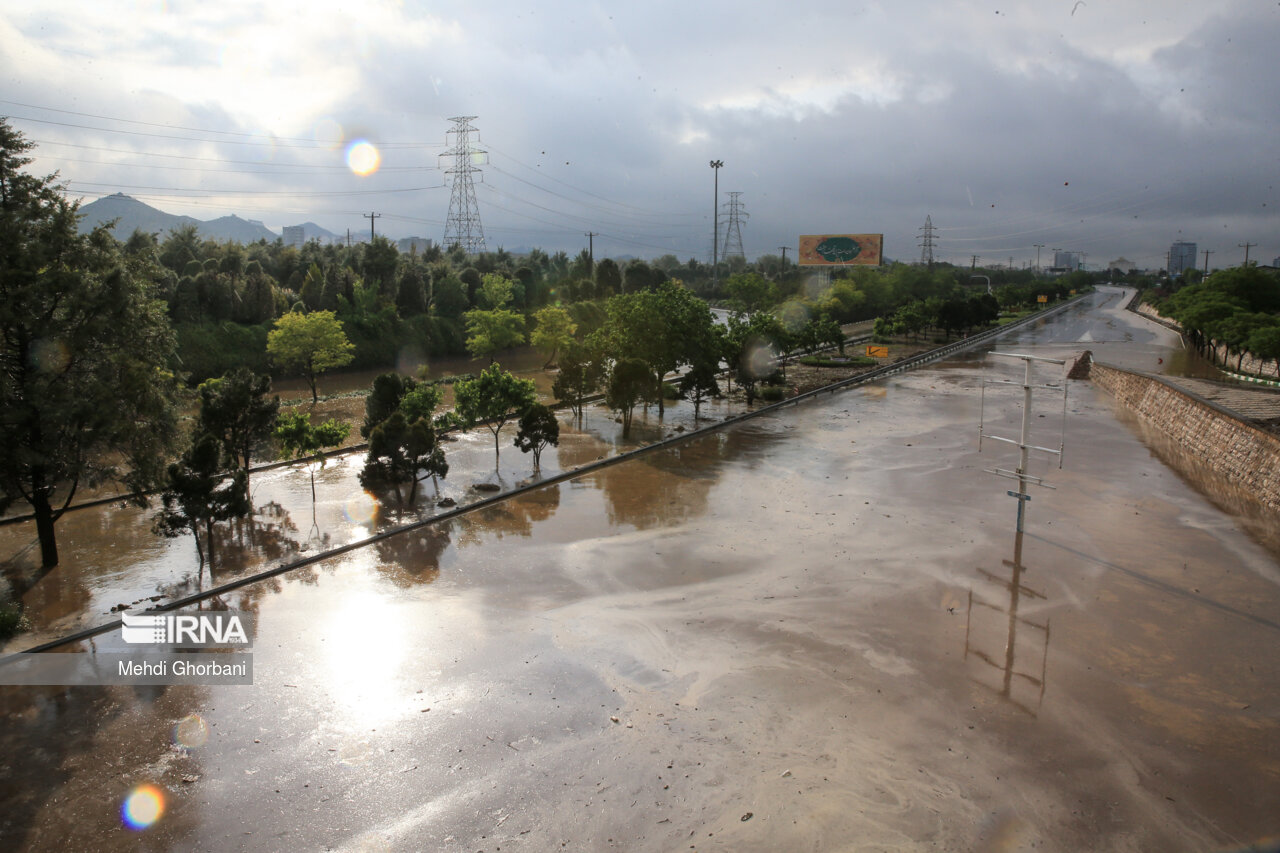
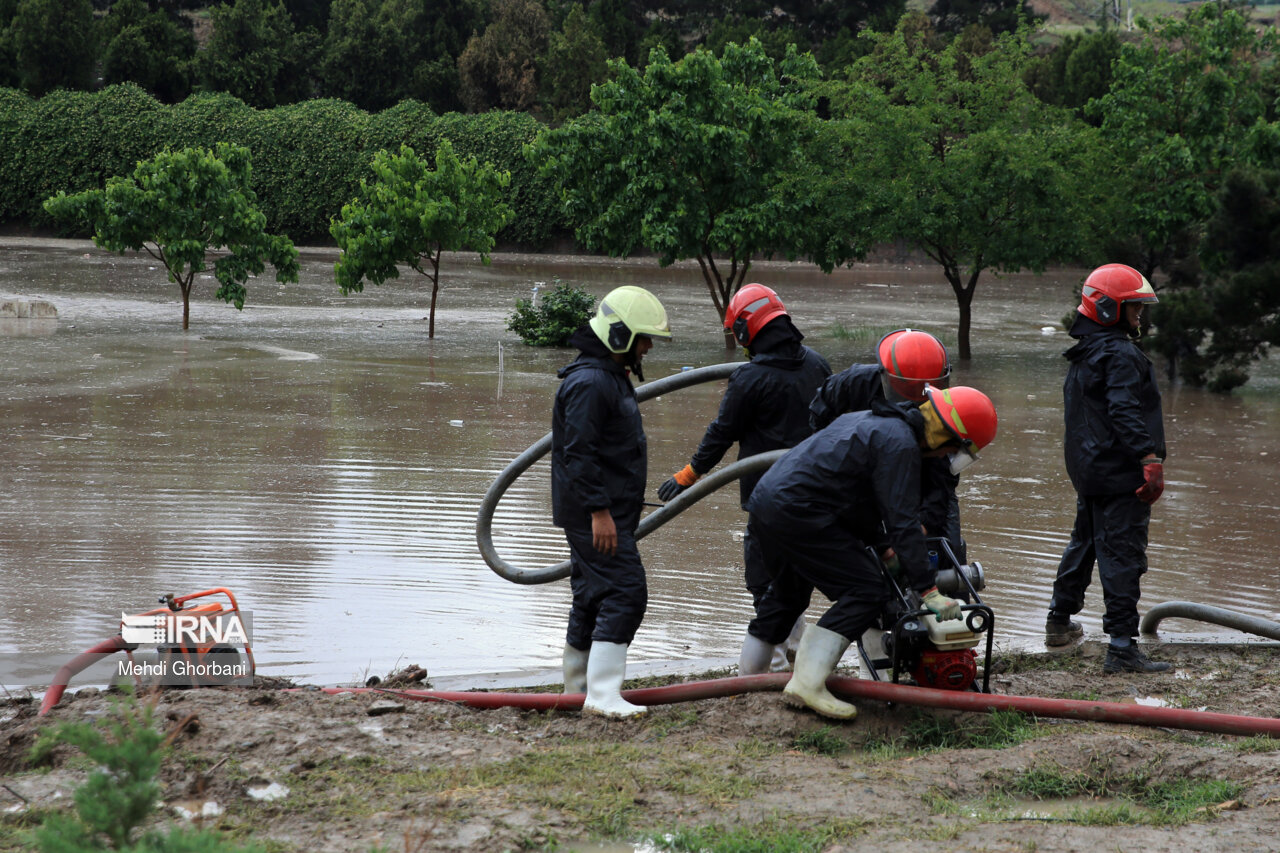
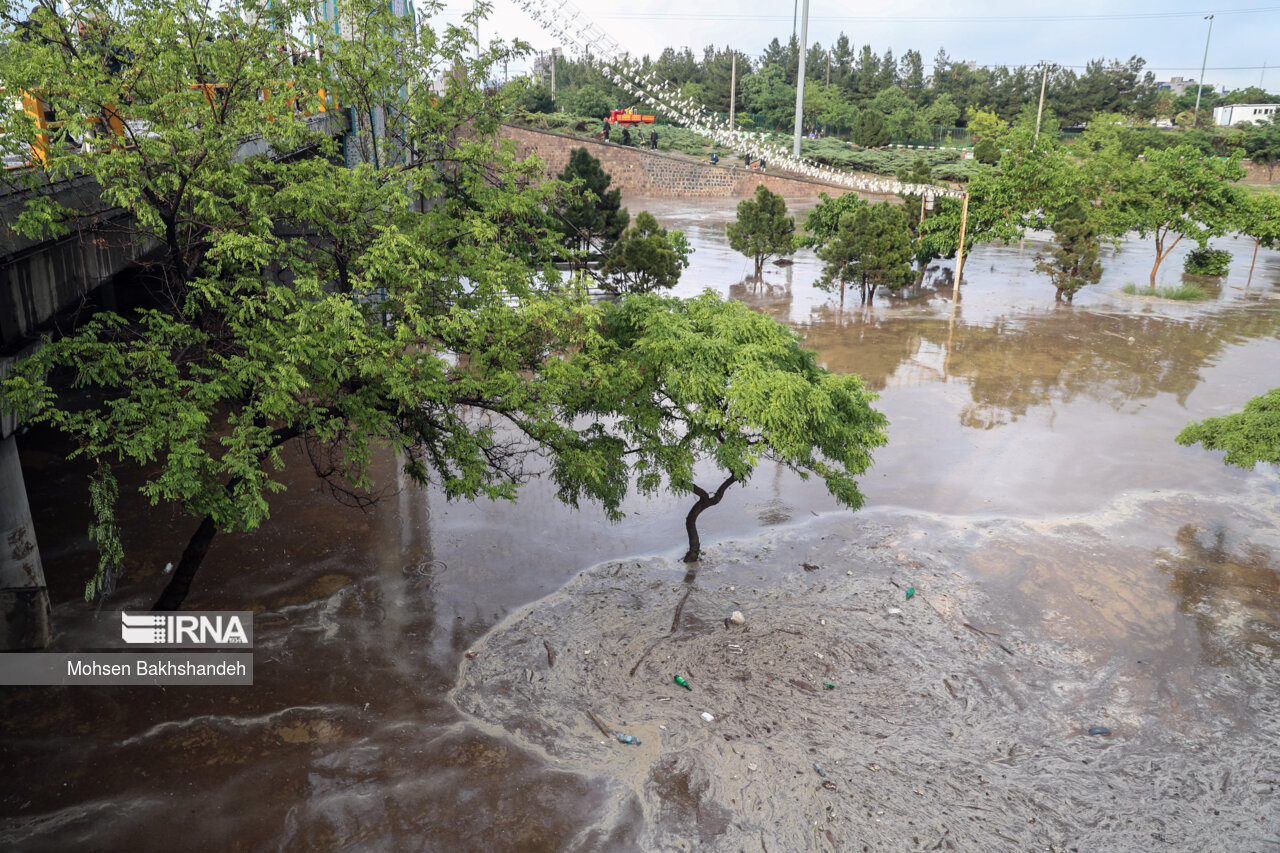
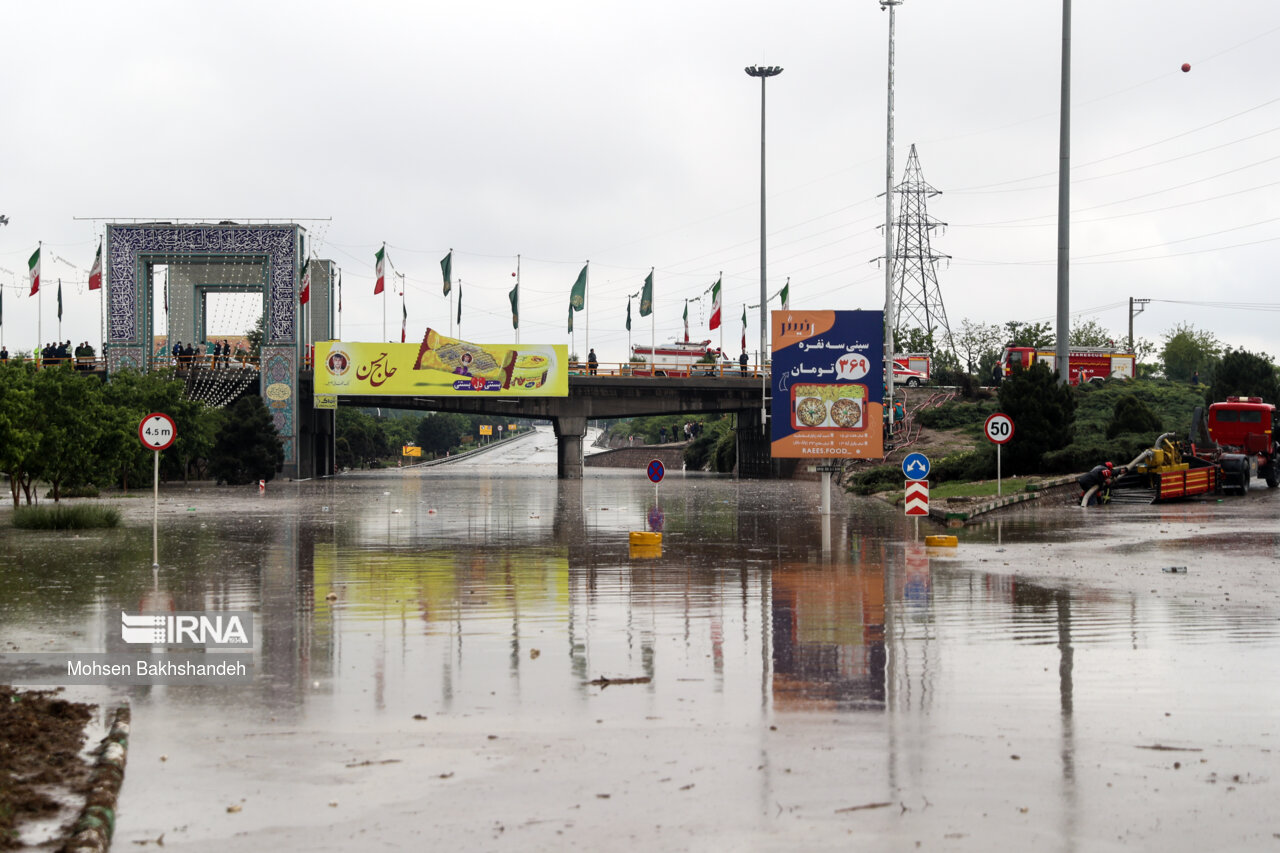
Heavy rains continue to lash flood-hit Mashhad, northeastern Iran

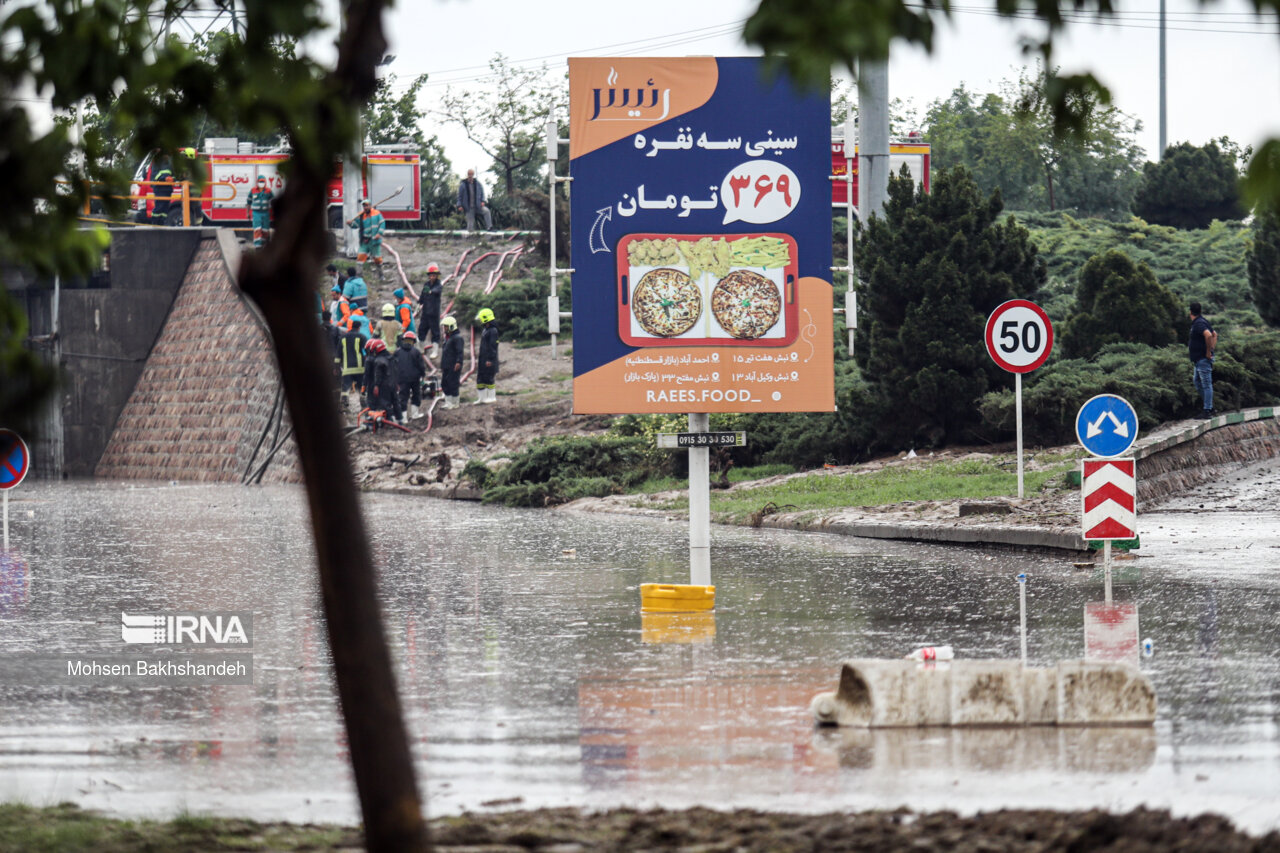
Videos posted online showed some streets flooded and the sky being full of black clouds, darkening the city.

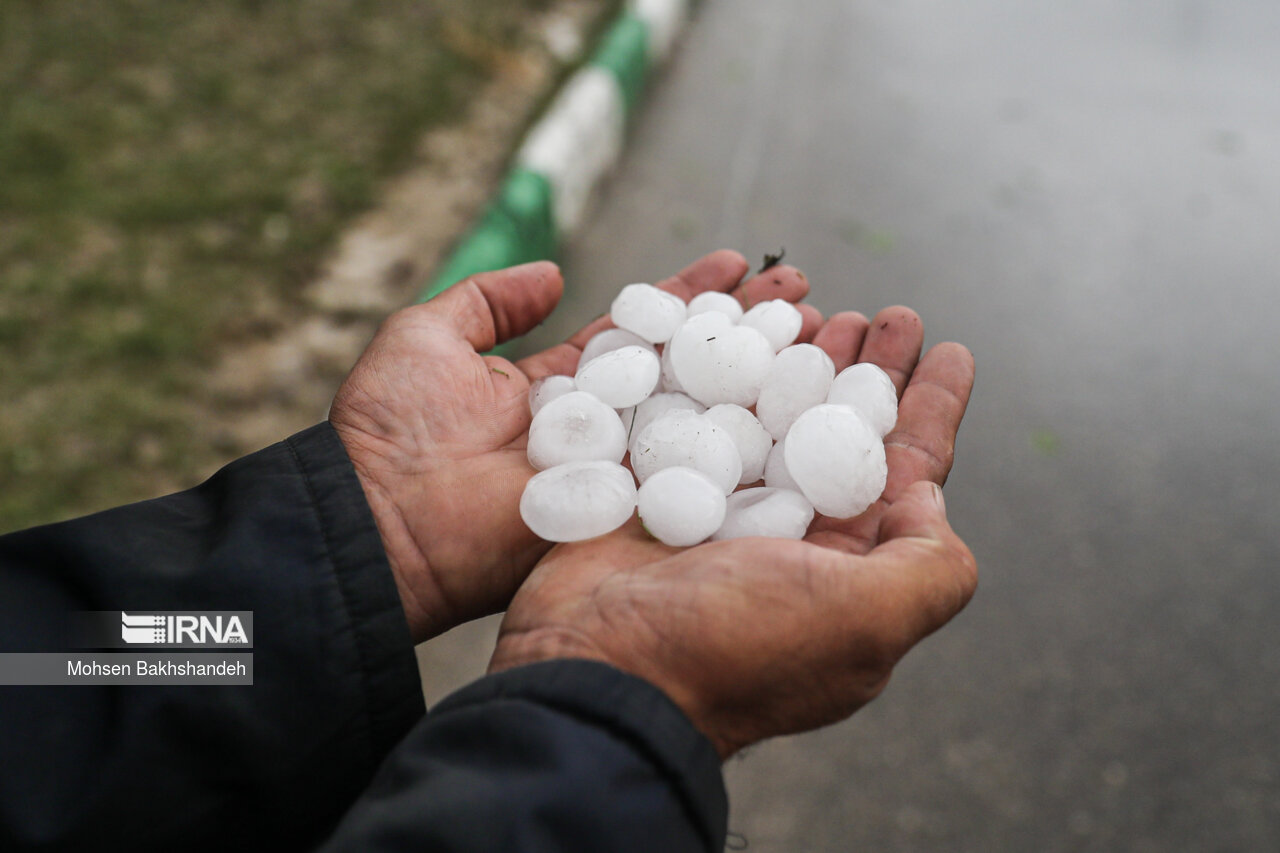
Footage also showed heavy hail hitting the shrine of Imam Reza (PBUH) with pilgrims rushing to the yard of the holy site to rescue doves trapped under the hailstones.

Reports say a thick fog is now hanging over Mashhad and the rain is overflowing from the streets into residential buildings.

A local official says the recent downpours in Mashhad have been unprecedented in 200 years.

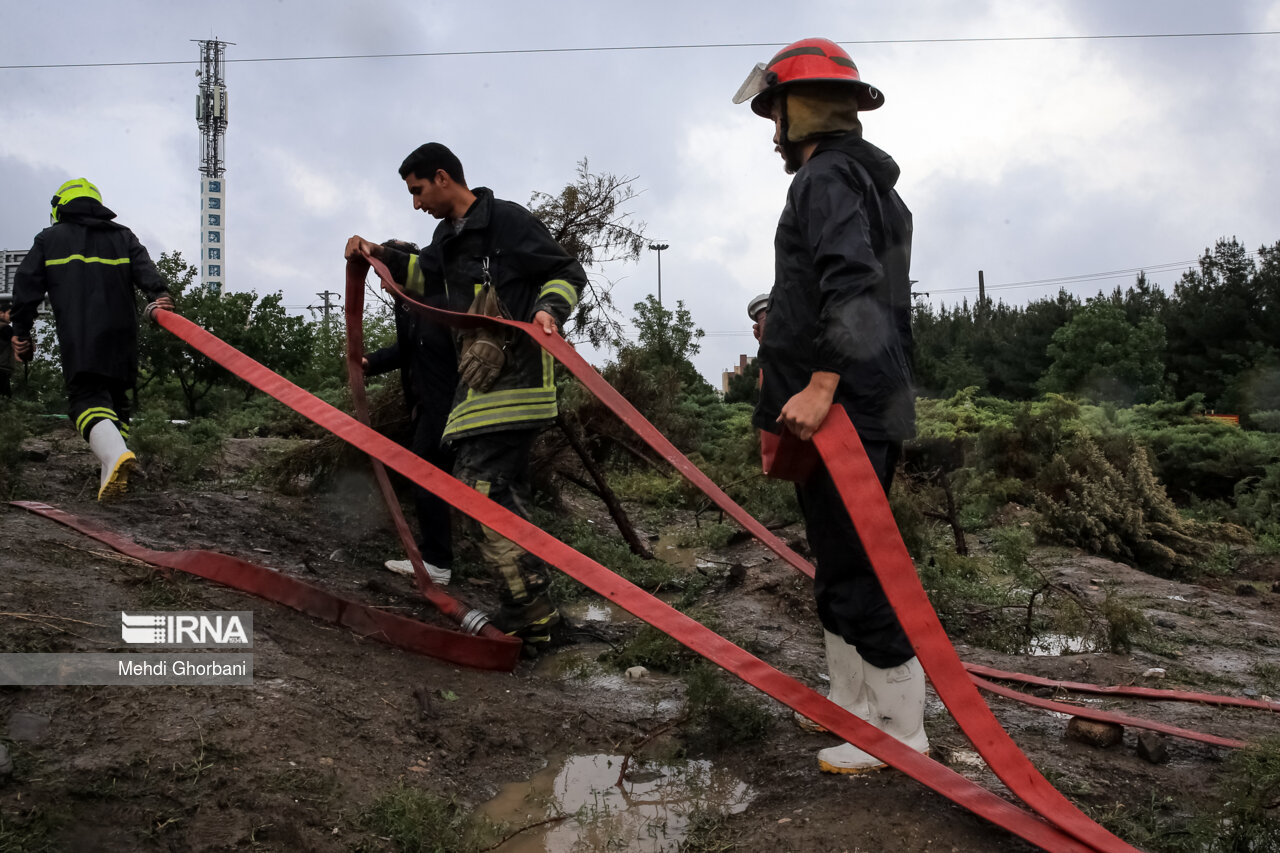
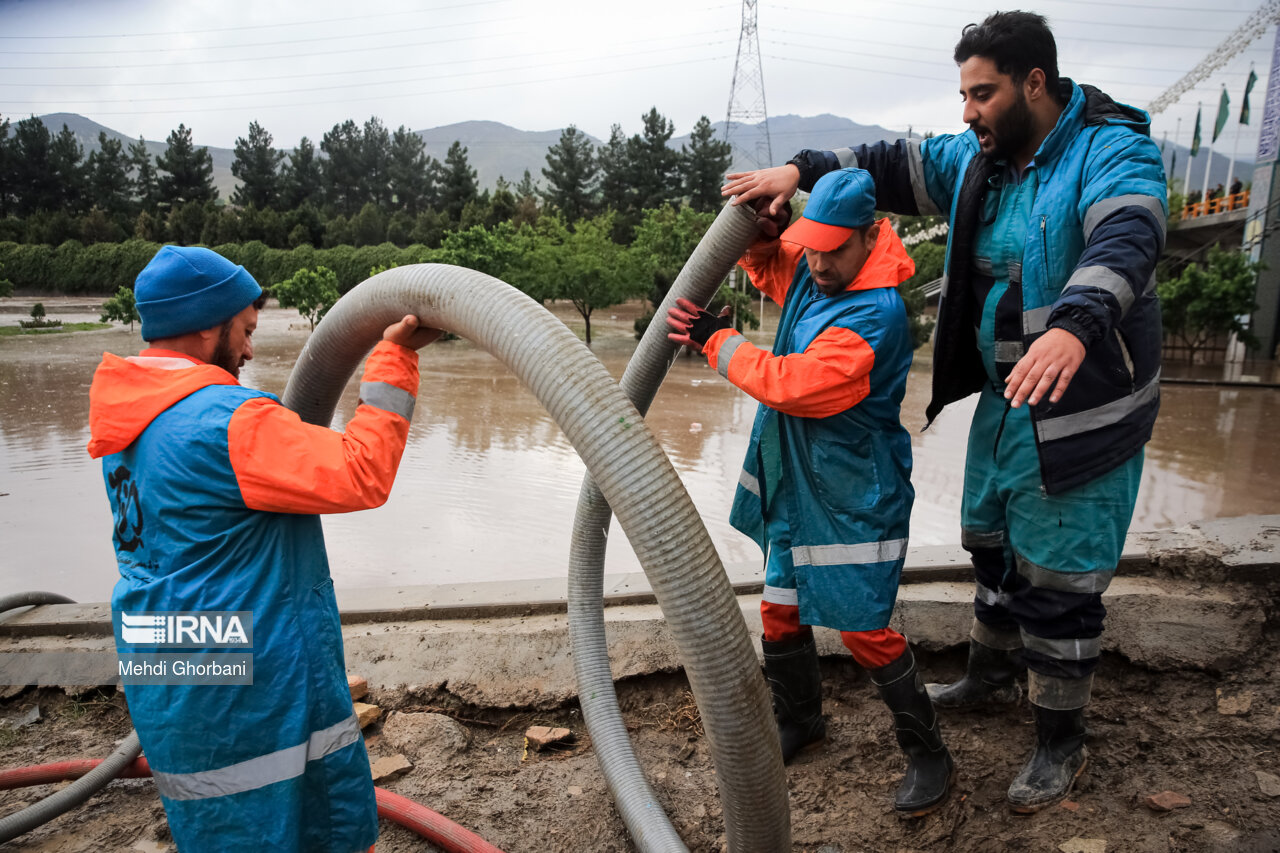
Rescue workers have been deployed in their thousands to areas prone to flooding.

Heavy flooding on Thursday killed at least 12 people in Mahshad and caused huge material damage.

Many cars were destroyed and washed away in the flooding while a number of people remain missing.

Spring nature of Churat Lake in Sari, Iran’s Mazandaran Province

The lake covers an approximate area of 2.5 hectares.

Churat Lake is called Churat Sari Lake due to its proximity to Churat village.

The water level of the lake has increased due to spring rains in May. This has doubled the beauty of the body of water.