Saturday, December 27, 2025
Home Blog Page 884

Rights organizations call on Biden to respect ICC independence

Gaza War Rafah

The United States has faced months of pressure to suspend military assistance to Israel as the Palestinian death toll in the Gaza Strip rose steadily and a humanitarian crisis deepened across the besieged enclave.

Biden himself has publicly opposed Israel’s offensive in Rafah – where the majority of Gaza’s displaced residents had gathered – and his administration suspended one shipment of weapons to Israel over its concerns.

Yet despite saying in early May that he would withhold more weapons if the country went ahead with a large-scale operation in Rafah, Biden has largely backed away from using such leverage as Israeli leaders rejected Washington’s warnings.

On Friday, Sarah Leah Whitson, executive director of Democracy for the Arab World Now (DAWN), stated the International Court of Justice’s order “leaves no ambiguity about what should follow: an arms embargo on Israel”.

“Continued US arms transfers to Israel would constitute deliberate defiance of the Court’s orders and make our government complicit in genocide,” she said in a statement.

Citing the “immense risk” to Palestinians in Gaza, the ICJ announced Israel must “immediately halt its military offensive, and any other action in the Rafah Governorate, which may inflict on the Palestinian group in Gaza conditions of life that could bring about its physical destruction in whole or in part”.

Friday’s order did not offer a final determination on whether Israel is committing genocide in Gaza, as alleged by South Africa, which brought the case before the international tribunal.

Still, the court’s provisional ruling “opens up the possibility for relief” for the people of Rafah, said Balkees Jarrah, associate director of the international justice programme at Human Rights Watch (HRW).

“But only if governments use their leverage, including through arms embargoes and targeted sanctions, to force Israel to urgently enforce the court’s measures,” Jarrah added.

Rights observers also noted that the ruling creates a foundation for the UN Security Council to take more resolute action against Israel.

The US – one of five members on the council with veto power – has repeatedly shielded Israel from Security Council action since the Gaza war began in early October.

Michael Schaeffer Omer-Man, director of Israel-Palestine research at DAWN, said the ICJ’s ruling should push the US to “support any UNSC actions to enforce the Court’s order”, or risk appearing “again before the entire world as the guarantor of Israeli impunity”.

Nihad Awad, national executive director of the Council on American Islamic Relations, also urged Biden to honour the ICJ’s ruling “by immediately ending all military assistance to Israel’s genocide”.

“Israel is clearly attempting to make Gaza uninhabitable. It must be stopped from completing this monstrous goal,” Awad stated in a statement.

Israel continues to enjoy widespread support among senior Biden administration officials, including the US president himself, as well as lawmakers from both major parties.

Still, a growing number of legislators in Washington, DC, have demanded a clearer accounting of whether Israel is using American weapons in Gaza in violation of US and international law.

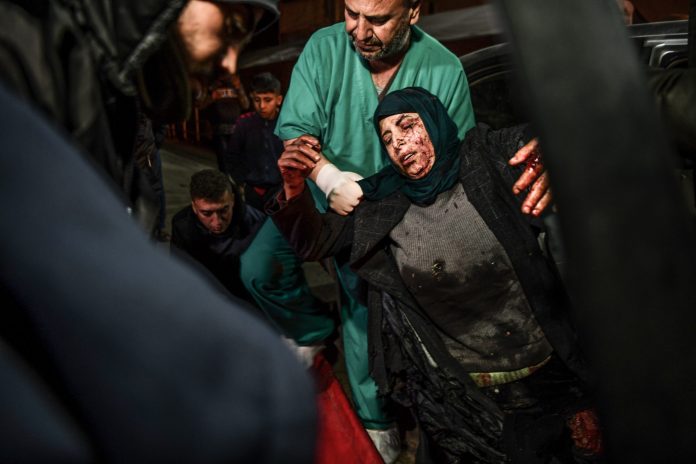
Israel’s bombardment of Gaza has killed nearly 36,000 Palestinians, most of them women and children, while its siege on the coastal territory has led to dire shortages of humanitarian aid and pushed Palestinians to the brink of starvation.

Earlier this month, the US Department of State released a report that found it was “reasonable to assess” that Israeli forces had used US weapons in violation of international humanitarian law in Gaza.

But the department noted that did not necessarily disprove Israel’s “overall commitment” to those standards, and the report concluded that the US could continue to send weapons to Israel.

Prominent Republican lawmakers swiftly condemned the ICJ’s order on Friday, however, with some calling on Biden to reject efforts to get Israel to abide by the decision.

Biden called the prosecutor’s move “outrageous” while Secretary of State Antony Blinken suggested that the administration would be willing to work with members of Congress on legislation to penalise the international tribunal.
Russia claims Ukrainian intelligence ‘directly involved’ in Moscow’s March terror attack

Moscow Terror Attack

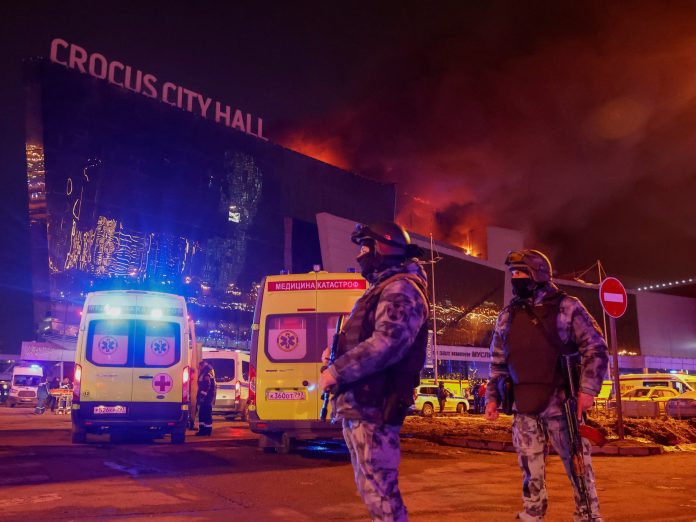
He said that the investigation into the attack is still being conducted, but all indications are that Ukraine was behind the assault.

“The investigation is ongoing, but we can already say with certainty that Ukraine’s military intelligence has a direct relation to this attack,” Bortnikov stated at a Commonwealth of Independent States (CIS) special services leaders’ gathering in Bishkek, Kyrgyzstan.

He added the preparation and financing of the attack, as well as the terrorists’ escape from the scene afterwards, was coordinated over the internet by members of Wilayat Khorasan, also known as Islamic State – Khorasan, or ISIS-K.

He noted that two of the four criminals involved arrived in Russia from Turkey shortly before the attack. Upon completion, he said, “the terrorists received a clear command to move to the Ukrainian border, where a ‘window’ had been prepared for them”.

The results of the investigation apparently confirm the FSB’s initial version of Ukraine being behind the attack. In April, the FSB director suggested that Ukrainian security services may have been involved in preparing the assault, possibly using the militants as proxies. He stressed that “all the circumstances of the crime will be established”, and those involved in this “heinous” terrorist attack “will not escape punishment”.

“We are currently establishing the full circle of those involved in the massacre. More than 20 people have already been detained, including the direct perpetrators and accomplices,” he said. Bortnikov added that “colleagues from Kazakhstan, Kyrgyzstan, Tajikistan and Uzbekistan” are assisting the FSB investigation.

The attack on the concert venue just outside Moscow on March 22 claimed more than 140 lives and left over 550 injured. Four gunmen stormed the building, shooting everyone in sight before setting it on fire.

Kiev has denied any involvement in the attack, while its Western backers have claimed that all evidence points to ISIS-K as the culprit. The group has claimed responsibility for the attack.

EU staff express concerns over union’s handling of Gaza war

Gaza War

The letter, signed by 211 people in their personal capacity as citizens and addressed to the EU’s top three officials, begins by condemning the 7 October attacks “in the strongest terms”.

Citing the January ruling by the international court of justice that suggested a credible risk to Palestinians under the genocide convention, the letter warns that the EU’s “continued apathy to the plight of Palestinians” risks normalising a world order where the sheer use of force, rather than a rule-based system, determines state security, territorial integrity and political independence.

“It was precisely to avert such a grim world order that our grandparents, witnesses of the horrors of World War II, created Europe,” the letter reads.

“To stand idly by in the face of such an erosion of the international rule of law would mean failing the European project as envisaged by them. This cannot happen in our name.”

The letter was written by a small group of staffers, said Zeno Benetti, one of the organisers.

“We couldn’t believe that our leaders who were so vocal about human rights and who described Europe as the beacon of human rights were suddenly so silent about the crisis unfolding in Gaza,” he stated, adding, “It’s like suddenly we were asked to turn a blind eye on our values and on the values that we were allegedly working for. And for us, this was not acceptable.”

Organisers had hoped to reach 100 signatures – a figure that was swiftly surpassed as word of the letter spread. A version of the letter made public on Friday does not include the names of those who signed as they were promised confidentiality by the organisers.

The letter highlights the many NGOs that have repeatedly called for a ceasefire, adding: “The EU’s inability to respond to these increasingly desperate calls is in clear contradiction with the values that the EU stands for and that we stand for.”

It calls on the EU to officially call for an immediate and permanent ceasefire, adding this to a list of requests that include officially calling for the release of all hostages and to ensure that member states halt direct and indirect arms exports to Israel.

Benetti emphasised that the initiative was not meant to be pro-Palestinian, nor was it aimed at taking a partisan stance on the conflict.

“Rather, we signed because we think that what’s happening is jeopardising principles of international law that we deem important and that we take for granted,” he said.

The letter is expected to be delivered to Ursula von der Leyen, the president of the European Commission, as well as Roberta Metsola, the president of the European parliament, and Charles Michel, who heads the European Council.

It comes weeks after more than 100 EU staffers marched through Brussels to protest against Israel’s war in Gaza.

“We’re coming together in a peaceful assembly, to stand up for those rights, principles and values that the European institutions are built on,” the European Commission staff member Manus Carlisle told Reuters at the time.

Report: Pro-Israel groups fund one-third of UK Conservative MPs

Britain’s Parliament

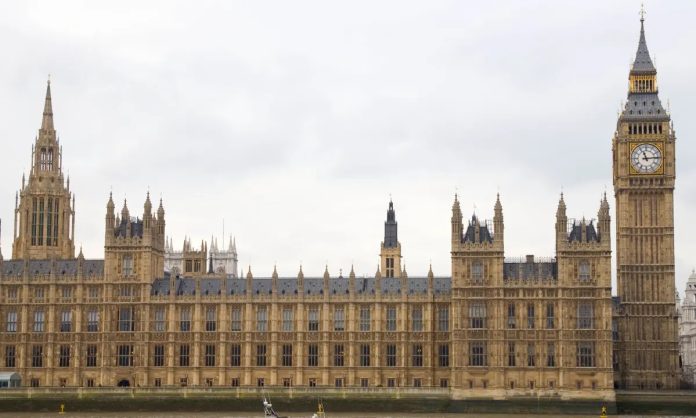
Declassified reported that 126 of the party’s 344 Members of Parliament (MPs) have accepted funding from pro-Israel lobby groups.

The funds amount to over £430,000 ($547,000) in donations and hospitality. The lobby groups have paid for Conservative MPs to visit Israel on 187 occasions, some of which included trips to the occupied Palestinian territories.

Thirteen of those MPs have visited Israel during its ongoing war on Gaza. In January, six MPs went on a “solidarity visit” hosted by Israeli President Isaac Herzog.

The lobby groups include, most prominently, the Conservative Friends of Israel (CFI), a parliamentary group that claims around 80 percent of Conservative MPs as its members and has paid over £330,000 towards MP visits to Israel.

CFI delegations included tours of factories run by Elbit Systems, Israel’s largest arms manufacturer.

In early April, it emerged that the Conservative Party is investigating former Foreign Office Minister Alan Duncan after he said it was time to “flush out” senior CFI leaders.

Duncan has previously accused CFI of “actively lobbying” against him and stopping him from getting the post of Middle East minister in 2016 because of his pro-Palestinian sympathies.

The American Israel Public Affairs Committee (Aipac), the Jewish National Fund (JNF) and the National Jewish Assembly (NJA) have also funded Conservative MPs.

Communities secretary Michael Gove accepted £3,086 from Aipac to speak at its conference in Washington in 2017, Declassified reported.

Another MP, Matthew Offord, took £2,799 from JNF UK to travel to Israel twice. The JNF has for years authorised the purchase of Palestinian land in the occupied West Bank and supported the expansion of illegal settlements.

Since the start of Gaza war, the UK’s Conservative government has backed Israel’s siege and bombardment of the besieged enclave.

Under former Home Secretary Suella Braverman, the government has also tried to censor pro-Palestinian slogans at demonstrations held in the country.

The International Centre for Justice for Palestinians (ICJP) has submitted a complaint about five senior ministers to the British police, alleging their complicity in war crimes committed by Israel in blockaded territory.

Israel’s war on Gaza has drawn widespread condemnation, and it is the subject of an ongoing genocide case at the International Court of Justice (ICJ).

Nearly 36,000 Palestinians have been killed since October, the vast majority of them women and children.

Envoy: Iran receives over 300 million cubic meters of water share from Afghanistan’s Taliban

Hassan Kazemi Qomi said on Friday that after extensive talks, the Taliban took a three-pronged initiative, one of which wasted the water by leading it to Gozareh depression, but the other two took off the ground and supplied Iran with water.

He clarified that as a result of repairing the valves of the Kamal Khan Dam and dredging the water transfer route to Sistan and Baluchestan, over 300 million cubic meters of Iran’s share of water was supplied.

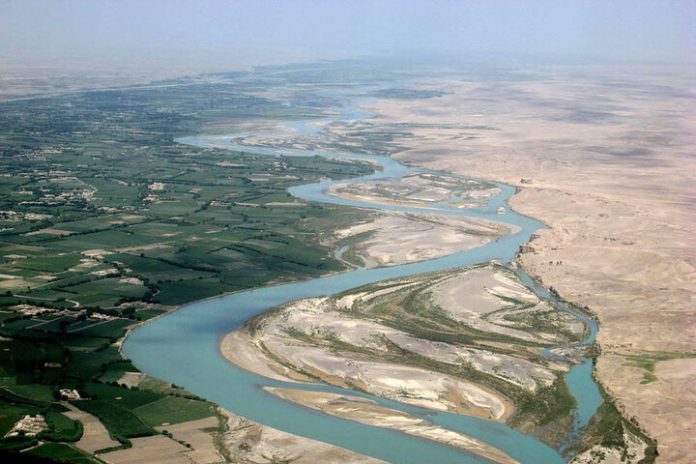
The Taliban had been refusing to allow Iran’s share of water from Hirmand, known as Helmand in Afghanistan, to stream into Iran, blaming drought and technical issues for the low supply of water.

Tehran says Afghanistan must adhere to the terms of the internationally-binding 1973 Hirmand river water treaty under which Iran should receive 820 million cubic meters of water annually.

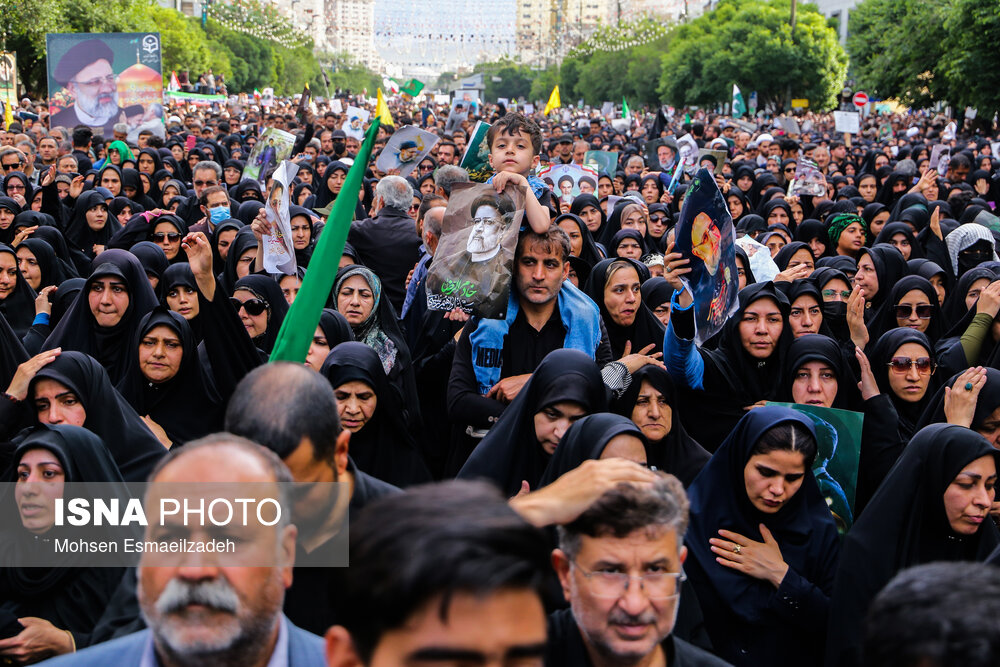
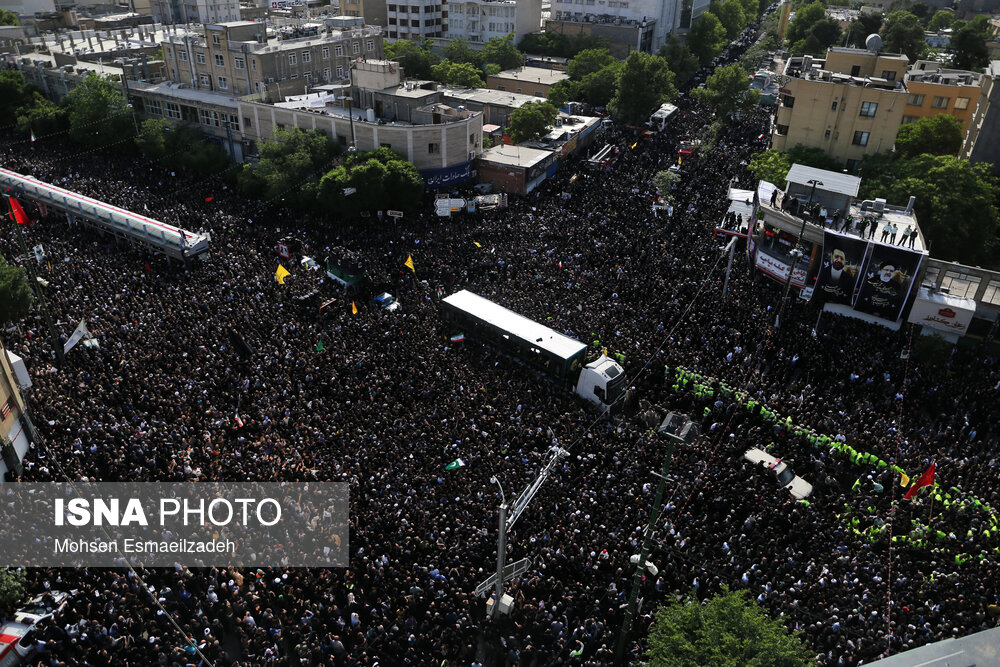
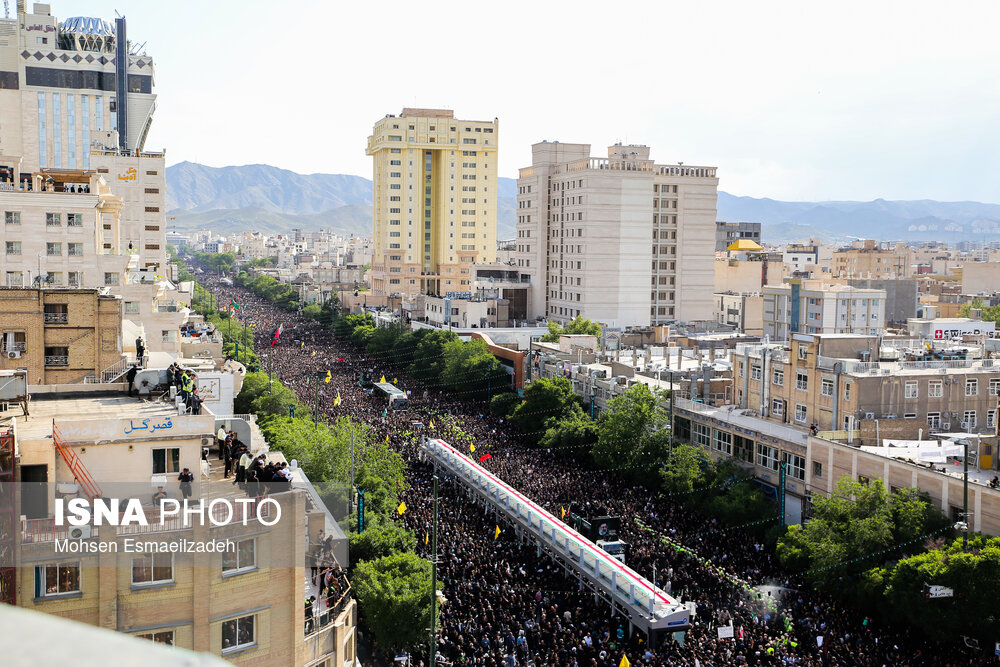
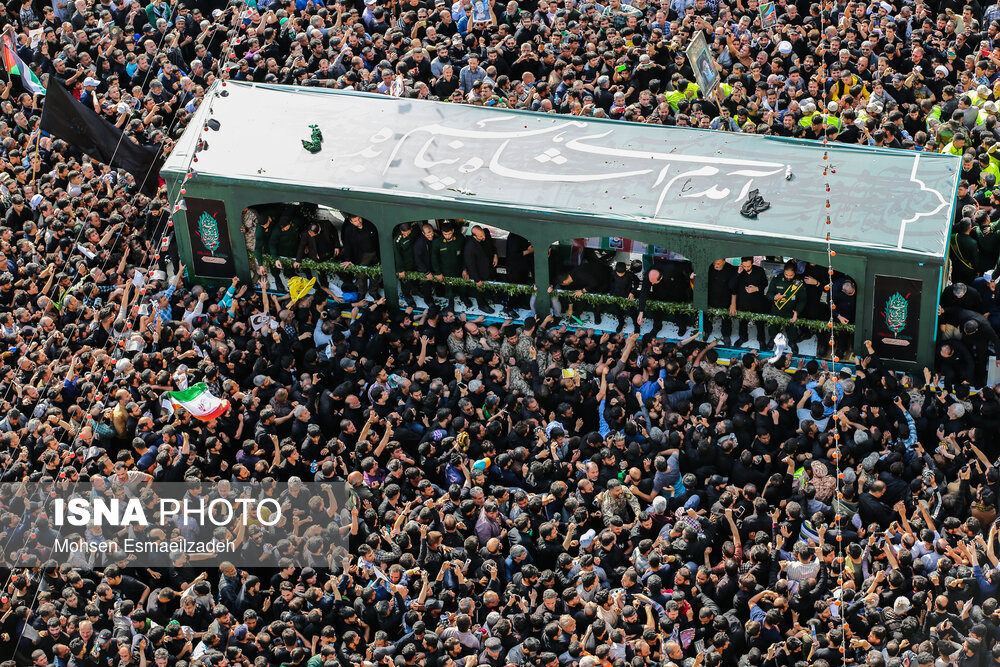
Massive crowd in Maragheh bids farewell to East Azarbaijan governor who died in president copter crash

Iranian Interior Minister Ahmad Vahidi

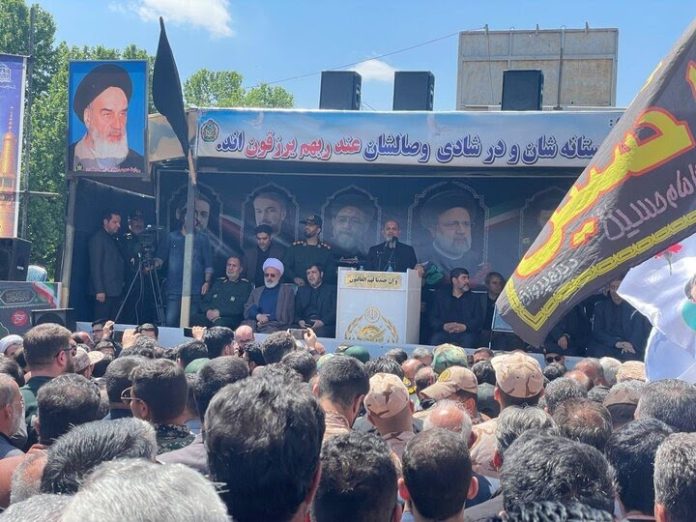
The aerial footage showed that the streets were packed with people.

Iranian Interior Minister Ahmad Vahidi was among the ranking participants in the funeral procession.

He said the demise of the president and his entourage, including Foreign Minister Hossein Amirabdollahian, beamed the Iranians’ unity to the world.

The initial report on the fatal crash, released by the General Staff of Iran’s Armed Forces, confirms that the accident happened after the helicopter hit the mountain and caught fire and rules out the possibility of any plot.

Iran’s army releases first report on president’s helicopter crash, ruled out bullets on aircraft

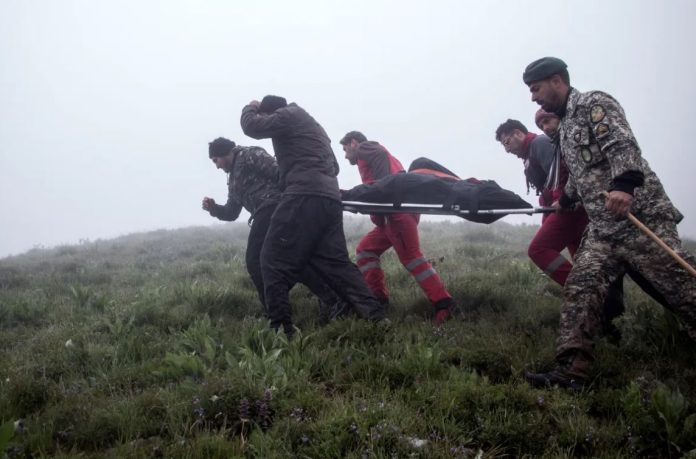
An investigation committee was set up after the tragic incident and deployed experts, specialists, and technicians to the site of the crash in a mountainous area in Iran’s northwestern East Azarbaijan province on Monday, the day the bodies of the victims were recovered.

The six-point report says, “The helicopter had remained on its preplanned course and had not deviated from the flight route.”

“The pilot of the crashed helicopter had communicated with the other two helicopters of the president’s convoy almost a minute and a half before the incident,” the report adds.

The probe confirms the helicopter caught fire after crashing into the mountain, adding no traces of bullets or similar items were detected on the wreckage of the copter.

The report also asserts no suspicious issue was raised in the communication between the flight crew and the control tower.

The report further stresses that a significant part of the documents related to the helicopter crash has been collected and more time is needed to review some parts and documents.

Russia president lays groundwork for confiscation of US assets

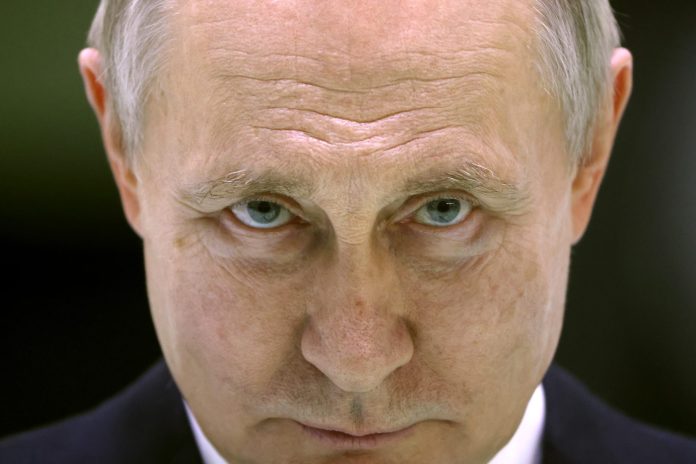
Vladimir Putin

The US and its allies have frozen some $300 billion in Russian sovereign assets due to the Ukraine conflict. Western nations are devising ways to use the funds to help Kiev’s war effort against Moscow.

The document released by the Kremlin outlines a future mechanism that would allow any damages caused by the US to be offset by property owned by the US itself or associated entities. The Russian government and central bank would be empowered to seek redress for such losses through a Russian court.

Those who could face potential action against their assets include US citizens or those who reside in the country, or those do most of their business or generate most of their profits there. The property of people “under control” of such individuals will also be liable, regardless of their nationality and residency.

The court will be able to grant compensation in the form of property physically present in Russia, shares in Russia-registered businesses and property rights. A governmental commission will be responsible for compiling the list of those who could be targeted for compensation.

Putin’s decree gives the government four months to prepare the legal framework for the mechanism and submit the relevant proposals to the parliament for consideration.

The Ukrainian government has been urging its Western backers to confiscate Russia’s sovereign assets and use them to cover Kiev’s military and reconstruction needs. The US supported the proposal, but European nations, in whose jurisdiction most of the funds are held, have objected out of concern that such a move would be illegal and would deliver a serious blow to the Western financial system and the reputation of the euro.

Less ambitious Western plans include imposing a windfall tax on profits generated by the immobilized assets and using them either directly to buy weapons for Kiev or offering them as collateral for a loan, which would then be used to bolster the Ukrainian military.

Moscow has announced it considers any form of expropriation as theft. Russia has vowed to retaliate, if the West infringes on its property rights.

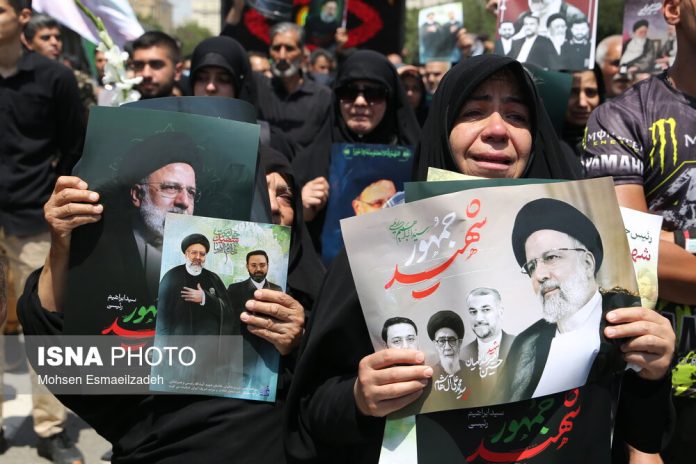
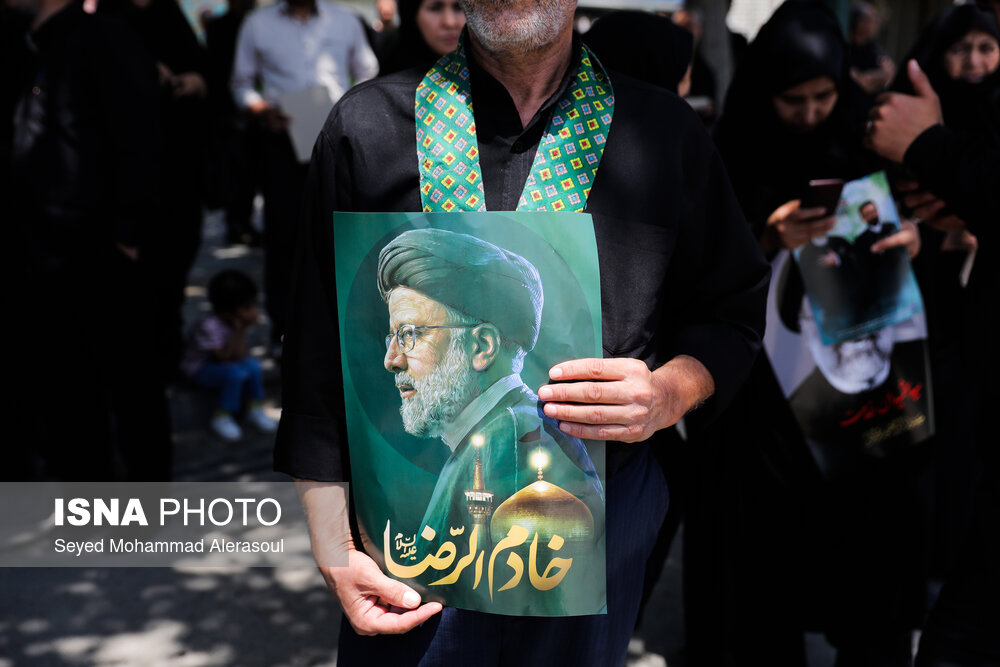
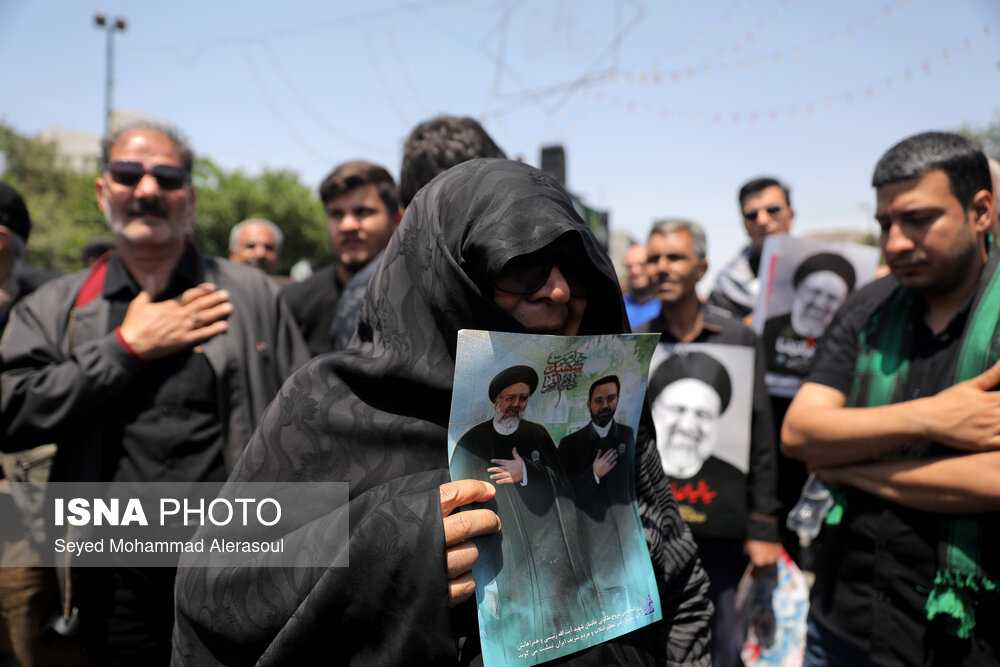
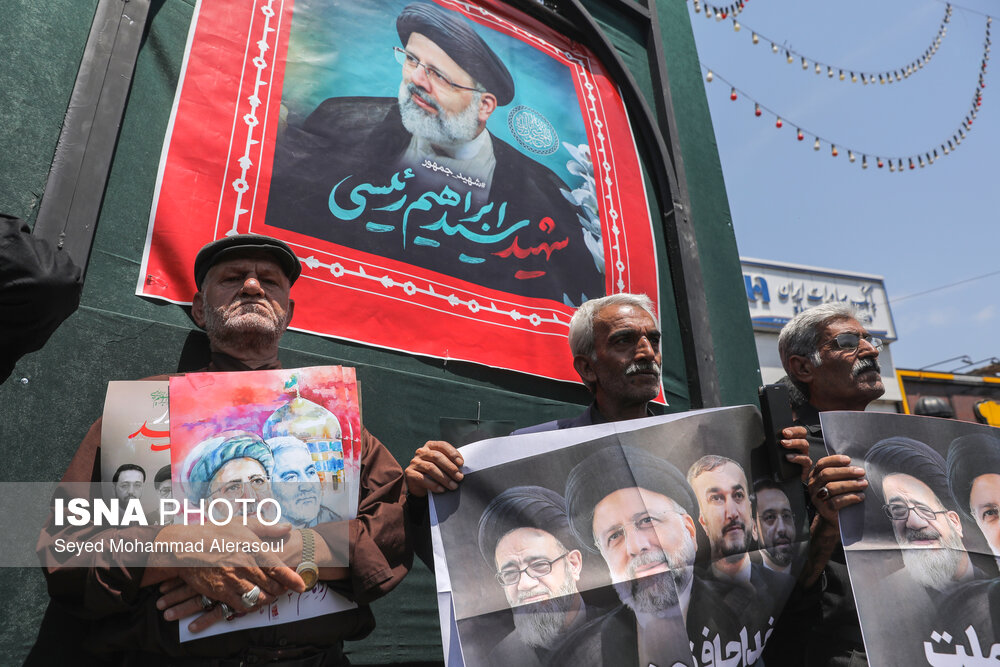
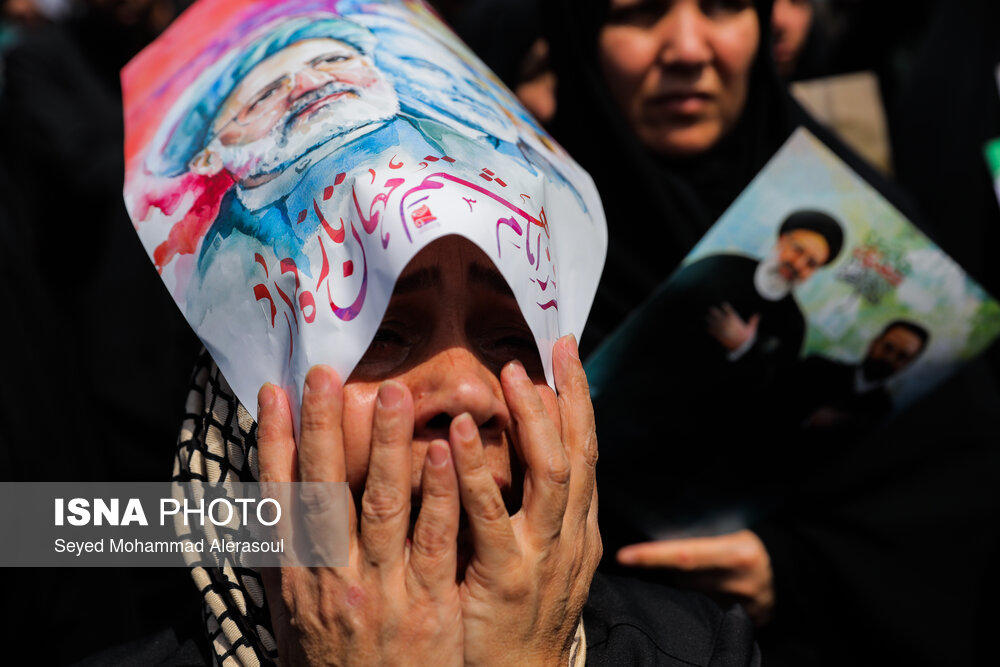
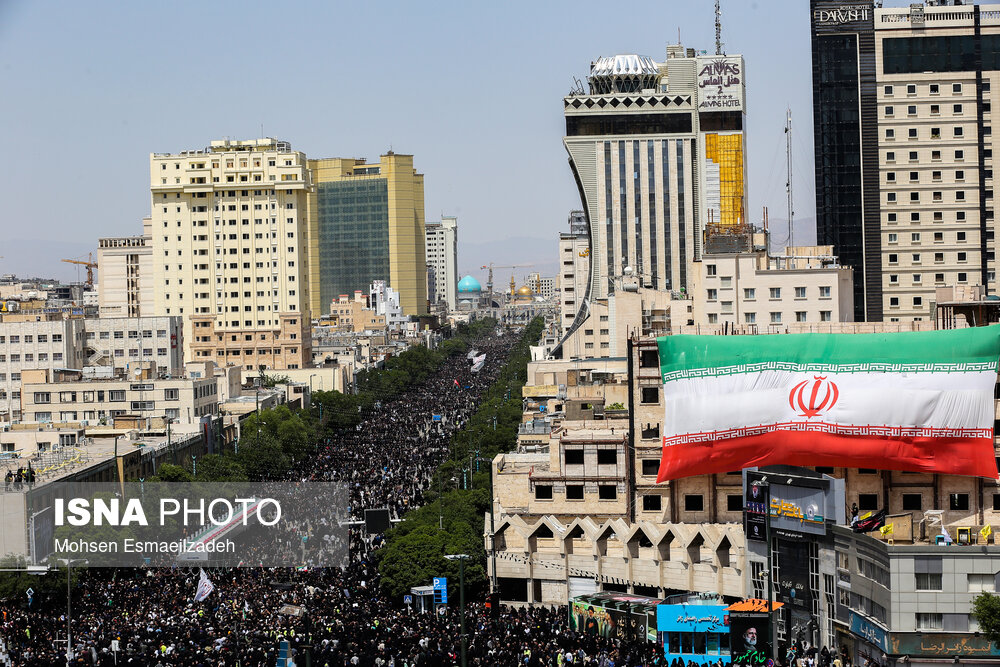
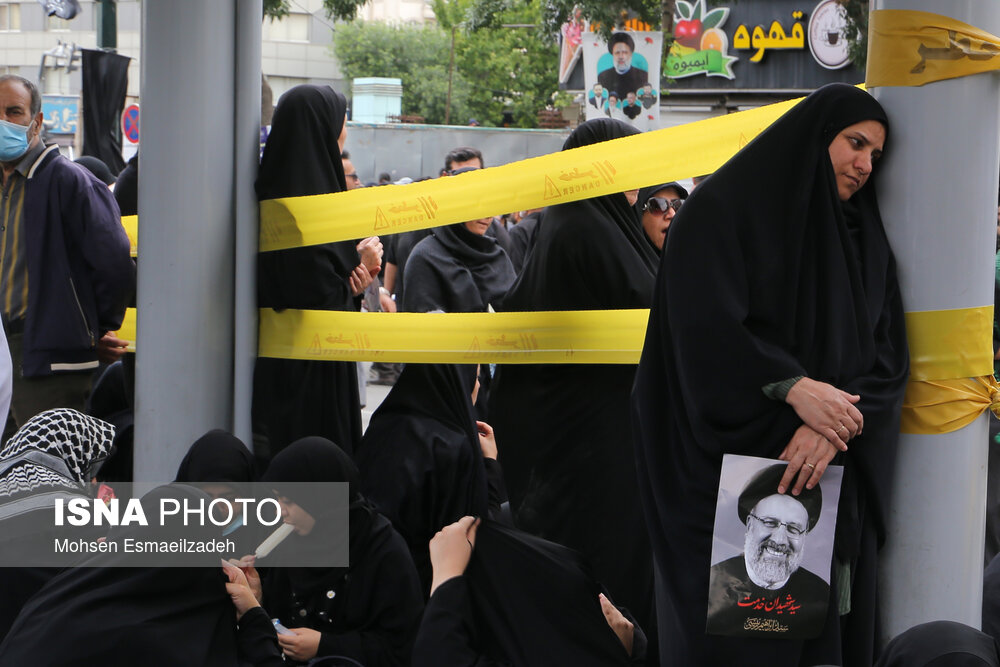
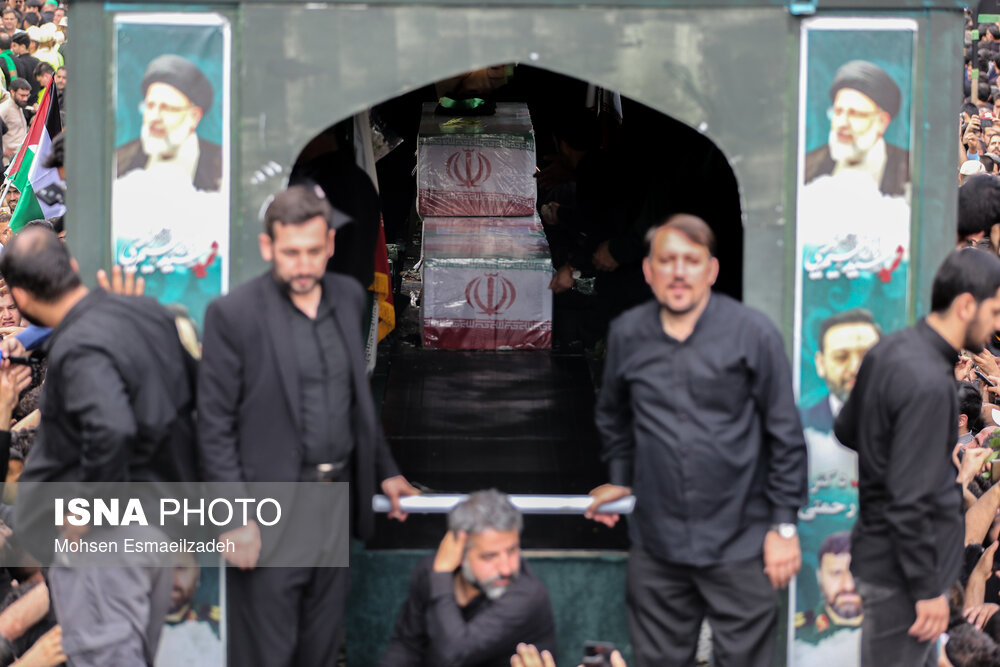
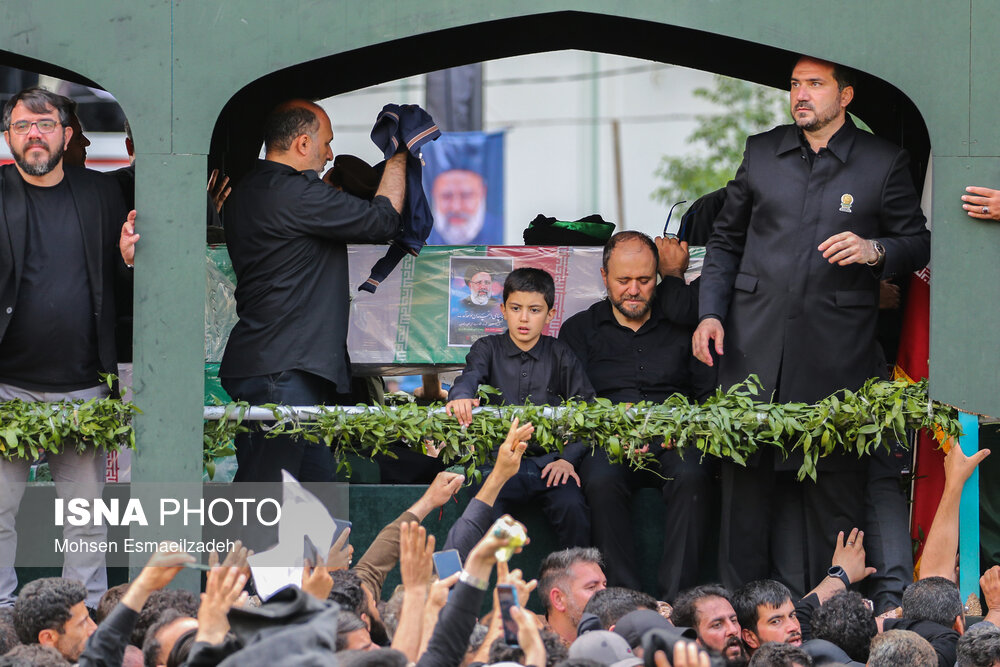
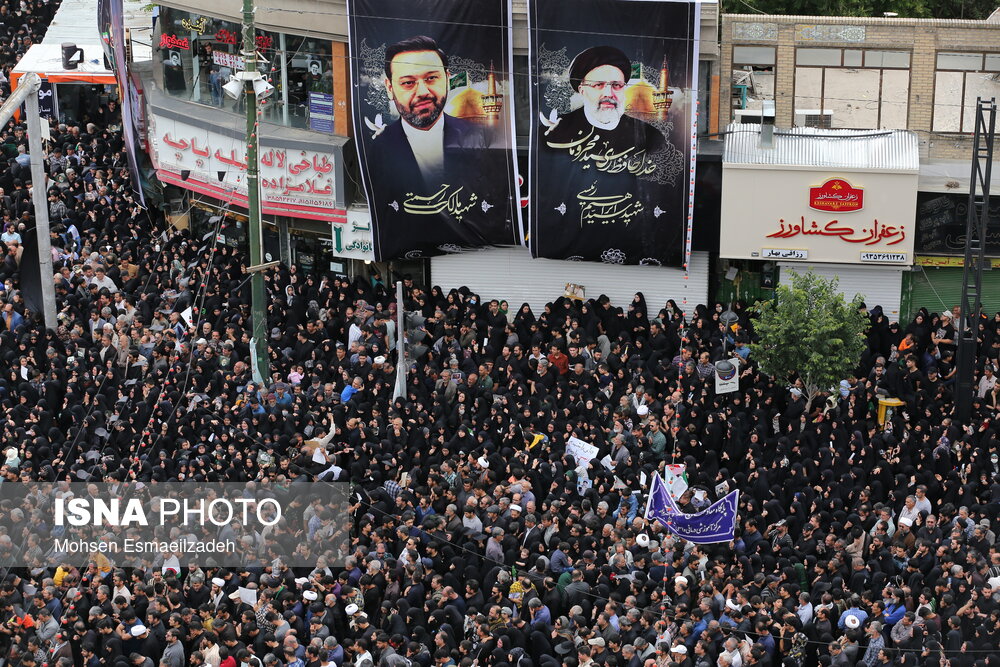
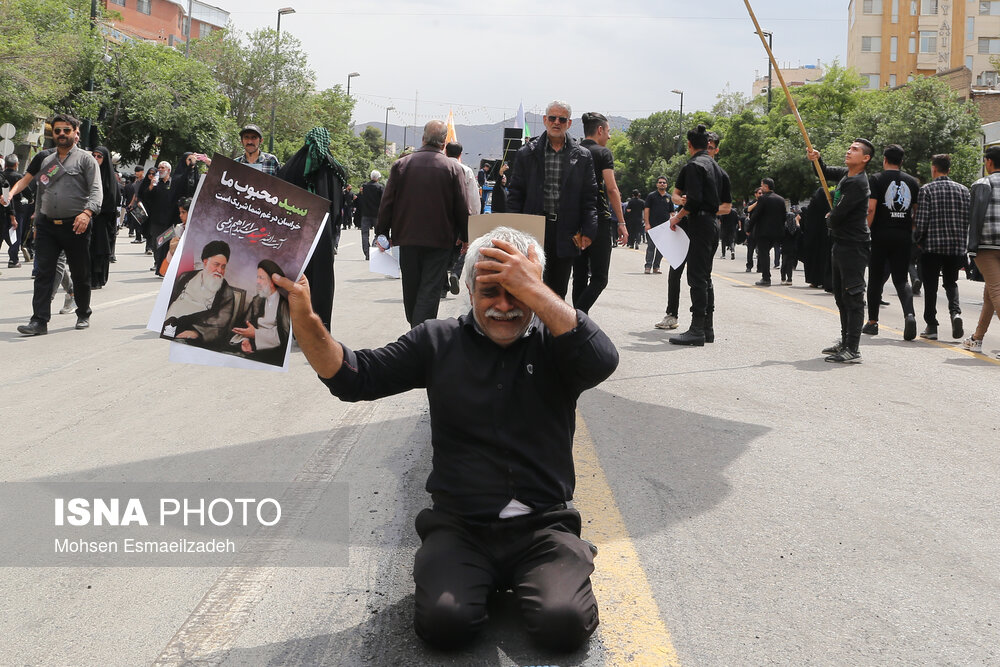
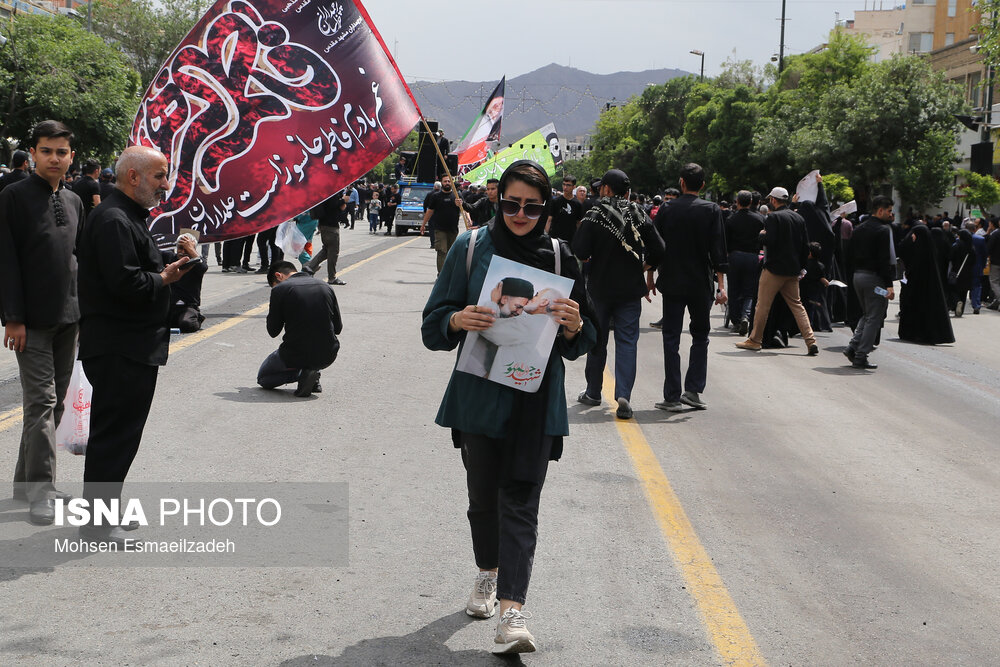
Late Iranian President Raisi laid to rest at Imam Reza Holy Shrine in Mashhad

His body was interred at the mausoleum of Imam Reza, the revered eighth Shia Imam in the northeastern Iranian city of Mashhad.

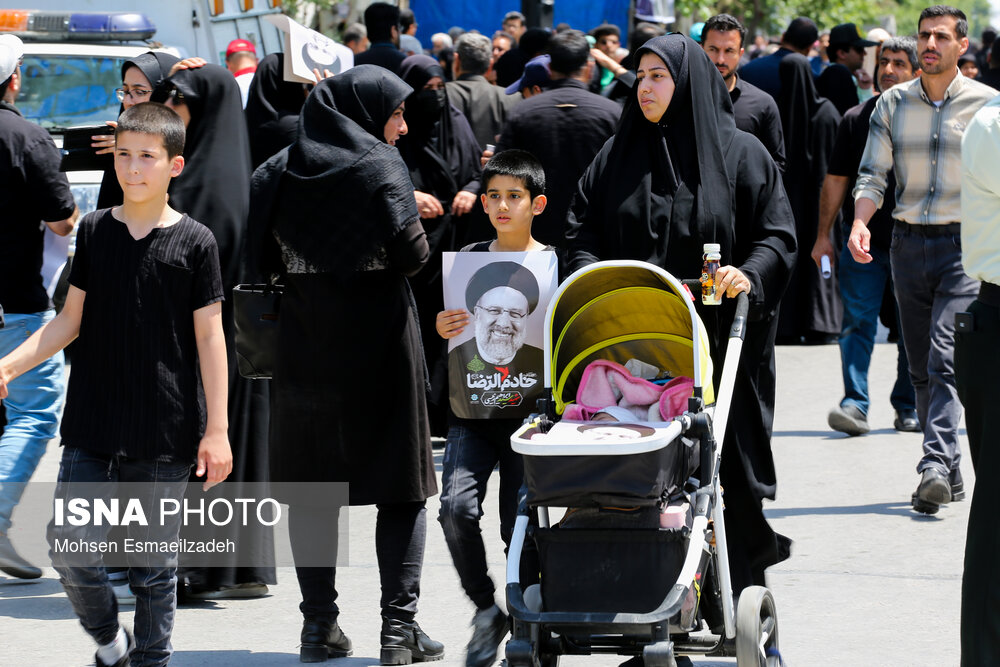
His funeral procession attracted millions, with throngs of mourners flooding the streets to pay their final respects.

Concurrently, the United Nations General Assembly in New York observed a minute of silence in honour of Raisi, acknowledging his significant role on the international stage.

Earlier, the body of Iran’s Foreign Minister, Hossein Amirabdollahian, who also perished in the crash, was laid to rest at the Shah Abdul Azim shrine in Rey, a southern suburb of Tehran.

On Wednesday, Tehran hosted a commemorative event attended by dozens of  leaders and dignitaries from around the world.

The assembly underscored the profound impact of Raisi’s leadership.

The ill-fated helicopter was carrying President Raisi, Foreign Minister Amirabdollahian, the governor of East Azerbaijan province Malek Rahmati, Tabriz’s Friday prayer leader Ayatollah Mohammad Ali Al-e Hashem, the head of the presidential security team, and the helicopter’s three crew members.

The group was returning from the inauguration of a dam on the border with Azerbaijan Republic when the tragedy occurred.

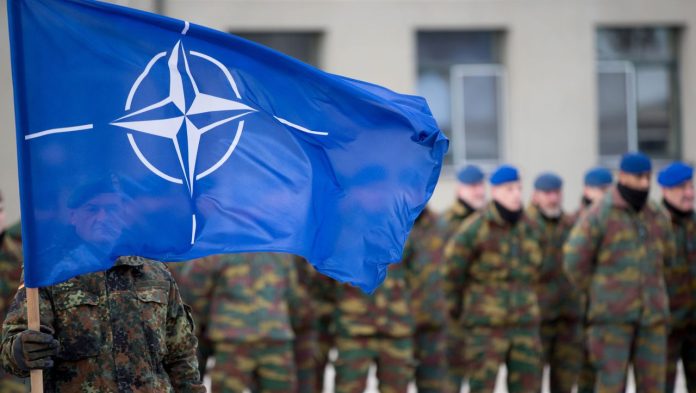
Moscow cautions Ukraine seeking to spark direct NATO-Russia clash

NATO

On Wednesday, a group of US congressmen submitted a letter to Defense Secretary Lloyd Austin asking him to authorize “the use of US-provided weapons to strike strategic targets within Russian territory under certain circumstances”. This stance has previously been supported by Victoria Nuland, the former acting US Deputy Secretary of State, who played a major role in the Western-backed coup in Kiev in 2014.

Earlier this week, however, Austin stopped short of endorsing the policy shift, suggesting that Kiev should focus “on the close fight” rather than on long-range strikes with foreign-made weapons.

On Thursday, Antonov denounced the “provocative” and “extremely dangerous and reckless” calls to allow Ukraine use Western-supplied weapons to attack deep inside Russia. He added that “the calls by Russophobes mean only one thing – further US involvement in the conflict in Ukraine on the side of the agonizing Zelensky regime”.

The envoy suggested that the debates on the matter were a “hysterical reaction” to Russia’s successes on the battlefield against Ukraine, and that Western policymakers “continue to test our patience”.

According to Antonov, it is also obvious that by requesting permission to attack deep inside Russia with foreign-made weapons, Kiev seeks “to provoke the United States, as well as other NATO countries, into rash actions and achieve a head-on collision between Russia and the bloc’s members”.

Kiev would likely use long-range systems against Russian civilians, the ambassador claimed, adding that “the Kiev regime has long… stopped asking permission” from the West to do so.

“Barbaric raids using deadly products of the NATO military-industrial complex are carried out across our country on an almost regular basis,” Antonov stated.

Ukraine has stepped up its pleas to be allowed to use Western-made weapons against far-flung targets inside Russia as Moscow’s forces steadily advance in Donbass and the Kharkov Region. The latter area has been used by Kiev to routinely shell Russian territory, with strikes killing dozens of civilians.

Russian President Vladimir Putin said earlier this month that Moscow’s offensive in Kharkov Region seeks to establish a “cordon sanitaire”, or buffer zone, to prevent further Ukrainian attacks.