Monday, December 29, 2025
Home Blog Page 858

Dust storm, strong winds disrupt Tehran

Storm Iran Tehran

The sudden weather phenomenon significantly reduced visibility and prompted health advisories cautioning against outdoor activities.

In a separate incident, the force of the intense winds led to a large tree collapsing on Keshavarz Boulevard in downtown Tehran.

The fallen tree obstructed traffic lanes, requiring swift intervention from local authorities to clear the roadway and ensure public safety.

Meanwhile, due to the severity of the storm, motorists encountered hazardous conditions on the expressway linking Tehran to Qom, south of the capital.

The turbulent weather not only disrupted traffic flow but also raised concerns about road safety amidst reduced visibility and gusty winds.

These incidents follow a recent bout of severe weather in Hormozgan Province and specifically in Bandar Abbas along the Persian Gulf, where a similar storm caused widespread disruption.

Iran, Azerbaijan hold first joint military drill

Iranian Army

This significant exercise aimed at countering terrorism marks a new chapter in military cooperation between the two nations.

The comprehensive drill featured a variety of fire support, including helicopter, drone, and artillery support, showcasing a sophisticated military strategy.

The joint operation utilized diverse operational tactics and techniques to combat terrorist forces and organized crime, while also strengthening the military ties between the armed forces of Iran and Azerbaijan to confront common adversaries.

The Iranian embassy in Baku announced that this was the first joint and simultaneous exercise aimed at countering terrorism in the Aras region.

It is planned that future exercises will be conducted on a larger scale along the borders of the two countries.

Military officials say this initiative underscores the commitment of both nations to enhancing their military collaboration and ensuring regional security.

Two terrorists eliminated in Iran’s Sistan and Baluchestan province

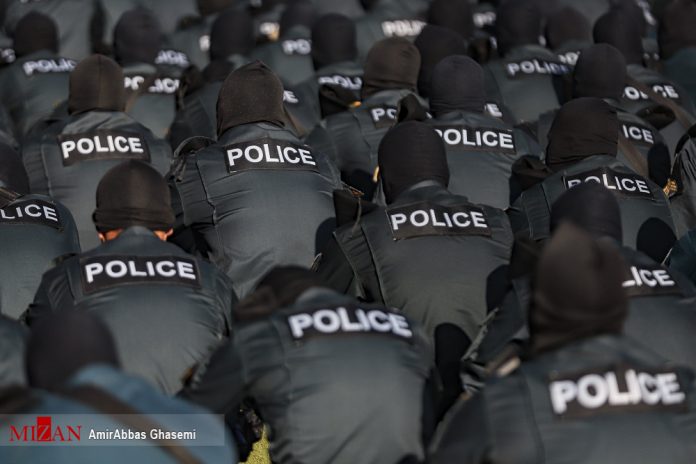
Iran Police

The province’s police commander announced that these two high-ranking operatives were neutralized during recent operations conducted by the personnel of the provincial law enforcement agency.

The successful operation not only led to the elimination of these dangerous terrorists but also resulted in the substantial seizure of arms. A total of 82 combat weapons were discovered, which included several heavy and semi-heavy arms.

The provincial police commander emphasized that the security forces remain resolute in their mission to ensure stability and safety in the region.

The Jaish al-Adl terrorist group has been directly involved in a number of deadly attacks on the soil of the Islamic Republic of Iran, mostly in the southeastern Sistan and Baluchestan province.
The group which is supported by the US and Israel, seeks to cede the province.

UN warns accumulated waste in Gaza poses ‘catastrophic’ environmental, health risks

Gaza War

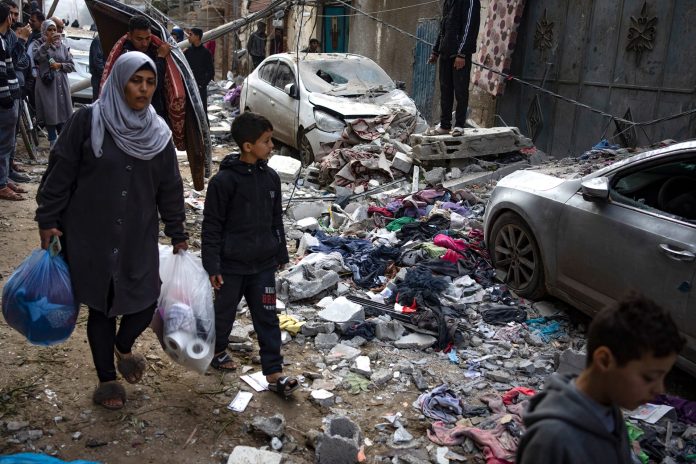
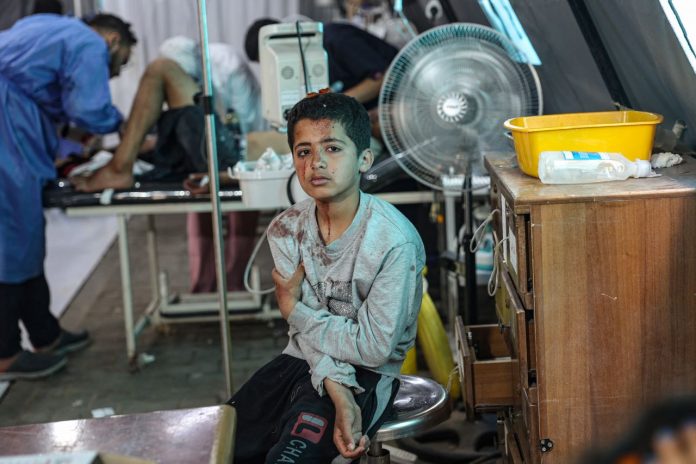
“As of 9 June, over 330,000 tons of waste have accumulated in or near populated areas across Gaza, posing catastrophic environmental and health risks,” UNRWA said in a statement.

“Children rummage through trash daily.”

The UN agency renewed its call for a cease-fire in the Palestinian enclave.

“Unimpeded humanitarian access and cease-fire now are crucial to restore humane living conditions,” it added.

Israel has faced international condemnation amid its continued brutal offensive on Gaza since an Oct. 7, 2023 attack by Hamas despite a UN Security Council resolution demanding an immediate cease-fire.

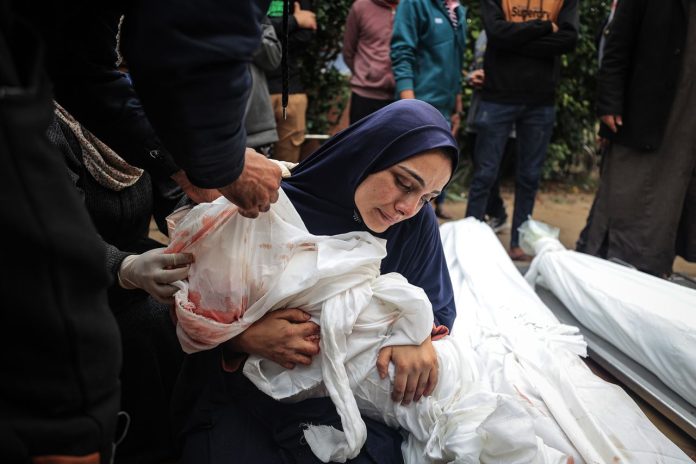
More than 37,200 Palestinians have since been killed in Gaza, most of them women and children, and more than 84,900 others injured, according to local health authorities.

Eight months into the Israeli war, vast tracts of Gaza lay in ruins amid a crippling blockade of food, clean water and medicine.

Israel stands accused of genocide at the International Court of Justice, whose latest ruling ordered Tel Aviv to immediately halt its operation in the southern city of Rafah, where over a million Palestinians had sought refuge from the war before it was invaded on May 6.

The UN relief chief on Wednesday warned about the “preventable scourage” of famine, saying: “More than one million people are expected to face death and starvation by the middle of July.”

Martin Griffiths stated “Conflicts in Sudan, Gaza and beyond are raging out of control,” stressing that the “war is pushing millions of people to the brink of starvation.”

Emphasizing that “only technicalities prevent famines from being declared, as people are already dying of hunger,” Griffiths added: “Famine in the 21st century is a preventable scourge.”

Over 520 Palestinians killed in West Bank since start of Gaza war: UN

West Bank Israel Palestine

Deputy spokesman Farhan Haq stressed at a news conference that the situation “continues to escalate, amid ongoing violence by Israeli forces and settlers”.

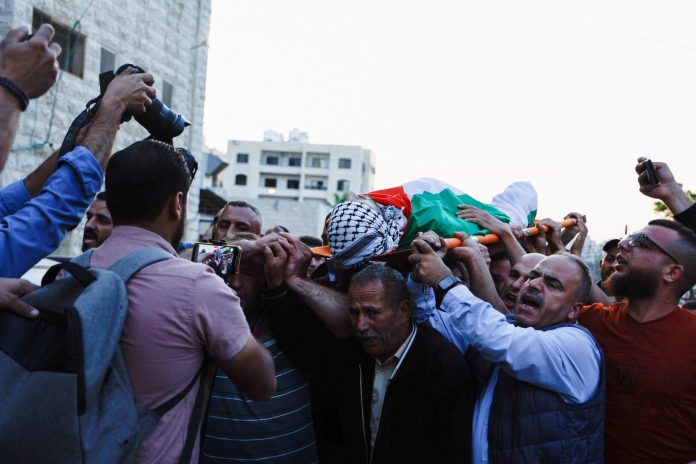
“Since 7 October, more than 520 Palestinians, nearly a quarter of them children, have been killed in the West Bank, including East Jerusalem. Almost three-quarters of those fatalities occurred during operations by Israeli forces. During the same period, more than 5,200 Palestinians were injured in these areas,” he said.

Haq noted that 960 attacks were reported in the same period in the occupied West Bank, including East Jerusalem.

Regarding the Gaza Strip, Haq highlighted difficulties in accessing health care.

Despite the challenges, he added humanitarian workers provided health care services to 280,000 people in Gaza every week.

He cited ongoing difficulties in aid distribution due to fighting, road destruction, and restrictions in entry areas, emphasizing the critical need for aid to alleviate hunger conditions.

The Palestinian Prisoners’ Club announced Wednesday Israel has arrested 9,170 Palestinians from the West Bank since the outbreak of the war in Gaza on Oct. 7 last year.

“Israeli occupation authorities, after 250 days of the genocidal war, continue to escalate systematic arrest campaigns that have targeted more than 9,170 detainees from the West Bank, including Jerusalem, in addition to thousands from Gaza,” it said in a statement.

“The occupation has committed horrific crimes” against prisoners leading to at least 18 deaths, while it is estimated that “dozens of detainees from Gaza have been martyred”.

“The occupation recently said in an investigative report that 36 detainees from Gaza have been martyred, and until today, it refuses to disclose their identities or circumstances of death,” it added.

The club also pointed out that 310 women and at least 640 children have been detained.

It confirmed that “the number of journalists arrested is about 85, with 52 remaining in detention, including 14 journalists from Gaza.”

“Among those detained, six female journalists are held either under administrative detention or on charges claimed by the occupation as incitement.”

It also noted that “the number of administrative detention orders has reached about 6,627.”

Administrative detention is an Israeli military order allowing detention without charge, extending up to six months and renewable.

The Prisoners’ Club said “the issue of Gaza detainees is currently the main challenge for human rights organizations, especially with the continued practice of enforced disappearance by the occupation against the majority of detainees from Gaza and its refusal to allow the International Committee of the Red Cross to visit them and check their detention conditions.”

Regarding the torture of detainees, the club stated that “methods of mistreatment include thirst, hunger and the deprivation of all basic life necessities.”

“The spread of skin diseases among detainees has emerged, particularly scabies, due to the lack of hygiene conditions, especially since the prison administration withdrew clothing and left each detainee with only one set of clothes, adopting a policy of overcrowding,” it added.

The Prisoners’ Club called for an “investigation under international supervision into the serious crimes and violations committed against detainees and prisoners in the occupation’s prisons and camps.”

Tensions have been high across the occupied West Bank since Israel launched a deadly military offensive against the Gaza Strip which has killed more than 37,200 people following an attack by the Palestinian group Hamas on Oct. 7 last year.

Acting Iranian FM: Iran, Iraq two pillars of regional stability

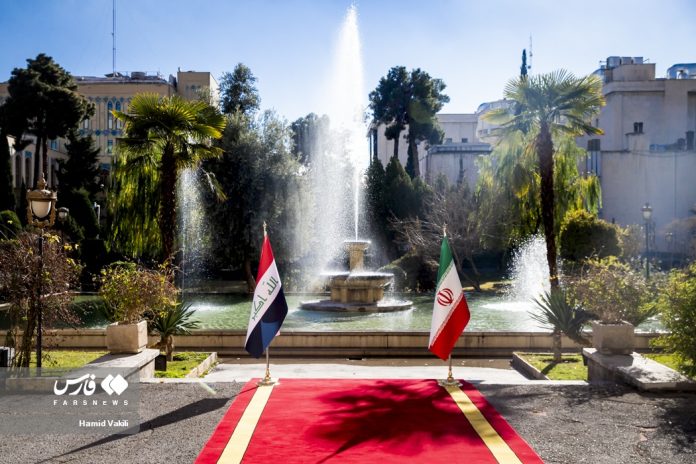
Iran and Iraq Flags

Ali Bagheri made the remarks on Thursday in Baghdad in a joint press conference with Iraq’s Foreign Minister Fuad Hussein.

The Iranian diplomat, who traveled to Iraq at the head of delegation on Thursday, said he discussed various bilateral and regional issues with his Iraqi counterpart earlier in the day.

He said both countries have a common view that the Israeli regime’s genocide in Gaza should stop.

Referring to the deadly Israeli strike on Iran’s diplomatic premises in Damascus in April, Bagheri noted that the occupying regime spread the scope of the conflict in the region after failing to achieve its goals in Gaza, calling the move a “serious and unwise strategic mistake.”

Iran retaliated the Israeli strikes in a massive drones and missiles operation dubbed True Promise, which the foreign minister said indicated “Iran uses all capacities to restore peace in the region and not allow anyone to interfere.”

Meanwhile, the Iraqi foreign minister hoped his country’s bilateral ties with Iran would continue to advance on the right track.

As for the developments in Gaza, Hussein welcomed Iran’s initiative to stop the ongoing massacre of Palestinians.

Hamas says Blinken part of problem in Gaza ceasefire negotiations

Gaza War

Osama Hamdan, the senior Hamas representative in Lebanon, stated that the Israeli occupation is the one hindering the ceasefire in Gaza.

“We told the mediators that the side rejecting the proposals is the Israeli side,” he said in an interview with the Al-Araby television on Wednesday.

“The American administration is complicit with Israel in evading any commitment to a permanent ceasefire proposal,” he added.

Blinken had earlier on Wednesday criticized Hamas’s response to the ceasefire plan outlined by US President Joe Biden and said some of the group’s demands are not workable.

“We believe that some of the requested changes are workable and some are not,” Blinken told reporters in Doha, adding they would continue to work to seal a ceasefire agreement, but that the onus was on Hamas.

The plan Biden laid out on May 31 calls for an Israeli withdrawal from “major population centers” and a ceasefire for six weeks, which could then be extended if negotiators need more time to seek a permanent deal.

Hamas has reportedly proposed amendments including a clear ceasefire timeline and the complete withdrawal of Israeli troops from Gaza, according to sources.

In his remarks, Blinken also said that they’ll put forward proposals for the administration of Gaza following the ongoing war in the coming weeks.

Blinken added the proposals would cover how to handle Gaza governance, security, and reconstruction.

Hamdan rejected Blinken’s remarks on planning for the governance of post-war Gaza, saying that the “day after the war will be a Palestinian day in which we will decide our reality and our future”.

The Hamas official stated they demand guarantees from the mediators to prevent the Israeli occupation from evading its responsibilities.

“The Israeli proposal seeks a temporary ceasefire to catch its breath before resuming the war,” he stressed, referring to the Biden plan, which the US says has the regime’s support.

Hamas has also belied Blinken’s claim that the Israeli regime has “accepted” Biden’s proposal aimed at bringing about a truce in Tel Aviv’s ongoing genocidal war against the besieged enclave.

“While Blinken continues to talk about Israel’s approval of the latest proposal, we have not heard any Israeli official speak of this approval,” Hamas announced.

The group said the US top diplomat was trying to “exonerate the Zionist occupation, wash his hands stained with the blood of innocent children, women, and the elderly, and hold the movement responsible for obstructing conclusion of an agreement”.

This, Hamas added, amounted to “a continuation of the American policy of complicity in the brutal genocide war against our Palestinian people, and allowing the occupation to continue its crime with full American political and military cover”.

The movement finally called on Washington to rather “apply direct pressure on the fascist occupation government, which is determined to complete the mission of killing and genocide, in flagrant violation of all international laws and treaties.”

Hamas official Taher Al-Nunu has also accused Blinken of bias, saying that the top US diplomat has been acting like he is Israel’s foreign minister since the start of the war.

“He lacks neutrality. He lacks even-handedness. He operates with double standards. He is trying to portray the [Palestinian] resistance as if it is the party obstructing the deal,” Al-Nunu told Al Jazeera Mubasher later on Wednesday.

He said Hamas accepted the proposal presented by Qatar and Egypt on May 6 as it is, and it was Israel that added amendments to it. Hamas’s response on Tuesday was counter-revisions to some of the Israeli changes, Al-Nunu added.

According to Al-Nunu, Hamas’s notes aimed to ensure that Israel would not renege on the deal and resume the war after the first phase, which would see the release of some of its captives in Gaza.

Asked whether Hamas would be flexible about demands labelled “not workable” by Blinken, Al-Nunu stated it is “normal” for negotiating parties to accept or reject amendments to a proposal.

US claims Hamas has proposed “numerous changes” to Gaza ceasefire proposal

US Blinken

“Some of the changes are workable. Some are not,” Blinken said at a news conference in Doha. He did not immediately provide details on Hamas’ proposed changes.

“We discussed those changes last night with Egyptian colleagues and today with the Prime Minister,” Blinken stated after meeting with the Qatari Prime Minister Sheikh Mohammed bin Abdulrahman bin Jassim Al-Thani.

The top US diplomat reiterated that the proposed deal “was virtually identical” to a proposal that Hamas previously accepted.

“Hamas could have answered with a single word – yes,” he added.

Blinken noted while he believes the current gaps are “bridgeable”, it doesn’t mean they will be closed, saying it “ultimately depends on people saying yes.”

“It’s time for the haggling to stop and a ceasefire to start,” he added.

It is “crucial” to move from an “immediate ceasefire” in Gaza “to an enduring end” to the war, he continued.

Qatari officials also stressed Hamas and Israel’s fundamental differences need to be bridged to bring an end to the war in Gaza.

“We have seen the behavior from both parties (Israel and Hamas) on different occasions being counterproductive to the efforts; while we are respecting our role as mediator, we are trying our best not to consider ourselves as, you know, the party of that conflict,” Al-Thani said on Wednesday.

Al-Thani added the Qatari’s had been struggling “for a very long time” trying to work out how to bridge the “two fundamental differences between what Hamas wants as a permanent ceasefire, and what Israel wants as a hostage release and maybe a plan to continue the war”.

“What we are aiming for is one specific goal is to end the war, to end the suffering of the people in Gaza, and to get the hostages back.”

Washington had presented the plan late last month, saying that it would lead to an “enduring” ceasefire in Gaza.

Hamas submitted its response jointly with the Palestinian Islamic Jihad on Tuesday, describing it as “responsible” and “positive”.

When US President Joe Biden announced the multi-phased proposal on May 31, he stated it would include the withdrawal of Israeli soldiers from Gaza and a permanent cessation of hostilities.

More than 37,000 Palestinians have been killed in the war in Gaza and about 85,000 others injured, according to data provided by the Ministry of Health in the enclave.

Acting Iran FM, OIC head urge Islamic states to adopt practical measures over Gaza war

Gaza War

Bagheri had a telephone conversation with Brahim Taha on Wednesday and discussed the Zionist regime’s crime in Gaza and Rafah, saying that Islamic countries should act in this regard.

The acting foreign minister referred to the ongoing and escalating crimes by the Zionist regime in Rafah and highlighted the need on the part of Muslim states to take measures in order to halt the Zionists’ crimes.

Bagheri also pointed to the efforts by some countries, including South Africa to open a judicial case at The Hague, and cutting off ties between some Latin American countries and the Zionist regime.

The interim Iranian foreign minister, however, demanded Islamic states take more serious steps, and stressed on the need to hold an extraordinary meeting of foreign ministers of the Organization of Islamic Cooperation (OIC) member countries in this regard.

Meanwhile, Brahim Taha denounced the Zionist regime’s crimes and stressed on the necessity to take a practical measures against the Israeli regime.

He stressed on the need for practical steps and collaboration among Muslim states to stop the Zionists’ crimes in this regard.

UN finds several Israelis likely intentionally killed by army on 7 October

Israeli Army

The report by the UN Independent International Commission of Inquiry (COI) documented repeated uses of the so-called Hannibal Directive on 7 October as Israel was combatting Hamas fighters who entered southern Israel from Gaza.

The directive, when active, indicates that the Israeli army should use any and all means to prevent the capture of Israeli soldiers, even if it involves killing them.

Even though the secretive directive was officially and publicly revoked in 2016, several Israeli outlets have reported that the actions and rhetoric of the army during the Hamas-led attack imply it was re-activated in some form.

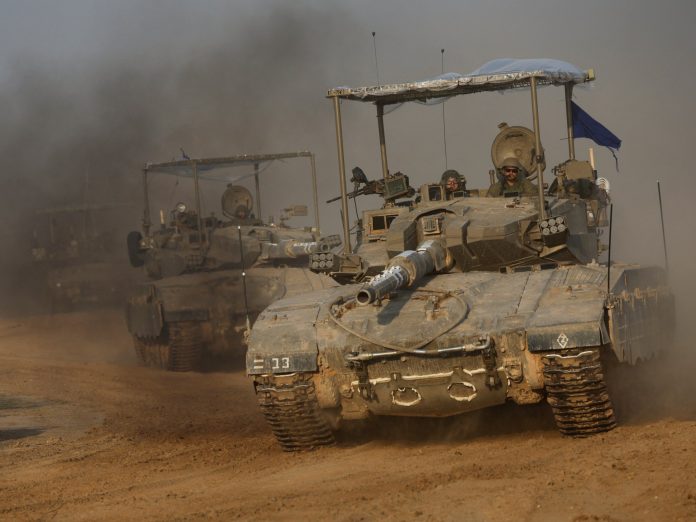
The COI said it had confirmed one statement by an Israeli security forces tank crew, “confirming that the crew had applied the Hannibal Directive by shooting at a vehicle which they suspected was transporting abducted [Israeli] soldiers”.

It added it also had verified information indicating that, in at least two other cases, the security forces had likely applied the Hannibal Directive, resulting in the killing of up to 14 Israeli civilians.

“One woman was killed by [Israeli] helicopter fire while being abducted from Nir Oz to Gaza by militants,” said the report, referring to one of the Kibbutzim from which people were abducted by Palestinian fighters.

“In another case the Commission found that Israeli tank fire killed some or all of the 13 civilian hostages held in a house in Beeri,” it added, referring to another Kibbutz.

Nearly 1,200 people were killed in the 7 October attack after Hamas and other armed groups broke through the barriers cutting Gaza off from southern Israel.

The New York Times reported on the attack on the house in Kibbutz Beeri in December.

According to that report, several Israeli captives being held by Palestinian fighters in Beeri were killed during crossfire with Israel’s military, in what was described as “a delayed and chaotic military response”.

The Israeli military launched a rocket-propelled grenade at the house, according to witnesses.

Barak Hiram, an Israeli general in charge of recapturing the kibbutz from Hamas fighters, recalled telling his men: “Break in, even at the cost of civilian casualties.”

Despite repeated criticism of his handling of the 7 October operation, Hiram was cleared of wrongdoing by an Israeli army investigation in April, which attributed the deaths of the captives to small arms fire.