Monday, December 29, 2025
Home Blog Page 855

‘Daesh terrorist’ inmates take hostages in Russian prison

Russian Police

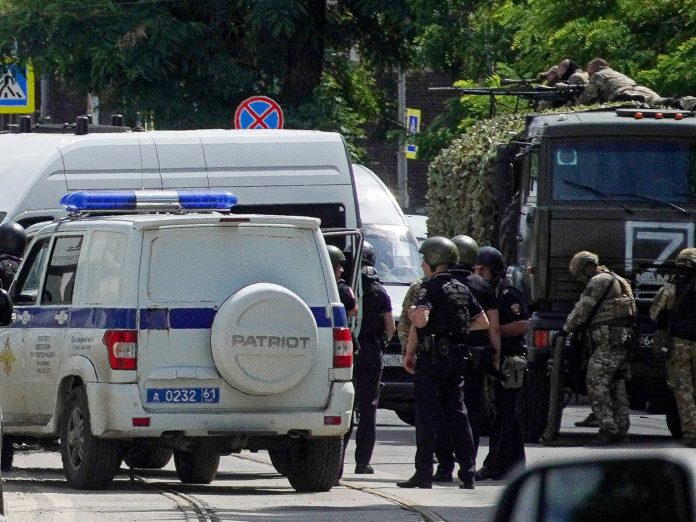
The hostage situation began on Sunday when a group of prisoners, some with terrorism convictions, reportedly broke out of their cells and into the facility’s duty station, overwhelming two officers.

The Russian Federal Penitentiary Service issued a statement confirming that two of its agents working with the penitentiary inspectorate were being held by undisclosed perpetrators. It noted that talks were underway and that law enforcement agencies were working at the scene.

Several outlets have reported that terrorists were among the hostage-takers. The Baza Telegram channel has claimed that there were six perpetrators, three of whom are serving sentences for belonging to Islamic State (IS, formerly ISIS or ISIL) and preparing an attack on the Supreme Court in the Karachaevo-Cherkessian Republic in southern Russia.

The two hostages reportedly included the head of the operational department and a junior inspector of the duty service. The perpetrators reportedly demanded a vehicle to leave the prison.

A video shared on social media shows one of the assailants, armed with a knife and wearing a black do-rag with an inscription in Arabic, sitting next to one of the handcuffed hostages, who appeared to be unharmed. The other agent also appeared to be in unhurt, except for blood on his elbow.

The 112 Telegram channel reported that the inmates were blocked inside one of the areas of the detention center, and were unable to reach the gun room. Later, it said law enforcement agencies launched an assault on the detention center, as the talks did not yield any results. At least several shots were fired in the area, according to videos shared on social media. Baza noted that it took the law enforcement agents three minutes to storm the building.

The Federal Penitentiary Service confirmed that there had been “a special operation to free hostages in a detention center” in Rostov Region, adding that “the criminals were eliminated” and the hostages were not injured.
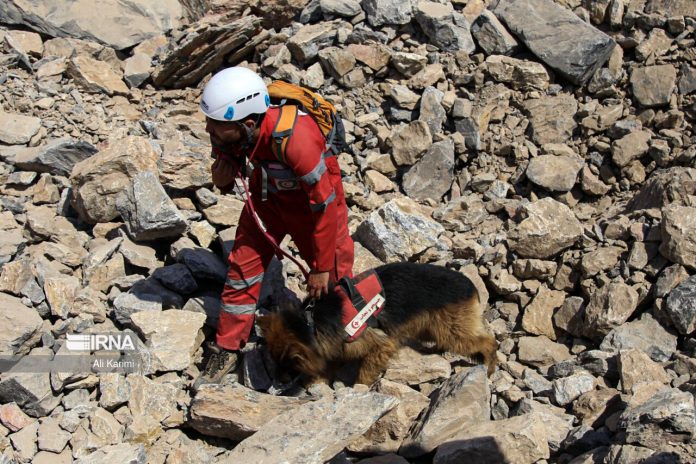
Four trapped in mine collapse in Iran’s Shazand, rescue operations underway

Iran Rescue Operation Mine

The Markazi province governor highlighted the severity of the collapse, stating, “The volume of the landslide is very high, and unfortunately, a few of the mine’s workers are trapped inside. The primary priority is to save these individuals.”

He added that technical and engineering teams from the Mining Engineering Organization are present at the site, and a detailed report will be released following a thorough technical and engineering review.

Currently, efforts are focused on preparing the route for the entry of heavy equipment. Some rescue teams, accompanied by search dogs, are already on site.

Top commander: Iran has identified sites breeding terrorists in neighboring countries

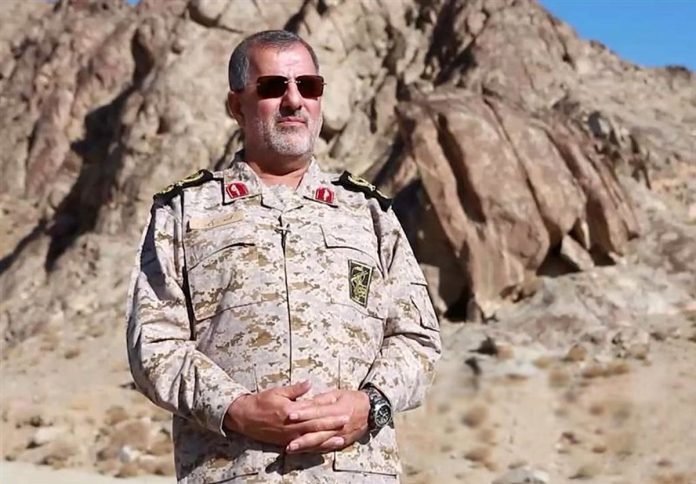
General Mohammad Pakpour

Addressing a gathering of the representative of the Iranian Leader on Sunday, the head of the IRGC Ground Force Brigadier General Mohammad Pakpour said, in several terrorist attacks in the southeastern province of Sistan and Baluchistan, thirty agents with foreign nationalities who were detained were hired and trained by Daesh and Salafist terrorist groups.

He added the IRGC Ground Force is continuing its countermeasures to foil any terrorist plot.

The Iranian commander did not specify any country, but the anti-Iran Jaish al-Adl terrorist group is based in Pakistan and has a history of bloody attacks in the province.

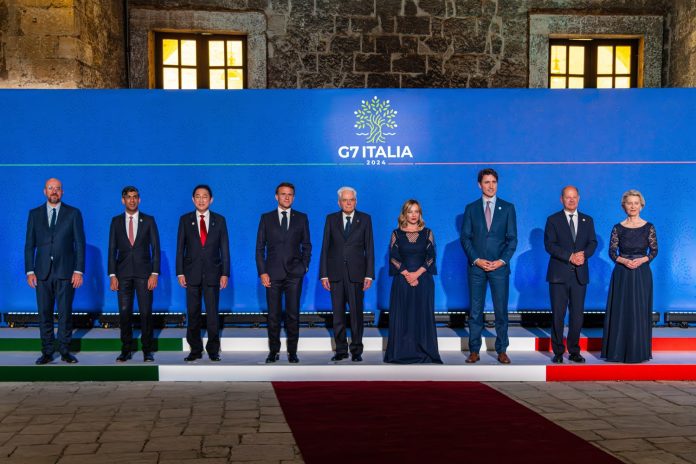
Tehran rejects G7 statement on Iran’s nuclear program

G-7

In a statement on Sunday, Kanaani refuted the contents of the G7 statement which have cast doubt on Iran’s peaceful nuclear program.

On Friday, the G7 warned Tehran against advancing its nuclear enrichment program and said they would be ready to enforce new measures if Tehran were to transfer ballistic missiles to Russia.

Kanaani said the G7 statement’s reference to a recent anti-Iranian resolution by the International Atomic Energy Agency’s Board of Governors attests to the political nature of the resolution and the intent of its initiators and certain governments to abuse the international mechanisms against the sovereign states.

Iran will continue constructive interaction and technical cooperation with the IAEA within the framework of its duties and rights, the spokesman added, stressing that Tehran will press ahead with its peaceful nuclear projects in accordance with the NPT and the Safeguards Agreement, irrespective of political pressures.

Describing the illegal measures of the US and the European troika as the root cause of the current situation, Kanaani stated those countries must prove their goodwill and refrain from taking futile and politically-motivated actions in order to address the concerns of all parties.

He then reiterated Iran’s constructive role in ensuring sustainable regional stability, adding, “The Islamic Republic of Iran will act decisively to protect and defend its national security and interests against any ill-advised measure.”

Reaffirming Iran’s unshakable commitment to advocating human rights, he said the main and pressing challenge to the fulfillment of the human rights goals in the international arena is the G7 leaders’ indifference to and inaction on the “Systematic massacre” of Palestinians by the apartheid and aggressive Zionist regime.

On the Ukraine war, Kanaani made it clear that any attempt to link the war with the cooperation between Iran and Russia would be a measure with sheer political objectives.

It’s a pity that certain countries resort to bogus and unproven allegations with political motivations to continue the useless and failed policy of imposing sanctions against Iran, he stated, adding, “We advise the G7 to learn lessons from the past and distance itself from the previous destructive policies.”

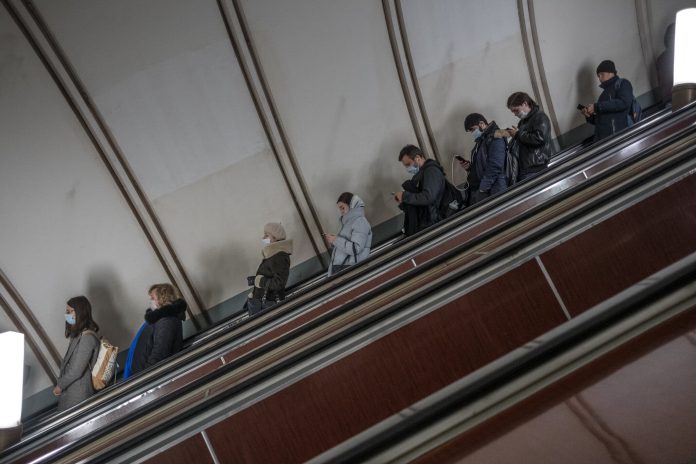
Poll shows most Russians fear outbreak of WWIII

Russian People

According to a report, 57% of survey respondents believe a global conflict could begin in the next 5-10 years, though 13% said they are confident this will not happen.

Among those surveyed, people aged 30-59 with higher education and who source news online were more likely to speak about a possible world war than those with lower education and income.

Around seven in ten of the 1,617 survey respondents named the US and Russia as the most likely parties in the hypothetical war, with the UK, France, Germany, Poland, and the Baltic States mentioned among Washington’s potential allies. Only one in ten respondents named Ukraine as a potential enemy of Russia in a global conflict. The respondents named China, Belarus, Iran, North Korea, India, and Kazakhstan as Russia’s main allies in the event of a global war.

More than 60% of respondents said they believe that Russia or a coalition led by Russia would win a world war, while only 6% said the US and the Collective West would achieve victory, and 18% believe that neither side would win.

The survey was conducted among 1,617 Russian citizens over 18 years old from May 23 to June 2. It also touched on the matter of support for Moscow’s military operation against Kiev. Almost three-quarters of respondents (73%) said they believe Russia is currently moving in the right direction with regard to the conflict, with 79% saying the operation is going well for the Russian army. Around half of the respondents believe it is time for peace talks and a diplomatic solution.

Warnings of a potential global conflict have been voiced repeatedly over the past two years, since the start of the Ukraine conflict in 2022. While Moscow has warned that growing Western involvement could spark a global war, and some Western analysts have said that a Russian victory will inevitably lead to this outcome, some officials and analysts believe that a world war has already begun given the scope of NATO and EU involvement.

Iran calls on Muslim states to use all available tools to stop Gaza war

Gaza War

Bagheri had a telephone conversation with the Foreign Minister of the United Arab Emirates (UAE), Sheikh Abdullah bin Zayed Al Nahyan, to discuss issues of mutual interests and the latest developments in Gaza.

The Iranian interim foreign minister congratulated the UAE government and nation on Eid al-Adha.

He also touched on the occupying Israeli regime’s savage crimes against the people in Gaza and other parts of Palestine, emphasizing that Muslim states should use all available means to put an immediate end to the Zionist regime’s genocide in Gaza and help the oppressed people in the region.

Meanwhile, the UAE foreign minister expressed his felicitations to the Iranian people and government on Eid al-Adha, and once again offered his condolences on the martyrdom of the late Iranian President Ebrahim Raisi and Foreign Minister Hossein Amirabdollahian.

Referring to a recent meeting in Jordan on Palestine, Al Nahyan underlined the significance of delivering humanitarian aid to the Gaza people and taking effective measures to stop the Zionist regime’s raids.

“The UAE is doing its best to stop the war and send humanitarian aid to the people in Gaza,” he noted, calling the move “our humanitarian task.”

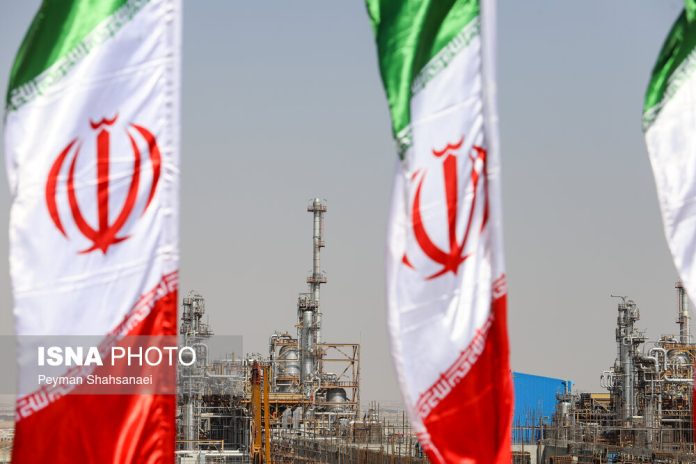
Iran signs contracts worth $2bn to develop oil industry

Iran Oil Gas

The head of the National Iranian Oil Company (NIOC) Mohsen Khojasteh Mehr signed the contracts on Sunday for the development of Changuleh and Band-e Karkheh oil fields in Iran’s west and southwest to hit the production target of 60,000 and 18,000 barrels of oil per day respectively.

Khojasteh Mehr said during the past 2 ½ years since the late Iranian President Ebrahim Raisi took office, the outgoing administration has signed 22.5 billion dollars’ worth of contracts, 88 percent of which were for oil fields.

He compared the figure to the contracts in the previous administrations which stood at 13 billion dollars for a four-year complete presidential term.

Iran’s Oil Minister Javad Owji also addressed the ceremony, saying the current administration has about 300 oil projects on the agenda, 153 of which have become operational.

He also echoed the late president’s view that the officials rely on indigenous expertise for major projects.

President Raisi and seven of his companions died in a helicopter crash on May 19. Iranians will go to the polls on June 28 to elect a successor.

UN officials warn ‘miscalculation’ could lead to wider Hezbollah-Israel conflict

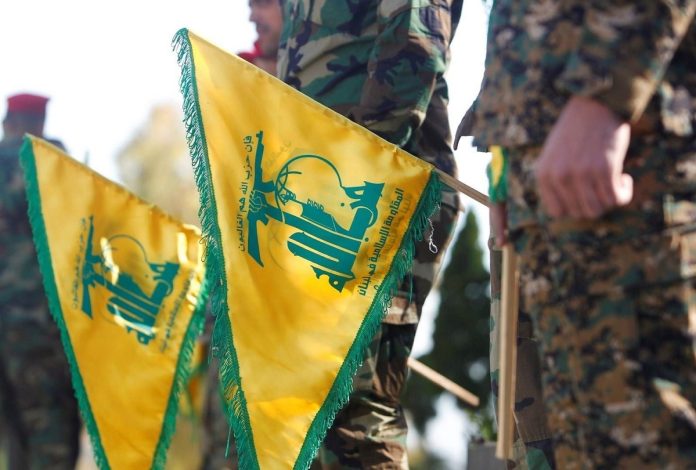
Hezbollah

The United Nations special coordinator for Lebanon, Jeanine Hennis-Plasschaert, and the head of UN peacekeeping forces in Lebanon, Aroldo Lazaro, said they were “deeply concerned” about the recent escalation along Lebanon’s border.

Hezbollah last week launched the largest volleys of rockets and drones yet in the eight months it has been exchanging fire with the Israeli military, in parallel with the Gaza war.

“The danger of miscalculation leading to a sudden and wider conflict is very real,” the two officials announced in a written statement on Saturday.

The United States and France are working on a negotiated settlement to the hostilities along Lebanon’s southern border.

Hezbollah warned the Israeli regime of a crushing and decisive response in case of expanding the scope of its war on Lebanese soil, stressing it will not halt fire unless Israel’s military offensive on Gaza stops.

The Israeli regime has repeatedly attacked southern Lebanon since October 7, 2023, when it launched a ferocious war on the besieged Gaza Strip that has so far killed about 37,300 Palestinians, most of them women and children.

In retaliation, Hezbollah has launched near-daily rocket attacks on Israeli positions in support of Palestinians in Gaza.

In its biggest attack since October 8, Hezbollah fired on Wednesday around 30 drones and 150 rockets at Israel in reprisal for the recent killing of Sami Abdallah.

Hezbollah has already fought off two Israeli wars against Lebanon in 2000 and 2006. The resistance forced the regime to retreat in both conflicts.

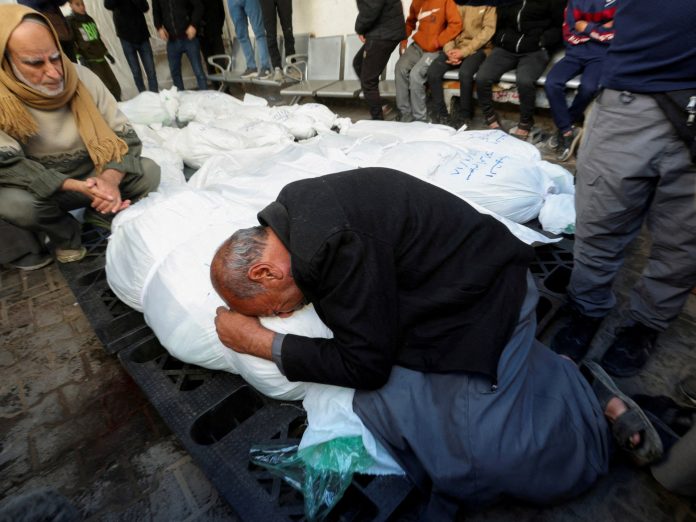
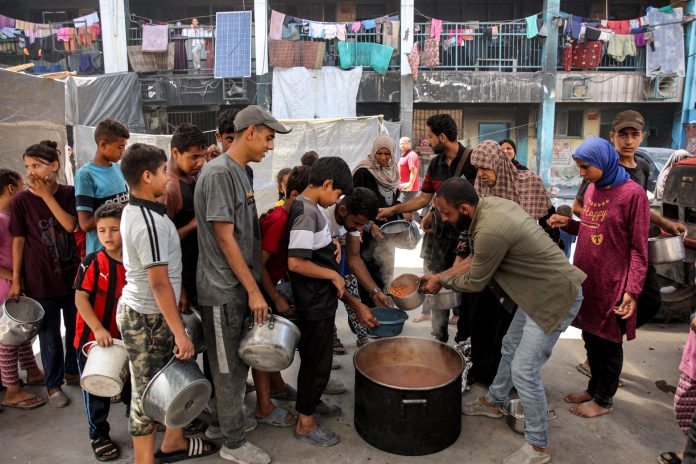
Over 50k children in Gaza require treatment for acute malnutrition: UN

Gaza War

In a statement, the agency said that “with continued restrictions to humanitarian access, people in Gaza continue to face desperate levels of hunger.”

“Over 50,000 children require treatment for acute malnutrition,” it added.

“UNRWA teams work tirelessly to reach families with aid but the situation is catastrophic.”

Nearly 37,300 Palestinians have been killed in Gaza by the Israeli forces since October last year, most of them women and children, and almost 85,200 others injured, according to local health authorities.

More than eight months into the Israeli onslaught, vast tracts of Gaza lay in ruins amid a crippling blockade of food, clean water, and medicine.

Israel is accused of genocide at the International Court of Justice, whose latest ruling ordered Tel Aviv to immediately halt its operation in Rafah, where more than 1 million Palestinians had sought refuge from the war before it was invaded on May 6.

Israel’s hitting of Gaza schools ‘eroding foundation for societal growth’

Gaza War

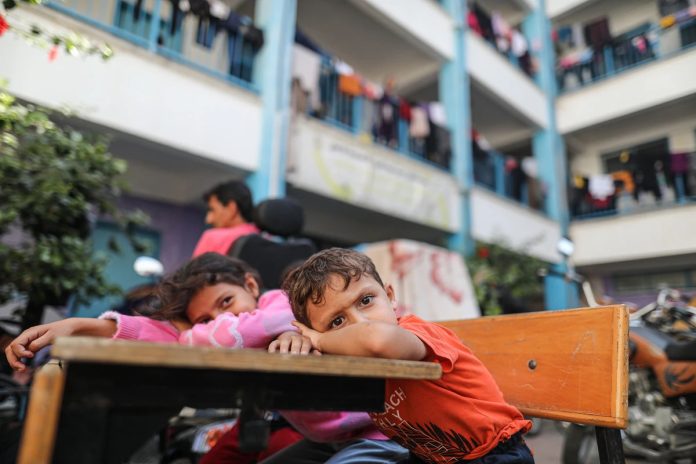
Based on satellite imagery collected in May, the new Education Cluster assessment highlights a “continuous spike in the direct targeting of schools” in the besieged and bombarded territory.

Of the school buildings used as shelters for displaced people in Gaza, 69 percent have been directly hit or damaged in attacks and more than 96 percent of the schools directly attacked – 296 in total – were located in areas subject to Israeli military evacuation orders, it added.

Israeli attacks on educational institutes in Gaza have not only “disrupted immediate educational activities but also eroded the foundation for sustained societal growth and development”, Talal al-Hathal, director of the Al Fakhoura Programme at Education Above All Foundation in Qatar, told Al Jazeera.

“Targeting critical educational infrastructure dismantles hope for many Palestinians in Gaza where education is an important and critical tool for survivability and equality, contributing to better outcomes for Palestinians in their future life,” al-Hathal said.

“Education serves as a critical tool for survival, empowerment, and long-term development in the region, offering a pathway to a more stable and prosperous future.”

“By targeting educational facilities, the aggressors strip away the prospects of enlightenment, opportunity and progress, deepening the cycle of despair and deprivation in the region,” al-Hathal added.

In April, the UN children’s agency UNICEF said eight out of 10 schools in Gaza are damaged or destroyed with an estimated 620,000 students out of school. Nearly half of Gaza’s population is under 18, and its education system was already struggling after several wars and escalations since 2008.

“To be able to learn, you need to be in a safe space. Most kids in Gaza at the moment have brains that are functioning under trauma,” said child psychiatrist Audrey McMahon of Doctors Without Borders (Medecins Sans Frontieres, or MSF). Younger children could develop lifelong cognitive disabilities from malnutrition, while teenagers are likely to feel anger at the injustice they have suffered, she said.

“The challenges they will have to face are immense and will take a long time to heal.”

Al-Hathal called the targeting of educational institutes across Gaza “shameful as we consider the global education crisis where we see that more than 250 million children are out of school globally”.

In addition to the destruction of the buildings, students and teachers have also been killed in the attacks that have ravaged educational infrastructure and caused mental trauma to thousands of beleaguered students.

“The war will undoubtedly leave educational institutions, access to critical infrastructure, and the regularity of the education process in Gaza in a worse state than before the war,” al-Hathal continued.

“With almost 400 school buildings in Gaza sustaining damage, the war has exacerbated the plight of the educational sector. This damage is compounded by the internal displacement with these schools now serving as shelters and hosting nearly four times their intended capacity, further burdening the already strained educational infrastructure.”

It is not just schools that have borne the brunt of the Israeli onslaught. Centres of higher education, including universities, have been completely paralysed.

Israa University, located in the south of Gaza city, was demolished by Israeli forces, as evident from a video released by Israeli media in January. The university authorities said Israel occupied and used the campus as a military base and detention facility for months before destroying it.

“Community partnerships, mental health support, technology assistance and education advocacy are a number of initiatives that can help students and teachers in Gaza overcome the current challenges,” al-Hathal stated.