Tuesday, December 30, 2025
Home Blog Page 843

Iran says unconditional withdrawal of US forces necessary for Syria’s peace

US Forces Syria

“Full, immediate, and unconditional withdrawal of US forces from Syria is essential for the peace and stability of Syria,” Iravani said at a UN Security Council meeting on “The situation in the Middle East: (Syria)” in New York on Tuesday.

“Instead of combatting terrorism, they continue supporting UN-designated terrorist groups such as Al-Nusrah Front (Hayat Tahrir al-Sham) as well as looting the oil and wealth of the Syrian people,” he added.

Iravani noted that Syrians continue to suffer from humanitarian crises, aggression, foreign occupation, and terrorism.

“Through unlawful occupation, inhumane sanctions, politicizing the return of refugees and IDPs, and preventing international support for Syria’s reconstruction, certain Western countries are responsible for the prolongation of the conflict as they attempt to impose their own will on the Syrian people,” the senior Iranian diplomat stated.

“Such attempts are unlawful and immoral and serve only to prolong the crisis and worsen the suffering endured by the Syrian people,” he added.

He went on to urge the international community not to leave the Syrian people alone in their struggle against terrorism, foreign occupation, and the economic terrorism caused by unlawful sanctions.

“The sovereignty, political independence, unity and territorial integrity of Syria must be fully respected by all as was mandated by the Security Council resolutions. Any separatist agendas and illegitimate self-rule initiatives must be rejected and all foreign forces whose presence is illegal in the territory of Syria by the Syrian Government must withdraw from Syria,” Iravani highlighted.

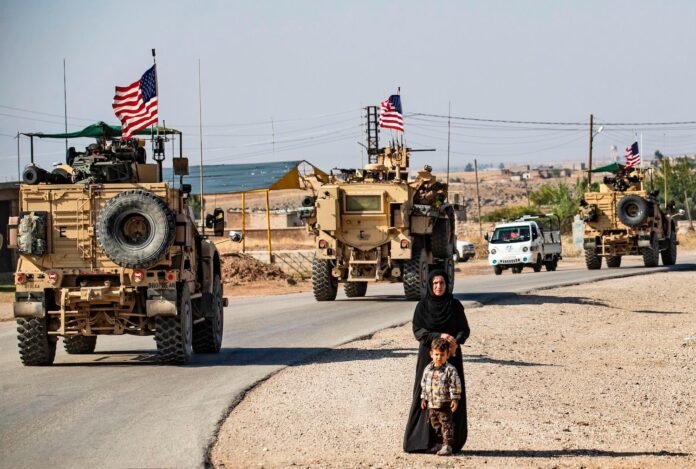
The US military has for long stationed its forces and equipment in northeastern Syria, with the Pentagon claiming that the deployment is aimed at preventing the oilfields in the area from falling into the hands of Daesh terrorists.

Damascus, however, maintains the deployment is meant to plunder the country’s natural resources. Former US President Donald Trump admitted on several occasions that American forces were in the Arab country for its oil wealth.

US military trucks and tankers frequently carry tons of grain and crude oil from the northeastern Syrian province of Hasakah to the semi-autonomous Kurdistan region in northern Iraq as part of Washington’s systematic smuggling of basic commodities out of Syria.

Iran’s UN ambassador highlighted that combating terrorists in Syria must continue until the full removal of their threats, demanding the utmost care for the lives of civilians during the process.

“Terrorists must not be allowed to continue taking a large number of civilians as hostages and turn places like Idlib into their safe haven,” he added.

Iravani also condemned Israel over its “continued aggressions against Syria’s sovereignty, targeting civilians and vital infrastructure”, underlining, “The occupation of the Syrian Golan by this occupying regime is unlawful”.

He underscored that Iran remains committed to a political resolution of the situation in Syria and will continue supporting a truly Syrian-led, Syrian-owned, UN-facilitated political process.

“The resumption of the meetings of the Constitutional Committee as an effective mechanism for advancing the political process is necessary. It must operate without any external interference or pressure or setting any artificial deadline to conclude its work.”

He noted that Iran will continue to support the efforts of the United Nations Special Envoy For Syria, Geir O. Pedersen, for the political settlement of the Syrian crisis, adding that the Islamic Republic will spare no efforts to that end.

Iravani emphasized that international efforts must continue to facilitate Syria’s reconstruction and the safe return of refugees and IDPs to their original places of residence in Syria.

“We call on donors to fulfill their pledges and we hope their support will ensure sufficient and predictable funding. We commend the tireless efforts of UN agencies and humanitarian partners in their work towards alleviating the suffering of the Syrian people,” he stressed.
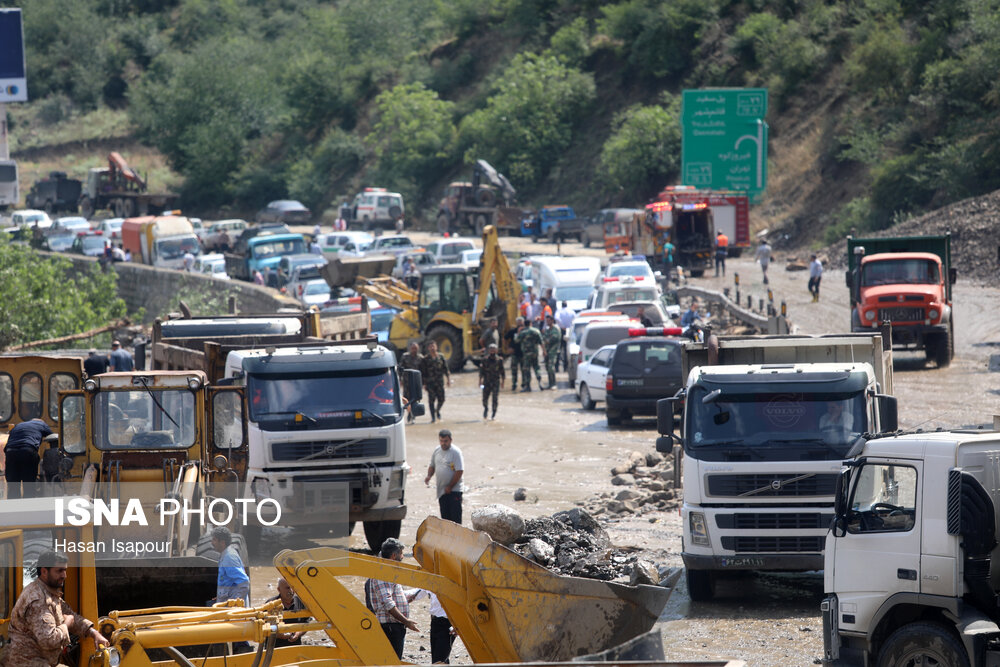
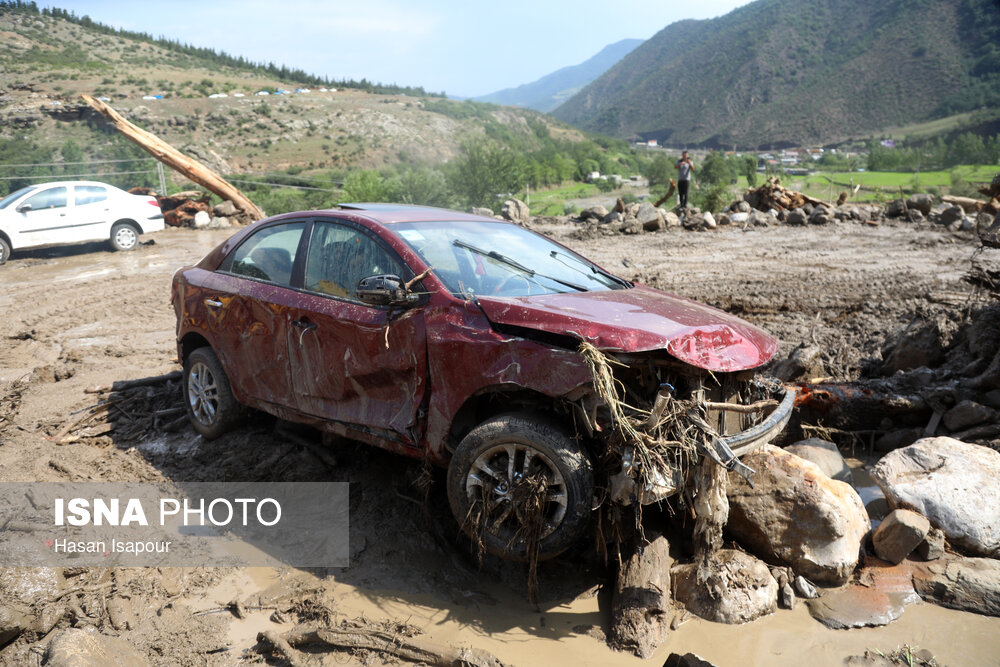
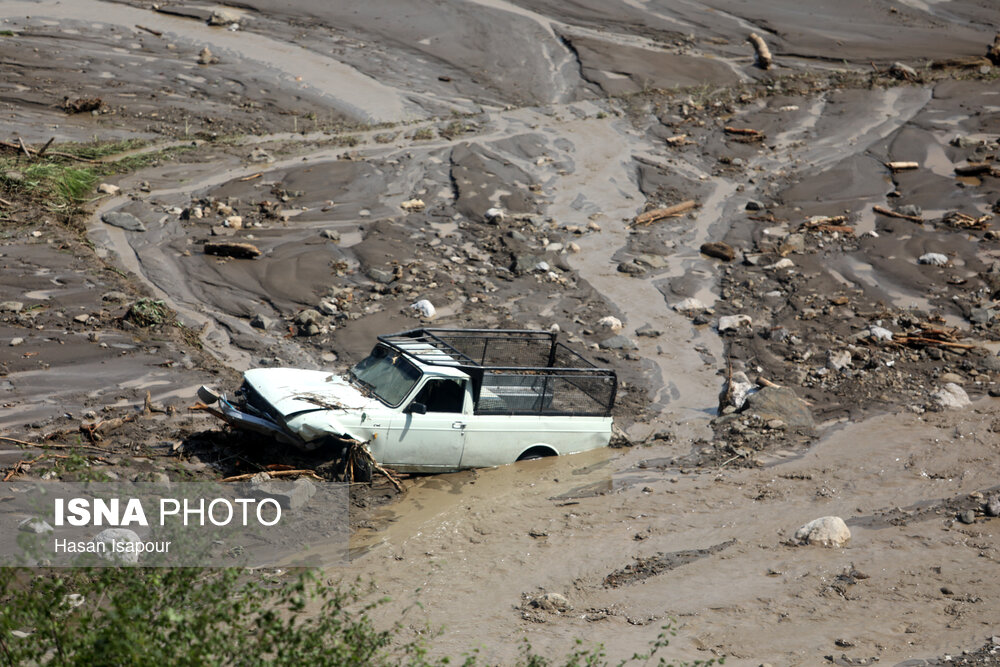
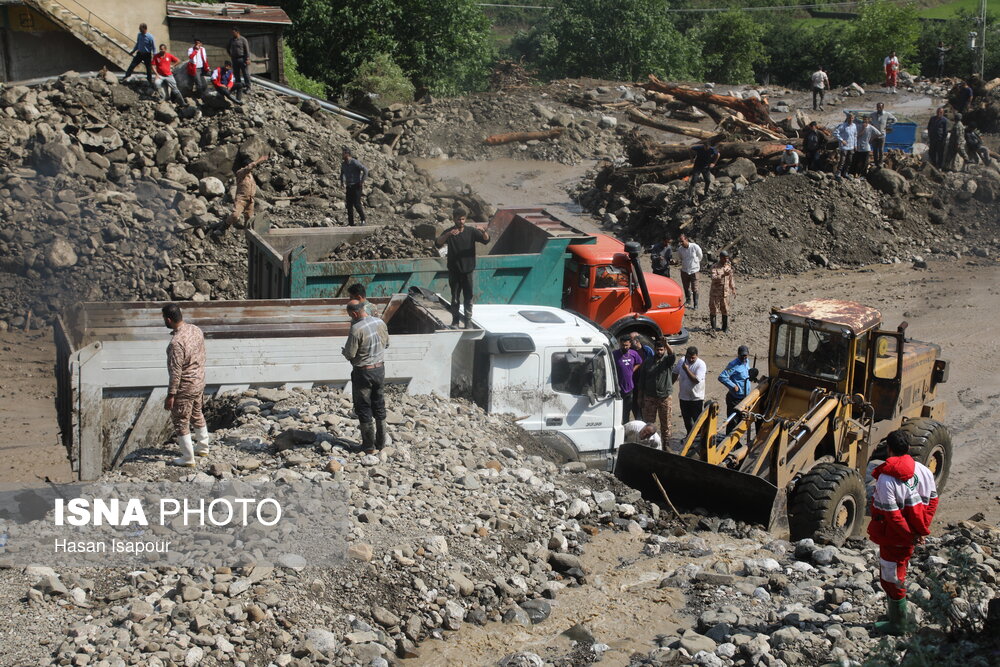
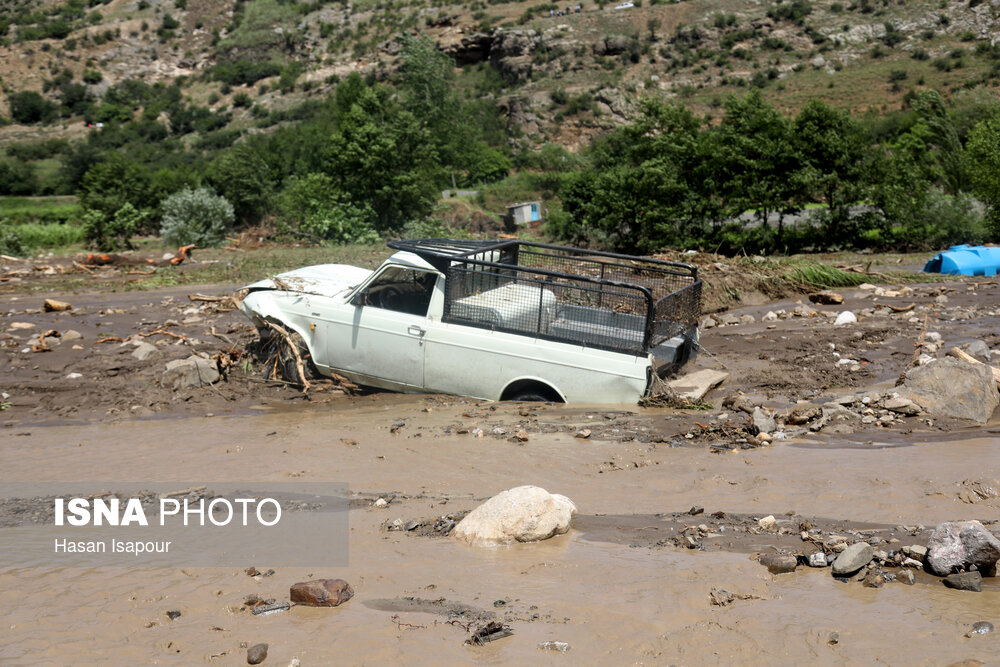
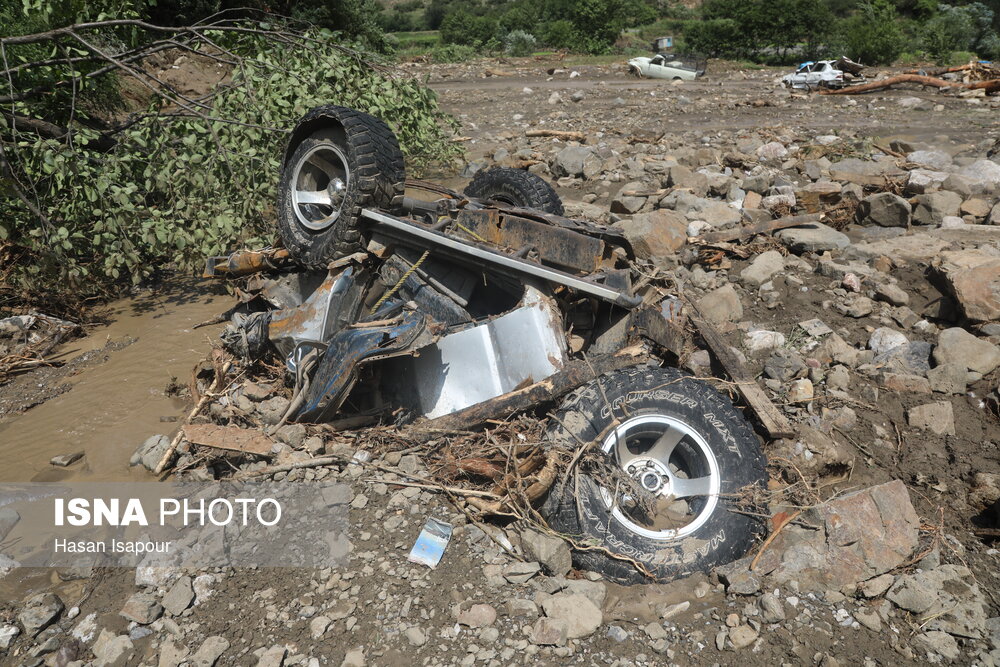
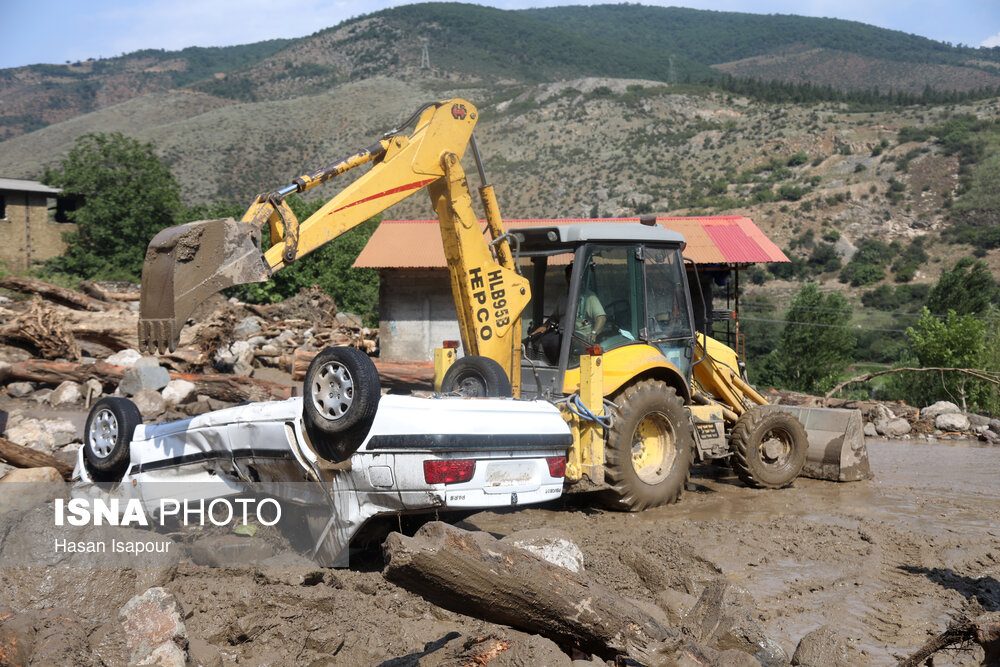
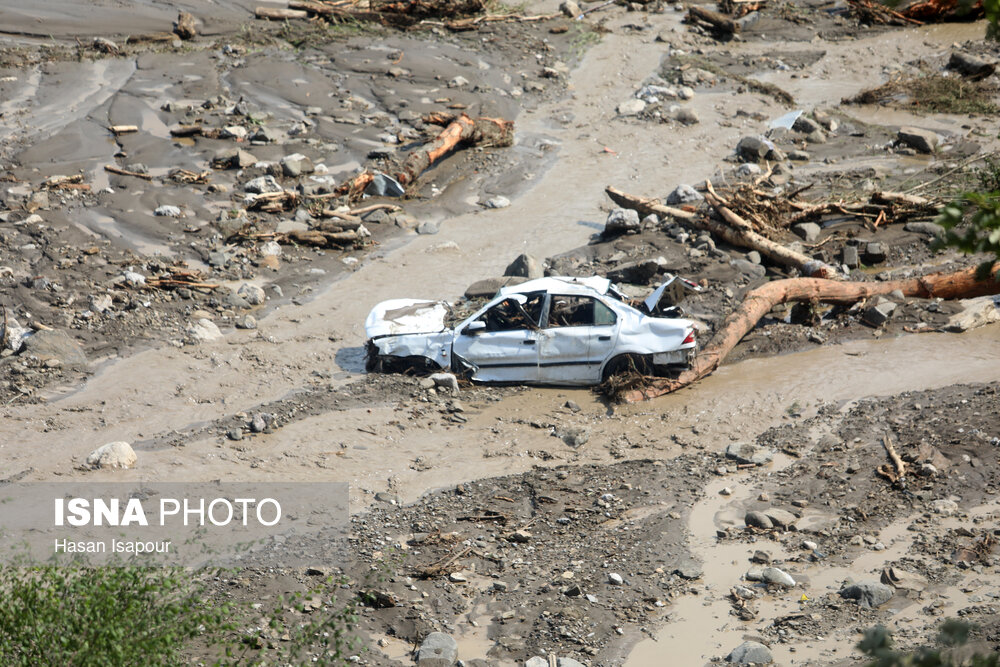
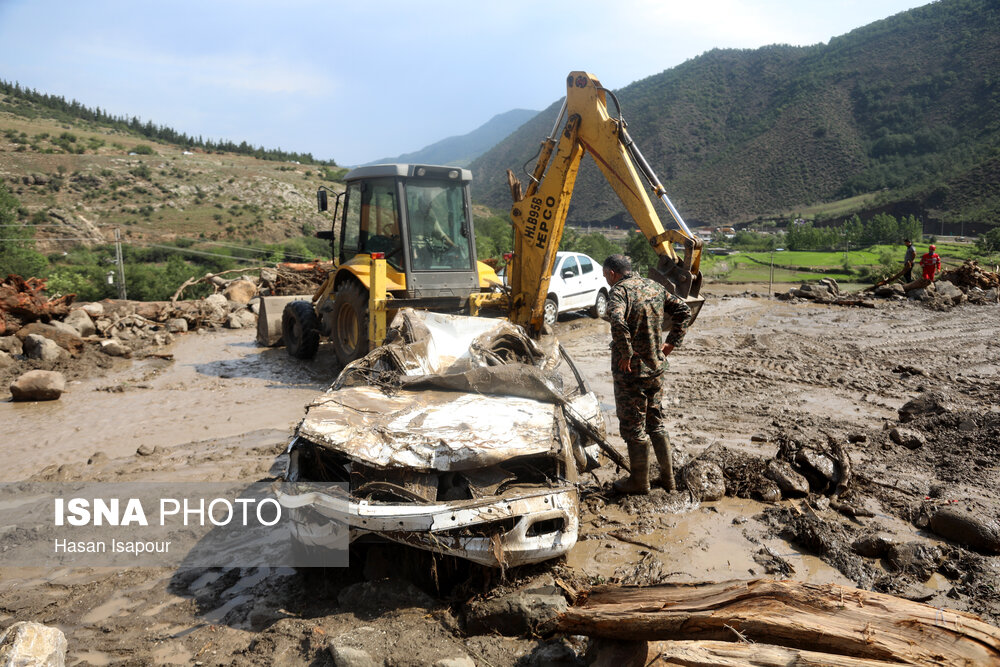
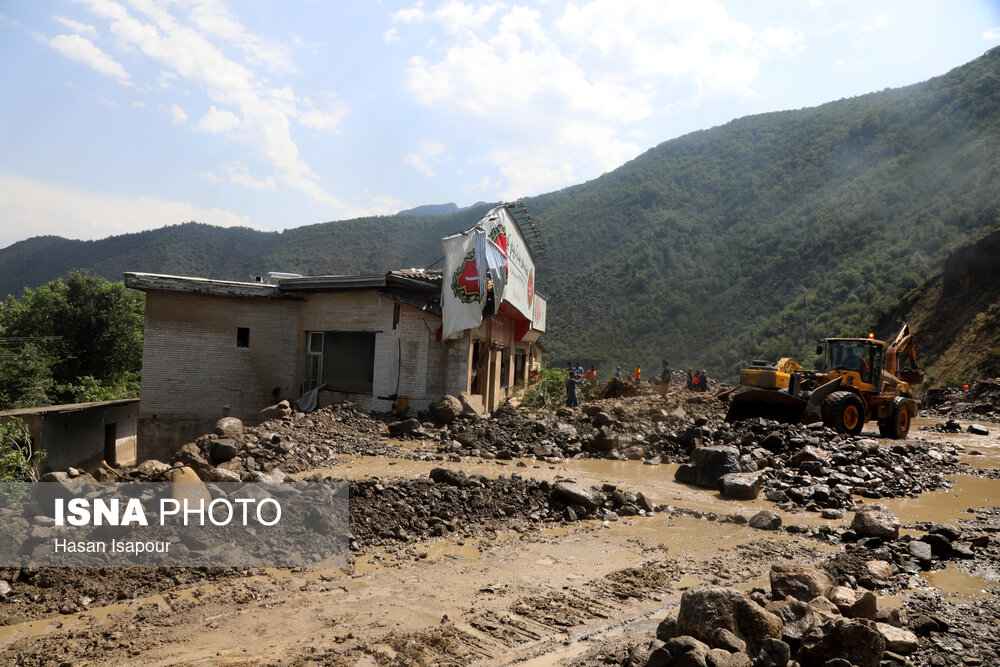
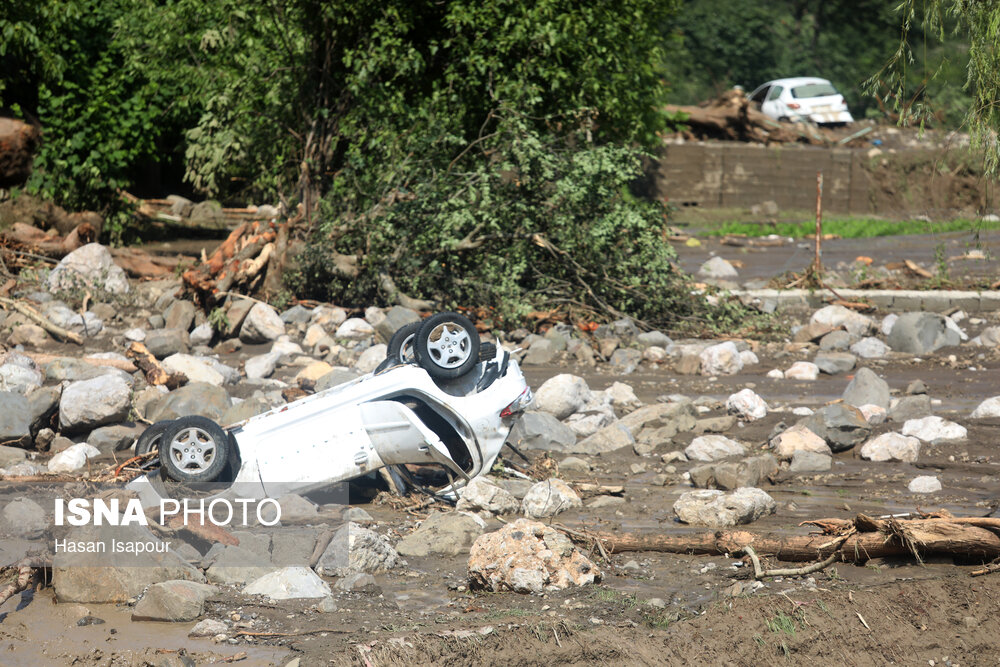
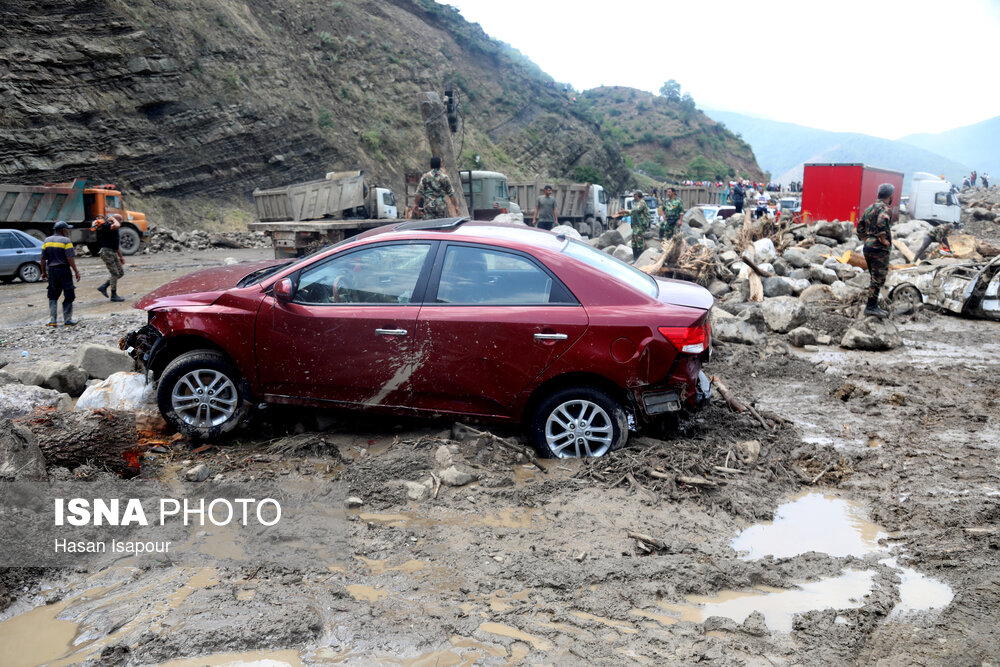
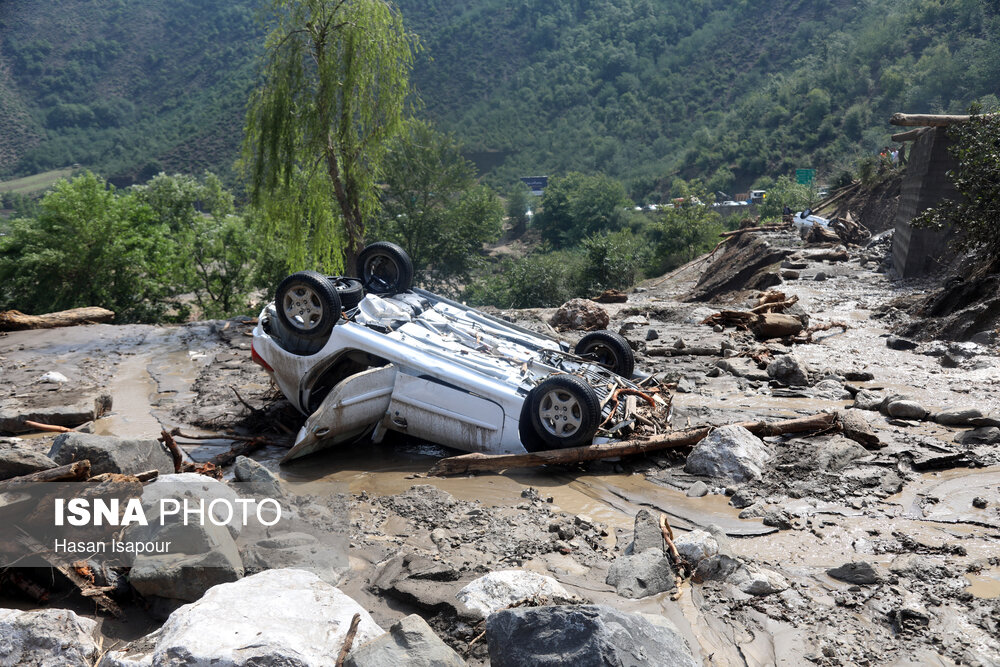
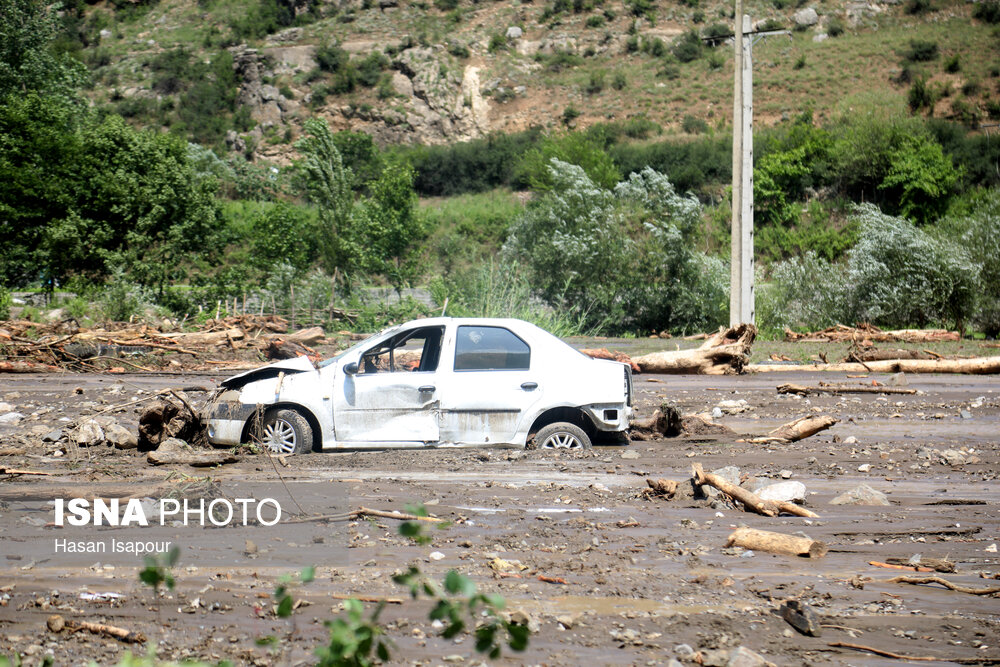
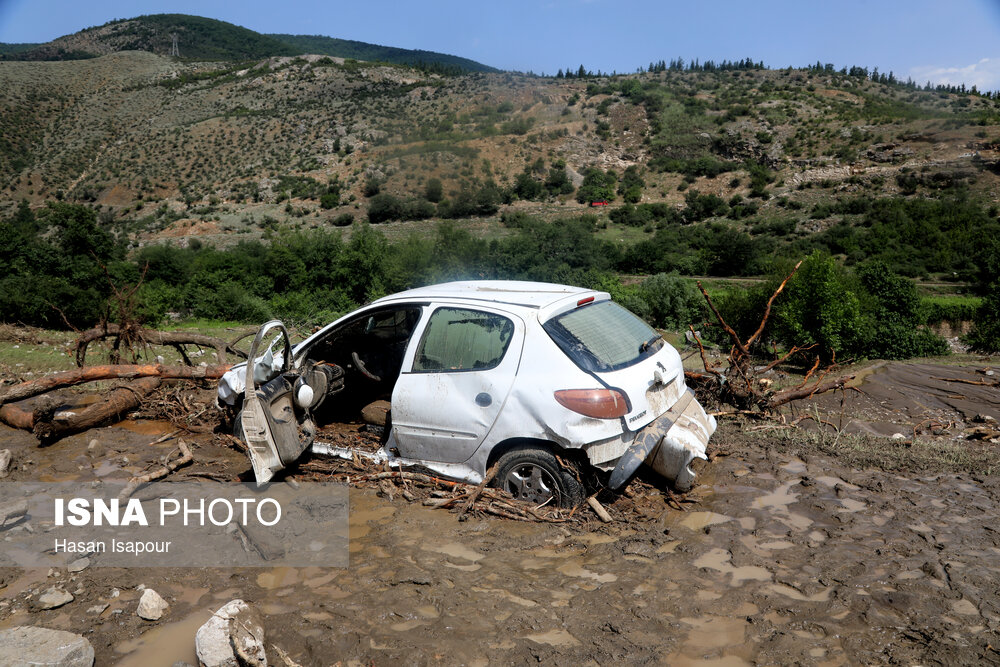
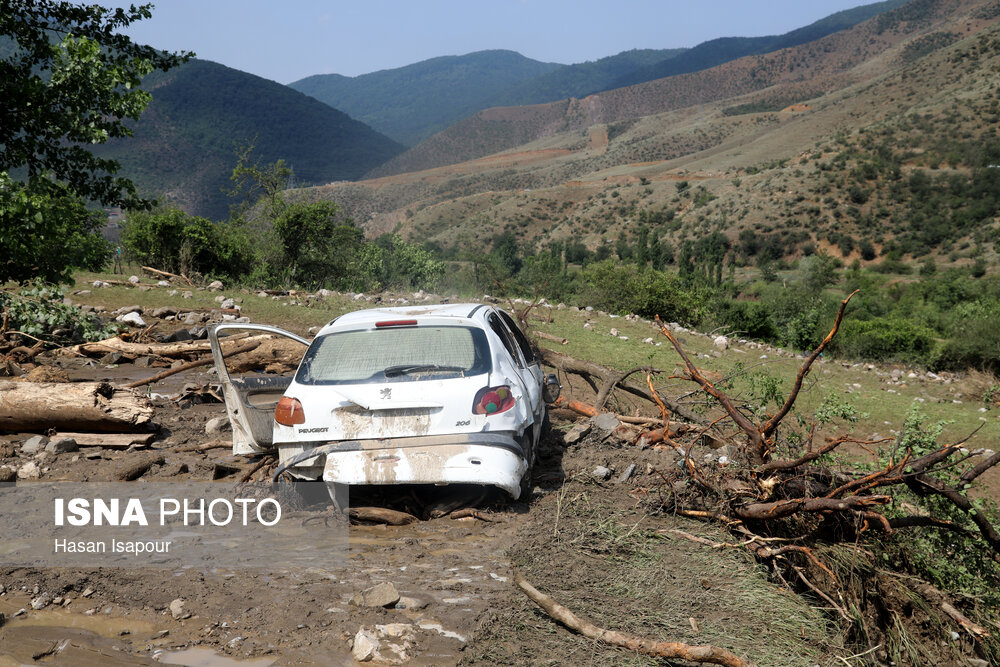
Roads to northern Iran blocked after flash floods, 18 injured, 2 missing

Iran Flood

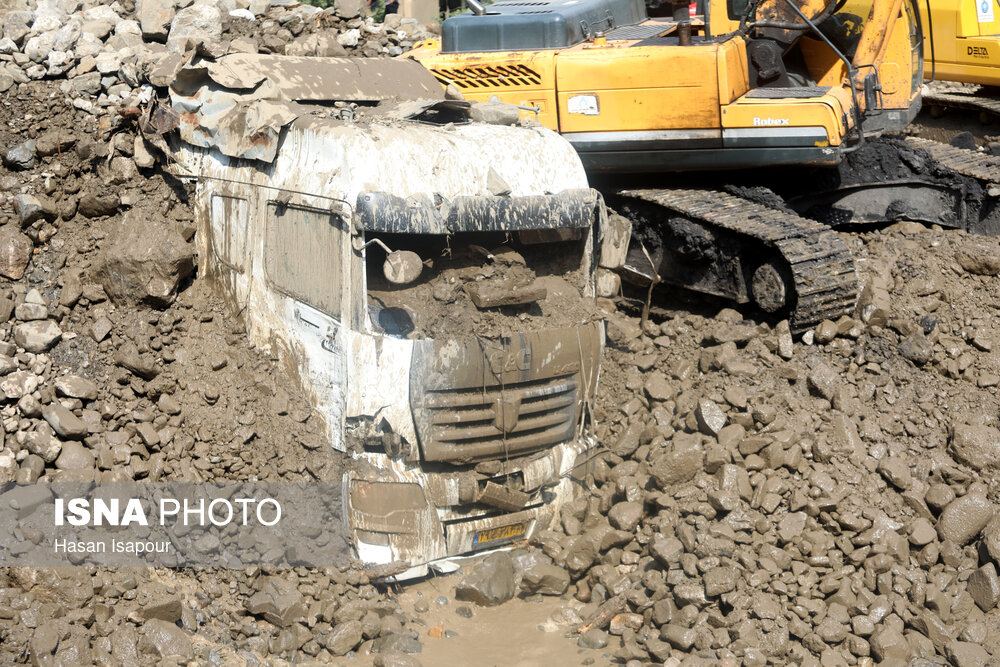
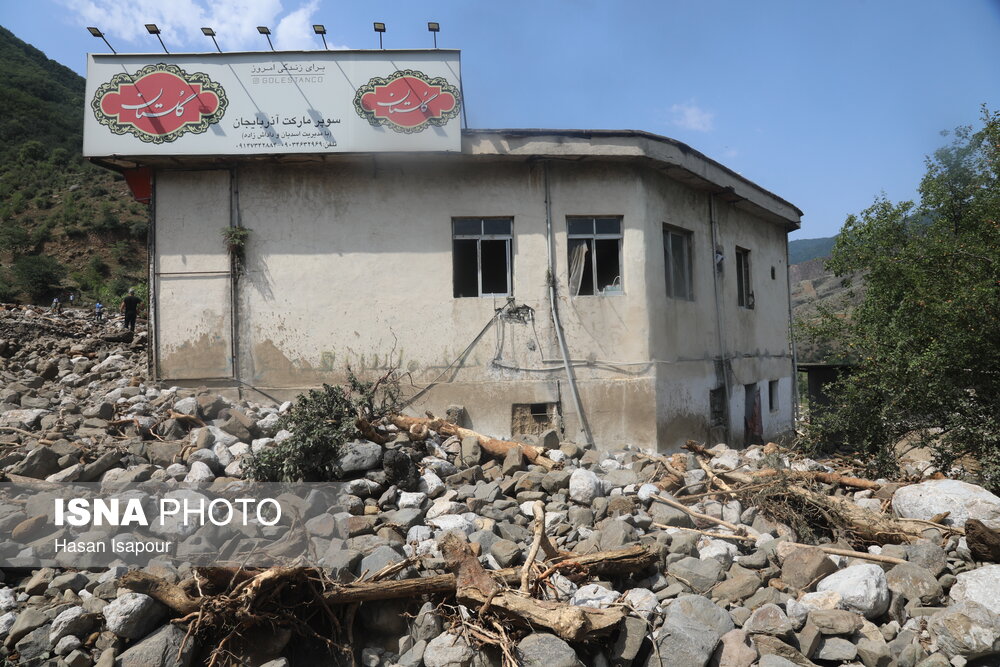
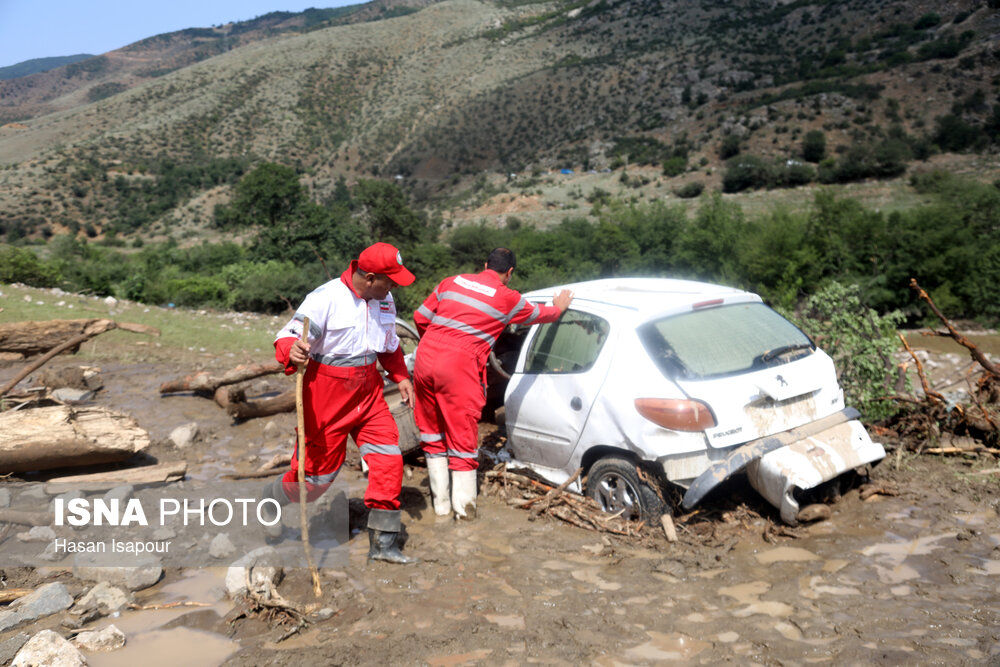
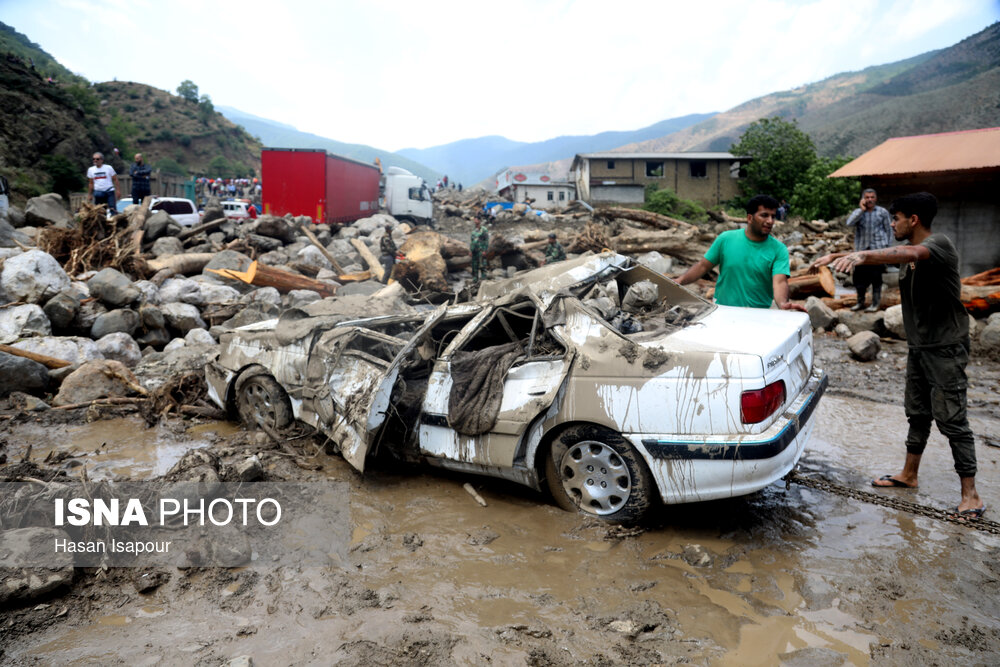
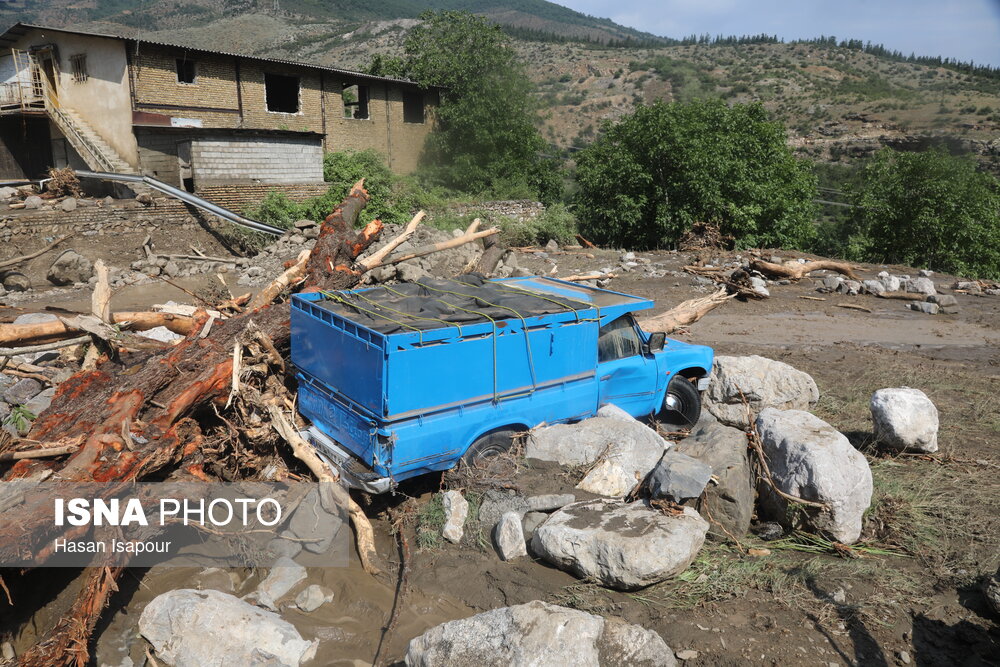
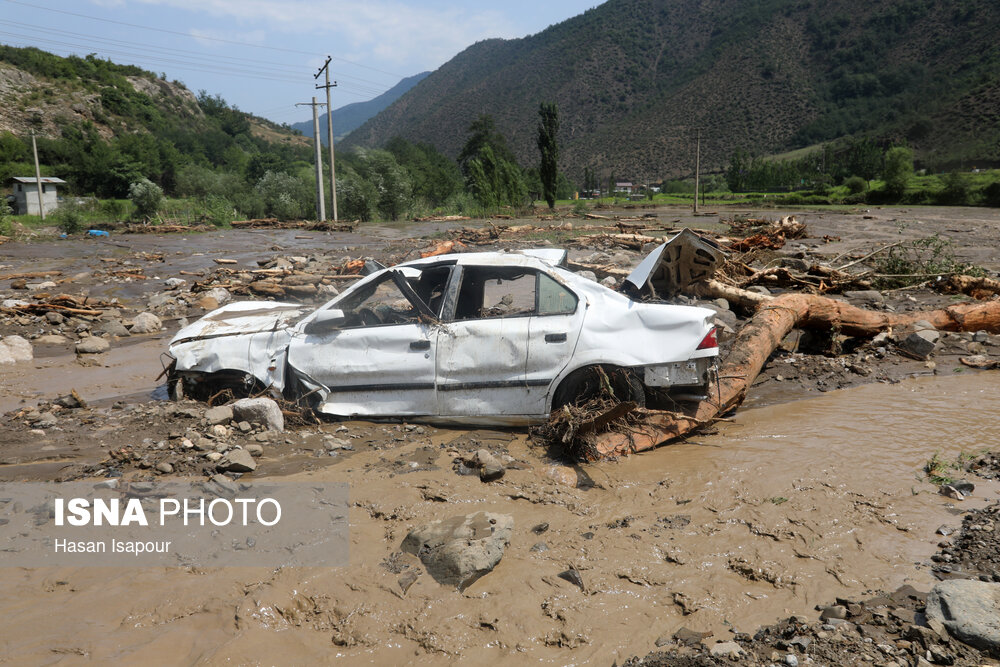
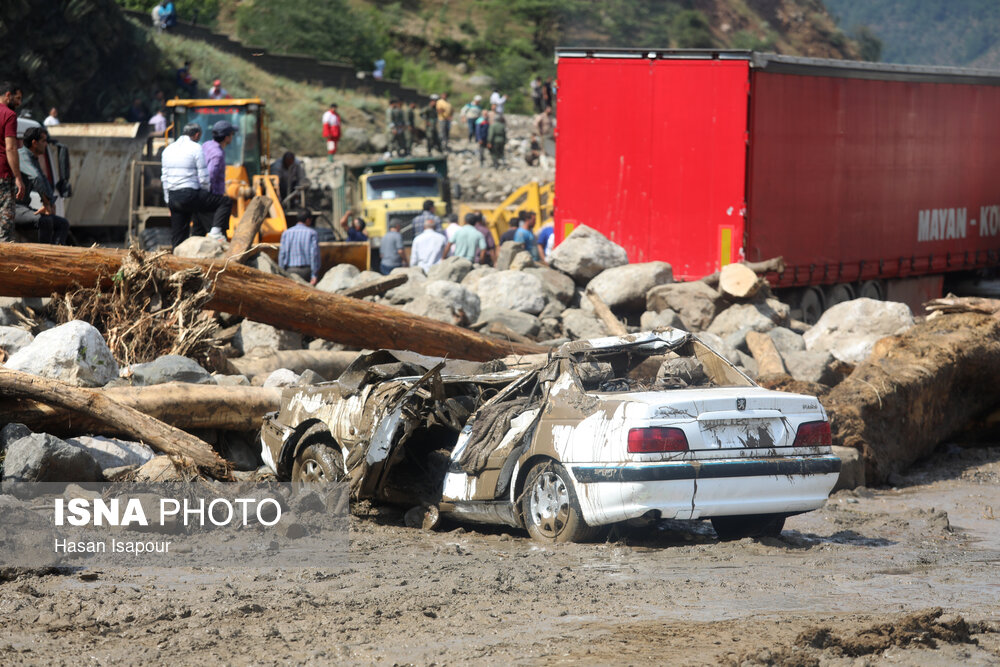
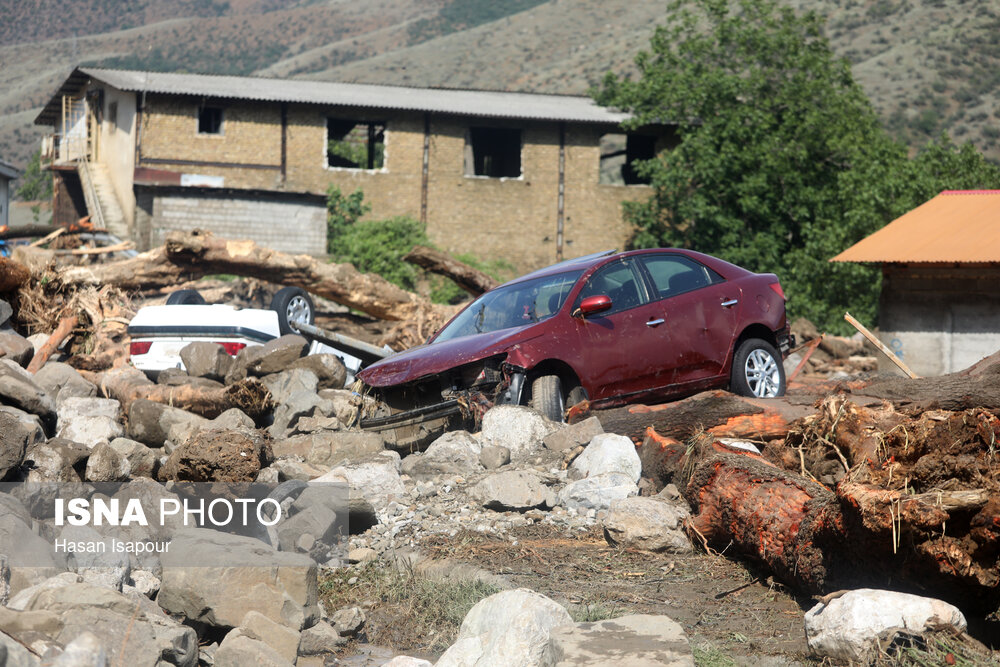
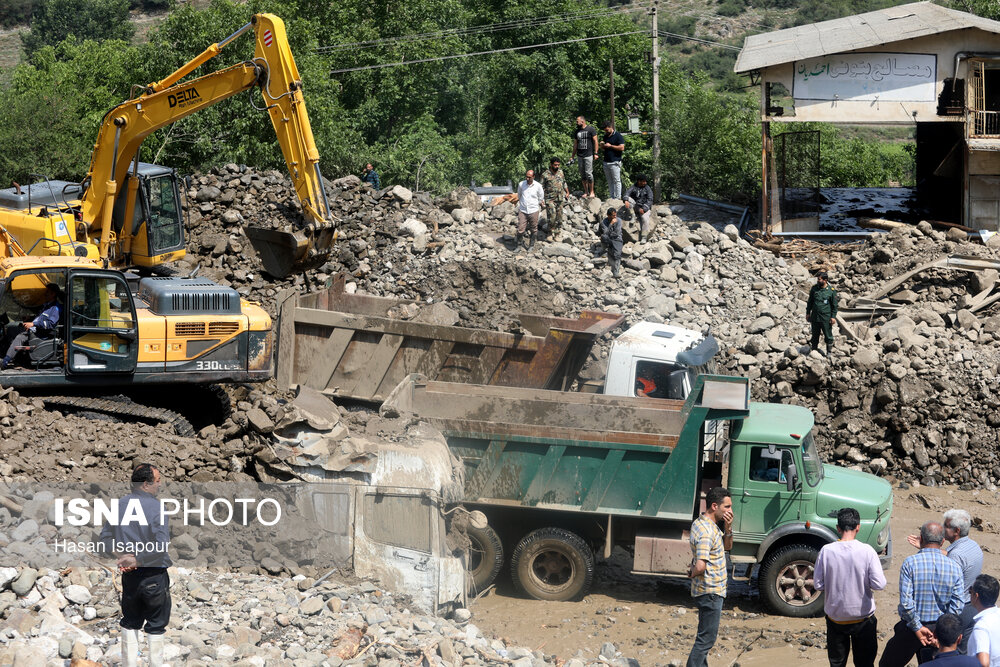
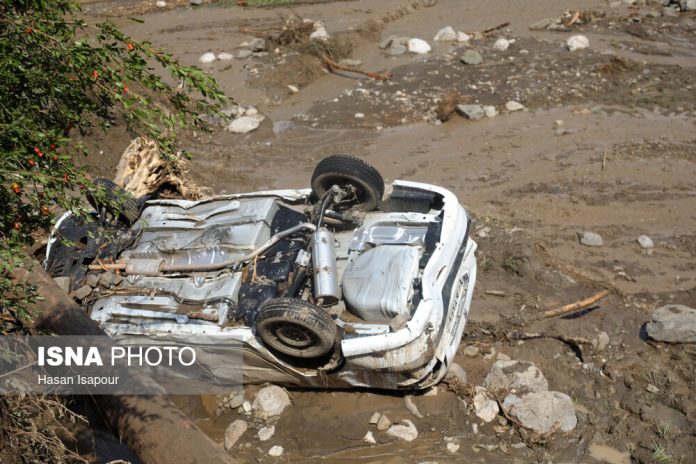
The downpours damaged agricultural products and blocked the Tehran-Qaemshahr route.

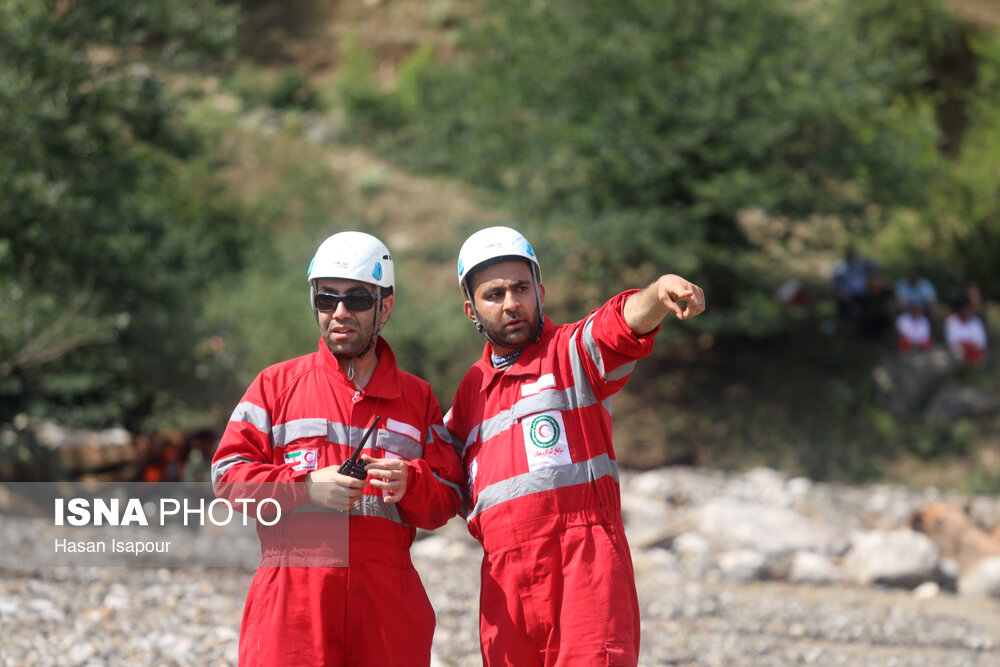
The flood in Savadkouh left at least 18 people injured and two others missing, according to official figures.

The Tehran Governorate announced on Wednesday the Firouzkouh-Tehran road is also blocked and asked motorists to take the alternative roads to the northern province of Mazandaran.

ICC issues arrest warrants for Russia’s top military officials

Shoigu Gerasimov

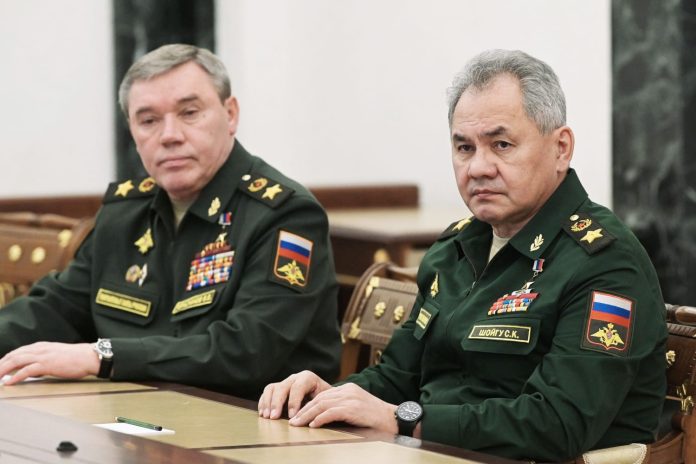
“Pre-Trial Chamber II of the International Criminal Court <…> issued warrants of arrest for two individuals, Mr Sergey Kuzhugetovich Shoigu and Mr Valery Vasilyevich Gerasimov, in the context of the situation in Ukraine for alleged international crimes committed from at least 10 October 2022 until at least 9 March 2023,” the statement read.

According to the court, Shoigu and Gerasimov are “allegedly responsible” for directing attacks at objects in Ukraine.

Last year, the ICC issued arrest warrants for Russian President Vladimir Putin and Russian Children’s Rights Commissioner Maria Lvova-Belova on charges of alleged unlawful deportation of Ukrainian children.

Putin stated Russian officials acted absolutely within the law when they removed children from the conflict area to save their lives and health, and never opposed their reunification with their families. According to the Russian Foreign Ministry, the court “failed to live up to expectations and did not become a truly independent body of international justice”.

Responding to the warrants, Russian Foreign Ministry spokeswoman Maria Zakharova stressed at the time that the documents had “no meaning for Russia”.

Saudi gov’t refuses to allow Iranian Hajj pilgrims to vote in presidential election

Iran Presidential Election

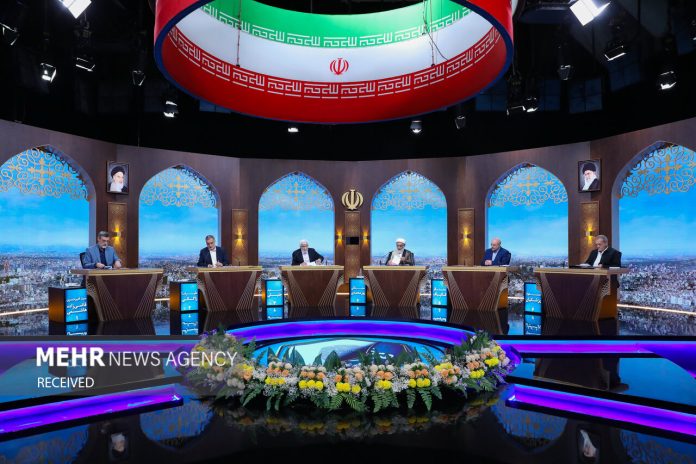
Iran’s Hajj headquarters in Saudi Arabia said, “Despite demands by Iranian authorities that the pilgrims be allowed to vote in the cities of Mecca and Medina, the host government did not agree to hold elections on June 8.”

The Iranian election headquarters has put the number of Iranian pilgrims in Saudi Arabia at 47,000.

The Saudi government did not provide any reason for its refusal.

Canada, that has no formal diplomatic ties with Iran, had also announced earlier it would not grant permission to the large community of Iranians living in the country to participate in the election.

Iran’s High Council for Human Rights decried Ottawa’s move as a violation of the Iranians’ rights.

Mohsen Eslami, the spokesperson for the election headquarters, said last week that Iranian expatriates can vote in the election in 250 polling stations across the world, including the US.

The snap election will be held on Friday with 6 candidates competing in the race.

Pentagon chief urges diplomacy to avoid Israel-Hezbollah war

Israel-Lebanon Border

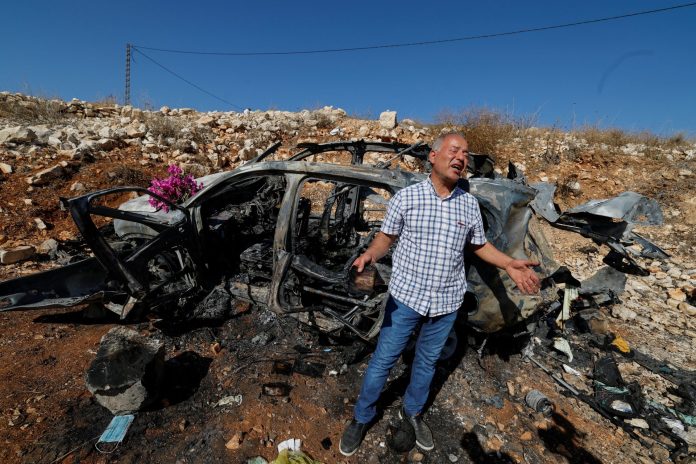
During a meeting with Israeli counterpart Yoav Gallant on Tuesday, Austin blamed soaring tensions on “provocations” by Hezbollah but noted that a full-blown war would be destructive for all involved and could spark a regional conflagration.

“Diplomacy is by far the best way to prevent more escalation. So we’re urgently seeking a diplomatic agreement that restores lasting calm to Israel’s northern border and enables civilians to return safely to their homes on both sides of the Israel-Lebanon border,” Austin told reporters.

Hezbollah and Israeli forces have exchanged fire on a near-daily basis since the beginning of the war in Gaza, but escalating attacks over the last several weeks have caused growing unease.

Gallant has often suggested that Israel could pursue a large-scale war against Hezbollah in southern Lebanon. On Tuesday, Gallant stated that he was “working closely” with Austin to find a diplomatic resolution, but that they also discussed military “readiness on every possible scenario”.

While Israel has blamed Hezbollah for the displacement of thousands of Israelis from their homes near the Lebanese border, the Iran-linked group has signalled throughout the conflict that it is not interested in a wider war.

Thousands of Lebanese civilians have been displaced from the areas near the border with Israel, and more than 80 civilians and noncombatants have been killed. In Israel, 11 civilians have been killed since October.
Hezbollah is considered one of the most sophisticated and well-armed paramilitary groups in the world, and a larger conflict between the group and Israel could have devastating impacts on each side.

While the administration of US President Joe Biden has repeatedly urged Israel to avoid a war with Hezbollah in Lebanon, it has recently stated that, in the event of such a move, Israel would receive full US support.

“Such a war would be a catastrophe for Lebanon and it would be devastating for innocent Israeli and Lebanese civilians,” stressed Austin.

US sanctions dozens of people, entities claimed to be linked to Iran military

US Treasury

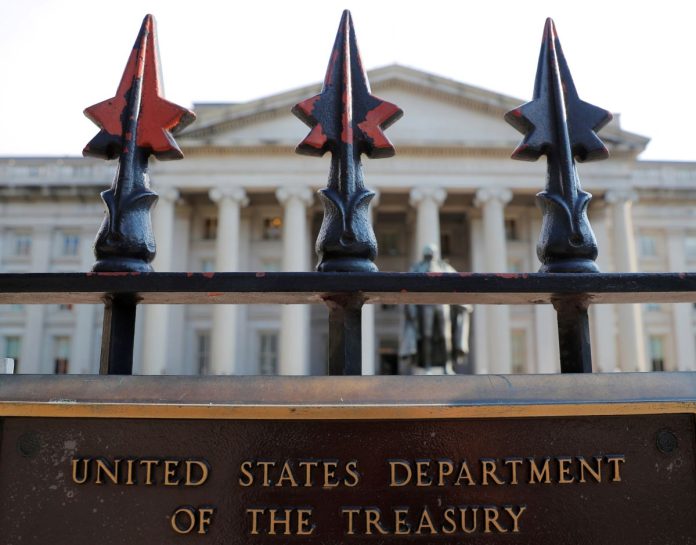
In a statement issued on Tuesday, the US Treasury Department that the network it had slapped sanctions on had helped Iran’s Ministry of Defense and Armed Forces Logistics (MODAFL) and the Islamic Revolution Guard Corps (IRGC) process and transfer funds allegedly earned from sale of oil and petrochemicals since 2020.

It added the network included exchange houses in Iran and foreign cover companies they manage in jurisdictions such as Hong Kong, the United Arab Emirates, Marshall Islands and Turkey.

It claimed the network had enabled MODAFL and the IRGC to launder revenues from oil sales to supply weapons and funding to groups close to Iran, including the ruling Houthi Ansarullah movement in Yemen, as well as for provision of drones to Russia for use in the war in Ukraine.

Iran has repeatedly rejected allegations that it has been supplying weapons or funding to groups like the Houthis. Authorities insist that the Yemenis have been self-sufficient in design, development and manufacture of equipment they have used in their attacks on Israeli, US and British ships in regional waters in recent months.

Tehran has also denied supplying weapons to Russia for use in its war with Ukraine.

However, Washington has used the accusations to impose more sanctions on Iran amidst a campaign of maximum pressure on the country that started in 2018 after the US withdrew from an international agreement on Iran’s nuclear program.

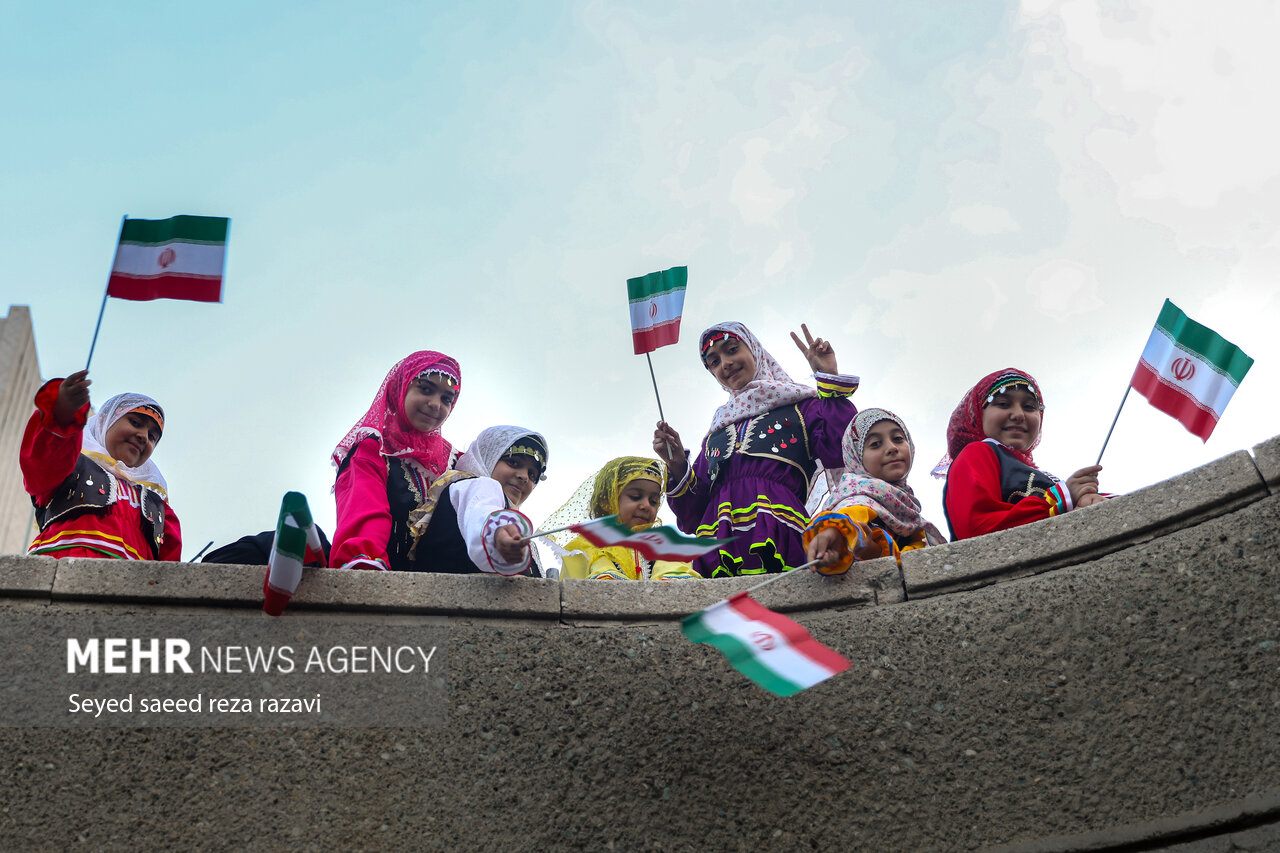
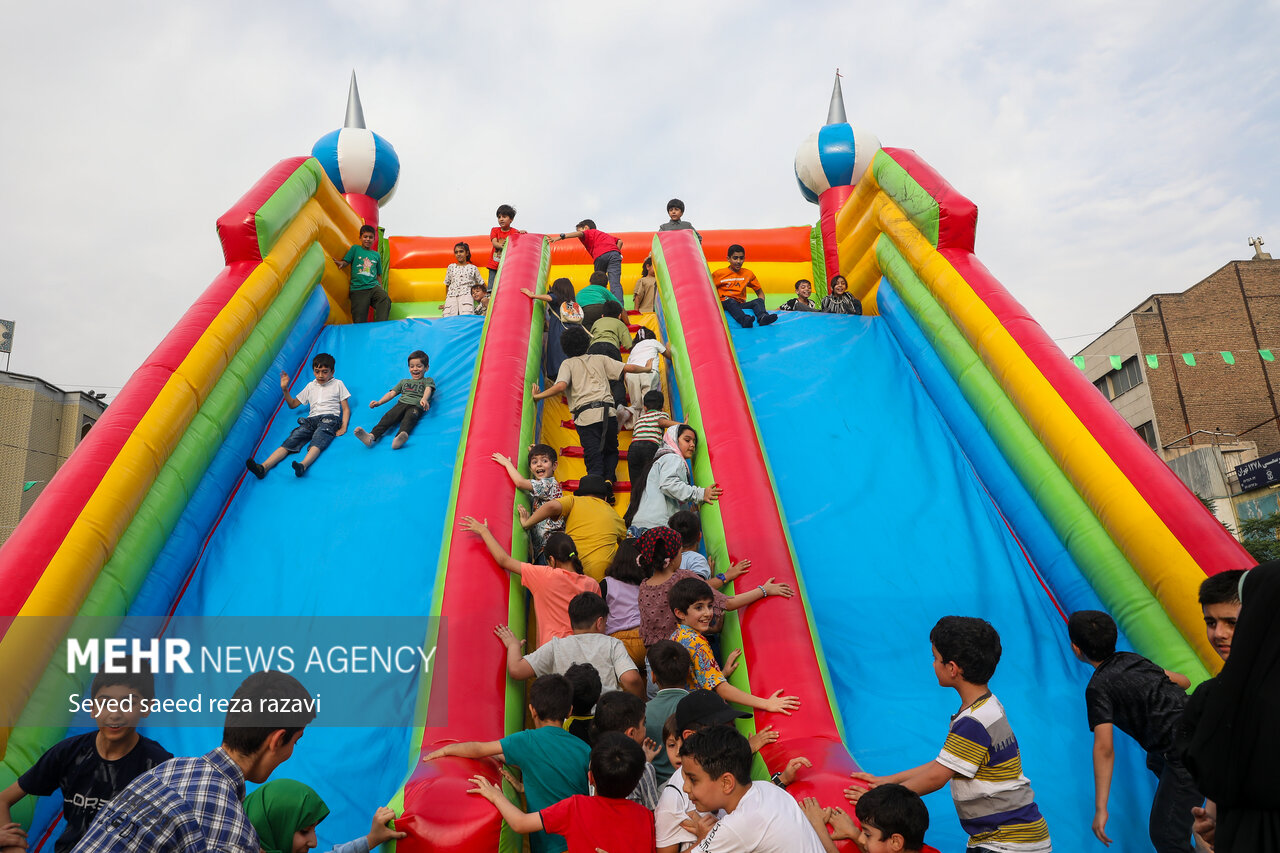
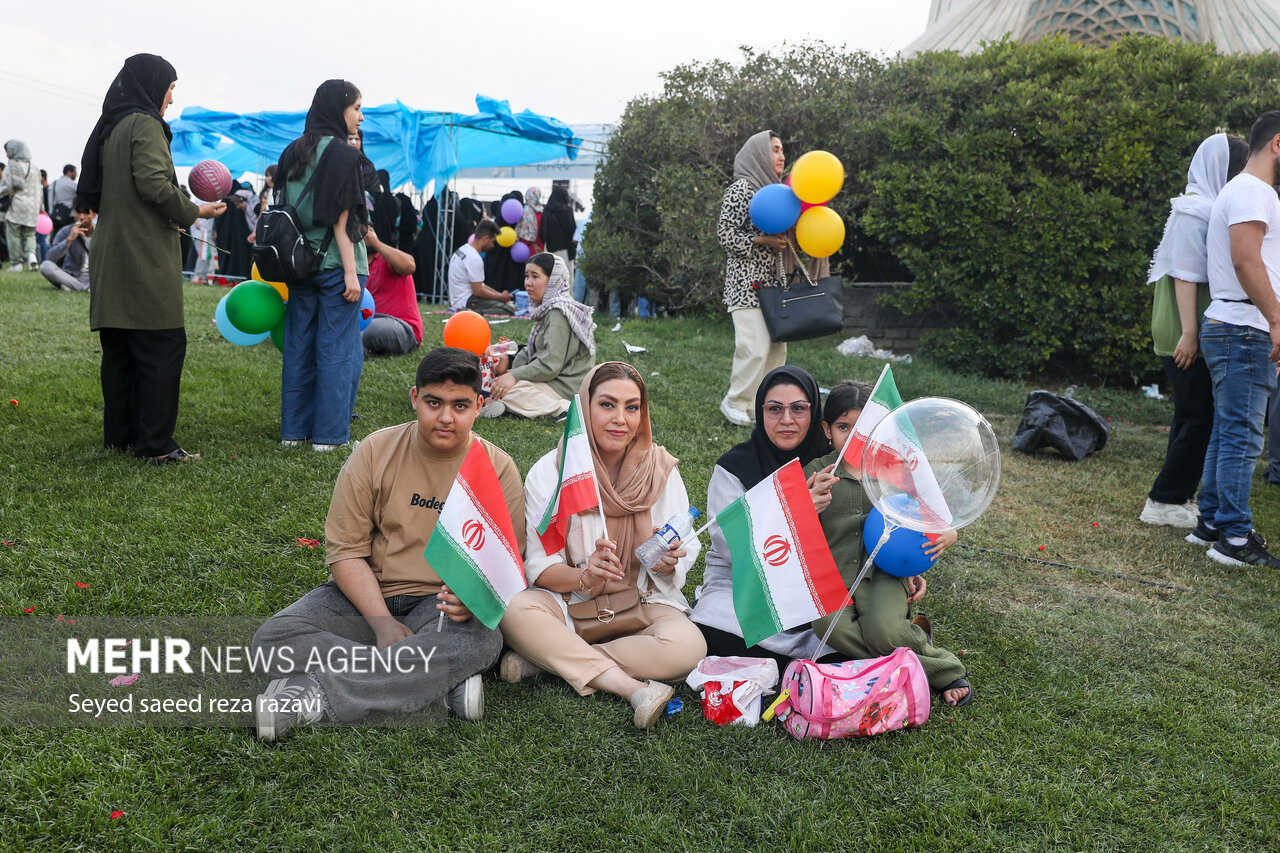
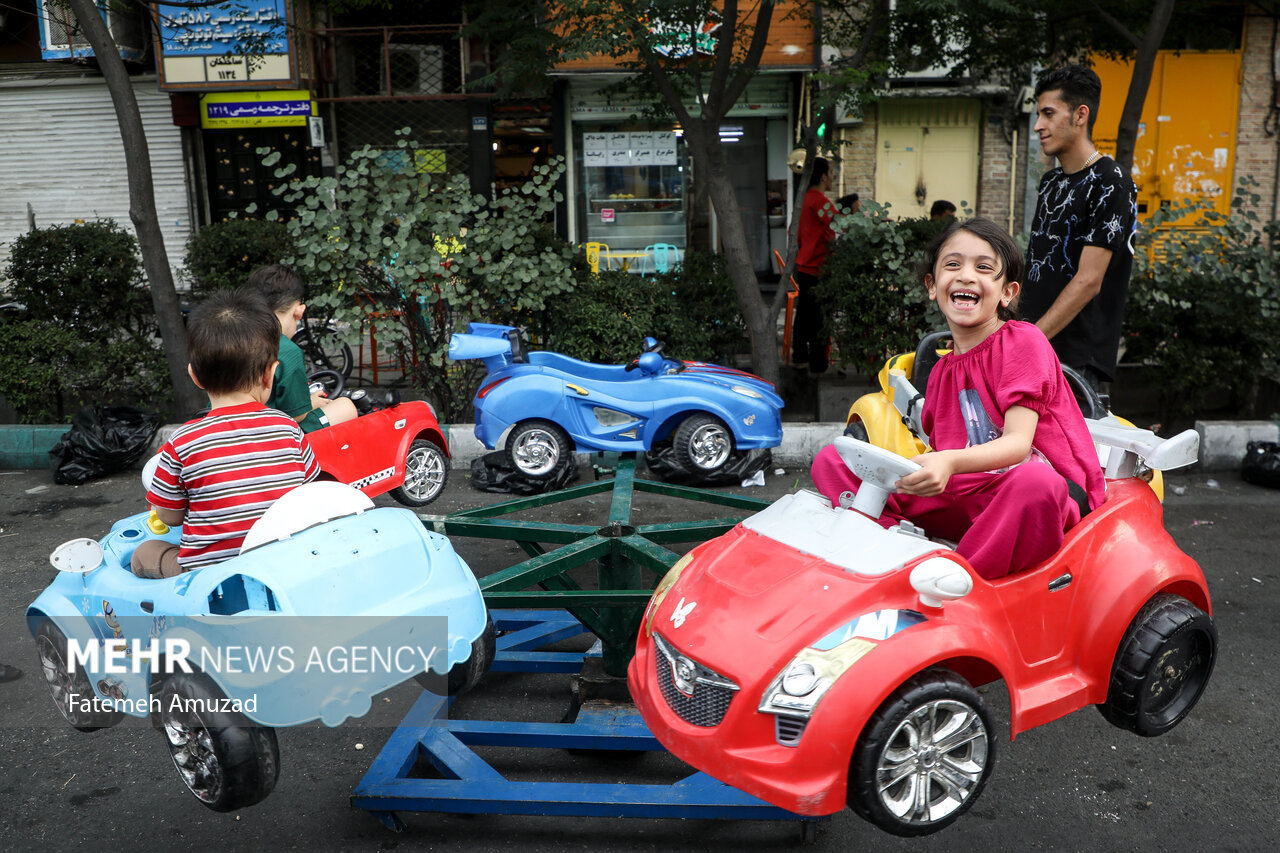
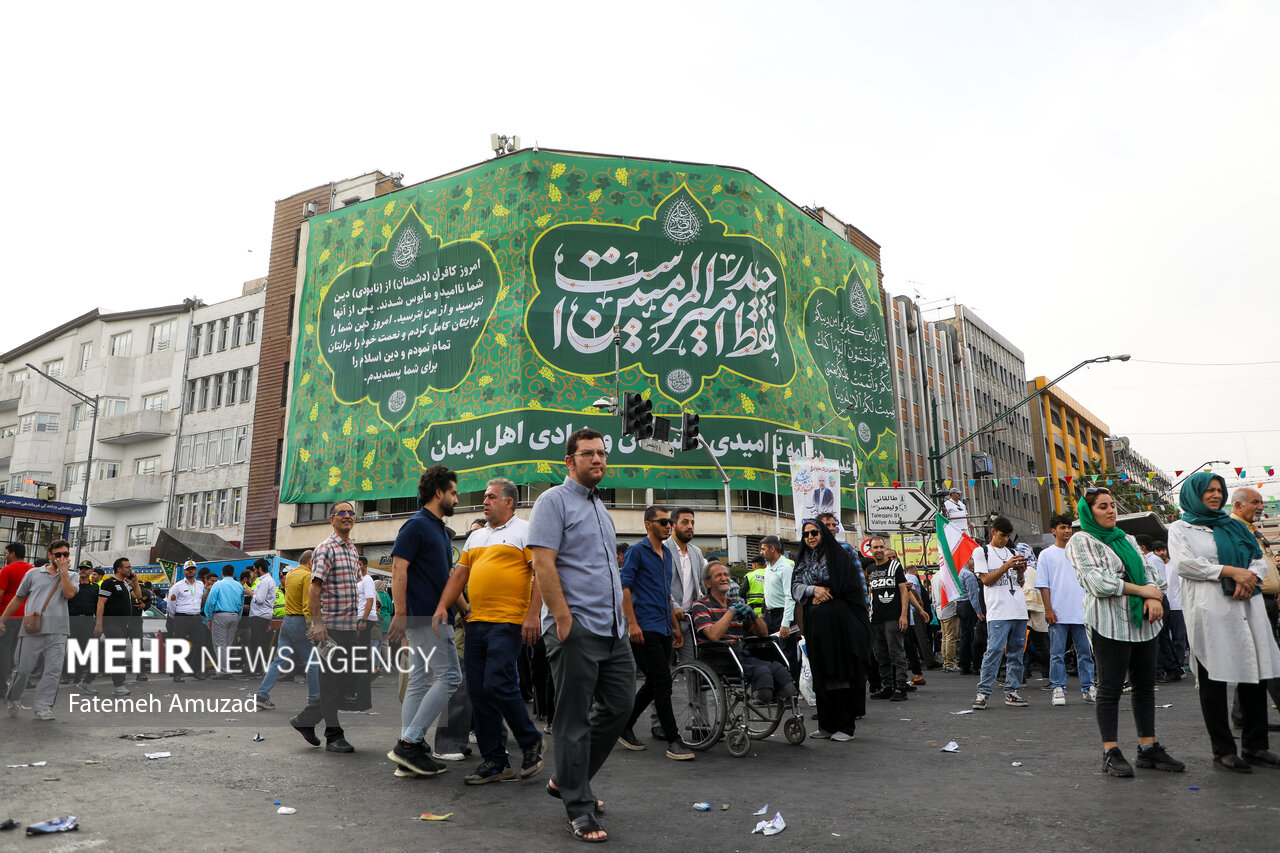
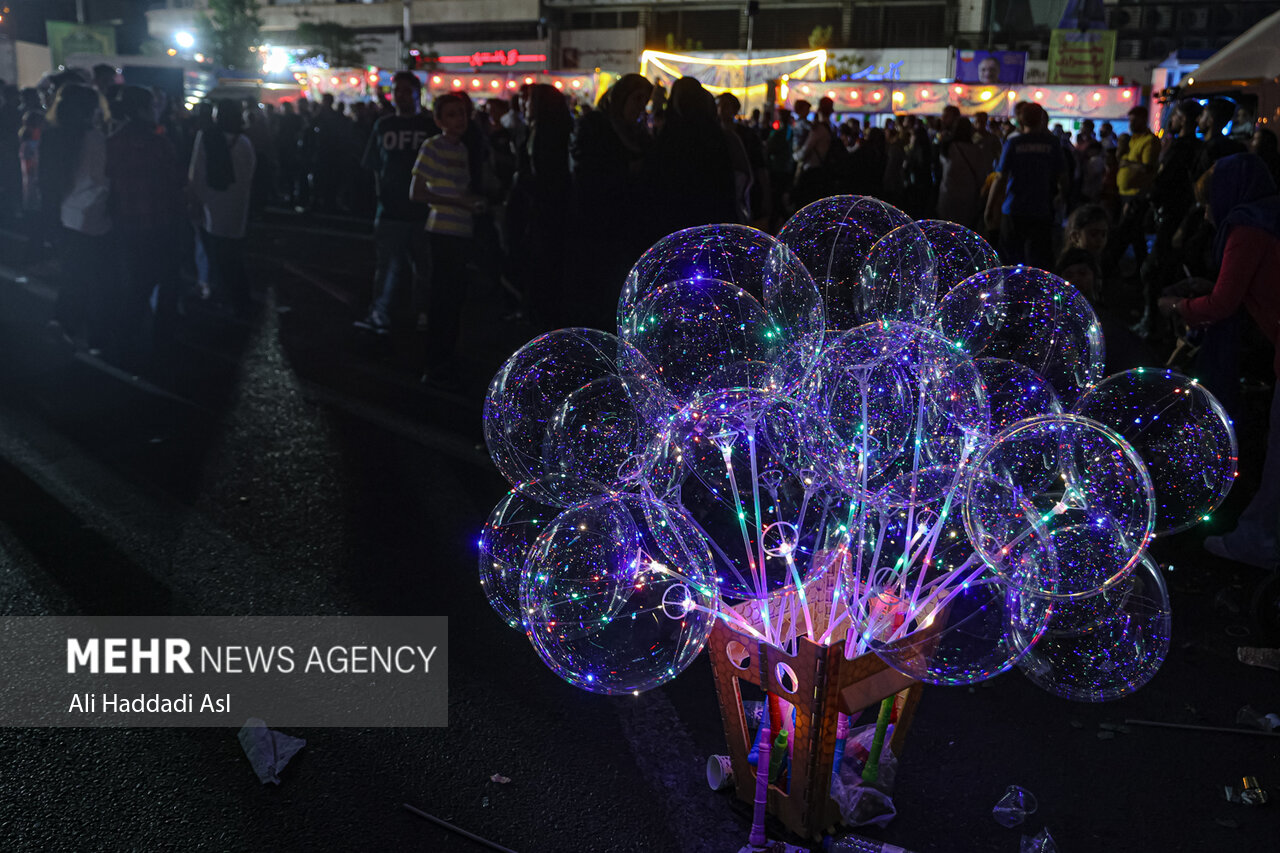
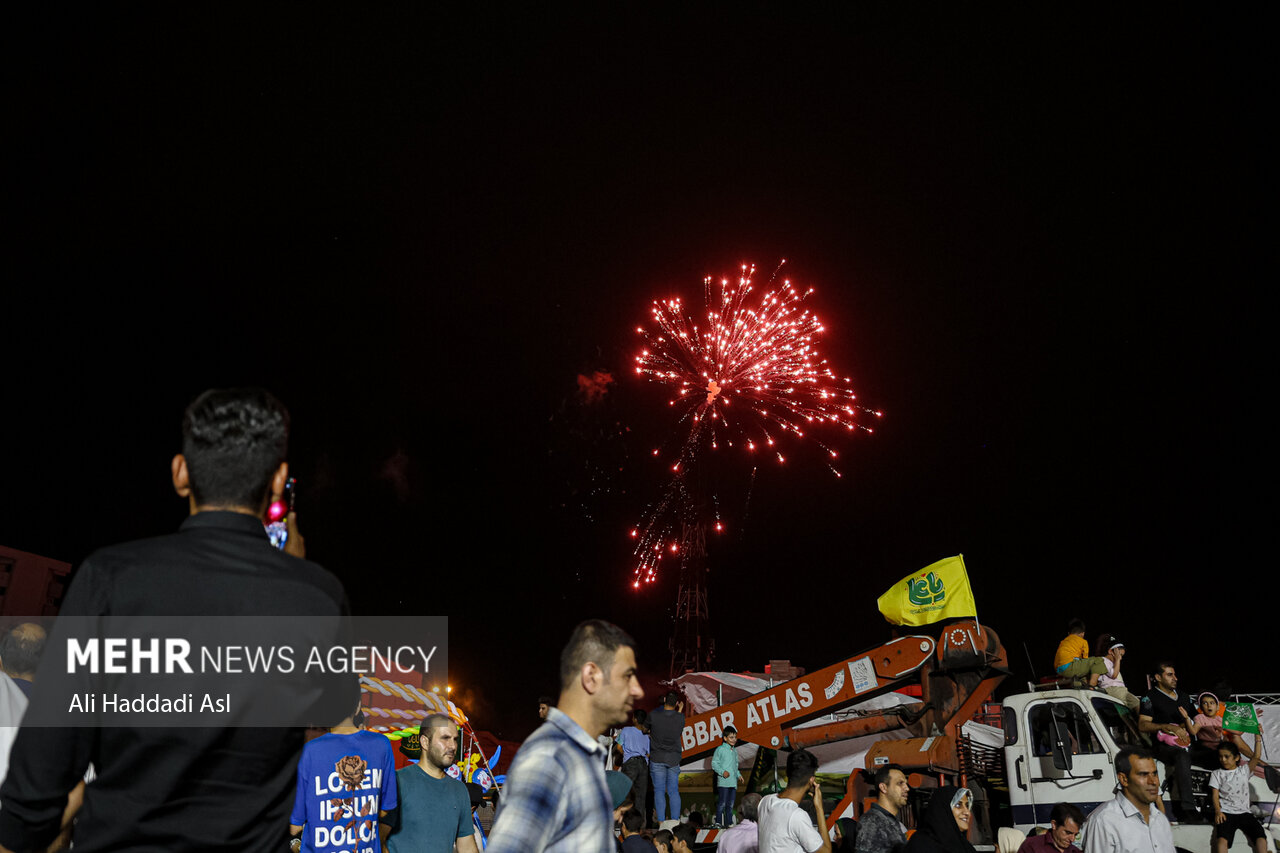
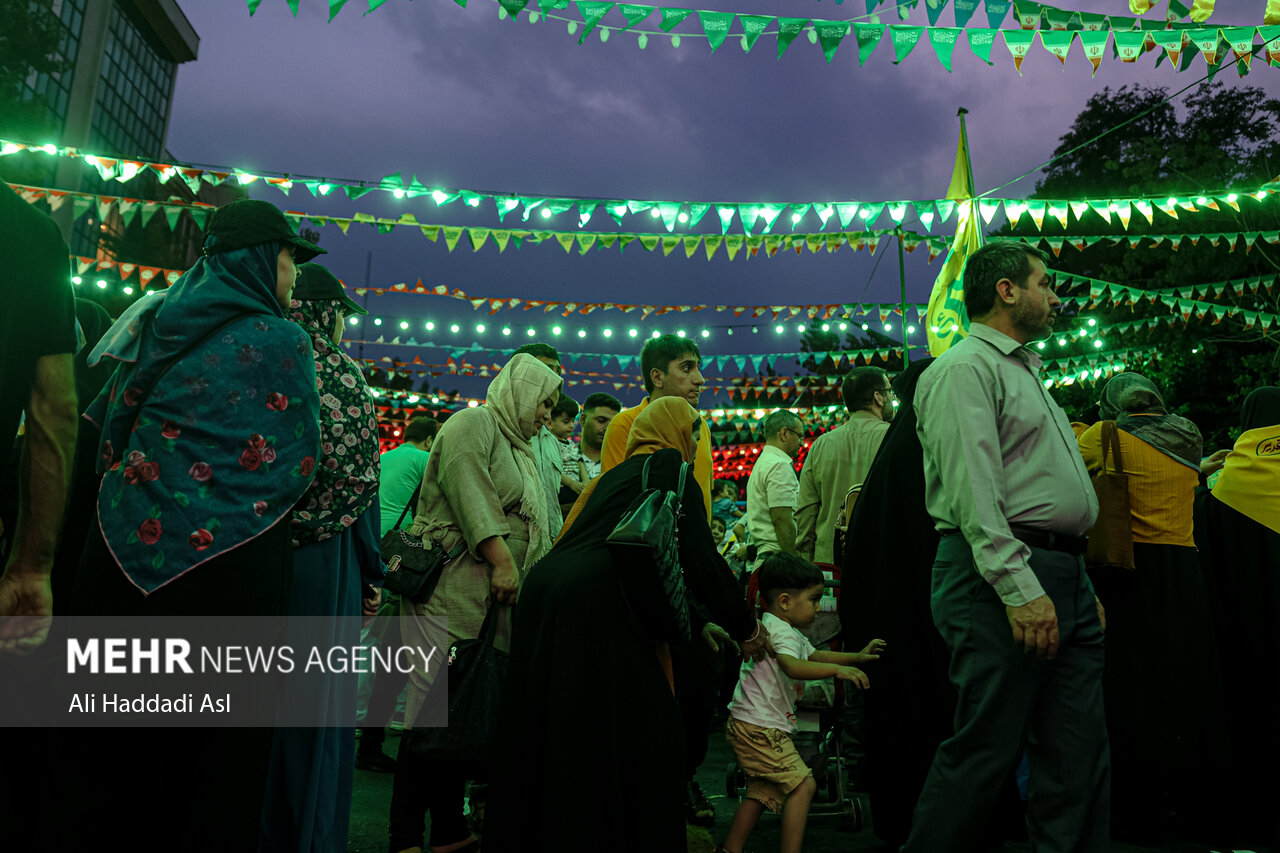
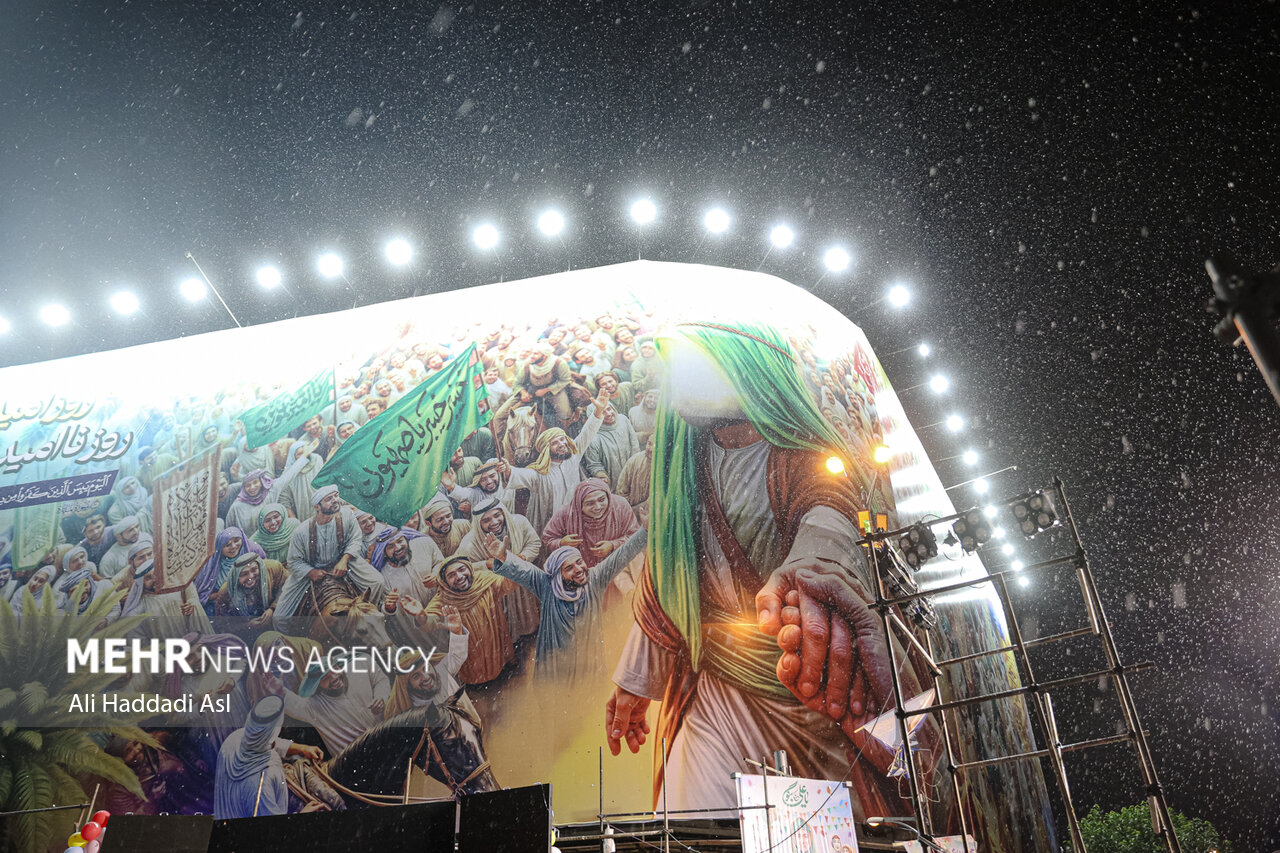
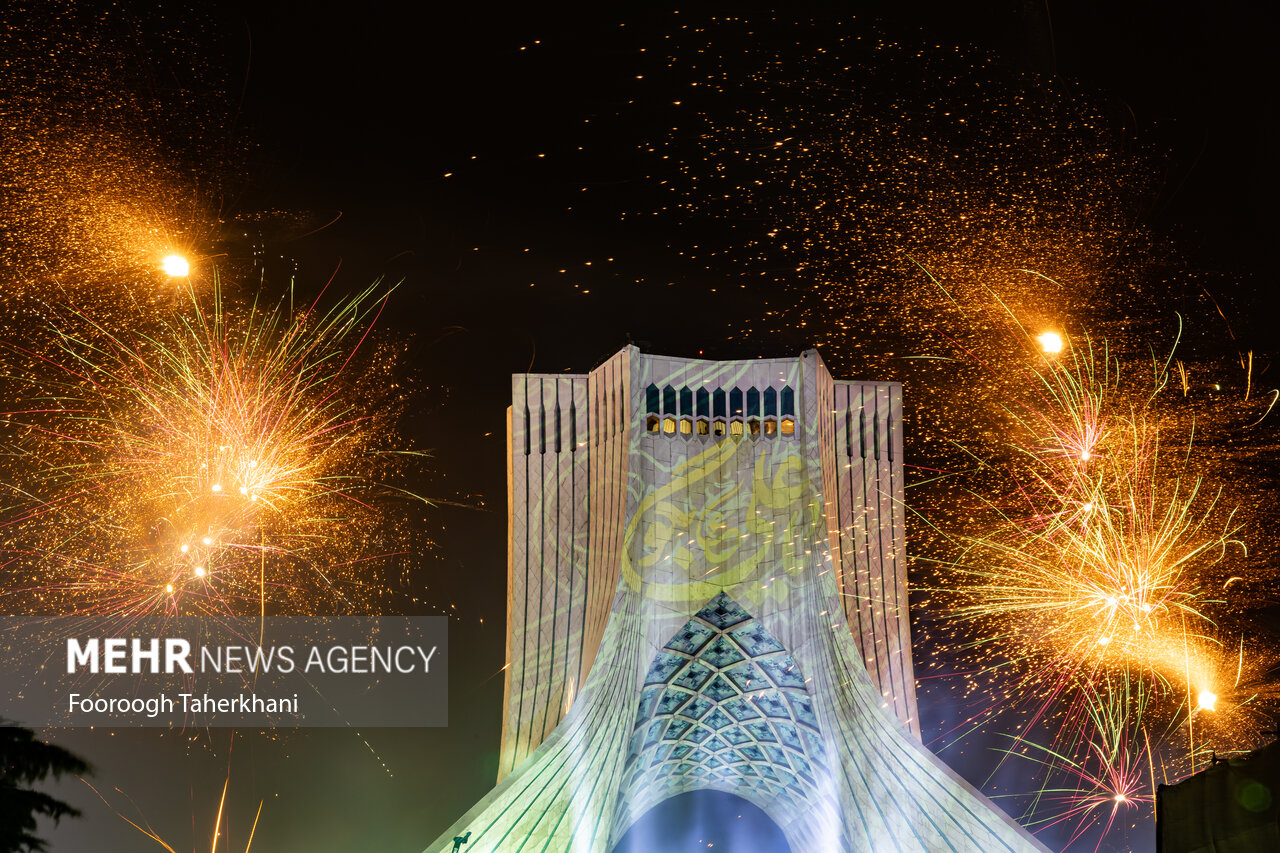
Millions of Iranians hold nationwide celebrations on Eid al-Ghadir

Eid al-Ghadir

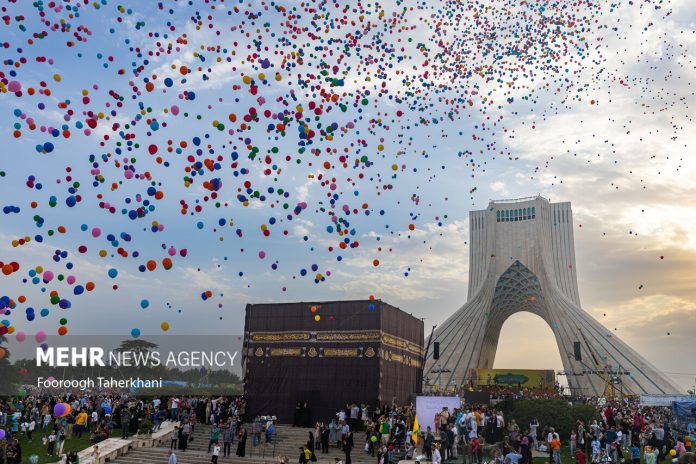
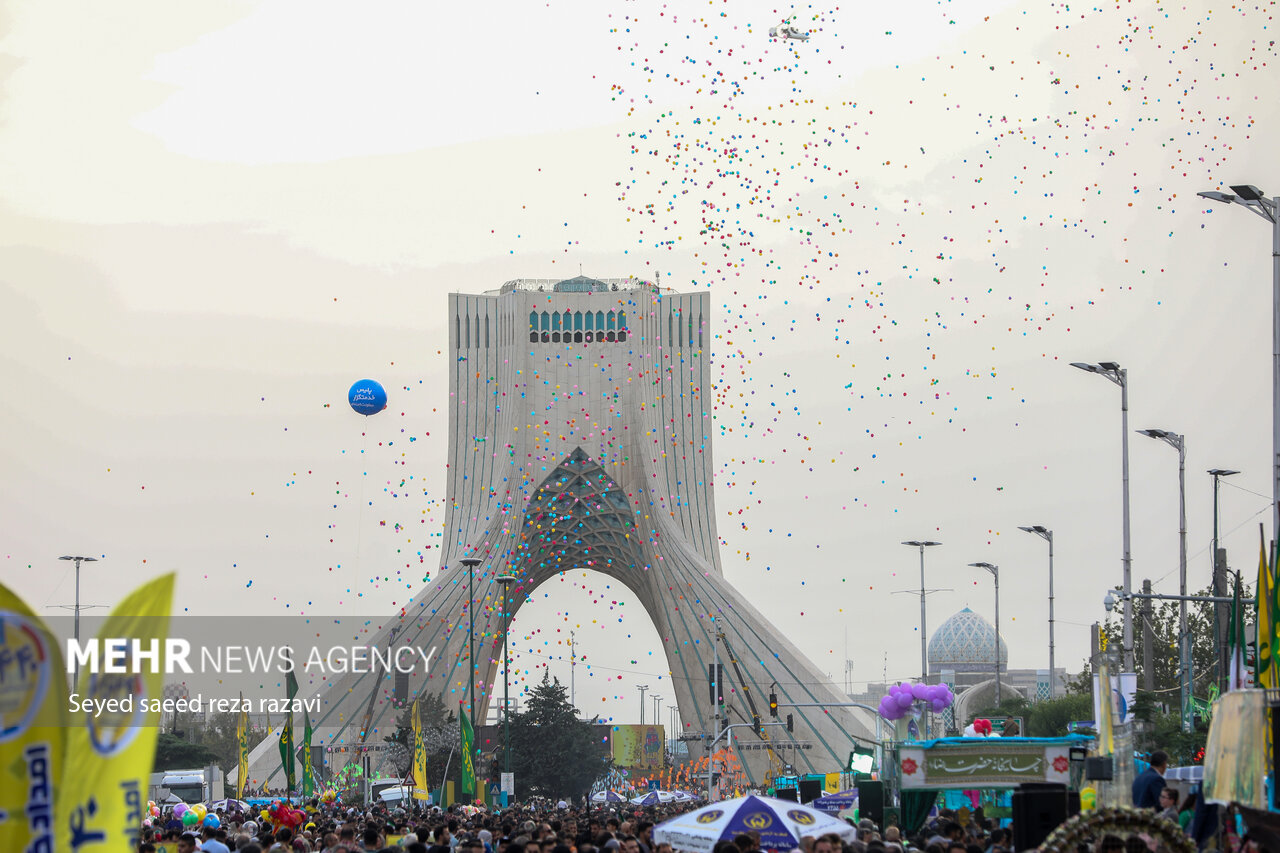
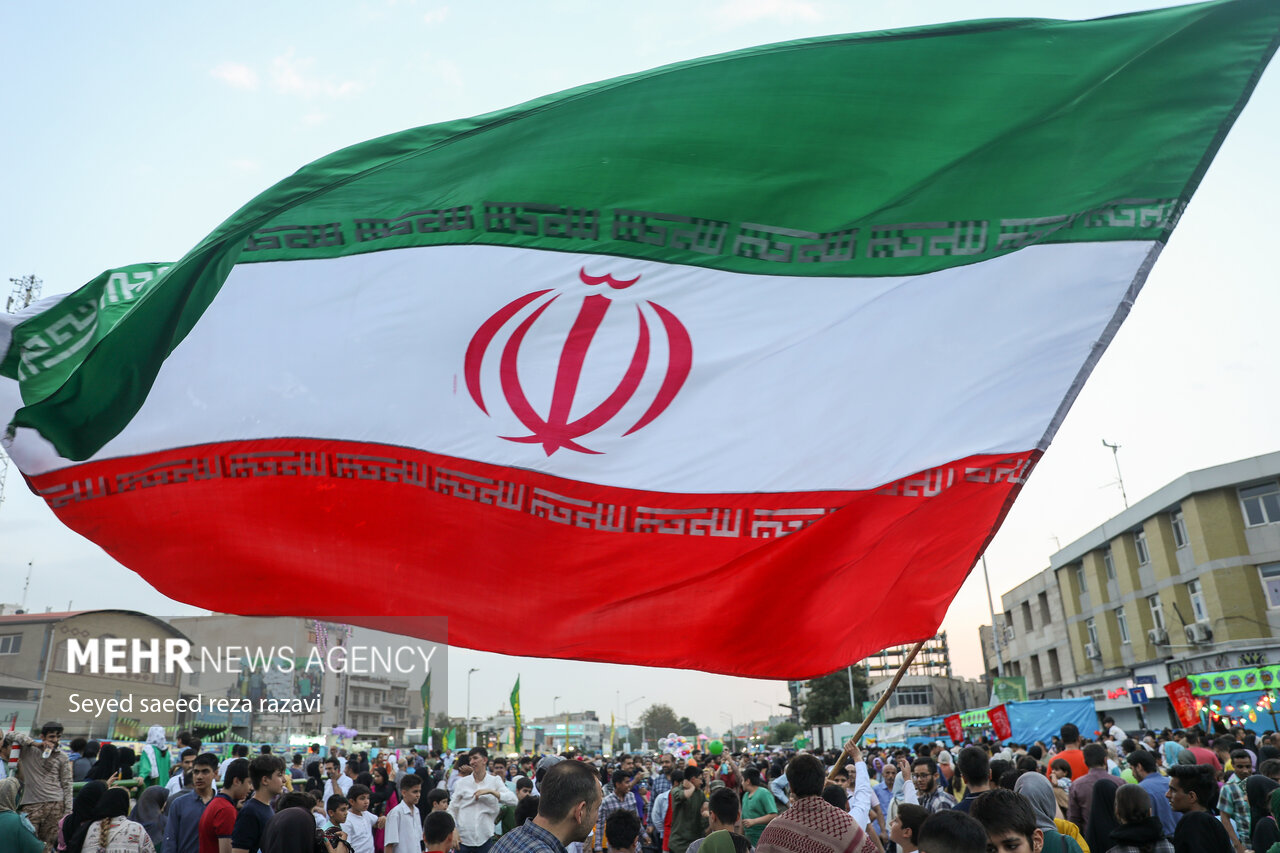
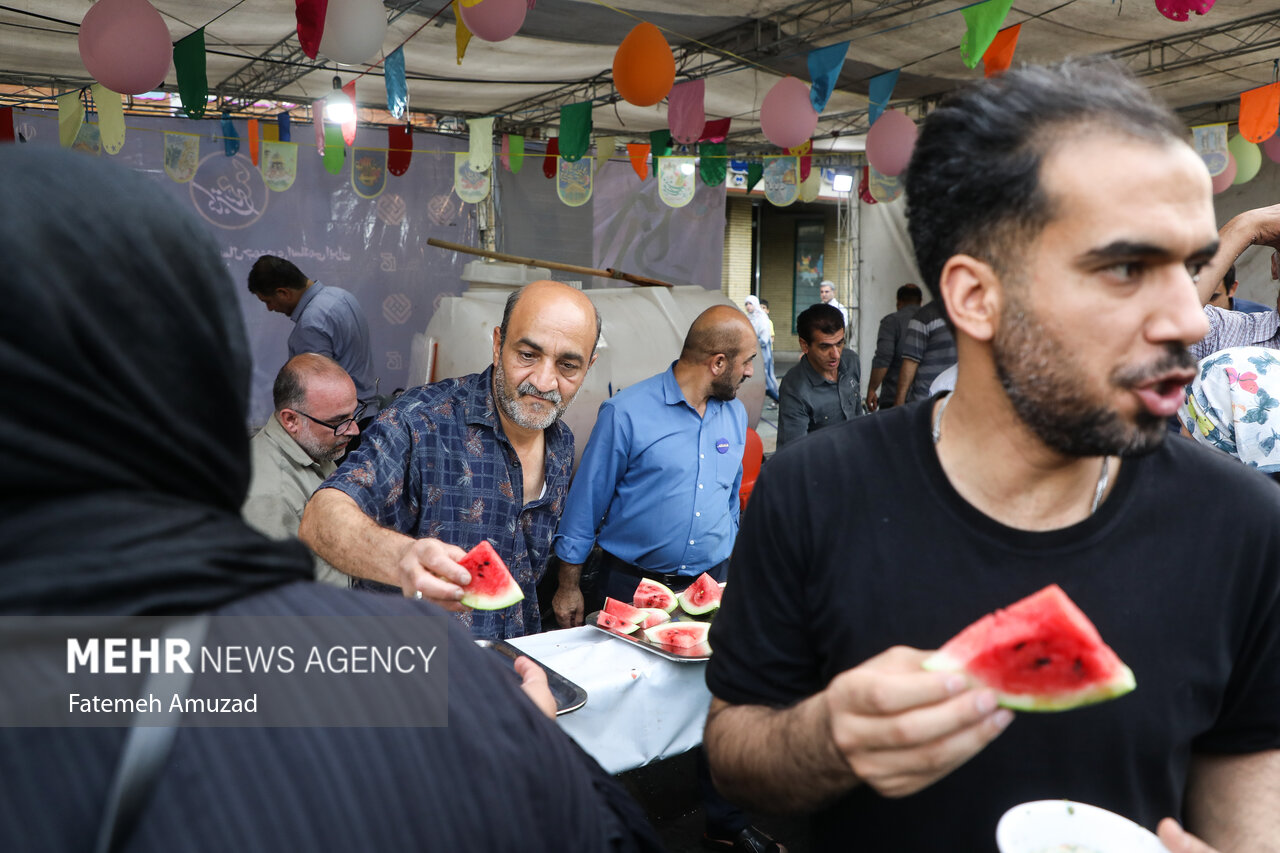
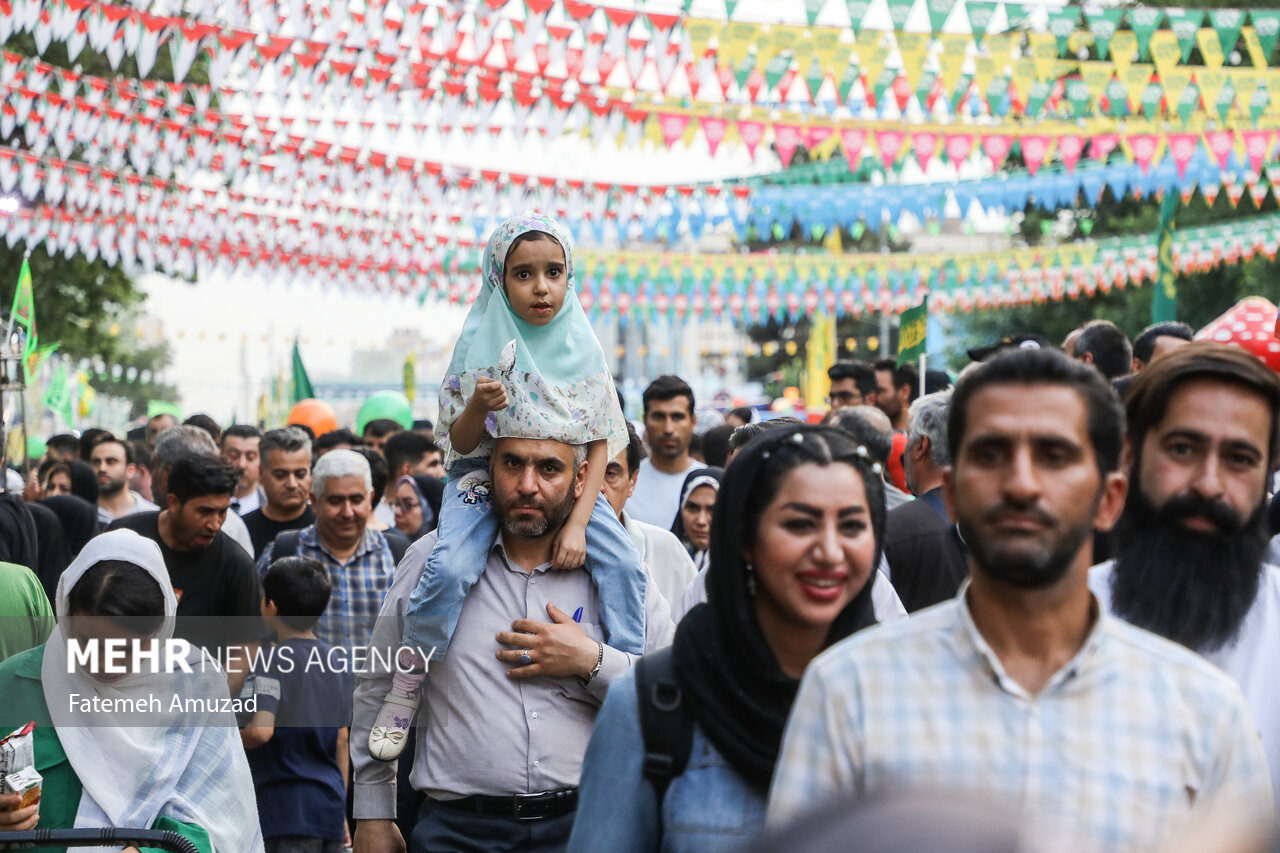
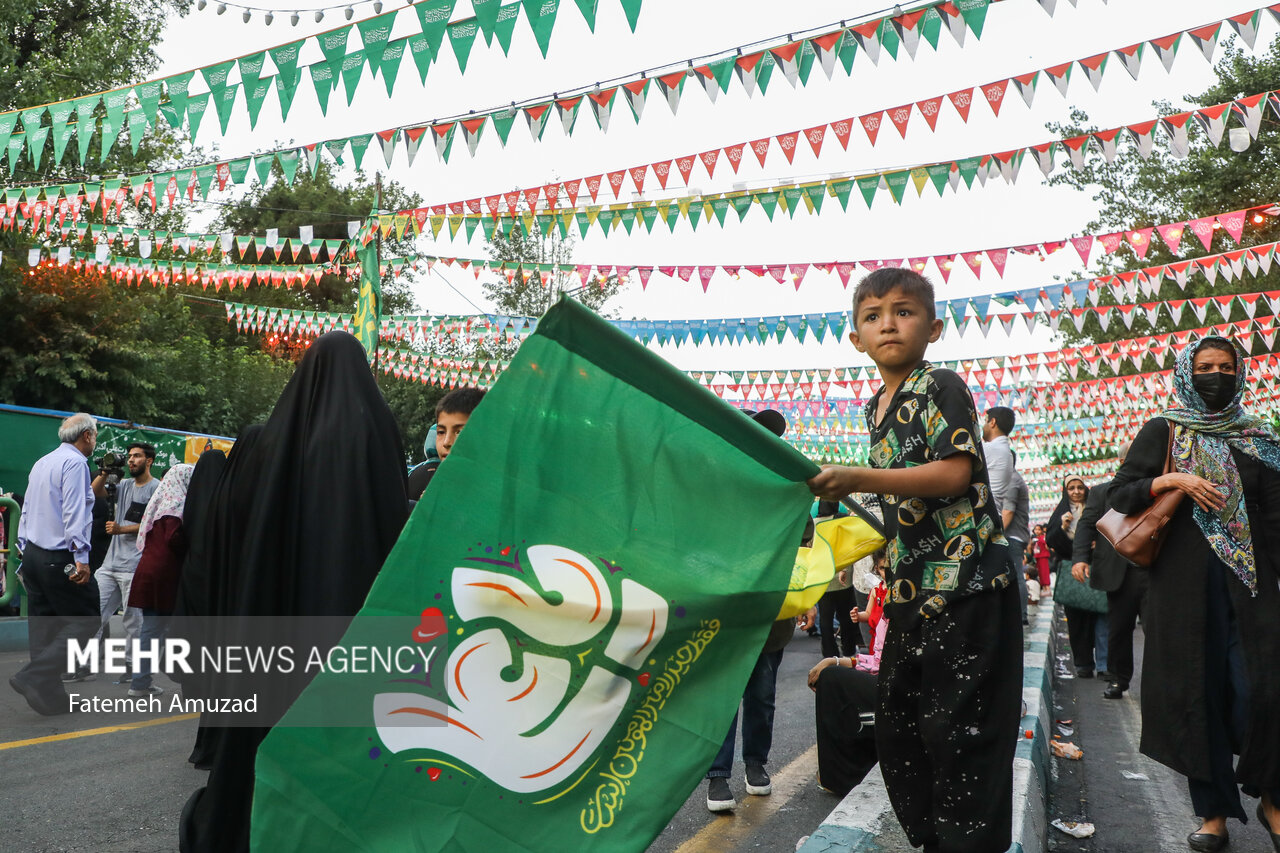
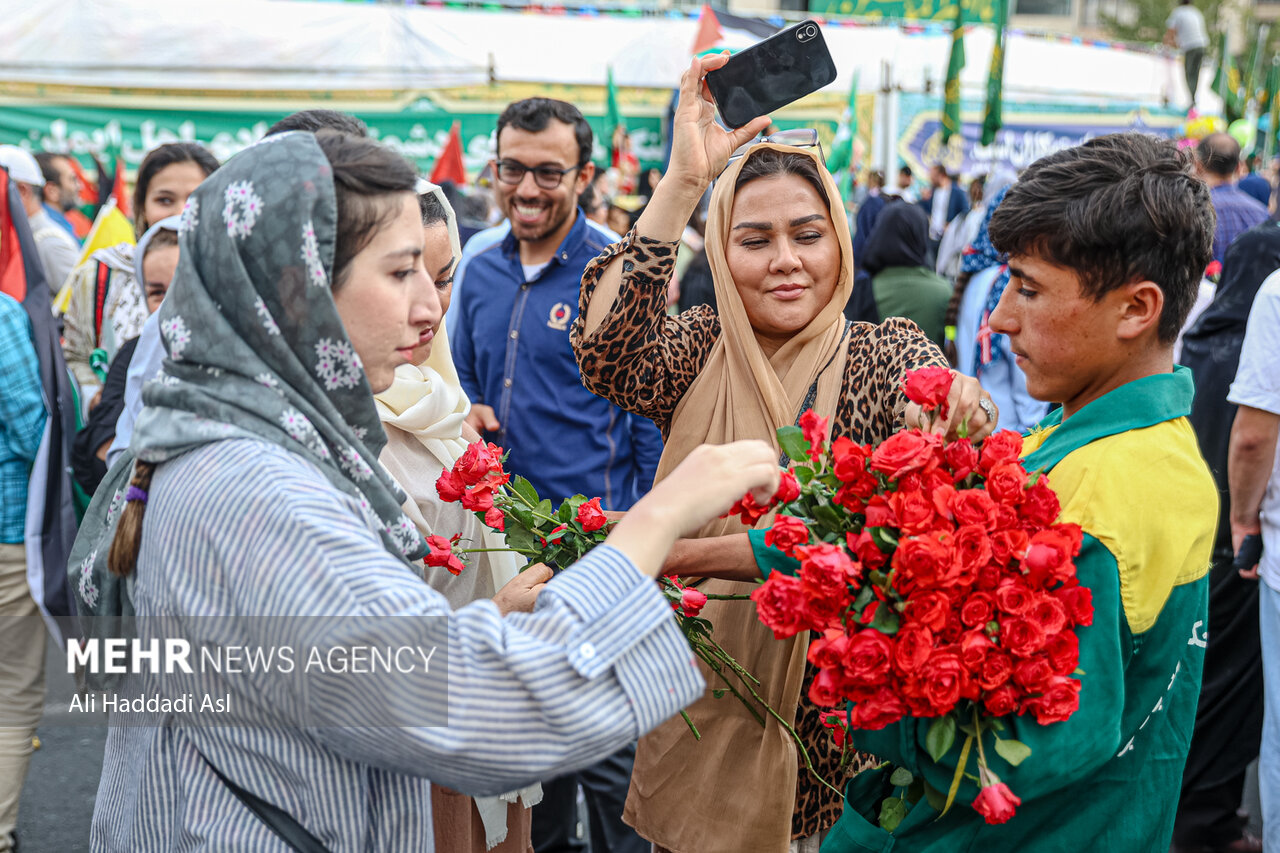
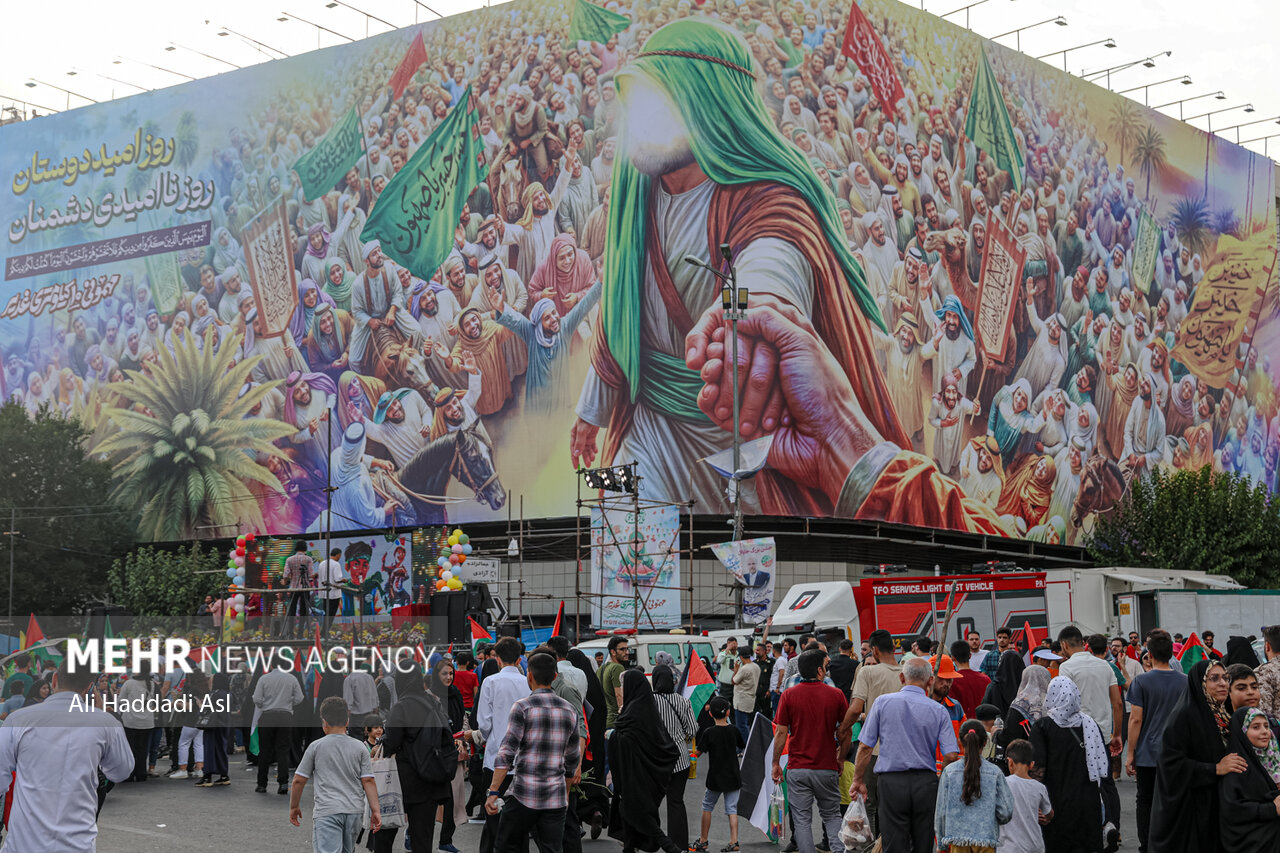
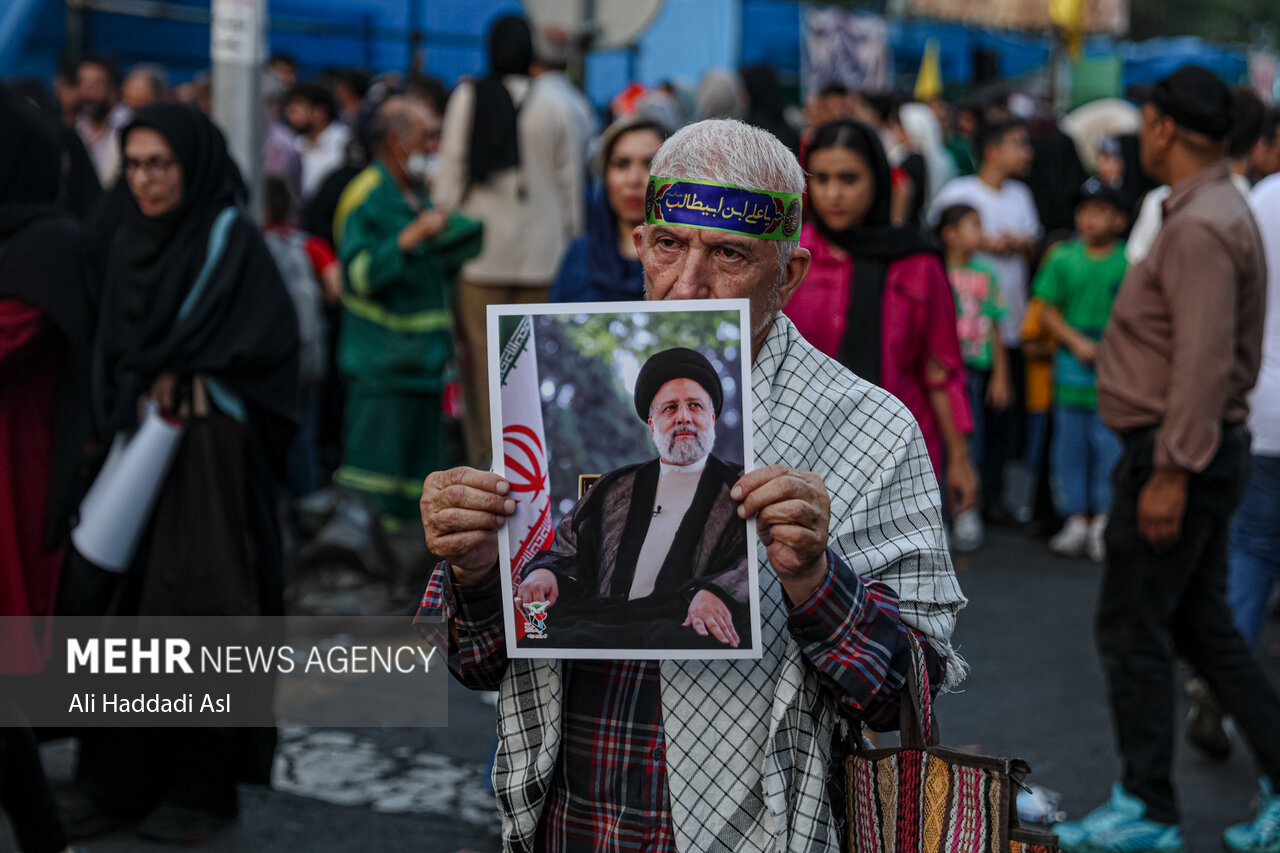
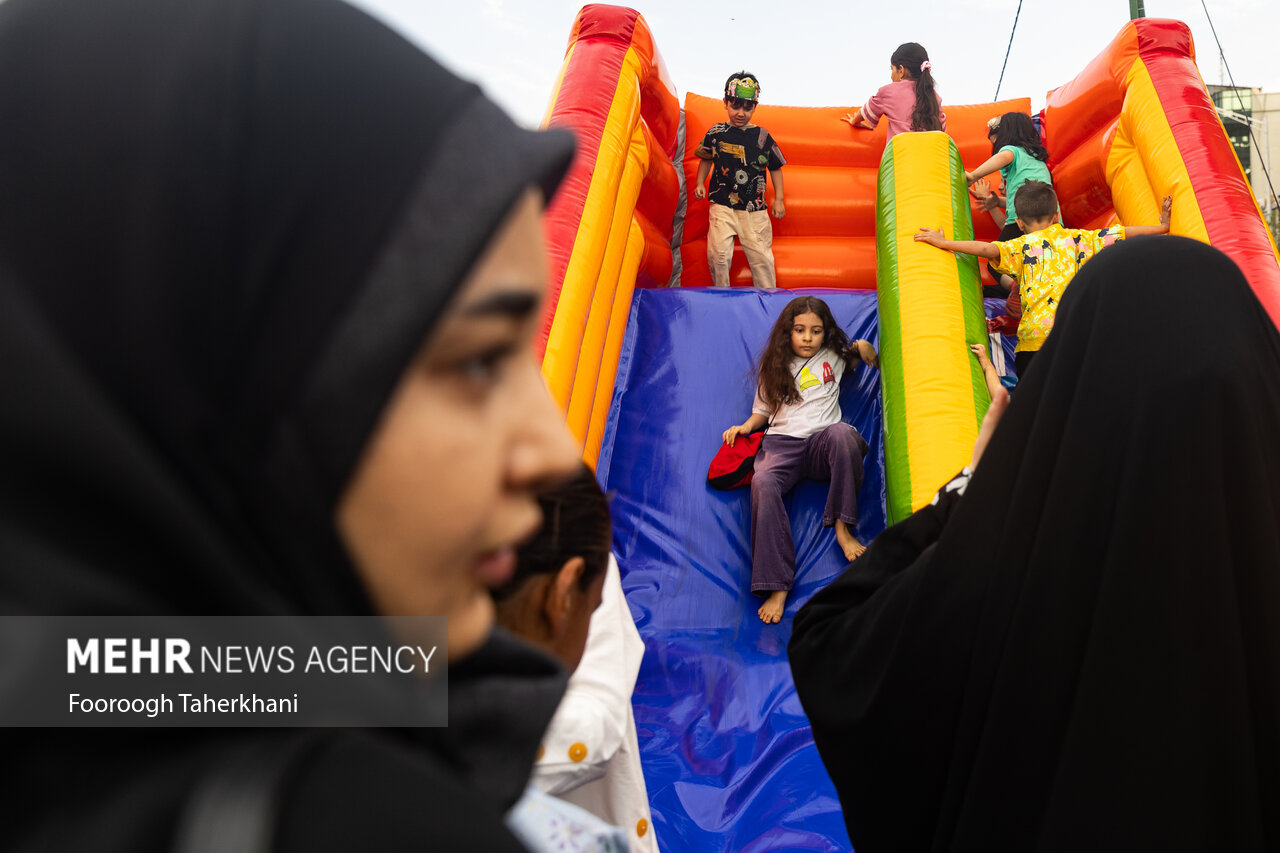
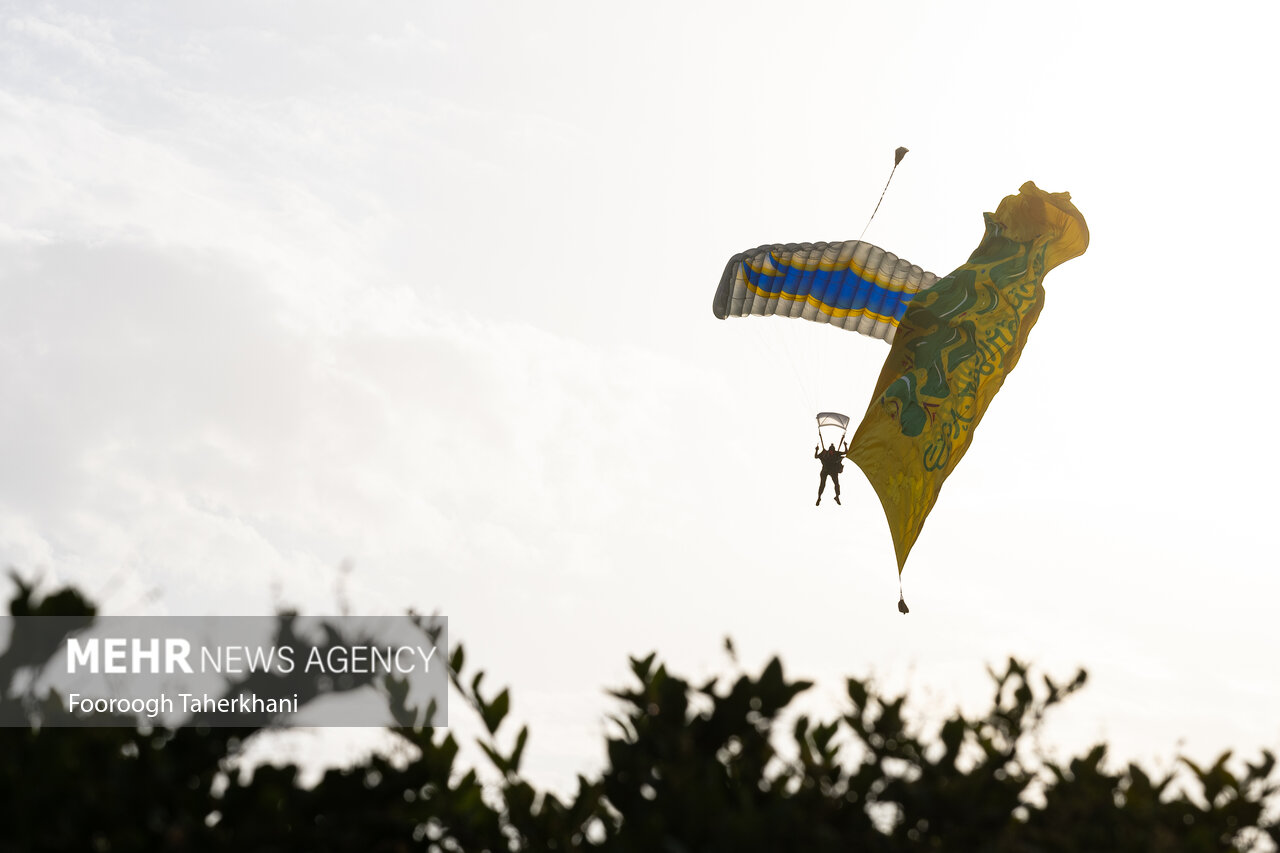
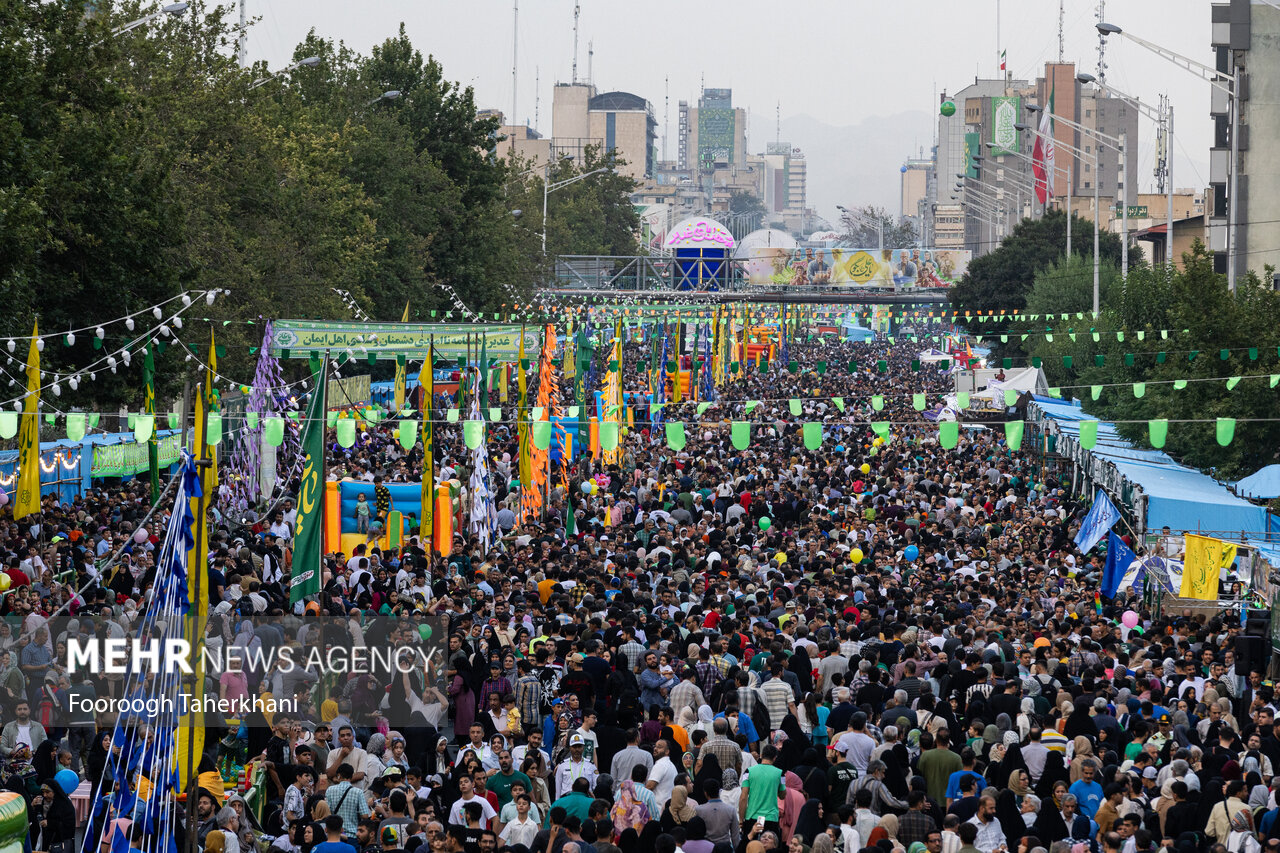
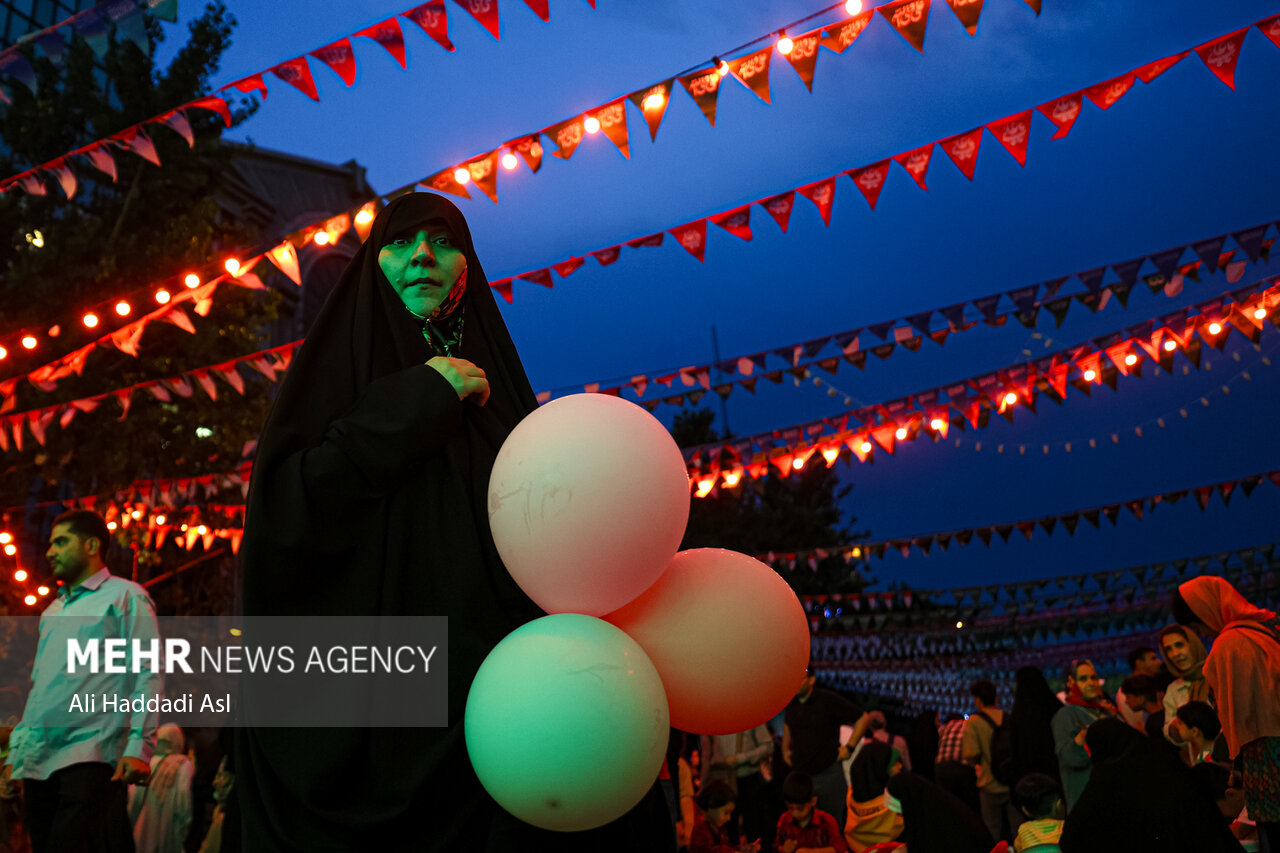
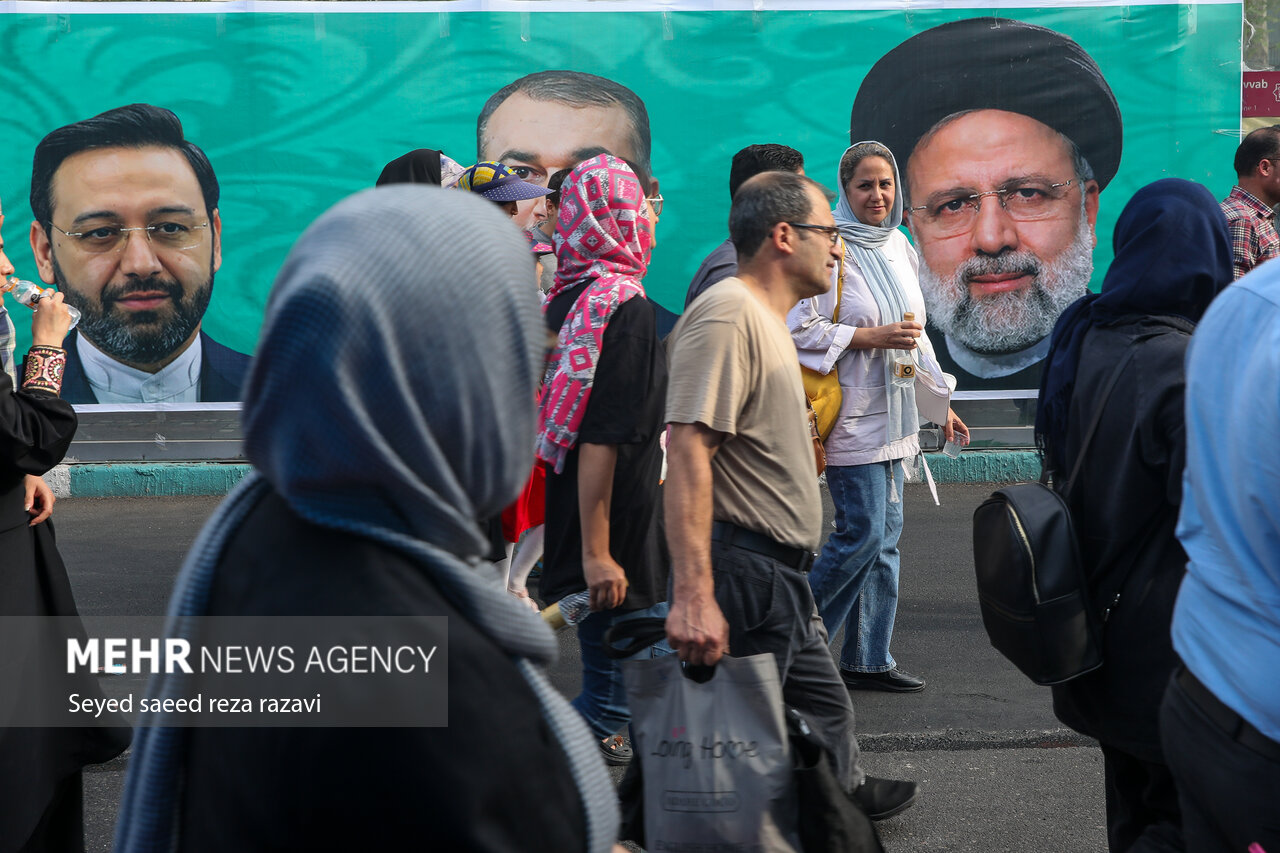
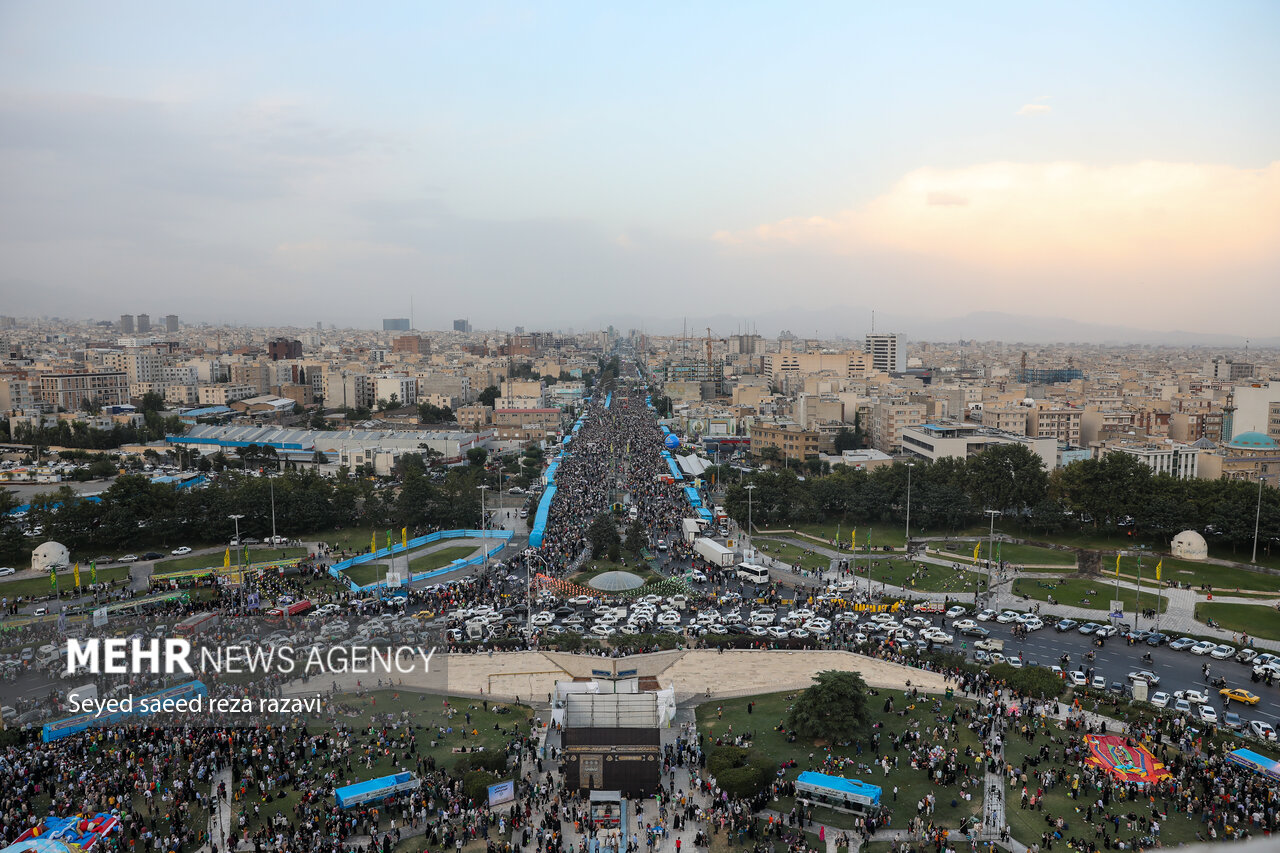
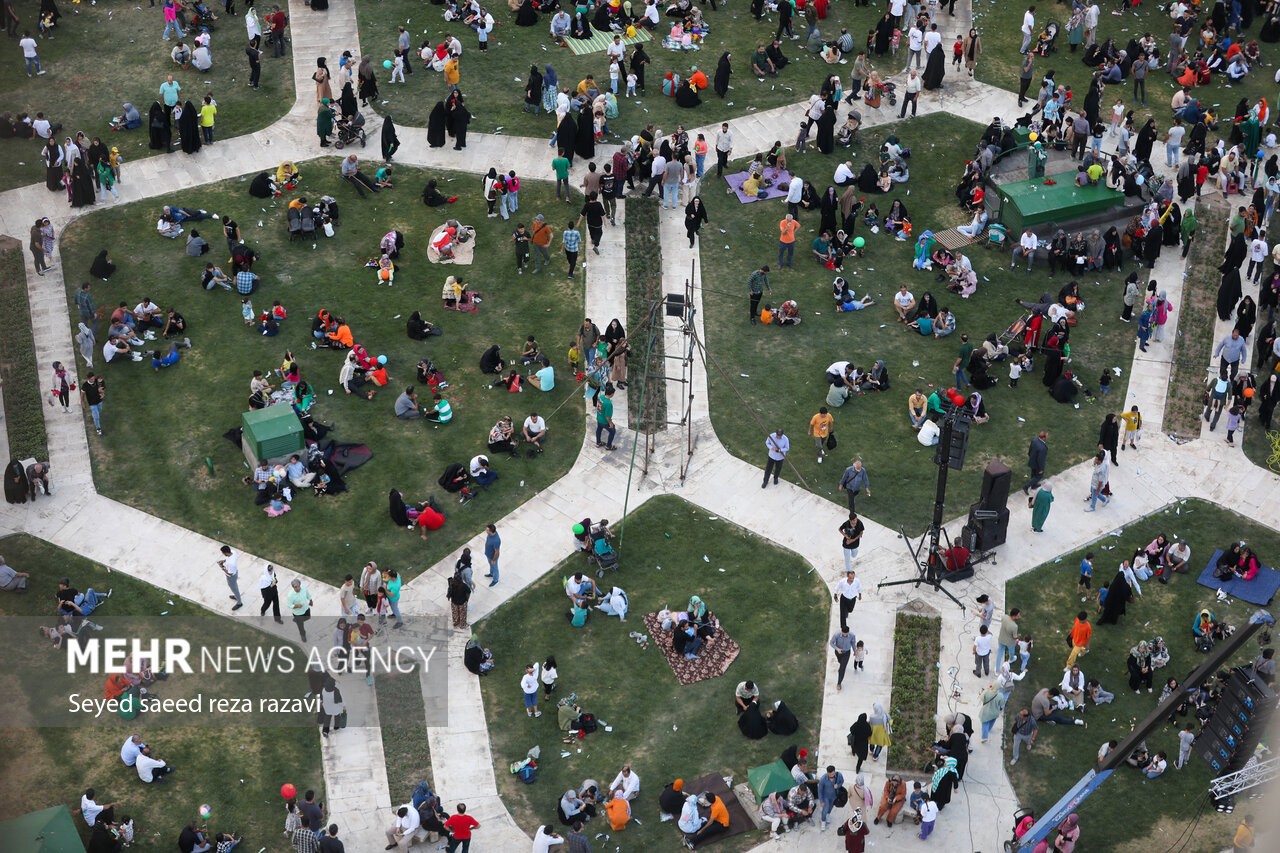
Earlier in the day, celebrations were held in mosques, parks, and public places across the cities and the streets were decorated with flags and decorative elements as part of the celebrations marking the event.

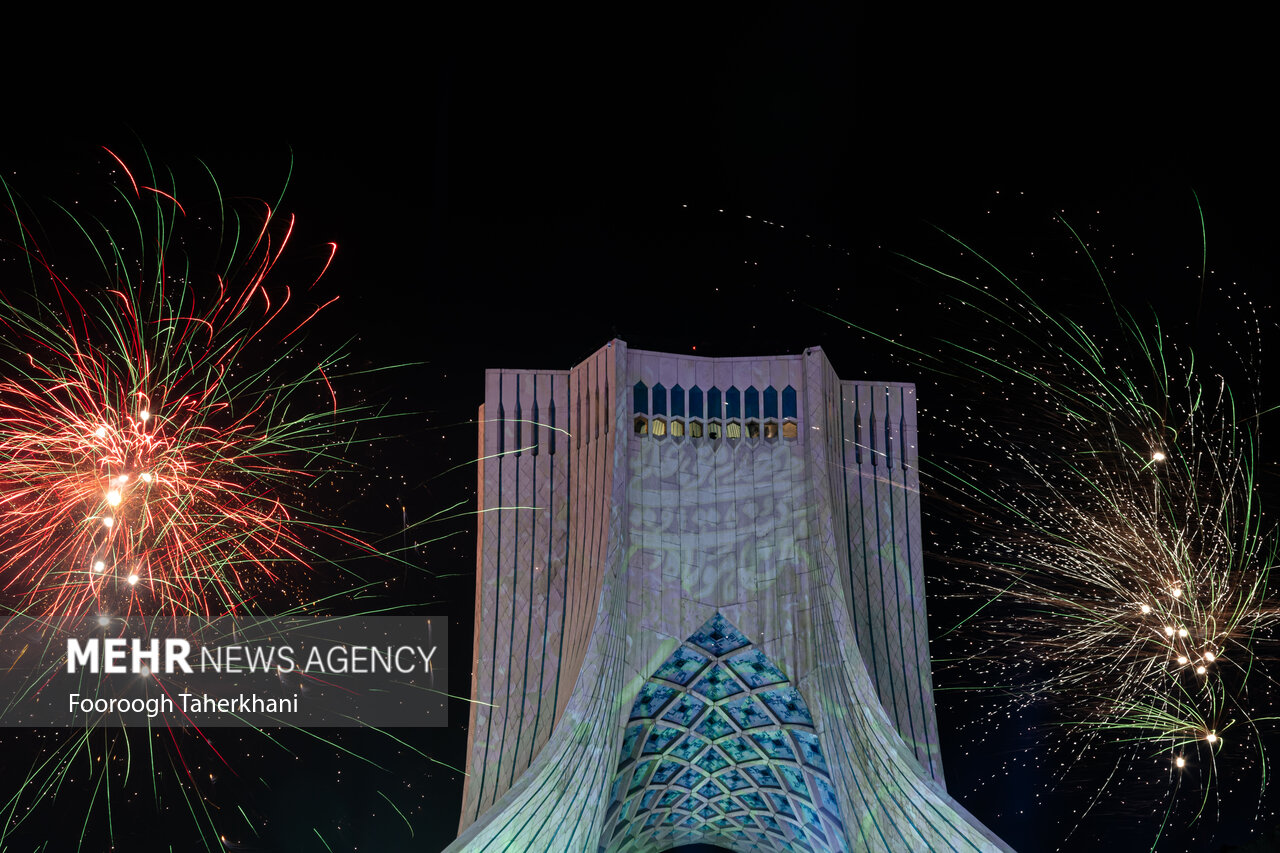
In the capital Tehran, massive crowds of people showed up for a 10-kilometer event and were hosted with food and drinks and musical performances. The event was dubbed Ghadir 10-kilometer festivity. Last year more than 3 million people took part in the event in the capital.

The event, which falls on the 18th of Dhul-Hajjah on the lunar calendar, is one of the most significant days for Shia Muslims worldwide.

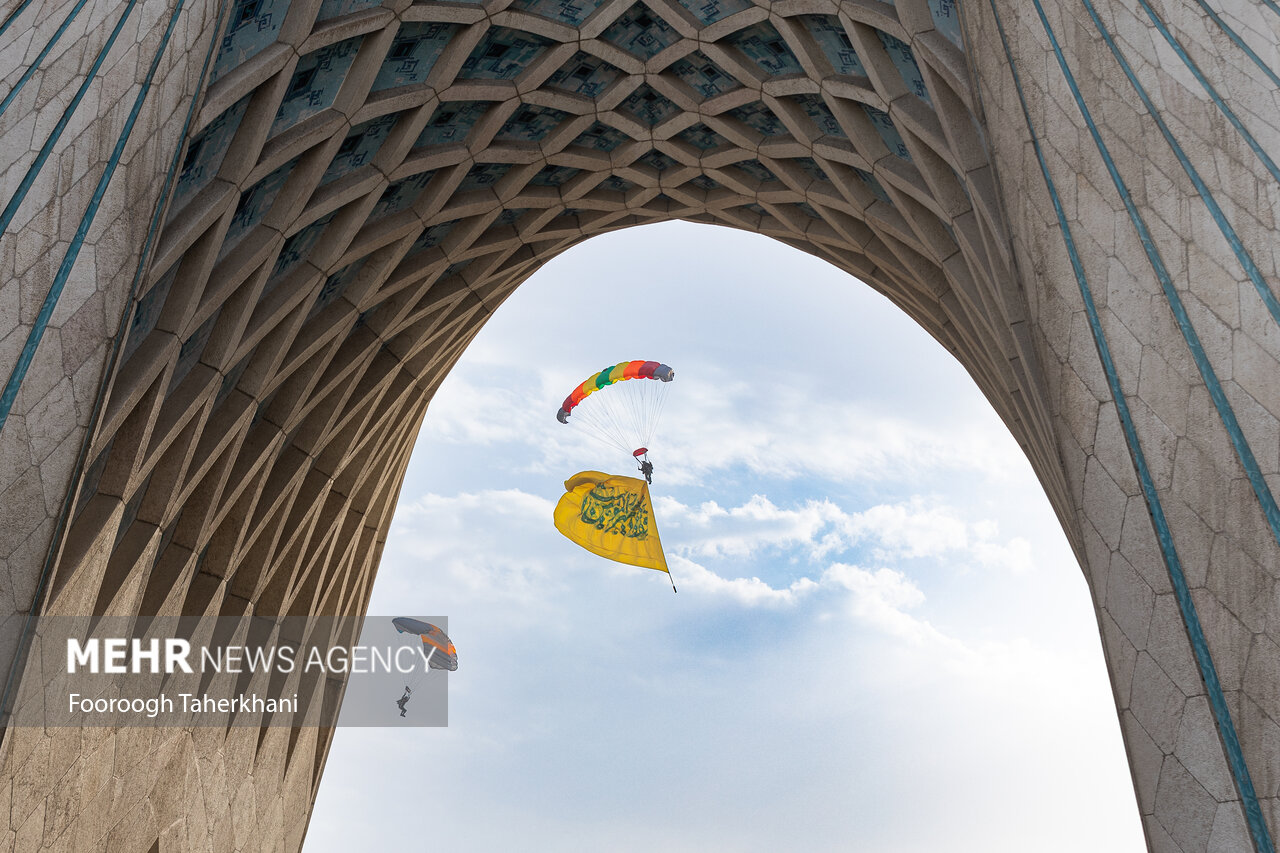
In this year’s event, stations from Lebanon, Yemen, Iraq, Pakistan, and Afghanistan were also set up along the 10-kilometer path from Enghelab Square to Azadi Square, the iconic tower in western Tehran.

The event is celebrated annually around the world by Shia Muslims, including in Iraq, Afghanistan, Pakistan, Turkey, the Azerbaijan Republic, Yemen and several other countries.

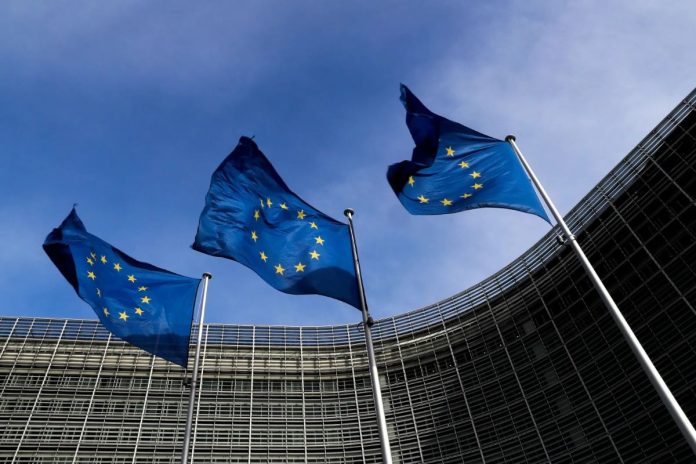
EU says to send €1.4bn in Russian money to Ukraine amid war

The European Union

The statement was made at a press conference following a meeting of EU Council foreign ministers.

Western nations have frozen around $300 billion in Russian sovereign assets over the Ukraine conflict, around $280 billion of which is immobilized in the EU.

“The ministers today agreed on the legal framework for the allocation of the windfall profits from immobile Russian assets to the European peace facility. The windfall profits coming from Russian assets frozen in Europe, not the assets itself, will be used in the swiftest possible manner for the benefit of Ukraine,” Borrell said, noting that the €1.4 billion will be available over the next month, while another €1 billion will be forthcoming by the end of the year.

The money will be used to purchase air defense systems and ammunition for Ukraine, as well as support the country’s defense industry, according to Borrell.

Brussels’ proposal to seize the interest earned on the Russian assets to acquire weapons for Ukraine emerged earlier this year. However, the move faced resistance from Hungary, a vocal critic of the West’s approach to the Ukraine conflict and its arms shipments to Kiev in particular.

Borrell added on Monday that Hungary cannot block the use of profits from the Russian assets for Ukraine, since it did not participate in the decision.

“We understand that, legally, since one member state didn’t participate in the decision to use these [immobilized] assets, it has not the right to participate in deciding to which purposes [the money] is allocated,” Borrell stated, without providing further explanation.

“Work will now speed up without having this blockage,” he continued.
Earlier in the day, Hungarian Foreign Minister Peter Szijjarto stated: “New billions for Ukraine. This time by kicking up the European rules and leaving out Hungary”.
Szijjarto also slammed fellow EU members in a post on social media, saying: “This is a clear red line, there was no example of such a shameless breach of common European rules before.”

The idea of seizing the frozen Russian assets has been debated by EU lawmakers and the bloc’s allies for about two years. Some top officials have warned that such a drastic move could undermine investor confidence in the EU’s financial system.

Russia has denounced the decision to transfer the profits from its assets to Ukraine as a blatant and illegal “expropriation”. Foreign Ministry spokeswoman Maria Zakharova stressed that Moscow has a “wide arsenal” of political and economic countermeasures it can use to respond to any confiscation of its sovereign assets.

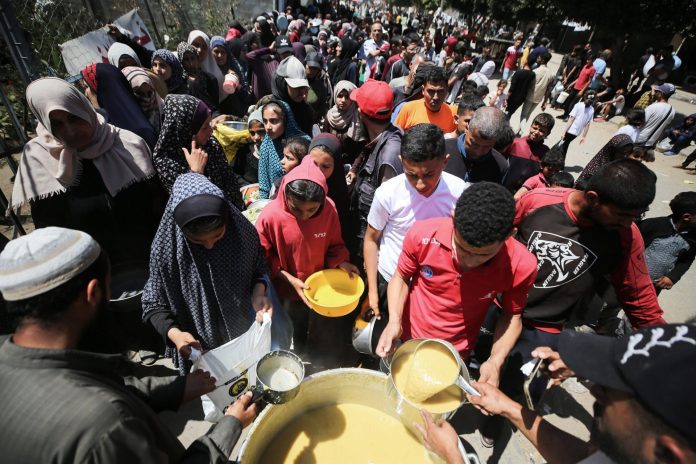
Gazans forced to rely on contaminated seawater for daily needs: UN

Gaza War

“In Gaza’s burning summer heat, children have to wait in long queues to access minimal amounts of water,” the UN agency for Palestinian refugees (UNRWA) said on X on Tuesday.

“Thousands of families are forced to rely on dirty sea water for their daily needs. Safe and unimpeded humanitarian access to the #GazaStrip is urgently needed to save lives,” it added.

Gaza municipality spokesperson Husnu Mehna told Anadolu in early June that the Israeli army, which has continued its military offensive in the enclave for months, has destroyed 42 water wells and seawater desalination plants.

UNRWA Commissioner-General Philippe Lazzarini also warned in a statement that Gaza had been decimated and become a “living hell” for more than 2 million people.

Israel has killed more than 37,600 Palestinians since the Oct. 7, 2023 cross-border incursion by Hamas that claimed 1,200 lives. The onslaught has reduced the territory to a rubble and led to conditions of famine.

A “high and sustained risk” of famine persists across the Gaza Strip as long as the war continues, according to the Integrated Food Security Phase Classification’s latest report on Tuesday.

Russia expects to sign new co-operation pact with Iran in ‘very near future’

Iran and Russia Flags

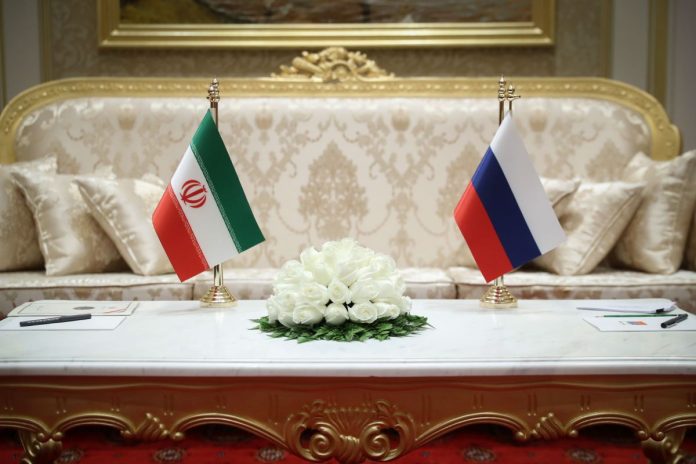
“We expect that this agreement will be signed in the very near future, since work on the text is already close to completion. All the necessary wording has been found,” RIA cited Rudenko as saying.

Earlier in June, Russia’s foreign ministry announced that work on the deal was temporarily suspended, while Iran stressed there was no break in preparing the new pact.

Russia and Iran signed a 20-year strategic agreement in 2001 that was automatically extended in 2020 for five years, according to Russia’s TASS state news agency reports. Both sides also agreed in 2020 to work on a new pact that would replace the old document.

The 2001 pact called, among others, for cooperation in security, energy projects, including the peaceful use of nuclear energy and the construction of nuclear power plants, industry and technology, according to its text published on the Kremlin’s website.

Very few details have emerged on what the new agreement would include. After Russia launched its full-scale invasion on Ukraine in 2022 and subsequent sanctions on Moscow by Kyiv’s allies, Russia and Iran have firmed investment, military and energy ties.