Saturday, December 27, 2025
Home Blog Page 786

Airlines suspend flights to Lebanon, Israel amid fears of wider conflict in West Asia

United Airline

The decision follows Wednesday’s assassination of Hamas political chief Ismail Haniyeh in Tehran. Expected retaliation from Iran against Israel has heightened security risks, impacting airline operations.

United Airlines, which operates 14 weekly flights between New York and Israel, has suspended flights to Israel until Aug. 6.

The US Delta Airlines also suspended flights to Israel, and British Airways canceled its flights to the country on Wednesday.

Air France-KLM, the parent company of both Air France and low-cost carrier Transavia France, says flights to and from the Lebanese capital will remain suspended until at least Tuesday due to “security” concerns in the region.

The two French airlines first stopped servicing the route on Monday, a day after Israel vowed to retaliate following a rocket fire that killed 12 people in the Israeli-occupied Golan Heights.

Swiss International Air Lines suspended flights between Zurich and Tel Aviv until at least Aug. 8, citing the safety of crew and passengers. Also, the suspension of Zurich-Beirut flights, initially set to end on July 29, has been extended to Aug. 12.

German airline Lufthansa announced it had suspended flights to Beirut and Tel Aviv until Aug. 8 and Aug. 12, respectively, due to security concerns.

The airline said it would monitor the situation on the ground to determine when flights can resume.

Spanish airline Iberia Express also canceled flights to Israel on Saturday and Sunday.

Air India also canceled its flights to Tel Aviv until Aug. 8, citing security concerns.

ITA Airways, Italy’s flag carrier, announced that flights to and from Tel Aviv are suspended until Aug. 6 “due to geopolitical developments in the Middle East and to ensure the safety of its passengers and crews”.

Poland’s national airline LOT canceled eight flights to Lebanon and Israel scheduled for Aug. 3-4, according to Polish news agency PAP.

Dutch airline KLM also canceled all its flights to and from Israel until Oct. 26.

Aegean Airlines and Condor Airlines also suspended flights from Athens to Beirut until Aug. 1 due to regional tensions.

Singapore Airlines (SIA) said it would avoid Iranian airspace due to rising Mideast tensions.

The suspensions come amid rising tensions and the potential for a broader conflict between Iran and the Lebanese Hezbollah group on one side and Israel on the other.

The flight halts follow the assassination of senior Hezbollah commander Fuad Shukr by Israel on Tuesday and accusations by the Palestinian group Hamas and Tehran that Israel assassinated Haniyeh in the Iranian capital on Wednesday.

Hamas and Iran have vowed to retaliate for Haniyeh’s assassination, while Hezbollah has pledged to respond to Shukr’s killing.
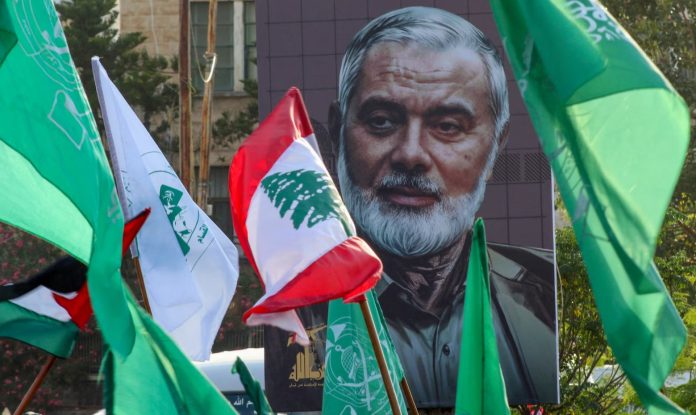
Haniyeh killed by ‘short-range projectile’: IRGC

Hamas Ismail Haniyeh

The IRGC said his assassination had been “planned and carried out by the Zionist regime” and supported by the “criminal government of the US”.

Haniyeh was killed by a “short-range projectile with a warhead of about 7kg, accompanied by a severe explosion from outside his room”, the statement read.

It added Tehran’s response will be “severe and at the appropriate time, place and manner”.

Haniyeh, who was in Tehran to attend the swearing-in ceremony of Iran’s newly-elected President Masoud Pezeshkian, alongside other Axis of Resistance leaders, was killed along with his bodyguard, in an attack early on Wednesday.

Leader of the Islamic Revolution Ayatollah Seyyed Ali Khamenei has warned the Israeli regime of a “harsh response” for Haniyeh’s assassination, calling it Tehran’s duty to avenge the Palestinian resistance leader’s blood.

“The criminal and terrorist Zionist regime martyred our dear guest in our homeland and left us bereaved, but it also set the ground for a harsh punishment for itself,” the Leader stressed.

US intelligence claims Russian military advising Yemen’s Houthis

Yemen Houthi

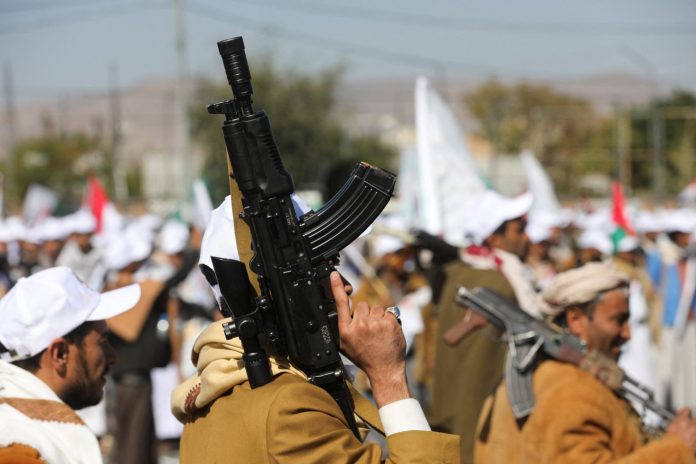
Members of Russia’s GRU military intelligence are operating in the Houthi-controlled territory of Yemen in an advisory role, a senior US official told MEE, speaking on condition of anonymity and citing US intelligence.

The exact nature of the Russians’ role is murky, but the US official said that GRU officers have been operating in Yemen for “several months” to assist the Houthis in their targeting of commercial shipping, which the Houthis say is in solidarity with besieged Palestinians in the Gaza Strip.

The sensitive deployment comes as Russia has been eyeing ways to step up its support for the Houthis.

President Vladimir Putin mulled providing the Houthis with sophisticated anti-ship cruise missiles, but was dissuaded from doing so after the direct intervention of Saudi Arabia’s Crown Prince Mohammed bin Salman, MEE revealed in June.

The Wall Street Journal confirmed the report in July but added that the US is still concerned Putin could arm the Houthis, potentially as a way to dissuade the US from allowing Ukraine to strike deeper into Russian territory.

“If Russia were to give the Houthis arms, putting technical advisors on the ground would be the first step to doing so,” Samuel Ramani, an expert on Russia’s foreign policy in the Middle East and Africa at the Royal United Services Institute, told MEE.

“But it could also just be a sign of deepening cooperation. Given the Saudis’ concerns, this would be a middle ground as Putin holds off on arming the Houthis.”

The US intelligence shared with MEE did not reveal where the Russian advisors are operating.

The US anticipates the “axis of resistance”- which includes Yemen’s Houthis, Lebanese Hezbollah and Iraq’s Popular Mobilisation Forces – to take a more prominent role in a retaliatory attack on Israel compared to April when Iran directly launched hundreds of drones and missiles at Israel.

Publicly, the Houthis and Russians have been engaging more closely. In July, Putin’s top Middle East diplomat, deputy foreign minister Mikhail Bogdanov, met in Moscow with a Houthi delegation led by the group’s spokesman, Mohamed Abdel Salam.

The Houthis started firing missiles and drones at commercial ships in the Red Sea shortly after the Hamas-led 7 October attacks on southern Israel. They say the attacks have been in response to Israel’s offensive on the besieged enclave.

In January, the US started bombing the Houthis but the strikes have not deterred the group.

The US says the Houthi attacks have been “indiscriminate” but the Houthis have guaranteed that vessels linked to Russia, Iran and China are safe in the Red Sea.

Analysts say those attacks underscore the difficulty the Houthis face trying to sort through the interconnected world of global shipping, and their maritime intelligence limitations.

Current and former US officials have told MEE they believe Putin sees the rising tensions in the Middle East as a weak spot to pressure the US over its support for Ukraine.

“There is a connection between Russia’s war on Ukraine and the Red Sea,” General Frank Mckenzie, the retired commander of US Central Command, previously told MEE.

“Putin sees the US responsible for Ukrainian attacks on Russian vessels in the Black Sea. It is possible he could see doing something in the Red Sea as payback,” he added.

The US says the Houthis are relying on Iranian support to conduct their strikes, but the group also appears to be leaning heavily on open-source shipping data to draw up their target lists.

Putin’s decision to dispatch GRU officials on the ground in Yemen could be motivated by a desire to better organise the Houthis’ intelligence capabilities.

Russia is not shy about putting boots on the ground in the Middle East.

Russia’s Wagner mercenary group operates in Libya and the arid Sahel region. Russia’s military is also deployed in Syria where it supports President Bashar al-Assad. Meanwhile, in Sudan, Russia is pushing ahead with plans for a Red Sea naval base, MEE has reported.

“It makes sense Putin would want people on the ground to see how the Houthis are targeting and make sure Russian vessels aren’t hit,” Ramani stated.

Israeli attacks on Gaza killed 39,550 since start of war: Health Ministry

Gaza War

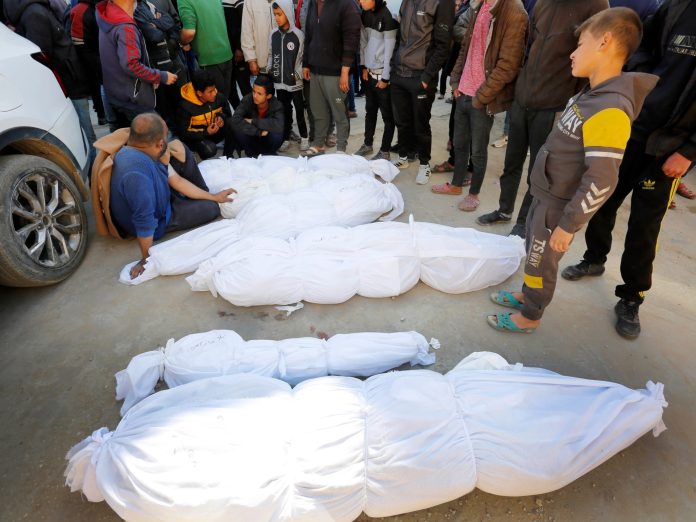
The Health Ministry in the Gaza Strip has provided an update on casualties resulting from Israel’s war on the blockaded territory.

The ministry added that 91,280 people have been injured during the war.

“Many people are still trapped under rubble and on the roads as rescuers are unable to reach them,” it said.

Israel, flouting a United Nations Security Council resolution demanding an immediate cease-fire, has faced international condemnation amid its continued brutal offensive on Gaza since an Oct. 7 attack by Hamas.

Almost 10 months into the Israeli war, vast tracts of Gaza lie in ruins amid a crippling blockade of food, clean water, and medicine.

Israel is accused of genocide at the International Court of Justice for its actions in the coastal enclave.

5 Palestinians, including Qassam Brigades local commander, killed in Israel airstrike in West Bank

West Bank Attack

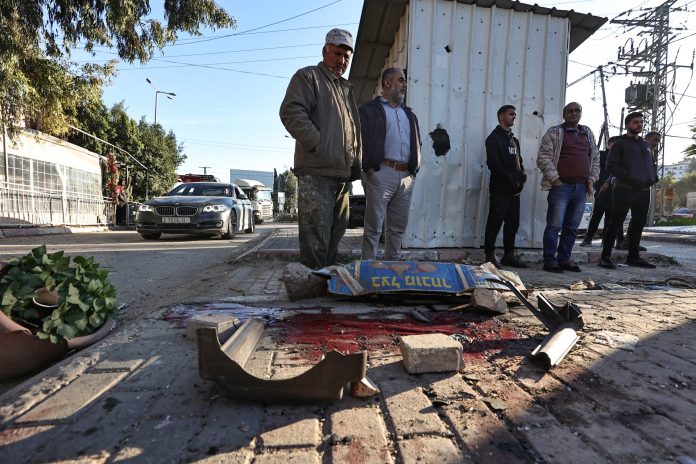
Medical sources confirmed to Al Jazeera on Saturday that one of the people killed was Haitham Balidi, leader of the Qassam Brigades in the Nablus area. Another person was identified by a relative as one of the leaders of al-Quds Brigades, the armed wing of the Palestinian Islamic Jihad group.

The identities of the other people were not immediately clear. Family members went to a hospital in Tulkarem to identify the dismembered bodies brought there.

Air attacks in the occupied Palestinian territory have surged since the start of the war in Gaza on October 7, with authorities recording at least 29 strikes which killed more than 80 Palestinians.

The attack took place as the Israeli army raided several towns across the West Bank.

Since October 7, Israeli forces have killed at least 600 Palestinians in the West Bank, including 144 children.

Meanwhile, ground Israeli raids and mass arrests in the West Bank have also ballooned over the same period, becoming a nearly daily occurrence.

The Palestinian Prisoner’s Society watchdog says more than 9,300 people have ended up in Israeli prisons. Of these, at least 3,400 are in so-called administrative detention, a controversial practice that allows Israel to hold suspects for extended periods without having committed an offence.

Israeli incursion in cities and towns across the occupied West Bank is also causing major disruption for civilian life. The UNRWA agency for Palestinian refugees said on Friday that the situation in the West Bank is worsening daily in what it described as a “silent war” amid water shortages and electricity outages.

Since 1967, the West Bank has been under Israeli occupation. In a landmark, yet non-binding ruling, the International Court of Justice last month declared Israel’s continued presence unlawful.

Situation in West Bank ‘worsening daily’: UNRWA

Israel Palestine

“The situation in the West Bank is worsening daily. Nur Shams and Tulkarm (refugee) camps are suffering from water shortages and electricity outages,” UNRWA said in a statement.

It added that the Israeli army’s “operations continue causing destruction and threatening the lives of people in the area.”

The UN agency described the Israeli attacks in the West Bank as a “silent war”, urging for its end.

Tensions have been running high across the occupied West Bank, including Jerusalem, amid a deadly Israeli offensive that has killed nearly 39,500 victims in the Gaza Strip since Oct. 7.

More than 590 Palestinians have since been killed and nearly 5,400 others injured by Israeli army fire in the occupied West Bank, according to the Health Ministry.

In a landmark opinion on July 19, the International Court of Justice declared Israel’s decades-long occupation of Palestinian land “illegal” and demanded the evacuation of all existing settlements in the West Bank and East Jerusalem.

Pentagon rescinds plea agreement for accused plotters of 9/11 attacks

Pentagon

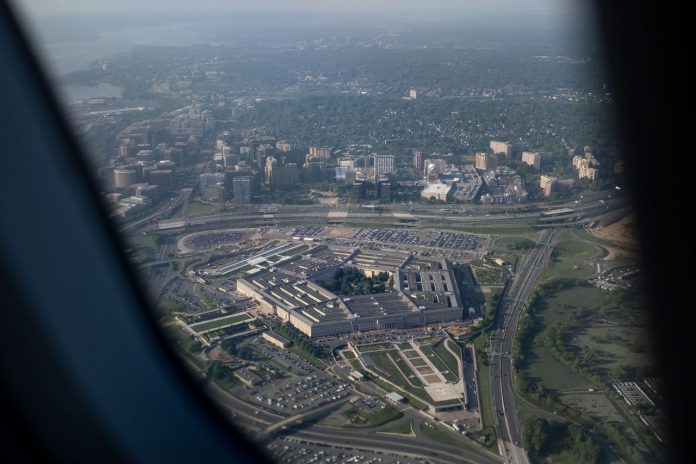
Austin said in a news release that he believes that given the significance of the case, responsibility on what happens to the prisoners held at Guantanamo Bay “should rest with me as the superior authority under the Military Commissions Act of 2009″.

Earlier this week, the Pentagon announced an agreement had been reached with Khalid Sheikh Mohammed, Walid Muhammad Salih Mubarak bin Attash and Mustafa Ahmed Adam al-Hawsawi. Under the plea deal, the three prisoners would have received life sentences.

Retired Brig. Gen. Susan K. Escallier signed a pretrial agreement Wednesday.

In the Friday memo, the Pentagon secretary wrote “effective immediately, in the exercise of my authority, I hereby withdraw from the three pretrial agreements that you signed on July 31, 2024″.

Escallier’s approval of the plea deal drew blowback from some families of the victims, New York City firefights and high-profile Republicans.

Some critics also said the agreement would prevent the public from ever knowing what really happened nearly 23 years ago. Republicans are directing their criticism at President Joe Biden and Vice President Kamala Harris, even though the White House said it did not play a role in the negotiations.

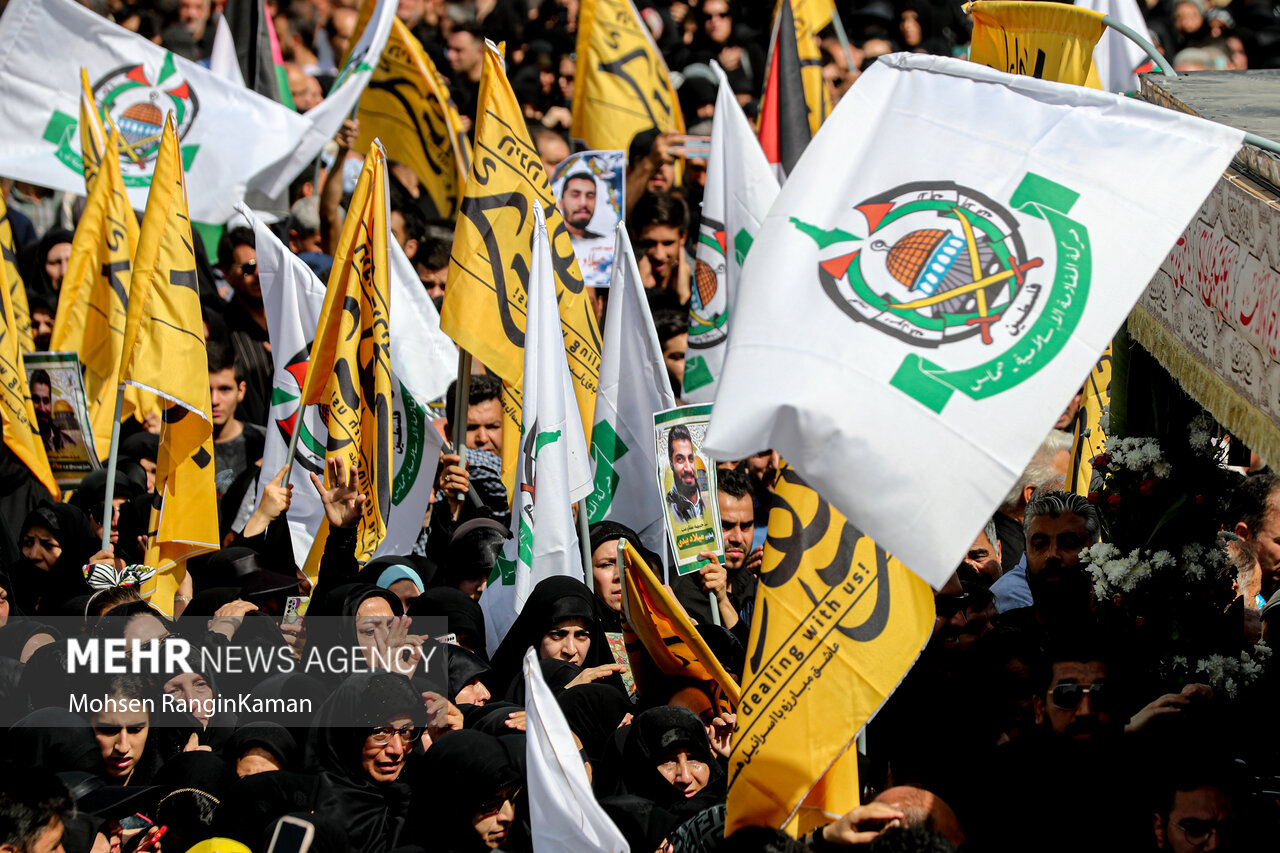
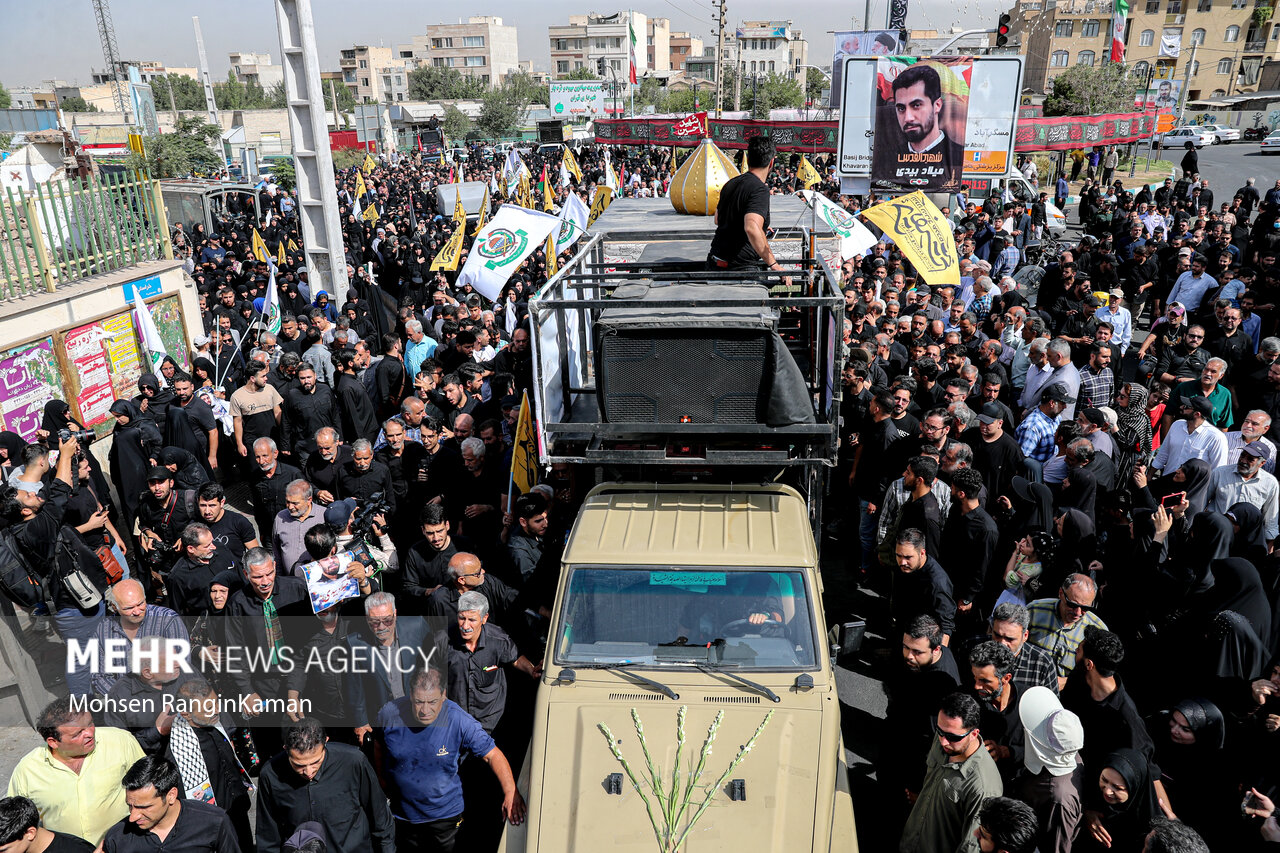
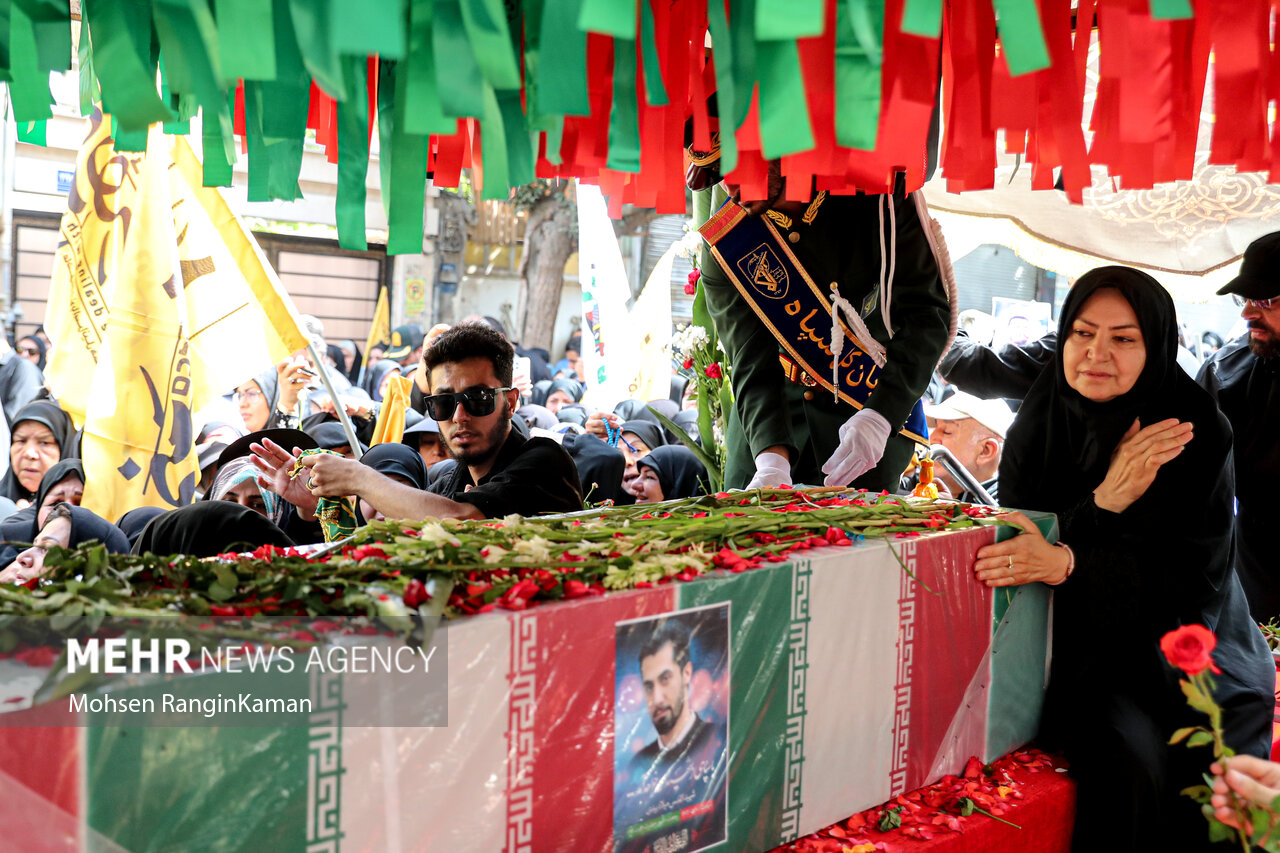
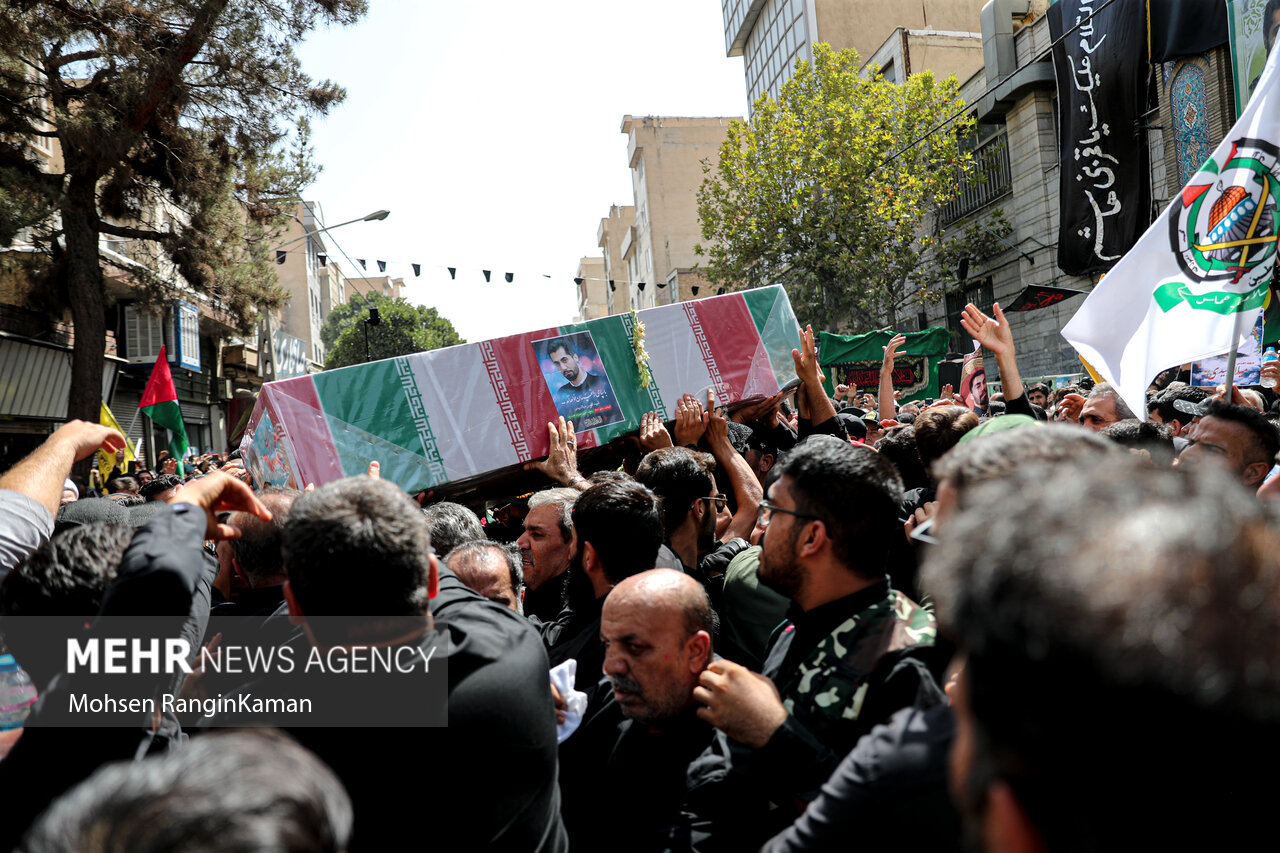
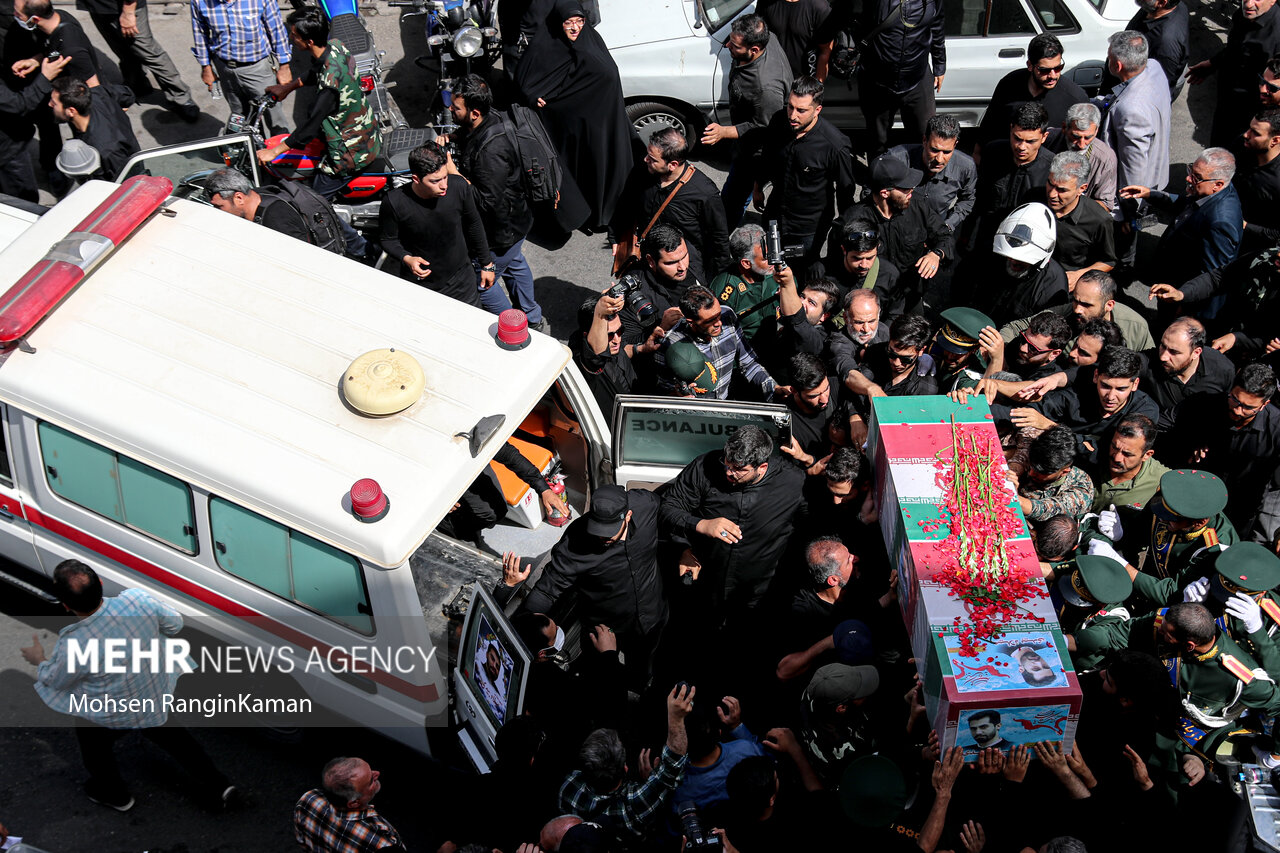
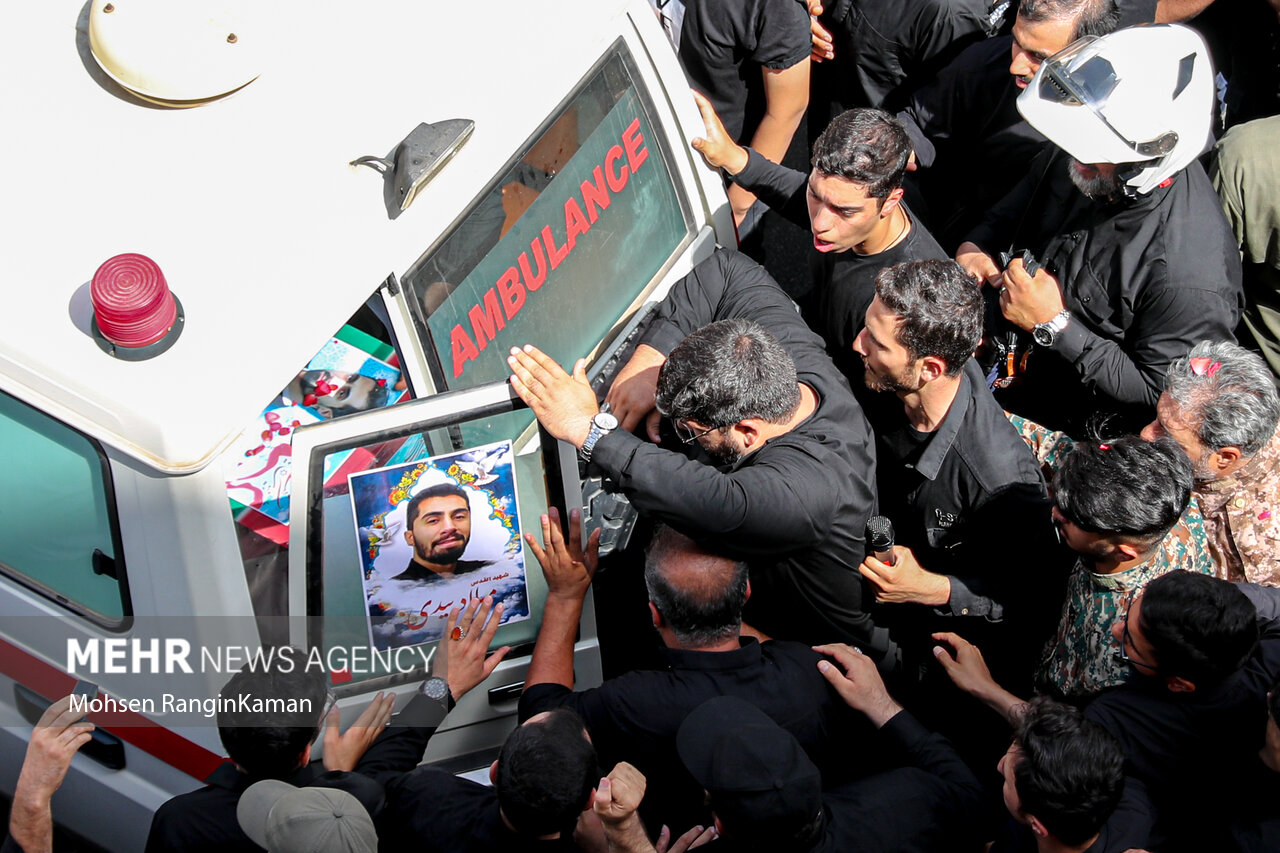
Body of a former IRGC military advisor in Syria honored, buried in Tehran

Milad Bidi

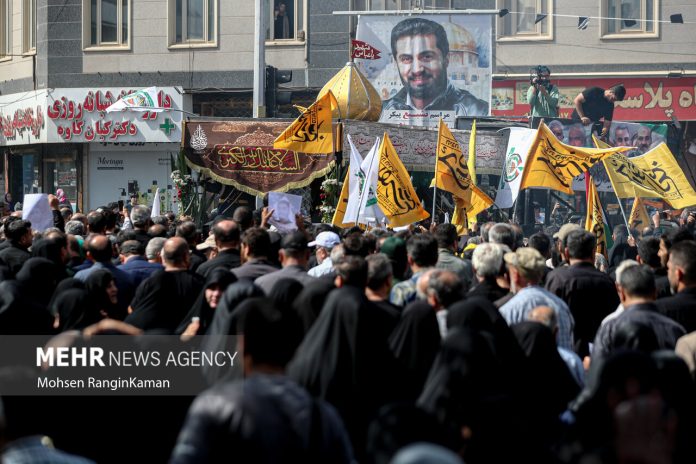
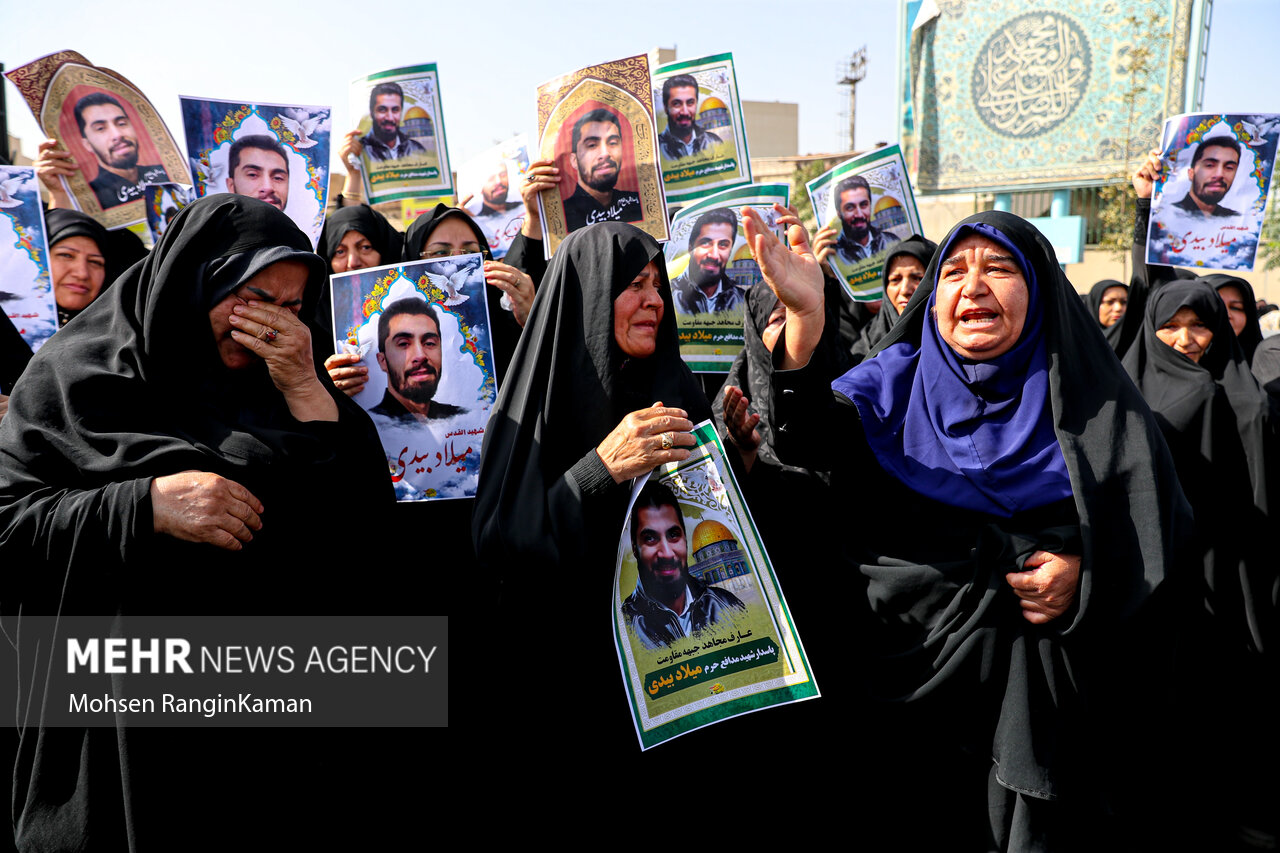
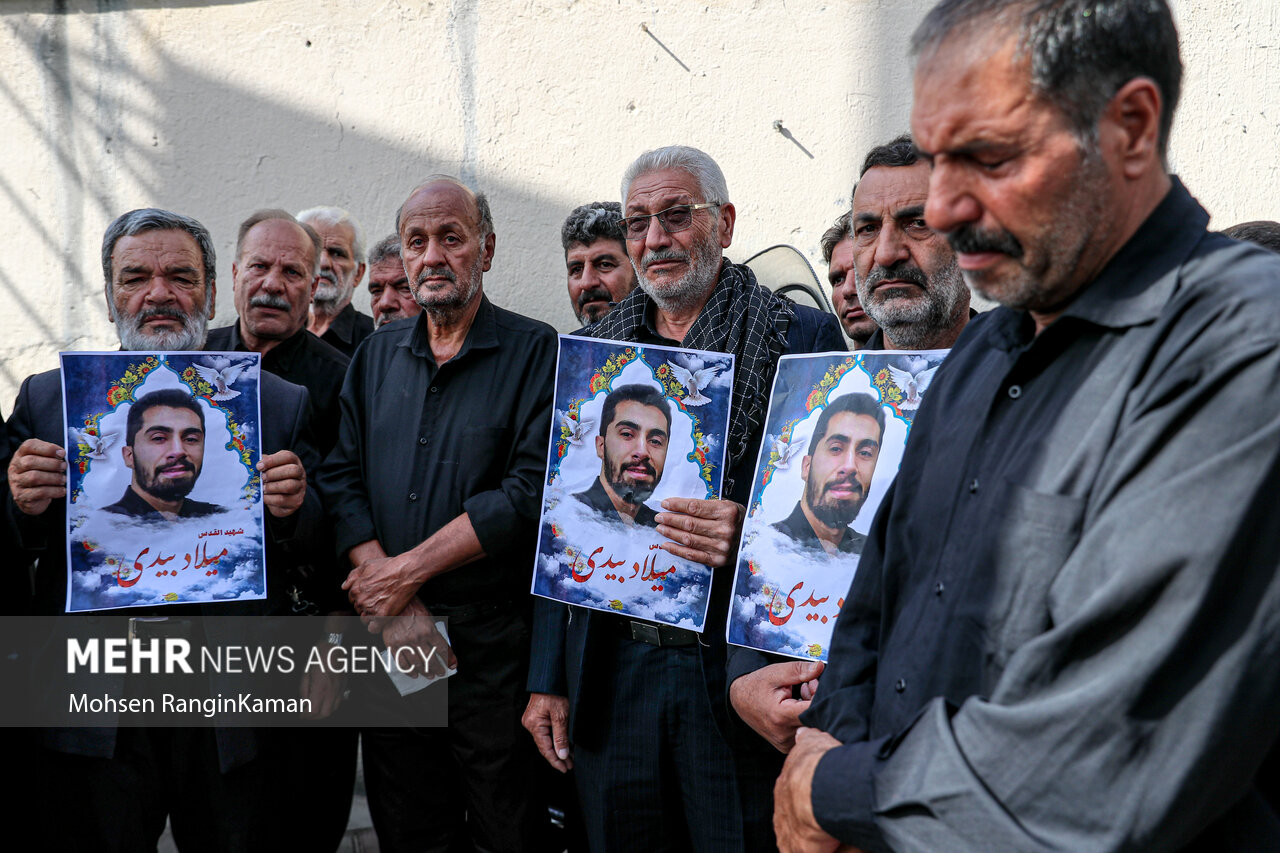
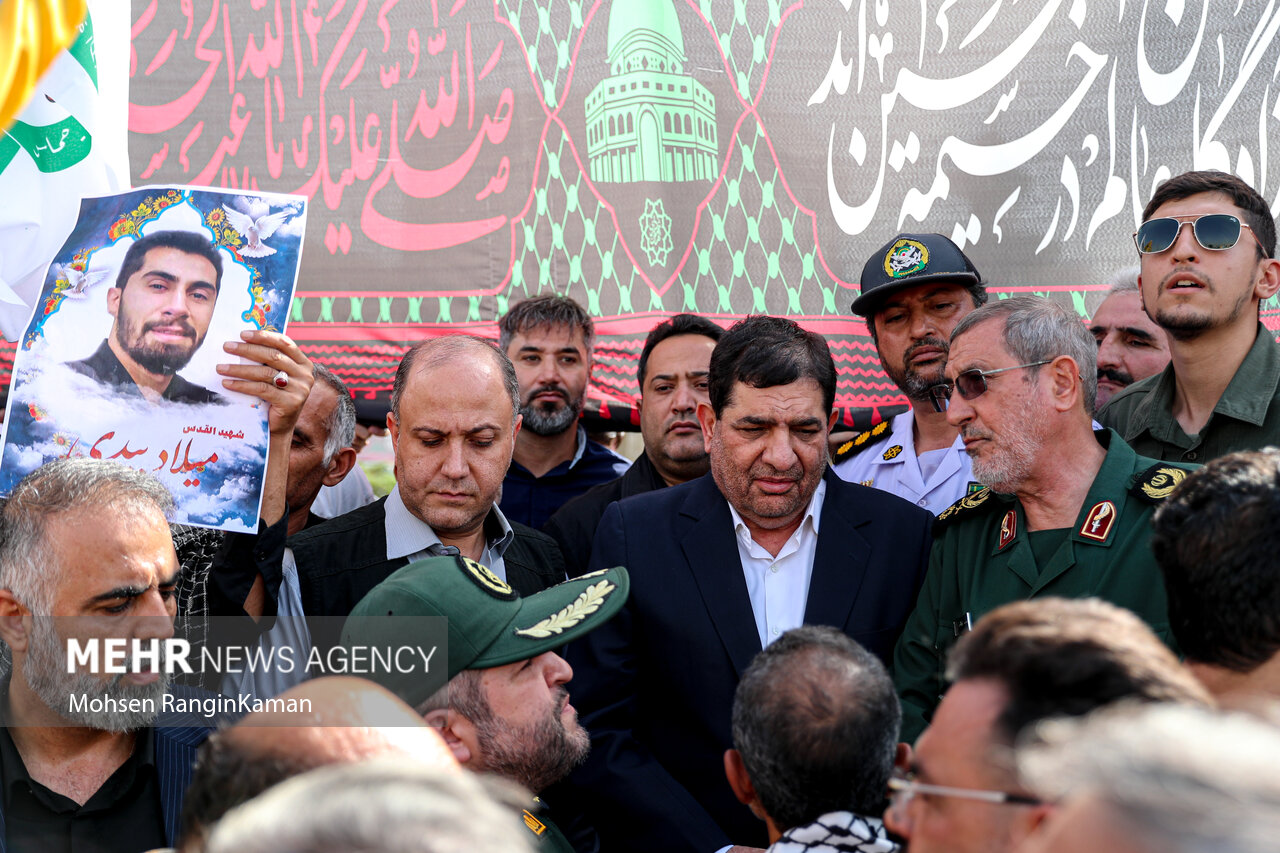
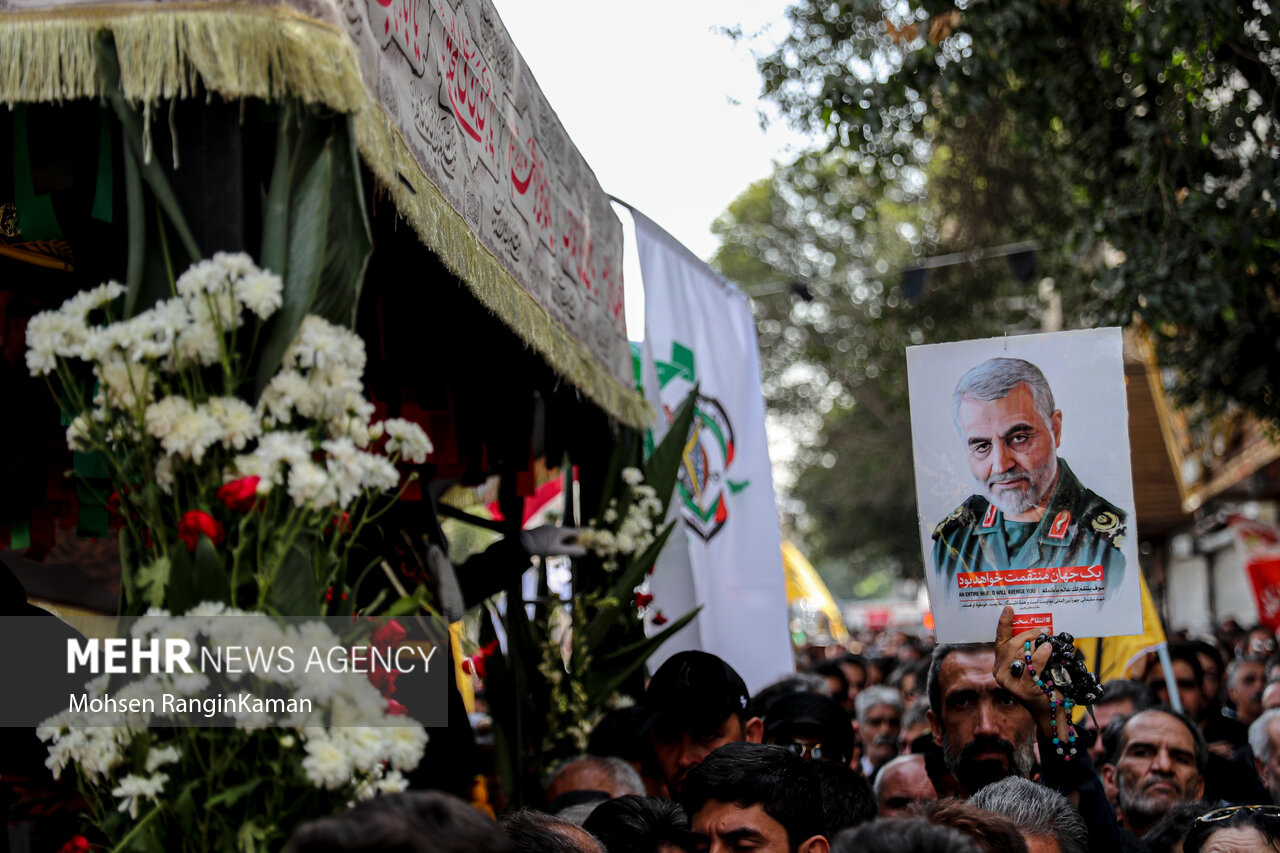
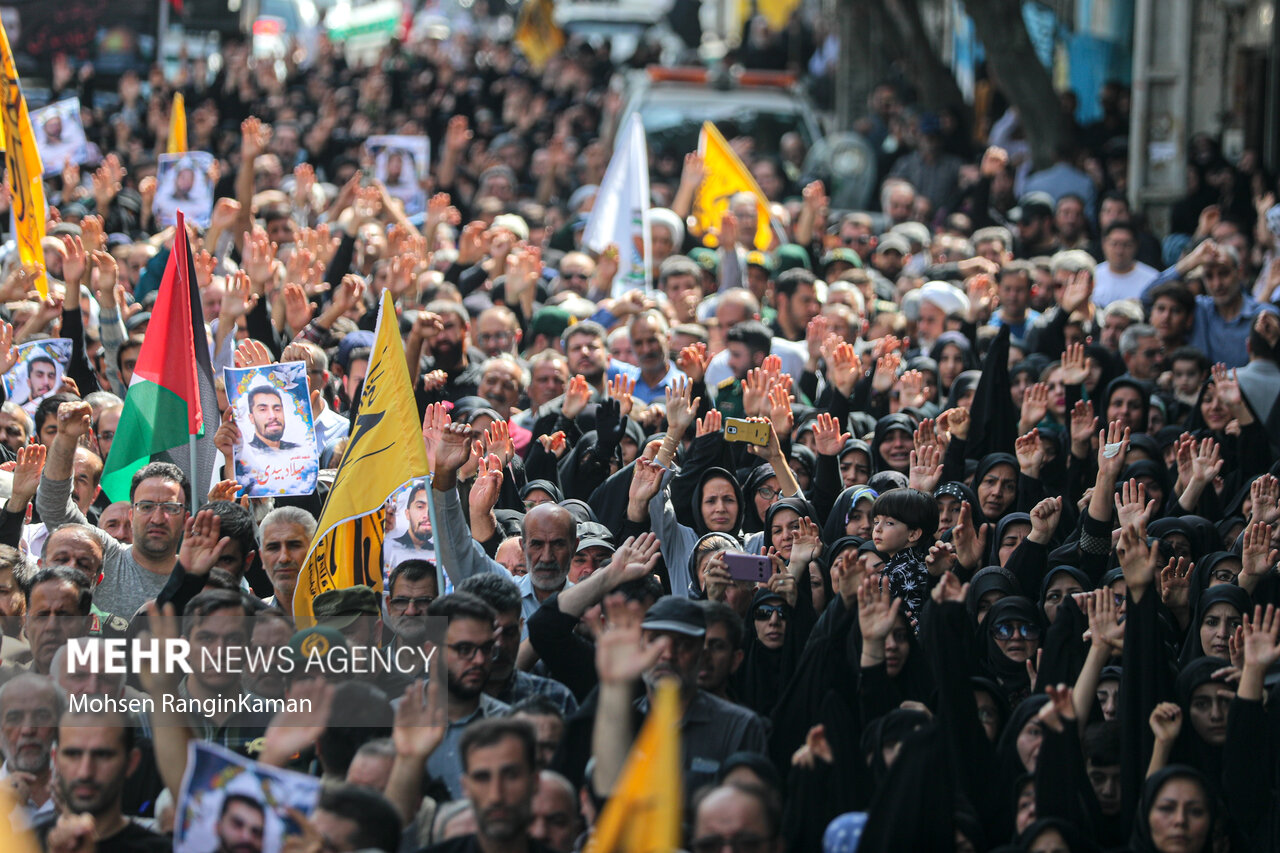
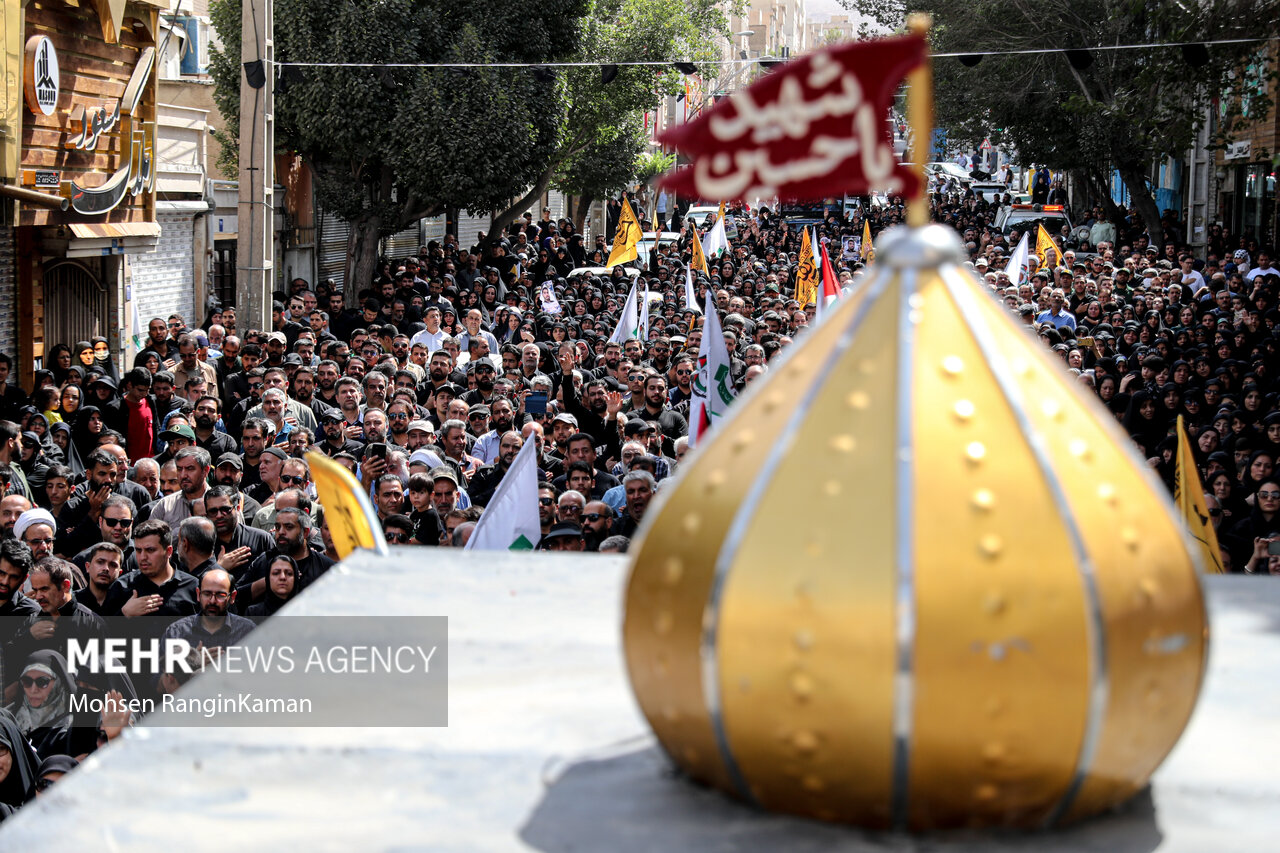
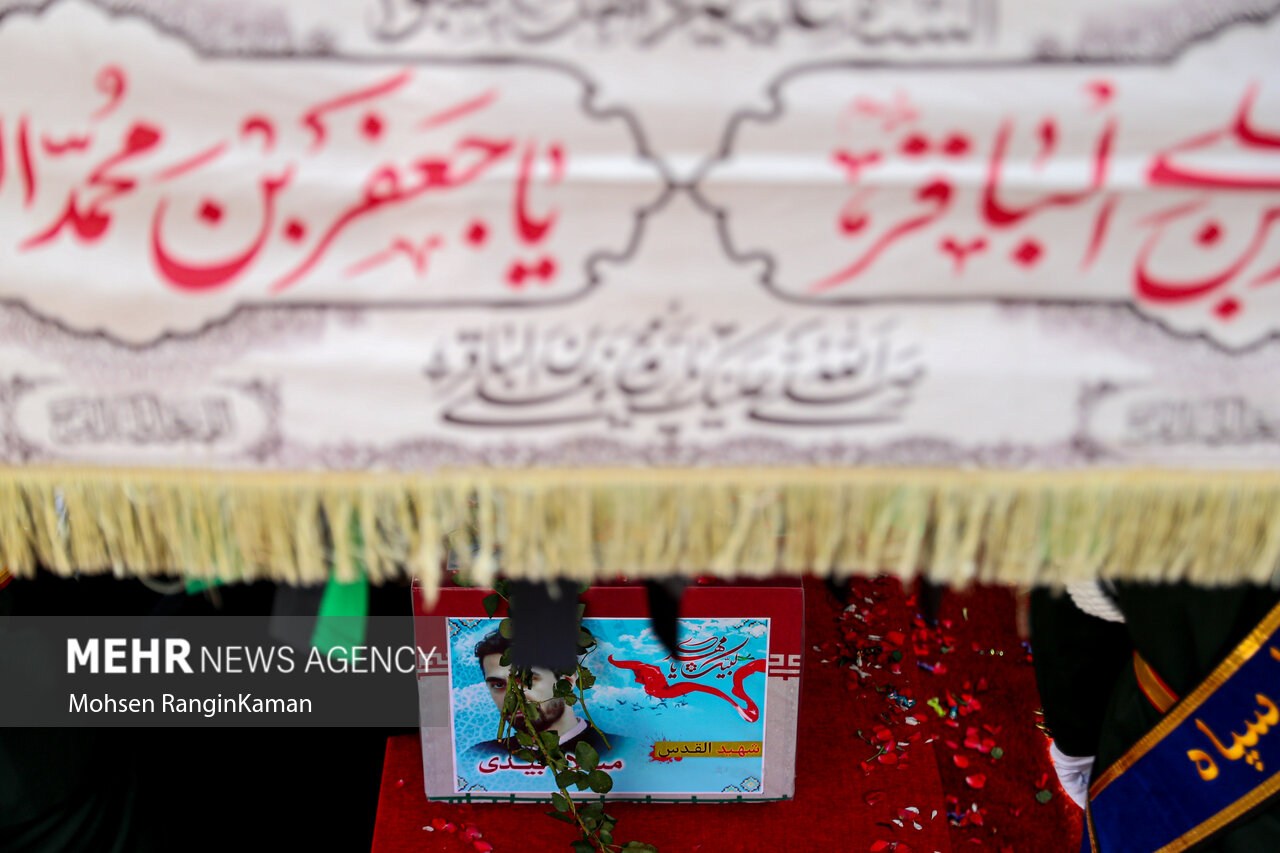
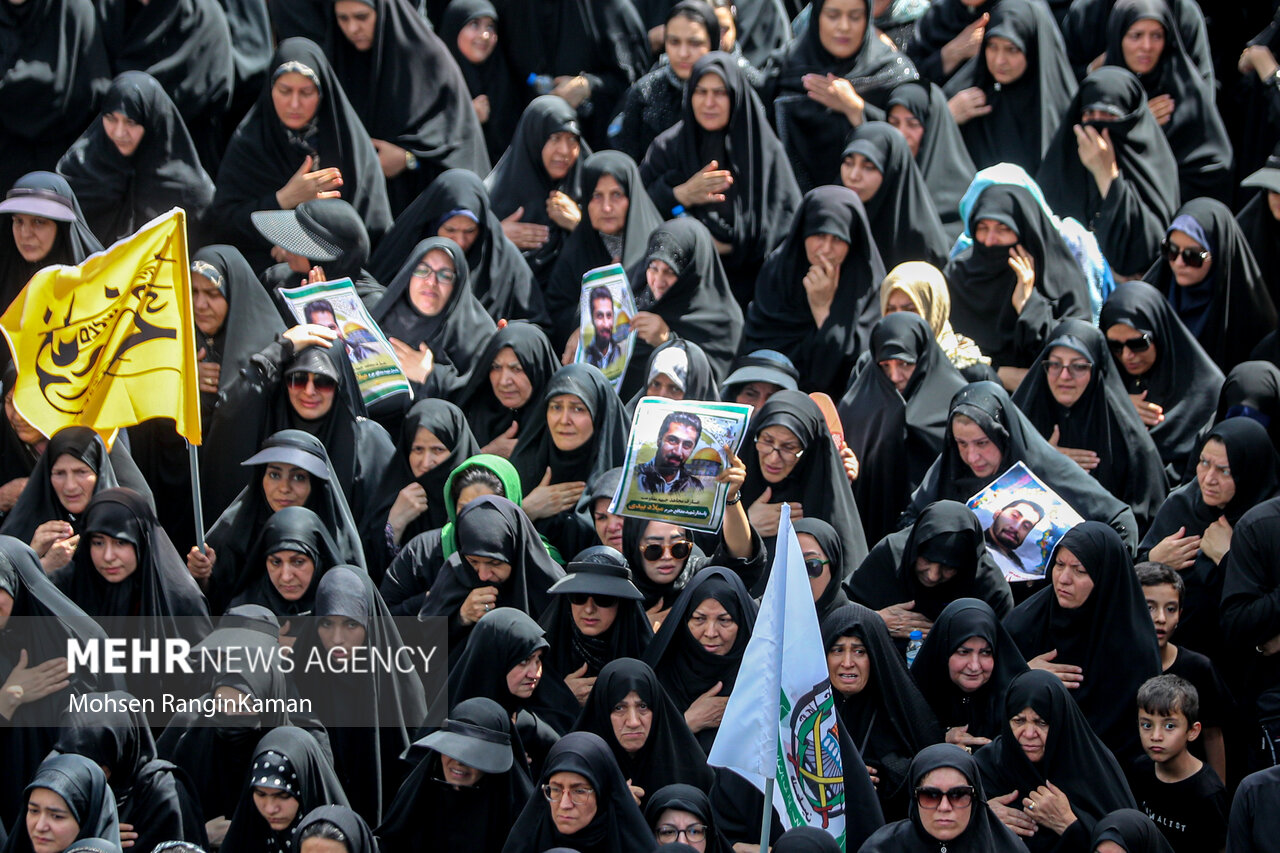
Prior to that, a funeral procession for Martyr Bidi, one of the martyrs of the Axis of Resistance, was held in the Afsariyeh neighborhood in southern Tehran, attended by a large crowd as well as military and governmental officials from Iran.

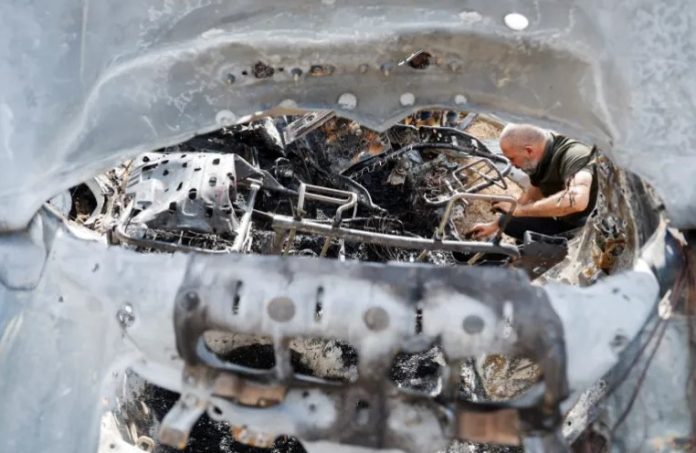
Bidi was killed three days ago in an attack by Zionist regime warplanes on the Dahiya area in southern Beirut, the capital of Lebanon. He was near a building targeted by the Zionists to assassinate “Fuad Ali Shukr,” a senior commander of the Lebanese Islamic Resistance Movement – Hezbollah.

Mohammad Mokhber, the former Iranian caretaker president, said to reporters at the funeral of Martyr Beidi: “People around the world are witnessing the blatant crimes of the Zionists under the guidance of America. The Zionists will soon pay for shedding his blood.”

The Islamic Republic of Iran, at the official request of the Syrian government, has deployed its military advisors in this Arab country to combat terrorist groups, including the remnants of Daesh.

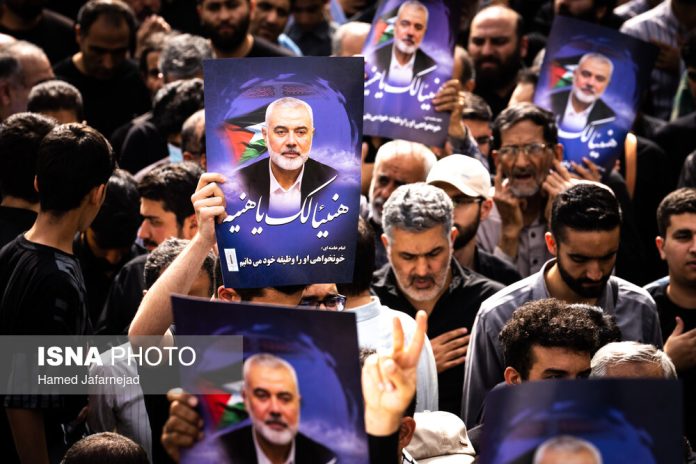
Eyewitnesses say Haniyeh killed by a projectile fired at his room, not planted bomb

Hamas Ismail Haniyeh

The individuals, one of whom was staying in a room near Haniyeh’s, said on Friday that they heard sounds before an explosion shook the building, sounds they said appeared to be consistent with those made by a missile.

“This was definitely a projectile and not a planted bomb,” one of the individuals told MEE, adding that they saw the aftermath of the explosion which appeared to be consistent with an attack by a missile.

The other two individuals, who were staying on separate floors, also witnessed the aftermath of the strike, which resulted in the partial collapse of the ceiling and exterior wall of Haniyeh’s room.

Haniyeh, a veteran Hamas official who had played a key role in talks for a potential ceasefire in Gaza, was killed alongside his long-serving bodyguard Wasim Abu Shaaban on Wednesday, hours after they attended a swearing-in ceremony for Iran’s new President Masoud Pezeshkian.

Haniyeh’s killing was the second high-profile Israeli assassination within hours, following a strike in Beirut that killed senior Hezbollah commander Fuad Shukr, heightening fears that the region was sliding towards a full-blown war.

A source close to officials in the Iranian presidency told MEE that the building where Haniyeh and several other invited Palestinian guests were staying was situated near Tehran’s Saadabad palace and guarded by the Islamic Revolutionary Guard Corps (IRGC).

According to analysis of the area, the building is situated on a hillside on the northern edge of Tehran, at the foot of the Alborz mountains, and there are no other residential buildings in the immediate vicinity of the compound.

Shortly after the killing, senior Hamas official Khalil Al-Hayya told reporters, citing eyewitnesses, that the attack was carried out by a missile which “directly struck” Haniyeh.

In his press conference in Tehran, Hayya added that whilst neither Hamas nor Iran were seeking a regional war, the killing needed to be avenged.

Confirmed information about the circumstances of Haniyeh’s death remains sparse and Iranian officials have so far been reluctant to reveal many details of the investigation into the attack.

On Thursday, the New York Times daily newspaper reported that Haniyeh had been killed by a sophisticated bomb planted in his room some two months earlier.

But Fars news agency reported that the investigation indicated that Haniyeh had been “struck by a projectile” and concluded that Israel’s involvement “cannot be ruled out”.

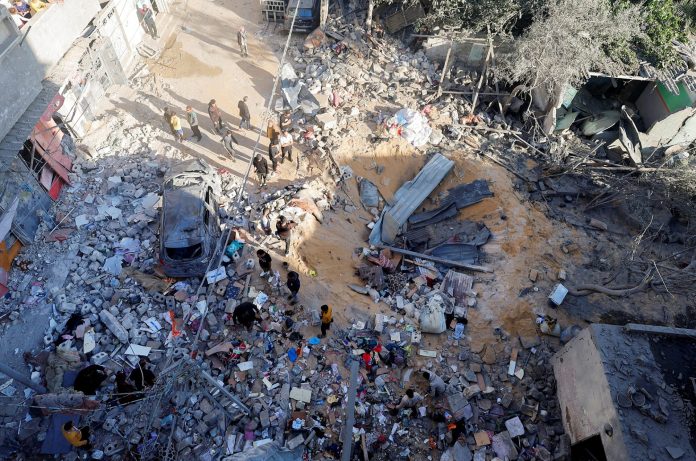
Debris in Gaza amounts to 41.95 million metric tonnes: UN

Gaza War

The figure is up 83 percent from the nearly 23 million tonnes estimated on January 7.

The Israeli war has resulted in 14 times more debris than the combined total from all previous conflicts in the Palestinian territory since 2008, UNOSAT added.

The agency estimated that 114 kilogrammes (250 pounds) of debris were generated for each square metre in the Gaza Strip.

Nearly two-thirds of the buildings in the Gaza Strip have been damaged or destroyed since the Israeli war on Gaza began in October, the UN Satellite Centre said.

“UNOSAT’s latest damage building assessment, based on satellite imagery … reveals that 151,265 structures have been affected in the Gaza Strip,” it added.

“Of these, 30 percent were destroyed, 12 percent severely damaged, 36 percent moderately damaged, and 20 percent possibly damaged, representing approximately 63 percent of the total structures in the region.”

The assessment was based on comparing imagery from May 2023 onward with images from July 6 this year.

In mid-July, a UN assessment showed a fleet of more than one hundred lorries would take 15 years to clear the besieged Gaza Strip of almost 40m tonnes of rubble in an operation costing between $500m (£394m) and $600m.

In May, the UN Development Programme (UNDP) said rebuilding homes in Gaza destroyed during the war could take until 2040 in the most optimistic scenario, with total reconstruction across the territory costing as much as $40bn. That assessment, which was published as part of a push to raise funds for early planning for the rehabilitation of Gaza, also found the conflict could reduce levels of health, education and wealth in the territory to those of 1980, wiping out 44 years of development.

The war began when Hamas launched a surprise attack into southern Israel in October, killing 1,200 people. Nearly 39,500 people have now been killed in Israel’s offensive in Gaza, according to Palestinian officials in the territory.