Friday, December 26, 2025
Home Blog Page 726

Renowned Iranian football commentator criticizes officials over “poor condition” of stadiums  

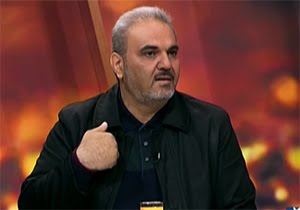
“The Iranian people are sitting on a treasure but we do not have stadiums”, said Khiabani on a live TV show.

Khiabani added that there are rich people in Iran who can afford to build stadiums but they refuse to do so because they are critical of the officials. “They are like ‘officials do not give us land and facilities’ [to build stadiums]”, the football commentator said.

Khiabani also cited officials, saying that it will take longer to repair Azadi Stadium in Tehran than to build a new one. He then urged the officials to abandon the repair effort and start constructing a new stadium.

Khiabani’s comments on state TV comes as football matches of Tehrani clubs, most notably the highly popular football clubs of Esteghlal and Persepolis, both in the Persian Gulf Pro League and the AFC Champions League Elite, are held in non-standard stadiums including one near Tehran known as Shahre Quds Stadium.

Officials say the matches are held in pitches other than Azadi Stadium because maintenance work is underway at the 50-year-old stadium.

These remarks follow severe criticism from experts regarding the condition of the football field grass in several cities in Iran, which recently hosted the Asian club competitions. This issue has sparked widespread reactions on social media in Iran.

Additionally, the lack of a VAR (Video Assistant Referee) system in the stadiums has also become problematic.

Iran’s Armed Forces warn Israel: Revenge for assassination of Haniyeh ‘definite’

The General Staff of the Armed Forces of the Islamic Republic of Iran made the statement in a Thursday release on the Sacred Defense Week, which marks the start of an eight-year war imposed on Iran in the 1980s by then Iraqi dictator Saddam Hussein.

Praising Iran’s stunning achievements over the years after the end of the Sacred Defense in the various fields of science, culture, economy and technology, the statement said the epic feat has turned into an example and a clear symbol of resistance and deterrence against the anti-imperialist and anti-Zionist fronts for the resistance movements in Yemen, Lebanon and occupied Palestine.

The statement emphasized the Armed Forces’ steely resolve and strong determination to continue the path of growth and excellence in order to provide peace and lasting security for the Iranian public.

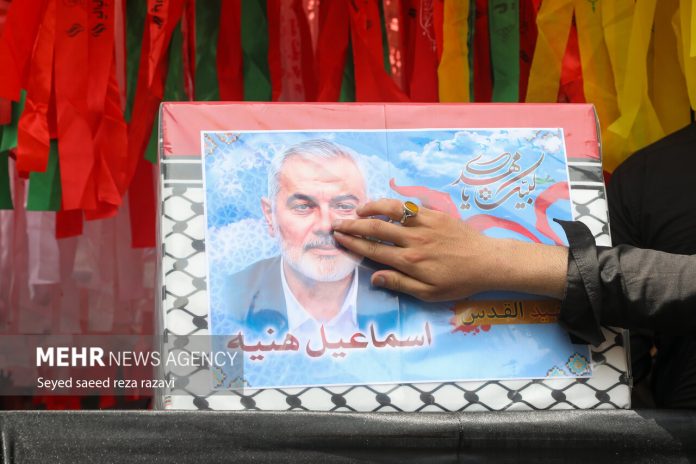
Stressing that Iran has already fulfilled its promises on taking revenge in the cases of General Qassem Soleimani and the attack on Iranian Embassy in Syria, the statement added, “The passage of time will not erode the will of the Islamic Republic regarding the revenge for the cowardly assassination of Martyr Ismail Haniyeh, and the child-killing Zionist regime must pay for its stupid and vicious mistake.”

Iran’s Armed Forces also stressed that the Israeli regime’s killing of defenseless people in Gaza and the blind support of the US and Western countries show that all international conventions and treaties and human rights institutions and organizations, not least the United Nations, cannot stand against the cruelty and crimes of the occupying regime and will not hold them accountable.

Haniyeh, head of the Palestinian resistance movement Hamas’s Political Bureau, was assassinated alongside one of his bodyguards in the Iranian capital Tehran on July 31, a day after he attended the swearing-in ceremony of Iran’s President Masoud Pezeshkian.

Following the assassination of Haniyeh, Leader of the Islamic Revolution Ayatollah Seyyed Ali Khamenei pledged that the Islamic Republic would deliver a “harsh response” to the atrocity.

Hezbollah chief says Lebanon explosions declaration of war

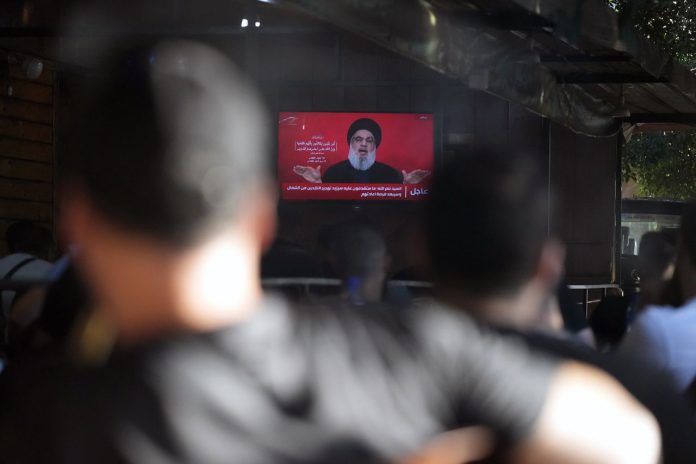
“The enemy has crossed all red lines and all laws in this attack. This is a massive terrorist attack, genocide, a massacre,” Nasrallah said Thursday in his first televised address since the attack.

“The Tuesday and Wednesday massacres are a war crime, a declaration of war…you can call it anything,” he continued, adding Israel will face “tough retribution and just punishment, where it expects it and where it does not”.

Israel’s willful intent, Nasrallah claimed, was to kill thousands of Lebanese people within minutes but many of the pagers were out of service, turned off or stored away.

“When the enemy planned out this attack, they assumed there were at least 4,000 pagers spread out across all of Lebanon. This means that the enemy had the intention of murdering 4,000 people in a single minute.”

“The same was repeated on the second day with the aim being to kill thousands of people carrying radio devices,” Nasrallah stated.

Some of the attacks, he noted, took place in hospitals, pharmacies, marketplaces, commercial shops and even residential homes, private vehicles and public roads where thousands of civilians, including women and children, are present.

“I can tell you with utmost certainty that this attack did not break us and will not break us. On the contrary, it will only increase our resolve and determination to continue on in this battle,” he stressed.

Since October 7 when Hamas carried out the landmark Operation Al-Aqsa Storm inside Israeli occupied territories, Hezbollah has engaged in near-daily cross-border skirmishes with Israeli forces in a show of solidarity with Palestinians in the Gaza Strip.

“Why did the enemy do this? When the blessed Al-Aqsa Flood began, the Southern Lebanese support front was opened. This front has inflicted huge losses upon the enemy since October 8, as they have repeatedly admitted themselves,” Nasrallah stressed.

“The Southern Lebanese front has been a very effective front alongside the other support fronts. The enemy has repeatedly sent us messages to close this front. They resorted to threats of war, and attempted to differentiate between Lebanon and Gaza.”

He said after the first attack on Tuesday afternoon, “the enemy sent us a message through official and unofficial channels, threatening that if we do not close our front, they have more in store for us and so the attack on Wednesday came”.

“In the name of the martyrs, the wounded, the ones who lost their eyes and palms, and in the name of every person who has taken on the responsibility of supporting Gaza, we tell [Prime Minister Benjamin] Netanyahu and [Defense Minister Yoav] Gallant: the Lebanese front will not stop until the war on Gaza ends,” he added.

Through the attack, Nasrallah said, the enemy wanted the Lebanese people to turn against the resistance.

“This goal failed on Tuesday and Wednesday when we all saw the stances of the people and the wounded who hope to recover to return to the battlefield,” he added.

Nasrallah also called the attacks on the movement “unprecedented”.

“There is no doubt that we have suffered a major blow; both in terms of security and humanity, an unprecedented one in the history of the resistance in Lebanon at least, unprecedented in the history of Lebanon, and it may be unprecedented in the history of the conflict with the Israeli enemy across the entire region, perhaps even unprecedented in the world.”

“It is the nature of war. One day the enemy will hit us and the next we will hit the enemy,” he stressed, hinting at possible retaliation.

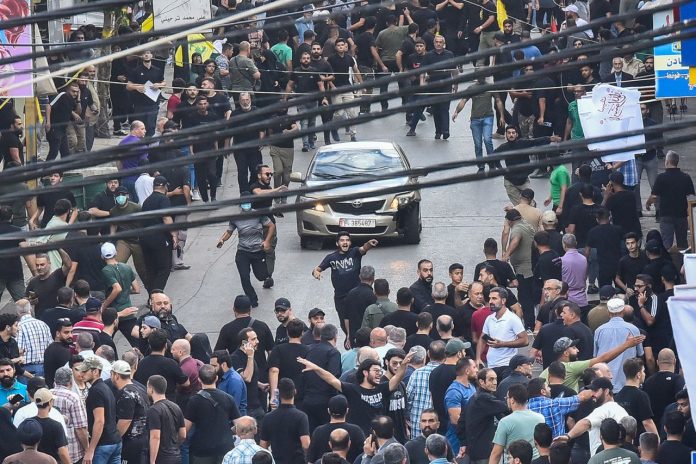
Death toll in Lebanon device detonations rises to 37

Lebanon Pager Attack

On Tuesday, 12 people were killed and 2,323 admitted to hospital, including 226 who remain in critical condition.

The following day, 25 people were killed and 708 wounded, including 61 who remain in the intensive care unit.

Earlier, Al-Abiad said that the explosions showed the unity of the Lebanese people in all areas in the face of the incident. He added hundreds of doctors and medics rushed to provide help to the victims of the blasts.

Lebanese group Hezbollah has accused Israel of being behind the device blasts and vowed retaliation.
Tel Aviv has neither confirmed nor denied responsibility. Media reports have claimed that the Israeli secret service, Mossad, rigged thousands of electronic devices with small explosive charges, which were triggered via a remote signal.

Lebanese Prime Minister Najib Mikati has also said his nation is at war after electronic devices exploded across the country for two days.

“This mass crime… against defenseless people in their homes, who are being killed in this way, is indescribable,” Mikati told journalists.

He insisted that Lebanon is in a state of war with Israel.

“This war started about 11 months ago and it is affecting our people in the south where their homes are being destroyed,” he stressed.

Mikati was referring to regular exchanges of fire between Hezbollah and the Israeli military on the border as well as the regime’s airstrikes into Lebanese territory since the start of the Gaza war.

The prime minister again blamed Israel for the explosions of electronic devices, claiming that the Jewish state’s “whole history over the past 75 years has been criminal.”

“We are facing an enemy that disregards all international and humanitarian laws, and the question is – can this continue? Where is the UN, whose primary mission is to distribute peace?” Mikati asked.

He added that he had instructed Lebanese Foreign Minister Abdallah Bou Habib to ensure that the attacks on the country are addressed by the UN Security Council.

Iran calls for Muslim unity to counter threats

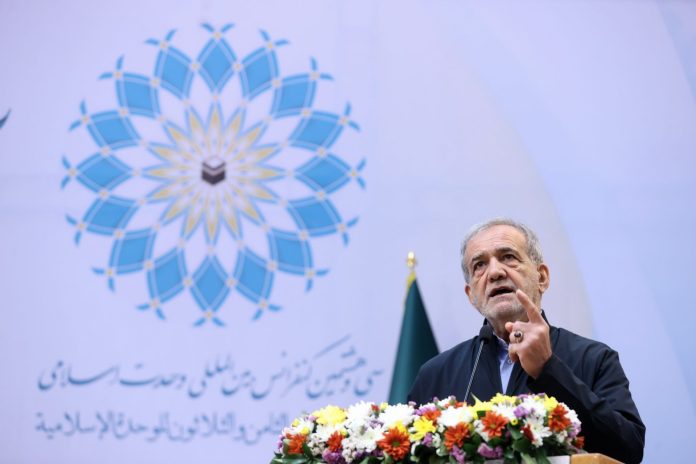
The Iranian president made the statement during his address to the 38th International Islamic Unity Conference, which began in Tehran on Thursday with over 144 Shiite and Sunni scholars from 36 countries in attendance.

Pezeshkian said Muslims must unite to protect their dignity and drive out those who covet their lands.

He stated that the enemy sows discord among Muslim nations, which can only be overcome through unity.

“Unity and coherence will boost Muslims’ power,” the president added.

He also slammed Muslim nations’ inaction in the face of Israeli criminal acts against the Palestinian people, as well as the regime’s destruction of hospitals and mosques.

“Israel commits crimes because we (Muslims) do not share a common position and voice. We do not have Islamic unity,” Pezeshkian noted.

The Iranian president emphasized the importance of Muslim nations believing in and putting unity into practice.

He warned that any division among Muslims is like walking on “the edge of fire” and that no power will be able to counter Muslim nations if they foster unity.

Iran president says unity key to foreign policy success, calls for expanding global ties based on mutual respect

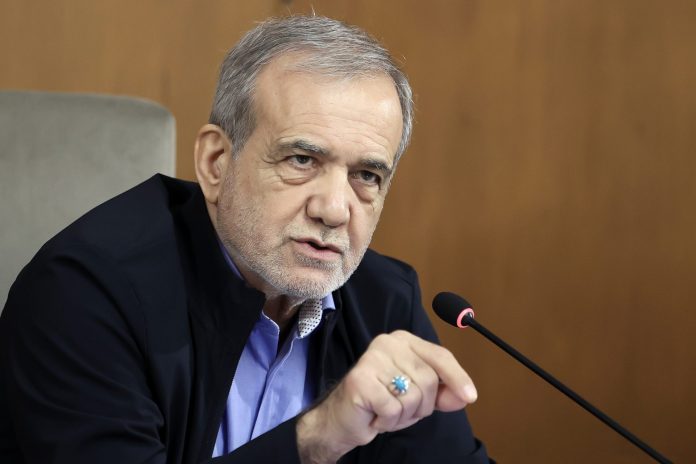
He stated, “The country’s salvation depends on unity and a shared perspective, supported both by scientific evidence and the Quran.”

He stressed that his administration’s decisions are based on well-reasoned, expert opinions, free from factional, religious, or ethnic biases. “Our goal is to institutionalize this approach,” he said.

On foreign policy, Pezeshkian underscored expanding relations with all nations based on mutual respect. “We seek peace and friendship, with no quarrel with any country, but we will not accept coercion,” he added.

Criticizing certain countries for supporting the Israeli atrocities in Gaza while claiming to uphold democracy, he said, “These nations must explain how they justify supporting the killing of women and children while accusing others of human rights violations.”

Pezeshkian also emphasized strengthening ties with neighboring countries, particularly in energy, transportation, and trade, to turn Iran into a regional hub.

Japanese company dismisses making exploding walkie-talkies: Report

“There’s no way a bomb could have been integrated into one of our devices during manufacturing. The process is highly automated and fast-paced, so there’s no time for such things,” Yoshiki Enomoto, a director at Icom, told Reuters outside the company’s headquarters in Osaka, Japan on Thursday.

Icom has noted it halted production of the radio models identified in the attack a decade ago and that most of those still on sale were counterfeit.

“If it turns out to be counterfeit, then we’ll have to investigate how someone created a bomb that looks like our product. If it’s genuine, we’ll have to trace its distribution to figure out how it ended up there,” Enomoto added.

Lebanon’s director general of civil aviation has issued a new directive banning passengers from carrying pagers and walkie-talkies on board any aircraft, state-run news agency NNA has reported.

The ban applies to cargo, checked, and carry-on luggage passing through Beirut Rafic Hariri International Airport, and airport security will confiscate any such devices found.

The new rule is effective immediately and will be enforced until further notice.

Lebanon’s Health Minister Firass Abiad said at a news briefing in Beirut that at least 32 people have been killed and thousands injured in the back-to-back coordinated blasts.

On Tuesday, some 4,000 pagers exploded over the course of an hour. A day later, more explosions of handheld devices, including walkie-talkie radios, mobile phones, laptops and even solar power cells, took place.

Abiad stated that more than 300 patients are in intensive care, and 400 require surgeries and other treatments.

The explosions on Wednesday involved “larger and bigger devices that caused more damage”, he added, resulting in wounds that involve “internal bleeding, injuries to the abdomen and other parts of the body, including brain haemorrhages”.

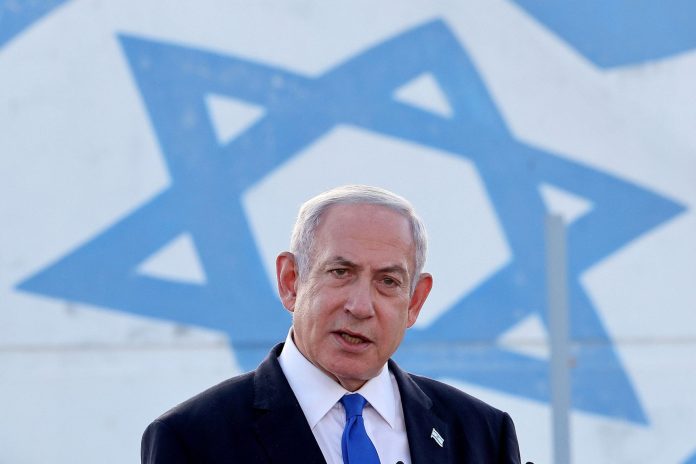
Shin Bet says Israeli man charged with aiding ‘Iran-backed’ plot to kill Netanyahu

Benjamin Netanyahu

The unnamed businessman, identified in Hebrew media reports as a Jewish man in his 70s, was smuggled into Iran from Turkey twice, including once hidden in the cabin of a truck, the Shin Bet said. He was captured in August.

The Shin Bet added the man met Iranian intelligence agents who tried to recruit him to carry out surveillance to aid in killing Netanyahu or other senior officials — including the head of the Shin Bet or former prime minister Naftali Bennett — as retaliation for the assassination of Hamas chief Ismail Haniyeh in Tehran this year.

Tehran has stressed Tel Aviv should have no doubt about its resolve to retaliate over the killing of the resistance leader.

The Israeli businessman demanded $1mn to carry out those tasks. He received €5,000, the security agency noted.

For decades Israel has carried out assassinations of senior officials and operatives of its enemies across the region, focusing in recent years on those working on Iran’s nuclear programme, and in recent months on Hamas and Hezbollah leaders.

The assassination of Haniyeh — who was in Tehran for the inauguration of Iranian President Masoud Pezeshkian — was particularly embarrassing for Iran because the Hamas leader was a guest of the president and was killed in a government guesthouse near other government offices.

Iran has not retaliated in a similar manner against Israeli officials so far, either within Israel or abroad.

One task assigned to the man charged on Thursday was to threaten other Iranian recruits in Israel if they failed to complete tasks they had been assigned, according to the Shin Bet.

The man was apprehended in August but had visited Iran in May, and then again in August at the height of tensions between Israel and Iran, after Israeli assassinations and Tehran’s retaliations brought the region to the edge of full-blown war.

“While Israel is at war on several fronts, an Israeli citizen travels on two different occasions to an enemy state, meets with Iranian intelligence agents and expresses willingness to commit serious acts of terrorism on Israeli soil,” the Shin Bet claimed in a statement attributed to an unnamed senior official.

The statement warned of ongoing efforts to “recruit operatives in Israel for intelligence gathering and carrying out . . . missions in Israel”.

The Shin Bet did not release the full indictment, and Israeli trials involving security threats often include secret evidence that neither the accused nor their lawyer are allowed to hear. The statement did not clarify the exact charges.

The Shin Bet’s statement described him as a businessman with interests in Turkey who was approached in April by two Turkish men to meet a wealthy Iranian businessman.
The businessman was told that the Iranian contact, called “Eddie” in the statement, was unable to travel to Turkey. In May the Israeli was taken across the border near the Turkish town of Van to meet Eddie and a second man who identified himself as an “Iranian security operative”, the statement added.
“During this meeting, Eddie offered the Israeli to carry out various security missions within Israel for the Iranian regime, including: transferring money or a gun at predetermined points, photographing various crowded places in the country and sending them to Iranian elements, threatening other Israeli citizens activated in the country by the Iranian regime who did not complete requested tasks,” the statement read.

In August the man was smuggled into Iran, this time “hidden inside a truck cabin” where he was met with more Iranian “intelligence agents”. He was asked to help in attempts to assassinate Netanyahu, defence minister Yoav Gallant or the chief of the Shin Bet, Ronen Bar.

He was also asked the next day to deposit cash in various Israeli locations, to recruit a Mossad agent to betray Israel or to recruit people in Europe to kill critics of the Iranian government.

Iran’s permanent mission to the United Nations in New York has categorically dismissed claims of attempts to eliminate critics abroad as “fabrications”.

Given the timeline between his last meeting and his arrest, it is unclear whether the accused would have been able to execute these tasks. The payment of €5,000 was for “participating in the meetings”, the Shin Bet said.

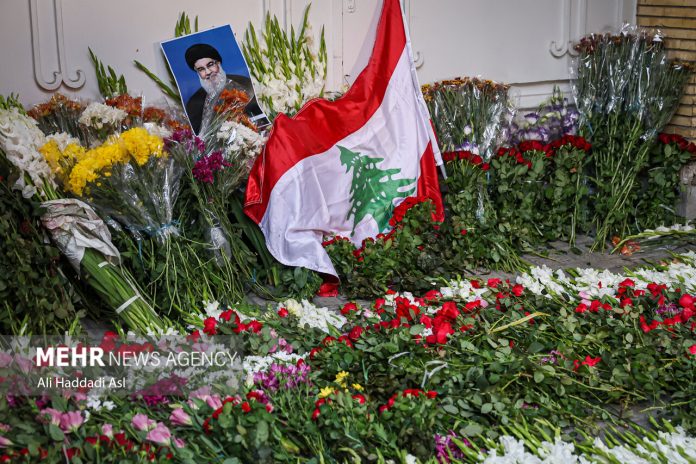
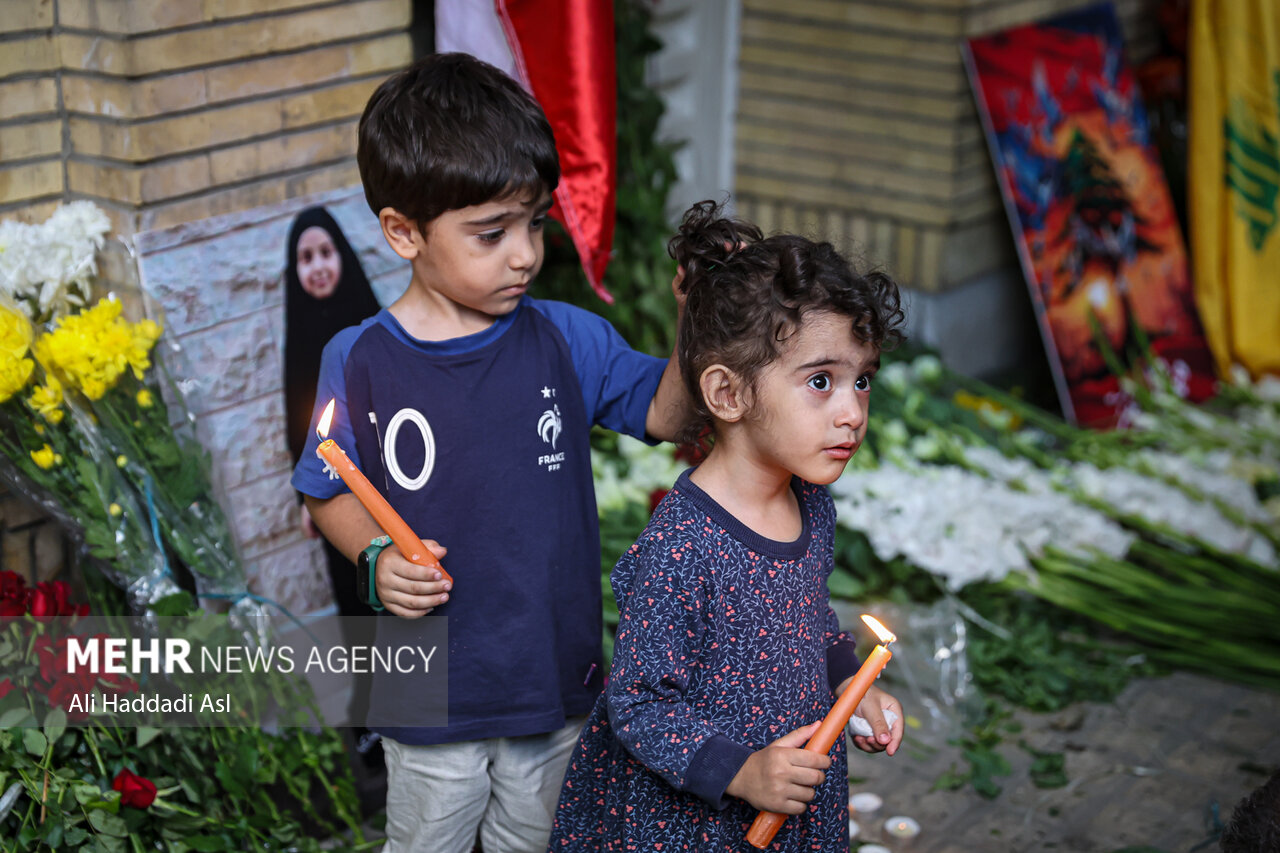
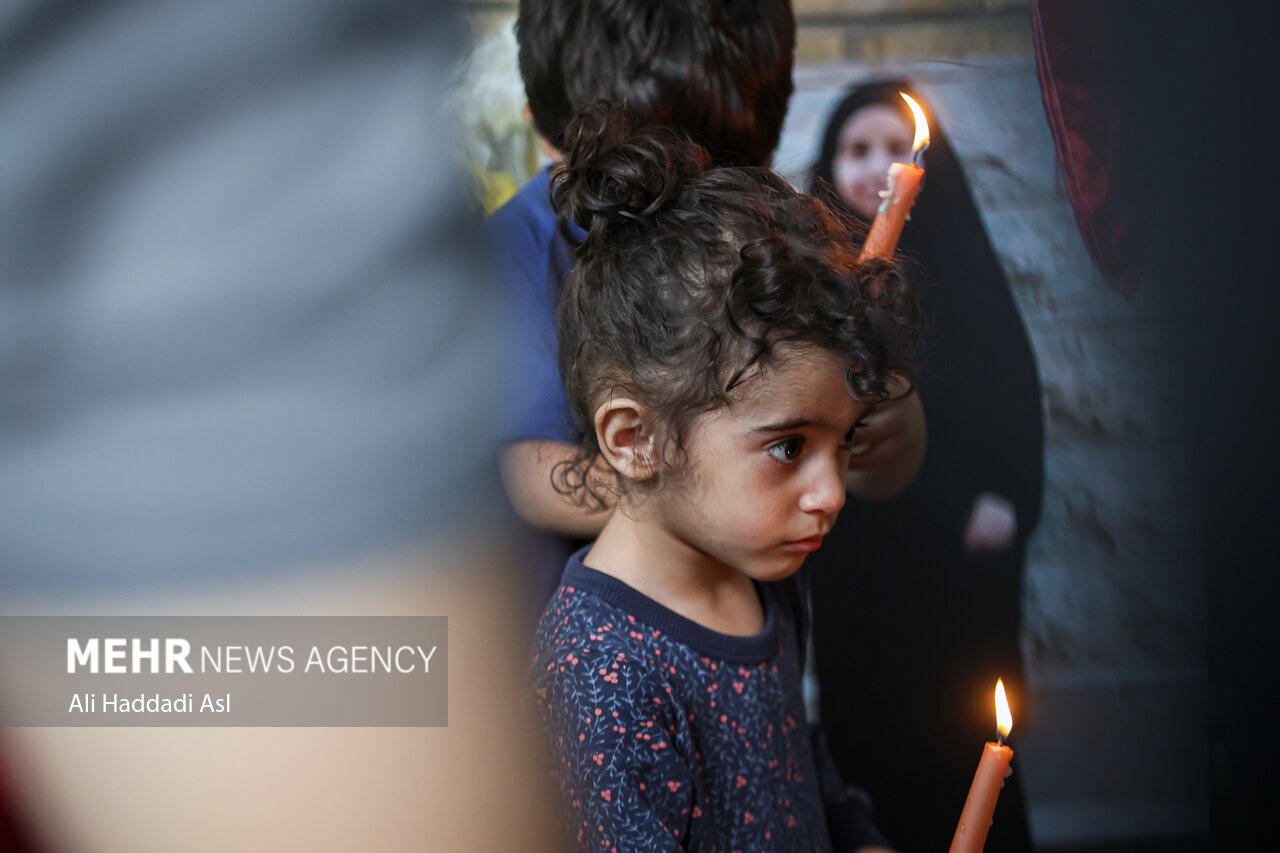
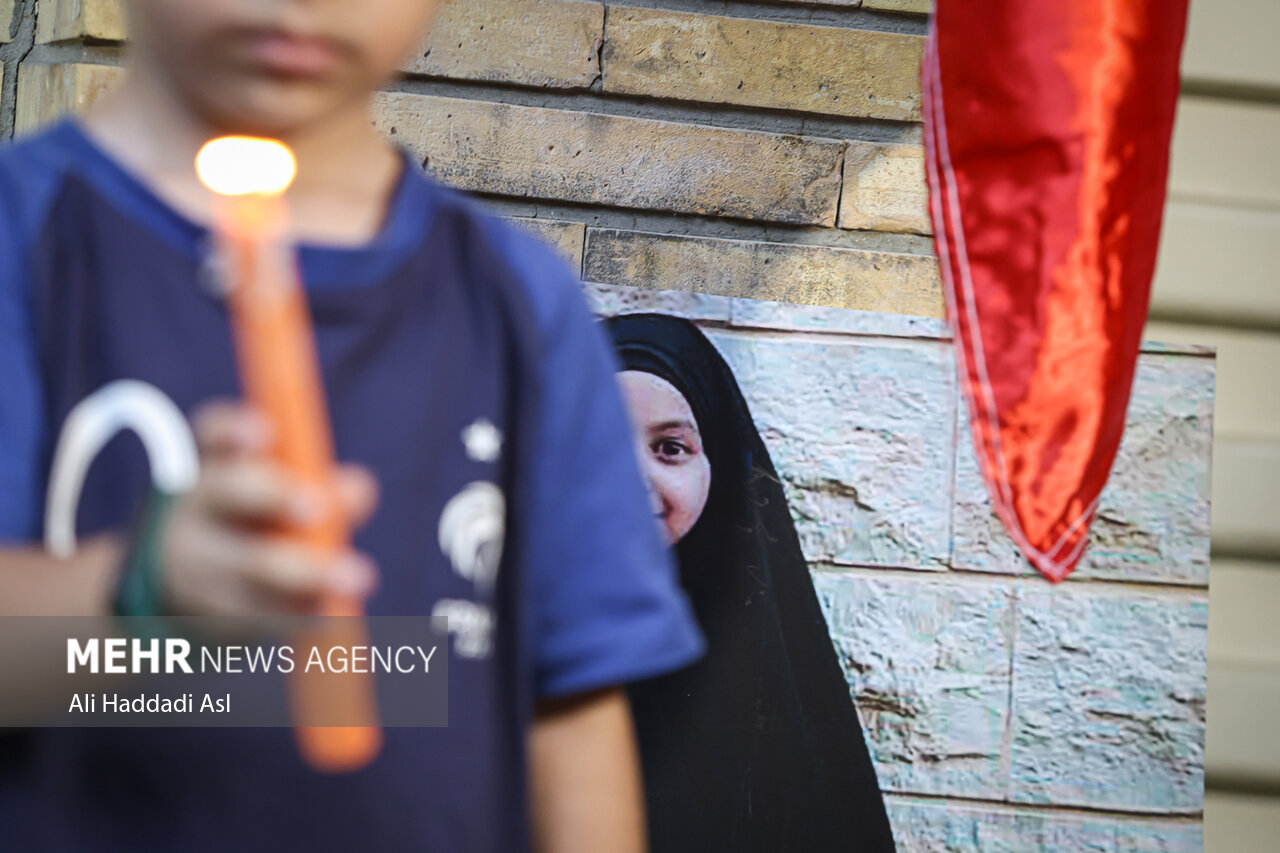
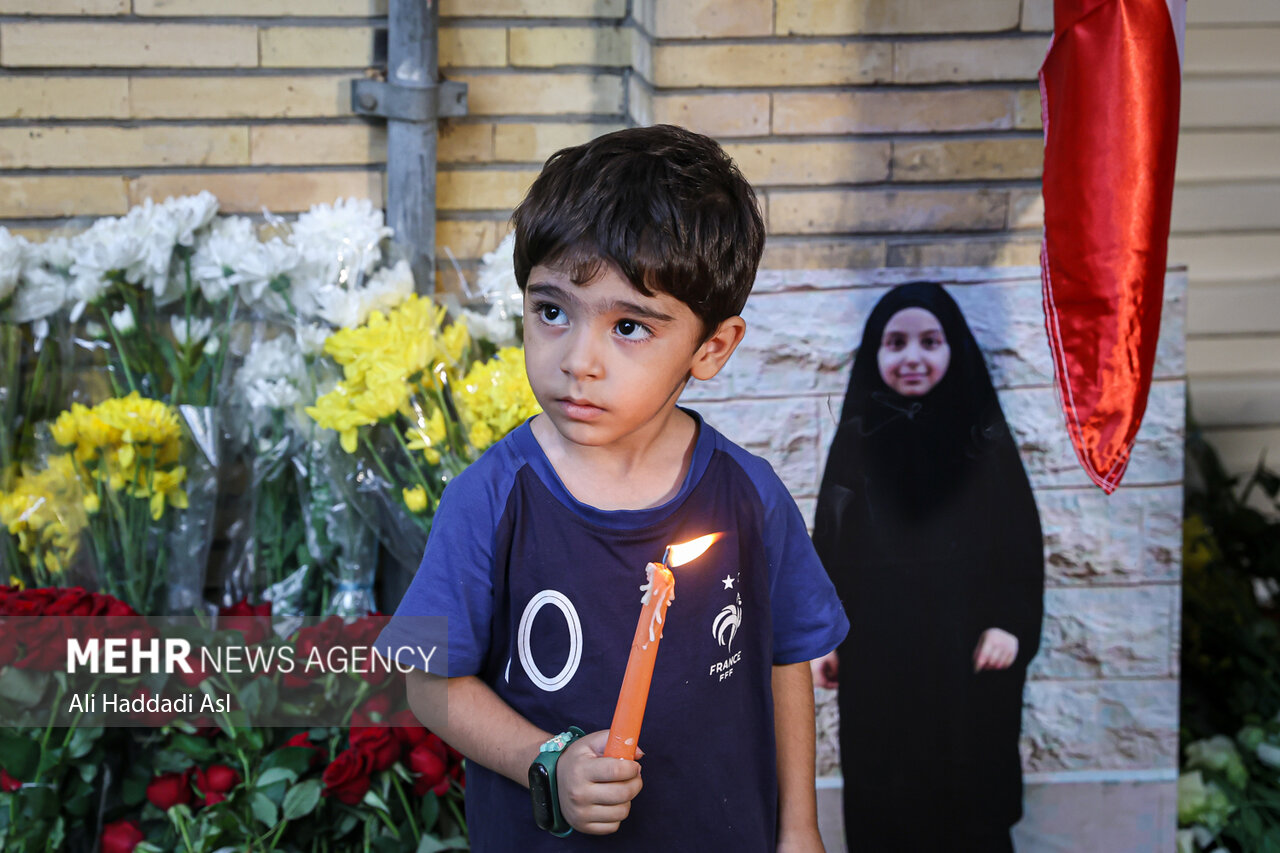
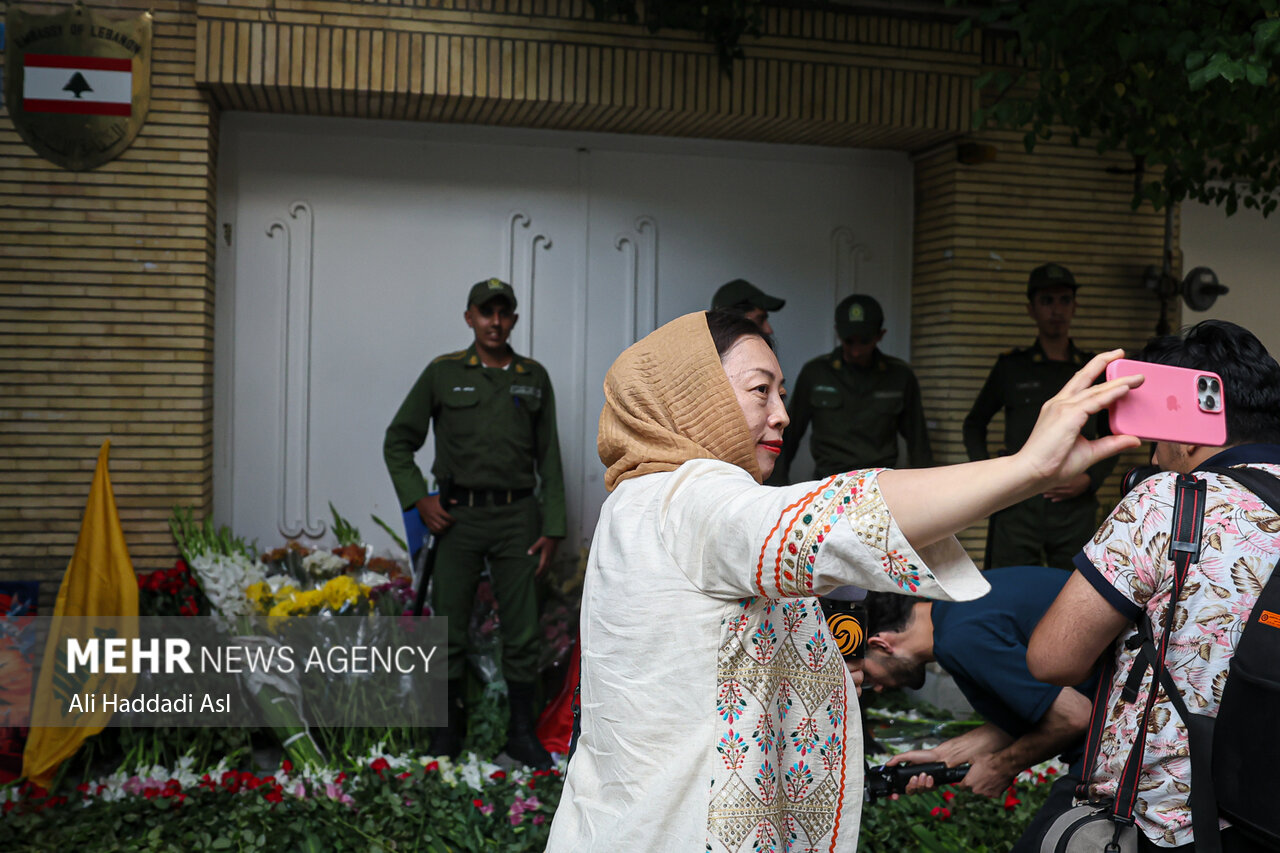
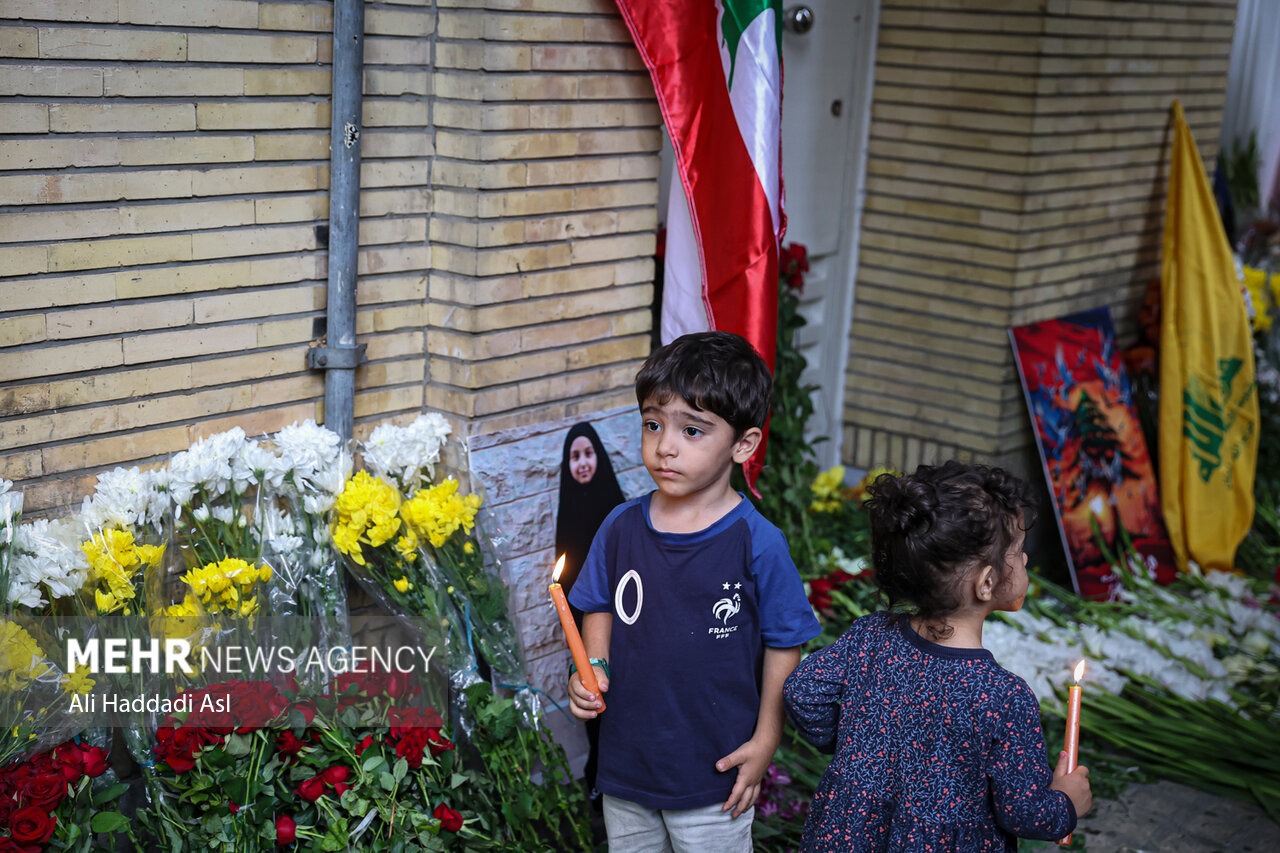
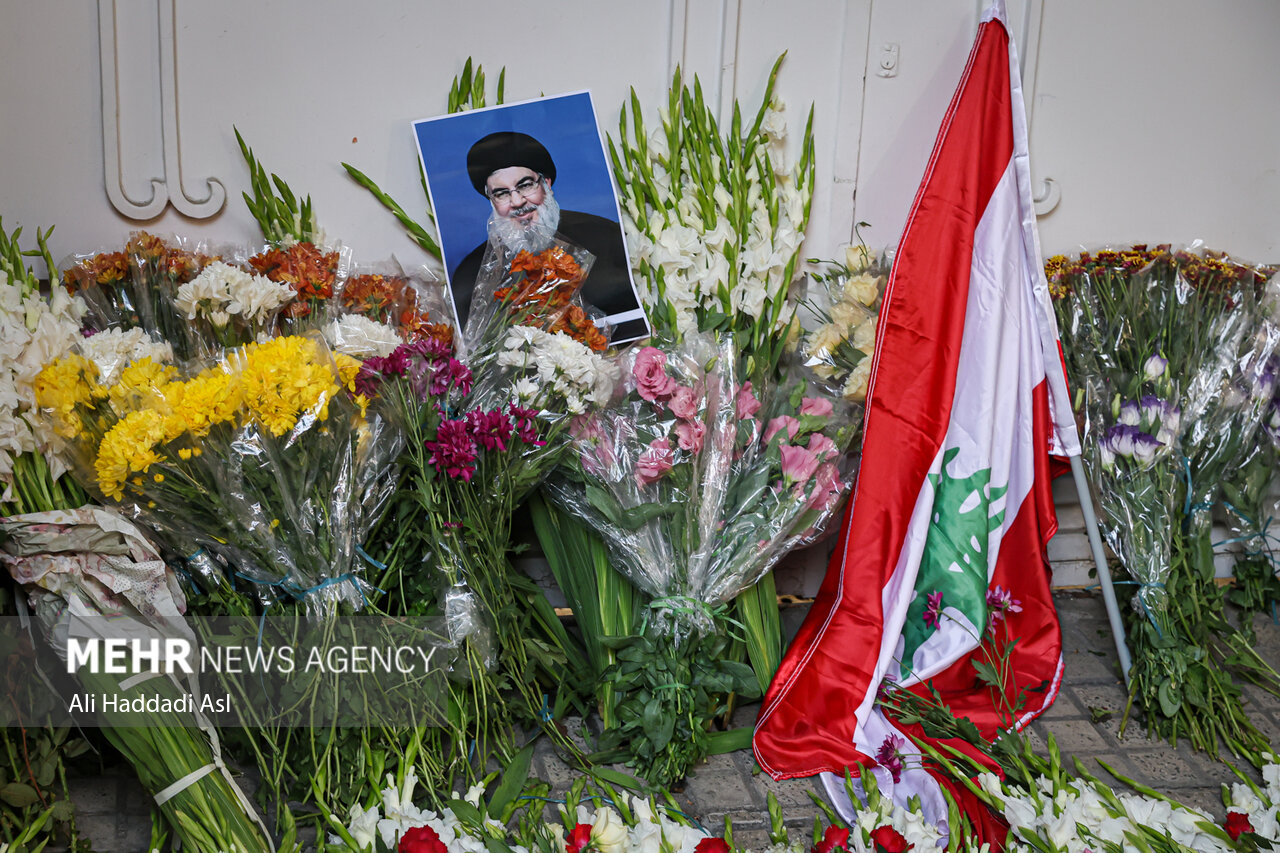
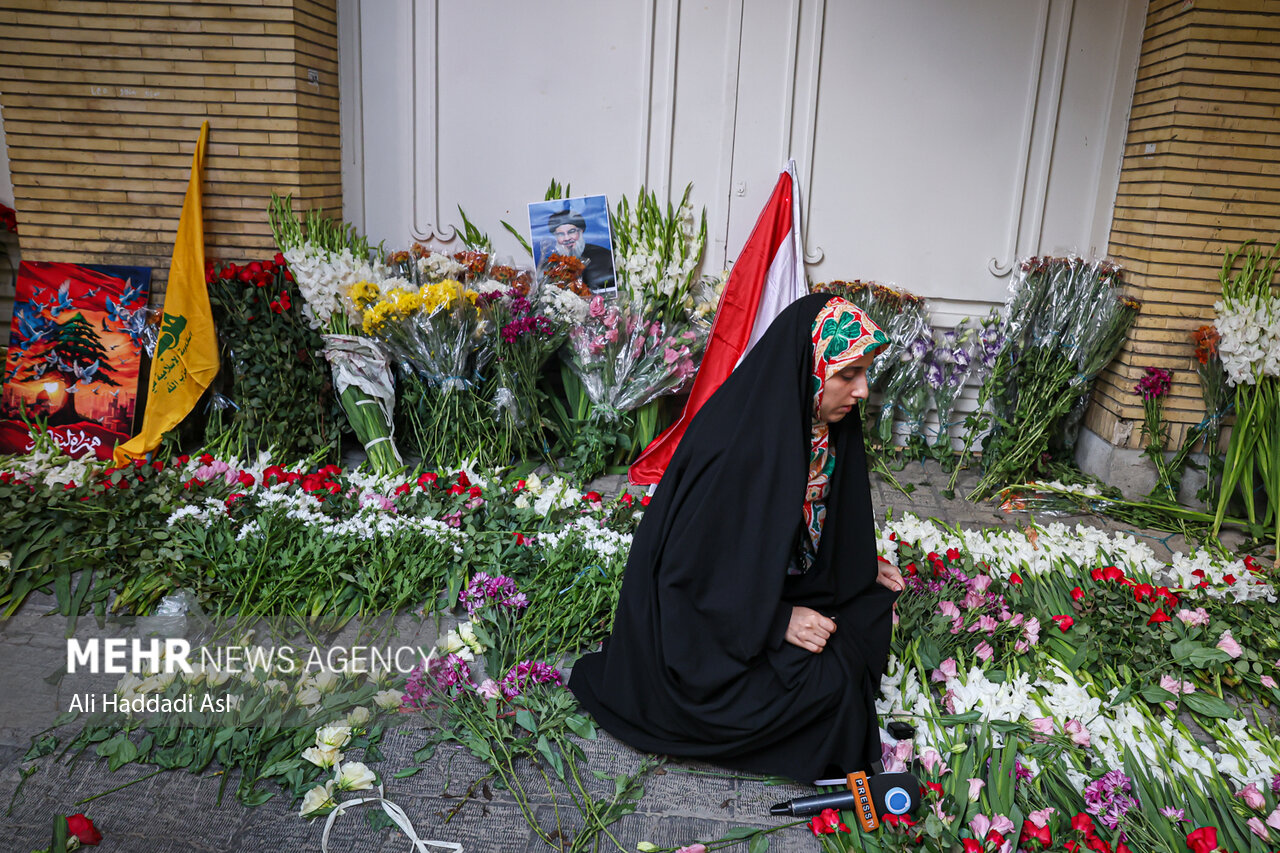
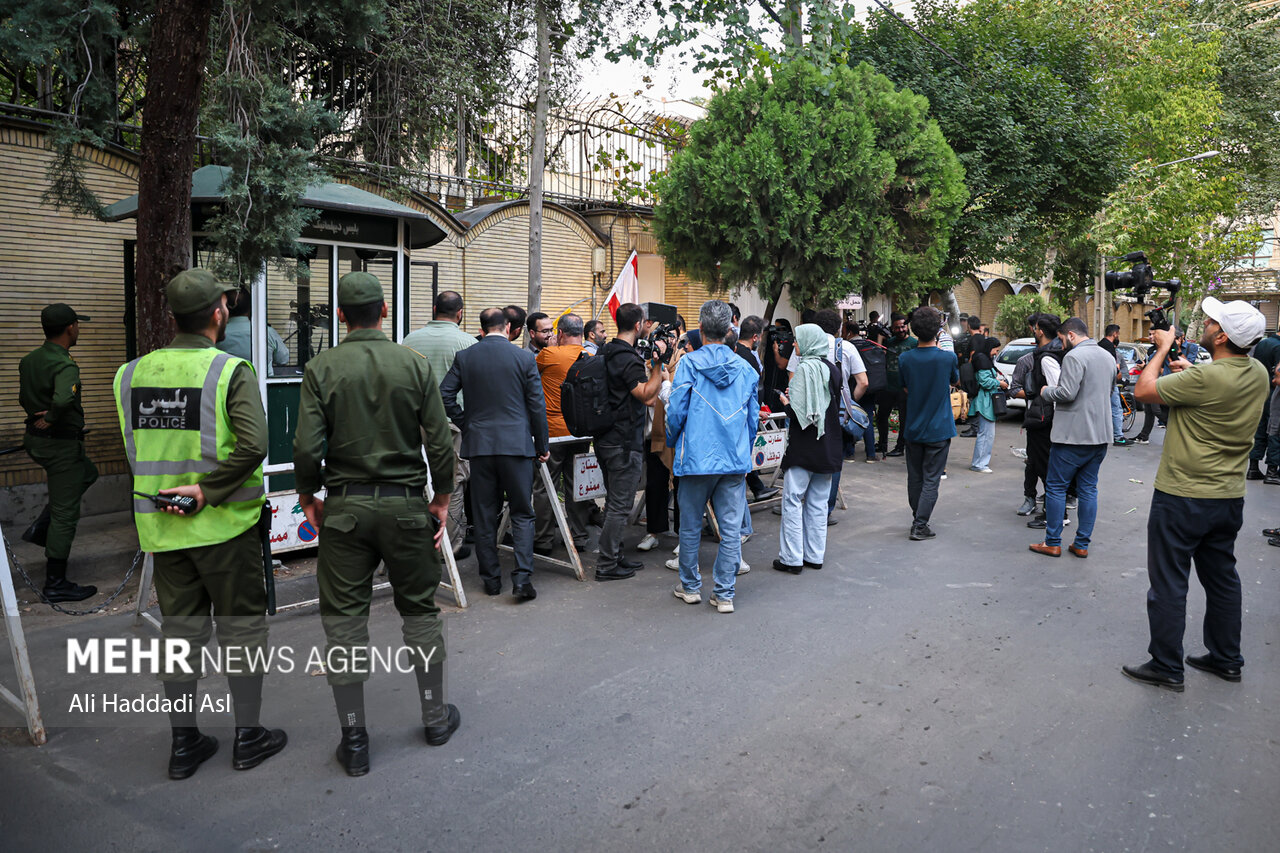
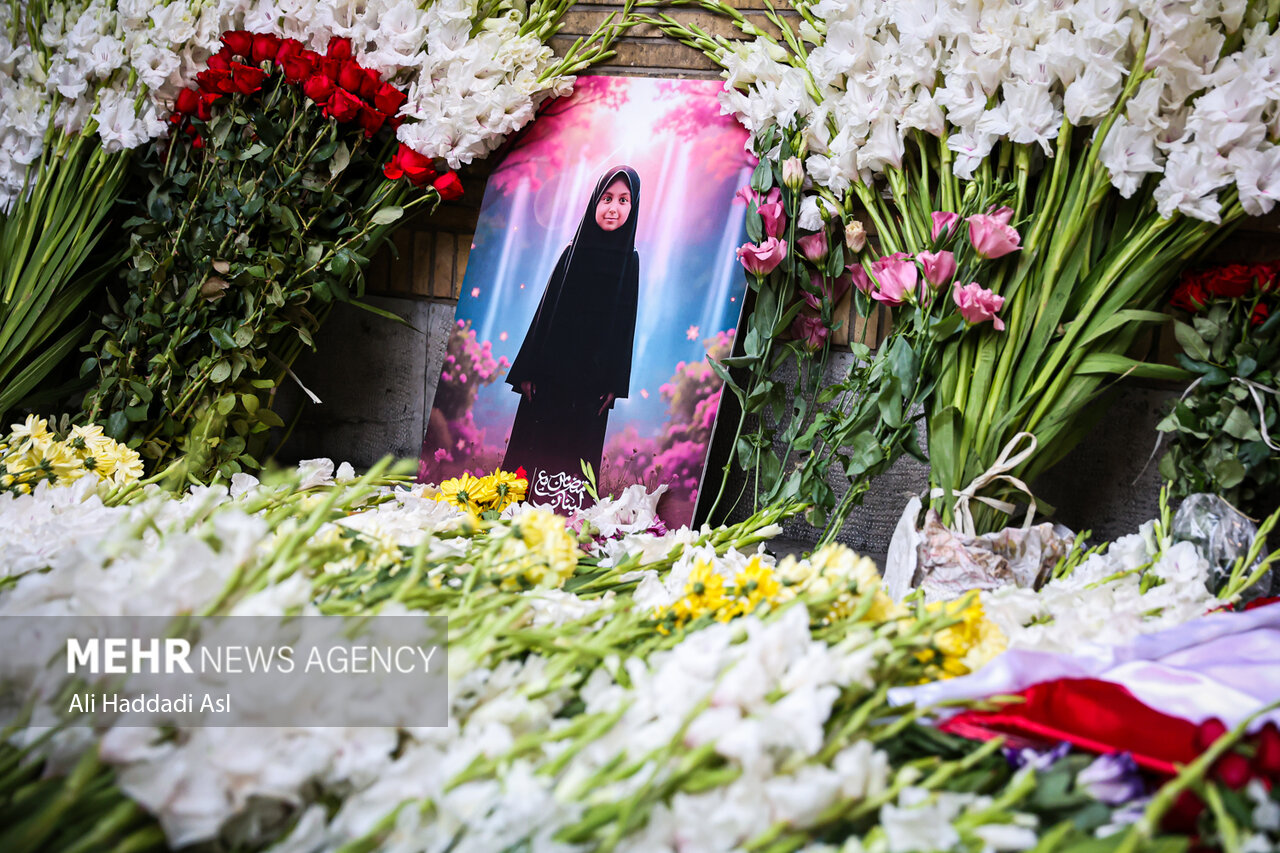
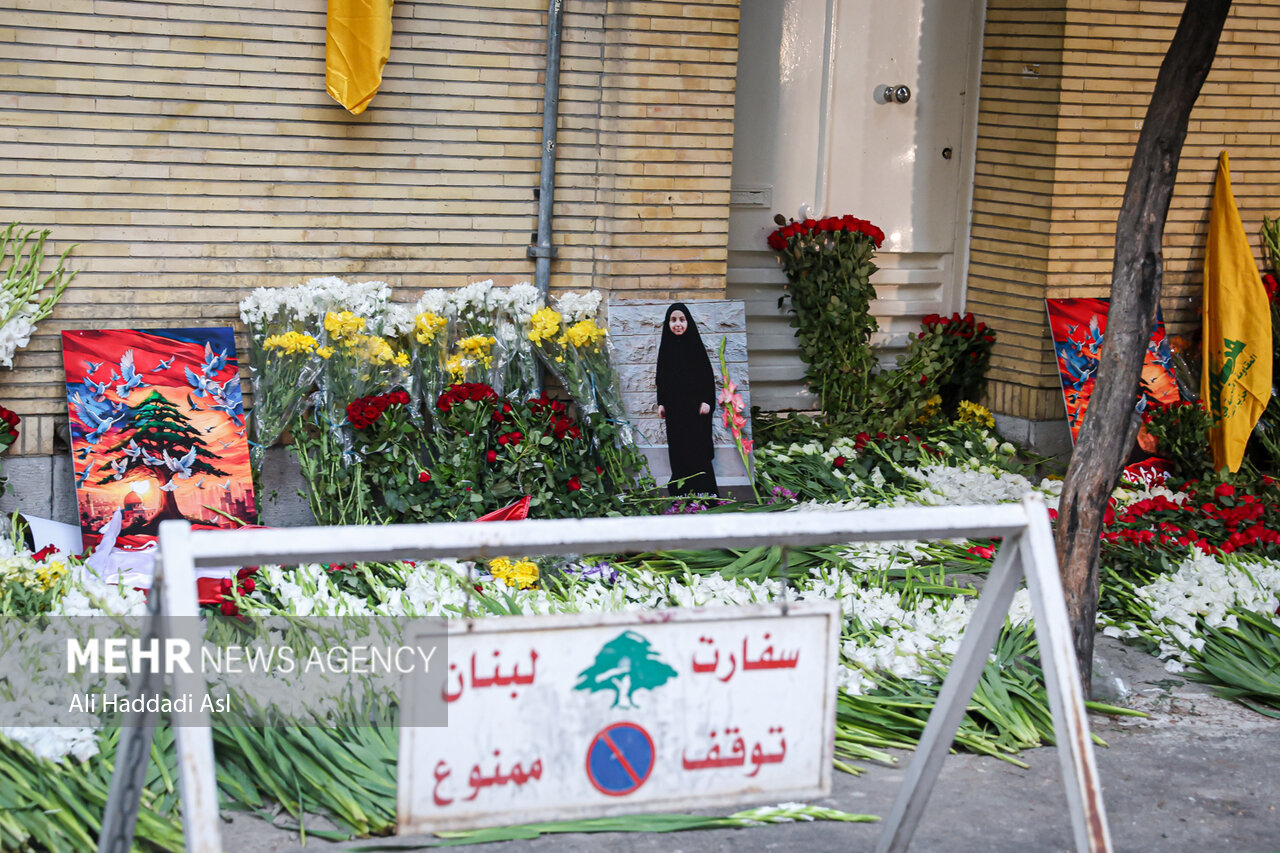
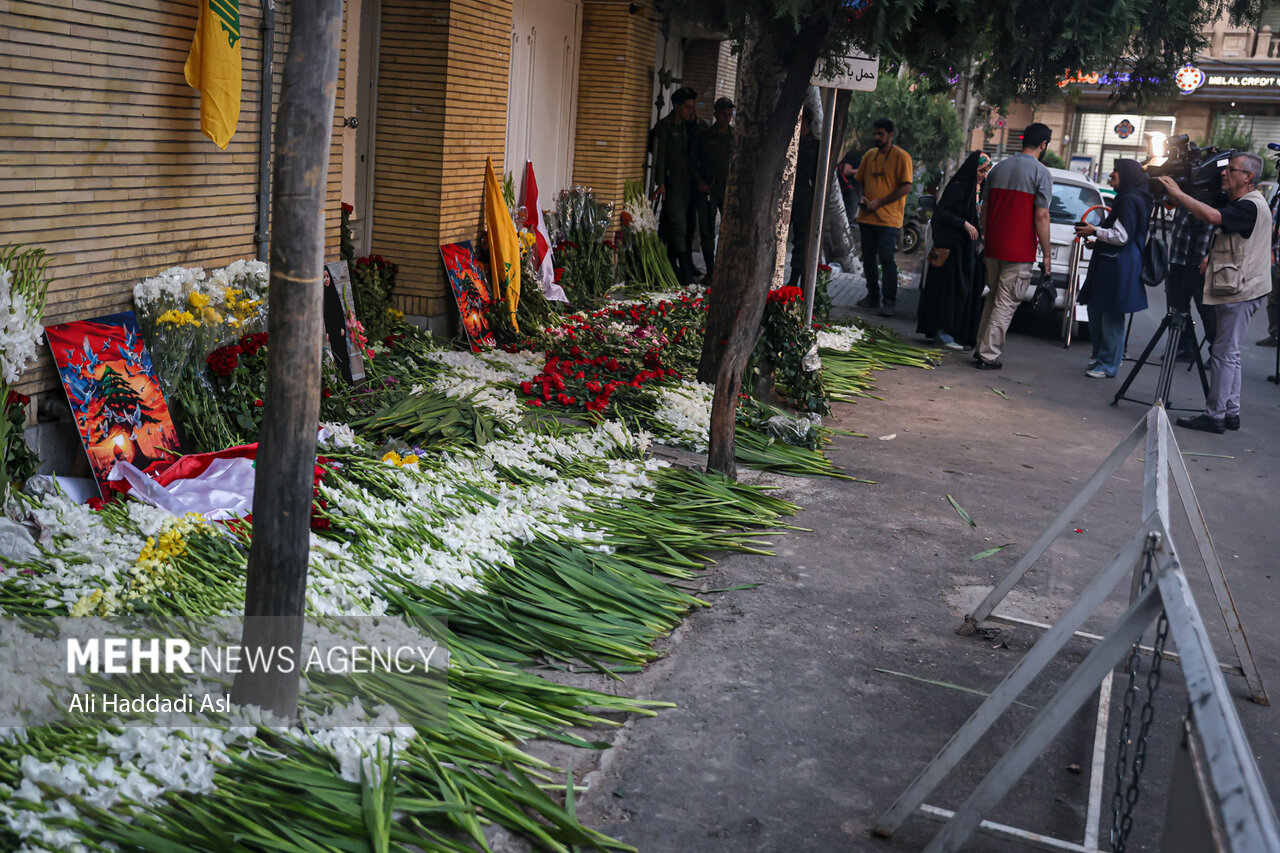
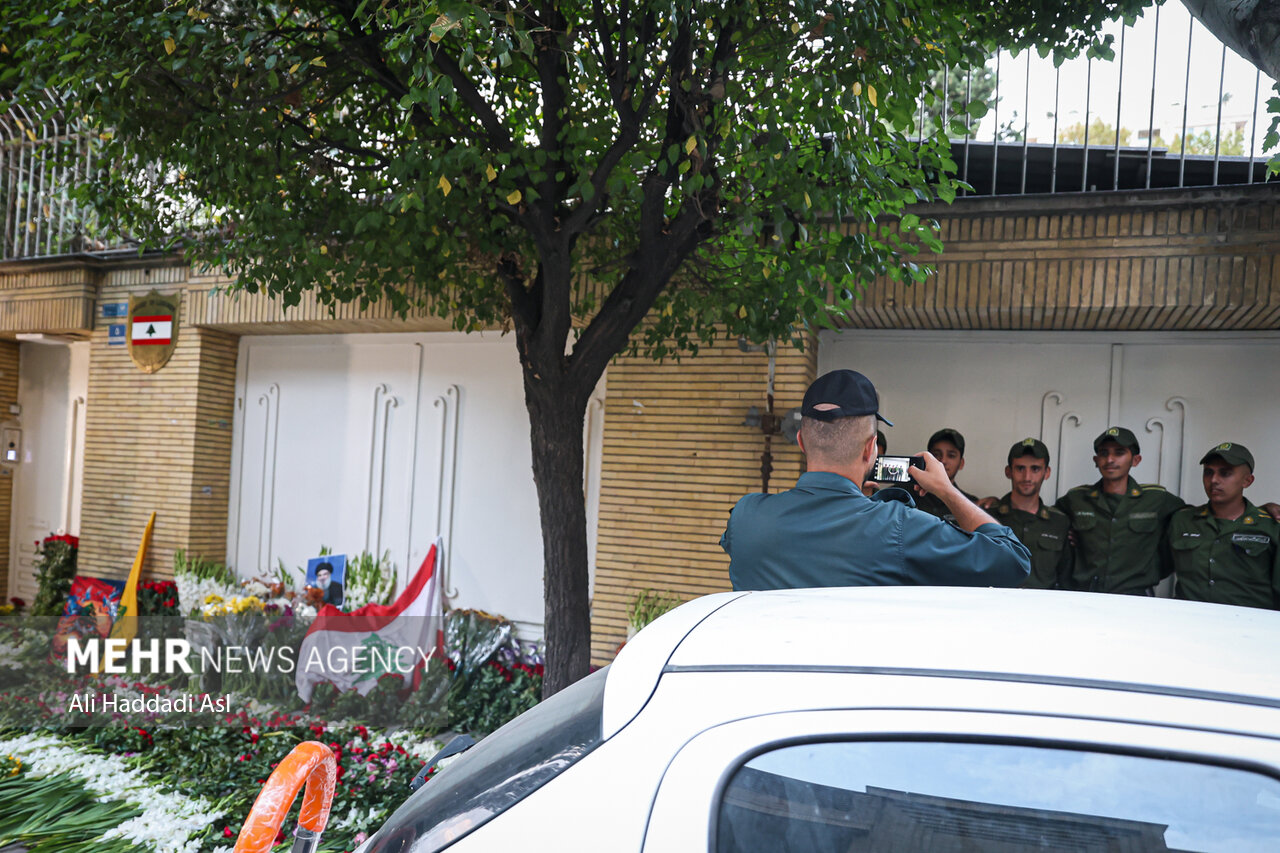
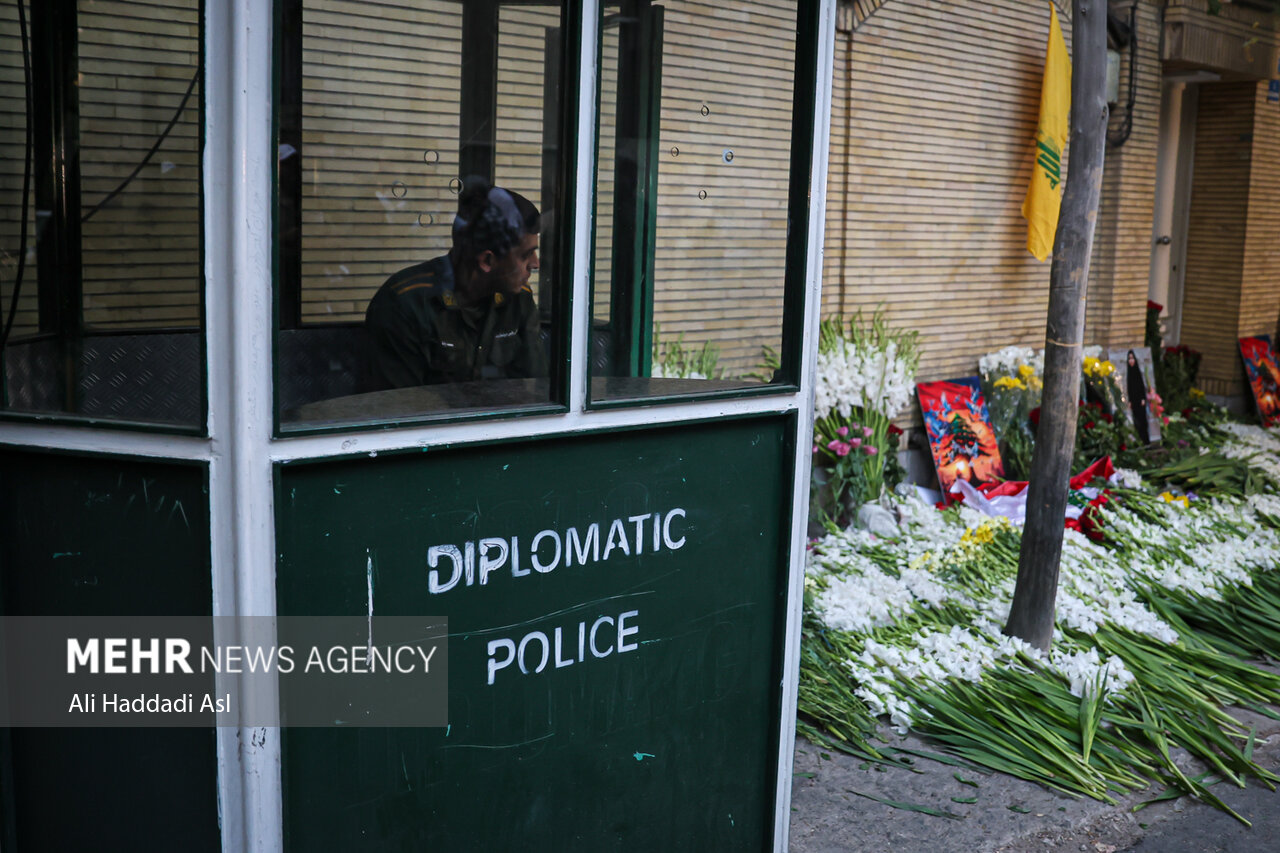
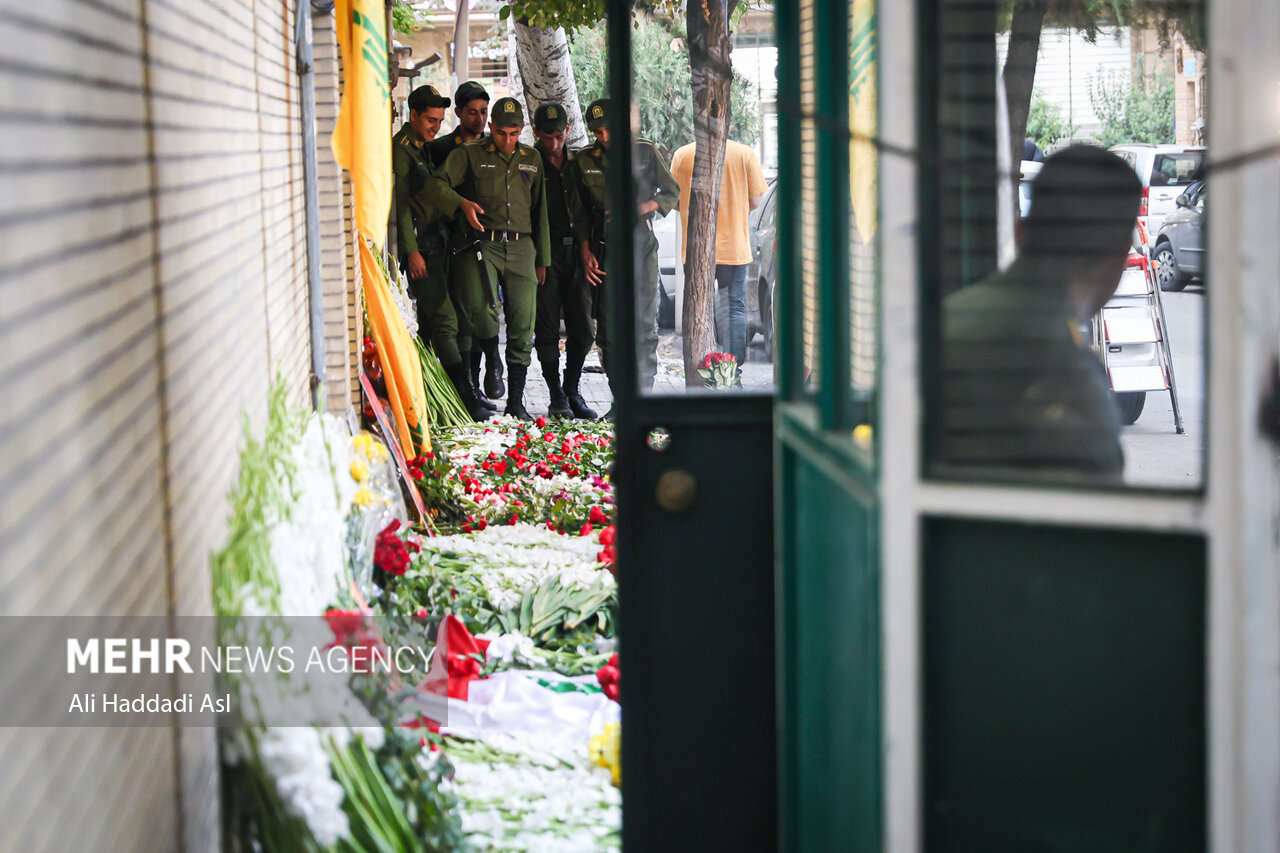
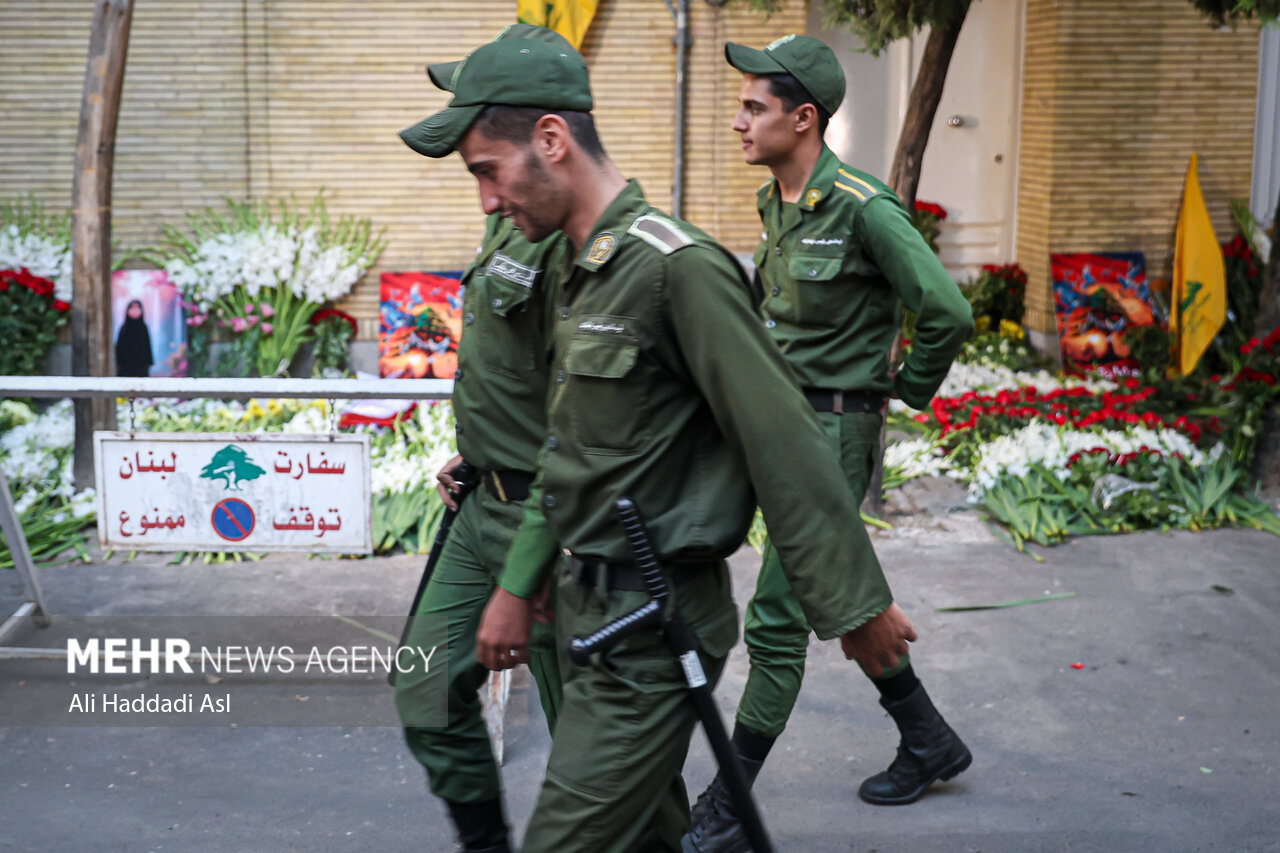
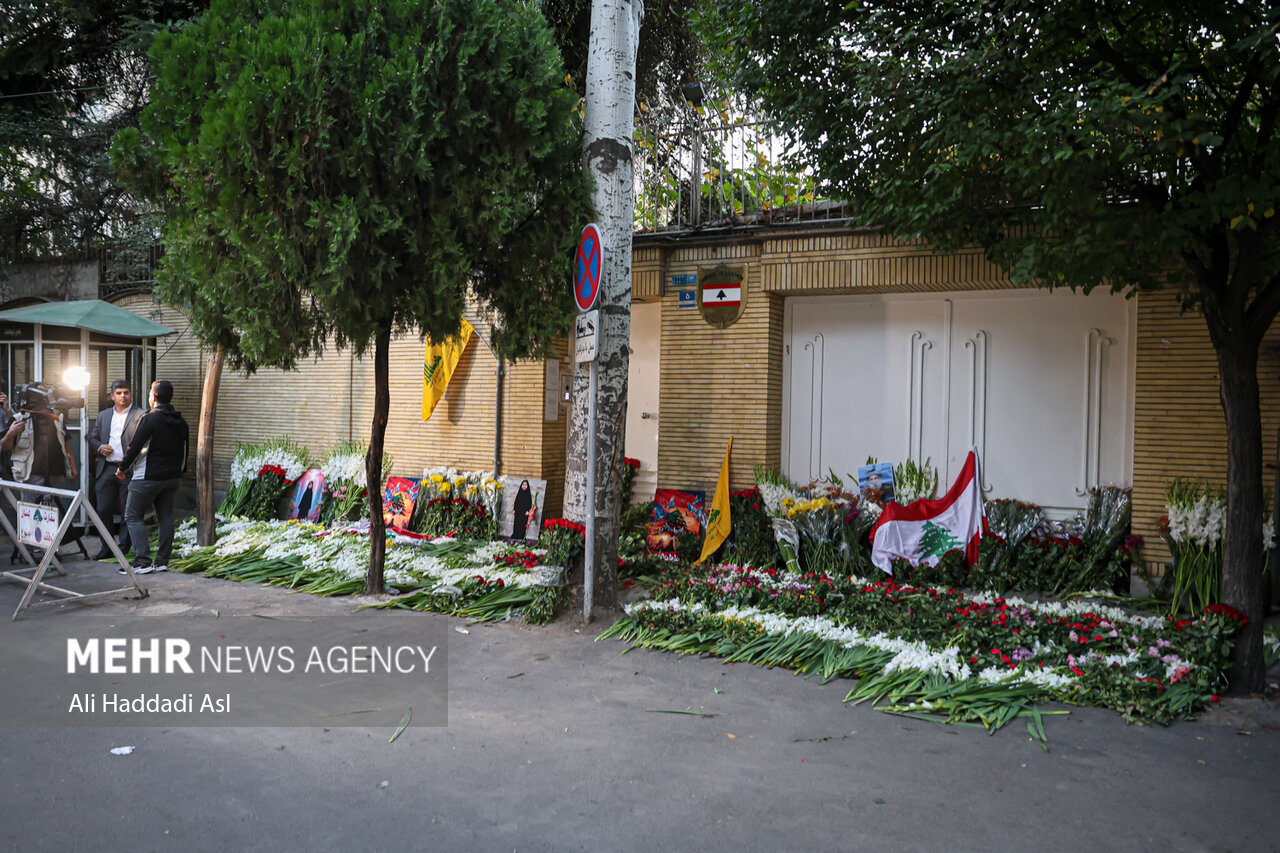
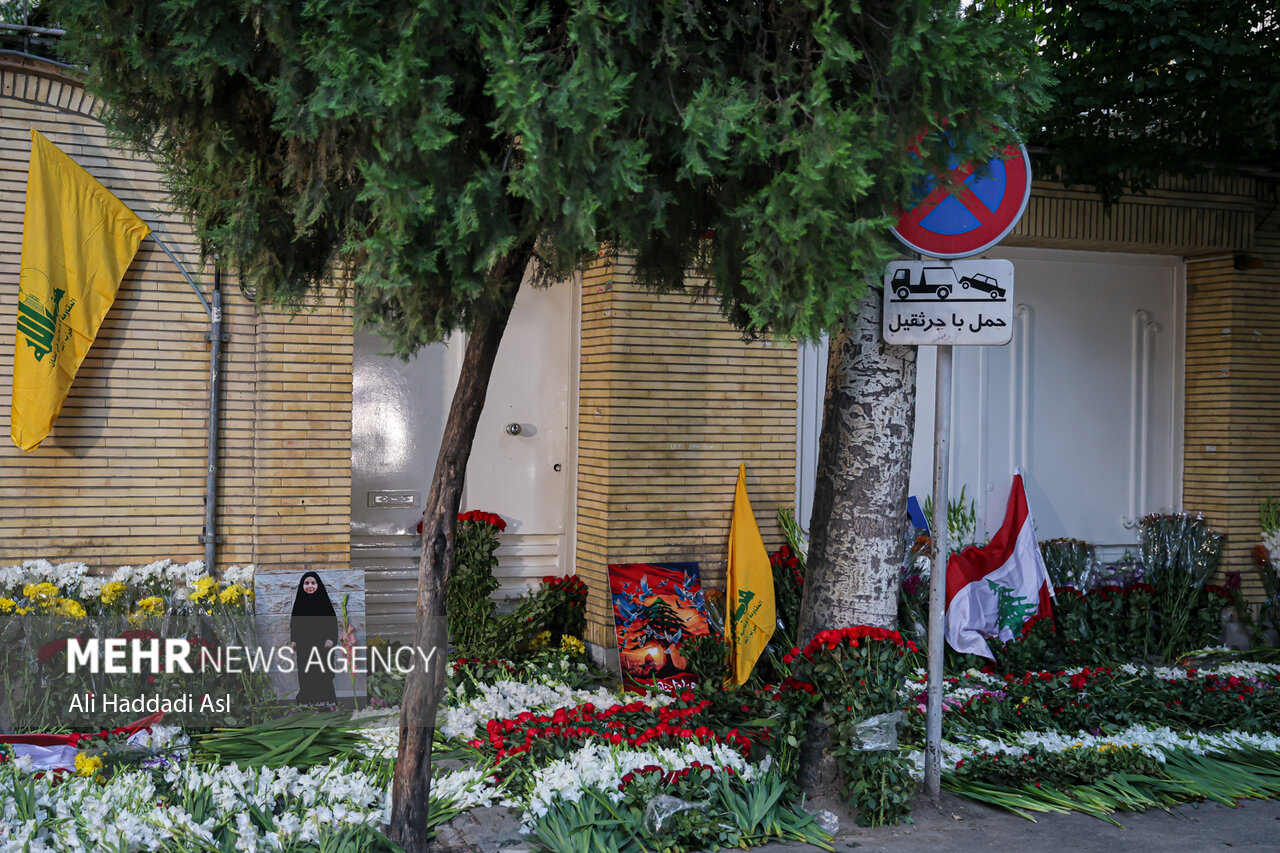
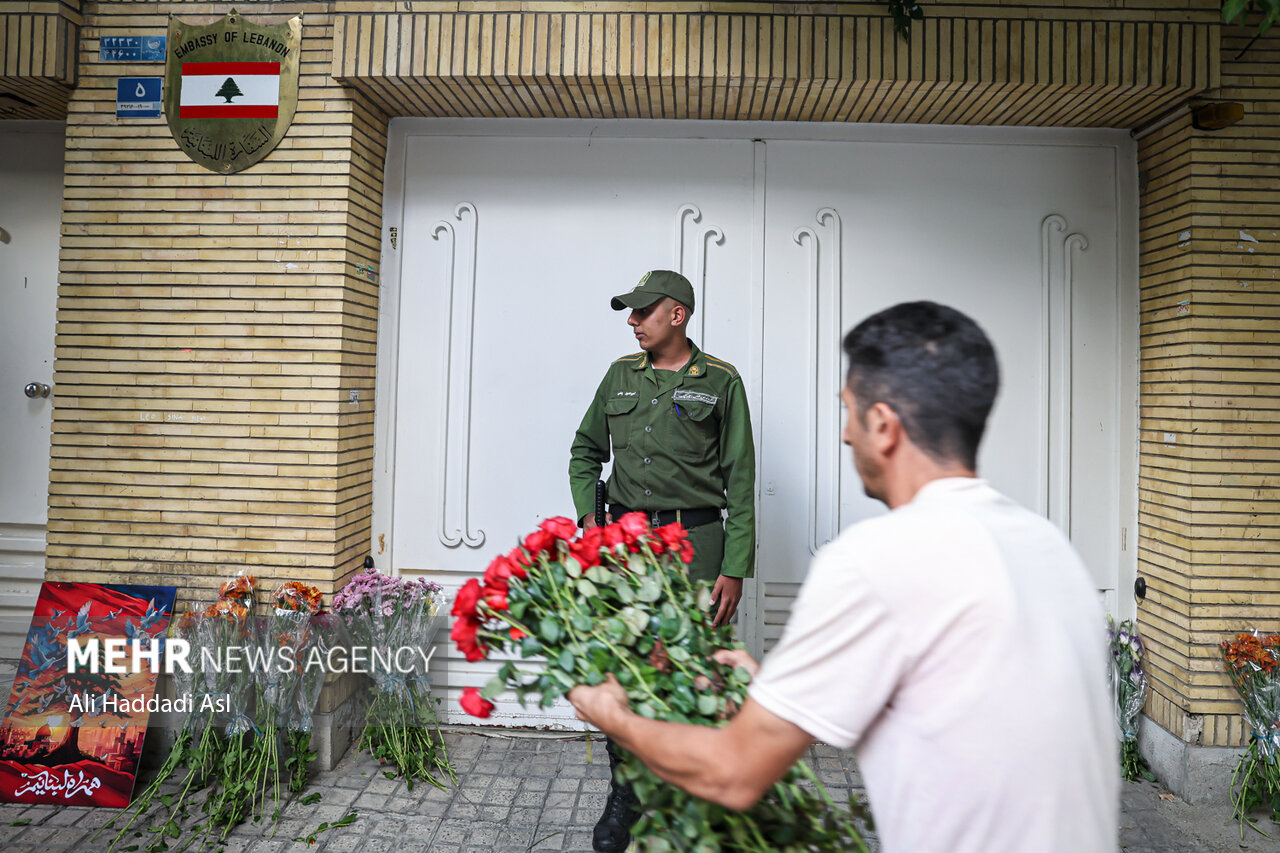
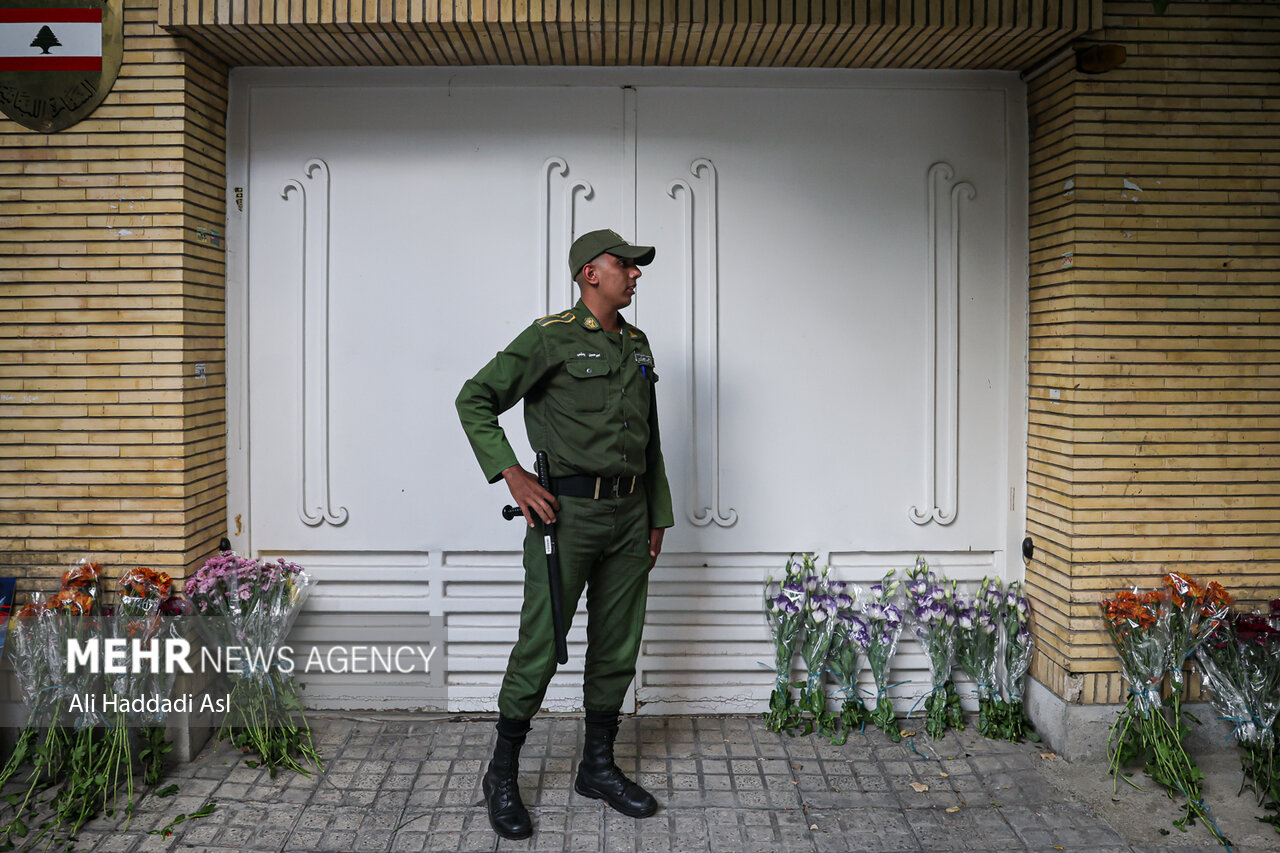
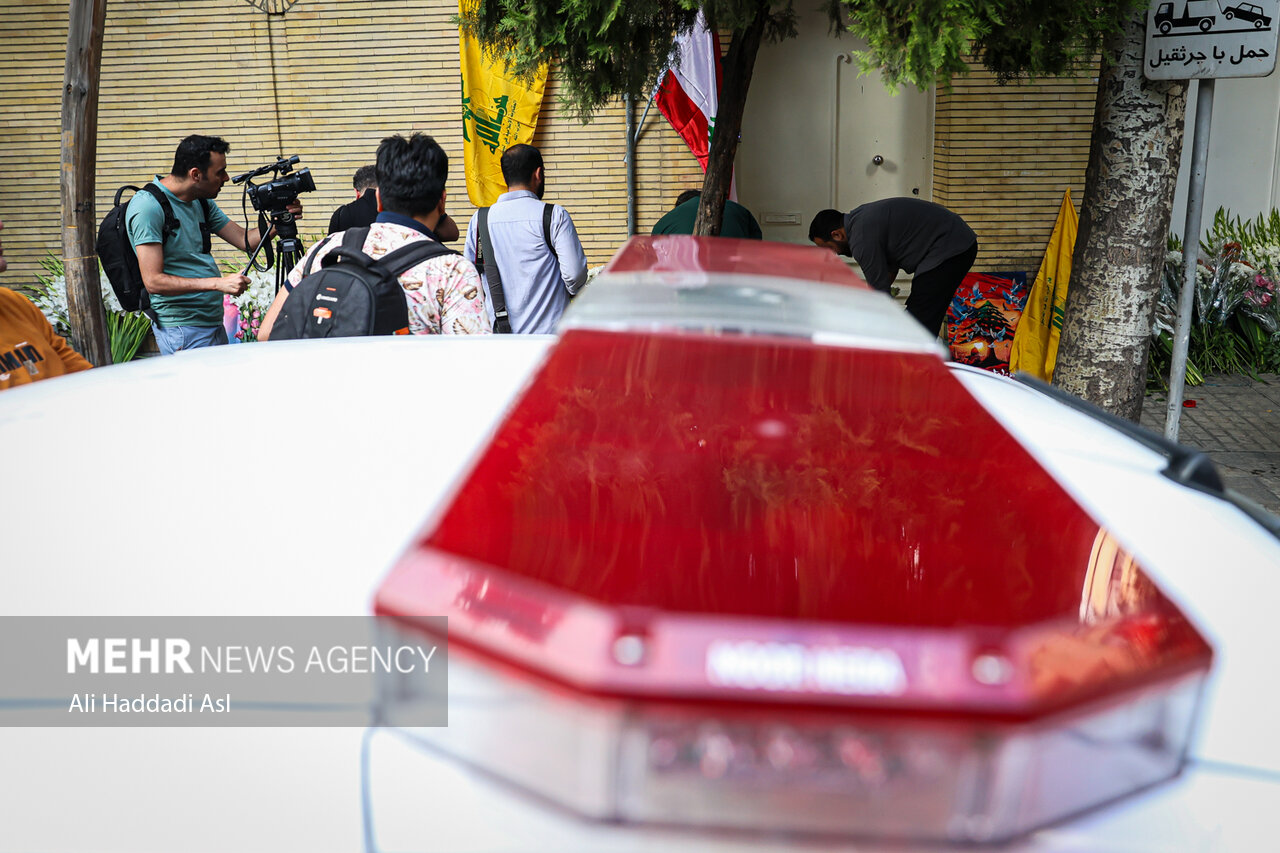
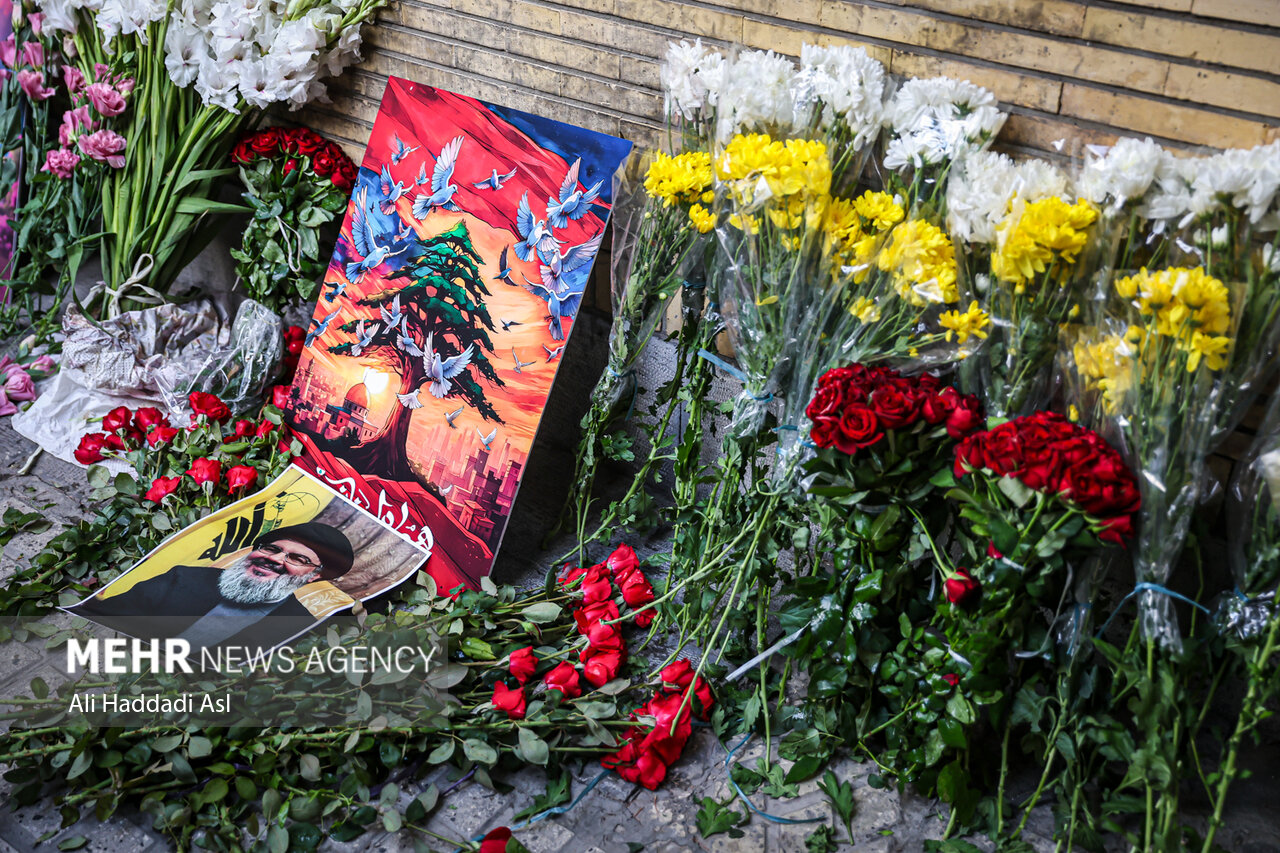
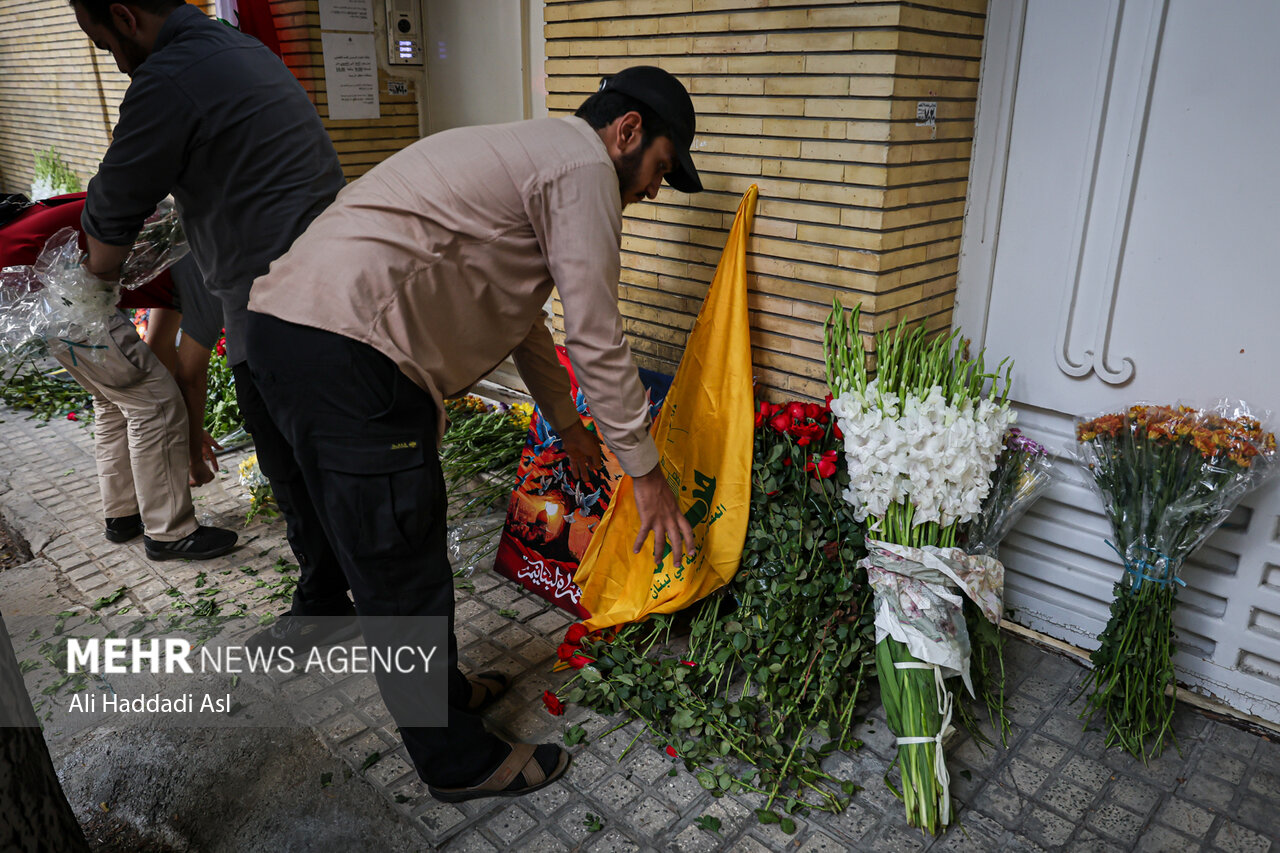
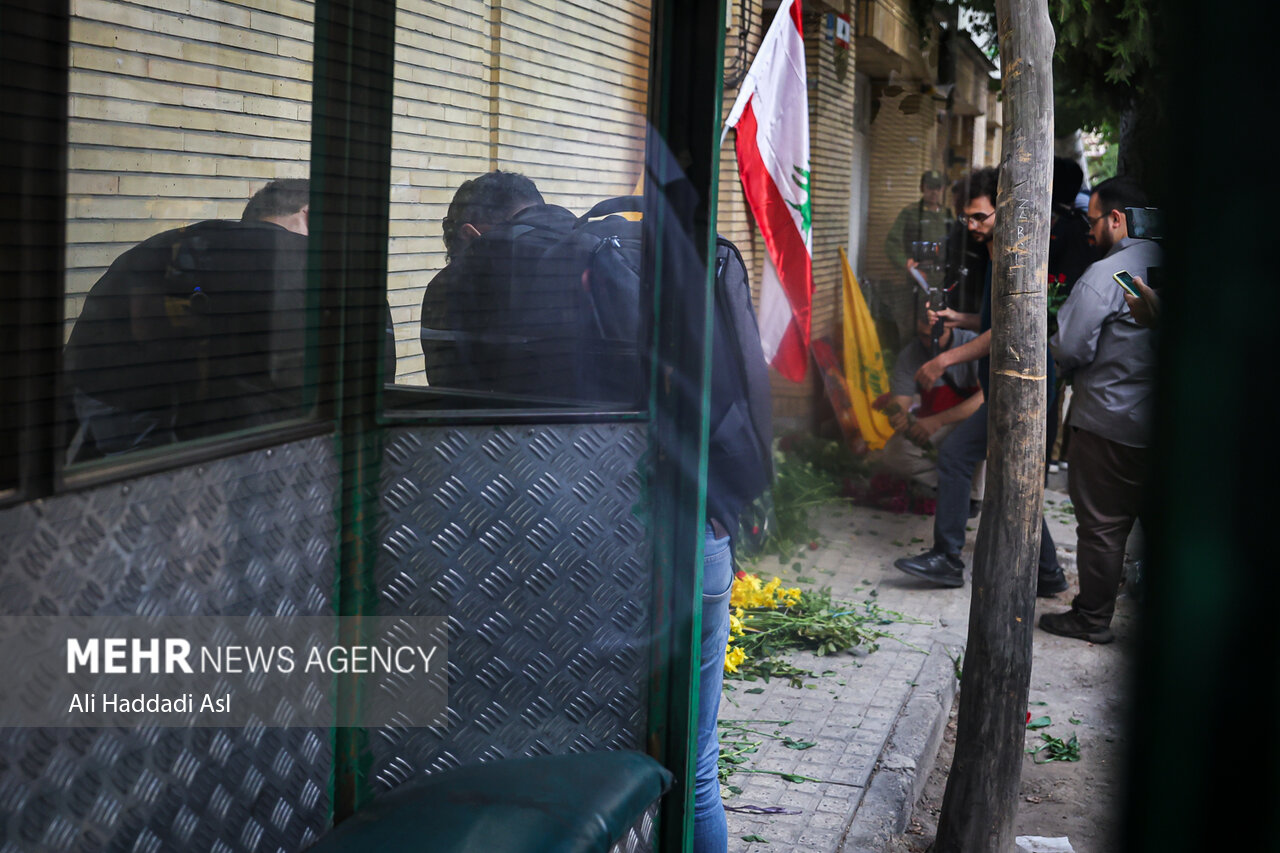
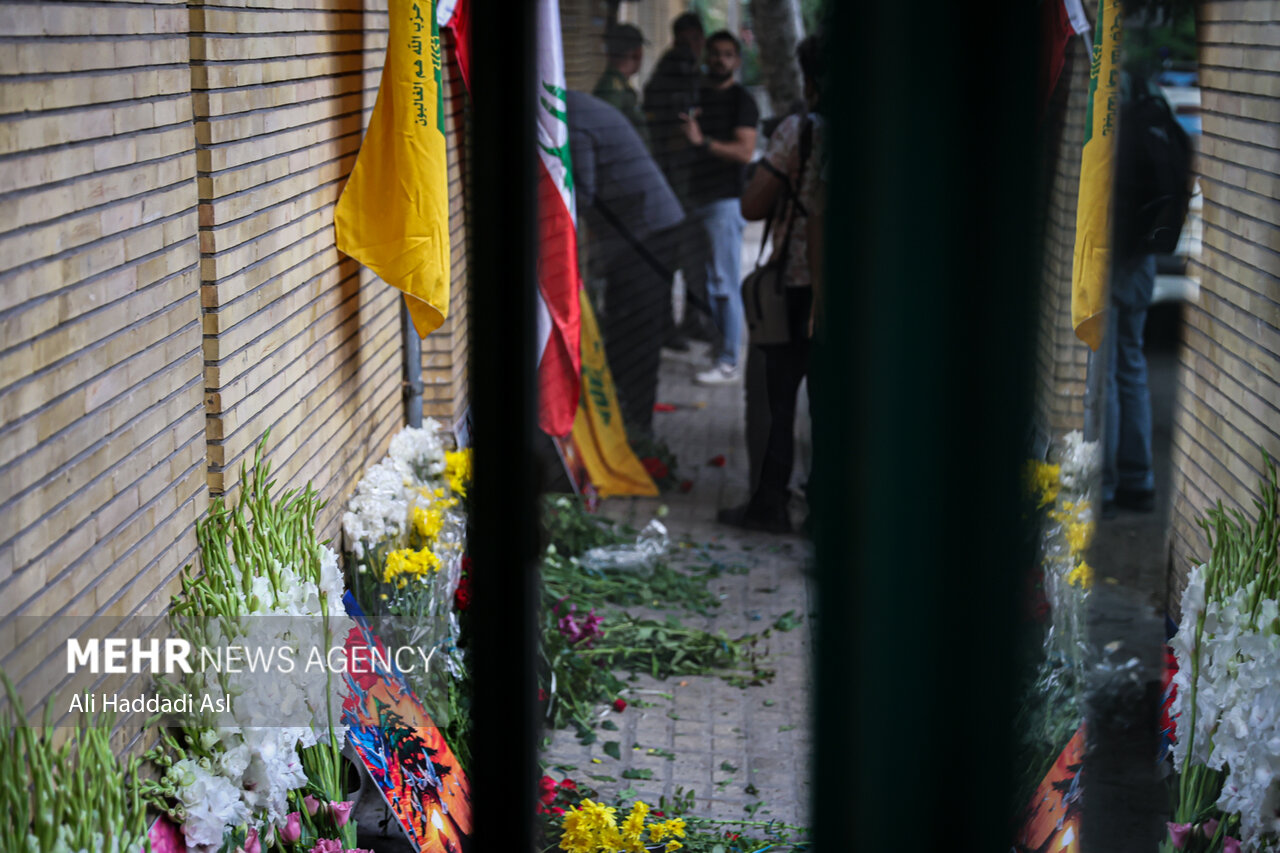
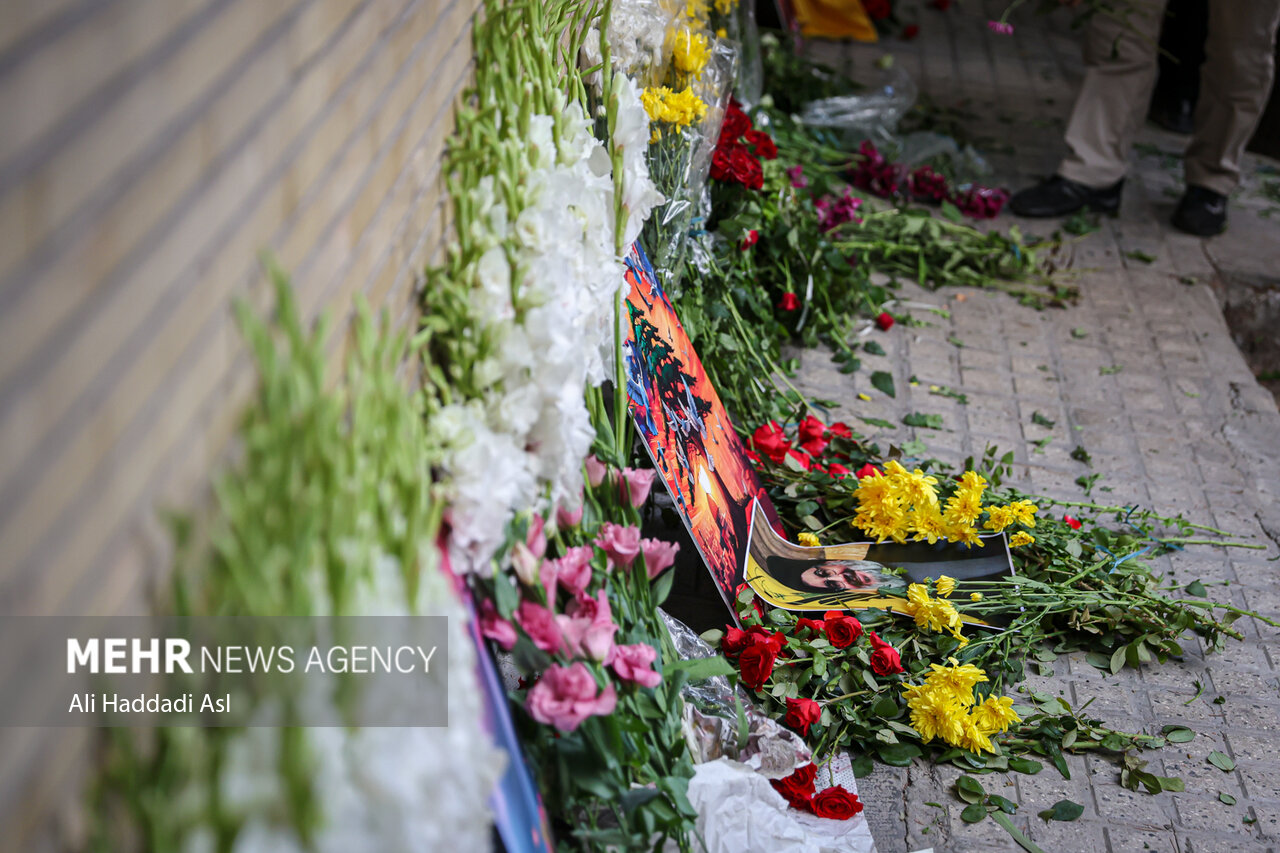
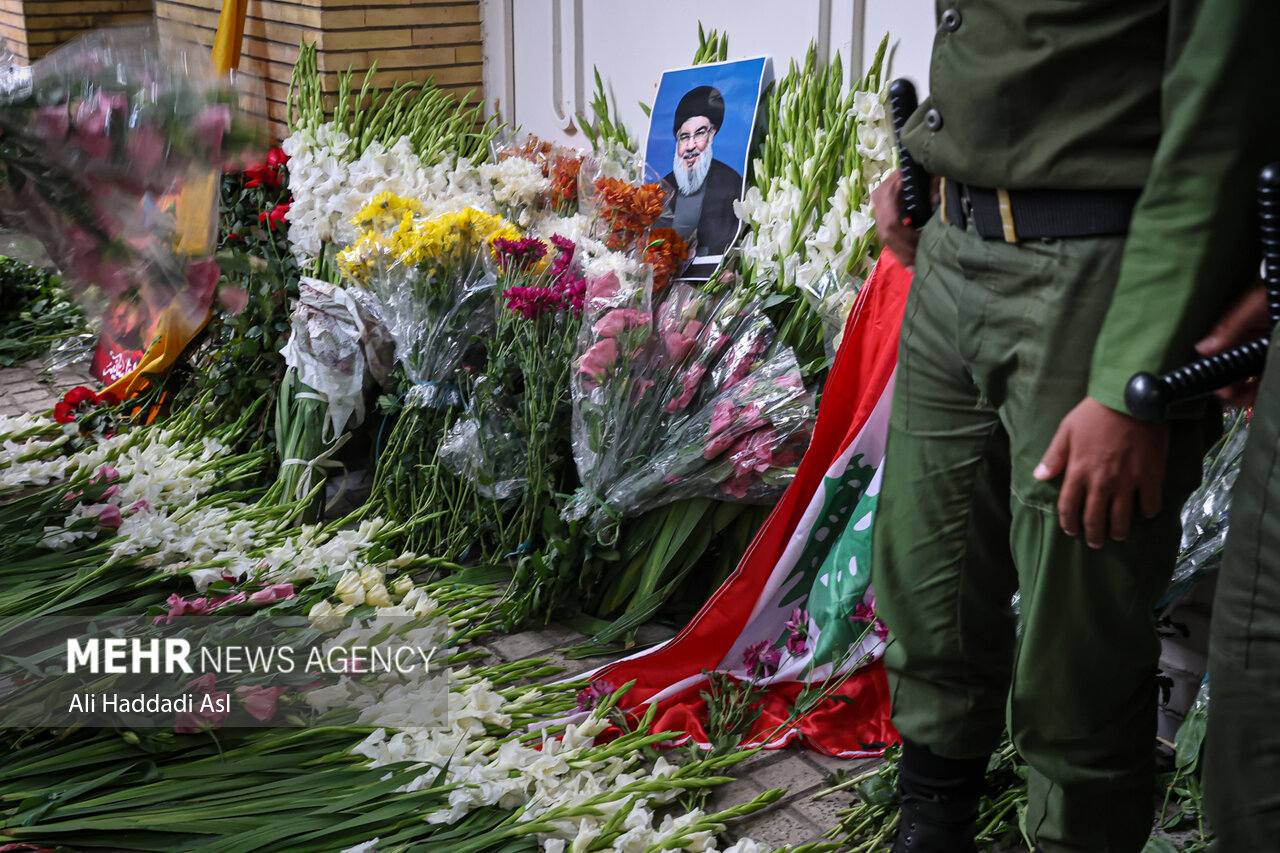
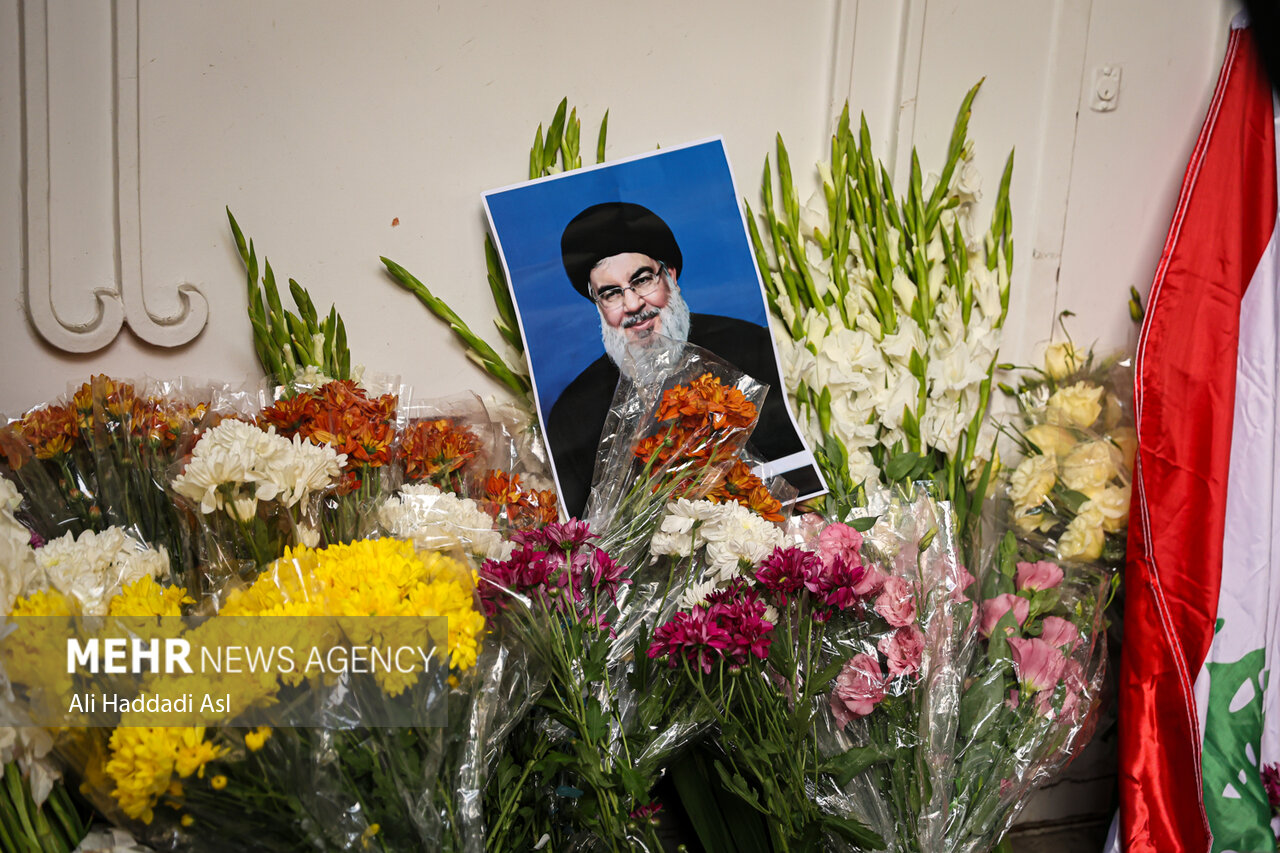
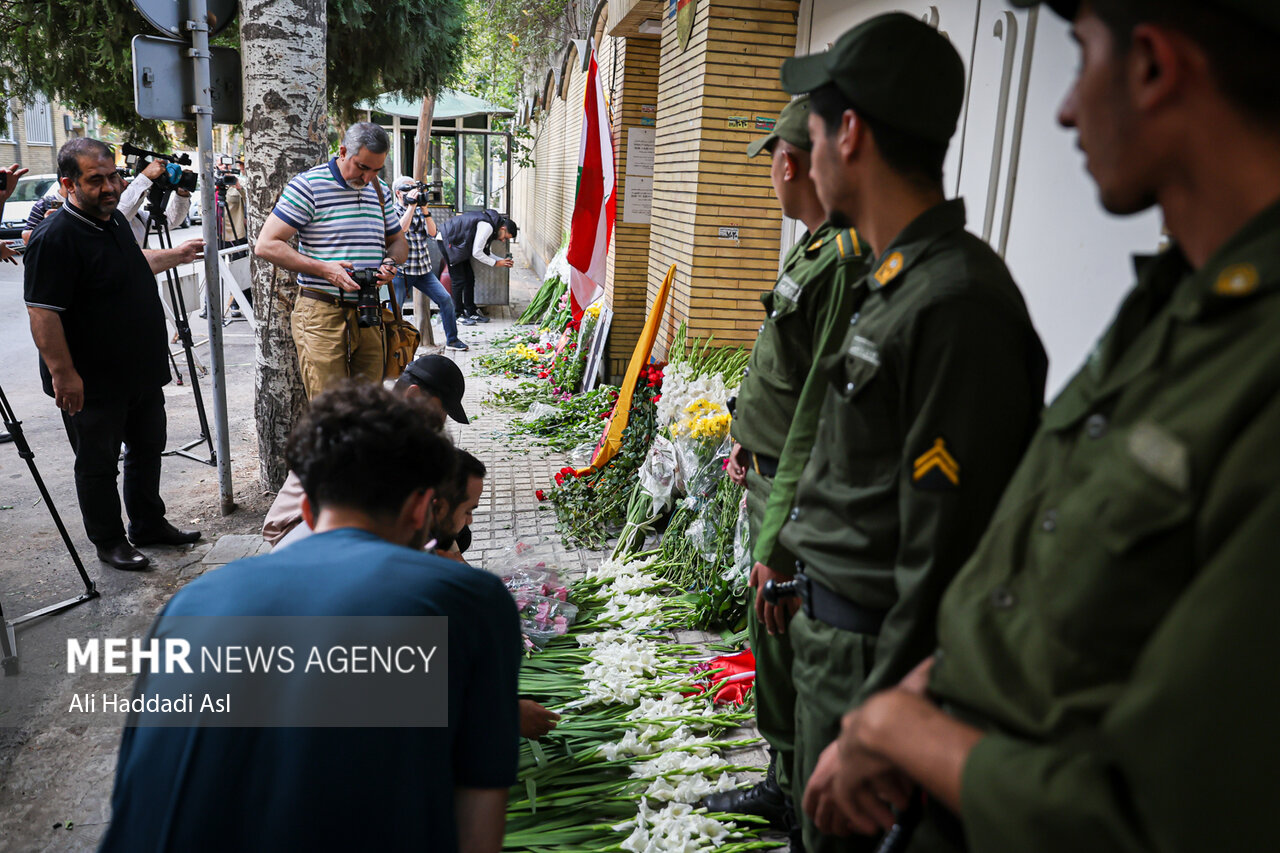
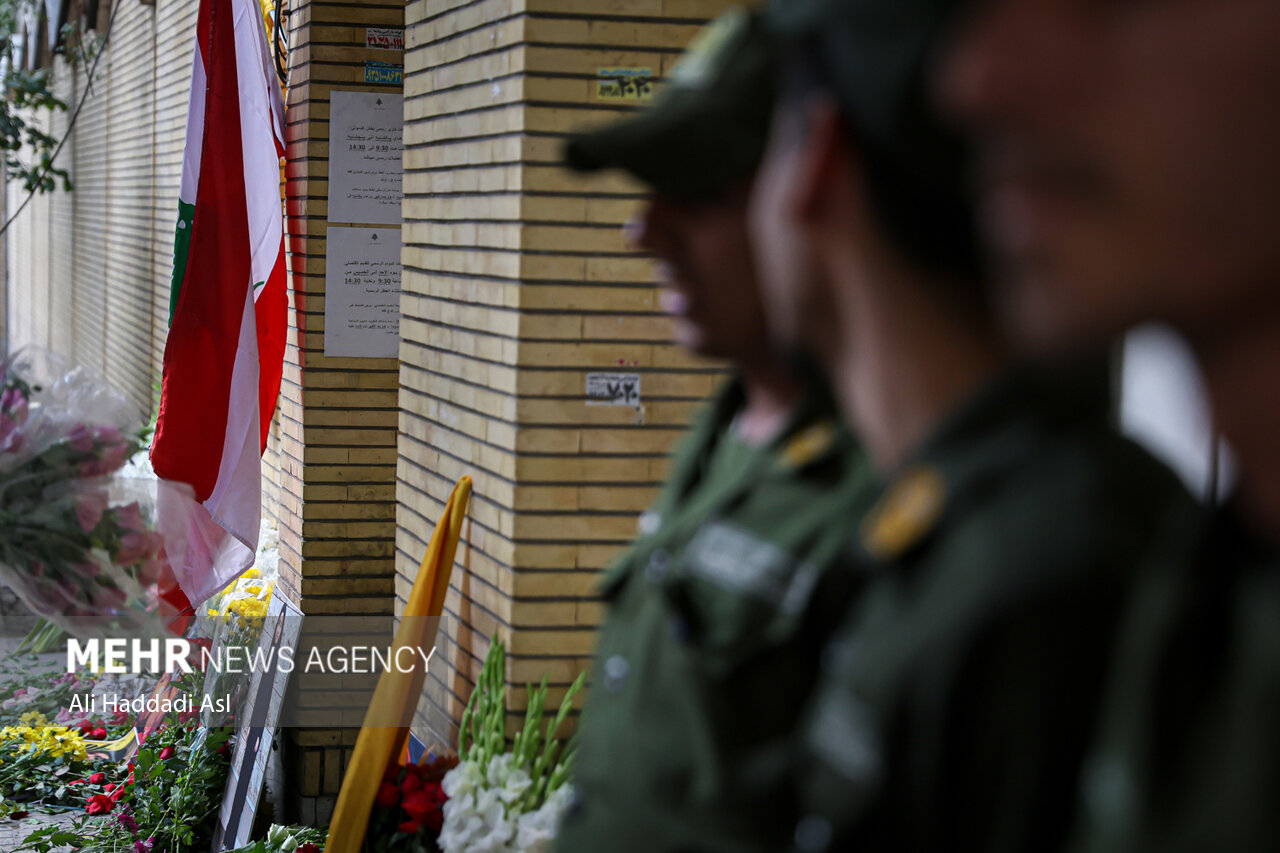
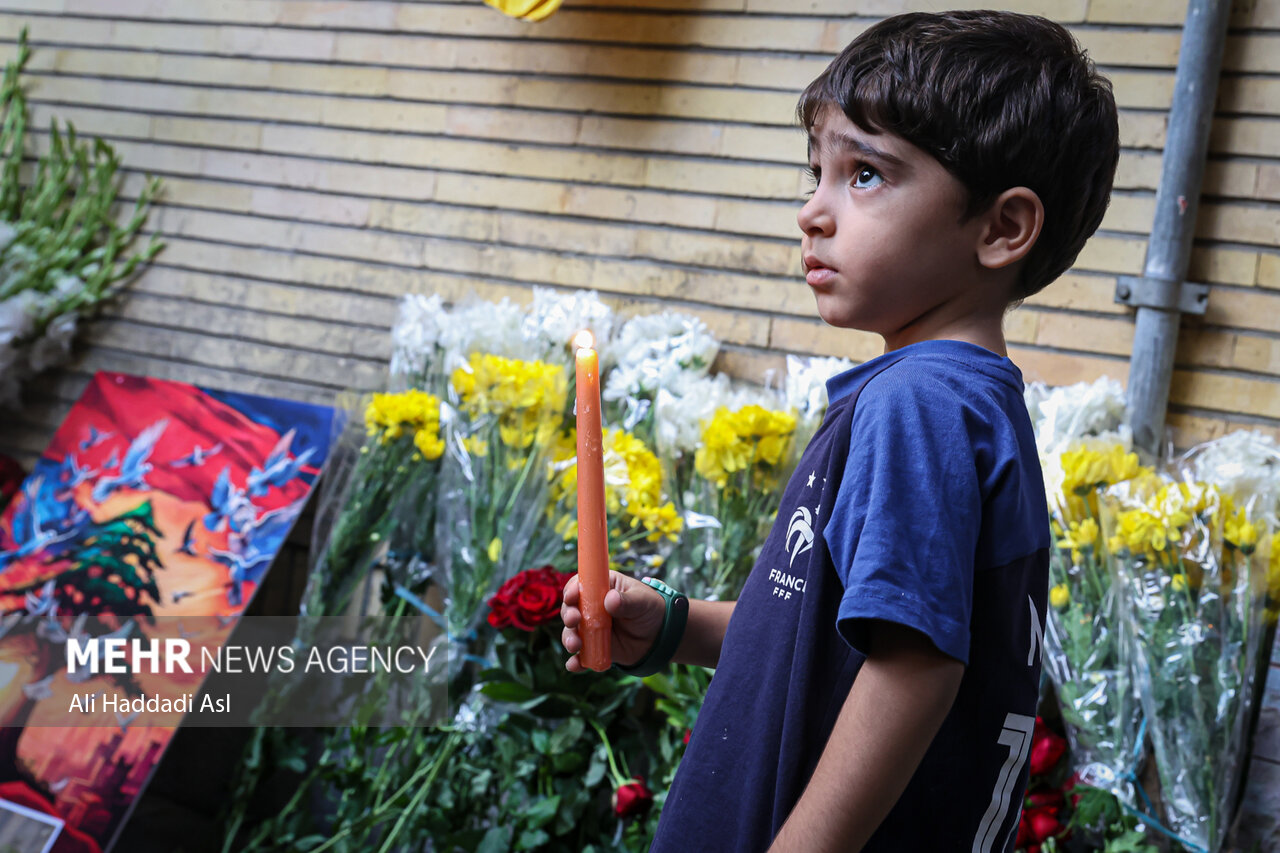
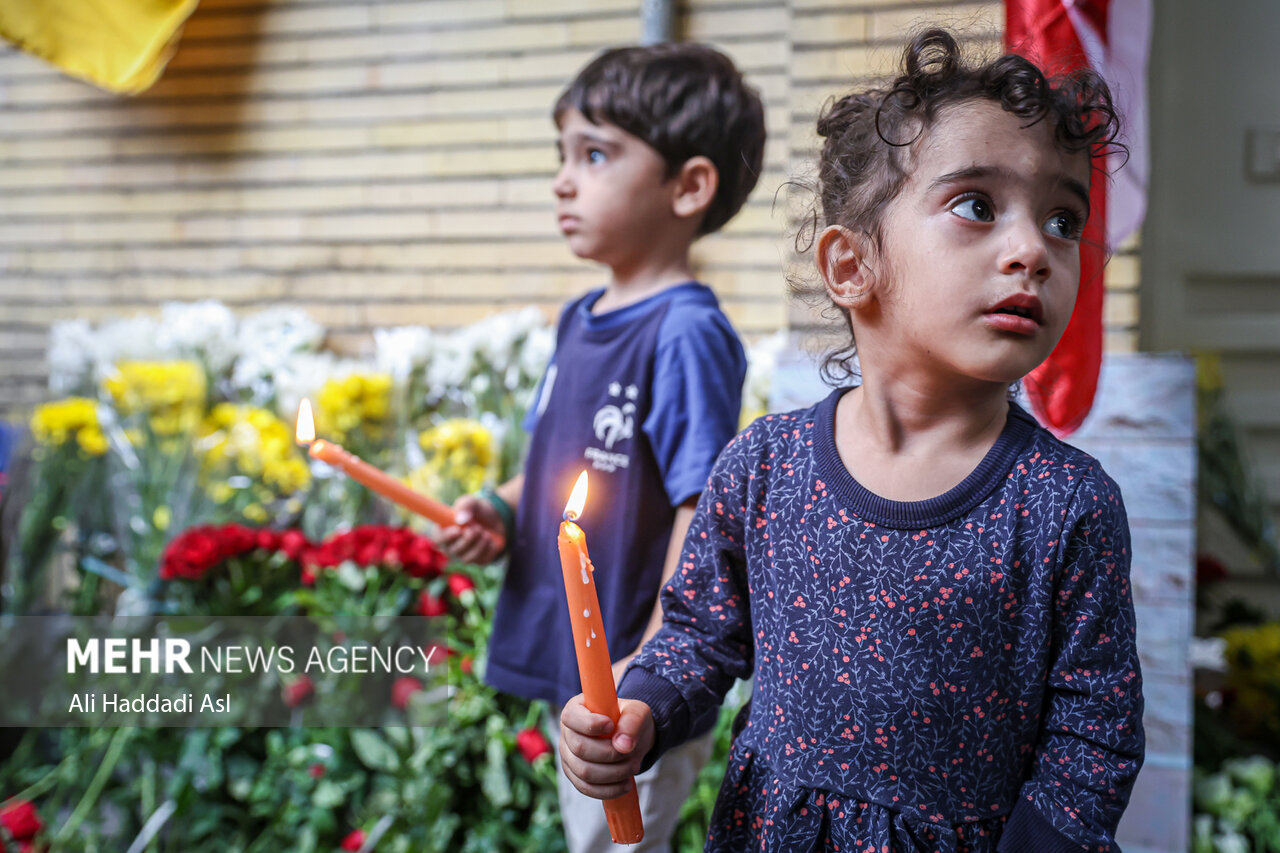
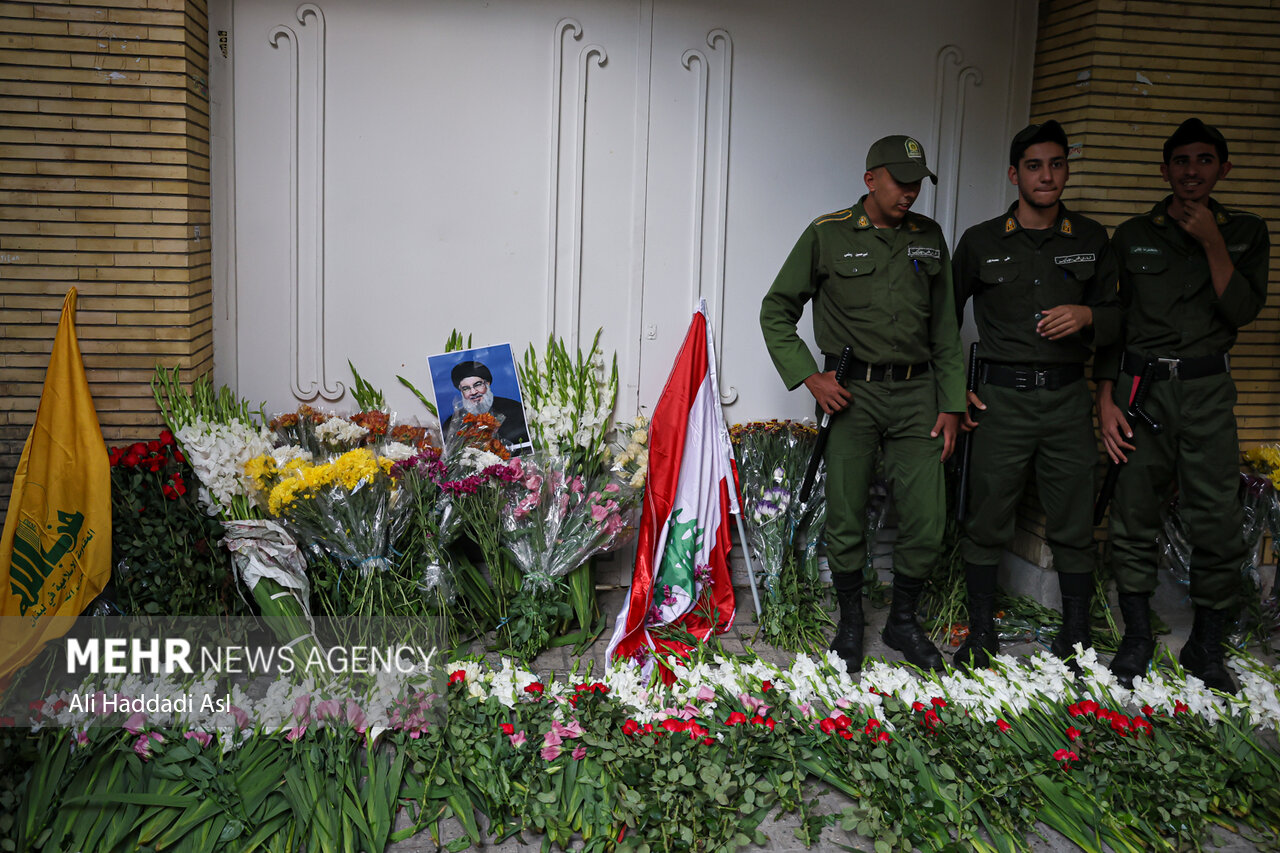
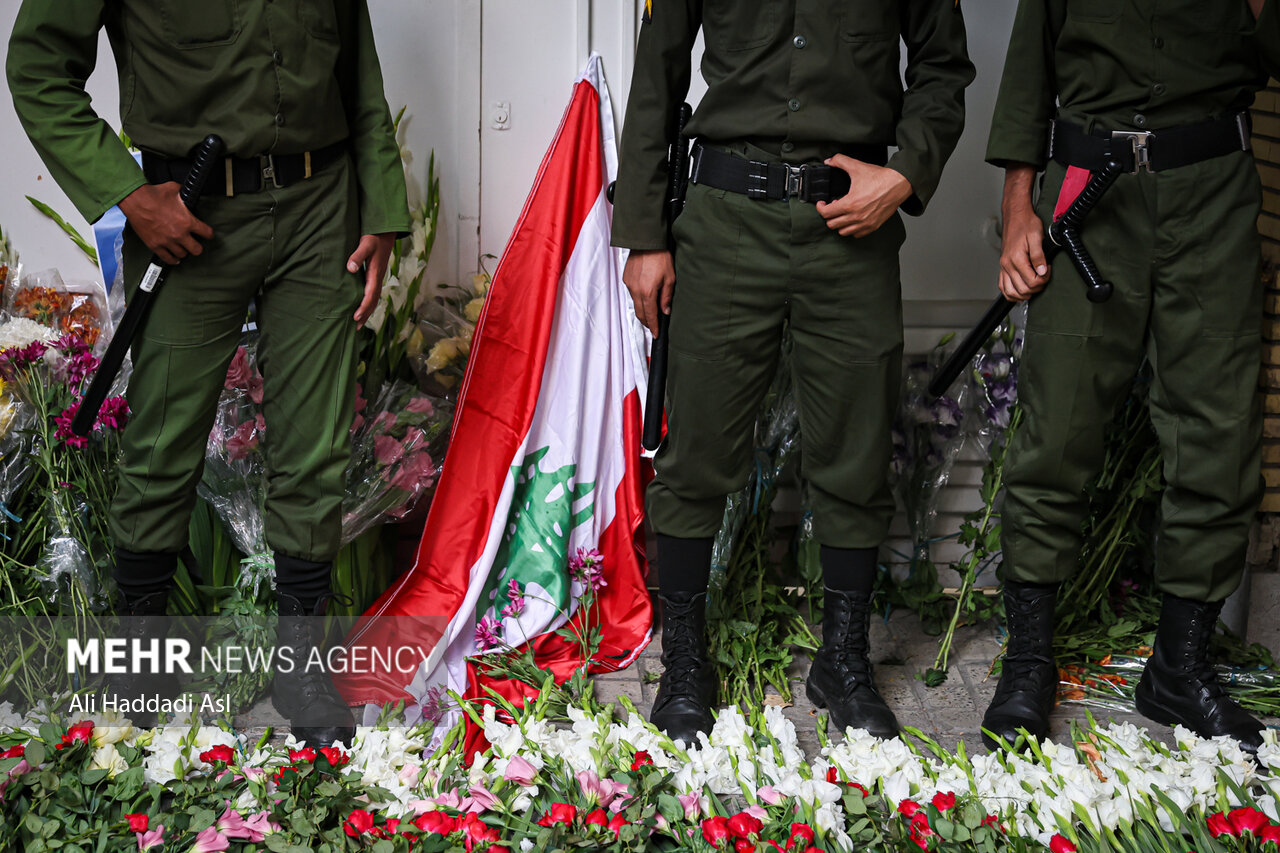
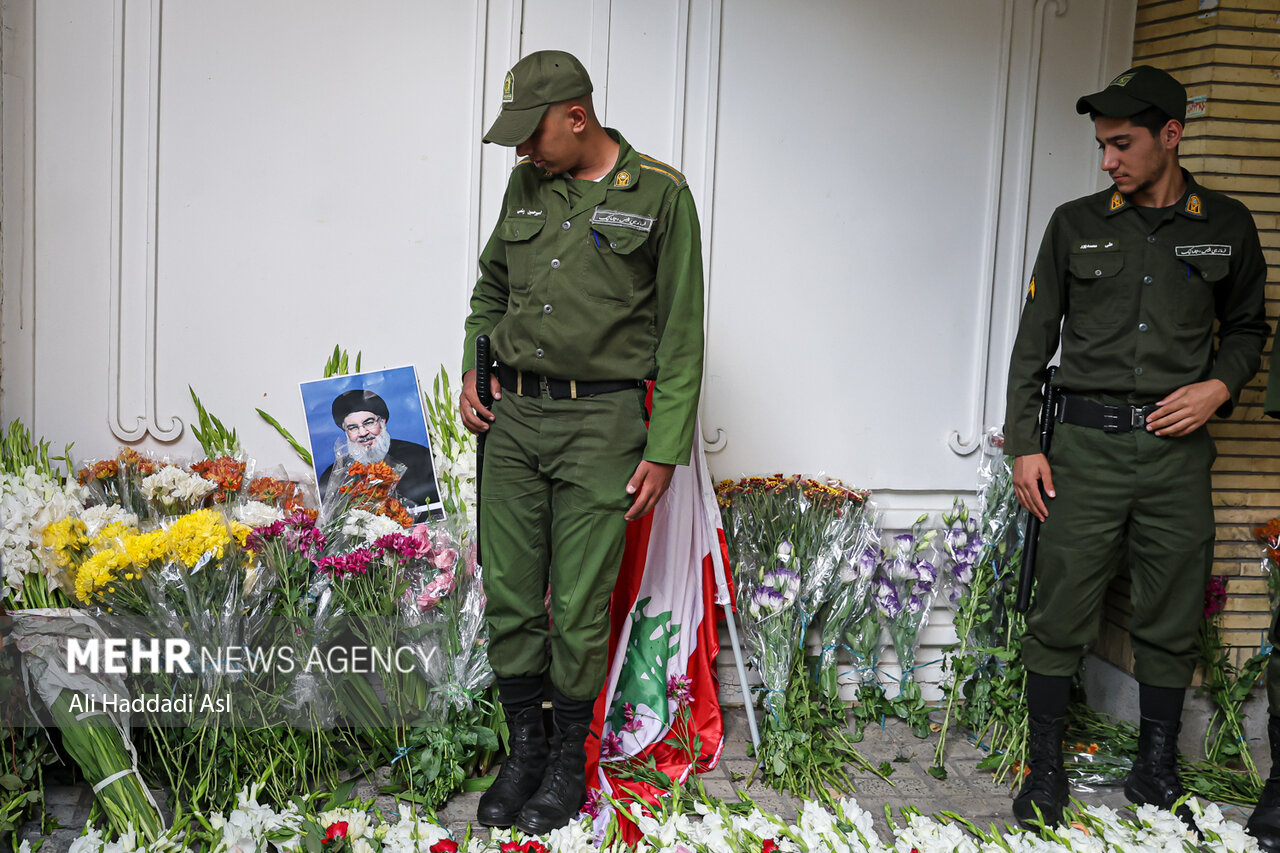
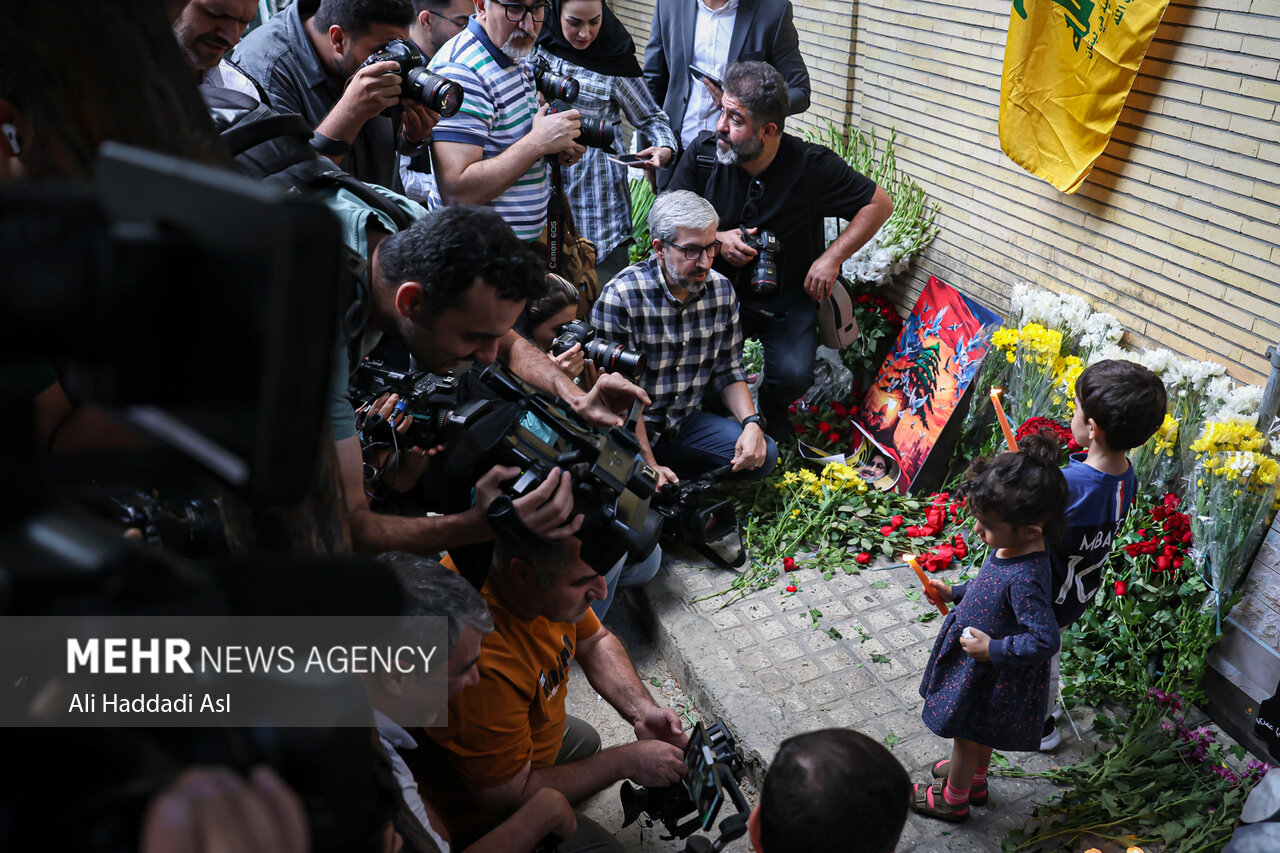
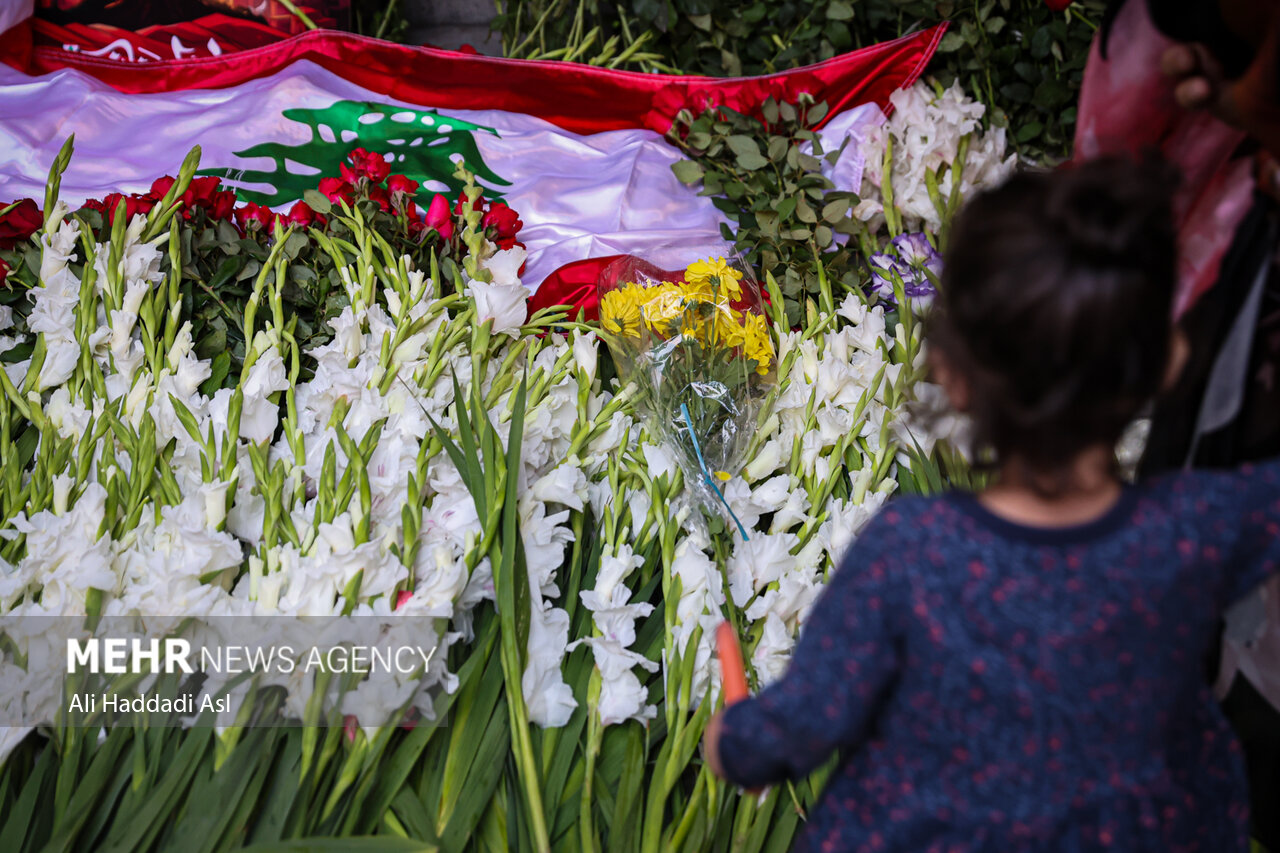
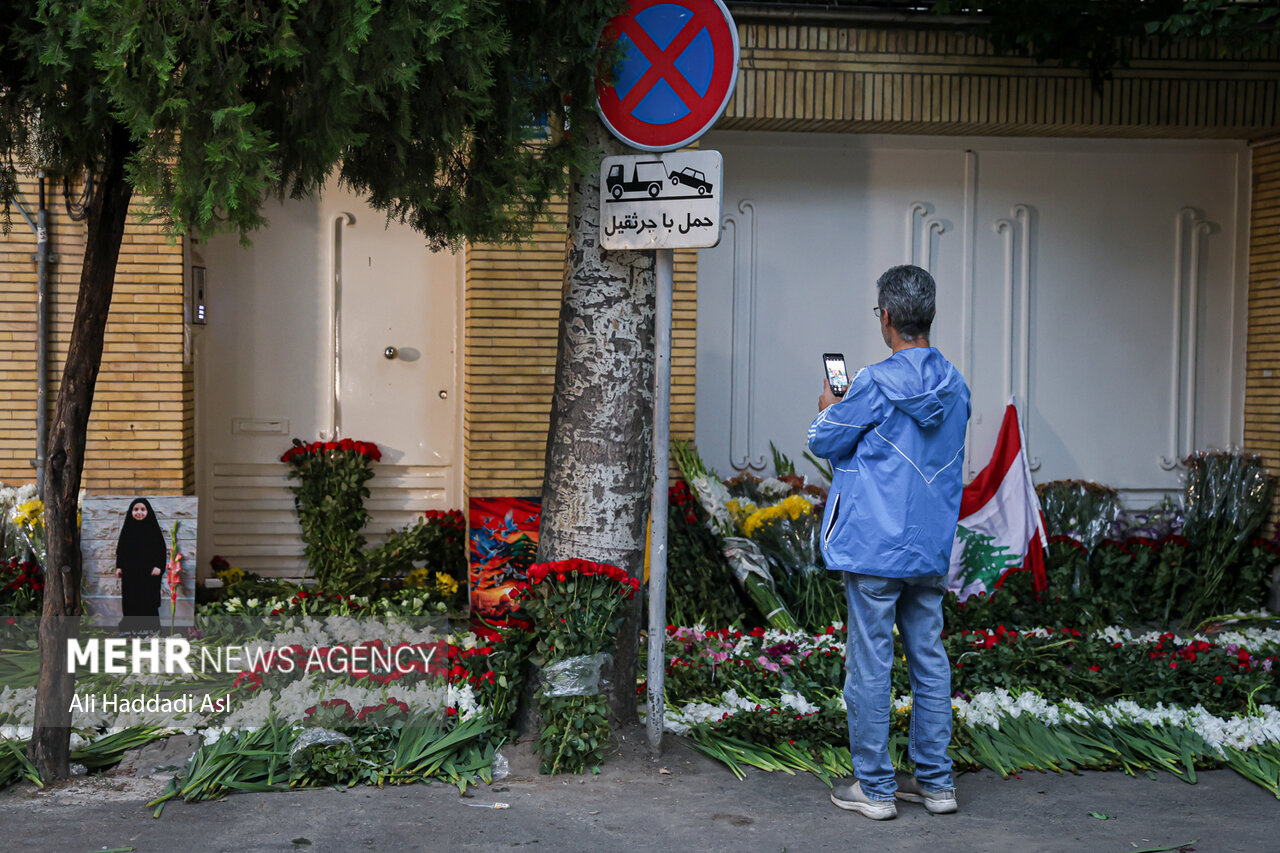
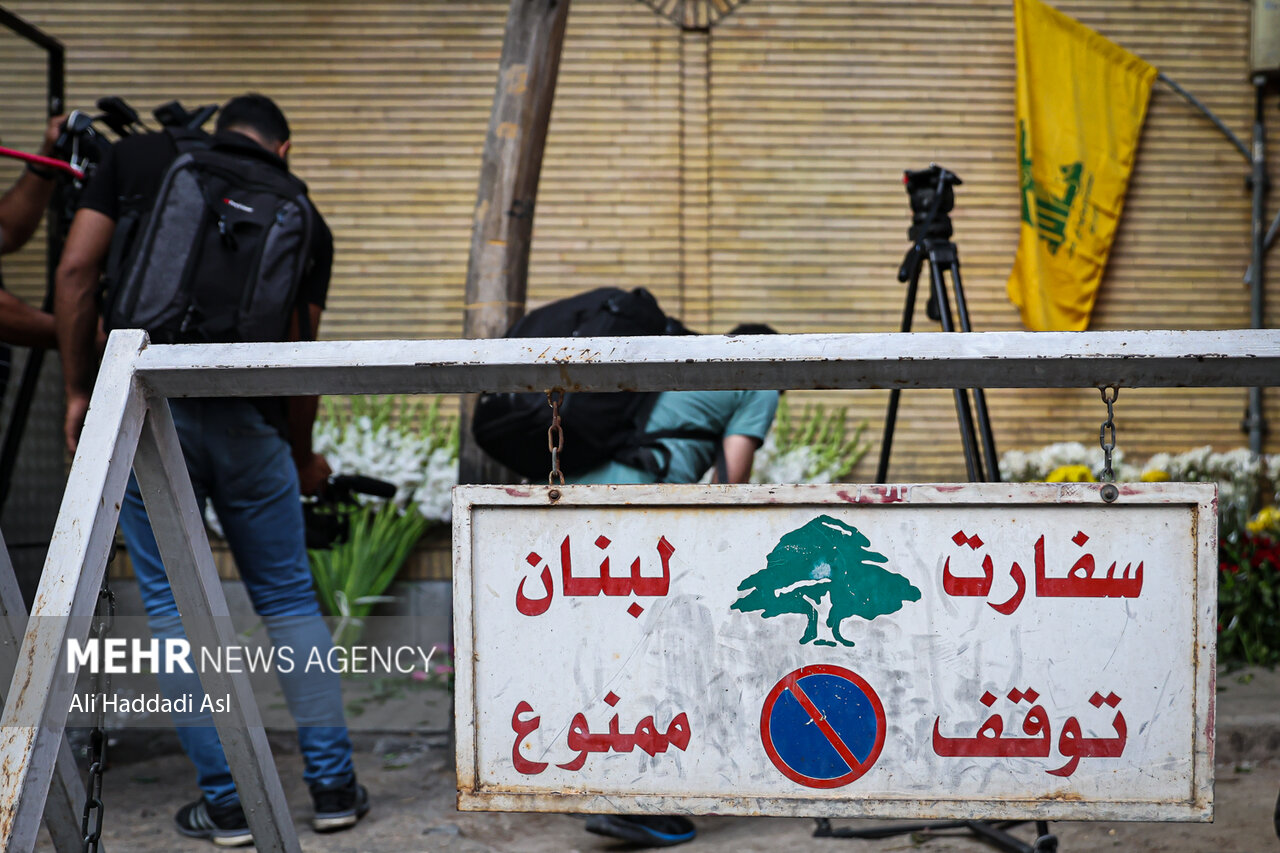
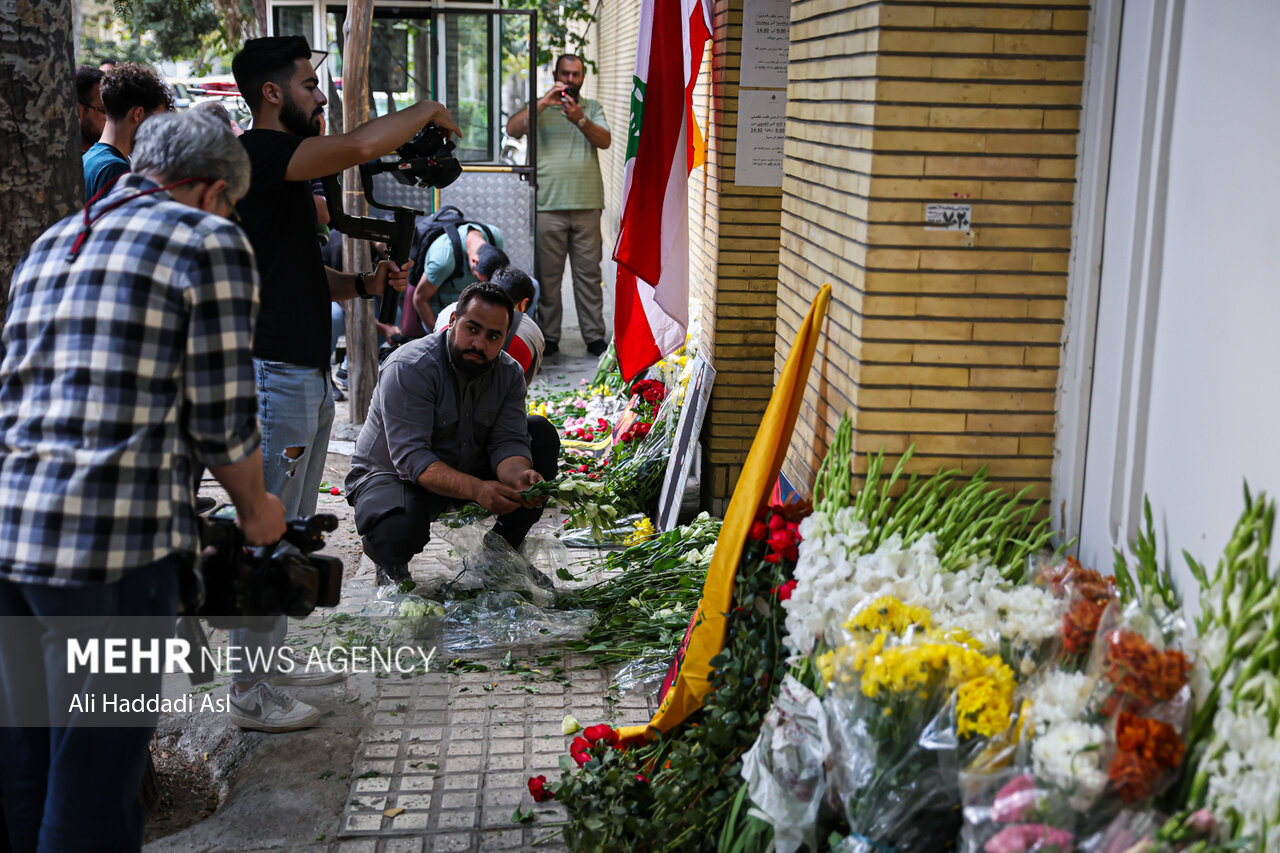
Iranians express solidarity with Lebanon over deadly pager blasts

Iran UN mission denies FBI claims about interference in US elections

Trump Harris

In response to questions about the FBI’s claim that Iran has interfered in US elections through hacking, Tehran’s representative rejected it as completely baseless “that lacks any validity or legitimacy.”

Refuting Iran’s engagement in US domestic disputes, the mission added as repeatedly and clearly stated, Iran has neither had, nor does it have, any motive or intention to interfere in US elections.

The Iranian representative called on the US government to formally and transparently provide documented evidence related to the claims, pointing out that making such unfounded claims will further discredit the US.