Tuesday, December 30, 2025
Home Blog Page 695

Iran president: Martyrdom of Hamas leader not to affect resistance against Zionists 

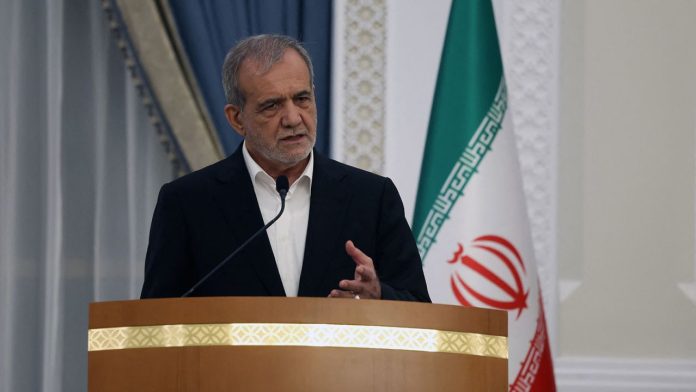
Masoud Pezeshkian

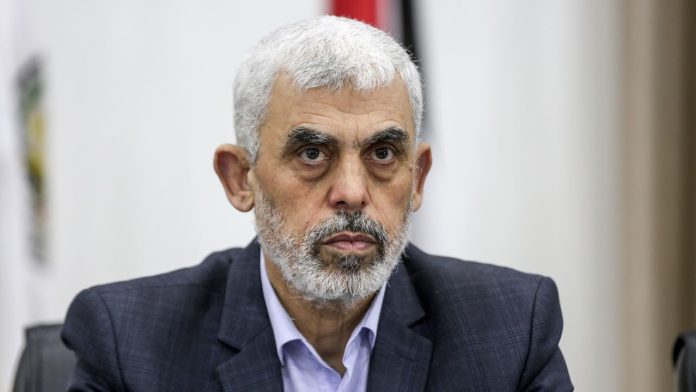
In a message over the assassination of the Hamas Leader Yahya Sinwar, President Pezehskian said that jihad against aggression and the gift of freedom to the rightful owners of occupied Palestinian territories is a grand movement with a noble purpose that will not be halted by the assassination and removal of heroes in this arena.

The Iranian president expressed condolences on the martyrdom of the “brave commander”, Yahya Sinwar, to the Leader of Iran’s Islamic Revolution, Ayatollah Sayyed Ali Khamenei, the oppressed but powerful people of Gaza, and all freedom seekers around the world.

Sinwar was martyred by the Israeli forces in Gaza on Thursday.

Envoy: Iran, Russia to sign comprehensive agreement during President Pezeshkian’s visit to Moscow 

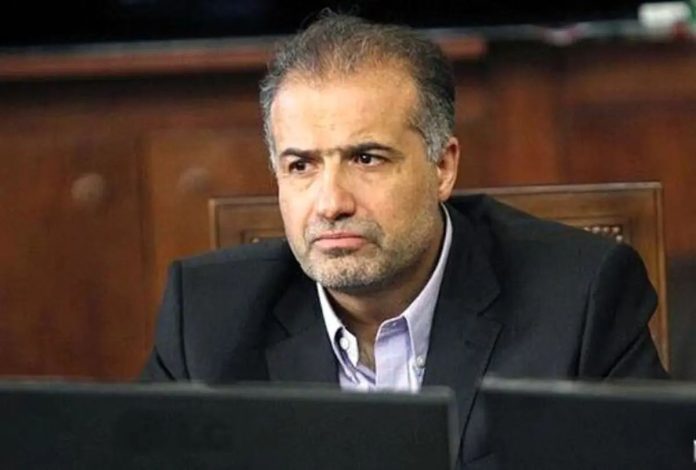
In an interview with Lebanon’s Al-Mayadeen news network in Moscow, Kazem Jalali stated that the comprehensive agreement, which covers all aspects of the bilateral relations, is ready for signing.

He explained that although the agreement was ready to be signed in the Russian city of Kazan, the presidents of both countries decided to sign it later.

He added that Russian President Vladimir Putin invited his Iranian counterpart for a bilateral visit to Moscow, which President Pezeshkian accepted.

Plans for the visit will be made following the BRICS summit.

The comprehensive agreement aims to enhance cooperation between Iran and Russia in various fields, reflecting the strategic partnership between the two nations.

Iran and Russia have maintained a strategic partnership for many years, with cooperation spanning various fields such as energy, defense, and trade.

Both countries have faced international sanctions and have worked together to mitigate their impact on their respective economies.

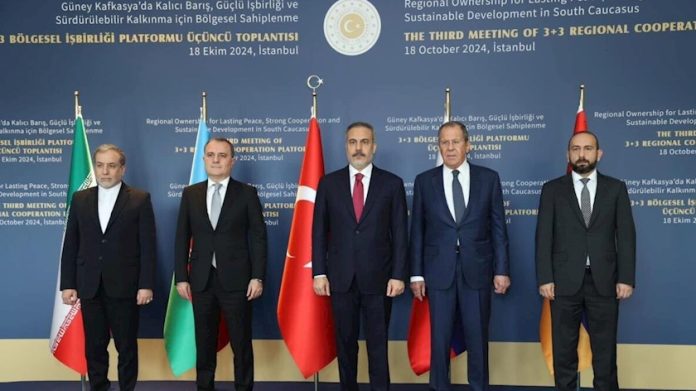
Regional cooperation mechanism meeting kicks off in Istanbul 

The third meeting of the group includes representatives from the Republic of Azerbaijan, Armenia, Iran, Turkey, Georgia, and Russia.

Bilateral meetings with participating ministers and high-level officials of the host country are also on the agenda for the Iranian Foreign Minister Seyed Abbas Araghchi.

The second 3+3 meeting was held last year in Tehran, with the participation of the foreign ministers of Russia, Turkey, Azerbaijan, and Armenia.

The meeting focused on discussing issues in the South Caucasus region and efforts to enhance regional cooperation in political, economic, security, transit, and energy sectors.

One of the primary goals of forming the regional group is to address regional issues with the participation of regional countries, without the interference of extra-regional and Western countries.

Before arriving in Istanbul, Araghchi traveled to Jordan and Egypt for consultations with senior officials regarding the latest regional developments, particularly the conflicts in Gaza and Lebanon.

Araghchi’s regional tour, aimed at stopping the Israeli regime’s crimes in Lebanon and Gaza, also took him to Lebanon, Syria, Saudi Arabia, Qatar, Iraq, and Oman.

Istanbul marks the ninth stop in his recent regional diplomatic tour amid the escalating tensions.

Israel claims has killed Hamas leader Yahya Sinwar

The Israeli military said on Thursday that Sinwar has been killed on Wednesday in southern Gaza.

“After completing the process of identifying the body, it can be confirmed that Yahya Sinwar was eliminated,” the Israeli military added.

“The dozens of operations carried out by the IDF [Israeli military] and ISA [Shin Bet, Israel’s domestic security service] over the last year, and in recent weeks in the area where he was eliminated, restricted Yahya Sinwar’s operational movement as he was pursued by the forces and led to his elimination”.

The Israeli army had been carrying out DNA checks to confirm Sinwar’s identity after it said that its forces in Gaza had killed three people.

“In the building where the terrorists were eliminated, there were no signs of the presence of hostages in the area,” the army added.

The details of the killing of Sinwar, however, run counter to Israel’s claims that Sinwar has spent the year-long war on Gaza hiding in Hamas’ elaborate tunnel system underground and that Sinwar was hiding among Israeli captives.

Israel’s Prime Minister, Benjamin Netanyahu, described Sinwar’s death as the “beginning of the end”, and said Israel will continue to work until the end of the war.

“We will not stop the war. We will go into Rafah,” he added.

Addressing the families of the hostages still held in Gaza, Netanyahu stated that Israel will continue with “all our strength” until they are brought home.

“I’m telling you in a clear cut manner: Hamas will no longer rule the Gaza Strip.”

Israeli Foreign Minister Israel Katz also said that Sinwar had been killed, calling it a “great military and moral achievement for Israel”.

“Sinwar’s assassination creates the opportunity for the immediate release of the hostages and to bring about a change that will lead to a new reality in Gaza – without Hamas and without Iranian control,” Katz added.

Sinwar, 62, was one of the masterminds behind the October 7 attacks on Israel, and has been a prime target for Israel since then.

Chosen as Hamas’s leader in Gaza in 2017, he had previously been held in an Israeli prison for 22 years, before being released as part of a prisoner swap deal in 2011.

His claimed death comes months after the July assassination of Ismail Haniyeh, Hamas’s political leader, in Tehran. Israel is believed to have been behind the killing.

Sinwar had been chosen as Hamas’s overall leader following the killing of Haniyeh.

Israel also claimed to have killed Hamas’s military chief Mohammed Deif in August, although that has not been confirmed by the Palestinian group.

Israel has been conducting a war on the Palestinian enclave of Gaza since October of last year, killing more than 42,000 Palestinians, the vast majority of them civilians. That followed a Hamas-led attack on southern Israel, in which 1,200 people were killed.

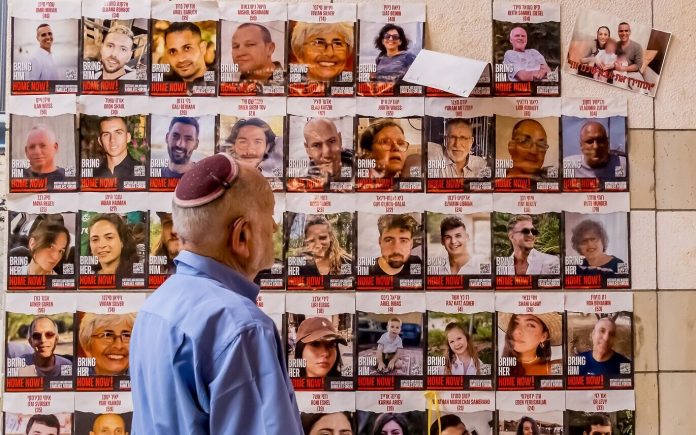
Nearly 250 people were taken captive from Israel during the October 7 attacks. About half have been released, and around 70 are believed to still be held in the besieged enclave.

UN says nearly all Gaza’s population in poverty

Gaza War

“The impact of the war in the Gaza Strip has taken a toll far beyond loss of life, desperate humanitarian conditions and physical destruction,” Ruba Jaradat, ILO’s regional director for Arab States, said in a statement.

“It has fundamentally altered the socioeconomic landscape of Gaza,” she warned, adding, “The impact will be felt for generations to come.”

The ILO also warned that in the occupied West Bank, where Israeli raids and settler attacks have increased significantly since the war on Gaza began, the financial situation has been “equally concerning”.

“The significant economic contraction in the West Bank is estimated to have more than doubled the short-term poverty rate, rising from 12 percent in 2023 to 28 percent by mid-2024,” the ILO noted.

Israel has continued its offensive on Gaza following a cross-border attack by the Palestinian group Hamas on Oct. 7 last year, despite a United Nations Security Council resolution calling for an immediate cease-fire.

More than 42,400 people have since been killed, mostly women and children, and over 99,100 injured, according to local health authorities.

The Israeli onslaught has displaced almost the entire population of the Gaza Strip amid an ongoing blockade that has led to severe shortages of food, clean water, and medicine.

Israel faces a genocide case at the International Court of Justice for its actions in Gaza.

NGO warns new humanitarian crisis unfolding in Syria

Lebanon War

“We are now looking at the third humanitarian crisis emerging in the region in just 12 months, amid a backdrop of numerous ongoing challenges,” said Angelita Caredda, the NGO’s regional director for Middle East and North Africa.

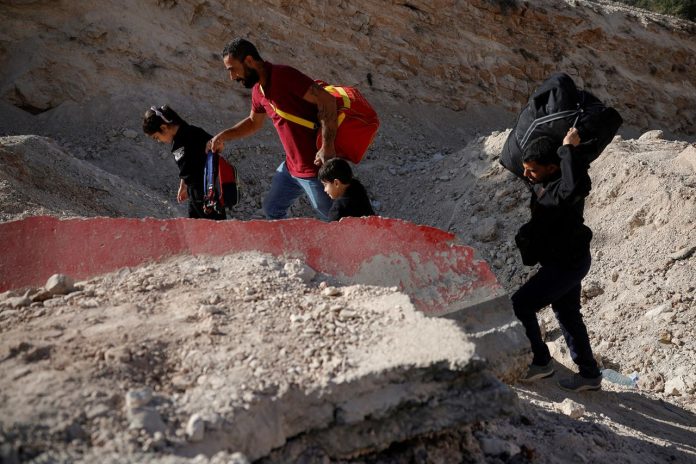
More than 276,000 Lebanese and Syrians living in Lebanon have fled to Syria, the NRC announced, including children who have been sent on their own. Many refugees who once left Syria seeking safety have now been forced to return home, where an existing humanitarian crisis is likely to escalate.

Prior to the conflict in Lebanon, poverty and suffering were rampant in Syria, a country roiled by a war since 2011. More than 90% of the population was living below the poverty line, according to the UN.

Three in every four people in Syria needed life-saving aid in May 2024 — the highest number since the war began, the head of the UN announced.

“Syria is already on its knees after 13 years of conflict. The mass displacement from Lebanon comes at a time when the aid response already cannot keep pace with existing needs,” added Caredda.

“Thousands of families crossing into Syria will struggle to find a safe place to stay or the basics their children need. This is a crisis within multiple crises.”

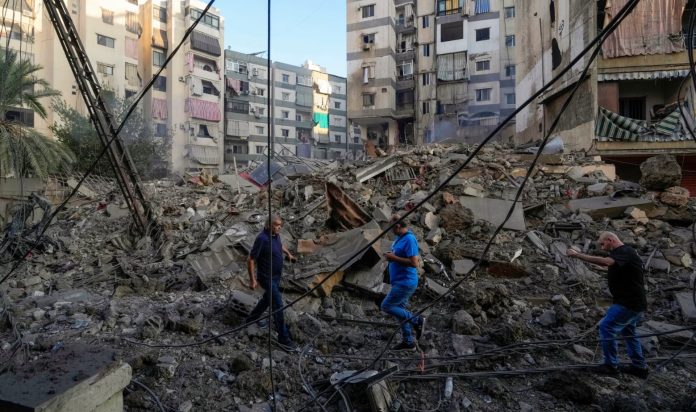
In recent weeks, Israel has mounted its bloody aerial assaults on Lebanon, causing the displacement of at least 1.3 million people, more than a fifth of the country’s population.

Almost 2,400 people have been killed and 11,000 others injured in Israeli aggression on Lebanon since early October 2023, according to Lebanon’s Public Health Ministry.

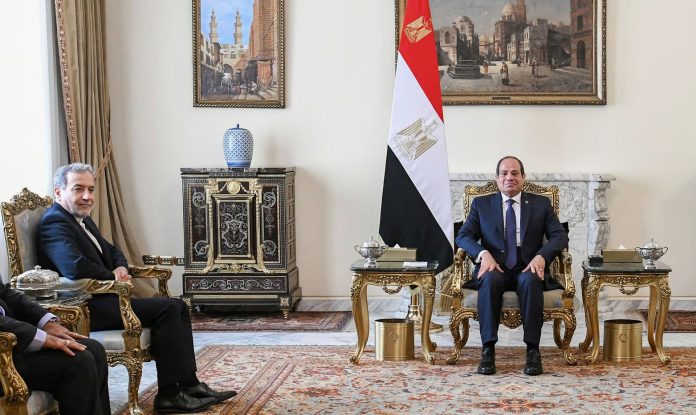
Iran FM, Egyptian president urge halting Israeli crimes in Gaza, Lebanon

The meeting comes as part of Araghchi’s continued consultations on regional developments and to mobilize the diplomatic capacities of regional countries to prevent escalating insecurity and instability resulting from the ongoing genocide and warmongering of the Zionist regime.

During the meeting, both sides reviewed the latest regional situation and expressed deep concern and regret over the continued aggressions and crimes of the occupying Zionist regime in Palestine and Lebanon.

They emphasized the importance of utilizing all diplomatic capacities to prevent the deterioration of the region’s security and alleviate the suffering of the people in Palestine and Lebanon.

Araghchi conveyed the greetings of Iran’s President and outlined Tehran’s views on the dangerous security situation in the region, detailing the Islamic Republic’s recent consultations with regional countries and some extra-regional actors over the past two weeks.
He stressed the need to mobilize all diplomatic capacities of the region’s countries to increase pressure to stop the atrocities and provide immediate humanitarian aid to the Palestinian and Lebanese refugees.

El-Sisi, while reciprocating greetings to his Iranian counterpart Massoud Pezeshkian, expressed Egypt’s perspectives and concerns regarding the regional developments.

The Egyptian president described the current security situation in the region as alarming and emphasized the necessity of preventing further escalation. He called for utilizing all available capacities to halt the aggressions and crimes in Gaza and Lebanon, avoiding the region’s descent into a disastrous war, preserving the territorial integrity and national sovereignty of all regional countries, and safeguarding regional stability and security.

Both sides also noted the positive developments in bilateral relations and agreed to continue consultations and the process of mutual discussions to further develop bilateral ties.

Gaza ceasefire deal talks have stalled for nearly a month: Qatar

Israel Hostages

“Basically in the last three to four weeks there is no conversation or engagement at all, and we are just moving in the same circle with the silence from all parties,” Al Thani said.

He added after a summit between the European Union and Persian Gulf Cooperation Council.

A close ally of the United States, Qatar has been coordinating with Washington and Egypt to secure the release of the Israeli captives held in the Gaza Strip, as well as end Israel’s war in the besieged enclave.

Israel has continued its military onslaught against Gaza following an attack by Hamas last October, despite a United Nations Security Council resolution calling for an immediate cease-fire.

Nearly 42,500 victims have since been killed, mostly women and children, and more than 99,3000 injured, according to local health authorities.

The Israeli onslaught has displaced almost the entire population of the territory amid an ongoing blockade that has led to severe shortages of food, clean water and medicine.

Israel faces a genocide case at the International Court of Justice for its actions in Gaza.

Mediation efforts to reach a Gaza ceasefire and prisoner swap agreement between Israel and Hamas have failed over Israeli Prime Minister Benjamin Netanyahu’s refusal to halt the war.

“Very high” risk of cholera spreading in Lebanon: WHO

Lebanon War

Abdinasir Abubakar, the WHO’s representative in Lebanon, said the organization has been concerned for months about the risk of cholera due to the “deteriorating water and sanitation situations” for refugees and in high-risk areas.

“If the cholera outbreak … spreads to the new displaced people, it might spread very fast,” Abubakar told reporters in an online news conference.

Lebanon suffered its first cholera outbreak in 30 years between 2022 and 2023, mainly in the north.

With the mass displacement of more than a million people caused by the Israel-Hezbollah war, Abubakar highlighted concern, in particular, for communities in southern Lebanon and the Beirut area that have not built up cholera immunity for decades.

WHO Director-General Tedros Adhanom Ghebreyesus stated that the country’s Ministry of Public Health activated emergency protocols to strengthen surveillance and contact tracing after detecting the case.

In August, the ministry launched a cholera vaccination campaign targeting 350,000 people living in high-risk areas, but the campaign was “interrupted by the escalation in violence”, the WHO chief noted.

Cholera, which spreads primarily through contaminated water and food, causes severe diarrhea and dehydration. People who live in areas with shortages of safe drinking water or inadequate sanitation are vulnerable to the disease, which can result from consuming bacteria-contaminated food or water.

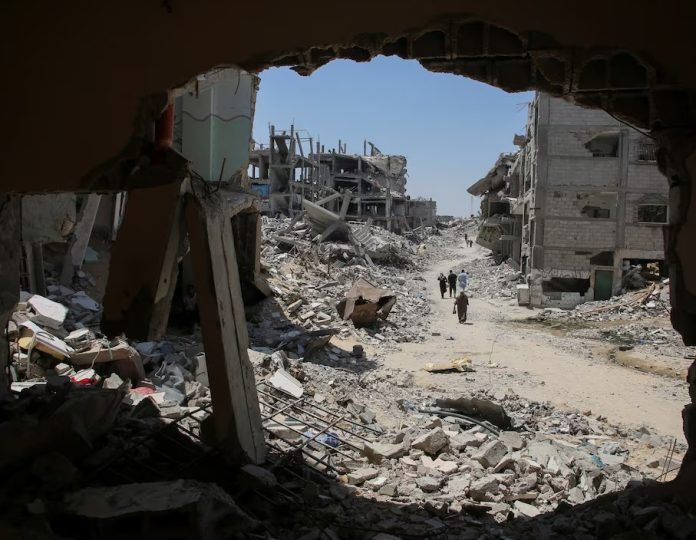
Several aid groups warn Israel is ‘erasing northern Gaza’

Gaza War

Israel has ordered the remaining 400,000 Palestinians in the north to leave and imposed a renewed siege on civilians until they comply.

On 6 October, Israel launched a major offensive on northern Gaza and ordered residents to flee south.

Israeli officers and analysts have suggested that the military is implementing a controversial plan, known as “the Generals’ Plan”, to ethnically cleanse northern Gaza or otherwise starve and kill those who remain behind.

This is despite Israel’s claims that Hamas has already been defeated in the north.

Since the start of the operation, Israeli troops have killed at least 350 Palestinians, including 65 in the past 24 hours, according to the Palestinian health ministry.

A statement signed by 38 aid groups accuses the Israeli army of carrying out forced displacement under the guise of “evacuation” orders.

Organisations, including ActionAid, Action For Humanity, Oxfam, Medical Aid for Palestinians (Map), Islamic Relief, Christian Aid and other British and international charities, warned against actions that exacerbate Israel’s occupation of Palestinian territories.

The aid groups said Israel has largely ignored several legally binding orders from the International Court of Justice (ICJ) to halt or prevent actions against Palestinians that may amount to genocide.

These actions include “killing members of the group, causing serious bodily or mental harm to members of the group, deliberately inflicting on the group conditions of life calculated to bring about its physical destruction in whole or in part and imposing measures intended to prevent births within the group”.

“There is no evidence that Israel has adhered to these orders, and the killing of Palestinians has only intensified,” the statement read, adding: “Civilians are being starved and bombed in their homes and their tents.”

In July, the ICJ confirmed the illegality of Israel’s occupation and annexation of Palestinian lands following the 1967 conflict.

“Any attempt to alter the territorial integrity of Gaza constitutes a blatant violation of international law,” they added.

The World Food Programme (WFP) announced last week that food security in northern Gaza is at risk, as no food aid has entered the area since 1 October.

Three hospitals, already overwhelmed by the conflict, are affected by ongoing military operations in the north.

The London-based International Centre of Justice for Palestinians (ICJP) announced on Monday that Israel’s operation in northern Gaza may amount to the war crime of using starvation as a weapon of war.

On Wednesday, the Palestinian health ministry reported that Israeli forces have killed at least 42,409 Palestinians since 7 October 2023.

Over 60 percent of the victims are women and children, according to the official death toll, which has been recognised by the UN and international aid groups as credible.

More than 99,153 have been wounded during the same period and at least 10,000 remain missing, likely buried under rubble.