Friday, January 2, 2026
Home Blog Page 630

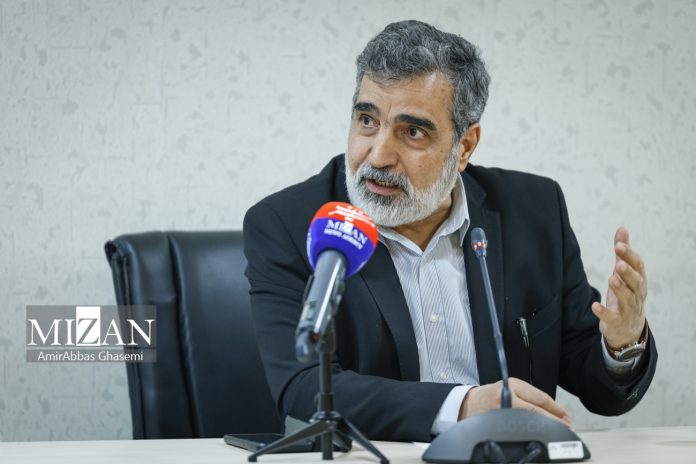
Iran says ready for both cooperation and confrontation

Behrouz Kamalvandi

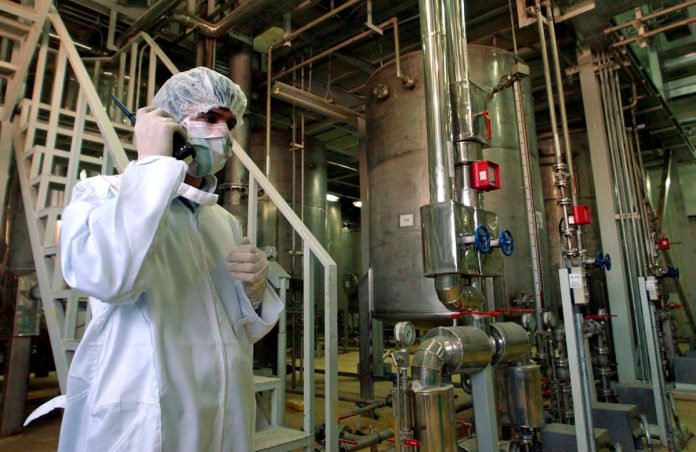
This statement follows the recent resolution issued by the Board of Governors of the International Atomic Energy Agency, IAEA, against Iran.

In his commentary published in the newspaper Iran, Kamalvandi criticized Western pressure tactics, saying they have led to a decrease in the number of countries supporting such resolutions and an increase in Iran’s uranium enrichment capabilities.

Kamalvandi emphasized that within four to six months, the activation of thousands of new centrifuges will significantly boost Iran’s enrichment speed and expand its nuclear infrastructure.

He warned that Western nations seeking to put restrictions on Iran’s nuclear program would instead face a more advanced one, both quantitatively and qualitatively.

Kamalvandi reiterated Iran’s right to develop its peaceful nuclear program, urging Western governments to abandon their “arrogant” positions and allow the IAEA to conduct its oversight duties without pressure.

Kamalvandi however stressed that there remains an opportunity for cooperation and dialogue, as Iran continues to prioritize interaction over hostility in its international relations.

Iranian MP calls for Tehran to leave NPT 

Iran Nuclear Program

Head of the National Security and Foreign Policy Commission of the Iranian Parliament Ebrahim Azizi pointed to comments by Iranian Deputy Foreign Minister Kazem Gharibabadi about Iran’s options if its case is referred to the UN Security Council.

Azizi said just as Gharibabadi said, Tehran has a range of options at its disposal, which, among others, includes leaving the nuclear Non-Proliferation Treaty, NPT.

Meanwhile, another Iranian lawmaker has said while leaving the NPT, Iran should increase the uranium enrichment grade and build a nuclear weapon as most Iranians support such a decision.

Bakhshayesh Ardestani argued that following the making of the atomic bomb, tension will continue between Iran and the adversaries for a maximum six months but when it’s done, nobody will dare to attack the country.

The Iranian lawmaker cited North Korea as an example to make his point, saying the North’s enemies do not attack it because it has nukes.

Ardestani also spoke about the anti-Iran sanctions, saying the nation is already grappling with many bans and Western governments cannot take more punitive measures if Iran proceeds to make an atomic weapon.

The comments by the two MPs come at a time when the recent anti-Iran resolution at the IAEA prompted Tehran to take some measures in retaliation including the launching of new advanced centrifuges at its Fordo and Natanz uranium enrichment facilities.

Russian president announces mass production of Oreshnik missiles

Vladimir Putin

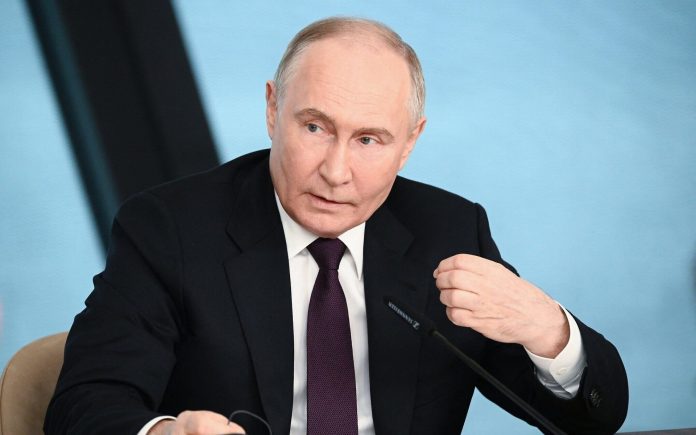
Speaking during a meeting at the Kremlin with the leadership of the Defense Ministry and defense industry representatives, Putin outlined that the Oreshnik missile system, one of Russia’s latest military advancements, is not a modernization of an old Soviet weapon.

Instead, it is a new development based on cutting-edge hypersonic technology and modern materials.

“It is the result of work done in the conditions of New Russia,” Putin said, highlighting that the system was created to meet contemporary defense needs.

Putin confirmed that several Oreshnik systems are currently undergoing testing in Russia, and that the decision to embark on mass production had already been articulated.

“You can assume that the decision on production has been made. In fact, it is organized,” he added.

More of the missile systems are expected to be delivered to Russia’s Strategic Missile Forces in the coming months.

The first combat use of the Oreshnik missile took place on Thursday, when it was used to strike a Ukrainian defense facility in Dnepropetrovsk. The target was Yuzhmash, one of Ukraine’s largest defense-industrial facilities inherited from the USSR that produces missile equipment and other weapons.

Putin stated that the use of the missile was in response to Kiev’s attacks inside Russia with Western-supplied long-range weapons such as American ATACMS and British Storm Shadow missiles.

The Oreshnik is described as a medium-range, hypersonic weapon designed for high precision strikes. According to the Defense Ministry, “all warheads” of the missile “reached the target” during this week’s deployment.

The president praised the missile’s successful test and combat deployment, expressing admiration for the speed at which the system had been developed.

Putin also emphasized the importance of continuing testing and increasing production rates.

“I congratulate the military on the successful tests and support the adoption of the system,” he noted.


China-Iran relations strengthen amid global changes: Chinese ambassador

Cong Peiwu

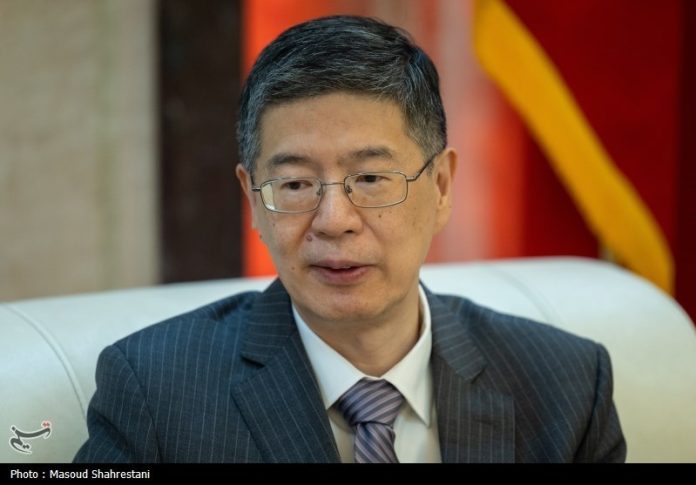
In an interview with Tasnim News Agency, Ambassador Cong highlighted the strategic importance of China-Iran relations, emphasizing that both ancient civilizations have maintained close ties since the era of the Silk Road.

In recent times, Iran’s Pivot to the East policy has emerged as a key strategy to strengthen economic and political ties with Eastern nations, particularly China and Russia, especially amid escalating pressure from Western sanctions.

Since establishing a comprehensive strategic partnership in 2016, the two nations have continuously deepened practical cooperation in various fields, including economic and cultural exchanges, achieving positive progress, the envoy noted.

The ambassador further said that China’s economic development is crucial for practical cooperation between the two countries.

He detailed China’s economic stability and growth, emphasizing the benefits of high-quality development and innovation.

Cong also highlighted the significance of Iran in the Belt and Road Initiative, acknowledging its historical role as a major transport hub.

He cited China’s impressive growth rates, particularly in agriculture and industrial production, and detailed ongoing policy initiatives aimed at further stimulating economic activity and trade.

As the world’s growth engine, China is set to remain a key partner for over 140 countries, underscoring the potential benefits of ongoing collaboration with Iran, the ambassador said.

At least six Israeli soldiers commit suicide, thousands more get mental health treatment amid war: Report

Israeli Army

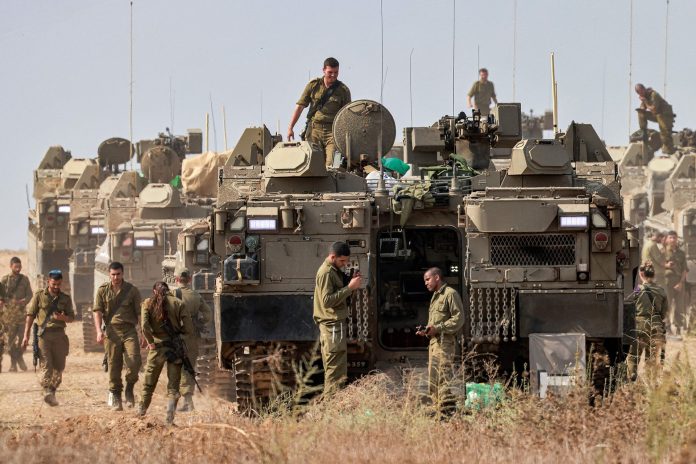
The investigation suggests the actual number of suicides may be higher, as the Israeli military has yet to release official figures, despite a promise to disclose them by the end of the year.

The report highlights a broader mental health crisis within the Israeli army. Thousands of soldiers have sought help from military mental health clinics or field psychologists, with approximately a third of those affected showing symptoms of post-traumatic stress disorder (PTSD).

According to the investigation, the number of soldiers suffering psychological trauma may exceed those with physical injuries from the war.

The newspaper cites experts as saying the full extent of this mental health crisis will become clear once military operations are completed and troops return to normal life.

In March, Lucian Tatsa-Laur, head of the Israeli military’s mental health department, told Haaretz that approximately 1,700 soldiers had received psychological treatment.

Multiple reports have since emerged indicating that thousands of troops are suffering from mental health issues owing to extended deployments in Gaza and southern Lebanon.

Regional tension has escalated due to Israel’s brutal offensive on the Gaza Strip, which has killed over 44,000 people, mostly women and children, since a Hamas attack last year.

The second year of the genocide in Gaza has drawn growing international condemnation, with figures and institutions labeling the attacks and blocking of aid deliveries as a deliberate attempt to destroy a population.

Israel also faces a genocide case at the International Court of Justice for its deadly war on Gaza.

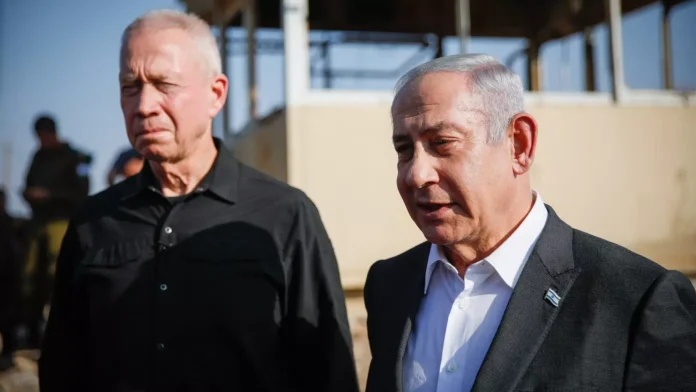
In a landmark move, the International Criminal Court on Thursday announced it had issued arrest warrants for Israeli Prime Minister Benjamin Netanyahu and former Defense Minister Yoav Gallant over war crimes in Palestinian territories, including Gaza.

The conflict has spread to Lebanon, with Israel launching deadly attacks across the country in an escalation from a year of cross-border warfare between Israel and Hezbollah since the start of the Gaza war.

Britain suggests would comply with ICC warrant and arrest Israeli PM

Netanyahu Gallant

On Thursday, the government refused to confirm whether Netanyahu would be arrested if he set foot on British soil.

On Friday afternoon, however, PA Media reported Prime Minister Keir Starmer’s spokesperson as saying: “The UK will always comply with its legal obligations as set out by domestic law and indeed international law.”

He added: “I’m not going to get ahead of the process or provide commentary on individual cases.”

Husam Zomlot, the Palestinian ambassador to the UK, told Middle East Eye: “We welcome the announcement by the UK government that the UK supports and respects the independence of the ICC and would comply with the Netanyahu government arrest warrants.

“All member states of the ICC have clearly mandated obligations,” Zumlot noted, adding, “It’s a clear mandated obligation to uphold and preserve international law.”

As a member state of the ICC, Britain would be obligated to arrest Netanyahu if he entered the country, legal experts and commentators have told Middle East Eye.

In 2001, Tony Blair’s Labour government passed the ICC Act, which enforces compliance with the court.

There is a domestic legal process through which Britain’s independent courts determine whether to endorse the warrant in accordance with the 2001 act.

The prime minister’s spokesperson appeared to refer to this process in his statement. However, by saying Britain would comply with international law, he appeared to signal that the UK backs the ICC.

This is consistent with the Labour government’s previous statements in support of the ICC.

In July, Britain dropped its previous objection to an arrest warrant being issued, which was filed by the previous Conservative government.

The Labour government announced that “this is a matter for the court to decide on”.

The government continues to refuse to say explicitly whether it will comply with the arrest warrant. On Friday morning, Yvette Cooper, the home secretary, declined to comment on the issue.

“The International Criminal Court is obviously independent. We respect the court, its independence, and we are clear of its role, which is different from the UK government’s role,” she said.

“The vast majority of International Criminal Court cases do not become a matter for the UK legal processes, law enforcement processes or for the UK government,” she added.

“In the event that they ever do, there are both proper legal processes that have to be followed and also proper government processes that have to be followed – and foreign office processes that have to be followed.”

Zomlot told MEE: “Supporting the independence of the ICC is the floor, not the ceiling, of the UK’s responsibilities as a member state, let alone its historic responsibility on the plight of the Palestinian people.

“And adherence to international law cannot be selective and must not be politicised.”

“This also includes adhering to the ICJ advisory opinion whereby all dealings with any organisation, competent individual or body that support Israel’s illegal practices in occupied territory must cease immediately,” the envoy continued.

Campaigners and opposition politicians have called on the government to go further and cease trade relations with Israel.

Green Party co-leader Carla Denyer stated the warrants “make clear that to continue selling arms to Israel is to aid and abet war crimes”.

By contrast, the opposition Conservative Party has slammed the ICC, with Shadow Foreign Secretary Priti Patel calling its decision “deeply concerning and provocative”.

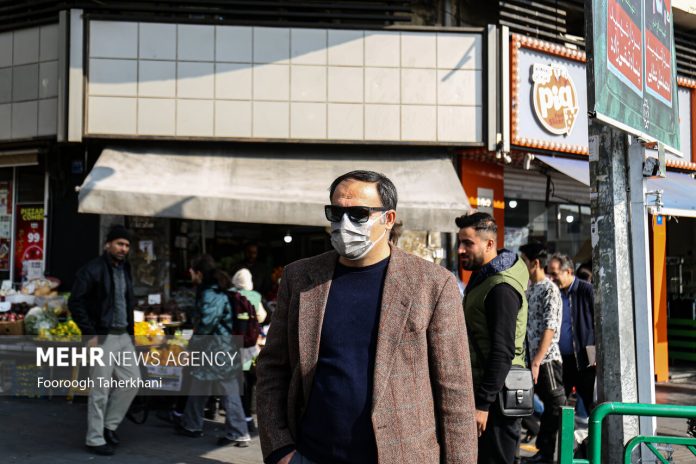
12% of deaths in Iran attributed to air pollution, study reveals

Iran Air Pollution

In an interview with Tasnim News Agency, Mohammad Sadegh Hassanvand stated that air pollution ranks as the fourth leading risk factor for health, sometimes even reaching the third place globally.

He noted that last year, approximately 50,000 deaths in Iran were attributed to air pollution, out of an annual total of about 450,000 deaths from various causes.

Hassanvand pointed out that particulate matter smaller than 2.5 microns (PM2.5) is the most concerning pollutant, responsible for many unhealthy days in Iran. Despite some progress between 2010 and 2017, the following years saw a significant increase in PM2.5 levels, he deplored.

Hassanvand also noted foreign sanctions has curtailed Iran’s ability to address air pollution effectively.

The Iranian government has recently banned the use of heavy fuel oil in three power plants, which could be an opportunity to improve air quality if accompanied by proper planning and investment, he expressed hope.

Ukraine starts talks with partners about advanced air defense systems following Russia’s IRBM strike

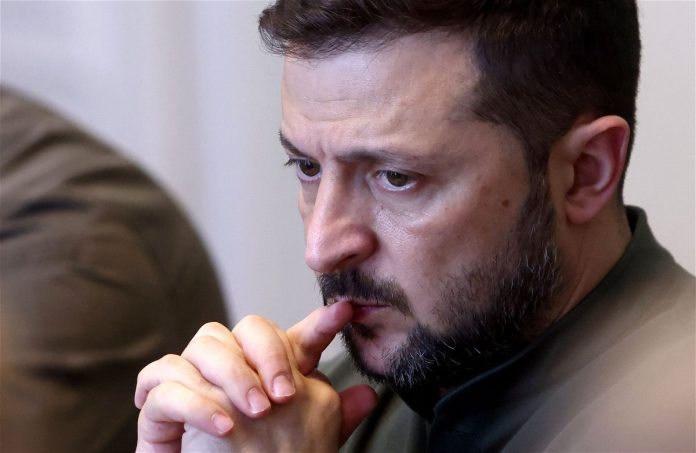
Volodymyr Zelensky

This initiative is in response to Russia launching a new type of intermediate-range ballistic missile (IRBM) called “Oreshnik” against Dnipro, east Ukraine, on Thursday.

The attack came in the wake of what appeared to be Ukraine’s first successful strike of a military target inside Russia using the US-supplied ATACMS missiles.

The IRBM missiles are only guided during the initial stages of launch, so they can be less accurate than cruise missiles, but have the advantage of reaching incredibly high speeds — sometimes more than 3,200 kilometers per hour — as they approach their targets.

“The Minister of Defense of Ukraine is already holding meetings with our partners regarding new air defense systems—precisely such systems that are capable of protecting lives from new risks,” Zelensky wrote on Telegram.

He emphasized that Russia’s testing of experimental missiles constitutes an international crime and criticized Moscow for escalating aggression despite global calls for peace.

Zelensky promised to share details about the missile attack on Dnipro with international media, so that the full extent is known to global audiences.

The Ukrainian leader has also stated that the deployment of an ICBM against Dnipro shows that Russian President Vladimir Putin “is using Ukraine as a testing ground”.

The comments came after Putin confirmed his country had launched its “newest missile”, an IRBM called “Oreshnik”, in an attack on Dnipro. He the attack was in response to Ukraine targeting facilities in Russian oblasts using Western-supplied long-range missiles.

NATO spokesperson Farah Dakhlallah has said Russia’s use of a purported new ballistic missile “will not change the course of the conflict, or deter NATO allies from supporting Ukraine”.

“The Russian attack on Dnipro is yet another example of Russia’s attacks on Ukrainian cities,” Dakhlallah stressed.

Over 30% of Jewish-American teens say they ‘sympathise’ with Hamas: Poll

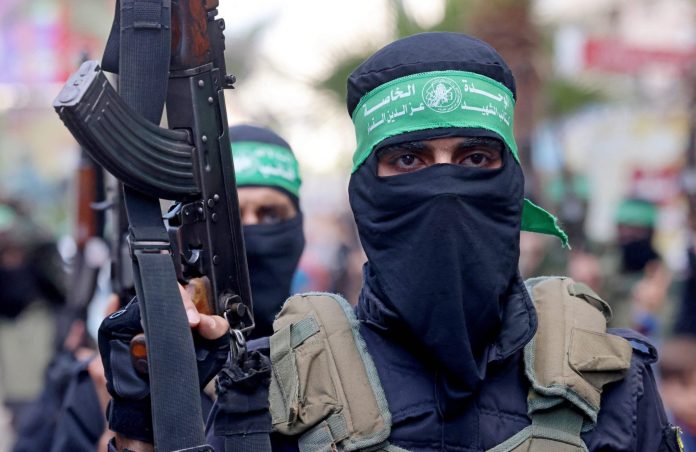
Hamas

The survey by Israel’s Ministry for Diaspora Affairs and Combating Antisemitism found that 36.7 percent of American-Jewish teens either “agreed” or “strongly agreed” to the statement, “I sympathise with Hamas”.

The number contrasted sharply with the seven percent of Jewish teens living outside of the US who agreed with that statement.

An even greater percentage of American-Jewish teens, 41.3 percent, agreed with the statement that Israel was “committing genocide” in Gaza. Only 10 percent of Jewish teens living outside the US agreed with that statement.

A majority, 66 percent, said that they sympathise with the Palestinian people as a whole.

Still, a significant majority of those polled said they had pro-Israel sentiments. Sixty-two percent of American-Jewish teens consider themselves to be Zionists, while 84 percent said they believe Israel has “the right to exist as a Jewish State”.

The survey comes more than a year after Israel began its war on Gaza, which started as a response to the Hamas-led attack on southern Israel on 7 October 2023, which saw 1,200 people killed and 250 taken as captives back to Gaza.

Throughout the course of the war, Israeli forces have attacked civilian residences, schools, UN shelters, hospitals, and mosques and killed aid workers, medical staff and journalists.

So far, Israel’s military has officially killed over 44,000 Palestinians, according to the Palestinian health ministry in Gaza.

However, the ministry has been heavily under-resourced over the past year, and some estimates from doctors within Gaza have put the death toll at more than 100,000. A study by The Lancet puts the figure at 186,000 or more.

The war has led to mass pro-Palestinian protests on the streets of major US cities as well as on many university campuses. Many of these protests have been led in part by Jewish students.

The Israeli ministry’s survey says that young American Jews had “weaker” Jewish identities and called on pro-Israel Jewish organisations to target younger age groups to strengthen “​​their Jewish identity and subsequently their connection to Israel”.

“Furthermore, their connection to Israel is weaker, they have less desire to visit Israel, they tend to support the Palestinian side in the war in Gaza, and their support for Israel increased only marginally following the events of October 7,” the survey’s conclusion said.

Several polls in the US have indicated that while the majority of American Jews hold pro-Israel sentiments, a significant minority is critical of Israel’s treatment of Palestinians.

In 2021, polling showed that a quarter of American Jews agreed that “Israel is an apartheid state”, and a majority of them did not find that statement to be antisemitic.

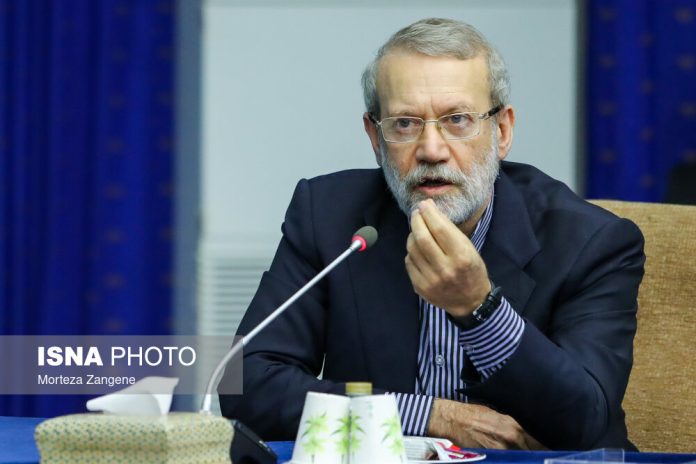
Leader’s aide says US must accept Iran’s nuclear conditions

Ali Larijani

In a Saturday post on the social media platform X, Larijani noted that the US had previously violated and exited the Joint Comprehensive Plan of Action (JCPOA), causing significant damage to Iran.

He outlined key points in his statement, highlighting that “Iran resumed its uranium enrichment, reaching a purity level of over 60 percent” in response to the US withdrawal from the agreement in 2018.

Larijani noted, “Both parties are now in a new position, and if the current US administration claims to oppose only Iran’s nuclear weapons, they must accept Iran’s conditions and provide compensation for the damages caused.”

The senior advisor and a former top nuclear negotiator also said stressed that “any new agreement must be based on mutual concessions and not unilateral directives, such as those previously issued by the International Atomic Energy Agency (IAEA).”

The remarks come amid ongoing tensions and negotiations over Iran’s nuclear program two days after the IAEA Board of Governors passed a resolution against Iran, although Tehran has stressed is has fully cooperated with the agency and its nuclear program is civilian in nature.