Saturday, April 11, 2026
Home Blog Page 59

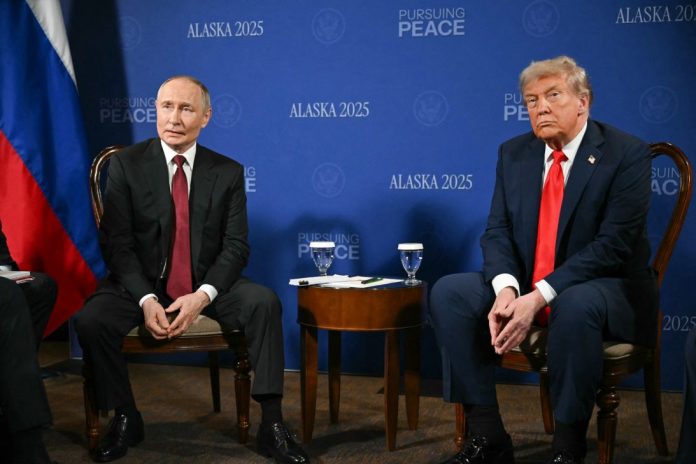
Trump says he won’t waste time meeting Putin unless Ukraine peace accord is likely to happen soon

Trump and Putin

“I think it will hold,” Trump told reporters after meeting with Qatari Emir Sheikh Tamim bin Hamad al-Thani during a refueling stop in Doha aboard Air Force One while en route to Malaysia.

“Well, if it doesn’t hold, that would be Hamas,” Trump continued. “Hamas will be not hard to take care of very quickly. I hope it holds for Hamas too because they gave us their word on something so I think it’s going to hold and if it doesn’t then they’ll have a very big problem.”

Trump later added in a post on Truth Social that militant group “is going to have to start returning the bodies of the deceased hostages, including two Americans, quickly, or the other Countries involved in this GREAT PEACE will take action.

“Some of the bodies are hard to reach, but others they can return now and, for some reason, they are not,” he wrote. “Perhaps it has to do with their disarming, but when I said, ‘Both sides would be treated fairly,’ that only applies if they comply with their obligations. Let’s see what they do over the next 48 hours. I am watching this very closely.”

The president praised the Qataris for their role in providing peacekeeping troops as part of the International Stabilization Force intended to take over security control of Gaza from Hamas. Any peacekeeping troops would go into Gaza “at the time they need to.”

“By the way, Israel will go in there very easily,” Trump said. “You know that, right? Right there you have a country. But you have the Arab countries. Everybody. Muslim, Arab everybody on board. It’s been really an amazing thing. It’s a great success. It’s going to be a long lasting. Hopefully everlasting peace.”

Trump previously said on Monday that if Hamas violates the ceasefire, the response will “happen very quickly and pretty violently, unfortunately, we are going to eradicate Hamas.”

Hamas has not fully committed to disarming and releasing control of Gaza. Releasing control would then, as part of the stabilization plan, allow a technocratic government to be formed to carry out governance in Gaza.

Vice President Vance, while in Israel on Tuesday to inaugurate the U.S.-led Civilian-Military Coordination Center (CMCC) that is overseeing the ceasefire, reiterated the administration’s demands from the U.S.-designated terrorist organization.

“Hamas has to comply with the deal, and if Hamas doesn’t comply with the deal, very bad things are going to happen,” Vance said.

So far, there is no deadline for Hamas to relinquish power over the Gaza Strip.
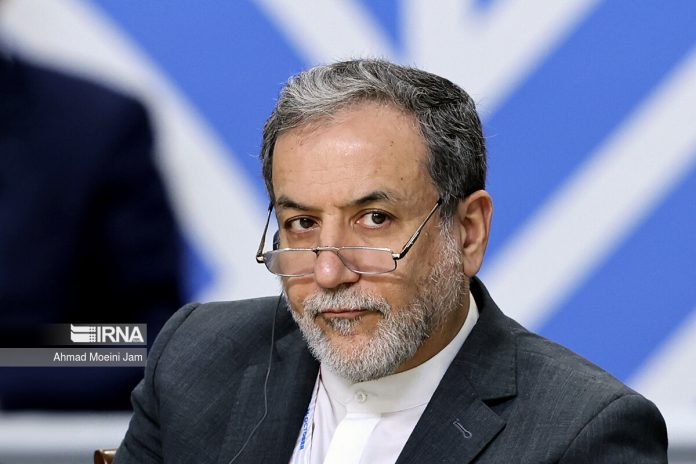
 

Araghchi: Iran ready for engagement If US abandons hegemonic attitude

Abbas Araghchi

In an interview with the online network Sahra, Araghchi said that as long as the U.S. maintains its hegemonic mindset and the Islamic Republic continues to reject domination, tensions between the two countries will persist.

“However, I believe this situation can be managed”, he noted.

“There is no reason for either side to pay unnecessary costs…we have serious differences with the US, most of which stem from Washington’s pursuit of dominance.”

Araghchi underscored that Iran will not give in to pressure or coercion but is receptive to respectful dialogue.

“The Iranian nation does not respond to the language of force, pressure, or sanctions”, he added.

“But if you speak with the Iranian people with dignity and act with respect, you will receive the same in return.”

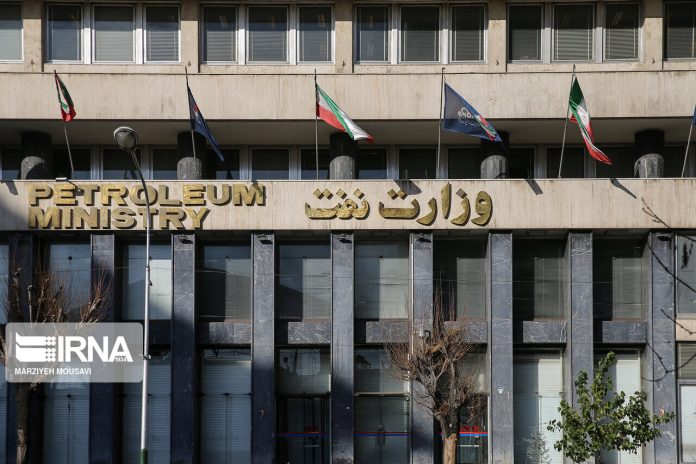
UK Appeals Court refers Crescent case to Supreme Court, delaying seizure of Iranian Oil Pension Fund building

According to the source, who requested anonymity, the decision follows Iran’s appeal against the appellate court’s earlier ruling, with disagreement among the three judges paving the way for a higher review.

Earlier this month, the UK Court of Appeal had upheld a lower court’s decision allowing the seizure of the Victoria Street property in favor of the Emirati firm Crescent Petroleum, which claims the building was transferred to the pension fund to shield assets from creditors after an international arbitration ruling.

More than 15,000 Iranian oil industry employees and retirees have signed an online petition asserting that the property was purchased with pension assets and must remain under the fund’s ownership. The National Iranian Oil Company (NIOC) said it remains committed to pursuing all legal channels to overturn the ruling and protect the assets of its workers.

The long-running Crescent dispute stems from a 2001 gas contract between NIOC and Crescent Petroleum, which has been subject to arbitration and litigation for over two decades.

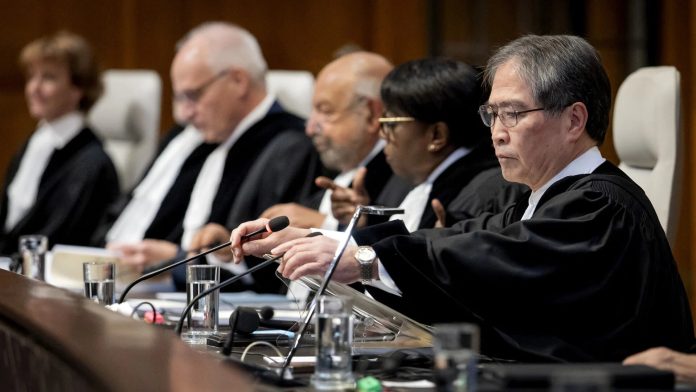
Iranian Foreign Ministry: Israel’s “ongoing impunity must end” after ICJ advisory opinion

Esmail Baqaei wrote on X that the ICJ’s October 22 advisory opinion “once again proclaims the indisputable truth that the Israeli regime is the largest violator of international humanitarian norms.”

He noted the court’s reaffirmation that Israel is obligated to ensure access to basic necessities for Palestinians under occupation and must not prevent delivery of essential supplies.

The ICJ also reiterated that using starvation as a method of warfare is prohibited under international law, Baqaei said.

The spokesman referred to the ICJ’s earlier findings on the illegality of occupation and censured Israel for persistent violations of those legal principles.

He added that both the ICJ and the International Criminal Court (ICC) have been examining complaints related to the gravest international crimes, including war crimes, crimes against humanity and genocide, attributed to atrocities in Gaza.

“The sustained impunity granted to the supporters and apologists of Israeli crimes must end,” Baqaei wrote, urging international accountability and enforcement of humanitarian obligations.

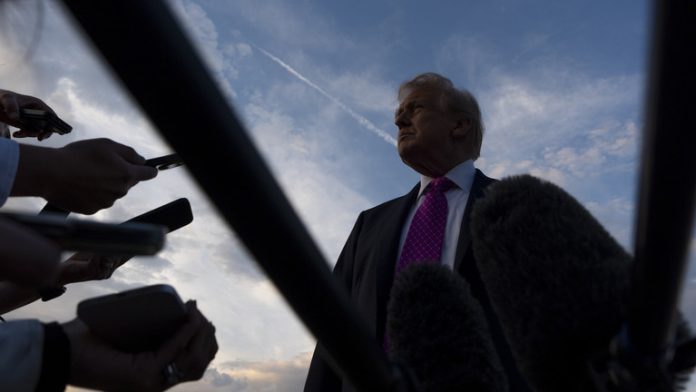
Trump says he believes in Russia’s resolve to end Ukraine war

Donald Trump

“I think he’d like to see it over with,” he told reporters aboard Air Force One.

When asked if he was concerned that the sanctions Washington had imposed on Russia on Thursday could turn out to be too “biting,” Trump stated: “He’s [Putin] saying, well, they won’t have that much of an effect. So I don’t know. <…> I don’t think he’s right about that, but we’ll see.”

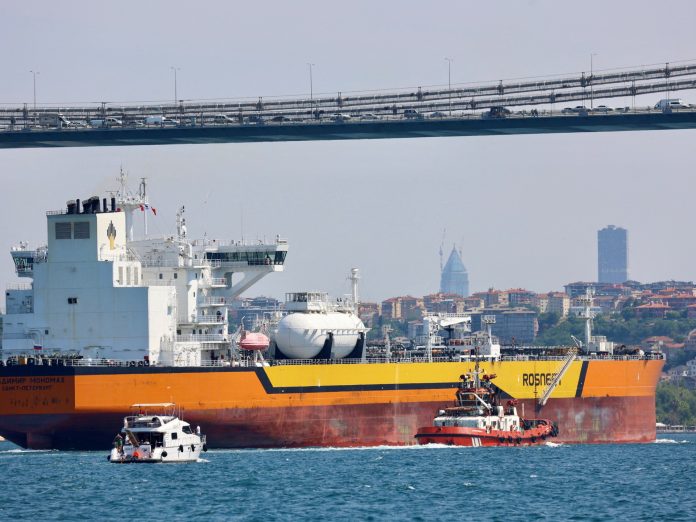
On Wednesday, the US Department of the Treasury blacklisted Russia’s Rosneft and Lukoil oil giants, together with their 34 subsidiaries. White House Press Secretary Karoline Leavitt said that Washington expected the restrictions to put significant pressure on Moscow with regard to the conflict in Ukraine.

Russian President Vladimir Putin pointed out that new US sanctions would not have a considerable impact on the country’s economic situation but would damage bilateral relations.


Defense Ministry spokesman: Israel grows increasingly susceptible to Iran’s offensive capabilities

Iran Missile

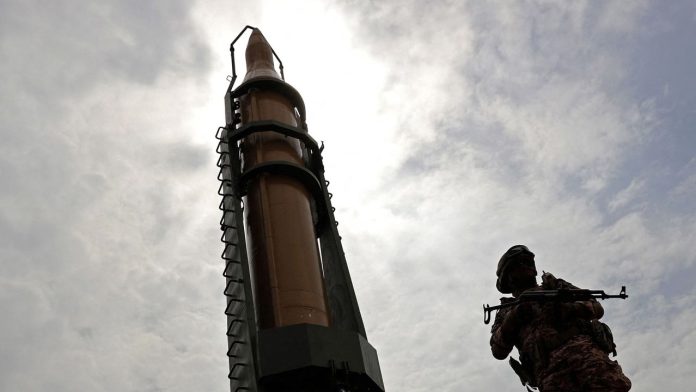
Brigadier General Reza Talaei-Nik, Deputy Minister for Strategic Planning and Parliamentary Affairs and the ministry’s spokesperson, said Iran’s military readiness, weaponry, and operational capacities have all advanced compared to the period before the conflict with the US-Israeli coalition in June.

“The enemy, despite 15 years of preparation to strike Iran, failed during the 12-day imposed war,” General Talaei-Nik said.

“If it dares to threaten again, it will face an even greater failure than before.”

He added that Iran’s enhanced defense readiness has been accompanied by an increase in the adversary’s susceptibility to Iran’s offensive capabilities.

According to him, the heavy losses sustained by Israel during the conflict have made it unlikely to make another attack decision without reassessing its vulnerabilities.

“The enemy suffered a severe blow in the 12-day war,” General Talaei-Nik stated. “It is improbable that it can again muster the resolve for a new aggression.”

The Defense Ministry spokesman reiterated that Iran continues to strengthen its defensive and deterrent power.

Top Indian oil buyer to comply with Western sanctions against Russia

Reliance “will be adapting the refinery operations to meet the compliance requirements”, a company spokesperson said in a statement on Friday, while maintaining its relationships with suppliers.

“Whenever there is any guidance from the Indian Government in this respect, as always, we will be complying fully,” the statement added.

On Wednesday, the United States Treasury Office of Foreign Assets Control (OFAC) designated Russian majors Rosneft and Lukoil for the first time as President Donald Trump becomes increasingly frustrated with Russia’s unremitting war on Ukraine.

US Secretary of the Treasury Scott Bessent stated that the move was the result of Russian President Vladimir Putin’s “refusal to end this senseless war” and encouraged allies to adhere to the new sanctions.

The following day, the European Union adopted its 19th package of measures against Russia, which includes a full transaction ban on Rosneft. The EU has previously said that, starting January 21, it will not receive fuel imports from refineries that received or processed Russian oil 60 days prior to shipping.

Reliance, chaired by billionaire businessman Mukesh Ambani, operates the world’s biggest refining complex in western Gujarat. The company has purchased roughly half of the 1.7-1.8 million barrels per day (bpd) of discounted Russian crude shipped to India, the news agency Press Trust of India reported this week.

In 2024, Reliance signed a 10-year deal with Rosneft to buy nearly 500,000 bpd, Reuters reported at the time. It also buys Russian oil from intermediaries.

Reliance did not offer details on how, exactly, it planned to navigate the sanctions – nor the fate of the 2024 Rosneft agreement – but emphasised it would comply with European import requirements.

“Reliance is confident its time-tested, diversified crude sourcing strategy will continue to ensure stability and reliability in its refinery operations for meeting the domestic and export requirements, including to Europe,” the company spokesperson noted.

The sanctions also arrive as India navigates the fallout from Trump’s tariffs on Indian exports, which rose to 50 percent starting in August as a penalty for importing Russian oil. China and India are the world’s largest importers of Russian crude.

Trump has claimed multiple times over the past month that India has agreed to stop buying Russian oil as part of a broader trade deal, an assertion the Indian government has not confirmed.

Neither India’s Ministry of External Affairs nor oil ministries have responded since the sanctions were announced on Wednesday.


Gaza security force to include countries Israel ‘comfortable with’: US

Gaza War

Rubio said that the future of governance in Gaza still needs to be worked out among Israel and partner nations but could not include Hamas, adding that any potential role for the Palestinian Authority has yet to be determined.

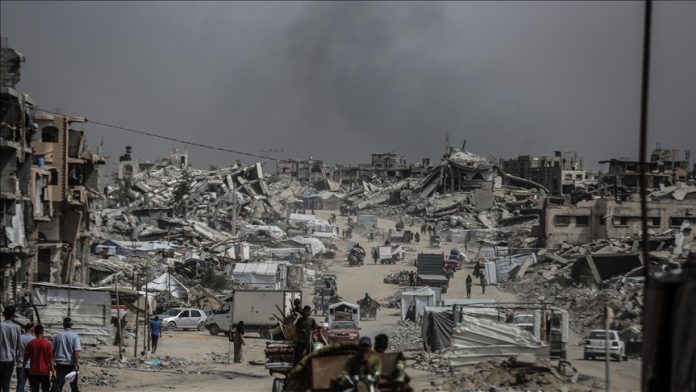
The first phase of US President Donald Trump’s 20-point Gaza ceasefire deal was reached on Oct. 10.

Since the ceasefire took effect, the Israeli army has committed 80 violations, killing 97 Palestinians.

Phase one includes the release of Israeli hostages in exchange for Palestinian prisoners. The plan also envisages the rebuilding of Gaza and the establishment of a new governing mechanism without Hamas.

Since October 2023, the Israeli genocidal war has killed over 68,200 people and injured more than 170,300, according to the Gaza Health Ministry.


Kim, Trump have chance to meet next week: South Korea

Unification Minister Chung Dong-young, who is Seoul’s top policymaker on ties between the divided Koreas, said Trump’s trip to South Korea was an “opportunity from the heavens” that could help boost North Korea’s global standing and its economy.

“The leaders of North Korea and the U.S. must not miss this chance,” Chung was quoted by Yonhap as telling South Korean media.

“They need to make a bold decision.”

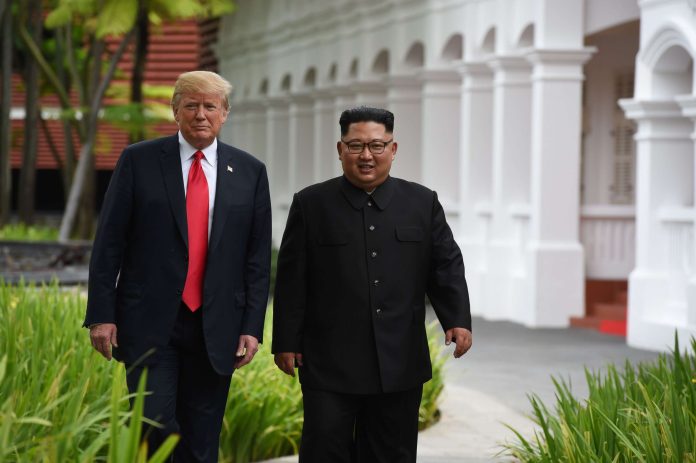
Trump met North Korean leader Kim Jong Un three times during his previous term as president but failed to reach agreement on ending Pyongyang’s nuclear program because of differences on lifting sanctions and over how to scrap the North’s nuclear facilities.

Officials in Seoul, including South Korean President Lee Jae Myung, have been sceptical that a new meeting could take place next week but welcomed the prospect of a breakthrough in diplomacy with Pyongyang if it were to happen.

Trump left Washington on Friday night for a five-day trip spanning Malaysia, Japan and South Korea — his first to the region since taking office in January.

Chung stated that the visit was a chance to bypass preparations and coordination normally required for a meeting between the leaders of the two old foes that would otherwise make it very difficult for them to see each other.

“It would help North Korea’s international standing and improve its people’s lives … and for that, peace and stability need to be guaranteed and that’s only possible by meeting President Trump,” Chung added.

Trump met Kim at the Panmunjom truce village straddling the inter-Korean border in 2019 in a hastily arranged trip immediately following his visit to Japan for a global summit.

Zahhak Castle in Iran’s Hashtrood lit up using solar energy

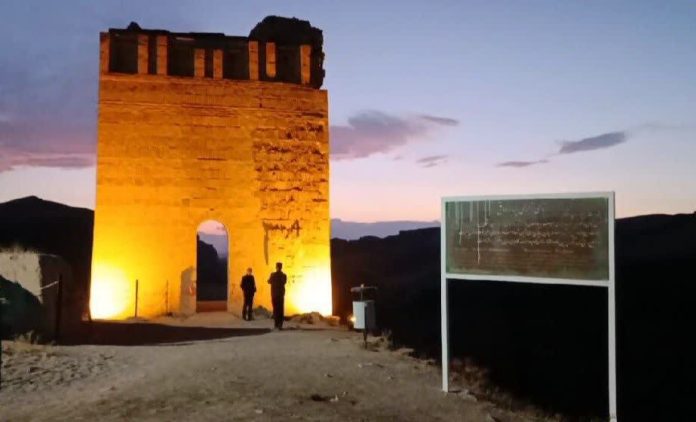
The lighting system, installed at an altitude of 1,800 meters above sea level, uses 34 photovoltaic panels generating 20 kilowatts of electricity.

The project, costing 15 billion rials, provides full nighttime illumination for the castle and its surrounding archaeological site.

Director General of East Azarbaijan’s Cultural Heritage, Handicrafts and Tourism Department Ahmad Hamzezadeh said the use of solar energy turns Zahhak Castle into a symbol of green tourism in the province.

He added that harnessing renewable energy in remote heritage sites reduces maintenance costs and ensures sustainable protection.

Zahhak Castle, also known as Narain Qala or Zahhak Qalasi, dates back over 2,000 years to the Parthian and Sassanid eras.

It was once a temple dedicated to Anahita, the goddess of water, and remains one of the most prominent archaeological landmarks in northwestern Iran.