Monday, December 29, 2025
Home Blog Page 571

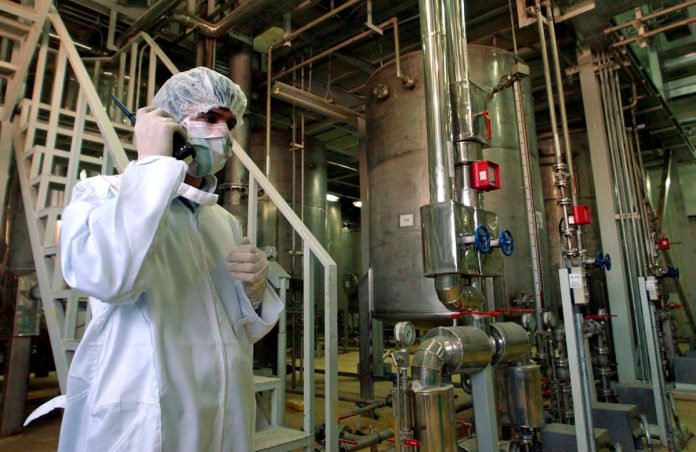
Russia hopes for IAEA’s impartiality in monitoring Iranian nuclear sites

Iran Nuclear Program

“We hope that the IAEA will be able to ensure the objectivity and impartially of the monitoring within the framework of its technical mandate, without getting politicized, without succumbing to absolutely perverted tricks by the Western camp,” the diplomat said during a briefing on Wednesday.

“We see this as a necessary guarantee of constructive cooperation between the agency and Iran the strengthening of which we have invariably supported,” she added.

Zakharova was commenting on remarks by IAEA Director General Rafael Grossi who claimed that Iran may develop nuclear weapons. According to her, “Such manipulations counting on presenting the IAEA as an accomplice or even the initiator of political attacks on Tehran, always pursue a single goal – present Iran’s nuclear program as the main threat in the Middle East which must be battled by any means.”

That said, the diplomat noted that the West is trying to “get away with gross violations of the UN Security Council Resolution 2231 and the profound stagnation of the Joint Comprehensive Plan of Action on Iran’s nuclear program”.

“The international community has a clear understanding that it was precisely the West that undermined an agreement on restoration while Tehran repeatedly indicated its readiness to return to the parameters of the joint plan in the event of reciprocal synchronized actions by Washington, Brussels and London,” Zakharova stressed.

The diplomat explained that “neither the treaty, nor the agreement provide for any quantitative restrictions on peaceful nuclear development if all nuclear activities in the country remain under the agency’s control”, while the Iranian nuclear program “has always been inspected to the utmost degree” by the IAEA.

Iranian officials have already denounced Grossi’s allegation as going beyond his mission as an impartial UN official.

Earlier in the day, the head of the Atomic Energy Organization of Iran (AEOI), Mohammad Eslami, called on Grossi to ensure the agency’s impartiality by considering other parties’ failure to fulfill their obligations toward the Islamic Republic.

“It is not acceptable for an international institution to address only one aspect of the issue, in a provocative manner at that, and refuse to point to the main aspect, which is the obligated parties’ non-commitment,” Eslami said.

Back in 2018, the Islamic Republic resorted to a number of legitimate retaliatory measures in line with its entitlement under the 2015 nuclear deal.

The steps came in response to the United States’ unilateral and illegal withdrawal from the agreement and its Western allies’ refusal to restore the deal to its former glory by bringing Washington back into the accord.

Tehran took the measures after a drawn-out hiatus, during which it allowed the parties to the deal to walk back their unconstructive steps.

Israel creating new obstacles to Gaza ceasefire agreement: Hamas

Gaza War

The resistance movement said in a statement on Wednesday that “negotiations are continuing in Doha under the mediation of Qatar and Egypt in a serious manner”.

“But the occupation has set new conditions concerning withdrawal (of troops), the ceasefire, prisoners, and the return of displaced people, which has delayed reaching an agreement.”

It added the resistance has demonstrated responsibility and flexibility in the negotiations.

Israel’s Prime Minister Benjamin Netanyahu stated on Monday that there had been “some progress” in the talks. On Tuesday, his representatives returned from Qatar for consultations about a deal.

President Isaac Herzog has urged Israel’s leadership Wednesday to act decisively to finalize a prisoner exchange deal with Hamas to secure the release of captives held in Gaza, warning that they face a “clear and immediate danger”.

Speaking at a Hanukkah celebration in Tel Aviv, Herzog appealed to Netanyahu and his government to use all available means to ensure the hostages’ return.

“This is your responsibility,” he said, adding: “You have my full support to conclude a deal that brings them home, after we failed to protect them.”

Israel holds over 10,300 Palestinian prisoners, while Hamas is said to be holding around 100 Israeli captives in Gaza. The group also announced that dozens of captives had died in indiscriminate Israeli airstrikes.

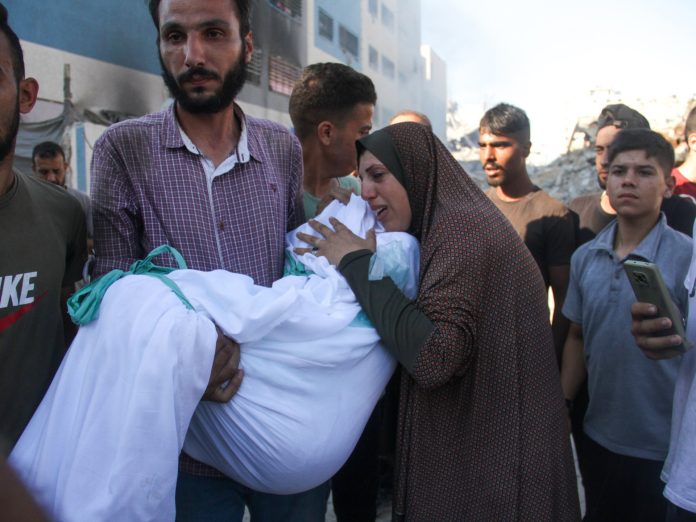
Israel has continued a genocidal war on Gaza that has killed nearly 45,400 people, most of them women and children, since a cross-border attack by Hamas on Oct. 7, 2023.

Last month, the International Criminal Court issued arrest warrants for Netanyahu and his former Defense Minister Yoav Gallant for war crimes and crimes against humanity in Gaza.

Israel is also facing a genocide case at the International Court of Justice for its actions in Gaza.

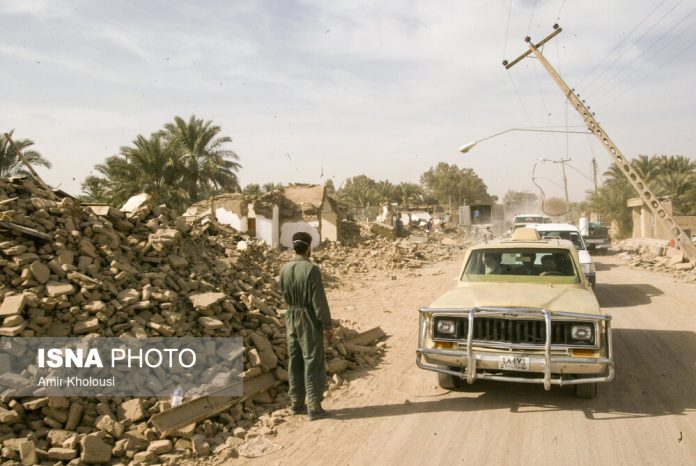
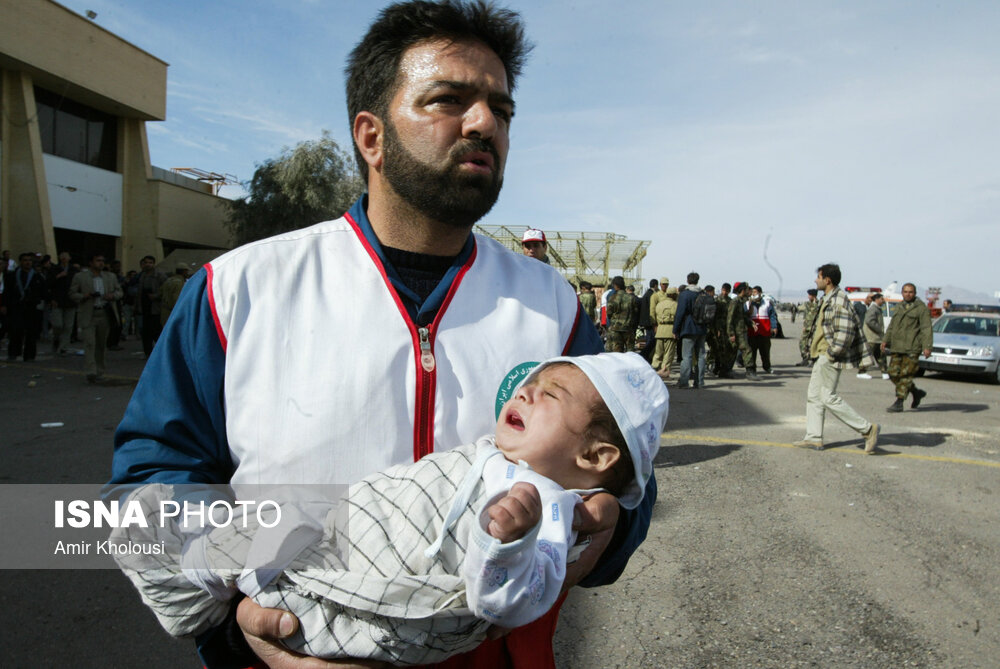
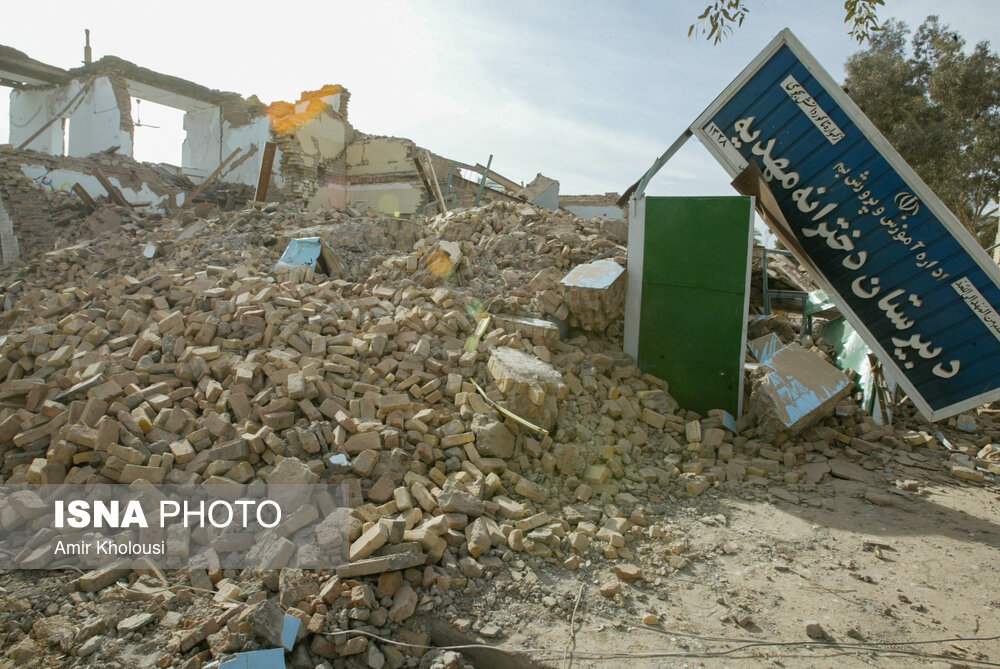
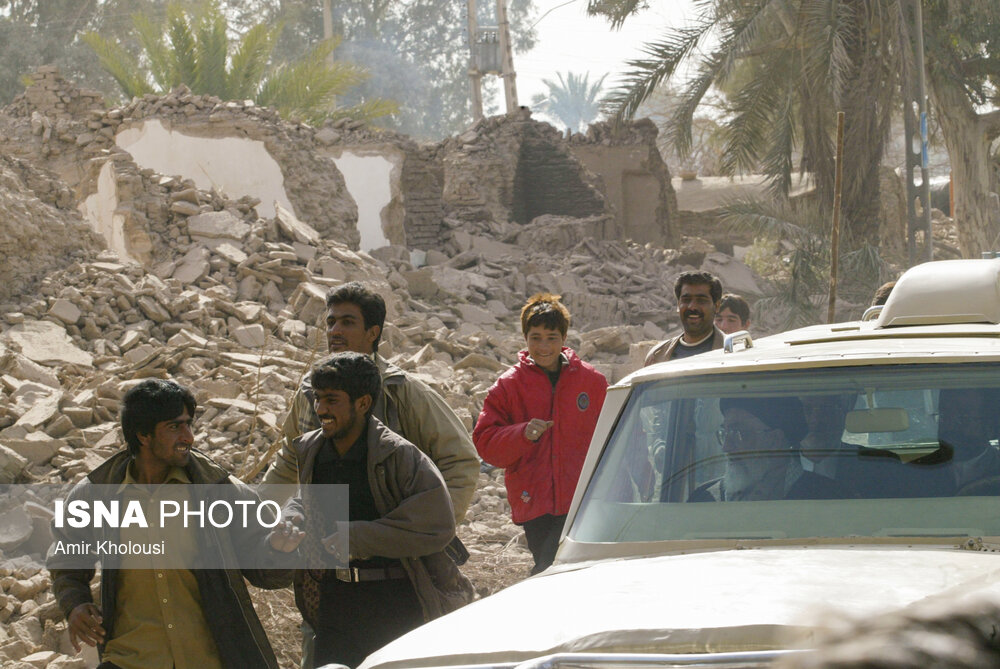
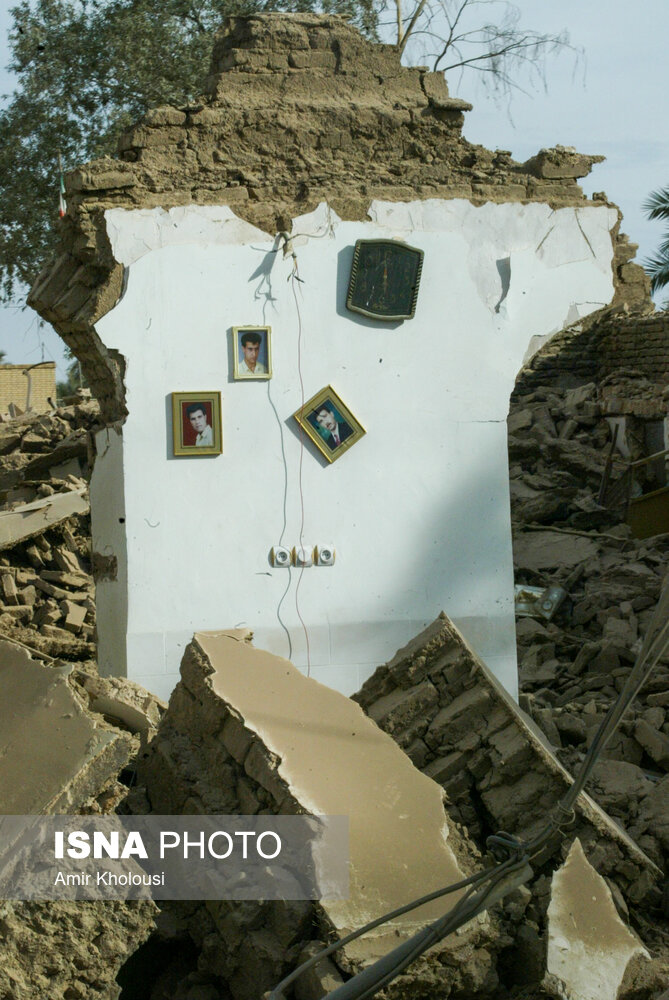
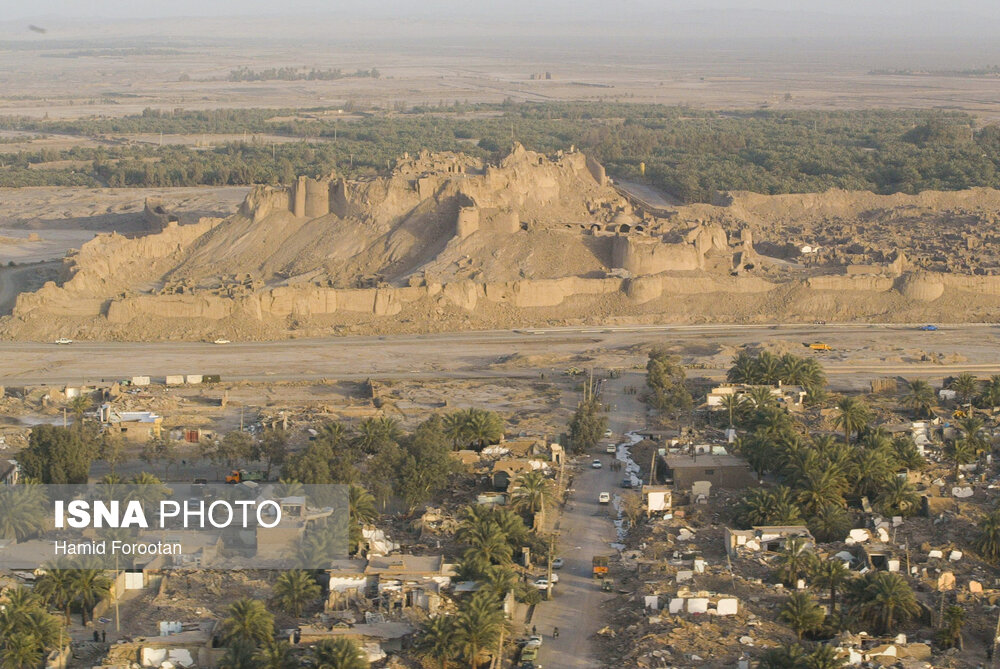
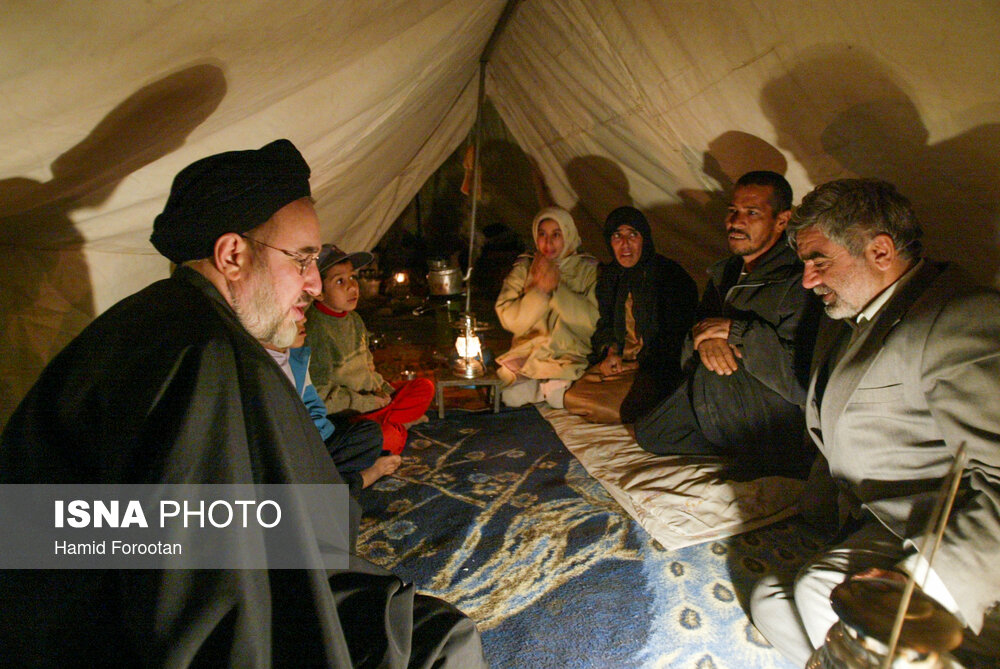
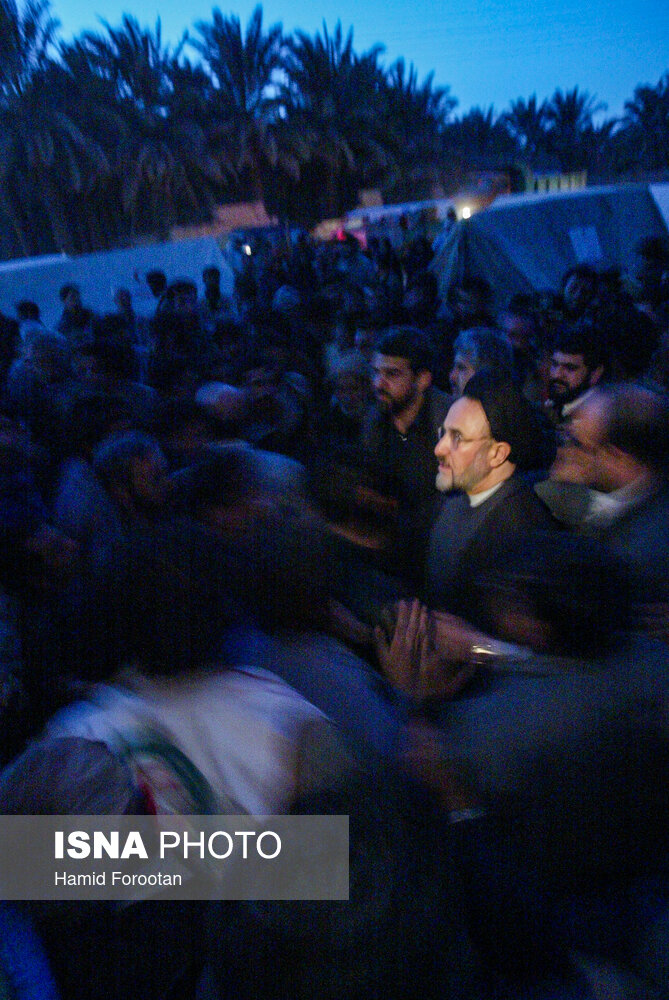
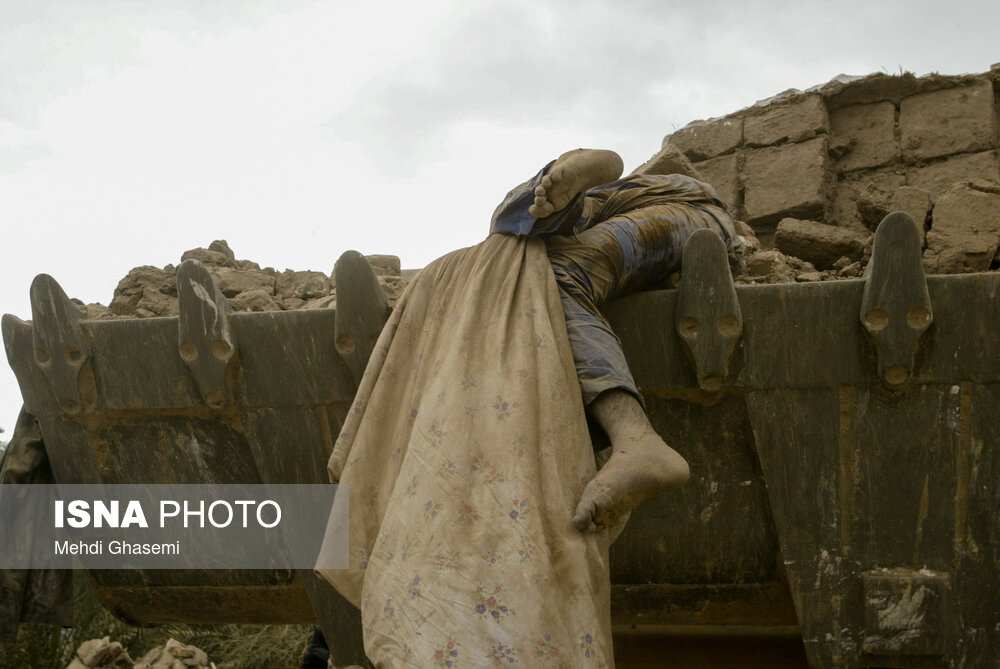
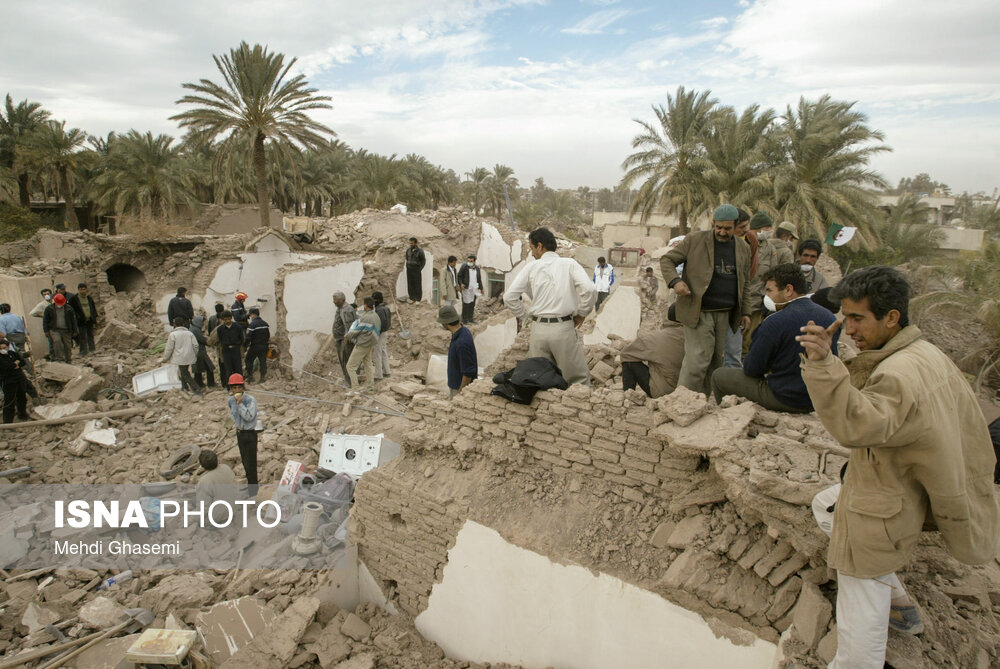
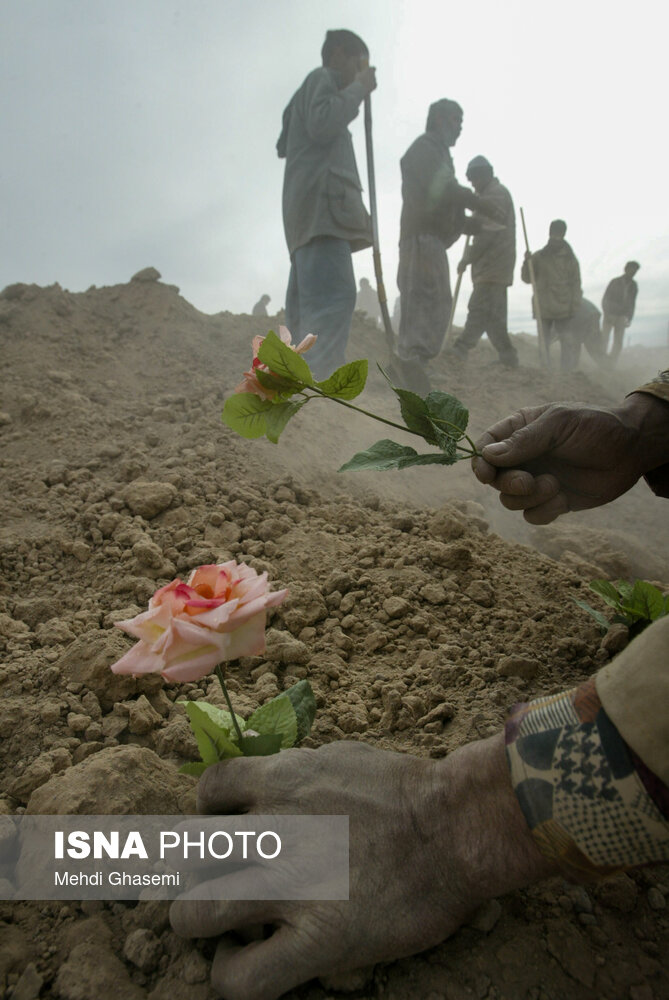
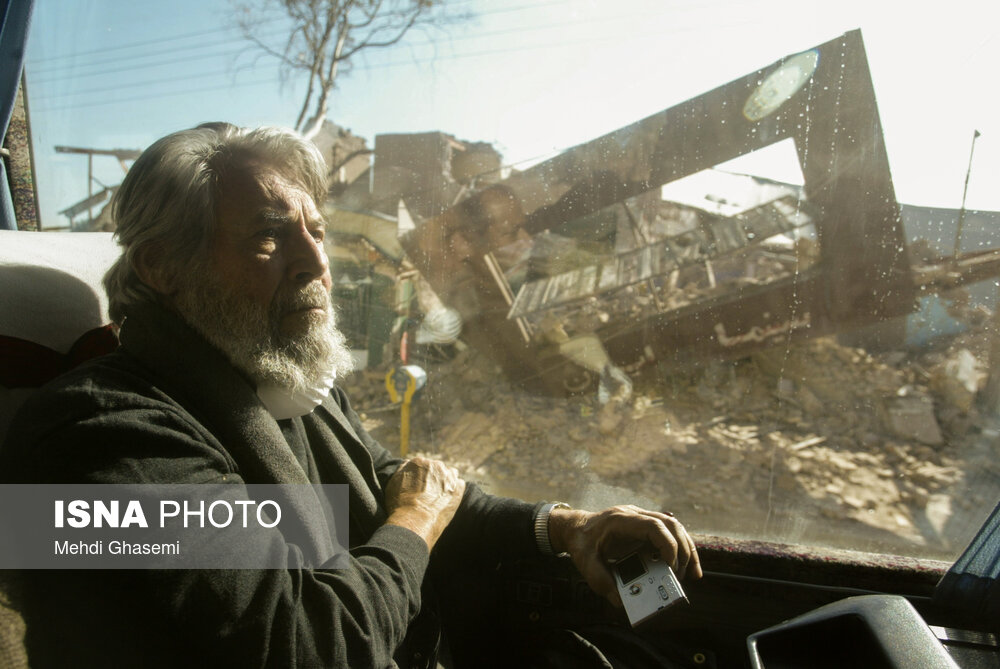
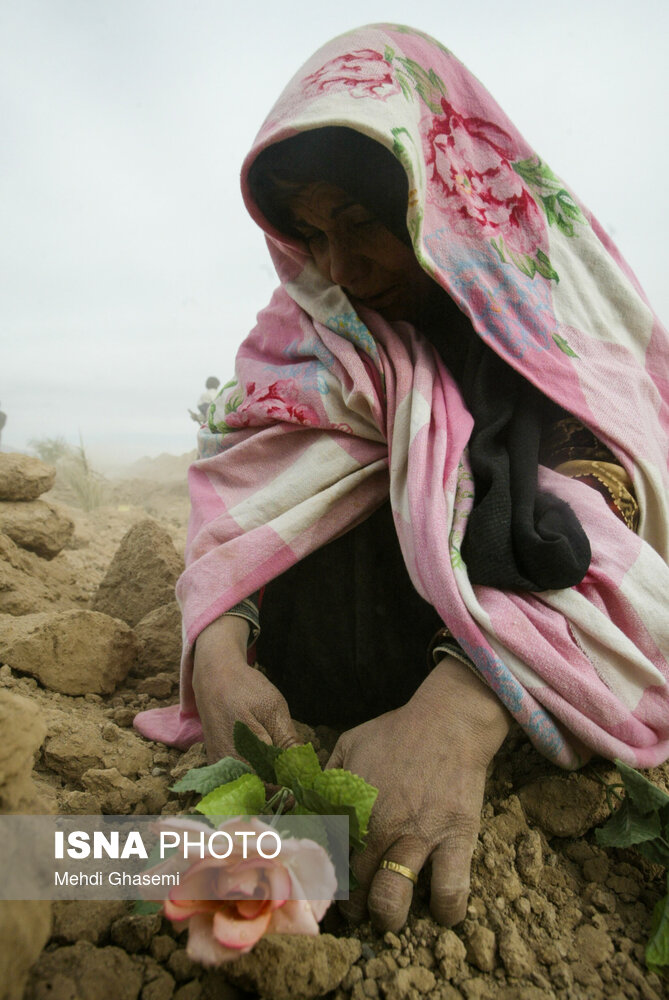
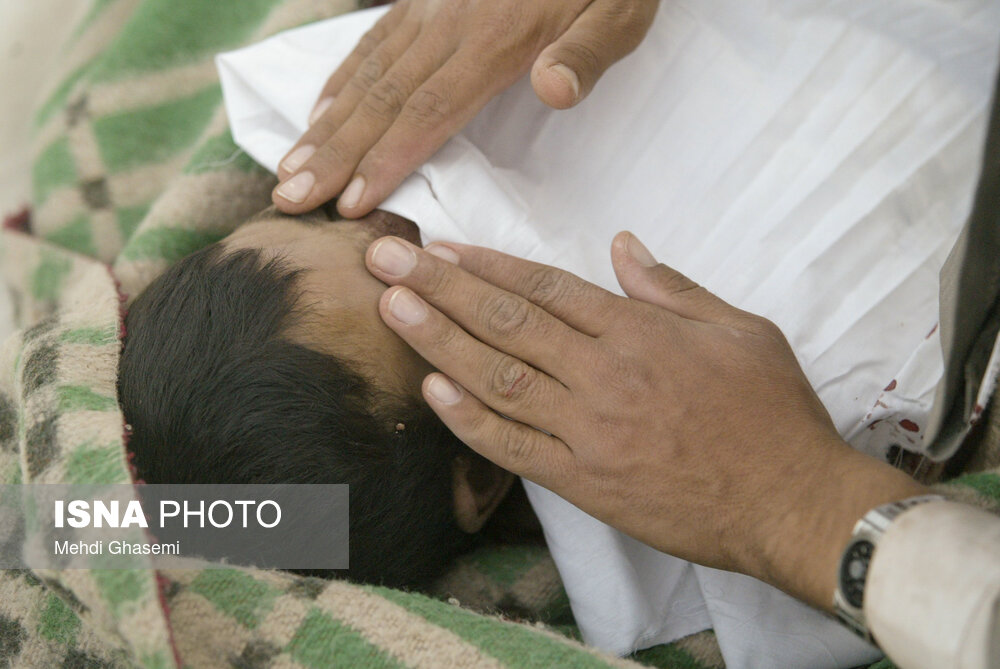
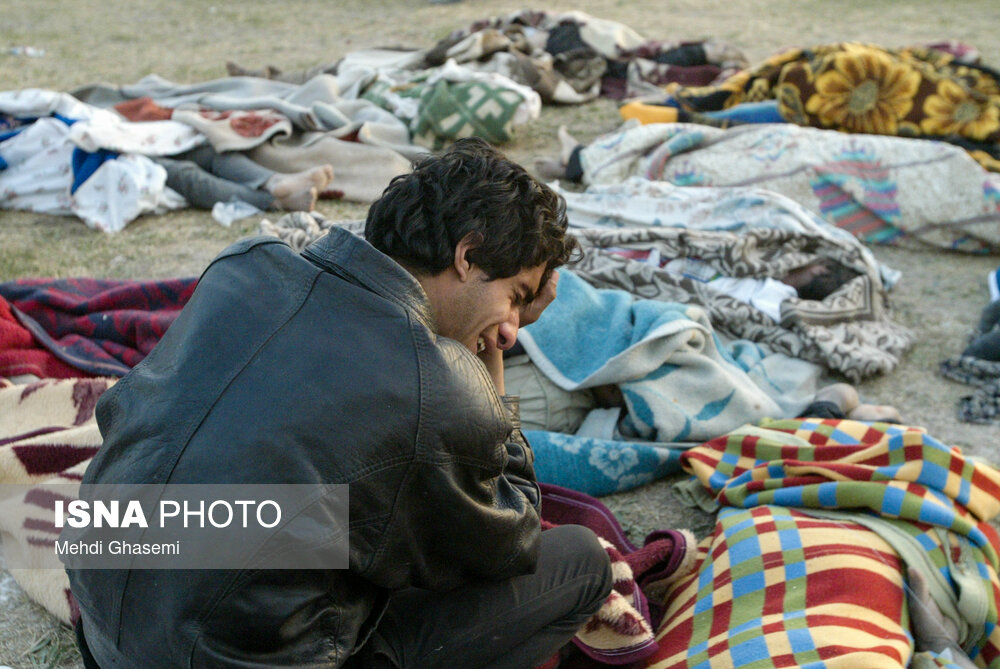
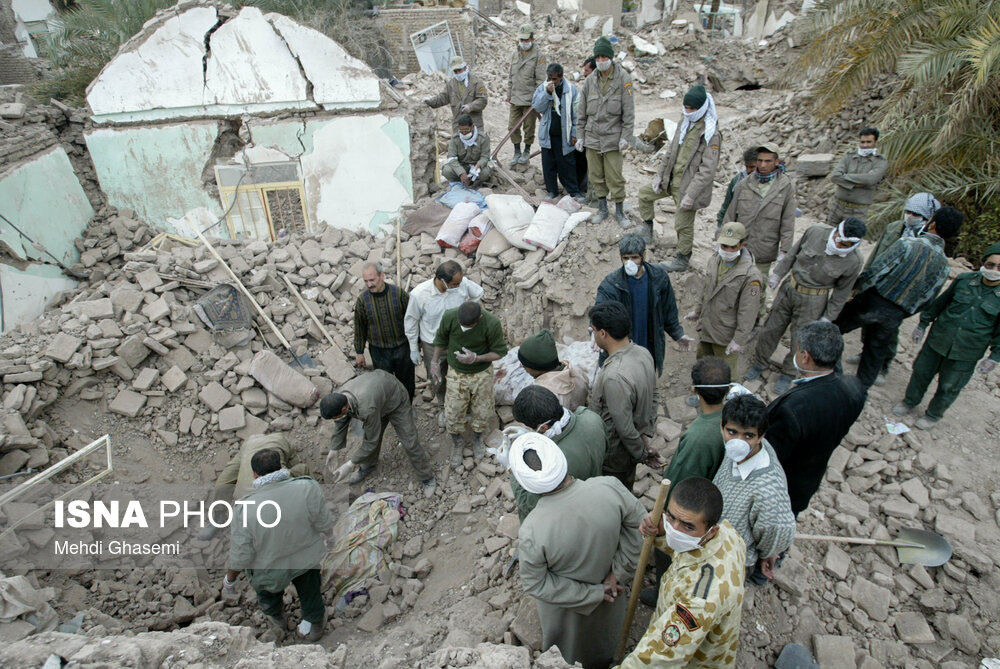
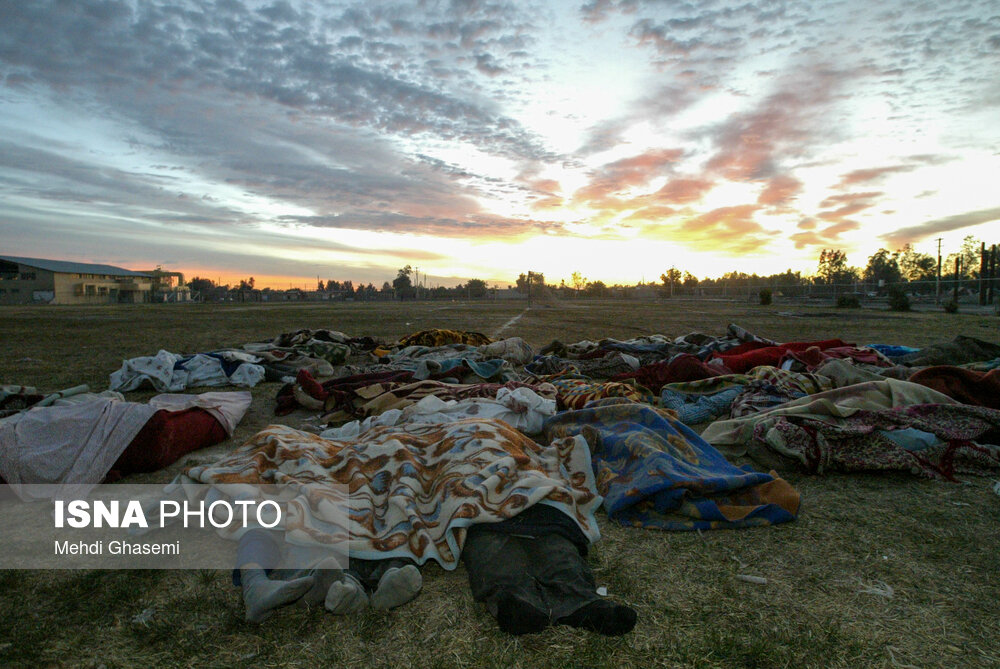
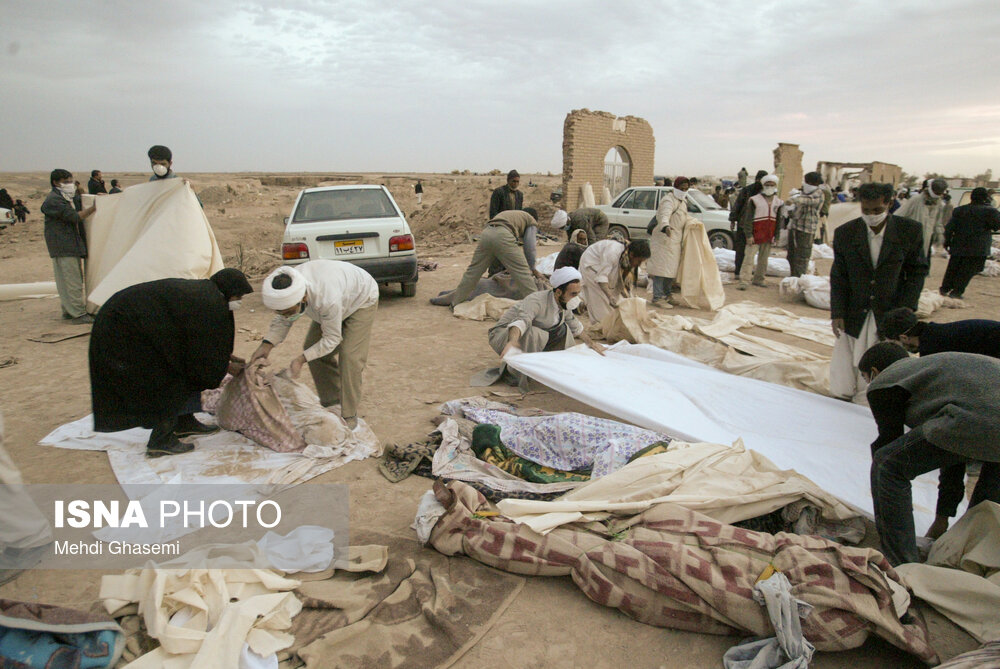
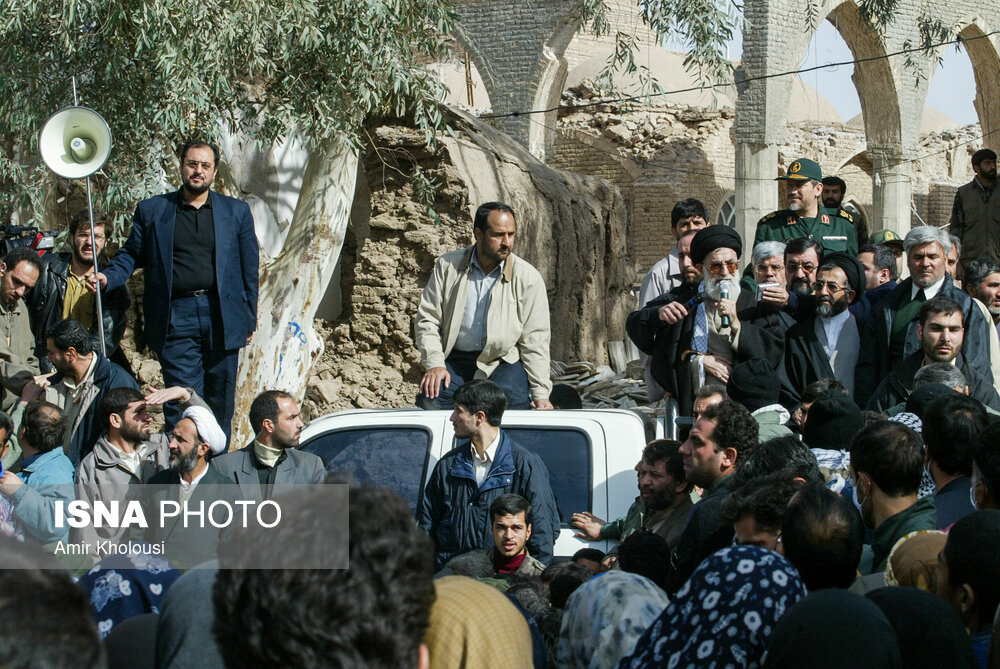
The unhealed wound of Bam: 21 years on

The 6.6 magnitude earthquake resulted in the death of over 34,000 people, buried alive under the rubble.

Due to the high number of casualties, the earthquake stands as the third deadliest in Iran’s recent history, following the earthquakes in Ardabil in 1997 and Damghan in 2010.

More in pictures:

Pope Francis calls on world to ‘silence sound of arms’ in Christmas speech

Pope Francis

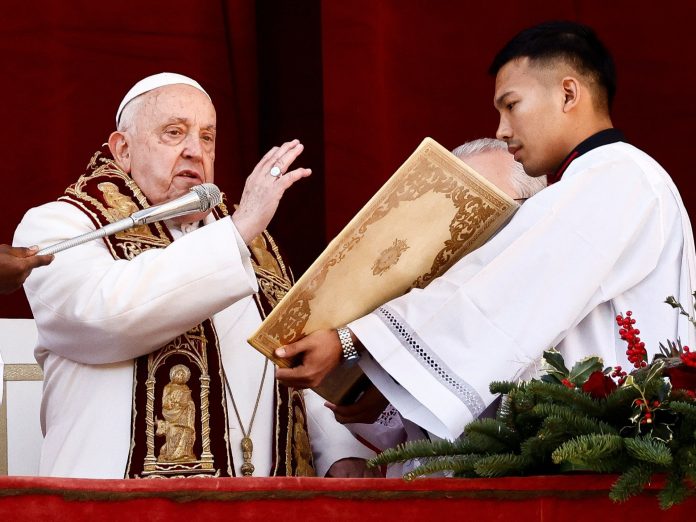
Francis addressed the conflict in Ukraine directly in his Urbi et Orbi message, calling for “gestures of dialogue and encounter, in order to achieve a just and lasting peace”.

Speaking from the central balcony of St Peter’s Basilica, the pope called for leaders to “open the door” to negotiations.

“May the sound of arms be silenced in war-torn Ukraine,” the 88-year-old pontiff said.

Ukrainian officials criticised Francis in March after he said the country should have “the courage to raise the white flag” and negotiate an end to the war with Russia. The Vatican’s director of communications later clarified that Francis was calling for a “diplomatic solution in search of a just and lasting peace”.

Francis also used his Christmas Day message to address the conflict in the Middle East, calling for “the doors of dialogue and peace [to] be flung open”.

“I think of the Christian communities in Israel and Palestine, particularly in Gaza, where the humanitarian situation is extremely grave,” he stated, adding, “May there be a ceasefire, may the hostages be released and aid be given to the people worn out by hunger and by war.”

The conflict has raged for nearly 15 months, while repeated ceasefire efforts have stalled. Both sides blamed each other again on Christmas Day for the failure to reach a truce.

Gaza’s health ministry announced in a statement on Wednesday that more than 45,361 Palestinians have been killed since Hamas-led fighters attacked southern Israel on 7 October 2023. Thousands more people are believed to be buried under the rubble and tens of thousands have been wounded.

Francis urged people to “tear down all walls of separation”, citing examples that ranged from the ideologies that “so often mark political life” to physical walls. He called for a “mutually agreed solution” to bring down the border wall that has divided the Mediterranean island of Cyprus since 1974.

He also called for a ceasefire in Sudan, which has been ravaged by 20 months of civil war, leaving millions at risk of famine.

“May the son of the most high sustain the efforts of the international community to facilitate access to humanitarian aid for the civilian population of Sudan and to initiate new negotiations for a ceasefire,” he said.

Francis opened the “holy door” of St Peter’s Basilica on Christmas Eve, launching the jubilee year of Catholic celebrations that are expected to draw more than 30 million pilgrims to Rome.

Francis urged people in his address on Wednesday to make the most of the jubilee year.

“I invite every individual and all people of all nations to have the courage to walk through the door, to become pilgrims of hope, to silence the sounds of arms and overcome divisions,” he added.

Pakistan carries out air attack against Afghanistan, Taliban vows retaliation

Taliban

While no official statement was issued by Pakistan’s Ministry of Foreign Affairs or military media wing, the Inter-Services Public Relations (ISPR), sources confirmed to Al Jazeera that the attacks took place in the Barmal district of Afghanistan, near Pakistan’s South Waziristan tribal district in Khyber Pakhtunkhwa province.

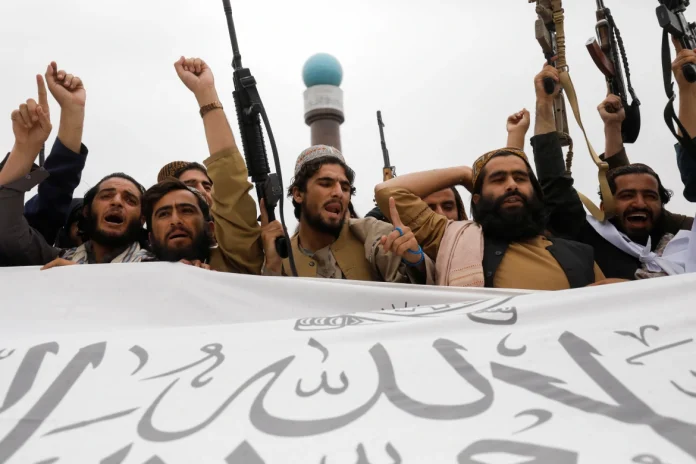
The interim Afghan government, ruled by the Taliban, also confirmed the attacks but insisted that civilians had been targeted. The Taliban spokesperson’s office told Al Jazeera that at least 46 people, including women and children, were among those killed in air raids.

“The Pakistani side should understand that such arbitrary measures are not a solution to any problem,” Enayatullah Khowarazami, spokesperson for Afghanistan’s Defence Ministry, wrote on social media platform X.

“The Islamic Emirate will not leave this cowardly act unanswered and considers the defense of its territory an inalienable right,” he added, referring to Afghanistan by the name given by the Taliban government.

The air raids, which were conducted for the second time this year, came just hours after Pakistan’s special representative for Afghanistan, Mohammad Sadi, met interim Afghan Foreign Minister Amir Khan Muttaqi in Kabul.

“Met Foreign Minister Amir Khan Muttaqi today. Held wide-ranging discussions. Agreed to work together to further strengthen bilateral cooperation and promote peace and progress in the region,” Sadiq posted on X.

Sadiq’s visit to Kabul, which also included a meeting with Afghan interim Interior Minister Sirajuddin Haqqani on Monday, took place amid deteriorating relations between the two neighbours, and ties are likely to sink further following the Tuesday night attacks, say analysts.

Pakistan has repeatedly accused the Afghan government of harbouring armed groups, especially the TTP, which it claims carries out cross-border attacks targeting Pakistani security forces.

Last week, TTP fighters claimed responsibility for killing at least 16 Pakistani soldiers in South Waziristan in one of the deadliest recent attacks on security personnel.

While the Taliban denies providing refuge to armed groups or allowing their territory to be used for cross-border attacks, Pakistan asserts that the TTP conducts its operations from Afghan sanctuaries.

During a United Nations Security Council briefing last week, Pakistan said thousands of Pakistan Taliban fighters have sought shelter in Afghanistan.

“The TTP, with 6,000 fighters, is the largest listed terrorist organisation operating in Afghanistan. With safe havens close to our border, it poses a direct and daily threat to Pakistan’s security,” Pakistani diplomat Usman Iqbal Jadoon stated at the UN briefing.

Data indicates a rise in attacks and deaths, particularly in Pakistan’s restive northwestern Khyber Pakhtunkhwa province and southwestern Balochistan province, both of which border Afghanistan.

According to Pakistan’s Interior Ministry, more than 1,500 violent incidents in the first 10 months of this year have resulted in at least 924 deaths. Among the casualties were at least 570 law enforcement personnel and 351 civilians.

The Pakistan Institute for Conflict and Security Studies (PICSS), an Islamabad-based research organisation, reported more than 856 attacks so far in 2024, surpassing the 645 incidents recorded in 2023.

Pakistan maintains that it has repeatedly shared evidence with the Taliban regarding TTP operations but claims these concerns have not been adequately addressed.

The Pakistani government launched a military campaign, Azm-e-Istehkam (Resolve for Stability), in June, and security analyst Amir Rana believes that the latest air raids are likely part of this operation.

“Discussions within military circles have focused on conducting offensives on Afghan soil after the recent surge in attacks against security personnel. These strikes appear to be triggered by last week’s attacks on soldiers,” Rana told Al Jazeera.

Rana, who is also the director of Islamabad-based security think tank Pak Institute for Peace Studies (PIPS), further noted the Kabul visit by Sadiq, Pakistani special representative to Afghanistan, might not be connected to Tuesday’s air raids.

“Sadiq’s visit was more about conveying the government message to share its apprehensions about increasing attacks by TTP networks which operate from Afghanistan, and was likely a trust-building exercise,” he added.

Ihsanullah Tipu, an Islamabad-based security analyst, said Pakistan has conducted at least four air raid operations on TTP hideouts in Afghanistan over the past few years.

However, Tipu added that a serious flaw in Pakistan’s Afghanistan policy was its “inconsistent approach”.

“Historically, Pakistan’s approach has been personality-driven rather than strategy-driven. Actions such as cross-border air strikes should be part of a comprehensive and well-planned policy instead of reactive measures,” Tipu, who is also a co-founder of The Khorasan Diary, a security research portal, told Al Jazeera.

Tipu also suggested that while the Afghan government has promised retaliation, the real response may come from the Pakistan Taliban.

“The actual reaction may come from the Pakistani Taliban, who have been discussing revenge attacks in their internal communications already, alleging that the strikes killed their women and children,” he added.

Rana from PIPS said such cross-border attacks are becoming a norm globally, and it was unlikely that Pakistan would face any criticism or consequences from the international community for the air raids.

“But this also presents a big challenge to us, and a matter to introspect, that despite four decades of engagement in Afghanistan, we still have not developed diplomatic skills to hold dialogue with rulers in Afghanistan, whoever it might be, in a constructive manner,” Rana added.

Tipu, meanwhile, emphasised that the TTP issue remained a big obstacle to Pakistan-Afghanistan relations.

“With Sadiq’s reappointment as special envoy, there were hopes for détente between the two countries. However, Tuesday’s strikes may significantly hinder any progress before it formally begins,” he stated.

Washington-funded group recalls Gaza famine alert after criticism by US envoy to Israel

Gaza War

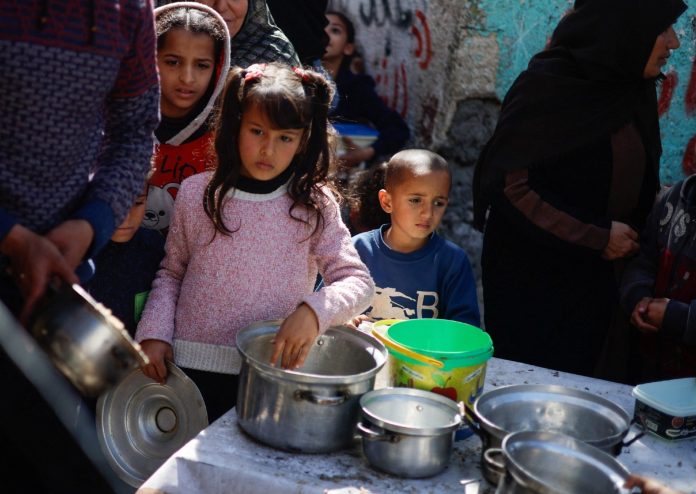
FEWS NET has been releasing updates on the situation in the Palestinian enclave monthly since October. The latest issue stressed that “Israel’s near-total blockade of humanitarian and commercial food supplies to besieged areas of North Gaza Governorate” has been a major factor contributing to food scarcity in the area.

The report cited an estimate by the UN’s Office for the Coordination of Humanitarian Affairs, which said that as of mid-November some 65,000-75,000 people remained in the area. The figure was what triggered a negative reaction from Ambassador Jack Lew, Washington’s envoy to Israel, who called the data “outdated and inaccurate” and its mention by FEWS NET “irresponsible”.

The US diplomat estimated the current civilian population in Northern Gaza at between 7,000 and 15,000 people and cited similar ranges reported by other sources, including the Israeli military.

FEWS NET took down its report hours after publication, but an archived version remains available online. No amended variant was published on its website at the time of the writing.

Some critics of Israel have argued that Lew’s intervention de facto acknowledged that Tel Aviv is succeeding in a campaign to depopulate Northern Gaza and that Washington is supporting that outcome.

“The US government is boasting of its success in committing crimes against humanity,” US journalist Ben Norton remarked, commenting on the ambassador’s statement.

The Israeli government has been accused of trying to make Gaza uninhabitable by destroying the enclave’s civilian infrastructure and subjecting its people to malnutrition.

The ongoing humanitarian crisis was triggered by military action, which the Israeli armed forces launched in October of last year in response to the deadly attack into Southern Israel by the Palestinian group Hamas.

South Africa has filed a complaint with the International Court of Justice accusing Israel of pursuing genocide of Palestinians in Gaza. The UN’s top court ruled in late January that the claim was plausible enough for it to order an injunction while it reviews the merits of the case.

Too early to predict future of Syria: Iran FM

Abbas Araghchi

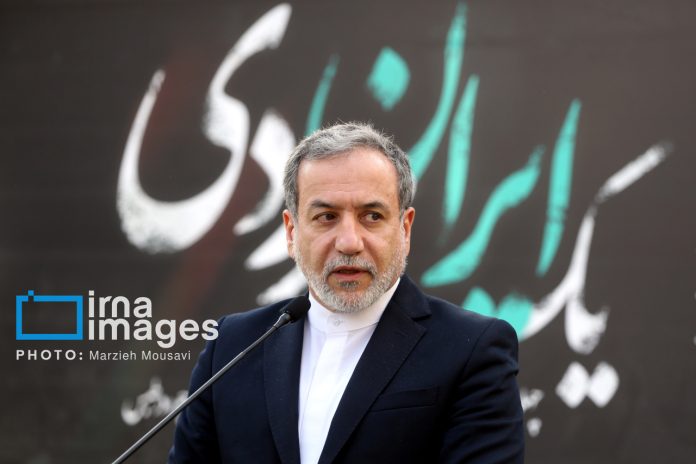
“It is premature to make judgments about Syria’s future at this stage; numerous factors will shape the country’s future, the future is highly uncertain,” Araghchi said.

The top Iranian diplomat noted that while some parties might claim to have achieved victories, the overall situation remains unpredictable.

The militant group Hayat Tahrir al-Sham (HTS) took over Syria and brought an end to Assad’s 24-year reign earlier this month.

Araghchi’s remarks came a day after Fatemeh Mohajerani, the Iranian government spokeswoman, stressed the importance of a Syrian government based on the popular vote of its citizens, describing it as a key concern for Iran.

Another critical concern, she noted, is preventing the rise and expansion of terrorism, as it significantly impacts both Syria and the entire region.

During a weekly press briefing in Tehran on Monday, Iranian Foreign Ministry spokesman Esmaeil Baqaei also emphasized the Islamic Republic’s unwavering commitment to preserve Syria’s national sovereignty and territorial integrity.

He asserted that the Syrian people hold the exclusive right to decide their fate free from foreign interference.

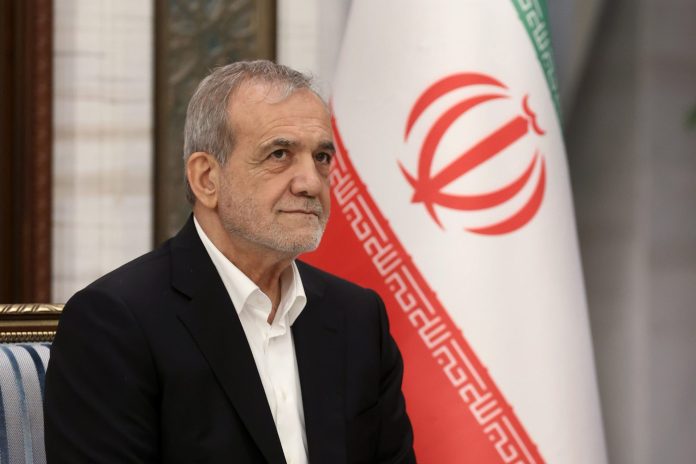
President Pezeshkian calls for Support for Palestine in Message to Pope

Masoud Pezeshkian

In his message on December 25, Pezeshkian congratulated Pope Francis and all monotheists around the world, particularly Christians, on the birth anniversary of Jesus Christ.

He noted that honoring the birth anniversary of Jesus Christ is regarded as a chance to recall divine commandments and teachings by all prophets, with the aim of attaining justice, peace, and freedom, according to the president’s official website.

In the current era, societies require a fresh perspective on solving human issues, Pezeshkian noted, adding that paying heed to the noble characteristics of the prophets can help people achieve human perfection.

“On the eve of the New Year, I hope that we will witness effective measures towards peace, security, and freedom for the oppressed nations, especially the innocent people of Palestine,” Pezeshkian concluded.

Iranian company unveils vacuum distillation device for oil product quality measurement

Iran Oil

In an interview with ISNA news agency, Moslem Mashayekhi, CEO of the knowledge-based company, explained that the vacuum distillation device is used for the qualitative measurement of heavy oil products, including crude oil, fuel oil, base oil, and some industrial oils.

He added that the device is designed and manufactured in accordance with ASTM D1160 and its Iranian equivalent INSO 8908 standards.

Vacuum distillation is one of the best laboratory and industrial methods for separating substances in liquid solutions. By applying a vacuum, the temperature of the solution is lowered, allowing the separation of dissolved substances with less energy while preserving their properties.

Mashayekhi underscored the competitive advantage of the product, noting that its production cost is one-fifth of the similar foreign model, which is priced at around $110,000, while the Iranian version is sold for $21,000.

Emphasizing that the device is entirely produced domestically, he pointed out it has already been commercialized, with several units sold, and there is a strong market potential in the region and Persian Gulf countries.

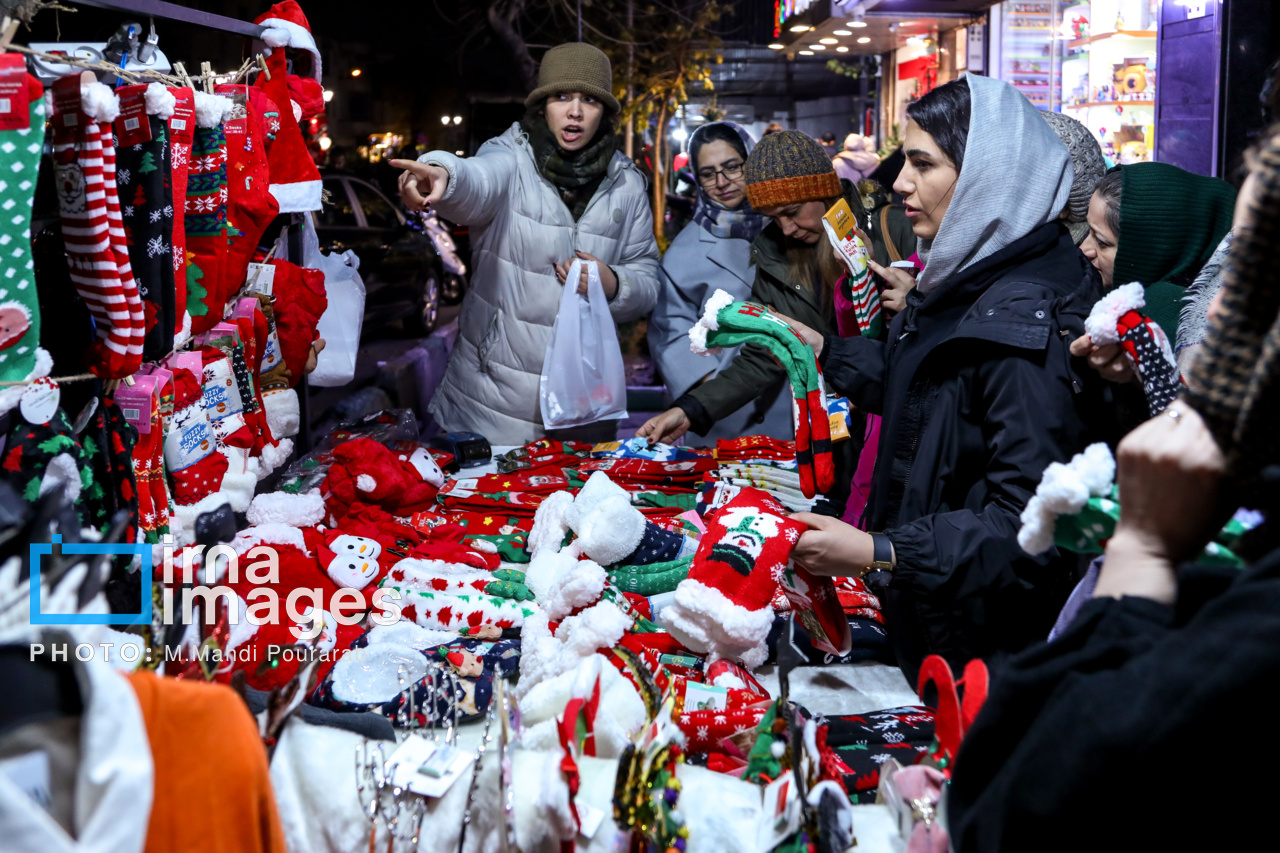
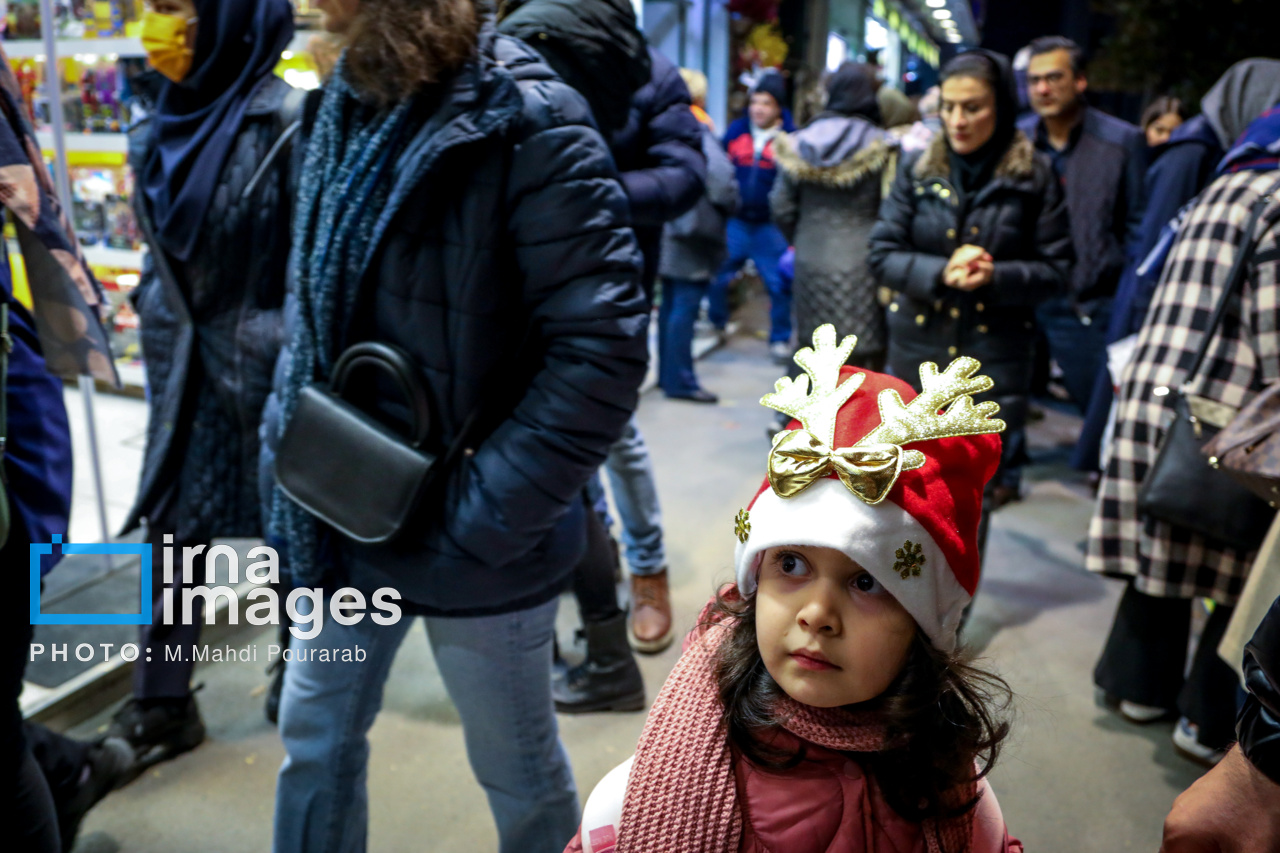
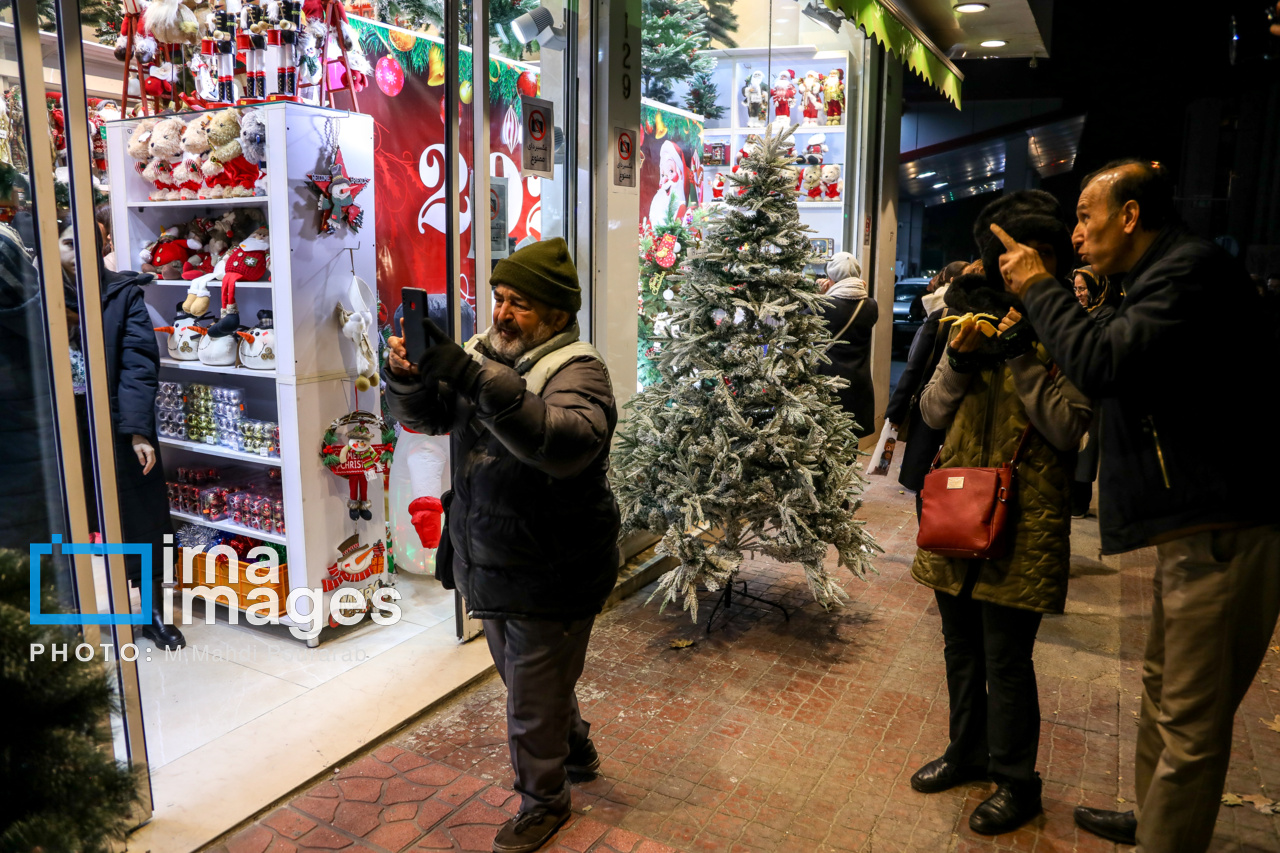
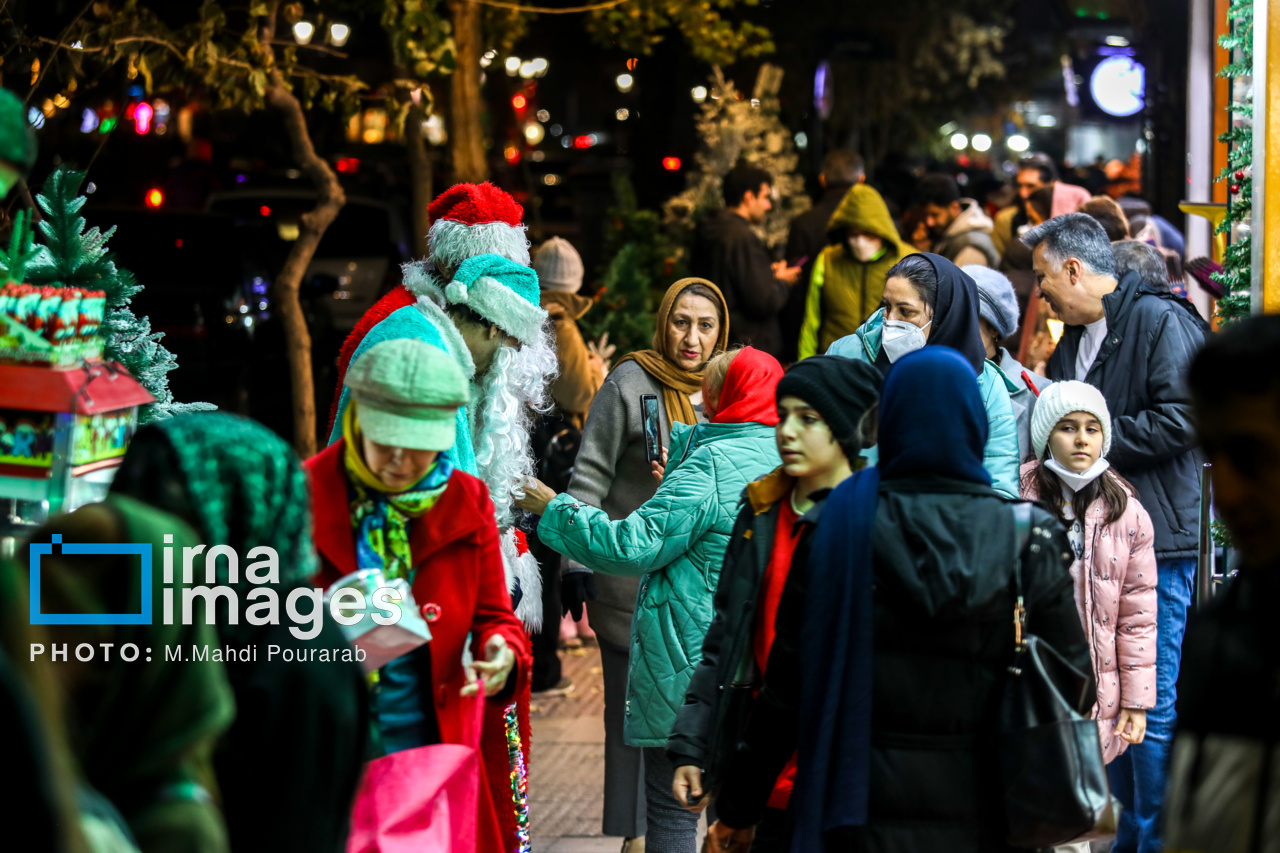
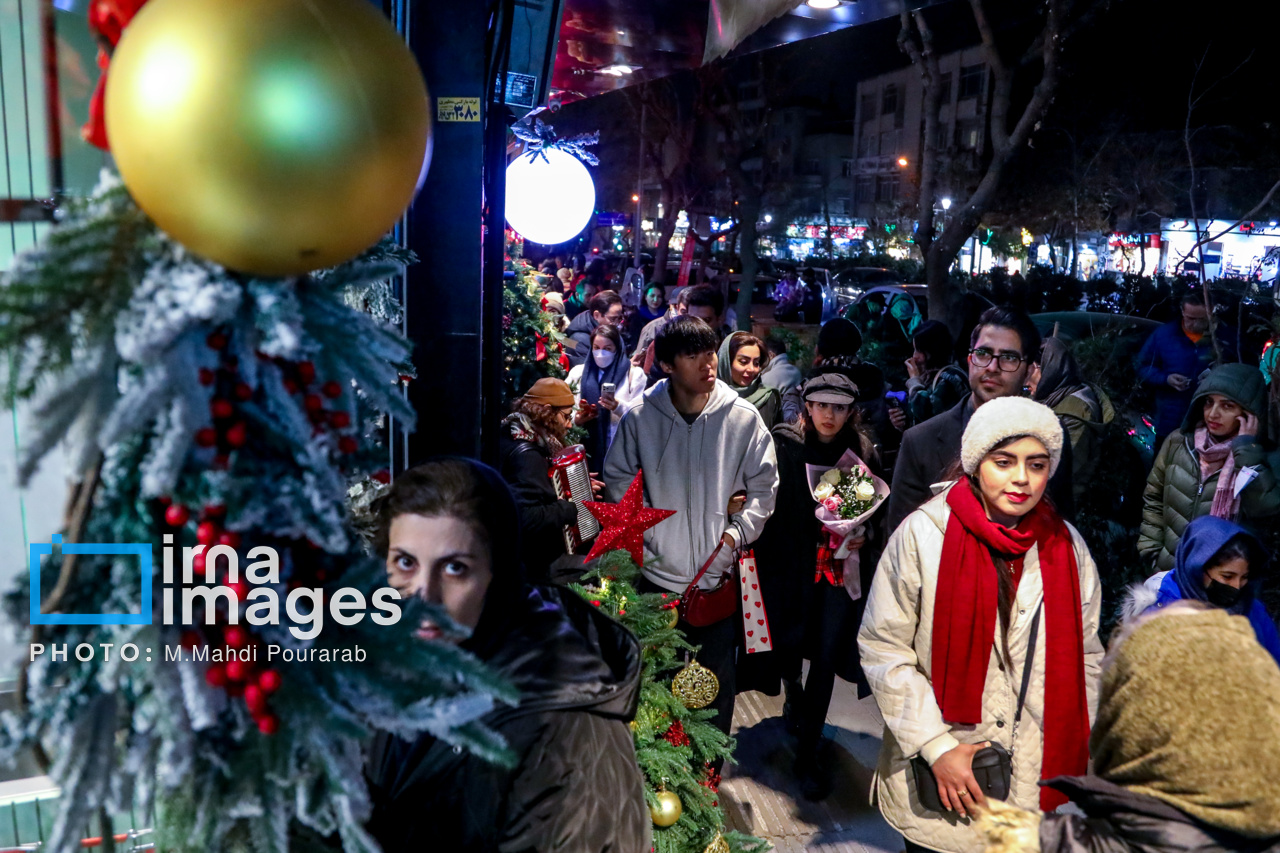
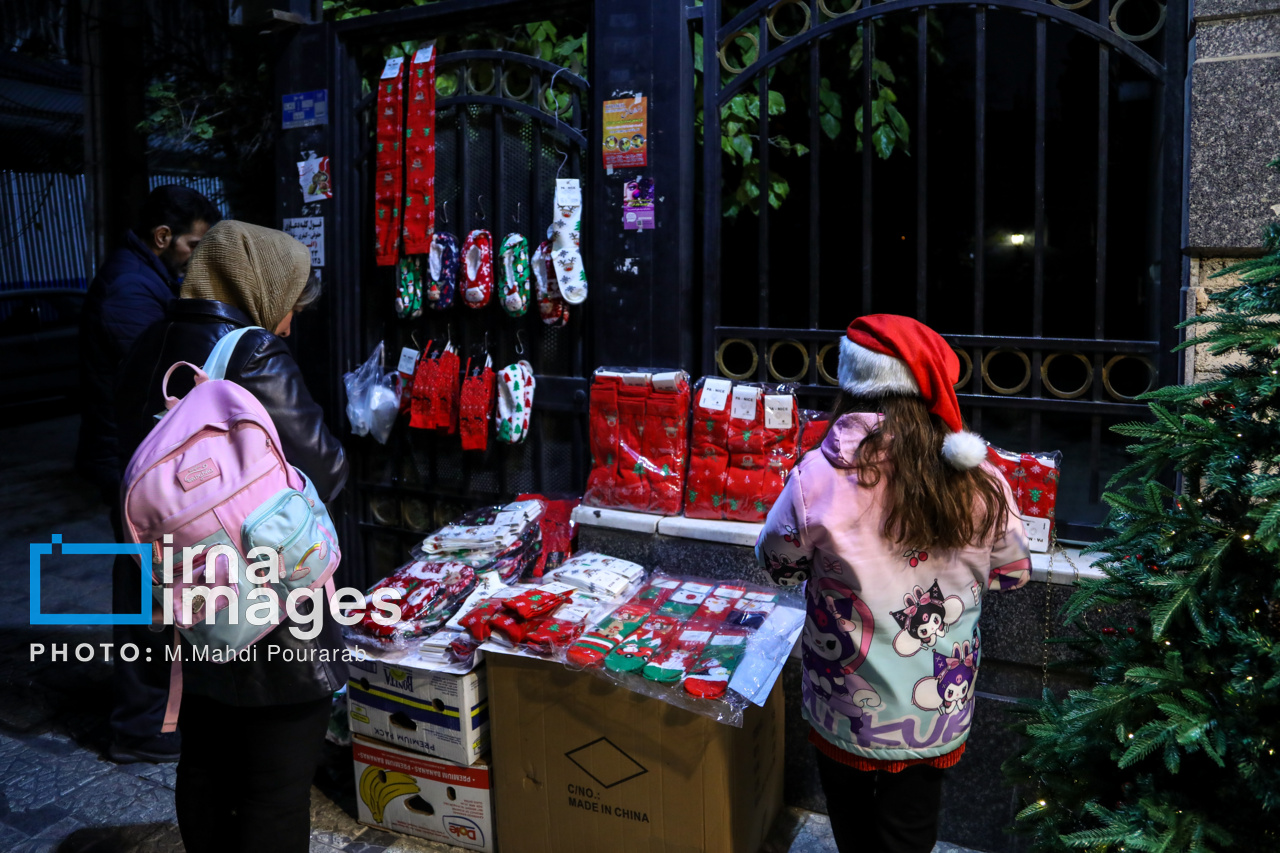
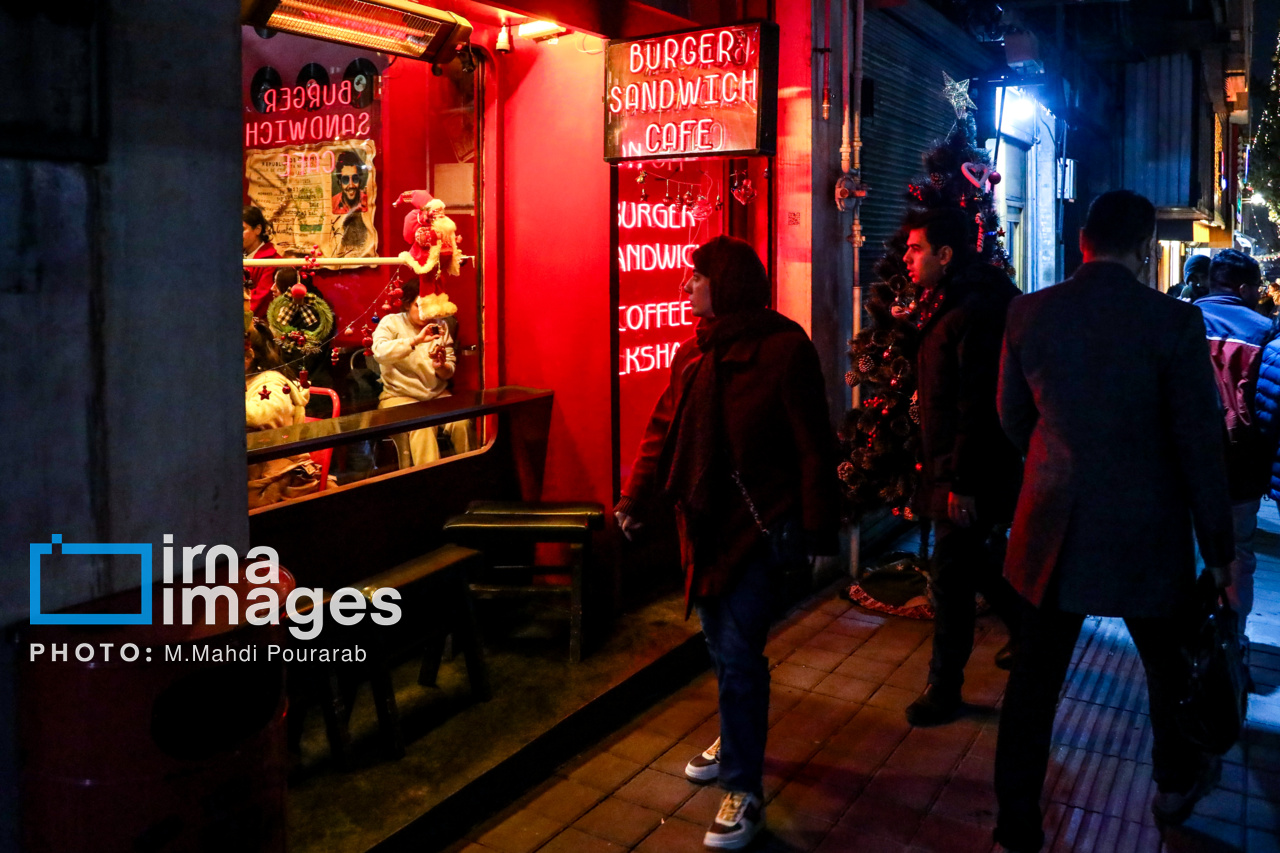
Christmas spirit in Tehran

The heart of the festive cheer can be felt on Mirzaye Shirazi Street in north of Tehran, where shops are filled with vibrant Christmas trees, sparkling ornaments, and all sorts of celebratory items.

The city’s spirit of togetherness shines brightly as everyone comes together to celebrate the birth of Jesus Christ on December 25th.

The period is a heartfelt reminder of the bonds that unite Iranians, regardless of their diverse backgrounds and beliefs.