Saturday, April 11, 2026
Home Blog Page 56

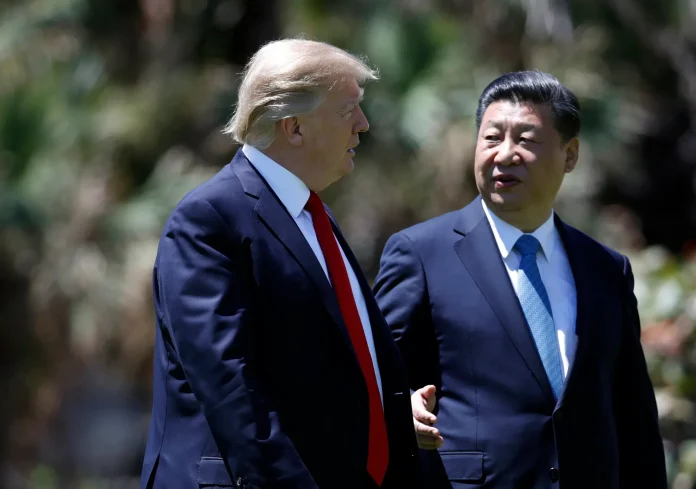
China: Xi, Trump to have ‘in depth’ negotiations on ‘major issues’

Trump Xi

Trump has stressed he expected their first face-to-face meeting of his second term to result in the United States lowering tariffs imposed on China in relation to fentanyl.

Beijing confirmed the face-to-face meeting on the sidelines of a summit of Asia-Pacific Economic Cooperation (APEC), which is taking place in the city of Gyeongju.

The Chinese foreign ministry announced that the talks would take place in Busan, a short flight from Gyeongju.

“During this meeting, the two leaders will have in depth communication on strategic and long-term issues concerning China-US relations, as well as major issues of mutual concern,” foreign ministry spokesman Guo Jiakun told a regular news conference on Wednesday.

“We are willing to work together with the US side to ensure that this meeting yields positive outcomes, provides new guidance, and injects new momentum into the stable development of China-US relations,” Guo added.

The US president stated Wednesday he was not sure whether he would discuss the sensitive topic of self-ruling Taiwan during his meeting with Xi.

“I don’t know that we’ll even speak about Taiwan. I’m not sure. He may want to ask about it. There’s not that much to ask about. Taiwan is Taiwan,” Trump told reporters aboard Air Force One.

The American leader added he expected a “lot of problems” to be solved in his upcoming meeting with Chinese leader Xi Jinping.

“I think we’re going to have a great meeting with President Xi of China, and a lot of problems are going to be solved,” Trump told reporters.
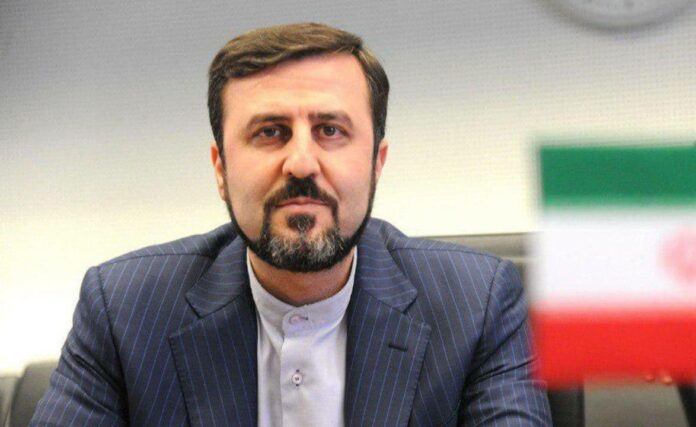
Iranian deputy FM urges use of cross-border provincial capacities in talks with Herat governor

According to Iran’s Foreign Ministry, Gharibabadi described his meetings in Kabul as “constructive and forward-looking,” noting that the policy of good neighborliness holds a special place in both countries’ foreign relations.

He called for strengthening collaboration based on shared religious and cultural ties and addressing outstanding bilateral issues through provincial-level initiatives.

Governor Islamjar welcomed the visit and highlighted growing economic cooperation between the two nations, citing joint projects such as the Khaf-Herat railway.

He expressed Afghanistan’s interest in extending the railway to Mazar-e-Sharif and proposed joint ventures in cross-border agriculture, whereby Afghan farmers could cultivate water-intensive crops under Iranian standards and deliver produce at the border.

Islamjar also invited Iranian cooperation in developing industrial livestock projects to help supply a significant portion of Iran’s meat demand.
Gharibabadi and his delegation later toured border areas to review ongoing issues and cooperation opportunities.

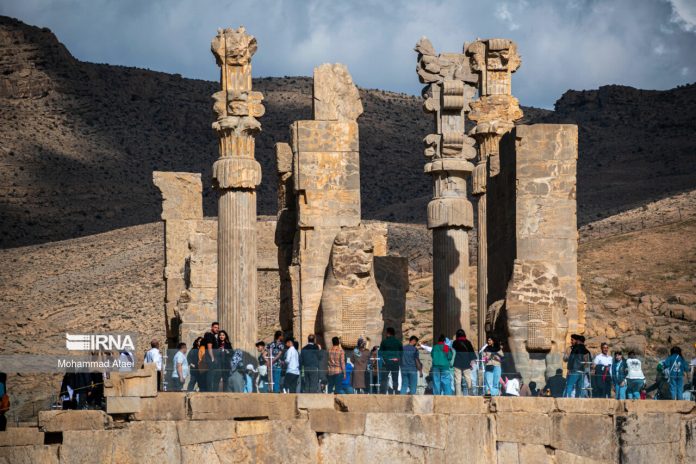
Persepolis sinking by 30 centimeters annually amid 5,000 illegal wells

Experts warn that land subsidence in the region, driven by the over-extraction of groundwater, has reached critical levels.

Behnaz Bazoubandi, a cultural heritage activist, said around 5,000 illegal wells operate in the Marvdasht Plain, many of which continue to pump water despite closure orders.

“Every cultivation season, massive amounts of groundwater are drawn from around Persepolis, endangering the site’s stability,” she said.

Bazoubandi cautioned that continued subsidence could cause cracks in the western section of the Apadana Palace and other monuments. Unregulated urban expansion in the protected zone also threatens the area, she added.

Ali Nik-Ahd, Director of the Geological Survey of Southern Iran, emphasized that subsidence is not a natural phenomenon but a result of human mismanagement.

He noted that data from radar imaging software “GAMMA” shows land in Marvdasht sinking between two and 30 centimeters annually. Experts urge immediate groundwater management and aquifer recharge to prevent irreversible damage to Iran’s ancient heritage.

Trump supports renewed Israeli attacks in Gaza

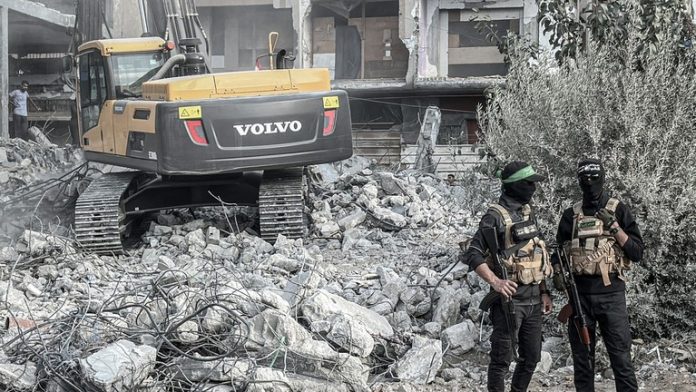
Israeli Prime Minister Benjamin Netanyahu ordered “immediate and powerful strikes” on Tuesday evening, citing Hamas attacks on Israeli soldiers still holding parts of the Palestinian enclave. Dozens of Palestinians were killed in the action, according to Gaza’s Hamas-run government.

“As I understand it, they took out an Israeli soldier,” Trump told reporters aboard Air Force One on Wednesday en route from Japan to South Korea.

“They killed an Israeli soldier. So the Israelis hit back – and they should hit back. When that happens, they should hit back,” he added.

Trump argued that “nothing is going to jeopardize” the ceasefire. He insisted that Hamas was “a very small part of peace in the Middle East, and they have to behave,” otherwise “their lives will be terminated.”

US Vice President J.D. Vance earlier said the ceasefire was holding despite “little skirmishes here and there.”

Axios cited unnamed senior US officials as saying the White House had urged Israel not to take “radical measures” that could collapse the truce.

According to the Israel Defense Forces (IDF), last week two of its soldiers were attacked and killed by Hamas in Rafah, southern Gaza, and more soldiers came under fire in the same area on Tuesday. Hamas denied involvement in both incidents, accusing Israel of “a blatant ceasefire violation.”

The Palestinian armed group warned that the escalation “will lead to a delay” in recovering and returning the bodies of the 13 remaining Israeli hostages in Gaza. Israeli officials earlier accused Hamas of dragging its feet in handing over all the remains, as agreed under the ceasefire mediated by the US, Egypt, Qatar, and Türkiye, which took effect on October 10.


Iran-Pakistan relations can evolve into strategic partnership: Security chief

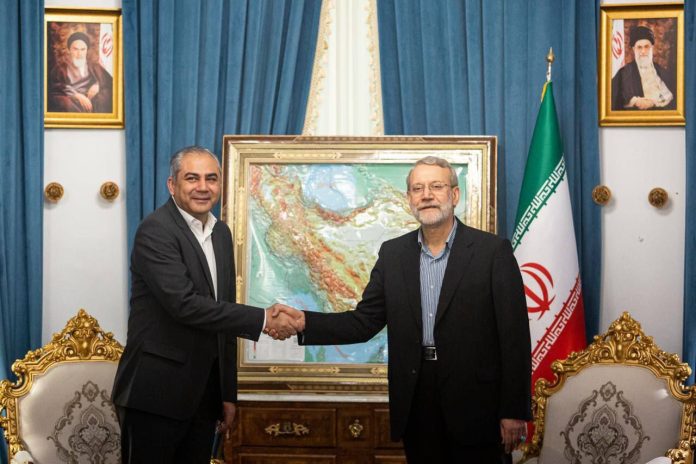
Speaking in Tehran during a Tuesday meeting with Pakistan’s Interior Minister Syed Mohsin Naqvi, Ali Larijani stressed the geopolitical importance of both countries in regional equations.

He pointed to the recent strategic agreement between Pakistan and Saudi Arabia, describing it as “a wise and positive step in the face of common threats.”

Larijani said today’s regional environment is marked by shared challenges and adversaries, requiring “tangible, coordinated, and comprehensive action among Muslim nations.”

Larijani, who also serves as an advisor to Leader of the Islamic Revolution Ayatollah Seyyed Ali Khamenei, emphasized the need to deepen cooperation in security, defense, political, and especially economic fields.

He also thanked the Pakistani government for its stance during the 12‑day US-Israeli aggression of June against Iran, calling it evidence of a shared understanding of the region’s strategic realities.

For his part, Naqvi highlighted the deep historical, cultural, and security ties between the two nations.

He described Iran as a “friend, brother, and partner” for Pakistan, adding that Islamabad seeks a strong, stable, and progressive Iran.

At the conclusion of the talks, both sides reviewed the latest regional developments and underscored the importance of enhancing strategic coordination and relying on political and diplomatic solutions to address regional and security issues.

Expanding trade exchanges and strengthening economic cooperation were also among the key topics discussed.

Fatemeh Rastegar makes history with Iran’s first-ever women’s boxing medal

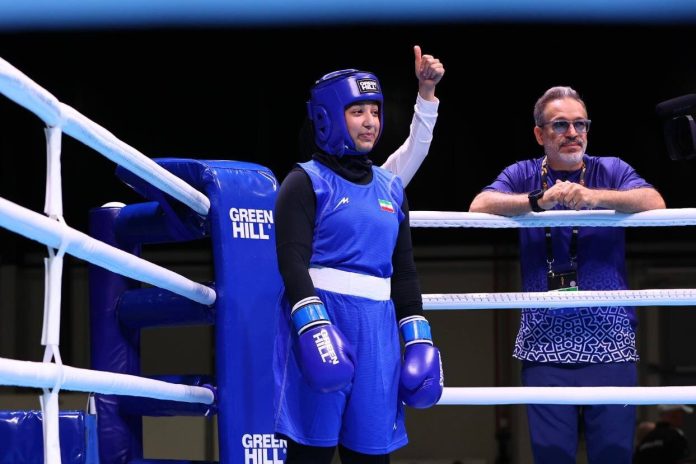
Rastegar advanced to the semifinals, where she faced an opponent from Kazakhstan.

Despite a hard-fought performance, the Iranian athlete was defeated, securing the bronze medal.

Her achievement is particularly significant as it comes during Iran’s first participation in an international women’s boxing event.

The Iranian women’s boxing team entered the Bahrain tournament with a three-athlete roster, signaling a milestone in the country’s expanding presence in women’s sports.

Officials praised Rastegar’s accomplishment as a “historic breakthrough” for Iranian boxing, underscoring growing efforts to support female athletes in disciplines once limited to men.

Zelensky calls on Trump to pressure Xi to cut support to Russia

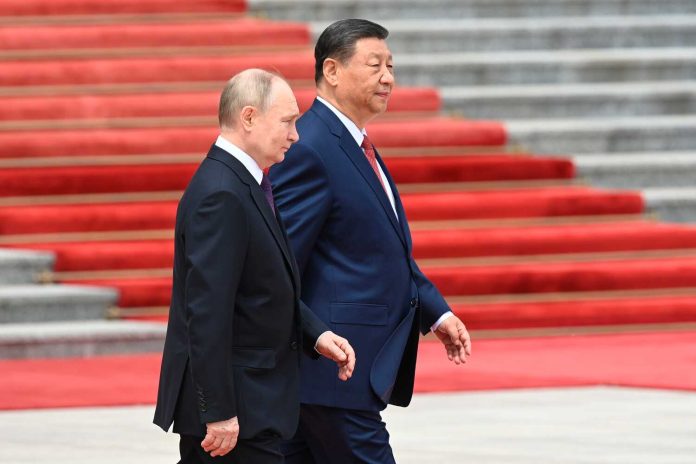
Putin Xi

“I think this may be one of (Trump’s) strong moves, especially if, following this decisive sanctions step, China is ready to reduce imports” from Russia, Zelensky told journalists on Tuesday.

Trump hit two major Russian oil companies with sanctions last week and has been urging buyers of Moscow’s vital energy exports — specifically China and India — to cut their purchases that Washington and Kyiv say fund Russia’s invasion.

Zelensky has said that Ukraine needs European financial support to continue fighting the invading Russian forces for another two or three years.

“I emphasised this again to all European leaders. I told them that we are not going to fight for decades, but you must show that for some time you will be able to provide stable financial support to Ukraine,” he added.

“And that is why they have this program in mind –- 2-3 years,” the president stated, referring to a European Commission proposal to gradually unlock frozen Russian assets to fund Ukraine.


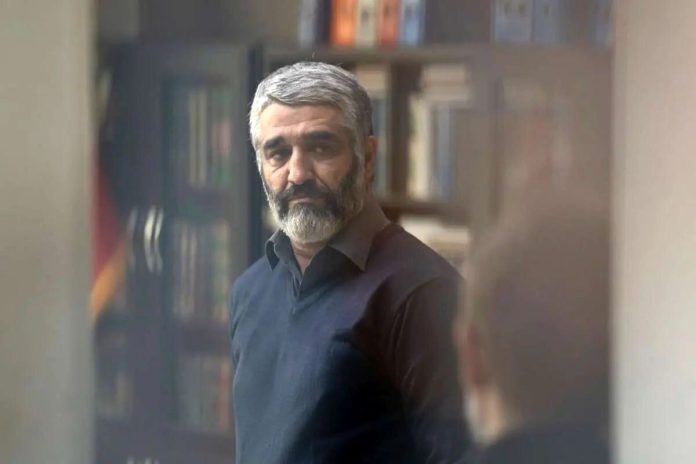
Iran’s Judiciary: Actor Pejman Jamshidi’s case still under preliminary investigation

He said information would be provided once proceedings are finalized.

Speaking at a press conference on Tuesday, Jahangir stated that while individuals are free to express their opinions, they must respect legal, moral, and religious boundaries.

He noted that the current case arose after a private complaint was filed, adding that such cases are pursued when individuals believe their rights have been violated.

Jahangir confirmed that Jamshidi had initially been detained following a private complaint, with his temporary detention order later changed to a bail arrangement.

The actor was arrested on October 21 and released on November 3 after appealing the decision through his lawyers.

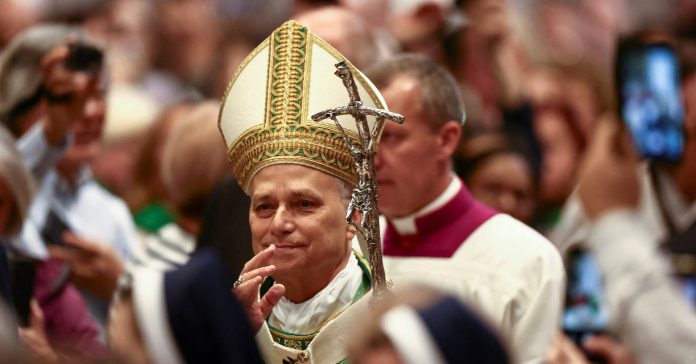
Pope Leo to visit several cities in Turkey, Lebanon on first trip abroad as pontiff

Leo, the first U.S. pope, will visit Turkey from November 27 to 30 and then will be in Lebanon from November 30 to December 2.

Leo’s predecessor Pope Francis had planned to visit both countries but was unable to go because of his worsening health. Francis died on April 21 and Leo was elected as the new pope on May 8 by the world’s cardinals.

A central part of the visit to Turkey will be several joint events with Patriarch Bartholomew, spiritual leader of the world’s 260 million Orthodox Christians, who is based in Istanbul.

They will celebrate the 1,700th anniversary of a major early Church council, which took place in Nicaea, now called Iznik.

“It is profoundly symbolical that Pope Leo … will visit (the patriarch) on his first official journey,” Rev. John Chryssavgis, an adviser to Bartholomew, told Reuters.

Leo will also meet Turkish President Tayyip Erdogan in the capital Ankara, visit the Blue Mosque in Istanbul, and will celebrate a Catholic Mass at Istanbul’s Volkswagen Arena.

In Lebanon, the pope will meet President Joseph Aoun in Beirut, will host an inter-religious meeting and will lead an outdoor Mass on the Beirut waterfront.

The pope will also pray at the site of the 2020 chemical explosion at the Beirut port that killed 200 people and caused billions of dollars worth of damage.

Travelling abroad has become a major part of the modern papacy, with popes seeking to meet local Catholics, spread the faith, and conduct international diplomacy.

A new pope’s first travels are usually seen as an indication of the issues the pontiff wants to highlight during his reign.

Both Turkey and Lebanon are majority Muslim countries, and Francis put a strong focus on Muslim-Catholic dialogue during a 12-year reign that included 47 trips abroad.

The official motto of Leo’s Lebanon trip is “Blessed are the peacemakers”.

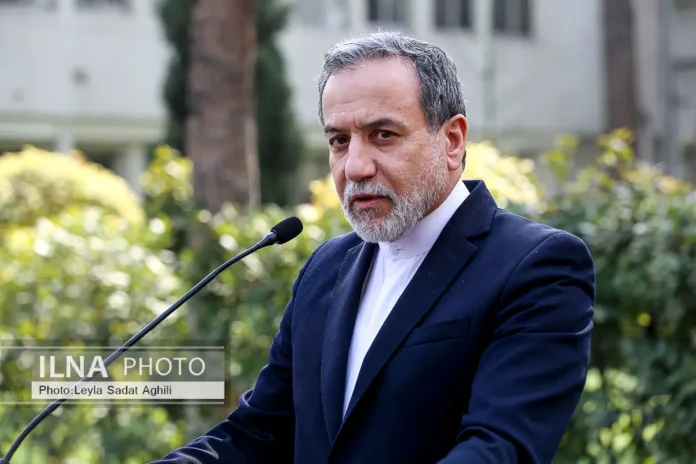
Iran FM: No Access granted to sensitive nuclear sites during recent IAEA inspections

Abbas Araghchi

According to committee spokesperson Ebrahim Rezaei, Araghchi said the limited inspections were authorized only for the Bushehr nuclear power plant, for fuel replacement, and the Tehran Research Reactor, which produces medical isotopes for over one million Iranians.

Both were conducted with the approval of the Atomic Energy Organization of Iran and the Supreme National Security Council.

Rezaei noted that Araghchi reaffirmed Iran’s foreign policy as increasingly economy-driven, highlighting the government’s focus on provincial diplomacy to expand trade with neighboring countries. Two regional conferences have already been held, with two more planned by the end of the year.

Lawmakers also questioned the minister on sanctions, the 2015 nuclear deal (JCPOA), and cooperation with China and Russia.

Araghchi said Iran remains a JCPOA signatory because some of its clauses benefit the country, adding that partnerships with Beijing and Moscow under 20- and 25-year agreements are progressing effectively.