Friday, December 19, 2025
Home Blog Page 5000

Iran marks Mother’s Day

Lady Fatima Zahra
Lady Fatima Zahra , Iran mother's day


Lady Fatima Zahra is the daughter of Prophet Mohammad highly revered among the Shiite Muslims. It is known among both Shiite and Sunni Muslims that Prophet had many times said “Fatima is above all women of the world from eh first to the last ones.”

In Arabic the word ‘fatima’ means separated. She is named Fatima because her followers are separated from the Hell because of her character. Zahra means ‘shining, bright, and brilliant’. Shiites’ 6th Imam, Imam Sadiq (PBUH), said: “When our mother Fatima Zahra prayed, she shined for the heavens as the stars shine for people on earth”.

Lady Fatima Zahra was born on 20th of Jamadi al-Thani, five years after the Prophet received revelations from Gabriel the Angel in Mecca.

Most of the Shiites and some of the Sunni commentators such as Imam Fakhr al-Razi believe that the first verse of chapter Kawthar of Quran refers to Fatimah (PBUH). He has identified her as Kawthar – unending source of blessing – and the reason for maintenance and spread of the Prophet’s progeny. The last verse of 108th chapter of the Quran, al-Kawthar, proves this fact, as God tells the Prophet (PBUH) “Your enemy will be without progeny.”

Lady Fatima Zahra owned elegant dignities and virtues, there are many lessons left to learn from her one of the sayings of hers is,

“If someone sends his pure prayer up to Allah, Allah will send down best welfare to him.”

Among Iranians her birth anniversary is designated as Mother’s Day to uphold the place and character of women on the greatest of women’s birth anniversary.

Commander: Iranian Navy’s Best Destroyers Navigating in Caspian Sea

Afshin Rezayee
Iranian navy , Afshin Rezayee

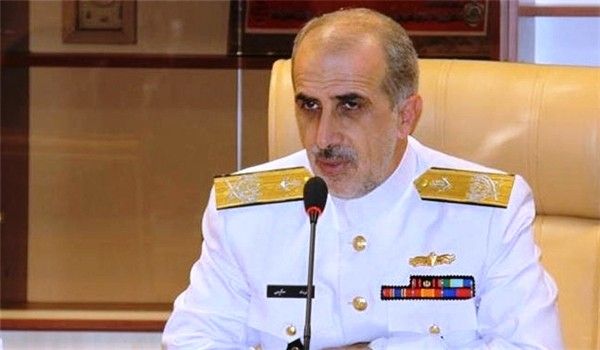
“At present, the best home-made destroyers of the Navy are navigating in the Caspian Sea and the oceans and this has been materialized by the efforts of country’s young people,” Commander of Iran’s Northern Navy Fleet Admiral Afshin Rezayee Haddad told reporters in the Northern port of Bandar Anzali on Saturday.

He underlined the Navy’s strong presence in the Caspian Sea, but meantime said, “The Caspian Sea is the sea of peace and friendship and a secure sea and the neighboring countries should respect each other’s sovereignty.”

In relevant remarks in December, Admiral Rezayee Haddad said that the Iranian Naval forces have created a security belt along the country’s territorial waters in the Caspian Sea to maintain their superiority and control over the region.

“We have created a belt along our coastal borders to practice a full monitoring of the borders and territories ruled by the Islamic Republic of Iran,” he told FNA.

“We control all the traffic, activities and any measure taken in this area based on the treaties among the Caspian Sea littoral states and in support and defense of the country’s interests,” he added.

Rezayee Haddad said that Iran and the neighboring states also send their warships to each others’ ports to show their peaceful and friendly relations, and added that two fleets of Iranian warships are ready to be dispatched to the waters of the friendly countries in the same regard.

Admiral Rezayee Haddad also said that peace and stability in the Caspian Sea should be materialized through the powerful presence of the littoral states’ navies, adding that his forces are in full control over the Sea and monitoring every move in the waters.

“We believe peace in the Caspian Sea is defined by the might of its littoral states, as when they would be mighty and would have a mighty presence at the scene that would safeguard and guarantee peace and stability,” he added.

“That is the reason why the Navy has established its presence in the Caspian Sea and it has no other objective, but safeguarding Iran’s interests and respecting the interests of the other littoral countries of the Caspian Sea within the framework of the agreements among them and the international regulations,” the Iranian navy commander said.

Early in September, Iranian Navy Commander Rear Admiral Habibollah Sayyari underlined the geostrategic importance of the Caspian Sea, and said, “The role of the Caspian Sea in the region is not unknown to anyone given its geostrategic situation and giant oil and gas resources.”

He also underlined the Caspian Sea’s importance for economic cooperation among the regional states, and said strengthening the presence of the Iranian Navy to maintain the status quo is necessary.

“Iran is present in the Sea based on (the littoral states’) equal rights and its 20% share of the Sea and the Caspian Sea is under the precise monitoring and control of the Navy,” Sayyari stressed.

Iranian military commanders have always reiterated Tehran’s commitment to the security of the Caspian Sea, and cautioned that the military presence of the trans-regional states will only undermine the security of the strategic waters.

Iranian officials have also frequently underlined the necessity for the establishment of security in the Caspian Sea through extensive and all-out cooperation among the regional states.

Iran’s Army and the Islamic Revolution Guards Corps (IRGC) hold regular wargames to practice combat tactics and also test new home-made military tools, equipment and weapons in action.

In July, Different combat units of the Iranian Navy held a series of naval exercises dubbed ‘Sustainable Security 92’ in the Caspian Sea to display Iran’s power of safeguarding the country’s territorial waters.

Iranian officials and commanders have repeatedly underlined that all military exercises and trainings of the Iranian Armed Forces are merely meant to serve deterrent purposes.

Iran Builds Laboratory Space Suit for Sub-Orbital Missions

Laboratory space suit
Iranian researchers and Laboratory space suit


The suit is a combination of hi-tech systems protecting the astronaut inside cabinet at the time of any possible problem, the Iranian students’ news agency reported.

The suit is so important that the astronauts have no chance to survive without using it at the time of problems. Otherwise, they will be anesthetized and their brain will collapse in less than 4 minutes.

The cabinet’s environmental conditions is the same as the earth in space mission, but in case there is a problem in the oxygen system, adjusting pressure and temperature, the astronaut needs to use the suit.

The sub-orbital suit adjusts body pressure, body temperature, provides oxygen and keeps the astronaut from fire and atmospheric pollution and attraction.

The suit includes dehumidifiers clothing, pressure clothing, cooling and anti-fire systems, communication system, gloves and boots, vital signs and alarm sensors.


FARS NEWS AGENCY

Iran Stands 3rd in Int’l Football, Soccer Robocup in Germany

robocup
Iran robocup team

The Iranian teams were from Sharif Poly Technique University and Qazvin Azad University.

Members of Sharif Poly Technique University team included Ali Arabzadeh, Mohammad Razeqi, Erfan Tavakoli and Mohammad Amin Nejatbakhsh, who did their best in the tridimensional football simulation leagues.

The Iranian team crashed Russia and France and followed Portugal and Germany in the competitions.

Over 70 teams from 12 countries took part in the competition held in 6 leagues.

RoboCup competitions started in 1997 with the goal of promoting robotics and artificial intelligence.

Iranian Researchers Produce New Anti-Cancer Drug from Turmeric

Turmeric
Anti-Cancer Drug by TURMERIC

The compound is made of curcumin found in the extract of turmeric, and has desirable physical and chemical stability and prevents the proliferation of cancer cells.

In this drug, curcumin with high efficiency (approximately 87%) was loaded in the polymeric nanocarrier, and it created a spherical structure with the size of 140 nm. The drug has high physical and chemical stability. The drug was used successfully in laboratory conditions in the treatment of a type of aggressive tumor in the central nervous system, called glioblastoma (GBM).

The interesting point is that the fatal effect of nanocurcumin on mature stem cells derived from marrow and natural cells of skin fibroblast is observed at a concentration higher than a concentration that is effective on cancer cells. In other words, no fatal effect on natural cells is observed at concentrations that are fatal to cancer cells. It shows that curcumin prefers to enter cancer cells.

The size range of the nanocarrier used in this research is 15-100 nm. Physical and chemical stability, non-toxicity, and biodegradability are among the main characteristics of the nanocarriers. Based on the results, the nanocarrier used in this research has no toxic effect on cells. In other words, all the death in the cells is caused by curcumin, and dendrosome only results in bioavailability and transference of the drug into the cells.

“The drug has the potential to affect a number of message delivery paths in the cells, one of which is cell proliferation path. Therefore, the drug prefers to enter cancer cells rather than various types of natural cells,” the researchers said.

Results of the research have been published in International Journal of Nanomedicine, vol. 9, issue 1, January 2014, pp.

5th Iranian Border Guard May Be Alive in Pakistan

Danayee-Far
5th kidnapped Iranian Border Guard , Danayee-Far

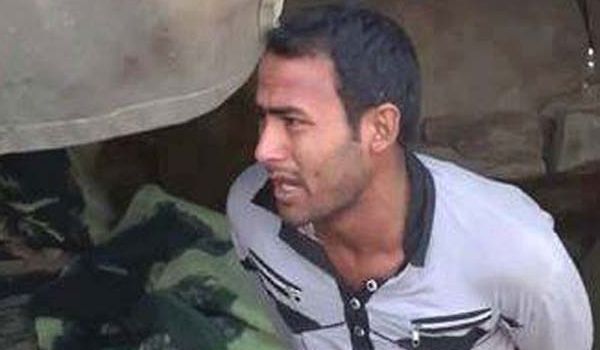
“One of the strongest scenarios is that (Jamshid) Danayee-Far is still alive and (being kept) in Pakistan,” Nozar Shafiyee told FNA on Saturday.

On the basis of the same scenario, he said, the terrorist group might have kept Danayee-Far to make a deal with the Iranian government.

Shafiyee said that all the governmental bodies, including the parliament, intelligence ministry, the Supreme National Security Council (SNSC) and the foreign ministry, are making their utmost efforts to secure Danayee-Far’s release.

Jeish Al-Adl has claimed that it has killed Danayee-Far, but Commander of the Iranian Border Guard Units General Hossein Zolfaqari rejected the claim last Saturday, saying it was not substantiated by any proof or evidence.

“Don’t accept any quotes about the issue of the border guards, there is no proof substantiating the martyrdom of (Jamshid) Danayee-Far (the fifth border guard) and no evidence has been presented to us in this regard,” Zolfaqari told reporters in Tehran last week.

The four Iranian border guards who had been handed over to the country’s officials in neighboring Pakistan last month returned home two months after their abduction.

The five Iranian border guards were abducted in Jakigour region of Iran’s Sistan and Balouchestan Province on February 6 and taken to Pakistan. Reports said earlier that one of them, Danayee-Far, was killed late last month but the official sources haven’t confirmed his death yet.

Iranian Interior Minister Abdolreza Rahmani Fazli said earlier this month that Tehran will continue pursuing the fate of the 5th border guard abducted by Jeish al-Adl terrorist group.

Tehran would by no means accept the death of the fifth kidnapped border guard, Jamshid Danayee-Far, and will increase diplomatic efforts to find him, Rahmani Fazli said.

The Iranian interior minister took the Pakistani government responsible for following up the case of the last kidnapped Iranian border guard.

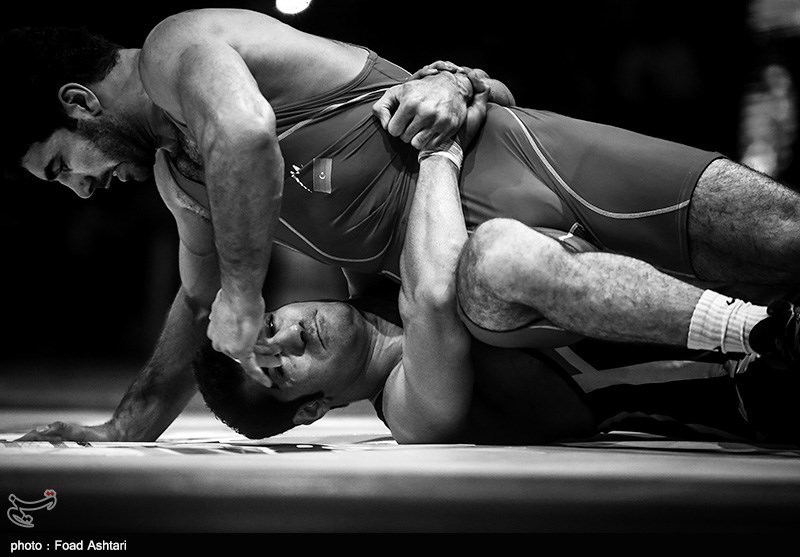
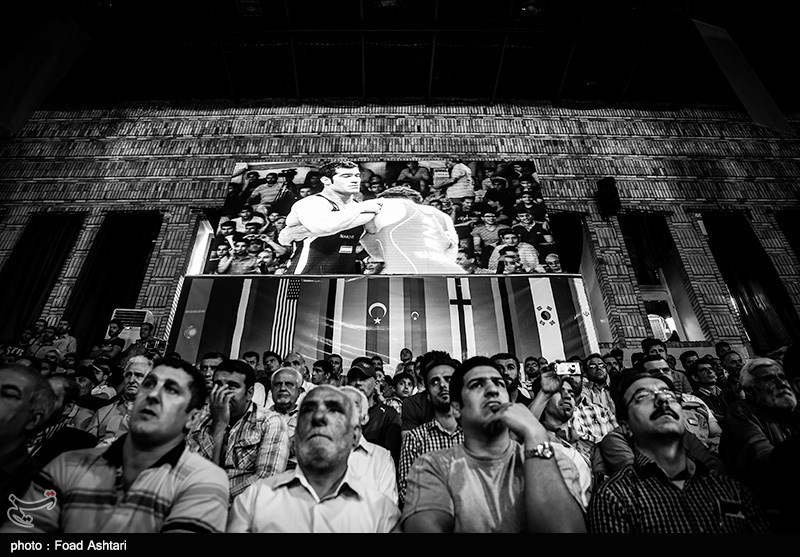
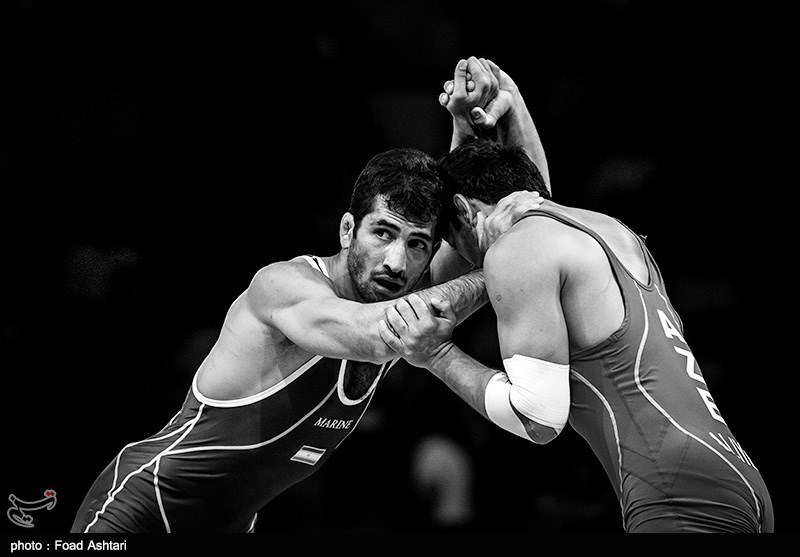
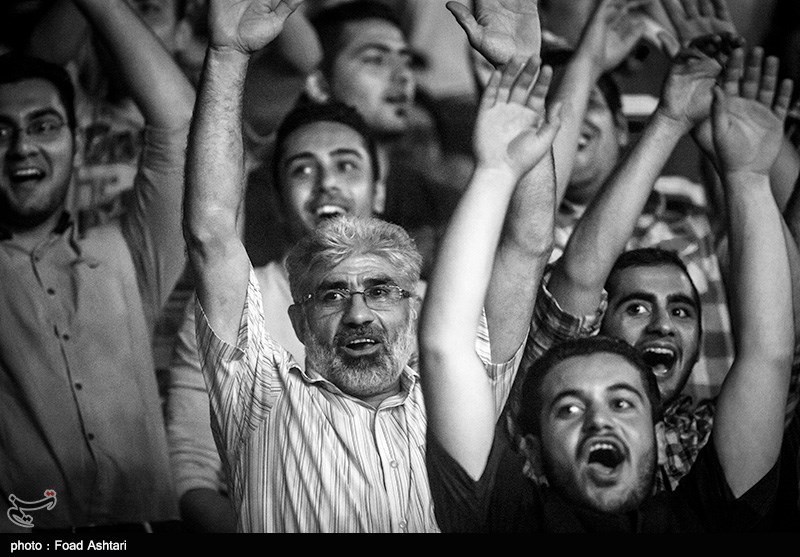
2014 Greco-Roman Wrestling World Cup

2014 Greco-Roman Wrestling World Cup 5

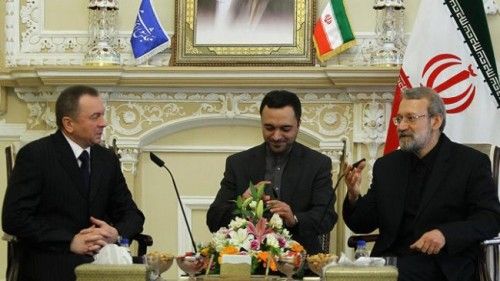
Iran stresses relations with Belarus

Larijani-Makey

in a meeting with Belarusian Foreign Minister Vladimir Makey in Tehran on Monday, the Iranian speaker said Tehran seeks to forge “long-term” and “strong” relations with Minsk in various domains.

“The Majlis emphasizes [the need for] the expansion of friendly relations in various political, economic and industrial areas, particularly the parliamentary ties between [Iran and Belarus],” Larijani stated.

The Iranian Majlis speaker also pointed to the previously signed agreements between Iran and Belarus, saying the two countries should work to complete their joint projects.

Makey, for his part, described the Islamic Republic as an important and effective country in the Middle East, saying the common views of Tehran and Minsk on different global issues have paved the way for the further expansion of their ties.

The Belarusian foreign minister also described the US-led sanctions against Iran as unjust and stressed that Belarusian companies have always sought active participation in the Iranian market.

Makey also emphasized the need for Iran and Belarus to exchange views on the issues of regional and international significance, including the crisis in Ukraine.

Makey also met with Iranian President Hassan Rouhani in Tehran on Monday. The two officials explored ways to broaden bilateral cooperation in diverse areas.

Iran and Belarus have developed good relations in recent years, particularly in the economic and trade sectors, and have signed a number of agreements to shore up bilateral cooperation in many areas, including in technical and engineering projects.

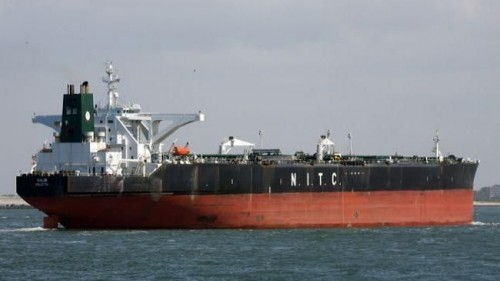
India oil imports from Iran rise 43% in Q1 2014

Iran oil
Iran oil exportation


India imported around 358,000 barrels per day (bpd) of Iranian crude in the first quarter of 2014, up nearly 43 percent from a year ago, according to tanker arrival data obtained from trade sources, Reuters reported.

In March, India’s shipments from Iran rose 45.6 percent from February to about 387,000 bpd, more than twice the intake in March 2013, the data showed.

India’s imports from Iran also more than doubled in January, surging to 412,000 bpd, up from 189,100 bpd in December.

Iran’s January oil shipments to the Indian customer were 31 percent higher year on year.

India is among Asia’s major importers of energy, and relies on the Islamic Republic to meet a portion of its energy requirements.

Meanwhile, Yasushi Kimura, head of Japan’s oil refining industry said on Thursday that Tokyo may choose to raise Iranian crude imports once the Western sanctions against the Islamic Republic are lifted.

Iran and the five permanent members of the UN Security Council – the United States, China, Russia, France and Britain – plus Germany sealed an interim deal in Geneva on November 24, 2013 to pave the way for the full resolution of the decade-old dispute with Iran over the country’s nuclear energy program.

Under the Geneva deal, the six countries agreed to provide Iran with some sanctions relief in exchange for Iran agreeing to limit certain aspects of its nuclear activities during a six-month period. The deal came into force on January 20.

The sanctions relief for Iran also includes access to USD 4.2 billion of its oil revenues frozen abroad by eight money-transfer schedules through July.

In January, Japan became the first of Iran’s oil buyers to make a payment for crude imports following the Geneva deal. One source confirmed the Japanese payment was USD 550 million.


PRESSTV

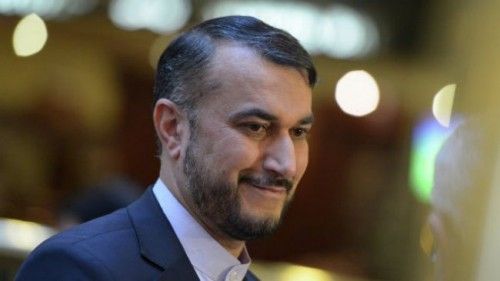
Iran stresses ties with African states

Hossein-Amir-Abdollahian


In a Wednesday meeting with Burundian president’s special envoys Majid Sharif Abdulrahman and Leonard Comana in Tehran, Iranian Deputy Foreign Minister for Arab and African Affairs Hossein Amir-Abdollahian attached special importance to dialog and consultation between Tehran and Bujumbura on regional and international issues.

The Iranian official also underscored the necessity of following up on the agreements already signed between the two countries.

The Burundian officials also submitted to Amir-Abdollahian their president’s message to Iranian President Hassan Rouhani.

Abdulrahman, for his part, said the implementation of bilateral agreements will help further enhance mutual ties.

The enhancement of relations with African countries in all political, economic and cultural fields is a central plank of Iran’s foreign policy.

On February 10, Iran’s President Hassan Rouhani described developing relations with African nations as the priority of his administration, saying there is great potential for expanding economic ties between Iran and Africa.

During their meeting, Amir-Abdollahian, Abdulrahman and Comana also reviewed the latest developments in the Central African Republic, where Muslim communities face daily attacks by Christian militias.

The Central African Republic has been facing deadly violence since December 2013, when Christian armed groups launched coordinated attacks against the mostly Muslim Seleka group that toppled the government in March 2013.


PRESSTV