
The highest suspension bridge in the Middle East is set for inauguration in Meshgin Shahr, a city in the northwestern province of Ardebil.
Images of the suspension bridge released online by Mehr News Agency:
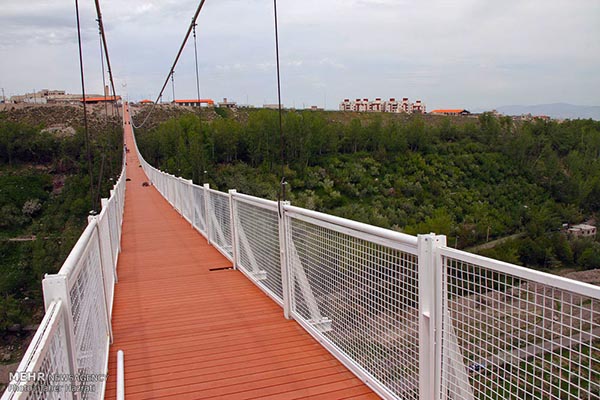
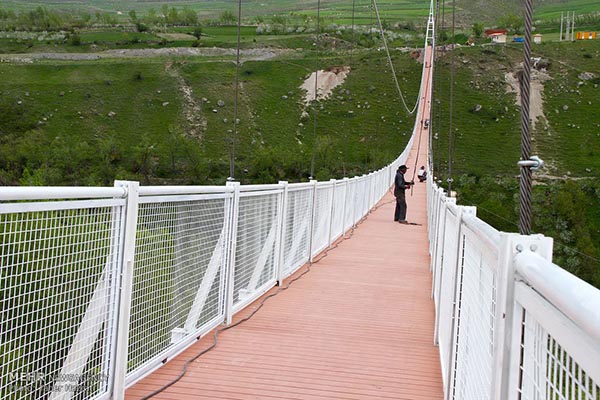
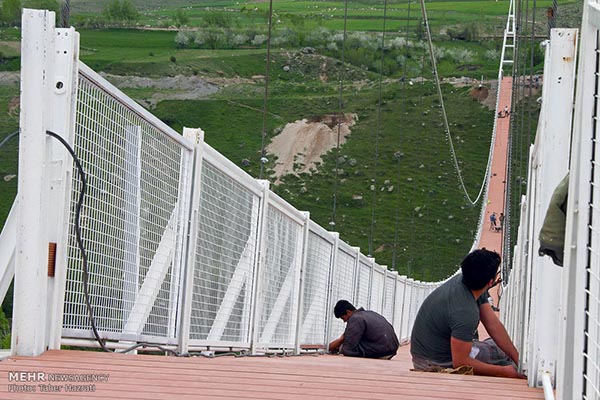
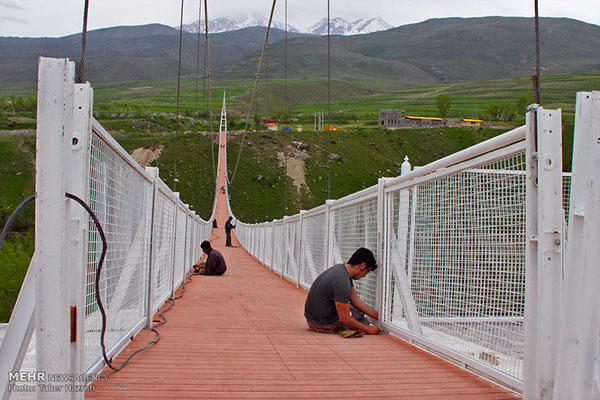
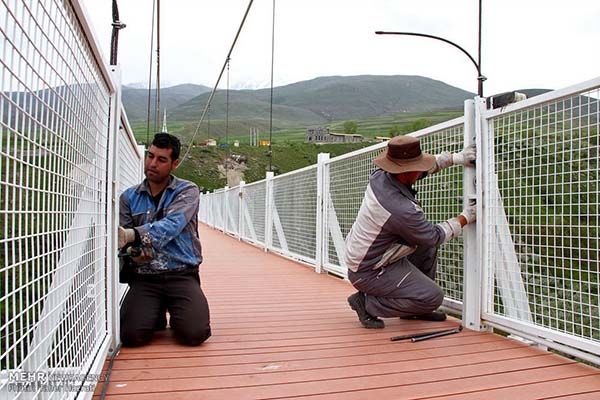
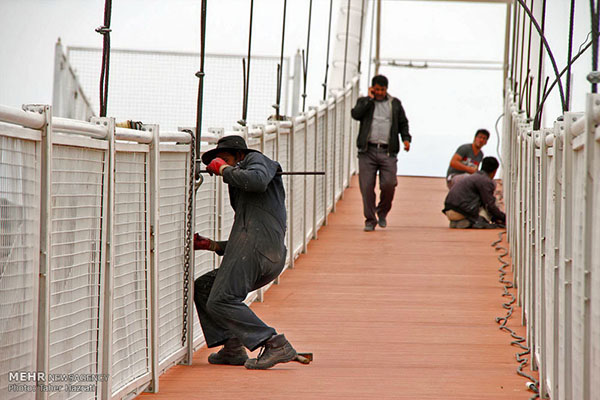
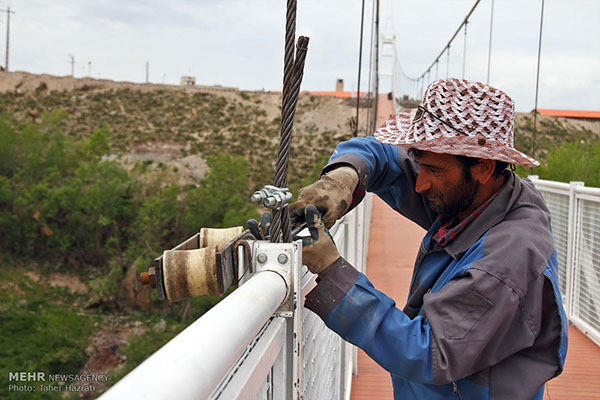
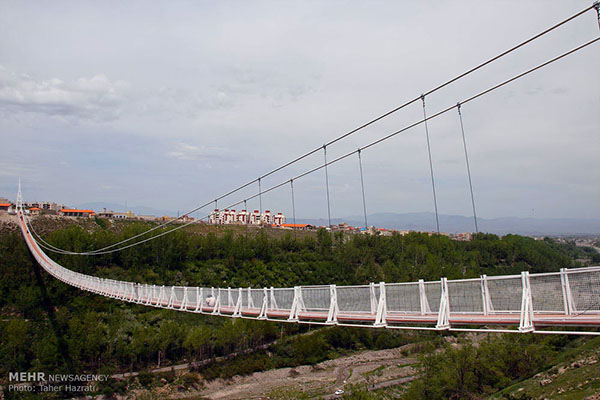
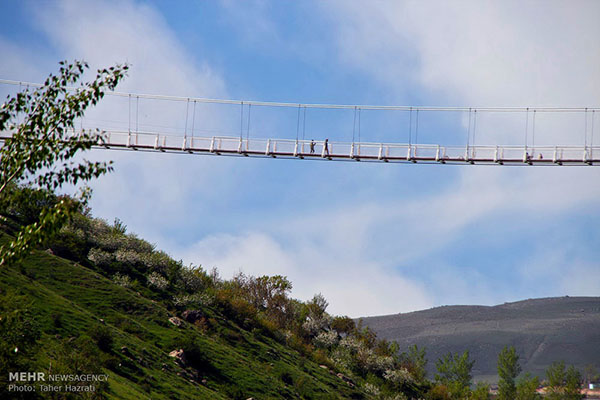
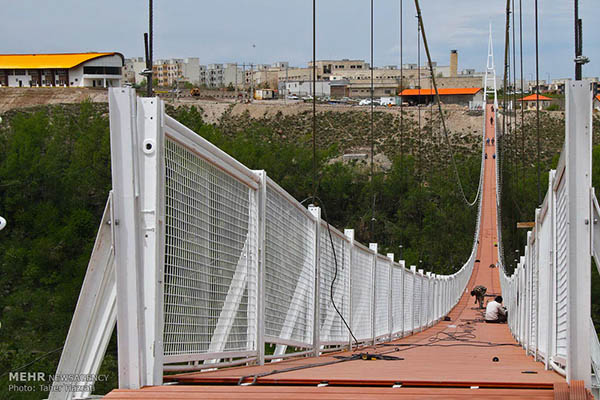
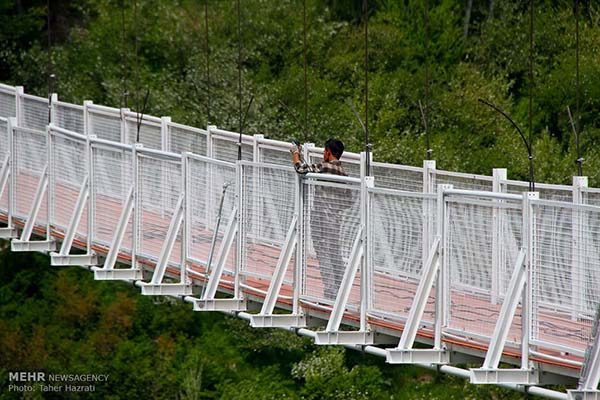
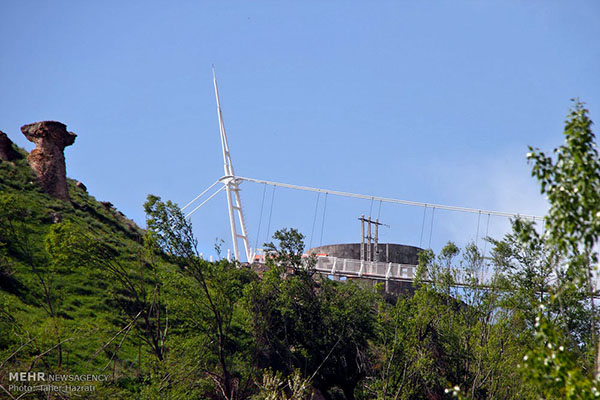
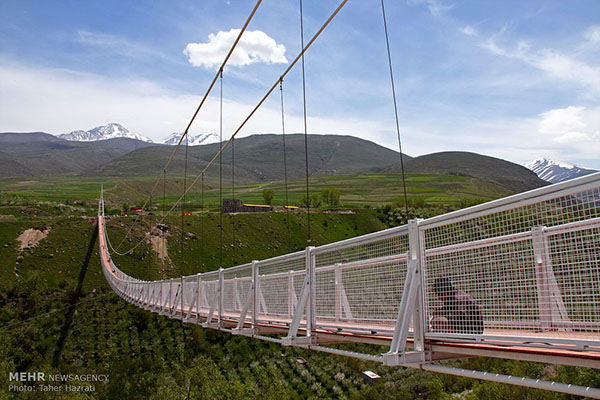
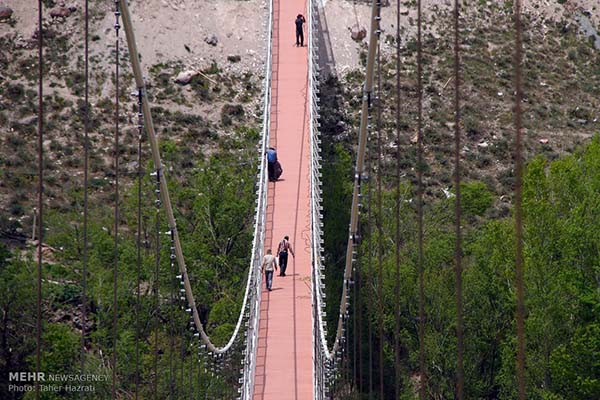
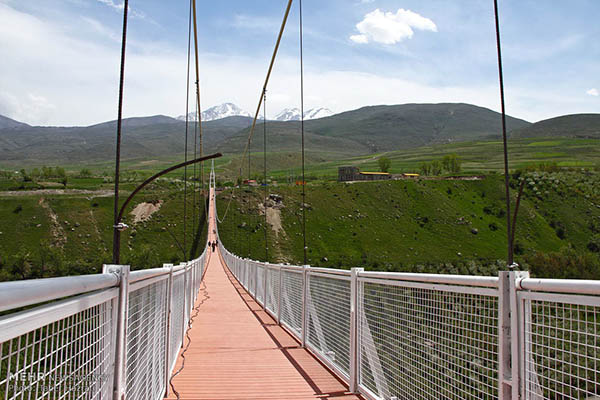
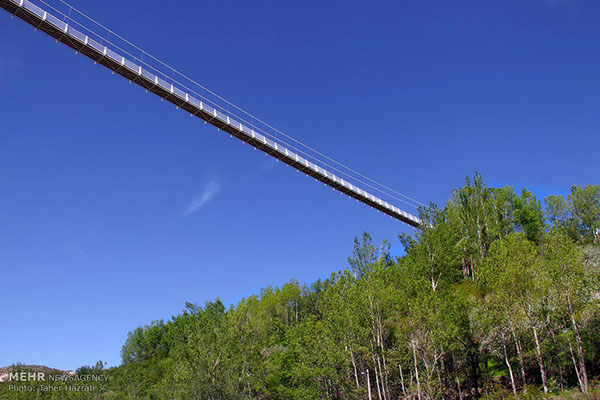
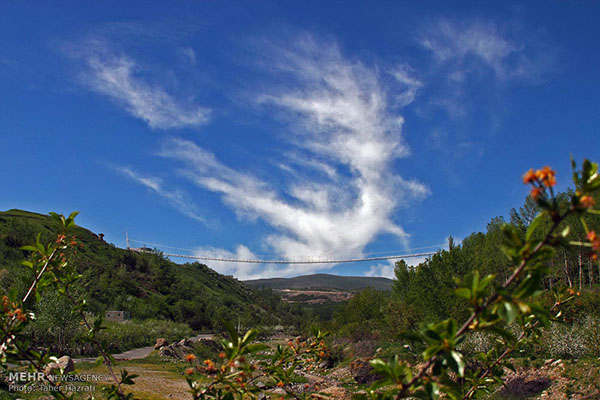
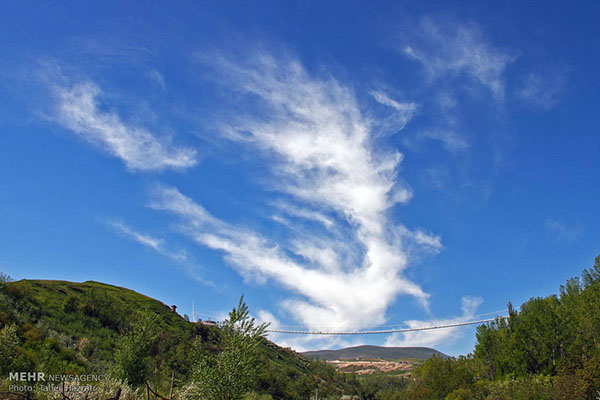
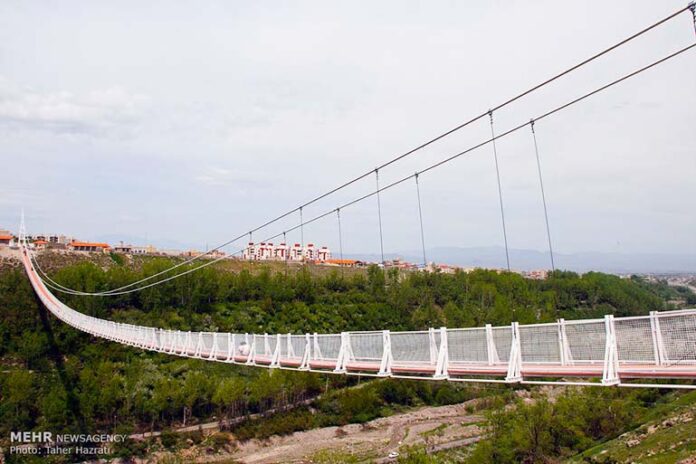
The highest suspension bridge in the Middle East is set for inauguration in Meshgin Shahr, a city in the northwestern province of Ardebil.
Images of the suspension bridge released online by Mehr News Agency:
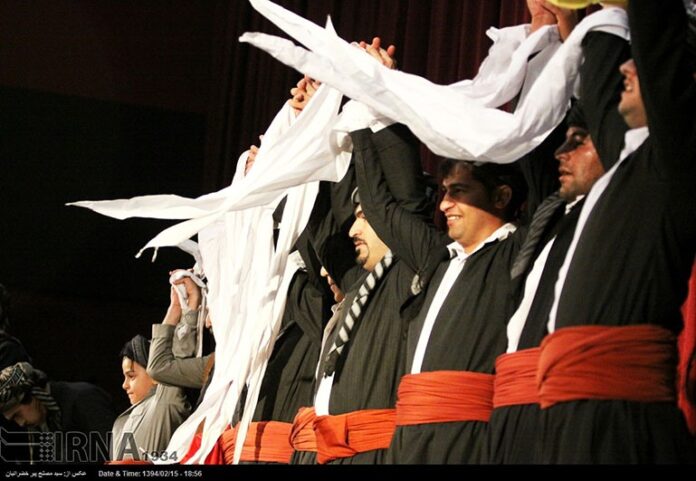
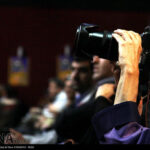
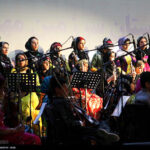
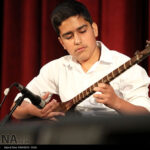
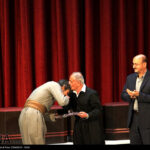
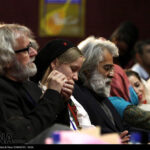
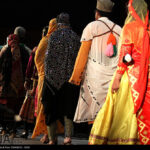
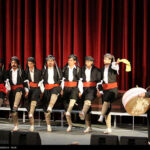
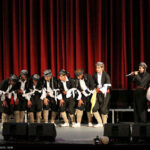
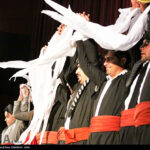
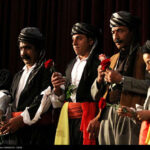
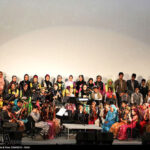
A national festival of the culture and arts of Iranian ethnic groups opened in Sanandaj, the capital of Kurdistan Province, on Tuesday.
An EU cultural advisor, cultural and arts figures from eight counties, 19 leading Iranian folklore bands as well as 15 distinguished ethnic teams were in attendance at the inaugural ceremony.
The following is a photo gallery of the opening ceremony posted online by the Islamic Republic News Agency:
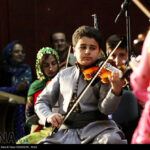
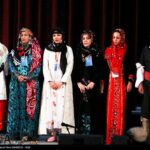
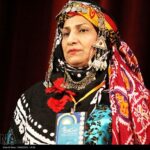
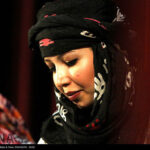
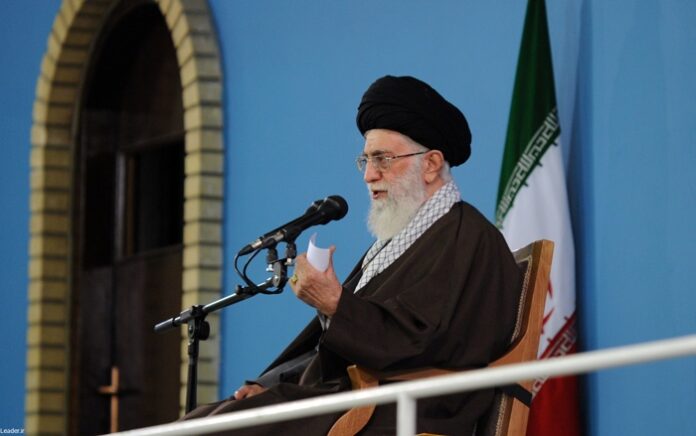
Leader of the Islamic Revolution Ayatollah Seyyed Ali Khamenei says Iran does not approve of negotiations over its nuclear program “under the specter of threats”.
Addressing a number of teachers in Tehran on Wednesday, Ayatollah Khamenei dismissed recent US military threats against Iran and said the Islamic Republic will not leave any acts of aggression unanswered.
Ayatollah Khamenei added the US need for nuclear talks is not any less than Iran’s, if not more.
The Leader urged the Iranian negotiating delegation to observe the country’s red lines and not to cave in to the opposite side’s imposition of ideas, humiliation or threats in the course of the talks.
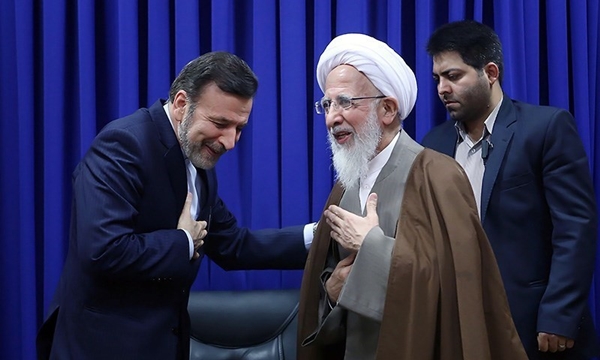
Islamic teachings advise us against being deviated from the right path and blindly blocking someone’s way; rather, we should tap the virtual world to serve the purpose of faith, Ayatollah Javadi Amoli, a senior cleric, was quoted by Mehr News Agency as telling Minister of Communications and Information Technology Mahmoud Vaezi.
At the meeting Ayatollah Amoli underlined the true mission of the Internet and said, “What is today known as the virtual world is in fact the reality.”
The cleric added, “Those who can impart a fact to society in the virtual world need to be kitted out with communication infrastructure and facilities.”
On measures taken by the ministry to have the Internet bandwidth expanded, Ayatollah Amoli said, “You should think of the virtual world as real and tap into it. Also, you need to keep the largest number of messages moving on the web, so you need to increase the Internet speed. You should advance this system of communication with your religious tact and turn the virtual world into reality and tap into it.”
[His comments come after Mahmoud Vaezi appeared before MPs in parliament on April 14 to answer their questions about the National Information Network and expansion of the Internet bandwidth. Afterwards, a vote was held to show how many parliamentarians found his response convincing. Out of 195 MPs present, 70 voted for, 99 voted against and 11 abstained.
At the session in the national assembly, Vaezi told MPs, “The expansion of the bandwidth is the infrastructure of the country’s Internet development and we are trying to make electronic government and trade possible.”
It seems that the Qom visit and the green-light from religious scholars, was a response by the communications minister to the MPs who are opposed to his ministry’s development plans.]
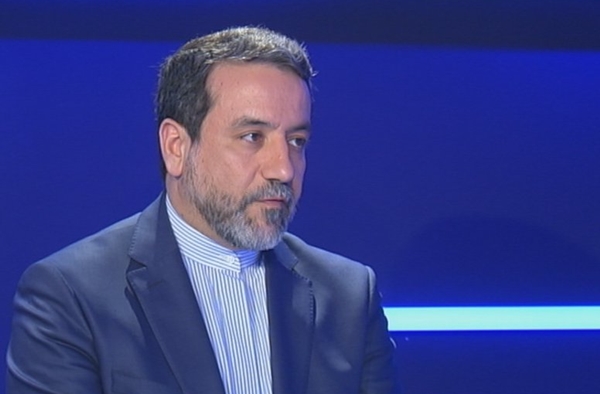
A senior Iranian nuclear negotiator has said Mr. Kerry has sensationalized the issue of inspections of Iran’s nuclear sites by saying that they will run “forever”.
Seyyed Abbas Araghchi made the comment Tuesday night in reaction to Secretary Kerry who had said, “There will be inspections every day forever”. The following is a brief translation of what else Araghchi said as reported by Alef, a news website:
“What Mr. Kerry has raised [permanent inspection] is an evident issue which has been recognized and implemented by more than ten countries in line with the Nuclear Non-Proliferation Treaty (NPT) and the Additional Protocol (AP).
“What comes as a surprise is that he [the US secretary of state] is sensationalizing the issue,” said Araghchi.
Iran has accepted to implement the Additional Protocol providing that the Islamic Consultative Assembly approves its implementation, he said, adding it is up to parliament – not the government – to finalize the [implementation of the] Protocol.
The government can voluntarily implement the Protocol for a certain period of time, he said, adding its [temporary and voluntary] implementation too needs the blessing of the MPs.
As for inspections of Iran’s military facilities, the nuclear negotiator said “If the [UN nuclear] agency asks to be allowed to inspect non-nuclear facilities, it will not be given immediate and easy access to those sites. The agency should submit its documentation and evidence which explains why it doubts something illegal is being done at one site – and exactly where in that site the alleged illegal activity has taken place. Then that country can enter talks with the agency over the latter’s request for inspection.”
If they [that country and the agency] agree on the UN agency’s access to the site, managed inspection by IAEA experts is what comes next, Araghchi added.
The Iranian official went on to say that the IAEA inspectors cannot inspect any place at will, adding their inspection should be under strict control.
The agency’s inspectors can only visit the point they have asked for under certain circumstances so that they cannot get their hands on other information, he said.
In conclusion, he said Iran and P5+1 can possibly strike a nuclear deal before the July 1 deadline.
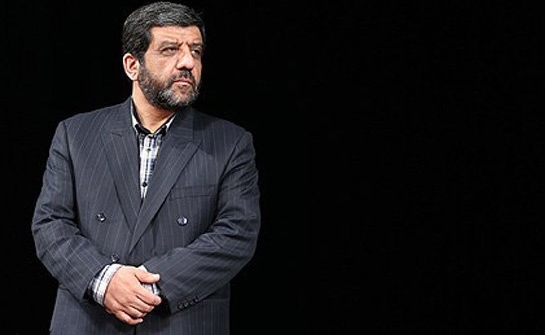
As a medium, Islamic Republic of Iran Broadcasting (IRIB) is the fourth estate of democracy and a key forum inside the country, mandated to guide the public opinion.
In recent remarks, former IRIB chief Ezzatollah Zarghami has demonstrated an about-turn from his hardline stance on reformism, saying that the majority of reformists are part of the [Islamic] establishment. This comes as the share of reformists of airtime during Zarghami’s presidency at IRIB was somewhere in the neighborhood of zero.
Arman-e Emrooz daily on May 6 published a piece on Zarghami’s potential run for parliament in 2016, analyzing the shift in his stance. The following is the translation of excerpts from the piece:
[…]
Has Zarghami been gripped by election fever?
At a time when all [political parties and] factions are looking for a household name on their ticket for the [2016 parliamentary] elections, Zarghami seems to be just the ticket for principlists.
The principlists need a moderate face to be their candidate in the elections; certain figures of their ranks believe that the former chief of the national broadcaster – who has recently articulated words which have the hallmarks of moderation – can be the right figure to help them achieve their goal in the elections for the tenth parliament.
It is no secret that Ali Larijani [the incumbent speaker of the Islamic Consultative Assembly] made his way to parliament and its top seat after leading IRIB [for ten years].
Now Zarghami has taken a stand he thinks is in line with the country’s current mood and people’s demands. Since he has the support of traditional principlists and those principlists who are part of the Islamic Revolution Stability Front, as well as the advocates of [former President Mahmoud] Ahmadinejad, Zarghami thinks he can take the seat of the incumbent parliament speaker.
That’s why the former IRIB boss thinks he can get the better of his rivals if he makes a run for parliament in the March elections; he even imagines that he can make the dream of the principlists affiliated to the Islamic Revolution Stability Front come true and enter the chamber as top MP.
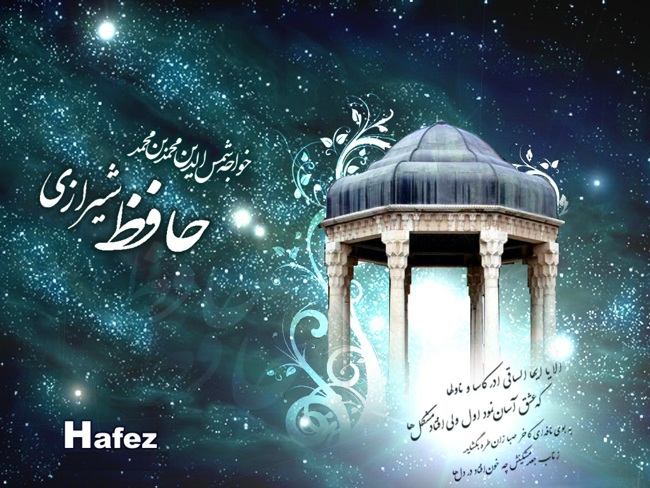
An International Conference on Hafez Shirazi – organized by the Islamic Azad University – opened simultaneously in Tehran and Shiraz Tuesday (May 5) with a focus on protecting and promoting the Persian language.
The international event, which will run through May 8, has brought together a number of scholars from Iran and other countries – among them Mohammad Reza Shajarian, a well-known Iranian classical vocalist.
Farhikhtegan daily on May 4 published an interview with Shahin Avani, a philosophy researcher and a member of the Islamic Azad University’s Socio-Cultural Council. The following is the translation of excerpts from her remarks:
Hafez is [part of] Iran’s national and cultural heritage. […] Ferdowsi, Khayyam Mowlana and Hafez are Iranian answers to the West’s Homer, Dante, Shakespeare and Goethe. Their works have been reprinted, critically reviewed and edited several times before their final versions have come out.
Hafez is the spokesman of the Iranian people and history. No doubt, the future generations will study and work on Hafez and his works. […]
I usually compare conferences held on Hafez in Iran with those in Germany which focus on Goethe. Like in Iran, the German youth are the ones who benefit from such get-togethers in which the scientific experience is passed down through generations.
[…]
[Hans-Georg] Gadamer – who is a 20th century German philosopher, follows the line of thinking Hafez had in the 14th century. It was Hafez who incorporated practical wisdom [phronesis] into physical and spiritual beauty, helping the Iranian thinking rise to its peaks.
[…]
Hafez has taken into account the artistic demands of humans and has regarded art as a driving force [behind human perfection].
[…]
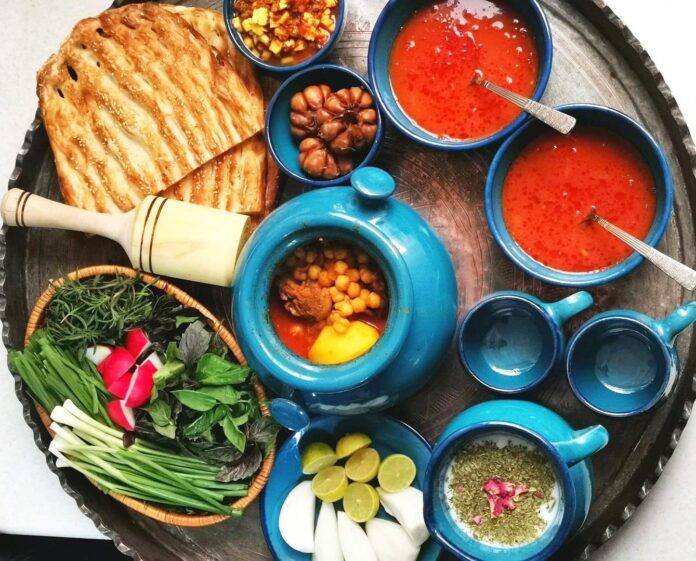
Iranian dishes excel at making people who have never tried them fall in love at the first bite. The unique combination of spices and flavorings with a wide range of vegetables, herbs, fruit, grains, nuts, meat and most importantly rice only needs the wand of Iranian cuisine to perform magic and leave an explosion of unforgettable tastes in the mouth.
The delectable smell, delicious look and perfectly pleasant taste make it almost impossible to resist them. To share the gastronomic delights of Iran, IFP has decided to file a series of mouth-watering recipes for Iranian dishes.
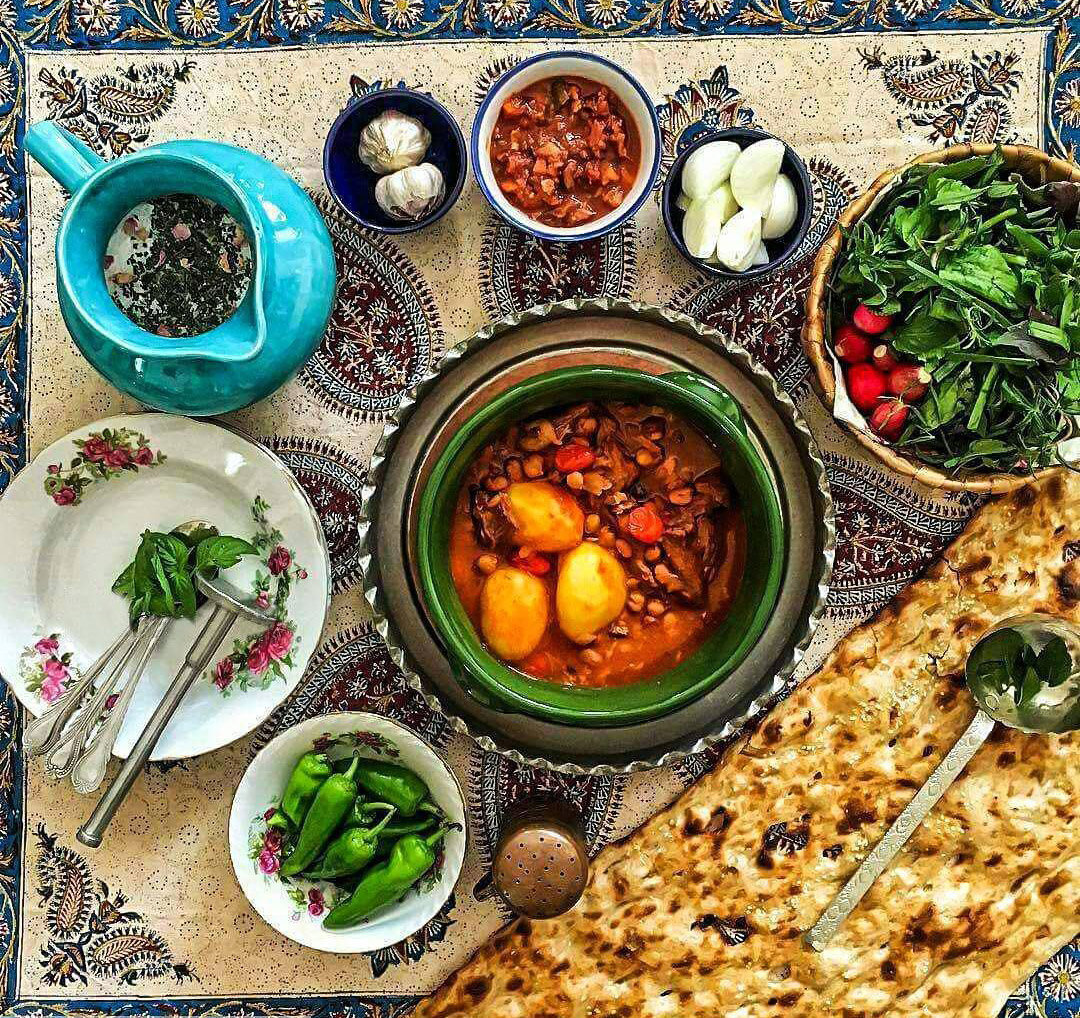
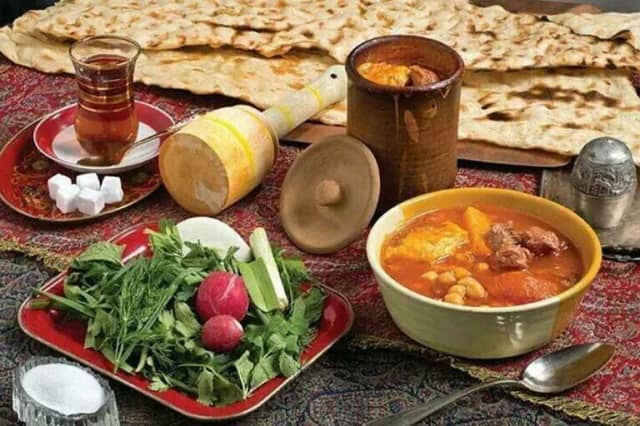
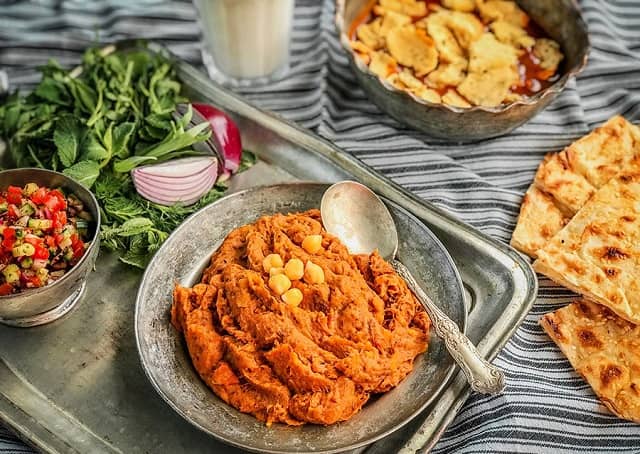
Dizi is a traditional, nutritious Iranian dish which looks like a soup served in two stages. Traditionally, small pieces of flat bread are mixed and eaten with the broth in the first stage. You can skip this part if you don’t like it. Other ingredients are later mashed and served with side dishes of pickles, fresh herbs [garden cress, wild leek, basil, squaw mint, scallion and radish], Doogh [a savory yoghurt-based beverage], raw onions and most importantly freshly-baked flat bread.
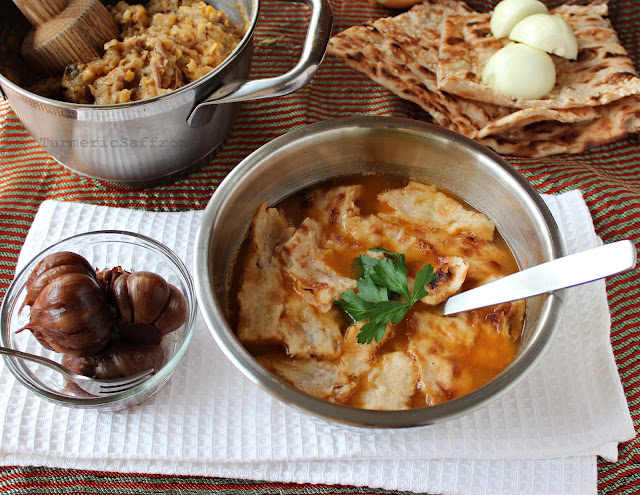
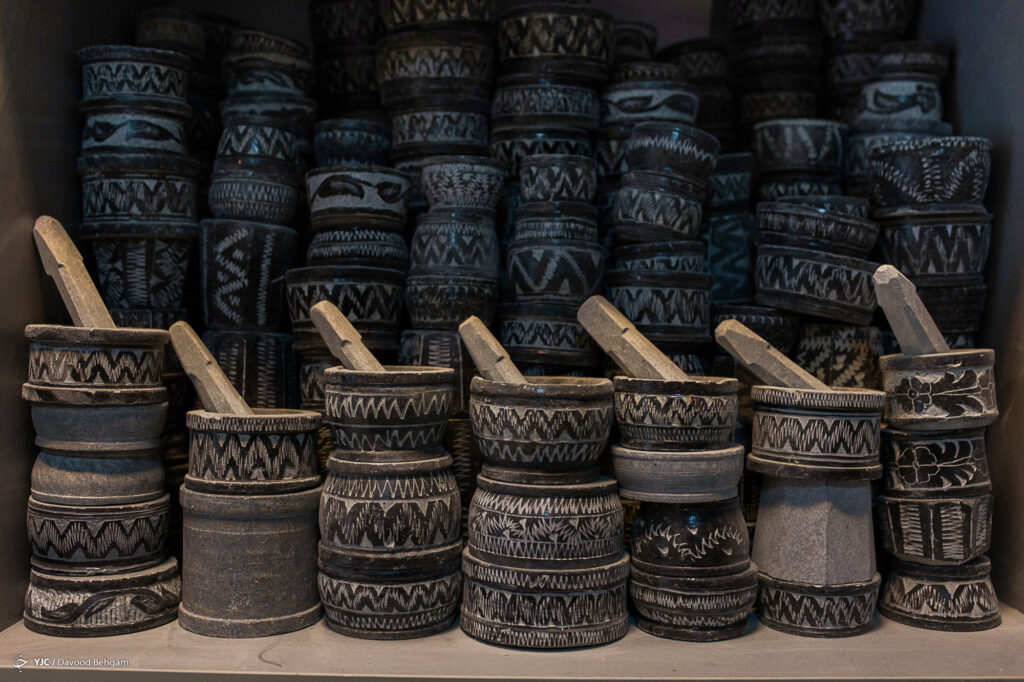
In Persian, Dizi refers to clay or stone pots in which the dish is cooked and served. In fact, in Iran, the dish is still served in small crocks in traditional restaurants where customers are provided with a masher to crush the meat and other ingredients after separating the solid part from the broth, known as Abgoosht.
(Serves 6)
Bon Appétit!

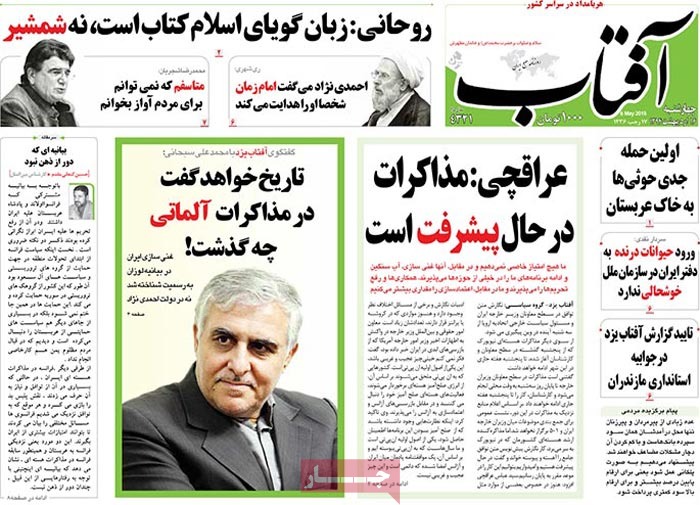
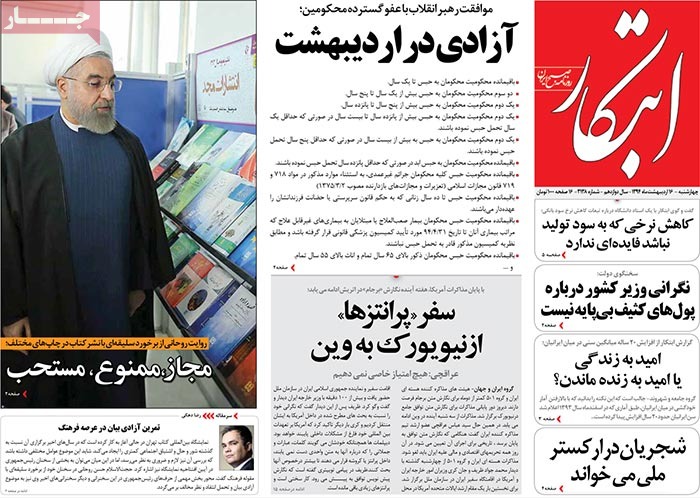
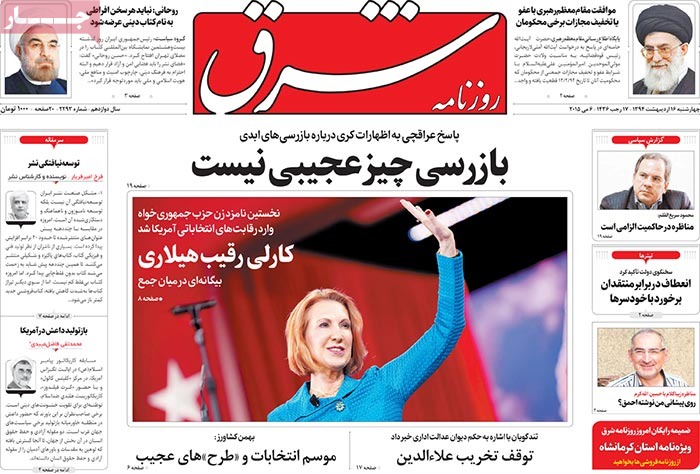
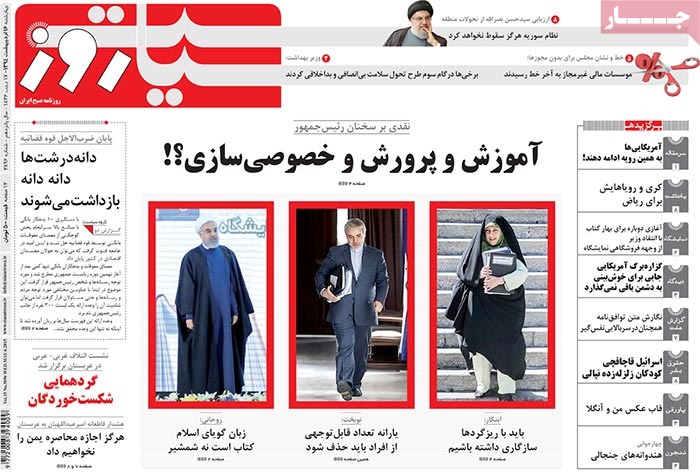
President Rouhani’s comments at the inaugural of Tehran International Book Fair and the Supreme Leader’s decision to pardon and or commute the sentences of a number of convicts dominated the front pages of Iranian newspapers Wednesday.
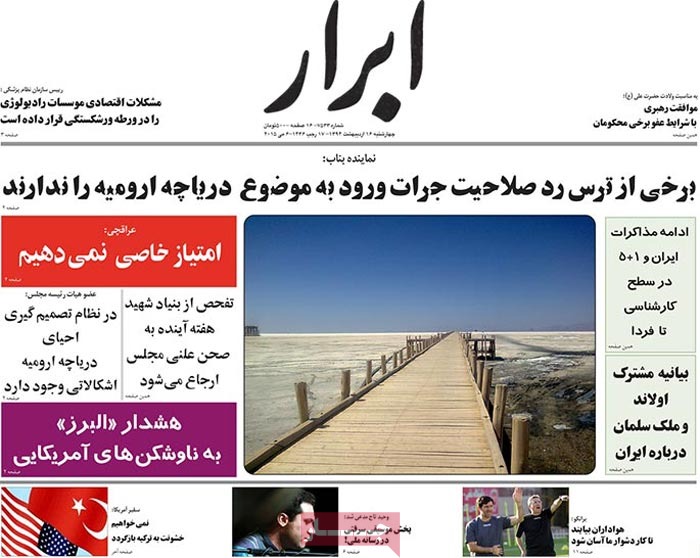
Abrar: “Some [MPs] do not dare enter any debate on the Orumiyeh Lake, fearing they might be disqualified [for the upcoming elections],” said a deputy representing Bonab in the Islamic Consultative Assembly.
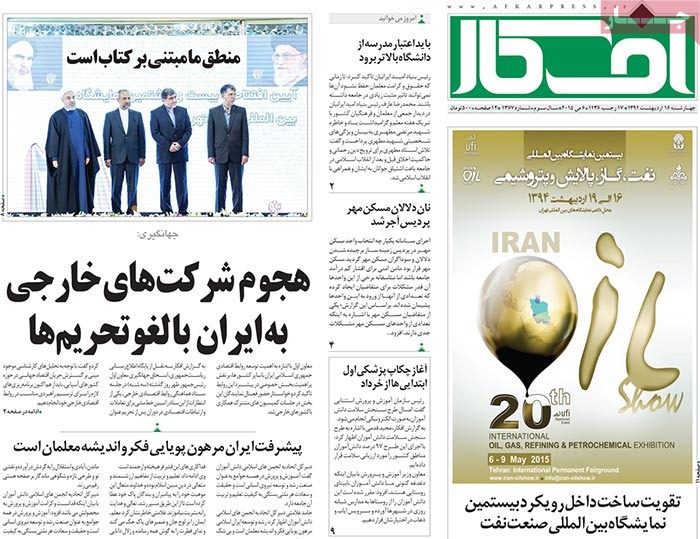
Afkar: A 20th International Oil, Gas, Refining and Petrochemical Exhibition opens today.
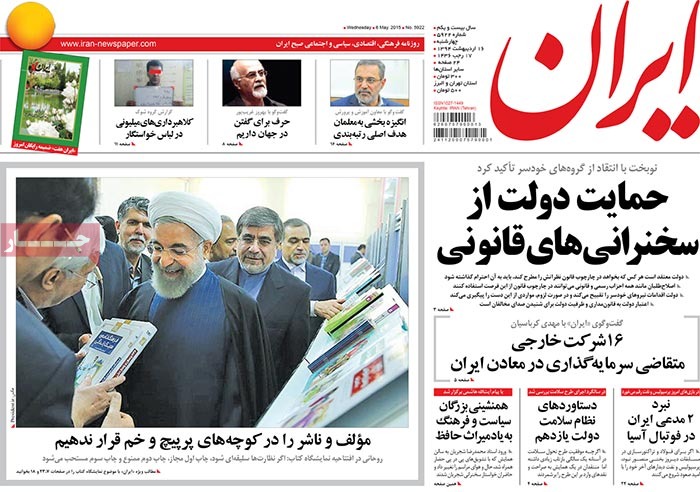
Aftab-e Yazd: “Islam talks to its audience through books, not swords,” said President Rouhani.
The president made the comment at a keynote speech at the inaugural of Tehran International Book Fair.
Aftab-e Yazd: “[Former President Mahmoud] Ahmadinejad claimed he was being personally directed by the Imam of the Time [the 12th Shiite Imam who disappeared from sights centuries ago and his return will see true justice administered in the world],” Mohammad Reyshahri has written in his memoir.
Aftab-e Yazd: “I am sorry I can’t sing for my fellow Iranians,” said renowned vocalist Mohammad Reza Shajarian.
Aftab-e Yazd: “History will judge what happened in Almaty talks,” said Mohammad Ali Sobhani, a former Iranian ambassador to Lebanon and Jordan.
“Iran’s right to enrichment was recognized in the Lausanne statement, not when Ahmadinejad was in office,” the former diplomat further said.
Ebtekar: “The concerns of the interior minister about dirty money [finding its way into electoral campaigns] are not unfounded,” reiterated the government spokesman.
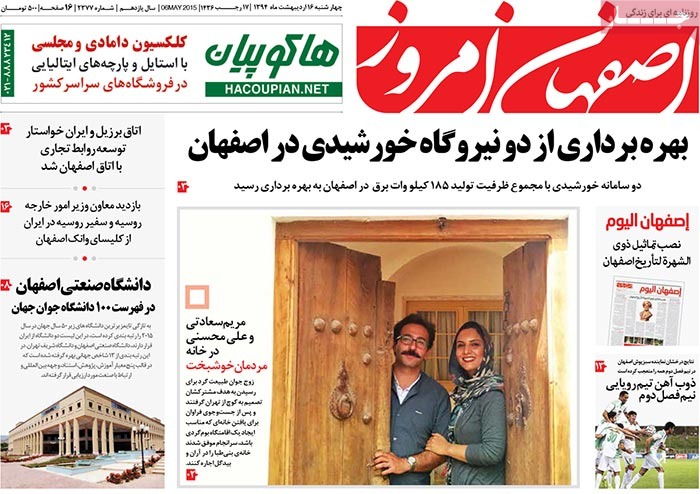
Esfahan Emrooz: Two solar power plants have opened in Isfahan.
Esfahan Emrooz: The Russian deputy foreign minister and ambassador to Iran have paid a visit to Vank Cathedral in Isfahan.
Ettela’at: “Iran should not turn into a market for Western goods,” said the first vice-president.
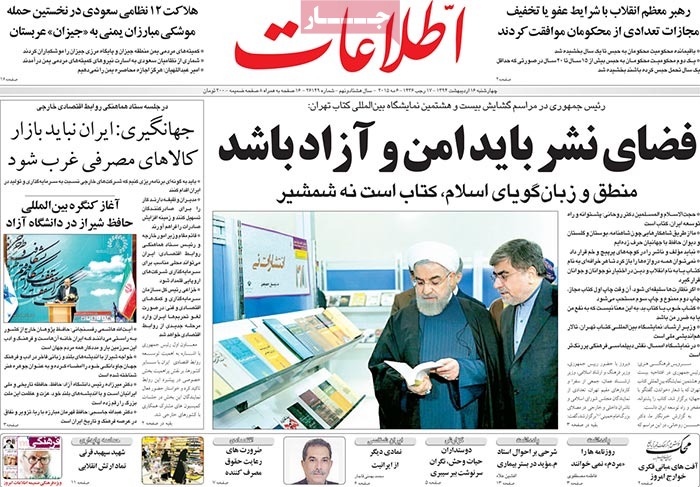
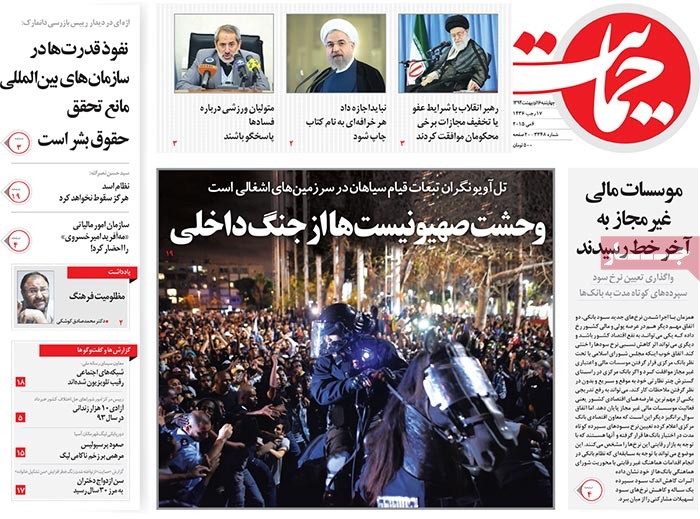
Hemayat: Unauthorized financial institutes are at the end of the line.
Iran: “Sixteen foreign firms are interested in investing in Iran’s mining sector,” said the deputy minister of industries, mines and trade.
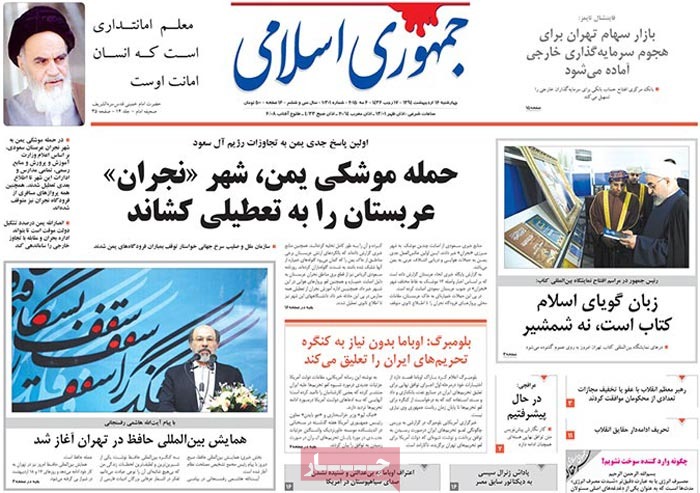
Jomhouri Islami: A missile attack from Yemen has resulted in the shutdown of the Saudi city of Najran.
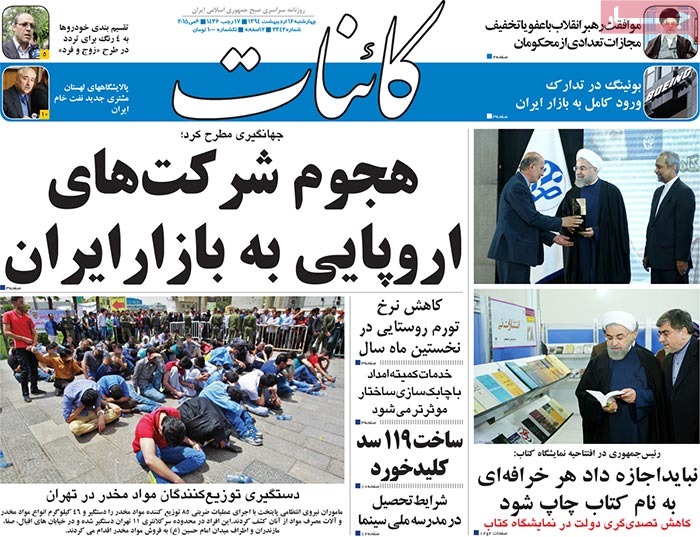
Kaenat: In a lightning operation Tehran police have arrested 85 drug dealers, seizing 46 kg of drugs.
Sharq: The Supreme Leader has pardoned or commuted the sentences of a number of convicts.
Siasat-e Rooz: “The cash subsidies offered to a sizeable number of individuals should stop,” said Government Spokesman Mohammad Bagher Nobakht.
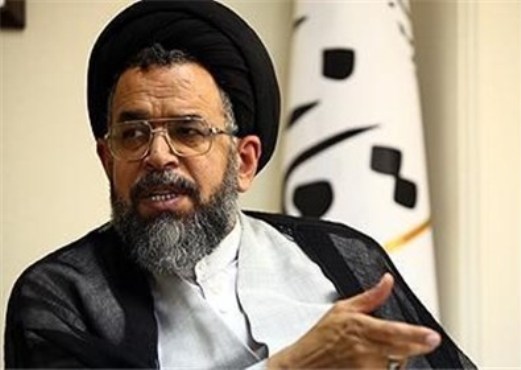
Intelligence Minister Seyyed Mahmoud Alavi underlined that his forces closely monitor the movements of the Takfiri and counterrevolutionary forces.
“The intelligence ministry’s forces vigilantly and rigorously monitor all movements and plots of the enemies of Islam, including the Takfiri groupings,” Alavi said, addressing a group of people in Karaj city, near Tehran, on Tuesday.
He pointed to the round-the-clock efforts of the Intelligence Ministry to restore security in the country, and said, “Many plots have been foiled in the country due to the efforts of the Intelligence Ministry.”
© All Content by IFP News ( Iran Front Page ) is licensed under a Creative Commons Attribution 4.0 International License.
