Wednesday, December 24, 2025
Home Blog Page 4792

Lebanese politician urges Arab countries to welcome nuclear deal

81695245-70054412

A senior Lebanese politician has expressed satisfaction with the nuclear deal between Tehran and 5+1, saying the US officials too have admitted that no countries are as zealous in fighting terrorism as Iran and Syria are.

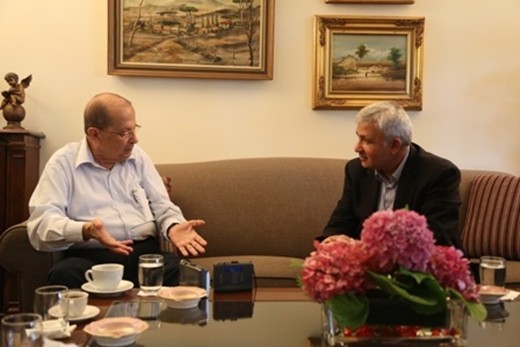
Michel Aoun, the leader of the Free Patriotic Movement who is the nominee by the March 8 Alliance for the next presidential elections in Lebanon, told IRNA in an exclusive interview that Iran has achieved much before and after the conclusion of the nuclear agreement.

He said that the Iranian nation and experts have learnt to be self-sufficient and self-reliant during the long period of sanctions, adding that the Iranians are now preparing to adopt an open-door policy when it comes to dealing with the rest of the world.

He termed the nuclear agreement as a big success by a great Islamic country which follows the very peaceful readings of the Islamic teachings. This, the Lebanese politician added, creates calm and peace of mind for all.

Asked about the regional policies of Iran and Saudi Arabia, he said the two countries are not comparable from many aspects, adding that Iran holds different elections – including presidential, parliamentary and city councils elections. He also said heated political debates are quite common in the country, but the elections and debates are all absent in Saudi Arabia.

He then praised the peaceful cooperation the Jewish, Armenian and Assyrian representatives are leading in the Iranian parliament and voiced interest in paying another visit to Tehran.

The former commander of the Lebanese army went on to hail the skills and competence of the Iranian nuclear negotiating team and stressed the unique and unprecedented role of the Supreme Leader in advancing the talks.

He urged the Arab countries to welcome the nuclear deal between Iran and six world powers, arguing the nuclear deal serves their interests as well.

Aoun described Iran as the biggest supporter of the Palestinian cause which has never stopped backing the oppressed nation.


He urged an end to the “unacceptable” situation in Yemen and said that aggression and siege – which have caused extreme plight for the Arab nation – have to be stopped.
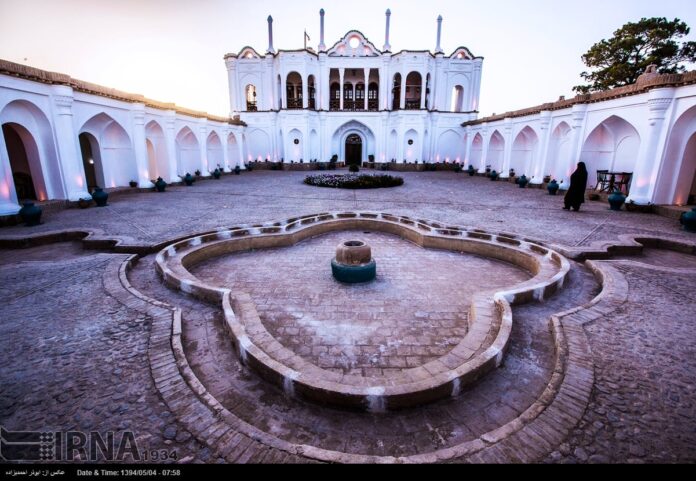
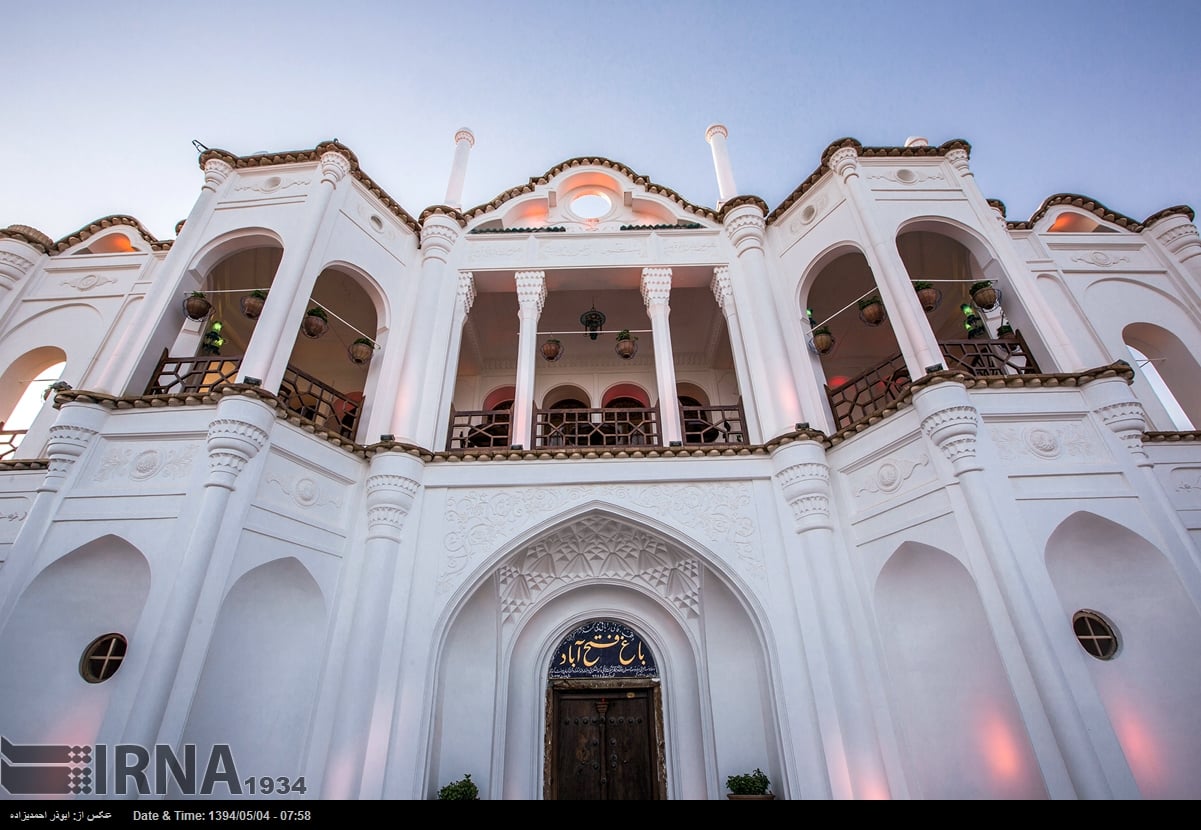
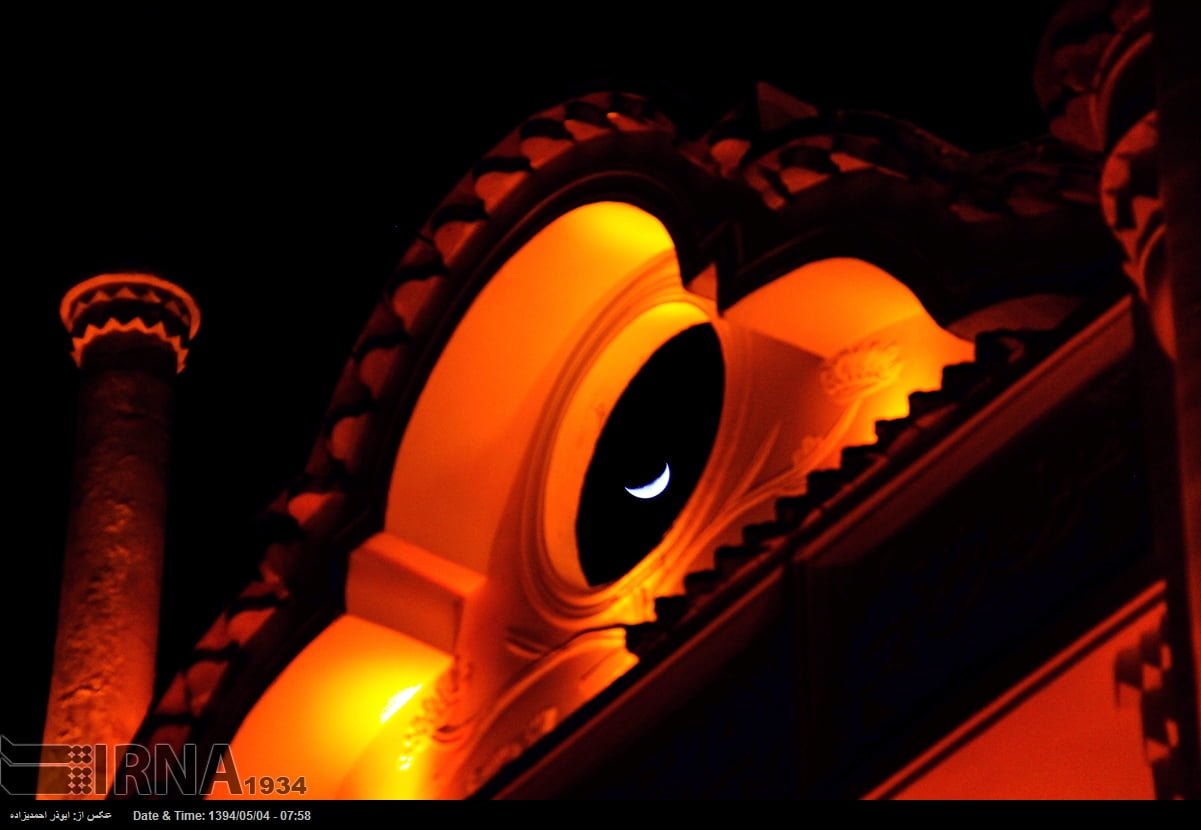
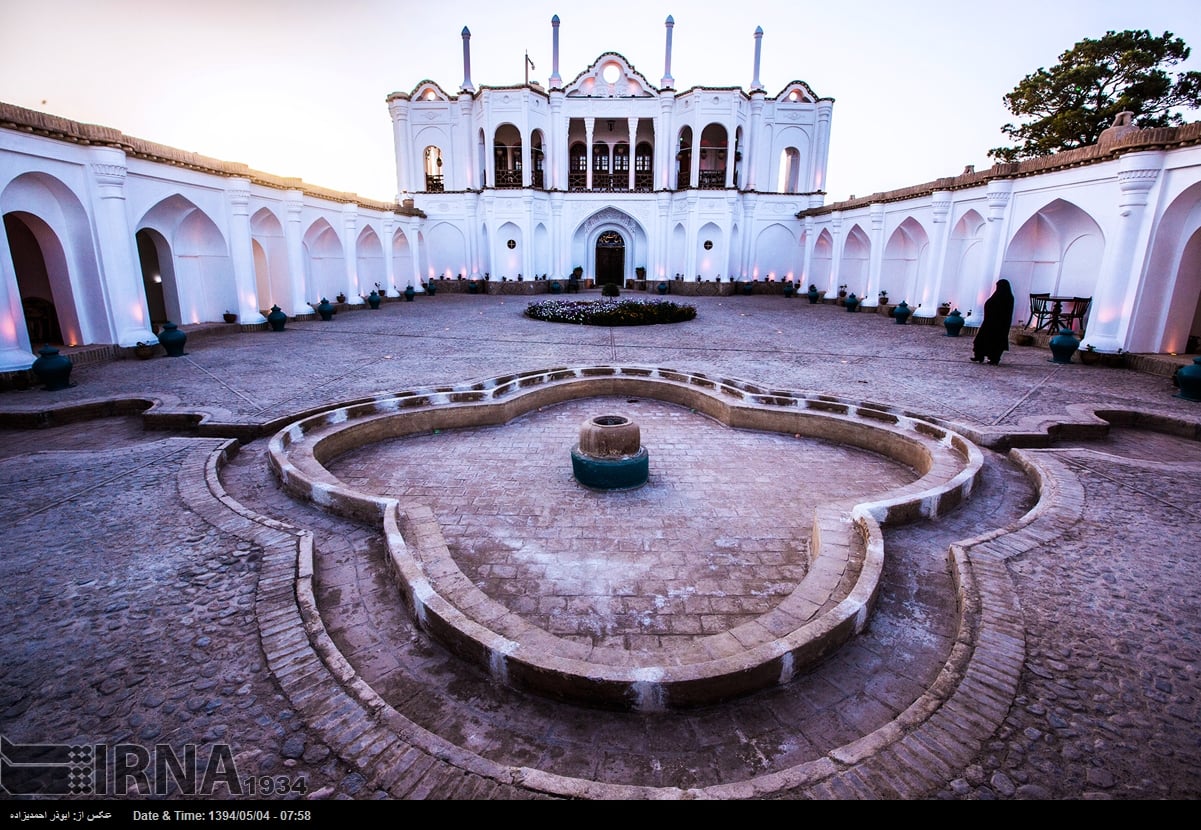
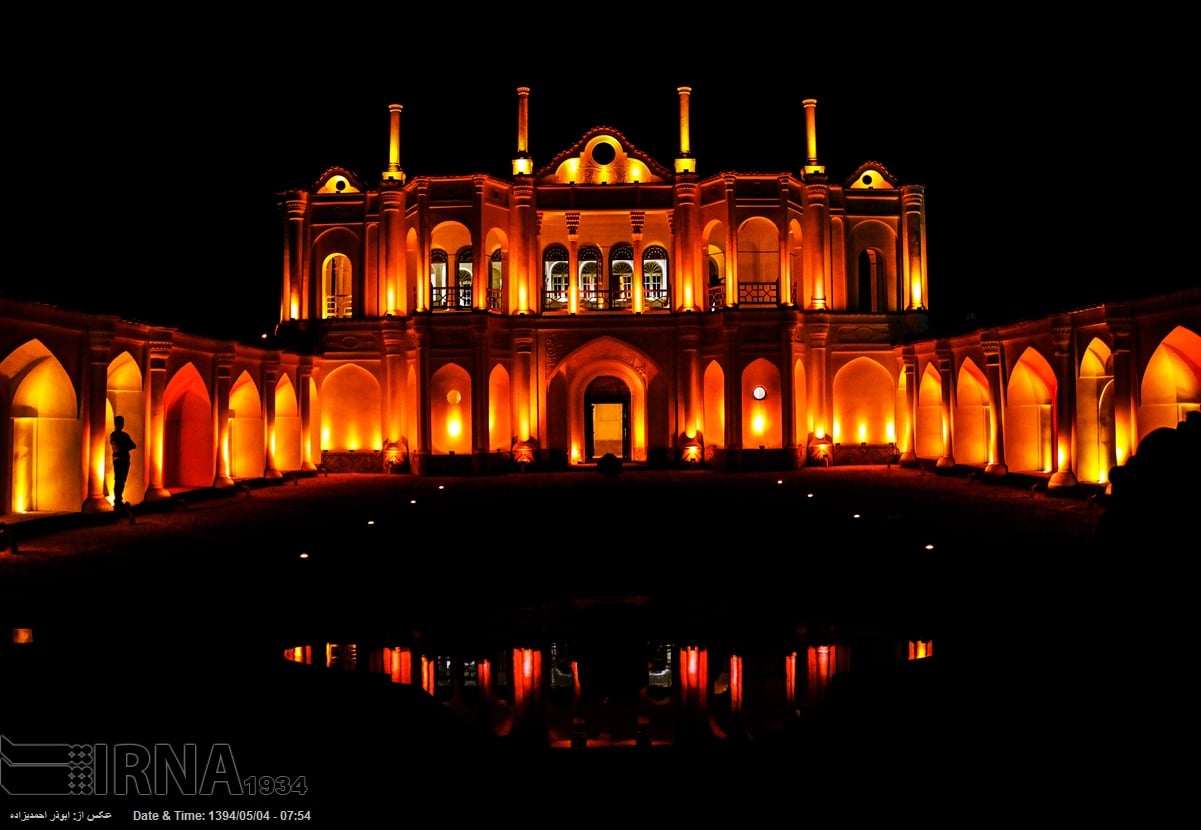
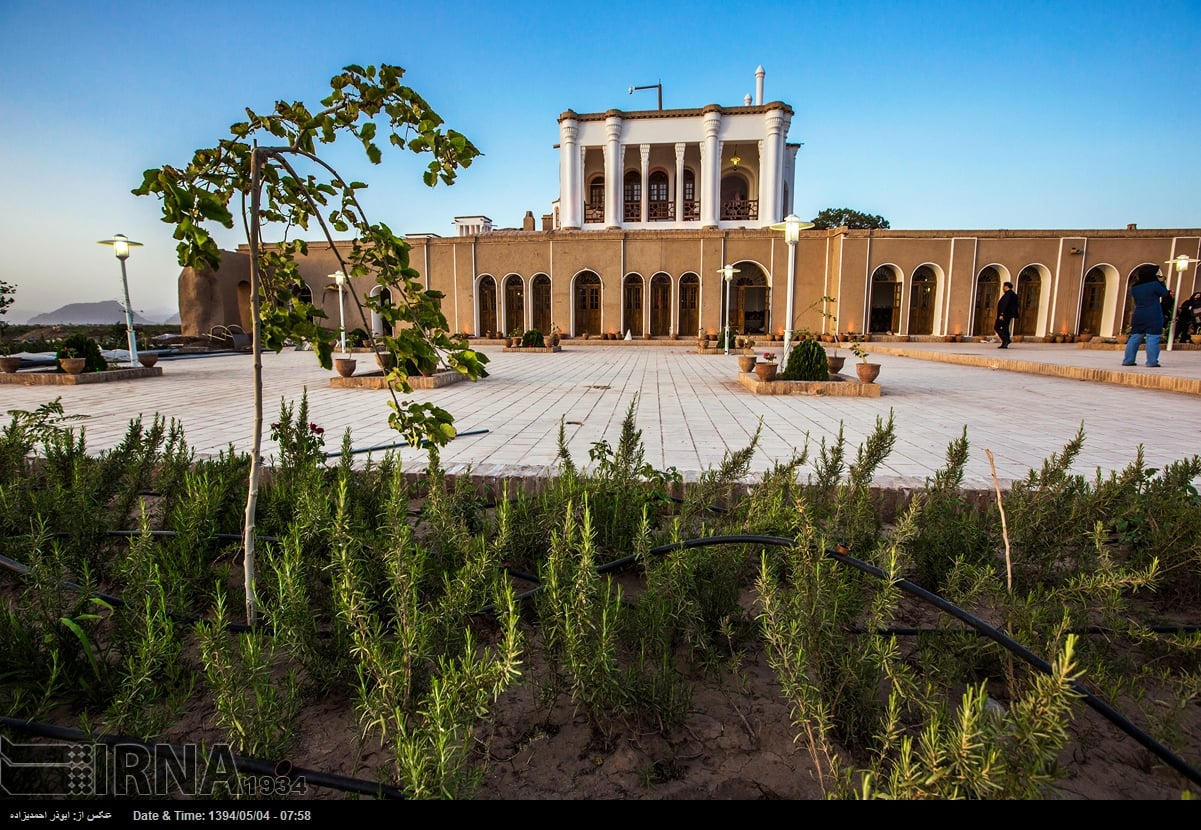
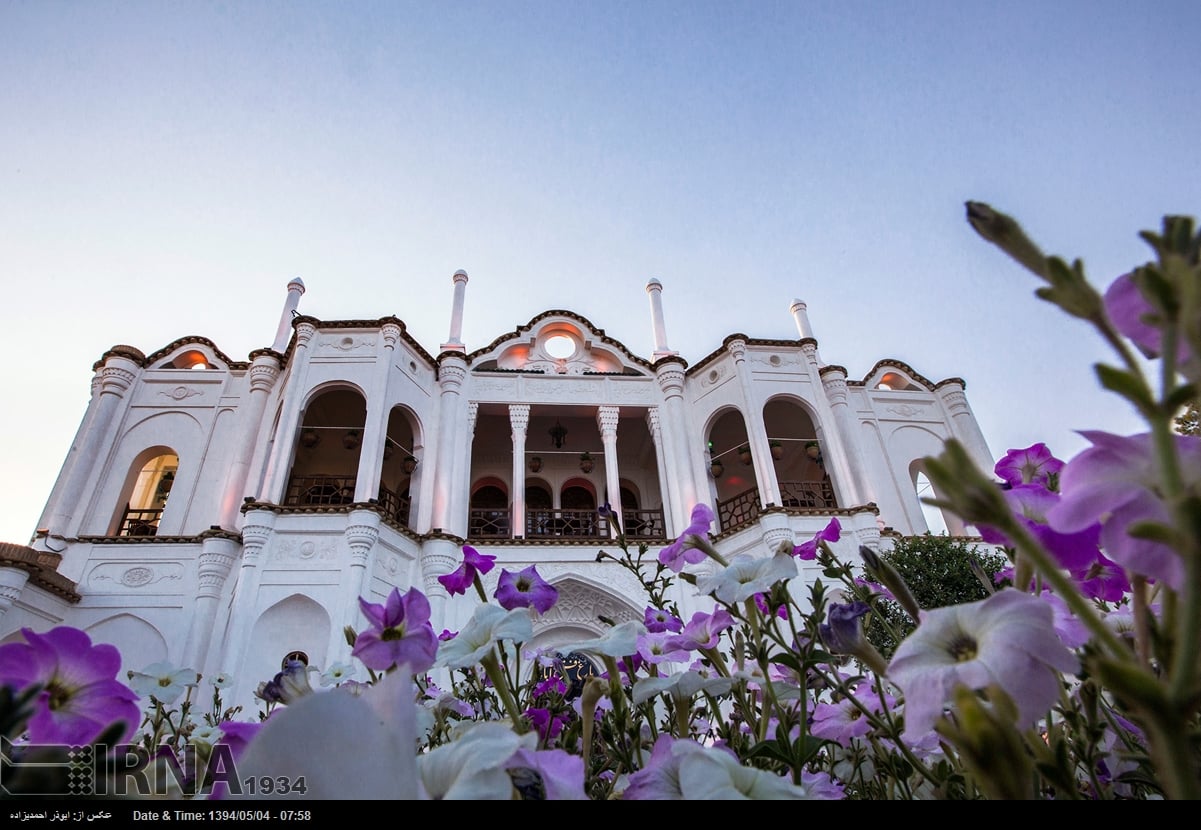
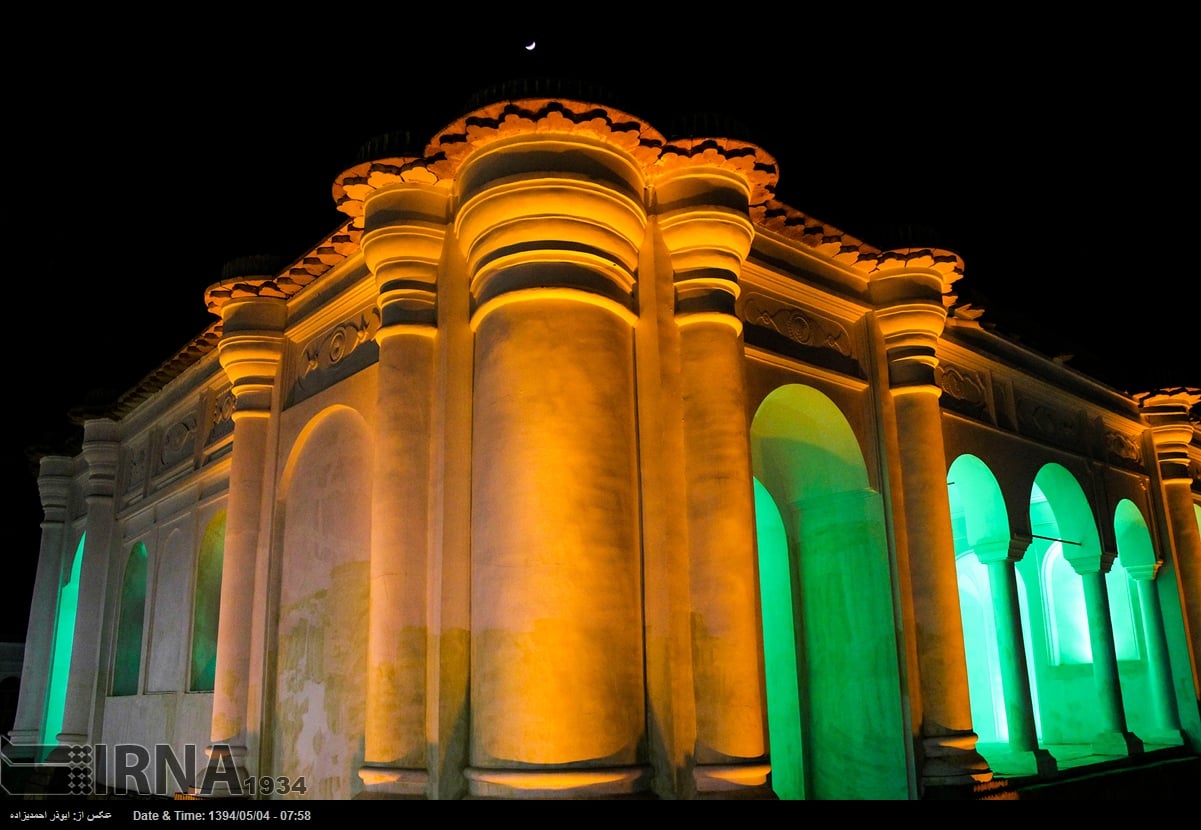
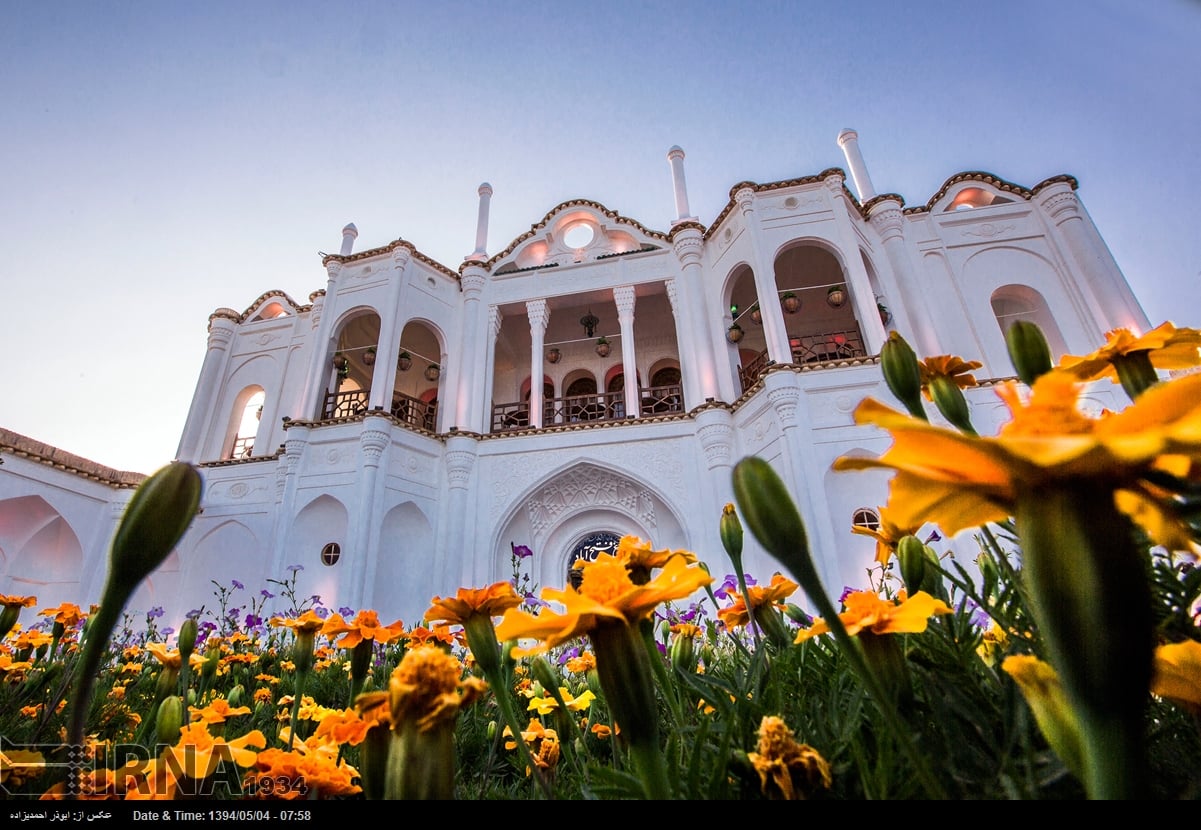
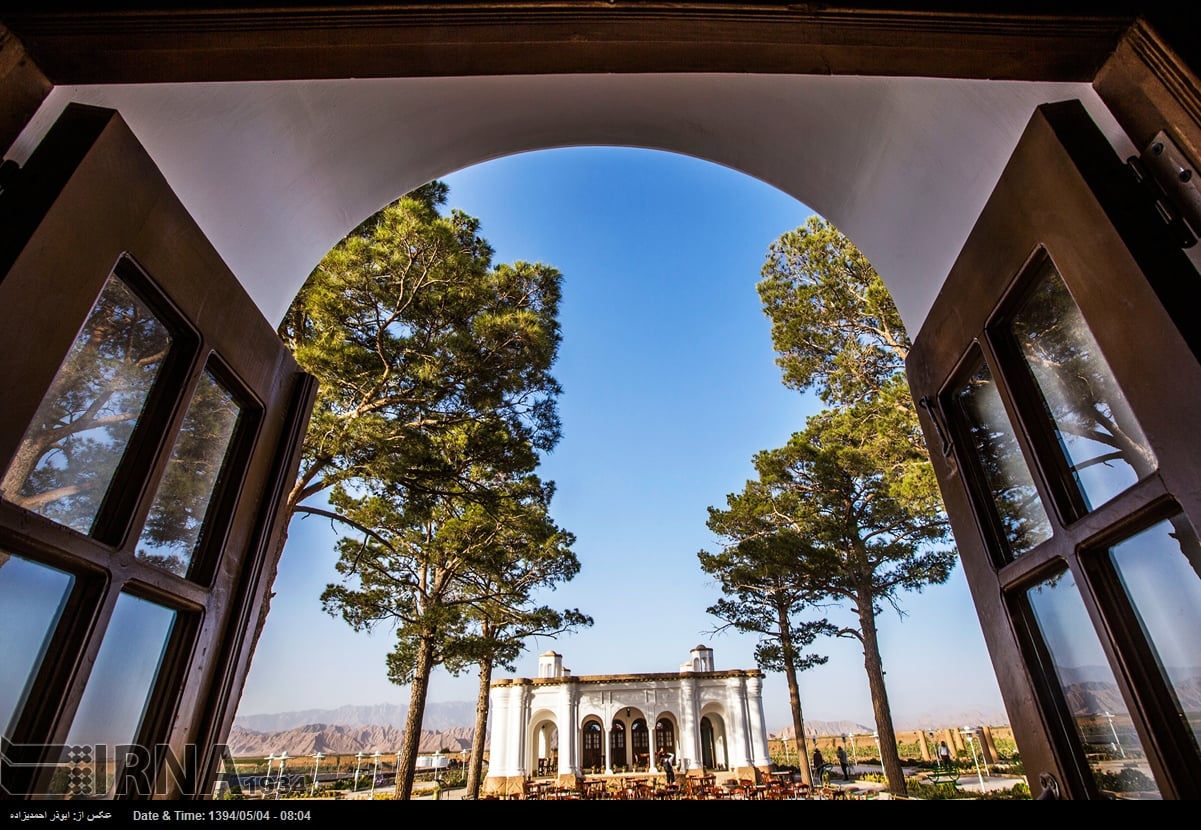
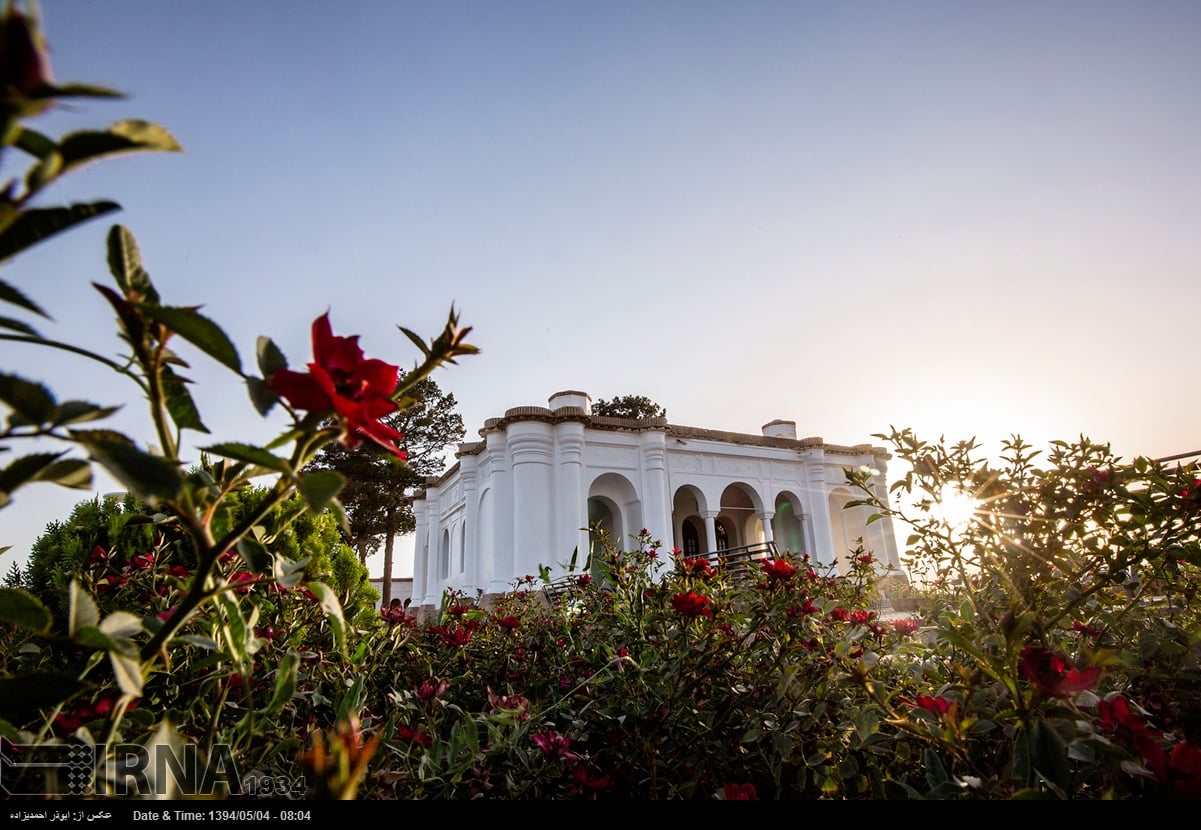
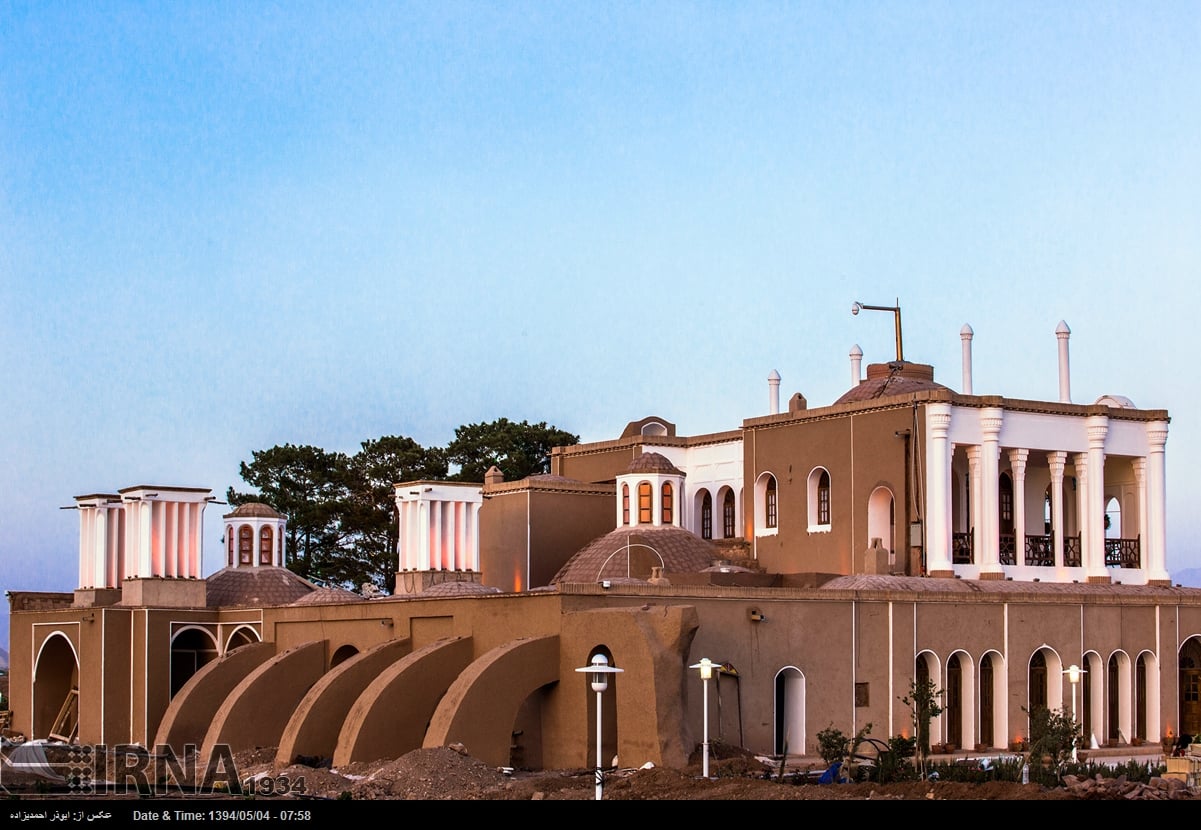
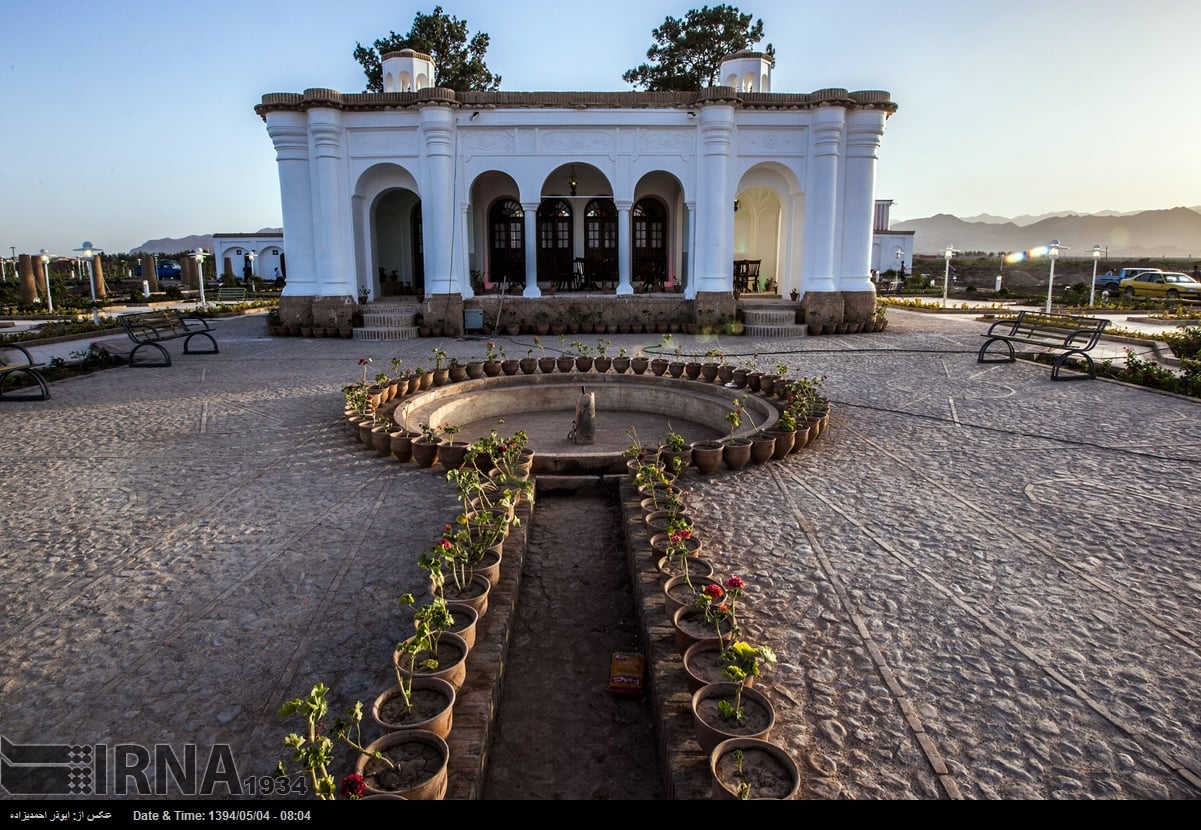
Fathabad Garden in Southern Iran (PHOTOS)

Fathabad Garden in Southern Iran

Fathabad Garden dates back to the Qajar era. Shazdeh Garden, a beautiful site in Kerman, has been modeled on Fathabad Garden.

The garden which had not been restored since 1972 was given a face-lift after the Government of Prudence and Hope took office in 2013.

Snapshots of the garden released online by the Islamic Republic News Agency:

Differences with US “serious, deep-rooted”: Iran’s Araghchi

Araghchi

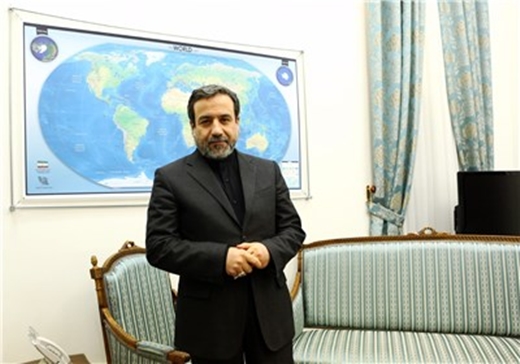
Differences between Iran and the US are too serious, deep-rooted and long-lasting to be settled easily, Iran’s Deputy Foreign Minister Abbas Araghchi said.

“We have fundamental differences with the US over regional issues, those related to the hegemonic system, and many other subjects,” Araghchi said in an interview with Al-Alam Arabic-language news network on Sunday.

“I personally see no immediate prospect for the establishment of (diplomatic) relations between Iran and the US,” the senior diplomat noted.
Araghchi, also a senior negotiator in nuclear talks with P5+1 said that the nuclear issue was only one of the numerous gaps between Tehran and Washington.

Though the nuclear issue will be somehow resolved, other serious issues will remain in place, he added.
Iran and P5+1 finalized the text of a lasting agreement on Tehran’s nuclear energy program in Vienna, Austria, on July 14. Later, the 15-memebr United Nations Security Council unanimously passed a resolution endorsing the text of the deal.

According to the resolution, seven previous UN resolutions on Iran will be terminated when the International Atomic Energy Agency (IAEA) submits a report to the council verifying that Iran has implemented certain nuclear-related measures.

Araghchi also said Iran has made it clear in the nuclear talks that none of the IAEA inspectors visiting Iran should be American.

“The Vienna deal (JCPOA) also stipulates that the inspectors that the agency (IAEA) will assign to conduct inspection in Iran should be from countries with which Tehran has diplomatic ties. Hence, the presence of American inspectors (in Iran) even in the future is out of the question,” he pointed out.

Iran’s Bushehr home to 2 new nuclear power plants: Salehi

Salehi

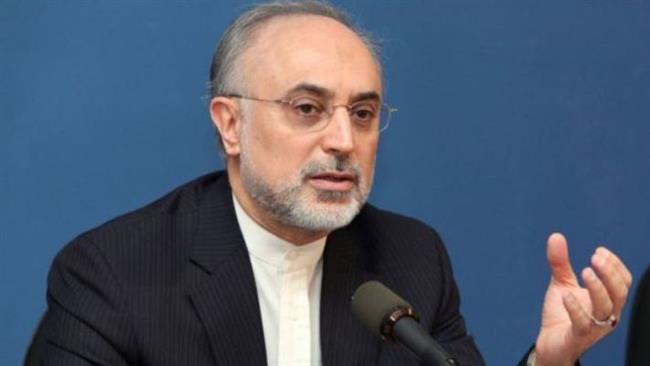
Iran is planning to build two nuclear power plants in the southern province of Bushehr, says Director of the Atomic Energy Organization of Iran Ali Akbar Salehi.

Salehi made the announcement during a live IRIB television broadcast on Sunday night, adding that the new plants would cost around 10 billion dollars and around 15,000 technicians would be required to work on the projects over the next three or four years .

Salehi also said the agreement between Tehran and the International Atomic Energy Agency was not a confidential matter, adding that further negotiations must be carried out with regard to IAEA experts traveling to Iran for inspections as part of a nuclear conclusion between Tehran and the global powers.

Carrying out the inspections is, however, a “matter of secrecy”, Salehi noted, adding, the agency would announce the outcome of the inspections on December 15.

In regard to the redesigning of the Arak nuclear reactor and other projects, Salehi said talks are being held with China.

“Our experts have traveled to China a few times and Chinese experts have traveled to our country a few times. In Vienna, we talked with the Americans and the Chinese and we agreed on holding a trilateral meeting between Tehran, Washington, and Beijing in China,” he was quoted as saying by IRNA.

Iran and P5+1 – the US, Britain, Russia, China, France, and Germany –  finally succeeded in finalizing the text of an agreement, dubbed the Joint Comprehensive Plan of Action (JCPOA), in Vienna on July 14 after 18 days of intense talks over the matter.

Under JCPOA, restrictions will be put on Iran’s nuclear activities in exchange for, among other things, the removal of all economic and financial bans against the Islamic Republic.

Number of flights to European capitals to rise: Iranian official

Iran air

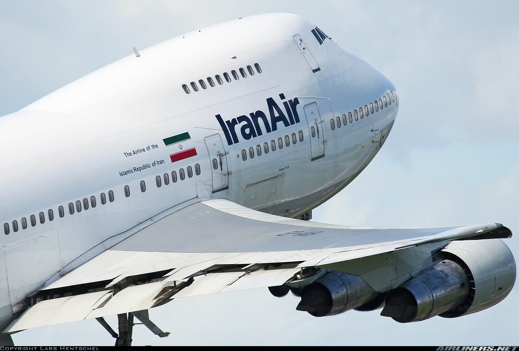
An Iranian aviation official on Saturday said the country seeks more direct flights operated by Iranian or foreign airlines from Tehran to the capital cities of a number of European countries, including Germany, France, Russia, Italy and Turkey.

Mohammad Khodakarami, deputy head of Iran’s Civil Aviation Organization (CAO), said a French delegation will come to Iran soon to discuss the number of direct flights between Tehran and Paris.

He noted three weekly flights are currently operated between the two capitals, adding that the number is planned to be raised to ten.

The official also said direct flights from Tehran to Moscow and vice versa will gradually rise to 28 from the current seven.

On Thursday, Aegean Airlines SA, the largest Greek airline, launched regular flights between Tehran and Athens.

It came days after Iran and the six major world powers on July 14 reached a conclusion over Tehran’s nuclear energy program.

Experts say the comprehensive nuclear deal and subsequent termination of anti-Iran sanctions would result in a hike in Iran’s trade with the world and boost foreign investment in the country.

Bahrain attempting regional disruption with claims: Afkham

Marzieh Afkham

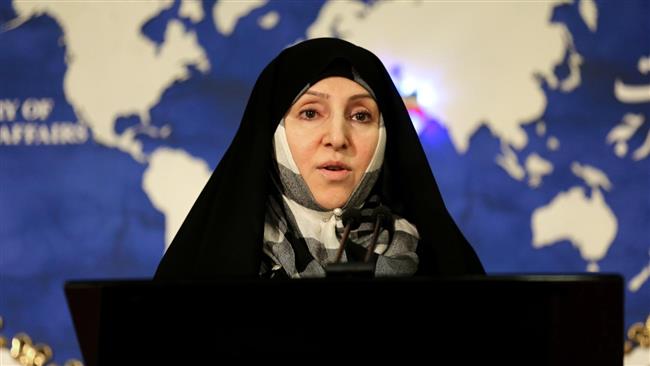
Bahrain is using repetitive “baseless accusations” to create tensions in the region, Iranian Foreign Ministry Spokeswoman Marzieh Afkham says.

Afkham made the remarks in reaction to Manama’s claims that Iran is meddling in its internal affairs, IRNA reported on Sunday.

“Such unconstructive methods will not disrupt Iran’s serious will and determination for continuity and persistence in a responsible… regional policy against threats such as extremism and terrorism,” Afkham said.

Tensions have been running high between Tehran and Manama recently.

On Saturday, Bahrain recalled its ambassador to Iran in protest against Tehran’s support for a pro-democracy movement in the Persian Gulf kingdom.

Earlier in the month, Bahrain also summoned Iran’s ambassador to Manama over similar claims.

The monarchy has repeatedly accused Iran of interfering in its internal affairs. Iran has strongly denied any such action, stating that it only supports efforts to address human rights violations in the tiny Persian Gulf state.

Manama has drawn international criticism on multiple occasions from prominent human rights organizations such as Amnesty International and Human Rights Watch for its crackdown on pro-democracy protests, including detention of activists, violent methods to disperse demonstrators, and a media blackout on rallies.

Thousands of protesters have held numerous demonstrations on the streets since anti-regime movement began in mid-February 2011.

Large numbers of people have been killed and hundreds of others injured and arrested in the crackdown on peaceful protests ever since.

Zarif reiterates Iran’s firm support for regional nations’ anti-extremism campaign

Zarif-Kuwait

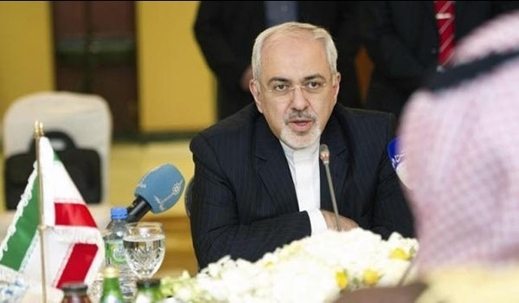
Iranian Foreign Minister Mohammad Javad Zarif underlined that Tehran will firmly stand by regional countries in their fight against terrorism and extremism.

“Iran and the regional countries are facing common threats that should be confronted through mutual cooperation,” Zarif told reporters in Kuwait City on Sunday.

The Iranian foreign minister reiterated that the accusations lodged against Iran are not true, warning that such allegations are aimed at foiling cooperation among regional states.

“Iran is standing beside the regional nations against the threat of extremism,” Zarif said.

Earlier in the day, Zarif and Kuwaiti Emir Sheikh Sabah al-Ahmad al-Jaber al-Sabah in a meeting in Kuwait City discussed bilateral ties and regional developments.

During the meeting, the Iranian foreign minister and the Kuwaiti emir explored avenues for reinvigorating and bolstering mutual cooperation.

Zarif and Sheikh Sabah also discussed the latest regional developments.

[…]

Zarif arrived in Kuwait on the first leg of a trilateral regional tour earlier on Sunday that later took him to Qatar.

Zarif three-leg regional tour is meant to cement bilateral ties with regional countries.

Deputy Foreign Minister Hossein Amir Abdollahian said “deepening friendship and strengthening all-out cooperation with regional countries is the message of Iran’s foreign minister to the region”.

[…]

The nuclear agreement struck between Iran and six world powers in Vienna on July 14 is likely to be high on the agenda of Zarif’s discussions with regional officials.

Bygone are the days Russia played an Iran card

parhamnews_EqCKPe4O79hTNx

Ebrahim Asgharzadeh, a reformist political activist, has said that the country’s foreign policy machine is expected to try to reclaim Iran’s right in the legal regime of the Caspian Sea.

Asgharzadeh said this in an interview with Etemaad daily on July 25 and critically analyzed the foreign policy of former President Ahmadinejad which he argued earned Iran nothing but crippling sanctions, anti-Iran resolutions and a struggling economy. The following is the translation of part of his remarks in the interview:

The fact of the matter is that the [Former President] Ahmadinejad had been told that Iran’s nuclear case would not be referred to the UN Security Council. The negligence and remissness Iran’s diplomacy machine displayed in dealing with the nuclear case was blamed on such misinformation. After six [UN] resolutions were issued against Iran between 2006 and 2011, the Ahmadinejad administration buried its head in the sand and rejected them [the sanctions which were imposed on the country as a result of those resolutions] as “worthless paper”.

Regrettably, this attitude caused Iran to miss out on numerous opportunities. Iran had to offer more concessions to Russia so that no more pressures would be piled on the country at the UN Security Council.

One of the gravest mistakes of the diplomacy apparatus under Ahmadinejad was its too much attention to the East, something which ran counter to the core principle of the Islamic Revolution: Neither East, Nor West. By showing tendency toward the East, Ahmadinejad was trying to create a strategic alliance with Russia, China and India. Bygone are the days during which the Russians played the Iran card.

Neither of these countries welcomed such an approach [Iran pursued back then]; nor did they agree to help build a strategic alliance with Iran at the expense of their strategic ties with the West. The only result of such an approach was the inflow of unsellable, shoddy goods made by China, Russia and India to the Iranian markets.

In other words, Ahmadinejad’s East-leaning approach earned Iran nothing more than six [UN] resolutions, paralyzing sanctions and more isolation in the international community. These are the miscalculations Ahmadinejad’s diplomacy machine made during his eight years in office.

In light of the newfound self-confidence of our diplomacy machine and its thorough knowledge about international law, I hope that it can cement Iran’s diplomatic footing in other areas and reclaim the country’s rights in the fields which are equally as important as – if not more important than – the right to nuclear technology. The most important such issue is the Caspian Legal Regime.

Iran is a land for each square foot of which someone has made the ultimate sacrifice, but the Russians have – through bilateral deals with Kazakhstan and Azerbaijan – decreased Iran’s share of the Caspian Sea to less than 10 percent.

Inaction in the face of Russia, following the nuclear deal, won’t be acceptable at all. Iran has paid a dear price over the years because of the approach adopted by Ahmadinejad. Since conditions have changed and we are on equal footing with the Europeans, from now on, we can play the Russian card. Gone are the times the Russians could play the Iran card. Form this point onward, we can play the Russia card in dealing with the West.

Paralyzed Iranian man wants his name recorded by Guinness (PHOTOS)

Paralyzed Iranian man00

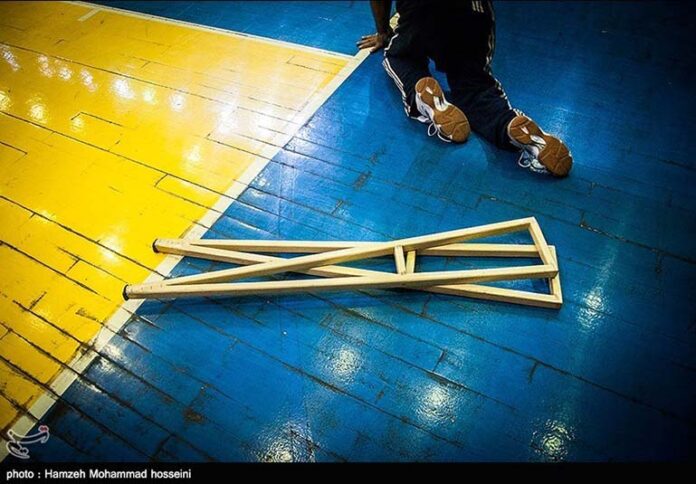
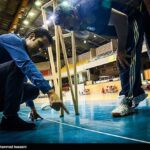
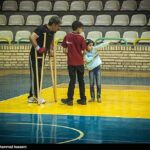
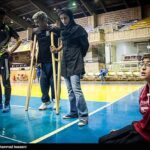
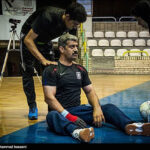
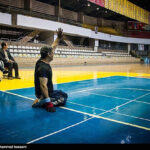
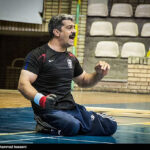
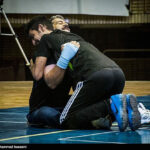
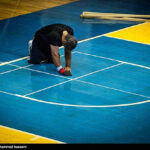
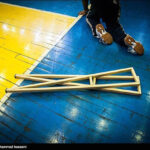
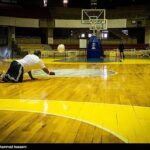
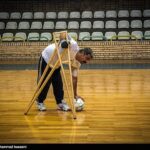
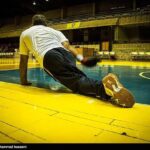
Alireza Sadeghi, an Iranian man who was paralyzed after he came down with polio, seeks to secure himself a berth in the Guinness World Records.

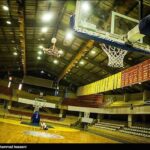
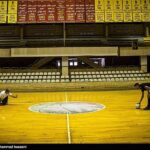
He has had his record of throwing a basketball through the net from a distance of about 26 m registered in Iran and now seeks to find a place for his record in the Guinness World Records.

Images of the paralyzed man on a basketball court posted online by Tasnim News Agency:

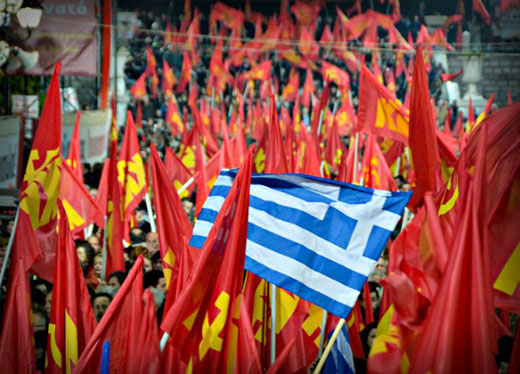
We in Greece are fighting to topple capitalism

kke

Greece – a country strategically located at the crossroads of Europe, Asia, and Africa which was for long toddling on the brink of default and insolvency – is preparing to begin bailout talks with its international creditors next week. The two sides are under enormous pressure to hammer out the rescue deal (worth up to 86 billion euros or $94 billion) before August 20, when Athens is scheduled to make a loan repayment of 3.2 billion euros to the European Central Bank (ECB) that it cannot currently afford.

Sharq daily contacted the Central Committee of the Communist Party (KKE) in Greece through email and posed questions on where the European country is heading. The KKE’s Central Committee has said that it aims to dismantle capitalism in the country, whereas Syriza* [a party born from a coalition of Eurocommunists] is opting for the rule of capitalism.

The following is the translation of a report bylined by Nozhan Etezad Saltaneh the daily published on July 25 on the KKE’s views on the state of affairs in the struggling country:

The Central Committee of the Communist Party of Greece (KKE) has labeled left-wing Syriza as an opportunist party which defends the interests of the capitalists as it tries to keep social-democracy in place and humanize the image of capitalism in the country.

Greece’s KKE, founded more than 90 years ago, is one of the key Communist parties in Europe.  The party has a long proven track record of fights, among them, resistance against the invasion by Fascist forces – led by Hitler’s Germany and Mussolini’s Italy – of Greece [known as the Battle of Greece], fight against the dictatorship of the military junta in the 60s and 90s [known as the Greek military junta of 1967–74, or the Regime of the Colonels] and now the fight they have declared against the neoliberal capitalism and its agents.

The partyhas representatives in the Hellenic Parliament [the parliament of Greece] and the European Union. It does not favor parliamentary democracy* as the best way to make desirable changes and rejects it as a pure illusion. It has also appealed for Greece not to cooperate with the European Union which it views as reactionary [a reactionary apparatus which has at its core the interests of the monopolies] and anti-people.

Despite the fact that the EU has announced that it wants Greece to stay in the eurozone, the Communist Party in Greece maintains that Europe’s bourgeoisie supports the withdrawal [from the Eurozone] of Greece and similar economies, arguing that it [Europe’s bourgeoisie] wants to see the presence of stronger economies in the eurozone and the deletion of the weaker countries.

[…]

Syriza’s performance and its outlook

This government has offered valuable services to the system. The Syriza-led government has masked its compromise with the system by running on a leftist platform and hiding it [the compromise] behind an honorable mask. The party is pushing a false discourse. We are now at a juncture when opposition to the European Union should assume a radical form and result in rejection of efforts which lead to development of capitalism. But Syriza wants to see our country as part of an intergovernmental imperialistic coalition which has always drawn on unequal relations between countries.

On the referendum day, this government put an inappropriate question to a vote and then turned the ‘no’ vote to a ‘yes’ vote in favor of a harsher agreement. Syriza continues to exploit people’s demands and those of leftist forces to put on a popular and leftist face. The new agreement has created a situation as if the sins of the New Democracy  and PASOK social democratic political parties – which were previously in power – had been forgiven.

This government taps into populist demagoguery and is also committed to making use of macro capital. By doing so, this party has managed to win the support of the Greek bourgeoisie and imperialistic centers outside Greece, including the US.

Forming a coalition with the US, France and Italy in which the government takes pride does not serve the people’s interests. In fact, such measures will drag the working class and the general public into disputes between the imperialists.Syriza is a left-wing political party in Greece, originally founded in 2004 as a coalition of left-wing and radical left parties. It is the largest party in the Hellenic Parliament, with party chairman Alexis Tsipras serving as Prime Minister of Greece.

A parliamentary democracy is a system of government in which citizens elect representatives to a legislative parliament to make the necessary laws and decisions for the country. This parliament directly represents the people.

In a parliamentary democracy, you have a Prime Minister, who is first elected as a member of parliament, then elected Prime Minister by the other members of the parliamentary legislature. However, the Prime Minister remains a part of the legislature. The legislative branch makes the laws, and thus the Prime Minister has a hand in law-making decisions. The Prime Minister works directly with other people in the legislature to write and pass these laws.