Wednesday, December 24, 2025
Home Blog Page 4771

Senior officials of a US publishing house to attend Tehran Book Fair

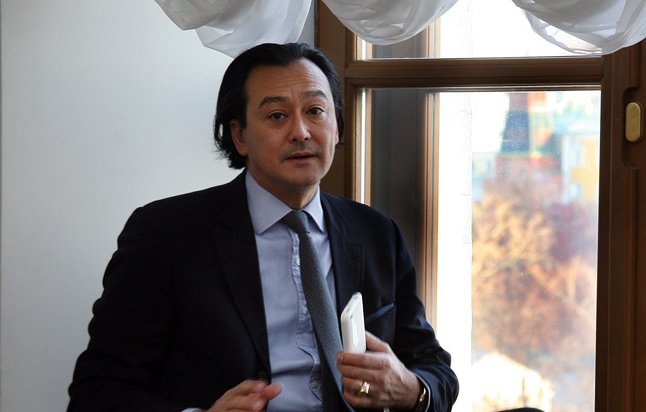
Philip Kisray

The 28th Tehran International Book Fair will be attended, for the first time, by senior officials of John Wiley & Sons, Inc., a global publishing company founded in New York in 1807, Mehr News Agency reported.

The New-Jersey-based company which has offices in many major cities across the world specializes in publishing and marketing academic books.

Philip Kisray, Wiley’s vice-president of international development along with Reinhard Schuelke, Wiley’s regional sales director in Eastern Europe and Central Asia, Turkey, Iran, Pakistan, Afghanistan, are to take part in Tehran Book Fair (May 6-16, 2015) for the first time to introduce their company’s new products and services.

Printed and electronic products of the publishing house are distributed by “Avand Danesh”, an exclusive agent of Wiley in Iran; it is also the only publisher which releases books in English, Persian and Arabic.

In the international section of the book fair, some 8,000 book titles are to be put on display of which 2,000 have gone to press in 2014 or 2015.

Closing ceremony of international section of Fajr Film Festival (PHOTOS)

Fajr Film Festival 56

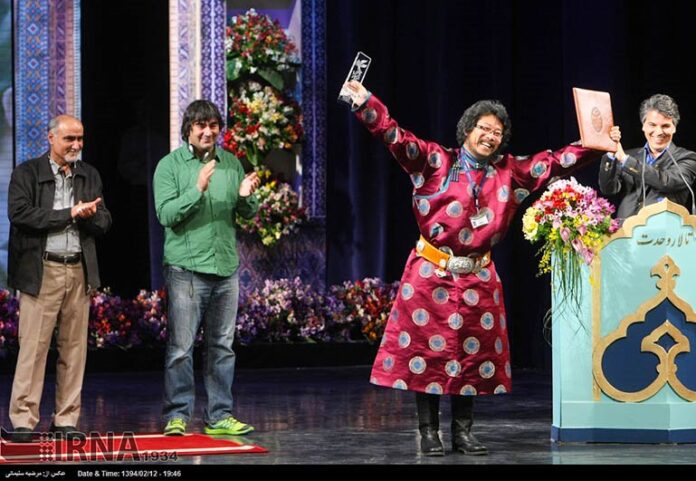
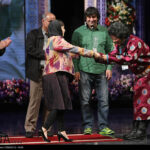
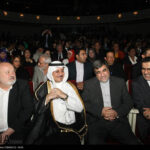
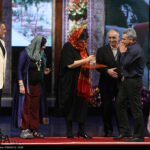
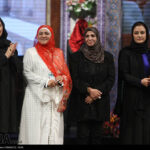
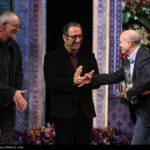
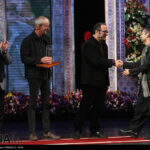
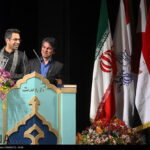
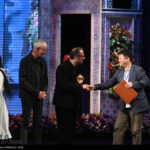
The international section of the 33rd Fajr Film Festival came to an end on May 2.

Snapshots of the closing ceremony held in Tehran’s Vahdat Hall by the Islamic Republic News Agency:

A visit to a father on Father’s Day (PHOTOS)

Father’s Day (1)

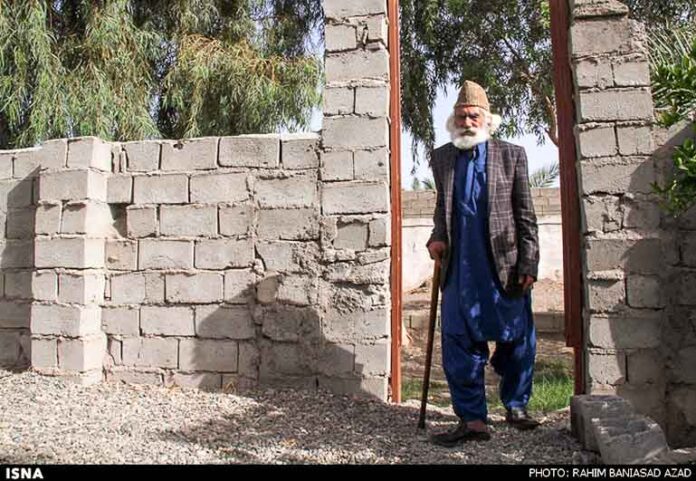
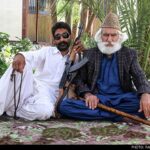
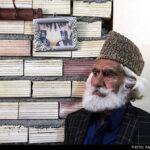
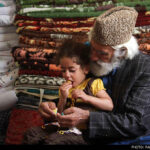
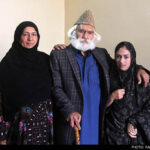
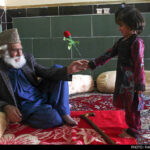
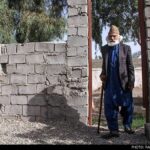
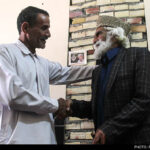
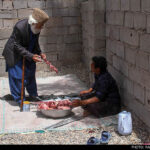
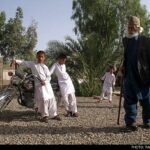
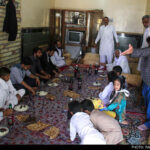
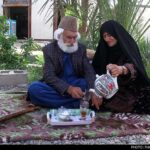
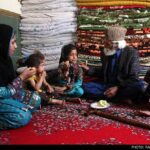
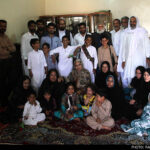
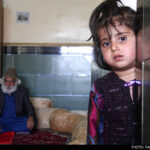
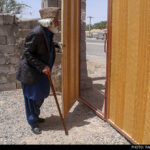
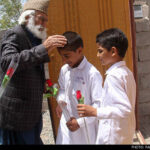
Heydar Shahriari is an old man who served as a soldier in the Bam Citadel during the Qajar era. He has 19 children and over 250 grand and great grandchildren. In spite of all hardships of a nomadic life and old age, he is totally healthy and does all his daily routine all by himself.

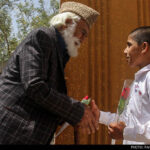
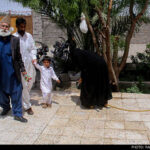
He is well known for his good behaviors, and is entitled as the man of peace. Every year on Father’s Day, his children, grand and great grandchildren come from afar to pay a visit to him.

Snapshots of the family reunions by the Iranian Students’ News Agency:

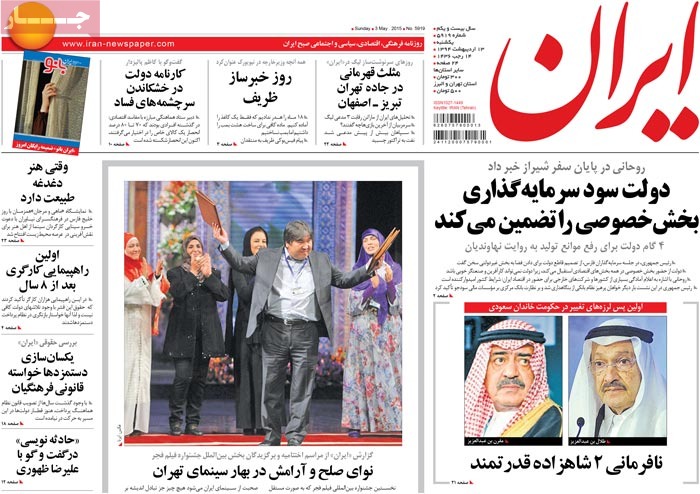
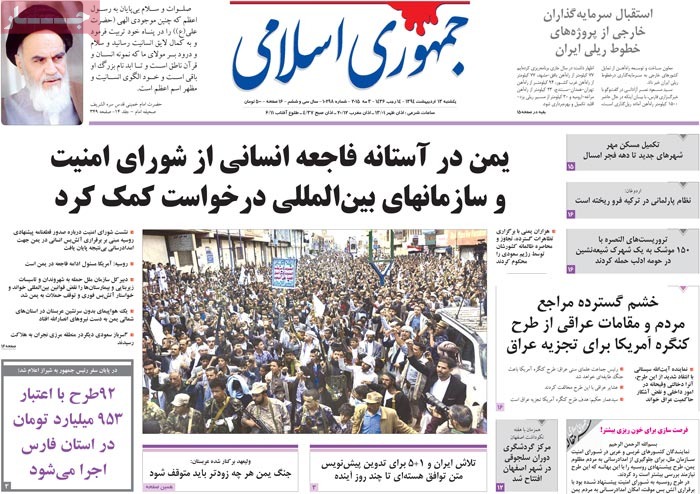
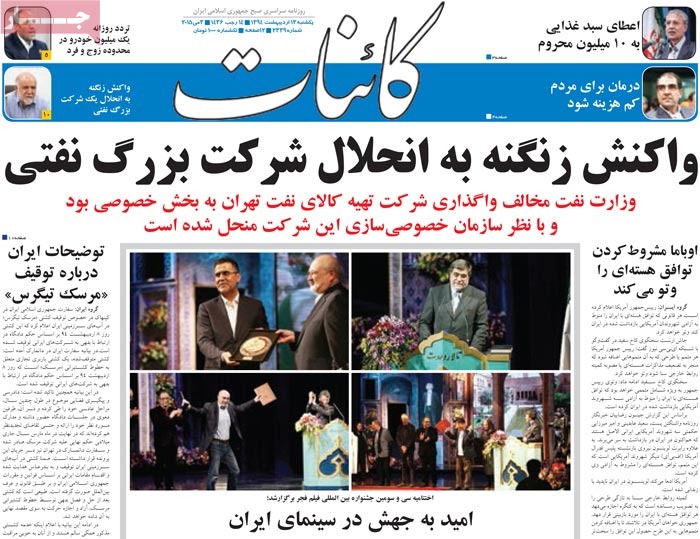
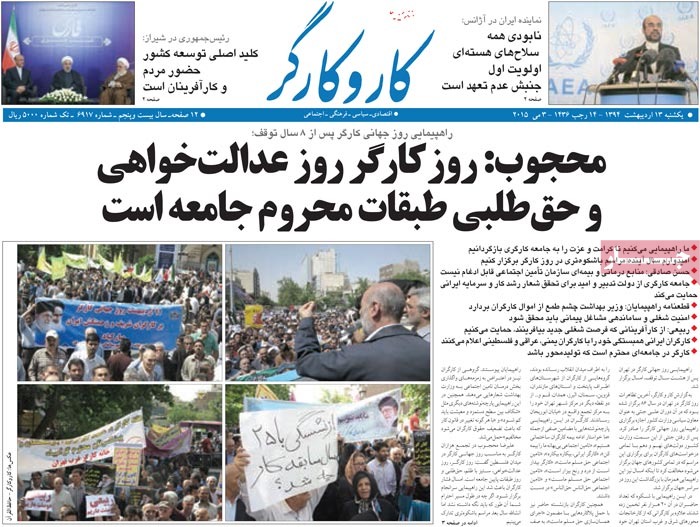
A look at Iranian newspaper front pages on May 3

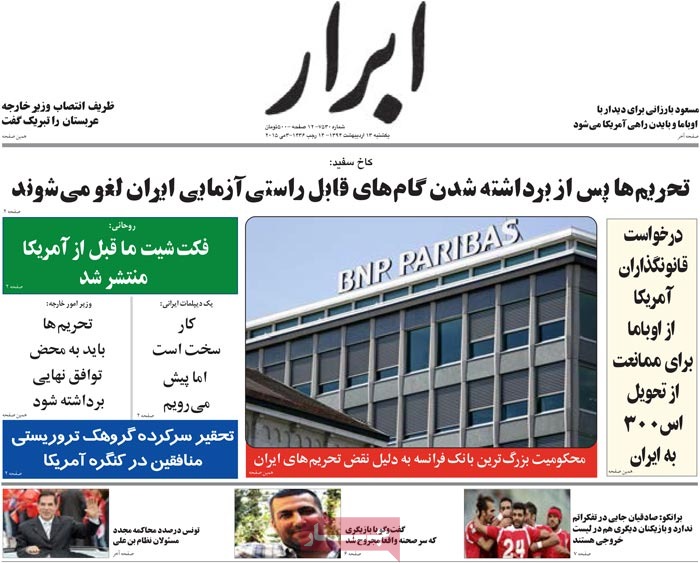
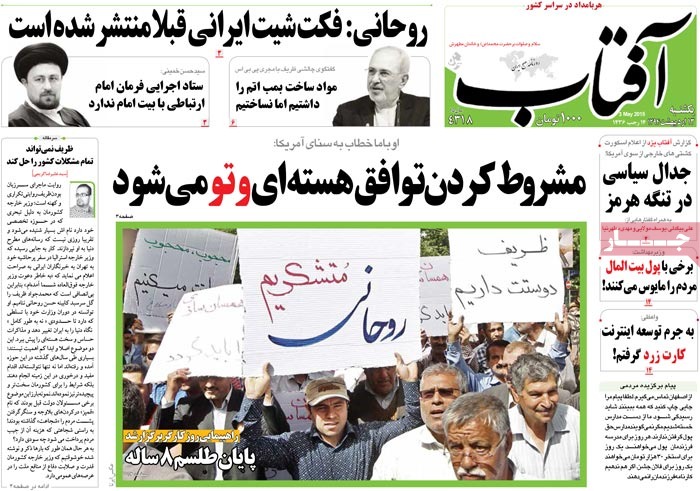
Iranian Newspapers Headlines

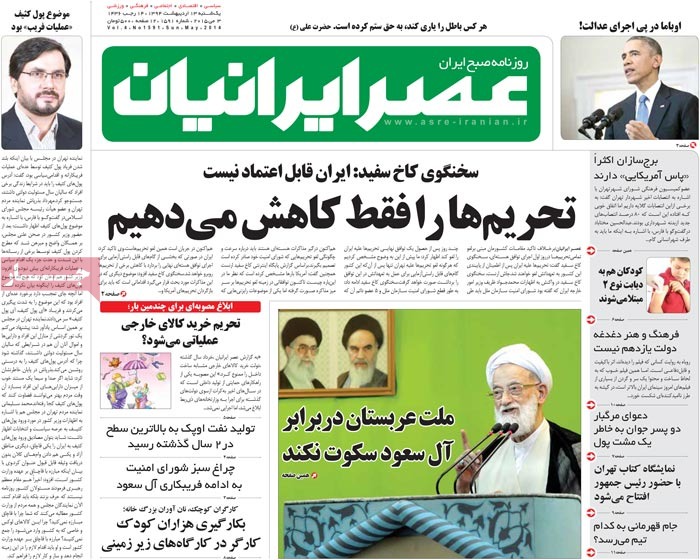
The comments of President Hassan Rouhani at the close of a tour of Fars Province dominated the front pages of Iranian newspapers. Foreign Minister Zarif’s remarks on nuclear talks also appeared on the cover of dailies.


Abrar: Zarif has offered congratulations to Adel bin Ahmed Al-Jubeir on his appointment as Saudi foreign minister.

Abrar: “Sanctions must be lifted as soon as a final deal is struck,” said the Iranian foreign minister.


A look at Iranian newspaper front pages on May 3


Aftab-e Yazd: “We had the material needed to build an atomic bomb, but we didn’t opt to develop nuclear weapons,” said Iranian Foreign Minister Mohammad Javad Zarif.

Aftab-e Yazd: “I have been yellow-carded by parliament for expanding Internet services,” said the minister of communications.

Aftab-e Yazd: An eight-year spell has come to an end; May Day rallies were held in Iran this year.


A look at Iranian newspaper front pages on May 3


Asr-e Iranian: Tehran Friday prayer leader Ayatollah Emami Kashani has urged the Saudi people not to keep silent in the face of crimes by Al-Saud Family.


A look at Iranian newspaper front pages on May 3


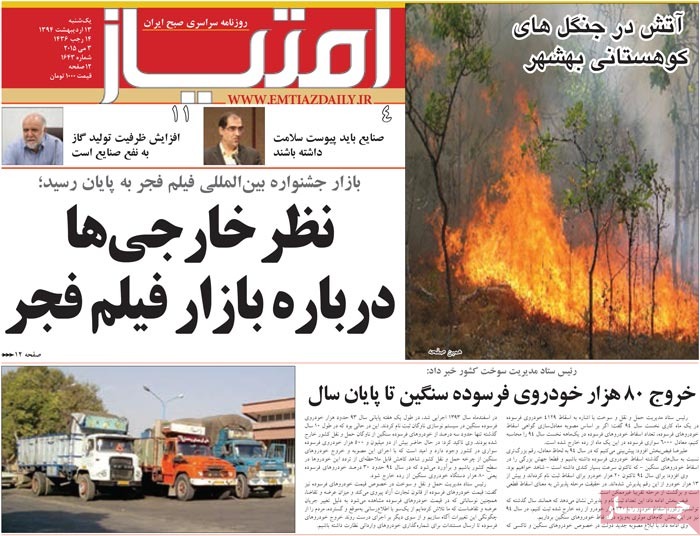
Emtiaz: There has been a bush fire in the forests of Behshar.

Emtiaz: “Some 80,000 old heavy trucks will be taken off the road by the end of the year,” said the director of the State Fuel Management Headquarters.


A look at Iranian newspaper front pages on May 3


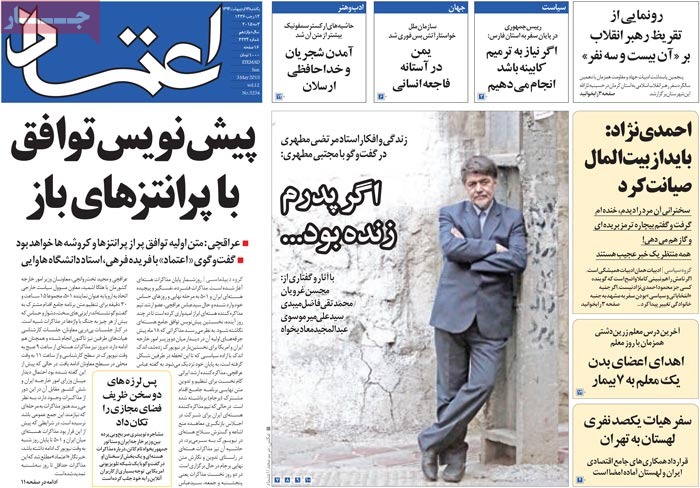
Etemad: “I will reshuffle my Cabinet if and when change is needed,” said President Hassan Rouhani at the close of his tour of Fars Province.

Etemad: The organs of an Iranian teacher have been donated to seven patients.

Etemad: A 100-strong Polish delegation is to visit Iran.

Deals on economic cooperation between the two countries are ready to be signed.


A look at Iranian newspaper front pages on May 3


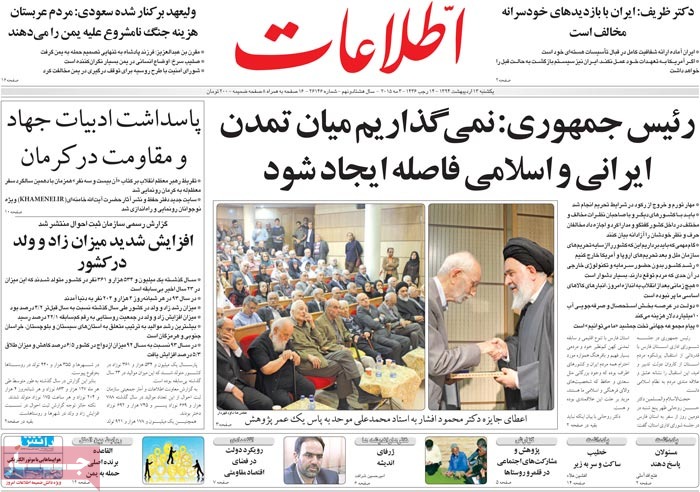
Ettela’at: “We won’t allow a gap to emerge between the Iranian and Islamic civilizations,” said President Hassan Rouhani.

Ettela’at: The number of births in Iran has registered a dramatic rise.


A look at Iranian newspaper front pages on May 3


Iran: “Government guarantees the returns of private-sector investment,” said President Rouhani.


A look at Iranian newspaper front pages on May 3


Jomhouri Islami: Foreigners have welcomed investment in Iran’s railway projects.


A look at Iranian newspaper front pages on May 3


Kaenat: The reaction of [Oil Minister Bijan Namdar] Zanganeh to the dissolution of a major oil company:

The Oil Ministry was opposed to the privatization of Kala Naft Company which was dissolved under the supervision of the Privatization Organization.


A look at Iranian newspaper front pages on May 3


Kar va Kargar: “Elimination of nuclear weapons is the top priority of the Non-Aligned Movement,” said Iran’s envoy to the International Atomic Energy Agency.


A look at Iranian newspaper front pages on May 3


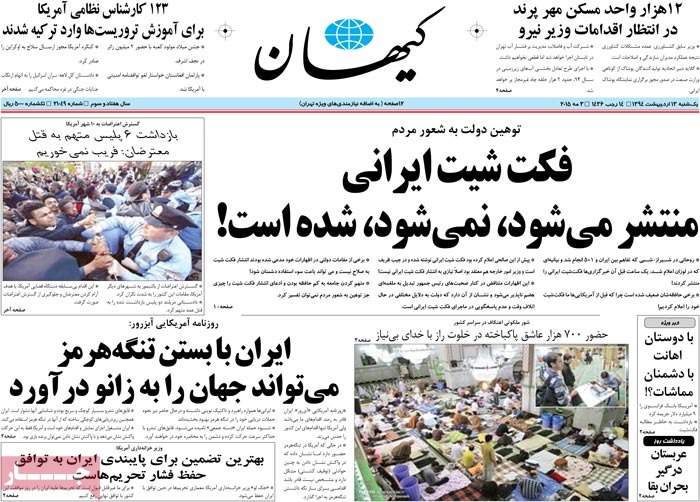
Kayhan: The government is insulting people’s intelligence by saying Iran’s fact sheet will and won’t be released in the same breath.


A look at Iranian newspaper front pages on May 3


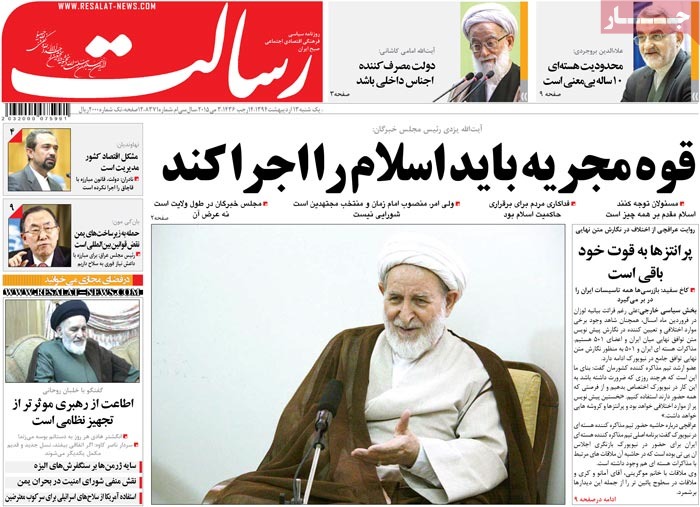
Resalat: “The Executive branch has a duty to implement the rules of Islam,” said the chairman of the Assembly of Experts.

[Ayatollah Yazdi’s comments came after President Rouhani told a host of senior police commanders that law enforcement is not responsible for implementing the rules of Islam; rather police should enforce the laws. The President has since come under fire for his comments.]


A look at Iranian newspaper front pages on May 3


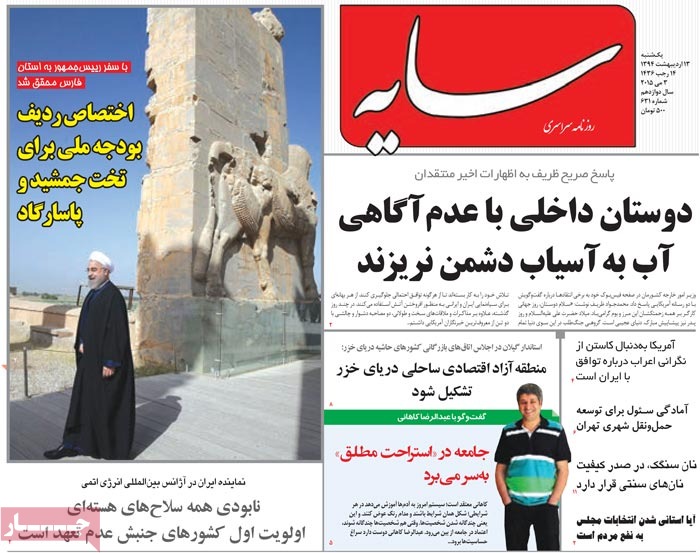
Sayeh: “Fellow Iranians should not willingly advance the cause of the enemy,” said Foreign Minister Zarif.


A look at Iranian newspaper front pages on May 3


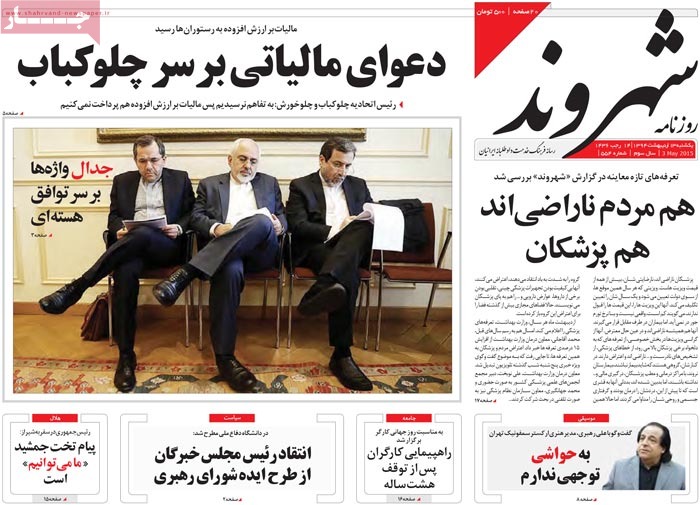
Shahrvand: Chairman of the Assembly of Experts Ayatollah Mohammad Yazdi has criticized the idea of creating a leadership council.


A look at Iranian newspaper front pages on May 3


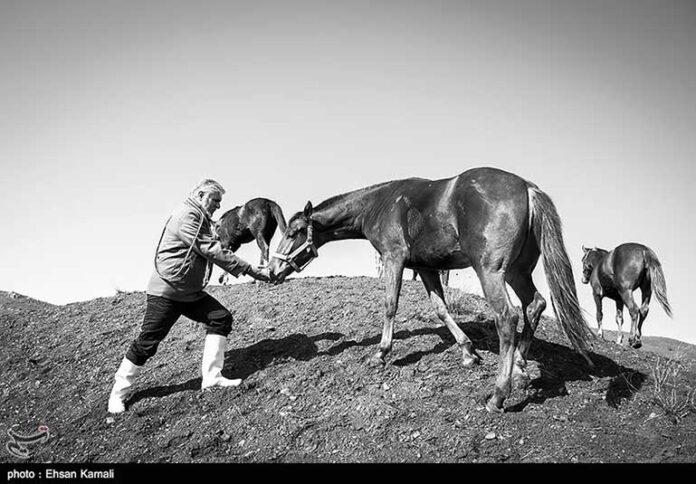
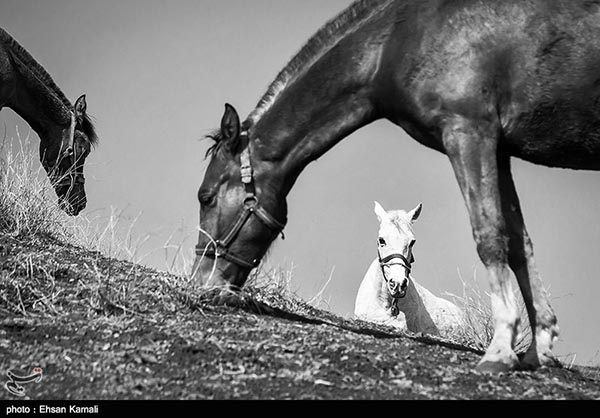
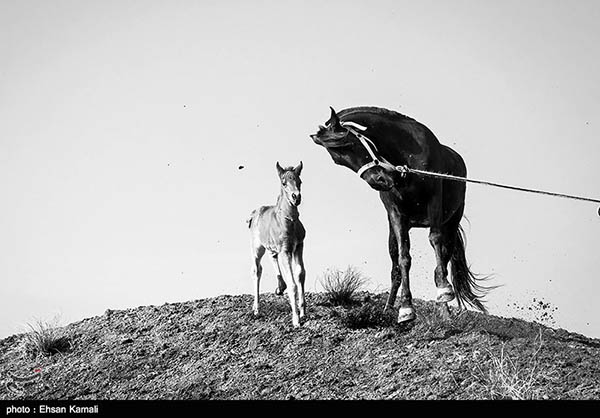
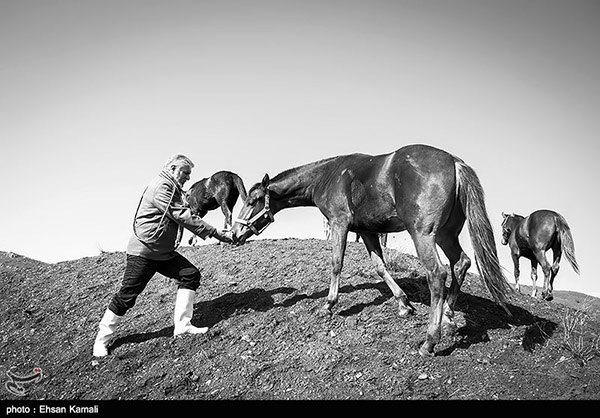
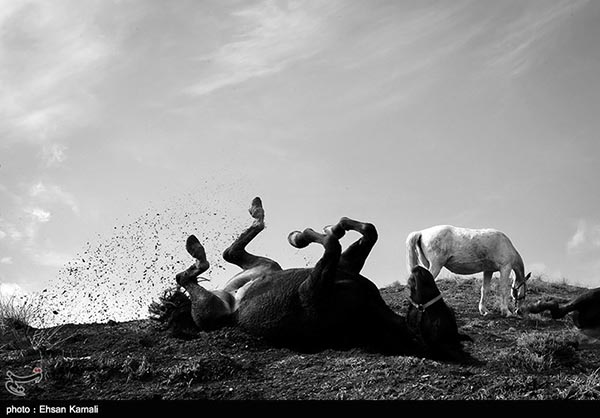
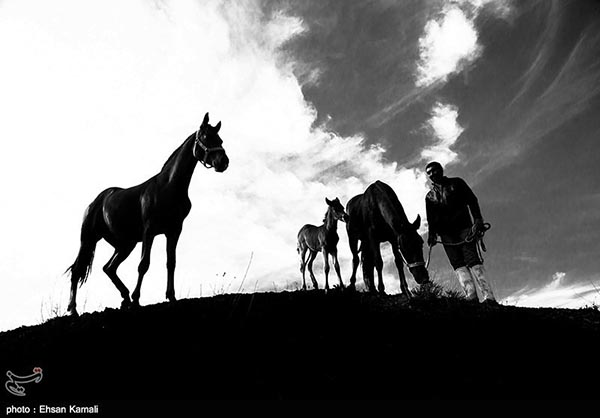
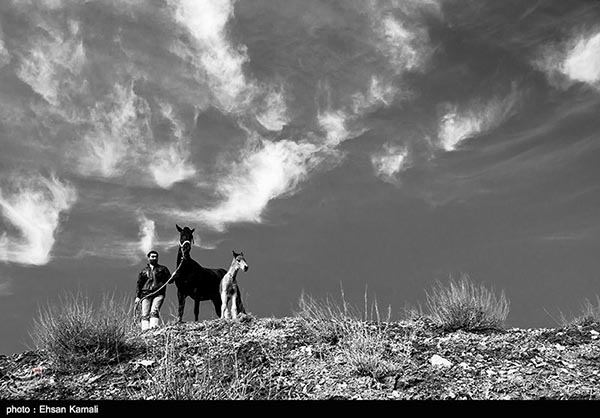
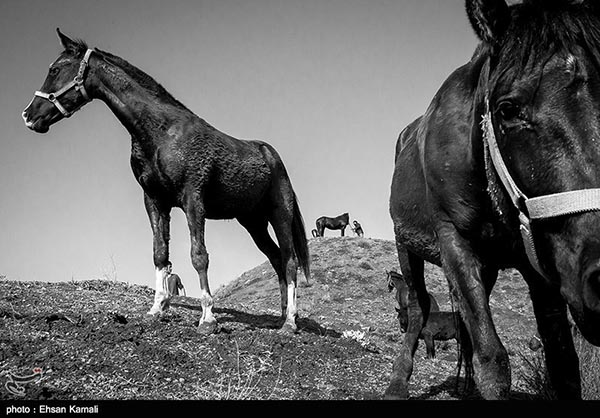
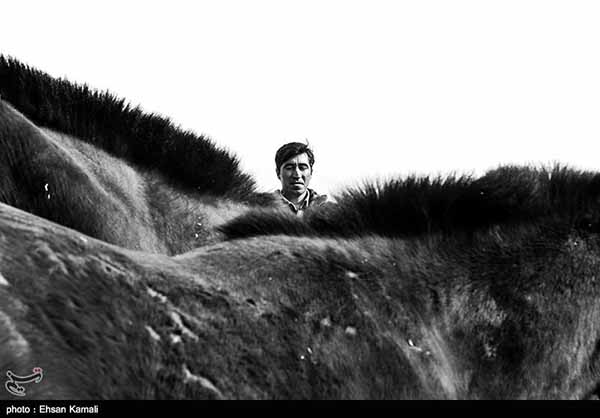
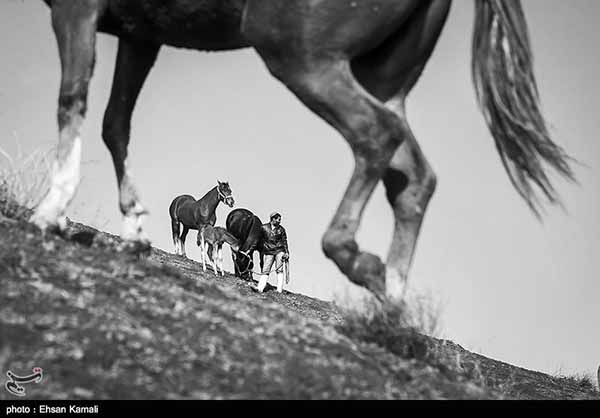
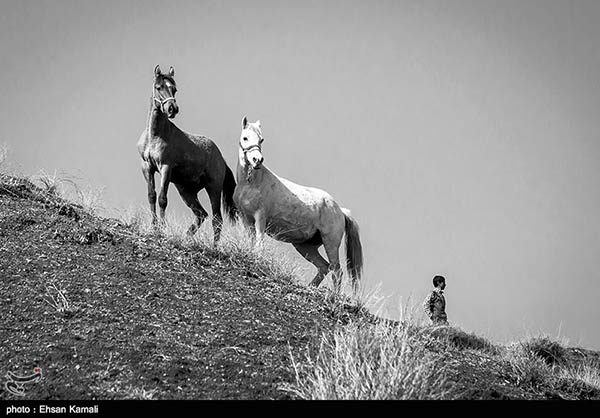
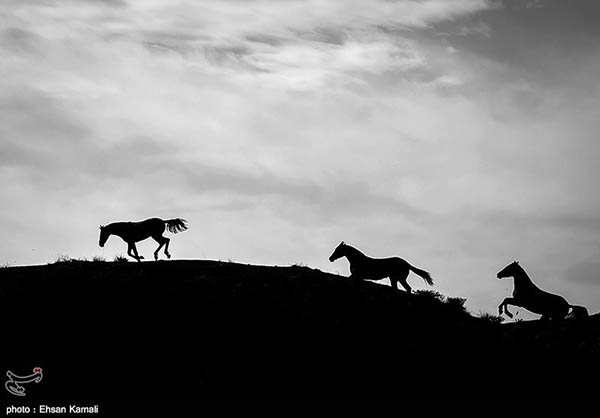
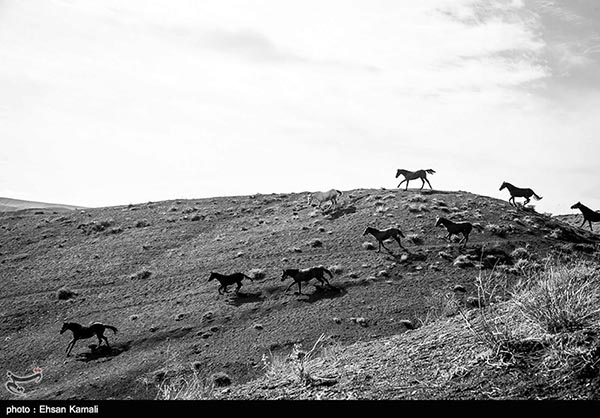
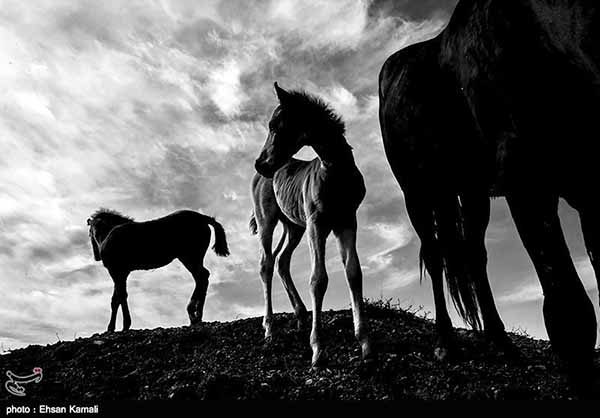
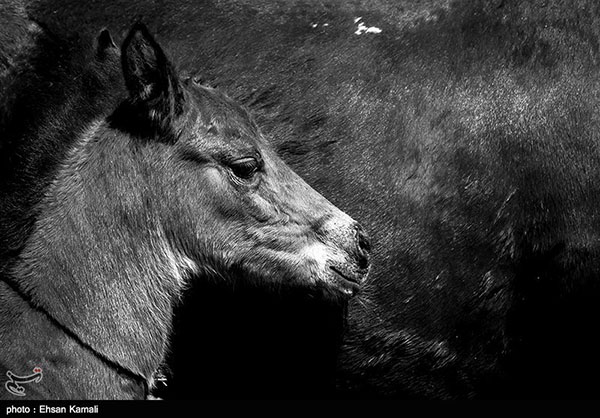
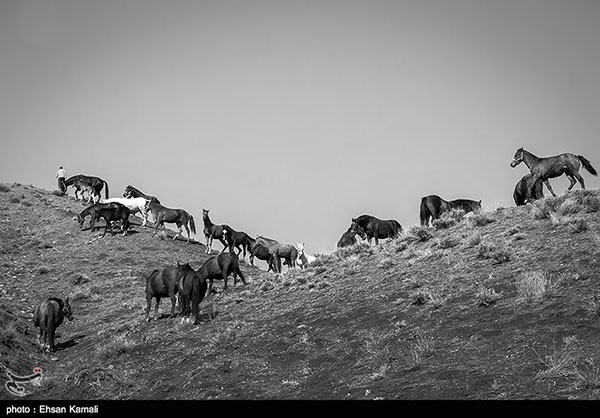
A horse farm in northeastern Iran (PHOTOS)

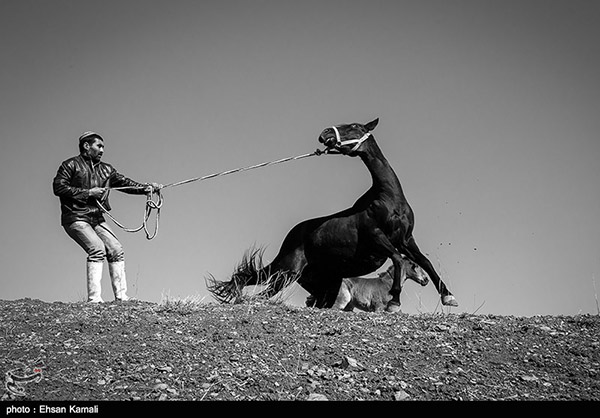
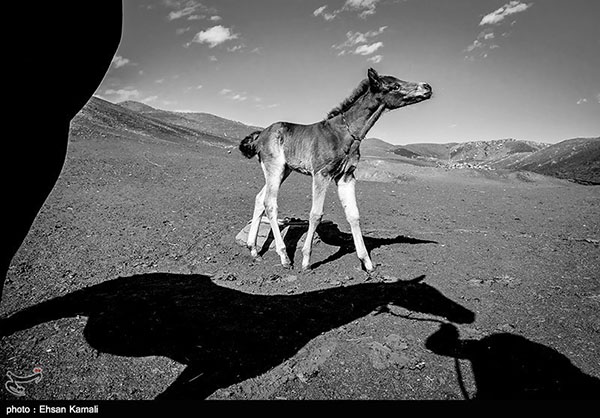
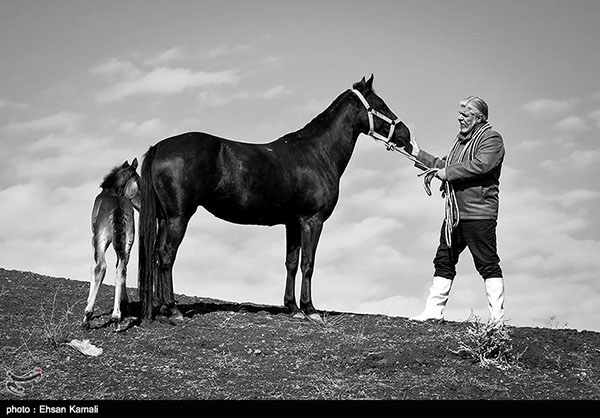
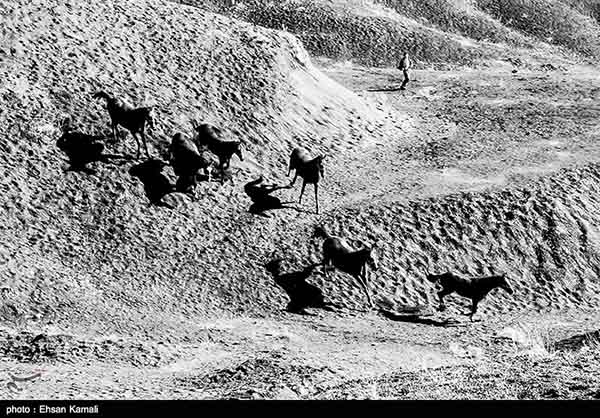
Turkmen horses

Dr. Abdoljalil Ghiadi is a physician who lives in a village in the northeastern province of North Khorasan. Aside from practicing medicine, he is so interested in horse breeding that he has bred over 50 Turkmen thoroughbreds so far.

Snapshots of the doctor with his horses put online by Tasnim News Agency:

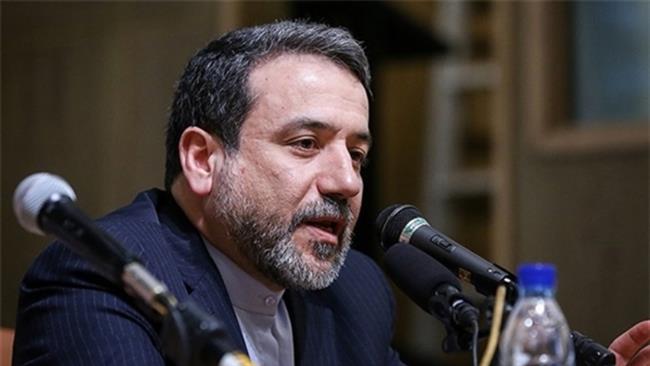
First Iran-P5+1 draft to contain blank sections: Araghchi

araghchi

A senior Iranian negotiator says the first draft of a deal between Iran and P5+1 on Tehran’s nuclear program will contain gaps requiring further decisions.

Iran’s Deputy Foreign Minister for Legal and International Affairs Abbas Araghchi made the comment in an interview with IRIB on the sidelines of the 2015 Review Conference of the Parties to the Treaty on the Non-Proliferation of Nuclear Weapons (NPT) in New York.

Araghchi said Iran and P5+1, represented by EU political director Helga Schmid, have officially started drawing up the draft of a final nuclear agreement.

He expressed hope that within the next days the sides would be able to write the first draft of the overarching deal “which includes all points.”

“It will be a tough task. This first draft will be full of disputed issues and will include parentheses and brackets, and decisions should be made about them in the future,” Araghchi said.

Experts from Iran and the six global powers are examining the details, he said, noting that a two-month period has been envisaged for writing the draft.

Iran and P5+1 seek to reach a draft agreement in New York no matter how many days it will take, the official said, adding the next round of talks would continue in Europe.

Araghchi noted that the main agenda of the Iranian negotiating team in New York focused on the NPT review conference.

The Iranian negotiators, however, have held nuclear talks with European Union foreign policy chief Federica Mogherini, Director-General of the International Atomic Energy Agency Yukiya Amano and US Secretary of State John Kerry on the sidelines of the New York event, Araghchi said.

Iran and P5+1– the United States, France, Britain, Russia and China plus Germany – reached a mutual understanding on Tehran’s nuclear program in the Swiss city of Lausanne on April 2.

The two sides held expert-level talks in Vienna, Austria, on April 24. The three-day talks were held in a bid to draft the text of a final agreement based on the mutual understanding reached in Lausanne.

Iran and the six-party group have agreed to finalize a comprehensive deal on Tehran’s nuclear program by the end of June.

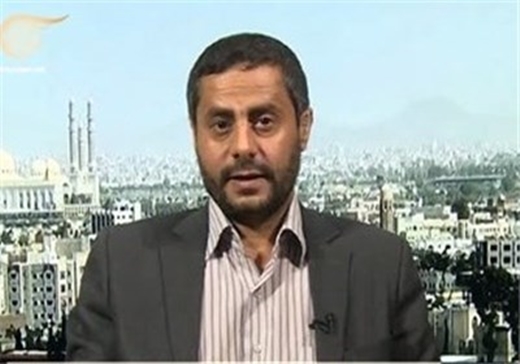
Yemen’s Ansarullah vows decisive response to Saudi invasion

Ansarullah

Yemenis will definitely respond to the Saudi-led attacks, an official with the Ansarullah movement underlined, saying the appropriate place and time for such reaction is left to the discretion of the Yemeni army and voluntary forces.

Speaking to the Tasnim News Agency, Mohammed al-Bukhaiti, a member of Ansarullah’s political council, warned of the serious consequences that invading Saudis will have to face in response to their military campaign against Yemen.

Ansarullah has not so far responded to the Saudi-led strikes to give the aggressors the time to think twice, he added.

“The response will be certain,” Bukhaiti reiterated, noting that the decision for the time and place of reaction comes within the purview of the Yemeni army and voluntary committees, with “all options” on the table.

He also called for the return of Yemenis to the negotiating table to settle the conflicts in the Arab country, stressing that any political decision needs to be made through Yemeni-Yemeni dialogue and consensus among all parties.

On March 26, Saudi Arabia and some of its Arab allies began to launch deadly air strikes against the Houthi Ansarullah movement in an attempt to restore power to the fugitive former President Abd Rabbuh Mansour Hadi, a close ally of Riyadh.

According to the spokesman of the Yemeni Army, the Saudi-led war on the Arab country has killed more than 2,000 people, most of them civilians.

On Thursday, UN Secretary-General Ban Ki-moon warned about the consequences of the continued blockade on Yemen, saying that dire fuel shortages in the Arab country were threatening to bring all relief operations to a halt “within days”.

The UN chief called for an “immediate resumption of fuel imports to avoid making the already catastrophic humanitarian situation in Yemen even worse.”

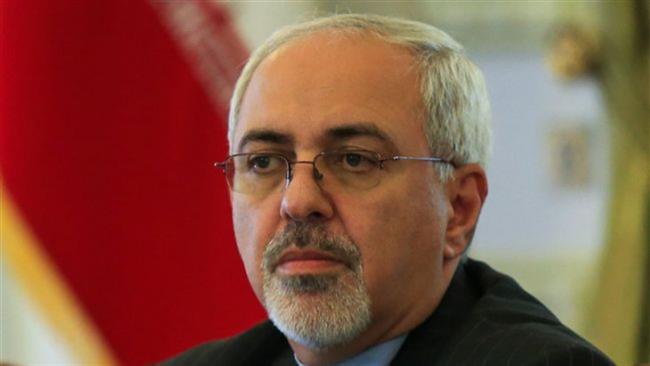
Zarif raps Egyptian daily for distorting remarks on Israel

Mohamad Javad Zarif

Iranian Foreign Minister Mohammad Javad Zarif lashed out at an Egyptian news website for distorting his comments on Israel.

On his Facebook page on Friday, Zarif said that the Egyptian website has falsely distorted his answer to a question by an American reporter on talks with the Zionist regime.

He said that the Egyptian website has falsely interpreted his clear and one-word (no) response to a question on possibility of holding talks with Israel as Iran’s readiness to negotiate with the regime.

Also on Thursday, Iran’s Interest Section in Cairo strongly blasted the Egyptian news website for misquoting Zarif’s remarks.

Iran’s Interest section in Cairo said in a statement that the Egyptian al-Youm al-Sabe’ daily had raised baseless claims on relations between Iran and Israel.

“All claims and allegations raised in this report, especially the remarks attributed to the Islamic Republic of Iran’s foreign minister quoted by certain Zionist media are sheer lies and fully baseless,” a statement by Iran’s Interest Section in Cairo said.

It added that all the Muslim world and Arab public opinion is aware of the Islamic Republic of Iran’s principled and clear policy on the illegitimate nature of the Zionist regime and Tehran’s support for the Palestinian nation’s holy cause and the holy Quds.

No place for adventurism in region: Iran’s deputy FM

Hossein Amir-Abdollahian

Iran’s Deputy Foreign Minister Hossein Amir Abdollahian slammed Saudi-led military offensive against Yemen as an adventurous act, saying Tehran will not allow such measures to jeopardize its joint security interests with Yemen.

In an interview with IRIB on Saturday, Amir Abdollahian said Iran will not allow others to imperil the security of Yemen, which he said is analogous with security of the region and Iran.

“The era of such adventurous moves has ended, and all sides should think about the region’s security and playing a constructive role,” the Iranian diplomat noted.

He also explained that Saudi Arabia’s focus on the military attacks against Yemen has just “emboldened the Zionist regime (of Israel) and the terrorist groups.”

Amir Abdollahian once again voiced Tehran’s support for the “Yemeni-Yemeni dialogue” and rejected any foreign meddling in the Arab country’s internal affairs.

He also deplored the muted response by certain countries on the continued Saudi-led airstrikes against Yemen and the blockade of the war-torn nation.

On March 26, Saudi Arabia and some of its Arab allies began to launch deadly air strikes against the Houthi Ansarullah movement in an attempt to restore power to the fugitive former President Abd Rabbuh Mansour Hadi, a close ally of Riyadh.

According to the spokesman of the Yemeni Army, the Saudi-led war on the Arab country has killed more than 2,000 people, most of them civilians.

On Thursday, UN Secretary-General Ban Ki-moon warned about the consequences of the continued blockade on Yemen, saying that dire fuel shortages in the Arab country were threatening to bring all relief operations to a halt “within days”.

The UN chief called for an “immediate resumption of fuel imports to avoid making the already catastrophic humanitarian situation in Yemen even worse.”

Iran under President Rouhani, a boon or a bane

197987_647

Dr. Rouhani’s foreign policy is mainly focused on more interaction with the international community, regional countries in particular, and on what he has repeatedly announced as a win-win approach.

Abdolali Ghavam, a faculty member at Shahid Beheshti University, in an opinion piece published by Etemad newspaper on April 19, elaborated on nuclear talks with P5+1 and President Rouhani’s foreign policy achievements. The following is a partial translation of the piece:

Rouhani’s foreign policy

In game theory, a zero-sum game is [a mathematical representation of] a situation in which a gain for one side entails a corresponding loss for the other side. […]

I think Dr. Rouhani is favoring a win-win game. The question that arises here is how much the Iranian foreign policy can show flexibility, structurally, to shift from a zero-sum game onto a win-win game.

Other theories

[…]

There is one point in game theory: although you have information about the other side in terms of politics, military and technological issues, etc., you cannot fully assess that information [which has turned into part of your mindset].

[…]

It can be said that you face limited communication [with the other side]. Although you have collected, among other things, the necessary ammunition on the other side’s economic and military capabilities, you still don’t know if the decision the other side makes has anything to do with those capabilities and whether its proposals and threats are real or just a bluff.

[…]

For any move you make, you need to weigh the costs you have to pay and the benefits you may reap. The costs and benefits may differ from one player to another. For instance, you may think that a policy you adopt will cause the other side to pay dear economic prices. Thus you may conclude that it is its Achilles’ heel on which you can pile more pressure. Maybe, unlike normative, ideological and idealistic questions, financial and economic issues are of little importance to that government.

Thus, the costs and benefits are not necessarily economic. If we just assess the financial and economic pluses and minuses, we are likely to miscalculate and this will cause huge damage.

In game theory, “brinkmanship” [the practice of seeking advantage by creating the impression that one is willing and able to push a highly dangerous situation to the limit rather than concede] happens when you take the other side to the edge of a cliff, but you are not sure if you want to push it down or keep it up there.

The game theory also entails deterrence. “Minimax” [a decision rule used in game theory for minimizing the possible loss for a worst case (maximum loss) scenario] and Maximin [the procedure of choosing the strategy that most benefits the least advantaged member of a group] are also part of the game theory. They are the games which help you maximize your benefits. They are the games in which you think a minimum is enough for you.

In Minimax, you choose the lesser of two evils. You may get involved in a situation in which you don’t have an ideal alternative, but you accept the least benefit. This way you choose the best of the worst to sustain fewer losses. This is the general framework of the game theory. […]

Win-win game

[…]

You get involved in interaction and cooperation when you see the game as a win-win situation. As one of the parties, if you expect to be the eventual winner of the talks and the other party the real loser, such talks do not take place. Even if they do, they will end inconclusively. […]

The other party [the US here] too seeks to win something out of the talks. For example, Mr. Obama wants to and should sell the result he achieves in the agreement to Congress. He should be able to pitch that result to his rival party, especially the radical and far-right Republicans. That he raises the issue in a certain way not to draw opposition from the Republicans comes with the territory t. […]

Obama does not think only about his term in office. He is thinking of a situation in which a Democrat president is at the White House. So any agreement [with Iran] can be a positive achievement under his belt. That’s why you cannot be a [comfortable] winner on all fronts in the talks.


P5+1 profits

First of all, economic profits do matter to members of P5+1, especially the Europeans as well as Russia and China. A number of European companies and industries admitted that they couldn’t believe the consequences [that they could not do very simple business with Iran] when they [first] learned about the sanctions imposed against Iran in recent years.

In light of the fact that Europe has been hit by a [money] crisis and Russia is currently facing a crisis [it is under sanctions over its role in Ukraine], P5+1 countries are seeking economic profits – their number one priority. Even in the recent round of nuclear talks in Lausanne, the topics which were raised showed that European countries together with China and Russia thought that the US was seeking to reap the largest benefits out of the agreement.

This was evident in their behavior. For instance, the top diplomat of one of those countries left the Swiss city and his deputies attended the talks. This shows that there is an economic rivalry among them too.

Economic profits are important to the US too, but what is more significant to the US are strategic interests, political and security issues, and how successful it is in turning Iran from a problem into a solution. That Western countries, the US in particular, see Iran as a problem has imposed huge security, economic and political costs on them.

If this [Lausanne] agreement is inked, it will be a paradigm shift and change Iran’s issue, which was believed to be a problem, into a solution.

When turned into a solution, Iran will be dealt with as a partner. Under such circumstances, the US and its fellow P5+1 members can benefit from an Iran which has turned into a solution. Instead of an Iran which is involved in Lebanon, Palestine, Iraq, Yemen and other hotspots, they can be helped by an Iran which is part of the solution. A U-turn surfaces here; naturally cooperation can be replaced by confrontation and conflict if Iran is regarded as a problem.

Conditions of talks and agreement

Before setting the stage for holding talks which could result in an agreement, there should be common ground between countries. The parties to the talks should accept the legitimacy of the other side. Either side should think its rival enjoys potential and it can take advantage of such potential. In other words, one party enjoys legitimacy or power that the other party can count on. If a country [one side] can encourage the other side [another country] to establish cooperation, the former can largely meet its own demands.

The second factor which pushes the governments – especially those that were at odds – toward agreement and cooperation is the growing rise in the costs the two sides should pay for confrontation. It means the higher the costs of confrontation between the governments, the more willingness on their side to reach agreement and have cooperation.

[A case in point is what Iran has done so far.] So long as the price Iran has to pay for lack of cooperation with P5+1 has not gone beyond a certain limit, Iran prefers not to be engaged in talks because the country does not lose much. Or as long as the US thought it was only Iran which was paying the price [for no engagement] it showed not much interest in engaging Iran. But when the economic, political, military and cultural costs the two sides have to pay rise on different fronts, the stage is set for reaching an agreement. […]
Rouhani diplomacy and international theories

If we want to study Iran’s foreign policy, we realize that it is based on several theories of international relations. It covers mainstream theories such as realism, liberalism and their different versions as well as Constructivism and critical theories.

What happens when you are engaged in a win-win game and international cooperation is definable according to liberalism? The security concerns can be studied within the principles of realism. When you challenge the existing regional order, you are critical of international law, human rights and the like, and you are following the critical theories. […]
Global changes and nuclear talks

[…]
The US under Obama has based its foreign policy on the world policy. The US look at global policies has been boosted after Democrats, led by Obama, assumed power. Unlike Gorge W. Bush and his fellow Republicans who put war above peace, Obama favors peace. What Obama is pursuing is peacemaking – or creating peace – not peacekeeping alone. This mindset focuses on efforts to create peace and try to maintain it.

Obama has taken into account a liberal principle which says that war is too costly compared with diplomacy and that relative stability and security is achievable through diplomatic means. [As for the nuclear agreement with Iran] I think the view of the US leaders has played a key role. The upshot of the agreement could serve the interests of P5+1, one way or another.

In addition, several regional countries – among them Israel, Saudi Arabia and Turkey – are upset by the current situation [a reference to the agreement] because they have been the leading players in the region in the absence of Iran, and now they think Iran is emerging as a serious rival. What has been the order of the day so far was ideal for them because they were given more room to maneuver. […]
Role of talks in global diplomacy

The policy President Obama is pursuing – that issues can be solved through diplomacy not confrontation and that diplomacy is less costly – has greatly paid off. World nations, especially regional countries, can learn a good lesson from it: that they can solve their issues through talks providing that the outlines of national interests and objectives as well as the priorities of those objectives are clear for the governments.

The upside of Iran diplomacy

[…]
That Iran announced it favored a win-win strategy marked the beginning of cooperation and talks. What parted the parties to the talks in the past was the win-lose strategy. Another plus for Iran is the employment of professional diplomats and well-experienced advisors – who were fully familiar with diplomatic techniques and knew how to get engaged in talks. […]
Main achievement of a possible final deal

[…]

In case of a final nuclear deal, the international community will have a different look at Iran. This will set the stage for other governments and nations to have more interaction with Iran, something which would help Iran meet their demands easily.

Under such circumstances, Iran can enjoy a better position and a more powerful base in the region to serve its national interests. It will also ease the concerns of P5+1 and other countries which regarded Iran as a threat. In other words, factors which threaten [regional] security will be replaced by those which beef up security.

Failure to ink a final deal

Even if no deal is clinched, Iran has walked down a long path to reach an agreement, has voiced its desires and demands, and has – honestly and powerfully – talked about its issues. In case of failure, one can say that Iran has chosen diplomacy because it favors talks, but that the other governments have gone for other options since they were not willing to reach an agreement.

[…]