Tuesday, December 23, 2025
Home Blog Page 4755

Nasrallah Lashes Out at US, Israel for Creating Takfiri Terrorism

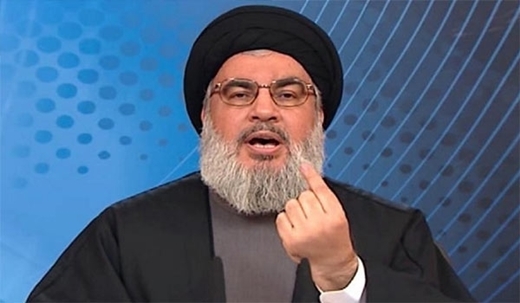
Hassan Nasrollah

Secretary General of Lebanon’s Hezbollah Resistance Movement Seyed Hassan Nasrallah lashed out at the US and Israel for making arbitrary use of Takfiri terrorism to undermine the Islamic nation.

“We are witnessing a new Nakba,” Nasrallah said in a televised address on Saturday.

“The Nakba of the Takfiri militants was first brought to the region by the British Zionist project, now it is the American Takfiri Zionist project, and America is using this to weaken the Ummah and tear it apart and to seize control of its capabilities,” he added.

Every year on May 15, Palestinians all over the world hold demonstrations to commemorate Nakba Day, which marks the anniversary of the forcible eviction of hundreds of thousands of Palestinians from their homeland by Israelis and the creation of the Israeli regime in 1948.

On May 15, 1948, Israeli forces displaced some 700,000 Palestinians, forcing them to flee to   neighboring countries. Israeli soldiers also wiped nearly 500 Palestinian villages and towns off the map, leaving an estimated total of 4.7 million Palestinian refugees and their descendants dreaming of an eventual return to their ancestral homeland more than six decades later.

Battle for Qalamoun

Nasrallah praised the “victory” in Qalamoun as a major achievement for Lebanon, Syria, and the entire region.

The battles there took place from “hilltop to hilltop and from valley to valley,” he added.

Hezbollah, the Syrian army, and Syrian volunteer forces, as well as the locals in Qalamoun helped fighting the terrorists in the strategic area, he noted.

Referring to the major difficulties in the battle for Qalamoun, he said the high mountains and hills inside the area made the mop-up operation very difficult.

A total of around 300 square kilometers of the Syrian and Lebanese territory was retaken from the militants and some of their operation centers were also destroyed, Nasrallah added.

“The highest level of security was achieved for Syrian villages in Qalamoun and the same goes for Damascus-Homs road,” he said, adding; however, that as long as the militants are present in border areas, such as in Arsal outskirts and some parts of Qalamoun, there would be risks.

Nasrallah said Hezbollah fighters have cut off the supply lines of the militants from Lebanon to Syria.

He further described attempts by certain entities to pit Hezbollah against the Lebanese army as “foolish”.

The secretary general also criticized some Arab media for waging what he referred to as psychological warfare against Hezbollah. He added the media has overplayed the number of Hezbollah’s casualties.

“There have been thirteen Hezbollah martyrs in the battle so far,” he stated.

Nasrallah also stressed that the media was trying to portray the Takfiri militants as revolutionaries while they are in fact terrorists.

Since the most recent Syria-Hezbollah joint operations about nearly two weeks ago, al-Nusra Front Takfiri militants had been using Qalamoun mountainous region for transferring weapons and reinforcements from Lebanon into Syria, where they have been engaged in terrorist operations against the government.

Failure after failure

Turning to Yemen, he called for the condemnation of the US-backed Saudi aggression against the impoverished country.

He said the Saudi military campaign has failed to achieve any of its goals, saying Riyadh has gained nothing but “failure after failure.”

“This aggression won’t achieve its goals…. and it has failed in achieving its goals,” he said.

Saudi Arabia has been striking Yemen for 53 days now to restore power to fugitive president Mansour Hadi, a close ally of Riyadh.

[…]

World mum on rights violations in Bahrain

Touching upon the developments about the popular uprising in Bahrain, he slammed the violation of human rights in the Persian Gulf kingdom, saying that the people of Bahrain are facing torture and prison for their peaceful upraising.

“The situation in the prisons in Bahrain is very difficult, it’s not just against the most basic human rights and something awful is taking place… in light of international silence,” the secretary general added.

Anti-government protesters have been holding peaceful demonstrations across Bahrain since mid-February 2011, calling for an end to the al-Khalifa dynasty.

[…]

Power vacuum in Lebanon

On the future presidential election in Lebanon, Nasrallah said the power vacuum has reached a dangerous point, urging the Lebanese people not to pin their hopes on foreigners to make decisions for them in this regard.

“Take these matters very seriously, it’s very important and sensitive, discuss the ways out and raise solutions for the power vacuum,” he said.

The power vacuum is considered the longest since 1990, which marked the end of Lebanon’s civil war.

In Lebanon’s power-sharing system, the president must be a Christian, the prime minister a Sunni Muslim and the parliament speaker a Shiite Muslim. Any presidential candidate would have to receive the backing of the two main political blocs, the March 8 alliance and the rival March 14 alliance, to win the necessary majority from the legislature’s 128 members.

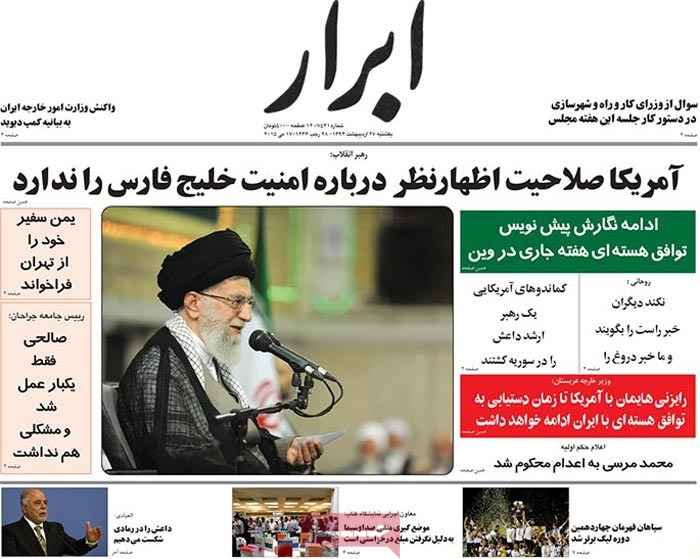
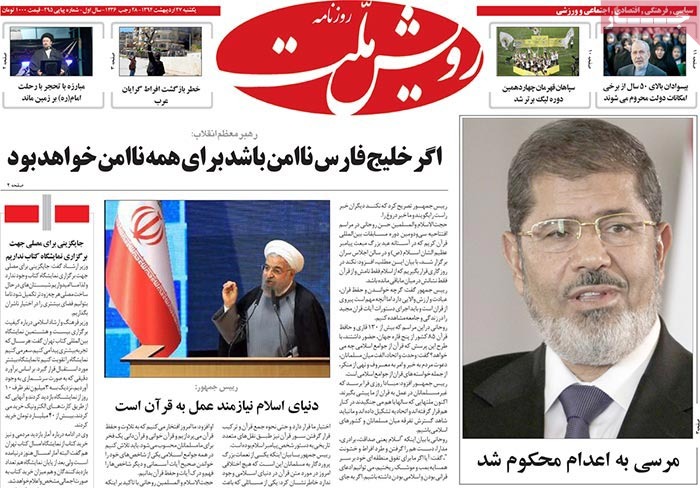
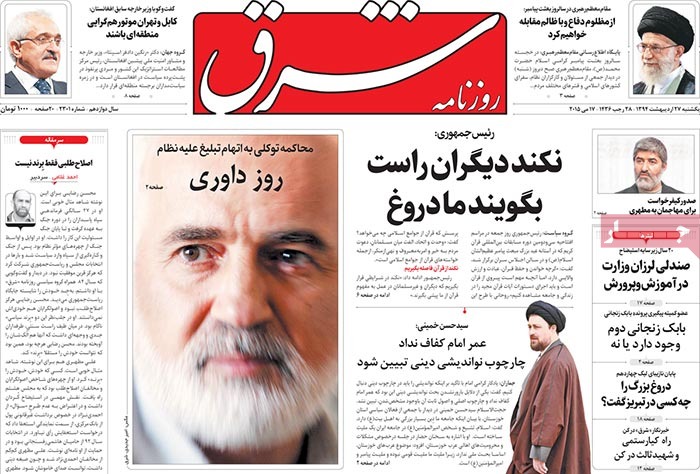
A look at Iranian newspaper front pages on May 17

Iranian Newspapers Headlines

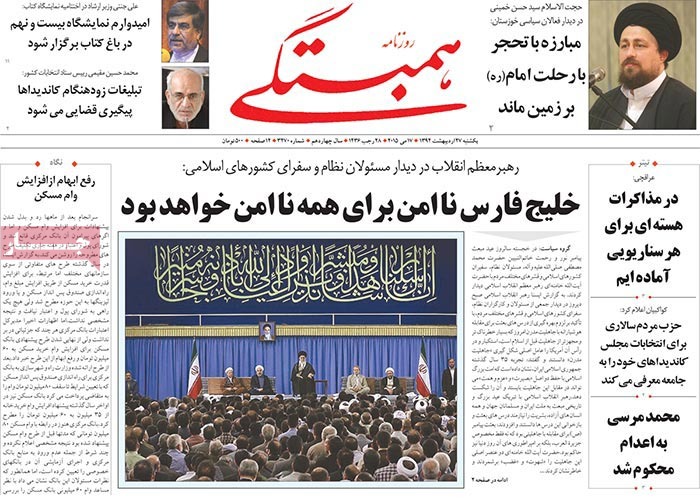
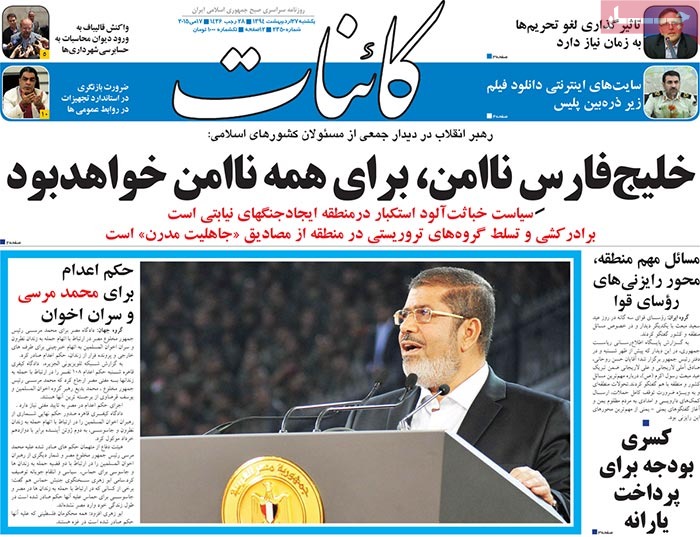
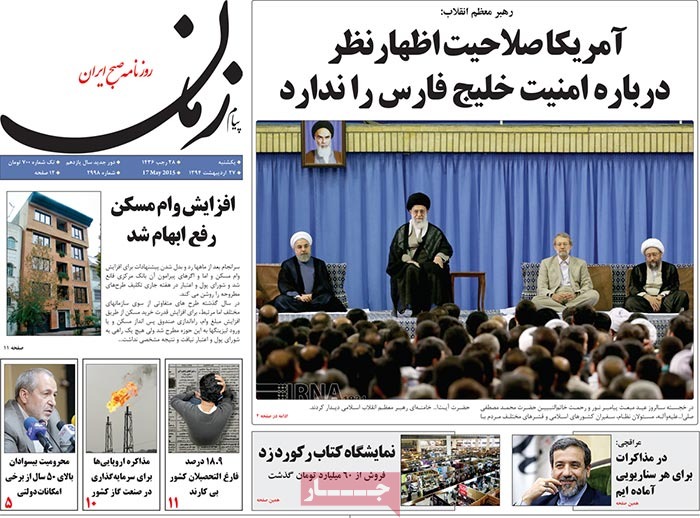
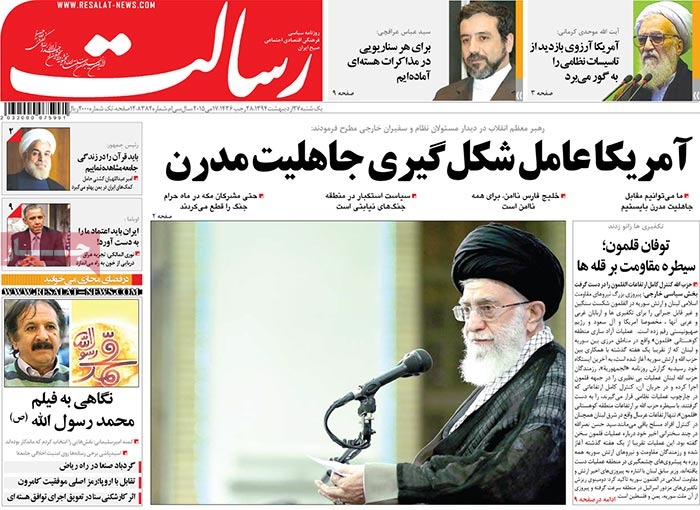
The Supreme Leader’s comments at a meeting with senior state officials on a range of issues including Persian Gulf security dominated the front pages of Iranian newspapers. Also in the news was the death sentence issued in Egypt against former President Mohamed Morsi.
 

Abrar: Yemen has withdrawn its ambassador from Tehran.

Abrar: “[Director of the Atomic Energy Organization Ali Akbar] Salehi underwent surgery only once and that operation went off without a hitch,” said the head of the Iranian Association of Surgeons.


A look at Iranian newspaper front pages on May 17


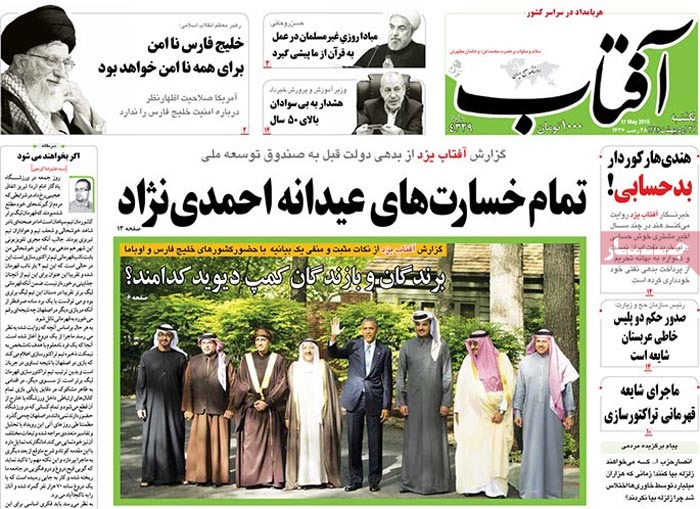
Aftab-e Yazd: “An insecure Persian Gulf will be insecure for everyone,” said Supreme Leader Ayatollah Khamenei at a meeting with senior state officials.

“The US is not in a position to make comments about Persian Gulf security,” the Leader further said.

Aftab-e Yazd: All the harms caused by Ahmadinejad’s New Year gifts

The daily examines the debts the former government owed to the National Development Fund.

Aftab-e Yazd: The head of the Hajj and Pilgrimage Organization has denied reports that a verdict has been issued in the case involving two Saudi officers molesting two Iranian teenagers.
 

A look at Iranian newspaper front pages on May 17


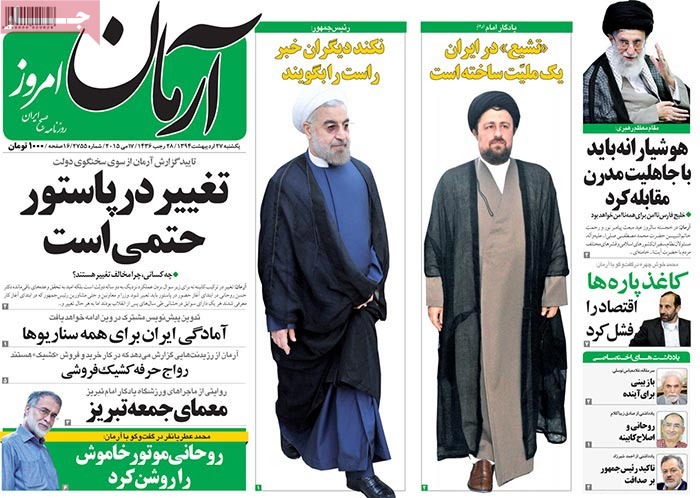
Arman-e Emrooz: Change in Pasteur [a reference to the office of the President of the Islamic Republic] is certain to come.

The spokesman of President Rouhani has confirmed an Arman-e Emrooz report [earlier in May] that a government shakeup is around the corner.


A look at Iranian newspaper front pages on May 17


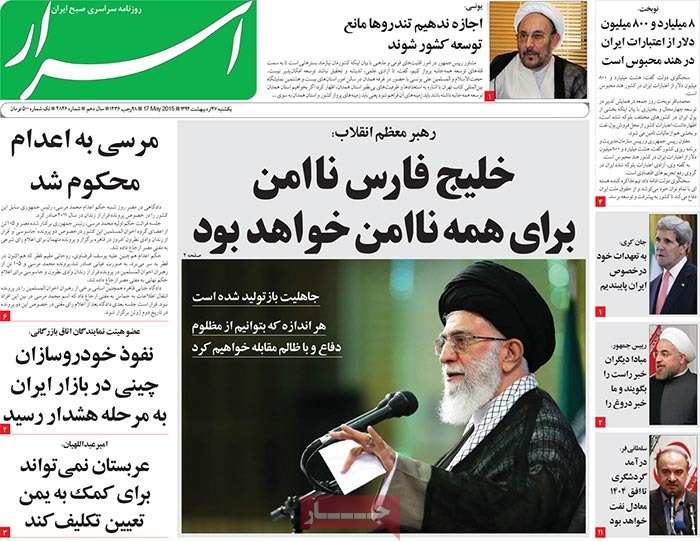
Asrar: “We should not allow hardliners to interfere with the progress of the nation,” said Ali Younesi, an advisor to President Rouhani.

Asrar: Government Spokesman Mohammad Bagher Nobakht has said that India has frozen $8.8 billion in Iranian credit.

Asrar: “The country’s tourism revenues will equal those of oil exports by 2025.”

The comment was made by the director of the Cultural Heritage and Tourism Organization.


A look at Iranian newspaper front pages on May 17


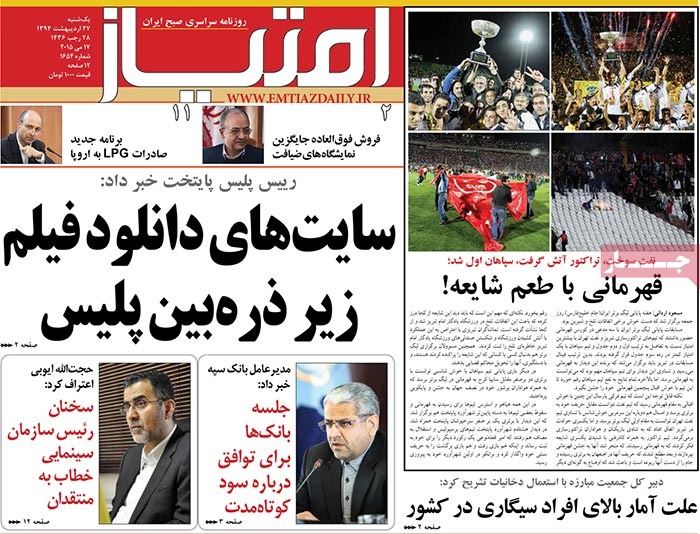
Emtiaz: “Websites that allow illegal downloading of movies are on police radar,” said Tehran police chief.


A look at Iranian newspaper front pages on May 17


Hambastegi: “The fight against ossification stopped with the demise of Imam Khomeini,” said Seyyed Hassan Khomeini, the grandson of the architect of the Islamic Republic, in a meeting with Khuzestan political activists.
 

A look at Iranian newspaper front pages on May 17


Kaenat: The government does not have enough money to sustain cash subsidies.
 

A look at Iranian newspaper front pages on May 17


Payam-e Zaman: Some 18.9 percent of university graduates are unemployed.

Payam-e Zaman: Talks have been held with the Europeans for investment in the country’s gas industry.

Payam-e Zaman: Tehran International Book Fair has set a new record.

Sales amounted to around $20 million dollars during the fair that ran for 10 days.


A look at Iranian newspaper front pages on May 17


Resalat: “The US will take its dream of inspecting Iran’s military sites to the grave,” said Tehran Friday prayer leader Ayatollah Movahedi Kermani.


A look at Iranian newspaper front pages on May 17


Rooyesh-e Mellat: [Former Egyptian President Mohammed] Morsi has been sentenced to death.


A look at Iranian newspaper front pages on May 17


Sharq: An indictment has been issued against those who attacked Tehran MP Ali Motahari, when he was in Shiraz in early March to deliver a speech at the city’s main university.


A look at Iranian newspaper front pages on May 17


Rappers get official recognition to be part of Iran’s music industry

Rapers

In recent years, rap music has grown in popularity with Iranian youth and it’s impossible for culture officials to brush aside its underground growth.

After the Government of Prudence and Hope took office, Ali Moradkhani, the deputy culture minister for arts, was the first one who dropped the hint in an interview two years ago when he said, “We are trying to make sure there is no such nothing as underground art. […] When those involved in underground [art] activities are authorized to work, they will comply with the law.”

Later, the director general of the Music Department at the ministry, Pirouz Arjmand, said that measures are being taken to recognize rap music, adding that the government tries to resolve every problem through expert studies.

In an analytical look earlier in May, Donyay-e Eghtesad, a daily, tried to review remarks by officials of Rouhani’s government on underground music, rap in particular, and the process which led to the first permit for a rap album. The following is the translation of a part of the report:

Arjmand said, “Although rap music has originated in the West, there are similar cultural pieces in our culture such as storytelling. What some of our poets who recited epic poetry did was very close to rap music.”

He said if underground rap albums met the requirement of the Music Department, which was compatibility with the genuine Iranian culture, they would be granted an official permit. His pledge was recently honored when a first rap album debuted on Iranian market.

In a ceremony to unveil the first rap album, Kaveh Abedin, the rapper, said his album was actually made a decade ago, when he was still a school student. “One of my friends had a good voice, another was good at playing the piano and I had a dream to pursue. The notion of producing an album came into being back then.”

On the process which led to the release of a permit for the album, Abedin said over the last decade, he applied for a permit almost every two years.

The official release of the first rap album seems to have opened a new chapter in the cultural and managerial policies of the culture ministry, a chapter which officially recognizes rap as part of Iran’s music industry. Until a few years ago, it was a distant dream for rappers to get a foothold in the Iranian music market, but believe it or not, the first album has now hit the music stores.

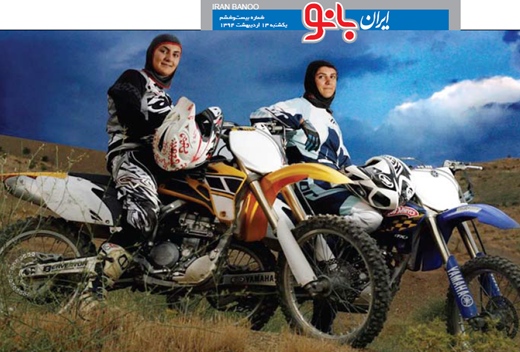
An uphill ride for Iran’s female motocross racers

Iranian_women_motor

It is an exciting experience to see female motocross* racers in their outfit ready to hit the road, dirt road that is. These women have good physical skills and great courage. Despite carrying an official permit from the Motorcycle and Automobile Federation, these women are not allowed to attend national competitions or go to the MX tracks at Azadi Stadium. But they can’t wait for a day when female motocross races are officially recognized in Iran.

Iranbanou, a supplement of Iran newspaper, has covered the story of Noora Naraghi and her mother Shahrzad Nazifi who practice together at a motocross track. It looks as if interest in motocross runs in the family since Nora’s father – Mehrshad – is a motocross champion. Noora is Iran’s first female champion [in 2009, she won Iran’s first-ever female championship in motocross] and has acquired a certificate in coaching from the US. The following is the translation of excerpts of the story:

The mom of the family credits her interest in motocross to her love for her husband, saying she first pursued the sport out of fun. She says Mehrshad started to train their two kids when they were four. “I’ve always encouraged my children to continue motocross as long as their practices don’t come at the expense of their education”.

The family’s son found his way to the national team, but his mom and sister weren’t allowed to hit the track for training.

Noora’s first shot at motocross came at the age of 4. Her dad is her trainer and she does other sports such as ping pong, volleyball and swimming just for fun. She says cycling and bodybuilding are a big help for racers.

She says although motocross is expensive, she has paid for it out of her own pocket. Noora has competed in a race along with Ashley Fiolek [a profoundly deaf professional motocross racer and the Women’s Motocross Championship in 2008, 2009, 2011, and 2012], saying Ashley can be a good model for female Iranian riders.

She says motocross is one of the most exciting sports. Noora hopes national competitions – when held – increase the number of women with an interest in the sport. She says performing acrobatic stunts [while jumping motocross bikes] is a variation of motocross [Freestyle Motocross] and should not be tried out on the streets.

A form of off-road motorcycle racing held on enclosed off-road circuits

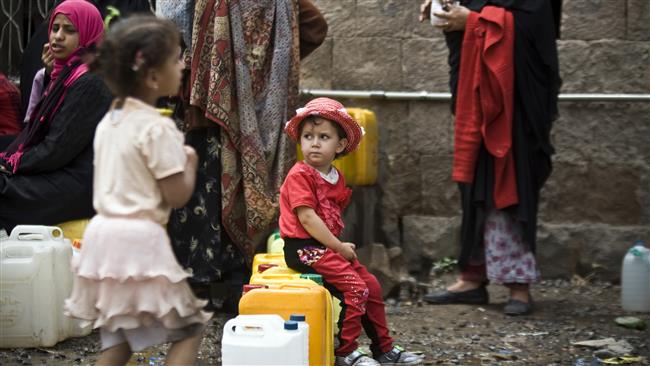
No Saudi permission needed for Yemen aid delivery: Iran official

Yemeni children

A senior Iranian diplomat says Saudi Arabia is not in a position to make decisions regarding the delivery of humanitarian aid to Yemen which has been targeted by Riyadh’s military aggression.

“Saudi Arabia cannot decide for the UN and the countries helping Yemen,” Hossein Amir-Abdollahian, Iran’s deputy foreign minister for Arab and African affairs, said on Saturday.

He added that the Saudi regime’s blocking of aid delivery to Yemen has denied 20 provinces humanitarian aid.

Amir-Abdollahian reaffirmed Iran’s readiness to dispatch aid to Yemen, saying, “Tehran is ready to send humanitarian aid to all parts of Yemen, and [we] have stepped up the process of collecting and sending aid [to Yemen].”

Saudi Arabia started its military aggression against Yemen on March 26 – without a UN mandate – in a bid to undermine the Houthi Ansarullah movement, which currently controls the capital, Sana’a, and other major provinces, and to restore power to Yemen’s fugitive former President Abd Rabbuh Mansour Hadi, who is a staunch ally of Riyadh.

The Riyadh regime has already blocked earlier Iranian aid deliveries to Yemen. Last month, it prevented two Iranian civilian planes from delivering medical aid and foodstuff to the Yemeni people.

In a move coordinated with the UN, Iran now plans to send planes carrying humanitarian aid to Yemen through Oman and Djibouti.

An Iranian ship carrying aid, including food and medical supplies, is also currently sailing through the Arabian Sea towards the Yemeni port city of Hudaidah.

In addition to the crew members, the ship is also carrying a number of volunteer doctors as well as international activists.

On Friday, the UN urged Saudi Arabia to ease harsh import restrictions on Yemen-bound cargo to speed up delivery of vital aid to the Yemeni people.

Iran, Oman launch new shipping route

Iran has inaugurated a new shipping route to Oman – a move expected to help diversify the country’s access to international export markets.

The route that has been established between Iran’s Shahid Rajaee and the Omani port of Sohar was inaugurated on May 14 through a ceremony at the southern Iranian port city of Bandar Abbas.

Iran’s media say two containers – each with a collective capacity of 200 TEUs or twenty-foot equivalent units – will be used to transport food items, agricultural products and perishable goods.

The containers will start making trips between Shahid Rajaee and Sohar every 15 days in the initial phase, but their trips could increase to once every week if the volume of trade in the route increases.

Iran and Oman in April signed an agreement to establish the new route during the visit to Tehran by a large Omani business delegation. The delegation was visiting the Iranian capital for talks on expanding trade and commercial cooperation between the two countries.

There are speculations that Iran and Oman plan to use the route to promote trade across the region.

President Hassan Rouhani told reporters during a visit to Ashkhabad in early March that Iran and Turkmenistan are determined to activate a “south-to-north economic corridor” that starts with Oman, passes through Iran and leads to Uzbekistan through Turkmenistan.

What could further testify this plan are official comments that the newly-established Iran-Oman shipping route could be used to transit goods from Oman’s projected Duqum port to Iran’s Chabahar port.

Iran plans to turn Chabahar into a starting point for major exports to Afghanistan, Central Asia and beyond through Indian investments.

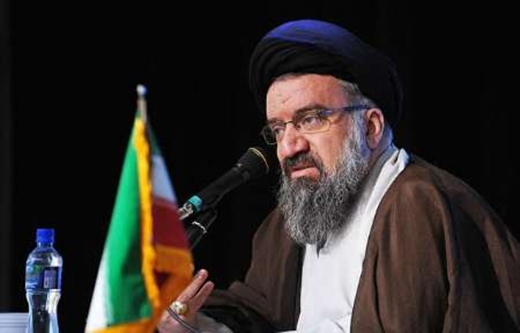
Iranians will not allow inspection of military sites: Senior cleric

Ahmad Khatami

A senior cleric said the brave Muslim nation of Iran will never agree to inspection of its military centers.

Seyyed Ahmad Khatami on Saturday rejected recent remarks by US President Barack Obama on the unprecedented inspection of Iran’s military sites after a nuclear agreement.

“If they want to step into our military settings, the people of Iran will break their legs,” he said.

He hailed Iran’s nuclear negotiations team for enjoying the nation’s trust and added, “If they sense any treatment with contempt, they will leave the negotiations table.”

Rejecting the threats by the White House that all options including the military action are on the table, he said, “We need to observe the Islamic principles and values and trust in Almighty God’s grace. Then, the enemies will not succeed.”

He also called for efforts to confront the Western cultural onslaught and said that spirituality will be the best defense against the enemies’ plots.

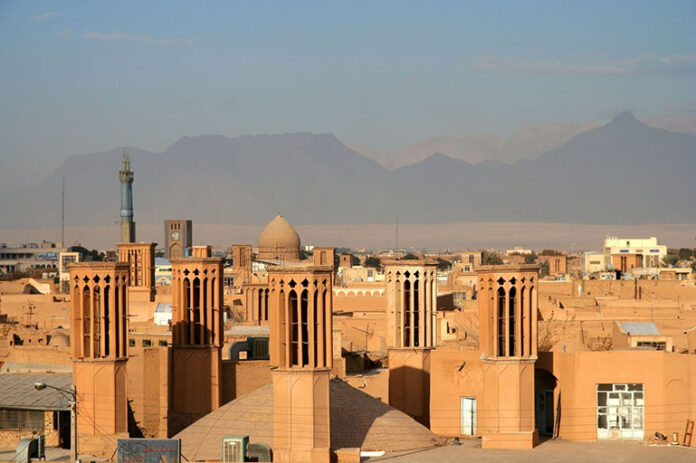
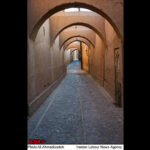
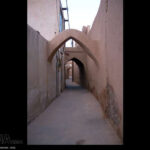
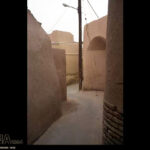
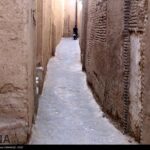
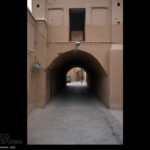
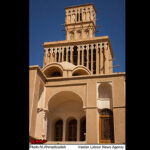
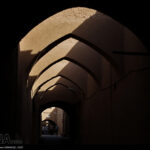
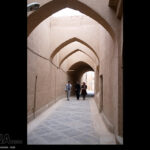
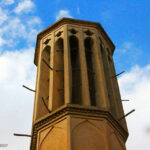
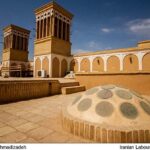
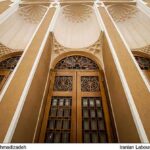
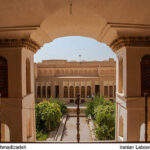
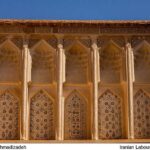
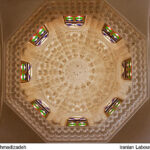
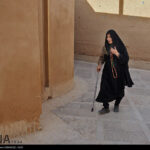
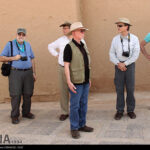
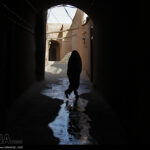
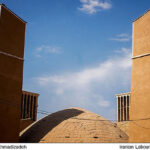
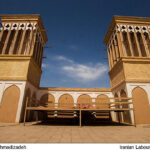
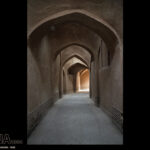
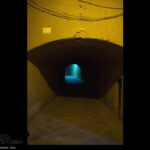
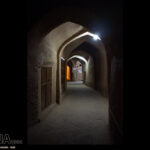
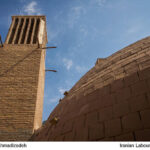
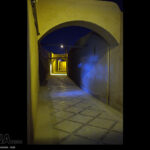
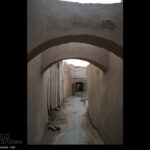
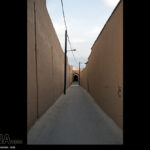
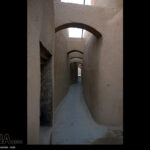
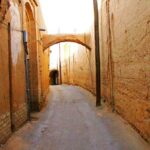
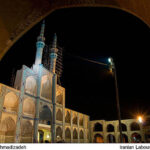
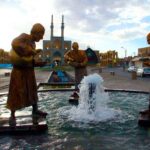
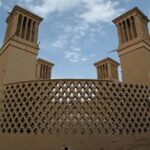
Yazd, first adobe city in the world (PHOTOS)

Yazd221

Yazd, in central Iran, is known as the first adobe city in the world.

Snapshots of the ancient city with its unique adobe architecture posted online by different news websites:

US orchestrating terrorism: Leader

Leader

“The US is the designer and supporter of terrorism,” said the Leader in a meeting with Iranian officials and ambassadors of Muslim countries in Tehran on Saturday.

Ayatollah Khamenei added that the US has formed and backed the most dangerous terrorist groups such as the ISIL Takfiri militants, saying, “It is supporting the fake terrorist Zionist regime.”

Ayatollah Khamenei further reiterated Iran’s resolve to combat terrorism, saying, “Iran has strongly fought against terrorism… and will continue to do so.”

Ayatollah Khamenei then warned against the wicked policies of hegemonic powers in the region, saying some Muslim countries have been deceived into fomenting insecurity and killing people in Yemen.

The Leader also said “these wicked policies” are aimed at waging proxy wars.

The Leader added that those who kill the Yemeni people are worse than infidels, saying Iran supports any oppressed nation.

Ayatollah Khamenei said the Yemenis, Bahrainis and Palestinians are oppressed nations, urging regional countries to remain vigilant vis-à-vis policies adopted by hegemonic powers aimed at making nations in the regions get scared of each other.

Ayatollah Khamenei stated that security in the Persian Gulf is beneficial to all and emphasized, “If [it] is insecure, it will be insecure for all.”

He said all countries in the Persian Gulf region shoulder the responsibility to ensure regional security.

“The US seeks its own interests and will make the [Persian Gulf] region insecure, if needed,” the Leader said.

Elsewhere in his remarks, Ayatollah Khamenei said the ignorance which existed before the advent of Islam centuries ago has been recreated with a vengeance, resulting in “unrestrained sexual promiscuity and carnal desires.”

The current situation in Muslim countries, insecurity, fratricide, and terror groups’ securing their domination over the regional nations are examples of modern ignorance, which has been orchestrated by hegemonic powers led by the US.

“They (hegemonic powers) also use widespread propaganda based on lies in order to achieve their evil objectives and secure their own interests, an example of which is the Americans’ claim of fighting terrorism,” Ayatollah Khamenei said.

“The Islamic Republic of Iran’s experience over the past 35 years has shown that the great Islamic Ummah is able to stand up to this ignorance and defeat it through two main principles of prudence and resolve,” the Leader noted.

“Nations and rulers of Muslim countries! You should know that we are capable of standing against this ignorance,” Ayatollah Khamenei stated.

The Leader said regional nations are awakened and added that Islamic Awakening cannot be suppressed.

The huge power of Islam has further spread across the world “through different means,” Ayatollah Khamenei underlined.

Tehran raps as “contradictory” US-Arab Camp David statement

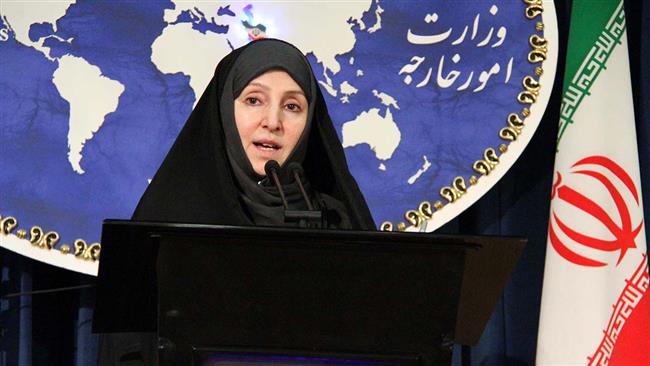
Afkham

Iran’s Foreign Ministry spokeswoman has denounced as “contradictory” a recent statement released by the United States and the (Persian) Gulf Cooperation Council at Camp David.

On Friday, Marzieh Afkham said that the Camp David joint statement exposed the contradiction in the words and deeds of the US and its regional allies.

“Unfortunately, actions such as launching a foreign military attack on Yemen and disregarding its territorial integrity and the US support for this aggression not only contravene international law, but also run counter to some of the contents of the Camp David statement,” Afkham stated.

The emirs of Qatar and Kuwait as well as the crown princes of the United Arab Emirates, Bahrain, Oman, and Saudi Arabia traveled to the US for a meeting with President Barack Obama at the White House on May 13 and at Camp David, Maryland, on May 14.

“There is no military solution to the regions’ armed civil conflicts, which can only be resolved through political and peaceful means; respect for all states’ sovereignty and non-interference in their internal affairs; the need for inclusive governance in conflict-ridden societies; as well as protection of all minorities and of human rights,” read the joint statement released following the meetings on Thursday.

It came as the statement contradictorily supported the Saudi aggression against the Yemeni people, with Washington vowing “to use all elements of power… including the potential use of military force” in its attempt to defend the Persian Gulf Arab monarchies against “external threats.”

Afkham also rejected allegations about Iran’s destabilizing role in the Middle East as mentioned in the statement, saying the realities of the region bear proof of the falsity of such claims.

Iran has never advised a military solution to any of the regional conflicts, she said, adding that those states that attack the infrastructure of their neighboring country and endanger the peace and stability of the region are in no position to pass judgment on others.

The Iranian Foreign Ministry spokeswoman expressed Tehran’s readiness to negotiate and cooperate with the Persian Gulf Arab countries, calling on them to stop their accusatory tone towards Iran and adopt “confidence-building measures.”

The Iranian diplomat also called on all the intentional and regional sides to focus their efforts on fighting the growing threat of Takfiri terrorist groups in the region.

[…]