
Images of people hiking along the edge of Lake Neor toward Soobatan in the northern city of Talesh posted online by jamejamonline.ir:
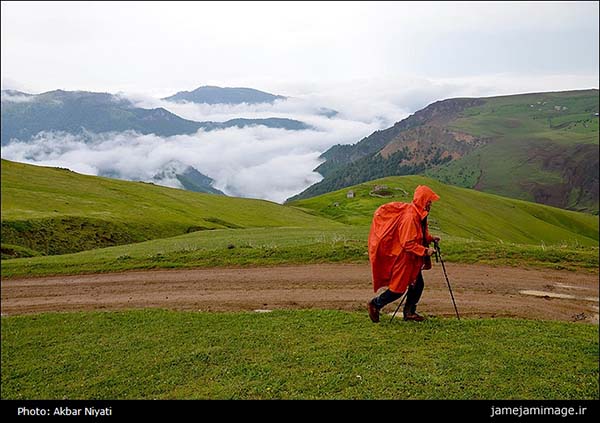
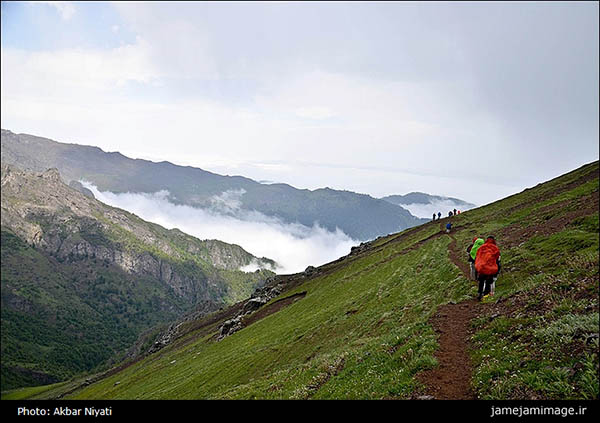
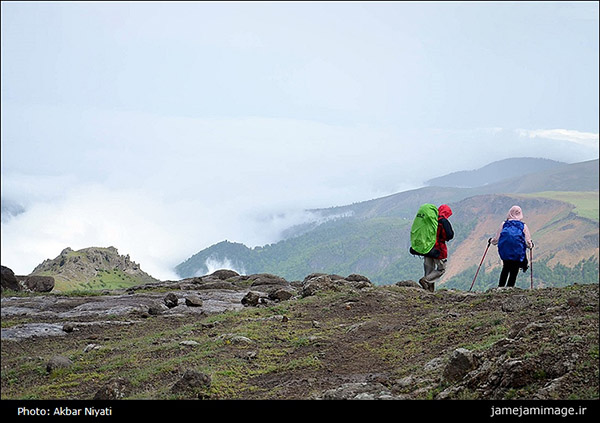
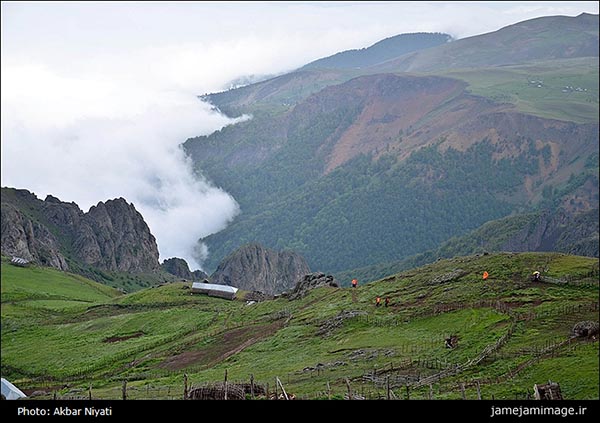
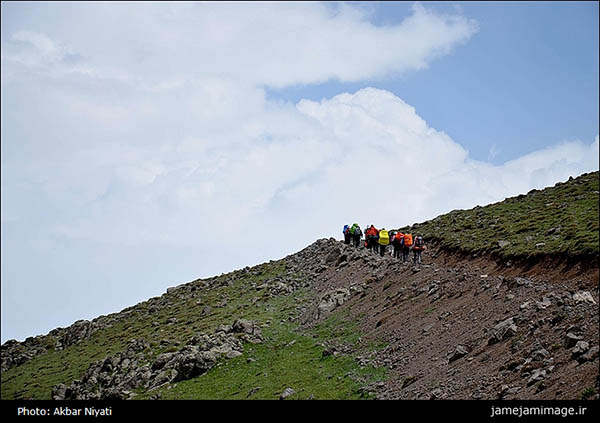
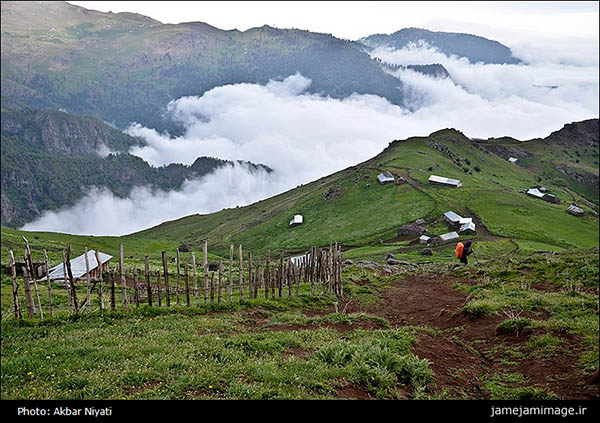
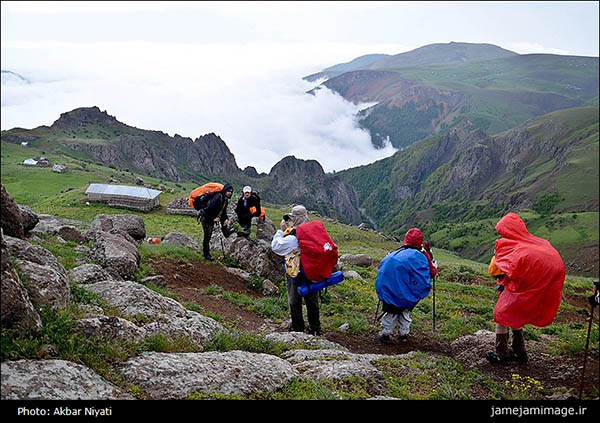

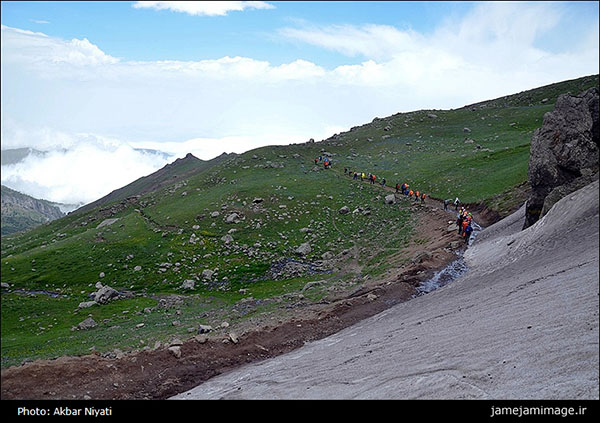
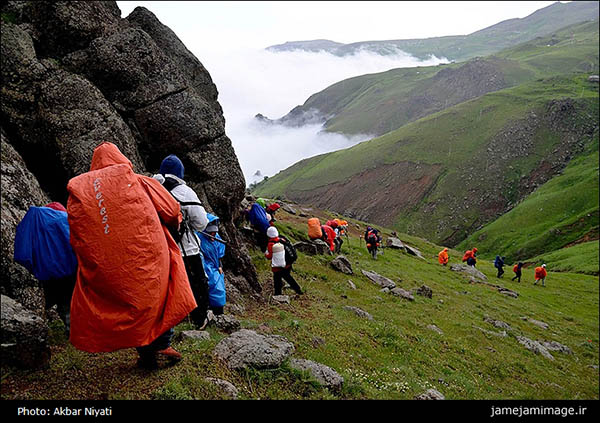

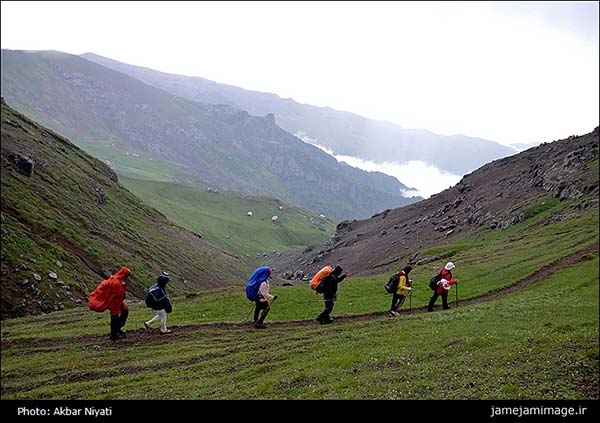
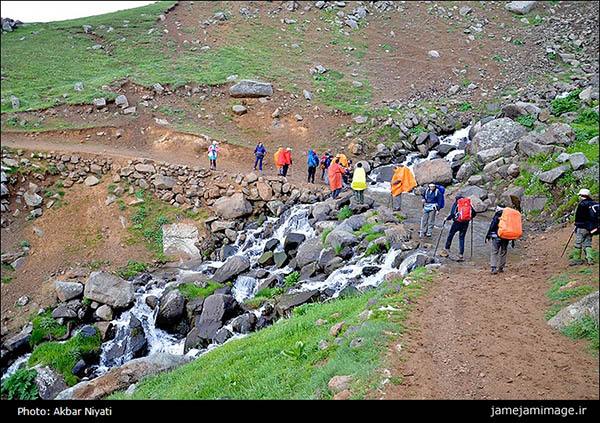
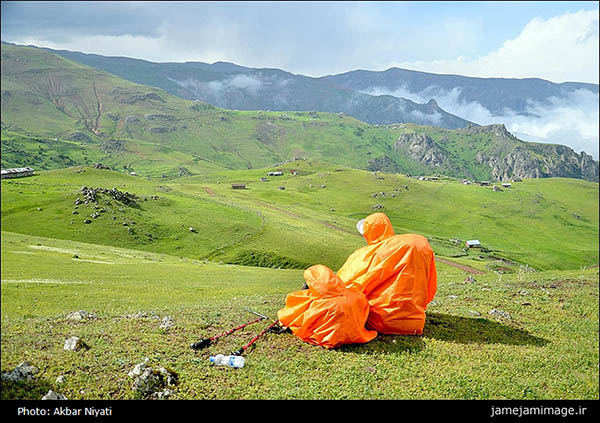

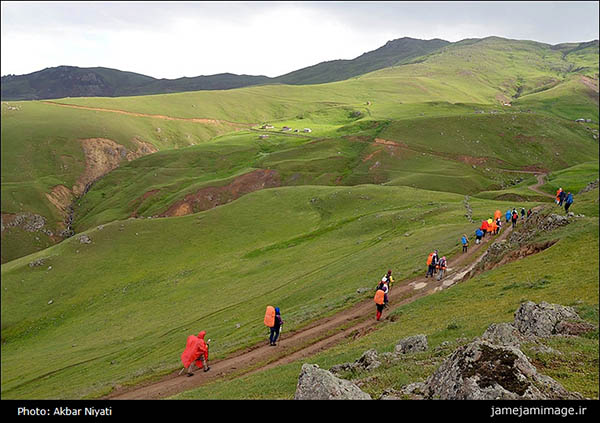


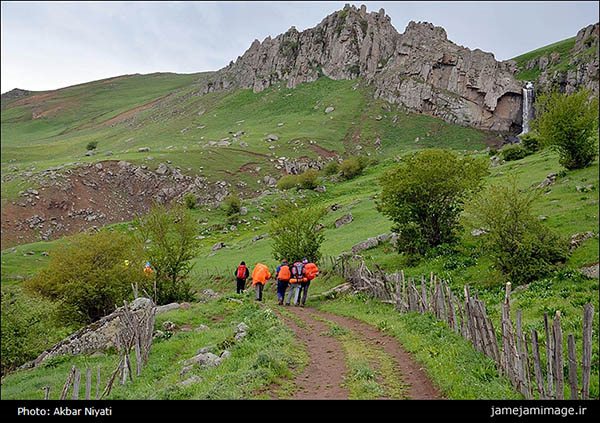

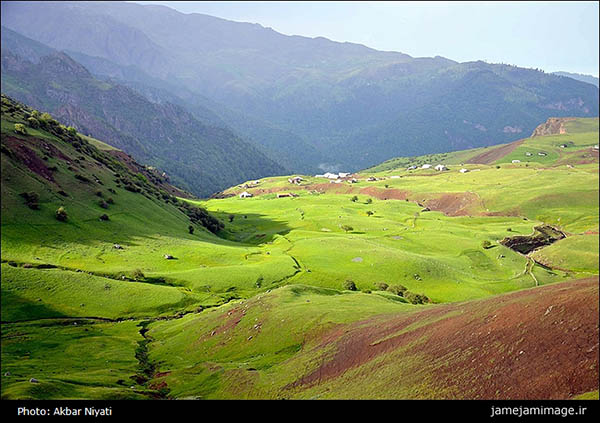
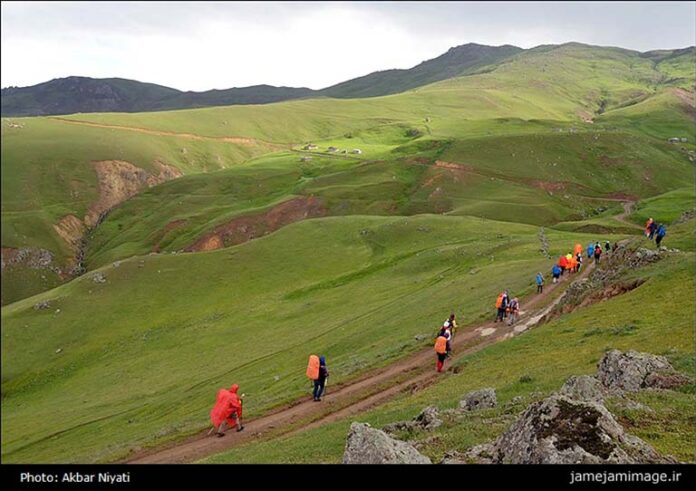
Images of people hiking along the edge of Lake Neor toward Soobatan in the northern city of Talesh posted online by jamejamonline.ir:

Supreme Leader of the Islamic Revolution Ayatollah Seyyed Ali Khamenei raised the alarm over hostile moves aimed at inciting rift in the Islamic society, and said that countering such plots requires Muslims’ insight and determination.
“Creation of discord and polarity in the Islamic Ummah (society) is now one of the main plots of the enemies. Thus, all (Muslims) need to be careful lest they raise the talk of differences and turn into a mouthpiece for the enemies of Islam and the Quran,” the Leader said on Saturday.
Ayatollah Khamenei made the statements in a gathering of Quran reciters and memorizers participating in the 32nd International Holy Quran Competitions in Tehran.
“On the agenda of ill-wishers of the Islamic Ummah is fomenting discord in the name of Shiites versus Sunnis, Arabs versus non-Arabs, as well as ethnicities, nationalities and nationalistic zealotry,” the Leader warned, adding that insight and determination are necessary for countering these plots.
Imam Khamenei further referred to “commitment to the commandments of the Quran” and withstanding what “the modern version of ignorance” is trying to impose on Muslims as remedies for the Islamic world’s current woes.
“Unfortunately, the Islamic world today is severely suffering from weakness, poverty, differences and civil wars caused by the pressure of ignorant regimes, and the only way to counter these imposed pressures in surrendering to the Quran and (having) serious determination to move towards its sublime goals,” the Leader stressed.
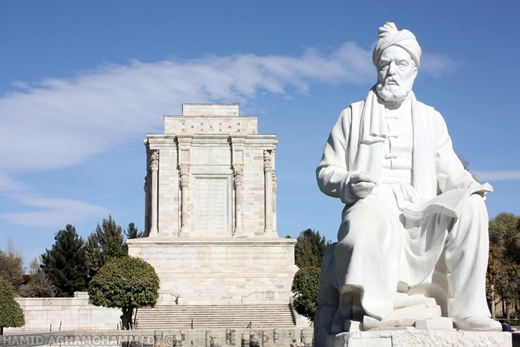
Mir Jalaleddin Kazzazi, an outstanding master of Persian literature who is known for his works on Shahnameh [The Book of Kings] – Ferdowsi’s long epic poem – has said that Shahnameh shows the unconscious of the Iranians which is part of their lineage.
Resalat daily on May 21 published a report on what Kazzazi said – in a ceremony in Semnan to commemorate Ferdowsi – about the Persian myths and his new definition of the unconscious. The following is the translation of the report:
The myths of different lands are not mere fantasies with untraceable background. If we want to properly learn about a nation, the only way is to dig up its ancient myths.
People can psychoanalyze the history through studying the myths. While the history talks about the conscious and traditional methods, people’s unconscious can be traced back to their myths.
Myths make up people’s internal history and their broad, institutionalized unconscious. Based on what Carl Gustav Jung [a Swiss psychiatrist and psychotherapist who founded analytical psychology] says, unconscious falls into different groups: individual, collective and universal.
We can define the genealogical unconscious as individual and universal subconscious [or psyche]. The nature of Iranians’ has been based on genealogical unconscious.
Myths come from genealogical and collective unconscious. They are not created overnight. It takes millenniums to create a mythical symbol.
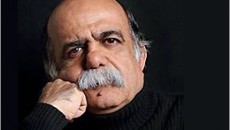 M. J. Kazzazi, who is a professor of literature at Allameh Tabatabaei University, is also a renowned expert in Iranology. He was named a Memorable Figure in 2005 for his contribution to Persian culture and literature.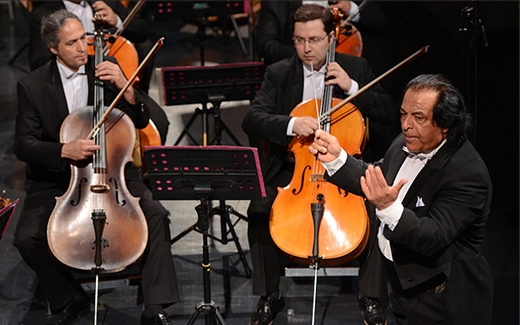
Iranian maestro Ali Rahbari, who is the general music director of the Tehran Symphony Orchestra, has been invited to conduct Youth Philharmonic Orchestra of the New York City in a concert.
The concert will be held at Carnegie Hall on September 27, Iran’s Rudaki Foundation announced in a press release on Friday.
Some musicians from the Tehran Symphony Orchestra are scheduled to accompany the orchestra during the concert.
“Performing at the concert is a great honor for me and my country,” Rahbari said after accepting the invitation.
“Contemporary composers will create unique pieces for the Youth Philharmonic concert,” Youth Philharmonic Orchestra has previously announced in a statement.
“These pieces will include music from around the world, and each participating young musician will perform his or her local music as part of the orchestra,” the organizer wrote in the statement.
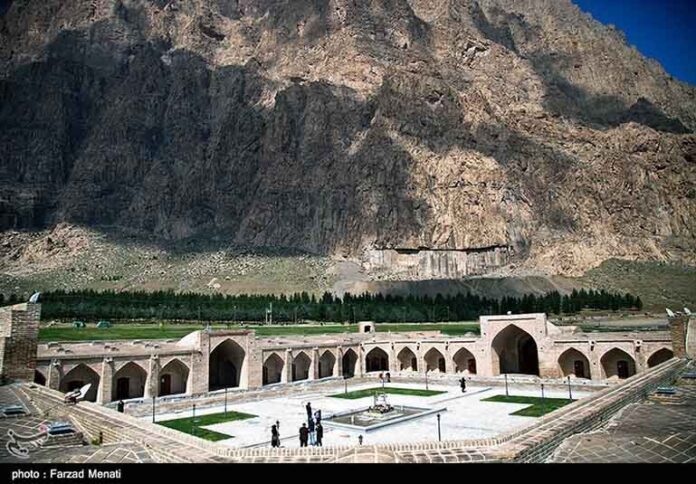
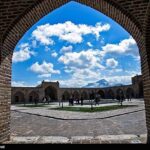
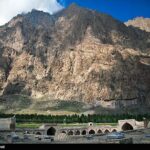
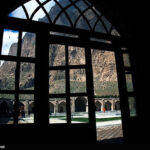
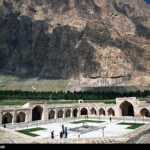
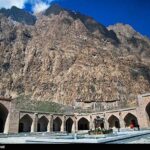
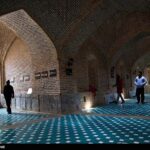
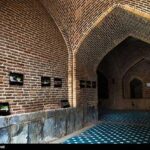
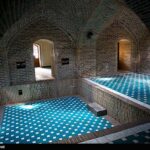
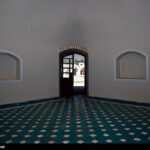
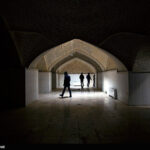
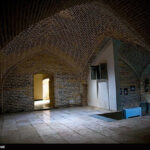
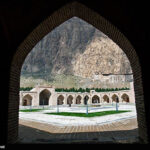
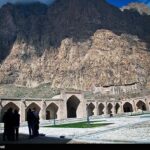
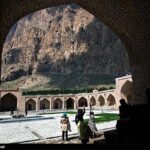
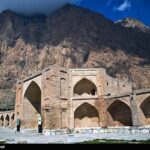
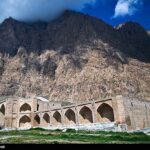
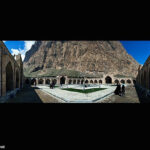
Shah Abbasi Caravanserai, Iran’s biggest roadside inn in the past, is located in Bisotun, a city in Kermanshah Province.
The caravanserai is believed to have been built under Suleiman I of Persia, a Safavid king.
The following are photos of the ancient structure released by Tasnim News agency:

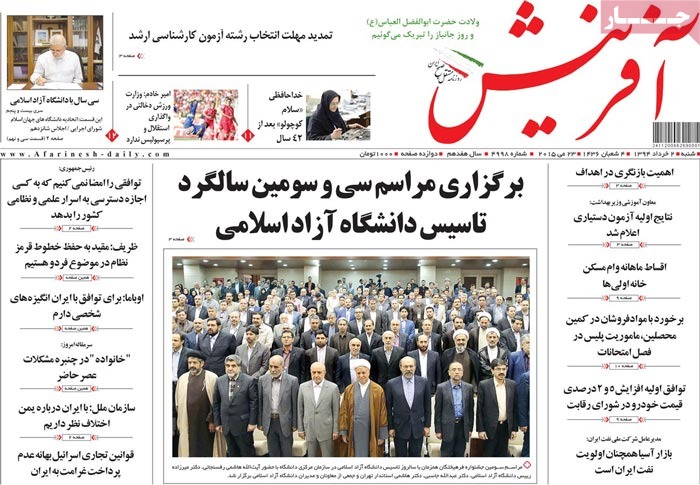
President Rouhani’s pledge not to sign a deal that would give away Iran’s military and scientific secrets dominated the front pages of Iranian newspapers on Saturday. A terrorist attack targeting a Shiite mosque in Saudi Arabia also appeared on the covers of dailies.
Afarinesh: “We won’t sign a deal that would allow [foreigner] access to Iran’s scientific and military secrets,” said President Rouhani.
The president made the comment before wrapping up his visit to East Azerbaijan Province.
Afarinesh: A ceremony has been held to mark the 33rd anniversary of Islamic Azad University.
Chairman of the Expediency Council Ayatollah Akbar Hashemi Rafsanjani was on hand for the ceremony.
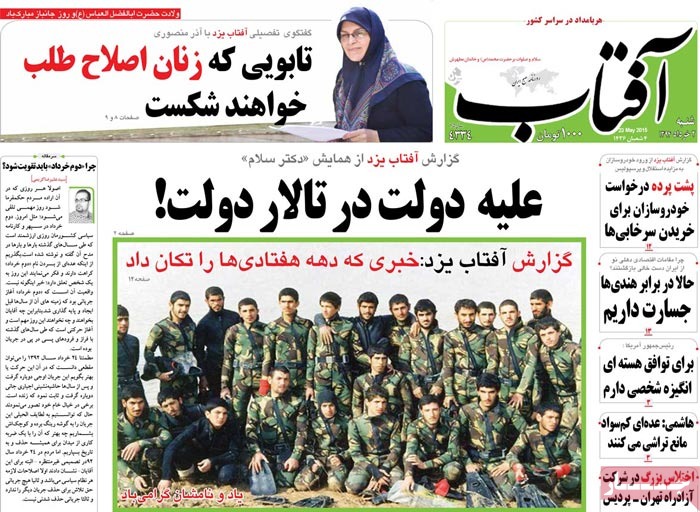
Aftab-e Yazd: Massive embezzlement at Tehran-Pardis Highway Company
Two staff members of the company are in custody for fraud and misappropriation of company funds.
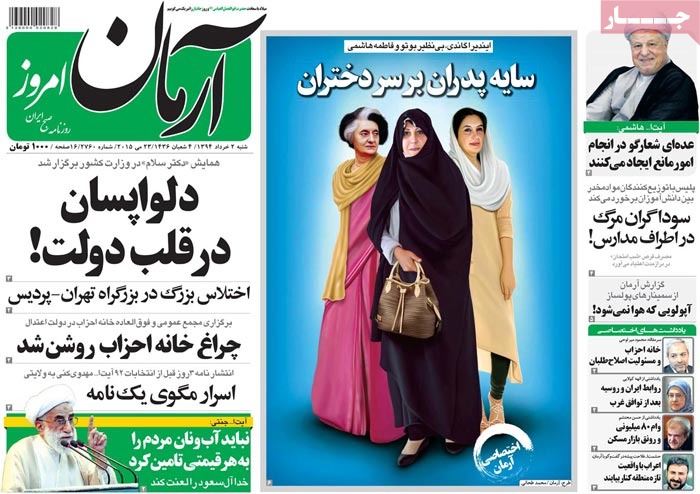
Arman-e Emrooz: Dealers of death are loitering around schools.
Police are determined to crack down on dealers selling drugs to students.
Asr-e Rasaneh: “We are determined to transform Internet access,” said the minister of communications.
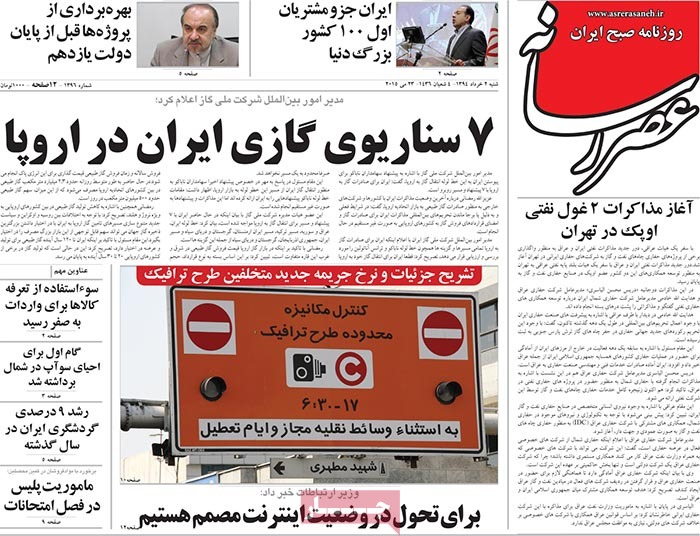
Asrar: “Some barely literate individuals are interfering with administration of affairs,” complained Chairman of the Expediency Council Ayatollah Akbar Hashemi Rafsanjani.
Asrar: “We won’t allow the flames of violence and insecurity to spread to Iran’s borders,” said President Rouhani, in a speech in East Azerbaijan Province.
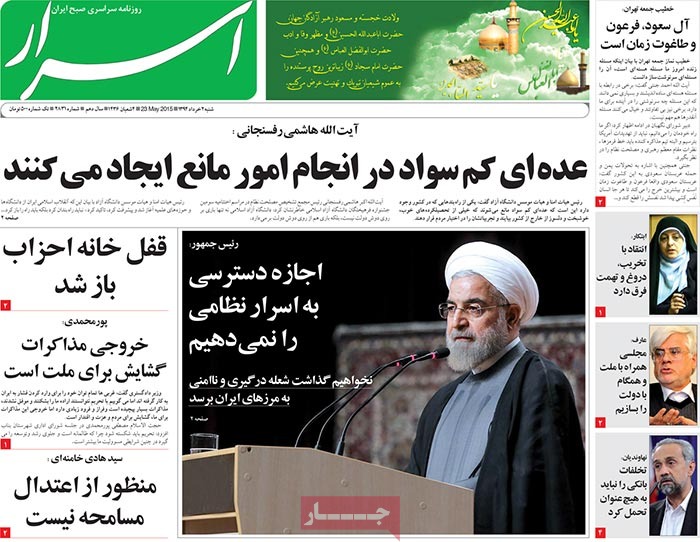
Ebtekar: “Progress at nuclear talks to draft a final deal is very slow,” said Iranian nuclear negotiator Abbas Araghchi.
Negotiators are to pick up the drafting of the deal in Vienna next week.
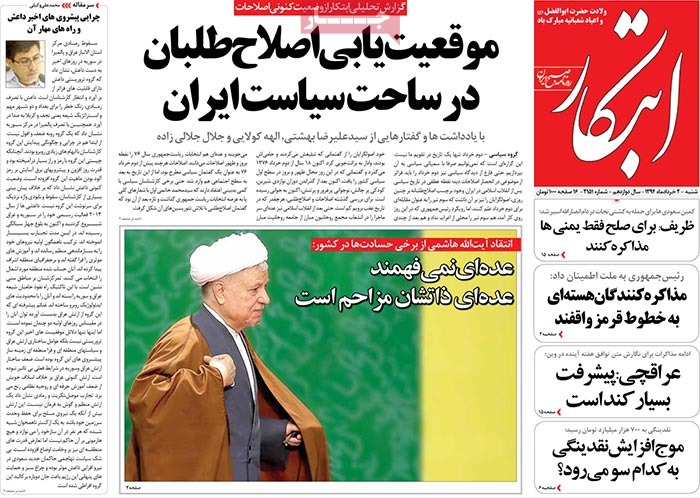
Emtiaz: Some 82 percent of female breadwinners in the country are unemployed.
Emtiaz: Some 2,000 antique objects have been seized in the first two months of the year.
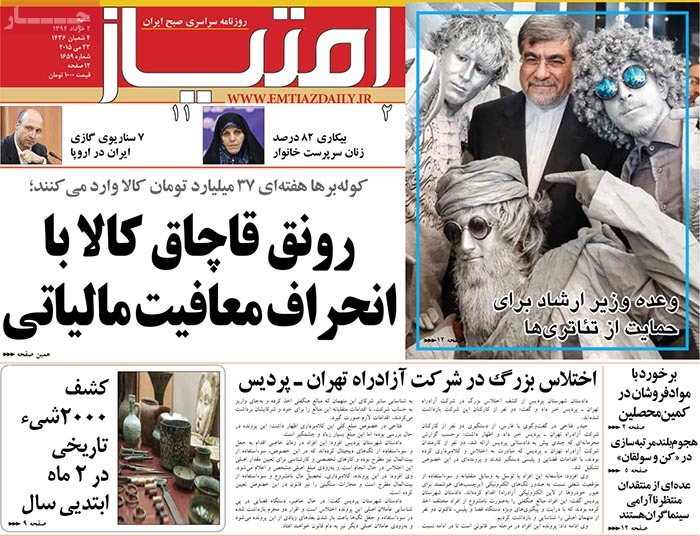
Esfahan Emrooz: A mass wedding involving 100 couple suffering from hearing impairment has been held in Isfahan.

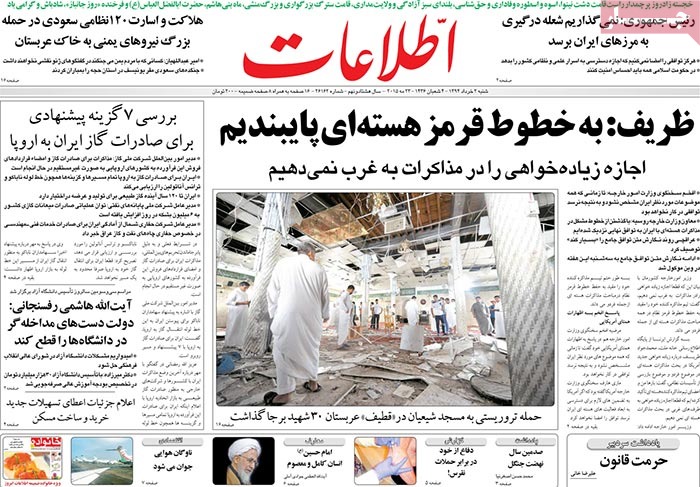
Ettela’at: “We are committed to our red lines in nuclear talks,” said Foreign Minister Mohammad Javad Zarif.
He also said that the Iranian negotiators won’t allow the West to push excessive demands in nuclear talks.
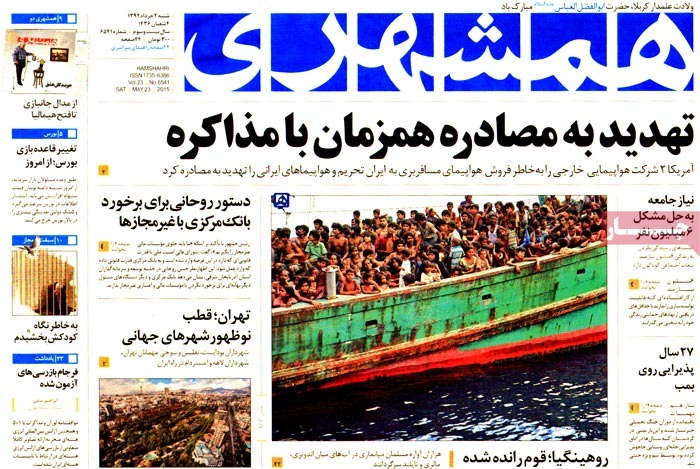
Hamshahri: Threats to confiscate as talks remain underway
The US has threatened to impose sanctions on two foreign firms for selling passenger planes to Iran. It has also threatened to confiscate the now Iranian aircraft.
Hamshahri: President Rouhani has ordered the Central Bank to crack down on illegal financial institutions.
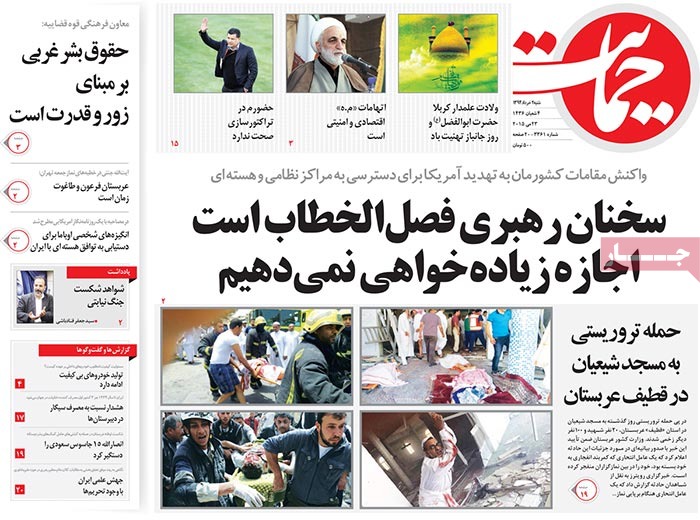
Hemayat: Iranian officials react to demands by the US to access Iran’s military sites:
The comments of the Supreme Leader are final; we won’t allow [the other side to push] excessive demands.
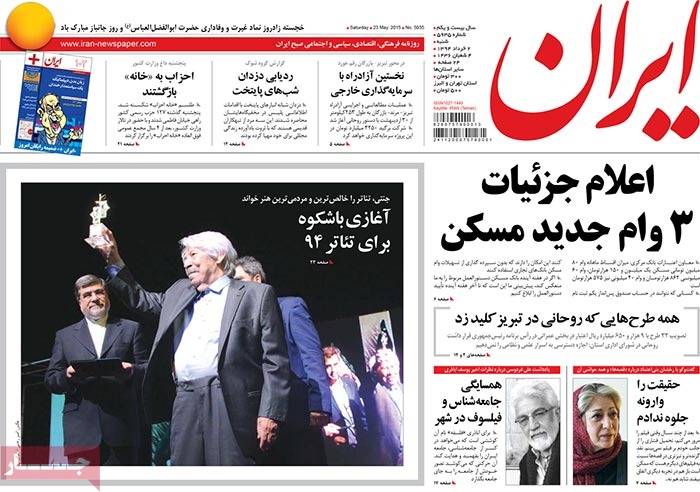
Iran: Construction of a highway partly financed by foreign investors has gotten underway in the northwest.
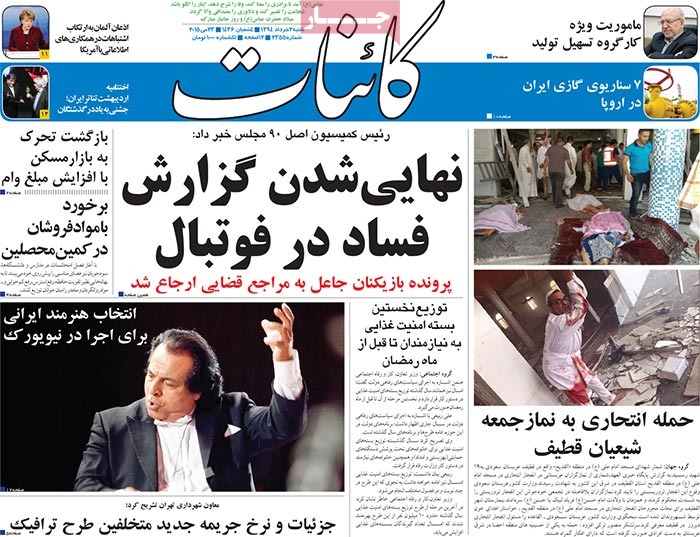
Kaenat: “The report on corruption in soccer is final,” said the chairman of parliament’s Article 90 Committee.
Players who have forged documents have been referred to judicial authorities.
Kaenat: A deadly suicide bombing has targeted Shiite worshippers in a mosque in Saudi Arabia.
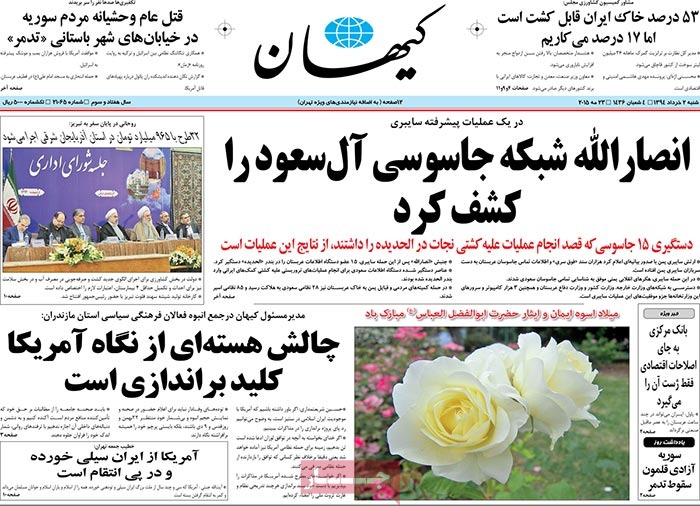
Kayhan: “Some 53 percent of Iranian soil is fit for cultivation, but only 17 percent is actually cultivated,” said an advisor to members of parliament’s Agriculture Committee.
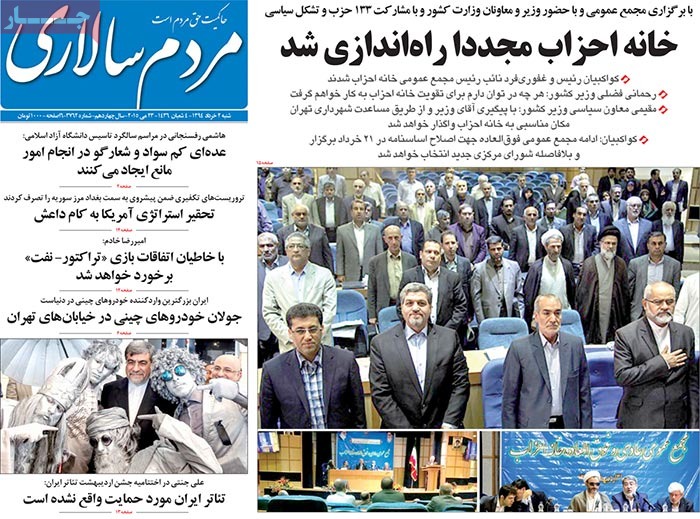
Mardomsalari: The House of Parties has been reinstated.
At the ceremony, the interior minister vowed to try his best to bolster the House.
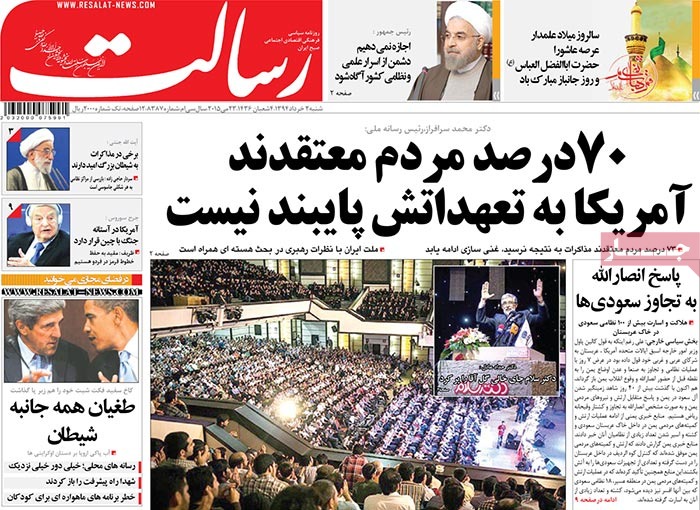
Resalat: “In nuclear talks, some have pinned hope on the Great Satan,” said Tehran Friday prayer leader Ayatollah Ahmad Jannati.
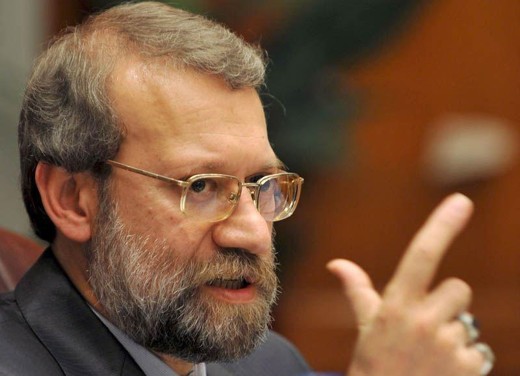
Parliament Speaker Ali Larijani said the Islamic Republic of Iran will not accept new limitations to be imposed on its peaceful nuclear program during the on-going negotiations.
Addressing the closing ceremony of the 32nd International Holy Koran Recitation Competition in Tehran on Friday, he refuted allegations that Iran is after establishing an empire, calling it in contrary to the Islamic thoughts.
“In what language shall we say that in the nuclear program we are only after peaceful technologies? Leader of Revolution has repeatedly reiterated the issue, but it seems that they don’t listen,” he added.
The government of President Rouhani has seriously considered nuclear negotiations so that there were principle agreements, Larijani said, “However, P5+1 are after new tricks and are demanding too much.”
The speaker stressed that the Iranian nation will resist imposing of new orders through negotiations and asked, “Why should there be new fabrications out of current international orders?”
On claims about establishment of an Iranian empire, the Speaker said, “If any country has such assumptions, it is a mistake. We opted for revolution to get rid of oppression.”
“The Islamic Republic is not after an empire. It is against the Islamic thoughts,” Larijani noted.
Referring to the developments in the Islamic World, the Iranian parliament speaker called for unity and prudence among Muslim nations and said, “Some colonialists grab the resources of Islamic countries and give them out-dated arms to take on Muslims.”
He further rejected justifications for killing fellow Muslim brothers because of the so-called security concerns and said, “If anybody has a concern, it does not give them the right to destroy another country.”
Reminding that the post-revolution Iran has not invaded any country in the last 36 years, he added, “Iran’s power is for defending the Islamic Ummah.”
“Wasn’t it Iran that defended the defenseless people of Palestine and Lebanon? Wasn’t it Iran that assisted people and government of Iraq when they asked for it after savage terrorists killed the Iraqi people?”
He said Iran was invaded during the eight years of the Sacred Defense (Saddam-imposed war) in the 1980s, but showed forgiveness based on the teachings of Imam Khomeini who raised Islamic unity within the principles of the Islamic Revolution.
Larijani also condemned Wahhabism as a mistaken extremist thinking which kills Muslims by forging armed conflicts among the Islamic Ummah.
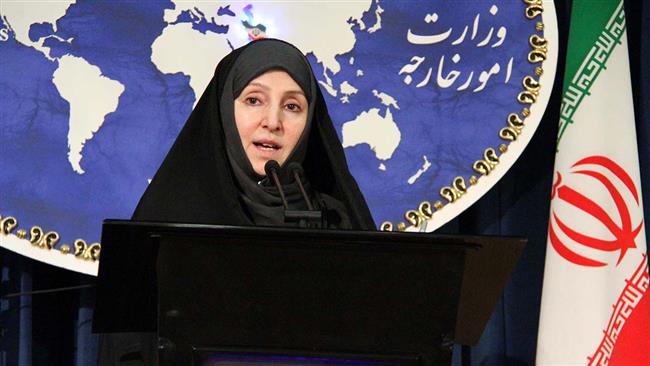
Iran’s Foreign Ministry on Friday strongly condemned a terrorist bomb attack on worshippers in Saudi Arabia which left people martyred and wounded.
Those behind the terrorist act should be identified and brought to justice, ministry’s Spokeswoman Marziyeh Afkham said in reaction to the fatal suicide attack on Imam Ali (AS) Mosque in al-Qadeeh village located in Saudi Arabia’s eastern Qatif governorate.
She said that efforts should be made to confront all terrorist and extremist groups and cease imposing irreparable costs on regional nations.
The attack on the minority Shiite mosque in the Sunni-ruled Saudi Arabia left 17 killed and 13 others wounded when some 150 worshippers were performing Friday Prayers.
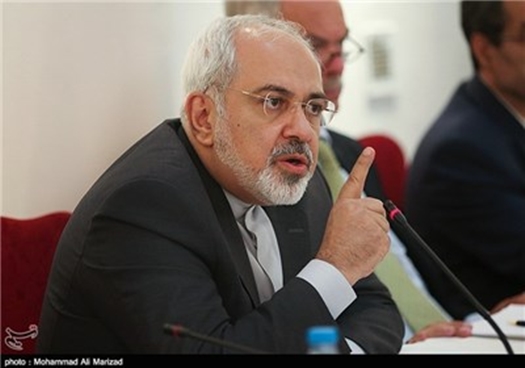
Iran’s foreign minister reaffirmed on Friday that the country’s negotiators firmly stick to the Islamic Republic’s red lines in nuclear talks with the world powers.
“Definitely, the negotiating team commits itself to safeguarding the Establishment’s red lines in all subjects of the nuclear negotiations, including Fordow (nuclear site),” Mohammad Javad Zarif, the country’s chief nuclear negotiator, said in an interview with ICANA on Friday.
Asked about the West’s call for inspection of Iran’s military sites, Zarif said, “I and members of the negotiating team have repeatedly emphasized that we will certainly not allow the Western sides to make excessive demands in the nuclear talks.”
His comments came after Supreme Leader of the Islamic Revolution Ayatollah Seyyed Ali Khamenei on Wednesday stressed that Iran will not allow the inspection of its military sites.
The Supreme Leader ruled out any request for interviews with Tehran’s nuclear scientists, and described it as an instance of “interrogation”.
“I would not let foreigners come (here) and talk to the Iranian nation’s dear scientists… who have expanded this wide knowledge to this stage,” Ayatollah Khamenei explained.
Iran and 5+1 (Russia, China, the US, Britain, France and Germany) on April 2 reached a framework agreement on Tehran’s civilian nuclear program in Lausanne, Switzerland, with both sides committed to pushing for a final, comprehensive accord until the end of June.
According to the Lausanne statement, “Fordow will be converted from an enrichment site into a nuclear, physics and technology center. International collaboration will be encouraged in agreed areas of research. There will not be any fissile material at Fordow.”
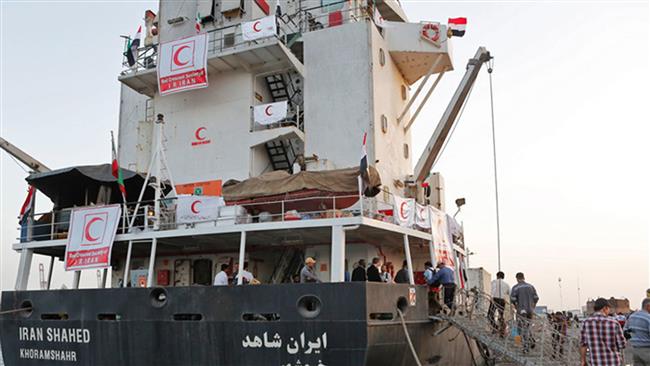
An Iranian ship carrying humanitarian aid for the war-ravaged Yemenis has arrived in Djibouti.
Iran’s Ambassador to Djibouti and Ethiopia Ali Bahraini welcomed the people on board the aid ship, dubbed Nejat (Rescue), upon their arrival in the African country on Friday night.
This is the first Iranian relief cargo for the Yemeni people which has arrived in Djibouti, Bahraini told reporters, adding that the first plane carrying humanitarian aid destined for the crisis-hit Arab country is also scheduled to land in the African country within hours.
We maintain constant contact with the United Nations and the World Food Programme in a bid to dispatch humanitarian aid to the Yemeni port city of Hudaydah in the quickest time possible, the Iranian official stated.
Meanwhile, Iran’s Red Crescent Society Secretary General Ali Asghar Ahmadi said that Iranian officials are “assessing the situation” and will decide on the continuation of the ship’s voyage later on Saturday.
On Wednesday, Iranian Deputy Foreign Minister for Arab and African Affairs Hossein Amir-Abdollahian said that the Iranian ship has been dispatched under “full coordination with the UN” and would head for nearby Djibouti, where the world body has established a delivery hub.
The aid ship, which left the Iranian port city of Bandar Abbas on May 11, is carrying 2,500 tons of basic supplies including flour, rice, medicine, and water. Several international journalists, doctors, and anti-war activists are also aboard the ship.
Riyadh has already blocked earlier Iranian aid deliveries to Yemen. Last month, it prevented two Iranian civilian planes from delivering medical aid and foodstuff to the impoverished people.
Saudi Arabia started its military aggression against Yemen on March 26 — without a UN mandate — in a bid to undermine the Houthi Ansarullah movement, which currently controls the capital, Sana’a, and other major provinces, and to restore power to Yemen’s fugitive former President Abd Rabbuh Mansour Hadi, who is a staunch ally of Riyadh.
© All Content by IFP News ( Iran Front Page ) is licensed under a Creative Commons Attribution 4.0 International License.
