
Heavy rainfall in Ilam has triggered floods and ground subsidence.
The following shots by Mehr News Agency show the trail of destruction that flooding left in its wake in the western Iranian city:

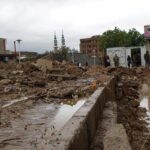
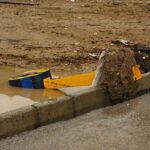
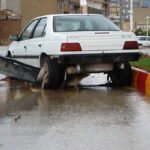
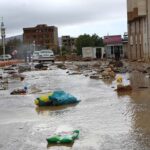

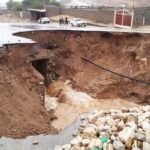



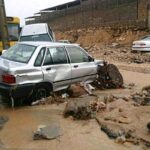
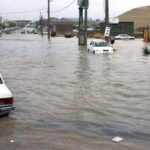
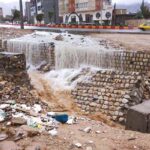
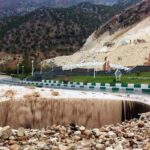
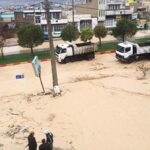
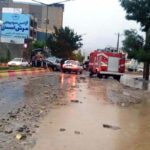
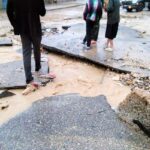
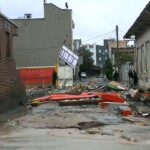
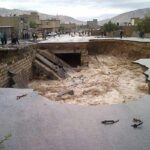
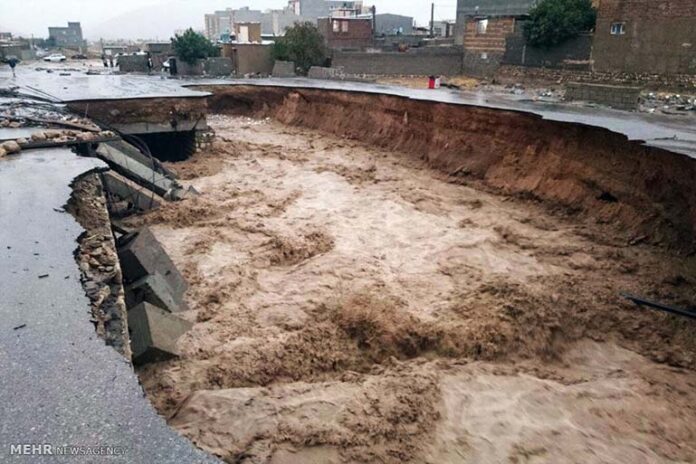
Heavy rainfall in Ilam has triggered floods and ground subsidence.
The following shots by Mehr News Agency show the trail of destruction that flooding left in its wake in the western Iranian city:
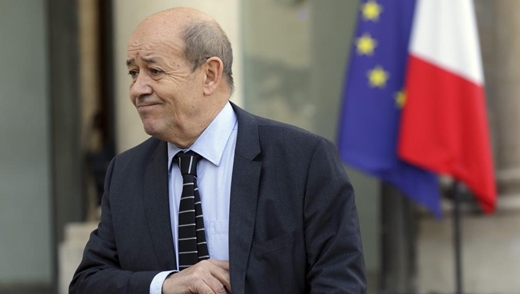
A former Iranian nuclear negotiator has given a strong response to allegations by the French defense minister that Iran is a threat to global security, by saying that Tehran does not have an atomic bomb and poses no threat to the world security.
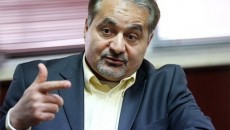
Hossein Mousavian, a former Iranian ambassador to Germany, made the comment in the IISS Manama Dialogue 2015 in response to charges by Jean-Yves Le Drian that Iran is a threat to global security. The following is the translation of what Mousavian said at the 11th Regional Security Summit: The IISS Manama Dialogue (October 30 – November 1) as reported by entekhab.ir on October 30:
Mousavian addressed the French minister and said, “Mr. Minister! You described Iran as a threat as far as the proliferation of nuclear weapons is concerned. You know that Iran does not possess any atomic bomb and there has been no sign of diversion in Iran’s nuclear program toward developing atomic bombs.
“You know that Israel is the only country in the Middle East which has atomic bombs. The fact of the matter is that Israel’s stockpile of 400 atomic bombs poses a threat to peace and security in the Middle East.”
“Why haven’t you talked about such a fact?” the former Iranian ambassador asked, saying, “Mr. Minister! You know better [than anybody else] that nuclear disarmament is the very first objective of the Nuclear Non-Proliferation Treaty (NPT). Five powers that negotiated with Iran are in possession of as many as 22,000 nuclear bombs. Over the past 40 years, they have ignored and violated the NPT.”
Mousavian went on to say, “Have you dismantled those 22,000 nuclear bombs? Why hasn’t France eliminated its nuclear arsenal and why has it violated the NPT?
“Conversely, France and other big powers have established strategic ties with those nations which have refused to sign the NPT and developed atomic bombs such as Israel, Pakistan and India. They have imposed sanctions against Iran [instead]. This comes despite the fact that Iran is a signatory to the NPT and does not have an atomic bomb. It is also striking that France helped Israel build atomic bombs.”
The former Iranian nuclear negotiator concluded, “Why do you ignore these realities?”
The French defense chief could not provide answers to the questions raised by Mousavian and simply said that France and other powers as well as the International Atomic Energy Agency (IAEA) have not been convinced of the peaceful nature of Iran’s nuclear program yet.
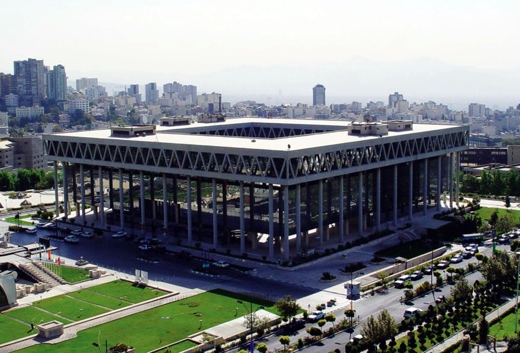
The spokesman for the Followers of the Leader [Rahrovan-e Velayat], a principlist caucus in the Islamic Consultative Assembly, has announced that the president of Islamic Republic of Iran Broadcasting (IRIB) will attend a meeting of the caucus’ central council on Sunday.
Safar Naimi Raz made the announcement on Saturday and added that the meeting will discuss the faults the Iranian MPs have found with the national broadcaster’s performance, especially its coverage of news on the Joint Comprehensive Plan of Action (JCPOA).
Khabaronline.ir on October 31 published a report on the announcement which includes remarks by another MP on IRIB’s performance and the need for its impartiality in the buildup to the upcoming parliamentary elections. What comes below is the translation of the report followed by an Iran Front Page note:
Abbas Ali Mansouri Arani, a member of parliament’s National Security and Foreign Policy Committee, stressed the need for the neutrality of the national broadcaster in the elections and said, “When IRIB takes a factional line, its decision will have an adverse result. The national medium should look at society in its entirety. It is expected to help people gain an insight, serve as a university which raises awareness [in society], and reflect different viewpoints.
“IRIB is also expected to adopt a standard approach and a regulated framework for the elections which are applicable to all people. When a piece of law which applies to everybody is enforced, dissatisfaction will reach the bottom of the barrel.”
Mansouri Arani further said, “Iranian people perfectly understand that IRIB is trampling upon their rights, that’s why they show opposition. What IRIB is doing [its unqualified support for a special political faction] will certainly backfire. The broadcaster has so far failed to achieve its intended result.”
The MP who represents Kashan in parliament went on to say, “Suppose there are five factions in our society. People see one, out of five factions, highlighted on TV. They would feel that the other four factions have been treated unfairly. Consequently, people help those [four] factions and cast their ballots for them, because the Iranian people are anti-injustice and always stand by the side which has been treated unjustly.
“If they sense it [IRIB’s biased support for one faction in the run-up to the 2016 elections], no doubt, they will definitely rally around the one who’s been subjected to injustice.
“By the same token, if IRIB continues this trend, it will make losses, so will the groups affiliated with the national broadcaster. The best option for IRIB is to pursue policies within a logical and fair framework.”
The biased performance of Iran’s state-run radio and TV organization in recent days has drawn strong reactions from certain political factions, even senior religious figures such as Ayatollah Nasser Makarem Shirazi, a top Shiite cleric based in Qom.
A few days ago the vice-president and director of the Environment Protection Organization wrote a letter to the IRIB president and lashed out at the way news on her organization is covered by the national broadcaster and accused IRIB of fueling [public] discontent with the Rouhani administration.
At the end of her letter to Mohammad Sarafraz, Masoumeh Ebtekar warned that IRIB is plunging into the trap of partisan bias and is turning into the mouthpiece of the Stability Front (a branch of the principlist front which lent all-out support to the previous government led by Mahmoud Ahmadinejad and virtually distanced itself from other political groups in the country).
Amid growing protest by political and religious figures [against IRIB], the news spread that parliament has summoned the IRIB chief over his organization’s performance. The Iranian parliament acted on a proposal initiated by its most powerful caucus which helped the Joint Comprehensive Plan of Action clear the Islamic Consultative Assembly and proved its sympathy and like-mindedness with the moderate government of President Hassan Rouhani.
This indicates that the scope of dissatisfaction with the showing of the country’s radio and television organization has gone too far and such dissatisfaction is most likely to compel IRIB to rethink its political stances.
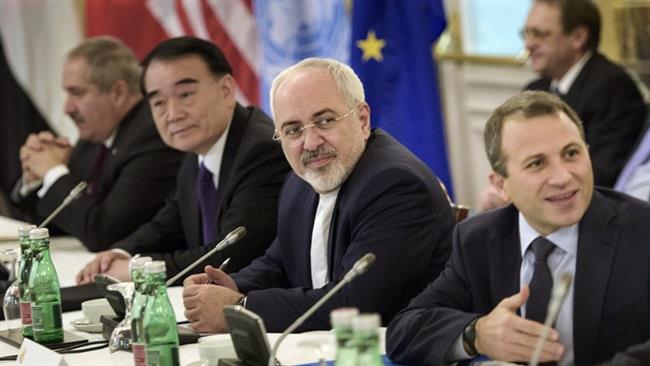
Foreign Minister Mohammad Javad Zarif has said no one should “dictate” their own decisions and views to the Syrian people, who have been suffering from foreign-backed militancy for over four years.
Zarif made the remark on Friday after the conclusion of the international negotiations aimed at resolving the ongoing crisis in Syria in Vienna.
“The future of Syria can only be determined by the people of Syria. People here are not here to dictate,” he said, adding that those who want “to help in the future of Syria have to facilitate political dialog between the Syrian people.”
The Iranian foreign minister also said all sides involved in the conflict should recognize that terrorism and extremism cannot be used even as temporary assets, urging a collective effort in the fight against extremist groups operating in the Middle East.
“There won’t be a possibility to take advantage of terrorists, however temporary, and they all need to realize that the security in this region requires everybody to work together in order to fight terrorism and extremism,” Zarif said.
Talks on JCPOA
Separately, Zarif described recent talks between Iran and P5+1 on the implementation of the agreement over Tehran’s nuclear program as constructive.
Representatives from Iran and P5+1 held several rounds of negotiations on the implementation of the Joint Comprehensive Plan of Action (JCPOA) in Vienna on Thursday and Friday.
Iran’s Deputy Foreign Minister for Legal and International Affairs Seyyed Abbas Araghchi held talks with European Union Political Director Helga Schmid, as the representative of P5+1, over the two sides’ measures for the implementation of JCPOA.
Separately, legal and technical experts of Iran and six world powers discussed the rebuilding of Arak heavy water reactor. Iranian Foreign Ministry’s Director General for Political Affairs Hamid Baeedinejad headed the Islamic Republic’s team.
“Regarding the acceleration of the fulfillment of the other side’s obligations, we had numerous discussions with P5+1, especially the Americans. We wanted to make sure that the commitments would be met in various fields of JCPOA,” Zarif told reporters, adding that good progress was made in the extensive talks over rebuilding the Arak reactor.
[…]
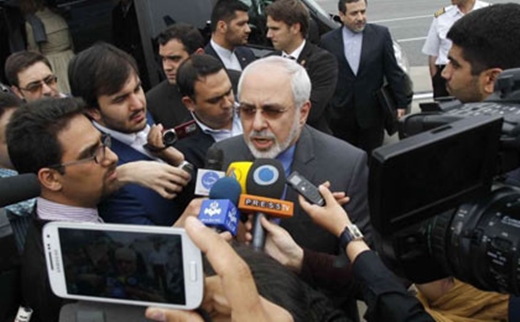
Foreign Minister Mohammad Javad Zarif has described the negotiations with P5+1 in Vienna on the implementation of the Joint Comprehensive Plan of Action (JCPOA) as good and constructive.
“We had discussions with P5+1, especially with the Americans on expediting the implementation of the commitments of the other side and we wanted to make sure that these commitments will be honored in different areas of JCPOA,” Zarif told reporters on Friday.
He went on to say that one of the issues is Arak Reactor that “we had detailed discussions about”, including the other side’s commitments for its renovation, about which we made good progress.
“We talked about US measures which need to be taken as well as the provision of guarantees to our trade partners in order not to block trade with Iran; we reached good agreements in these fields and it was agreed to work more on that,” Zarif added.
He said that Iran and the US held three sessions of negotiations and at each the Iranian side was provided with responses after the other side coordinated with Washington.
“We hope that the sessions held on Thursday and Friday could help with the implementation of JCPOA,” Zarif said.
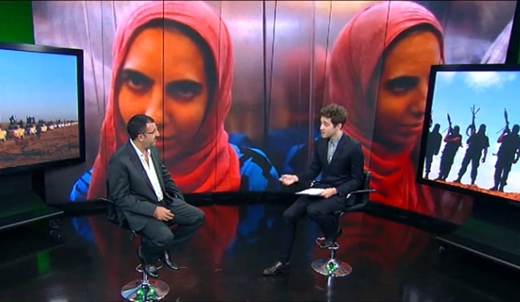
A Yazidi man, Abu Shuja, uses his extensive covert network throughout Iraq and abroad, to take back Yazidi captives from ISIS.
Shafaqna (the International Shia News Association) on October 28 released the Farsi translation of the story of this Yazidi man. The following is the original text – in English – of the story Russia Today has recently released on its website:
Despite a $500,000 bounty having been placed by ISIS on his head, Abu Shuja continues to risk his life saving Iraqi Yazidi women and children from Islamic State captivity. “Victims of ISIS” is the story of Shuja and those he freed as told to RT documentary.
The Yazidis, a religious minority in modern-day Iraq, fell victim to Islamic State (IS, formerly ISIS/ISIL) as militants moved deeper and deeper into the country, seizing increasing amounts of territory. IS overwhelmed Mount Sinjar, the homeland of thousands of Yazidis, in August 2014, turning life there into a nightmare.
Along with their territories, the Islamists captured thousands of Yazidi people – some men, but mostly women and children. According to different estimates, roughly 5,000 Yazidis were kidnapped. Women and children have ended up on the slave market, while little boys are subjected to militant training.
For Abu Shuja, a Yazidi himself, the IS invasion was the moment he knew that he had to take action.
“I have ventured into ISIS territory 15 to 20 times. I have now saved about 200 children, women and girls,” Shuja told a RT documentary crew which traveled to Sinjar.
Shuja has been using his underground network to steal Yazidi captives back from IS.
“After the ISIS bandits seized Sinjar, they enslaved about 5,000 men, women and children. This happens to people in the 21 century. There is no one to save them. The whole world just watches,” he said.
Now Shuja organizes and takes part in rescue missions, saving the abducted from terrorists and reuniting them with their families.
While helping to return those kidnapped back to their homes, Shuja’s mission is also personal – his three cousins remain in IS captivity.
“I can’t save them. I cannot locate them. They are why I started this work in the first place,” Shuja said, displaying a photo of three young women stored on his phone.
For Shuja and his people, locating and freeing IS victims means risking their own lives every day.
“I have been receiving threats from ISIS since the day I started working … ISIS realized that I’m freeing those they captured, we have been caught many times,” Shuja, who is now in Moscow, told RT news.
Islamic State militants placed a half-a-million dollar bounty on his head.
“ISIS has promised $500,000 for anyone who’d give them information or catch me or bring me to them,” Shuja said in RT documentary’s 48-minute long film.
Many times Islamists approached Shuja’s vicinity, but failed to capture him. He says he was afraid at first, but then he got used to threats.
“So far I’ve lost 15 people, helping to carry out rescue missions. Twelve of them were beheaded, their bodies put on display. Two of my men were lured into a trap by ISIS recently,” he told RT news.
However, neither the bounty, nor the deaths of his team members have frightened Shuja enough to stop his mission.
“I will not give up my work. It’s not a problem that they have my picture, if they know my name. They would pay $5 million for my head, but I will not stop my work. I will not stop till the last prisoner is free,” he said.
Shuja estimates that “some 2,700-2,800 people are still being kept hostage”.
With support from his family, who fear for his life but accept and praise what he has to do, Shuja continues freeing Yazidis from captivity.
“We all die eventually. Death only comes once. Dying twice would be a problem,” Shuja says. “I’d rather die a brave, honorable death than a shameful one.”

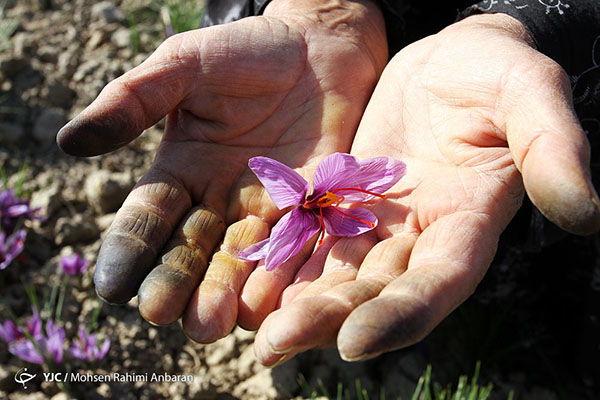
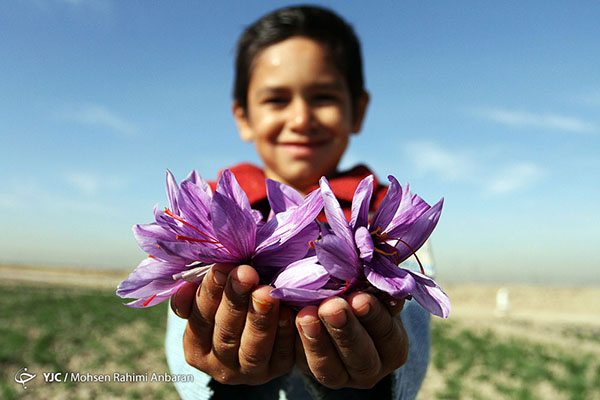
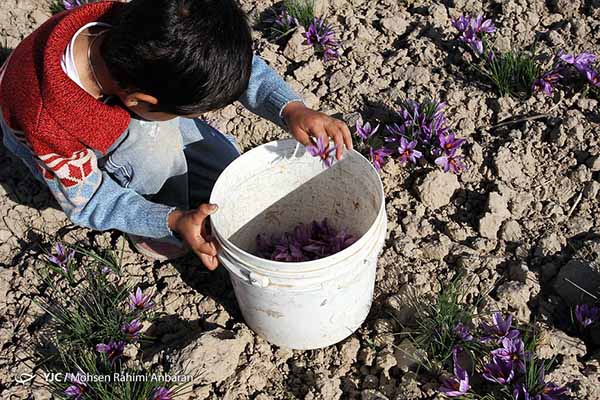
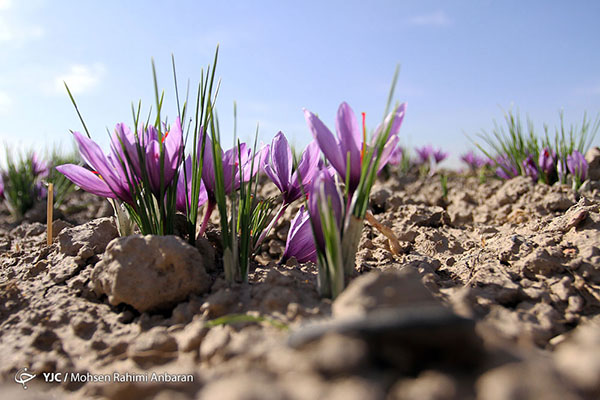
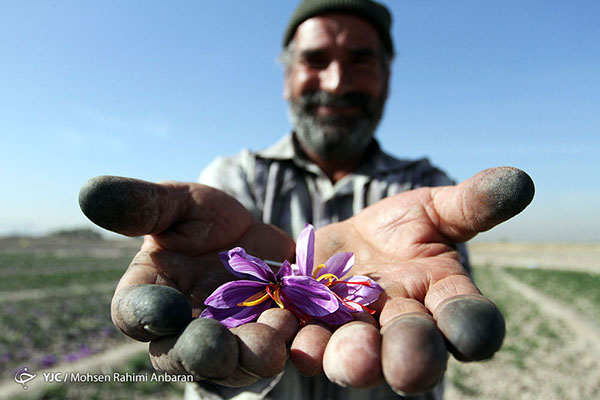
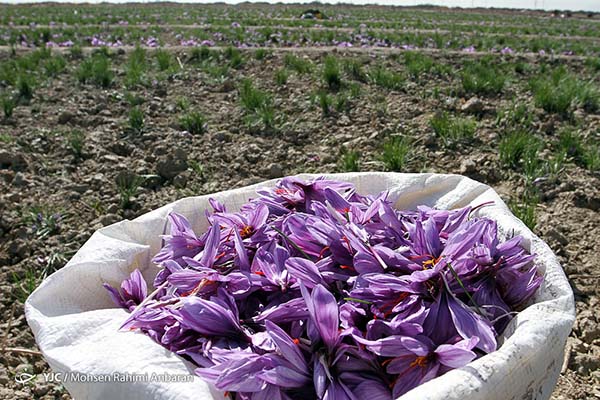
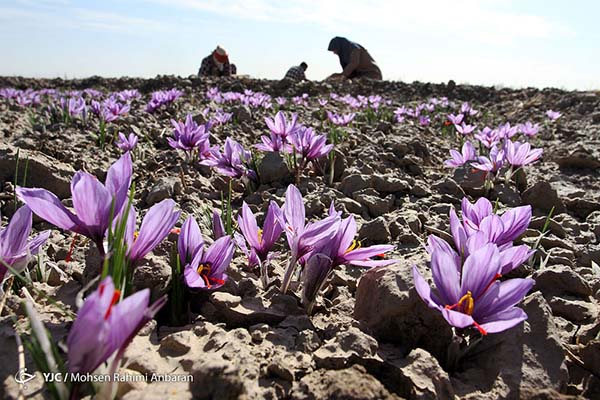
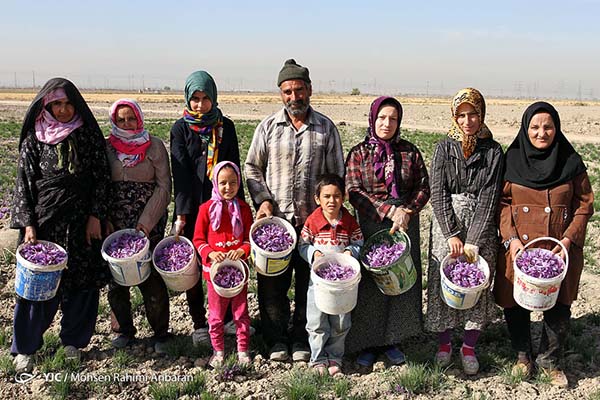
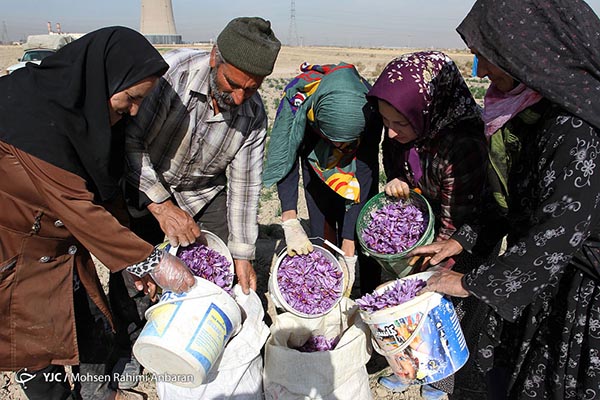
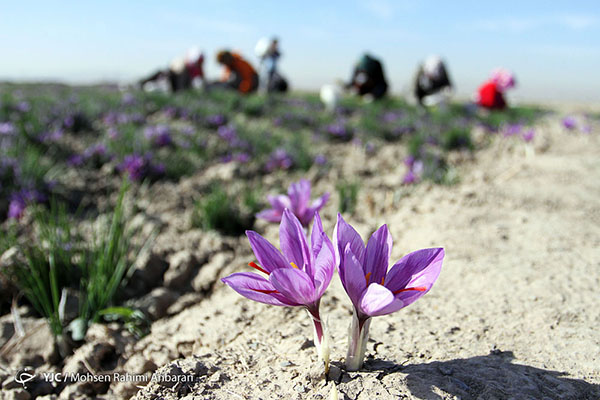
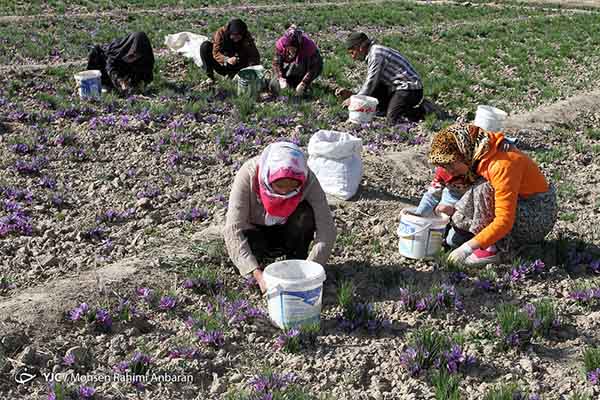
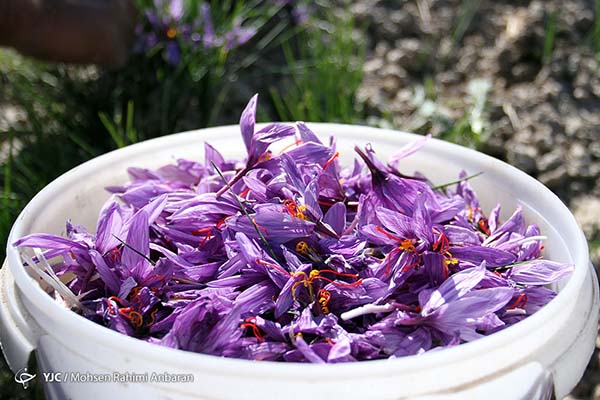
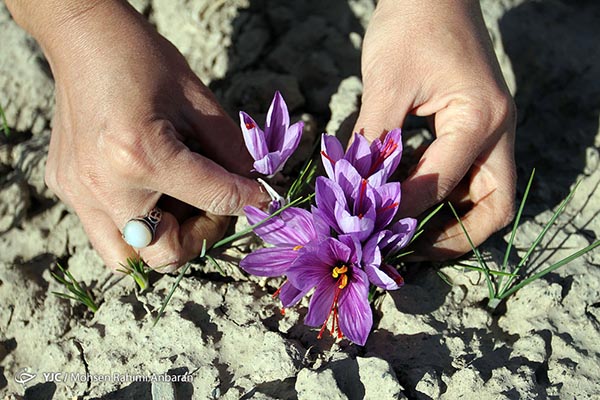
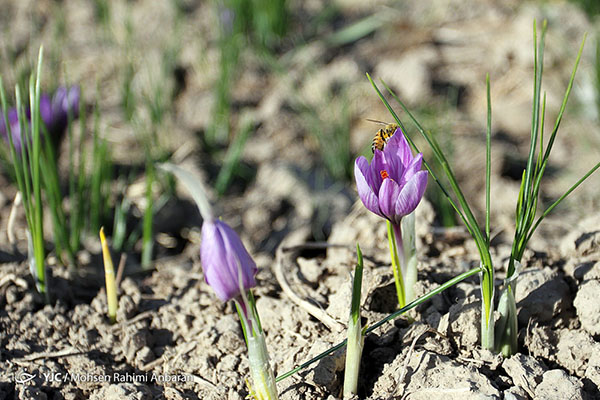
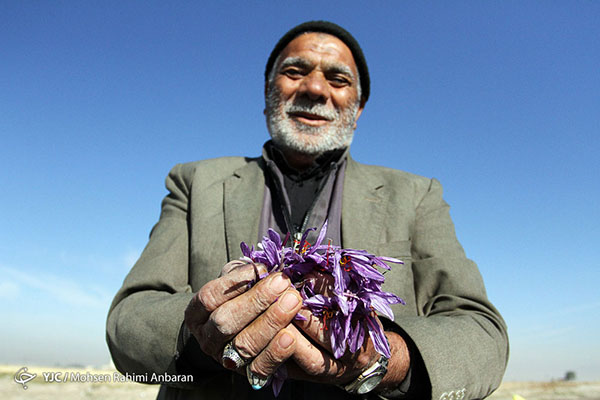
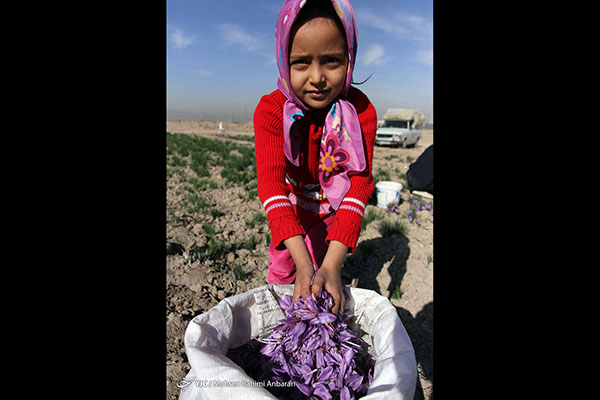
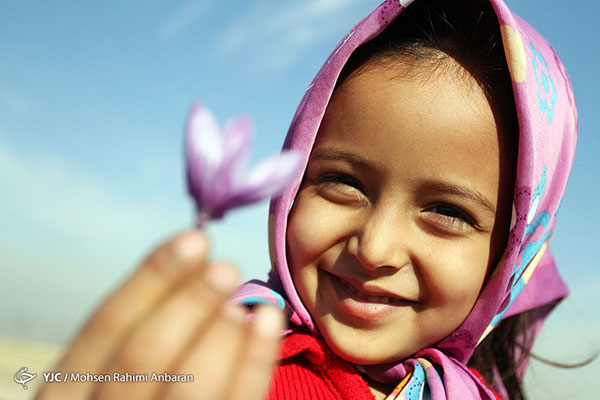
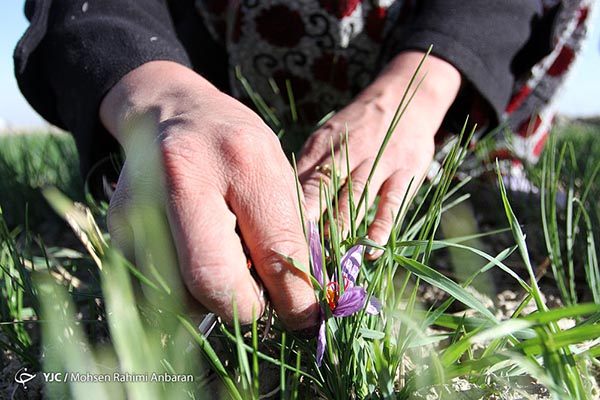
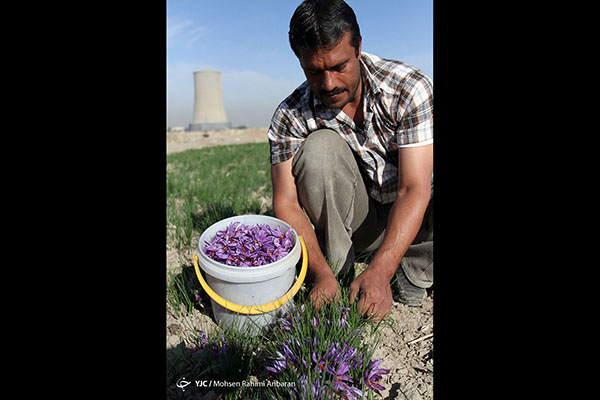
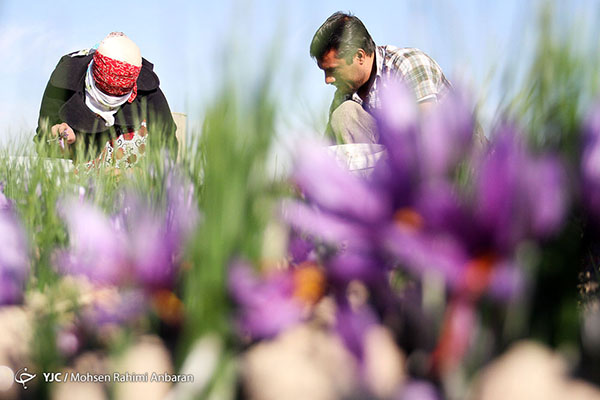
Harvest time has arrived in Khorasan Razavi Province where saffron farmers are hard at work to collect their products.
The following are the images the Young Journalist Club has placed on its website of the harvest season:
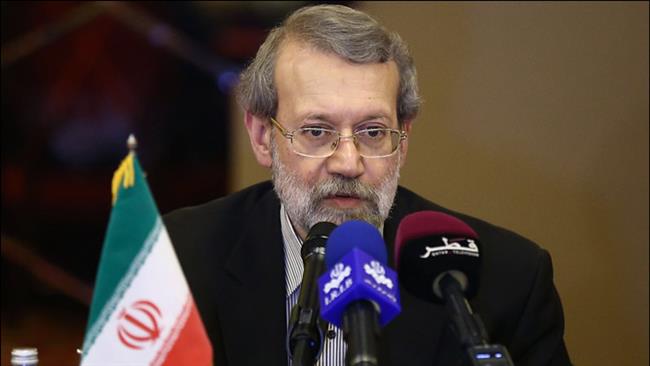
Parliament Speaker Ali Larijani said on Friday that Iran is seeking to unveil the aspects of the human tragedy in the Mina stampede through the fact-finding committee, the United Nations and the Organization of Islamic Cooperation (OIC).
Larijani said that Iran is making efforts to pursue the case of Iranian pilgrims who went missing during the deadly incident.
The top MP went on to say that the Saudi government has buried some of the victims, adding that in order to identify the Iranian pilgrims, Iran is fingerprinting the victims.
Larijani blamed the Saudi officials for the incident, saying that they even didn’t act properly after the disaster.
About the former Iranian ambassador to Beirut Ghazanfar Roknabadi, who went missing in the incident, Larijani said that Roknabadi had been transferred to hospital, but Saudi officials deny that.
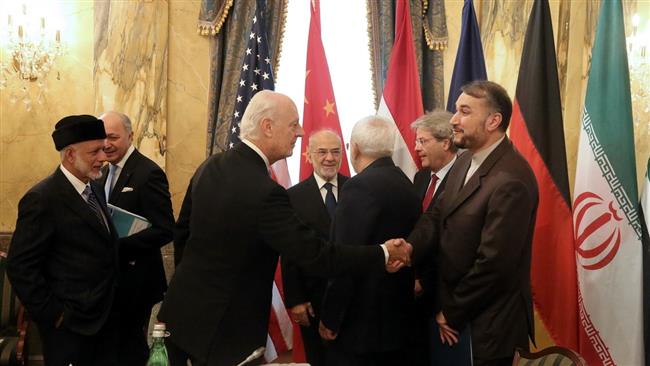
According to Iranian media outlets, Hossein Amir-Abdollahian, Iran’s deputy foreign minister for Arab and African affairs, on Friday dismissed as false the reports on Assad’s fate.
Western media had earlier in the day reported that Iran has signaled that it favored a six-month “transition” period in Syria followed by elections to decide the fate of the Syrian president.
“Iran does not insist on keeping Assad in power forever,” Reuters quoted Amir Abdollahian as telling Iranian media.
The developments come as international talks on the crisis in Syria are underway in the Austrian city of Vienna. The negotiations have brought together some 16 countries including Iran.
This is the first time the Islamic Republic has attended the talks after it was denied participation in the previous two rounds – both of which ended inconclusively – under pressure from the US and its allies.
Iranian Foreign Minister Mohammad Javad Zarif heads Iran’s delegation during the Vienna talks.
“Non-interference in the internal affairs of Syria [and] combating terrorism and extremism” must also be among common objectives of all participants in the negotiations if they really want to address the crisis in Syria, Zarif said upon arrival in the Austrian capital on Thursday.
The parties involved in efforts to end the violence in Syria have apparently come to the conclusion that “no reasonable and logical” solution could be found to the crisis without the Islamic Republic, added Iran’s foreign minister.
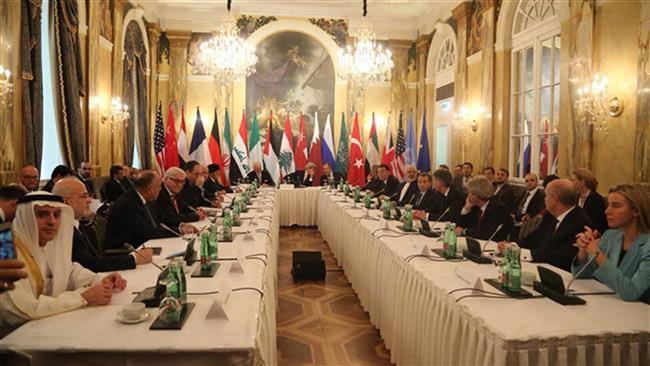
Apart from the Islamic Republic, the United States, Turkey and Saudi Arabia, and representatives from at least 12 other countries are also attending the talks. Those states are France, Germany, Egypt, Russia, Jordan, the UK, Qatar, the United Arab Emirates (UAE), Iraq, Lebanon, China and Oman.
Envoys from the United Nations and the European Union are also present at the talks.
‘Common ground’ sought
“I believe it is very important that … we will have all the relevant actors, regionally and internationally, relevant actors playing around the same table trying to define a common space for the beginning of the political process to find a solution to the crisis in Syria,” EU foreign policy chief Federica Mogherini said.
Dmitry Peskov, spokesman for Russian President Vladimir Putin, said Friday that the Vienna talks will focus not “on [President Bashar] al-Assad’s fate but on the Syrian settlement,” adding that “only the Syrians can determine the political future of Bashar al-Assad.”
He said the “search for a political solution of the Syrian conflict has no alternative,” adding that “all the interested sides were taking part in the Vienna talks, mainly states, which can make a contribution into the settlement.”
Meanwhile, Iraq’s foreign minister also said on Friday that the next multilateral meeting on the Syria crisis should be in Vienna next week.
Ibrahim al-Ja’afari added that the Friday talks on resolving the Syria crisis had failed to bring an agreement on Assad’s role in the political process.
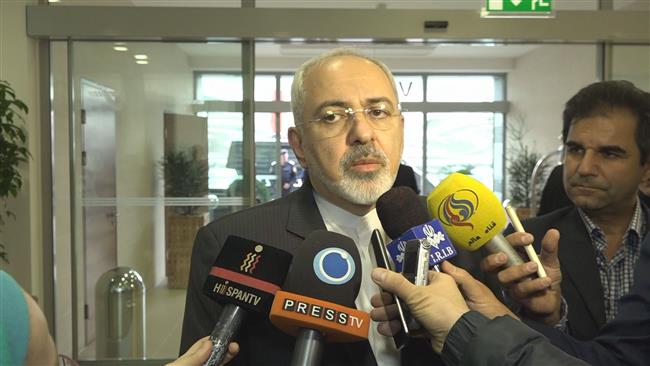
Iranian Foreign Minister Mohammad Javad Zarif made the remarks upon his arrival in the Austrian capital city of Vienna on Thursday.
Respecting the territorial integrity and national unity of Syria should be top on the agenda of the Syria talks, said Zarif, adding, “Non-interference in the internal affairs of Syria [and] combating terrorism and extremism,” must also be among common objectives of all participants in the negotiations if they really want to address the crisis in the Middle Eastern state.
The top Iranian diplomat further emphasized that the Islamic Republic has attended the negotiations to work for a solution to the conflict in Syria and hopes all others participants “are here for the same reason.”
The international talks on the Syrian turmoil are expected to take place in Vienna on October 30. The negotiations will bring together about a dozen countries including Iran, the first time such appearance by the Islamic Republic in a meeting on Syria.
Two conferences were previously held in an attempt to resolve the Syrian crisis in the Swiss city of Geneva, one in 2012 and the other in 2014. However, both events ended in failure amid the absence of Iran, an important regional player.
Elsewhere in his remarks, the Iranian foreign minister said no preconditions had been set for Iran’s attendance in the Vienna talks, adding that Tehran would never partake in the conference if there were such requirements.
The parties involved in efforts to end the violence in Syria have apparently come to the conclusion that “no reasonable and logical” solution could be found to the crisis without the Islamic Republic, added Iran’s top diplomat.
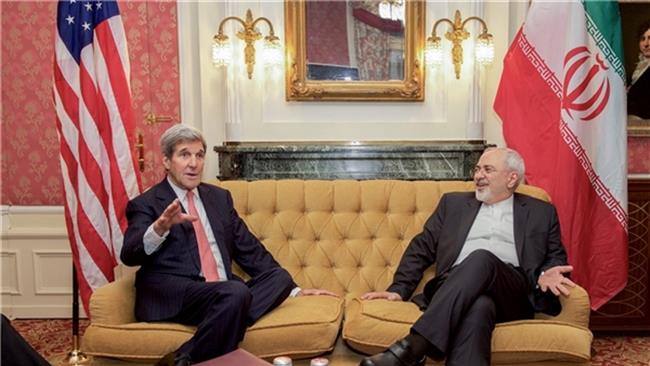
Zarif and US Secretary of State John Kerry met in Vienna on Thursday evening ahead of the Syria negotiations and discussed the implementation of the Joint Comprehensive Plan of Action (JCPOA) reached between Iran and the P5+1 group of countries over the Islamic Republic’s nuclear program.
The Iranian foreign minister also met his Russian counterpart, Sergei Lavrov, where the two sides stressed the need to combat terrorism and extremism as well as political process, national dialogue and foreign non-interference in Syria.
Zarif and EU foreign policy chief Federica Mogherini will also meet later on Thursday. Their talks will focus both on the JCPOA as well as regional issues.
© All Content by IFP News ( Iran Front Page ) is licensed under a Creative Commons Attribution 4.0 International License.
