Sunday, December 21, 2025
Home Blog Page 4662

Iran deal paves the way for nuclear-free Middle East: veteran diplomat

Seyed-Hossein-Mousavian

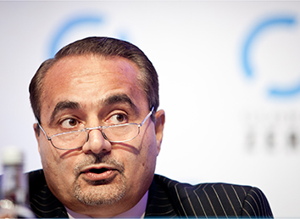
Former Iranian diplomat Hossein Mousavian said Sunday that the Iran nuclear deal is the most inclusive text in the world’s nuclear history that can ensure non-proliferation of nuclear weapons.


Mousavian, who was addressing a gathering of 5,000 people in New York, touched upon terrorist claims against Iran and said, “The bitterest terrorist incident for you Americans was the attack on Twin Towers on September 11, 2001. Was there an Iranian among the culprits of that incident or all the criminals were citizens of US allies, such as Saudi Arabia?”


Noting that all people in the world unanimously believe that today the number one threat to global security is Takfiri terrorism, Mousavian said that terrorist groups such as ISIL, al-Qaeda, Boko Haram and al-Nusra Front recruit their members from citizens of US allies in the Middle East, Africa, Europe, America and China.


The Iranians have not joined these groups, they are on the frontline of practical fight against these terrorist groups, Mousavian said.


He said that the international community is strongly defending the Iran deal and only Netanyahu and some US congresspersons are standing against the deal and certain regional hostile Arab countries are trying to scupper the deal.


“The American people should know that Mr. Obama had only three choices in dealing with Iran’s nuclear crisis: peaceful agreement through diplomacy, sanctions and pressure, or military invasion,” Mousavian said.


“The world did not support a war scenario. In addition, the US had experienced two wars in Iraq and Afghanistan and had been forced to leave the war incurring thousands of billions of dollars in losses with more than six thousand Americans being killed”.


Obama knew well that military action against Iran would have consequences more severe than that of US invasion of Iraq and Afghanistan, Mousavian said.


On exerting pressure on Iran, the former Iranian nuclear negotiator said that Obama imposed the toughest sanctions on Iran aiming to shut down Iran’s nuclear program, but the Iranians, instead, developed their nuclear program to let the US know that Iran would not surrender under pressure.


Before the sanctions, Iran possessed only a few hundred centrifuges, while after the sanctions it had 22,000 centrifuges, Mousavian said, adding that Iran enriched uranium no more than 5%, but after the sanctions Iran’s uranium enrichment reached 20%.


When the US got to know that the option of sanctions would also backfire, they chose diplomacy for dealing with Iran’s nuclear dispute, Mousavian concluded.
New York to host first meeting of JCPOA joint commission

UN

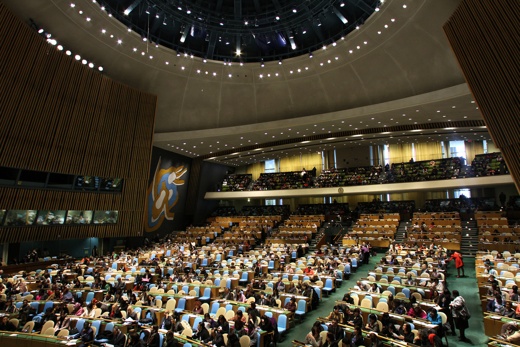
The first meeting of Iran-P5+1 joint commission on JCPOA (Joint Comprehensive Plan of Action) will likely take place on the sidelines of the upcoming UN General Assembly session in New York in September.

The meeting will be held among deputy foreign ministers if the JCPOA document is approved by negotiating parties.

A joint commission consisting of P5+1 nations, Iran, and the European Union is scheduled to monitor compliance with the nuclear agreement achieved between Tehran and six world powers on July 14.

Also foreign ministers from Iran and six world powers (Russia, China, the US, France, Britain and Germany) will likely hold talks on the sidelines of the UN General Assembly meeting.

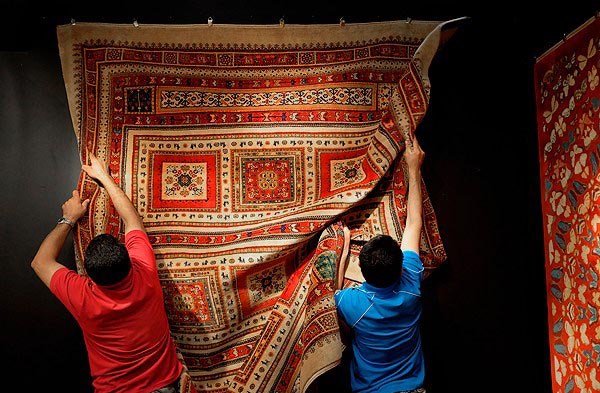
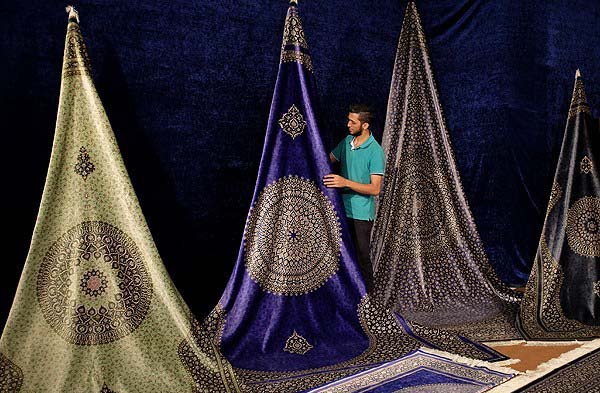
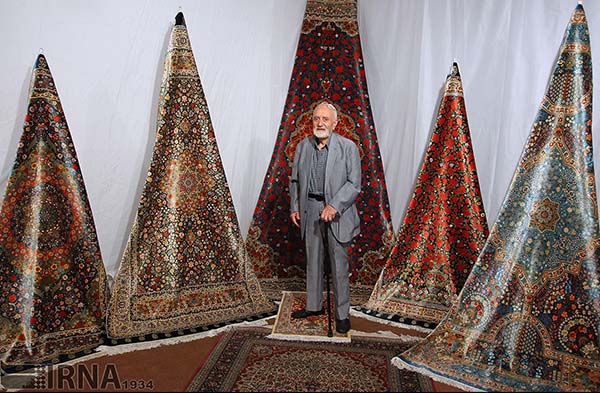
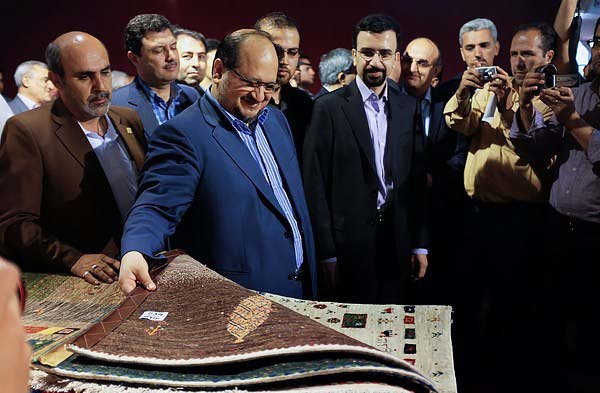
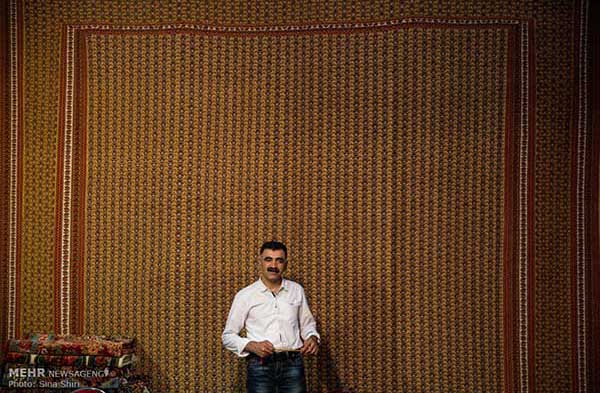
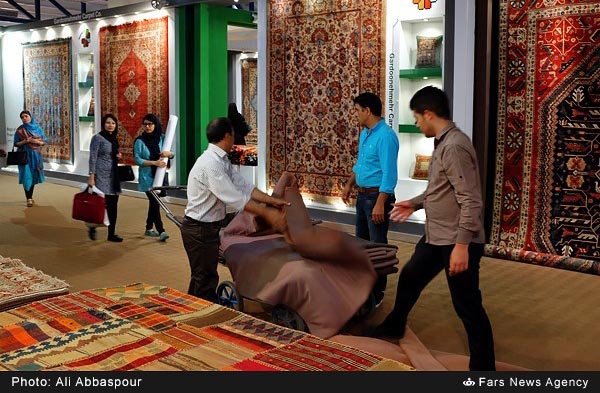
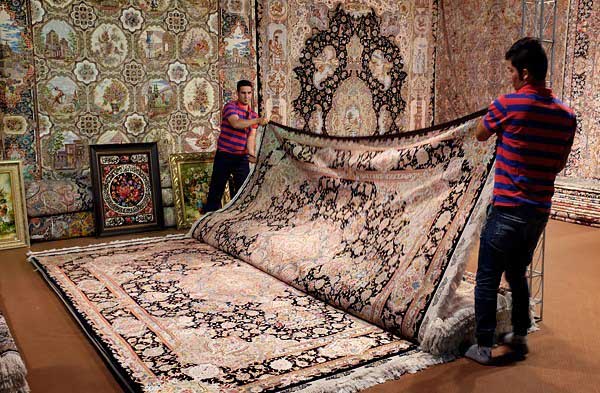
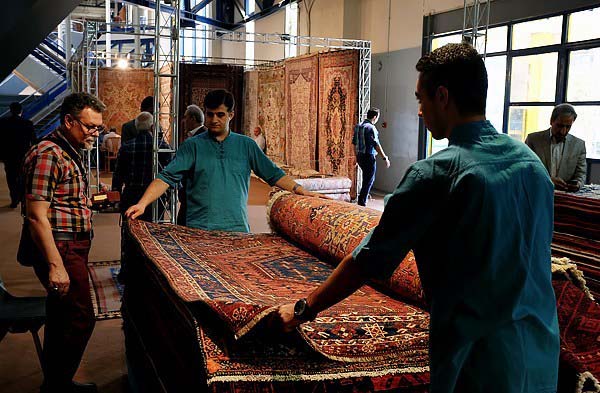
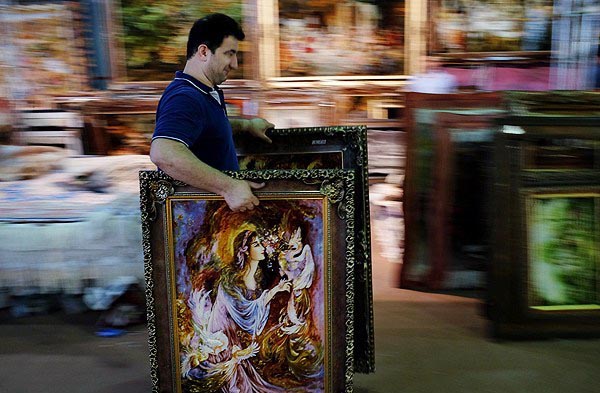
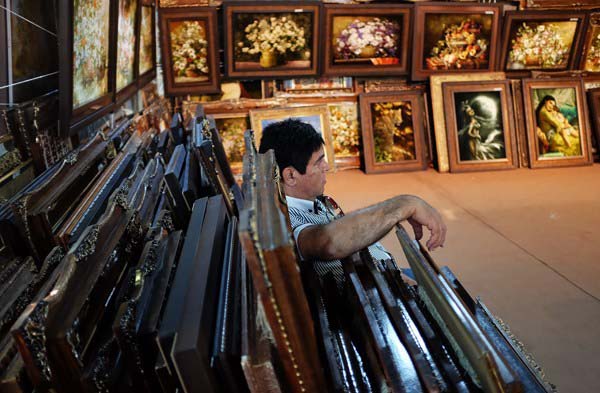
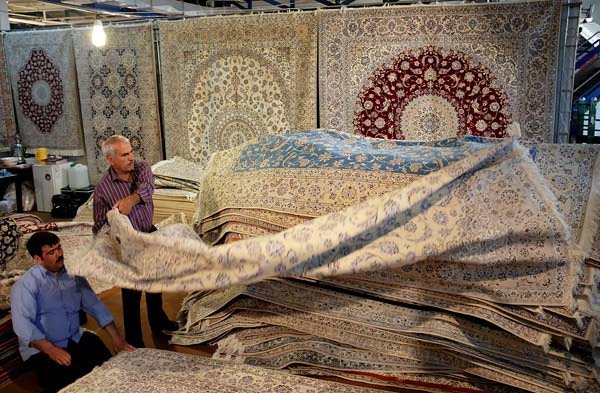
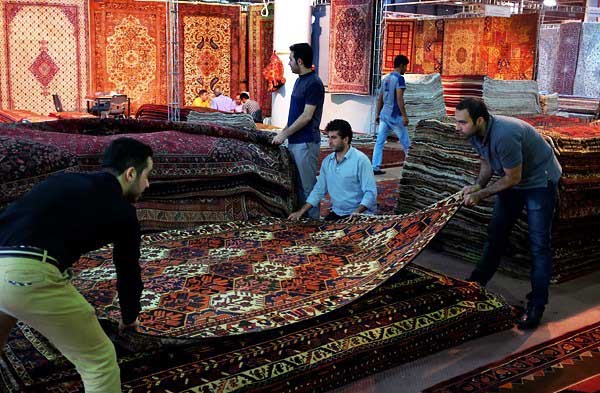
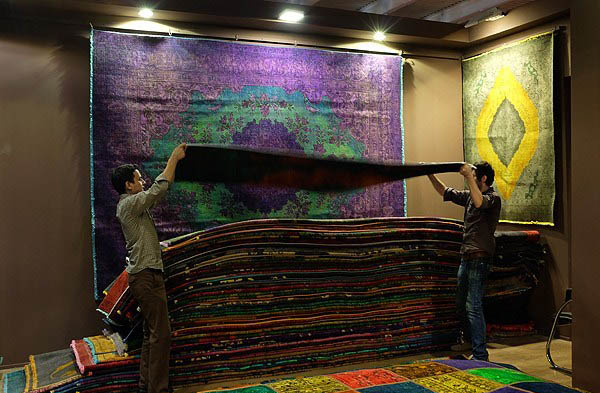
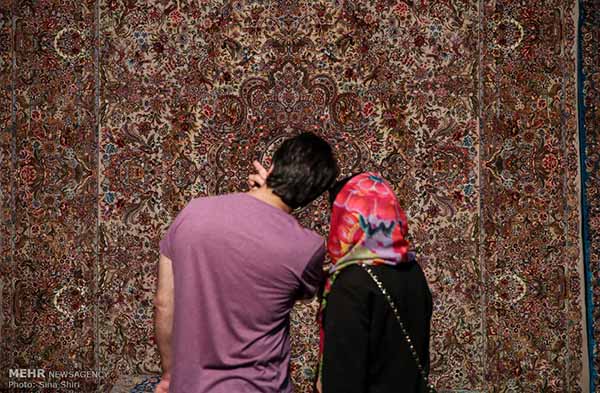
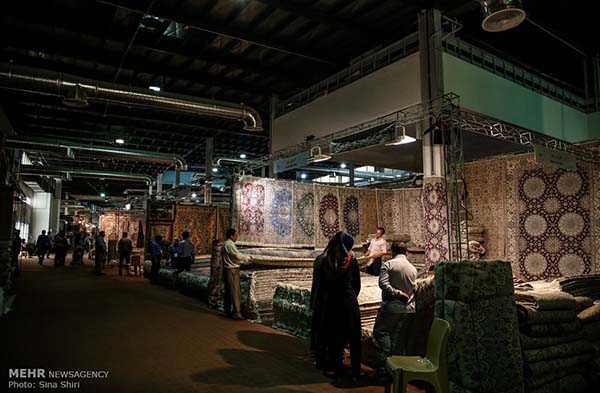
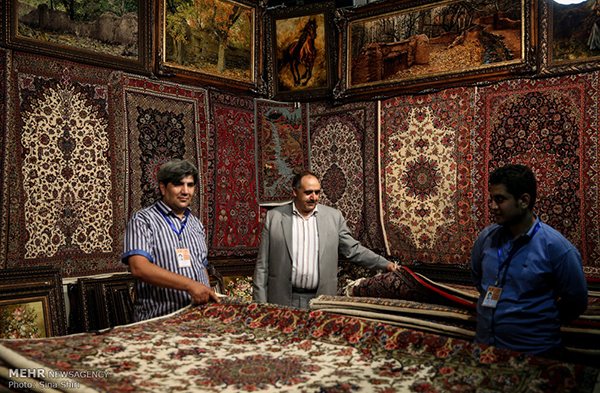
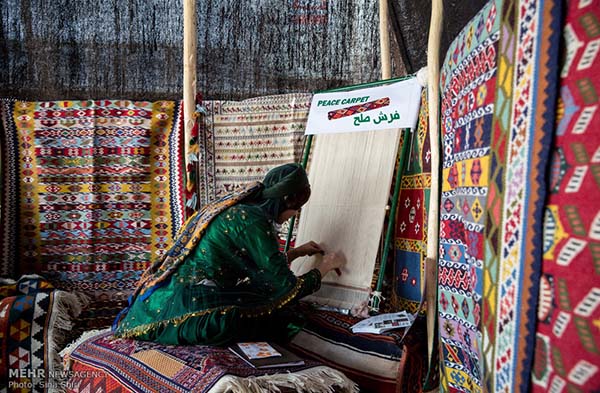
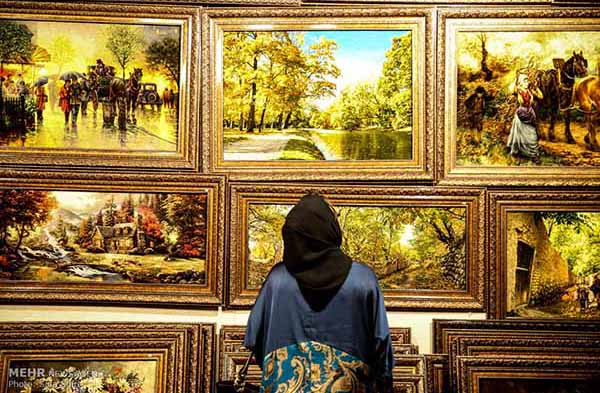
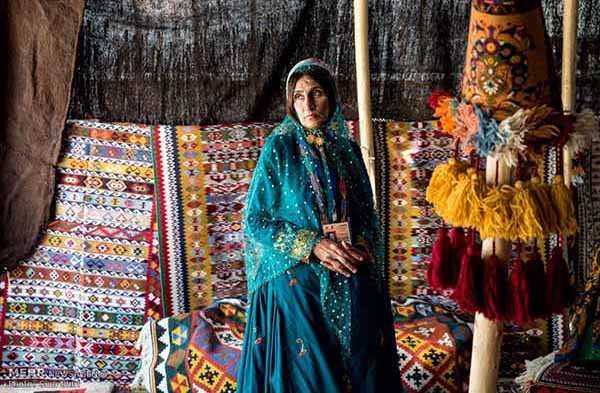
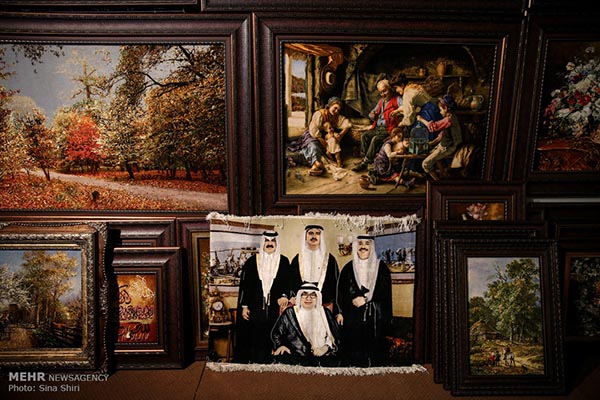
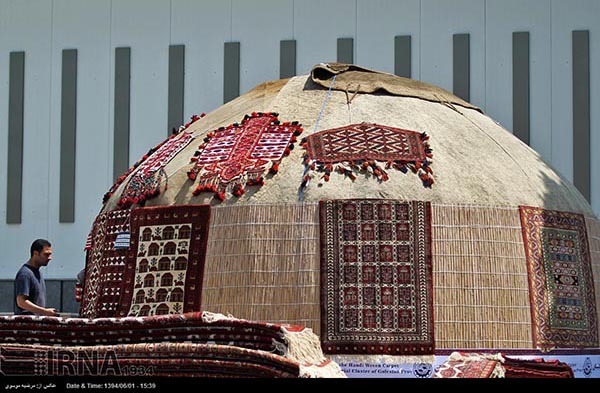
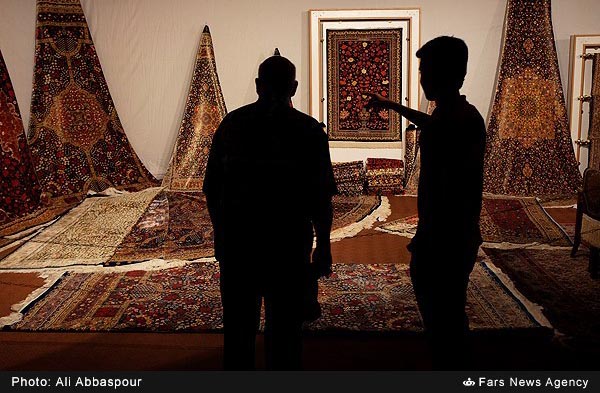
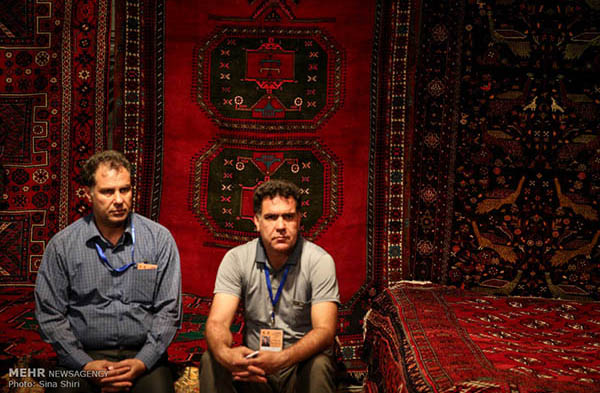
Tehran hosts international hand-woven carpet event (PHOTOS)

hand-woven carpet000000

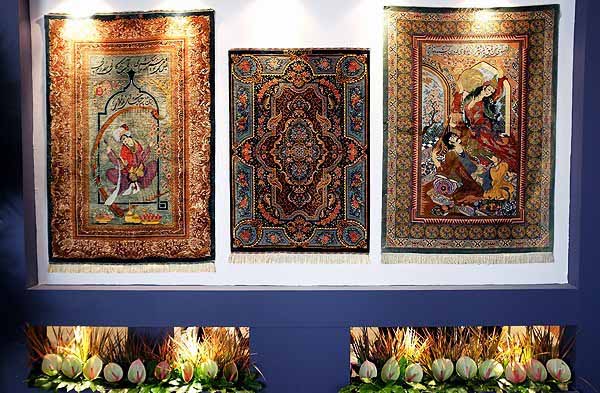
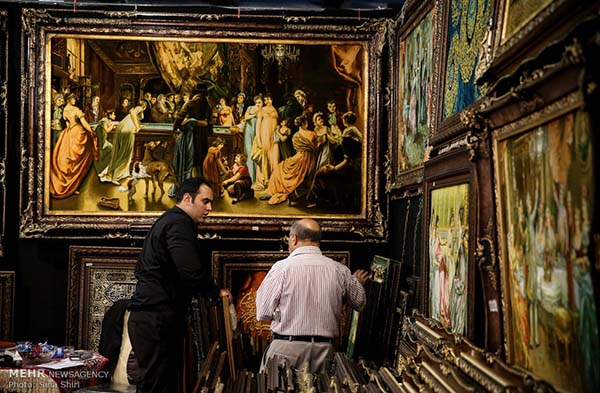
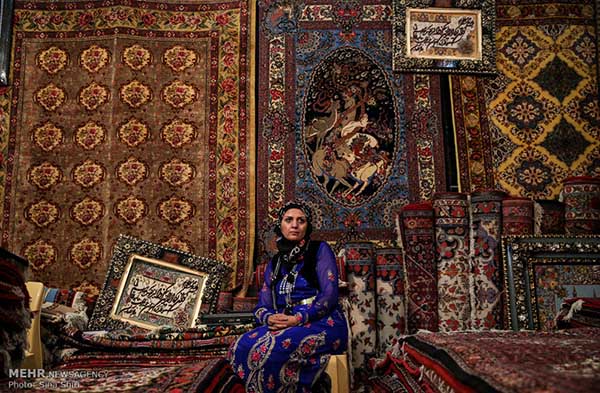
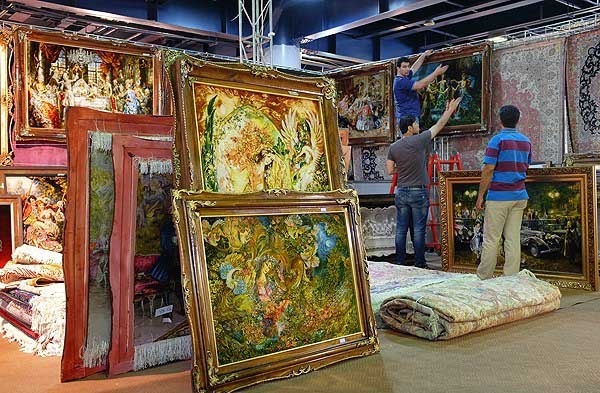
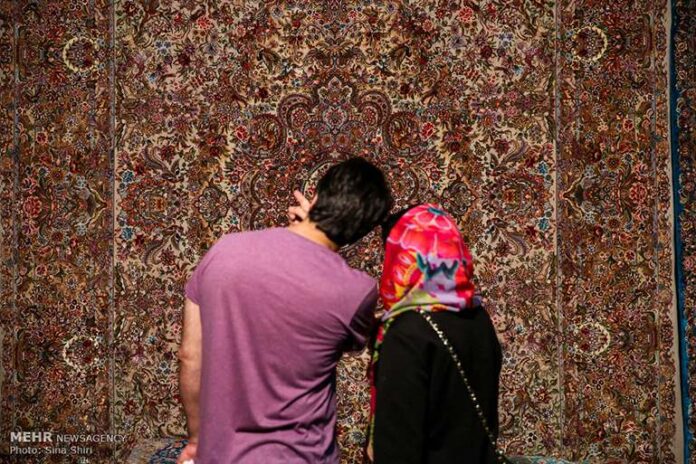
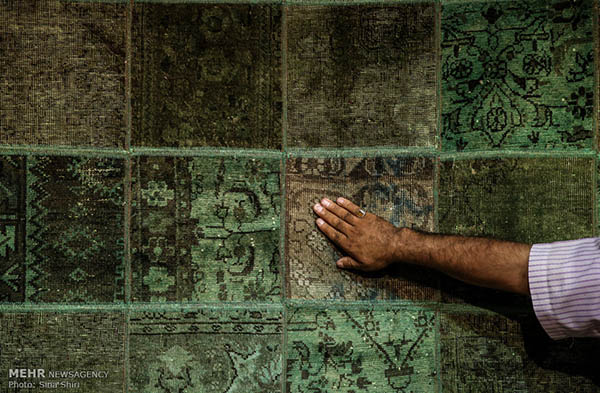
A 24th international hand-woven carpet exhibition opened in Tehran on Sunday (August 23). 

More than 700 firms are displaying their products in the exhibition which is the largest in the world. 

Officials say more than 16 percent of the hand-woven carpets Iran exports would normally find their way to US markets, bringing in some $80 million in revenues. But sanctions have seen Iran’s share of the US market shrink.


Iran, Azerbaijan plan to establish joint bank

Bank Melli

Iran and the Republic of Azerbaijan are in talks for the establishment of a joint bank whose branches would conduct financial operations in the two countries.

Speaking in an exclusive interview with Azerbaijan’s Trend News Agency, Iran’s Minister of Communications and Information Technology Mahmoud Vaezi noted that in addition to the joint bank, the two neighbors are also discussing the opening of branches of the two countries’ banks in Baku and Tehran.

Vaezi, who is also co-chairman of Iran-Azerbaijan intergovernmental commission, added that a number of Iran’s private banks are interested in entering Azerbaijan’s banking market.

The Iranian minister said the main obstacle in the way of banking cooperation between Tehran and Baku is the existing sanctions against Iran’s financial sector, which do not allow cooperation between the two countries’ banks to reach an appropriate level.

“There is a branch of Bank Melli Iran in Azerbaijan, but it is not active,” Vaezi noted, adding that preliminary talks on the expansion of banking cooperation between the two countries have been already held and the existing problems are expected to be solved during a forthcoming visit to Iran by Governor of the Central Bank of Azerbaijan Elman Rustamov.

Vaezi, however, did not mention the exact date of Rustamov’s visit.

The Iranian minister also touched upon the issue of Iranian money that is currently frozen in the Azerbaijani bank accounts and whose amount has been estimated at $200 million.

“The representatives of the banking sectors of Azerbaijan and Iran are discussing the use of this capital,” he said, adding, “A part of these funds is planned to be directed to the [Iranian] oil sector, and this was discussed during my last visit to Baku. Another part of the funds is to be used to increase the capital of Bank Melli Iran.”

Vaezi emphasized that further development of the two countries’ banking cooperation is necessary for expansion of trade relations between Tehran and Baku.

“Currently, the trade volume between our countries is about $500 million…. I think that it’s not a very good indicator for the two neighboring countries and people so close to each other. Azerbaijan and Iran have set a goal to increase this figure by four times to $2 billion,” he said.

Two Iranian banks to start operating in UK soon: CBI head

Iran-UK-Banks

The governor of the Central Bank of Iran (CBI) says two Iranian banks will start operating in Britain soon, increasing the number of Iranian banks active in the UK to four.

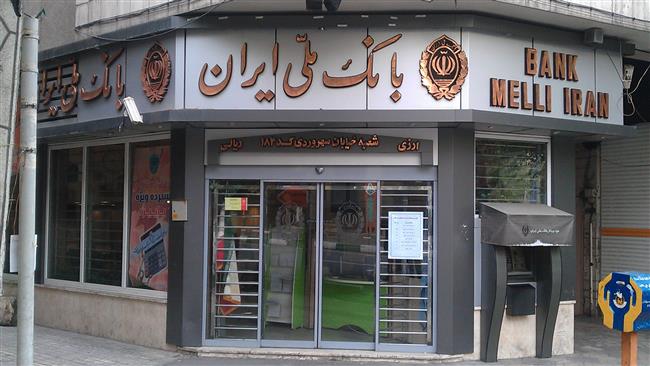
Speaking to IRNA following a meeting with visiting British Foreign Secretary Philip Hammond in Tehran on Sunday, Valiollah Seif noted that the two banks include the London branch of Bank Melli Iran and the Persia International Bank.

As for his meeting with Hammond, Seif said during their negotiations, the two sides discussed past cooperation as well as the existing capacities for the expansion of that cooperation.

He added that the British top diplomat indicated willingness of his country’s banks to operate in Iran, saying that facilitation of banking operations in the two countries was another point of discussion between the two sides.

“During negotiations, we discussed major obstacles to raising the volume of trade between the two countries, which are mostly related to banking, insurance and transportation restrictions. The two sides emphasized their serious will to remove these obstacles,” he noted.
Iran’s CBI governor stated that the two sides also decided to exchange banking delegations in order to pave the way for cooperation between Iranian and British banks.

According to IRNA, during his meeting with the CBI governor, Hammond emphasized that the two countries should do away with bureaucratic obstacles that hamper expansion of their trade and economic ties.

He added that Iranian banks will be able to restart their activities in the UK once sanctions against Iran’s financial sector are removed.
The British foreign secretary noted that Britain’s embassy in Iran should take necessary measures to facilitate trade and economic exchanges between the two countries.
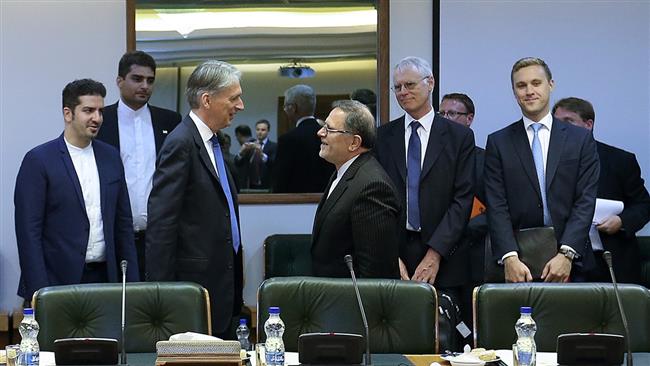
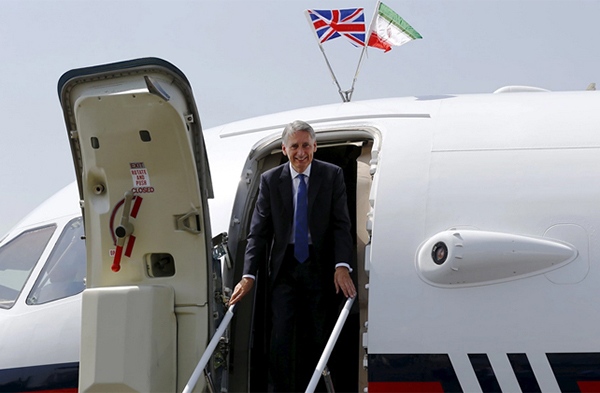
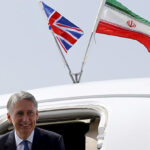
Hammond arrived in Tehran earlier on Sunday to reopen the UK embassy and hold talks with high-ranking Iranian officials.

During his two-day trip, Hammond is scheduled to hold talks with Iranian President Hassan Rouhani and Parliament Speaker Ali Larijani. He has already met and conferred with Iran’s Foreign Minister Mohammad Javad Zarif, Governor of the Central Bank of Iran Valiollah Seif, and Iran’s Oil Minister Bijan Zanganeh.

He is accompanied by a politico-economic delegation, including representatives of major British companies such as the Royal-Dutch Shell.

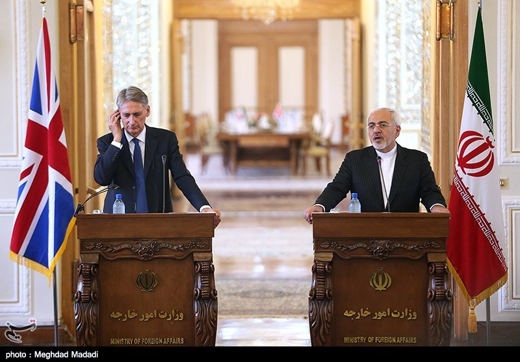
Zarif, Hammond hold joint press conference in Tehran

Zarif-Hamond

Zarif said Iran and Britain could resolve “differences through interaction and reaching a mutual understanding.”

He noted that Tehran and London share views about fighting “extremism, Daesh” and drug trafficking in the region.

For his part, Hammond said he felt “delighted” about the reopening of Iranian and British embassies, saying they serve as “important practical channels” to engage on “many issues we have shared interests.”

He said that there has been “improvement between the two countries step-by-step” since President Hassan Rouhani was elected in July 2013.

“Iran is and will remain a very important country in a strategically but volatile region,” he said.

Hammond noted that “our embassies play an important role in maintaining” dialogue between Tehran and London.

The British top diplomat also referred to his talks with Iran’s petroleum minister, Bijan Zangeneh, saying the business delegates accompanying him are “more than willing” to invest in Iran once sanctions against the Islamic Republic are lifted.

He said Iran’s petroleum industry has shown “openness” to foreign investment.

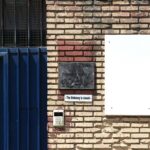
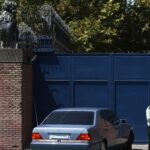
Hammond arrived in Tehran on a historic visit earlier on Sunday, and went to the embassy’s premises to reopen the headquarters of the British diplomatic mission to Iran, which had been closed since November 2011.

Back then, Britain closed the embassy and withdrew its diplomatic staff after hundreds of Iranian students staged a protest outside the diplomatic premises in Tehran against the expansion of UK sanctions on Iran, pulling down the UK flag and demanding the expulsion of the British ambassador.

Later in November that year, Iran’s Parliament (Majlis) approved a bill to downgrade the diplomatic ties between Tehran and London to the level of chargé d’affaires.

Iranian police make arrests to prevent a protest gathering against British embassy reopening

iran-uk-embaccy

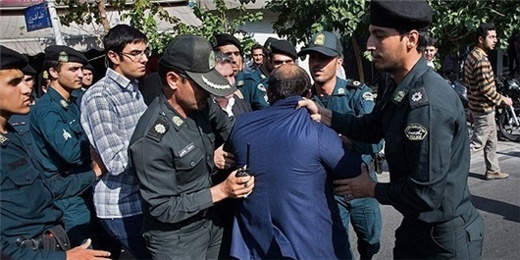
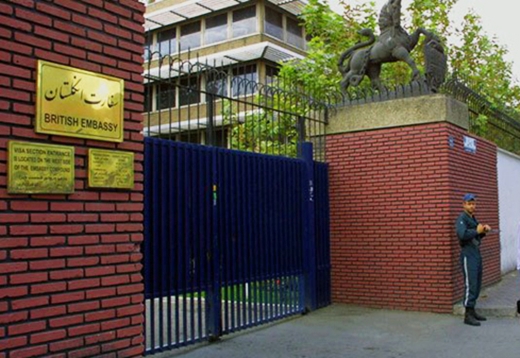
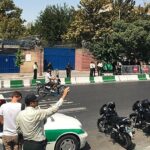
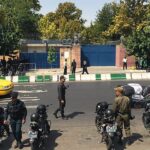
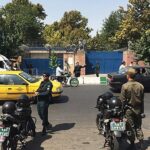
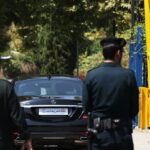
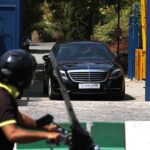
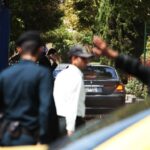
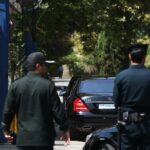
Several protestors were arrested in front of the British embassy in Tehran which was reopened on Sunday morning in the presence of Foreign Secretary Phillip Hammond.

A number of Iranian people and students who wanted to hold a peaceful gathering to protest at the reopening of the British embassy in small groups were arrested by the law enforcement police forces in front of the British mission in Tehran today.

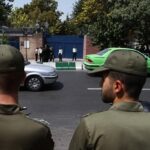
The streets near the embassy compound were heavily guarded since early morning by the special police and law enforcement troops who dispersed the people to avoid any protest gathering.

Many Iranian university students formations, political figures, officials and elites had slammed the reopening of the British Embassy, and called for a gathering in front of the mission to protest at what they called as ‘Black Sunday’.

Relations between Iran and Britain hit an all-time low in November 2011, when the two countries shut down their diplomatic missions.

Iran recalled all its staff and closed its embassy in London in November after Britain recalled its diplomatic mission in Tehran due to massive protests in front of the British embassy complex by thousands of Iranian students who demanded ties with London be severed.

The Iranian students’ November protests at the British mission came after the Iranian legislators in an open session of parliament in November approved a bill to downgrade relations with Britain. After parliament’s approval, Iran expelled the British ambassador from Tehran.

The parliament approval came a week after the US and Britain targeted Iranian financial sectors with new punitive measures, including sanctions on the Central Bank of Iran (CBI) and petrochemical industry.

The sanctions against the CBI and Iran’s petrochemical industry were adopted in a unilateral move by the US, Canada and Britain outside the UN Security Council as other council members, especially Russia and China, had earlier warned against any fresh punitive measure, including sanctions, against Iran.

[…]

A review of a failed plan to shut down the British embassy

1180308_827

A former Iranian MP has said that the reopening of the British embassy in Tehran shows London has woken up to realities, but to see a real change of heart, Iran needs to wait for future approaches of London.

Iran newspaper on August 23 published an opinion piece by Heshmatollah Falahatpisheh, a former MP, on the closure of the British embassy in Tehran. The following is the translation of the piece:

In 2010, when a number of MPs introduced a motion in the Islamic Consultative Assembly to oblige the government to shut down the British embassy, I talked against it. The motion failed to clear parliament thanks to the opposition of a number of deputies.

Back then, opponents of the motion argued that a move such as closing the embassy is like playing in a court designed by the Brits. If Iran had opted for such a move, according to the European Union’s laws, all European countries had to follow suit and close down their embassies in Tehran.

Iran had no issues with many of these [European] countries, but Britain was seeking to make fellow European countries follow its lead in dealing with Iran. This motion [closure of the British embassy] was shelved, and after a while the Islamic Consultative Assembly approved a bill on downgrading ties with Britain. The bill was never put into effect because of what unfolded [in the country] and later the British embassy was shuttered in Tehran in the wake of protests by Iranian university students.

Now the two countries have once again resumed efforts to improve their ties and open their diplomatic missions. The reopening of the British embassy does not require parliamentary legislation, because under a parliamentary act, ties between the two countries had to be downgraded to charge d’ affaires level, something which – as the Foreign Ministry officials have put it – is now being materialized.

Furthermore, the new development in Iran-Britain ties – reopening of embassies is one clear manifestation of it – has taken place mainly because of the acceptance by the Britons of the existing realities, and not a change of heart in London. To see a change in London’s behavior, we need to wait for objective progress, especially because there are still misgivings and concerns about Britain’s change of policy and its approaches in the future. Perhaps, they [the Britons] can in practice develop a better understanding of the ground realities and change course in dealing with Iran.

Misgivings and concerns about the performance of Britain have their roots in historic realities. In the course of history, anytime the Iranian nation needed or tried to create positive changes, Britain failed to play a positive role; rather, it assumed a negative role and practically caused long hiatuses in Iran’s positive developments.

For instance, Britain contributed effectively to the August 18 [1953] coup [during which the legitimate government of Prime Minister Dr. Mossadegh was overthrown]. After [the victory of] the Islamic Revolution, this country topped the list of 26 countries which supported Iraq in the 1980s imposed war. So what it did helped opportunities for improvement of bilateral ties slip away.

Britain reopens its embassy in Tehran

Britain reopens its embassy222574_736

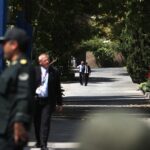
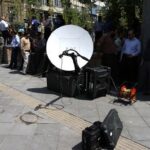
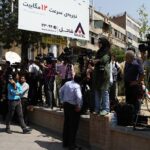
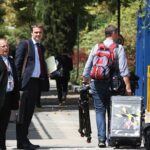
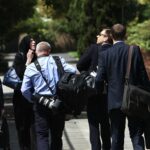
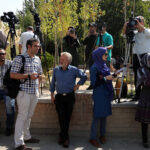
Foreign Secretary Philip Hammond was on hand in a ceremony Sunday to reopen the British embassy in Tehran. The reopening was given extensive coverage by a host of foreign reporters.

The following are images of the ceremony released by Fararu.com on August 23:


240 tons of narcotics seized in four months: Iranian official

qmgin

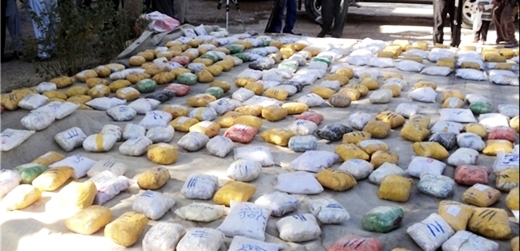
Some 240 tons of narcotics was seized in different Iranian provinces between March 21 and July 22, 2015, Deputy Head of Iran’s Anti-Narcotics Headquarters Assadollah Hadinejad said.

The following is the translation of an excerpt of his remarks on the anti-drugs campaign Ettela’at, a daily, published on August 23:

Some 60 percent of imprisonments, 55 percent of divorces and 45 percent of petty larcenies in Iran are drug-related.

Given that Afghanistan is a major narcotics producer and Europe is the main consumer of drugs in the world, Iran is an ideal transit route for drug traffickers operating in these two regions. To stem the Europe-bound flow of narcotics, Iran has taken measures such as the blocking of its eastern borders [with Afghanistan].

Those efforts have curbed drug trafficking through Iran to 35 percent and there is hope that the blocking of the Iran-Pakistan border will send the figure down to 15 percent by March.

The Taliban and Western forces have played a significant role in the increase of drug production in Afghanistan which accounts for up to 90 percent of traditional narcotics in the world.

When US forces were deployed in Afghanistan in 2001, yearly narcotics production stood at no more than 180 tons. The figure had risen to 6,400 tons when they left.

Factors such as support by terrorists, lack of appropriate agricultural infrastructure and enormous investments by drug mafias contribute to narcotics production in Afghanistan

The fight against drug-dealers is among the priorities of the Anti-Narcotics Headquarters.