Thursday, December 25, 2025
Home Blog Page 4627

China’s leader seeks ‘new chapter’ in ties with Iran

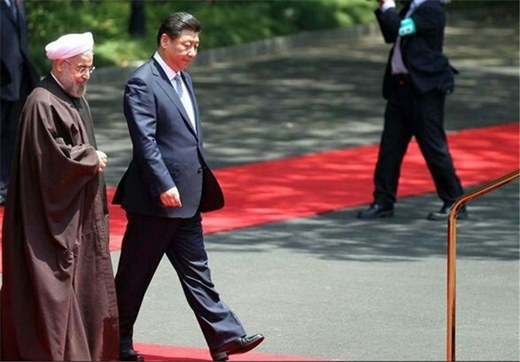
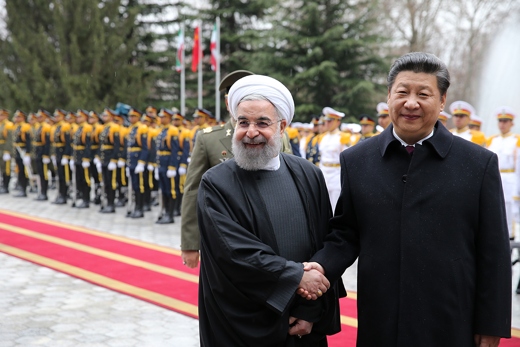
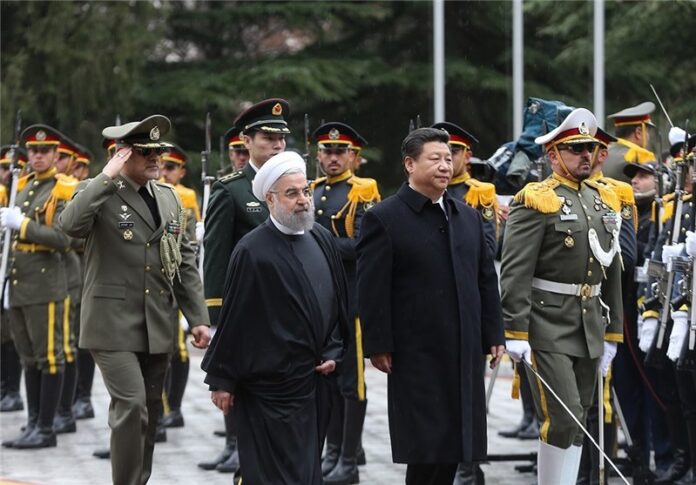
Xi, who arrived in Tehran on Friday night, was officially welcomed by Iranian President Hassan Rouhani on Saturday.

The Chinese leader, who made great contribution to the signature of Iran’s landmark deal with world powers last July, hopes to further boost his country’s traditional friendship and economic engagement with Iran.

China, a top oil consumer, has been a top buyer of Iran’s crude. Even after international sanctions targeted Tehran’s energy sector, China continued its cooperation with Iran by purchasing oil and developing energy projects.

Upon arrival in Tehran, Xi said that Iran and China, whose friendship dates back to 2,000 years ago, have made important contribution to human progress.

He said establishment of political relations between Iran and China have resulted in important achievements in the political, economic and cultural sectors.

Iran and China are set to sign 17 documents for cooperation in economic, industrial, cultural and judicial fields in the presence of the two countries’ presidents.

The Chinese president’s trip to Tehran is the last leg of his three-nation tour which has also taken him to Saudi Arabia and Egypt.

The value of trade transactions between Tehran and Beijing stood at some $52 billion in 2014. However, the figure dropped in 2015 due to decreasing oil prices.

‘New chapter’

Xi said, “In cooperation with the Iranian side and by benefiting from the current favorable conditions, China is ready to upgrade the level of bilateral relations and cooperation so that a new chapter will start in bilateral relations on the long term.”

He noted that the two countries have been on the same wavelength with regard to regional and international affairs.

During his visit, Xi is scheduled to hold talks with Leader of the Islamic Revolution Ayatollah Seyyed Ali Khamenei.

China remains Iran’s top trade partner. According to China’s Commerce Department, during the first 11 months of 2015, China imported 24.36 million tons of crude oil from Iran, or 8 percent of its total imports.

China’s oil companies have also been increasing investment in oil projects overseas.

The North Azadegan Oil Field, located along Iran-Iraq border, is one example of cooperation projects led by China National Petroleum Corporation (CNPC).

Following the recent removal of sanctions, Iran is once again open to global business, which makes the market more competitive as many global companies are already moving to resume trade with Iran.
 

China’s leader seeks ‘new chapter’ in ties with Iran

Xi, who arrived in Tehran on Friday night, was officially welcomed by Iranian President Hassan Rouhani on Saturday.

The Chinese leader, who made great contribution to the signature of Iran’s landmark deal with world powers last July, hopes to further boost his country’s traditional friendship and economic engagement with Iran.

China, a top oil consumer, has been a top buyer of Iran’s crude. Even after international sanctions targeted Tehran’s energy sector, China continued its cooperation with Iran by purchasing oil and developing energy projects.

Upon arrival in Tehran, Xi said that Iran and China, whose friendship dates back to 2,000 years ago, have made important contribution to human progress.

He said establishment of political relations between Iran and China have resulted in important achievements in the political, economic and cultural sectors.

Iran and China are set to sign 17 documents for cooperation in economic, industrial, cultural and judicial fields in the presence of the two countries’ presidents.

The Chinese president’s trip to Tehran is the last leg of his three-nation tour which has also taken him to Saudi Arabia and Egypt.

The value of trade transactions between Tehran and Beijing stood at some $52 billion in 2014. However, the figure dropped in 2015 due to decreasing oil prices.

‘New chapter’

Xi said, “In cooperation with the Iranian side and by benefiting from the current favorable conditions, China is ready to upgrade the level of bilateral relations and cooperation so that a new chapter will start in bilateral relations on the long term.”

He noted that the two countries have been on the same wavelength with regard to regional and international affairs.

During his visit, Xi is scheduled to hold talks with Leader of the Islamic Revolution Ayatollah Seyyed Ali Khamenei.

China remains Iran’s top trade partner. According to China’s Commerce Department, during the first 11 months of 2015, China imported 24.36 million tons of crude oil from Iran, or 8 percent of its total imports.

China’s oil companies have also been increasing investment in oil projects overseas.

The North Azadegan Oil Field, located along Iran-Iraq border, is one example of cooperation projects led by China National Petroleum Corporation (CNPC).

Following the recent removal of sanctions, Iran is once again open to global business, which makes the market more competitive as many global companies are already moving to resume trade with Iran.
Determination and effort will foil enemy plots: Leader

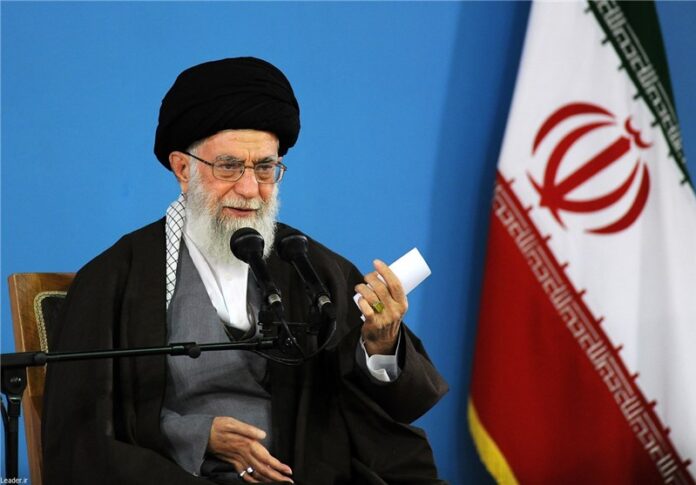
“Firm determination and ceaseless effort of you and all Iranian youths and university students everywhere is the only way to thwart the enemy plots devised in all kinds and by various means against the proud Islamic Iran,” Ayatollah Khamenei said in a message to the Union of Islamic Students Associations in Europe (UISAE).

The message was read out in the 50th annual meeting of the UISAE, which was held in the Italian city of Milan on Friday.

The Leader also said that such an institution can introduce Islamic teachings to the youth and train students to be knowledgeable, wise, and pious.

The Iranian nation and government need such human beings on the long path ahead, Ayatollah Khamenei emphasized.


Greece refiner agrees to resume Iran oil purchase

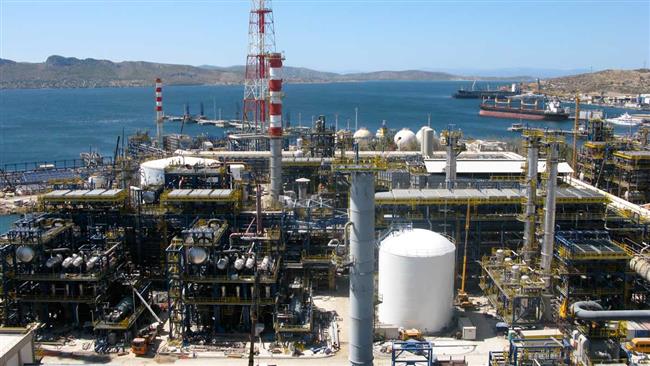
“Hellenic Petroleum (HELPE) and the National Iranian Oil Company (NIOC) have reached a long term agreement…” that “includes cooperation for the supply of crude oil, with immediate start of deliveries,” HELPE said in a statement.

The agreement was reached following a meeting between Iran’s deputy petroleum minister Amir-Hossein Zamaninia and his Greek counterpart Panos Skourletis in Athens on Friday.

The Greek refiner was a major buyer of Iranian crude, which accounted for about 20% of its annual crude oil imports before sanctions were slapped on Iran in 2011.

Under the agreement, HELPE will start buying oil from Iran immediately and will also settle its nearly $550-600 million outstanding debt to NIOC.

Skourletis said Iran believed Greece could be a conduit for re-entering Europe’s oil market.

“They (Iran) are positively disposed towards Greece and think that Greece can be the European conduit for them to re-enter the market,” he said. “They (Iran) said that the debt (settlement) can open the way so that our cooperation is boosted.”

Before the imposition of sanctions, Iran used to sell as much as 800,000 b/d to European refiners in Greece, Italy and Spain and Greece.

Last Monday, NIOC ordered a 500,000 b/d oil output hike, of which 200,000 b/d will go to Europe.

On January 16, Iran’s landmark nuclear deal with six world powers, reached last July, went into effect, leading to the lifting of US, UN and European sanctions on the country.

Iran is expected to add 500,000 b/d to its oil exports after the sanctions are lifted. It will continue to raise exports to 1 mb/d six months after.

Iran exported 2.3 mb/d-2.5 mb/d of oil before US and European sanctions targeting its energy sector cut the sales by half in 2012. Saudi Arabia, Russia and Iraq ramped up production to replace the Iranian oil.

Iranian officials have urged OPEC members to make room for Iranian oil when the country returns to the pre-sanction export levels.


Chinese President Starts Official Visit to Tehran

Xi’s visit comes a few days after West-led sanctions on Iran were lifted following an announcement by the International Atomic Energy Agency (IAEA) confirming that Tehran had scaled back its nuclear program.

As a member of the Group 5+1 (the five permanent UN Security Council members plus Germany), China played a constructive role in prior negotiations.

It is the first state visit in 14 years by a Chinese head of state to Iran, and also Xi’s first trip to the ancient country, whose friendship with China dates back to 2,000 years ago thanks to the Silk Road, Xinhua reported.

The Chinese president will meet his Iranian counterpart, Hassan Rouhani, on Saturday for discussions on aligning their national development strategies and boosting cooperation on both political and economic fronts.

During Xi’s visit, the two countries are expected to lift their ties to a comprehensive strategic partnership.

Xi and Rouhani have met each other on multiple occasions over recent years. Rouhani paid a state visit to China in May 2014.

Xi is also scheduled to meet Iranian Parliament Speaker Ali Larijani and Supreme Leader of the Islamic Revolution Ayatollah Seyed Ali Khamenei during his stay in Tehran.

“China and Iran are faced with important opportunities in developing their relations,” Chinese Vice Foreign Minister Zhang Ming told reporters earlier this week. “This visit will be a milestone that will usher in a new era of bilateral ties featuring comprehensive, long-term and stable development.”

The two countries established diplomatic ties in 1971, and their relationship has since enjoyed sound and steady development.

Xi will conclude on Saturday night his five-day, three-nation tour of the Middle East, which has already taken him to Saudi Arabia and Egypt. It is Xi’s first overseas visit this year and also his first trip to the region since he became Chinese president in 2013.


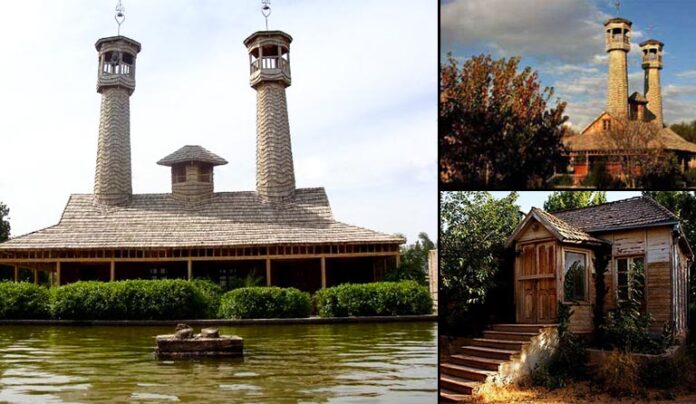
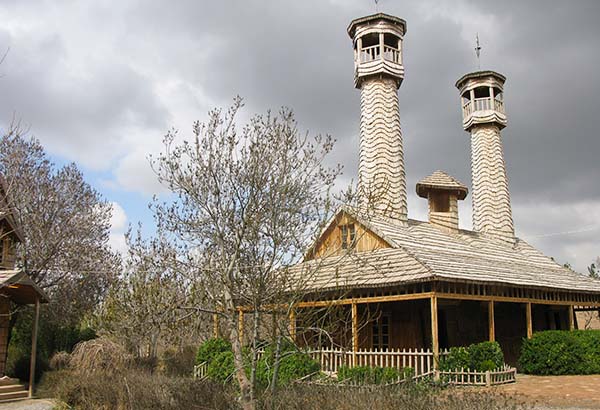
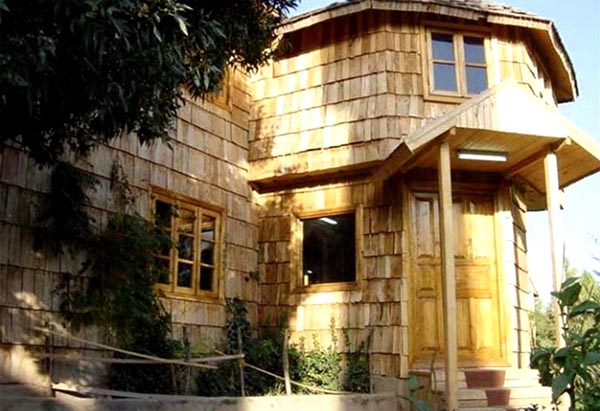
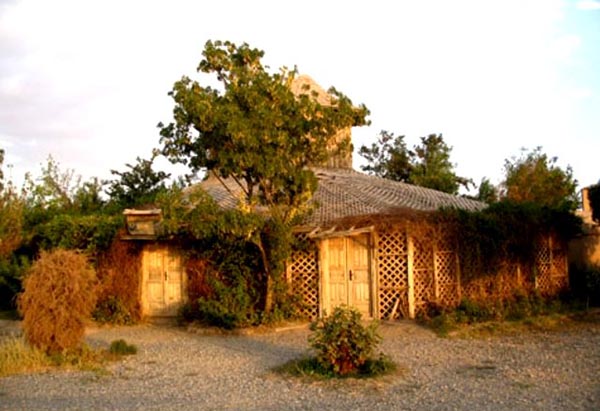
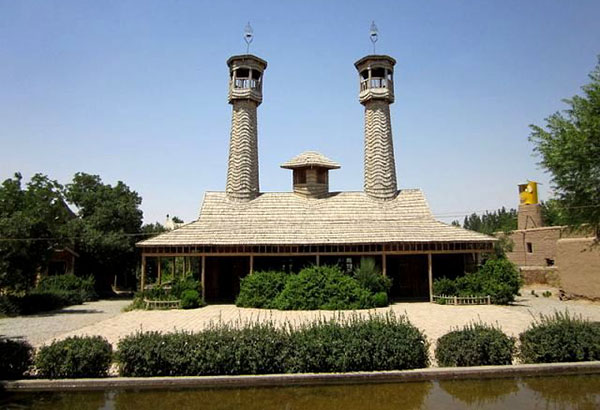
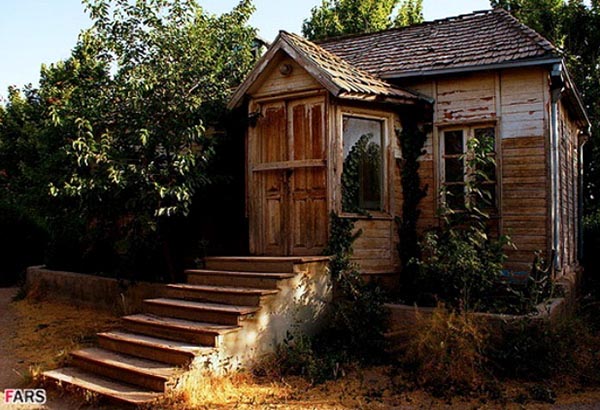
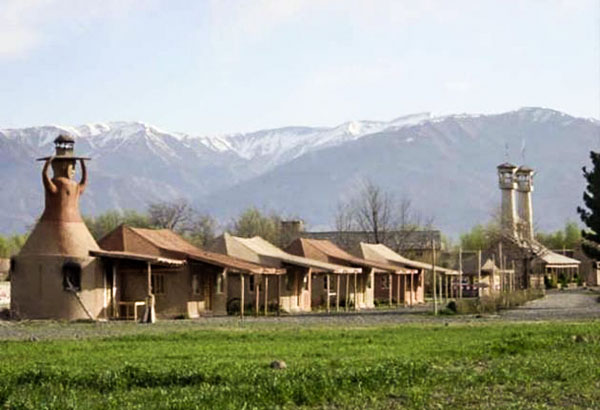
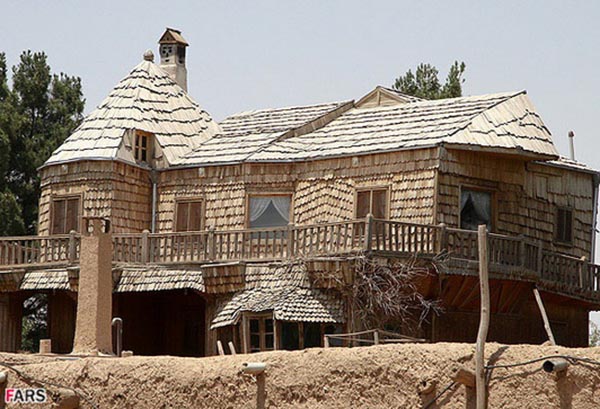
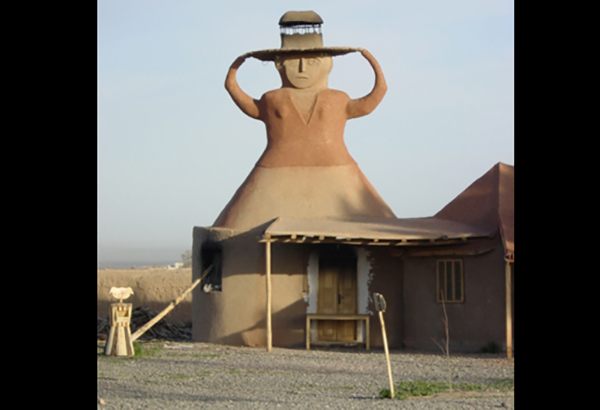
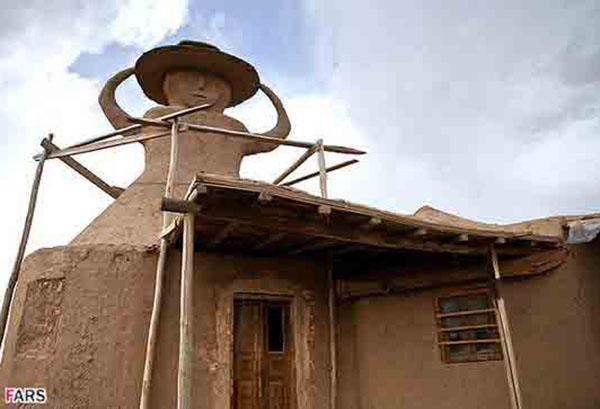
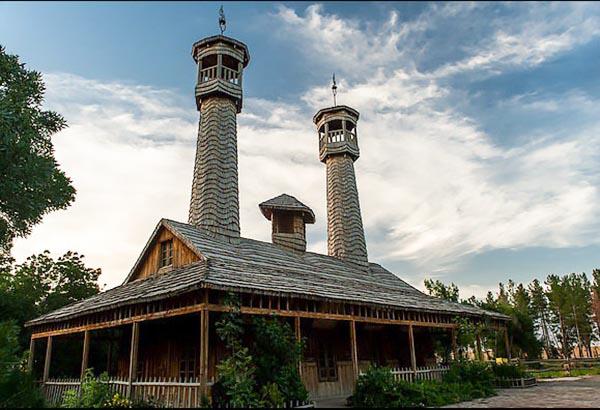
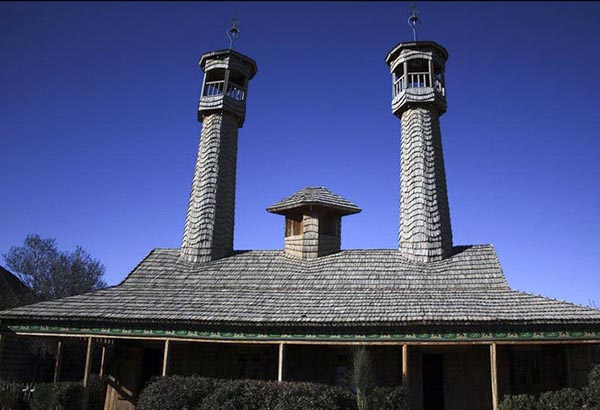
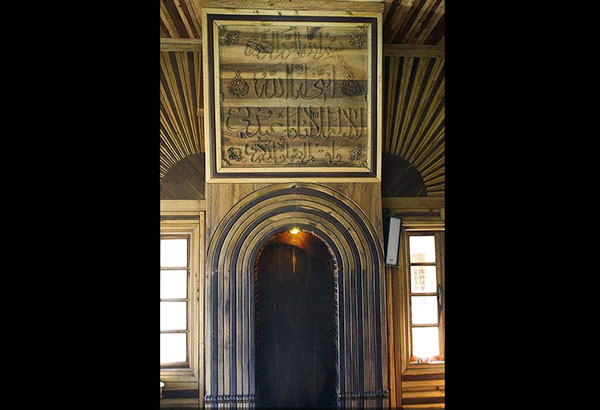
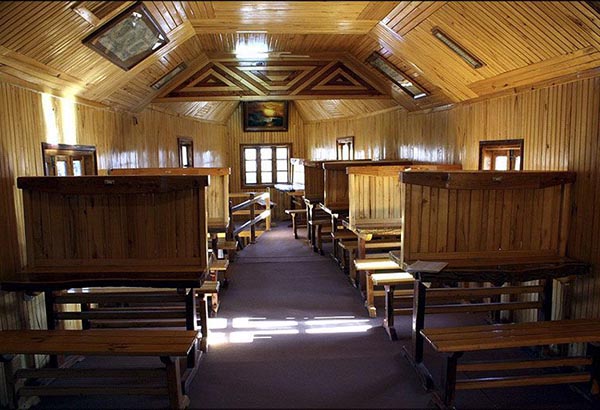
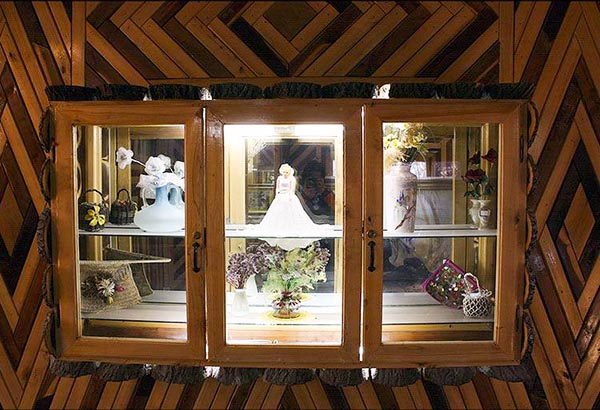
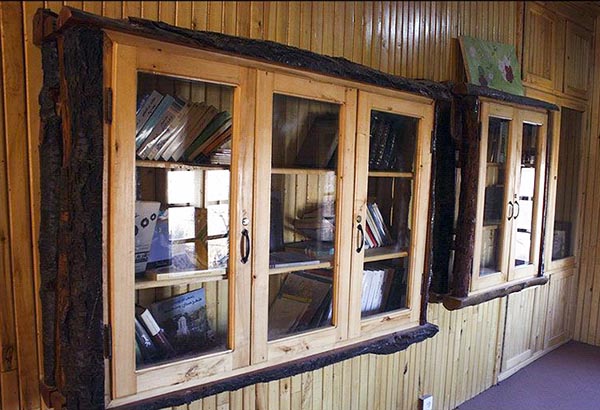
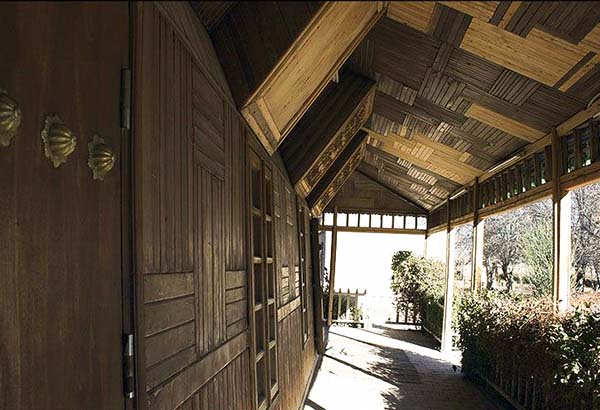
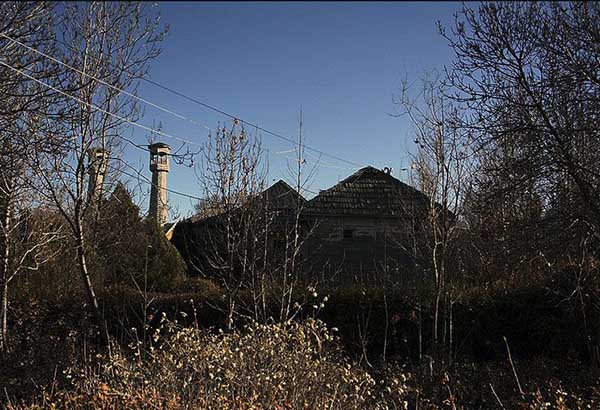
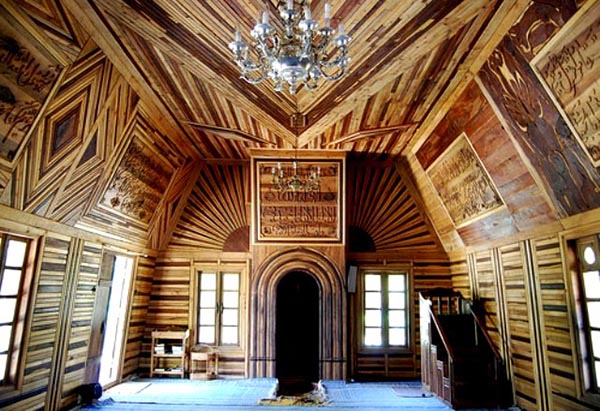
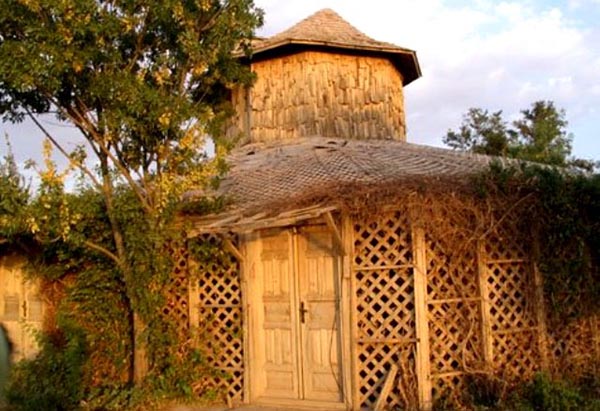
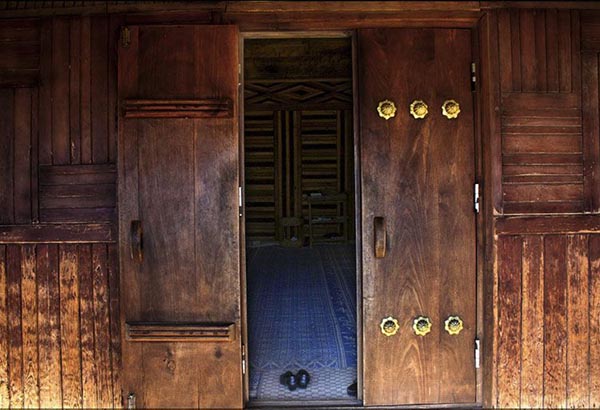
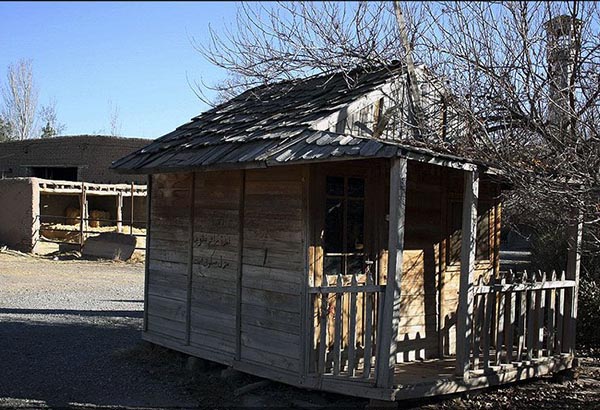
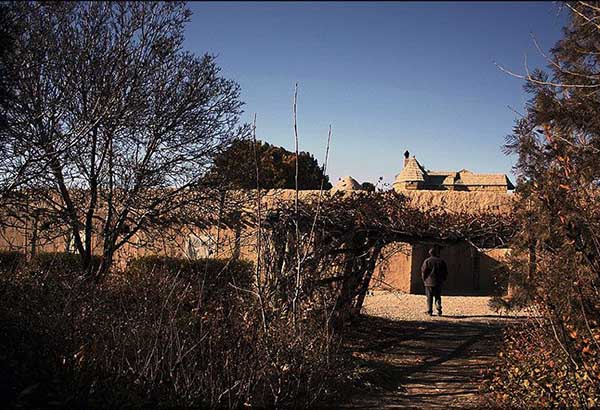
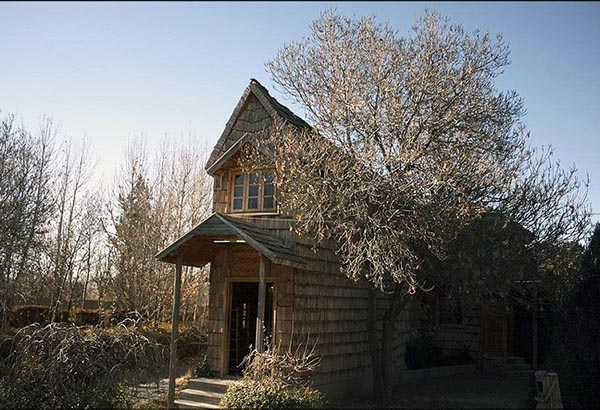
Wooden village in Northeastern city of Neyshabour (PHOTOS)

Iran to Announce Results of Probe into Attacks on Saudi Missions: Deputy FM

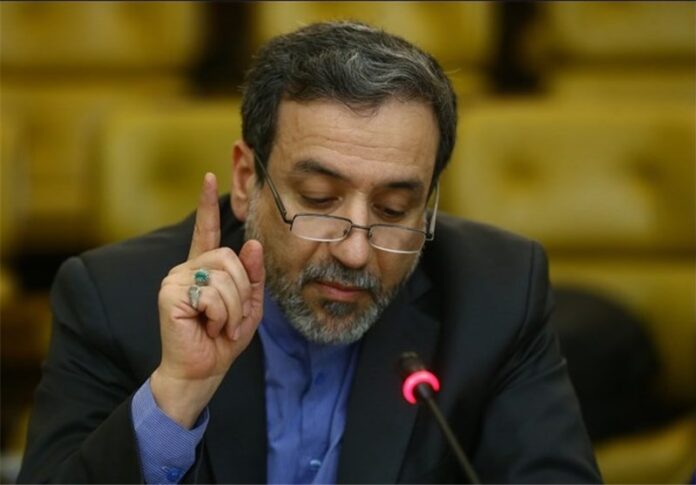
Addressing an extraordinary meeting of the Organization of Islamic Cooperation (OIC) in the Saudi city of Jeddah, Araqchi touched upon Iran’s measures regarding the attacks on Saudi diplomatic buildings in Tehran and Mashhad and said “the Islamic Republic, which condemns the incidents, has started a detailed investigation to identify and prosecute the culprits behind the attacks.”

He further made assurances that the results of the investigation will be announced soon.

However, the Iranian diplomat added, it is unfortunate that the OIC immediately reacted to such incidents (attacks on Saudi missions in Iran) and held an extraordinary meeting, while it is for more than a year that Palestine has called for holding such meeting to raise the issue of attacks on al-Aqsa Mosque by the Zionist regime of Israel and the OIC has ignored the request.

Earlier on Thursday, OIC Secretary General Iyad Madani, a Saudi, warned against widening sectarian tensions, saying the attacks against Saudi Arabia’s diplomatic missions had “breached diplomatic norms”.

In the early hours of January 3, angry demonstrators attacked Saudi Arabia’s embassy in Tehran in protest at Riyadh’s execution of prominent Shiite cleric Sheikh Nimr al-Nimr.

Iran’s police arrested those identified as being involved in the attack and President Hassan Rouhani condemned the move afterwards.

However, the Saudi foreign ministry announced it was cutting diplomatic ties with the Islamic Republic following the angry protests.

Although Iranian officials condemned the embassy attack and police arrested dozens involved, Riyadh cut off its diplomatic relations with Tehran.


Iran rejects OIC statement as ‘unacceptable’

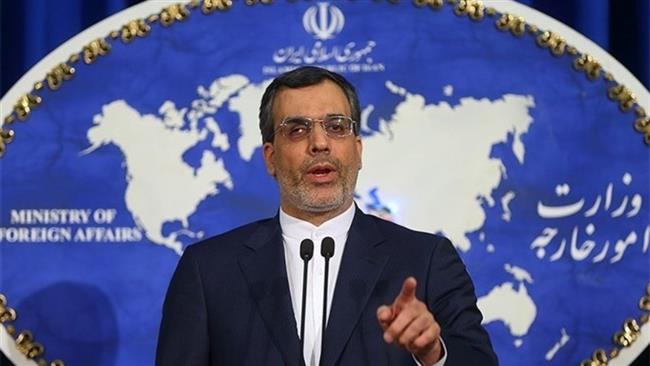
“The Organization of Islamic Cooperation’s success in following up its objectives and priorities depends on solidarity, cooperation and coordination among members and not in their face-off,” Iran’s Foreign Ministry Spokesman Hossein Jaberi Ansari said on Friday.

He added that the OIC statement was issued with lack of consensus among the organization’s member states.

In a statement issued at the end of an OIC emergency meeting in the Saudi port city of Jeddah on Thursday, the organization backed Saudi Arabia in its weeks-long diplomatic spat with Iran, accusing Tehran of supporting terrorism and interfering in other countries’ affairs.

Saudi Arabia had called for the OIC emergency meeting to discuss the recent diplomatic row with Tehran following the January 2 execution of prominent cleric Sheikh Nimr al-Nimr in Riyadh.

Saudi Arabia severed diplomatic relations with Iran on January 3 following demonstrations held in front of the Saudi embassy in Tehran and its consulate in the northeastern city of Mashhad by angry protesters censuring the Al Saud family for the killing of Sheikh Nimr.

Jaberi Ansari said the Jeddah meeting was convened with the aim of supporting Saudi Arabia’s state terrorism.

He added that the OIC statement overlooked the existing realities pertaining to Iran’s swift action against the perpetrators of the incidents and focused on pursuing the “objectives of a specific country.”

The Iranian spokesperson noted that the OIC has been founded to strengthen cooperation among Muslim countries to contribute to liberation of the occupied Palestinian territories.

“Given the continuation of Palestine’s occupation, inhuman blockade of the Palestinians and growing threats of Takfiri extremism and terrorism against international peace and security, the hasty and irresponsible measure by the Saudi government to insist on the emergency meeting and issue a statement lacking consensus have intensified divisions among [OIC] members and undermined the Organization of Islamic Cooperation,” Jaberi Ansari pointed out.

Iran expressed regret that Saudi Arabia overlooked the OIC objectives, principles and priorities as well as rights of the members in the Jeddah statement, he said.

He added that Iran emphasizes that such measures are aimed at supporting sectarianism and warmongering policies as well as backing Saudi state terrorism.

“The Islamic Republic of Iran, in line with its fundamental policy, expresses its readiness for interaction to settle mutual issues with Saudi Arabia and stresses the importance of Riyadh’s return from its wrong policies … to the path of moderation, wisdom and dialog along with mutual respect,” he said.

Jaberi Ansari called on all OIC member states to improve their interaction in dealing with issues of Muslim nations and prepare the ground for the liberation of the occupied Palestine.

In an address to the OIC emergency meeting in Jeddah on Thursday, Iran’s Deputy Foreign Minister for Legal and International Affairs Abbas Araqchi also criticized the OIC for remaining silent on the main issues facing the Muslim world.

“It is regrettable that this organization [OIC] is silent about the major challenges of the Muslim world, particularly [the issue of] Palestine, but hastily reacts to the attack on Saudi Arabia’s embassy in Tehran,” the senior Iranian diplomat said.

Tehran, Riyadh can accommodate each other: Zarif

“We believe that Iran and Saudi Arabia can be two important players, who can accommodate each other, who can complement each other in the region,” he told the CNN Wednesday evening.

“We don’t expect, or we’re not interested even, in pushing Saudi Arabia out of this region, because Saudi Arabia is an important player in this region,” Zarif said.

“Unfortunately, the Saudis have had the illusion that backed by their Western allies, they could push Iran out of the equation in the region,” the minister added.

Relations between Iran and Saudi Arabia nosedived after the kingdom’s execution of top opposition cleric Sheikh Nimr al-Nimr early this month.

Riyadh cut its diplomatic ties with Iran after its two missions in Tehran and Mashhad came under attack by protesters.

Zarif said Saudi leaders are worried by a diplomatic breakthrough in the decade-long standoff between Iran and the West over the Islamic Republic’s nuclear program.

“Saudis are panicking that there may be a slight opportunity that tensions between Iran and the West would reduce, and the smoke screen that had allowed them to export this Wahhabi ideology of extremism” can be removed, he said.

Zarif said Saudi rulers have to accept Iran’s role and stop “panicking.”

“We were always in the community of nations. Now their allies have recognized that Iran is a serious partner,” the Iranian foreign minister said, in reference to the US and EU which were part of the nuclear negotiating sides.

“We do not have a fight to pick with Saudi Arabia. Unfortunately, the fact is the instability in our region is caused by a panicking Saudi Arabia that believes that there is an equilibrium in our region after the fall of (slain Iraqi dictator) Saddam Hussein and after the Arab Spring.”

Several countries, including Pakistan, Russia and China, have voiced readiness to mediate between Iran and Saudi Arabia to ease up their tensions.


Salehi reveals untold stories about nuclear negotiations

Ali Akbar Salehi, Head of Iran’s Atomic Energy Organization talking in “Tonight’s Headline” program of Iranian state TV News Channel, answering a question about the most difficult moment of the negotiations said: “while every single moment of talks were difficult added that from later part of Jan. 2015 I directly joined the negotiations. Of course, before that I was also involved in the talks from the sideline and our experts were engaged in discussions.

When Zarif said we have reached stalemate

In one of the meetings our Foreign Minister Mr. Javd Zarif said we have reached deadlock when two sides could not agree on the arrangement of centrifuges propose by the Americans and the arrangement proposed by the Supreme leader was not accepted by the opposite party. The reason I was joining the talks was to explain that why we could not agree with their proposed arrangement. With grace of God and blessing of Hazrat Fatemeh [SA] (the noble daughter of our holy Prophet Mohammad [PBUH]) which coincided with Fatemiyeh days, with our utmost efforts we tried not to give any concessions on that specific case.”

Mr. Salehi added, “US secretary of Energy Mr. Moniz along with his veteran experts and aids had joined the negotiations and against their army we were like a company. We held lots of discussions. The opposite side didn’t accept our calculations. We told them show us your calculations but they refused on the ground that it will be a sort of transfer of knowhow. I told them this is not a practical way of negotiations. Discussions continued. In a private meeting with Mr. Moniz I told him I am here with full authority and I am authorized to make decision, are you also fully empowered to make decisions or decisions must be taken in your capital? He said he is also fully authorized. I told him show me a place on the earth that they enrich uranium in a manner you have in mind then we will do that way as well. He got a bit surprised and the meeting came to an end. Later in a meeting between two of us he said he acknowledges that the way the US suggests us to enrich uranium is not practical and this was their first defeat and stalemate ended.”

Referring to technical aspects of the JCPOA or what is known in Iran as BARJAM, Mr. Salehi said:” this part of our nuclear program has been rather problematic for us because we had no possibility to cooperate with others and Russians were the only one who announced their willingness to work with us on construction of nuclear power plants.”

Salehi added that refusal of other countries to cooperate with us on nuclear issued ended up in our advantage because we became totally self-sufficient on nuclear technology and knowhow.”

head of Iranian Atomic Energy Organization while admitting that Iran needs expertise and experiences of countries with 60 to70 years of experience on nuclear reactors and power plants, said: “following conclusion of JCPOA so many countries have said they are ready to cooperate with us and opportunities are so numerous that we don’t know to choose Europeans or Asians as our partner.

According to Mr. Salehi in 1965 when the question of putting an end on use of nuclear weapons, 5 countries already had developed nuclear weapons and it was said that from now on, no one can develop such weapons.

Then, None Proliferation Treaty (NPT) came to force and Iran also joined this treaty. In case such treaty was not in place, may be today other countries had nuclear arsenals as well. Those 5 countries possessing nuclear weapons should gradually move towards disarmament but as they have force and power, only give empty promises or such initiative.

Mr. Salehi said: “developing weapons of mass destruction is against Iran’s doctrine and Islamic Sharia but as during the 8 years imposed Iraqi war against Iran  no country supplied us with weapons and military equipment we learned that on strategic questions and important technical and industrial areas, such as manufacturing of aircraft, weaponry and other military sectors, we should only rely on our own potentials and due to this same reason our missile program has grown as country’s diffusive weapon.