Thursday, December 25, 2025
Home Blog Page 4617

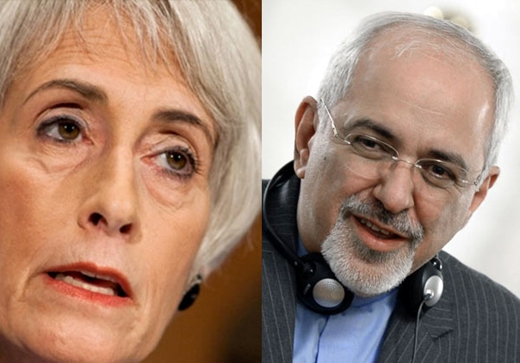
Zarif dismisses Sherman’s interpretations of Iran’s JCPOA intentions

zarif-sherman

Comments by former US negotiator Wendy Sherman that the Iranian government seeks to take advantage of the nuclear deal, among other things, in the upcoming legislative elections are “unacceptable” and “a shot at creating internal division in Iran”, Foreign Minister Mohammad Javad Zarif said in an interview with IRNA Monday.

The following is the translation of what else the official news agency quoted the top diplomat as saying in response to the allegations by the former US undersecretary of state:   

We have openly said that we won’t allow anyone to meddle in Iran’s internal affairs. If the US negotiator has said such a thing, she is wrong. Such an interpretation of the talks is unacceptable. Not only does it amount to interference in Iran’s internal affairs, it is also a shot at creating internal division in Iran.

Since the beginning of the nuclear talks, the Iranian government has repeatedly said that the nuclear negotiations are a national project that should not be linked to political rivalry inside the country. Such doubtful interpretations deal an irreparable blow to this national project.

The Iranian negotiating team has maintained such a national attitude toward the talks all along and has not allowed the other side in the negotiations to meddle in Iran’s internal affairs. Today, all political groupings should remain committed to the national nature of the case and not allow the talks and their results to be used for political ends at home.

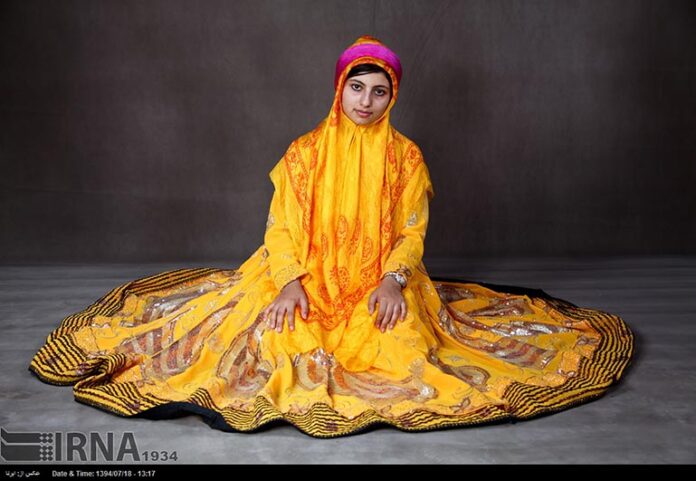
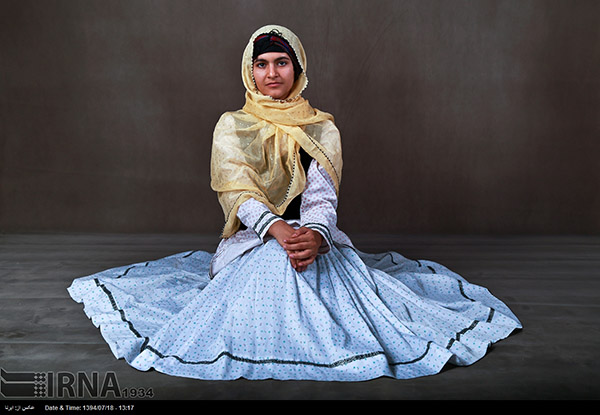
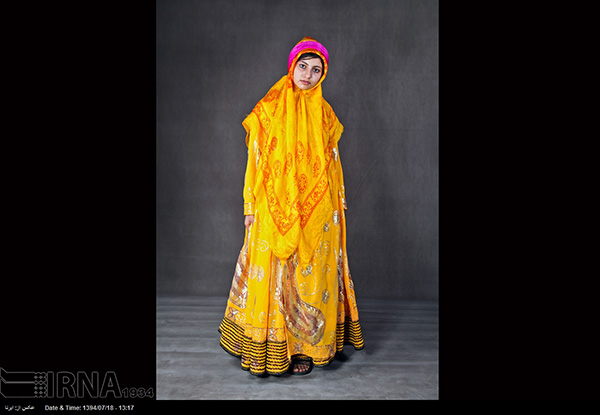
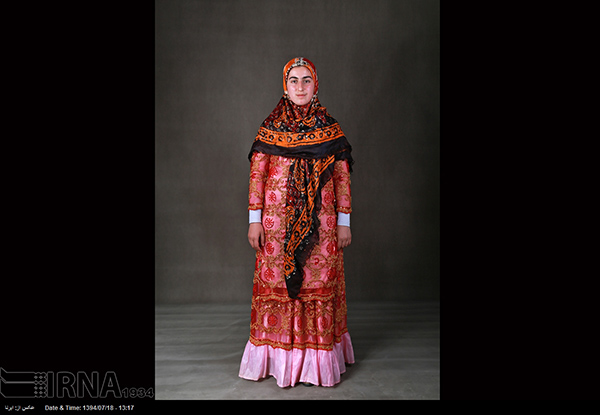
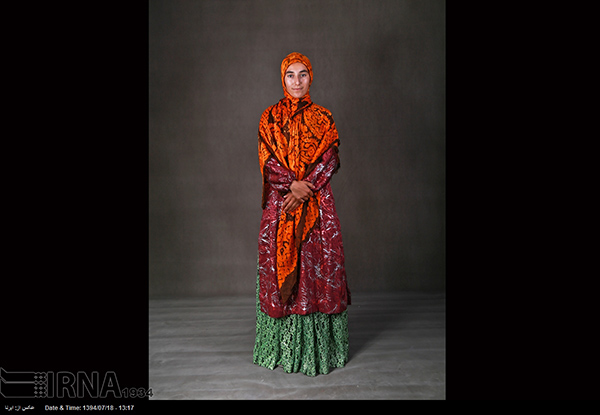
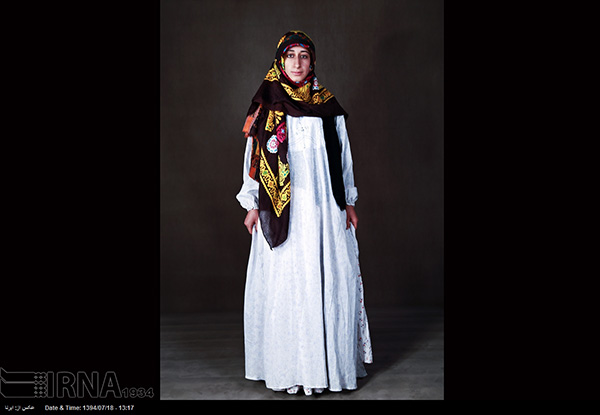
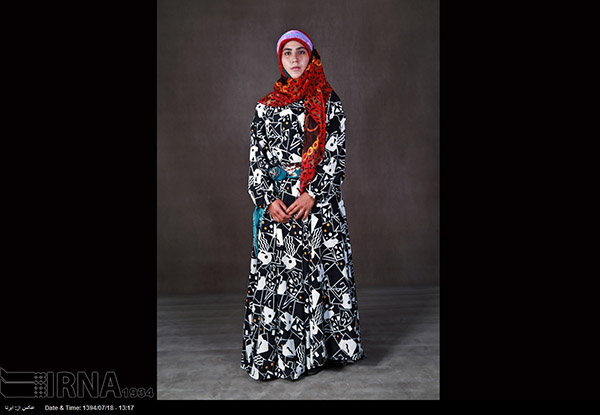
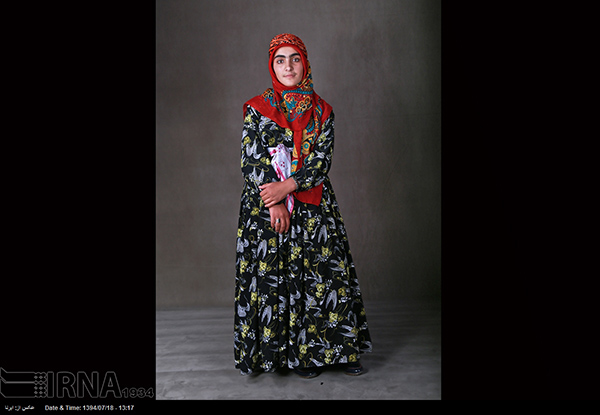
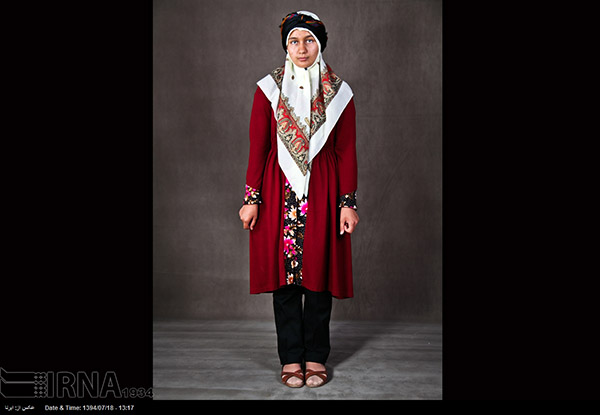
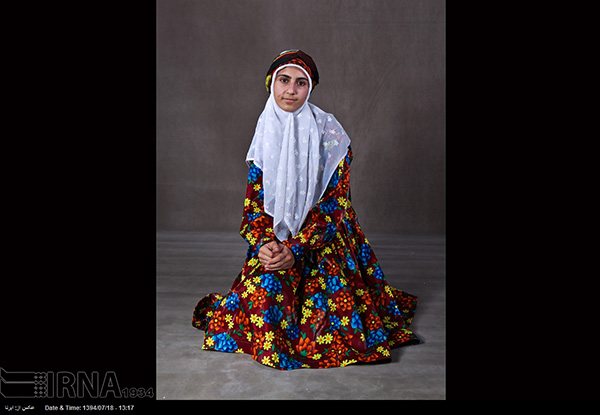
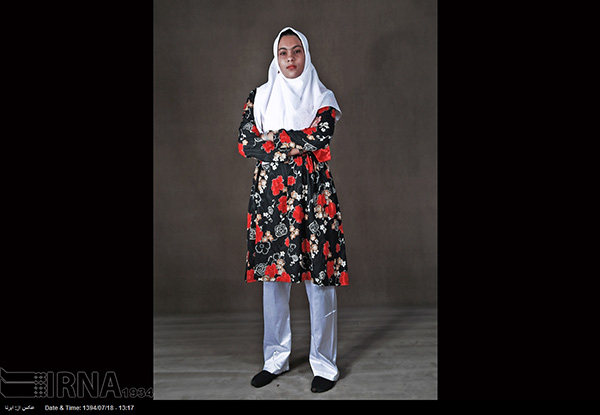
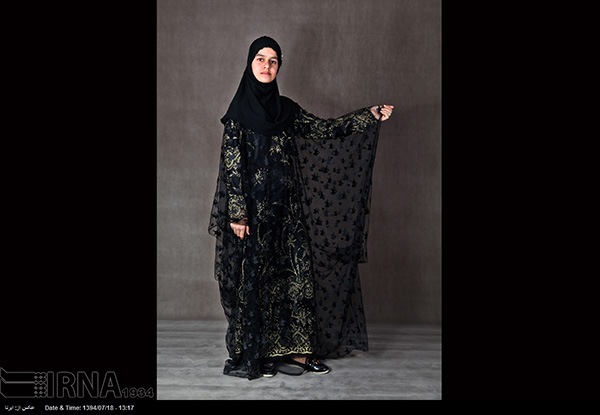
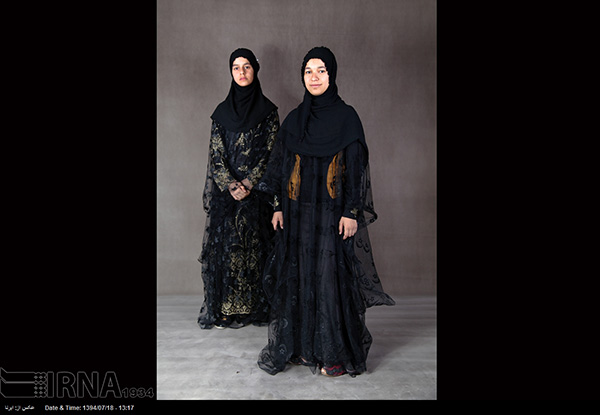
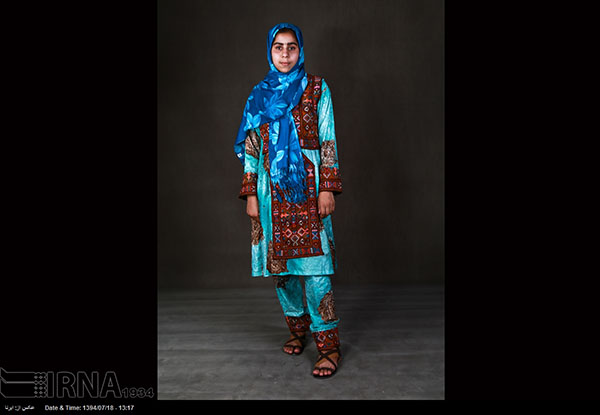
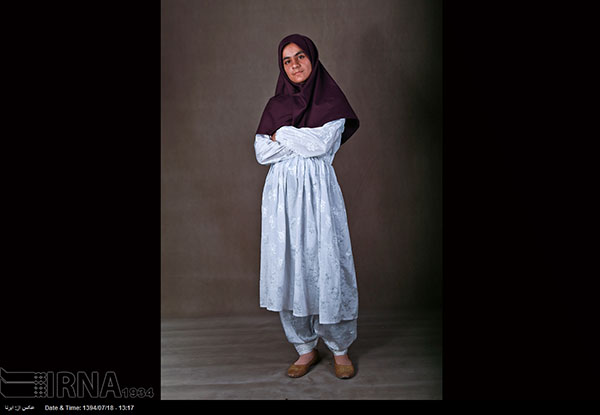
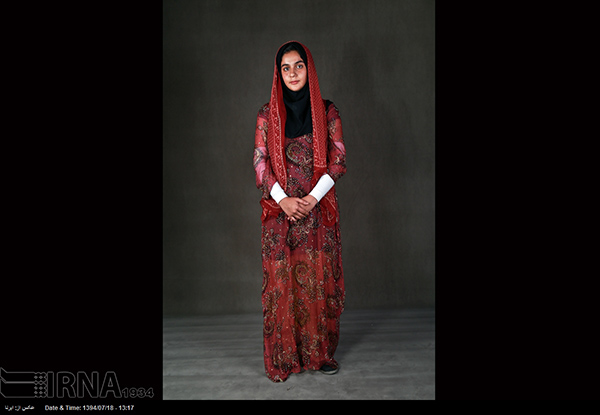
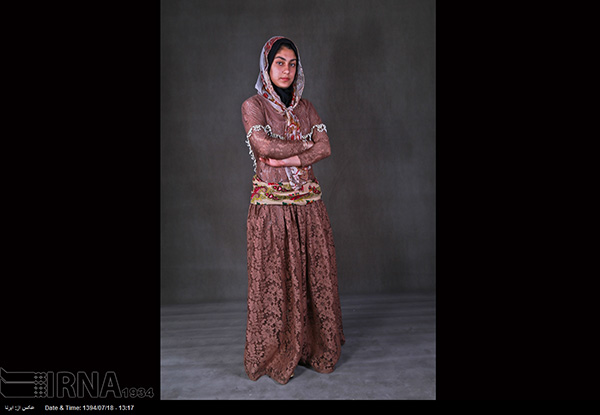
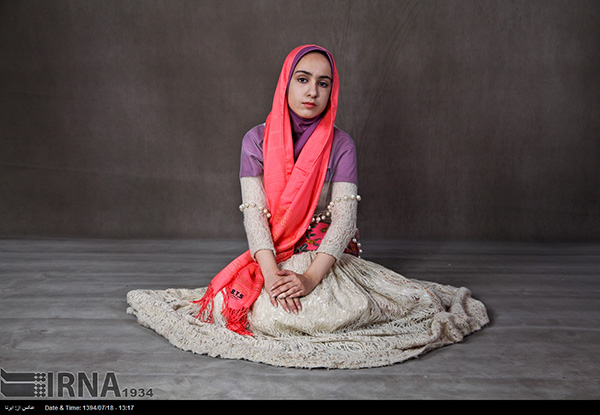
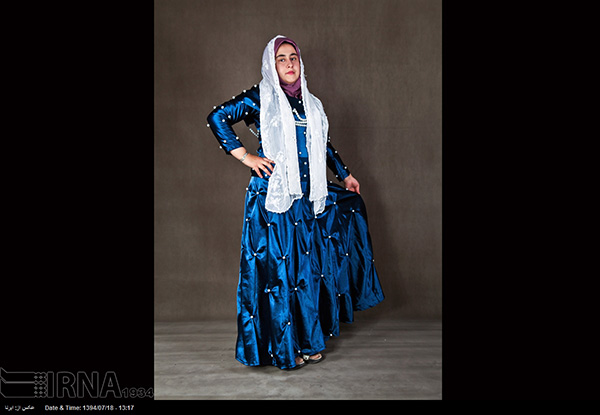
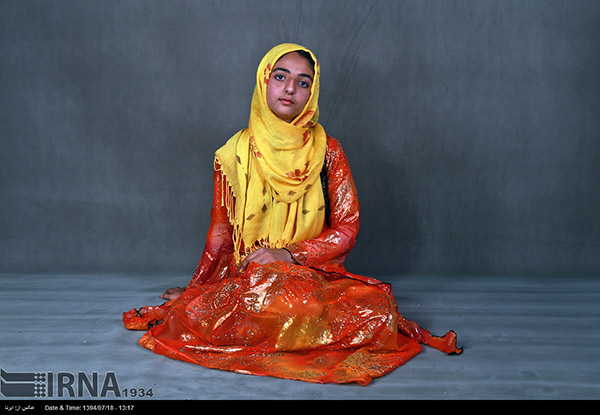
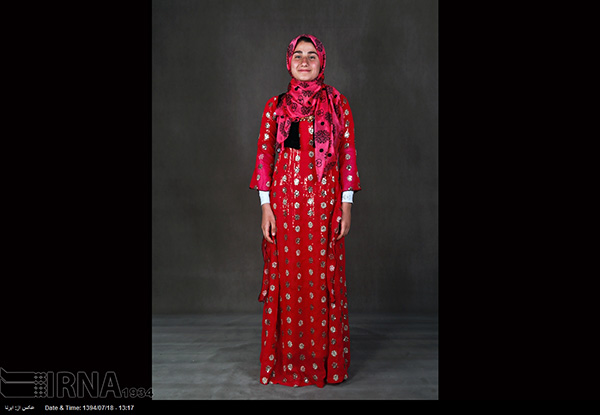
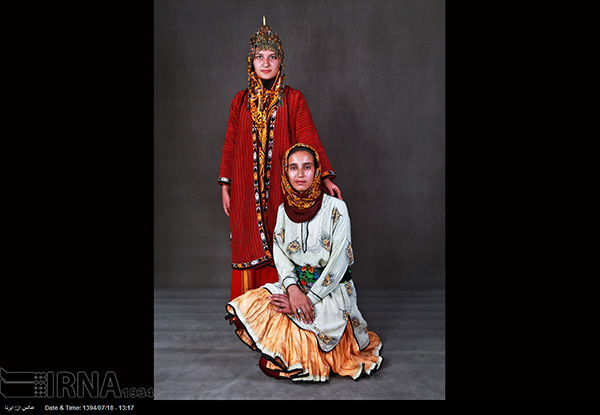
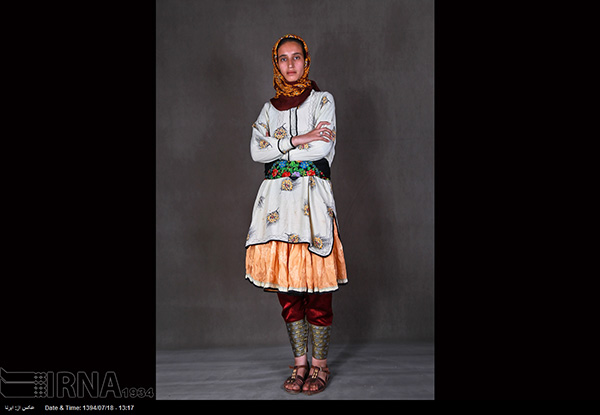
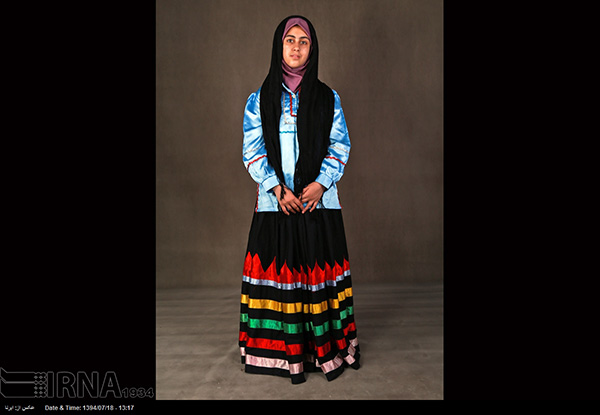
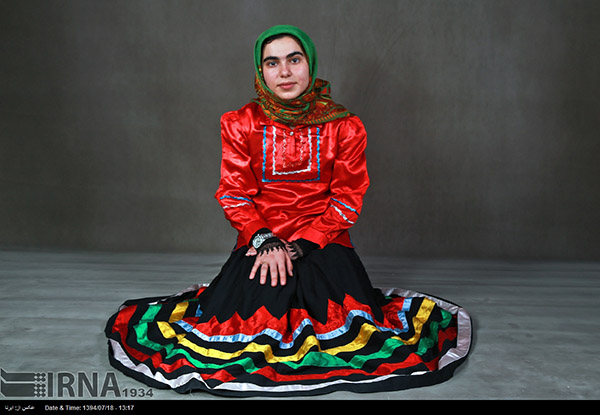
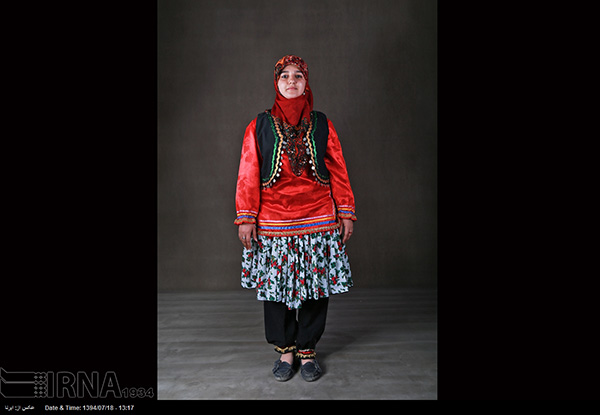
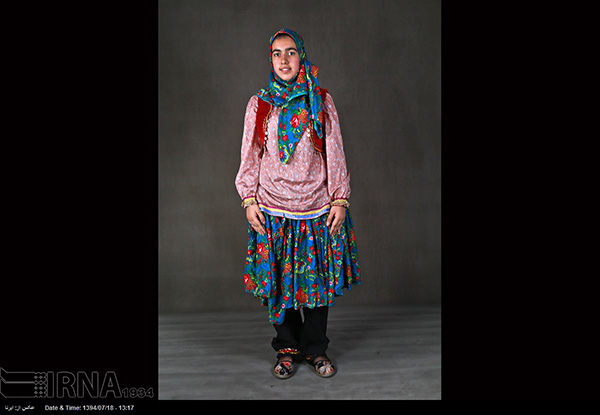
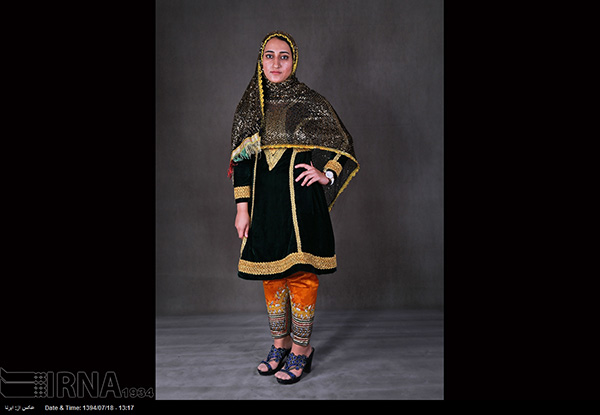
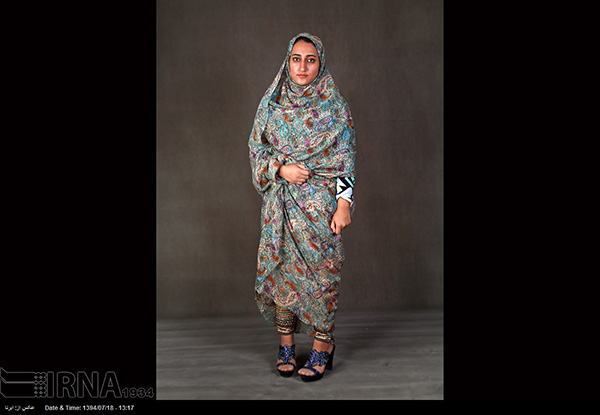
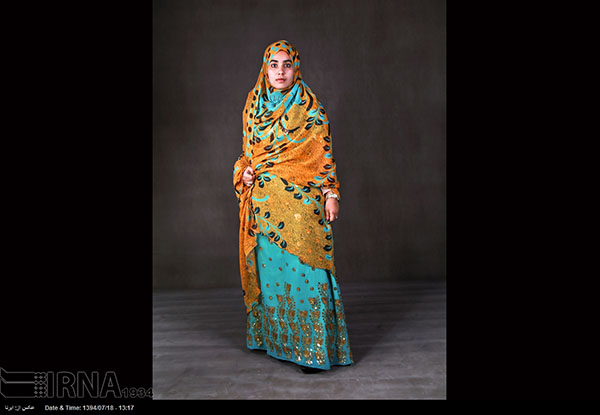
Local dresses of Iranian women

16- Fars Province

Geographical diversity and climatic conditions play a role in the variety of costumes local women in different parts of the country wear. Colorfulness is the standout feature of their clothes.

The following images snapped by Morteza Amin al-Roayaei in different provinces have been published by the Islamic Republic News Agency:

Leader warns of planned, extensive soft war against Iran

Leader

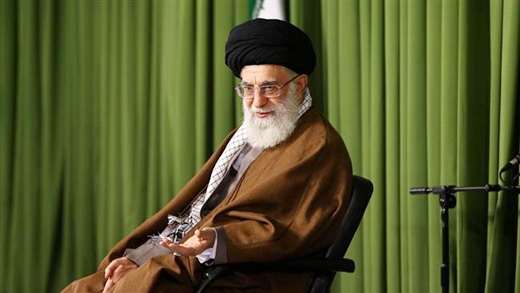
Leader of the Islamic Revolution Ayatollah Seyyed Ali Khamenei has warned of the arrogant system’s pre-planned, extensive, all-out soft war against the Islamic Republic.

The most important goal of such a complicated war is to manipulate the Iranian nation’s beliefs, the Leader said in a meeting with President of Islamic Republic of Iran Broadcasting (IRIB) Mohammad Sarafraz and the managers of the broadcaster in Tehran on Monday.

“The main goal of this premeditated and pre-planned war is to transmute the Islamic Republic of Iran,” Ayatollah Khamenei said.

The Leader also added that Iran’s national radio and TV have a unique role to play in this “serious battlefield” and should draw up “precise and wise” plans to fulfill their duties.

JCPOA should foster unity, not create divisions: President

Rouhani

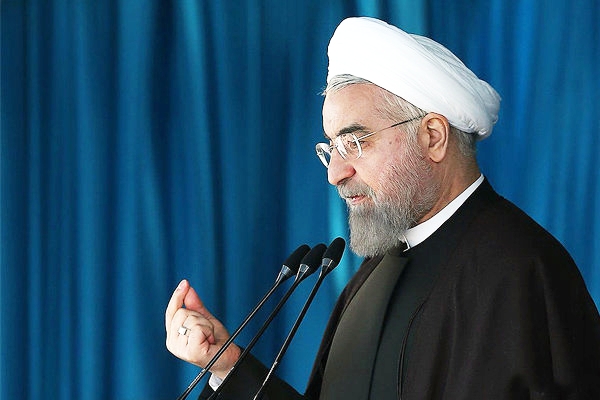
President Hassan Rouhani has said the agreement signed between Tehran and P5+1 over Iran’s nuclear program should serve to further strengthen national unity rather than sow discord.

“As the Leader of the Islamic Revolution has said, JCPOA should not create divisions among the people,” said the president while addressing locals in the city of Sari in the northern province of Mazandaran on Monday.

In his address, President Rouhani underlined the necessity of maintaining national unity in the “post-JCPOA” era.

“Today, we are [facing] the post-JCPOA opportunity… and we need unity, solidarity and rapport,” said the president, adding, “We will remain united.”

He said Iran’s success in the negotiations that led to the conclusion of JCPOA was because of the “guidance” and “prudence” of the Leader, the “resistance” of the Iranian nation and efforts by the country’s seasoned diplomats.

President Rouhani also thanked parliament for “approving the outlines of the JCPOA bill” in its Sunday session.

He underlined that there may be some critics of the agreement, which, he said, is natural. Nevertheless, the president underlined, the majority of voices will have the final say.

Iranian lawmakers in an open session on Sunday passed the general outlines of a single-urgency motion that gives the go-ahead to the Rouhani administration to voluntarily implement JCPOA on a basis.

In the session, 139 lawmakers voted in favor of the motion, 100 voted against and 12 abstained.

[…]

Furious row over JCPOA bill goes online

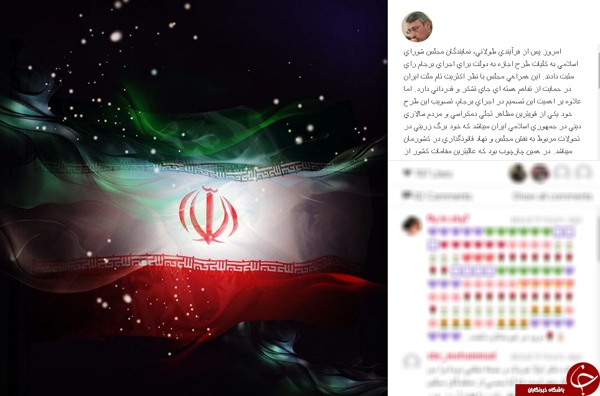
MP-Instagram

The Islamic Consultative Assembly on Sunday approved the general outlines of the bill on the implementation of the Joint Comprehensive Plan of Action (JCPOA) in a noisy session which was rife with shouts, critical comments and even death threats.

The boisterous session drew reactions from Iranian officials. Instagram pages of some political figures were full of images and posts for or against what happened in parliament on October 11. The Young Journalists Club on Monday published a report on Instagram reactions by certain politicians to the approval of the JCPOA bill in parliament. The following is the translation of part of the report:


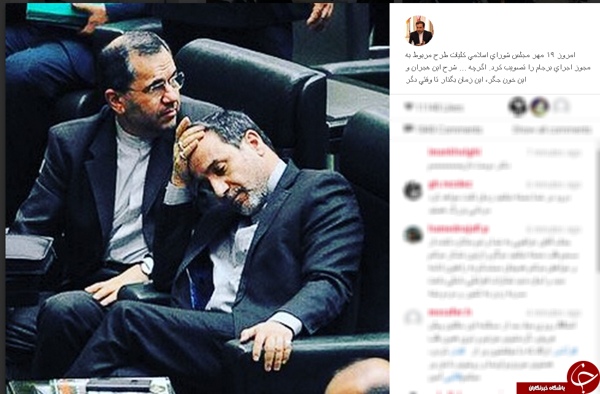
Abbas Araghchi, nuclear negotiator  

Today (October 11) the Islamic Consultative Assembly ratified the general outlines of the bill which authorized the implementation of the Joint Comprehensive Plan of Action. Although … talk about the painful experience we had to get it done should be left for some other time.


Araghchi-Instagram


Hamid Baeedinejad, nuclear negotiator

Today the Iranian MPs voted for the general outlines of the JCPOA implementation bill after a prolonged process. Parliament’s harmony with the view of the majority of the Iranian people in supporting the nuclear deal is praiseworthy. Furthermore, the passage of the bill is one of the strongest manifestations of religious democracy in the Islamic Republic of Iran and is yet another golden page in parliament’s history and the role the legislative body plays in the country.

That’s why the country’s senior officials have highlighted the need for parliament to play an effective role in reviewing JCPOA, with the Supreme Leader refusing to speak his mind only to let the chamber review the bill freely.

The opposing MPs too tapped into all they had to object to the bill and its passage. […] But today thanks to tactful and patient management of Mr. Larijani and active participation of MPs – who spoke for and against – parliament debated and ratified, in a free atmosphere, the bill put forward by the National Security and Foreign Policy Committee.

I congratulate the Islamic Consultative Assembly for going through the democratic process. No doubt, this key experience – which is a big asset to the country’s legislative system – will be etched in the minds of the Iranian people. This experience will greatly help solve the country’s problems.


Baeedinejad-Instagram


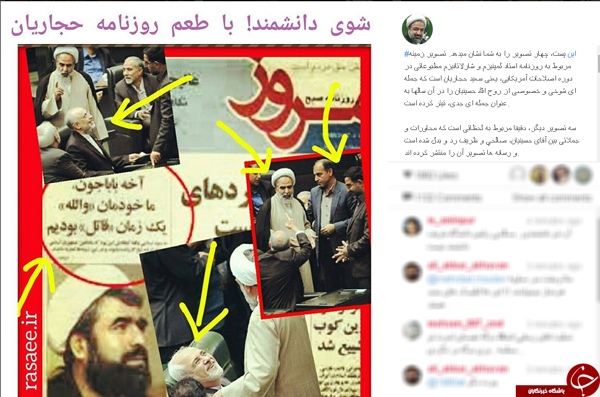
Hamid Rasaei, a principlist MP

[…]

Lahijan MP Abuzar Nadimi told reporters, “Hosseinian sometimes uses such humor in his talks with fellow MPs. I talked with Mr. Hosseinian and he said he used those words [burying with cement] when talking with Mr. Salehi jokingly but he [Salehi] took it too seriously. This comes as Mr. Majid Ansari [the vice-president for parliamentary affairs] has said in an interview that Zarif and Salehi have been threatened with execution! In a similar interview, MP Kamaleddin Pirmoazen has identified himself as the bodyguard of Salehi on parliament floor.

[…]  Today Mr. Salehi identified himself a scientist at parliament’s podium. Given the bitter end of the nuclear industry under JCPOA which is what Mr. Salehi has produced, I think history will doubt his being a nuclear scientist, but thanks to the show performed in parliament, we can certainly characterize him as the top student of a class taught by [Saeed] Hajjarian [a reformist political strategist].


Rasaee-2


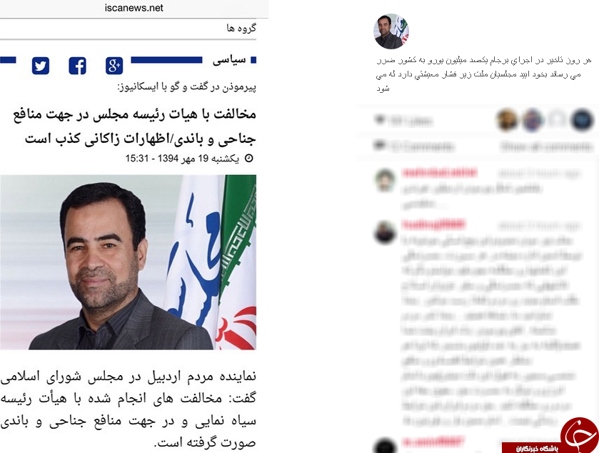
Kamaleddin Pirmoazen, Ardebil MP

Every single day delay in the implementation of the Joint Comprehensive Plan of Action inflicts €100 million in losses on the country. MPs, Come to your senses! The nation is being crushed under the burden of its financial problems.


Pirmoazen-instagram-12


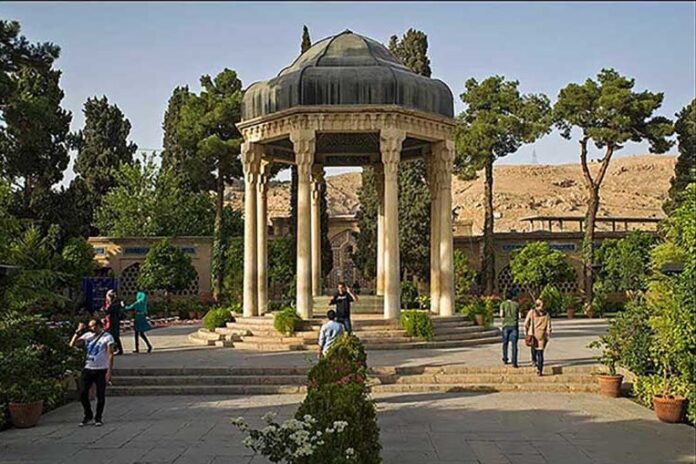
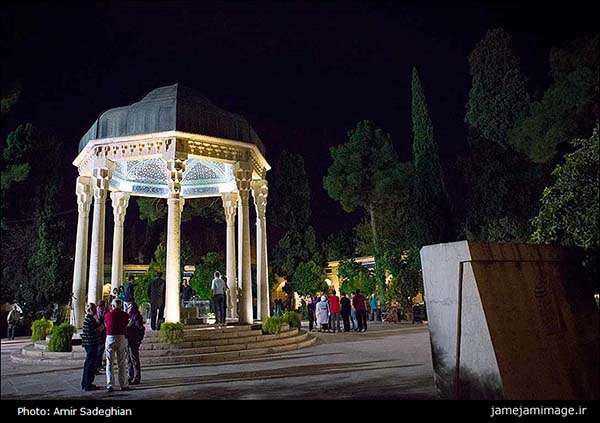
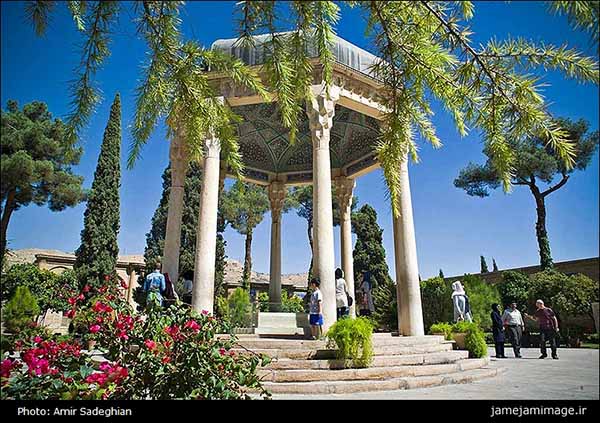
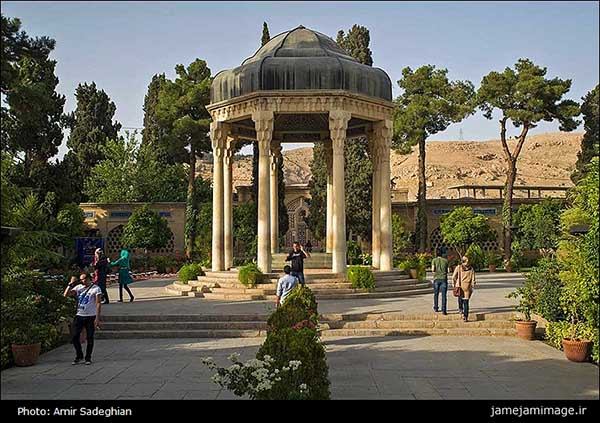
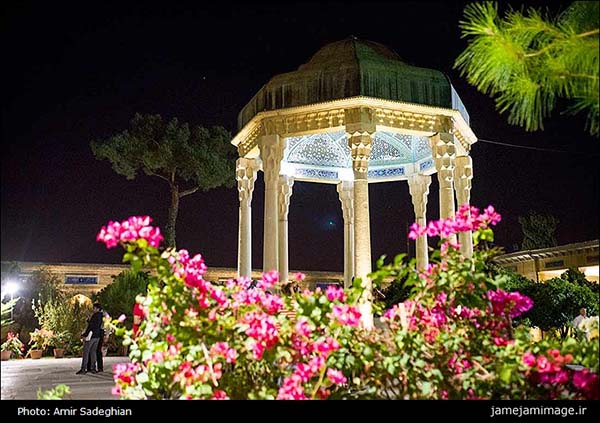
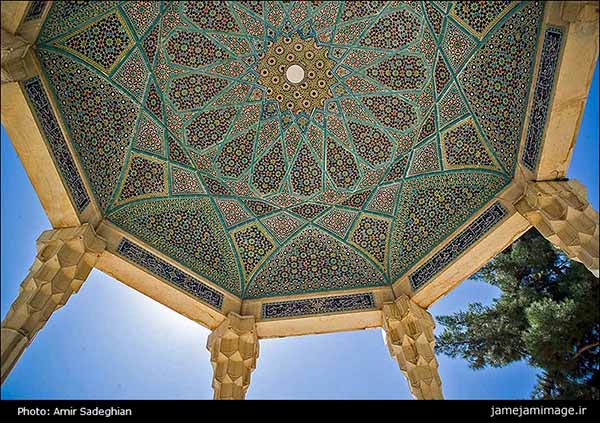
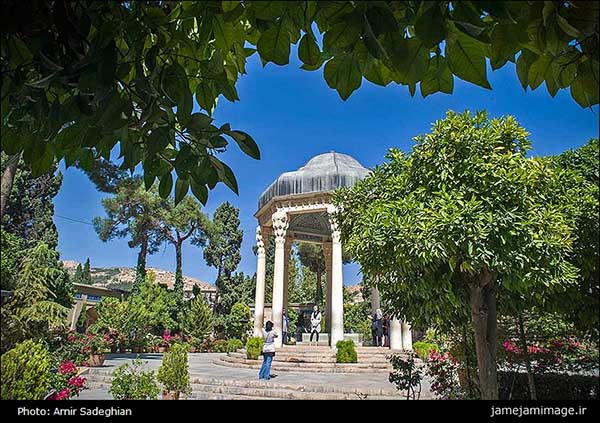
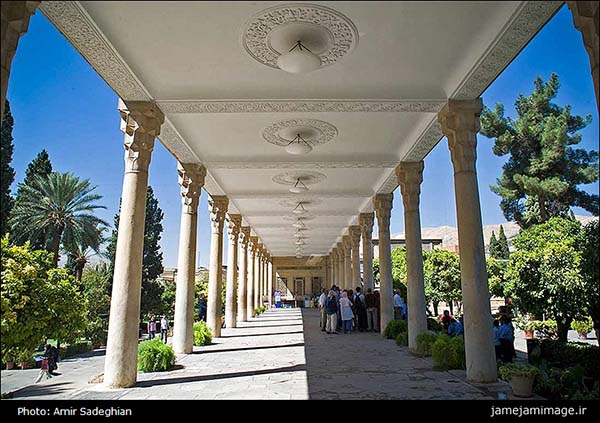
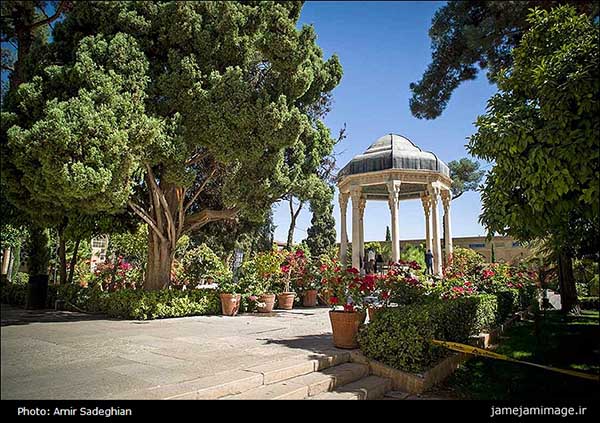
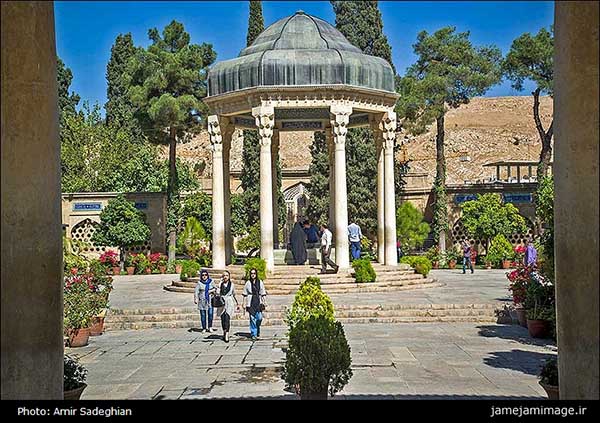
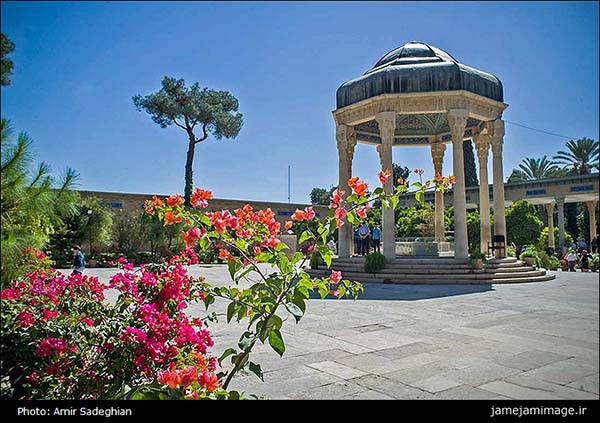
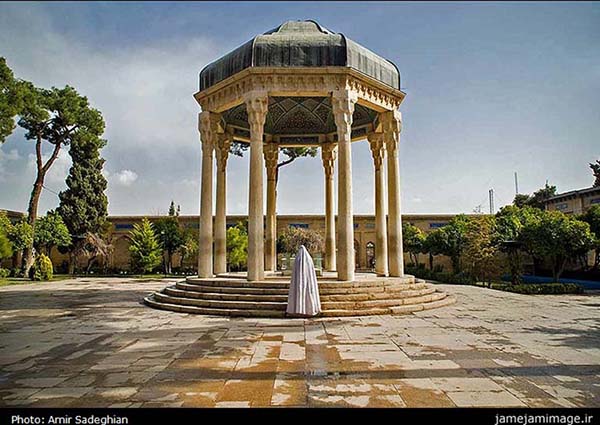
Hafez Memorial (PHOTOS)

Hafezieh
Tombs of Hafiz - Shiraz

In Iran, October 12 marks Hafez Day. Khaja Shams-ud-Din Muhammad Hafez-e Shirazi,  known by his pen name Hafez, was a world-known 14th century poet who hailed from the southern city of Shiraz.   

The following images of his tomb have been released by Jamejamonline.ir to mark the occasion:


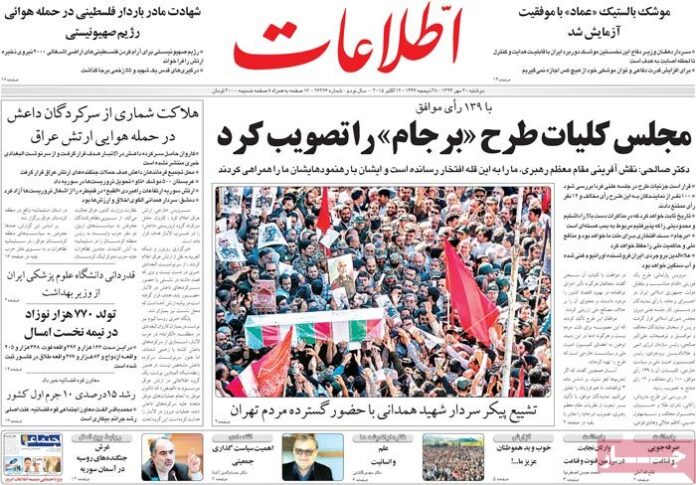
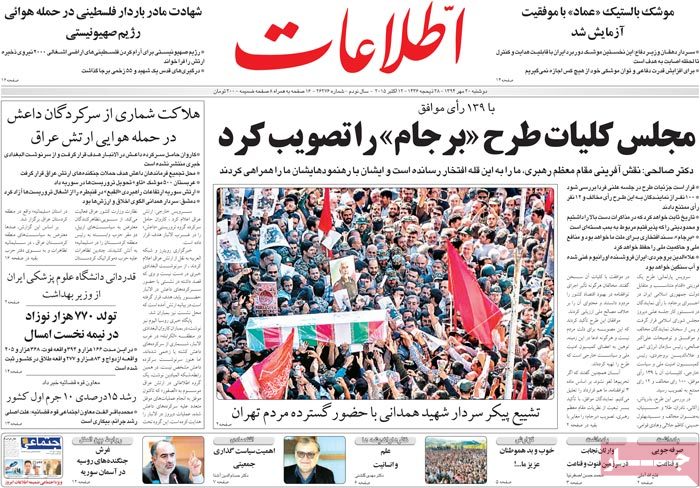
Highlights of Ettela’at newspaper on October 12

Ettelaat

 Parliament has passed the general outlines of a bill on the implementation of the Joint Comprehensive Plan of Action.

The details of the bill are expected to be discussed in an open session of the Islamic Consultative Assembly on Tuesday.

♦ People turned out in force for the funeral of Brigadier General Hossein Hamedani [who was martyred in the suburbs of Aleppo, Syria on Thursday].

 Emad ballistic missile has been successfully test-fired.

The defense minister has hailed Emad as the country’s first high-precision long-range missile.

 A pregnant Palestinian woman has died in an Israeli airstrike.

In a bid to crack down on Palestinians in occupied territories, the Zionist regime has called up 2,000 army reservists.

 A number of IS leaders have died in an Iraqi military airstrike.

A convoy of IS leaders came under attack in al-Anbar Province; there are no words on the fate of Abu Bakr al-Baghdadi.

 Iran University of Medical Sciences has hailed the services of the health minister.

 Some 770,000 babies were born in the first half of the year [which started on March 21, 2015].

The top 10 crimes in the country have grown 15 percent, said the deputy judiciary chief.

Mohammad Bagher Olfat blamed unemployment for the rise in crime rates.

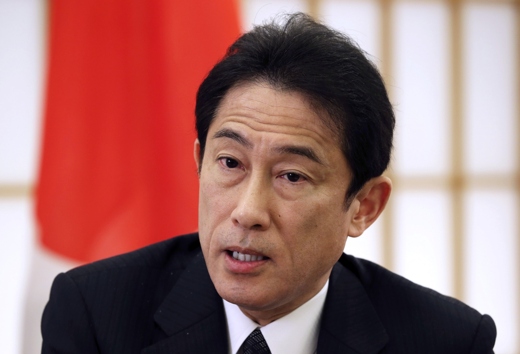
I’m coming to jumpstart Tokyo-Tehran relations: Japan FM

Fumio Kishida

In the wake of the Iran nuclear deal, a number of senior officials from powerful countries have arrived in Tehran to talk business. Japanese Foreign Minister Fumio Kishida is the latest such official to visit Iran. The Japanese media have said that Foreign Minister Kishida follows two priorities in his visit: planning for Iran-Japan economic ties in the post-sanctions era and reviewing the latest developments of the nuclear deal between Iran and world powers.

The Japanese media have also reported that Japan and Iran are on course to inking a bilateral investment treaty under which the Japanese companies will develop Iran’s oil fields and other commercial activities.

Iran Newspaper on October 12 published an interview with the Japanese top diplomat on the objectives of his Tehran visit. Minister Kishida said in the interview conducted prior to his arrival in Tehran that Tokyo has adopted a new approach toward trade exchanges with Iran which is a regional heavyweight. He also said that Japan no longer views Iran simply as an oil supplier; rather, Tokyo is seeking to develop ties with Iran on other fronts such as science, art and culture.

Since November 2013, this is Minister Kishida’s second trip to Iran. He said he is happy to visit Iran and is eagerly waiting for a meeting with his Iranian counterpart Mohammad Javad Zarif. The Japanese foreign policy chief also pointed to a friendly match between Japan and Iran scheduled for Tuesday (October 13) in Tehran’s Azadi Stadium and said the two countries are great soccer rivals, hoping the two countries can compete on different fronts and boost their progress and development.

The following is the translation of part of what the Japanese top diplomat said on different topics in the interview:

Nuclear deal, trust building, Iran’s international image

The international community, including Japan, welcomes with open arms the Iran nuclear deal which came on the back of efforts to tap diplomacy. Conclusion of the final nuclear deal through dialogue is a good example of an Iranian proverbial expression which says ‘When you can untie a knot with your fingers, why use the teeth?’ Issues can be settled on the world stage through dialogue.

Iran is a big country in the Middle East. The international community, including Japan, has high expectations of Iran as a responsible, big country. We expect Iran to help establish security and peace in the region and the entire world. Japan too is willing to have a share of efforts to establish security and peace in the region and the wider world.

FM Zarif and his performance  

I highly appreciate the efficiency of Dr. Zarif’s approach in nuclear talks and the endeavors of all members of the negotiating team who brought the nuclear issue which dragged on for more than ten years to an end. The Japanese are widely known for their perseverance and I [as a Japanese] praise the patience Mr. Zarif displayed during the long-running negotiations.

I think that conclusion of the deal and now its implementation are highly significant. The Iranian government proved steadfast in working out the nuclear deal, and I hope the Iran nuclear deal will be implemented consistently. Japan will cooperate [with Iran] in implementing the nuclear deal.

Post-nuclear deal Iran and foreign investment

Iran is a big country home to around 80 million people. Iran, which is rich in gas, oil and natural resources, has huge potential. Iran is particularly attractive not only for Japan but also for many companies in the world. It has enormous capabilities as far as economic exchanges with other countries and foreign investment are concerned.

I welcome remarks by Dr. Rouhani on absorption of foreign investment. [Following the Iran nuclear deal, President Rouhani announced that Iran is at the ready to have economic exchanges with other nations and attract foreign investment.] Japan voiced its readiness to cooperate with Iran and help it grow economically.

What matters here is that the Joint Comprehensive Plan of Action (JCPOA) is implemented consistently and – as a result – Iran and the international community can proceed with their trust-building measures. In that case, the Japanese companies will develop their activities in Iran, and Tokyo will support what the Japanese companies do in Iran.

To advance Japan-Iran talks on consultation services and investment, I would welcome any deal which supports the presence of Japanese firms in Iran. Japanese corporate figures will come with me to Iran in the hope of improving mutual economic relations.

To date, ties between Japan and Iran have been focused on energy which continues to be a key part in the two countries’ economic relations.

Nonetheless, I do not see Iran simply as a crude oil supplier. As two Asian countries, Japan and Iran have rich cultures and a long history. They can hold cooperation in a wide range of issues among them: the environment, medicine, culture, education, tourism, transportation, art, sports, etc. During my trip, I intend to bring up such cooperation in talks with Mr. Zarif.

A look at Iranian newspaper front pages on Oct. 12

Iranian Newspapers Headlines

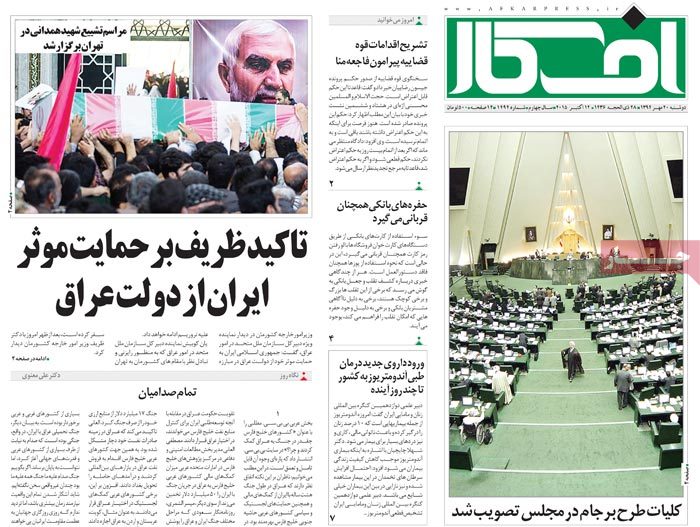
The approval in a noisy session of the Islamic Consultative Assembly of a bill on the implementation of the Joint Comprehensive Plan of Action dominated the front pages of Iranian newspapers on Monday.


Ettela’at: Parliament has passed the general outlines of a bill on the implementation of the Joint Comprehensive Plan of Action.

The details of the bill are expected to be discussed in an open session of the Islamic Consultative Assembly on Tuesday.


Afkar: Foreign Minister Zarif has pledged Iran’s effective support for the Iraqi government.
 

A look at Iranian newspaper front pages on Oct. 12


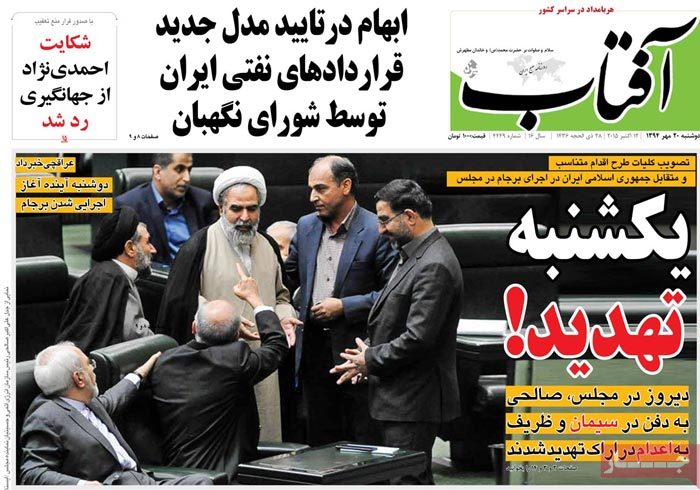
Aftab-e Yazd:Sunday of threats in parliament

An MP threatened to bury nuclear chief Ali Akbar Salehi under cement and lynch Foreign Minister Zarif in Arak.

Aftab-e Yazd:The deputy foreign minister has said that the Joint Comprehensive Plan of Action will be implemented as of next Monday.

Aftab-e Yazd: The judiciary has thrown out the complaint former President Mahmoud Ahmadinejad filed against First Vice-President Eshagh Jahangiri.
 

A look at Iranian newspaper front pages on Oct. 12


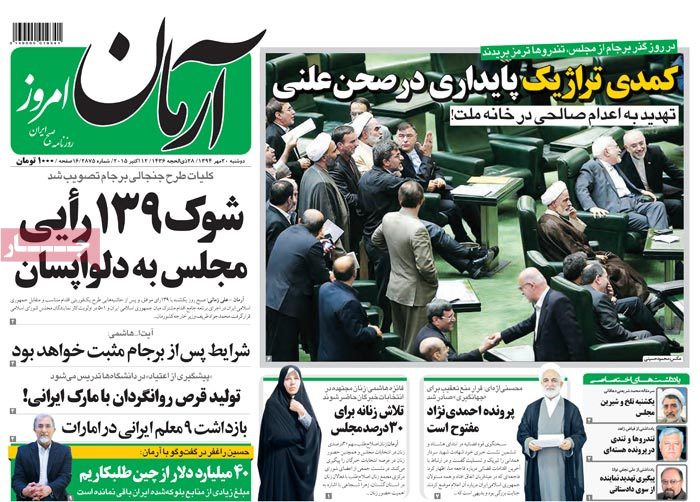
Arman-e Emrooz: The tragic comedy of the Stability Front on parliament floor

Director of the Atomic Energy Organization was threatened with lynching in parliament.

Arman-e Emrooz: The case involving former President Mahmoud Ahmadinejad remains open, said the deputy judiciary chief.

Arman-e Emrooz: “The post-JCPOA [Iran nuclear deal] conditions will be positive,” said the chairman of the Expediency Council.
 

A look at Iranian newspaper front pages on Oct. 12


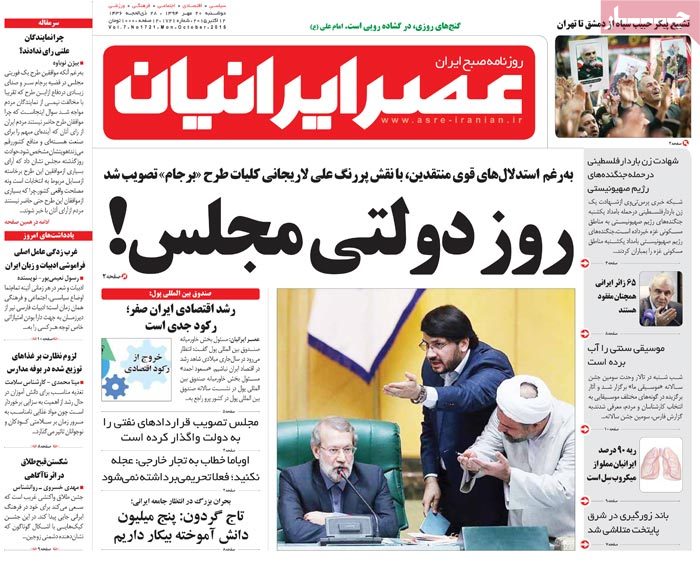
Asr-e Iranian: Despite well-founded reasoning by the opponents of the nuclear deal, Ali Larijani played a prominent role in helping parliament approve the Joint Comprehensive Plan of Action.
 

A look at Iranian newspaper front pages on Oct. 12


Ebtekar: “Europe should not view the influx of war refugees as a crisis,” said the chairman of the Expediency Council.

Ayatollah Hashemi Rafsanjani made the comment at a meeting with the marshal of the Polish Senate.


A look at Iranian newspaper front pages on Oct. 12


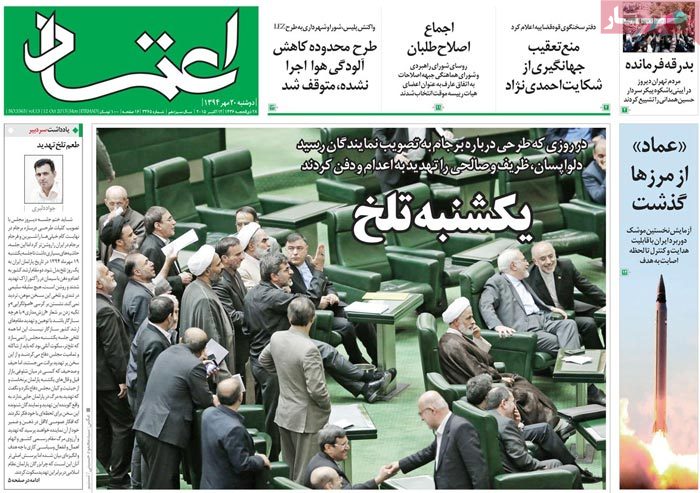
Etemad: The black Sunday

On the same day MPs voted for the Joint Comprehensive Plan of Action, the Worriers [opponents of the Rouhani administration] threatened FM Zarif and Salehi with lynching and burial beneath cement.
 

A look at Iranian newspaper front pages on Oct. 12


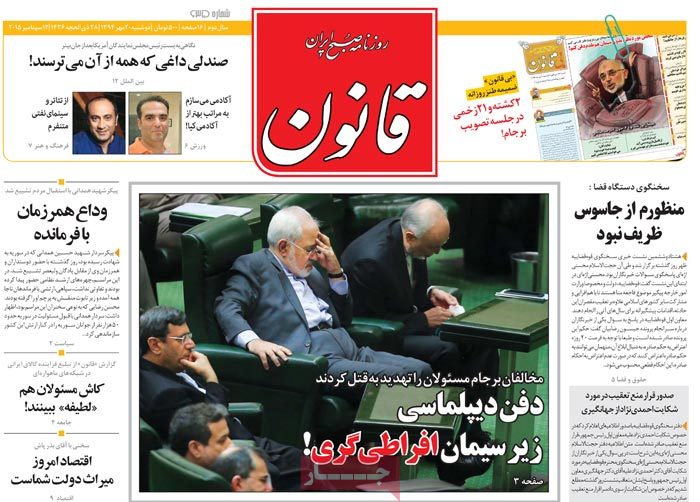
Ghanoon: The judiciary spokesman has said that his earlier remarks about spies were not targeted at Foreign Minister Zarif.
 

A look at Iranian newspaper front pages on Oct. 12


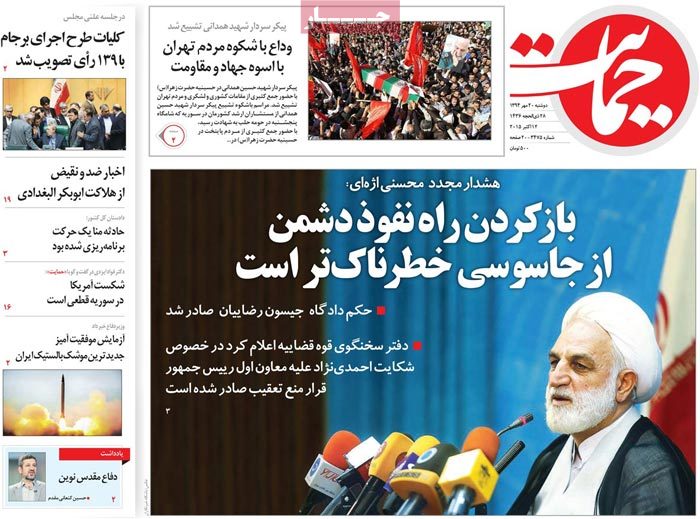
Hemayat: “Setting the stage for enemy infiltration is more dangerous than espionage,” the judiciary spokesman warned again.
 

A look at Iranian newspaper front pages on Oct. 12


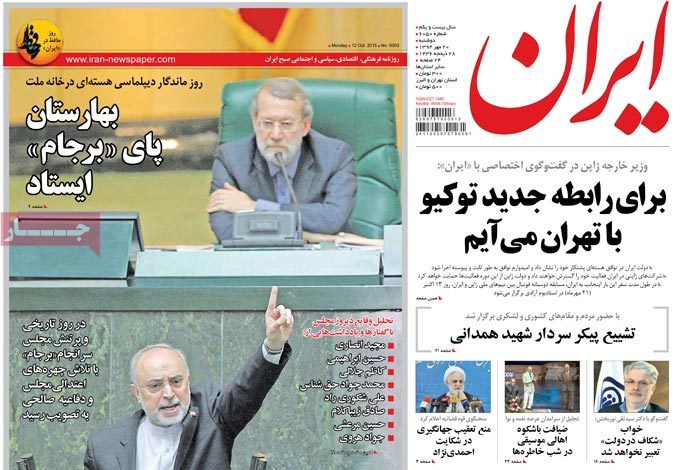
Iran: “I’m coming to Tehran to jumpstart Tokyo-Tehran relations,” said the Japanese foreign minister ahead of a state visit to Iran.

“The Iranian government proved steadfast in working out the nuclear deal,” Fumio Kishida said.
 

A look at Iranian newspaper front pages on Oct. 12


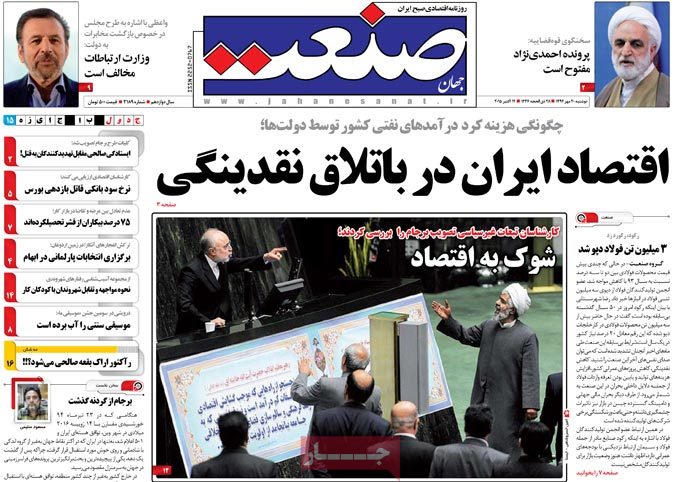
Jahan-e Sanat: The Iranian economy is bogged down in the quagmire of liquidity.
 

A look at Iranian newspaper front pages on Oct. 12


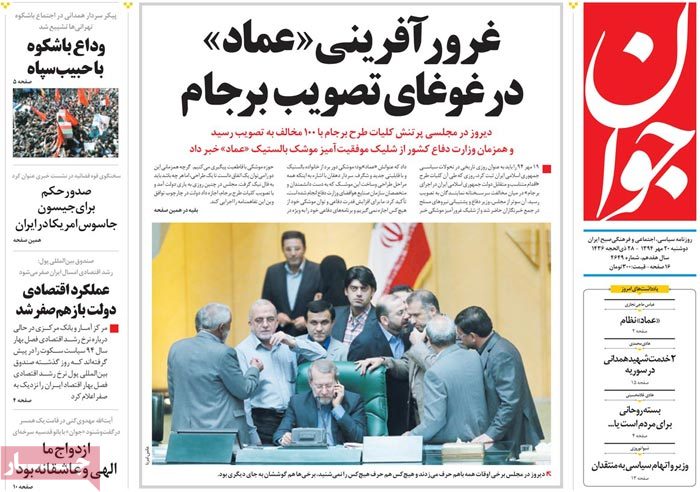
Javan: On a day when there was noise in parliament over the Joint Comprehensive Plan of Action, Emad [the long-range ballistic missile Iran successfully test-fired Sunday] roared gloriously in the sky.
 

A look at Iranian newspaper front pages on Oct. 12


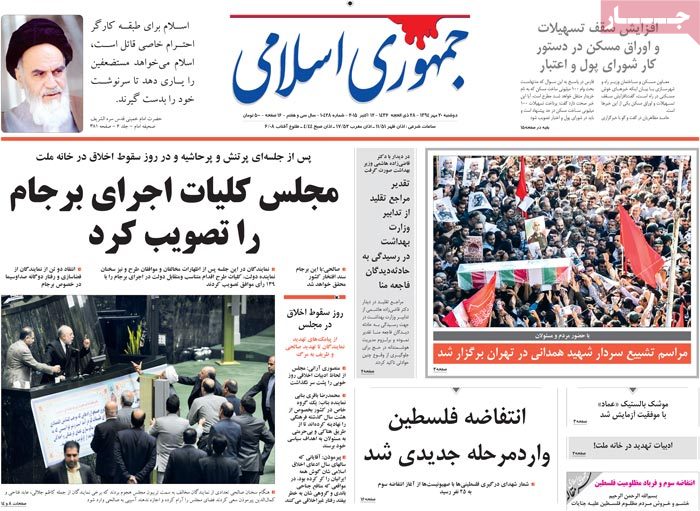
Jomhouri Islami: Parliament approved the outlines of a bill on the implementation of JCPOA on a day ethics tumbled in the chamber.
 

A look at Iranian newspaper front pages on Oct. 12


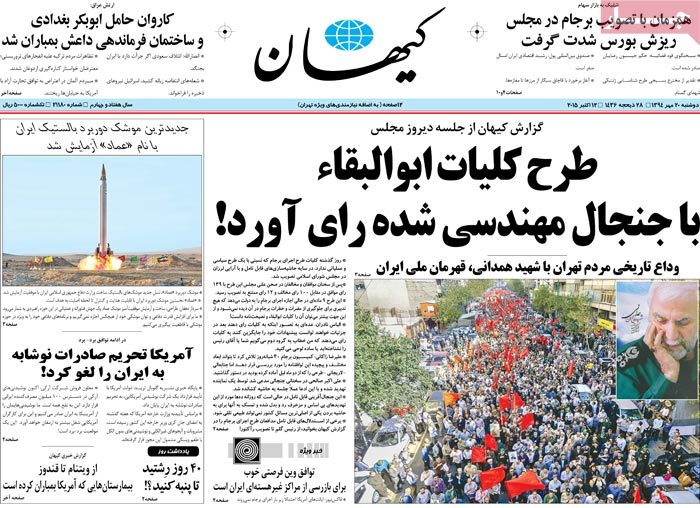
Kayhan: The downward trend of the stock exchange gathered momentum as parliament approved the Joint Comprehensive Plan of Action.
 

A look at Iranian newspaper front pages on Oct. 12


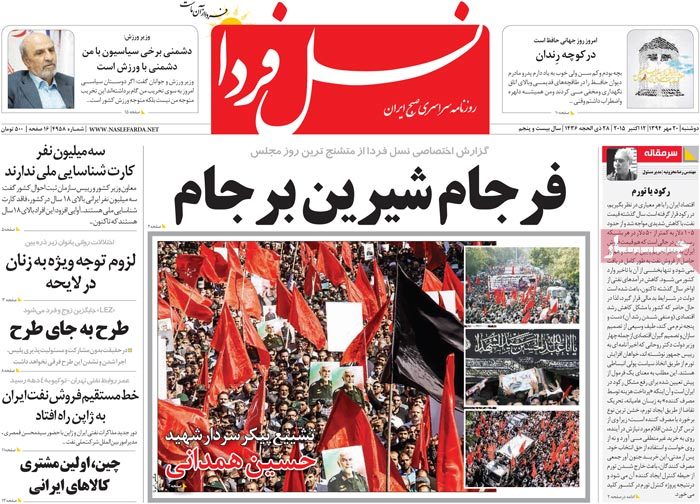
Nasl-e Farda: A direct line to sell Iranian oil to Japan has been launched.
 

A look at Iranian newspaper front pages on Oct. 12


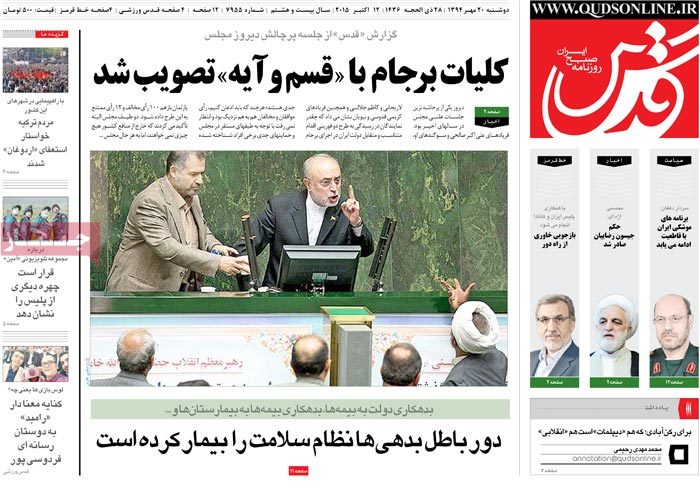
Qods: Mahmoud Khavari [a former managing director of Bank Melli who has fled to Canada] will be questioned from afar as a result of cooperation between Iranian and Canadian police.
 

A look at Iranian newspaper front pages on Oct. 12


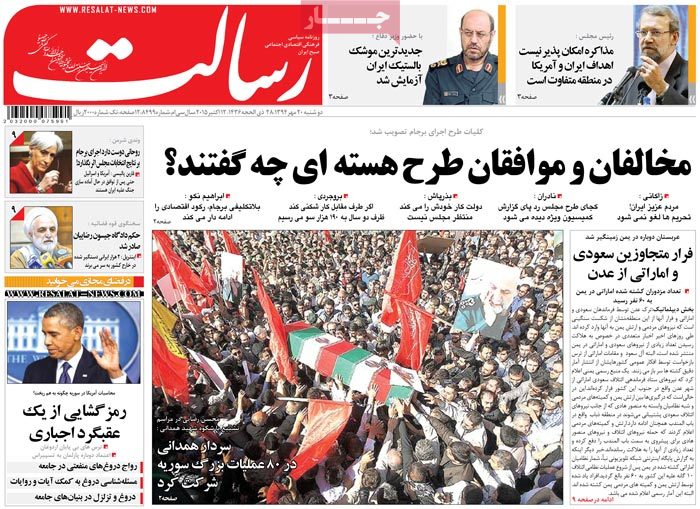
Resalat: “Talks are not possible, because Iran and the US pursue different goals in the region,” said Parliament Speaker Ali Larijani.
 

A look at Iranian newspaper front pages on Oct. 12


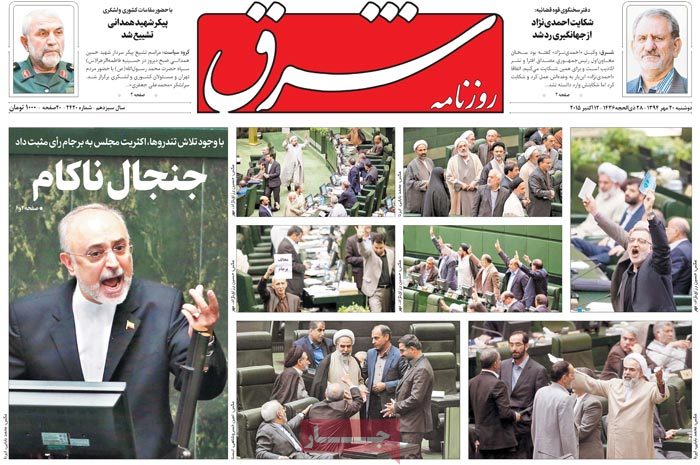
Sharq: Vain fuss-making

Despite efforts by hardliners, a majority of MPs voted for the Joint Comprehensive Plan of Action.

 

A look at Iranian newspaper front pages on Oct. 12
 

IRGC: Syria to achieve big victories in coming days

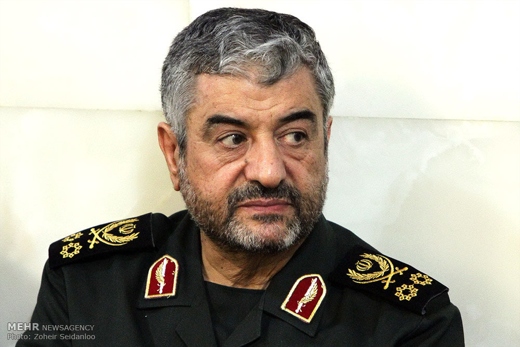
General Jafari

The commander of the Islamic Revolution Guards Corps (IRGC) has said that big victories are in the card for Syria in coming days, adding that martyr Hossein Hamedani lost his life for achieving such victories.

Major General Mohammad Ali Jafari, who was speaking in a ceremony to honor the memory of the fellow Revolution Guards general, further said that Syria is the supporter of the Islamic resistance against colonial powers and the Zionist regime, adding that the security of West Asia, including Iran, is tied to Syria and the axis of resistance.

The general went on to say that hegemonic powers are seeking to topple the Syrian government so that they can spread their influence in Islamic nations, adding that General Hamedani, who had sensed this threat, had an active presence in Syria to defend the resistance movement.