Saturday, December 27, 2025
Home Blog Page 4606

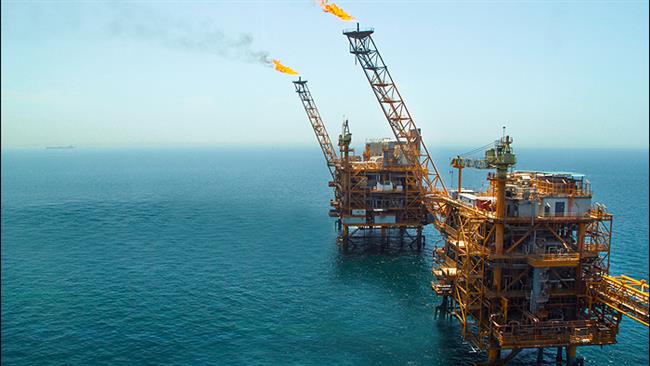
Iran needs $200bn oil investments

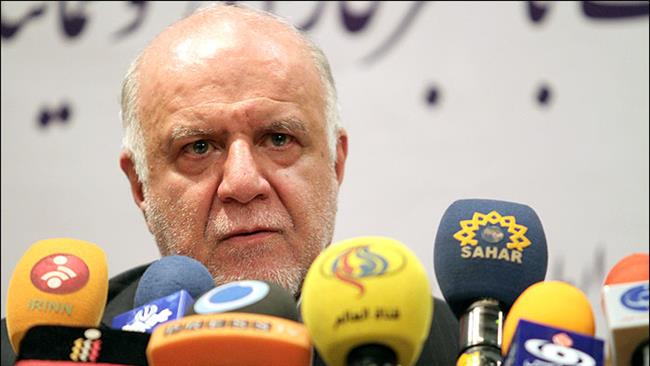
“To develop the joint fields and enhance recovery of oil reservoirs as well as secure development targets, we need investment totaling $200 billion dollars,” Bijan Zangeneh, Iran’s oil minister told reporters.

Zangeneh said the upstream sector requires $130 billion in investments, while $70 billion needs to be injected into processing facilities and oil refineries.

“We have to think to provide it through foreign resources and be after acquiring of technology,” he said, adding that Iran’s domestic resources are not sufficient enough to develop the country’s oil industry, as reported by Sputnik news agency.

Elsewhere in his remarks, Zangeneh said three draft oil agreements have been prepared and a fourth is on the way. However, he did not specify for which projects the drafts are being worked out.

The Iranian minister further emphasized that Iran will put at least 15 new oil projects on tender in the new Iranian calendar year (to being on 21 March 2016).

Zangeneh emphasized that the priority for awarding the projects will be given to those that are situated on Iran’s shared borders.  He also emphasized that the projects that require new technologies to boost their Improved Oil Recovery (IOR) rate will be also prioritized.

Officials have said Iran will ramp up production by 500,000 barrels per day (bpd) within a short time after the removal of sanctions and raise it to 1 million bpd within six months.

In mid-January, the country saw a wide range of nuclear-related economic sanctions lifted when a deal that it had reached with the P5+1 group of countries last summer was implemented.

A main theme of the sanctions included bans on investments by foreign companies in the country’s oil projects.

Iran has also revolutionized its oil contracts to make its projects more attractive to the investors. The country revealed the new format of its oil contracts which is named Iran Petroleum Contract (IPC) last year.  Under the IPC, different stages of exploration, development and production will be offered to contractors as an integrated package, with the emphasis laid on enhanced and improved recovery.

IPC is replacing buyback deals. Under a buyback deal, the host government agrees to pay the contractor an agreed price for all volumes of hydrocarbons the contractor produces.

But under the IPC, NIOC will set up joint ventures for crude oil and gas production with international companies which will be paid with a share of the output.
 

Iran ready to discuss oil with Saudis

“We support any form of dialogue and cooperation with OPEC member states including Saudi Arabia,” Zangeneh told reporters.

He said some Persian Gulf countries have announced that they are looking for trying to make economic benefits for themselves by helping to push down oil prices.  “But what they want to achieve is not at all for economic gains,” said Zangeneh.

“If there were a strong political will, the price of oil would have been balanced within one single week,” IRNA quoted him as saying.

The Iranian oil minister had in early January emphasized that the current oil prices harm all producers and certain countries’ insistence on overproduction is politically motivated.

“None of the oil producers is happy with the existing prices which will harm suppliers in the long term,” he has emphasized.

According to the Iranian minister, “there is a political will behind OPEC indecision over production ceiling in the organization.”

OPEC has been producing nearly a million more barrels of oil each day than its 30 million bpd ceiling for the past 16 months.

The organization approved a Saudi plan to scrap allocating fixed production quotas to member countries in its December 2011 meeting and introduced output ceiling of 30 million barrels per day (bpd) which does not specify quotas.

Zangeneh has described the decision a “historic mistake”, saying “making up for this big mistake and reviving the quota system in OPEC is a very hard task.”

Because of overproduction chiefly by Saudi Arabia and non-OPEC producers, there is currently up to 2.5 million bpd of excess oil in the market which has caused crude prices to lose around 60% of their value since mid-2014.


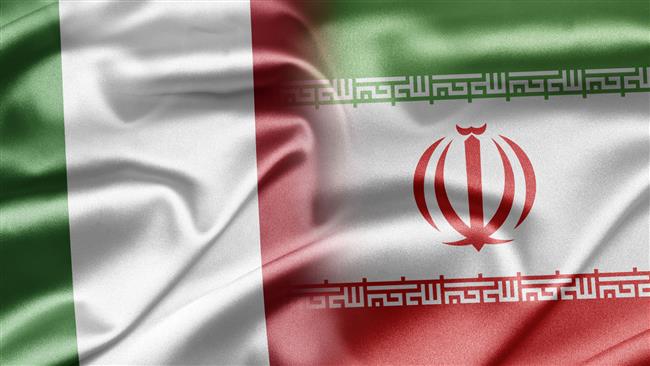
Iran eyeing joint food exports with Italy

The announcement was made by Masoud Khansari, the president of Tehran Chamber of Commerce, in a meeting with the visiting Italian Minister for Agricultural, Food and Forestry Policy Maurizio Martina.

Khansari told Martina that the value of supplies of food to Russia as well as the regional markets in 2015 stood at $108 billion.  He emphasized that a major share of such supplies can be jointly provided by Iran and Italy, IRNA reported.

The official further said that Italy was Iran’s top European trade partner throughout the years when the Islamic Republic was under sanctions.

He added that Iran hopes the economic contracts that were signed during a recent visit by President Hassan Rouhani to Italy would be implemented to promote the level of trade between the two countries.

Martina is visiting Iran together with a major delegation comprising 310 Italian entrepreneurs and officials.  Earlier on Tuesday, Iran and Italy signed a number of Memorandums of Understanding (MoUs) for cooperation in areas of energy, transportation and trade expos.

On a related front, IRNA has quoted Riccardo Monti, the president of the Italian Trade Agency, as saying that the Italian market is open to Iranian products.

Monti added that reopening of the Iranian market is a unique opportunity for business, which will be beneficial to both nations.

The value of Iran’s exports to Italy stood at €1 billion in 2015.

Last month, Iran’s President Hassan Rouhani visited Italy, where the two countries signed several contracts, worth up to €17 billion, covering various sectors including health, transportation, agriculture and energy.


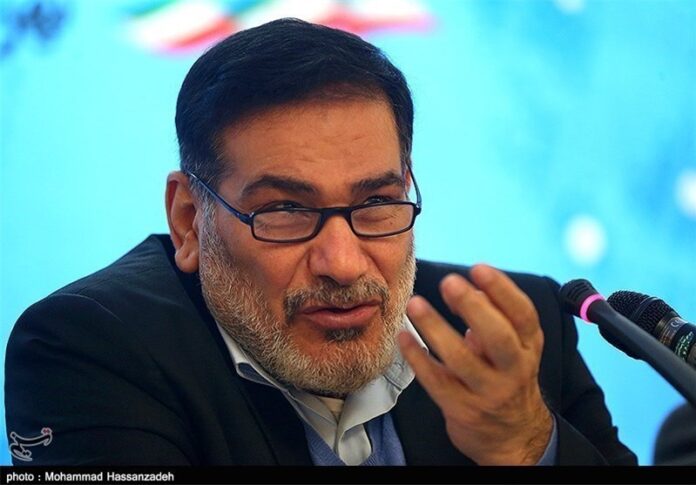
Islamic Revolution’s Ideology Diametrically Opposed to Takfirism: Iran’s Shamkhani

Addressing a conference on Takfiri terrorism in Tehran on Tuesday, Shamkhani described the 1979 Islamic Revolution as a “role model” for the Islamic Awakening movements that is “diametrically opposite” to Takfiri thinking.

The Islamic Revolution, led by the late Imam Khomeini, established a new political system in Iran based on Islamic values and democracy.

Shamkhani further emphasized that the West is using Takfiri terrorist groups, like Daesh (ISIL), as a tool to pursue its policy of spreading Islamophobia.

The objective behind Islamophobia is to undermine the holy status of Islam and its progressive rules and justify secularism in the region and the world, the Iranian official stated.

Daesh, as a Takfiri group in Iraq and Syria, is believed to be supported by the West and some regional Arab countries.

The terrorist group has been committing heinous crimes against all ethnic and religious groups, including Shias, Sunnis, Kurds, Christians, Izadi Kurds and others in Iraq, Syria and several other countries.


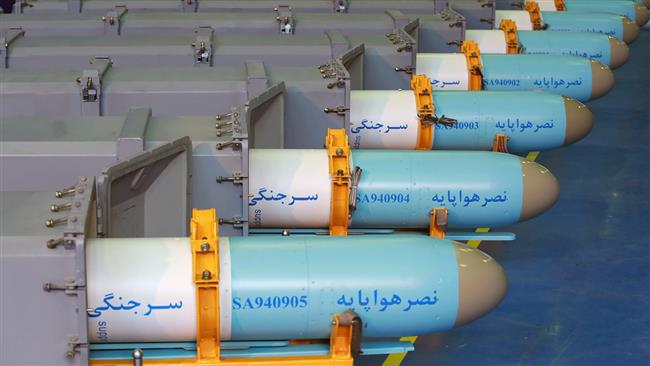
Iran Air Force equipped with Nasr cruise missiles

Iran’s Aerospace Industries Organization affiliated with the Ministry of Defense on August 25, 2015 launched the production line of Nasr cruise missile in a bid to upgrade the country’s deterrence.

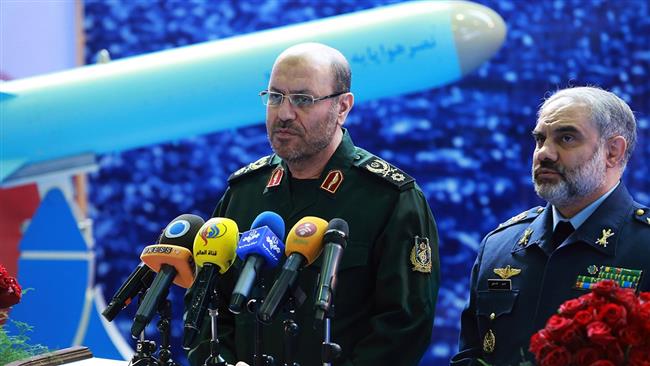
The cruise missiles were handed over to Iran’s Air Force on Tuesday in a ceremony in the presence of Iran’s Minister of Defense Brigadier General Hossein Dehqan and the Islamic Republic of Iran Air Force (IRIAF) chief, Brigadier General Hassan Shah Safi.


General Dehghan


Dehqan said Defense Ministry experts have the capability to supply the strategic needs of the Iranian Armed Forces in different sectors.

He noted that nothing can hinder or stop the Defense Ministry’s move towards further empowering the Armed Forces.

The minister said Nasr cruise missiles are precise enough to hit targets and significantly boost the operational and tactical power of the Armed Forces.

“The Nasr air-launched system can be installed on different types of jet fighters,” the Iranian defense minister pointed out.

In recent years, Iran has made major breakthroughs in its defense sector and attained self-sufficiency in producing important military equipment and systems.

The Islamic Republic also regularly conducts military drills to enhance the defense capabilities of its military and to test modern military tactics and equipment.

Iran has repeatedly said that its military might poses no threat to other countries, reiterating that its defense doctrine is based on deterrence.

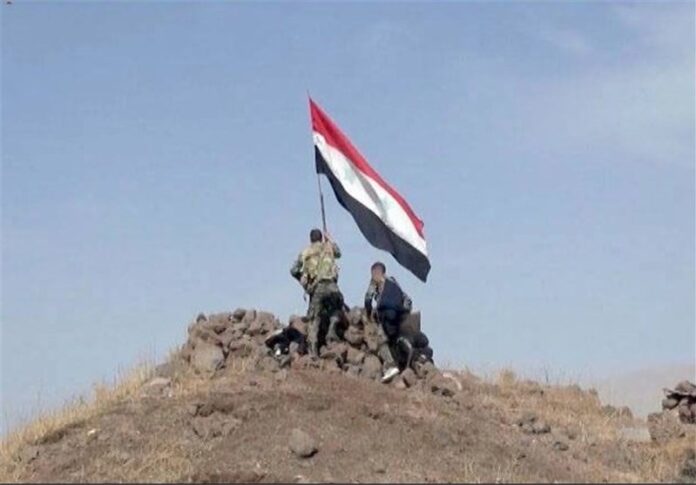
Syrian Forces Advance in Terrorist-Held Areas in Daraa, Latakia

According to Tasnim dispatches, Syrian forces carried out several operations in the northern suburbs of Latakia, clearing many areas in the province from terrorists and inflicting heavy losses on them.

A military source said terrorists have been surrounded by Syrian army forces in Kinsabba, a town in northwestern Syria in Latakia Province, which is on the verge of liberation, adding that they had received continual support from Turkish borders.

In another operation, an army unit destroyed a vehicle and mortar launcher for Jabhat al-Nusra terrorists northeast of al-Nueimeh town, 4 km east of the city of Daraa SANA quoted a military source as saying on Tuesday.

All members of a terrorist group were killed in an army operation against the positions of the so-called “Liwa al-Mutasem Billah” in Tafas town, 13 km north of Daraa, the source added.

The army also destroyed a command center, several vehicles equipped with heavy machine guns and strongholds of terrorists in al-Abassiyeh and al-Manshiyeh neighborhoods and near the Old Customs in Daraa al-Balad area in Daraa, according to the report.

Syria has been entangled in civil war since March 2011. Takfiri terrorist groups controls parts of the Arab country, mostly in the east.

Meanwhile, Russia’s aerial support for the Syrian forces has given fresh impetus to the fight against the foreign-backed terrorists.

Since late September 2015, Russia has been carrying out bombings against Daesh terrorists in Syria, after Russia’s parliament granted President Putin authorization to deploy the country’s air force abroad.

More than 250,000 people have died in Syria -overwhelmingly civilians- and around 4 million Syrian people are now refugees in other countries. Around 8 million others have been displaced internally.

Saudi troops in Syria very dangerous: Iran official

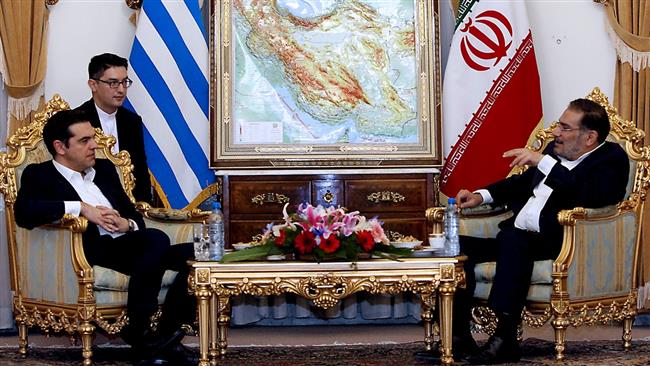
Secretary of Iran’s Supreme National Security Council Ali Shamkhani made the remark at a meeting with visiting Greek Prime Minister Alexis Tsipras in Tehran.

Saudi Arabia has expressed readiness to contribute special forces to a US-led coalition that is purportedly hitting Daesh in Syria. Bahrain and the UAE have also hinted at similar deployments.

“Although claims made by these countries are by no means proportionate to their military capabilities, the potential presence of ground troops without the legitimate consent or request of the Syrian government amounts to an interventionist and highly dangerous decision with unfathomable security repercussions for all the regional countries as well as Europe,” Shamkhani said.

Any military incursion would be “a step backward and disregardful of all the efforts that have been undertaken to resolve the [Syrian] crisis,” he added.

“There is no military solution to Syria’s crisis; and the establishment of calm and stability in this country is only possible through inter-Syrian dialog as a means of realizing the Syrian people’s will and demands,” the Iranian official said.

Addressing the Greek premier, the Iranian official said, “Greece has been on the forefront of… the issue of Syrian and Iraqi refugees… and clearly feels the several security and economic problems resulting from it.”

Greece has been serving as the entry point for more than a million refugees who have been fleeing war and misery in the Middle East for more than a year now.

Tsipras, for his part, asserted that Athens was leading an “independent policy” vis-à-vis the Syrian issue.

‘West’s propagandist terrorism’

Addressing a conference hosted in the Iranian capital on Tuesday under the title “The Coalition of Elites against Terrorism,” Shamkani blasted the West for using Daesh to serve its its Islamophobia agenda.

“Accusing Muslims of creating insecurity in the world and casting Islam in a bad light is also a type of media and propagandist terrorism,” he said

All scholars in the Muslim world, either Shia or Sunni, are of the opinion that the actions of Takfiri terrorist groups are illegitimate, he said.

Shamkhani also said that, “Besides military efforts, an intellectual and cultural fight is also required to dry out the roots of terrorist groups such as Daesh.”

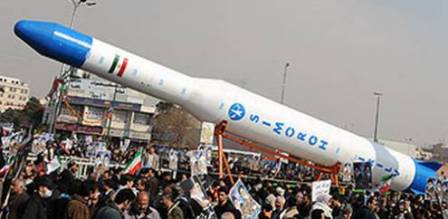
Simorgh, Emad to be exhibited in Bahman 22 rallies

Simorgh is an Iranian expendable small-capacity orbital carrier rocket, which was scheduled to make its maiden flight in 2010. It was unveiled by Iraninan President Mahmoud Ahmadinejad on 3 February 2010, as part of celebrations of the first anniversary of the launch of Omid, the first indigenously-launched Iranian satellite.

Emad is an Iranian-designed, liquid-fuel, intermediate-range ballistic missile (IRBM) with a claimed range of 1,700 km and 750 kg payload. The missile was presented by Brigadier General Hossein Dehghan on 11 October 2015. Emad features a newly designed reentry vehicle with a more advanced guidance and control system, making it the country’s first IRBM that is precision-guided.

Iran enjoys safest airspace in Western Asia: Air Force officer

No plane can enter the country’s sky illegally, Brigadier General Farzad Esmaeili said, adding if so, it will be faced with strong reaction from Iran.

Today, many different kinds of flights use Iran’s airspace legally, Esmaeili said while speaking to reporters.

Today, Iran has the safest and most secure sky in Western Asia, he stressed.

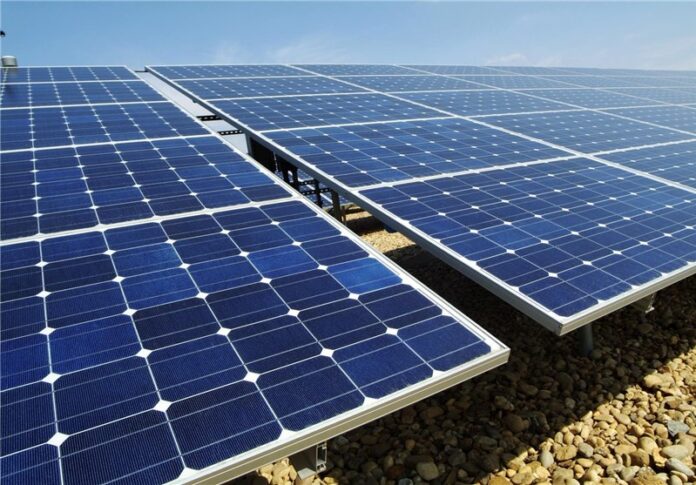
Swiss Firm TOLGA Eager to Invest in Iran’s Solar Industry

During a joint meeting with officials of Iran’s Energy Ministry as well as Renewable Energy Organization in Tehran, senior executives from TOLGA expressed their keenness for cooperation in Iran’s solar power generation industries.

In the meeting held Monday, the Iranian officials outlined the country’s investment process and capacities in the field of photovoltaic and renewable forms of energy.

TOLGA officials said that they are ready to invest in construction of photovoltaic power plants to generate electricity in Iran.

Both side agreed to finalize the details of cooperation in another meeting in the near future.

Iran is the biggest producer of electricity in the Middle East, generating over 70,000 megawatt-hours.

The meeting came after Tehran and the Group 5+1 (Russia, China, the US, Britain, France and Germany) on July 14, 2015 finalized a comprehensive deal on Tehran’s nuclear program and implemented it on January 16.

The comprehensive nuclear deal, also known as the Joint Comprehensive Plan of Action (JCPOA), terminated all nuclear-related sanctions on Iran after coming into force.