Saturday, December 27, 2025
Home Blog Page 4588

After Paris and Beirut, it’s time to rein in Saudi Arabia

Saudi-Mohammed-bin-Nayef-U

America’s leading Sunni ally has been propagating a violent, sectarian religious ideology long before ISIS came on the scene, according to Foreign Policy, an American news publication.

Alef.ir on November 21 released the Farsi translation of an article in Foreign Policy (November 20, 2015). IFP has picked the original text of the article by Inge Fryklund, JD, PhD, who has worked in the Balkans, Iraq, and Afghanistan, with USAID, UNDP, and with the US Army and Marine Corps:

After the carnage in Paris, Western governments turned immediately to debating the usual tactics for “bringing the terrorists to justice.” Should we employ drone strikes, they wonder? Boots on the ground? Police?

The much more important matter, however, is identifying and stopping the source of the nihilism, misogyny, and sectarian animus that’s found fertile breeding grounds in the civil wars of the Middle East. Unless the source is addressed, there will be an endless supply of terrorists wreaking havoc. And we in the West will continue wringing our hands and responding impulsively rather than strategically.

While virtually all Islamic scholars dispute the theological soundness of the ISIS ideology, the group’s roots lie in fundamentalist Sunni Islam, specifically the Wahhabi strain officially espoused by Saudi Arabia — our “ally” — which views Shiites as apostates and seeks to turn Islamic societies back to an intolerant (and imagined) medieval past where women are stoned for adultery and reporters are lashed. Since the 1970s, the Saudi government and its allied religious establishment have exported their extremist version of Sunni Islam around the world — all financed by their oil money.

During the 1970s and ‘80s, Saudi Arabia financed Pakistan’s ISI (Inter-Services Intelligence) in support of the anti-Soviet insurgents in Afghanistan that became the Taliban. The US matched the Saudi contribution to ISI, but abdicated its responsibility to see where the money was going. Anxious to avoid overt provocation of the Soviets, Washington allowed Pakistan and Saudi Arabia to choose the recipients of American taxpayer dollars, and these were the most fundamentalist insurgent factions — like the Haqqani network, which plagues Afghanistan even today and has targeted American soldiers serving there.

Saudi money financed the Pakistani madrassas that provided the only available “schooling” for a generation of young Afghan male refugees. In camps devoid of women, the extreme separation of the sexes resulted in young males detached from any experience of women or family life. They were taught to memorize the Koran (in Arabic, having no idea what it said), use weapons, and hate the West. They were otherwise illiterate about both secular subjects and Islamic jurisprudence.

Since the 1990s, Saudi money has similarly financed mosques and Wahhabi-inspired teaching throughout the Balkans as well, contributing to the instability of that region.

It appears that the connection between Saudi Arabia and the Paris bombings is even more direct. Many of the plotters came from the Molenbeek neighborhood in Brussels. In the 1970s, Saudi Arabia and other [Persian] Gulf countries funded Wahhabi religious schools there, displacing or taking over the more moderate mosques founded by the Turkish and Moroccan immigrants in the district and helping to thwart their children’s potential for cultural integration.

ISIS’ extreme misogynistic worldview was starkly on display in its statement after the Paris massacre. It referred to a “profligate prostitution party” at the Bataclan Conference Center. This should be a red flag. The equation of women out to a concert and prostitution reflects the same mindset animating the Saudi insistence that women cannot drive, cannot leave the house unless escorted by a male relative, and must be covered head to toe. (In fact, I would argue there’s an insufficiently explored thread of distorted sexuality in hardline Wahhabi belief and practice.)

Our “ally’s” religiously mandated intolerance was displayed to the world in the hatred that we witnessed on Nov. 13th, with hundreds dead and many more maimed in Lebanon and Paris. Why do we put up with this aggressive medieval proselytizing from Saudi Arabia? With allies like this, who needs enemies?

Well, the simple answer is oil: We’ve chosen to buy our oil from Saudi Arabia and boycott the Shiite Iranian source.

But cheap oil may have been purchased too dearly when the mayhem in the Middle East and now Europe is the result. Accepting higher oil prices in the interests of containing Sunni nihilism could be a worthwhile bargain.

We’ve also boxed ourselves in diplomatically by a generation of demonizing and isolating Iran, the major Shiite power, leaving no counterweight to the Saudi Sunni ideology. Yes, we cite the 1979 takeover of the American embassy in Tehran, but forget that Iranian anti-American sentiment was a predictable result of the CIA overthrowing the elected and more or less democratic government of Prime Minister Mossadegh in 1953. (The US acted at a British request; they wanted to control Iranian oil and Mossadegh nationalized it.) We condemned Iran to a generation of brutal dictatorship under the Shah’s notorious secret police. Should we have been surprised when the revolution that came in 1979 brought payback to the Americans?

While Iran does indeed support violence in other countries, its efforts seem rationally related to political objectives (supporting Hezbollah against the Israeli occupation, and Assad as a fellow Shiite power) and might be resolved as such. They have thus far not included assaults on uninvolved civilians and barbarism for its own sake.

So what to do at this point? We have leverage over Saudi Arabia if we choose to use it. We should stop supplying weapons — which are currently being used to attack Shiite factions in Yemen — and insist that Saudi Arabia cease financing fundamentalists throughout Afghanistan, Pakistan, Syria, and the Balkans. It’s pointless to apply tactical solutions to the problems of the Middle East while Saudi Arabia is free to (almost literally) pour oil on the fires.
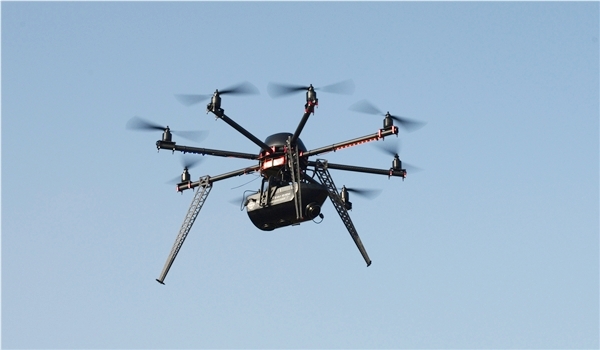
Iranian researchers build fully automatic VTOL drone

13940830000390_PhotoI

Iranian inventors at Sharif University of Technology designed and built a vertical take-off and landing (VTOL) drone capable of flying automatically in different environments even out of the pilot’s sight.

Hodhod [Hoopoe] 3 Drone, which was put on display at a Tehran exhibition, is capable of flying 53 minutes and can carry some loads.

The VTOL drone doesn’t need any runway for taking off and landing, and can continue flight even after one of its engines is damaged.

It can also be used for simultaneously sending information to the command center, returning home in emergency situations, and automatically taking off and landing out of the pilot’s sight.

In recent years, Iran has made great achievements in its defense sector and secured self-sufficiency in producing essential military equipment and systems, including UAVs.

Iranian defense researchers built the country’s first home-made VTOL drone with particular specifications in March.

The VTOL drone makes its vertical climb using two wings which increases its speed.

In 2013, an Iranian inventor designed and built a VTOL drone using combined fuel which he said was highly functional for military operations.

“The vertical Unmanned Aerial Vehicle (UAV) which uses combined fuel and has a big propeller and two side rotors can fly vertically for 2 hours,” Iranian inventor Jafar Aghazadeh said.

He added that the drone, which is under flight test, is especially good for military missions and uses a fuel cell and a hydrogen generator system as its power source.

A look at Iranian newspaper front pages on Nov. 21

Iranian Newspapers Headlines

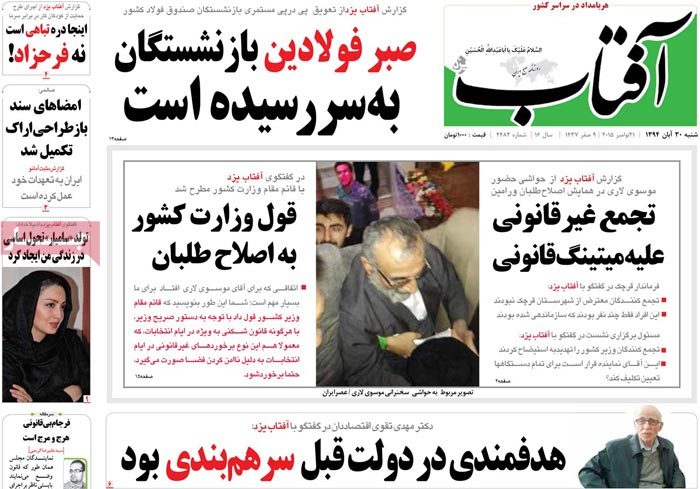
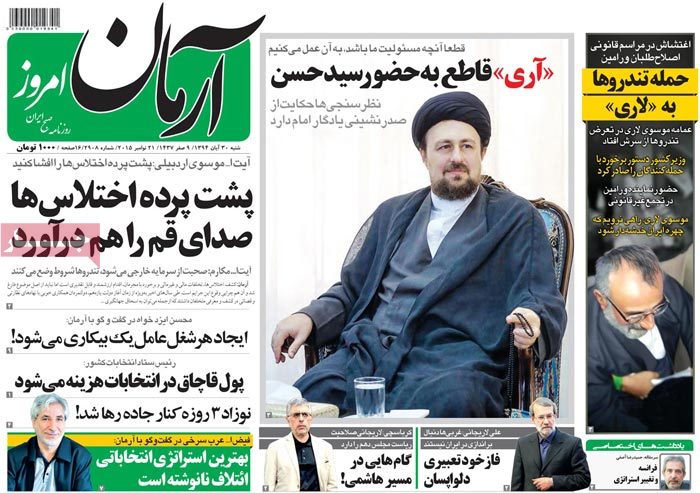
Comments by the director of the Management and Planning Organization about the value of the rial and next year’s budget dominated the front pages of Iranian newspapers on Saturday. Reformist-leaning newspapers also gave extensive front-page coverage to an attack by hardliners on a reformist meeting in Varamin and the comments of the grandson of the late Imam Khomeini about a possible run in the upcoming elections.


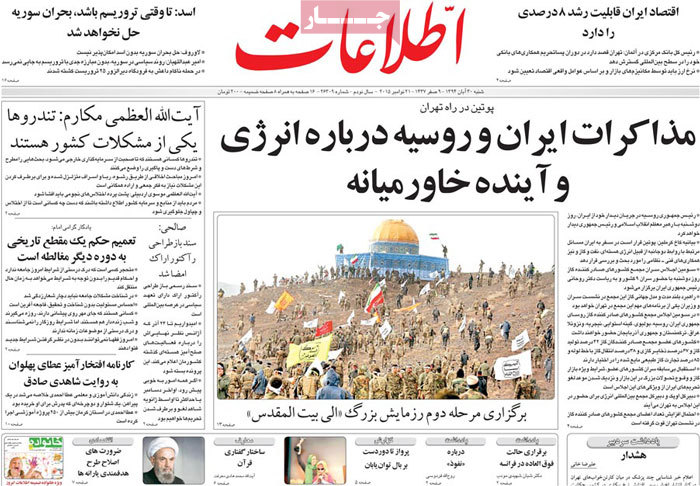
Ettela’at: Iran and Russia will hold talks on energy and the future of the Middle East.

The Russian president is due in Tehran. On Monday he will meet with the Supreme Leader and President Rouhani.


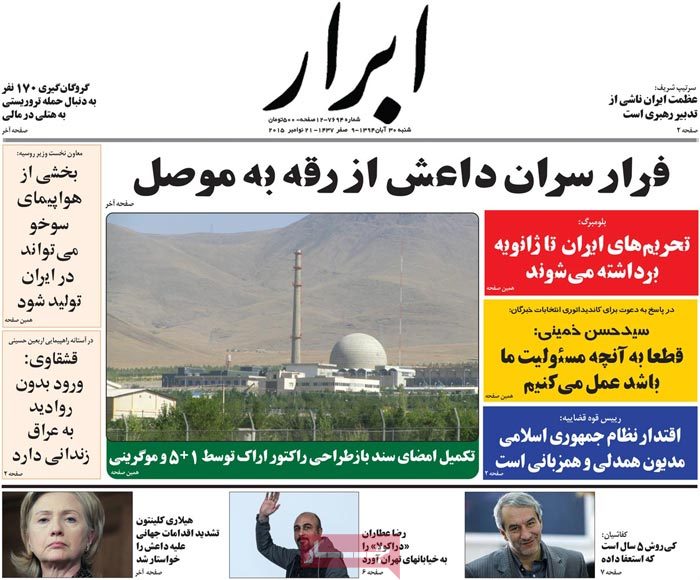
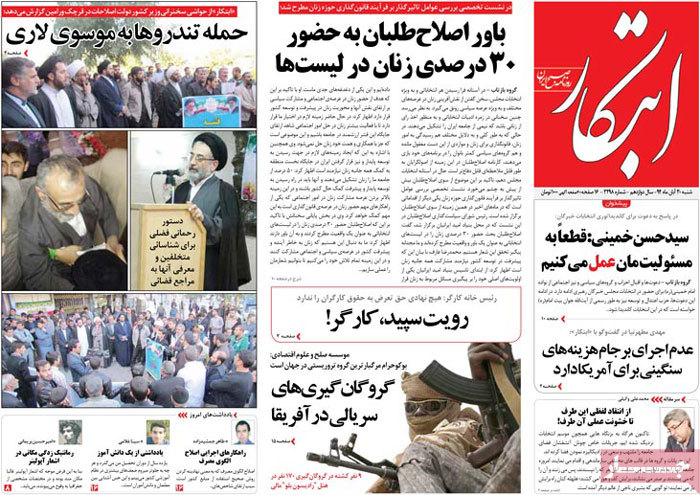
Abrar: IS leaders are said to have fled Raqqa in Syria for Mosul, Iraq.

Abrar: The grandson of the late Imam Khomeini has said that he will do what he deems as his responsibility.

The comment by Seyyed Hassan Khomeini came after he was urged to field his candidacy for the Assembly of Experts.


A look at Iranian newspaper front pages on Nov. 21


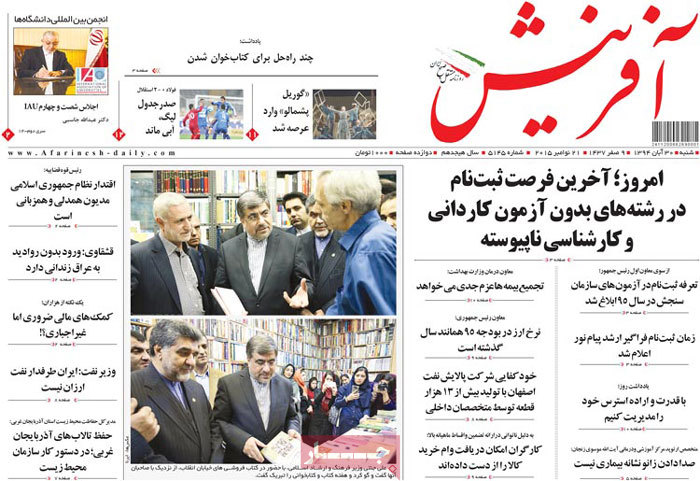
Afarinesh: The deputy foreign minister for consular affairs has said that entering Iraq without securing a visa first is punishable by jail term.

Afarinesh: The minister of culture and Islamic guidance has visited a number of bookstores on Tehran’s Revolution Street as part of a plan to promote book reading and mark Book Week.


A look at Iranian newspaper front pages on Nov. 21


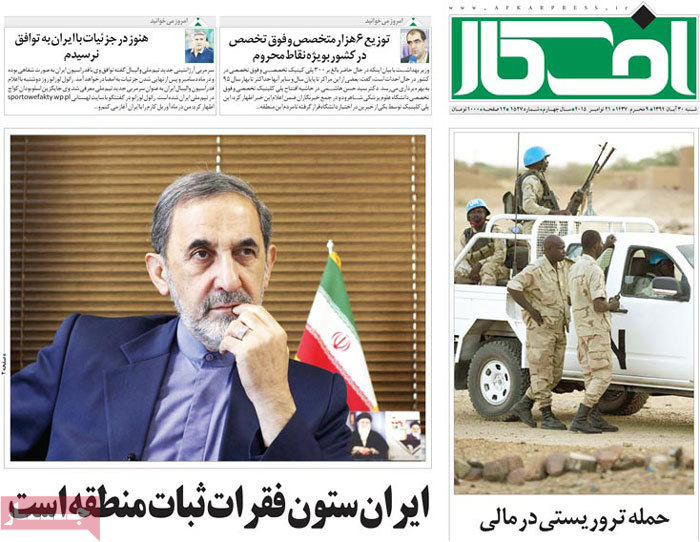
Afkar: Ali Akbar Velayati, an advisor to the Supreme Leader, has likened Iran to the spinal cord of stability in the region.


A look at Iranian newspaper front pages on Nov. 21


Aftab-e Yazd: An unauthorized gathering against an authorized meeting of reformists

The deputy interior minister has said that lawbreakers will be definitely dealt with.


A look at Iranian newspaper front pages on Nov. 21


Arman-e Emrooz: Hardliners have staged an attack on Abdolvahed Mousavi Lari [a former interior minister] in an authorized reformist meeting in Varamin.

The interior minister has ordered the incident investigated.


A look at Iranian newspaper front pages on Nov. 21


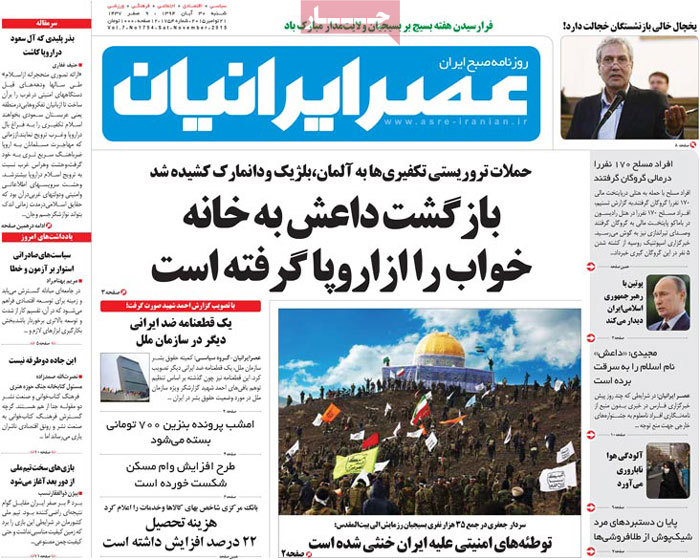
Asr-e Iranian: Security plots against Iran have been foiled, said the commander of the Islamic Revolution Guard Corps.


A look at Iranian newspaper front pages on Nov. 21


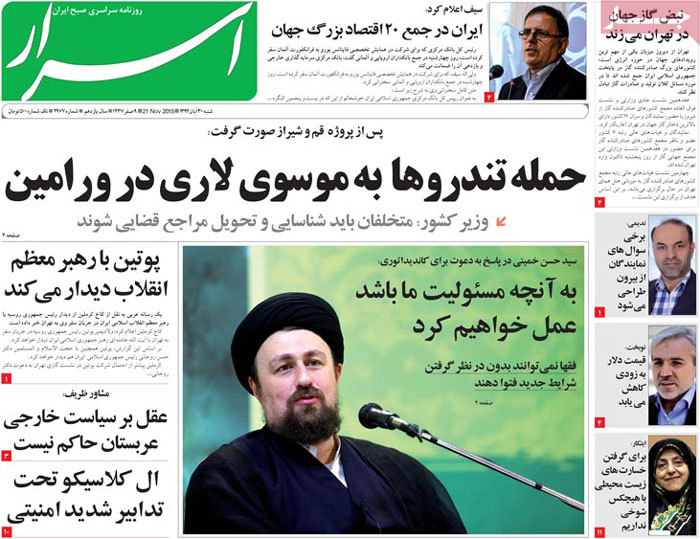
Asrar: An advisor to Foreign Minister Mohammad Javad Zarif has said that wisdom does not prevail in the Saudi foreign policy.

Asrar: The director of the Environment Protection Organization has said that her organization is quite serious in getting damages from individuals or entities that harm the environment.


A look at Iranian newspaper front pages on Nov. 21


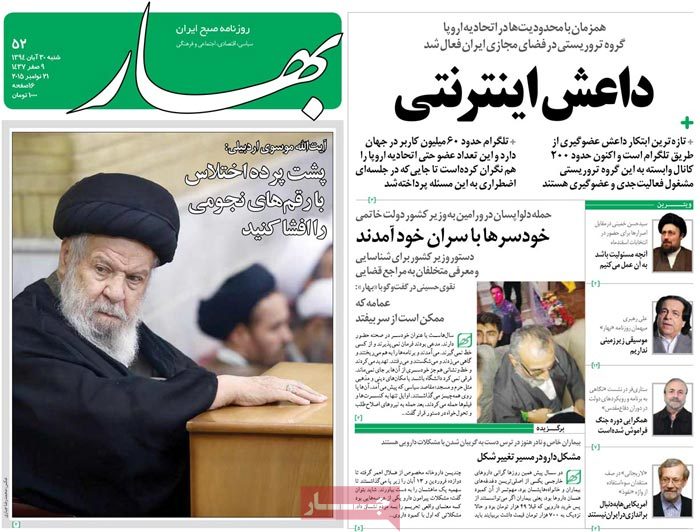
Bahar: Parliament Speaker Ali Larijani has joined the ranks of officials critical of the misuse of the term infiltration.

“The Americans do not seek regime change in Iran,” said the top MP.


A look at Iranian newspaper front pages on Nov. 21


Ebtekar: America’s failure to implement the Joint Comprehensive Plan of Action will carry a hefty price tag, said Mehdi Motaharnia, an international relations expert.


A look at Iranian newspaper front pages on Nov. 21


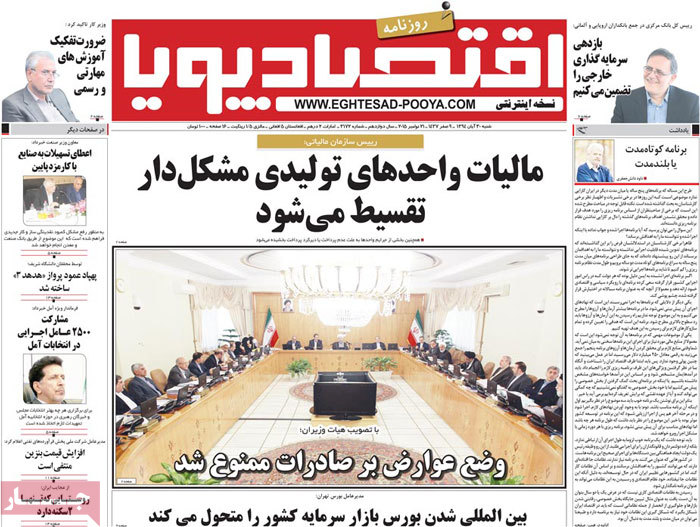
Eghtesad-e Pooya: According to a Cabinet decision levying tariffs on export items is banned.


A look at Iranian newspaper front pages on Nov. 21


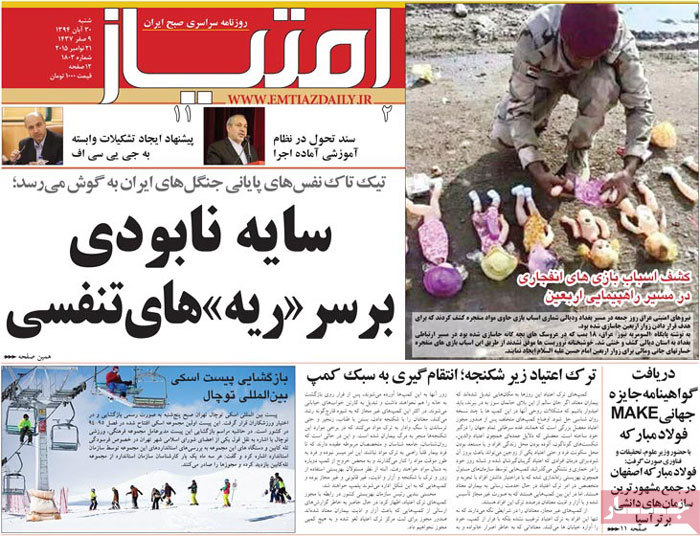
Emtiaz: Iraqi security forces have found toys and dolls filled with explosives along the same route Arba’een pilgrims are to take in less than two weeks.


A look at Iranian newspaper front pages on Nov. 21


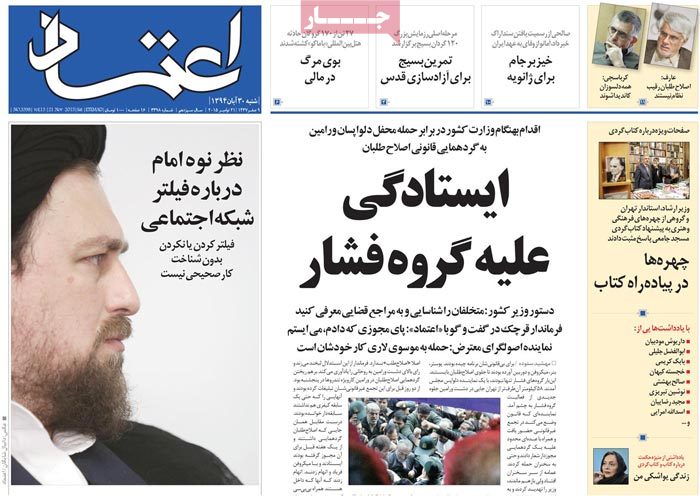
Etemad: Standing up to the pressure group

A protesting principlist MP has alleged that attacking Mousavi Lari [at a reformist gathering in Varamin] was the work of reformists.


A look at Iranian newspaper front pages on Nov. 21


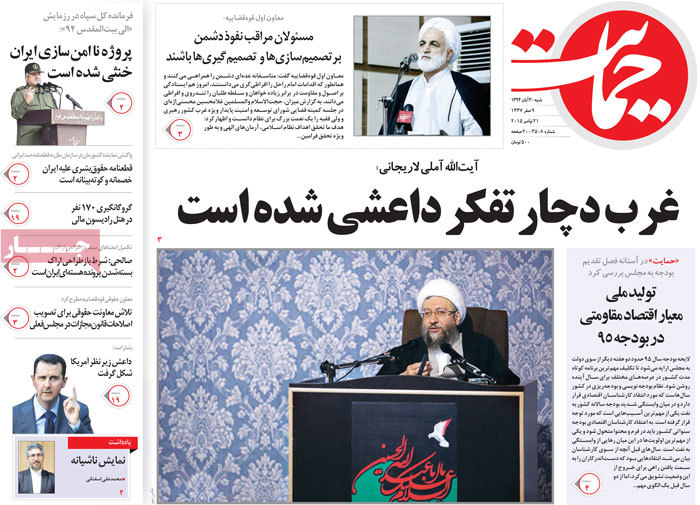
Hemayat: The judiciary chief has said that the West has developed an IS-like mentality.

His deputy has urged officials to make sure the enemies do not crawl their way into the decision-making process in the country.


A look at Iranian newspaper front pages on Nov. 21


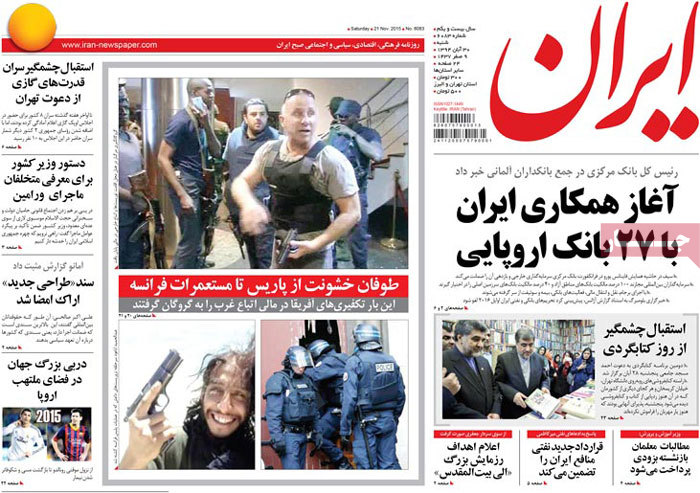
Iran: Natural gas heavyweights have warmly welcomed an invitation by Iran to attend a summit of the Gas Exporting Countries Forum in Tehran.


A look at Iranian newspaper front pages on Nov. 21


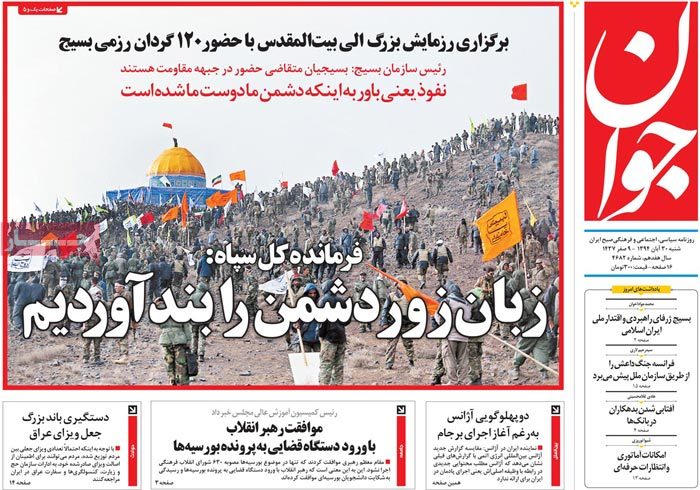
Javan: Commander of the Islamic Revolution Guard Corps Major General Mohammad Ali Jafari has said that Iran has drawn down the curtain on enemy bullying.


A look at Iranian newspaper front pages on Nov. 21


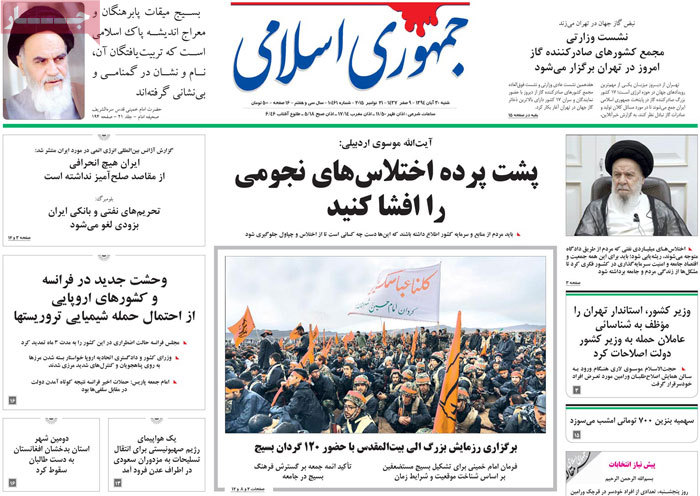
Jomhouri Islami: Ayatollah Abdul-Karim Mousavi Ardebili, a source of emulation, has called on officials to reveal the behind the scenes of astronomical embezzlements.


A look at Iranian newspaper front pages on Nov. 21


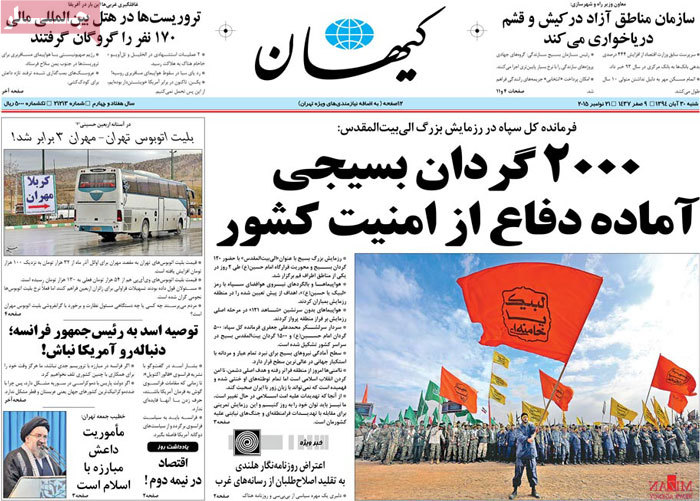
Kayhan: IS is on a mission to counter Islam, said Tehran Friday prayer leader Ayatollah Ahmad Khatami.


A look at Iranian newspaper front pages on Nov. 21


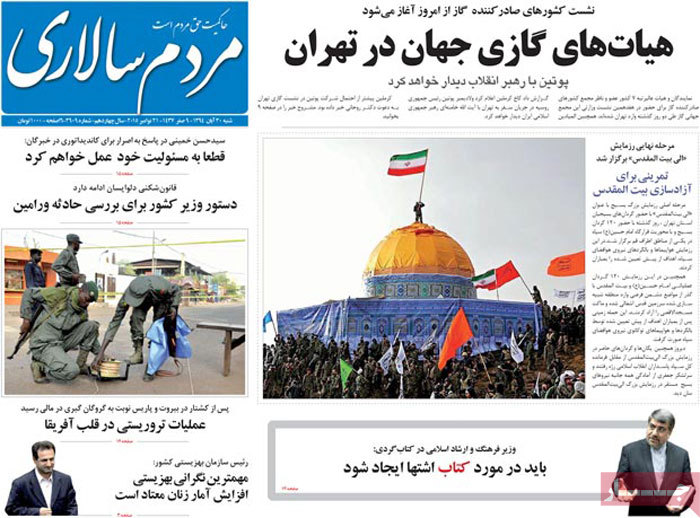
Mardomsalari: Foreign delegations are in Tehran for a summit of gas exporting countries.
Mardomsalari: The most important concern of the Welfare Organization is an increase in the ranks of female addicts, said the director of the organization.


A look at Iranian newspaper front pages on Nov. 21


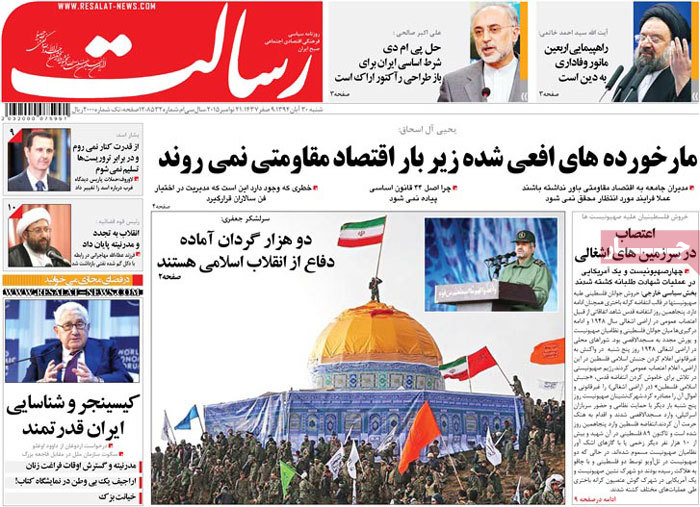
Resalat: Closing the possible military dimension (PMD) case is Iran’s key condition for reconfiguration of Arak Reactor, said the director of the Atomic Energy Organization.


A look at Iranian newspaper front pages on Nov. 21


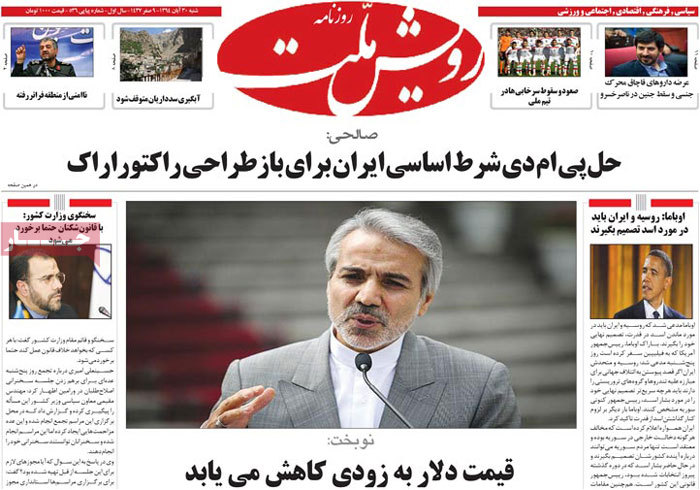
Rooyesh Mellat: The value of the US dollar against the rial will go down shortly, said the director of the Management and Planning Organization.


A look at Iranian newspaper front pages on Nov. 21


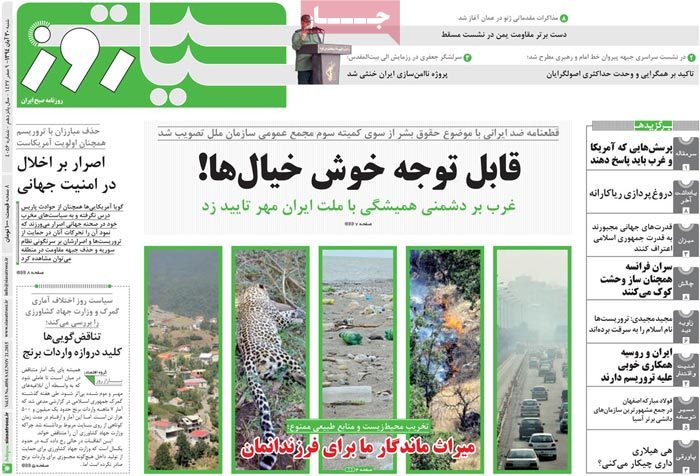
Siasat-e Rooz: For the attention of wishful thinkers!

The West put a seal of approval on its undying enmity toward Iran by adopting an anti-Iran human rights resolution at the UN General Assembly.


A look at Iranian newspaper front pages on Nov. 21


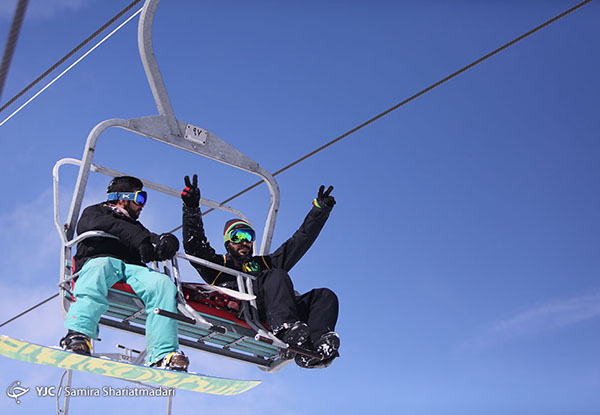
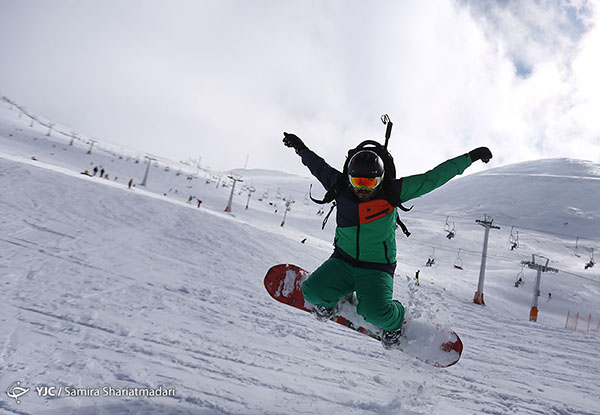
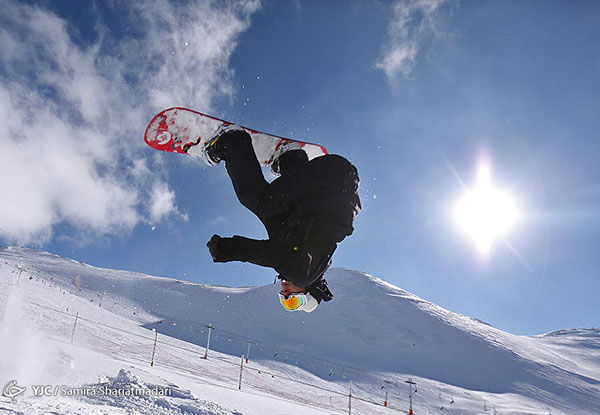
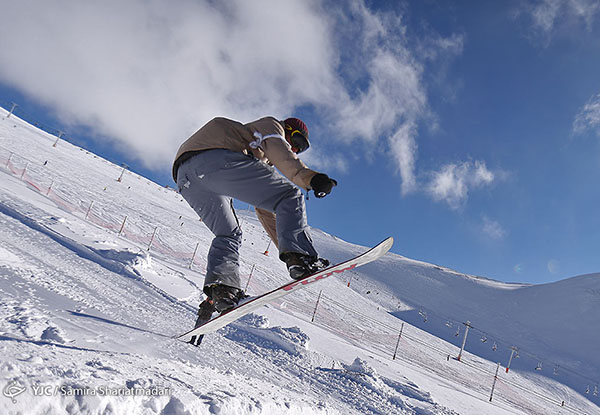
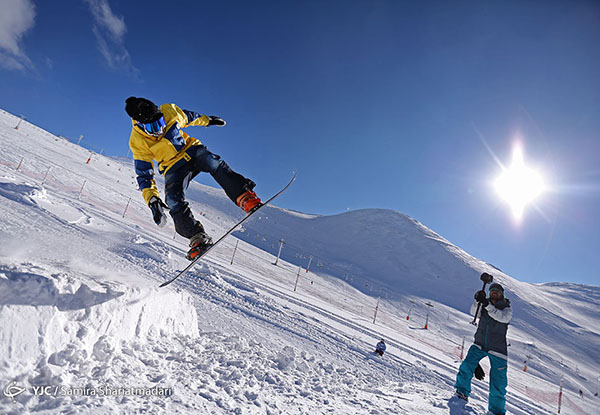
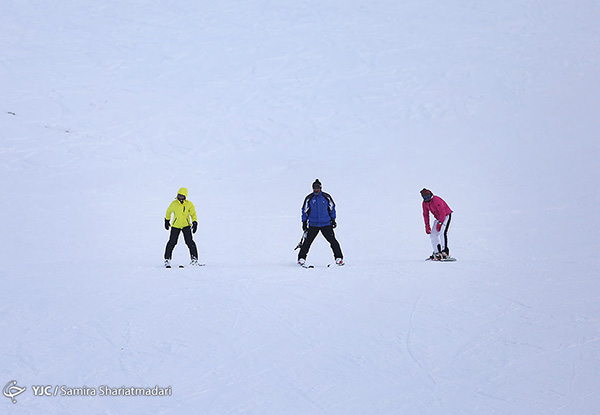
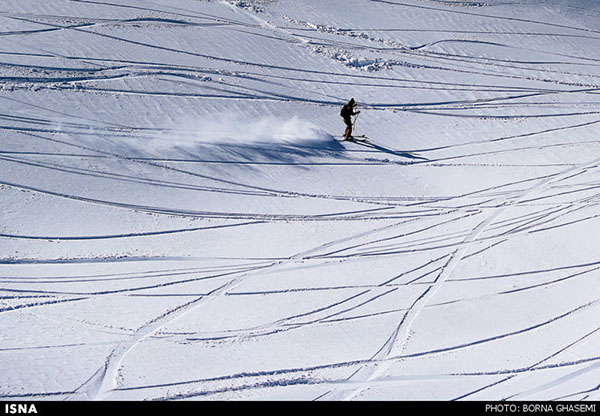
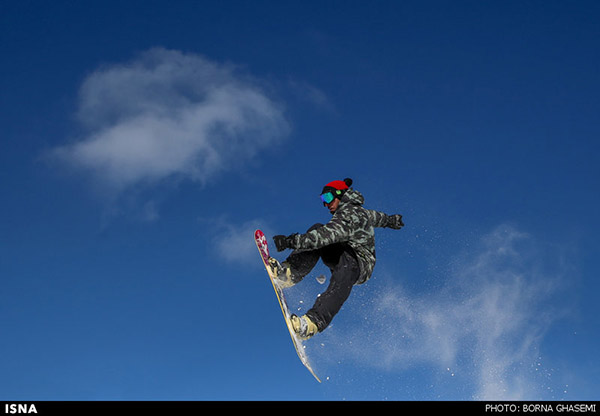
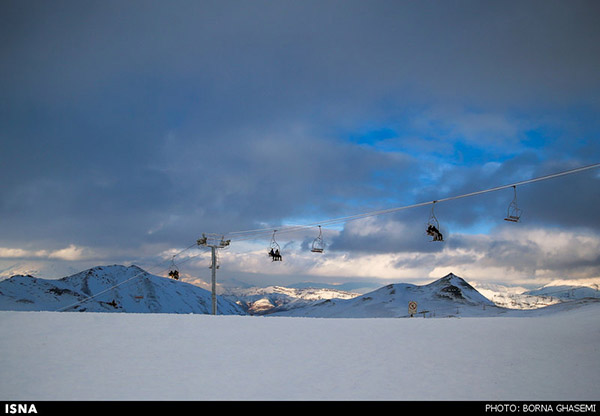
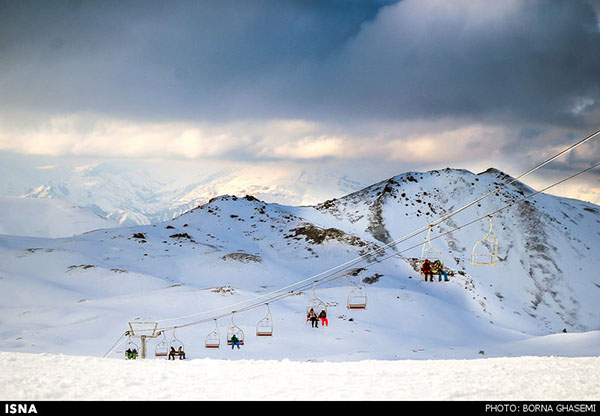
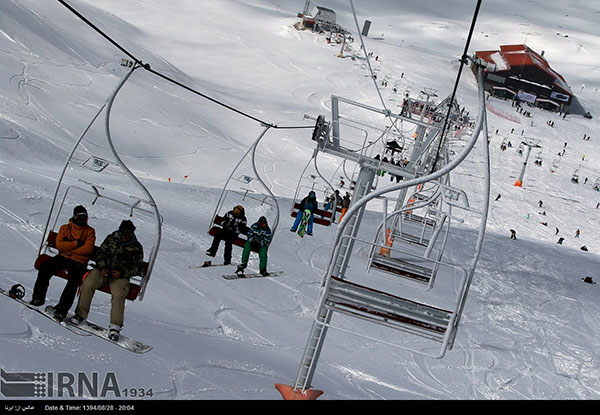
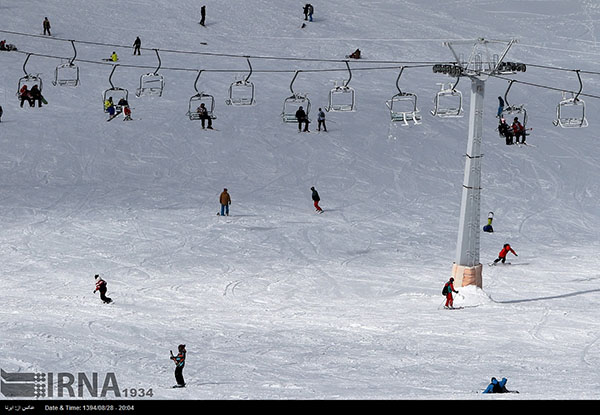
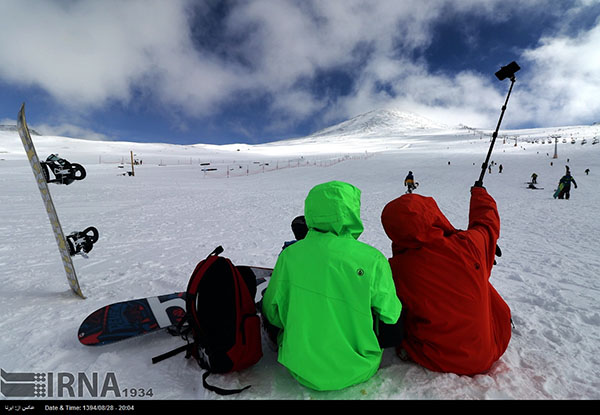
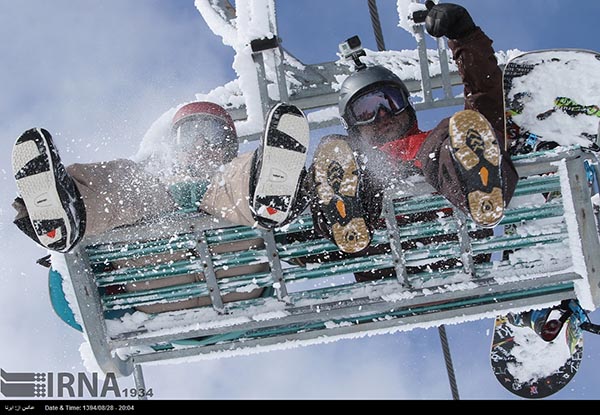
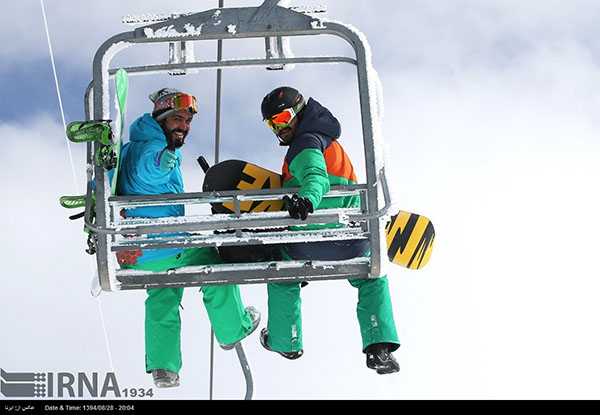
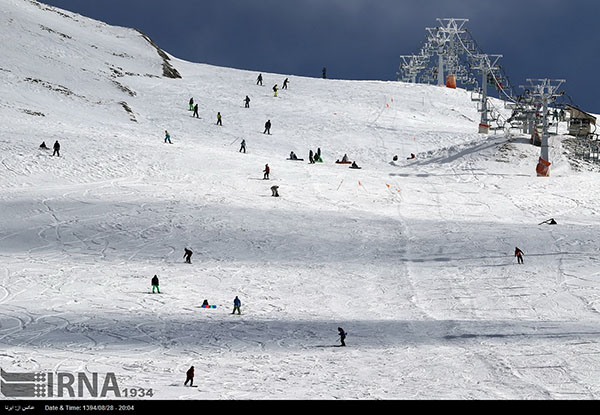
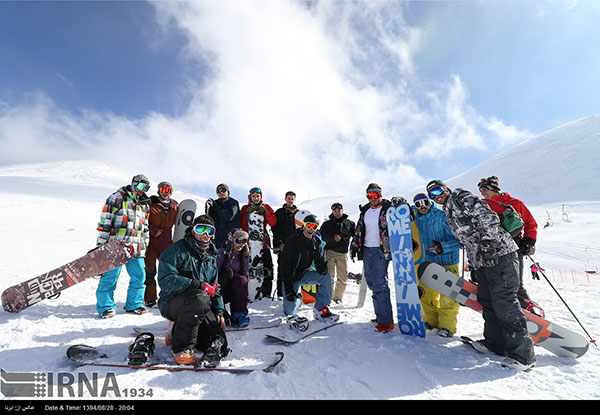
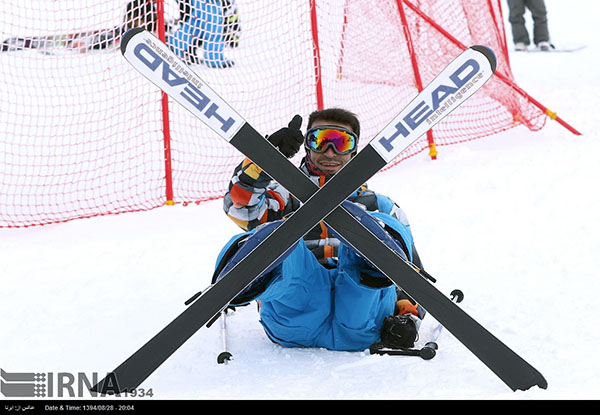
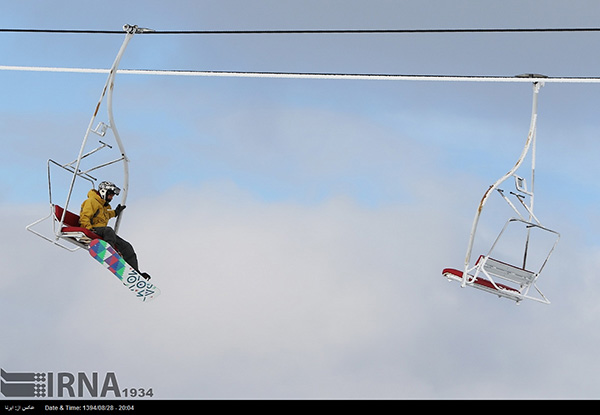
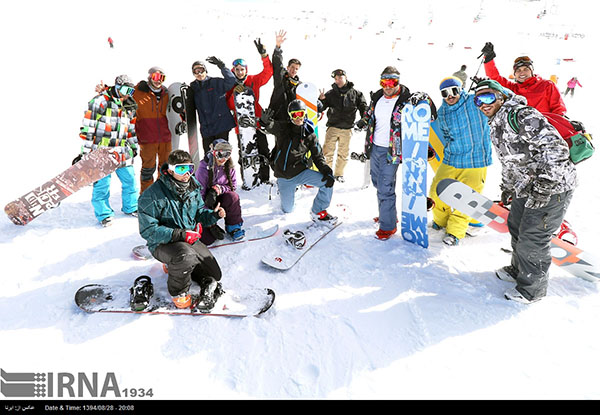
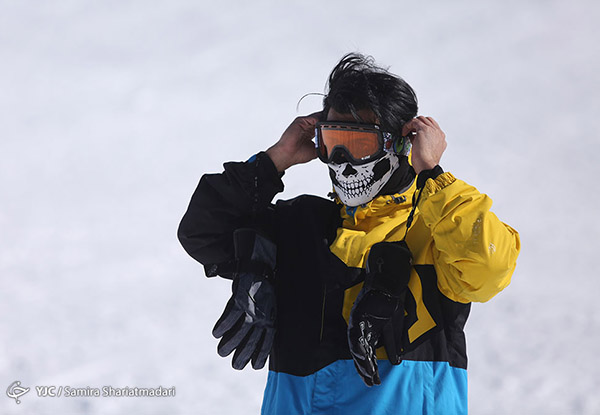
Tochal Piste officially opens in Tehran

Ski0

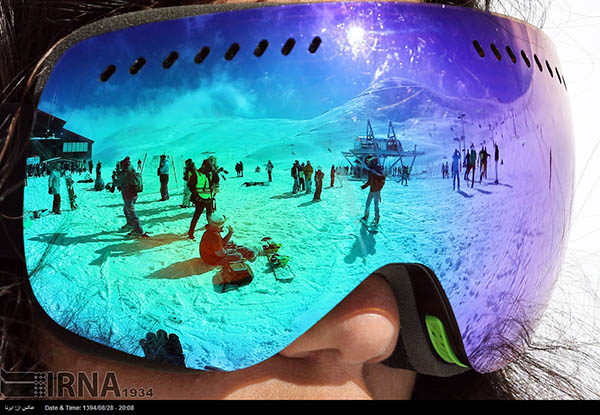
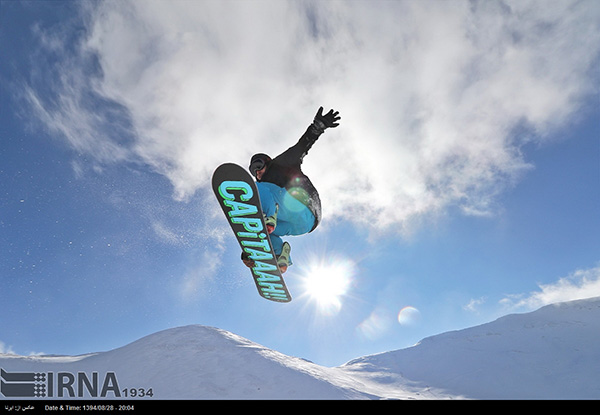
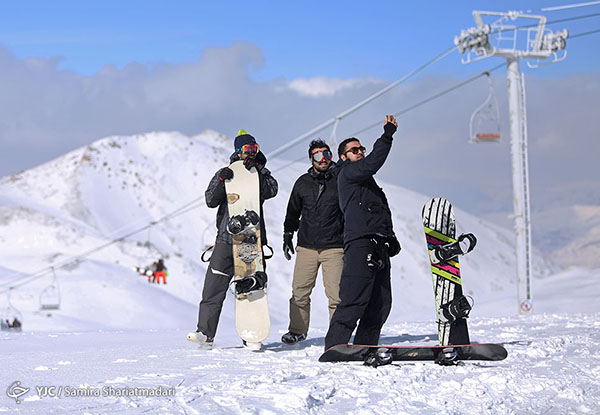
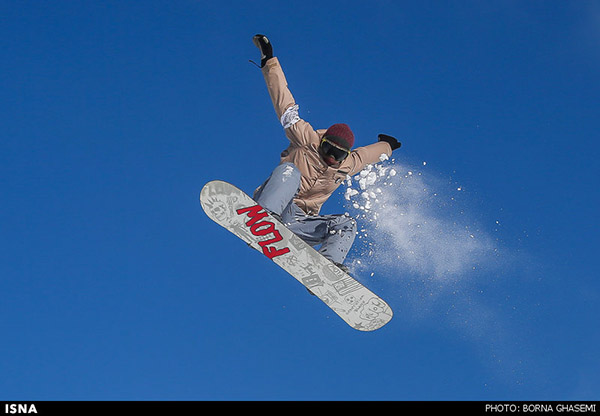
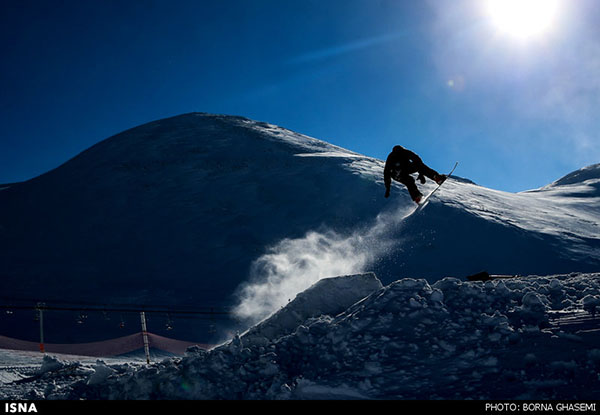
Tochal Ski Resort in northern Tehran opened on Thursday.

The snow-covered slopes of Tochal are used by a large number of skiers in the capital every winter.

The following are snapshots of the piste released by different websites:

Highlights of Ettela’at newspaper on Nov. 21

Ettelaat

 Iran and Russia will hold talks on energy and the future of the Middle East.

The Russian president is due in Tehran. On Monday he will meet with the Supreme Leader and President Rouhani.

 The Iranian economy does have the potential to register eight percent growth.

The governor of the Central Bank, who was in Germany, said that Iran seeks to expand its banking cooperation with the international community in the post-sanctions era.

 The Syrian president has said as long as terrorism exists, the crisis his country is facing remains unresolved.

The Russian foreign minister said in the absence of Assad a solution to the Syrian crisis will remain elusive.

 Grand Ayatollah Nasser Makarem Shirazi has said that hardliners are a problem for the country.

As soon as the question of foreign investment is raised, hardliners introduce restrictive regulations, the source of emulation said.

 A contract on the reconfiguration of Arak nuclear facility has been signed, said the director of the Atomic Energy Organization.

The deal features diplomatic commitments at an international level, Ali Akbar Salehi said.

 Extending the issues that hold true in one period in history to another is fallacy, said the grandson of the late Imam Khomeini.

Seyyed Hassan Khomeini further said that in developing an understanding of the problems of society one should not be swayed by sloganeering.

 A second phase of “Toward Beit ul-Muqaddas Maneuvers” has been held.

 A sincere account of the stellar track record of Ata Ahmadi, a philanthropist who has implemented more than 250 education projects in Kerman Province


Iranian forces have foiled all enemy plots: IRGC commander

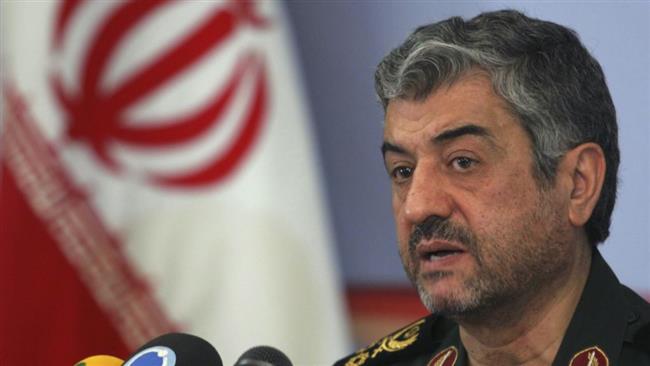
General Mohammad Ali Jafari

A senior commander of Iran’s Islamic Revolution Guard Corps (IRGC) has said the country’s security forces have managed to foil all attempts by enemies aimed at destabilizing the country.

IRGC Commander Major General Mohammad Ali Jafari said Friday that the country’s enemies have sought to create instability in Iran like the recent deadly terrorist attacks in France, but they failed.

“Enemies made great efforts to render our country insecure as well but all such plots have been thwarted thanks to strength and efforts of our security forces,” he said.

[…]

The IRGC commander further said enemies mainly intend to target the Islamic Revolution and the Islamic Republic, but they have come to an understanding that they cannot use a language of force against Iranians.
“They admit that the Islamic Iran is currently a regional superpower,” Jafari added.
The Iranian commander made the comments during major military drills attended by 120 battalions from Iran’s volunteer forces, Basij, on the outskirts of the central city of Qom.

He said that safeguarding the Islamic Revolution is one of the messages of the large-scale maneuvers.

“We should update our power” as the nature of threats against the Islamic Ummah is changing, the commander said, adding that the ongoing maneuver is an exercise to counter possible “extra-regional threats and proxy wars against our country.”

Iran has conducted several drills to enhance the defense capabilities of its armed forces and to test modern military tactics and equipment.

The Islamic Republic has repeatedly said that its military might poses no threat to other countries, reiterating that its defense doctrine is based on deterrence.

Resolution against Iran, Russia to discredit UN: Envoy

139311171154272194683934

Iran has deplored a resolution adopted by the UN General Assembly’s Human Rights Committee against Tehran and Moscow, saying the move will only discredit the international body.

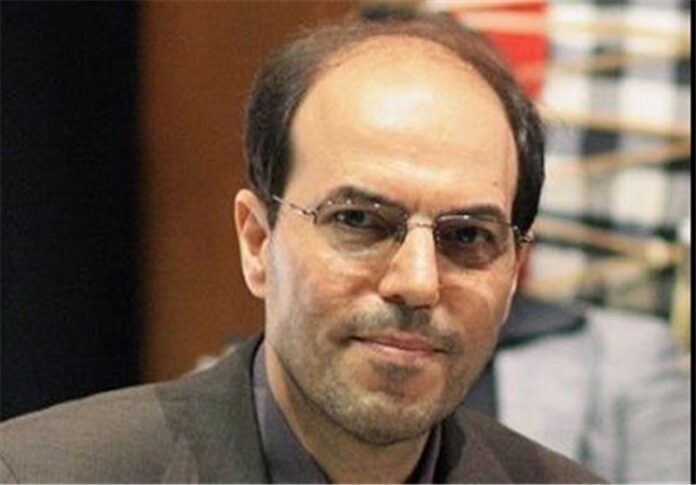
The non-binding resolution is aimed at undermining the campaign against terrorism and extremism and will only discredit the UN and its General Assembly, Iran’s Ambassador and Deputy Permanent Representative to the United Nations Gholamhossein Dehghani said on Friday.

The resolution, authored by Saudi Arabia and co-sponsored by Qatar and other Arab countries, the United States and other Western powers, was adopted by the 193-nation General Assembly’s Third Committee on Thursday. There were 115 votes in favor, 15 against and 51 abstentions.

The resolution condemns and calls for an immediate end to all attacks against what it describes as the Syrian moderate opposition. It claims that such attacks benefit IS and other terrorist groups, including al-Nusra Front.

Dehghani further said Iran is active in Syria upon an official request made by the Syrian government to provide consultations to the war-hit country.

“Therefore, the adoption of such a text is violation of international regulations and a breach of governments’ right to establish peace in their own territory,” the envoy said.

He said such claims are aimed at taking revenge against forces that have so far played the most effective role in the battle against terrorism and extremism, adding that the IS terrorists would have overran more areas in the Middle East in the absence of such forces.

The Iranian diplomat reiterated that the resolution would act as an award for extremists and terrorists as well as all those who use financial and logistical resources to spread extremist and terrorist ideologies.

Dehghani emphasized that the adoption of such resolutions was the outcome of the structurally flawed UN human rights mechanism.


Iran rejects UN human rights resolution as politically-motivated

Jaberi-Ansari

Iran has dismissed as “politically-motivated” a UN resolution critical of the country’s human rights record, saying Tehran attaches no value to any resolution adopted based on ulterior political motives.

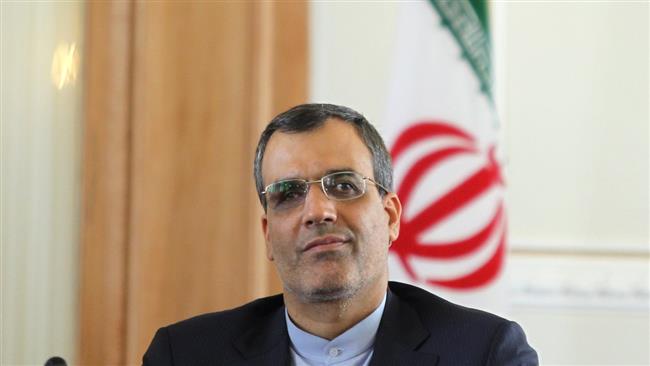
Foreign Ministry Spokesman Hossein Jaberi Ansari made the remarks Friday a day after the Third Committee of the United Nations General Assembly passed a Canada-drafted resolution critical of the human rights situation in Iran.

The resolution, which was approved with 76 votes in favor, 35 against and 68 abstentions, accuses Iran of human rights violations. However, support for the measure has declined compared to a similar resolution last year.

“Iran, based on its principled policy, opposes any instrumental and political use of human rights against independent countries,” he said.

He added that Iran regrets that the UN human rights mechanisms have once again turned into a tool to help advance “selective policies” of certain countries.

“The Islamic Republic of Iran, like many other countries in the world, regards pursuing the approach of dialogue and constructive interaction as the best way to truly promote and support human rights,” Ansari said.

Iran also believes that the best mechanism for studying human rights situation in all countries is through the Universal Periodic Review (UPR) of the UN Human Rights Council which is based on the principles of equality, respect, universality, dialogue and constructive cooperation among all countries without any discrimination, the spokesperson added.

He emphasized that in accordance with Islamic teachings and the country’s Constitution, Iran regards efforts to promote human rights as one of its most important duties vis-à-vis its citizens.

Senior Iranian cleric slams terrorist attacks in Paris

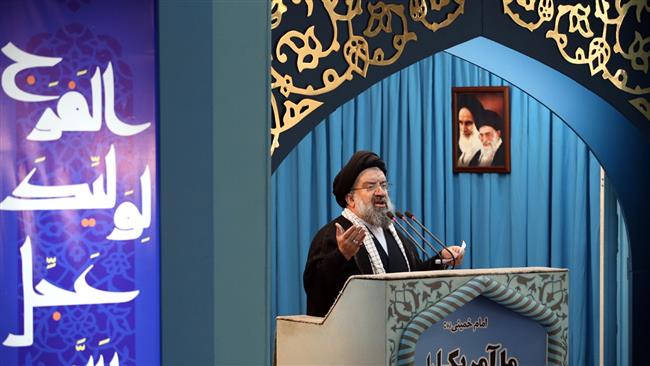
Ahmad-Khatami

A senior Iranian cleric has condemned the recent bloody terrorist attacks in France, urging a genuine international campaign against the menace of terrorism.

“Terrorist incidents are strongly condemned in France and other parts of the world,” said Ayatollah Ahmad Khatami during a sermon to worshipers at the weekly Friday Prayers in Tehran.

At least 130 people were killed and 352 others injured when assailants struck at least six different venues in and around Paris on November 13.

In a statement the day after, the IS Takfiri terrorist group claimed responsibility for the attacks.

Khatami further said that the IS terrorists and other Takfiri groups have been formed as part of the campaign against Islam and said, “It seems that IS has no mission but to undermine Islam because it has not so far breathed a single word against the Zionist regime [of Israel].”

New details about two of the suspects in the attacks on the French capital last week indicate that despite the generalized characterization of the duo as Muslims, they not only did not follow Islam but also grossly strayed from Islamic teachings.

Reports on Thursday showed that the Abdeslam brothers, Brahim and Salah, ran a bar in Brussels and used a lot of drugs and drank alcohol, which are forbidden in Islam.

The Iranian cleric added that the US and Europe are nurturing Takfiri terrorist groups, including IS, and urged Washington and its European allies to stop their support for terrorists and fight terrorism sincerely.

He said Iran is the only country that has been firmly fighting terrorism, adding that all countries in the world need to unite in the battle against savage terrorists.

The deadly incidents in Paris came in the wake of another terrorist attack which killed 44 people and wounded 240 others in a southern suburb of Beirut on November 12 after two large explosions claimed by IS militants rocked a security post in Hussaineya Street in the crowded Borj al-Barajneh neighborhood.

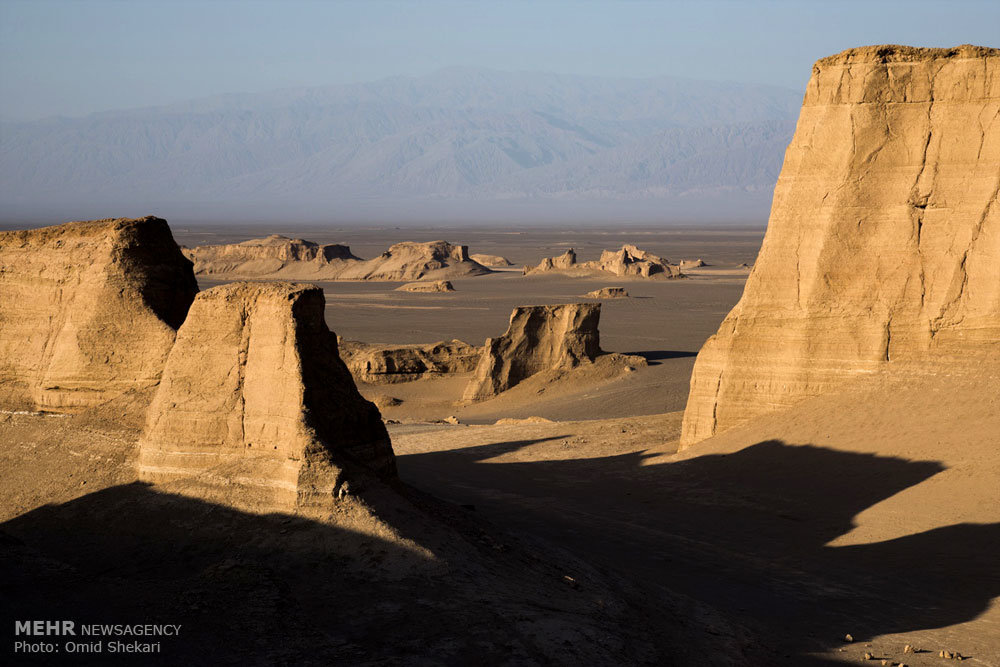
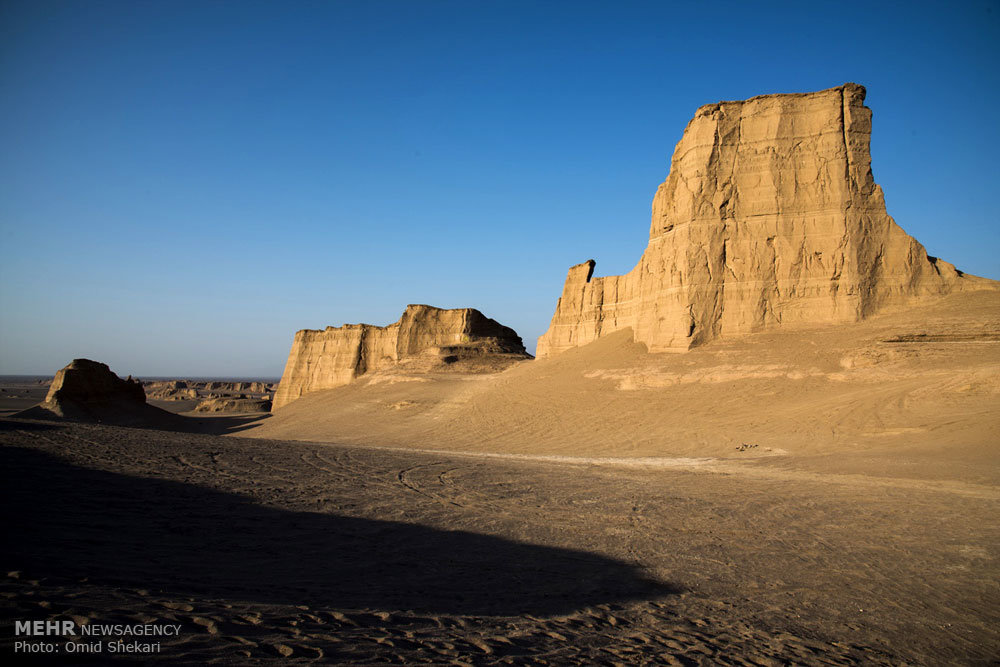
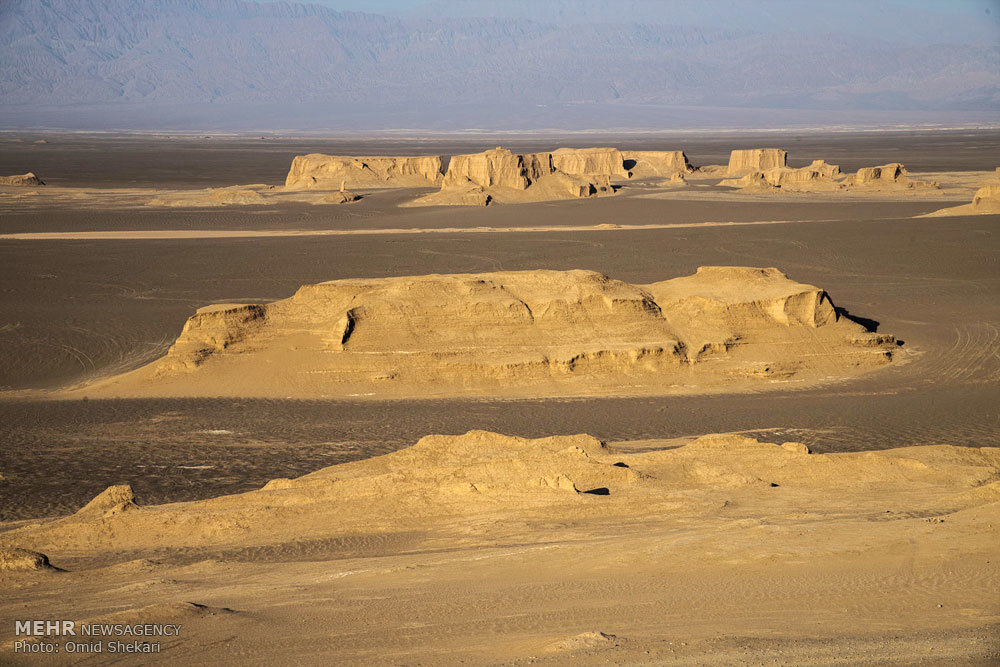
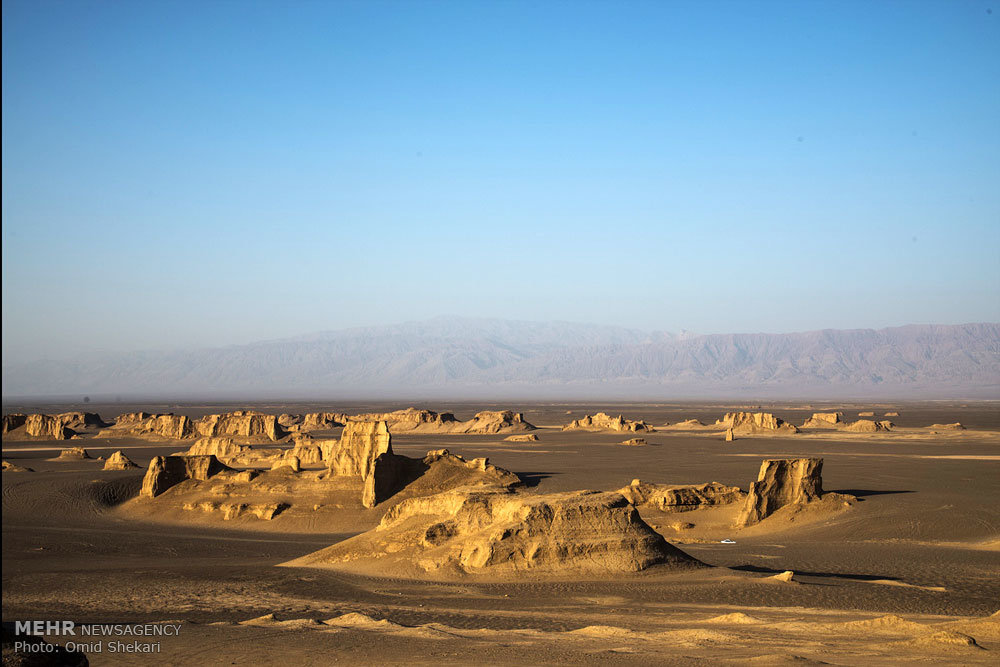
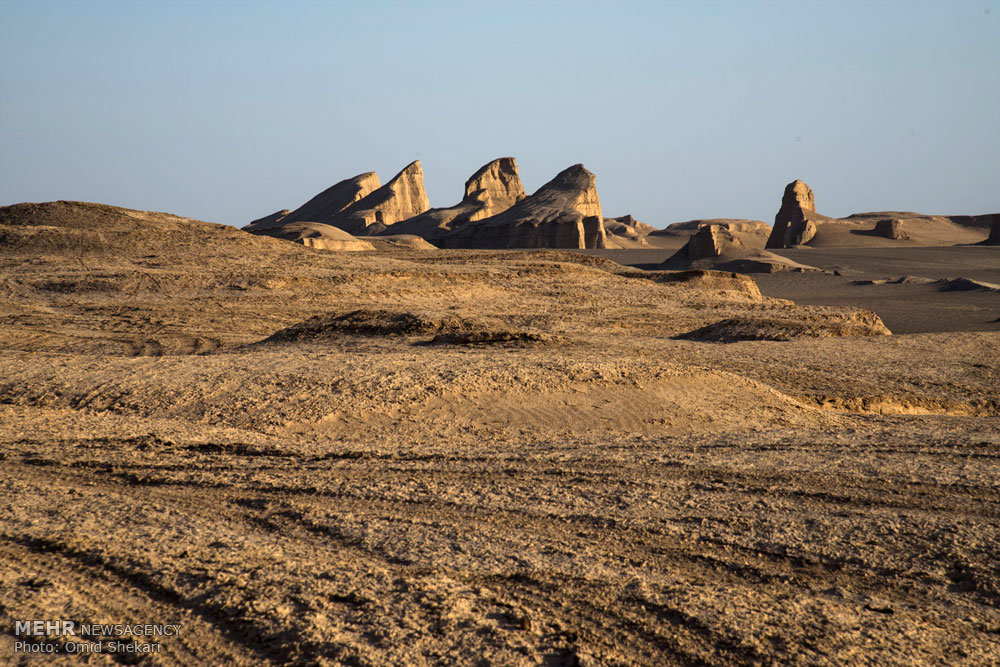
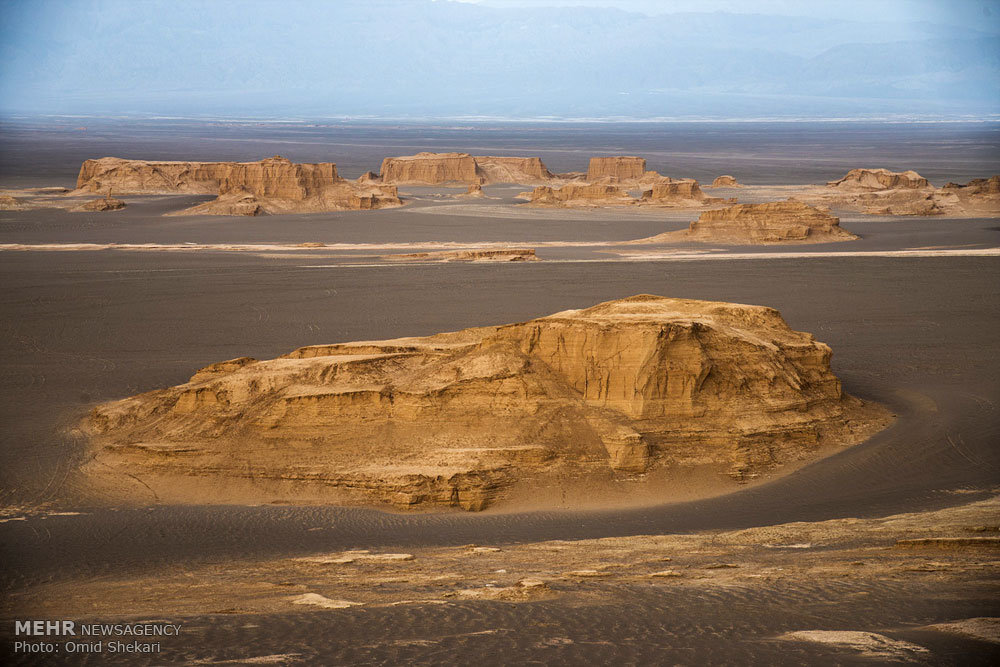
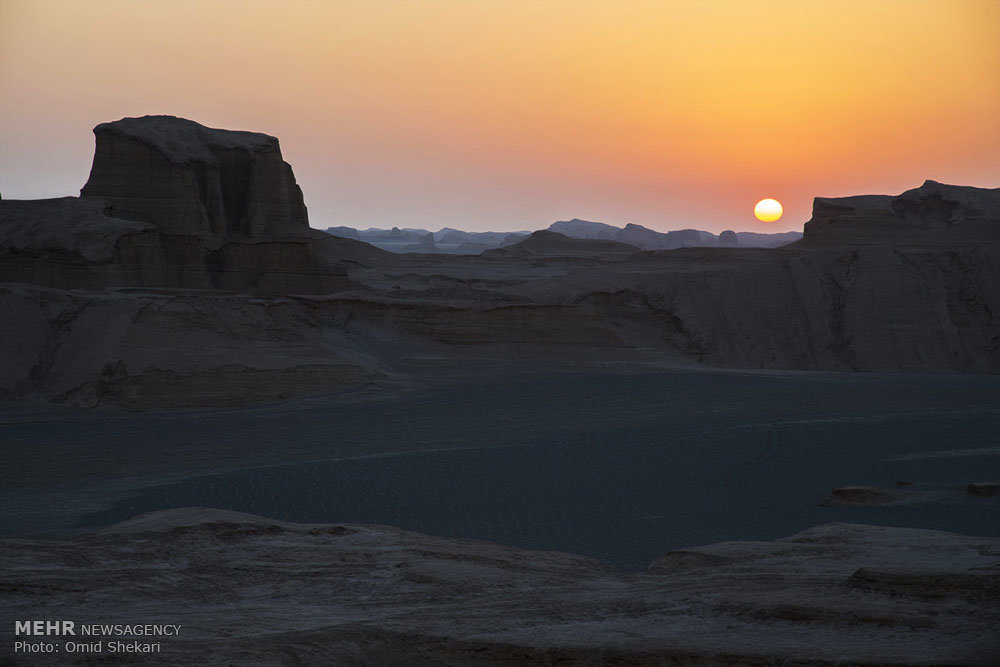
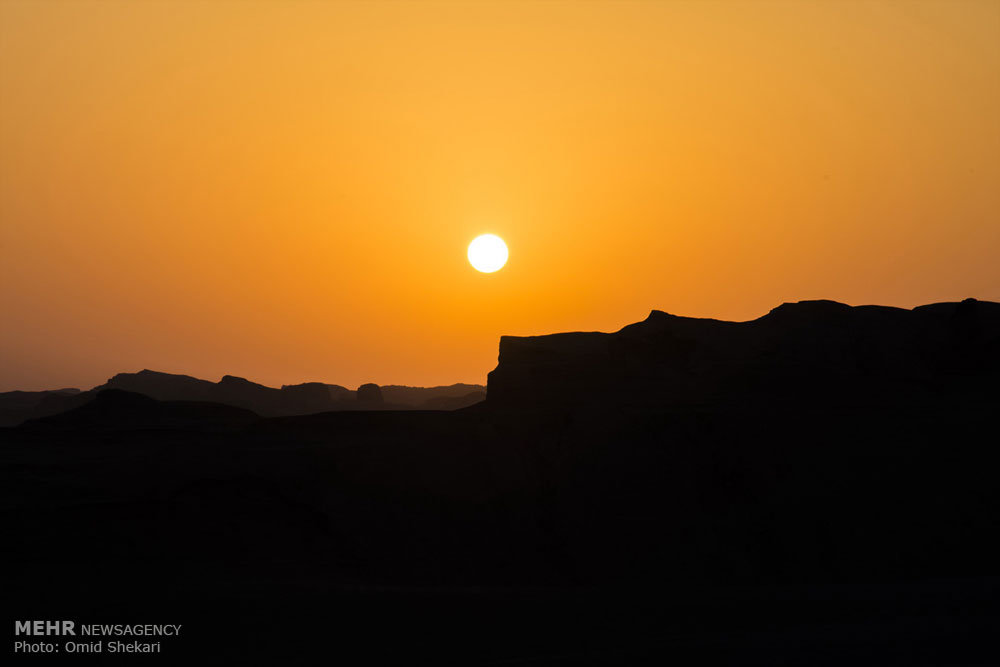
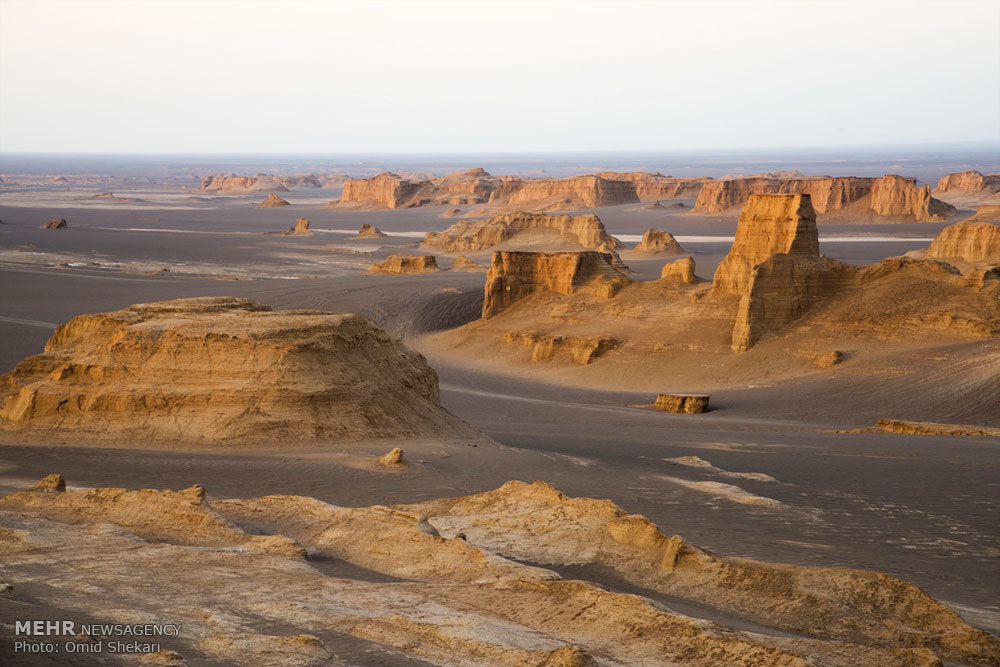
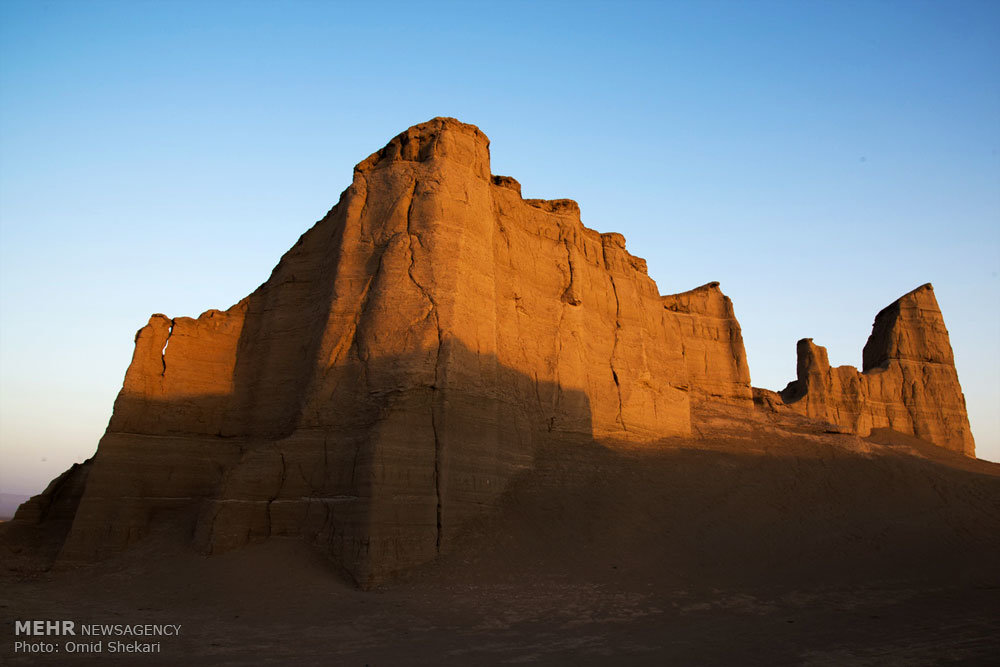
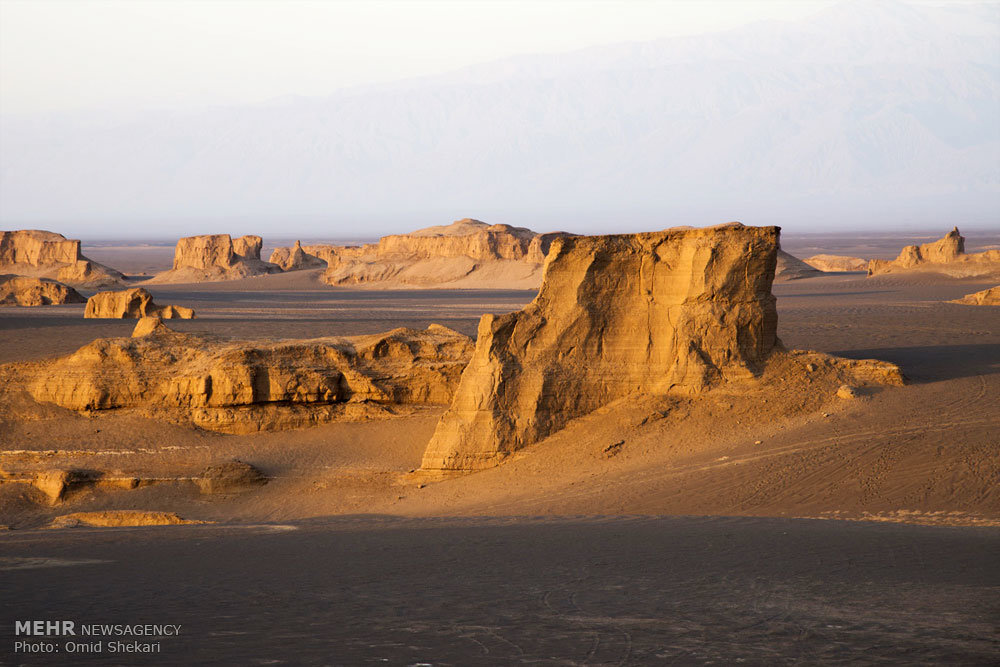
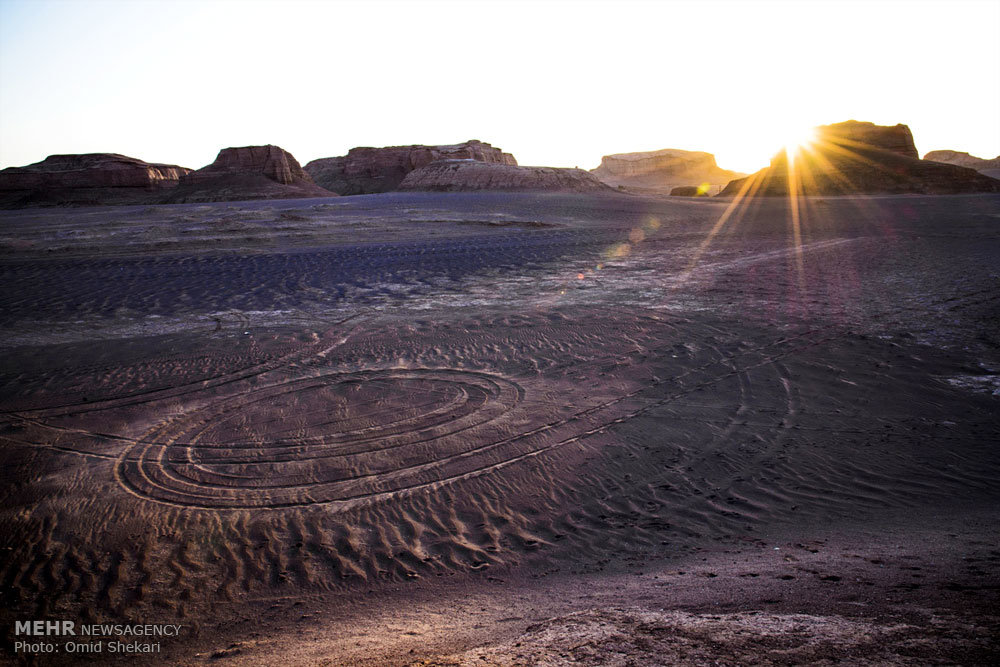
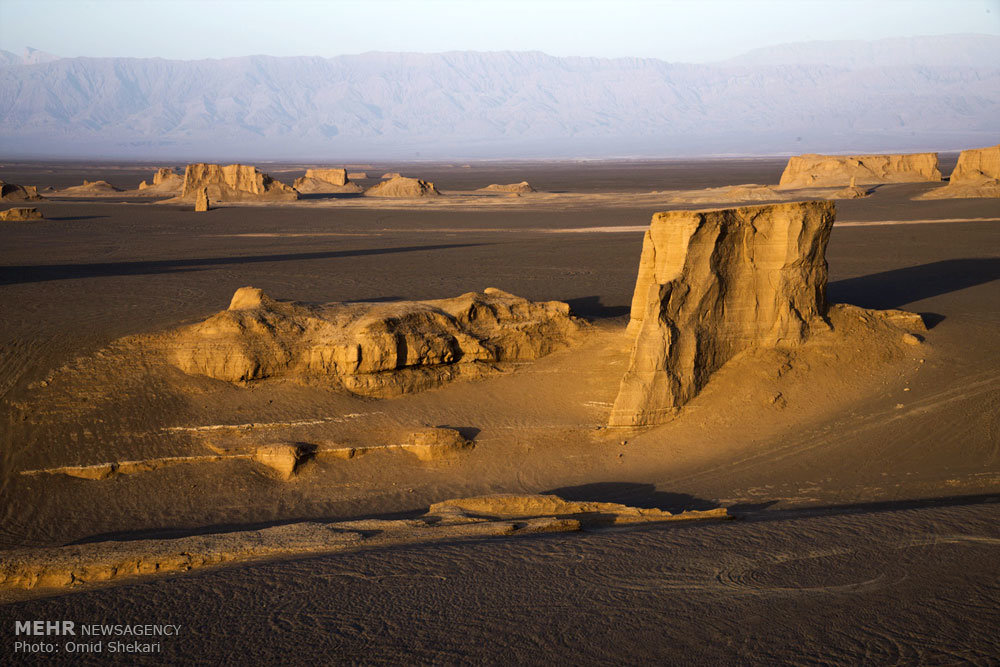
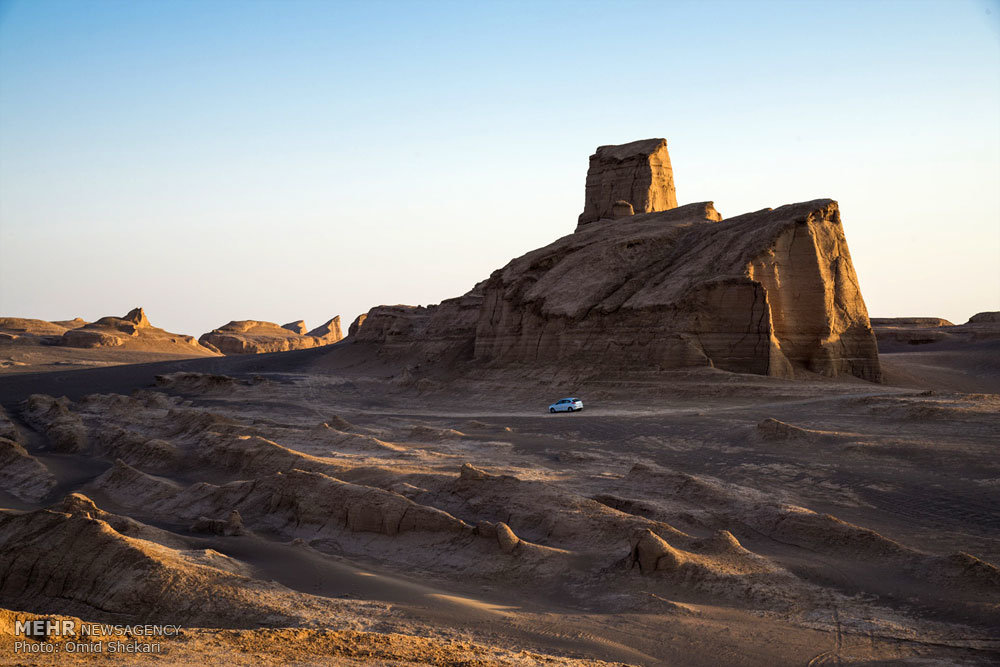
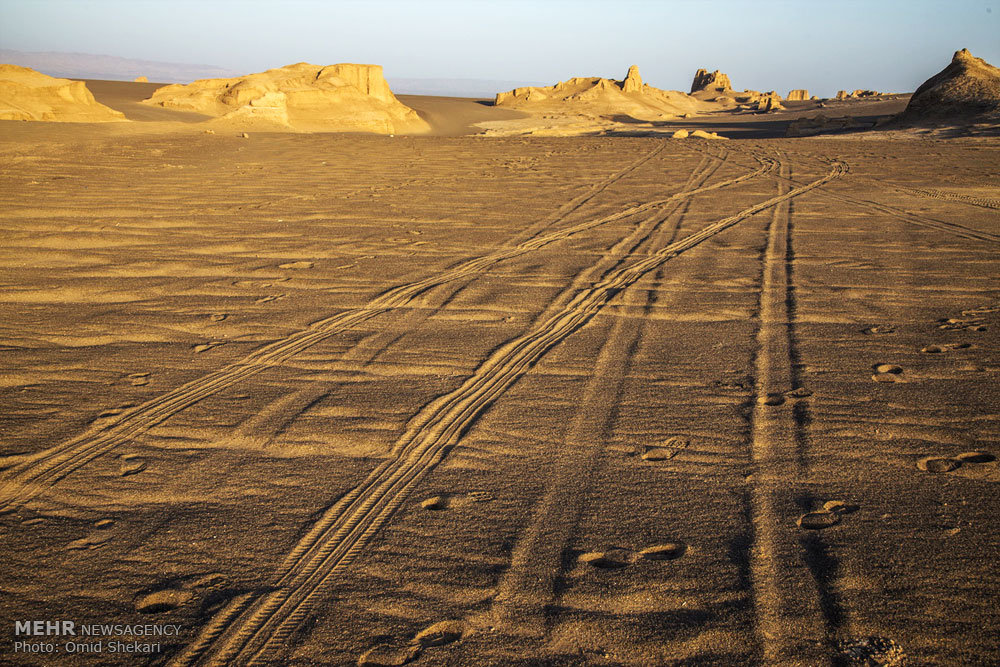
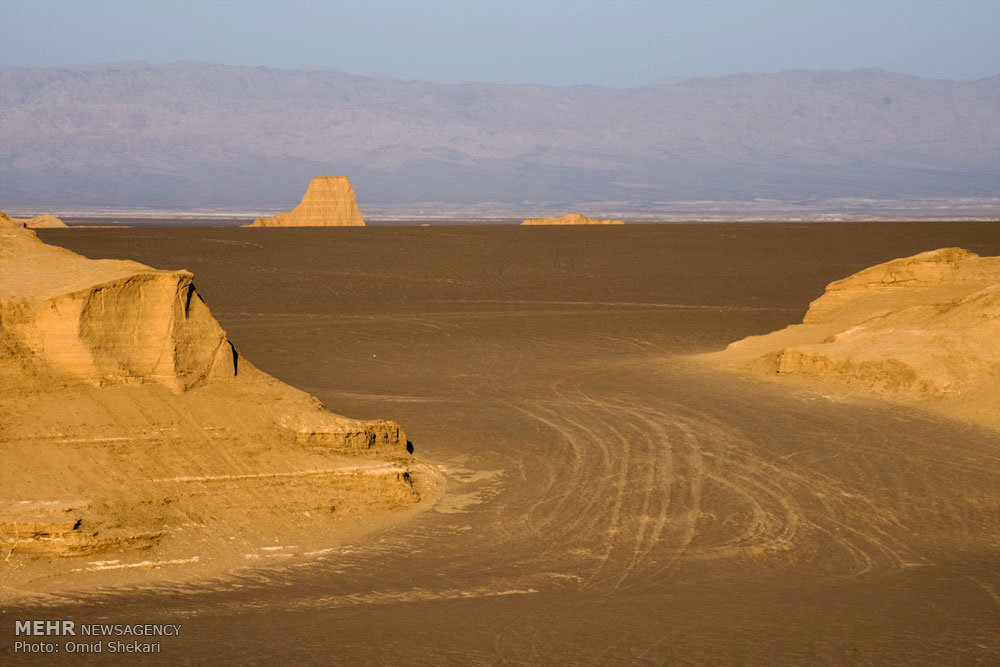
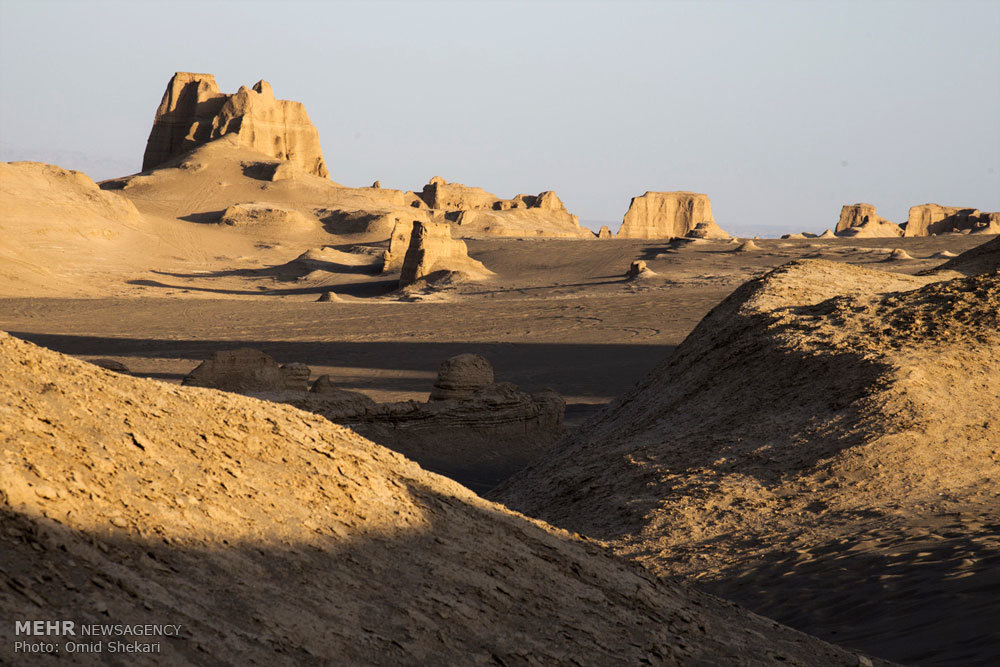
Remarkable desert formations in southeastern Iran

Remarkable desert formations in southeastern Iran (3)

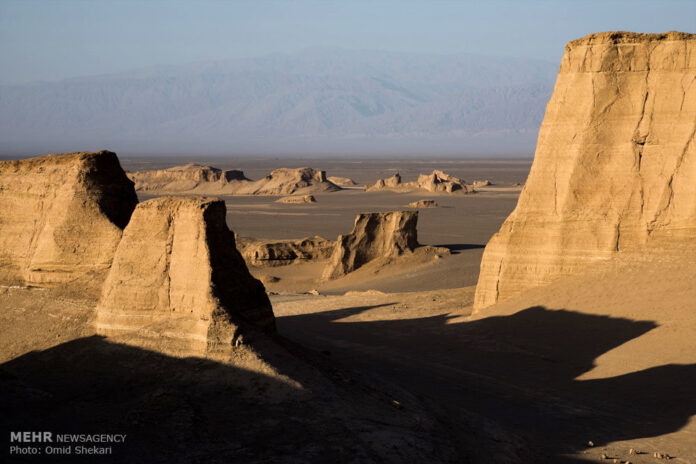
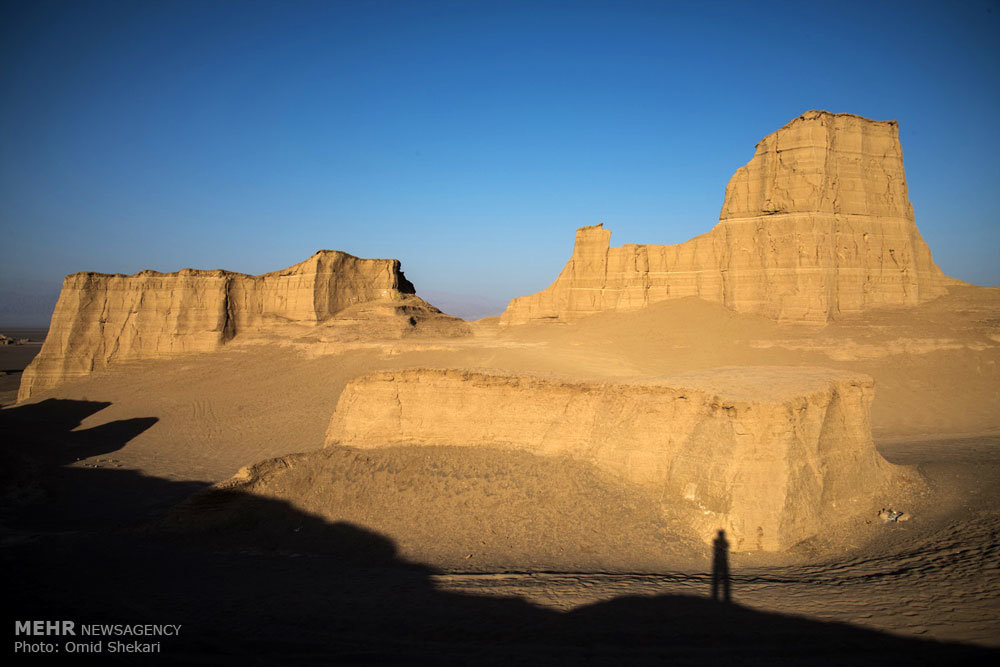
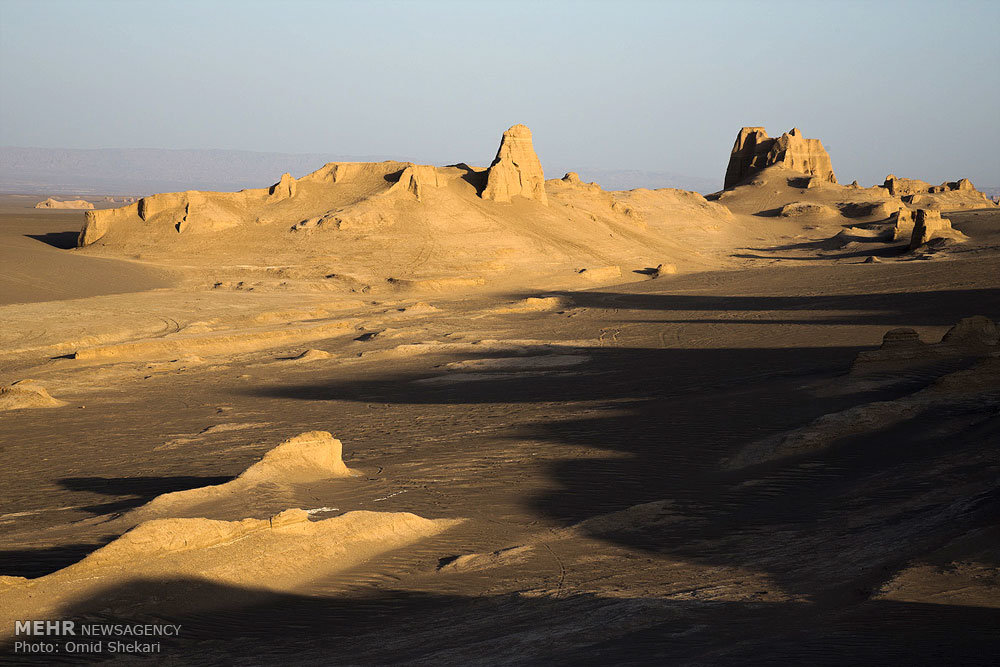
Shahdad Desert, located on the western edge of Lut Desert, is home to unique natural structures which display the scenic beauty of the desert.

It is 24,000 square km in area and is regarded as an archeological site of Kerman Province. Impressive desert formations which are

scattered in an expanse of 11,000 square km across the Desert have come into being about 20,000 years ago as a result of water and wind erosion.

Every corner of the desert is home to archeological sites such as graveyards, castles and caravanserais which date back to the fourth millennium B.C. and the Islamic era.

The following images released online by Mehr News Agency feature the natural, beautiful structures of the desert: