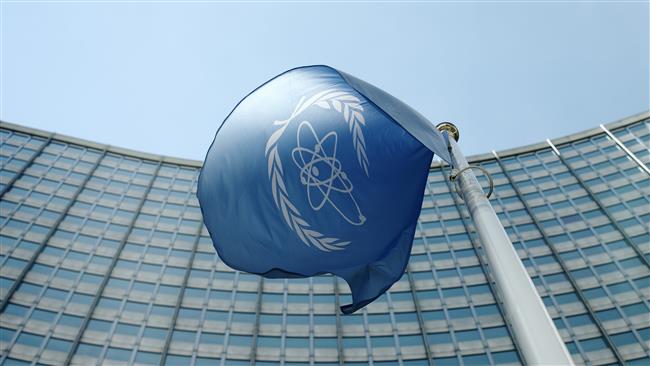
In its first regular report since the implementation of the JCPOA on January 16, the International Atomic Energy Agency (IAEA) said it “has been verifying and monitoring the implementation by Iran of its nuclear-related commitments”, saying it was satisfied.
The report said Iran “has not pursued the construction of the existing Arak heavy water research reactor” and has “not enriched uranium” above levels authorized under JCPOA.
It noted that “all stored centrifuges and associated infrastructure have remained in storage under continuous Agency monitoring” and that there has been no accumulation of enriched uranium through research and development.
Iran and the five permanent members of the UN Security Council – the United States, France, Britain, China and Russia – plus Germany started to implement the JCPOA on January 16.
After the JCPOA went into effect, all nuclear-related sanctions imposed on Iran by the European Union, the Security Council and the US were lifted. Iran, in return, has put some limitations on its nuclear activities.
The nuclear agreement was signed on July 14, 2015 following two and a half years of intensive talks.
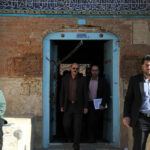
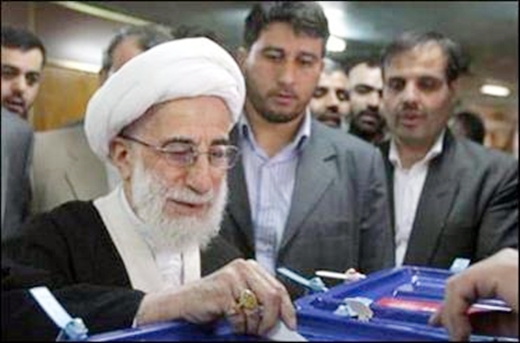
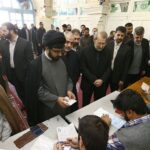
The cleric made the remarks after casting his votes for the fifth round of Assembly of Experts and the 10th parliament election on Friday.
He called the elections as ‘No’ to US, Zionist regime and UK, adding that elections are tridents that target US, UK and Zionist regime.
Ayatollah Jannati urged people to vote in support of those who understand poor’s problems and are against arrogant powers.
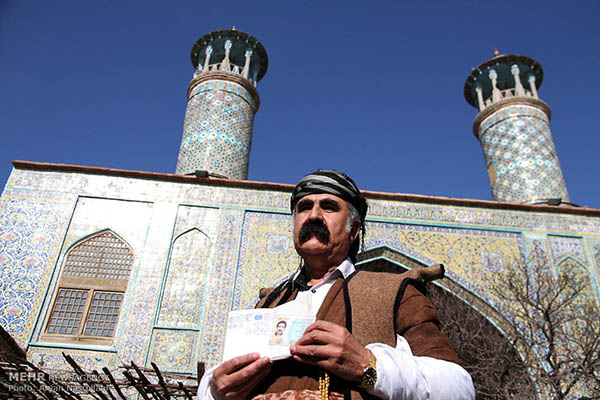
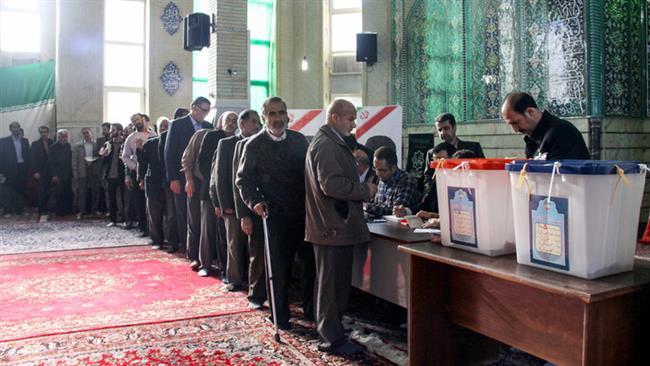
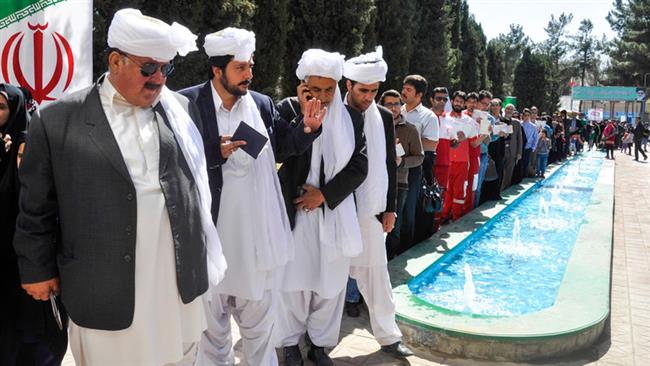
Iranians went to the polls in over 1,063 constituencies for the fifth round of the Assembly of Experts and the 10th parliamentary elections.
Polling started in Iran at 8 am local time (04:30 GMT) in over 52,000 polling stations nationwide.
Some 54,915, 024 Iranians are eligible to participate in the event.
Currently, the Parliament has 290 representatives fourteen of whom represent non-Muslim religious minorities. Women constitute about eight percent of the Parliament members.
A total of 4,844 hopefuls, including about 500 women, who have been qualified from amongst 12,000 registered candidates by the Guardian Council, are taking part in the race today to occupy parliamentary seats. At least 21 people will vie for each seat in the legislature.
The elected candidates will serve from May 3, 2016 for a four-year term.
In the capital Tehran, more than 1,000 candidates are competing for just 30 parliamentary seats.
The Assembly of Experts will also see its 88 members elected today by the people for another eight-year term.
“Fortunately, [the Iranian] people are still present on the scene with fervor and emotion for creating an epic in order to safeguard the very foundation of their Revolution,” Kazem Seddiqi said in an address to worshipers during the weekly Friday Prayers in the Iranian capital, Tehran.
Millions of Iranians across the country are voting in two crucial elections of the 290-seat Parliament (Majlis) and the 88-member Assembly of Experts on Friday in the first polling since a landmark nuclear agreement reached between Iran and the P5+1 group of countries last July.
Seddiqi further said the people’s large-scale presence in the polling stations is a manifestation of the “steadfastness and loyalty” of the Iranian people to the Islamic establishment and the principles of the Islamic Revolution.
Zarif: Iranians united with establishment
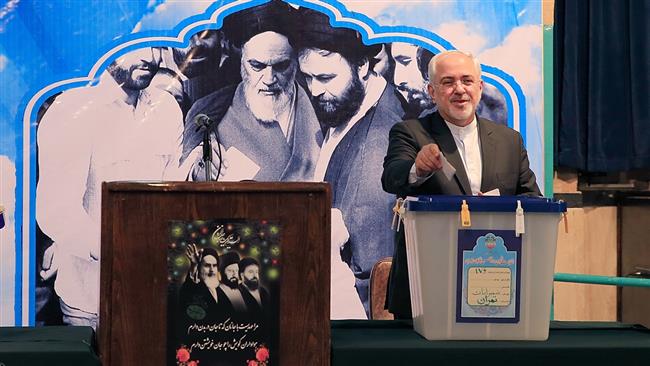
Iranian Foreign Minister Mohammad Javad Zarif said on Friday that the Iranian voters would once again show to the world that they stand by the Islamic Republic and the administration they voted for in 2013.
He added that through voting en masse, the Iranians have shown that they remain “united” with the Islamic establishment notwithstanding “all problems and pressures.”
“Elections are a manifestation of religious democracy,” said Zarif.
‘Deadline extension’
Iranian Interior Minister Abdolreza Rahmani Fazli had earlier said that the voting deadline would be extended if need be. The deadline was later pushed back two hours to 8:00 PM local time (1630 GMT).
The twin elections opened at 8:00 local time (0430 GMT). Some 55 million Iranians are eligible to vote in the two elections.
Larijani: Iranians sensitive to future
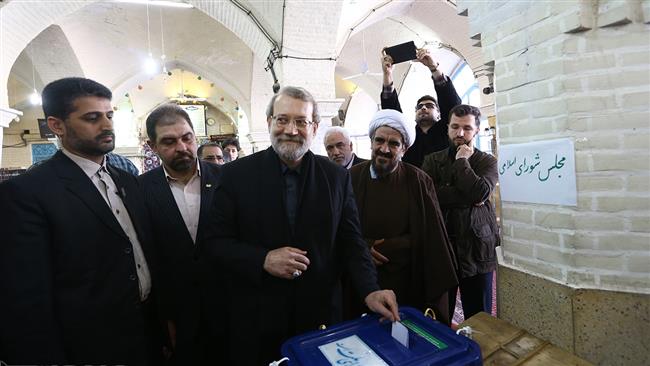
Iran’s parliament speaker Ali Larijani said the people’s vote shows they are “sensitive to their future.”
“A good Majlis will enhance the country’s efficacy and capability in resolving the problems,” he said.
Mobile polling booths dispatched
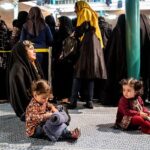
In some districts in Tehran, mobile polling booths were installed in order to deal with the long queues of eligible voters.
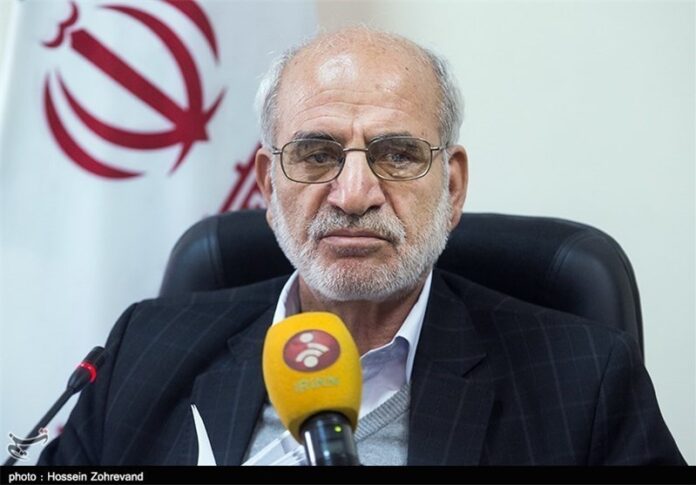
As many as 4,844 candidates, including about 500 women, are competing for a place in the Parliament, head of the Interior Ministry’s election headquarters Mohammad Hossein Moqimi said on Thursday.
The week-long campaigns of the candidates officially ended at 8 a.m. local time (0430 GMT) on Thursday, 24 hours before the beginning of the votes.
In Islamic teachings, it has been recommended to take immediate action in carrying out good deeds, the supreme Leader said.
Election is always of prime importance but at certain junctures, it might be much more important, said Ayatollah Khamenei.
‘I advise people from all walks of life to partake in these elections’, said the Supreme Leader.
Iranians went to the polls in over 1,063 constituencies for the fifth round of the Assembly of Experts and the tenth parliamentary elections .
Polling starts in over 1,063 constituencies nationwide.
A total of 4,844 candidates, including about 500 women, who have been qualified from amongst 12,000 registered candidates by the Guardian Council, are taking part in the competition today to occupy parliamentary seats while the number of those competing for 88 seats at the Assembly of Experts is 159.
Polling started in Iran at 8 am local time (04:30 GMT) in over 52,000 polling stations nationwide.
Some 54,915, 024 Iranians are eligible to participate in the event.
Casting ballots will continue till 18:00 local time and will be extended, if deemed necessary.
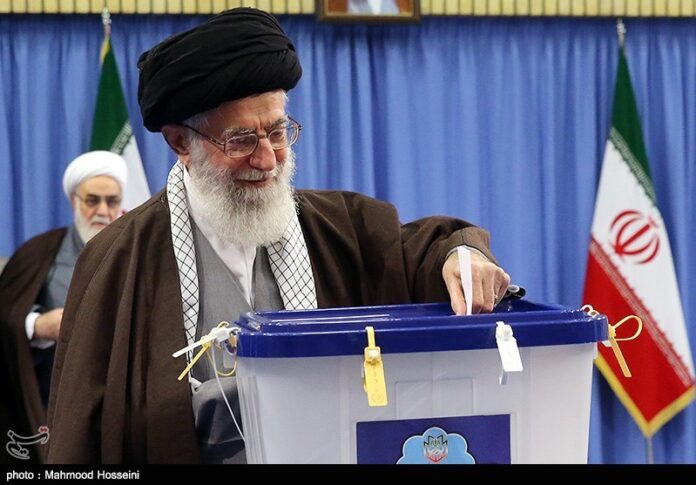
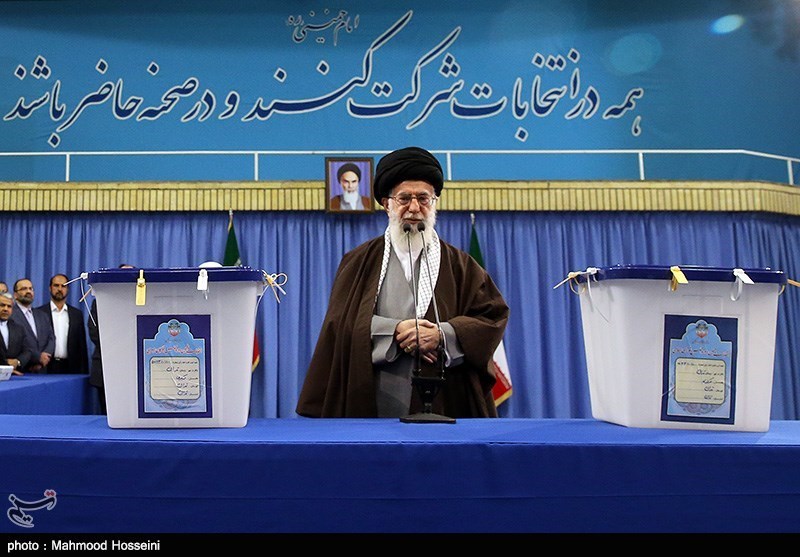
Leader of the Islamic Revolution Ayatollah Seyyed Ali Khamenei said the elections have an added importance as he cast his vote in the opening hours of the voting at a polling station in downtown Tehran on Friday.
“Elections are always important but in certain junctures they have more importance,” Ayatollah Khamenei said.
As the polls opened at 8:00 local time (0430 GMT) long queues formed in the capital Tehran, our correspondents reported. Iranian news agencies also reported high turnout elsewhere in the country of 80 million, where 55 million people are eligible to vote.
Ayatollah Khamenei called on all Iranians to participate in the elections, saying “voting is both a right and a duty.”
“Anybody who loves Iran, anybody who loves the Islamic Republic and national dignity, grandeur and glory is advised to participate in the elections,” the Leader said.
A burning issue on the minds of many Iranians is the economy which found center stage during a week of campaigning by candidates.
Most of the 4,844 candidates, including about 500 women, opted to get down to brass tacks on their campaign trails, including a nagging stagflation. The official unemployment rate stands at 10 percent and inflation hovers around 15 percent.
The elections are the first since Iran clinched a landmark nuclear agreement which has generated both hopes and worries in the country. Iranians have had to temper their expectations amid warnings that the West’s uncompromising ways with the country are far from over.
“Our enemies have their covetous eyes trained on Iran. People are advised to vote with discretion and foresight and disappoint the enemies,” Ayatollah Khamenei said.
The Leader advised voters to participate “in this great task with the intention of generating additional dignity and full independence for the country.”
The impact of the deal has yet to be felt on the streets as international companies are jockeying for position for trade with Iran. Moreover, the US administration is keeping most “primary” sanctions against the Islamic Republic in place.
“We are worried about the numerous (Western) companies that are constantly travelling to Iran since the nuclear agreement,” Golamali Hadad Adel said on Wednesday.
“This country should not turn into a market for the consumer goods of alien forces,” he added.
A former parliament speaker, Hadad Adel leads the main principlist faction in the elections against reformists vying for seats under the leadership of Mohammed Reza Aref, a former vice president.
Any new legislation must pass through the Parliament; hence, the elections matter to the president to press ahead with his plans.
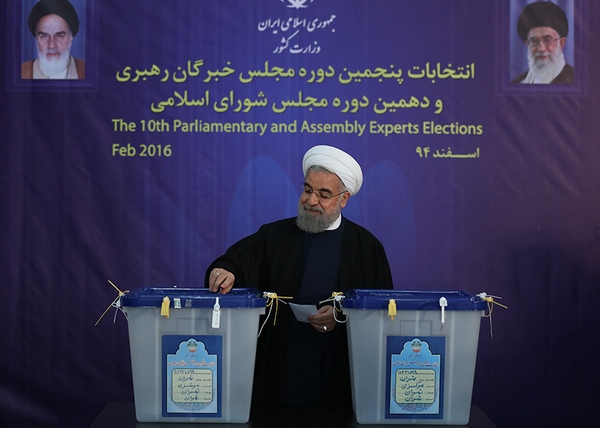
“I have no doubt that the Iranian nation will create another epic at this important juncture,” President Hassan Rouhani said as he cast his ballots in Tehran.
The president called elections as “a symbol of Iran’s independence and national sovereignty,” saying the government will spare no efforts to protect people’s vote and ensure healthy and legitimate elections.
Iranian President Hassan Rouhani casts his ballots in parliamentary and Assembly of Experts in Tehran on February 26, 2016.
In the capital Tehran, some 1,000 candidates compete for 30 parliamentary seats. Five seats also go to the religious minorities recognized in the Iranian Constitution, namely Jews, Christians and Zoroastrians.
Members of Parliament serve four-year terms.
Among the main tasks of the legislative body are introducing legislation, dismissing the president and cabinet ministers through no-confidence votes, approving annual national budget and ratifying international treaties.
In the simultaneous vote on Friday, Iranians will also select 88 senior religious figures of the Assembly of Experts, which is tasked with appointing the Leader and monitoring his performance.
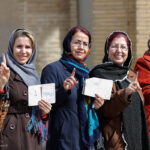
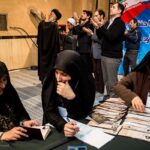
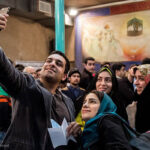
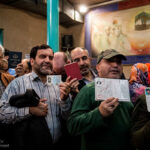
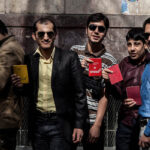
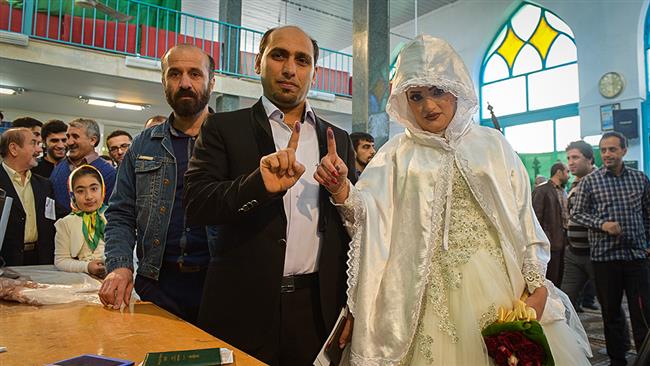
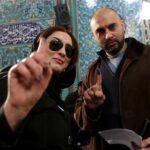
Iranians display their ink-stained finger after casting their ballot for both parliamentary elections and the Assembly of Experts at a polling station in Tehran on February 26, 2016. (AFP)
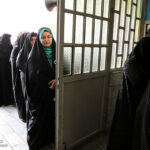
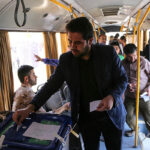
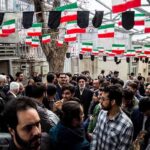
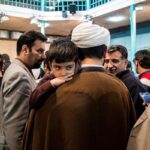
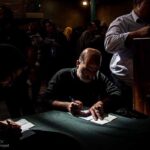
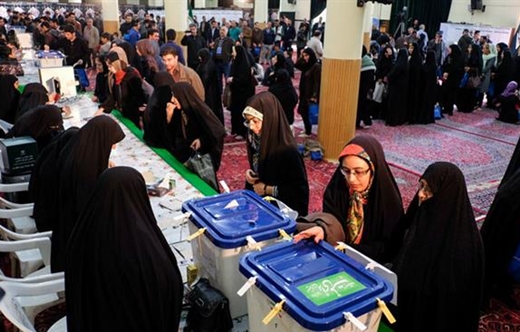
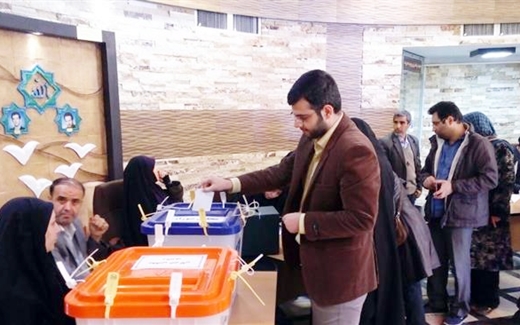
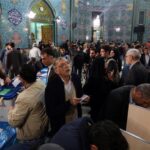
Iranians cast their votes in two elections at a polling station in Tehran on February 26, 2016. (AFP)
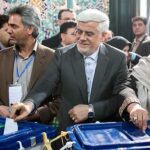
Mohammed Reza Aref, leading reformist parliamentary candidate, (C) and his wife (R) cast their ballots in Tehran on February 26, 2016. (Tasnim)
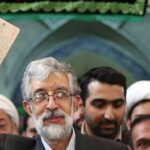
Iranian lawmaker and leading principlist candidate Gholamali Hadad Adel is seen at a polling station in Tehran on February 26, 2016. (Tasnim)
Iranian Majlis Speaker Ali Larijani votes in parliamentary and Assembly of Experts on February 26, 2016. (Tasnim)
A week of heated election campaigns came to a close on Wednesday night. Interior Minister Abdolreza Rahmani said opinion polls and estimates showed the turnout would be at around 70 percent.
Rahmani Fazli added that the vote counting will begin as soon as the polls are closed.
“All necessary measures have been taken in various parts of the country in preparation for vibrant elections, and no security issues have been reported,” he said.
He pointed to special features of the ballots being used in this year’s elections, saying they have been designed in a way to lower the chances of fraud.
There are 52,000 polling stations with 120,000 ballot boxes across the country, according to the Iranian minister.
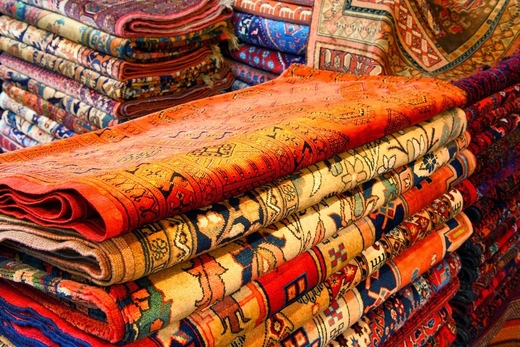
Talking to IRNA, Kargar reiterated that China keeps increasing the volume of its import of Iranian hand-woven carpets everyday.
‘The volume of exported Iranian hand-made carpets to China has increased from $8,000 to $8,000,000 within five years,’ he said.
‘During the sanctions era, Iran’s hand-woven carpets had inconspicuous presence in the traditional European markets,’ the official added.
‘Iranian carpet merchants sought new markets in countries like Brazil, South Africa, Russia and China that are considered as new carpet export destinations for Islamic Republic,’ he said.
‘Iran’s rival, China, which used to produce carpets for itself, has now become a client of Iranian carpets today and is one of the top buyers of Iranian handmade carpets,’ Kargar noted.
Recently, deputy minister of industry, mines and trade said the export of machine-made carpets will hit $400 million in the year to March 20, 2016.
Mojtaba Khosrotaj put the value of machine-made carpet exports in the past nine months to December 2015 at $300 million.
The figure for the nine months last year stood at $330 million, he said.
All the necessary preparations have been made all over the country, including urban, mountainous and border regions, so that all those eligible for voting can cast their ballots in the Friday polls, he said in a press conference here in Tehran.
The parliamentary and Assembly of Experts elections will be held simultaneously tomorrow.
Moqimi said some 54.9 million Iranians are eligible to cast their votes in the two elections.
He said as many as 4,844 candidates, including about 500 women, are competing for a place in the parliament.
According to Moqimi, voting will start at 8 o’clock in the morning and continue for at least 10 hours.
If necessary, the official noted, the voting hours can be extended with the approval of the interior minister.
Meanwhile, the parliamentary and Assembly of Experts candidates’ week-long campaigns officially ended at 8 on Thursday, 24 hours before the beginning of the votes.
Iranian officials have in recent weeks reiterated the importance of the elections and called for massive turnout in the polls.
In an address to a group of Iranian people on Wednesday, Leader of the Islamic Revolution Ayatollah Seyed Ali Khamenei underlined the significance of going to the polls, saying that it would display people’s power despite different kinds of pressures, cruel sanctions, and mischievous propaganda against Iran.
The Leader also assured that the Iranian nation will be the ultimate victor despite all the efforts made by the enemy.
The results of upcoming elections, whatever they are, would be to the benefit of Iran, Ayatollah Khamenei said, stressing that whether the Iranian people make good or bad choices, the outcome would go back to themselves, so they had better make a good choice.
There are currently 290 seats in the Iranian parliament, known as Majlis, elected by direct vote of people in nationwide election for four years.
The Assembly of Experts is also a high-ranking body that elects and oversees the activities of the leader of the Islamic Revolution.
Members of the assembly are directly elected to office by people for an eight-year term. It holds biannual meetings to appoint a new chairman.
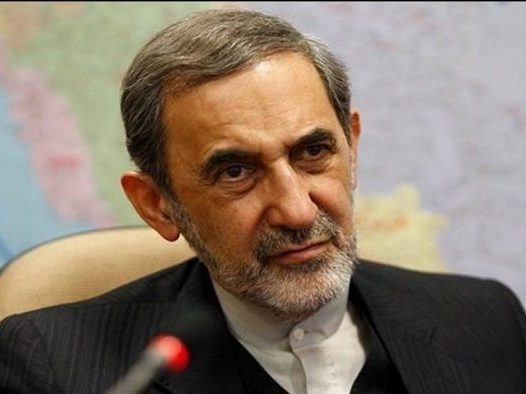
Velayati said that in the past 37 years since the victory of the Islamic Revolution, the enemies have made every attempt to infiltrate the country but they have failed to do so or change the path of the revolution.
Referring to the upcoming parliamentary elections, he added that the foes have been unsuccessful in their media campaigns aimed at influencing Iran’s elections.
His comments came ahead of the parliamentary and Assembly of Experts votes due to be held simultaneously on Friday.
Leader of the Islamic Revolution Ayatollah Seyed Ali Khamenei has also underlined the enemies’ failure to influence votes in the country.
During the past 37 years, the enemy has plotted against Iran’s elections, trying, in vain, to discourage people from going to the polls, the Leader said Wednesday in an address to a group of Iranian people here in Tehran.
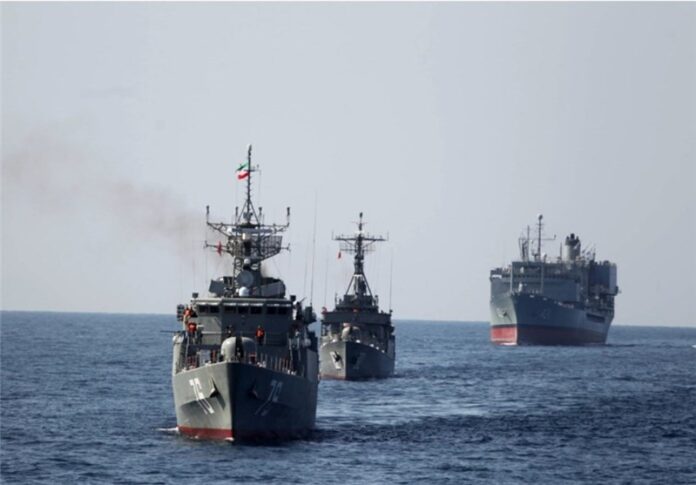
“The flotilla will probably dock at Tanzania’s Dar es Salaam port tomorrow or the day after tomorrow,” Sayyari told reporters on the sidelines of a meeting with an Indian Navy delegation.
He further highlighted the significance of security in the Indian Ocean, saying that its importance is no secret to anyone.
Iran’s trade is mostly carried out in this strategic region, and the northern Indian Ocean is of importance to Iran, India, and the world, the Iranian commander noted.
“We will not allow any insecurity in this part of the world,” he stressed.
He also touched upon his meeting with the Indian delegation, saying that the two sides talked about the establishment of security in the Indian Ocean.
An Indian flotilla will visit Iran’s port city of Bandar Abbas in April-May, he noted, adding that the Iranian and Indian navies are scheduled to hold joint tactical drills and relief and rescue exercises.
The two sides also agreed to have cooperation in the fields of education and construction as well as technical interactions, he added.
It was the second meeting in six months between Iran’s Navy commander and an Indian military team.
In August 2015, and after a meeting with a top-ranking military delegation from India’s University of Strategic Sciences, Sayyari said Iran and India, as two influential countries in the region, can develop broad maritime relations with each other.
Sayyari also expressed the hope that Tehran and New Delhi would promote their relations to end trans-regional countries’ presence for safeguarding security in the northern part of the Indian Ocean.