Wednesday, December 24, 2025
Home Blog Page 4556

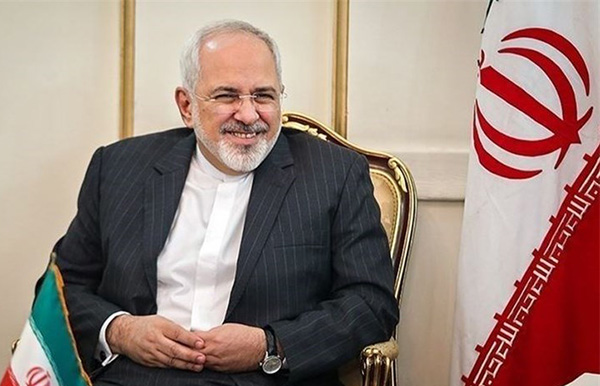
FM Congratulates Iranian Expats on Nowruz

In a message on Friday, Foreign Minister Zarif congratulated the nationals living abroad on Nowruz, which marks the beginning of spring and the New Iranian Year.

He also hailed the expatriates for bringing glory to the country and their role in the cultural links between Iran and the world.

The top diplomat said Iran is on the verge of progress and prosperity with the achievement of the Joint Comprehensive Plan of Action (JCPOA), a lasting nuclear deal between Iran and the Group 5+1 (Russia, China, the US, Britain, France and Germany), and the successful holding of the parliamentary and Assembly of Experts elections with a high turnout, in the current Iranian year, which is ending on Saturday.

Iran and the Group 5+1 (also known as the E3+3) on July 14, 2015, signed the JCPOA, a 159-page nuclear agreement that terminated all sanctions imposed on Tehran over its nuclear energy program.

Iranian officials have called on the expatriates to help the country develop more rapidly in the post-sanctions era.
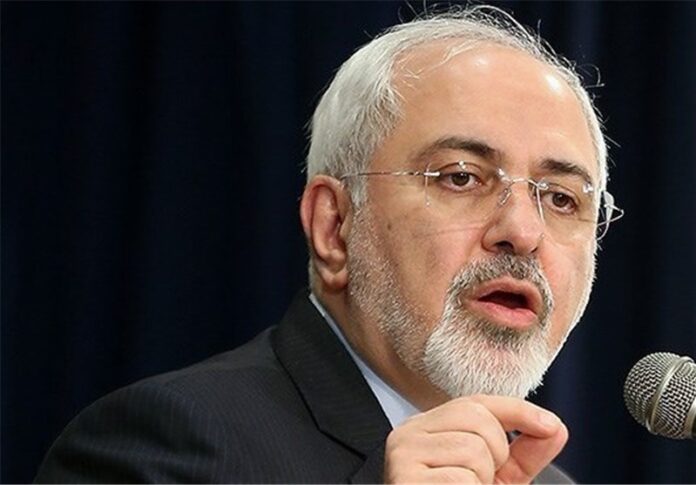
Zarif: Iran, Turkey should cooperate to tackle terrorism

Talking to IRNA, Zarif reiterated that Iran and Turkey enjoy good neighborly relations.

‘The two countries leaders are keen on fostering economic relations during post-sanctions era,’ he added.

‘Iran and Turkey are facing common regional threats,’ Zarif said, reiterating that: ‘We also disagree on some issues but we should settle them through dialogue.’

Zarif, heading a delegation, arrived in Istanbul on Saturday morning.

While in Turkey, Zarif is to hold separate meetings with Turkish President Recep Tayyeb Erdogan, Prime Minister Ahmet Davutoglu and his counterpart Mevlut Cavusoglu.

He will also attend a working luncheon given to his honor by Cavusoglu.

Turkish prime minister recently paid a visit to Tehran at the head of a top-ranking delegation including five cabinet ministers and 160 businessmen.

First Iran cargo ship docks at Hamburg

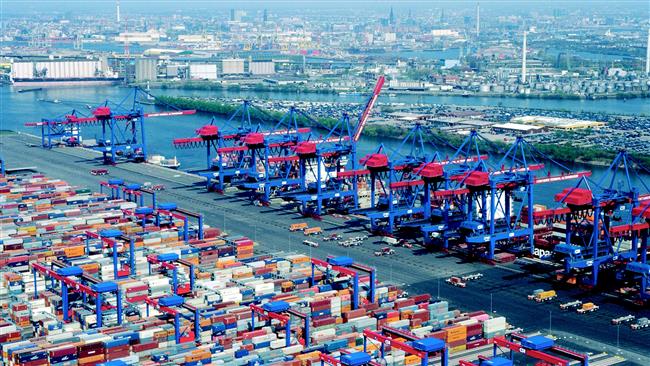
A cargo ship belonging to Iran's IRISL docked at Hamburg this week becoming the first Iranian ship to reach Europe after a hiatus of over six years.

The Azargoun, which belongs to the Islamic Republic of Iran Shipping Lines (IRISL) and can carry 2,500 standard shipping containers, arrived in Hamburg earlier this week, reported Bloomberg.

This has clearly marked the reopening of the European Container Line between Iran and Europe, which was suspended in 2010 due to sanctions imposed by the US and Europe.

Earlier, IRISL Managing Director Mohammad Saeidi had told Iran’s media that the docking of Azargoun in Hamburg meant that a regular shipping service between Iran and Europe had officially resumed after a hiatus of over six years.

Saeidi emphasized that the container ship will soon leave Hamburg after loading an Iran-bound cargo from Europe.

He added that Azargoun will visit the Antwerp port of Belgium on Monday morning before leaving for Iran.

Elsewhere in remarks, the IRISL chief said that Iran has been able to establish two new shipping companies in Europe, adding that the companies have already started cooperation schemes with their European partners.

Saeid emphasized that the same cooperation schemes are expected to facilitate the shipping services between Iran and Europe.

He also said that Iran plans to establish several new shipping lines within the next six months. They, he added, include two separate lines to North America and South America and another to East Asia.

These, Saeidi said, will provide Iran with an extended shipping reach that had been restricted as a result of the US-led sanctions that were eventually lifted in January.

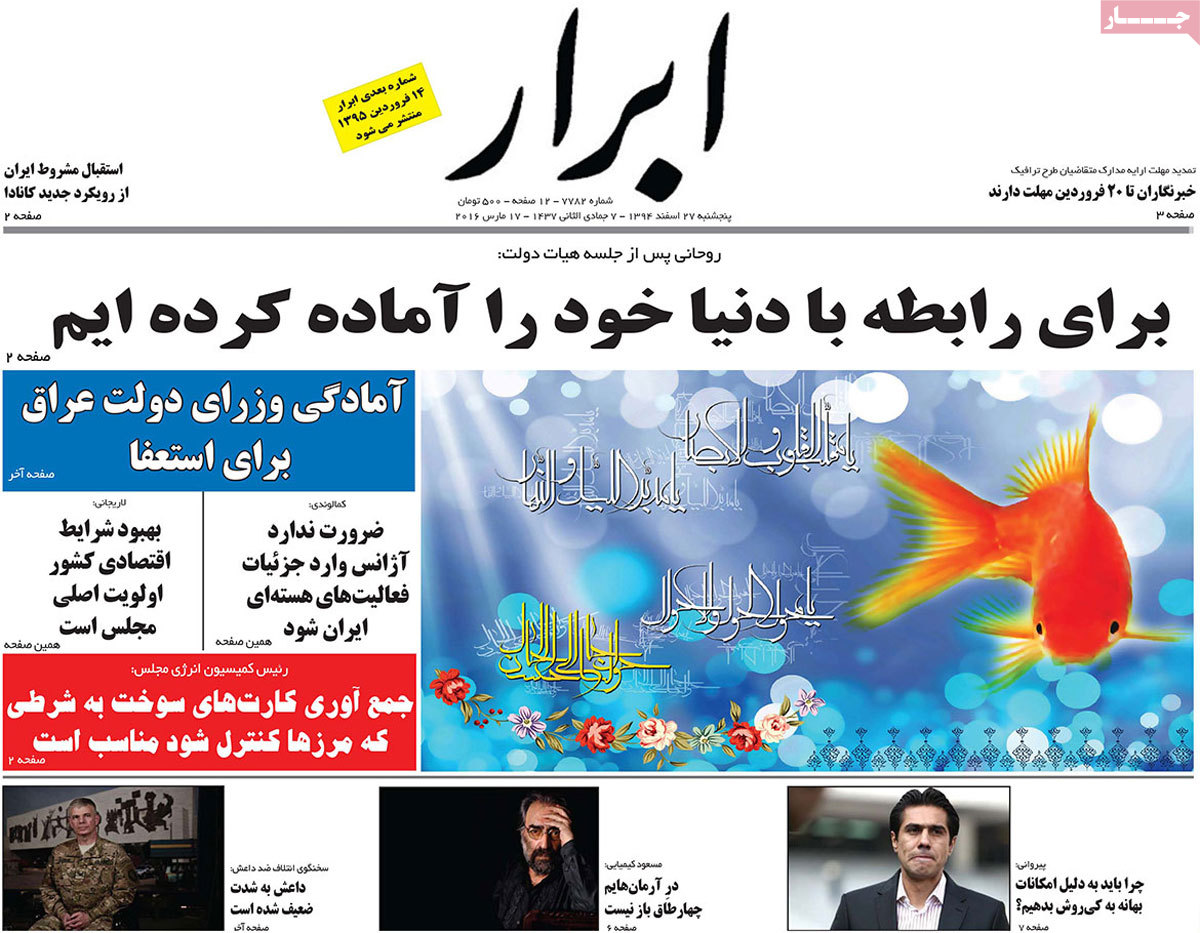
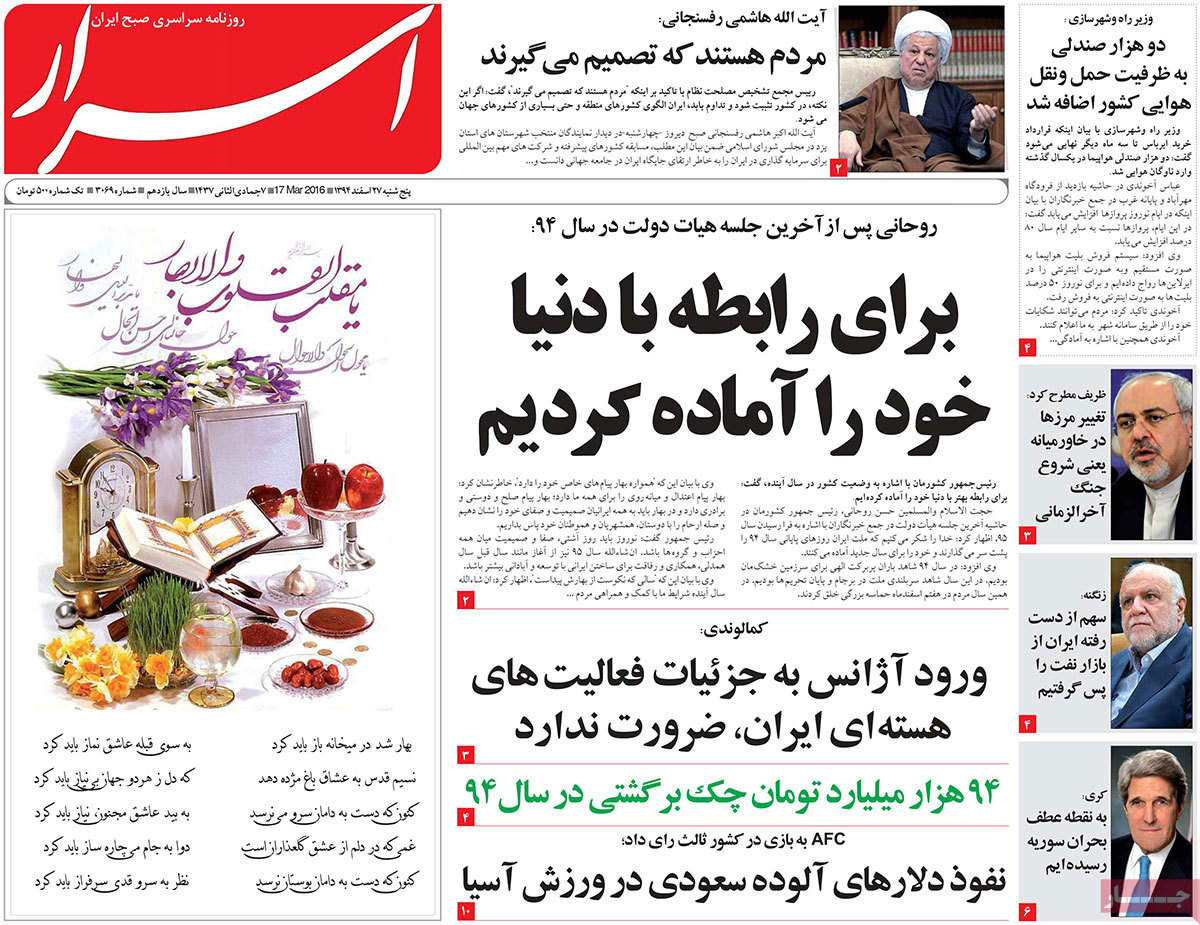
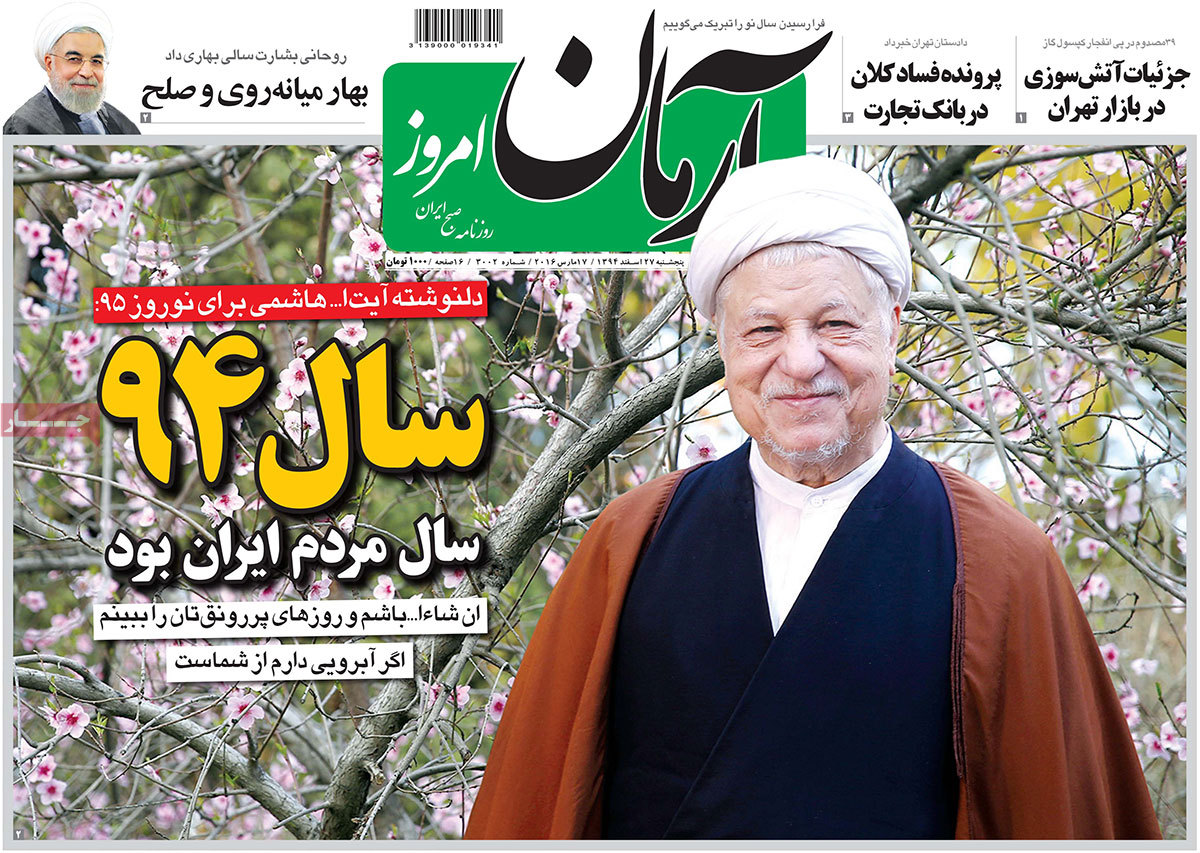
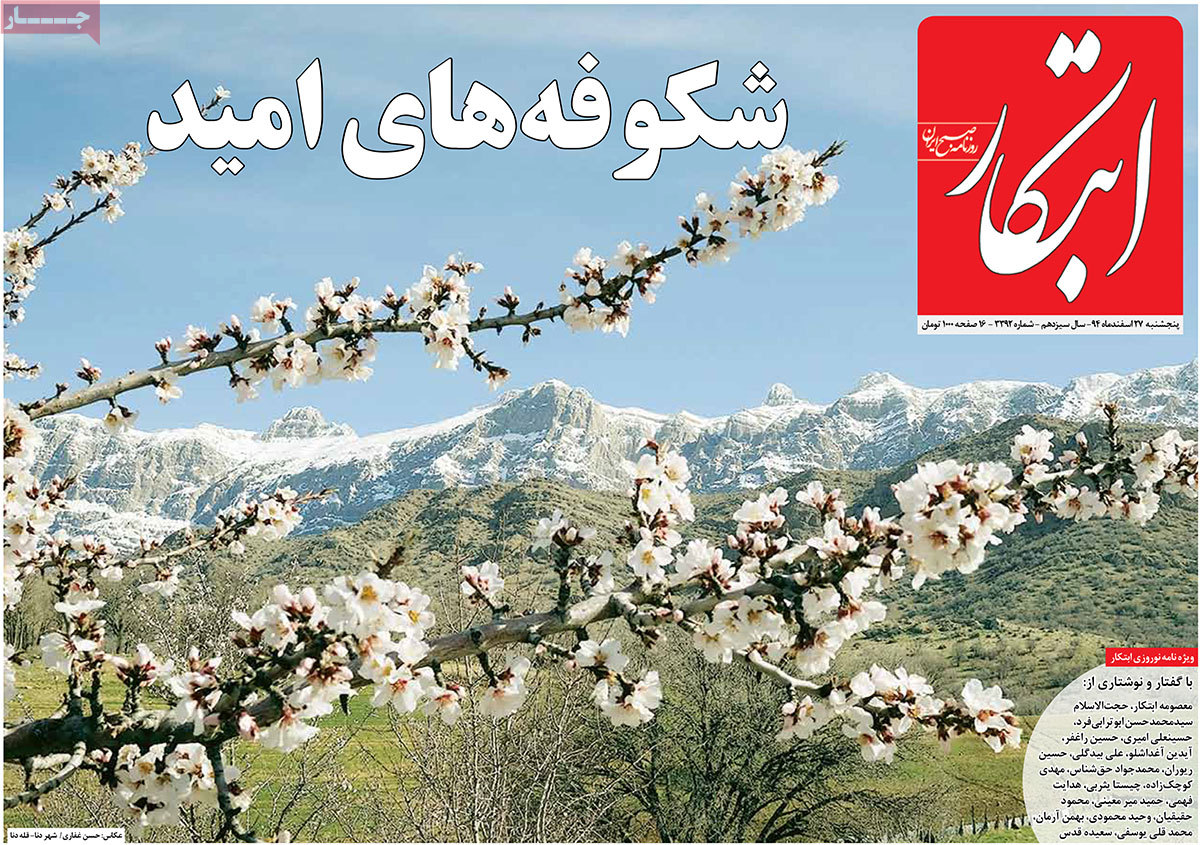
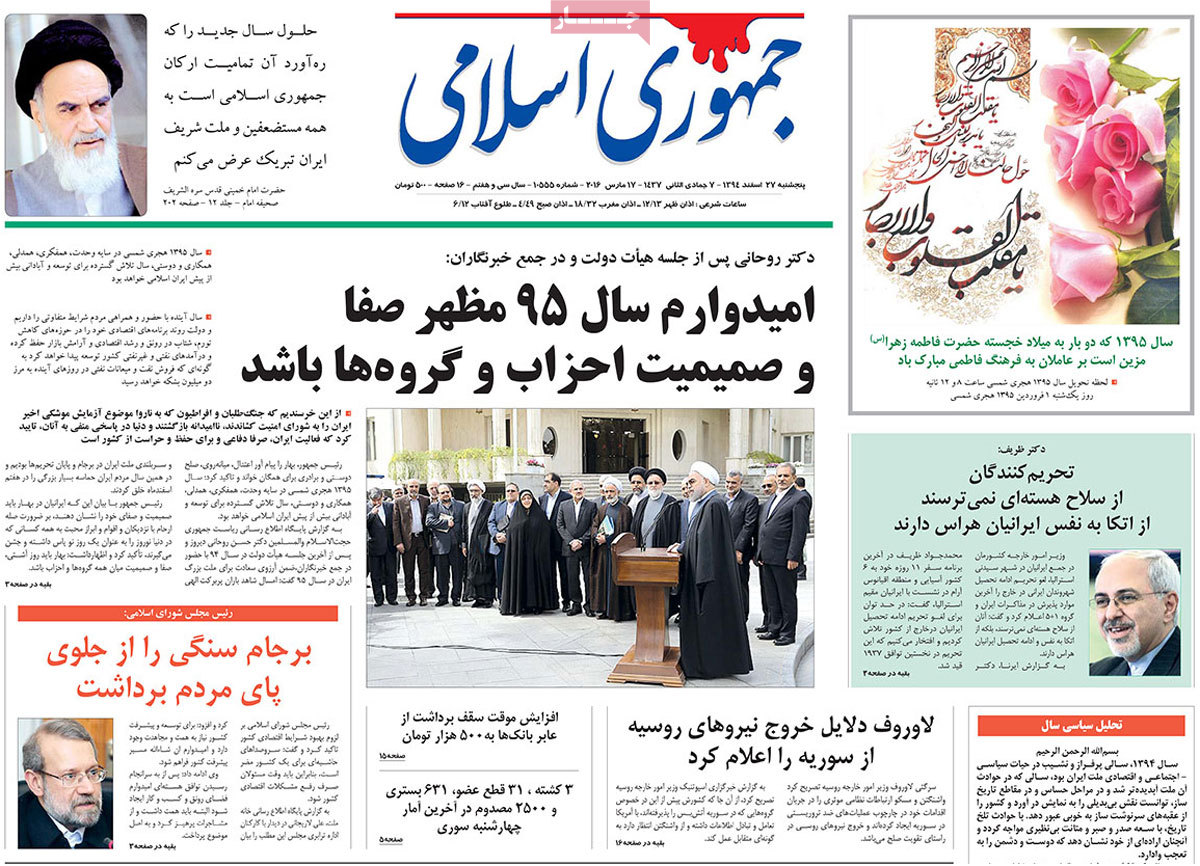
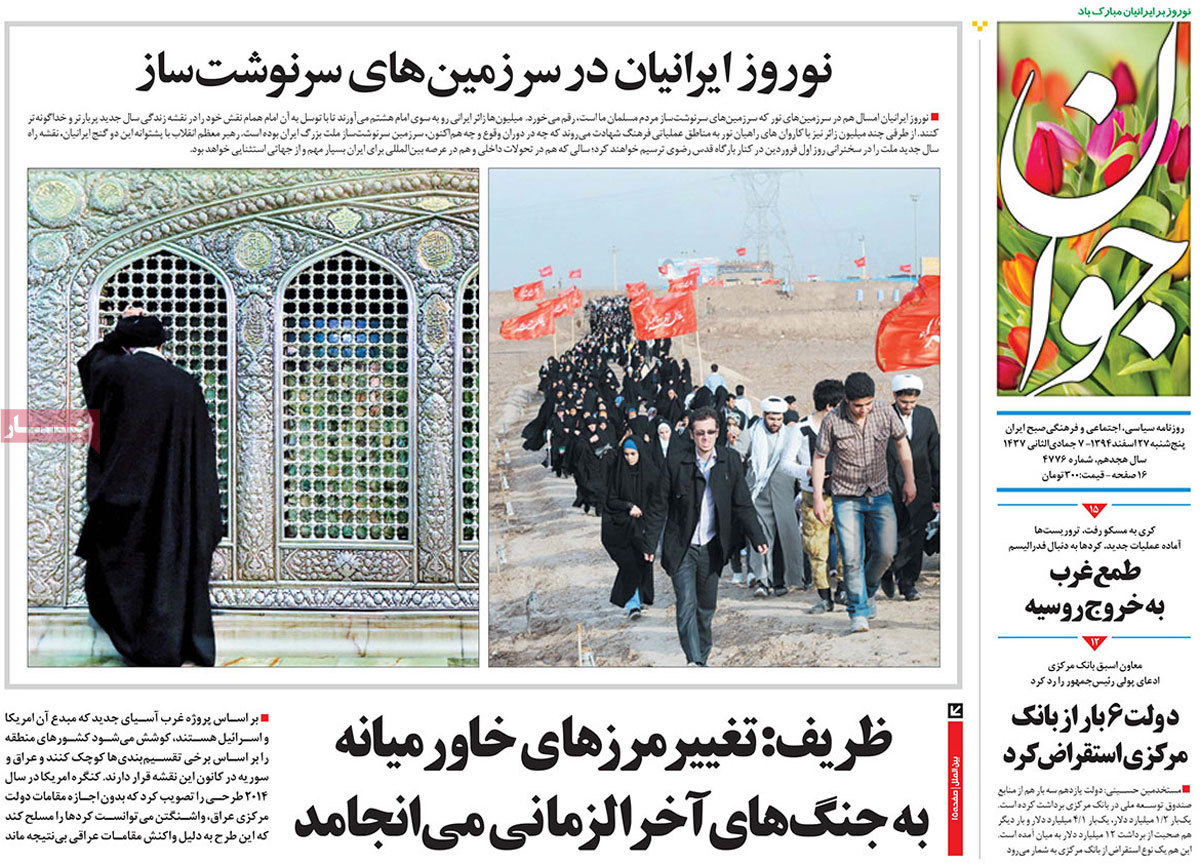
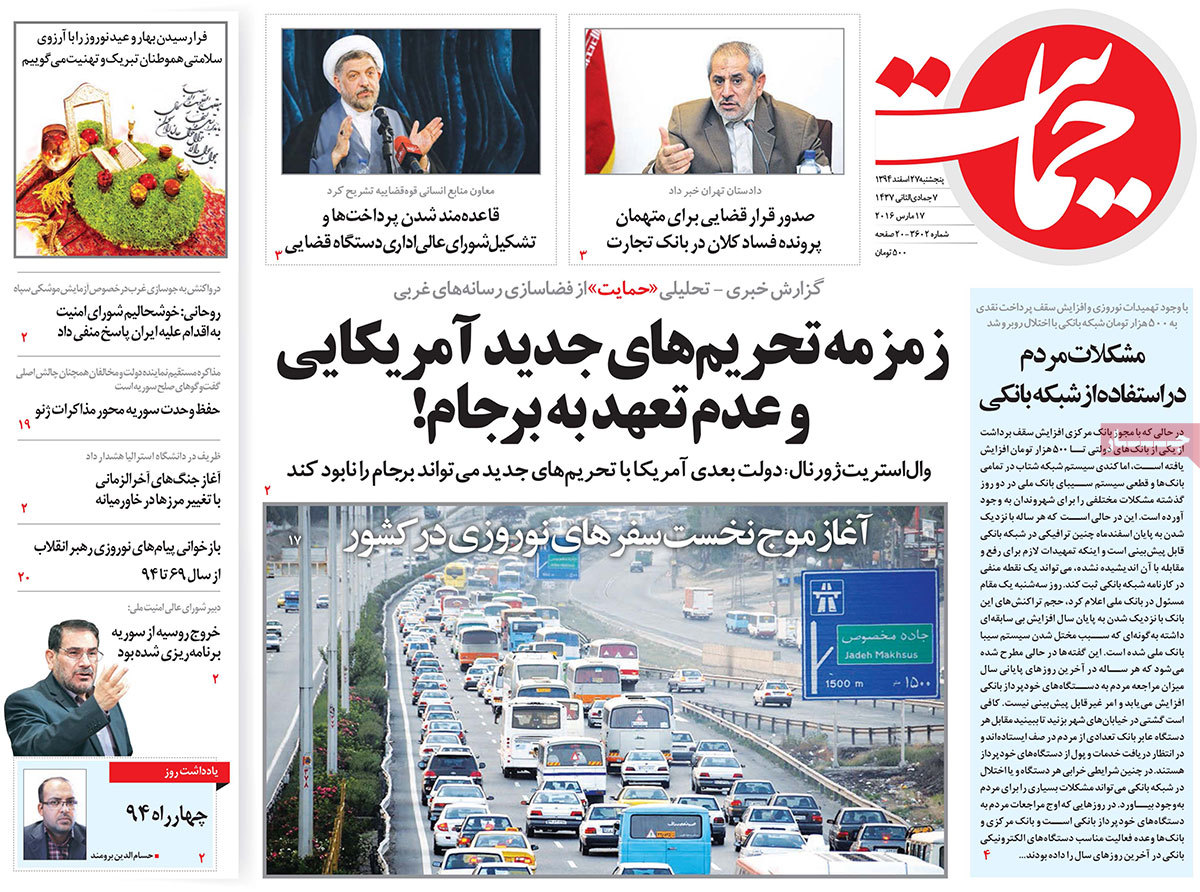
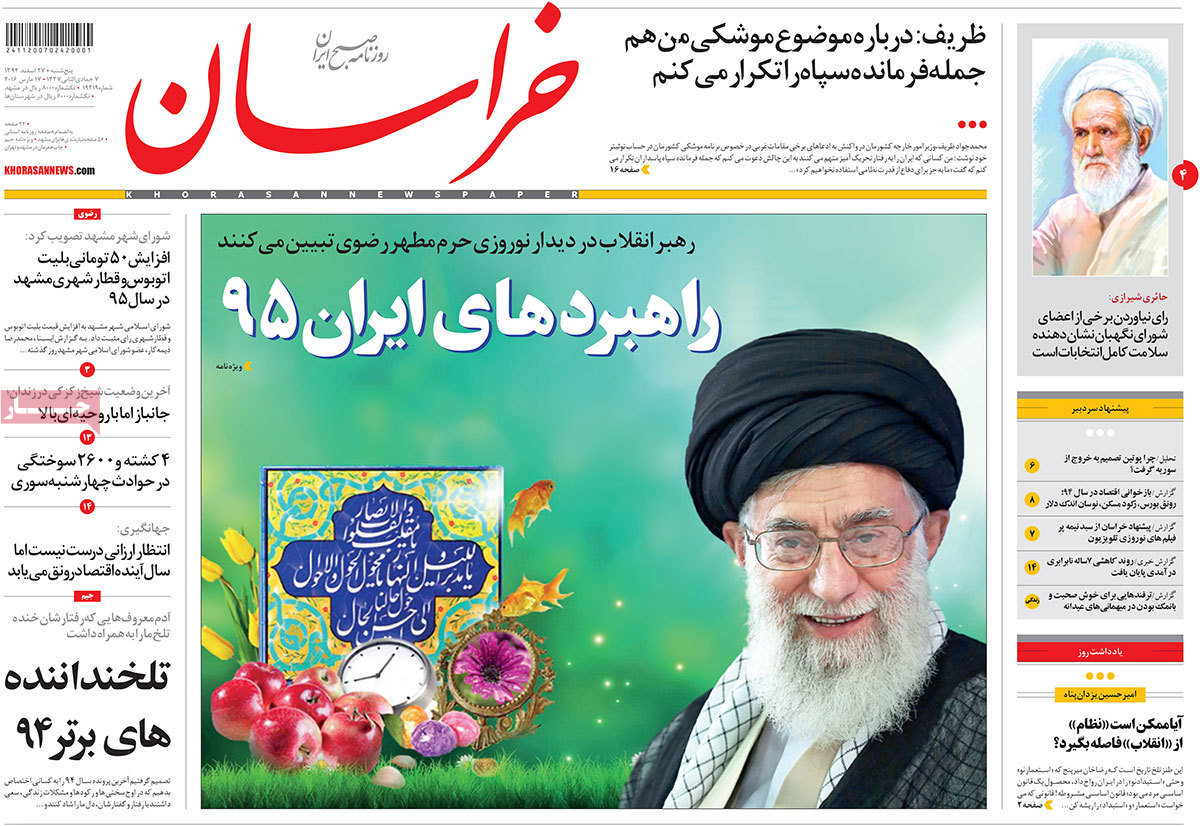
A look at Iranian newspaper front pages on March 17

Iran Newspaper front pages

Thursday, March 17, was the last day Iranian papers were publishes in Iran. 

Most of the papers chose colorful photos on their front pages to felicitate the arrival of the New Iranian Calendar Year.

The Iranian President Hassan Rouhani’s accounts regarding his administration’s policies for the coming year and the country’s economic developments in the year grabbed many headlines on Thursday.

Here are the top headlines:


Abrar:

  1. Iran puts conditions to endorse new Canada approach
  2. President: Iran ready for int’l relations
  3. Ministers’ resignation letters sent to Iraqi government
  4. AEOI spokesman: IAEO needs not inspect details of Iran nuclear activities
  5. Speaker: Economic upturn, chief parliament concern
  6. Anti-ISIL spokesman: ISIL seriously weakened


A look at Iranian newspaper front pages on March 17


Asrar:

  1. Iran adds 2,000 seats to aerial transportation capacity: Roads minister
  2. Rafsanjani: Nation has the final say
  3. Iran regains lost oil market share: Petroleum Minister Zangeneh
  4. Zarif: ME border change will be apocalyptic
  5. Kerry: Syrian Crisis at a Turning Point
  6. AFC votes to hold Iran-Saudi Arabia games in third country; Penetration of Saudi dollars in Asian sports


A look at Iranian newspaper front pages on March 17


Arman-e Emrouz:

  1. Rafsanjani: “1394 was nation’s year”

1394 is the current Iranian year which comes to an end on March 19.

  1. Details about Tehran marker fire
  2. Tehran Prosecutor reveals major scam case in Bank Tejarat
  3. Rouhani felicitates New Calendar Year: Spring of moderation, peace


A look at Iranian newspaper front pages on March 17


Ebtekar:

  1. Blossoms of Hope


A look at Iranian newspaper front pages on March 17


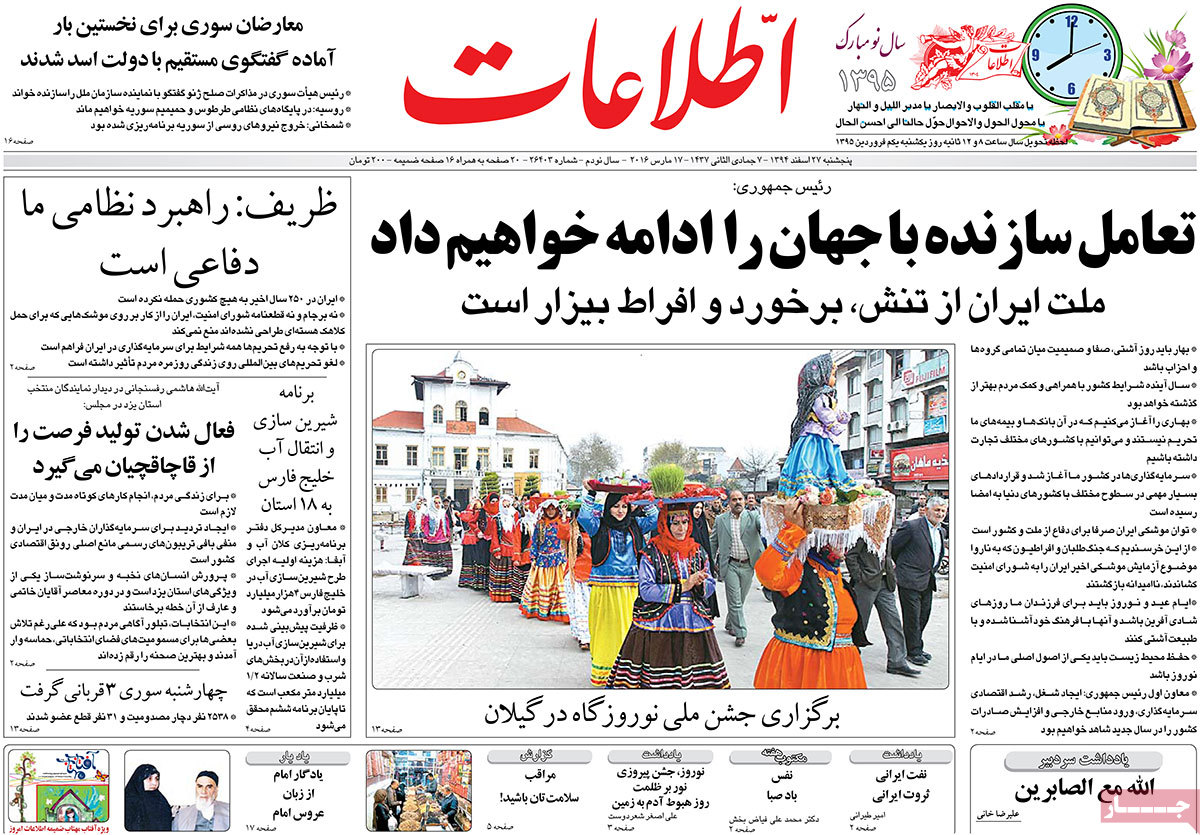
Ettela’at:

  1. Iran to maintain constructive interaction with world: Rouhani

Iranian nation hates tensions, confrontations, extremism: Iranian President Rouhani

  1. Iran military strategy defensive: Zarif
  2. Syrian opposition voice readiness to enter direct talks with Assad
  3. Rafsanjani underlined boosting domestic production for curbing smuggling
  4. Plans under way to sweeten Persian Gulf water for delivery to 18 provinces
  5. End-of-year fire festival kills 3


A look at Iranian newspaper front pages on March 17


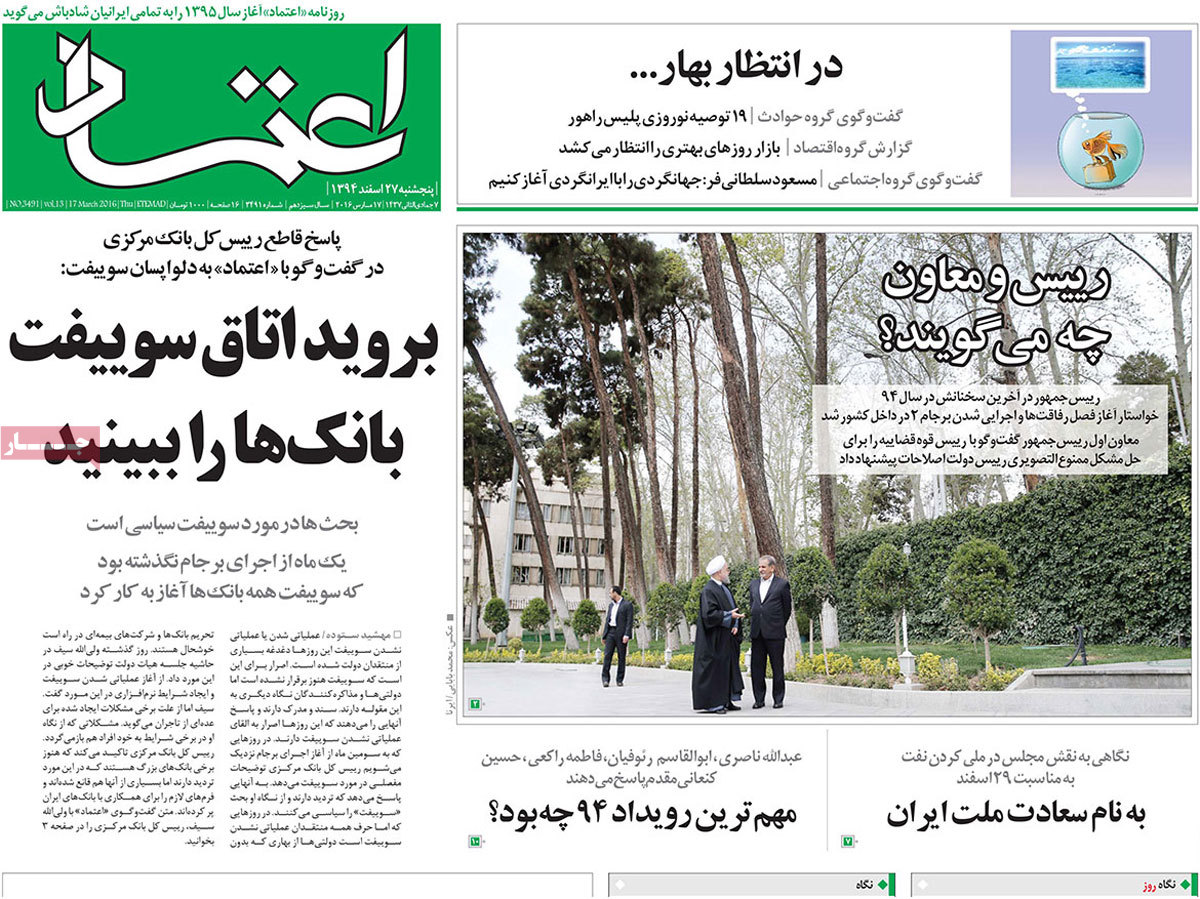
Etemad:

  1. Anticipating spring
  2. CBI reacts firmly to SWIFT opening deniers: Go see SWIFT room in banks


A look at Iranian newspaper front pages on March 17


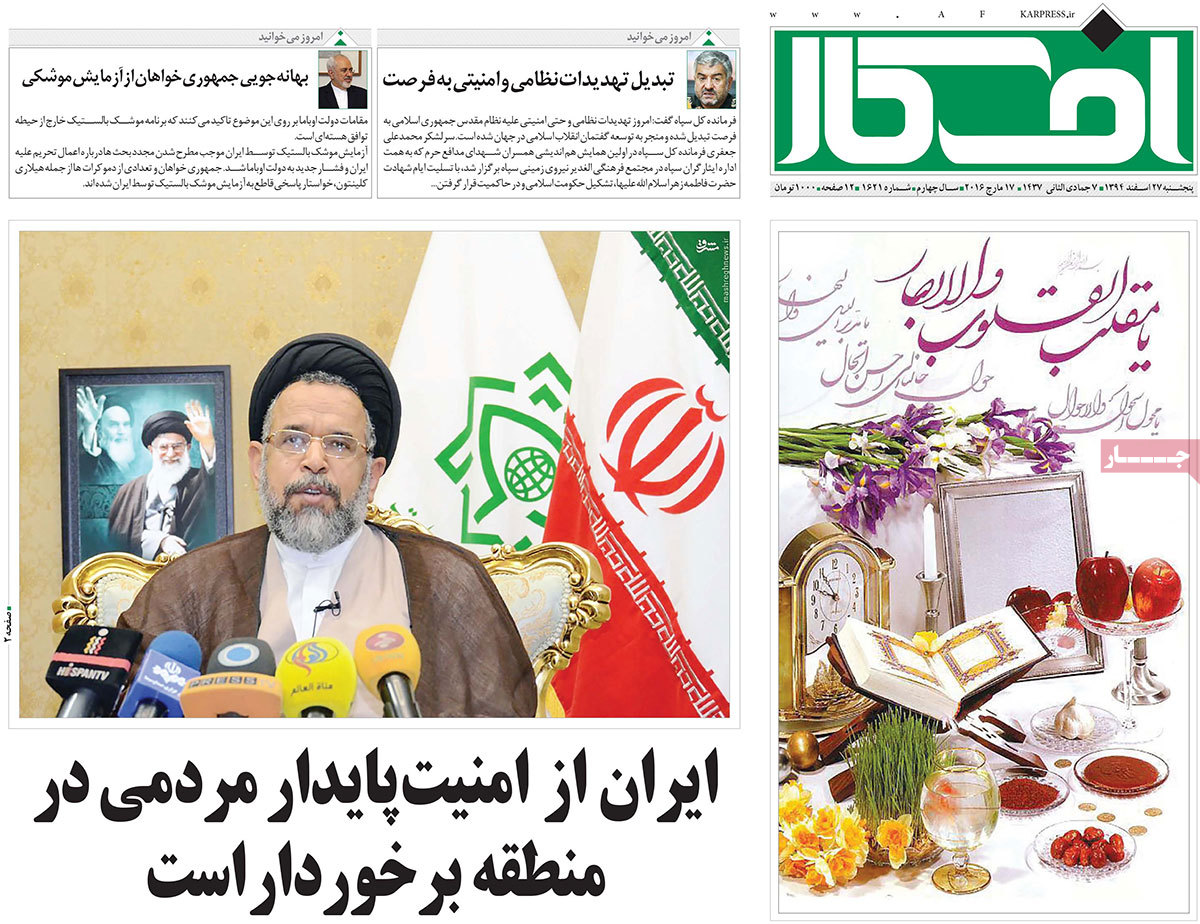
Afkar:

  1. Chief: IRGC has turned military, security threats to opportunities
  2. Republicans seek fresh sanctions in Iran missile test: Zarif
  3. Iran enjoying sustainable security for people in region
  4. 25m delisted from subsidy receivers
  5. Major scam case uncovered in Bank Tejarat


A look at Iranian newspaper front pages on March 17


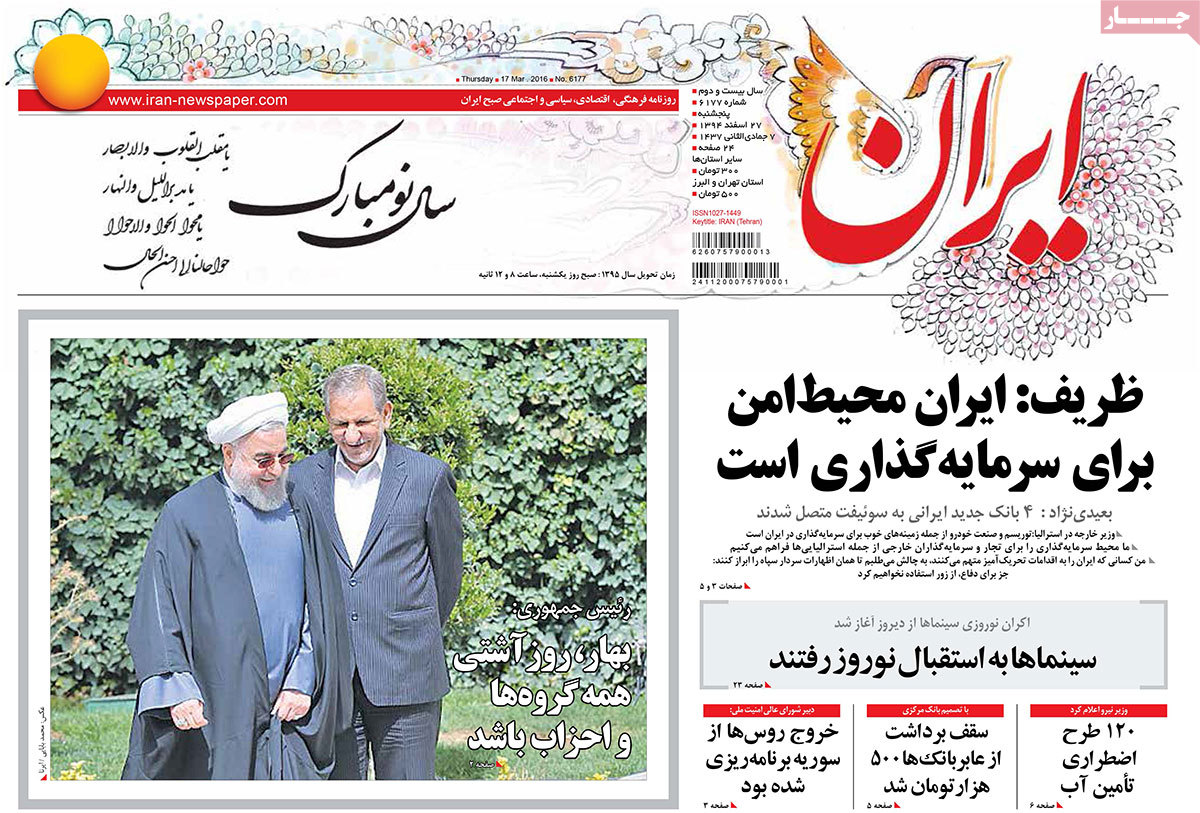
Iran:

  1. Iran safe destination for investors: Zarif
  2. 4 new Iranian banks linked to SWIFT: Official
  3. 120 projects under way for emergency water supply
  4. Russian troops’ withdrawal from Syria was pre-planned: Iran


A look at Iranian newspaper front pages on March 17


Jomhouri Islami:

  1. Rouhani: I hope next year will be year of intimacy, friendship between parties, factions
  2. Lavrov expounds on why Moscow withdrew troops from Syria
  3. Parliament speaker: JCPOA removed big hurdle in people’s lives
  4. Zarif: Sanctioners not concerned about nuclear arms; they fear Iranians’ self-reliance


A look at Iranian newspaper front pages on March 17


Javan:

  1. Iranian Nowruz in critical territories
  2. Western designs for Russian exodus from Syria


A look at Iranian newspaper front pages on March 17


Hemayat:

  1. Murmurs about fresh anti-Iran sanctions; US keeps dishonoring JCPOA commitments: Analysis
  2. Rouhani upbeat about UNSC decision to endorse anti-Iran measure


A look at Iranian newspaper front pages on March 17


Khorasan:

  1. The paper has garnered a list of famous men and women who made every viewer smile bitterly by their deeds.

“Top bitter laughing stocks of year”

  1. Leader outlines Iran’s top strategies for new calendar year


A look at Iranian newspaper front pages on March 17


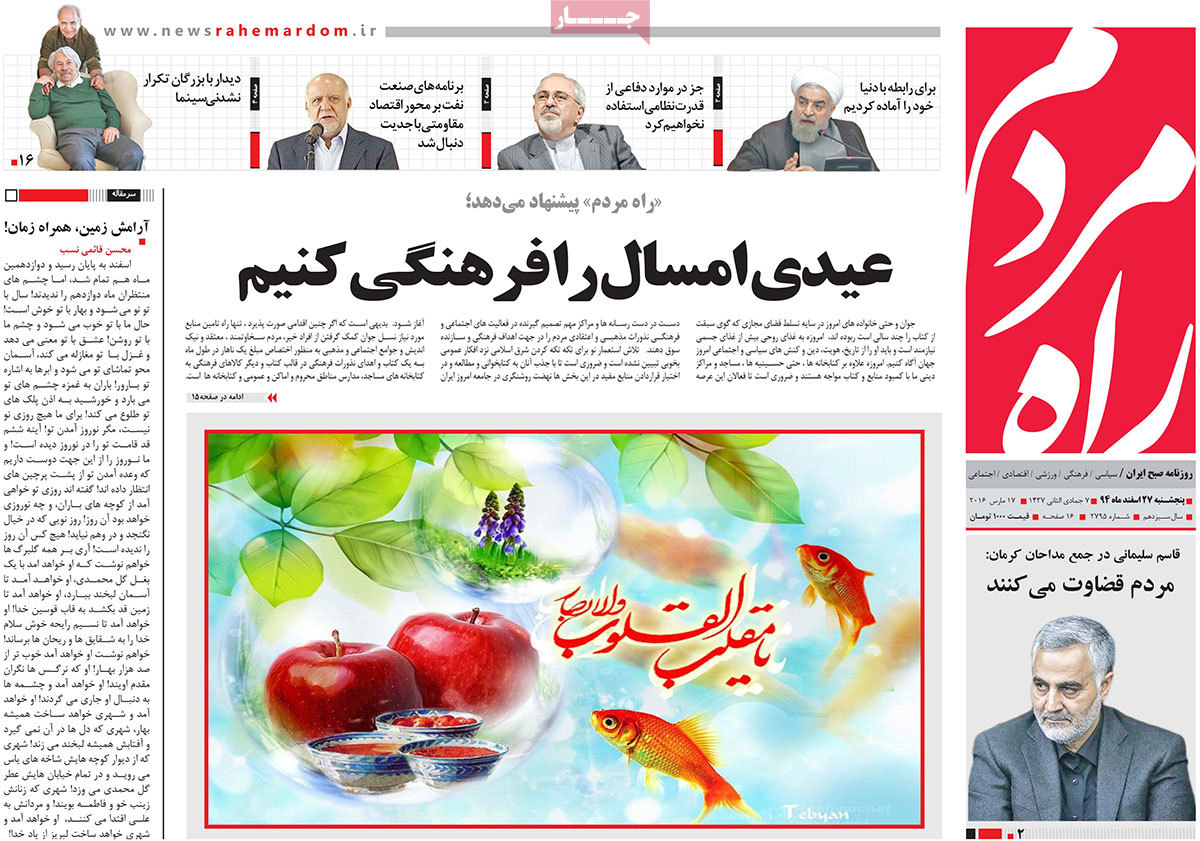
Rah-e Mardom:

  1. Iran ready for relations with world: Rouhani
  2. Zarif: Iran never uses military might except for defensive reasons
  3. Petroleum minister: Resistive economy fully observed in oil industry
  4. People will judge: Gen. Soleimani


A look at Iranian newspaper front pages on March 17


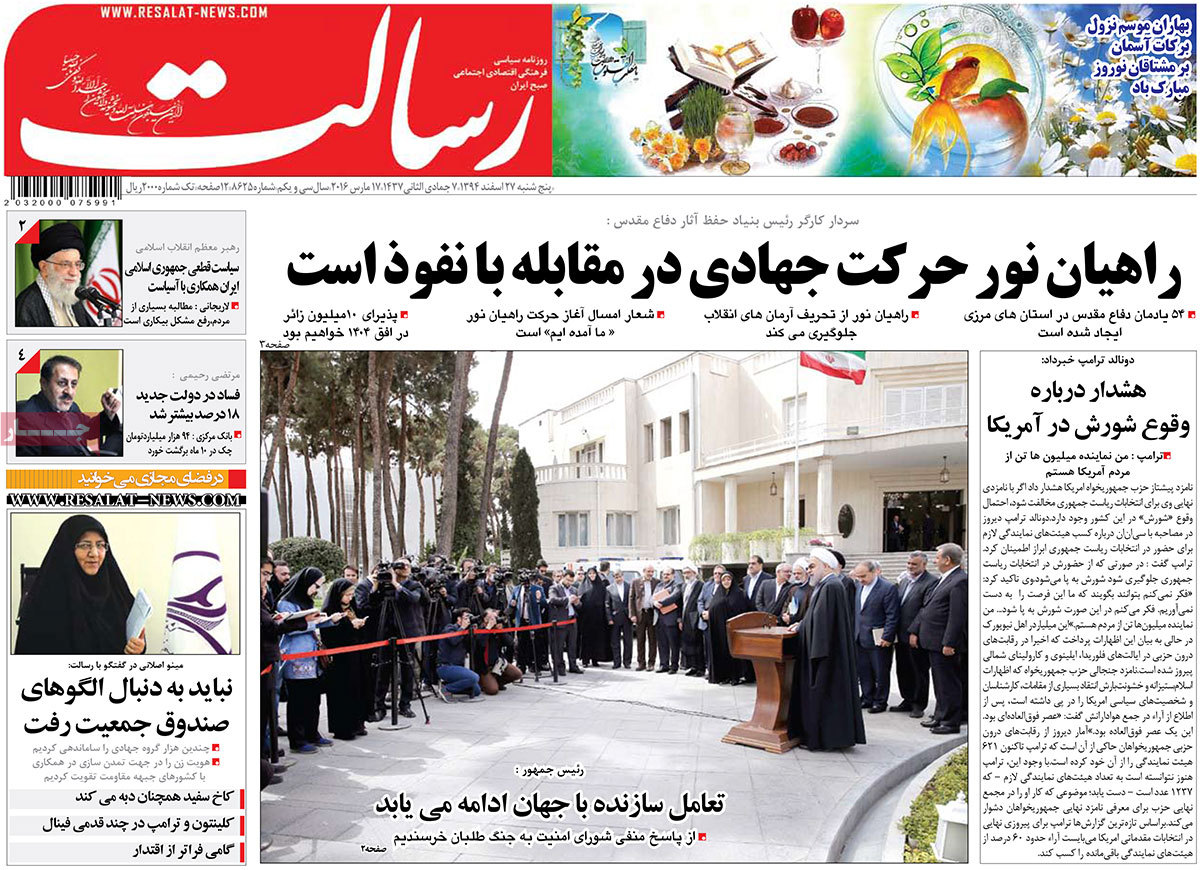
Resalat:

  1. Iran to maintain constructive interaction with world: President Rouhani
  2. Trump warns of impending upheaval in the US


A look at Iranian newspaper front pages on March 17


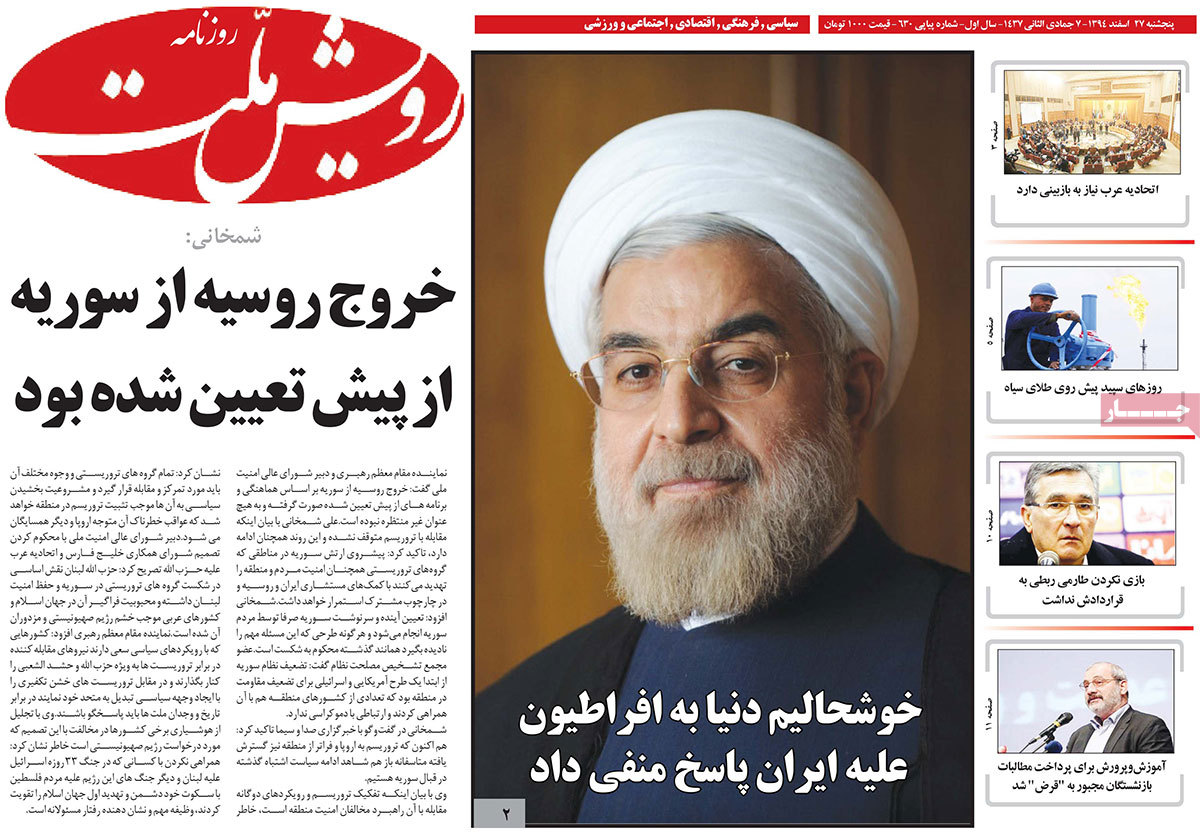
Rooyesh Mellat:

  1. Rouhani says upbeat about world’s denial of anti-Iran extremists


A look at Iranian newspaper front pages on March 17


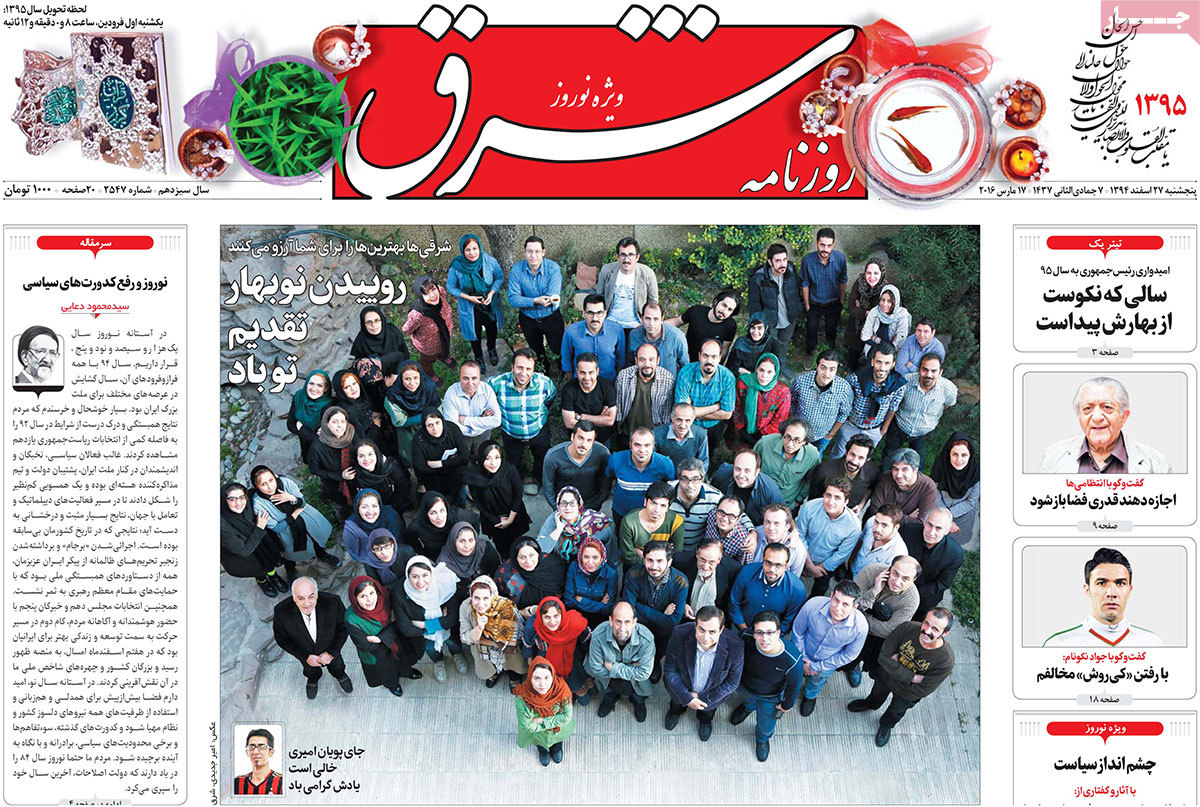
Shargh:

Felicitations for New Iranian Calendar Year


A look at Iranian newspaper front pages on March 17


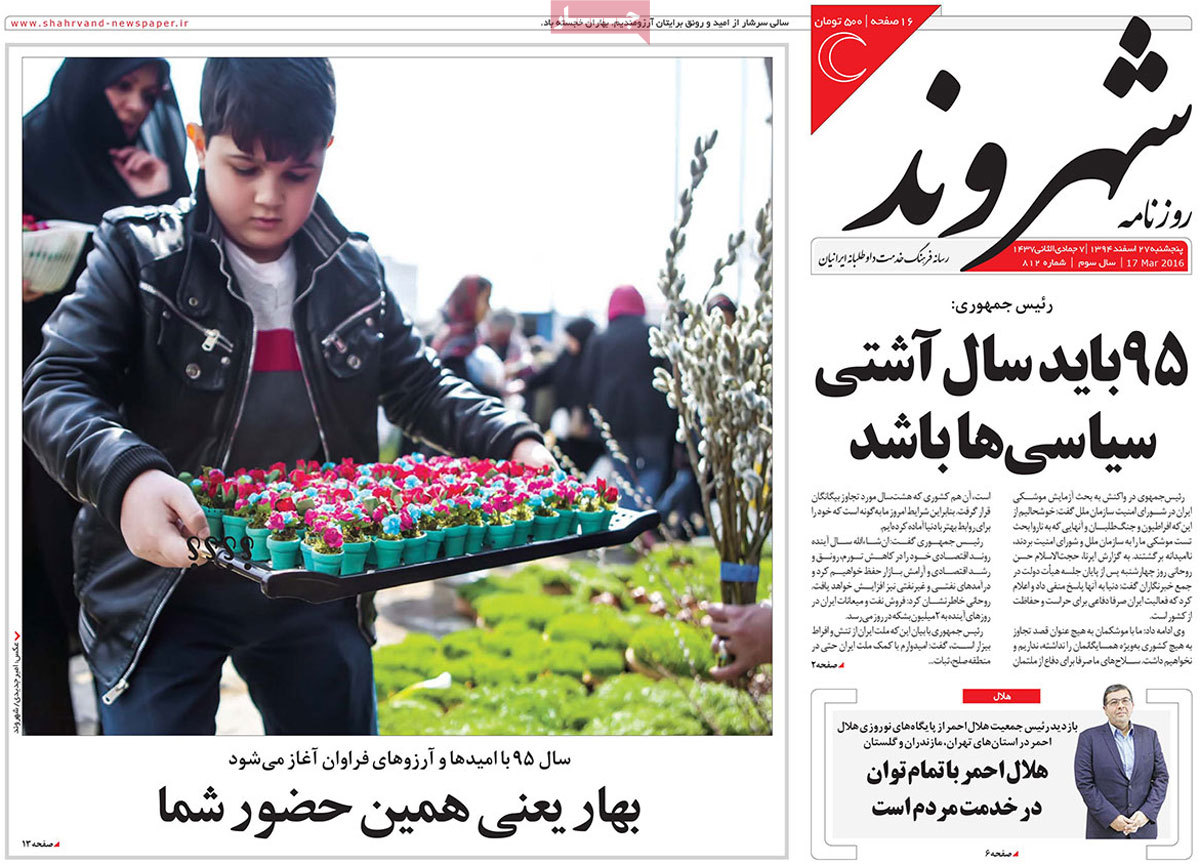
Shahrvand:

  1. New year must be year of political reconciliation: Rouhani


A look at Iranian newspaper front pages on March 17


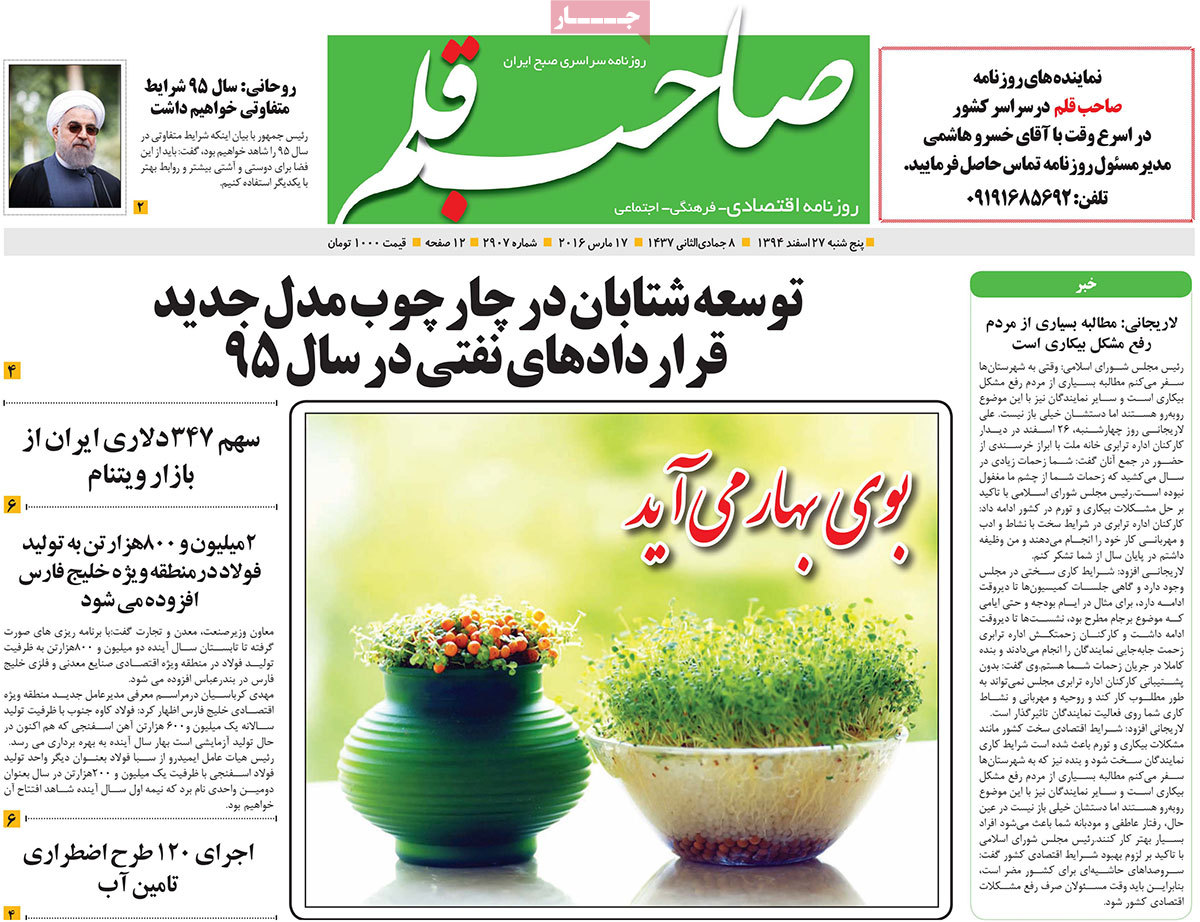
Sahib Ghalam:

  1. Momentous progress ensured by new oil contract model
  2. There comes scent of spring
  3. Persian Gulf FTZ raised steel output by 2.8mt/y


A look at Iranian newspaper front pages on March 17


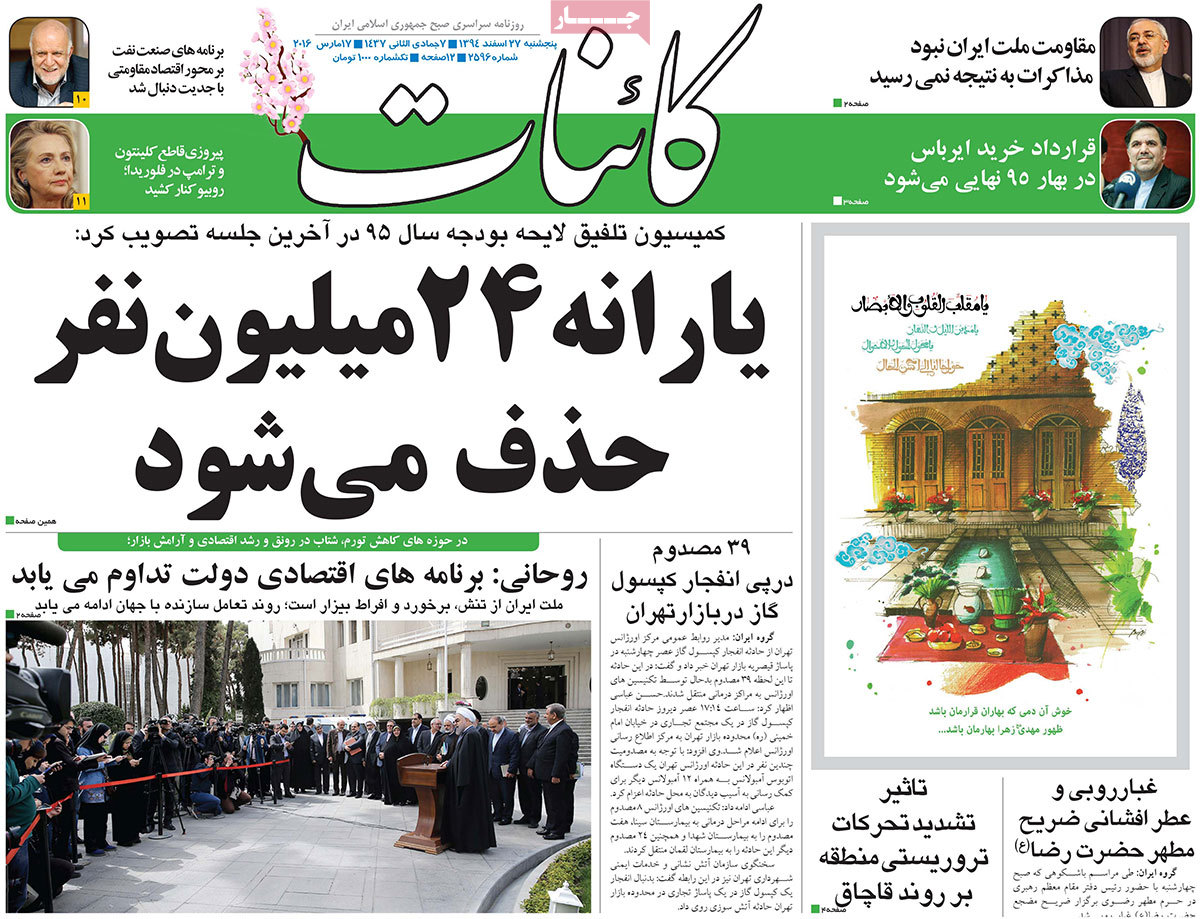
Kaenat:

  1. Iran to finalize airbus deal next year: Minister
  2. Gas blast injures 39 in Tehran market
  3. Economic upturn continues: Rouhani


A look at Iranian newspaper front pages on March 17


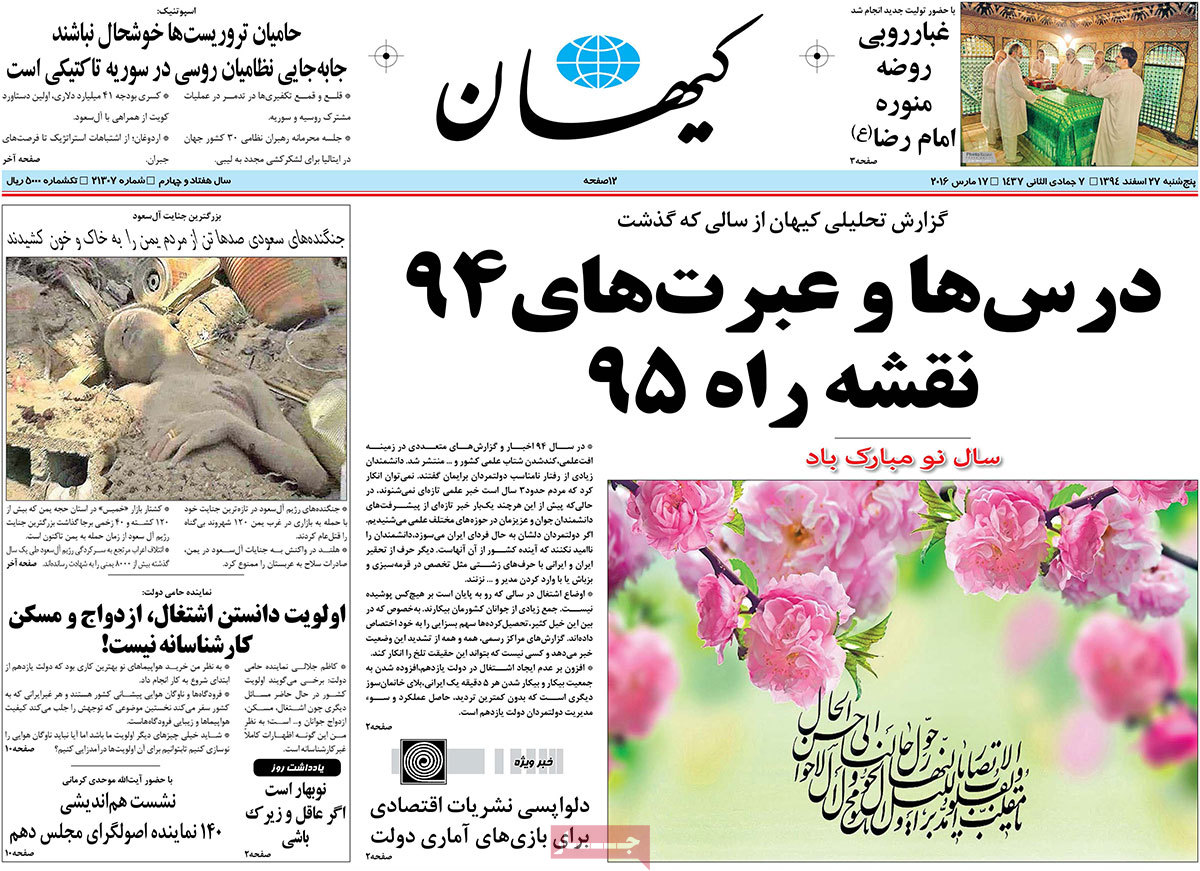
Kayhan:

  1. Lessons of year 94, roadmap for year 95: Report
  2. Saudi fighters kill hundreds in Yemen


A look at Iranian newspaper front pages on March 17


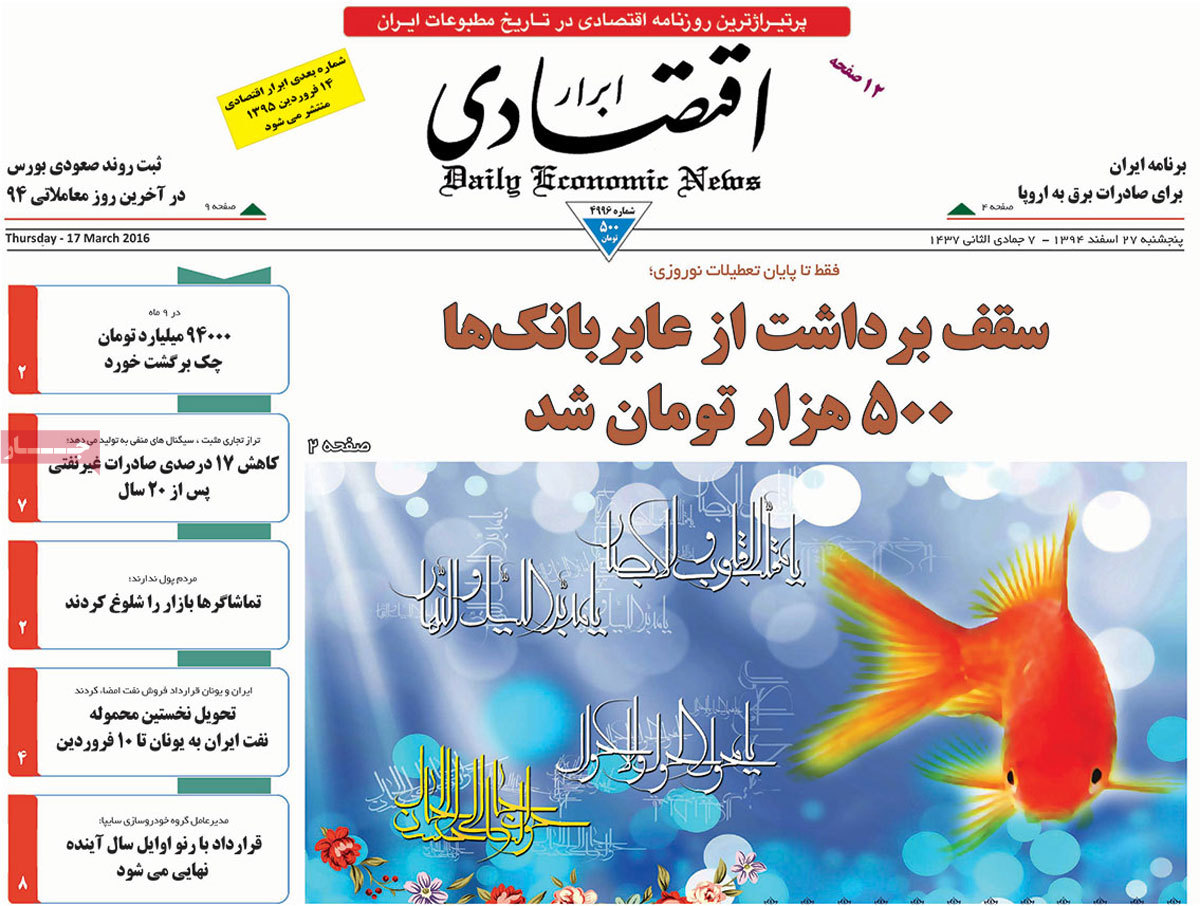
Abrar Eqtesadi:

  1. Iran plans for power export to Europe
  2. Iran non-oil exports up 17%
  3. First Iran oil shipment to call at Greek port by March 29
  4. Iran to finalize Renault deal next year


A look at Iranian newspaper front pages on March 17

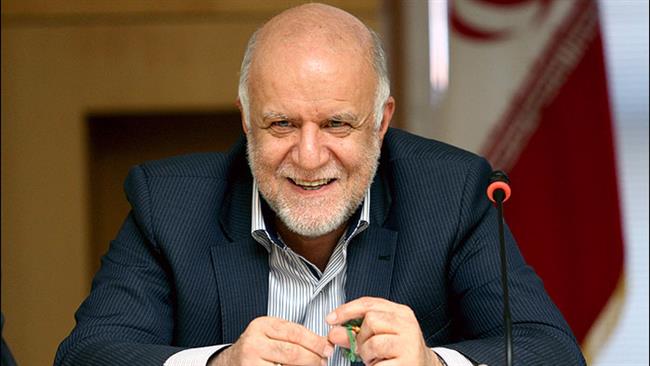
Iran says regained lost oil market share

Iran’s Oil Minister Bijan Zangeneh says this has been materialized as a result of an increase in the country’s production and exports of crude oil as well as gas condensate.

Zangeneh – who made the announcement in a message to the nation on the eve of the new Persian calendar year (to begin 21 March) – emphasized that these are only part of a series of achievements that the Oil Ministry has been able to make after the removal of sanctions against Iran in mid-January.

The US-led sanctions that were imposed against Iran in 2011 limited the country’s oil sales to only one million barrels per day (bpd) from the previous levels of above two million barrels a day.

After the election of President Hassan Rouhani and his appointment of Zangeneh as the oil minister, Iran undertook serious efforts to lift its oil production capacity in face of the sanctions that also barred foreign investments in the Iranian oil industry. Accordingly, when the sanctions were lifted in mid-January, Iran increased its export ceiling to around 1.4 million bpd within a few weeks with the bulk of supplies heading to European markets.

Zangeneh had previously emphasized that Iran would increase its oil production by some 500,000 bpd immediately after the removal of the sanctions and by another 500,000 bpd within the following months.

He had also called on global producers to make way for the incoming Iranian oil supplies, stressing that Iran has no plans to freeze its production – as demanded by market heavyweights such as Russia and Saudi Arabia.

On Wednesday, Iran’s President Rouhani told reporters that the country’s oil exports will reach 2 million bpd within the next few months.

Iran financial policies focus on 3 key economic variables

Speaking to IRNA, Akbar Komeijani referred to those variables as the inflation rate, relative stability in foreign exchange market and reforming the banking profit rates.

Meanwhile, control of inflation is CBI’s top priority, Komeijani stressed.

While inflation rate in Iran was 40.4 two years ago, it decreased to 12.6 percent in Bahman 1394 (January 21 – February 19, 2016), said the official adding the figure well indicated the right financial policies that Central Bank of Iran has been pursuing to reach a single-digit rate of inflation.

IELTS for UK Visa, immigration now testing in Iran

In 2015, London announced new requirements for secure English language testing for visa and immigration purposes. Those requirements reduce the number of tests on the list of Secure English Language Tests (SELT) which are required for many categories of visas, and bring in additional requirements for the way the tests are administered, Irsafam reported.

It added that the IELTS (Academic & General Training) and a new test, IELTS Life Skills, are both included on the revised list.

Irsafam Cultural and Arts Institute is the first and only authorized center to run IELTS for UK Visa and Immigration in Iran.

It has been an official IDP IELTS test center since 2013. Darrin Vardon, IDP IELTS Regional Manager for the Middle East said, ‘Irsafam test centre has demonstrated excellence over the last three years by winning IDP IELTS global awards on a consistent basis. Getting selected for the UKVI testing status indicates the high level of commitment and dedication by Irsafam test centre. I will like to congratulate the Irsafam team for achieving this milestone.’

IDP Education has maintained a continuous presence in Iran with IELTS testing over the years despite the sanctions that were imposed.

Dr. Maher El Bakry, Regional Director for IDP Education, Middle East, referred to the approval of IELTS for UKVI testing in Iran as ‘a priority of IDP Education team to continue a high level of support and services to the Iranian people.’

He said that IDP Education ‘are truly delighted with this step.”

SWIFT open to four more Iranian banks

The banks are all the foreign branches of key Iranian banks. They include the Yerevan branch of Bank Mellat, the Dushanbe branch of Tejarat Bank and the branches of Bank Melli Iran in Baku and Baghdad.

The media quoted Hamid Baeidinejad, the director general for political and international security affairs at Iran’s Foreign Ministry, as announcing that the banks can now handle a chain of overseas financial transactions.

Baeidinejad has emphasized that 26 Iranian banks have so far been reconnected to SWIFT after the removal of the economic sanctions against Iran in mid-January.

SWIFT – the Society for Worldwide Interbank Financial Telecommunication – is used by nearly every bank around the world to send payment messages that lead to the transfer of money across international borders. It provides a wide range of service including transmitting letters of credit, payments and securities transactions among 9,700 banks in 209 countries.

However, it became off limits to Iranian banks in 2012 after the implementation of the US-led sanctions against the country. Accordingly, around 30 Iranian banks were blocked from using SWIFT services, literally cutting off Iran from the global banking system.

In mid-January, the economic sanctions against Iran were lifted after a nuclear deal that the country had sealed last year with the P5+1 group of countries – the five permanent members of the Security Council plus Germany – was implemented.

A central theme of the sanctions was putting restrictions on Iran’s banking transactions with the international financial institutions through various mechanisms including closing SWIFT services to the country.

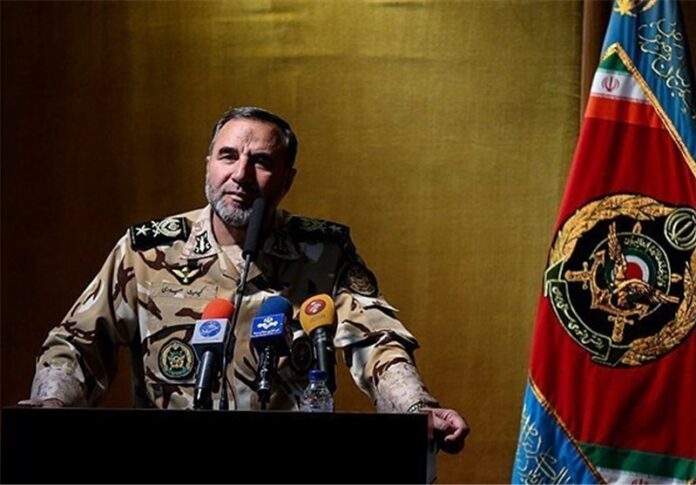
Army Ground Force to Unveil Latest Accomplishments

Speaking to Tasnim, General Heidari said the accomplishments of the Ground Force will be unveiled on April 17 during parades marking the National Army Day.

Iran holds the National Army Day every year in honor of its ground, naval and air forces.

Different units of the Army hold massive military parades all over the country to mark the occasion.

General Heidari further referred to the Army’s military exercises in the next Iranian calendar year (starts on March 20) and said the drills will be staged based on a plan approved by the Armed Forces General Staff.

Over the past few years, Iran has held several military drills to enhance the defense capabilities of its armed forces and test modern military tactics and equipment.

Tehran maintains that the maneuvers are defensive in nature and meant to convey a message of peace and friendship to regional countries.

Iran has repeatedly stated that its military might poses no threat to other countries, reiterating that its defense doctrine is based on deterrence.

KOGAS to build Iran-Oman gas pipeline

Pulse news portal reported that related talks are currently underway between officials from Iran and South Korea.

Project owners and KOGAS could sign either a memorandum of understanding or a framework agreement in April or May, the report added.

The 400-kilometer pipeline, stretching from Iran to Oman is defined in two onshore and offshore sections. Land part of the gas pipeline extends for 200 kilometers from Rudan to Mobarak Mount in southern Hormozgan province. The seabed section between Iran and Sohar Port in Oman will stretch for another 200 kilometers.

According to Pulse, the construction of the subsea pipeline is estimated to cost $1.5 billion.

Studies on Iran-Oman undersea gas pipeline is expected be complete by the middle of this year.

Iran and Oman have signed basic agreements based on which Iran will export a daily of 28 million cubic meters (mcm) of gas to Oman. Almost a third of the gas will be used in spare liquefaction facilities of Oman’s Qalhat plant and the rest will be consumed in the Persian Gulf sultanate’s domestic market. Iran will accordingly use the LNG produced for exports to European and Asian markets.

The Qalhat plant has the capacity to liquefy 10.4 million tons per annum (mta) of LNG. Yet, only 7.9 million tons were exported in 2014 from it to international markets, as the priority was given to meeting domestic gas requirements.