Wednesday, December 24, 2025
Home Blog Page 4545

Syrian Refugee Girls Becoming Cinderella

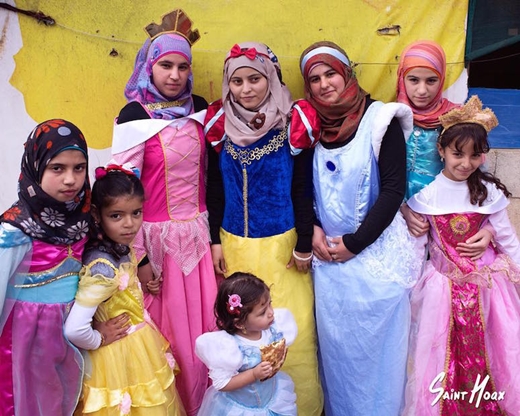
Fahimeh Hassanmiri: One result of the recent war in Syria has been that 4.6m Syrians have become homeless, and have been forced to don the clothes of the migrant. In addition to all the political activities of various organizations, some caring artists and NGOs have taken steps to highlight the pain and suffering of the Syrian population in comparison with the experiences of many unconcerned people around the world. One of these projects is called Once Upon A War, has taken place in a Syrian refugee camp in Lebanon, as part of which Syrian girls posed in front of the camera.

Perhaps the difficult life situations faced by these girls have never allowed them to imagine themselves as little Walt Disney princesses, such as Cinderella, Snow White or Sleeping Beauty. They probably haven’t felt that they could be considered as heroes. The photography project’s designer went to them to make sure that, even if they can’t remove the shadow of war from their lives, at least they can have this wish come true.

Difficult situations have never allowed these girls to imagine themselves as princesses

The creators of Once Upon A War made their way to the refugee camp, and chose a certain day when these girls could celebrate wearing the costumes of their favourite characters, and be captured in photos while talking about their hopes and dreams.

However, the fact remains that these little girls are real-life heroes; heroes who have been forced by war to leave school, to marry and get pregnant at young ages, and who have undergone various forms of physical, mental and sexual discrimination and abuse.

These little girls are real-life heroes

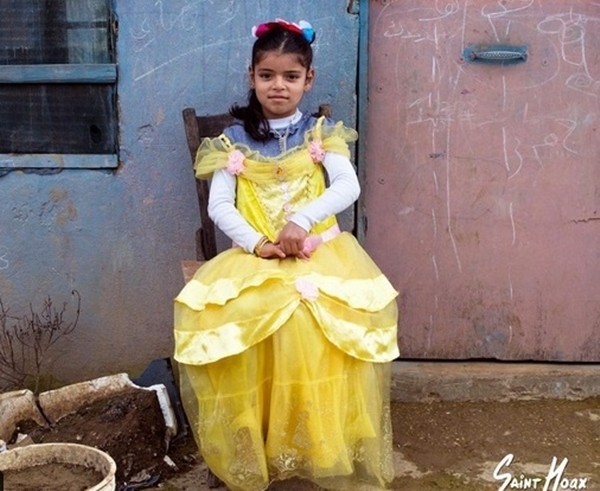
Aya is 6, and loves posing for the camera. Every time she put on a new costume, she said, “No-one has ever photographed me before.” Aya’s favourite story is Beauty and the Beast, and she hopes to become an actress one day.
 

Syrian girl


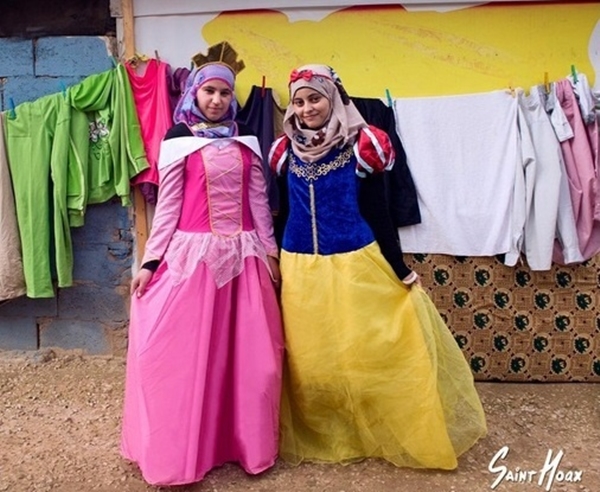
Manar and Wouroud are both 20 years old, and they are responsible for teaching the young children. They met in the camp 2 years ago, and since then have been inseparable. As they put it, their friendship is the only good thing that the war has brought them. Sleeping Beauty was the first fairytale Manar ever read, and it remains her favourite. Her dream is to become a doctor. Wouroud, however, loves Snow White’s kindness and peace. She is fascinated with other cultures, and her dream is to become a sociologist.

Their friendship is the only good thing that the war has brought them
 

Syrian girls


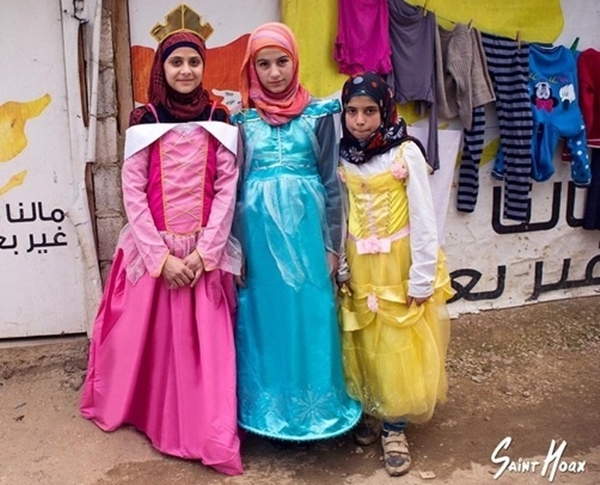
Bayan, aged 12, chose the Sleeping Beauty dress because it reminded her of a similar dress she once owned. When she and her family left their home 3 years ago, they had to leave everything behind, including her pink dress.

Raghad, also 12, loves Frozen, the story of two sisters, because she loves her own sister and would do anything for her, just like the character in the film.

11-year-old Mona has two favourite princesses – Jasmine and Belle. Both are strong and adventurous, and she wants to be a strong woman in future to fight against the difficulties of life.

These three all share the same dream, to become teachers.
 

Syrian girls-1


Cinderella is 16-year-old Maram’s choice, because she is a dreamer. She believes in a brighter tomorrow. When we talked about the war, she managed to remember only the good parts out of this tragic experience. Maram loves kids and she takes care of most of the children at the camp. Her dream is to become a children’s nurse.

She believes in a brighter tomorrow

Hiba is only 2, and was born in Lebanon. She has never been to Syria – the camp is the only life she has ever known. She has not seen the film Cinderella, but heard the story from others. When she was shown the costumes, she chose the Cinderella dress out of all the others. Hopefully, this will be the start of better days for her.
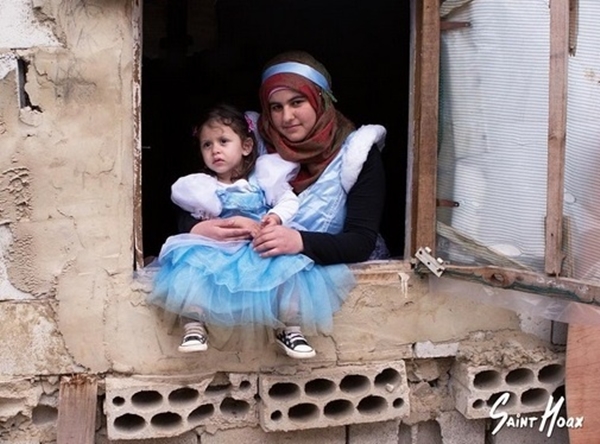
 

Syrian girls-2


Region’s Future One of Cooperation, Security: Iranian FM

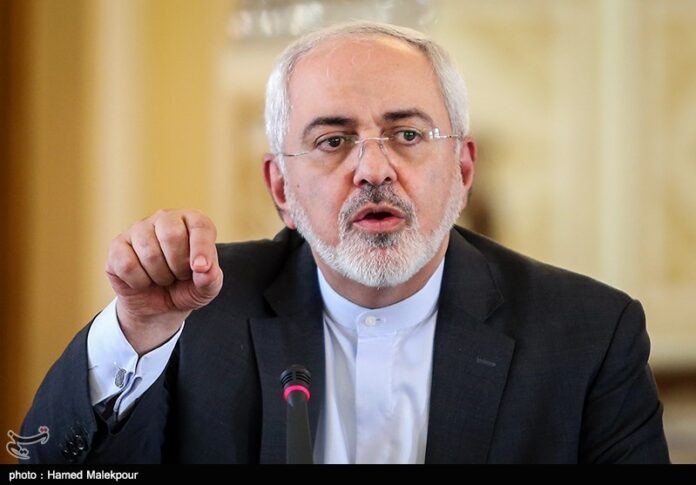
“The future of the region and the world is one of cooperation. Our future will be one in which there is security for everyone,” Zarif, who is on a visit to the Republic of Azerbaijan, said in a meeting with Iranians residing in the Azeri capital of Baku.

Iran believes in working with its neighbors and seriously pursues the policy of regional cooperation, he underscored.

In light of this policy, he noted, a joint meeting of Iranian, Turkish and Azeri foreign ministers was held earlier this week and trilateral talks among Iran, Russia and Azerbaijan are slated to be held on Thursday.

In their Tuesday meeting in Ramsar, north of Iran, Zarif and his counterparts from Turkey and Azerbaijan discussed closer cooperation among the three neighbors, with a focus on coordination in the fight against terrorism.

The three sides signed two documents, one of which focuses on commitments of and cooperation among Tehran, Baku, and Ankara.

The other document includes the agenda for trilateral cooperation within the coming two years.

During their talks, the three sides also underlined their commitments to peaceful resolution of ongoing crises in the region, including the one in Nagorno-Karabakh, through international solutions.

At least 30 soldiers have been killed in clashes between Armenian and Azerbaijani forces in the past few days along the frontlines of the Nagorno-Karabakh region. Each side blames the other for the fighting.

Nagorno-Karabakh has been under the control of Armenian military and separatists since a war between Armenia and Azerbaijan ended in 1994. Years of negotiations have brought little progress in resolving the dispute.


Iran Unveils 12 Nuclear Achievements, Including New N. Waste Facility

New zonal centrifuges and ultracentrifuges manufactured in the country were among the accomplishments unveiled at the ceremony in Tehran.

Zonal centrifuges are used to separate cells organelles in a large-capacity rotating chamber. They are used for producing vaccines for diseases like influenza, rabies, hepatitis B, and meningitis.

Ultracentrifuge is a centrifuge optimized for spinning a rotor at very high speeds, capable of generating high acceleration.

The president also via video-conference inaugurated the Pasmangoor nuclear waste stabilization and storage facility in Anarak in the central province of Isfahan.

Radioactive or nuclear waste is a byproduct from nuclear reactors, fuel processing plants, and institutions such as hospitals and research facilities.

In recent years, Iranian scientists have made remarkable progress in the field of peaceful nuclear technology despite sanctions imposed by the West.

The highlights of their achievements are usually unveiled on the National Nuclear Technology Day, which falls on Friday this year.

This year’s occasion comes after the implementation of a nuclear agreement between Iran and the Group 5+1 (Russia, China, the US, Britain, France and Germany).

The two sides reached the deal, known as the Joint Comprehensive Plan of Action (JCPOA) in July 2015 and started implementing it on January 16.

Ayatollah Khamenei reiterates US ‘unreliable’

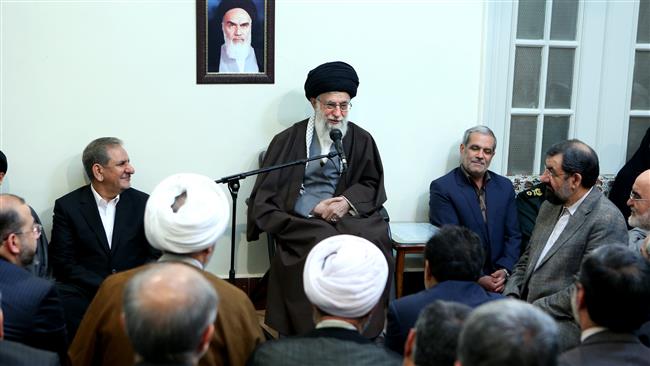
Addressing a group of senior Iranian officials on Wednesday, Ayatollah Khamenei described the US as a symbol of dishonesty and peskiness, saying: “We cannot trust the Americans, and besides the Americans, some other Western governments are like that. Therefore we have to rely on our own capabilities and the American officials’ positions and performance endorse such a view.”

The Leader noted that Almighty God would assist the Iranian nation, if it embraces sincerity in its actions.

“In the course of personal and social life, there are always ups and downs and hardship and ease, but the important thing is that under all these circumstances, the main course and orientation must not be forgotten,” said Ayatollah Khamenei.

In another part of his speech, the Leader called on the officials to take the necessity of supporting domestic production seriously, saying, “Production in both industrial and agriculture sectors must be given serious attention.”

The Leader of the Islamic Revolution added that Iranian officials have always been united despite their differences of views.

“The Islamic Republic of Iran has always enjoyed the privilege of national unity, but alongside this national unity there must be unity and empathy among the officials and such unity is in no contrast with differences of attitudes and views,” said Ayatollah Khamenei.

The Leader called on Iranian officials of whatever attitude or view to move in line with the objectives set by the 1979 Islamic Revolution.

Ayatollah Khamenei also stated that “empathy and rapport and unity” among the officials will prepare the ground for the realization of the Economy of Resistance, noting: “Without cooperation among the officials, [country’s] affairs will not go ahead.”

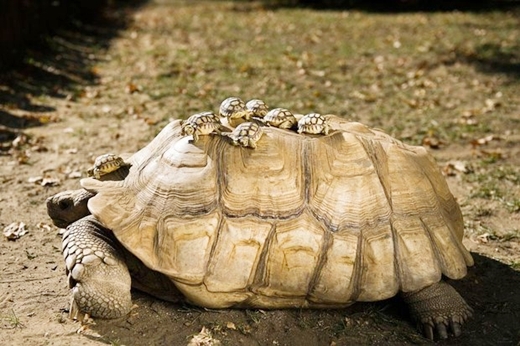
Spur-thighed tortoise spotted in Agh Dagh region

The spur-thighed tortoise or Greek tortoise is one of five species of Mediterranean, mostly living in North Africa, southern Europe, and southwest Asia.

With an area of 93 thousand hectares, the Agh-Dagh Protected Area is the only main protected territory in Ardabil Province, which has been declared for conservation of the Wild Bezoar Goats population.

Spur-thighed tortoises are commonly traded as pets, despite the illegality of this trade. In source countries such as Morocco, this can lead to unsustainable removal of wild individuals for local pet trade and for export.

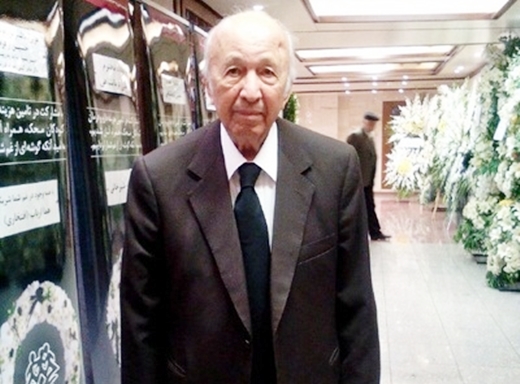
Famous Iranian composer passes away at 93

Master Lashkari was among the latest remaining students generation of Master Abolhassan Saba, who died this morning.

He published several albums of traditional music and sonnets, which were among best-seller of Iranian music.

His funeral will be on Thursday in Tehran.

West Trying to Impede Progress of Iran’s Defense Industry: DM

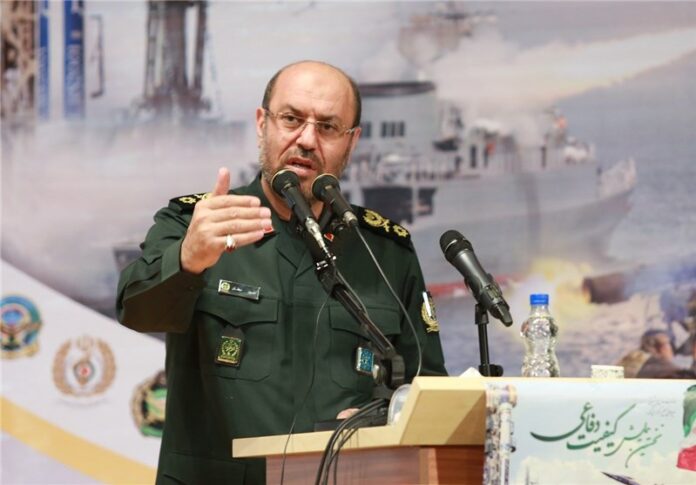
“Westerners have created conditions so that no country possessing technical knowhow (in the defense industry) would help us,” Brigadier General Dehqan said on Wednesday, addressing a ceremony to inaugurate a factory mass-producing octogen explosives.

However, he added, “we should seek to strengthen our defense infrastructure and reduce our dependence” and develop a domestic industry.

The defense minister further said that the US has always tried to confront Iran in software and hardware dimensions and regional countries are also seeking to increase their military capabilities through buying Western weapons.

For this reason, the Islamic Republic should boost its defense preparedness in line with its interests, Brigadier General Dehqan said.

To that end, the Defense Ministry is making efforts to Increase the precision and power of its weapons systems and has put the issue of reaching the technical knowhow needed for producing octogen explosives and related products on the agenda, he went on to say.

HMX (octogen) explosives are used to increase the efficiency of different missiles and air defense weapons.

Octogen is a powerful and relatively insensitive nitroamine high explosive used almost exclusively in military applications, including as a solid rocket propellant.

It is usually utilized in different missiles, air defense weapons, anti-armor weapons, and marine weaponry, and enhances their effectiveness and efficiency.

Iranian military experts and technicians have in recent years made great headways in manufacturing a broad range of indigenous equipment, making the Armed Forces self-sufficient in the arms sphere.

Tehran has always assured other nations that its military might poses no threat to the regional countries, saying that the Islamic Republic’s defense doctrine is entirely based on deterrence.


President Rouhani urges restraint in Karabakh conflict

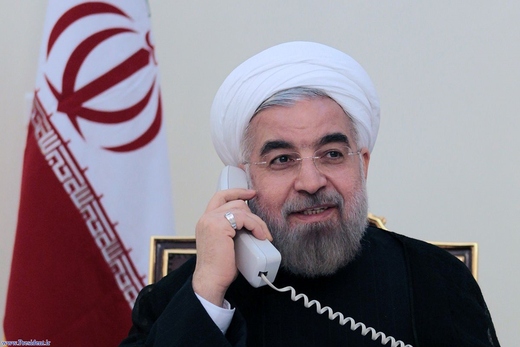
In separate phone calls on Wednesday, Rouhani called on Azerbaijani President Ilham Aliyev and Armenian President Serzh Sargsyan to do all they can to ensure the implementation of a ceasefire currently on hold in Nagorno-Karabakh.

“The Islamic Republic of Iran is very upset about the killing of civilians and troops of the two friendly, neighboring countries,” Rouhani said, adding that Iran is ready to use all its capacities for the peaceful settlement of disputes between the two sides through political dialogue.

The Iranian president warned that a prolonged conflict over Karabakh would harm the interests of Azerbaijan and Armenia more than any other country.

“The region is currently grappling with massive crises and terrorists and their sponsors always try to spread the crisis to the entire region,” Rouahni said, adding that any extra tension and conflict could pave the way for the ill-wishers to realize their objectives.

Leaders of Azerbaijan and Armenia, for their parts, informed Rouhani of the latest developments in the conflict over Karabakh while they hailed Iran’s efforts on mediating the dispute between the two countries.

Armenian and Azerbaijani forces said earlier on Wednesday that they were observing a ceasefire recently agreed between the two sides in Nagorno-Karabakh, a landlocked territory located in Azerbaijan but claimed by local ethnic Armenian militia.

At least 75 people have reportedly been killed since April 1, when fighting broke out over the region.

Iran’s Police Flying Aerial Vehicles for Border Control

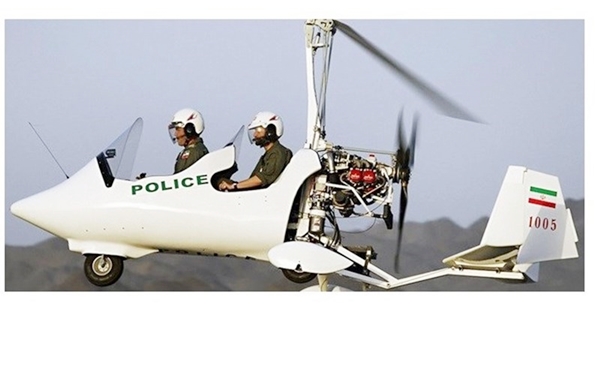
Speaking to Tasnim on Wednesday, Commander of Iran’s Law Enforcement Air Force General Mohammad Vali Beiranvand said the border police employs gyroplanes and drones to monitor and control the borders, particularly in the east.

He said the border police forces maintain a round-the-clock watch over the frontier areas by using Unmanned Aerial Vehicles (UAVs).

Iran’s borders are controlled jointly by the Police, the Army and the Islamic Revolution Guards Corps (IRGC).

The IRGC says it employs a large number of the homegrown Shahed-129 drones for ensuring security along the country’s border regions.

In 2012, the IRGC unveiled the reconnaissance version of Shahed-129 and the home-made aircraft with combat capabilities came on stream in 2013.

Once refueled, the drone has 24-hour flight endurance and can be used for various missions. It can be used in the fight against drug-traffickers and terrorists, patrol and reconnaissance missions along the territorial and sea borders, environmental operations and for taking aerial images.

The home-made aircraft enjoys high precision strike capability and has an operational range of 1,700 km.

Phases 17&18 Online before March 2017: Zangeneh

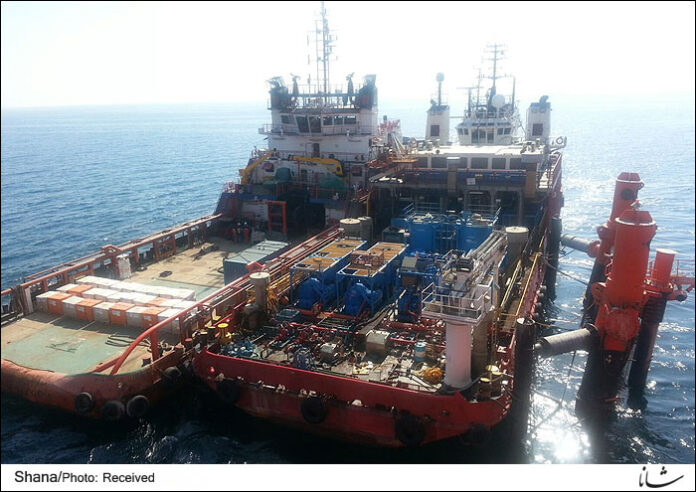
Speaking at a conference in Tehran on Tuesday, the official expressed hope that all phase developments of the gas field, which Iran shares with Qatar in Persian Gulf waters, will come on-stream by the end of Rouhani Administration’s tenure in 2017.

He also said that two trains of phase 19 as well as phases 20 and 21 will hopefully become operational by March 19 2017.

5 South Pars Phases have become fully operational as the Iranian Ministry of Petroleum has stepped up projects to finish all 24 phases of the gas field excluding phase 14 by late-2016 to ramp up gas production. Once all phases of the gas field come on-stream, Iran’s natural gas output would exceed that of Qatar.